
Search

Yojimbo
1961
A nameless ronin, or samurai with no master, enters a small village in feudal Japan where two rival businessmen are struggling for control of the local gambling trade. Taking the name Sanjuro Kuwabatake, the ronin convinces both silk merchant Tazaemon and sake merchant Tokuemon to hire him as a personal bodyguard, then artfully sets in motion a full-scale gang war between the two ambitious and unscrupulous men.
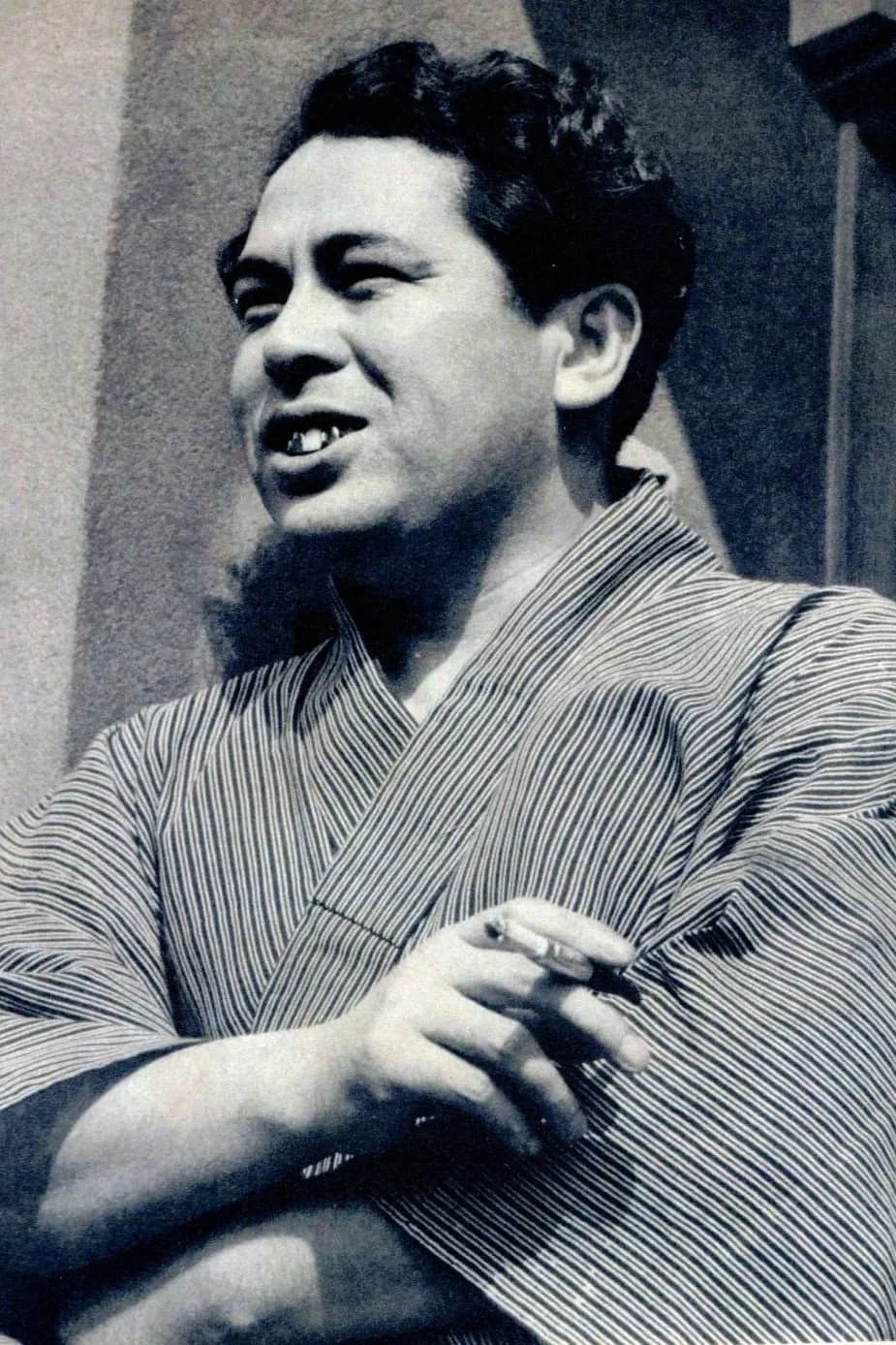
Ryuzo Kikushima
Writer · Known for High and Low, Yojimbo
Japanese screenwriter and film producer who is best known for co-writing the screenplays for several Akira Kurosawa films, including Throne of Blood, The Hidden Fortress, Yojimbo and High and Low. He also produced several of Kurosawa's early 1960s films. In addition to his work with Kurosawa, screenplays he wrote or co-wrote include Tora! Tora! Tora!, Hiroshi Inagaki's Arashi and The Birth of Japan, and Mikio Naruse's When a Woman Ascends the Stairs, on which he also served as producer.
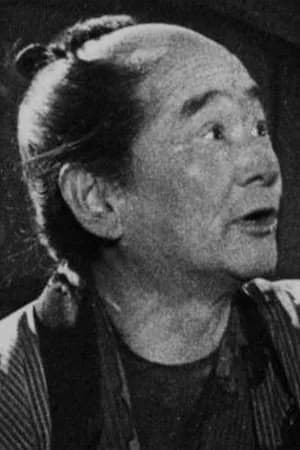
Ikio Sawamura
Cast · Known for Yojimbo
Ikio Sawamura (沢村いき雄 Sawamura Ikio) was born on September 4, 1905 in Tochigi, Japan. He was an actor, known for Yojimbo (1961), The Hidden Fortress (1958) and Throne of Blood (1957). He died on September 20, 1975.
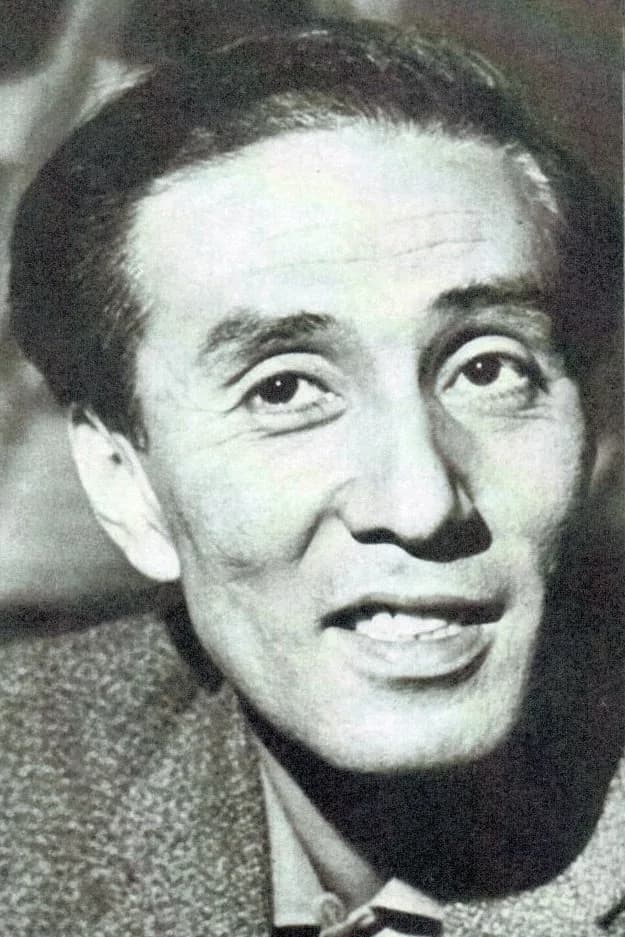
Kō Nishimura
Cast · Known for Yojimbo
From Wikipedia, the free encyclopedia Kō Nishimura (西村 晃 Nishimura Kō, 25 January 1923–29 April 1997) was a Japanese actor who appeared in supporting roles in such films as Akira Kurosawa's The Bad Sleep Well and Yojimbo, Kihachi Okamoto's Sword of Doom, Yoshitaro Nomura's Zero Focus, and Kon Ichikawa's The Burmese Harp (where he was credited as Akira Nishimura). Description above from the Wikipedia article Kō Nishimura, licensed under CC-BY-SA, full list of contributors on Wikipedia.
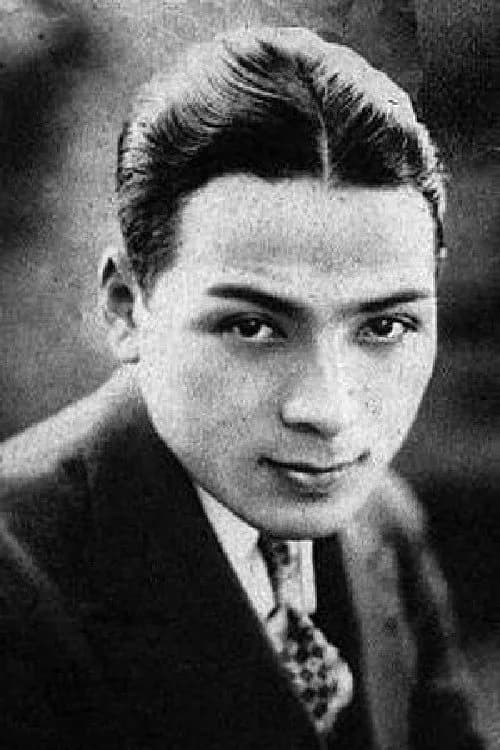
Seizaburō Kawazu
Cast · Known for Yojimbo
Seizaburō Kawazu (河津 清三郎 Kawazu Seizaburō) was born in Nihonbashi, Tokyo, Japan. He was an actor, known for Yojimbo (1961), Tōmei ningen (1954) and Rōnin-gai (1957). He died on February 20, 1983.
Toshiyuki Tsuru
Tsuru Toshiyuki (都留稔幸) is a Japanese animator, designer, storyboard artist, screenwriter, and director. A pioneer of digitally drawn anime, he is known for challenging camera angles and his ultramodern usage of CG backgrounds. Tsuru is also known for his collaborative efforts with animator Hirofumi Suzuki, for which they are described (in the industry) as the "golden pair" for their efforts on shows such as 'Kaze No Yojimbo' and 'Naruto'. His pen-name Yasuaki Kurozu (黒津安明), comes from the names of Akira Kurosawa (黒澤明) and Yasujirou Ozu (小津安二郎), two prominent Japanese film directors.
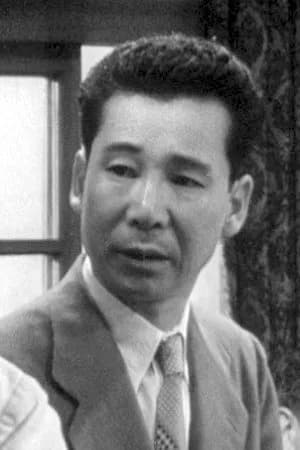
Yutaka Sada
Cast · Known for Ultraseven, High and Low
Yutaka Sada (佐田 豊) was born on March 30, 1911 in Tokyo, Japan. He was an actor, known for his roles in Akira Kurosawa's films, the chauffeur in High and Low (1963), Yojimbo (1961), Sanjuro (1962) and The Hidden Fortress (1958). He died in 2017.
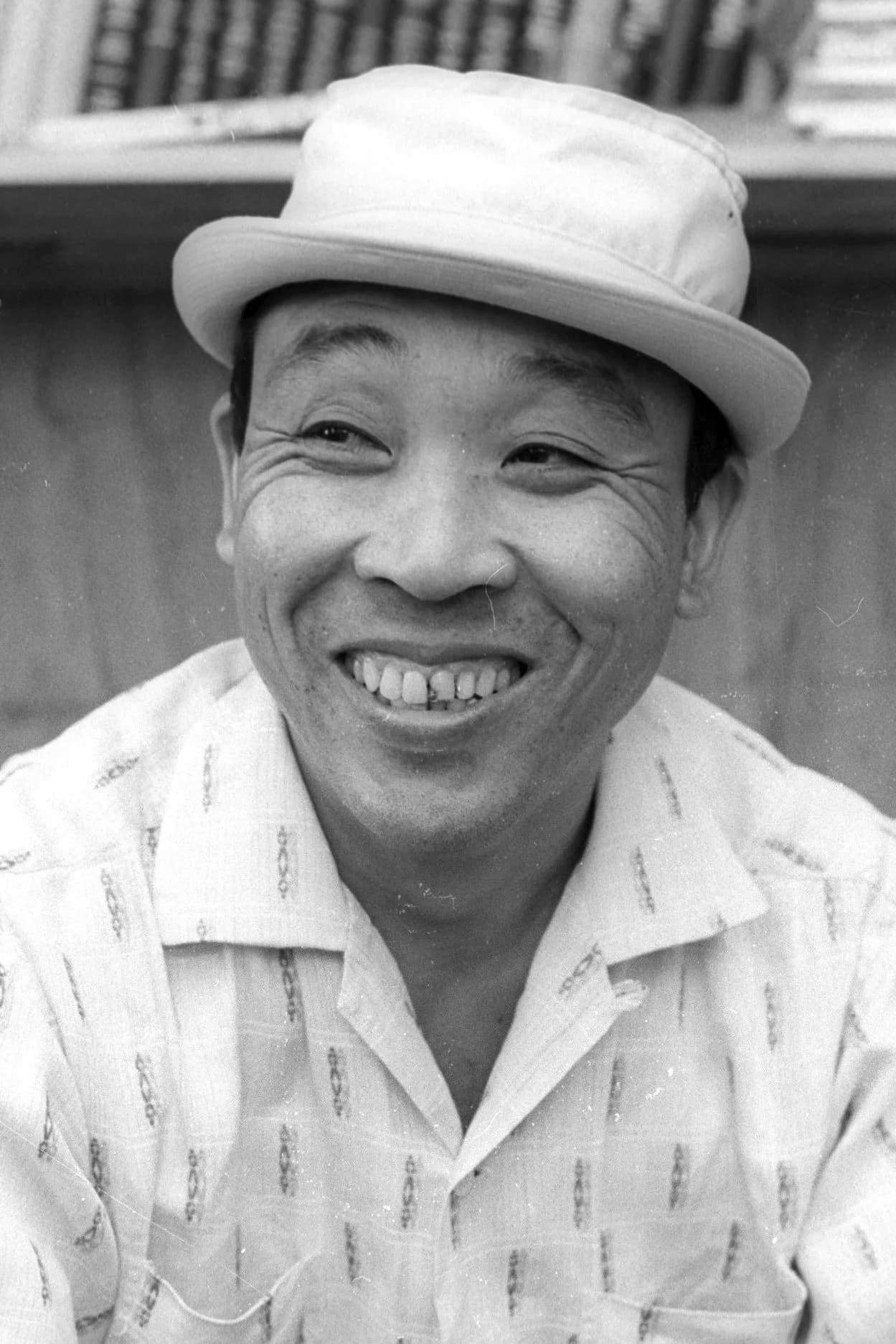
Haruo Nakajima
Haruo Nakajima (Japanese: 中島 春雄, Hepburn: Nakajima Haruo; January 1, 1929 – August 7, 2017) was a Japanese actor and stuntman. A pioneer of suit acting, he is best known for playing Godzilla in 12 consecutive films, starting from the original Godzilla until Godzilla vs. Gigan. Nakajima also played various other kaiju in Toho's tokusatsu films, including Rodan, Mothra and The War of the Gargantuas and also appeared in minor roles in Akira Kurosawa's Seven Samurai, Yojimbo, and Stray Dog.
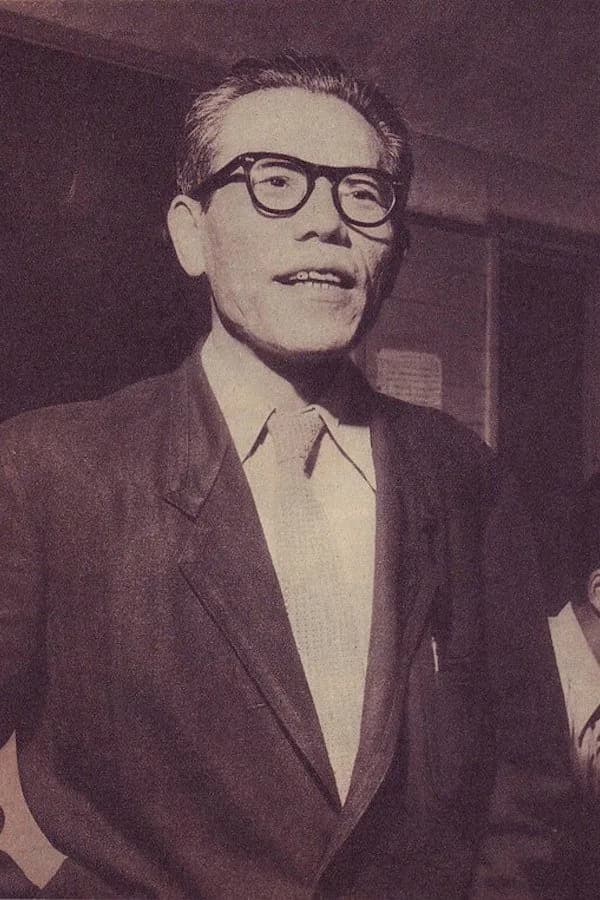
Eijirō Tōno
Cast · Known for Yojimbo, High and Low, Seven Samurai
Eijirō Tōno (東野英治郎 Tōno Eijirō, 17 September 1907 – 8 September 1994) was a Japanese actor who, in a career lasting more than 50 years, appeared in over 400 television shows, nearly 250 films and numerous stage productions. He is best known in the West for his roles in films by Akira Kurosawa, such as Seven Samurai (1954) and Yojimbo (1961), and films by Yasujirō Ozu, such as Tokyo Story (1953) and An Autumn Afternoon (1962). He also appeared in Kill! by Kihachi Okamoto and Tora! Tora! Tora!, a depiction of the Japanese attack on Pearl Harbor. His final film was Juzo Itami's A-ge-man (Tales of a Golden Geisha) in 1990. Tōno also starred as the title character in the long-running television jidaigeki series Mito Kōmon from 1969 to 1983. In the early years of his career he acted under the name of Katsuji Honjo (本庄克二).
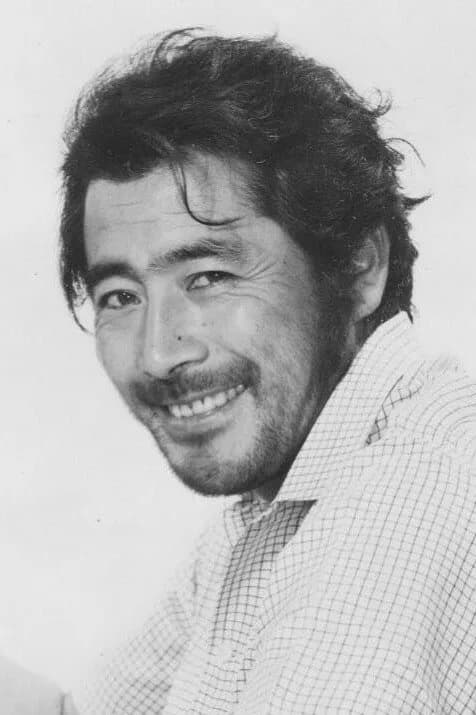
Toshirō Mifune
Cast · Known for High and Low, Rashomon, Seven Samurai
Toshirō Mifune (April 1, 1920 - December 24, 1997) was a Japanese actor who is widely regarded as one of the greatest actors in the history of Japanese cinema. He was born in Qingdao, China, but was raised in Japan. Mifune's career spanned over 50 years, during which he collaborated extensively with renowned director Akira Kurosawa, creating some of the most iconic films in Japanese cinema. Mifune gained international recognition for his performances in Kurosawa's films, particularly in samurai films. He portrayed strong, dynamic, and often rebellious characters, bringing a raw intensity to his roles. Some of his notable collaborations with Kurosawa include "Rashomon" (1950), "Seven Samurai" (1954), "Yojimbo" (1961), and "The Hidden Fortress" (1958), which inspired George Lucas's "Star Wars." Apart from his work with Kurosawa, Mifune appeared in numerous other films, showcasing his versatility as an actor. He played roles in various genres, including dramas, comedies, and war films. Some of his other notable films include "The Throne of Blood" (1957), "High and Low" (1963), and "Red Beard" (1965). Mifune's charismatic presence, powerful performances, and ability to convey complex emotions made him an iconic figure in Japanese cinema. He received international recognition and awards for his contributions to the film industry, including several honors at the Venice Film Festival and a lifetime achievement award from the Academy of Motion Picture Arts and Sciences.
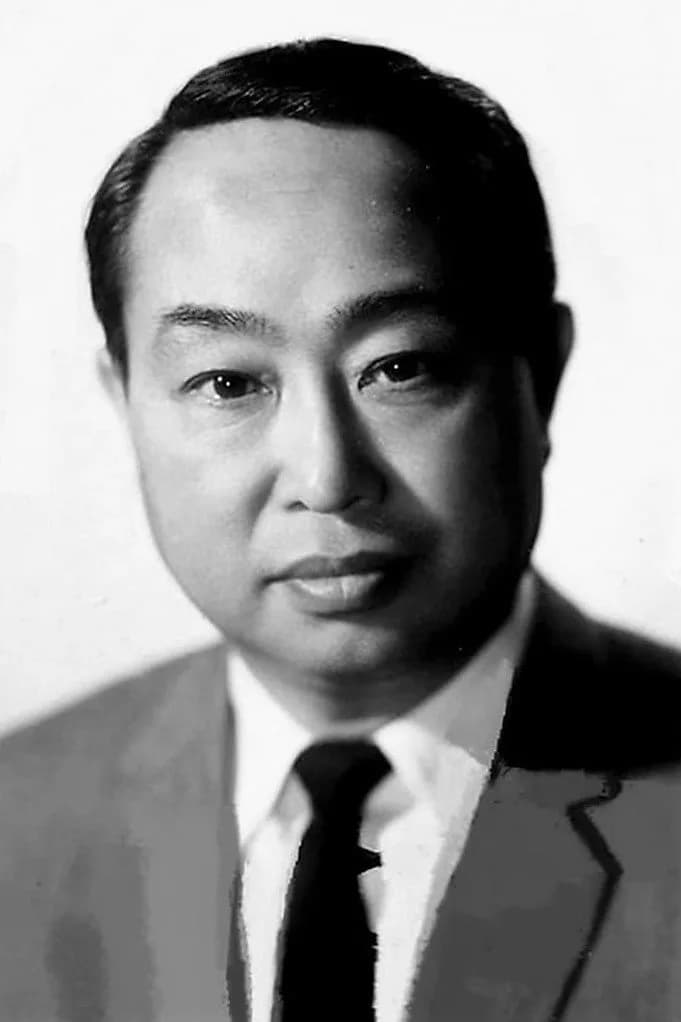
Daisuke Katō
Cast · Known for Yojimbo, Seven Samurai, Rashomon
Daisuke Katō (加東 大介 Katō Daisuke, February 18, 1911 – July 31, 1975) was a Japanese actor who appeared in over 150 films, including Akira Kurosawa's Seven Samurai (as the loyal comrade Shichiroji), Rashomon, Yojimbo (as the "wild pig" Inokichi), Ikiru, and Hiroshi Inagaki's Samurai Trilogy and Chushingura.
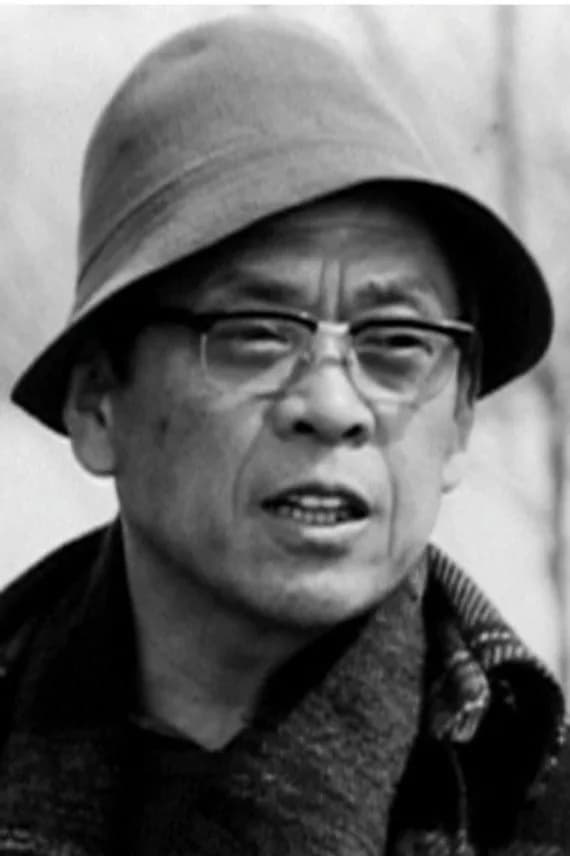
Yoshirō Muraki
Production Design · Known for High and Low, Ran, Yojimbo
Yoshirō Muraki was a Japanese production designer, art director, and costume designer. He was nominated three times for the Academy Award for Best Art Direction for his work in the films Tora! Tora! Tora! (1970), Kagemusha (1980), and Ran (1985). He was also nominated for the Academy Award for Best Costume Design for his work in Yojimbo (1961). He is most well known for his collaborations with director Akira Kurosawa, having done work on all of Kurosawa's films from Record of a Living Being (1955) onward, with the exception of Dersu Uzala (1975).
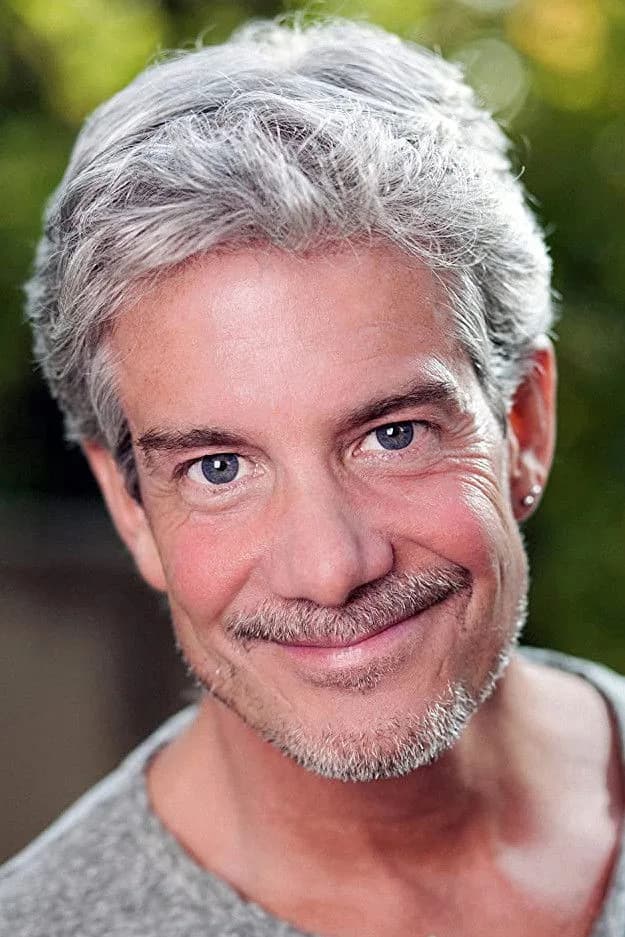
Townsend Coleman
Cast · Known for Teenage Mutant Ninja Turtles, Superman: The Animated Series
As a busy Hollywood voice-actor, Townsend Coleman is perhaps one of the most recognizable voices on TV. For 16 years, he was the voice of NBC's "Must See TV" and "Comedy Night Done Right" primetime comedy promos, including hits from Seinfeld and Frasier to 30 Rock and The Office, as well as the promos for "The Tonight Show" starring Jay Leno (then Conan), "Late Night with Conan O'Brien" (then Jimmy Fallon), "Last Call with Carson Daly" and "Saturday Night Live". He currently voices the daily on-air promos for the long-running "Live with Kelly and Michael" and radio spots for "Judge Judy", in addition to regularly voicing primetime promos for ABC Family, The Hub, and now, ABC-TV. But the character behind the voice really came to life in 1985, when Coleman, having just moved to Los Angeles from Cleveland, Ohio, auditioned for and got a part on the animated hit, "Inspector Gadget". As the voice of Corporal Capeman, Gadget's bumbling assistant, he embarked on an entirely new career, providing the voices for some of the most memorable characters in cartoons and commercials. In addition to thwarting evil as the voice of "The Tick", Fox Kids' hit animated series, he has provided the voices for many popular cartoon characters, including Michaelangelo, Rat King, and Usagi Yojimbo on the original, long-running cartoon series, "Teenage Mutant Ninja Turtles". He also voiced Waldo on "Where's Waldo?", Gobo, Architect, and Wrench on NBC's animated "Fraggle Rock", Scott/Teen Wolf on "Teen Wolf", Scratch on "Spacecats", the voice of Wayne Gretzky on "Prostars", Riot on "Jem and the Holograms", Dragonflyer on "Glofriends", Rewind on the 80's "Transformers", and 20 years later, Sentinel Prime on "Transformers: Animated" for Cartoon Network.
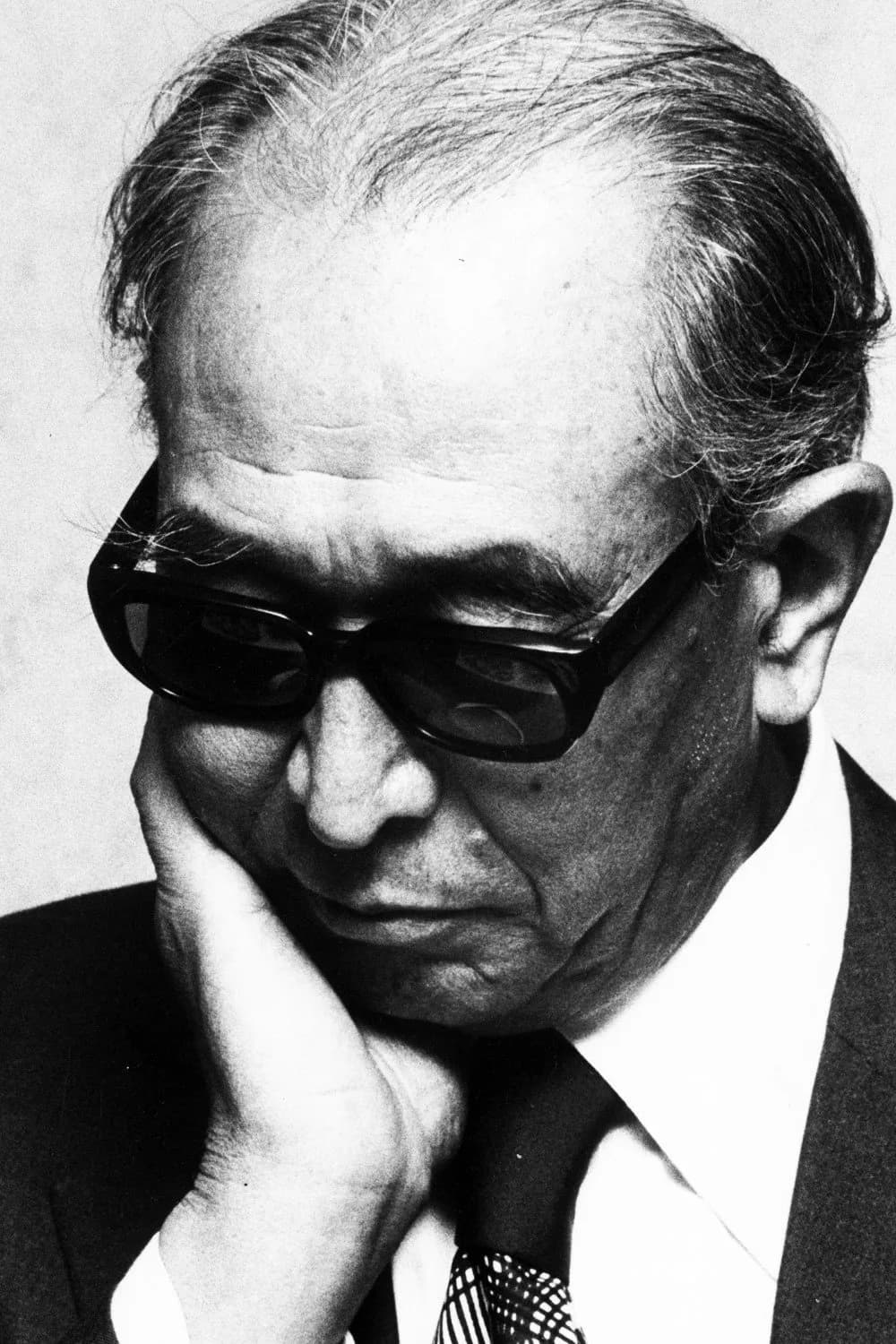
Akira Kurosawa
Director · Known for High and Low, Ikiru, Rashomon
Akira Kurosawa (黒澤 明) was a Japanese filmmaker and painter who directed thirty films in a career spanning over five decades. He is widely regarded as one of the greatest and most influential filmmakers in the history of cinema. He displayed a bold, dynamic style, strongly influenced by Western cinema yet distinct from it; he was involved with all aspects of film production. Kurosawa entered the Japanese film industry in 1936, following a brief stint as a painter. After years of working on numerous films as an assistant director and scriptwriter, he made his debut as a director during World War II with the popular action film Sanshiro Sugata (1943). After the war, the critically acclaimed Drunken Angel (1948), in which Kurosawa cast the then little-known actor Toshiro Mifune in a starring role, cemented the director's reputation as one of the most important young filmmakers in Japan. The two men would go on to collaborate on another fifteen films. Rashomon (1950), which premiered in Tokyo, became the surprise winner of the Golden Lion at the 1951 Venice Film Festival. The commercial and critical success of that film opened up Western film markets for the first time to the products of the Japanese film industry, which in turn led to international recognition for other Japanese filmmakers. Kurosawa directed approximately one film per year throughout the 1950s and early 1960s, including a number of highly regarded (and often adapted) films, such as Ikiru (1952), Seven Samurai (1954), Throne of Blood (1957), Yojimbo (1961) and High and Low (1963). After the 1960s he became much less prolific; even so, his later work—including two of his final films, Kagemusha (1980) and Ran (1985)—continued to receive great acclaim. In 1990, he accepted the Academy Award for Lifetime Achievement. Posthumously, he was named Asian of the Century in the Arts, Literature, and Culture category by AsianWeek magazine and CNN, cited there as being among the five people who most prominently contributed to the improvement of Asia in the 20th century. His career has been honored by many retrospectives, critical studies and biographies in both print and video, and by releases in many consumer media.
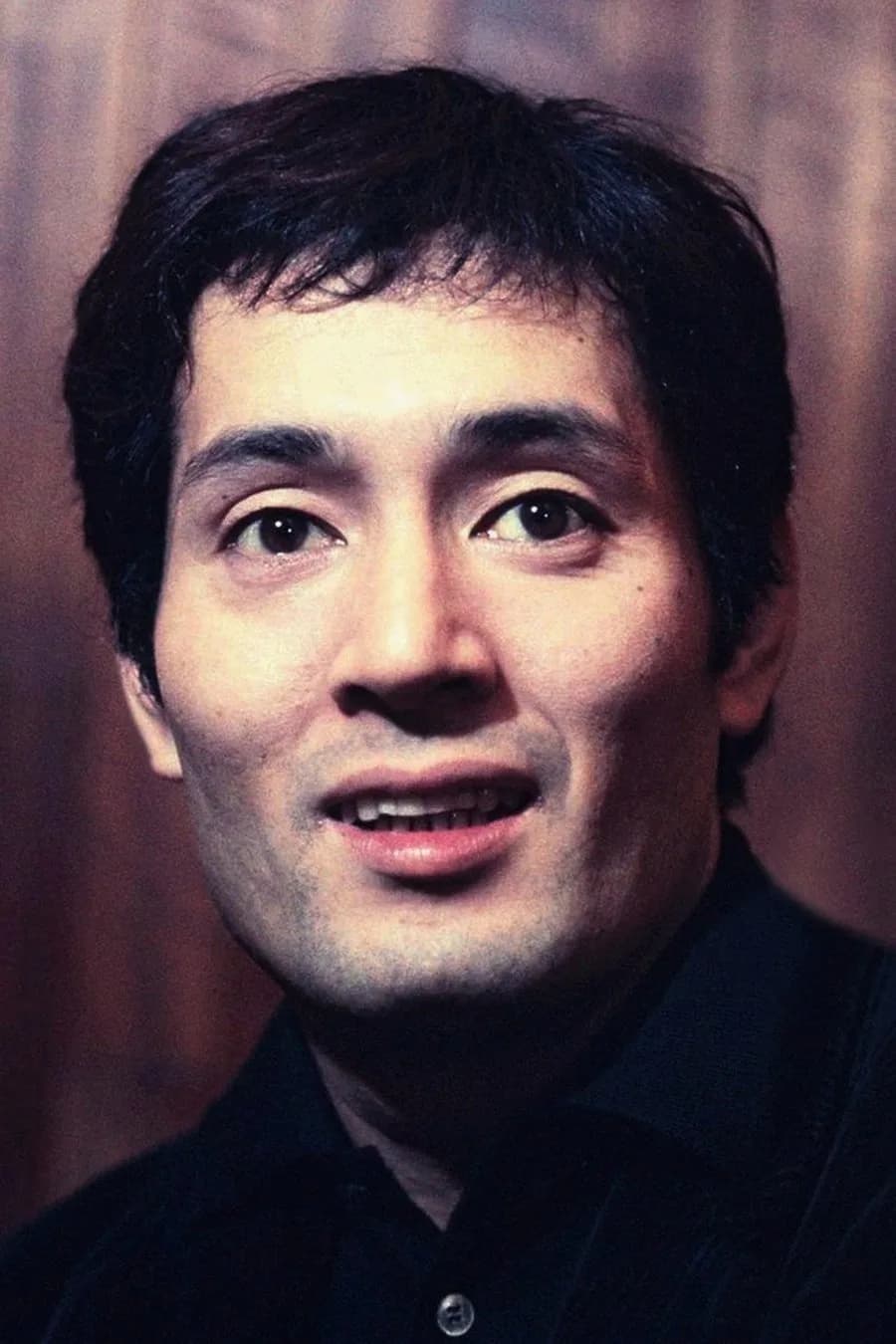
Tatsuya Nakadai
Cast · Known for Harakiri, Ran, High and Low
Tatsuya Nakadai (仲代 達矢, Nakadai Tatsuya; born Motohisa Nakadai; December 13, 1932 – November 8, 2025) was a Japanese actor. Widely regarded as one of the greatest actors in the history of Japanese cinema, he collaborated extensively with many of Japan's best-known and acclaimed directors. In his over seven decade career, he appeared in more than 160 films, and received numerous accolades. He was honored with a Medal with Purple Ribbon in 1996 and Japan's Order of Culture in 2015. Nakadai rose to prominence starring in Masaki Kobayashi's films, with his breakthrough being the protagonist of the epic anti-war trilogy The Human Condition (1959–1961). He won the Blue Ribbon Award for Best Actor for his performance as the vengeful ronin in Harakiri (1962), a role he considered his finest. Nakadai collaborated on eleven films with Kobayashi—including Kwaidan (1964) and Samurai Rebellion (1967)—and five with Akira Kurosawa, most notably as the tragic warlord in Ran (1985), a performance that earned global acclaim. His other notable credits included Seven Samurai (1954), Yojimbo (1961), The Sword of Doom (1966), The Face of Another (1966), Goyokin (1969), Kagemusha (1980), and The Tale of the Princess Kaguya (2013). A lifelong stage actor, he founded the Gendai Nohgaku-kai troupe in 1975 and continued performing on stage into his nineties. Description above from the Wikipedia article Tatsuya Nakadai, licensed under CC-BY-SA, full list of contributors on Wikipedia.