
Search

Rashomon
1950
Four people recount different versions of the story of a man's murder and the rape of his wife.

Kazuo Miyagawa
Cinematographer · Known for Rashomon
Kazuo Miyagawa (宮川 一夫 Miyagawa Kazuo, February 25, 1908 – August 7, 1999) was an acclaimed Japanese cinematographer. Miyagawa is best known for his tracking shots, particularly those in Rashomon (1950), the first of his three collaborations with preeminent filmmaker Akira Kurosawa. He also worked on films by major directors Kenji Mizoguchi, Yasujirō Ozu, and Kon Ichikawa, such as Ugetsu Monogatari (1953), Floating Weeds (1959) and the documentary Tokyo Olympiad (1965) respectively. Miyagawa is regarded as having invented the cinematographic technique known as bleach bypass, for Ichikawa's 1960 film Her Brother.
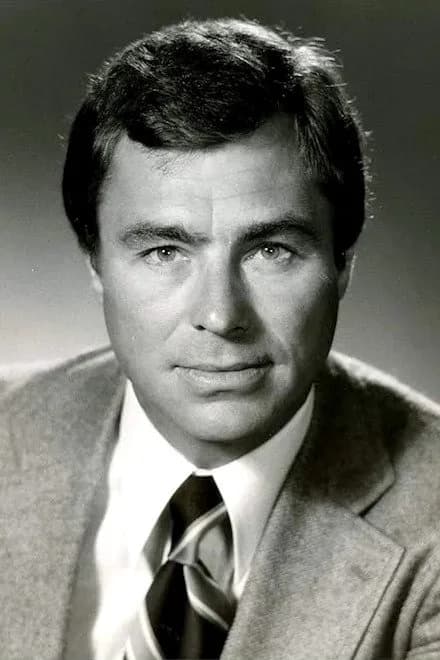
Edward Winter
Edward Dean Winter (June 3, 1937 – March 8, 2001) was an American actor. He is best known for his recurring role, Colonel Samuel Flagg, in the television series M*A*S*H from 1973 to 1979. Winter was born in Ventura, California. He began his acting career in Ashland, Oregon as a member of the cast of the Oregon Shakespeare Festival. During the 1961 season, he played Claudius in Hamlet and stayed for an extended repertory season where he appeared in The Boyfriend and Rashomon. He went on to early successes on Broadway. Winter was twice nominated for Tony Awards as Best Supporting or Featured Actor (Musical). The first was in 1967, as Ernst Ludwig in Cabaret, then in 1969 as J.D. Sheldrake in Promises, Promises. He moved on to television, appearing on the daytime serials The Secret Storm and Somerset. In 1973, Winter began his recurring role as Colonel Flagg on M*A*S*H. Flagg was a pompous and incompetent officer who was constantly butting heads with the doctors and nurses at the 4077th. The character was a fan favorite and Winter appeared in 17 episodes of the show. Winter's other notable television roles included U.S. Air Force investigator Capt. Ben Ryan in season 2 of Project U.F.O. (1978–1979); and in Hollywood Beat (1985), 9 to 5 (1986–1988), and Herman's Head (1991–1994). Winter also had a successful career in voice acting. He voiced characters in the animated series The Angry Beavers, Paddington Bear, and The Tick. Winter died in 2001 at the age of 63 from complications from Parkinson's disease. He was married three times and had two children.
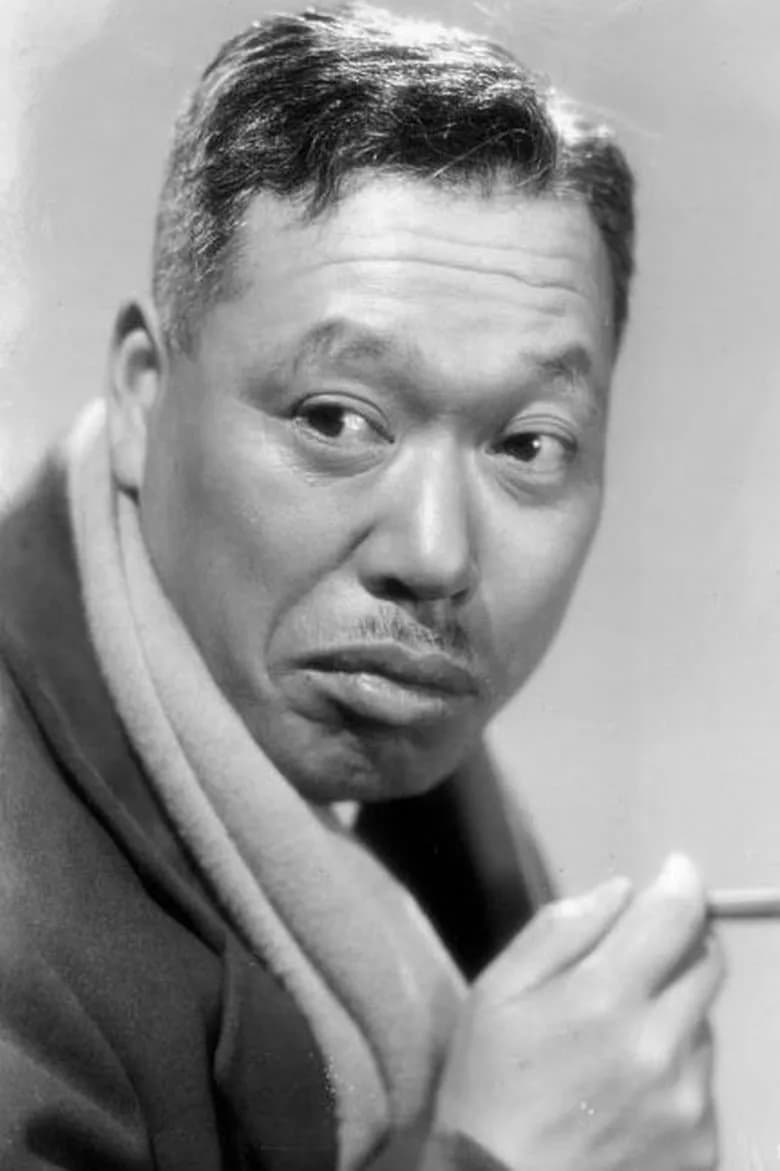
Takashi Shimura
Cast · Known for Ikiru, Seven Samurai, Rashomon
From Wikipedia, the free encyclopedia. Takashi Shimura (志村 喬, Shimura Takashi, March 12, 1905 – February 11, 1982) was a Japanese actor who appeared in over 200 films between 1934 and 1981. He appeared in 21 of Akira Kurosawa's 30 films (more than any other actor), including as a lead actor in Drunken Angel (1948), Rashomon (1950), Ikiru (1952) and Seven Samurai (1954).[3] He played Professor Kyohei Yamane in Ishirō Honda's original Godzilla (1954) and its first sequel, Godzilla Raids Again (1955). For his contributions to the arts, the Japanese government decorated Shimura with the Medal with Purple Ribbon in 1974 and the Order of the Rising Sun, 4th Class, Gold Rays with Rosette in 1980. Shimura died on February 11, 1982, in Tokyo, Japan, from emphysema at the age of 76. His effects were presented to the Film Centre of the National Museum of Modern Art, Tokyo. Description above from the Wikipedia article Takashi Shimura, licensed under CC-BY-SA, full list of contributors on Wikipedia.
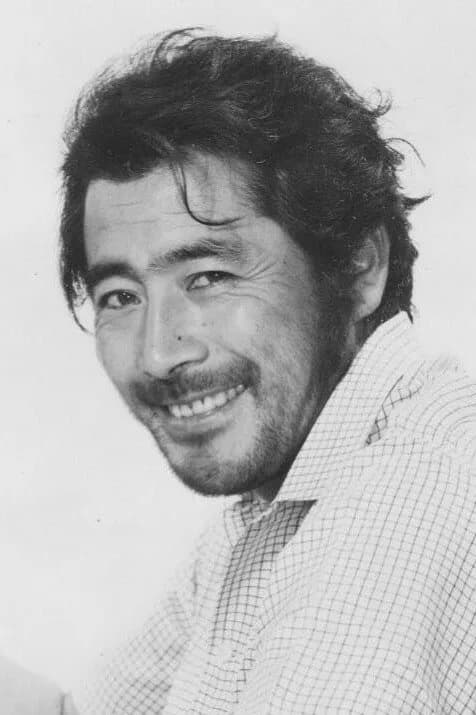
Toshirō Mifune
Cast · Known for High and Low, Rashomon, Seven Samurai
Toshirō Mifune (April 1, 1920 - December 24, 1997) was a Japanese actor who is widely regarded as one of the greatest actors in the history of Japanese cinema. He was born in Qingdao, China, but was raised in Japan. Mifune's career spanned over 50 years, during which he collaborated extensively with renowned director Akira Kurosawa, creating some of the most iconic films in Japanese cinema. Mifune gained international recognition for his performances in Kurosawa's films, particularly in samurai films. He portrayed strong, dynamic, and often rebellious characters, bringing a raw intensity to his roles. Some of his notable collaborations with Kurosawa include "Rashomon" (1950), "Seven Samurai" (1954), "Yojimbo" (1961), and "The Hidden Fortress" (1958), which inspired George Lucas's "Star Wars." Apart from his work with Kurosawa, Mifune appeared in numerous other films, showcasing his versatility as an actor. He played roles in various genres, including dramas, comedies, and war films. Some of his other notable films include "The Throne of Blood" (1957), "High and Low" (1963), and "Red Beard" (1965). Mifune's charismatic presence, powerful performances, and ability to convey complex emotions made him an iconic figure in Japanese cinema. He received international recognition and awards for his contributions to the film industry, including several honors at the Venice Film Festival and a lifetime achievement award from the Academy of Motion Picture Arts and Sciences.
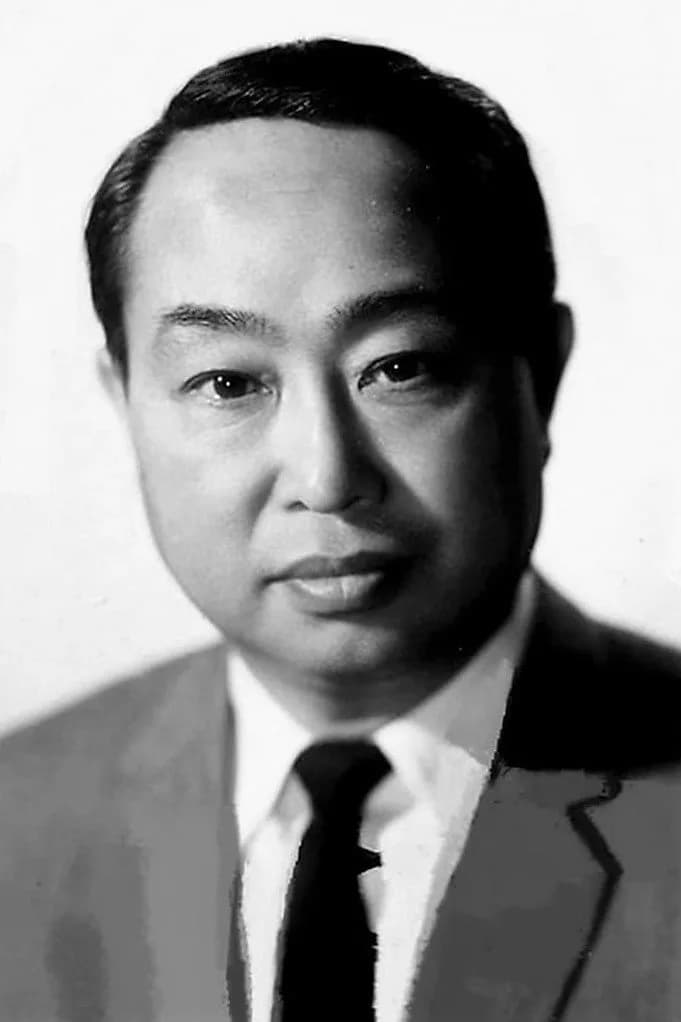
Daisuke Katō
Cast · Known for Seven Samurai, Rashomon
Daisuke Katō (加東 大介 Katō Daisuke, February 18, 1911 – July 31, 1975) was a Japanese actor who appeared in over 150 films, including Akira Kurosawa's Seven Samurai (as the loyal comrade Shichiroji), Rashomon, Yojimbo (as the "wild pig" Inokichi), Ikiru, and Hiroshi Inagaki's Samurai Trilogy and Chushingura.
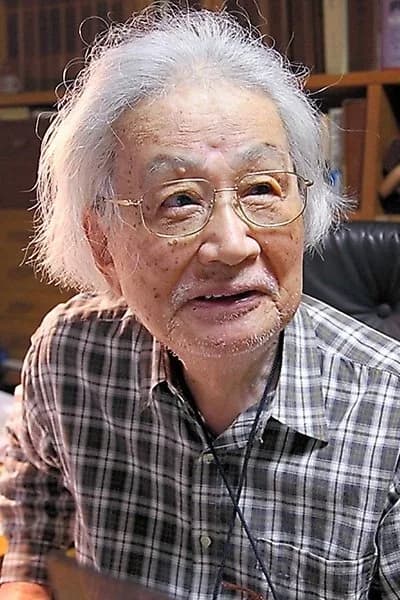
Shinobu Hashimoto
Writer · Known for Harakiri, Ikiru, Rashomon
Shinobu Hashimoto (Japanese: 橋本 忍, Hashimoto Shinobu; 18 April 1918 – 19 July 2018) was a Japanese screenwriter, film director and producer. A frequent collaborator of Akira Kurosawa, he wrote the scripts for such internationally acclaimed films as Rashomon and Seven Samurai.
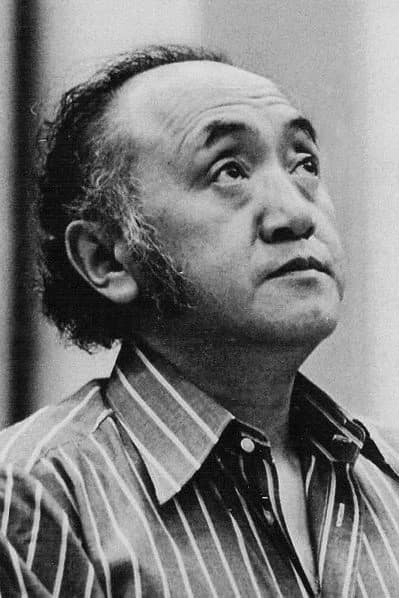
Masaru Satō
Composer · Known for High and Low
Masaru Satō (佐藤 勝) was a Japanese composer of film scores. The youngest of six brothers, all of them music lovers, Masaru Sato decided early in life that he wanted to be a composer. His models were two other composers born, as he was, on the northernmost Japanese island of Hokkaido: Akira Ifukube and Fumio Hayasaka. After hearing Hayasaka's score for Rashomon (1950), Sato decided Hayasaka was the only one he wanted for his teacher. He absorbed much of Hayasaka's modernist leanings, and grew to know Hayasaka's best friend Akira Kurosawa during this period. The year 1955 was a vast turning point for Sato: after scoring numerous insignificant pictures for various studios in Tokyo, Sato won the assignment for Gojira no Gyakushu (1955). Then his teacher Fumio Hayasaka died tragically young, while finishing the score for Kurosawa's Ikimono no Kiroku (1955). Sato stepped in to complete the score, uncredited. Kurosawa was sufficiently pleased with Sato to use him for all his pictures for the following ten years. Though the two had a falling-out after Akahige (1965), Sato remained one of Japan's most in-demand film composers, returning to the Gojira series several times and remaining a favorite of many other directors such as Kihachi Okamoto and June Fukuda. After scoring Dun-Huang in 1987, Sato had to call a brief halt to his career in order to tend to family interests in real estate in his native Hokkaido; but within a few years, the problems were wrapped up, and Sato was able to go back to film composing full time, at last reaching and surpassing his 300th movie score. Sato is almost unique among Japan's prolific film composers in that he has written extensively for his chosen field, but has never written for the concert stage.
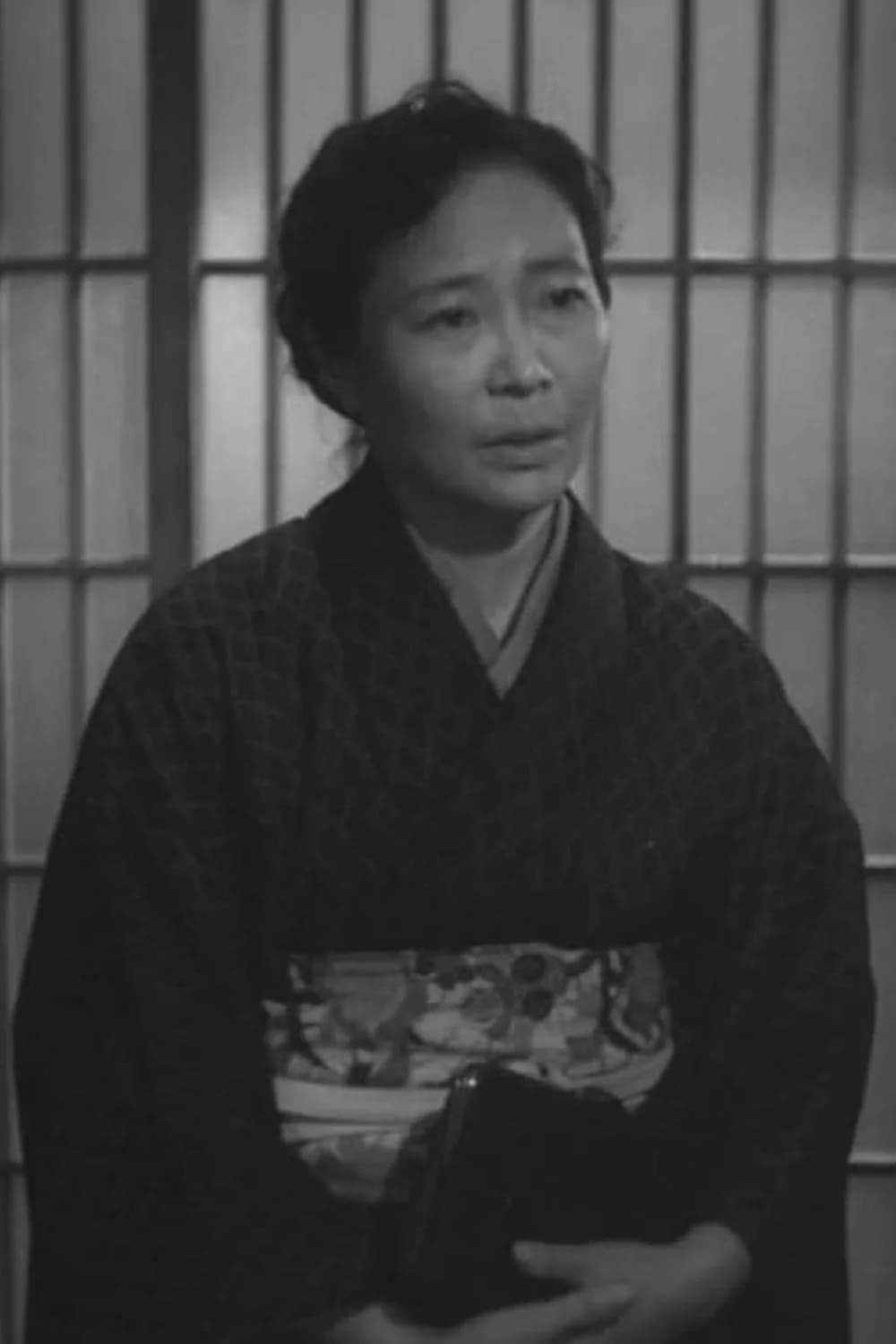
Noriko Honma
Cast · Known for Rashomon, Ikiru
Noriko Honma (本間文子 Honma Noriko, born 29 November 1911 - 12 April 2009) is a Japanese actress whose film work occurred primarily during the 1950s. She was born in Hokkaido. She worked in many of Akira Kurosawa's films, first appearing in Kurosawa's Rashomon as the Miko, also in Ikiru, The Seven Samurai, Akahige, and Dreams.
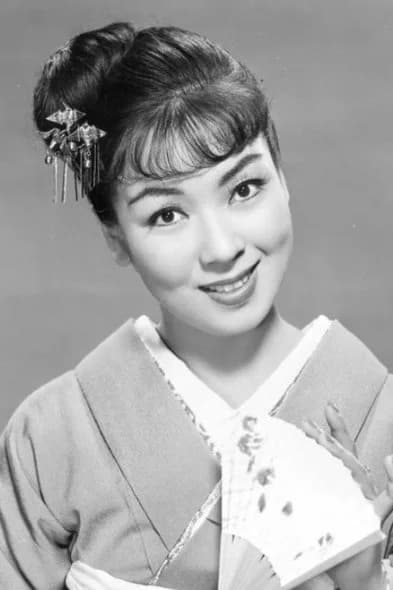
Machiko Kyō
Cast · Known for Rashomon
Machiko Kyō (Japanese: 京 マチ子 Hepburn: Kyō Machiko, March 25, 1924 – May 12, 2019) was a Japanese actress whose film work occurred primarily during the 1950s. She rose to extraordinary domestic praise in Japan for her work in two of the greatest Japanese films of the 20th century, Akira Kurosawa's Rashōmon and Kenji Mizoguchi's Ugetsu. Machiko trained to be a dancer before entering films in 1949. The following year, she would achieve international fame as the female lead in Akira Kurosawa's classic film Rashōmon. Kyō starred in many more Japanese productions, including Kenji Mizoguchi's Ugetsu (1953) and Street of Shame (1956), Teinosuke Kinugasa's Gate of Hell (1953), Kon Ichikawa's Odd Obsession (1959), Yasujirō Ozu's Floating Weeds (1959), and Hiroshi Teshigahara's The Face of Another (1966). Her only role in a non-Japanese film was as Lotus Blossom, a young geisha, in The Teahouse of the August Moon, starring opposite Marlon Brando and Glenn Ford. In her eighties, Kyō continued to perform in traditional Japanese theatrical productions put on by famed producer Fukuko Ishii. Her final role was as Matsuura Shino in the NHK television drama series Haregi Koko Ichiban in 2000. Kyō was nominated for a Golden Globe for The Teahouse of the August Moon, a great feat for an Asian actress at the time, and was awarded many prizes, including a Lifetime Achievement Award from the Awards of the Japanese Academy. Description above from the Wikipedia article Machiko Kyō, licensed under CC-BY-SA, full list of contributors on Wikipedia.

Masayuki Mori
Cast · Known for Rashomon
From Wikipedia, the free encyclopedia. Masayuki Mori (森 雅之 Mori Masayuki, January 13, 1911 – October 7, 1973) Born in Sapporo, Hokkaido prefecture) was a Japanese actor, the son of Takeo Arishima, a Japanese novelist active during the late Meiji and Taishō periods. Mori appeared in many of Akira Kurosawa 's films such as Rashomon and The Idiot. He also starred in pictures by Kenji Mizoguchi (Ugetsu), Mikio Naruse (Floating Clouds) and other prominent directors. Description above from the Wikipedia article Masayuki Mori, licensed under CC-BY-SA, full list of contributors on Wikipedia
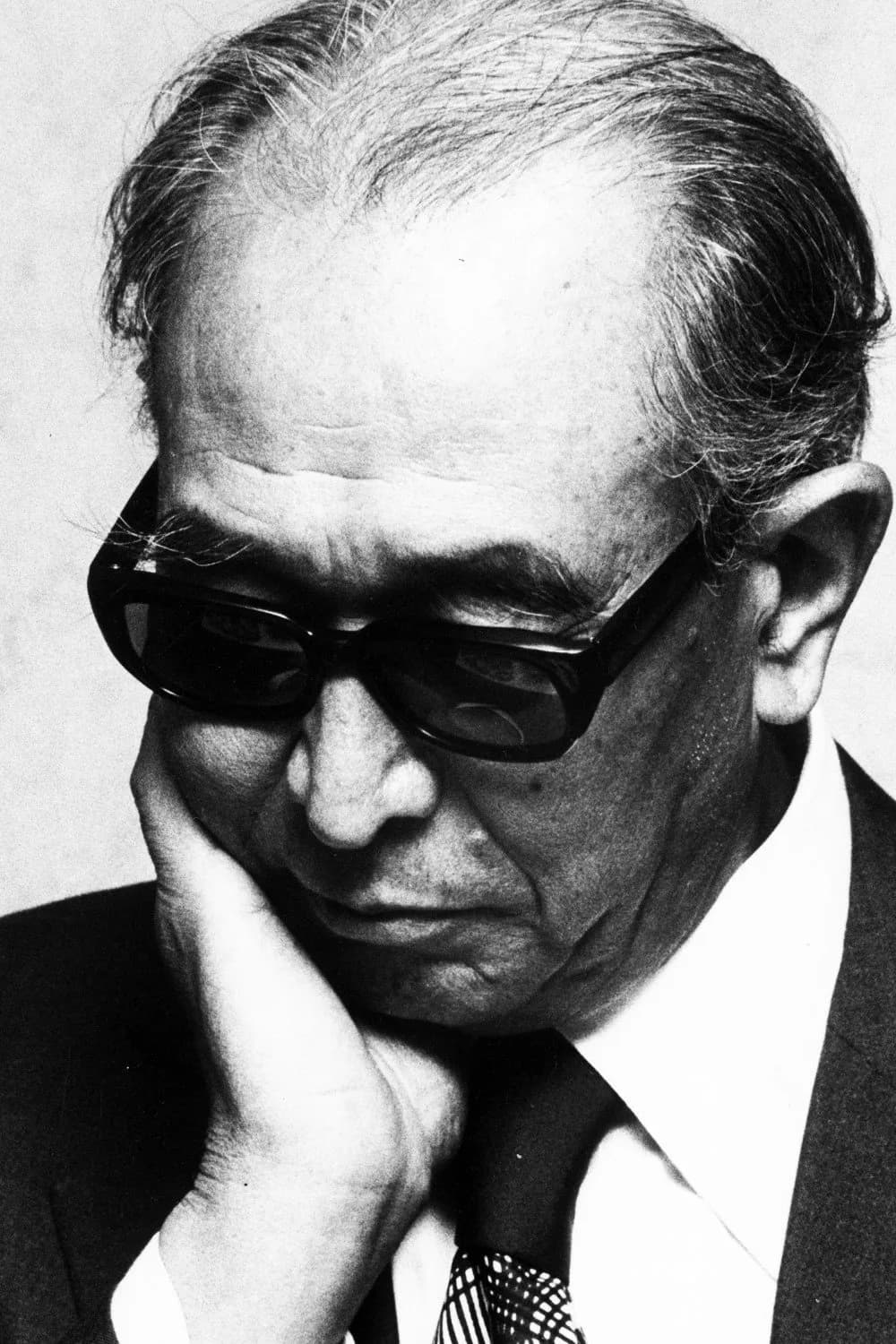
Akira Kurosawa
Director · Known for High and Low, Ikiru, Ran
Akira Kurosawa (黒澤 明) was a Japanese filmmaker and painter who directed thirty films in a career spanning over five decades. He is widely regarded as one of the greatest and most influential filmmakers in the history of cinema. He displayed a bold, dynamic style, strongly influenced by Western cinema yet distinct from it; he was involved with all aspects of film production. Kurosawa entered the Japanese film industry in 1936, following a brief stint as a painter. After years of working on numerous films as an assistant director and scriptwriter, he made his debut as a director during World War II with the popular action film Sanshiro Sugata (1943). After the war, the critically acclaimed Drunken Angel (1948), in which Kurosawa cast the then little-known actor Toshiro Mifune in a starring role, cemented the director's reputation as one of the most important young filmmakers in Japan. The two men would go on to collaborate on another fifteen films. Rashomon (1950), which premiered in Tokyo, became the surprise winner of the Golden Lion at the 1951 Venice Film Festival. The commercial and critical success of that film opened up Western film markets for the first time to the products of the Japanese film industry, which in turn led to international recognition for other Japanese filmmakers. Kurosawa directed approximately one film per year throughout the 1950s and early 1960s, including a number of highly regarded (and often adapted) films, such as Ikiru (1952), Seven Samurai (1954), Throne of Blood (1957), Yojimbo (1961) and High and Low (1963). After the 1960s he became much less prolific; even so, his later work—including two of his final films, Kagemusha (1980) and Ran (1985)—continued to receive great acclaim. In 1990, he accepted the Academy Award for Lifetime Achievement. Posthumously, he was named Asian of the Century in the Arts, Literature, and Culture category by AsianWeek magazine and CNN, cited there as being among the five people who most prominently contributed to the improvement of Asia in the 20th century. His career has been honored by many retrospectives, critical studies and biographies in both print and video, and by releases in many consumer media.