
Search
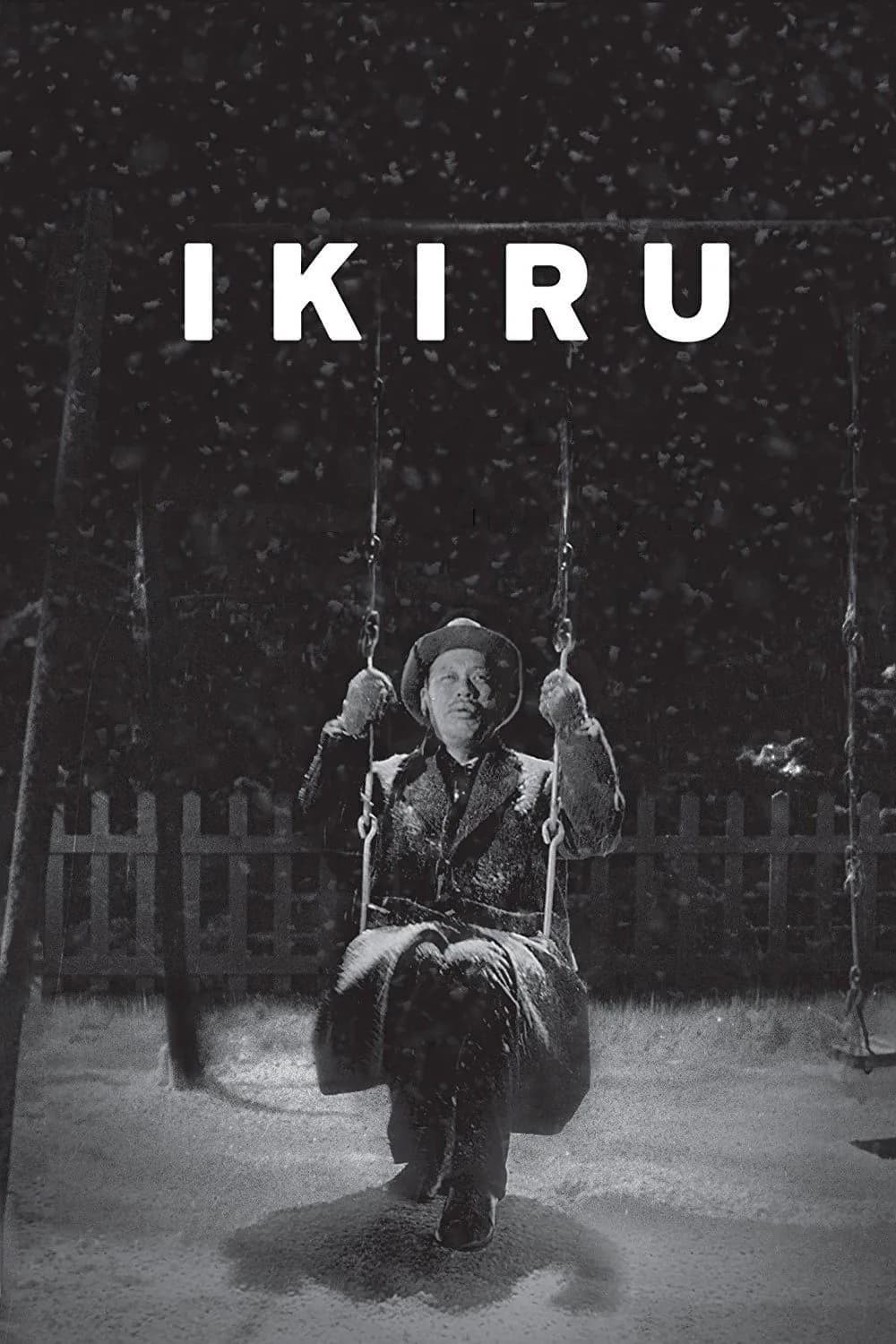
Ikiru
1952
Kanji Watanabe is a middle-aged man who has worked in the same monotonous bureaucratic position for decades. Learning he has cancer, he starts to look for the meaning of his life.
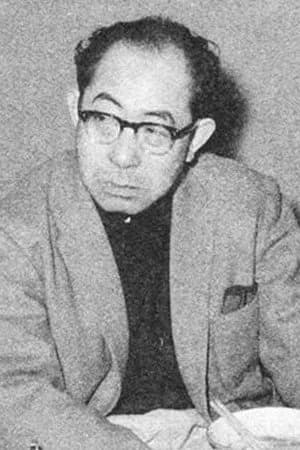
Hideo Oguni
Writer · Known for High and Low, Ikiru, Seven Samurai
Hideo Oguni (小国 英雄 Oguni Hideo, 9 July 1904 – 5 February 1996) was a Japanese writer who wrote over 100 screenplays. He is best known for co-writing screenplays for a number of films directed by Akira Kurosawa, including Ikiru, The Seven Samurai, Throne of Blood and The Hidden Fortress. His first film with Kurosawa was Ikiru, and according to film professor Catherine Russell, it was Oguni who devised that film's two-part structure. Film critic Donald Richie regarded him as the "humanist" among Kurosawa's writers. In 2013, Oguni and frequent screenwriting collaborators Kurosawa, Shinobu Hashimoto and Ryūzō Kikushima were awarded the Jean Renoir Award by the Writers Guild of America West. Writing credits other than for Kurosawa films include Heinosuke Gosho's Entotsu no mieru basho in 1953, Koji Shima's Warning from Space in 1956, Tora! Tora! Tora!, and Hiroshi Inagaki's Machibuse in 1970.
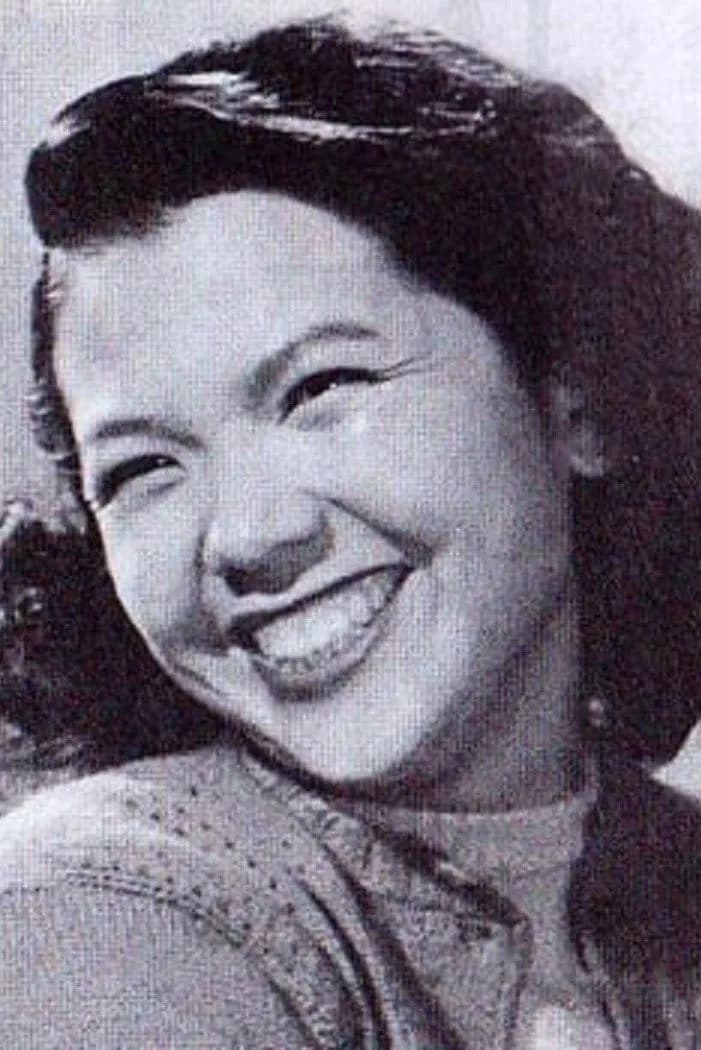
Miki Odagiri
Cast · Known for Ikiru
Miki Odagiri (小田切美喜) was known primarily for her important and timeless role as the upbeat office girl in Akira Kurosawa's classic Ikiru opposite Takashi Shimura, whose character is dying of cancer, and Miki, as Toyo Odagiri, inspires him to live... just by being herself: bubbly, spontaneous, and optimistic. Her character is also filled with blunt sarcasm that was extremely rare in movies of the early-1950's. Perhaps Miki and Takashi's most memorable scene is when she's telling him the nicknames she created for their fellow workmates... including his! Sadly, beyond Ikiru, finding the handful of other Japanese movies she appeared in, especially on DVD or Blu Ray, is extremely difficult. But she left an impression in what's considered not only one of the legendary Kurosawa's greatest achievements, but one of the best movies ever made, worldwide.
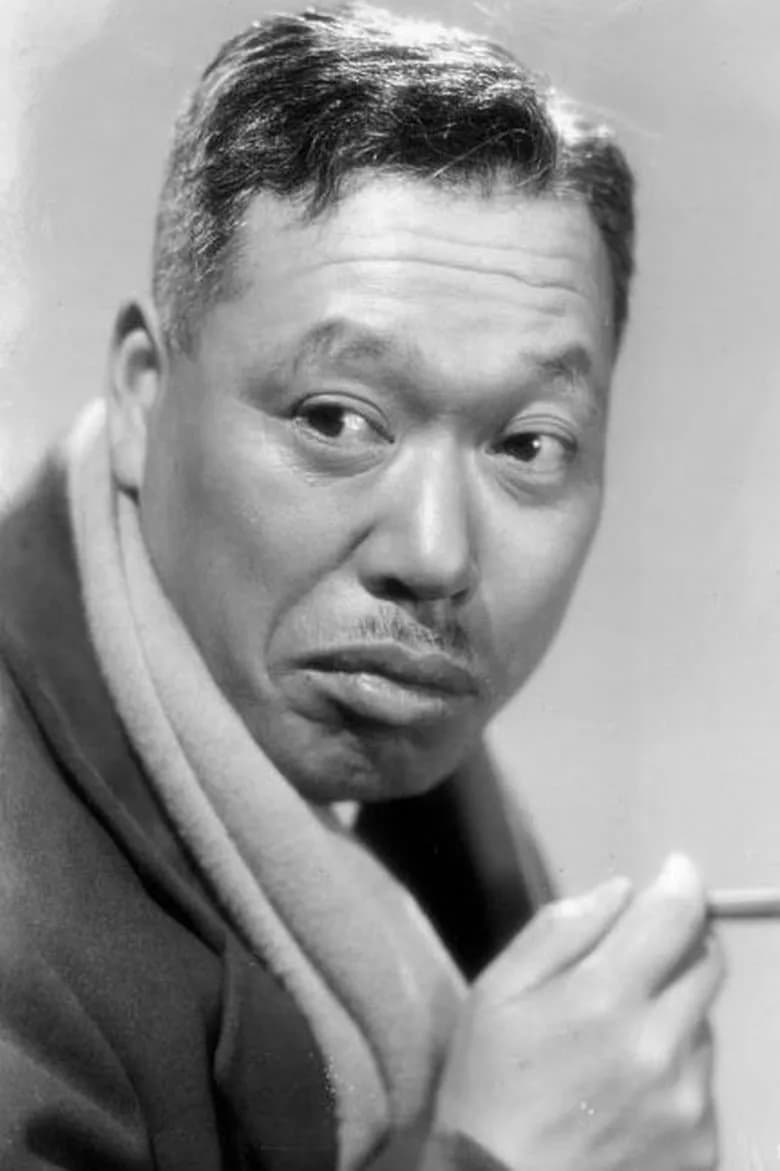
Takashi Shimura
Cast · Known for Ikiru, Seven Samurai, High and Low
From Wikipedia, the free encyclopedia. Takashi Shimura (志村 喬, Shimura Takashi, March 12, 1905 – February 11, 1982) was a Japanese actor who appeared in over 200 films between 1934 and 1981. He appeared in 21 of Akira Kurosawa's 30 films (more than any other actor), including as a lead actor in Drunken Angel (1948), Rashomon (1950), Ikiru (1952) and Seven Samurai (1954).[3] He played Professor Kyohei Yamane in Ishirō Honda's original Godzilla (1954) and its first sequel, Godzilla Raids Again (1955). For his contributions to the arts, the Japanese government decorated Shimura with the Medal with Purple Ribbon in 1974 and the Order of the Rising Sun, 4th Class, Gold Rays with Rosette in 1980. Shimura died on February 11, 1982, in Tokyo, Japan, from emphysema at the age of 76. His effects were presented to the Film Centre of the National Museum of Modern Art, Tokyo. Description above from the Wikipedia article Takashi Shimura, licensed under CC-BY-SA, full list of contributors on Wikipedia.
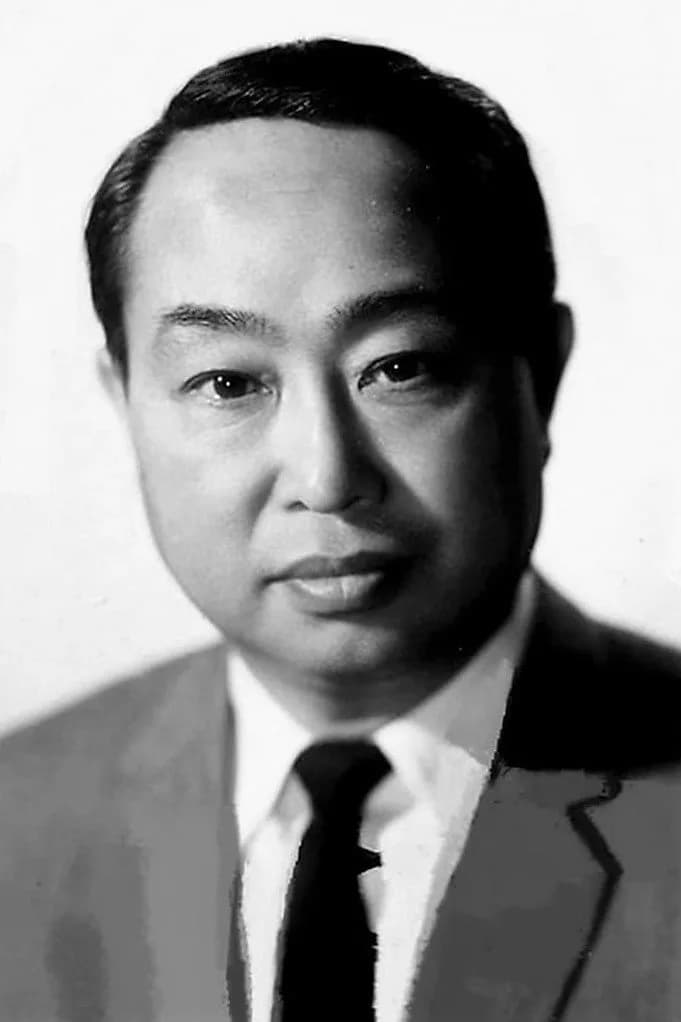
Daisuke Katō
Cast · Known for Seven Samurai
Daisuke Katō (加東 大介 Katō Daisuke, February 18, 1911 – July 31, 1975) was a Japanese actor who appeared in over 150 films, including Akira Kurosawa's Seven Samurai (as the loyal comrade Shichiroji), Rashomon, Yojimbo (as the "wild pig" Inokichi), Ikiru, and Hiroshi Inagaki's Samurai Trilogy and Chushingura.
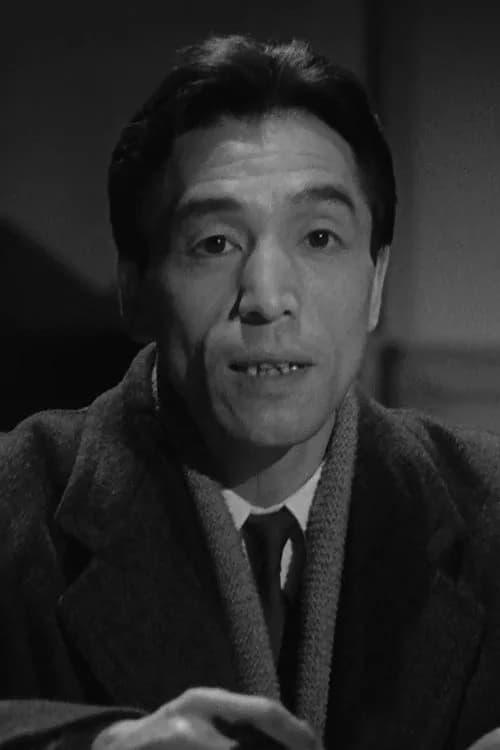
Seiji Miyaguchi
Cast · Known for Seven Samurai
Seiji Miyaguchi (宮口 精二 Miyaguchi Seiji, November 15, 1913–April 12, 1985) was a Japanese actor who appeared in such films as Akira Kurosawa's Seven Samurai (as Kyuzo, the master swordsman) despite the actor's confession to have never handled a sword before the role, Ikiru as a yakuza boss from "restaurant row," and Masaki Kobayashi's Kwaidan. He died of lung cancer. Description above from the Wikipedia article Seiji Miyaguchi, licensed under CC-BY-SA, full list of contributors on Wikipedia.
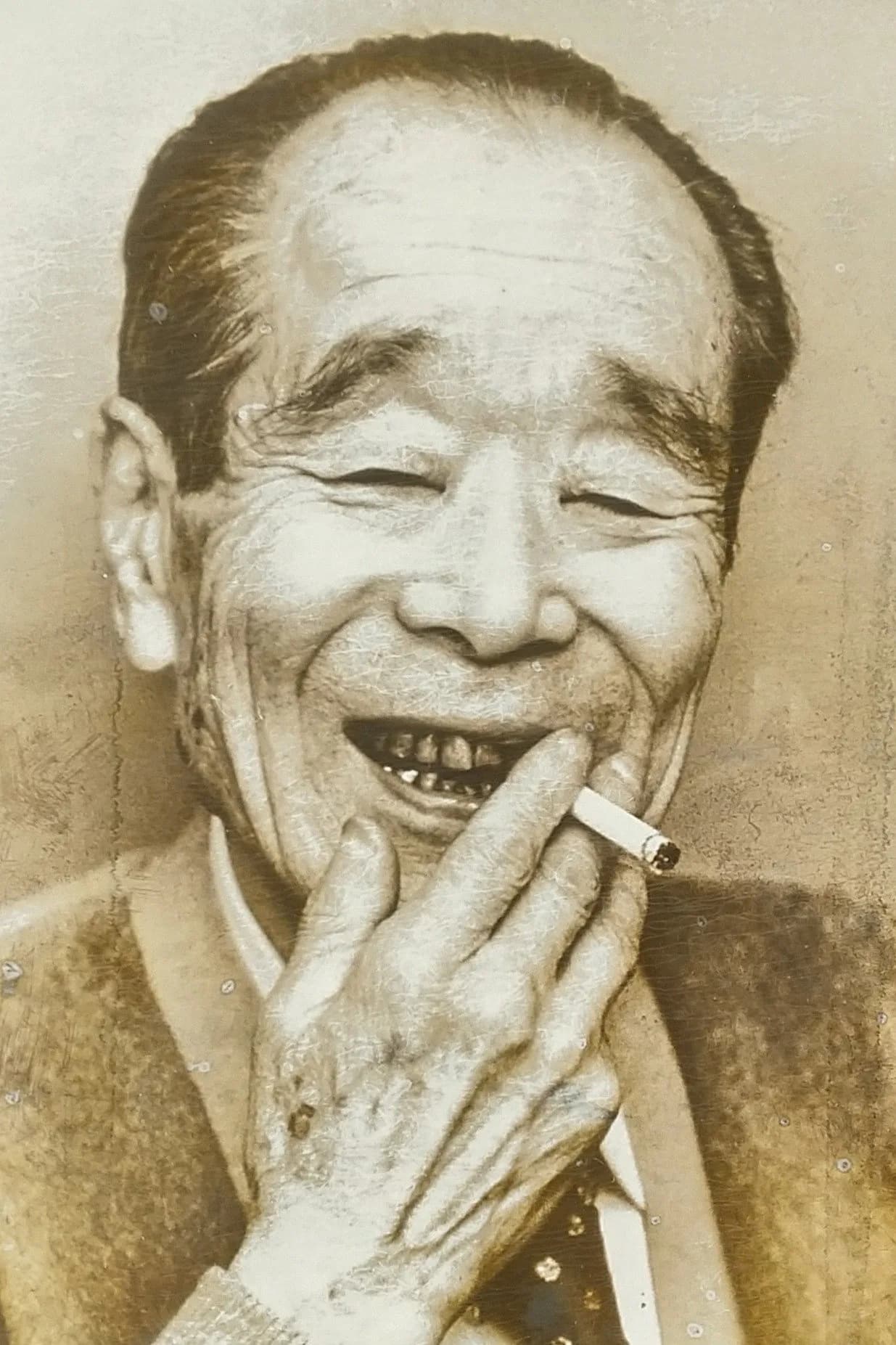
Bokuzen Hidari
Cast · Known for Ikiru, Seven Samurai
Bokuzen Hidari (左 卜全 Hidari Bokuzen, 20 February 1894 - 26 May 1971) was a Japanese actor and comedian born in Kotesashi Village (now part of Tokorozawa), Iruma District, Saitama Prefecture, Japan. He appeared in such films as Akira Kurosawa's Seven Samurai, The Lower Depths and Ikiru. Hidari was famous among Japanese audiences for his portrayals of meek, downtrodden men, and although a teetotaller, was renowned for his convincing drunk scenes (see esp. "Ikiru").
Nobuo Nakamura
Cast · Known for High and Low, Ikiru
Nobuo Nakamura (中村伸郎 Nakamura Nobuo, September 14, 1908–July 5, 1991 ) was a Japanese actor, who made notable appearances in the films of Akira Kurosawa and Yasujiro Ozu in the 1950s and 1960s. Perhaps his most famous roles were those of the callous deputy mayor in Kurosawa's Ikiru (1952), and the hairdresser's henpecked husband in Ozu's Tokyo Story (1953). Nakamura is famous for many notable performances in theatre. In 1937, he founded the Bungakuza company along with Haruko Sugimura, Seiji Miyaguchi, and Masayuki Mori. Nakamura played Polonius in Hamlet, Herod in Wilde's Salome, Aleksandr Vladimirovich Serebryakov in Chekov's Uncle Vanya, and Krapp in Krapp's Last Tape. He also appeared in Macbeth, The Merchant of Venice, and The Cherry Orchard . In the 1950s and 1960s, he played major roles in Yukio Mishima's plays such as Rokumeikan, My Friend Hitler, and so on. In 1963, Nakamura left Bungakuza company and founded the NLT company with Mishima. His most famous and successful role is considered to be The Professor in Ionesco's The Lesson. He performed The Lesson for the first time in 1972 and had played The Professor every Friday night at a small theatre in Shibuya, Tokyo until 1983. Description above from the Wikipedia article Nobuo Nakamura, licensed under CC-BY-SA,full list of contributors on Wikipedia.
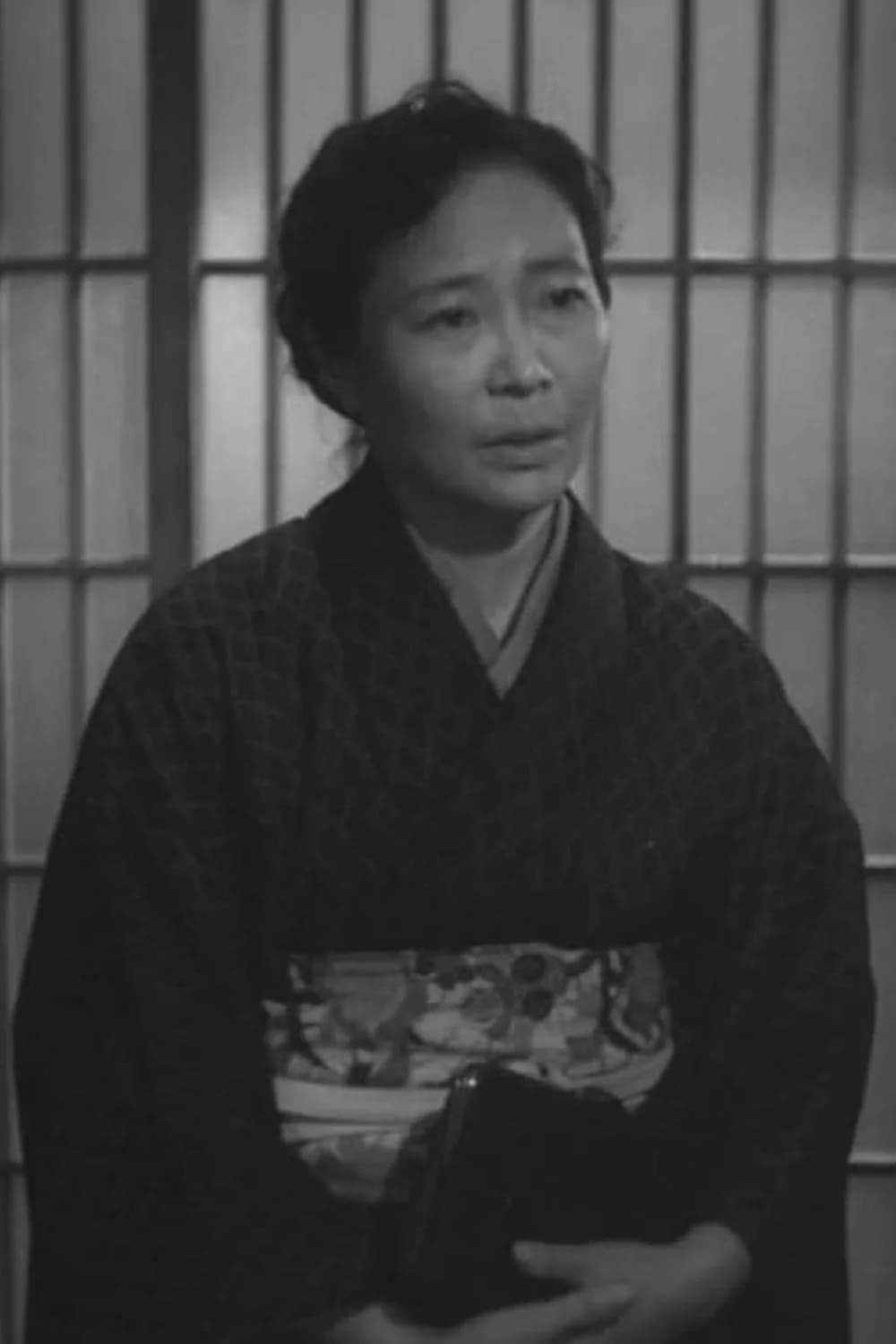
Noriko Honma
Cast · Known for Ikiru
Noriko Honma (本間文子 Honma Noriko, born 29 November 1911 - 12 April 2009) is a Japanese actress whose film work occurred primarily during the 1950s. She was born in Hokkaido. She worked in many of Akira Kurosawa's films, first appearing in Kurosawa's Rashomon as the Miko, also in Ikiru, The Seven Samurai, Akahige, and Dreams.
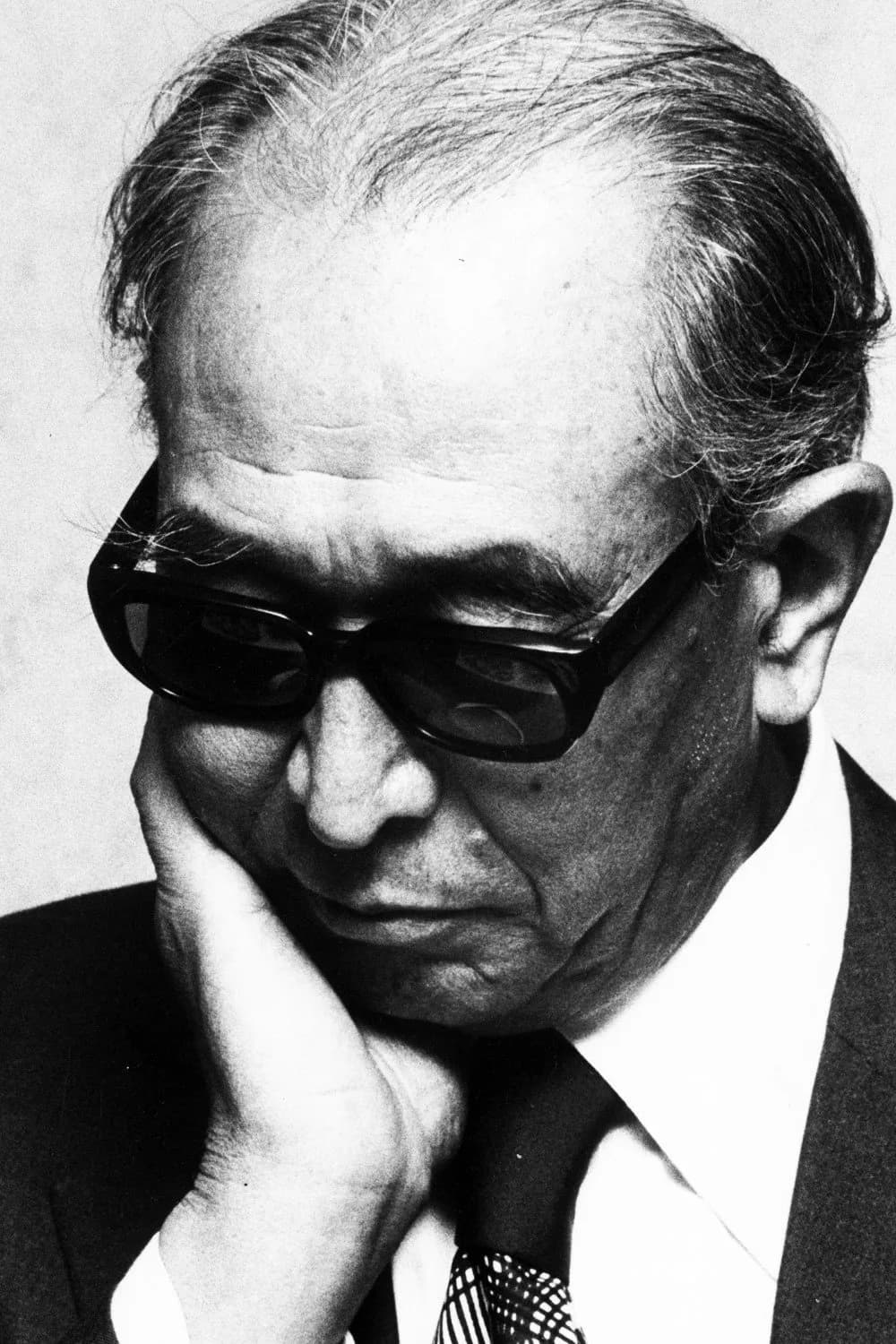
Akira Kurosawa
Director · Known for High and Low, Ikiru, Seven Samurai
Akira Kurosawa (黒澤 明) was a Japanese filmmaker and painter who directed thirty films in a career spanning over five decades. He is widely regarded as one of the greatest and most influential filmmakers in the history of cinema. He displayed a bold, dynamic style, strongly influenced by Western cinema yet distinct from it; he was involved with all aspects of film production. Kurosawa entered the Japanese film industry in 1936, following a brief stint as a painter. After years of working on numerous films as an assistant director and scriptwriter, he made his debut as a director during World War II with the popular action film Sanshiro Sugata (1943). After the war, the critically acclaimed Drunken Angel (1948), in which Kurosawa cast the then little-known actor Toshiro Mifune in a starring role, cemented the director's reputation as one of the most important young filmmakers in Japan. The two men would go on to collaborate on another fifteen films. Rashomon (1950), which premiered in Tokyo, became the surprise winner of the Golden Lion at the 1951 Venice Film Festival. The commercial and critical success of that film opened up Western film markets for the first time to the products of the Japanese film industry, which in turn led to international recognition for other Japanese filmmakers. Kurosawa directed approximately one film per year throughout the 1950s and early 1960s, including a number of highly regarded (and often adapted) films, such as Ikiru (1952), Seven Samurai (1954), Throne of Blood (1957), Yojimbo (1961) and High and Low (1963). After the 1960s he became much less prolific; even so, his later work—including two of his final films, Kagemusha (1980) and Ran (1985)—continued to receive great acclaim. In 1990, he accepted the Academy Award for Lifetime Achievement. Posthumously, he was named Asian of the Century in the Arts, Literature, and Culture category by AsianWeek magazine and CNN, cited there as being among the five people who most prominently contributed to the improvement of Asia in the 20th century. His career has been honored by many retrospectives, critical studies and biographies in both print and video, and by releases in many consumer media.
Kumeko Urabe
Cast · Known for Ikiru
Kumeko Urabe (Japanese: 浦辺粂子), born Kimura Kume ((木村 くめ)), (October 5, 1902 – October 26, 1989) was a Japanese movie actress, one of the first in the country. She worked on stage and in film and television. Urabe was born in a rural part of the Shizuoka Prefecture. She lived in several homes while growing up, as she relocated with her father, a Buddhist priest, among the temples to which he was assigned. Urabe completed her education in Numazu, and left school in 1919 to join a theatre company, touring under various stage names as an actor and dancer. In 1923, Urabe auditioned at the film studio Nikkatsu, and adopted the name Kumeko Urabe, by which she was known for the rest of her life. She appeared in her first film the following year, and continued to act until 1987. She worked with such directors as Kenji Mizoguchi and Mikio Naruse, and performed in over 320 films, including Ikiru, Older Brother, Younger Sister, Portrait of Madame Yuki, She Was Like a Wild Chrysanthemum, and Street of Shame. She also starred in television dramas, including thirteen episodes of Toshiba Sunday Theatre between 1958 and 1980. In the following decade, she carved a niche as a Grandma idol, until her death in 1989.