
Search

Harakiri
1962
Down-on-his-luck veteran Tsugumo Hanshirō enters the courtyard of the prosperous House of Iyi. Unemployed, and with no family, he hopes to find a place to commit seppuku—and a worthy second to deliver the coup de grâce in his suicide ritual. The senior counselor for the Iyi clan questions the ronin’s resolve and integrity, suspecting Hanshirō of seeking charity rather than an honorable end. What follows is a pair of interlocking stories which lay bare the difference between honor and respect, and promises to examine the legendary foundations of the Samurai code.

Akira Ishihama
Cast · Known for Harakiri
Akira Ishihama, born on January 29, 1935, in Tokyo, Japan, was a distinguished actor known for his roles in Harakiri, Mobile Sheriff Jiban,"and Kamen Rider Black: Terrifying! The Phantom House of Devil Pass. He sadly passed away of natural causes on July 26, 2022 at the age of 87 in Saitama, Japan.
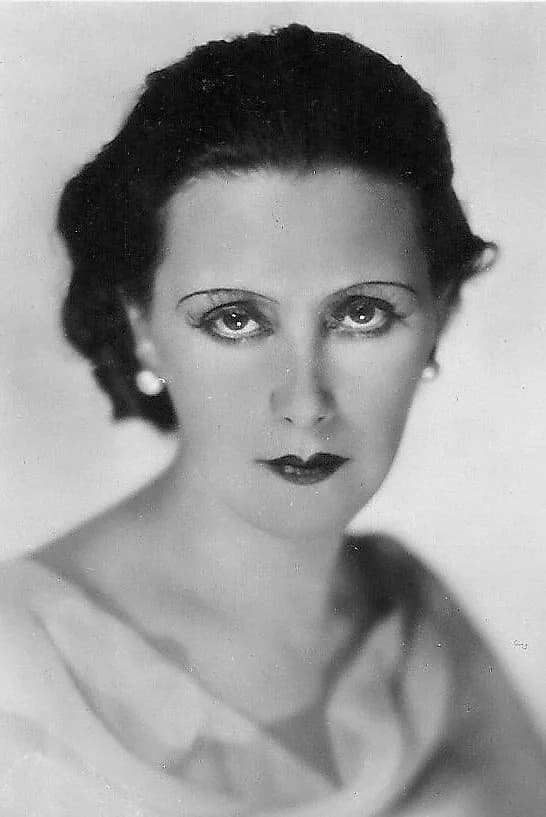
Lil Dagover
A prominent German film actress born on 30 September 1887 at Madiven, Java, the daughter of a forest ranger in the service of the Dutch authorities. Sent at the age of ten to Baden-Baden to study, she later entered the cinema thanks to her marriage in 1917 to the actor Fritz Dagover who was 25 years her senior. They divorced in 1919 but not before he had introduced her to director Robert Wiene and other notables of German cinema. She made her screen debut in Fritz Lang's Harakiri (1919). Immediately after she appeared in Wiene's classic expressionist film, "The Cabinet of Dr. Caligari" (aka The Cabinet of Dr. Caligari (1920)). Apart from three trips -- one to Sweden in 1927, another to France in 1928-9 and one to Hollywood in 1931 -- most of Lil Dagover's career and fate was linked to that of the German cinema, where her role was usually that of the frail, menaced heroine. She continued to star in a great number of films during the Nazi era. Among her best performances were her roles in Congress Dances (1931), in Gerhard Lamprecht's The Higher Command (1935) and in Veit Harlan's The Kreutzer Sonata (1937). She also acted in the Deutsches Theatre Berlin, the Salzburg Festival, at forces shows and at war theaters. At one time, she was reported to have been a close friend of Adolf Hitler. In 1944, she received the War Merits Cross. Dagover continued her career in post-war Germany, playing many supporting parts until the late 1970s.
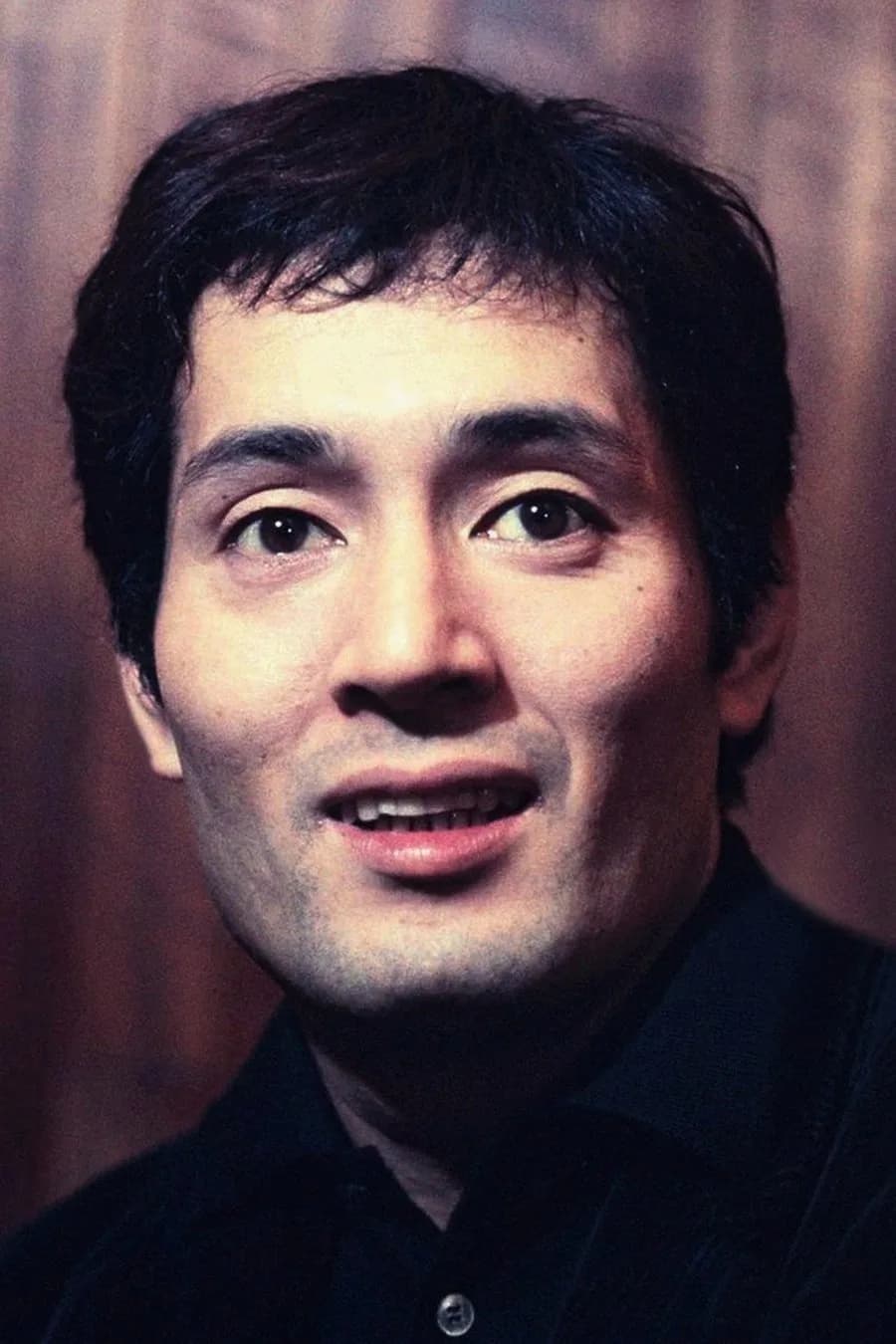
Tatsuya Nakadai
Cast · Known for Harakiri, Ran, High and Low
Tatsuya Nakadai (仲代 達矢, Nakadai Tatsuya; born Motohisa Nakadai; December 13, 1932 – November 8, 2025) was a Japanese actor. Widely regarded as one of the greatest actors in the history of Japanese cinema, he collaborated extensively with many of Japan's best-known and acclaimed directors. In his over seven decade career, he appeared in more than 160 films, and received numerous accolades. He was honored with a Medal with Purple Ribbon in 1996 and Japan's Order of Culture in 2015. Nakadai rose to prominence starring in Masaki Kobayashi's films, with his breakthrough being the protagonist of the epic anti-war trilogy The Human Condition (1959–1961). He won the Blue Ribbon Award for Best Actor for his performance as the vengeful ronin in Harakiri (1962), a role he considered his finest. Nakadai collaborated on eleven films with Kobayashi—including Kwaidan (1964) and Samurai Rebellion (1967)—and five with Akira Kurosawa, most notably as the tragic warlord in Ran (1985), a performance that earned global acclaim. His other notable credits included Seven Samurai (1954), Yojimbo (1961), The Sword of Doom (1966), The Face of Another (1966), Goyokin (1969), Kagemusha (1980), and The Tale of the Princess Kaguya (2013). A lifelong stage actor, he founded the Gendai Nohgaku-kai troupe in 1975 and continued performing on stage into his nineties. Description above from the Wikipedia article Tatsuya Nakadai, licensed under CC-BY-SA, full list of contributors on Wikipedia.

Masaki Kobayashi
Director · Known for Harakiri
Masaki Kobayashi (小林 正樹, Kobayashi Masaki; February 14, 1916 – October 4, 1996) was a Japanese filmmaker. He is best remembered for directing the epic war trilogy The Human Condition (1959–1961), the samurai films Harakiri (1962) and Samurai Rebellion (1967), and the horror anthology epic Kwaidan (1964). Senses of Cinema described him as "one of the finest depicters of Japanese society in the 1950s and 1960s." Although overshadowed by other Japanese filmmakers like Akira Kurosawa and Yasujirō Ozu in his lifetime, his work has gained wider traction in the 21st century with several of his films being ranked as some of the greatest films ever made. Description above from the Wikipedia article Masaki Kobayashi, licensed under CC-BY-SA, full list of contributors on Wikipedia.

Yoshio Miyajima
Cinematographer · Known for Harakiri
Yoshio Miyajima (宮島義勇, Miyajima Yoshio; February 3, 1909 – February 21, 1998) was a Japanese cinematographer during the 20th century. The Man Called "Emperor" A self-proclaimed and widely acknowledged "activist" who sought to drive social change more than photography. Notable works include Harakiri, The Human Condition trilogy, and Kwaidan.
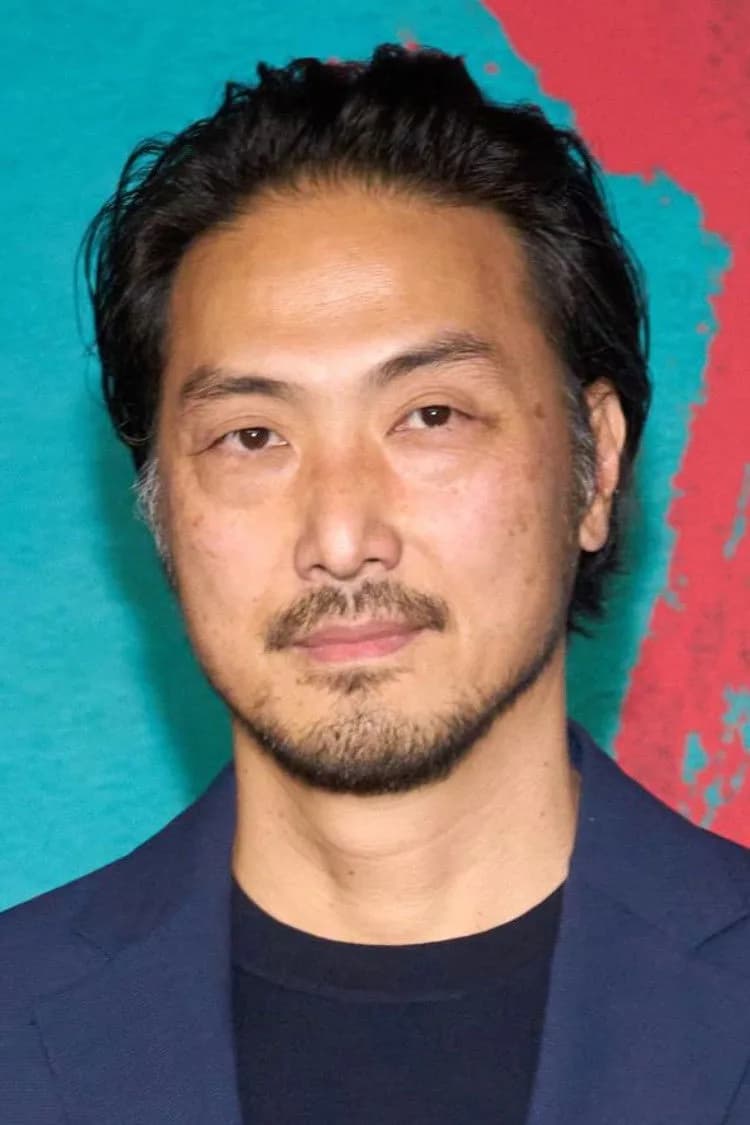
Takehiro Hira
Cast · Known for Shōgun, Captain America: Brave New World
Takehiro Hira (平 岳大, Hira Takehiro, born July 27, 1974) is a Japanese theatre, film, and television actor. Hira was born in Setagaya, Tokyo, Japan, to actors Mikijirō Hira and Yoshiko Sakuma. He was raised in Japan until he was 15 years old. He went to high school at Moses Brown School in Providence, Rhode Island, United States, and then attended Brown University. He made his theatrical debut in 2002 with Rokumeikan, which was written by Yukio Mishima. He worked closely with his father, Mikijirō Hira, who was also a Japanese actor. Takehiro played the role of Iago in the production of Othello with his father playing Othello. He received major recognition when he played the last shogun, Yoshinobu Tokugawa, in the NHK taiga drama Atsuhime. He has appeared in several films of Takashi Miike, including Hara-Kiri: Death of a Samurai, Ace Attorney, and Aku no Kyoten. He plays Natsuka Masaie in the big-budget film Nobou's Castle. He played the role of the Player Queen in the English stage production of Hamlet in 2005, in which the title role was played by Michael Maloney. This three-month tour was received well at many places in the UK. Hira played the lead role in the 2019 British TV series Giri/Haji. He has also had notable parts in the American films Lost Girls & Love Hotels (2020) and Snake Eyes (2021) and a minor role in Gran Turismo. In 2024, Hira starred in FX's adaptation of Shōgun. Description above from the Wikipedia article Takehiro Hira, licensed under CC-BY-SA, full list of contributors on Wikipedia.