
Search

The War Between the Land and the Sea
2025
When a fearsome and ancient species emerges from the ocean, dramatically revealing themselves to humanity, an international crisis is triggered. With the entire population at risk, UNIT step into action as the land and sea wage war.

Lachele Carl
Lachele J. Carl (born April 29, 1960, in Pittsburgh, Pennsylvania) is an American actress and voice actress based in England. She studied theatre arts at Point Park College (now Point Park University) from 1977 to 1982, training in classical theatre at the Pittsburgh Playhouse, and made her film debut as Sandra Carrington in the horror film Midnight (1982). She began travelling in search of acting work, working in Japan, Europe, and South Africa, before emigrating to England in 1985 to pursue Shakespearean theatre, where she joined the TNT theatre company. She lives in Crouch End, North London, with her husband, composer Alejandro Viñao, and their son Matteo. Her most notable television role is as news anchor Trinity Wells in Doctor Who (2005–2008, 6 episodes) and its spin-offs The Sarah Jane Adventures, Torchwood, and The War Between the Land and the Sea (2023–2025), making her the only actor to play a named character in three of the four BBC Wales series. She is also well known for voicing Muck in the US dub of Bob the Builder (1999, 215 episodes). Other television credits include Grange Hill (1991), The Honourable Woman (2015), Modus (2016), Deep State (2018), Into the Badlands (2018–2019), Flesh and Blood (2020, Masterpiece), Avenue 5 (2022), Wednesday (2022, as Agnes, Netflix), and The Veil (2024). In film, Carl appeared as a TV Technician in Batman (1989, directed by Tim Burton), a Reporter in A Kiss Before Dying (1991), a TV News Anchor in Alien Autopsy (2006), Gloria in Denial (2016), FBI Director in Show Dogs (2018), and Julia Rose in Tell No Lies (2024). On stage she performed in A Streetcar Named Desire (Young Vic, broadcast as National Theatre Live in 2014) and Gods and Monsters (Southwark Playhouse).
April Walker
April Walker is a British actress and trained at the Royal Academy of Dramatic Art between 1960 and 1962. She worked extensively in repertory and touring theatre before appearing on television in BBC TV comedy series such as The Two Ronnies, Fawlty Towers (as Jean Wilson, in an early episode in which a hotel proprietor, Basil Fawlty, played by John Cleese, seeks to stamp out suspected extra-marital liaisons on his premises), Yes Minister (as a journalist, who discovers that a Government Minister, whose wife is a friend of hers, has retained for himself a valuable vase presented during an overseas visit), Dad's Army (as a Second World War “land girl”), Morecambe and Wise, The Dick Emery Show, Terry and June, Sykes, and The Les Dawson Show. Interspersed with the comedy were drama series which included appearances in Inspector Wycliffe, Anna Karenina, Minor Complications, Father Brown, The Prince and the Pauper, Judge John Deed and Waking The Dead. She has also performed on radio, including the last series of The Navy Lark, and in films such as The Pink Panther Strikes Again, Rhubarb Rhubarb and Shadow in a Landscape. Walker's experience of touring took her to Canada and South Africa in 1979, with Eric Sykes and Hattie Jacques, and to the Middle East and Far East in 1990 with Tim Brooke Taylor in a Derek Nimmo production of Alan Ayckbourn's Table Manners. She has appeared in West End productions: Oh Clarence at the Lyric Theatre in 1968 (in which she played Jon Pertwee's niece), in Key For Two at the Vaudeville in 1982, Present Laughter at both the Aldwych Theatre and the Wyndham Theatre in 1996, and Brief Encounter at the Lyric Theatre in 2000. In 1973, a new companion was being sought to star opposite Jon Pertwee in the long-running television series Doctor Who. After auditioning many women, producer Barry Letts selected Walker for the role of Sarah Jane Smith. Pertwee, who had been playing the Doctor for some time, had not been consulted and totally disagreed with the casting although he and Walker had worked harmoniously together in Oh Clarence. He was not comfortable with playing opposite his female co-star, who was tall and blonde. Already contractually protected, Walker was paid for the entire season but any monies earned at the BBC during the period of the contract were deducted. The role was re-cast with Elisabeth Sladen, who was not as tall as Walker and had dark hair. Although committed to not talking about the issue in her release agreement, Walker began to discuss the circumstances surrounding her casting decades later. After giving some written interviews to fanzines, in May 2020 Walker gave an on-screen interview to 'Time Space Visualiser' giving much further detail about the circumstances, including revealing later work alongside Pertwee in the last series of radio comedy, The Navy Lark. Walker stated that they "were perfectly civil to each other, but I could never quite forgive him"
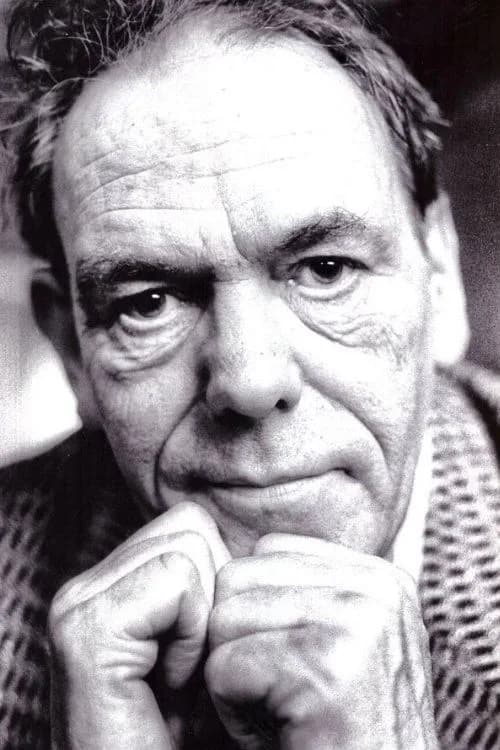
Jim Allen
James Allen was a socialist playwright from Miles Platting, Manchester, Lancashire, best known for his collaborations with Ken Loach. Allen began to write during his time as a miner. In 1958, he was involved in the launch and publication of The Miner. In 1964, he submitted a script to Granada TV, and was taken on as a scriptwriter for the soap opera Coronation Street (1965–67), a series for which he had little sympathy. His later play, The Talking Head (1969), recounts the experience of a talented writer driven to a nervous breakdown by the pressure of "episode delivery dates". Allen's first play, The Hard Word (1966), directed by Ridley Scott, was broadcast as part of the Thirty-Minute Theatre series on BBC 2. It was followed by The Lump (1967), the first fictional work directed by Jack Gold, who had begun his career on documentaries, and broadcast as part of The Wednesday Play drama anthology series. Both plays were based on his experiences in the building trade, and The Lump features an activist worker who frequently quotes Lenin and Jack London, establishing the political nature of Allen's work which was to continue throughout his career. Allen was introduced to Ken Loach in 1967 by Loach's regular collaborator at the time, producer Tony Garnett] who had produced The Lump. The first of Allen's plays to be directed by Loach was The Big Flame (1969), again for The Wednesday Play series. The play depicts a strike among the dockers of Liverpool, led by a Trotskyite docker against the wishes of the established union; the strike is violently broken by the army and police. In 1975, Allen wrote, Garnett produced, and Loach directed Days of Hope, Allen's best-known work. A serial of four episodes, it tells the story of the British Labour movement between the Great War in 1916 and the General Strike of 1926. The series' depiction of the British Army was the subject of much hostile criticism in the press at the time. Allen also wrote five plays (The Rank and File (1971), A Choice of Evils (1977), The Spongers (1978), United Kingdom (1981) and Willie's Last Stand (1982)) for the BBC's Play for Today drama series, and several episodes of the Granada series Crown Court (1975–76). With Loach as director, Allen wrote the screenplays for three feature-length films: Hidden Agenda (1990), which portrays the murder of an American civil rights activist in Belfast, Raining Stones (1993), a kitchen-sink tragicomedy set in Middleton, near Manchester, and, Allen's final dramatic work, Land and Freedom (1995), telling the story of an idealistic young Communist from Liverpool who joins the Government forces in the Spanish Civil War. Allen was diagnosed with cancer in February 1999, and died the following June.
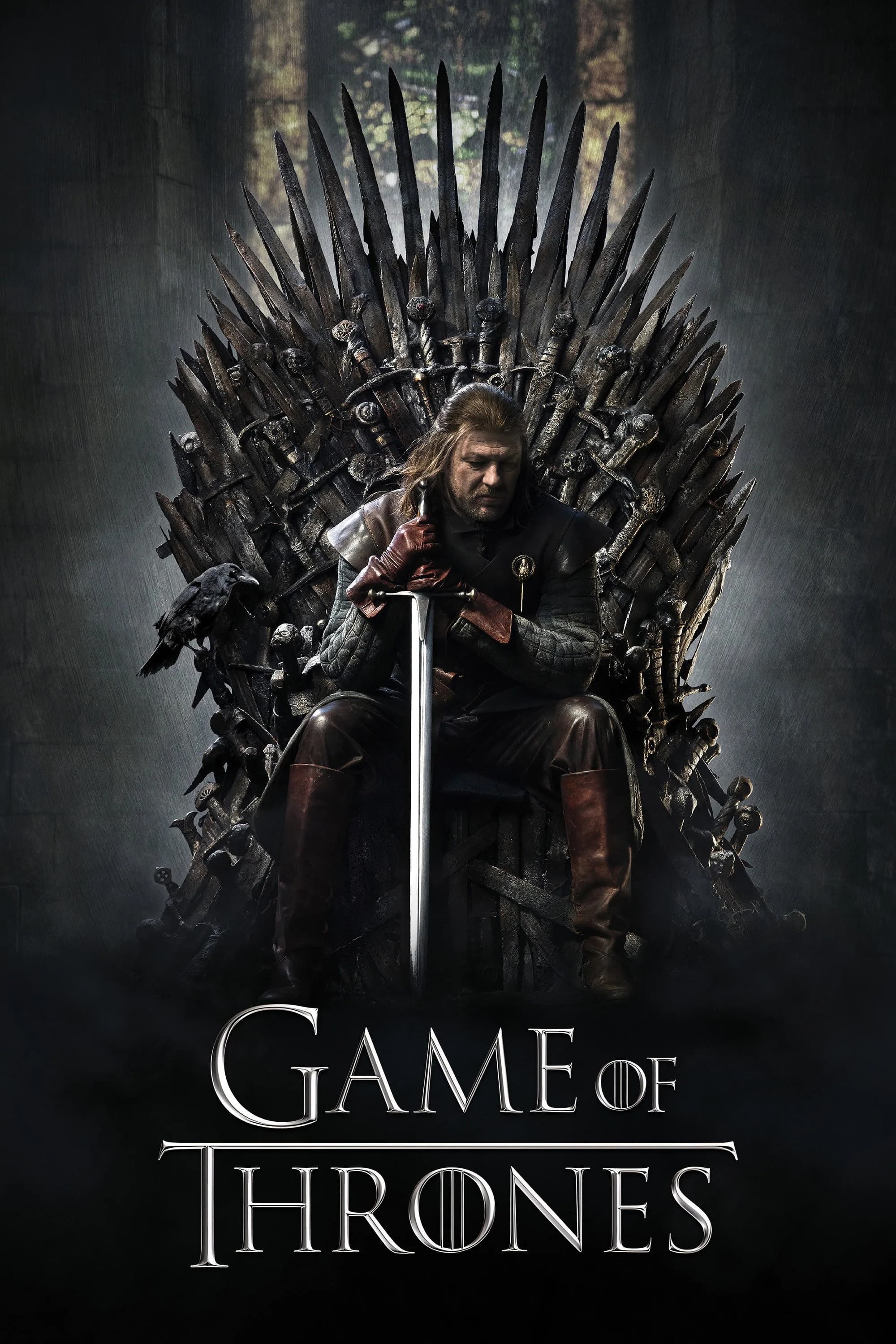
Game of Thrones
2011
Seven noble families fight for control of the mythical land of Westeros. Friction between the houses leads to full-scale war. All while a very ancient evil awakens in the farthest north. Amidst the war, a neglected military order of misfits, the Night's Watch, is all that stands between the realms of men and icy horrors beyond.
Game of Thrones
game-of-thrones-1399
Seven noble families fight for control of the mythical land of Westeros. Friction between the houses leads to full-scale war. All while a very ancient evil awakens in the farthest north. Amidst the war, a neglected military order of misfits, the Night's Watch, is all that stands between the realms of men and icy horrors beyond.
Robert Lankesheer
Robert Lankesheer (1914–1993) was a British stage, radio and television actor, best known for playing the character Leamington Sparr in the radio soap The Dales between 1963 and 1966 and Chamberlain in the television series Doctor Who in 1965. He was born on 28 April 1914 in Southampton, England. Whilst working for the local government in the land registry department he took evening classes and qualified in law. He served in the army during World War II as an officer in the Royal Artillery. After the war he decided to take up acting professionally. On stage, in addition to his repertory theatre work, Robert Lankesheer played Sir Henry Burke in Templeton at the Arts Theatre in 1958 and Mr Quelch between 1960 and 1963 in the Billy Bunter Christmas shows at the Victoria Palace Theatre and Queen's Theatre, London. He had a long association with The Royal Opera, Covent Garden, performing roles in Carmen (1973), A Midsummer Night's Dream (1974, 1976, 1984) and Die Zauberflöte (1979, 1980, 1983, 1985, 1986,1987,1989, 1991). In films, Robert Lankesheer appeared in David Copperfield (1970) and Young Winston (1972). Robert Lankesheer died on 29 December 1993 in London, England of emphysema
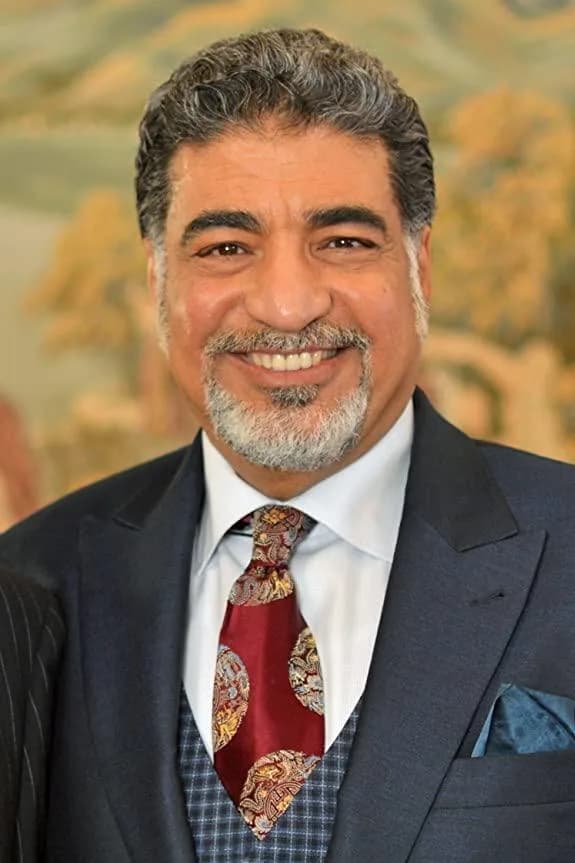
Sayed Badreya
Cast · Known for Iron Man
Egyptian-born film-maker and actor Sayed Badreya realized a childhood dream by winning roles in major Hollywood films such as The Insider, Three Kings, and Independence Day. Growing up in poverty in Port Said, Sayed Badreya's dreams of movie stardom looked as bleak as the prospect of peace in the Middle East. From the Six Day War in '67 through the Yom Kippur War in '73, his only escape from the world he knew was the movie theater, where films transported him to a magical land. But it was here that he determined he was destined to be a part of that magic. After attending New York University film school, and then moving to Hollywood, Sayed first worked in the film industry as an assistant to actor/director Anthony Perkins, and then with director James Cameron on True Lies. His mission - to make movies that told the Arabic- American story, since it had yet to be told - led to the creation of his own production company, Zoom In Focus. Under this banner, he directed and produced the documentary, Saving Egyptian Film Classics as well as The Interrogation, which won Best Creative Short Film at New York International Film Festival. He also produced and starred in Hesham Issawi's short, T for Terrorist, which was awarded Best Short Film at the Boston International Film Festival and the San Francisco World Film Festival. In 2007, he played his first leading role in the English language motion picture American East, a film that he also co-wrote. 2008 was Sayed Badreya's breakout year. He captivated audiences as Abu Bakaar, the villainous arms dealer who kidnaps Tony Stark (Robert Downey Jr.) in the summer's blockbuster Iron Man. Also that year, Sayed played the comedic Palestinian cab driver opposite Adam Sandler in You Don't Mess with the Zohan. This summer, Sayed can be seen in Paramount Pictures' feature film El traspatio aka Backyard, directed by Oscar-nominated Carlos Carrera in which he plays a serial killer opposite Ana de la Reguera. Sayed can also be seen this summer in Movie 43, where he plays opposite Halle Berry. Additional forthcoming films include The Three Stooges, his fifth film with the Farrelly brothers; The Dictator, playing Sascha Baron Cohen's father as the original Dictator, and Just Like a Woman, with Oscar nominated director Rachid Bouchareb. Also, Sayed is going to a new frontier in the new video game Uncharted 3, playing Ramses the Great Pirate Captain. Most recently he completed his second leading role in the New York independent feature, Cargo, about human traffickers, directed by Yan Vizinberg. And he just finished co-starring opposite Oscar-nominated actress Melissa Leo in film The Space Between, directed by Travis Fine. Sayed has also worked as an actor, Arabic dialect coach, and Islamic technical advisor on Path to 9/11, a $40 million mini-series about the events leading up to 9/11 produced by ABC/Touchstone. Sayed's efforts to bring attention to Arab-Americans in the motion picture industry have received much coverage over the years on radio, television, and in major publications around the world, such as The New York Times, GQ, NPR, ABC's "Politically Incorrect" with Bill Maher, BBC's "Panorama," CNN, "Fox Report with Shepard Smith", The Hollywood Reporter and Egypt Today.
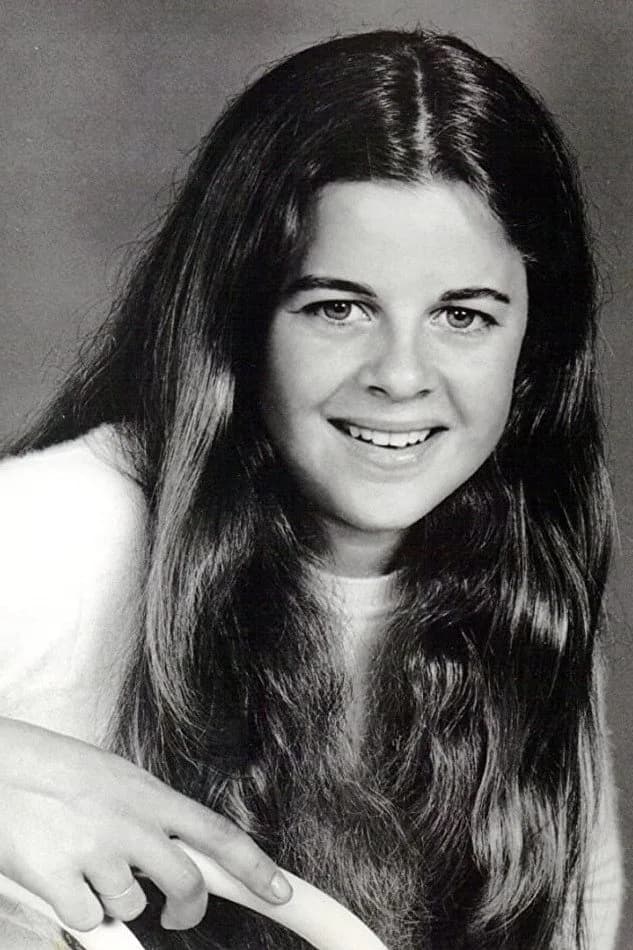
Lisa Gerritsen
Cast · Known for The Mary Tyler Moore Show
Lisa Gerritsen's acting career spanned the years of 1968 to around 1977. She was introduced to acting in a local summer parks department production, when she was eight. Soon afterward, she began pursuing a professional career. Encouraged by her mother and grandfather, veteran screenwriter True Boardman, she weathered the disappointments of numerous casting calls until she landed her first professional role in an episode of Doris comédie (1968) in 1968. She went on to guest-star in several TV shows including Bonanza (1959), The Courtship of Eddie's Father (1969), Le Virginien(1962) and Cher oncle Bill (1966), to name just a few. She was also cast in several episodes of Gunsmoke (1955), one of which helped her to land a regular role in the 1969 NBC comedy series, My World and Welcome to It (1969), which starred William Windom and Joan Hotchkis. In 1970, she was cast in her most notable role, "Bess Lindstrom", on The Mary Tyler Moore Show (1970). She appeared in a total of ten episodes between 1970-1975. Lisa went on to reprise the role of "Bess" as a regular in the 1975-1977 spin-off series, Phyllis (1975). In addition to her numerous TV appearances, she also was cast in several movies. She made her first big-screen appearance in Airport (1970), playing the role of Burt Lancaster's daughter, "Libby Bakersfeld". Her most memorable movie role was as "Linda" in The War Between Men and Women (1972), which starred Jack Lemmon and Barbara Harris. She also starred in several other movies, including Les hurlements de la forêt (1971), Locusts (1974) and Mixed Company (1974). - IMDb Mini Biography

The Hunger Games: Mockingjay - Part 2
2015
As the war between the Capitol and the districts reaches its peak, Katniss Everdeen embarks on a perilous mission to liberate Panem and confront President Snow. Joined by a team of trusted allies, she navigates deadly traps, shifting loyalties, and the heavy cost of rebellion, determined to bring freedom to her people and end the Hunger Games once and for all.

Lisa Eilbacher
Cast · Known for Beverly Hills Cop
Lisa Marie Eilbacher (born May 5, 1956) is an American retired actress. She is best known for her roles as Jenny Summers - Axel Foley's friend in Beverly Hills Cop and as Casey Seeger, the cadet who couldn't make it over the wall on the obstacle course in An Officer and a Gentleman (1982). She said the hardest part of playing that role was pretending she was out of shape, because she was an avid body builder. She spent her most formative years in Paris then moved to Beverly Hills, California with her family, when she was seven. In true Hollywood fashion, she was spotted by a talent agent while out walking with her mother. It wasn't long before the little girl who spoke French began perfecting her English in television commercials and on such TV westerns as Wagon Train (1957), Gunsmoke (1955), Laredo (1965) and Bonanza (1959). Among her credits as a teenager and after graduating from high school, she starred in The Hardy Boys/Nancy Drew Mysteries (1977), and, since those early days, has had prominent parts in countless series and television films including Deadly Intentions (1985), The Ordeal of Patty Hearst (1979), The War Between Men and Women (1972), a motion picture starring Jack Lemmon and Barbara Harris, Love for Rent (1979), To Race the Wind (1980) and This House Possessed (1981). Her roles in miniseries include The Winds of War (1983) opposite Robert Mitchum and Monte Carlo (1986) with Malcolm McDowell. She auditioned for the role of Princess Leia in Star Wars: Episode IV - A New Hope (1977).
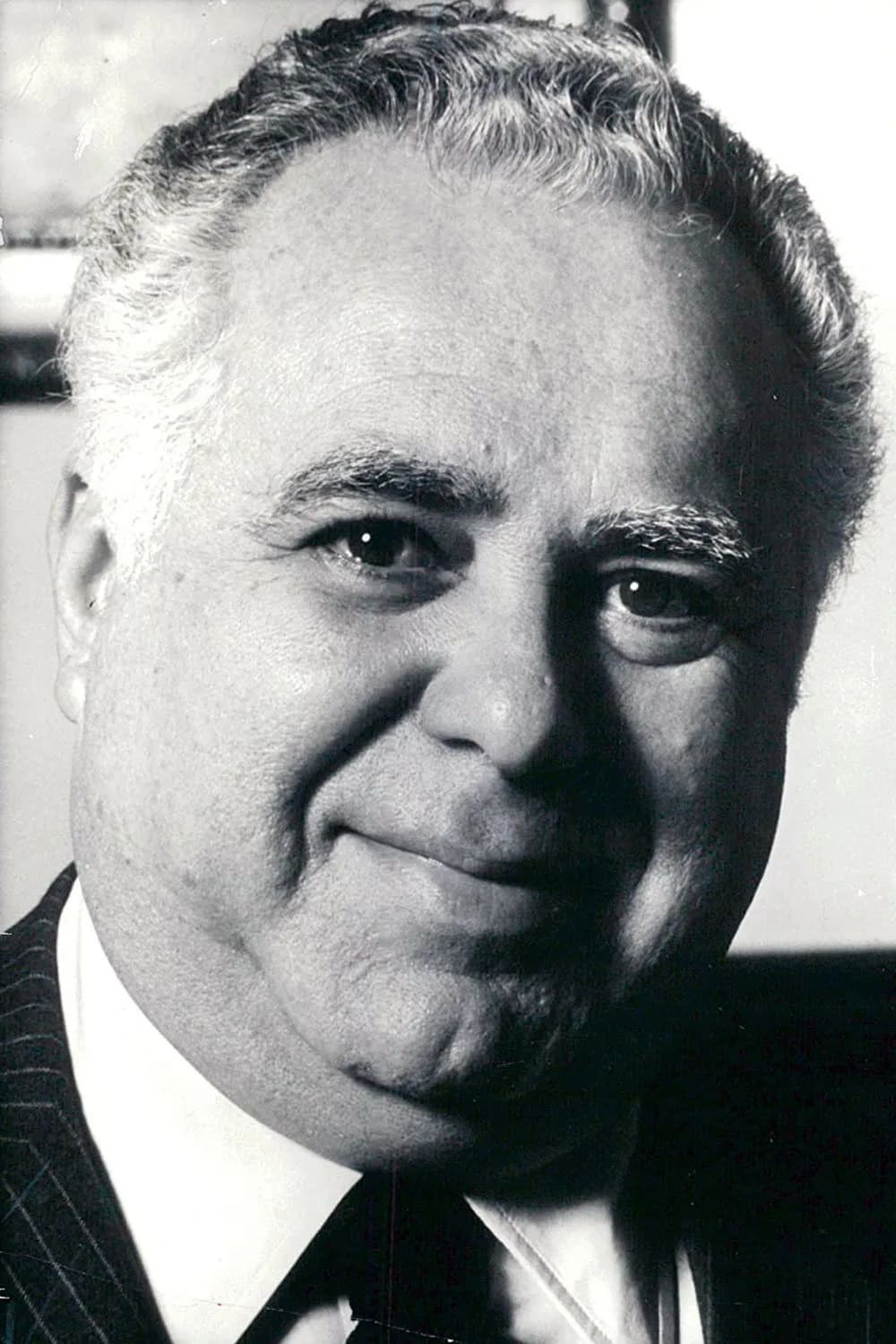
Harry Saltzman
Producer · Known for You Only Live Twice
Herschel "Harry" Saltzman (October 27, 1915 – September 28, 1994) was a Canadian theatre and film producer. He is best remembered for co-producing the first nine of the James Bond film series with Albert R. Broccoli. He lived most of his life in Denham, Buckinghamshire, England. Saltzman was born in a hospital in Sherbrooke, Quebec, the son of Jewish immigrants Abraham Saltzman and Dora Horstein. He was raised in Saint John, New Brunswick for the first seven years of his life. His father, a horticulturalist, immigrated to the US in 1905 from Kozienice, Poland (then the Russian Empire), marrying Dora in 1909. The couple moved to Canada in 1910 where their four oldest children (Minnie, Florence, Harry and Isadore) were born, before moving the family to Cleveland, Ohio where their youngest son, David, was born. Harry ran away from home at the age of 15. Saltzman was 30 when he learned where he had actually been born. At about age 17, Saltzman joined a circus and travelled with them for some years. In 1932, Saltzman moved to Paris to study political science and economics. However within a year, he was "hand-picking talent for 40 two-a-day vaudeville houses all over Europe." Saltzman claimed that he had worked as an assistant for French film director René Clair, who came to the United States in 1940 to make the film The Flame of New Orleans. In 1942, Saltzman signed a booking contract with Fanchon & Marco Enterprises. Saltzman went to the West Coast to sign big picture names. Saltzman sought the Ritz Brothers, but due to film commitments, they could not sign. In 1943, Saltzman was managing The Gilbert Brothers' Combined Circus. According to an advert, the 1943 season began 26 May in Clifton, New Jersey, and was booked solid through the Eastern American states until mid-October. Shortly after World War II began, he enlisted with the Royal Canadian Air Force in Vancouver. He received a medical discharge in Trenton, Ontario in 1943, and joined the U.S. Psychological Warfare Bureau, because he wanted to get back to Europe. Saltzmann was initially stationed at the North African theatre in 1943 before being reassigned to London. In 1945, Saltzman helped Lin Yutang establish UNESCO's film division, which was initially focused on trying to mediate the Chinese Civil War between the Communist Party and the Kuomintang. He eventually quit due to "east-west differences" which to him seemed "so hopeless". Saltzman spent a year with the French government's Ministry of Reconstruction. At that point, he decided he wanted back in show business. ... Source: Article "Harry Saltzman" from Wikipedia in English, licensed under CC-BY-SA 3.0.

The Good, the Bad and the Ugly
1966
While the Civil War rages on between the Union and the Confederacy, three men – a quiet loner, a ruthless hitman, and a Mexican bandit – comb the American Southwest in search of a strongbox containing $200,000 in stolen gold.
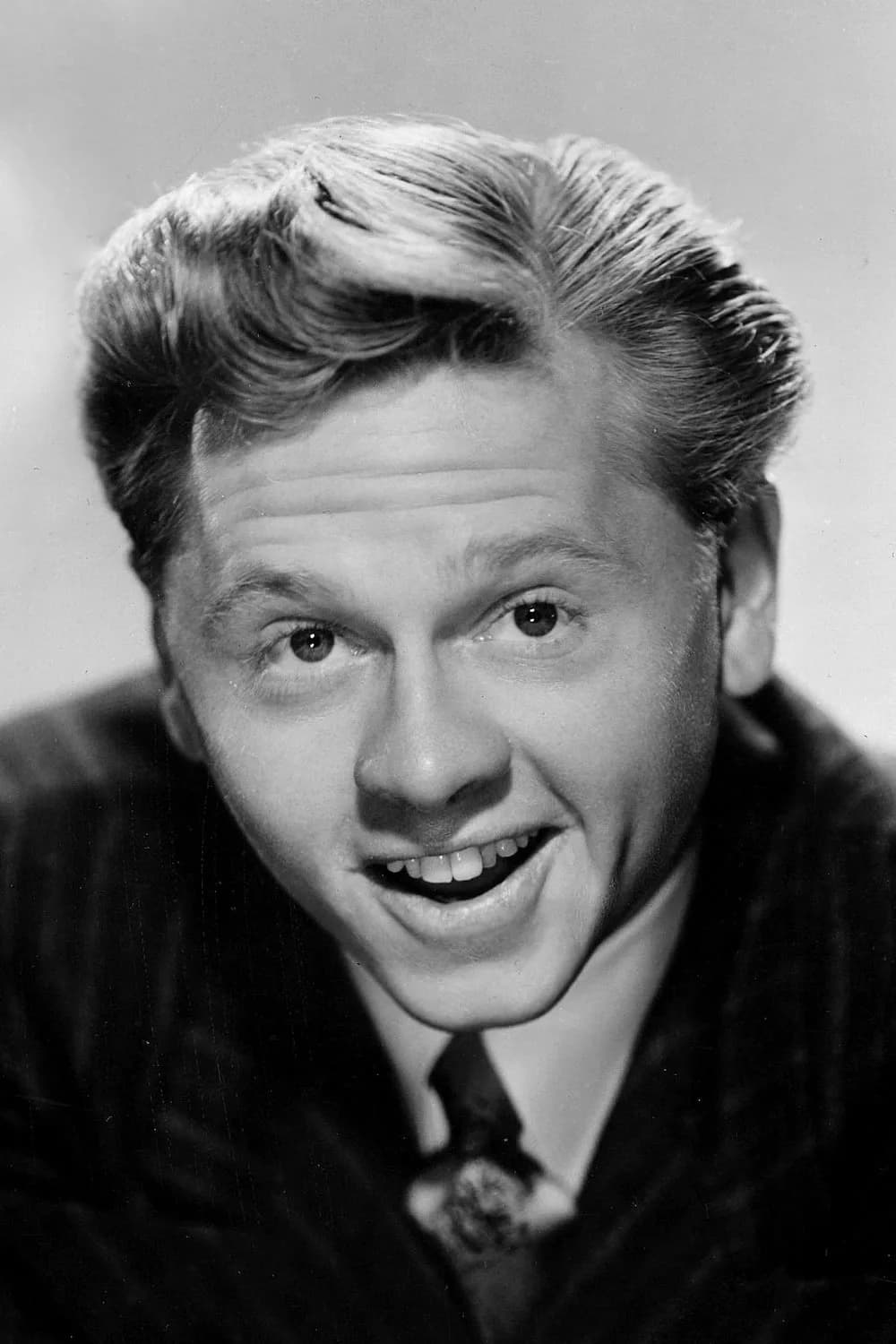
Mickey Rooney
From Wikipedia, the free encyclopedia Mickey Rooney (born Joseph Yule Jr.; September 23, 1920 – April 6, 2014) was an American actor, vaudevillian, comedian, producer, and radio personality. In a career spanning nine decades and continuing until shortly before his death, he appeared in more than 300 films and was among the last surviving stars of the silent film era. At the height of a career that was marked by declines and comebacks, Rooney performed the role of Andy Hardy in a series of 16 films in the 1930s and 1940s that epitomized American family values. A versatile performer, he became a celebrated character actor later in his career. Laurence Olivier once said he considered Rooney "the best there has ever been". Clarence Brown, who directed him in two of his earliest dramatic roles, National Velvet and The Human Comedy, said he was "the closest thing to a genius I ever worked with". Rooney first performed in vaudeville as a child and made his film debut at the age of six. At 14, he played Puck in the play and later the 1935 film adaptation of A Midsummer Night's Dream. Critic David Thomson hailed his performance as "one of the cinema's most arresting pieces of magic". In 1938, he co-starred in Boys Town. At 19, he was the first teenager to be nominated for an Oscar for his leading role in Babes in Arms, and he was awarded a special Academy Juvenile Award in 1939. At the peak of his career between the ages of 15 and 25, he made 43 films, which made him one of Metro-Goldwyn-Mayer's most consistently successful actors and a favorite of MGM studio head Louis B. Mayer. Rooney was the top box-office attraction from 1939 to 1941 and one of the best-paid actors of that era, but his career would never again rise to such heights. Drafted into the Army during World War II, he served nearly two years entertaining over two million troops on stage and radio and was awarded a Bronze Star for performing in combat zones. Returning from the war in 1945, he was too old for juvenile roles but too short to be an adult movie star, and was unable to get as many starring roles. Nevertheless, Rooney's popularity was renewed with well-received supporting roles in films such as Breakfast at Tiffany's (1961), Requiem for a Heavyweight (1962), It's a Mad, Mad, Mad, Mad World (1963), and The Black Stallion (1979). In the early 1980s, he returned to Broadway in Sugar Babies and again became a celebrated star. Rooney made hundreds of appearances on TV, including dramas, variety programs, and talk shows, and won an Emmy in 1982 plus a Golden Globe for his role in Bill (1981).
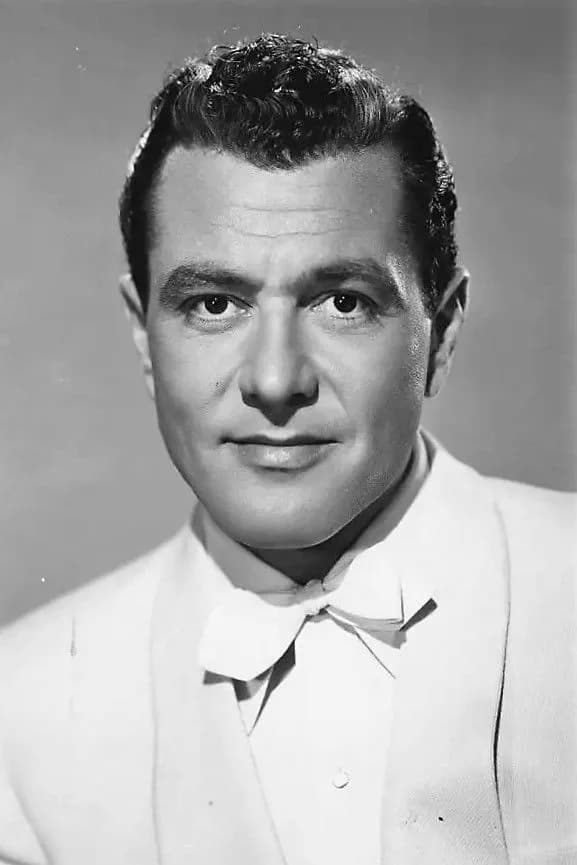
Tony Martin
Alvin Morris, known professionally as Tony Martin, was an American actor and popular singer. His career spanned over seven decades, and he scored dozens of hits between the late-1930s and mid-1950s with songs such as "Walk Hand in Hand", "Stranger in Paradise" and "I Get Ideas". He was married to actress and dancer Cyd Charisse for 60 years, from 1948 until her death in 2008. In his grammar school glee club, he became an instrumentalist and singer. He formed his first band, named "The Red Peppers," when he was in high school. After college, he went to Hollywood to try films. It was at that time that he adopted the stage name of Tony Martin. On radio, Martin sang and was master of ceremonies on Tune-Up Time, with Andre Kostelanetz, on CBS in the early 1940s. NBC broadcast The Tony Martin Show, a 15-minute variety program. One of his guests was Dinah Shore. He was also a featured vocalist on the George Burns and Gracie Allen radio program. In films, Martin was first cast in a number of bit parts, including a role as a sailor in Follow the Fleet. He eventually signed with 20th Century-Fox and then Metro-Goldwyn-Mayer in which he starred in a number of musicals. Between 1938 and 1942, he made a number of hit records for Decca. In 1941, Martin received equal billing with the Marx Brothers in their final film for MGM, The Big Store. Martin joined the United States Navy in 1942 as a chief specialist, the equivalent of a chief petty officer. He was dismissed from the service that year for "unfitness" after he testified at the court martial of a Naval procurement officer. He enlisted as a specialist after the officer twice failed to obtain a commission for him. Martin said that he had given the officer an auto worth $950 to "facilitate" his enlistment. At the time of his dismissal, the Navy said that removal for unfitness was not equivalent to a dishonorable discharge and "does not carry degradation." After the war, Martin signed with Mercury Records, then a small independent label run out of Chicago, Illinois. He cut 25 records in 1946 and 1947 for Mercury, including a 1946 recording of "To Each His Own," which became a million-seller. It was awarded a gold disc by the RIAA. This prompted RCA Victor to offer him a record contract, which he signed in 1947 after satisfying his contract obligations to Mercury. He continued to appear in film musicals during the 1940s and 1950s. His rendition of "Lover Come Back to Me" with Joan Weldon in Deep in My Heart – based on the music of Sigmund Romberg and starring José Ferrer - was one of the highlights of that film. He also starred as Gaylord Ravenal in the Show Boat segment from the 1946 film Till the Clouds Roll By. In 1958, he became the highest paid performer in Las Vegas, signing a five-year deal at the Desert Inn, earning $25,000 a week. In an unlikely pairing, Martin recorded for the Motown Records label in the mid-1960s, scoring a minor hit with the record "Talkin' To Your Picture." Martin was a stockholder in the Parvin-Dohrmann Corporation, a hotel and casino company that owned the Flamingo Las Vegas.
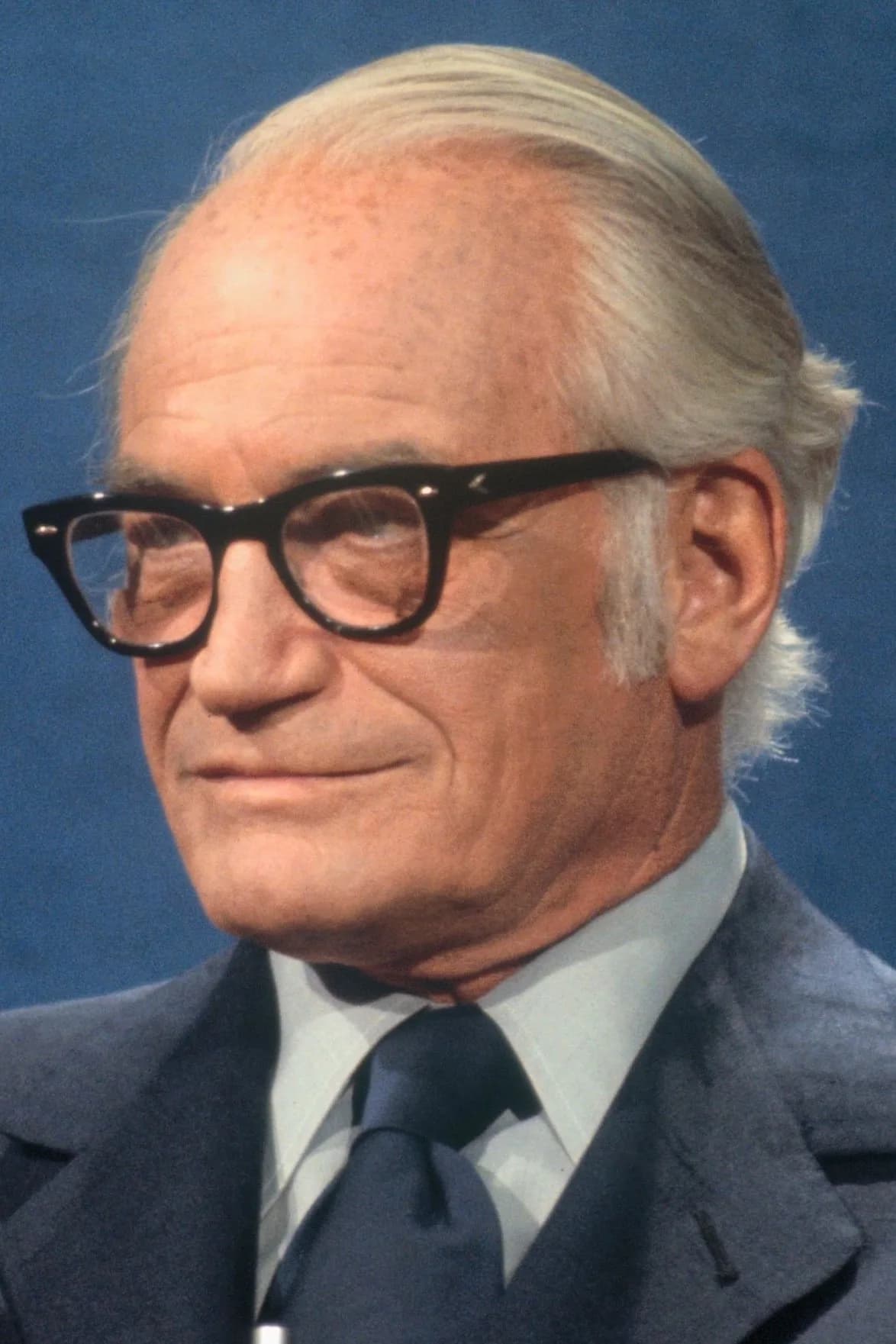
Barry Goldwater
Barry Morris Goldwater (January 2, 1909 – May 29, 1998) was an American politician and major general in the Air Force Reserve who served as a United States senator from 1953 to 1965 and 1969 to 1987, and was the Republican Party's nominee for president in 1964. Goldwater was born in Phoenix, Arizona, where he helped manage his family's department store. During World War II, he flew aircraft between the U.S. and India. After the war, Goldwater served in the Phoenix City Council. In 1952, he was elected to the U.S. Senate, where he rejected the legacy of the New Deal and, along with the conservative coalition, fought against the New Deal coalition. Goldwater also challenged his party's moderate to liberal wing on policy issues. He supported the Civil Rights Acts of 1957 and 1960 and the 24th Amendment to the U.S. Constitution but opposed the Civil Rights Act of 1964, disagreeing with Title II and Title VII. In the 1964 U.S. presidential election, Goldwater mobilized a large conservative constituency to win the Republican nomination, but then lost the general election to incumbent Democratic president Lyndon B. Johnson in a landslide.
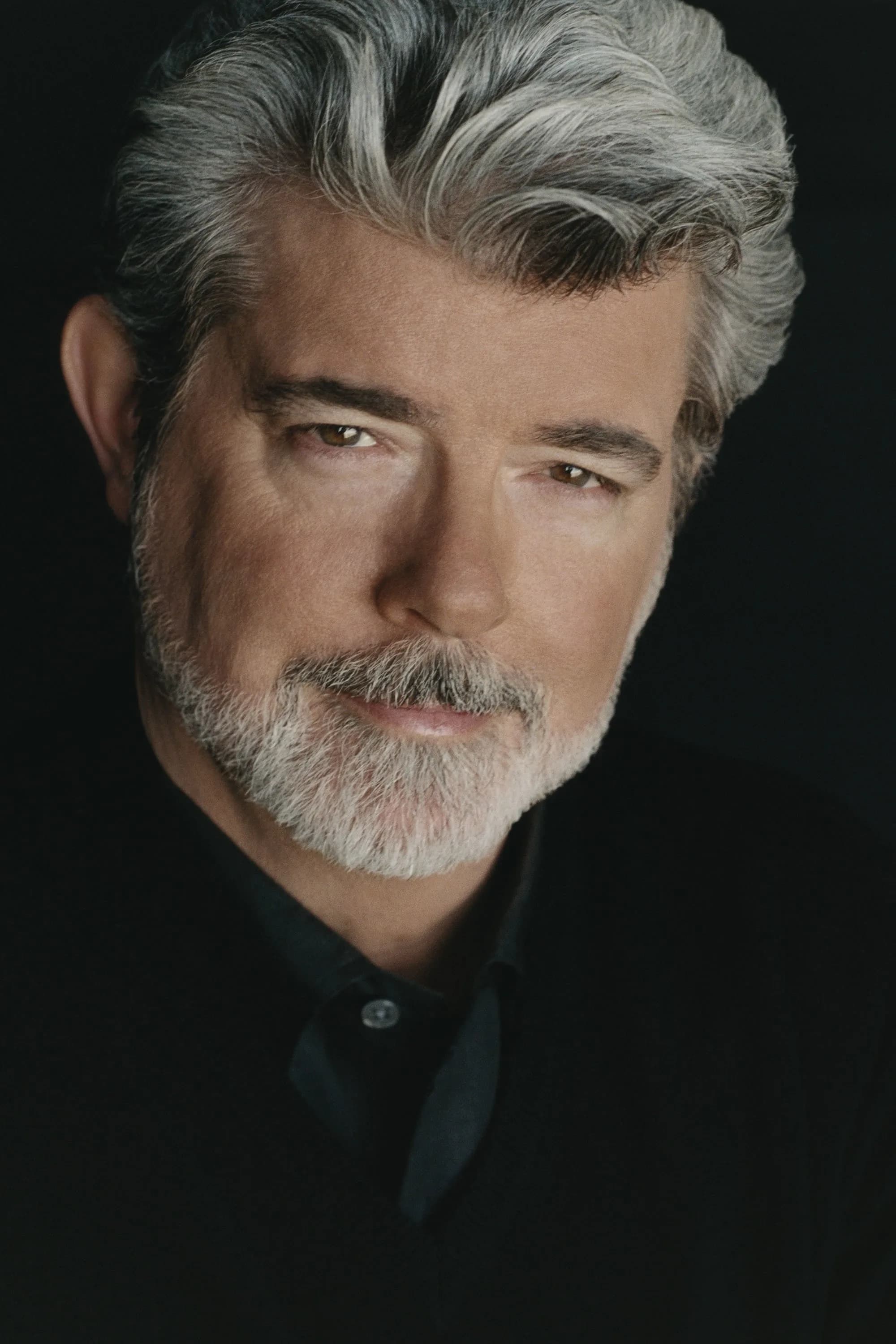
George Lucas
Cast · Executive Producer · Writer · Known for Minions & Monsters, Indiana Jones and the Dial of Destiny, Indiana Jones and the Temple of Doom
George Walton Lucas Jr. (born May 14, 1944) is an American filmmaker and entrepreneur. Lucas is known for creating the Star Wars and Indiana Jones franchises and founding Lucasfilm, LucasArts and Industrial Light & Magic. He served as chairman of Lucasfilm before selling it to The Walt Disney Company in 2012. After graduating from the University of Southern California in 1967, Lucas co-founded American Zoetrope with filmmaker Francis Ford Coppola. Lucas wrote and directed THX 1138 (1971), based on his earlier student short Electronic Labyrinth: THX 1138 4EB, which was a critical success but a financial failure. His next work as a writer-director was the film American Graffiti (1973), inspired by his youth in early 1960s Modesto, California, and produced through the newly founded Lucasfilm. The film was critically and commercially successful, and received five Academy Award nominations including Best Picture. Lucas's next film, the epic space opera Star Wars (1977), had a troubled production but was a surprise hit, becoming the highest-grossing film at the time, winning six Academy Awards and sparking a cultural phenomenon. Lucas produced and co-wrote the sequels The Empire Strikes Back (1980) and Return of the Jedi (1983). With director Steven Spielberg, he created, produced and co-wrote the Indiana Jones films Raiders of the Lost Ark (1981), Temple of Doom (1984), The Last Crusade (1989) and Kingdom of the Crystal Skull (2008). He also produced and wrote a variety of films and television series through Lucasfilm between the 1970s and the 2010s. In 1997, Lucas rereleased the Star Wars trilogy as part of a special edition featuring several alterations; home media versions with further changes were released in 2004 and 2011. He returned to directing with a Star Wars prequel trilogy comprising The Phantom Menace (1999), Attack of the Clones (2002), and Revenge of the Sith (2005). He last collaborated on the CGI-animated television series Star Wars: The Clone Wars (2008–2014, 2020), the war film Red Tails (2012), and the CGI film Strange Magic (2015). Lucas is one of history's most financially successful filmmakers and has been nominated for four Academy Awards. His films are among the 100 highest-grossing movies at the North American box office, adjusted for ticket-price inflation. Lucas is considered a significant figure of the 20th-century New Hollywood movement. Description above from the Wikipedia article George Lucas, licensed under CC-BY-SA, full list of contributors on Wikipedia.
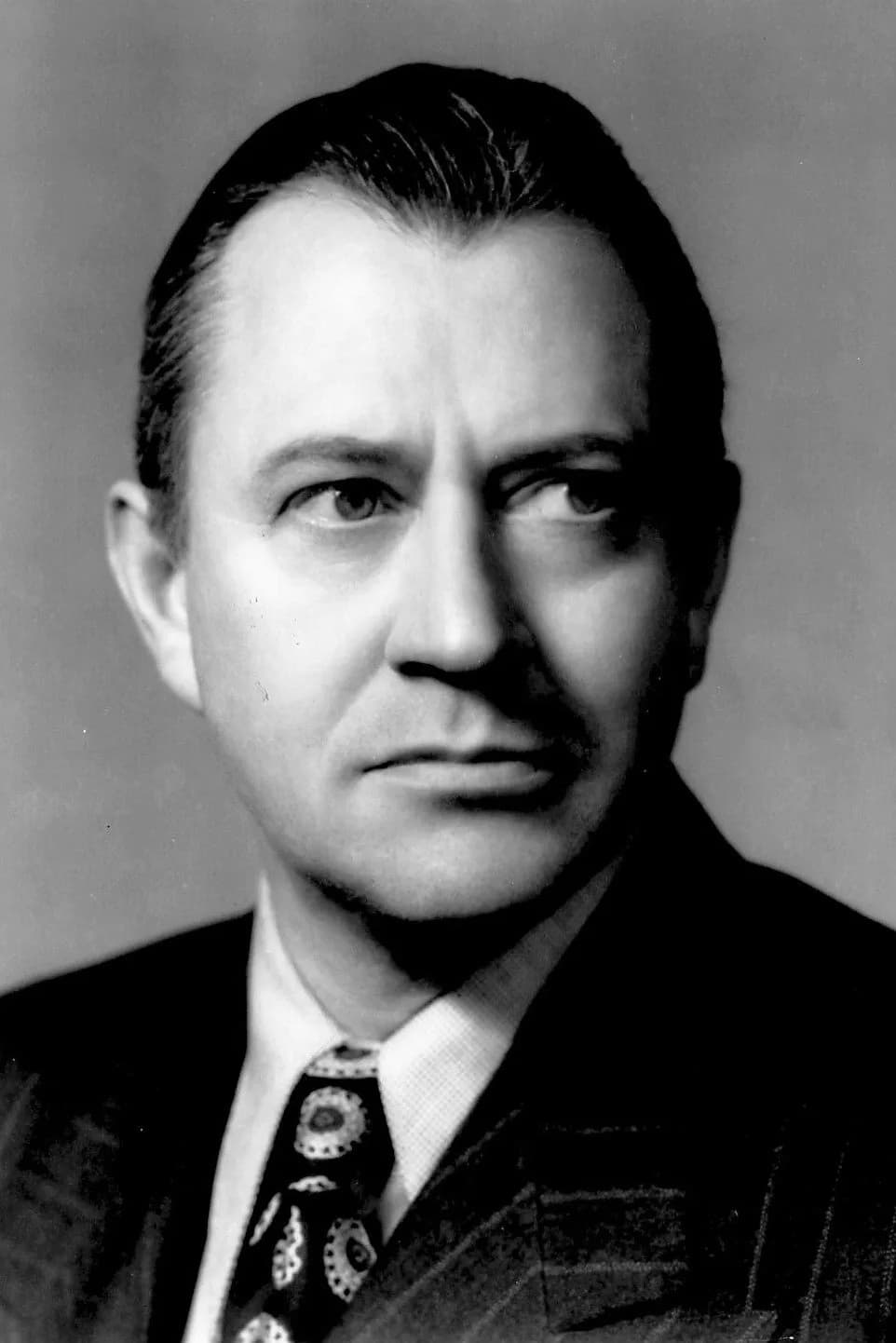
Carl Benton Reid
From Wikipedia, the free encyclopedia Carl Benton Reid (August 14, 1893 – March 16, 1973) was an American actor. He achieved fame on the Broadway stage in 1939 as Oscar Hubbard, one of Regina Giddens's (Tallulah Bankhead) greedy, devious brothers in the play The Little Foxes, and made his film debut reprising his role opposite Bette Davis in the 1941 film version. He also appeared in several Shakespeare plays on Broadway, and in the original production of Eugene O'Neill's The Iceman Cometh, as Harry Slade. His stern, cold demeanor quickly stereotyped him in villainous, and/or unpleasant characters, although he could play a sympathetic role, as he did occasionally in such films as the 1957 TV-movie version of The Pied Piper of Hamelin. Here he played the Mayor of Hamelout, who unsuccessfully requests help from the Mayor of Hamelin (Claude Rains), when Hamelout is the victim of a flood. The flood leads to the famous plague of rats which invade Hamelin, and set the main plot in motion. He played the American Admiral, who is leading the peace talks between the Americans and Chinese during the Korean War in MGM's Pork Chop Hill. Reid made four guest appearances on Perry Mason during the show's nine-year run between 1957-66. His last two roles came in 1966; as the judge in the film version of Madame X and as Claude Townsend in the TV series The F.B.I.
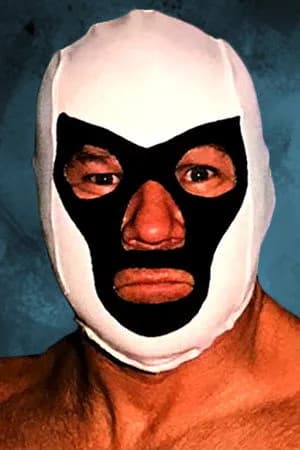
John Walker
Cast · Known for Mid-South Wrestling
John Francis Walker, better known by the ring name Mr. Wrestling II, was an American professional wrestler. He is best known for his appearances with Championship Wrestling from Florida and Georgia Championship Wrestling in the 1970s and early 1980s. In 1972, Walker was semi-retired and running a gas station in Tennessee. Georgia promoter Paul Jones and his booker Leo Garibaldi asked him to return to wrestling as the masked Mr. Wrestling II.[2] Introduced as the partner of the original Mr. Wrestling (Tim Woods), Walker would take his place in many instances. Eddie Graham, the owner of the NWA Florida promotion, was also a part owner of the Georgia promotion. Graham was sending talent back and forth between the two promotions, due to the promotional war that occurred in Atlanta over a dispute with Ray Gunkel's widow Ann Gunkel and her "outlaw promotion" All-South Wrestling Alliance. Walker as Mr. Wrestling II became an immediate top draw and legend for the territory, leading to ten reigns as the Georgia Heavyweight Champion. During Walker's time in Georgia as Mr. Wrestling II, he was considered one of the top five most-popular wrestlers in the United States.[5] He also attracted a high-profile fan in Jimmy Carter, at the time the governor of Georgia. While most of his career during the 1970s and 1980s was focused on the southeastern corner of the United States, he also made a prominent appearance in Mid-South Wrestling during 1983 and 1984 as the coach and mentor of a young wrestler named Magnum T.A.. Vignettes aired on television, hosted by either Reisor Bowden or Jim Ross, in which Mr. Wrestling II was shown away from the ring with Magnum discussing his philosophy in taking on a rising young star in the role of a "coach" or showing training sessions with the two. As a tag team, they also won the promotion's tag team title from Butch Reed and Jim Neidhart on December 25, 1983. Subtle seeds of resentment were planted along the way, which led to the pair splitting and feuding. Mr. Wrestling II turned his back on Magnum in a tag team match against The Midnight Express, which saw Magnum bloodied. On the following week's program, Mr. Wrestling II threw in the towel to cost Magnum the match while he was participating in the tournament for the promotion's television title, claiming that Magnum was too badly cut to continue. Mr. Wrestling II had previously won the North American Championship from the departing Junkyard Dog, which Magnum won from him in Tulsa, Oklahoma on May 13, 1984.
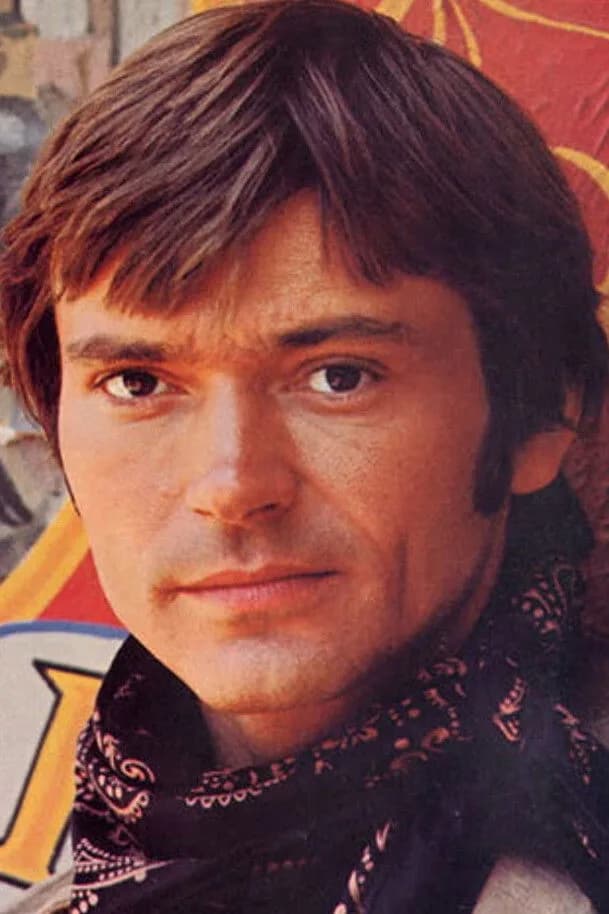
Pete Duel
Pete Duel was born in Rochester, New York, the eldest of three children born to Dr. Ellsworth and Lillian Deuel (née Ellstrom). He had a younger brother, Geoffrey, who also became an actor, and a sister, Pamela. He attended Penfield High School, where he worked on the yearbook staff, campaigned for student government, and was a member of the National Thespians Society. Moving to New York, Deuel landed a role in a touring production of the comedy Take Her, She's Mine. To find work in the movies, Deuel and his mother drove across the country to Hollywood, California in 1963, with only a tent to house them each night. In Hollywood, he found work in television. Deuel was quickly offered the starring role of Dave Willis, a newlywed apprentice architect, in a romantic comedy called Love on a Rooftop. Although the show earned good ratings, ABC decided not to bring it back after its first season. Deuel wished to move from sitcoms to more serious roles. Around 1970, he also changed his name, dropping the "r" from Peter and the first "e" from "Deuel". In 1970, Deuel was cast as the outlaw Hannibal Heyes, alias Joshua Smith, opposite Ben Murphy, in Alias Smith and Jones, a light-hearted western about the exploits of two outlaws trying to earn an amnesty. During the hiatus between the first and second seasons, he starred in the television production of Percy MacKaye’s 1908 play, The Scarecrow. Deuel became involved in politics during the primaries for the 1968 presidential election, campaigning for Eugene McCarthy, in opposition to the Vietnam War. He attended the 1968 Democratic National Convention in Chicago and witnessed the violence that erupted. In the early hours of December 31, 1971, Deuel died at his Hollywood Hills home of a self-inflicted gunshot wound to the head. Deuel's girlfriend, Dianne Ray, was at his home at the time of his death and discovered his body. Ray later told police the two had watched Deuel's series Alias Smith and Jones the previous evening. She later went to sleep in another room while Deuel stayed up. Sometime after midnight, Deuel entered the bedroom, retrieved his revolver and told Ray, "I'll see you later." Ray then said she heard a gunshot from another room and discovered Deuel's body. According to police, Deuel's friends and family said he was depressed about his drinking problem. He had been arrested and pleaded guilty to a DUI accident that injured two people the previous June. Deuel's death was later ruled a suicide. Deuel's funeral was held at the Self-Realization Fellowship Temple on January 2, 1972, in Pacific Palisades. At the service, Deuel's girlfriend read a poem he wrote, titled "Love". An estimated 1,000 friends and fans attended. His body was flown to Penfield, New York, where he was buried in Oakwood Cemetery. After his death, his role in Alias Smith and Jones was taken over by Roger Davis who was previously the narrator over the opening theme of the show. The loss of Deuel proved too great for the series to be sustained; fans were slow to accept Davis, who looked too much like fellow actor Ben Murphy, and the series was cancelled in 1973.
John Kruse
Writer · Known for The Saint
John Kruse (1921–2004) was an English film and television screenwriter, director and novelist. He is mostly remembered for his work on ITC classic TV series The Saint, as well as several films of the franchise, and as the author of the best-selling novel Red Omega. John Kruse was born in England and educated at Harrow. His father, Jack Frederick Conrad Kruse, was a captain in the Royal Navy and close associate of tycoon Lord Rothermere, founder of the Daily Mail. A wealthy couple, Kruse's parents lived between London and the French Riviera, but the 1929 Crash greatly damaged their fortune. During World War II, John served as a liaison officer in India, the Middle East and Italy. After the war, he returned to England to find his home bombed, his parents dead, and no family business. At the age of twenty-six, he began a new career from scratch. He joined Pinewood Film Studios as a clapper boy and, during the next seven years, progressed to become cameraman, at the same time working nights to perfect his writing. His short stories began to appear in magazines in Britain and the United States in the early fifties; some of these stories were later developed into screenplays. Hell Drivers (1957) was his first credited film, based on his own short story and co-scripted with director Cy Endfield. By 1954 Kruse had switched to full-time scriptwriting, working in over a dozen of films. Starting in the 1960s, he also wrote many hundreds of episodes for British and international TV shows, including The Avengers, Shoestring, Colditz, The Persuaders!, and most famously The Saint, starring Roger Moore. In 1981, Kruse abandoned screenwriting and moved to Almuñécar, in Granada, Spain, where he began a new career as a novelist. He published three novels. The first one, Red Omega (1981), became a best-seller—a Cold War spy thriller involving a CIA plot to murder Stalin using a rogue agent from Extremadura who survived the gulags. It was later followed by a sequel, Long Live the Dead, and Hour of the Lily, an epic story of love and war in Russian-occupied Afghanistan. After these three novels, Kruse took up painting. He died in Almuñécar in 2004.
Arthur M. Mercante
Arthur Mercante Sr. (January 26, 1920 – April 10, 2010) was an American boxing referee. His career lasted from the 1960s until 2001. Mercante's son also became a noted referee. In his youth, Arthur Mercante Sr. was a member of the Merchant Marines. His first title bout was the second fight between Floyd Patterson and Ingemar Johansson. Johansson had won the world heavyweight title in the first fight. In the second fight, Patterson became the first fighter to regain the heavyweight title. Mercante was also the referee for many notable bouts, including the first Muhammad Ali-Joe Frazier fight on March 8, 1971, the first bout between George Foreman and Joe Frazier, the fight between Jerry Quarry and Earnie Shavers, the first bout between Alexis Arguello and Alfredo Escalera, the Wilfredo Gomez-Lupe Pintor fight, the first bout between Edwin Rosario and Jose Luis Ramirez and Rosario's bout with Hector Camacho Sr. Mercante was born in Brockton, Massachusetts, and moved with his family to Brooklyn at age 7. During his teenage years, he fought in the Golden Gloves as a welterweight and graduated from Boys High School in 1938. He earned Bachelor's and Master of Science degrees from New York University in 1942 and 1947 respectively, the latter after serving in the United States Navy during World War II as a boxing instructor as part of a physical training program headed by heavyweight champion Gene Tunney. After the war, he refereed Golden Gloves and college bouts and became a varsity boxing coach at the United States Merchant Marine Academy until the sport was phased out at the intercollegiate level. His refereeing career began professionally in 1956 and ended in 2001 at the age of 81. In 1995 he was inducted into the International Boxing Hall of Fame in Canastota, New York. He was the first contestant on the June 26, 1960 edition of the television game show What's My Line? Refereeing was his avocation and the line the panel looked for was his vocation; that of beer salesman. He worked with Rheingold at the time and later moved to Schaefer in a similar capacity.
Anthony Lewis
Anthony Lewis is an English actor who began acting at just nine years old with early roles in many popular television shows, including Heartbeat, A Touch Of Frost and Cracker as well as a role alongside Brenda Blethyn and Julie Walters in the feature film Girls' Night written by Kay Mellor. Regular roles in Children's Ward (as Scott Morris for three series) and Adam's Family Tree (as Adam for 2 series), as well as the lead in British Comedy Award-winning show My Dad's a Boring Nerd marked Lewis out as a young actor of note. This resulted in a full-time role on popular soap Emmerdale, where Lewis played Marc Reynolds for four years. After leaving the show, he would further his career with a challenging role in Broken Voices at the Tristan Bates Theatre in London's West End. Further television roles followed in Dalziel and Pascoe and Respectable before taking another feature film role as Steve in the multi-award-winning film Boy A. This was immediately followed by a lead in popular sci-fi show Torchwood as the young World War I soldier Tommy Brockless, who is charged with saving the Universe. Lewis also featured in the film version of A Passionate Woman and football comedy Everything But The Ball. In his spare time, he has performed for several years in the band 'The Good Die Young', regularly performing across the country. Anthony also appeared as Peter Davies in BBC Television series The Syndicate alongside brother Matthew Lewis, Joanna Page and Timothy Spall. He appeared on stage at Hull Truck Theatre as Mark in A Passionate Woman alongside Kay Mellor, Stuart Manning and Andrew Dunn. The show also toured as a co-production between The New Wolsey Theatre, Ipswich and Oldham Coliseum. He recently toured the U.K. as Lomper in the Number 1 tour of The Full Monty. Can be heard occasionally as a Continuity Announcer for BBC Television. Anthony began IGUN Pictures as a platform for developing shorts, music videos and feature films, as a Writer, Director and Producer.
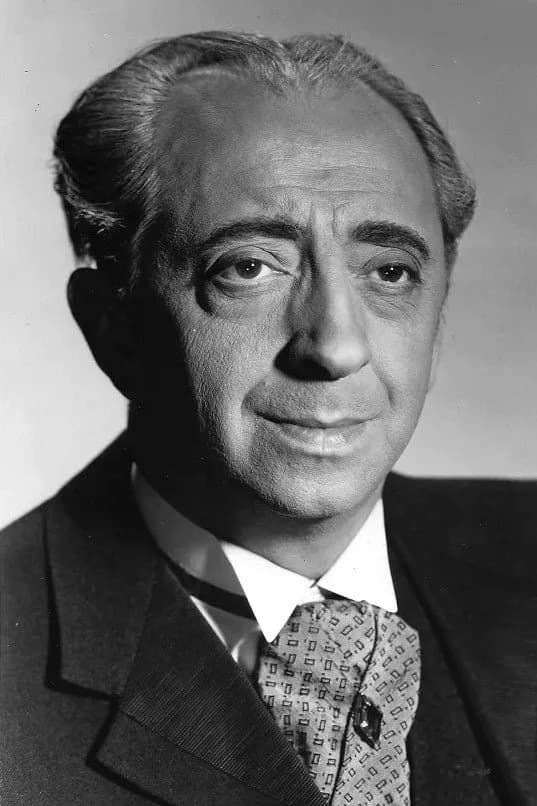
John Abbott
Cast · Known for The Jungle Book
John Albert Chamberlain Kefford was an English character actor professionally known as John Abbott. His memorable roles include the invalid Frederick Fairlie in the 1948 film The Woman in White and the pacifist Ayelborne in the Star Trek episode "Errand of Mercy". as well as a Shakespearean actor. In 1934, he began his career in show business when he made his professional stage debut in a revival of Dryden's Aureng-zebe with Sybil Thorndike. He then joined the Old Vic Company and appeared in Shakespearean roles, including Claudius in a production of Hamlet at Elsinore Castle in Denmark with Laurence Olivier, Vivien Leigh and Alec Guinness. His first Broadway role was that of Count Mancini in He Who Gets Slapped in 1946. He also appeared on Broadway in Monserrat and The Waltz of the Toreadors. He made his film debut in Mademoiselle Docteur in 1937 and went on to act in scores of films in the next 30 years. Among his film credits are Mission to Moscow, Jane Eyre, A Thousand and One Nights, Humoresque, and The Greatest Story Ever Told. His television appearances in that time were even more numerous, beginning with pioneering broadcasts by the BBC before the Second World War. In the early days of the Second World War, Abbott worked at the British Embassy in Stockholm. When the time came to leave, he had to by way of the United States. While in the U.S., he was offered a part in Hollywood in 1941 and ended up living there for the rest of his life. On American television between the 1950s and 1970s, Abbott had roles on a wide variety of series such as Kraft Television Theatre, Studio 57, Gunsmoke, Matinee Theatre, Bonanza, Thriller, Star Trek, Mannix, Iron Horse, and Bewitched. Although he was blacklisted during the Red Scare of the 1950s, a producer who wanted to hire him eventually succeeded in getting the actor removed from the list.In his final years, Abbott taught acting to students free of charge. Abbott died at Cedars-Sinai Medical Center from natural causes on 24 May 1996 at the age of 90.