
Search

The Ten Commandments
1956
Escaping death, a Hebrew infant is raised in a royal household to become a prince. Upon discovery of his true heritage, Moses embarks on a personal quest to reclaim his destiny as the leader and liberator of the Hebrew people.
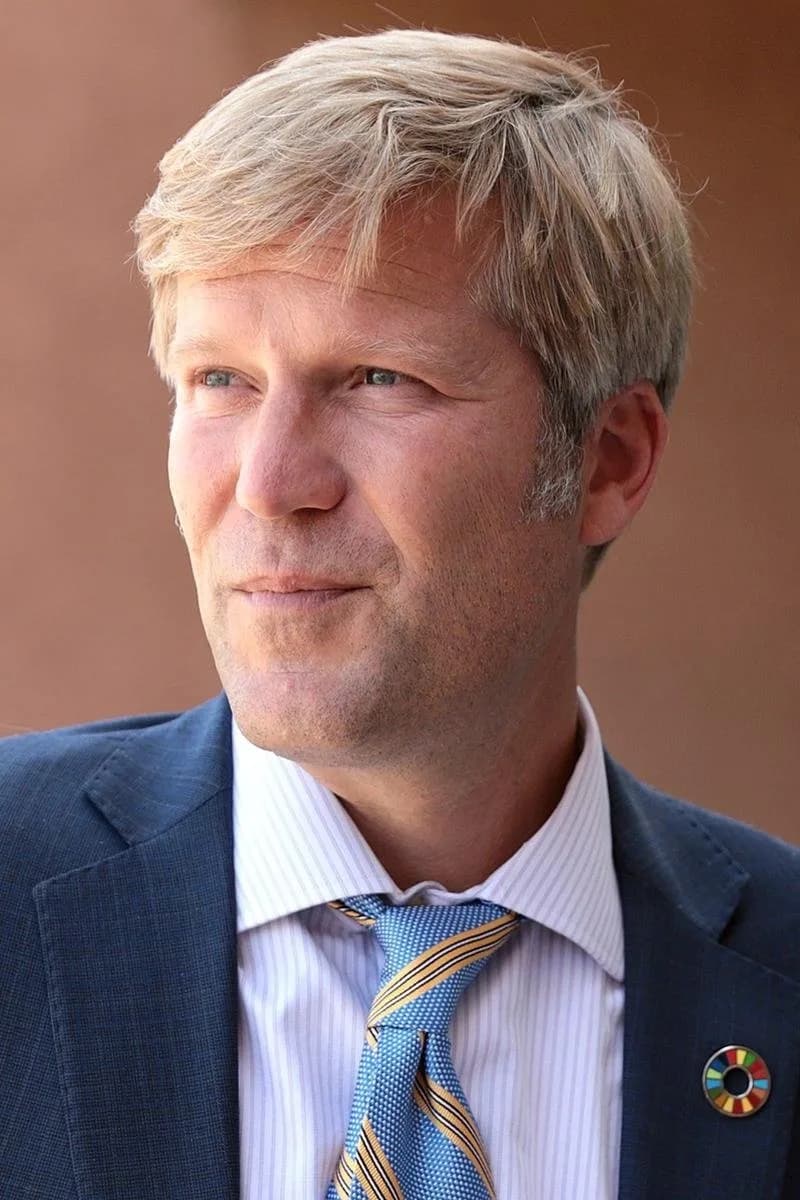
Tom Keller
Tom Keller is an Actor and Stunt Person known for The Borgias (2011), Rage (1995) and The Ten Commandments (2006).
Bobby Clark
Bobby Clark was an actor, known for roles in Invasion of the Body Snatchers, The Ten Commandments, and Casey Jones. He was married to Vikki Young.
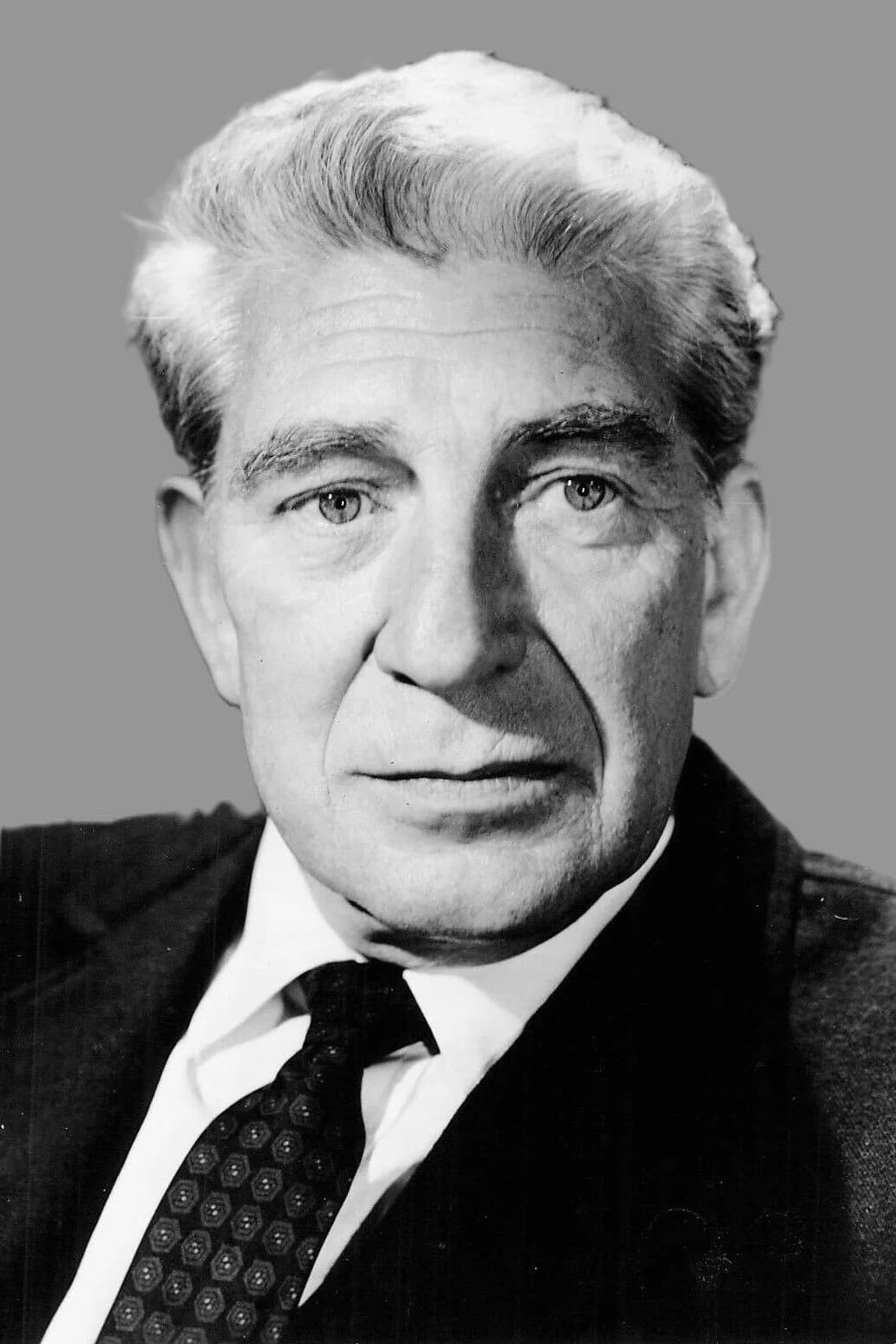
Eduard Franz
Cast · Known for The Ten Commandments
From Wikipedia, the free encyclopedia Eduard Franz (born Eduard Franz Schmidt; October 31, 1902 – February 10, 1987) was an American actor of theatre, film and television. Franz portrayed King Ahab in the 1953 biblical low-budget film Sins of Jezebel, Jethro in Cecil B. DeMille's The Ten Commandments (1956), and Jehoam in Henry Koster's The Story of Ruth (1960). By 1936, Franz was a player on the national stage, performing from coast to coast. He became a leading Broadway actor for nearly 30 years, in such plays as First Stop to Heaven and Embezzled Heaven and Conversation At Midnight. He made his film debut in a bit part, in 1947, in Killer at Large, but followed that brief appearance the next year with a memorable role in the motion picture The Scar (also titled Hollow Triumph). His fourth movie saw him acting with John Wayne in Wake of the Red Witch, in 1948. He portrayed Chief Broken Hand in White Feather. He played such intellectuals as Dr. Stern in The Thing from Another World (1951), a university professor in The Four Skulls of Jonathan Drake (1959), and Justice Louis Brandeis in The Magnificent Yankee (1950), a role he reprised in the 1965 television adaptation. He appeared in a 1957 television adaptation of A. J. Cronin's novel Beyond This Place, which was directed by Sidney Lumet. Franz performed as well in two separate remakes of Al Jolson's 1927 cinema classic The Jazz Singer, each time playing the key role of the aged and ailing synagogue cantor upset by his son's decision to pursue a secular show-business career rather than continue the family tradition and follow in his father's religious footsteps. Those remakes were the 1952 film version of the story starring Danny Thomas and the 1959 television version starring Jerry Lewis. Franz performed in a number of television series, including Gunsmoke; Have Gun - Will Travel; The Law and Mr. Jones; The Barbara Stanwyck Show and Cimarron City. Franz was cast as psychiatric clinic director Dr. Edward Raymer in 30 episodes of the weekly ABC medical drama Breaking Point

Fraser Clarke Heston
From Wikipedia, the free encyclopedia. Fraser Clarke Heston (born February 12, 1955 in Los Angeles, California) is an American film director, film producer, screenwriter and actor. The son of actors Charlton Heston and Lydia Clarke, Fraser Clarke Heston was born in Los Angeles, California. Fraser Heston's filmography includes Alaska and the 1990 version of Treasure Island which cast his father as Long John Silver. As a child, he also appeared as the infant Moses (his father played the grown Moses) in the Cecil B. DeMille epic The Ten Commandments. While in the process of writing Wind River, a romantic adventure novel about 19th-century fur trappers, Fraser was convinced by producer Martin Shafer to turn the story into a film script. Discovering that film-writing came naturally for him, 22-year-old Fraser wrote his first screenplay, The Mountain Men, for Columbia Pictures, which became the feature film. Description above from the Wikipedia article Fraser Clarke Heston, licensed under CC-BY-SA, full list of contributors on Wikipedia.
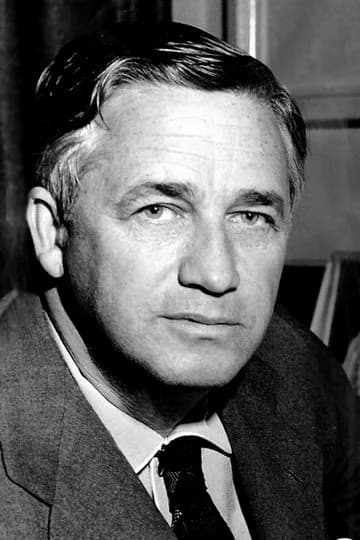
Mervyn LeRoy
Producer · Known for The Wizard of Oz
Mervyn LeRoy was an American film director, producer, and sometime actor. LeRoy worked in costumes, processing labs and as a camera assistant until he became a gag writer and actor in silent films, including The Ten Commandments in 1923. LeRoy credits Ten Commandments director, Cecil B. DeMille, for inspiring him to become a director: "As the top director of the era, DeMille had been the magnet that had drawn me to his set as often as I could go." LeRoy also credits DeMille for teaching him the directing techniques required to make his own films. His first directing job was with First National Pictures on 1927's No Place to Go. LeRoy ended up working at Warner Bros. after they took control of First National. When his movies made lots of money without costing too much, he became well received in the movie business. He directed two key films which launched Edward G. Robinson into major stardom, the Oscar-nominated critique of tabloid journalism Five Star Final, and the classic gangster film Little Caesar, which made his mark. From that point forward, LeRoy would be responsible for a diverse variety of films as a director and producer. The following year's I Am a Fugitive from a Chain Gang was also nominated for the Academy Award for Outstanding Production as was his Anthony Adverse. In 1938 he was chosen as head of production at MGM, where he was responsible for the decision to make The Wizard of Oz. He was responsible for discovering Clark Gable, Loretta Young, Robert Mitchum, and Lana Turner. His 1941 film Blossoms in the Dust was nominated for the Academy Award for Outstanding Motion Picture. His first big hit as a director with MGM was 1942's Random Harvest which was their biggest of the season earning worldwide rentals of $8 million and for which he was nominated for the Academy Award for Directing. The film was also nominated for the Academy Award for Outstanding Motion Picture. He hit big again two years later with Thirty Seconds Over Tokyo with rentals of $6 million. In 1951, he scored his biggest hit with Quo Vadis earning worldwide rentals of $21 million as well as a nomination for the Academy Award for Best Motion Picture. In the early 1950s, LeRoy directed such musicals as Lovely to Look At, Million Dollar Mermaid, Latin Lovers and Rose Marie. He returned to Warner Brothers in 1955, where he took over from John Ford as director on Mister Roberts, another big hit, which was also nominated for the Academy Award for Best Motion Picture. He also directed films for Warners such as The Bad Seed, No Time for Sergeants, The FBI Story, and Gypsy. He received an honorary Oscar in 1946 for The House I Live In, "for tolerance short subject", and the Irving G. Thalberg Memorial Award in 1976. A total of eight movies Mervyn LeRoy directed or co-directed were nominated for Best Picture at the Oscars, one of the highest numbers among all directors.

Debra Paget
Cast · Known for The Ten Commandments
Debra Paget (born Debralee Griffin; August 19, 1933) is an American actress and entertainer. She is perhaps best known for her performances in Cecil B. DeMille's epic The Ten Commandments (1956) and in Elvis Presley's film debut, Love Me Tender (1956), as well as for the risqué (for the time) snake dance scene in The Indian Tomb (1959).
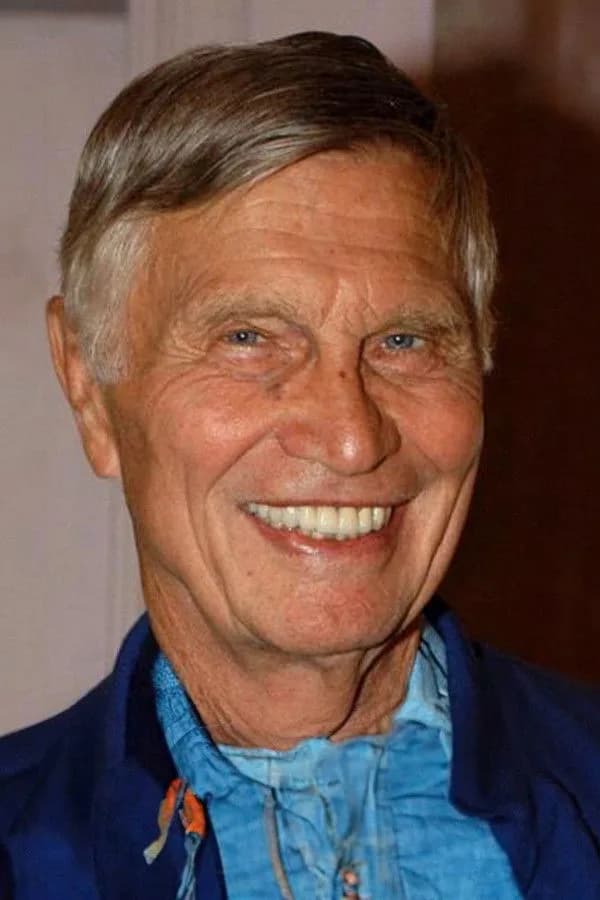
Gordon Mitchell
Cast · Known for Dr. Jekyll Likes Them Hot
Gordon Mitchell was born "Charles Pendleton" in Colorado and served his country in both World War II and the Korean War (during which he was briefly a POW). Afterward he worked as a teacher in inner city schools in California and got heavily involved in personal fitness and bodybuilding. He became friends with Joe Gold (of Gold's Gym), joining Mae West's comedy act as one of her "strongmen" who would carry her on and off the stage. During this time he also found himself in demand as an extra in several Hollywood films including "Lil Abner", "The Enemy Below", and "The Ten Commandments" (in which he and Joe Gold bring Moses to Ramsey's court in chains). When the Peplum craze began in Italy and his fellow Muscle Beach star Steve Reeves became a huge star. Gordon (along with Reg Park, Mark Forrest, Brad Harris, Mickey Hargitay, and Richard Harrison) similarly jumped on the bandwagon and headed to Italy to find stardom and financially greener pastures. Thanks to his unconventional appearance (small, sharp eyes and craggy face) and enthusiasm for his work, Mitchell found himself one of the most in-demand performers in Italy's Sword & Sandal craze of the early 60's, working with several top directors including Marino Girolami, Alberto De Martino, and Michele Lupo. Unlike most of his peers who left Italy once the genre ran its course, Mitchell stayed on to play villains in numerous Spaghetti Westerns, Giallos, War Films, and Science Fiction movies. He also had a small but key role in the Elizabeth Taylor / Marlon Brandon vehicle "Reflections in a Golden Eye" (1967) during this time though perhaps his most prestigious role would be the rogue who helps the two protagonists kidnap the noble in Fellini's "Satyricon" (1969). Mitchell used his extra cash to buy and build his own movie studio (Cave Studios) which he single-handedly constructed outside of Rome. It went largely unused except by ultra-low budget director Demofilo Fidani who would often cast Mitchell as well. In the late 1980's when the Italian genre film industry had basically self-destructed, unable to compete with American films even for video rentals, Mitchell packed his bags and moved back to California. Once home, he re-teamed with old friend Joe Gold to manage World Gym, at which Mitchell acted as COO and lived at the top floor of its headquarters in Marina Del Rey. Continuing for years to act in low budget films purely for the fun of it, Mitchell passed away in his sleep at age 80 in 2003. Having just won the California recall election the day prior, Arnold Schwarzenegger took time out of his busy schedule to pay his respects at Mitchell's Memorial Service at the World Gym Headquarters along with many other bodybuilders who credit Mitchell with getting them into their careers.

Krzysztof Piesiewicz
Executive Producer · Known for Possible Love
From Wikipedia, the free encyclopedia Krzysztof Piesiewicz (October 25, 1945 - May 14, 2026) was a Polish lawyer, screenwriter, and politician, who was a member of the Polish Parliament and head of the Ruch Społeczny (RS) or Social Movement Party. Piesiewicz studied law at Warsaw University and began practicing in 1973. Through the late 1970s he became increasingly involved in political cases, defending opponents of the Communist regime, serving as a legal advisor for Solidarity, and assisting in the successful prosecution of the murderers of Jerzy Popiełuszko. In 1982 he met the film director Krzysztof Kieślowski, who was planning to direct a documentary on political show trials in Poland under martial law. Piesiewicz agreed to help, though he doubted whether an accurate film could be made within the constraints of the judicial system; indeed, the filmmakers found that their presence in court seemed to be affecting the outcomes of cases, often improving the prospects of the accused, but making it hard to capture judicial abuses. Kieślowski decided to explore the issue through fiction instead, and the two collaborated for the first time as writers on the feature film No End, released in 1984. Piesewicz returned to his law career, but remained in touch with Kieślowski and three years later persuaded him to create a series of films based on the Ten Commandments. This series, The Decalogue, explored the filmmakers' mutual interest in moral and ethical dilemmas in contemporary social and political life, and achieved (belated) critical acclaim around the world. Their later collaborations, The Double Life of Véronique and Three Colors (Blue, White, Red), focused on metaphysical questions of personal choice and appeared relatively apolitical, though the latter series was based on Piesiewicz's idea of dramatizing the French political ideals of liberty, equality, and fraternity in the same way they had previously dramatized the Ten Commandments. Piesiewicz was credited as co-writer on all of Kieślowski's projects after No End, the last of which was Nadzieja, directed by Stanislaw Mucha after Kieślowski's death. He has begun writing a new series of films, The Stigmatised; the first of these, Silence, was directed by Michał Rosa and released in 2002. Piesiewicz's career in electoral politics began in 1989, when he began working in the Social Movement for Solidarity Electoral Action (RS AWS) party, originally the political wing of the Solidarity union and the leading party in the center-right AWS coalition. In 1991 he was elected to the Polish Senate, served for two years, then returned in 1997. In 2002, RS AWS changed its name to RS and elected Piesiewicz as its leader. He was a Roman Catholic.
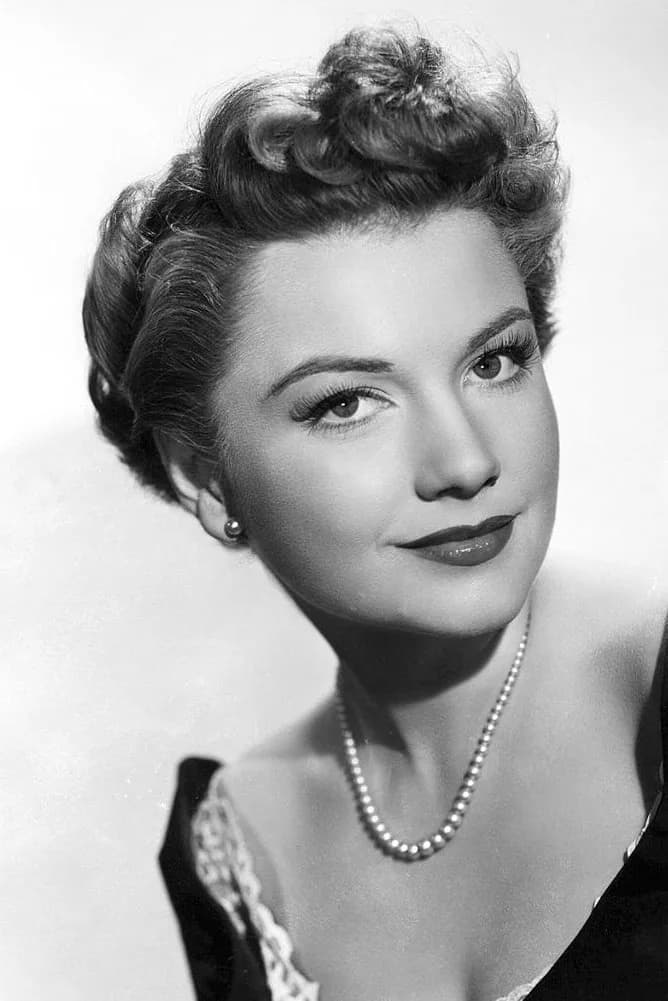
Anne Baxter
Cast · Known for The Ten Commandments, Hotel, Batman
Anne Baxter (May 7, 1923 – December 12, 1985) was an American actress best known for her work in Hollywood films, Broadway, and television during the mid‑20th century. Born on May 7, 1923, in Michigan City, Indiana, she was the granddaughter of architect Frank Lloyd Wright and began acting on Broadway at the age of 13, earning strong reviews that helped launch her career. She moved to Hollywood in the late 1930s and signed a long‑term contract with 20th Century Fox, going on to appear in notable films such as The Magnificent Ambersons (1942), The Razor’s Edge (1946), and The Ten Commandments (1956). For her supporting role as Sophie MacDonald in The Razor’s Edge, she won the Academy Award for Best Supporting Actress as well as a Golden Globe, and she later earned an Oscar nomination for Best Actress as Eve Harrington in Joseph L. Mankiewicz’s classic All About Eve (1950). Throughout her career she worked with major directors including Alfred Hitchcock, Fritz Lang, and Cecil B. DeMille, while also appearing regularly on stage and in television productions, including series such as East of Eden and Hotel. Anne Baxter died on December 12, 1985, in New York City at the age of 62, leaving behind a legacy as a gifted dramatic actress with a strong presence in both classic cinema and television.
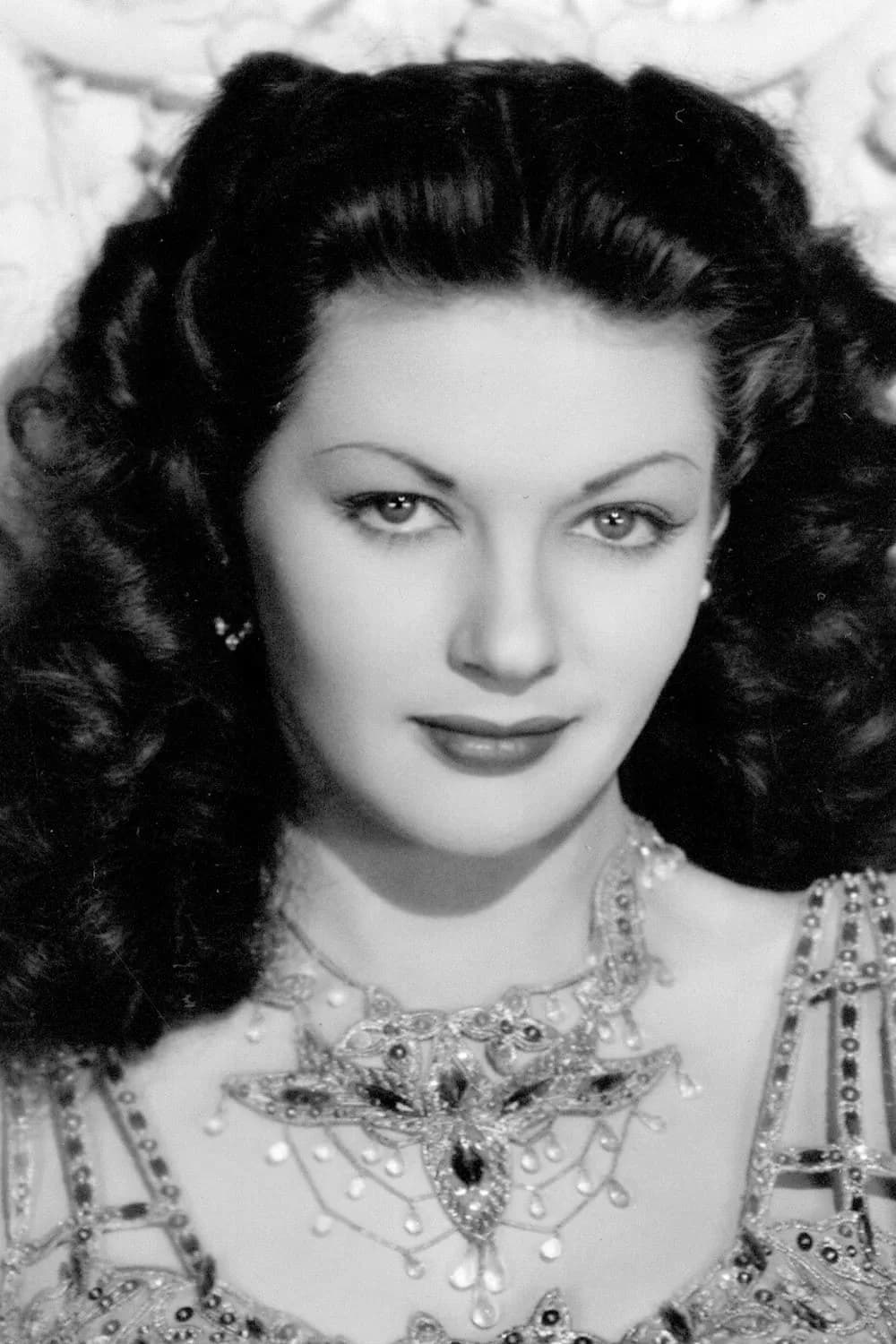
Yvonne De Carlo
Cast · Known for The Ten Commandments
Yvonne De Carlo (September 1, 1922 – January 8, 2007) was a Canadian-born American actress of film and television. During her six-decade career, her most frequent appearances in film came in the 1940s and 1950s and included her best-known film roles, such as of Anna Marie in Salome Where She Danced (1945); Anna in Criss Cross (1949); Sephora the wife of Moses in The Ten Commandments (1956), starring Charlton Heston; and Amantha Starr in Band of Angels (1957) with Clark Gable. In the early 1960s, De Carlo accepted the offer to play Lily Munster for the CBS television series The Munsters, alongside Fred Gwynne and Al Lewis. Description above from the Wikipedia article Yvonne De Carlo, licensed under CC-BY-SA, full list of contributors on Wikipedia.
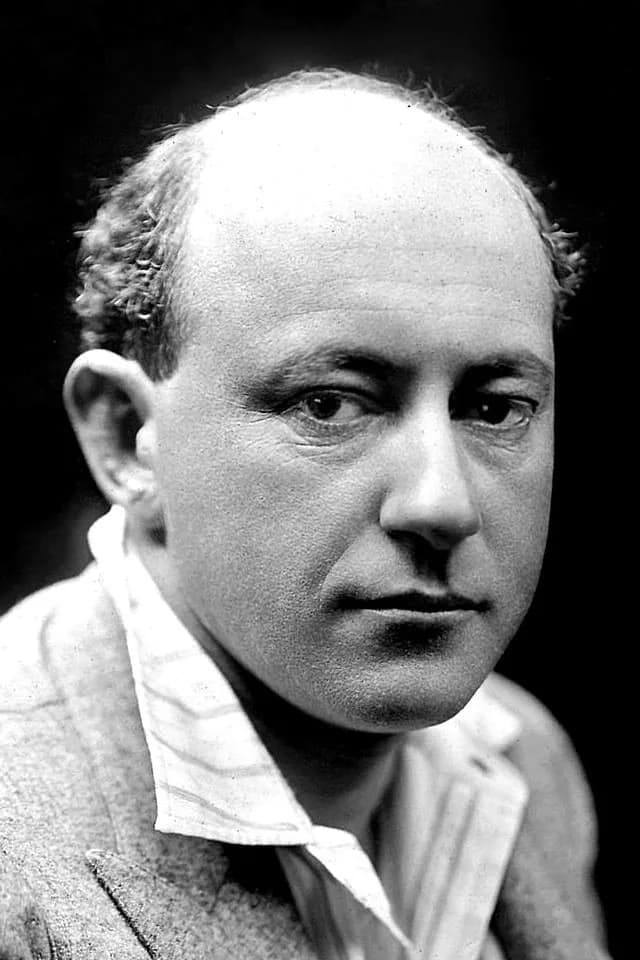
Cecil B. DeMille
Director · Known for The Ten Commandments
Cecil Blount DeMille (August 12, 1881 – January 21, 1959) was an American filmmaker, known as a founder of the Hollywood motion-picture industry, one of the most commercially successful producer-directors of his time, and one of the most influential filmmakers in history. Between 1914 and 1956, he made seventy feature films; all but seven were profitable. Cecil B. DeMille is synonymous with religious epics: The King of Kings, Samson and Delilah, and The Ten Commandments (1956). He blended spectacle, sex, and spellbinding narrative to convey a message of faith. It was DeMille who created the image of the omnipotent director, megaphone in hand, wearing boots and a visored cap. DeMille gave Hollywood numerous stars: Wallace Reid, Gloria Swanson, William (“Hopalong Cassidy”) Boyd, Claudette Colbert, Robert Preston, Jean Arthur, and Charlton Heston. DeMille created the posts of studio story editor, art director, and concept artist. He was one of the first to use theatrical lighting on a movie set. In the late 1920s, when Hollywood converted to sound films, DeMille defied the sound experts, liberating the camera from a confining booth, and implementing the microphone boom. DeMille’s authority extended beyond the confines of his studio. He was a power in aviation, banking, politics, and real estate. In the 1930s, his fame as a filmmaker was surpassed by his fame as a radio star. He was a founder of the Academy of Motion Picture Arts and Sciences, an institution from which he eventually won two awards. In 1953 his film The Greatest Show on Earth won the Award for Best Picture of 1952; and he was presented with the Irving G. Thalberg Memorial Award. DeMille’s influence on world culture is incalculable, but there are estimates and milestones. His biography of Jesus Christ, The King of Kings, was a silent film, but because of a unique distribution arrangement, it was eventually seen by 800 million viewers. Samson and Delilah (1949) and The Ten Commandments (1956) are still listed with the top ten all-time box-office champions. They continue to generate revenue and provoke thought.
Anne Bauchens
Editor · Known for The Ten Commandments
From Wikipedia Anne Bauchens (February 2, 1882 – May 7, 1967) was an American film editor who is particularly noted for her collaboration over 40 years with the director Cecil B. DeMille. When the Academy Award for Film Editing was created in 1934, Bauchens received one of the three nominations for her editing of Cleopatra. She later won the Academy Award for North West Mounted Police (1940). Bauchens was trained as an editor by DeMille, and shared her first credit with him on the film Carmen. Prior to 1918, DeMille had edited, as well as directed, his films. After Carmen and We Can't Have Everything (1918), Bauchens no longer shared the editing credits with DeMille. She edited DeMille's films for the rest of their long careers, through the 1956 film The Ten Commandments. She was nominated for the Academy Award for Film editing again twice, for The Greatest Show on Earth in 1952 and for The Ten Commandments in 1956. In total, Bauchens' editing is credited on 41 films directed by DeMille, and on 20 films with other directors. Despite her long career and her series of awards, the characterizations of Bauchens as an editor are not invariably flattering. Margaret Booth, another distinguished film editor, has been quoted as saying in 1965 that, "Anne Bauchens is the oldest editor in the business. She was editing for years before I came into the business. DeMille was a bad editor, I thought, and made her look like a bad editor. I think Anne really would have been a good editor, but she had to put up with him––which was something."
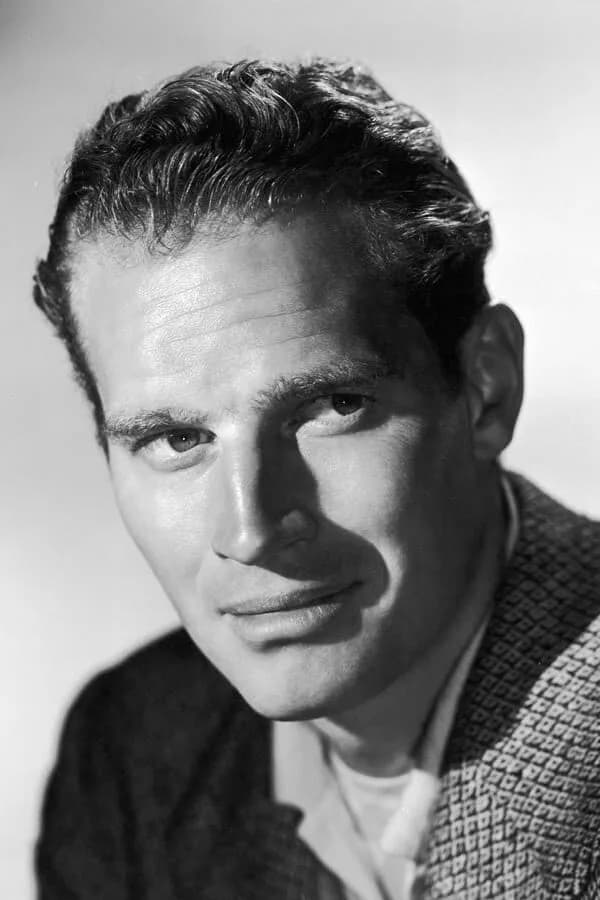
Charlton Heston
Cast · Known for Ben-Hur, Planet of the Apes, The Ten Commandments
Charlton Heston (October 4, 1923 – April 5, 2008) was an American actor, renowned for his towering screen presence and roles in some of Hollywood’s most famous epics. Born John Charles Carter in Illinois, he discovered his passion for acting in school, studied drama at Northwestern University, and began his career on stage and in live television before transitioning to film. He first gained major attention in Cecil B. DeMille’s The Greatest Show on Earth and then became an international star with his performances as Moses in The Ten Commandments and Judah Ben‑Hur in Ben‑Hur, the latter earning him the Academy Award for Best Actor. Heston went on to headline a wide range of big‑budget films, including El Cid, The Agony and the Ecstasy, Planet of the Apes, and The Omega Man, establishing himself as one of the most recognizable leading men of mid‑20th‑century cinema. Beyond acting, he was active in public life, supporting civil rights in the 1960s and later becoming a prominent conservative voice and president of the National Rifle Association from 1998 to 2003. He retired from public life after being diagnosed with Alzheimer’s disease in 2002 and died on April 5, 2008, in Beverly Hills, California, leaving behind a legacy as both a cinematic icon and a polarizing political figure.
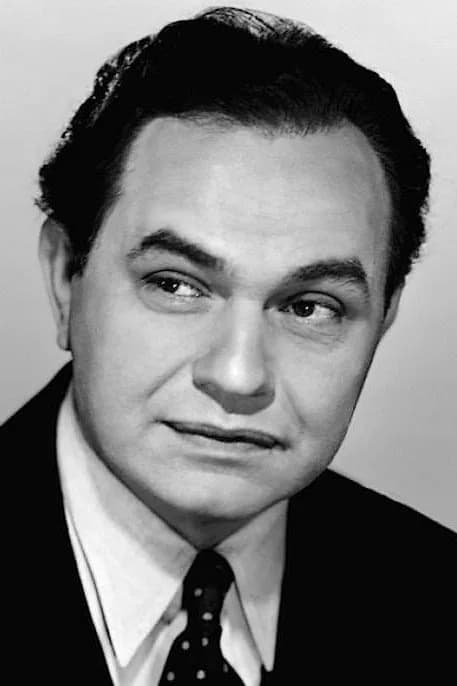
Edward G. Robinson
Cast · Known for The Ten Commandments
Edward G. Robinson (born Emanuel Goldenberg; December 12, 1893 – January 26, 1973) was a Romanian-born American actor and political activist. Although he played a wide range of characters, he is best remembered for his roles as a gangster, most notably in his star-making film Little Caesar (1931). Robinson's career saw a decline during the 1950s Red Scare when he was threatened with blacklisting. Experiencing underemployment, he turned towards minor roles in B movies until he eventually returned to the mainstream by playing one of Moses' adversaries Dathan in Cecil B. DeMille's religious epic The Ten Commandments (1956). He was ranked number 24 in the American Film Institute's list of the 25 greatest male stars of Classic American cinema. Never having been nominated for an Academy Award during his 60-year career, he became a posthumous recipient of an Honorary Oscar in 1973, two months after his death. Robinson was Jewish and a staunch critic of fascist and Nazi ideologies that were on the rise in the 1930s. He donating more than $250,000 to 850 political and charitable organizations between 1939 and 1949, hosted a gathering at his home to sign a declaration calling for a boycott of all German-made products, frequently appeared at Soviet and American war relief rallies, delivered radio addresses in over six languages to Nazi-occupied European countries, and traveled to Normandy to entertain the troops, becoming the first movie star to go there for the USO. Robin was also an outspoken supporter of the civil rights movement, and regularly campaigned to overcome segregation.
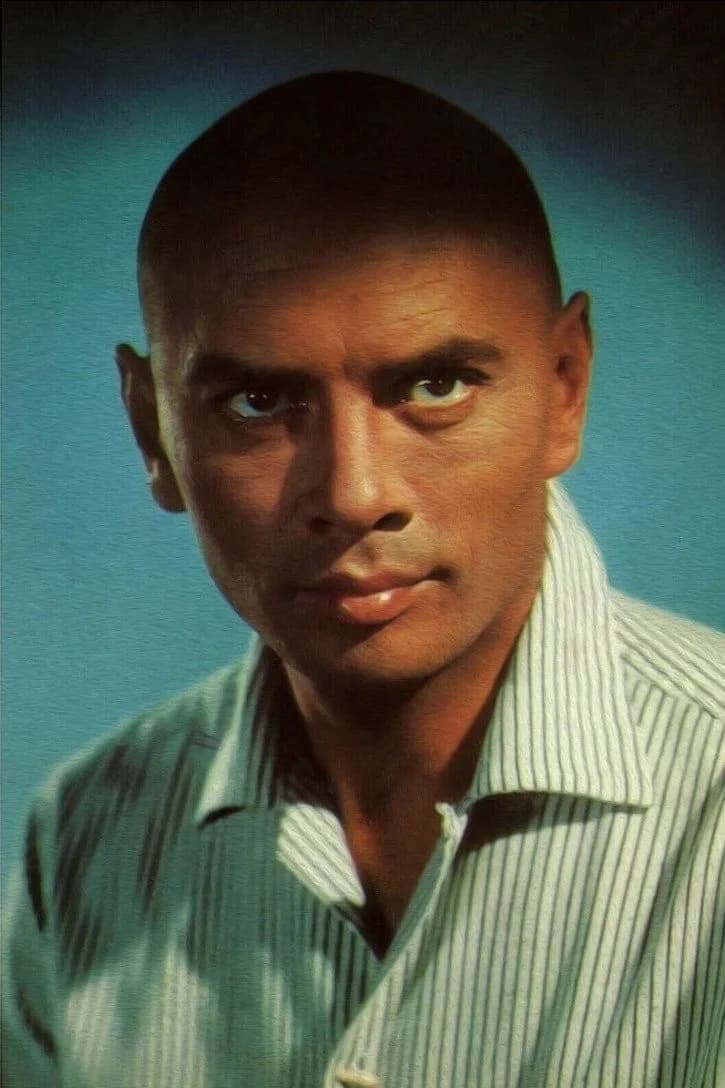
Yul Brynner
Cast · Known for The Ten Commandments
Yul Brynner (July 11, 1920 – October 10, 1985) was a Russian-born American actor of stage and film. He was best known for his portrayal of Mongkut, king of Siam, in the Rodgers and Hammerstein musical The King and I, for which he won an Academy Award for Best Actor for the film version; he also played the role more than 4,500 times on stage. He is also remembered as Rameses II in the 1956 Cecil B. DeMille film The Ten Commandments, General Bounine in Anastasia and Chris Adams in The Magnificent Seven. Brynner was noted for his distinctive voice and for his shaven head, which he maintained as a personal trademark long after adopting it for his initial role in The King and I. He was also a photographer and the author of two books.
Alisan Porter
Alisan Leigh Porter is an American singer, actress and dancer. As a child, Porter made acting appearances in Parenthood, Stella and I Love You to Death. Her breakout role came in 1991, when she played the lead in the film Curly Sue opposite Jim Belushi. As an adult, Porter pursued roles in musical theatre, including a run in The Ten Commandments: The Musical & as an original cast member of the Broadway revival of A Chorus Line. A solo album followed in 2009. In 2016, she auditioned for NBC's The Voice, earning a spot on Team Christina Aguilera. In May of that same year, Porter was announced the winner of season 10.
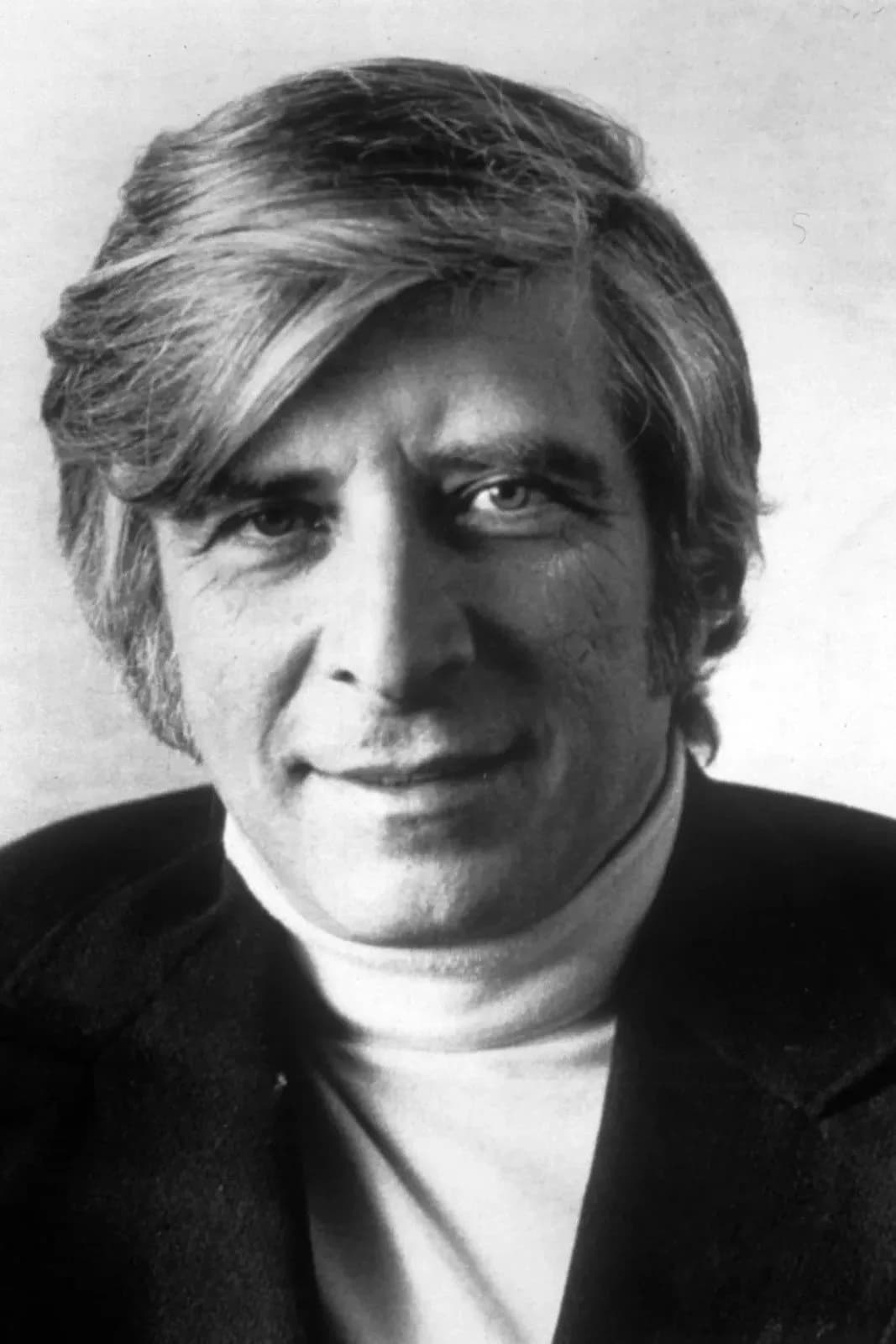
Elmer Bernstein
Composer · Known for Airplane!, Cape Fear, Ghostbusters
Elmer Bernstein (April 4, 1922 – August 18, 2004) was an American composer and conductor best known for his many film scores. In a career which spanned fifty years, he composed music for hundreds of film and television productions. His most popular works include the scores to The Magnificent Seven, The Ten Commandments, The Great Escape, To Kill a Mockingbird, Ghostbusters, The Black Cauldron, Airplane!, and The Rookies. Bernstein won an Oscar for his score to Thoroughly Modern Millie (1967) and was nominated for fourteen Oscars in total. He also won two Golden Globes and was nominated for two Grammy Awards. Bernstein wrote the theme songs or other music for more than 200 films and TV shows, including The Magnificent Seven, The Great Escape, The Ten Commandments (1956), The Man with the Golden Arm, To Kill a Mockingbird, Robot Monster, and the fanfare used in the National Geographic television specials. His theme for The Magnificent Seven is also familiar to television viewers, as it was used in commercials for Marlboro cigarettes. Bernstein also provided the score to many of the short films of Ray and Charles Eames. In 1961 Bernstein co-founded Äva Records an American record label based in Los Angeles together with Fred Astaire, Jackie Mills and Tommy Wolf.
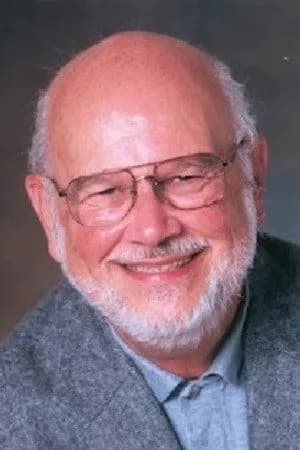
Gene Perret
During his 50-year career as a comedy writer, Gene Perret wrote for some of the greatest comedians and television shows in history. Perret started writing stand-up material in the early 1960s, working for greats like Phyllis Diller and Slappy Writer. Perret joined Bob Hope’s writing staff in 1969 and was Hope’s head writer for the last 12 years of Hope’s career. Perret started working in television in 1968 on “The Beautiful Phyllis Diller Show.” He was head writer and producer for “Welcome Back, Kotter” and “Three’s Company”; he was a staff writer for “The Jim Nabors Show,” “Laugh-In,” “The New Bill Cosby Show,” “The Helen Reddy Show,” “The Carol Burnett Show,” and “Mama’s Family”; and he has written episodes of many classic TV hits, including “All in the Family,” “What’s Happening!!,” “Gimme a Break” and “Love, American Style.” Perret received seven Emmy nominations, including one for original music, and two Writer’s Guild Award nominations. He captured three Emmy awards and one Writer’s Guild Award. Perret also helped start the careers of many television comedy writers through his books, conferences, and classes. He was the author of over 40 books, including the classic guide to comedy writing, “The New Comedy Writing Step-by-Step” and “The Ten Commandments of Comedy.”

Aeneas MacKenzie
Writer · Known for The Ten Commandments
Aeneas MacKenzie, or Æneas MacKenzie (August 15, 1889 in Stornoway, Scotland – June 2, 1962 in Los Angeles), was a Scottish-American screenwriter. MacKenzie wrote many notable Hollywood films, including: The Private Lives of Elizabeth and Essex (1939), They Died with Their Boots On (1941), Ivanhoe (1952), and The Ten Commandments (1956). From Wikipedia.

Joanna Merlin
Cast · Known for City of Angels, Law & Order: Special Victims Unit
Joanna Merlin (born Joann Ratner; July 15, 1931) was an American actress and casting director who has worked with Stephen Sondheim and starred in the original Broadway production of Fiddler on the Roof. She has written two acting guides and is a faculty member of New York University's graduate acting program. In recent years, she has become known for her recurring role on Law & Order: Special Victims Unit as Judge Lena Petrovsky. Joann Ratner, who later took her mother's maiden name, was born in Chicago, Illinois, to Toni Merlin and Harry Ratner, a Jewish grocer. Her family also included her older sister Harriet Glickman (1926-2020) who would go on to gain recognition for having helped persuade Charles Schulz to add a black character to his Peanuts strip. Merlin first acted on stage at age 11, joining a community theatre production, Too Many Marys. Merlin graduated from UCLA and later studied under Michael Chekhov, learning his world-renowned acting technique. She has been described as the last student of Michael Chekhov who is still alive and teaching. Merlin made her first screen appearance in Cecil B. DeMille's film The Ten Commandments in 1956. Five years later, she made her Broadway debut in Becket before playing Tzeitel in Harold Prince's production of Fiddler on the Roof. She left the cast of Fiddler on the Roof before the end of its tour to take care of her two small children but Harold Prince gave her the opportunity to become involved in casting with a more flexible schedule. Company was the first musical for which Merlin served as the casting director. She was also in charge of casting for such plays as Follies, Evita and Sweeney Todd. In 1986, she served as casting director for the John Carpenter film, Big Trouble in Little China. After making appearances in several feature films, including the movie Fame, in which she played Miss Olivia Berg, a classical dance teacher; Merlin appeared in the NBC crime drama Law & Order in 1992 as a defense attorney. Like many actors from that show, she went on to play other characters in the Law & Order franchise - another defense attorney in the original show and a more recurring role as Judge Lena Petrovsky, a judge who was very stern, by-the-book, and has scolded or sanctioned, at various times, ADAs Casey Novak (Diane Neal) and Alexandra Cabot (Stephanie March) and Detective (now Lieutenant) Olivia Benson (Mariska Hargitay), in its first spin-off Law & Order: Special Victims Unit. In the latter role, she appeared in every season between the years 2000 and 2011. In 2001, Joanna Merlin wrote Auditioning: An Actor-Friendly Guide and in 2007, shared her knowledge of the theatre industry in the instructional video Master Classes in the Michael Chekhov Technique. She teaches in New York University's graduate acting program at the Tisch School of the Arts and in 1999, founded the Michael Chekhov Association where she teaches acting workshops. Source: Article "Joanna Merlin" from Wikipedia in English, licensed under CC-BY-SA 3.0.
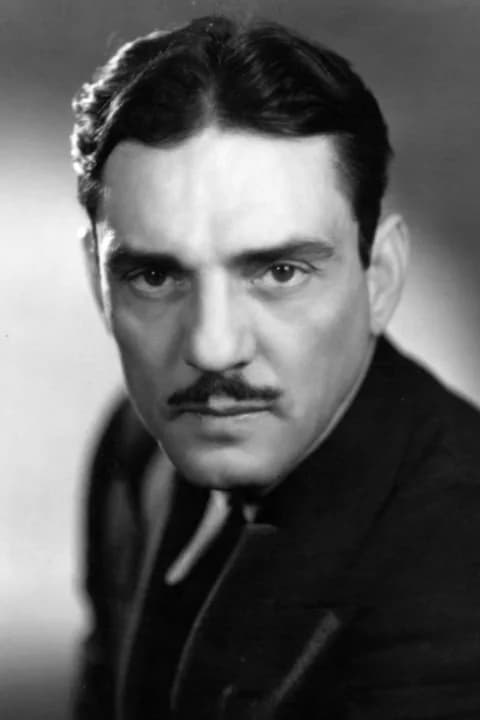
Francis McDonald
Francis McDonald (August 22, 1891 – September 18, 1968) was an American actor whose career spanned 52 years. McDonald's started acting professionally in stock theater with the Forepaugh Stock Company in Cincinnati. Following eight months with it, he worked one season with a stock company in Seattle, after which he performed for three seasons with a troupe in San Diego and Honolulu. He concluded his tenure in stock theater as juvenile leading man with the American Stock Company in Spokane, Washington. By 1913 McDonald began to perform in the rapidly expanding film industry, initially working for Marion Leonard's Monopole Company in Hollywood. He was cast in over 280 films between 1913 and 1965, including The Temptress in 1926 with Greta Garbo. After he was designated "Hollywood's Prettiest Man," McDonald sought a tougher image by shaving his mustache and seeking roles of villains. McDonald was one of Cecil B. DeMille's favorite character actors.[citation needed] DeMille gave him credited supporting roles in six of his films: The Plainsman (1936), The Buccaneer (1938), Union Pacific (1939), North West Mounted Police (1940), Samson and Delilah (1949), and The Ten Commandments (1956).
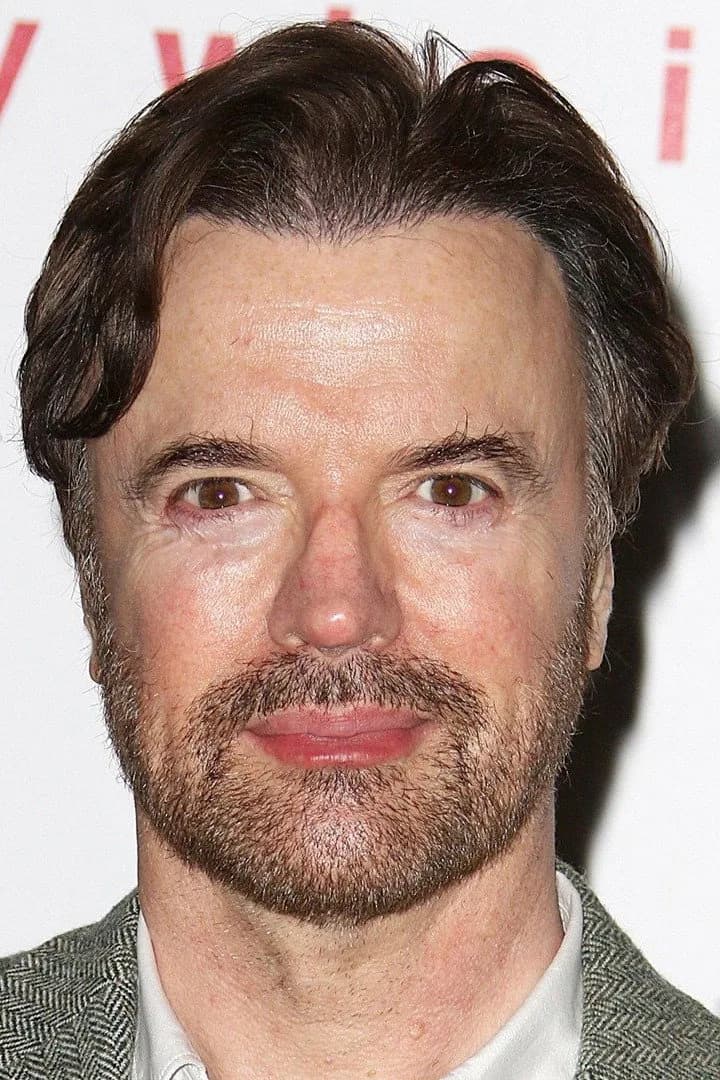
Paul Rhys
Cast · Known for Murdoch Mysteries, “Wuthering Heights”
Paul Rhys (born 19 December 1963) is a Welsh actor with an extensive career in theatre, radio, television and film. Rhys was born in Neath to working-class Catholic parents, Kathryn Ivory and Richard Charles Rhys, a labourer. He is of part-Irish descent on his mother's side. From the age of ten, he bred and trained horses, becoming a highly accomplished rider. A committed punk during his youth, Rhys sang in several bands. His first acting job was playing Liverpudlian judo expert Ralph in John Godber's hit play Bouncers, before leaving for London, where he qualified for his Equity card by singing jazz standards at lunchtime for Peter Boizot's Pizza Express and Kettners. Rhys received a Bernard Shaw Scholarship to study at RADA. In the first term he was spotted by Philip Prowse and was invited to perform in Oscar Wilde's A Woman of No Importance at the Glasgow Citizens Theatre, playing the illegitimate son, Gerald. He also appeared as Dean Swift in Julien Temple's film Absolute Beginners. Rhys completed his education at RADA by winning the William Pole prize and the Bancroft Gold Medal. His next film role was in Franklin J. Schaffner's Lionheart. After a brief spell at the Royal Shakespeare Company he played opposite Colin Firth in Richard Eyre's award-winning film Tumbledown. Soon after this, he appeared in Vincent & Theo, directed by American film director Robert Altman, as Vincent van Gogh's younger brother Theo van Gogh. Continuing the theme of famous brothers, Paul then played Sydney Chaplin opposite Robert Downey Jr.'s Charlie Chaplin in Richard Attenborough's Chaplin. He went on to play Massis in Alan Bennett's 102 Boulevard Haussmann. He then appeared opposite Peter O'Toole in Rebecca's Daughters. A series of films then followed including From Hell, Food of Love, Love Lies Bleeding, Becoming Colette and Hellraiser: Deader. He appears as Talleyrand in Ridley Scott's 2023 epic Napoleon, and as Duncan in Emerald Fennell's Saltburn. Running parallel to Rhys's film work has been a diverse and notable television career, working in leading roles with directors such as Mike Hodges, Stephen Frears, Sir Richard Eyre, Philip Martin, Christopher Morahan, Tom Vaughan, Edward Hall, Harry Bradbeer in productions including Tumbledown, A Dance to the Music of Time, The Heroes, Ghosts, Gallowglass, The Healer, Anna Karenina, The Deal, Beethoven, The Ten Commandments, Borgia, Luther and Spooks. In 2008 Rhys appeared in the series Agatha Christie's Poirot. In 2014, he played the lead as traitor Aldrich Ames, in The Assets miniseries, then as King George III in Turn: Washington's Spies and as Sir John Conroy in Victoria. He has made a minor industry out of playing vampires: Being Human (as Ivan); as Vlad, the Prince of Wallachia aka Dracula in seasons 1–3 of the 2015 series Da Vinci's Demons; and as Andrew Hubbard in two seasons of the 2020–2021 hit, A Discovery of Witches. In 2023, he appears as Tommy in the BBC film, Men Up.

H.B. Warner
Cast · Known for It's a Wonderful Life
Henry Byron Warner (often credited as H.B. Warner) was an English actor. He was the definitive cinematic Jesus Christ in Cecil B. DeMille's The King of Kings (1927). He was born into a prominent theatrical family on October 26, 1875 in London. His father was Charles Warner, and his grandfather was James Warner, both prominent English actors. He replaced J.B. Warner as Jesus in The King of Kings (1927) when J.B. died of tuberculosis at age 29. (J.B. was not Henry's brother. J.B. had taken the professional last name "Warner" because Henry's family took him in.) Henry Warner's family wanted him to become a doctor, and he graduated from London University but eventually gave up his medical studies. The theater was in his blood, and he studied acting in Paris and Italy before joining his father's stock company, making his debut in the English production of "Drink." It was from his father that he honed his craft. Warner made it to America in the early 1900s, after touring the British Empire. Billed as Harry Warner, he made his Broadway debut in the American colonial drama "Audrey" at Hoyt's Theatre on November 24, 1902, starring James O'Neill, the father of playwright Eugene O'Neill. He was billed as H.B. Warner in his next appearance on Broadway, in the 1906 comedy "Nurse Marjorie." He appeared in 13 more Broadway productions in his career, from the twin-bill of "Susan in Search of a Husband" & "A Tenement Tragedy" (also 1906) to "Silence" in 1925. He moved into motion pictures, making his debut in the Mutual short Harp of Tara (1914). Also in 1914, he appeared in a film written by Cecil B. DeMille for Famous Players Lasky, The Ghost Breaker (1914), in which he had played on Broadway the year before. Warner became a leading man and a star in silent pictures, reaching the zenith of his career playing Jesus in DeMille's The King of Kings (1927). His excellent performance was actually enhanced by the silent screen, allowing the audience to imagine how Jesus would sound. Warner could be extremely moving in silent pictures, notably in the melodrama Sorrell and Son (1927) as a war veteran father who sacrifices all for his son. When talkies arrived, he became a busy supporting player. A favorite of Frank Capra , appeared in Mr. Deeds Goes to Town (1936). Cast again by Capra, he was nominated for Best Supporting Actor in Lost Horizon (1937). He also appeared in You Can't Take It with You (1938), and Mr. Smith Goes to Washington (1939). Other major talkies included The Devil and Daniel Webster (1941) and Topper Returns (1941). Other than Jesus, the role he is best remembered role for today is in It's a Wonderful Life (1946), in which he played Mr. Gower, the druggist who is saved from committing a lethal medication error by the young George Bailey (the James Stewart character as a child). H.B. Warner appeared in Sunset Blvd. (1950) as himself. His last credited role was as Amminadab in DeMille's The Ten Commandments (1956), a remake of the earlier silent The Ten Commandments (1923). He last role was an uncredited bit part in Darby's Rangers (1958).