
Search
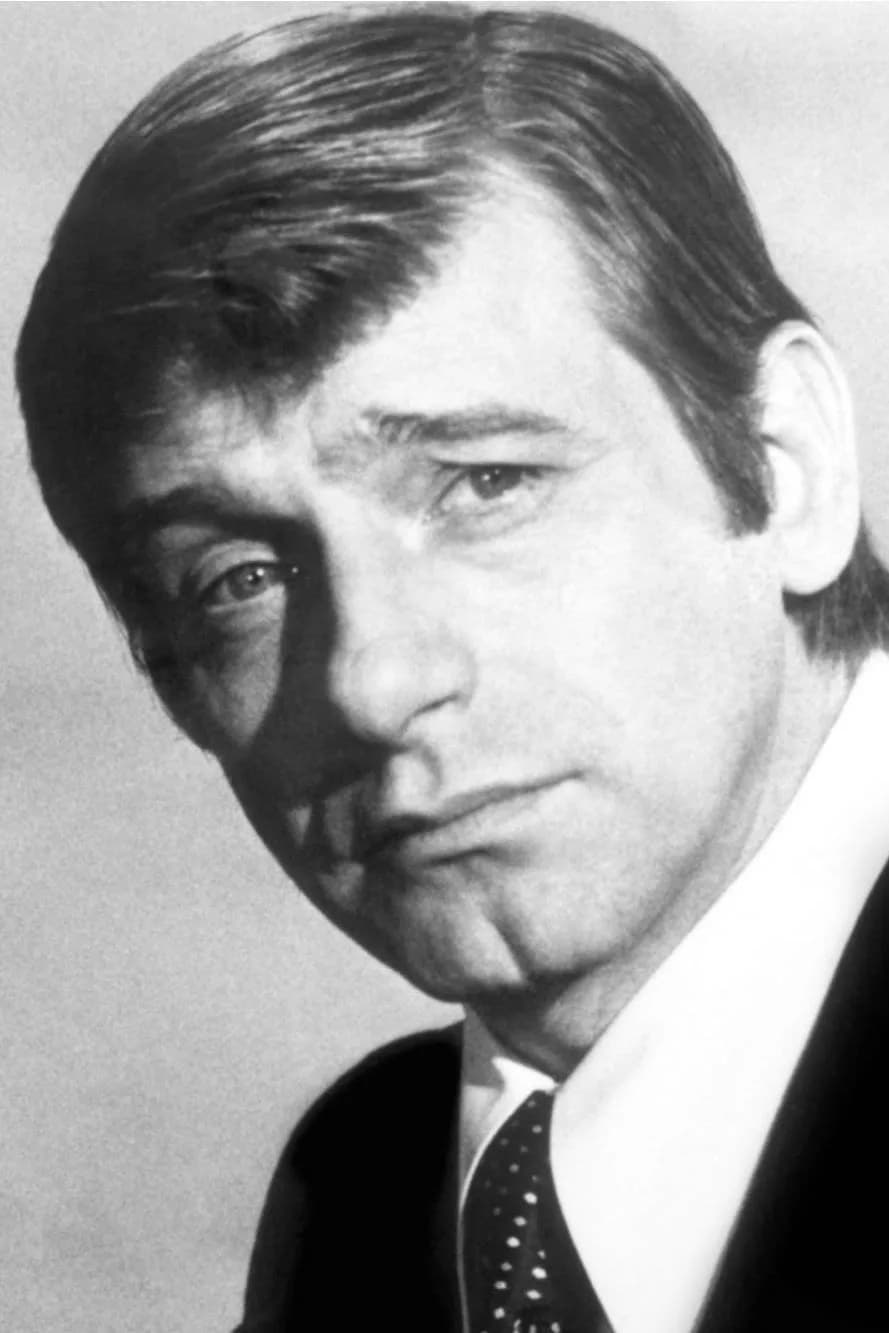
Jack Kehoe
Cast · Known for The Untouchables, The Sting
From Wikipedia, the free encyclopedia Jack Kehoe (November 21, 1934 - January 14, 2020) was an American actor who appeared in a wide variety of films, including Serpico (1973), The Sting (1973), Car Wash (1976), On the Nickel (1980), Melvin and Howard (1980), The Pope of Greenwich Village (1984), The Untouchables (1987), Midnight Run (1988), and Young Guns II (1990). His TV credits included roles in The Twilight Zone, Murder, She Wrote and Miami Vice.
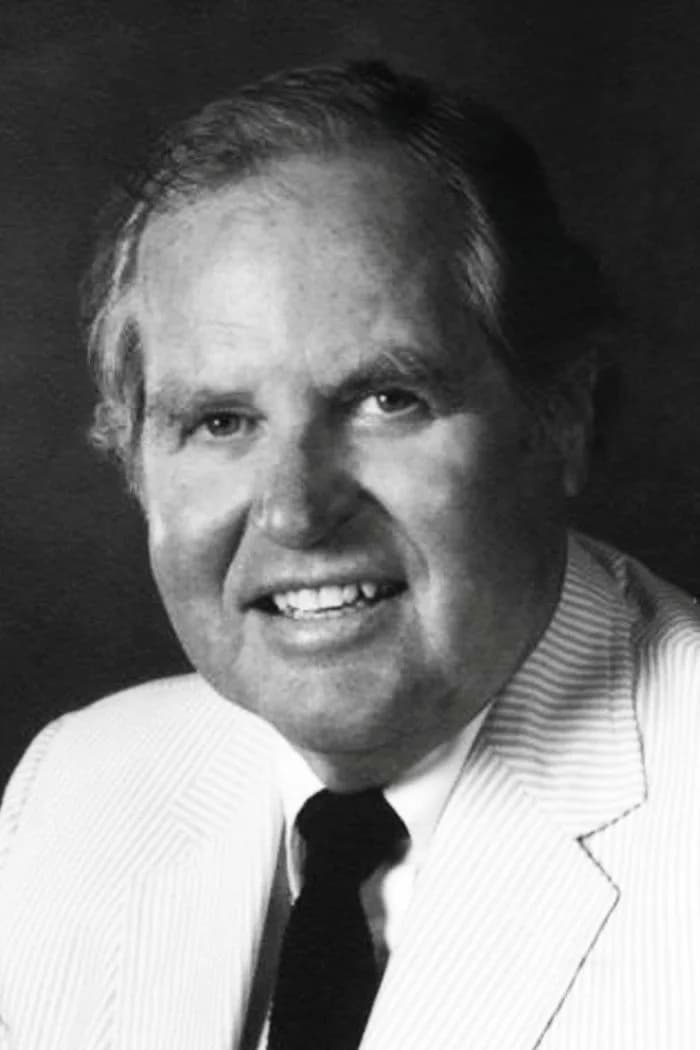
Henry Bumstead
Production Design · Known for Cape Fear, Mystic River, Unforgiven
From Wikipedia, the free encyclopedia Lloyd Henry "Bummy" Bumstead (March 17, 1915 – May 24, 2006) was an American cinematic art director and production designer. In a career that spanned over fifty-five years he won two Academy Awards: the first for To Kill a Mockingbird, and the second for The Sting. In addition, he was nominated for Alfred Hitchcock's Vertigo and Clint Eastwood's Unforgiven.
Guy Way
Cast · Known for Mannix
A somewhat chubby but menacing Guy Way played a frequent heavy in movies and television. During the 1960s you could catch him on numerous shows from Mission Impossible to The Man From Uncle. Once in a while he did get a few lines as with The Sting in 1973, where he takes Robert Redford at the roulette table. In 1967, as a prison guard he addresses Robert Blake as he is about to be hung in the classic In Cold Blood. And he was a cop that helps chase Kevin McCarthy back in the 50s with Invasion Of The Body Snatchers.
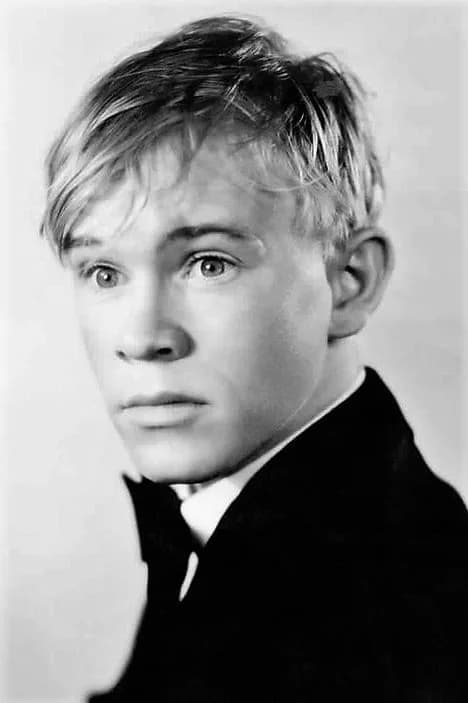
William Benedict
From Wikipedia, the free encyclopedia. William Benedict (April 16, 1917 – November 25, 1999) was an American actor, perhaps best known for playing "Whitey" in Monogram Pictures' The Bowery Boys series. Born in Haskell, Oklahoma, he took part in school theatricals, and on leaving school he made his way to Hollywood. His first film was $10 Raise (1935) starring Edward Everett Horton, which launched Benedict on a busy career. The blond-haired Benedict almost always played juvenile roles, such as newsboys, messengers, office boys, and farmhands. In 1939, when Universal Pictures began its Little Tough Guys series to compete with the popular Dead End Kids features, Billy Benedict was recruited into the cast. These films led him into the similar East Side Kids movies (usually playing a member of the East Side gang, but occasionally in villainous roles). The East Side Kids became The Bowery Boys in 1946, and Benedict stayed with the series (as "Whitey") through the end of 1951. Other films included My Little Chickadee (1940) starring W. C. Fields and Mae West, The Ox-Bow Incident (1943), Ed Wood's Bride of the Monster (1955), The Sting (1973) and Farewell, My Lovely (1975). Benedict never shook his juvenile image completely, and continued to play messengers and news vendors well into his sixties. He also worked often in television commercials.

Robert Surtees
Cinematographer · Known for The Sting
From Wikipedia, the free encyclopedia Robert L. Surtees, A.S.C. (August 9, 1906 – January 5, 1985) was an American cinematographer who won Academy Awards three times, for the films King Solomon's Mines, The Bad and the Beautiful and the 1959 version of Ben Hur. Robert L. Surtees began working in Hollywood as assistant cameraman to Gregg Toland, A.S.C. in the late 1920s, before moving to Germany for several years, eventually returning to Hollywood. He became one of the most accomplished cinematographers in motion pictures. His credits include Ben-Hur (1959), Mutiny on the Bounty (1962), The Graduate (1967), The Liberation of L.B. Jones (1970), The Last Picture Show (1971), Summer of '42 (1971), The Sting (1973), A Star is Born (1976) and Same Time, Next Year (1978). His son Bruce was also a cinematographer.
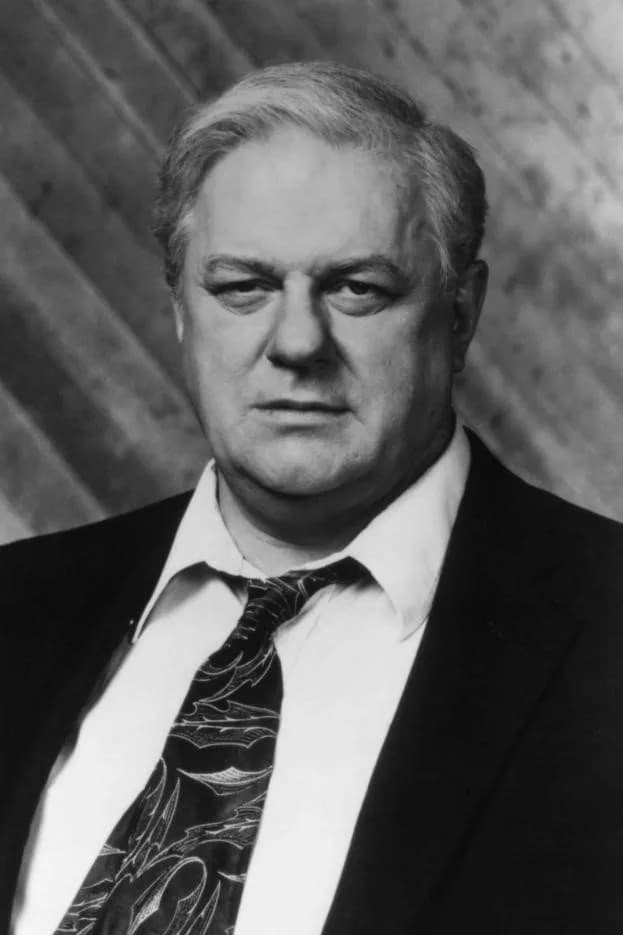
Charles Durning
Cast · Known for The Sting
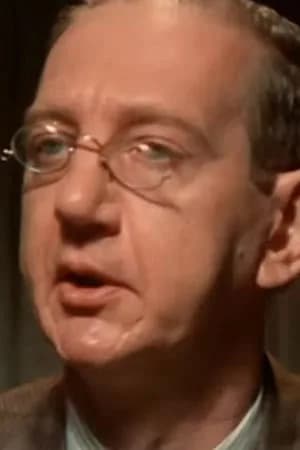
Charles Edward Durning (February 28, 1923 – December 24, 2012) was an American actor. He best-known films include The Sting (1973), Dog Day Afternoon (1975), True Confessions (1981), Tootsie (1982), Dick Tracy (1990) and O Brother, Where Art Thou? (2000). He was nominated for the Academy Award for Best Supporting Actor two times: The Best Little Whorehouse in Texas (1982) and To Be or Not to Be (1983).
John Heffernan
Cast · Known for The Sting
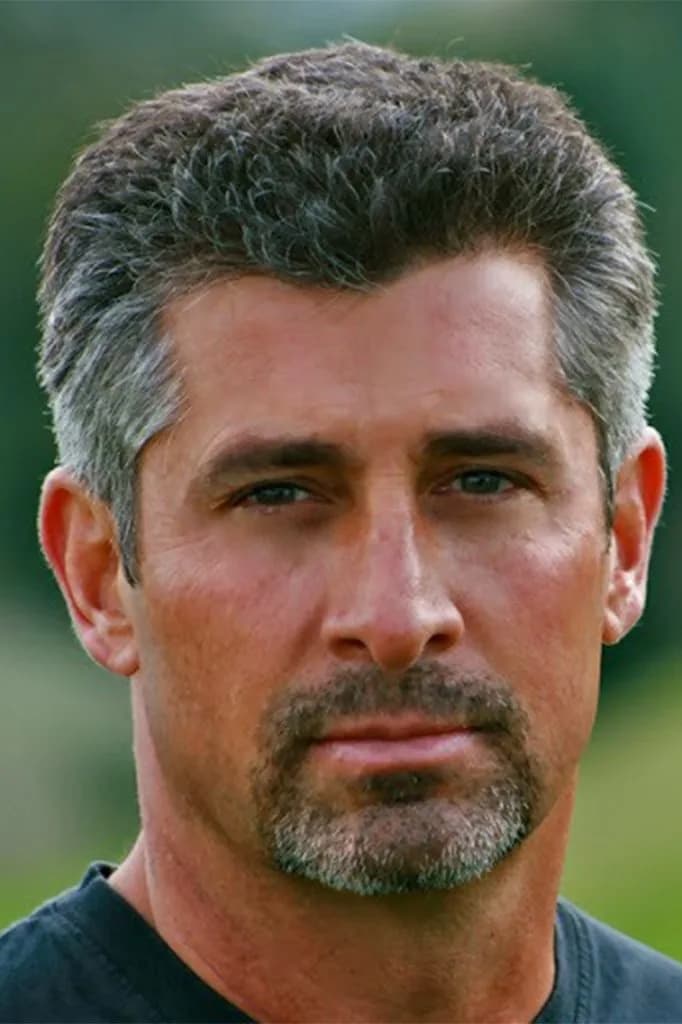
John Heffernan (May 30, 1934 – December 3, 2018) was an American film, stage and television actor. He was perhaps best known for playing Eddie Niles in the 1973 film The Sting.
Corey Michael Eubanks
While training for a Golden Gloves boxing tournament in Southern California, Corey was discovered in his gym and cast to play the role of a young boxer in the feature film The Sting II (1983) for Universal Pictures. Intrigued by the entertainment industry, Corey spent the next four years perfecting his craft as a professional stuntman on the television show The Dukes of Hazzard (1979). Soon Corey's talents as a stuntman were in demand, and he began working on several other action shows such as The A-Team (1983), Hunter (1967), and The Fall Guy (1981). Throughout his twenty-year career, Corey has kept extremely busy working as one of Hollywood's top professional stuntmen.
Edith Head
Costume Design · Known for Sex and the Single Girl, The Sting, Vertigo
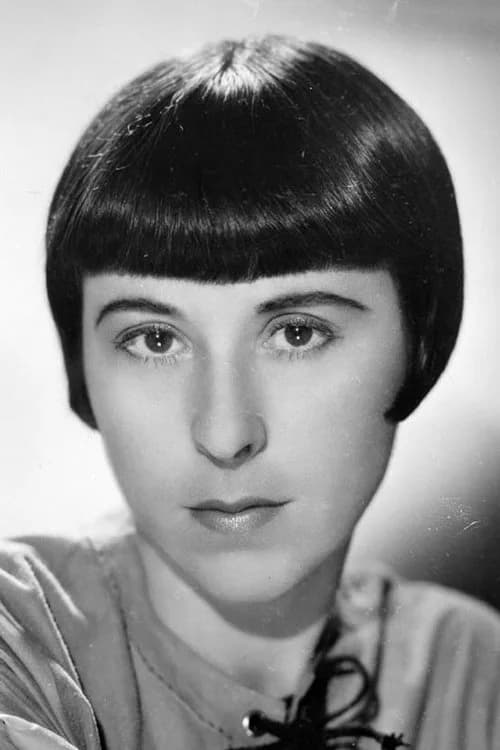
Edith Head (October 28, 1897 – October 24, 1981) was an American costume designer who won a record eight Academy Awards for Best Costume Design, starting with The Heiress (1949) and ending with The Sting (1973).
Tony Bill
Producer · Known for The Sting
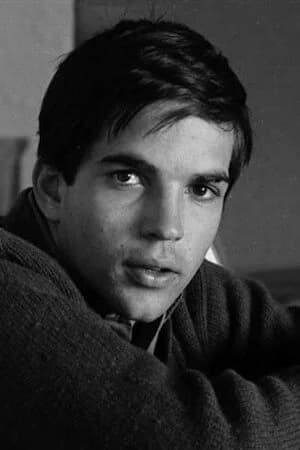
Gerard Anthony "Tony" Bill (born August 23, 1940) is an American actor, producer, and director. He produced the 1973 movie The Sting, for which he shared the Academy Award for Best Picture with Michael Phillips and Julia Phillips. He majored in English and art at the University of Notre Dame in South Bend, Indiana, from which he graduated in 1962. Bill began his career as an actor in the 60s, first appearing on screen as Frank Sinatra's ingenuous younger brother in Come Blow Your Horn (1963). Bill specialized in likeable but none-too-bright juveniles and young leads. His acting credits include None But the Brave (1965), You're A Big Boy Now (1966), Never a Dull Moment (1968), Ice Station Zebra (1968), Shampoo (1975), The Little Dragons (1980), Pee-wee's Big Adventure (1985), and Less Than Zero (1987). Bill continued to act in TV-movies, miniseries, and guest spots though with decreasing frequency as he segued into directing. He appeared in the 1966 episode "Chaff In The Wind" of the long running western The Virginian. He then appeared in 1967 episode "The Predators" of NBC's western series The Road West starring Barry Sullivan. In 1980, Bill directed his first film, My Bodyguard. From there he went on to direct Six Weeks (1982), Five Corners (1987), Crazy People (1990) A Home of Our Own (1993), and Flyboys (2006) which Bill claims was one of the first features shot entirely with digital cameras. In television Bill directed Truman Capote's One Christmas, Harlan County War, and Pictures of Hollis Woods, among others. In 2009, Bill published the book Movie Speak: How to Talk Like You Belong on a Film Set. The book traces the etymology of the language of the movie set and is filled out with stories from the Bill's career in film. From 1984-2000, he co-owned with Dudley Moore the celebrated 72 Market Street, a restaurant in Venice, California. He is married to his second wife, the former Helen Buck Bartlett, his producer/partner in Barnstorm Films in Venice. The couple have two daughters, Madeline and Daphne. Description above from the Wikipedia article Tony Bill, licensed under CC-BY-SA,full list of contributors on Wikipedia.
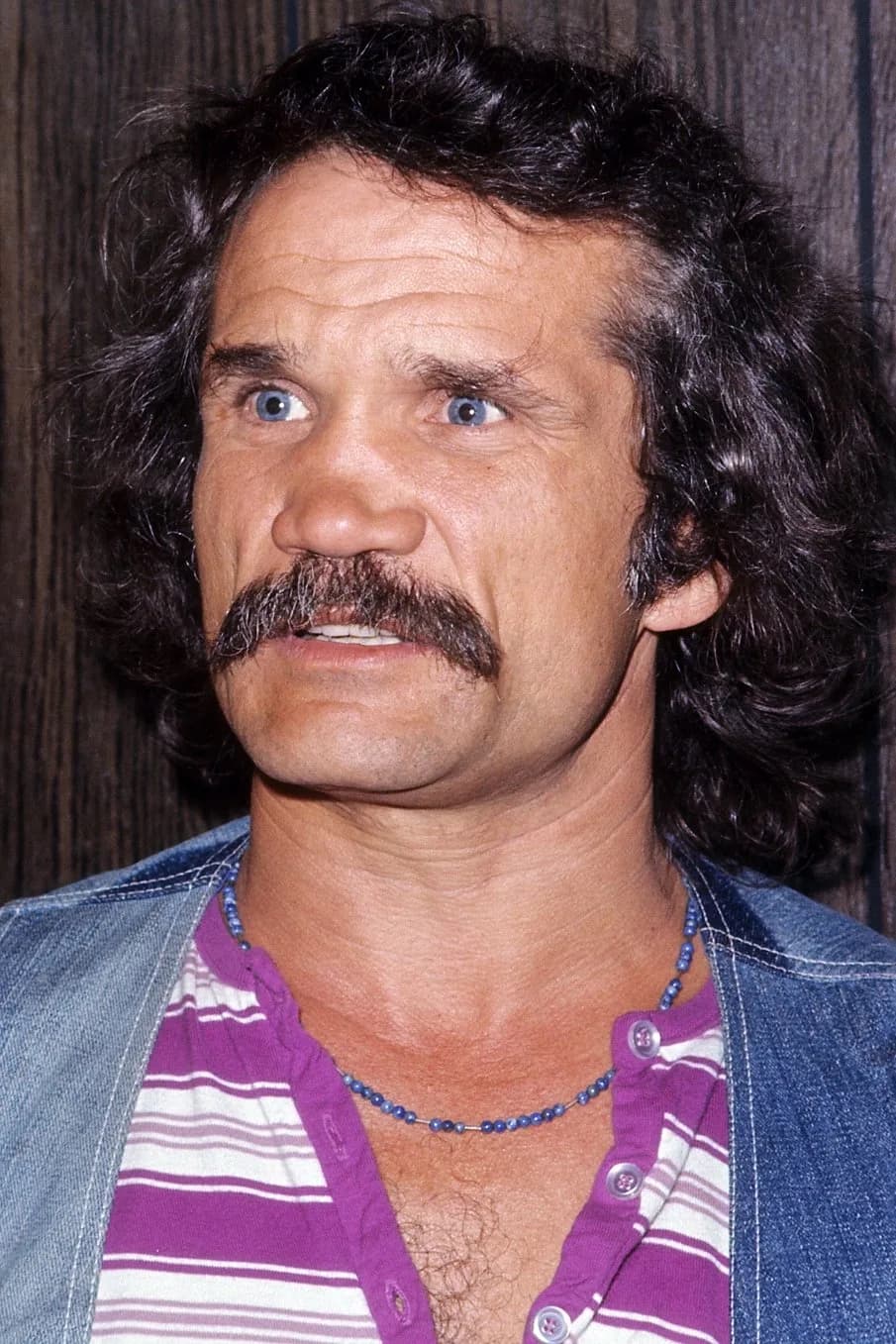
Charles Dierkop
Cast · Known for The Sting
Charles Richard Dierkop was an American actor, known for Police Woman (TV Series), The Sting (1973), Butch Cassidy and the Sundance Kid (1969) and Silent Night, Deadly Night (1984). He was previously married to Joan F. Addis.
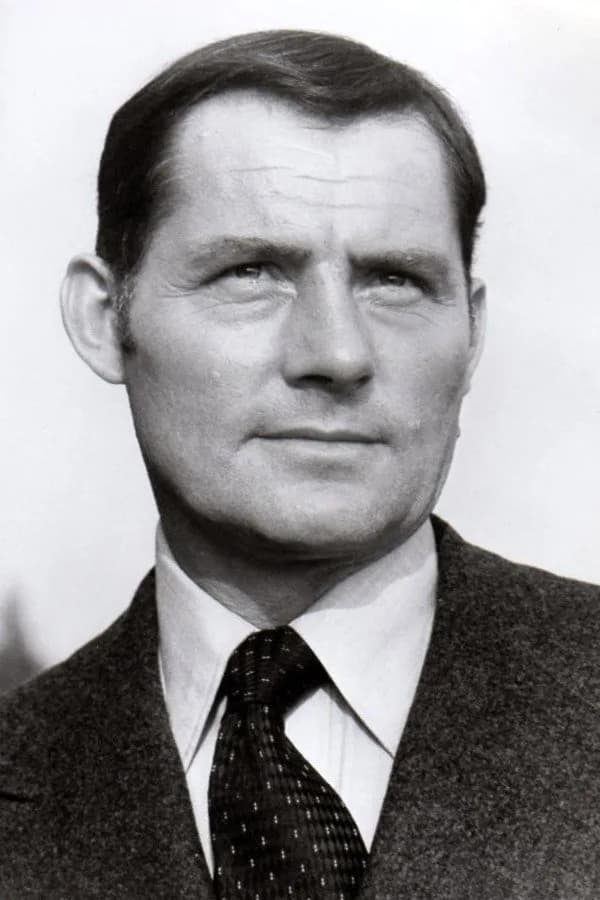
Robert Shaw
Cast · Known for Jaws, The Sting
Robert Archibald Shaw (9 August 1927 – 28 August 1978) was an English stage and film actor and novelist, remembered for his performances in The Sting, From Russia with Love, A Man for All Seasons, the original The Taking of Pelham One Two Three (1974), Black Sunday (1977), The Deep (1977) and Jaws, where he played the shark hunter Quint.
Julia Phillips
Producer · Known for Taxi Driver, The Sting
Julia Phillips (née Miller; April 7, 1944 – January 1, 2002) was an American film producer and author. She co-produced with her husband Michael (and others) three prominent films of the 1970s—The Sting, Taxi Driver, and Close Encounters of the Third Kind—and was the first female producer to win an Academy Award for Best Picture, received for The Sting. In 1991, Phillips published an infamous tell-all memoir of her years as a Hollywood producer, titled You'll Never Eat Lunch in This Town Again, which became a bestseller. Description above from the Wikipedia article Julia Phillips, licensed under CC-BY-SA, full list of contributors on Wikipedia.

David S. Ward
Writer · Known for The Sting
David Schad Ward (born October 25, 1945) is an American screenwriter and film director. He was nominated for two Academy Awards for his screenplays for the films The Sting (1973) and Sleepless in Seattle (1993), winning for the former. He was also nominated for a British Academy Film Award, a Golden Globe Award, and two Writers Guild of America Awards. From Wikipedia, the free encyclopedia
George Roy Hill
Director · Known for The Sting
George Roy Hill (December 20, 1921 – December 27, 2002) was an American film director. He is most noted for directing such films as Butch Cassidy and the Sundance Kid and The Sting, which both starred the acting duo Paul Newman and Robert Redford. Other notable films are Slaughterhouse-Five, The World According to Garp, The World of Henry Orient, Hawaii, Thoroughly Modern Millie, The Great Waldo Pepper, Slap Shot, A Little Romance with Laurence Olivier, and The Little Drummer Girl.
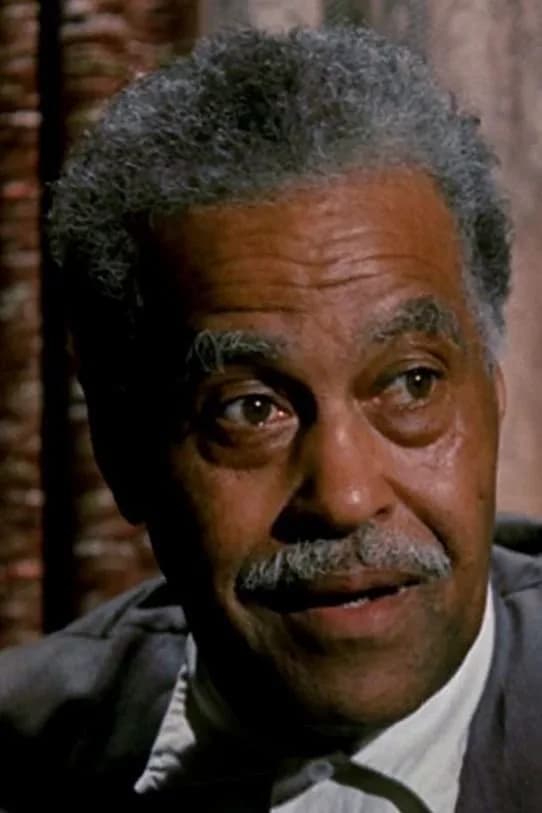
Robert Earl Jones
Cast · Known for The Sting
Robert Earl Jones (February 3, 1910 – September 7, 2006), sometimes credited as Earl Jones, was an American actor and professional boxer. One of the first prominent black film stars, Jones was a living link with the Harlem Renaissance of the 1920s and 1930s, having worked with Langston Hughes early in his career. Jones was best known for his leading roles in films such as Lying Lips (1939) and later in his career for supporting roles in films such as The Sting (1973), Trading Places (1983), The Cotton Club (1984), and Witness (1985). He was the father of actor James Earl Jones. From Wikipedia, the free encyclopedia

Ittoku Kishibe
Cast · Known for Doctor-X: Surgeon Michiko Daimon, AIBOU: Tokyo Detective Duo
Ittoku Kishibe (岸部一徳) is a Japanese actor, bassist, and lyricist. He originally entered showbusiness as the bassist for the Japanese rock bands The Tigers, PYG, and Inoue Takayuki Band, but later switched to acting. The veteran of over 115 films, he won the Japanese Academy Award for Outstanding Actor in a Leading Role in 1991 for "The Sting of Death," and was nominated for the Best Supporting Actor award in 1994. He has an agency, UN et NEUF, and he is the president of Kenji Sawada's private office "Kokoro Co., Ltd."
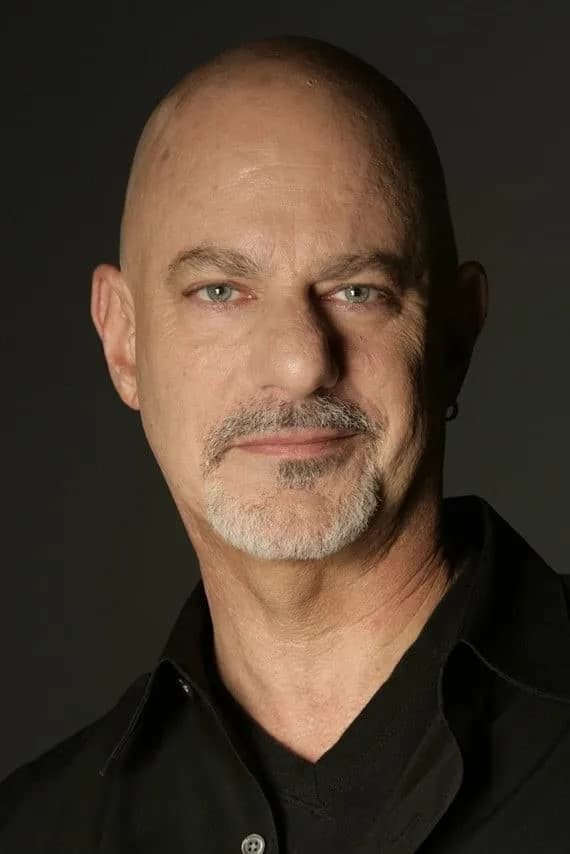
Rob Cohen
Rob Cohen (born March 12, 1949) is an American film director, writer and producer. He is best known for directing the first Fast and the Furious installment (2001), as well as the action films xXx (2002) and The Mummy: Tomb of the Dragon Emporer (2008). He's a graduate in Anthropology and Visual Studies from Harvard University, Cambridge, Massachusetts, and while working as a reader for Universal in the early-1970s discovered the screenplay for what would become The Sting (1973).
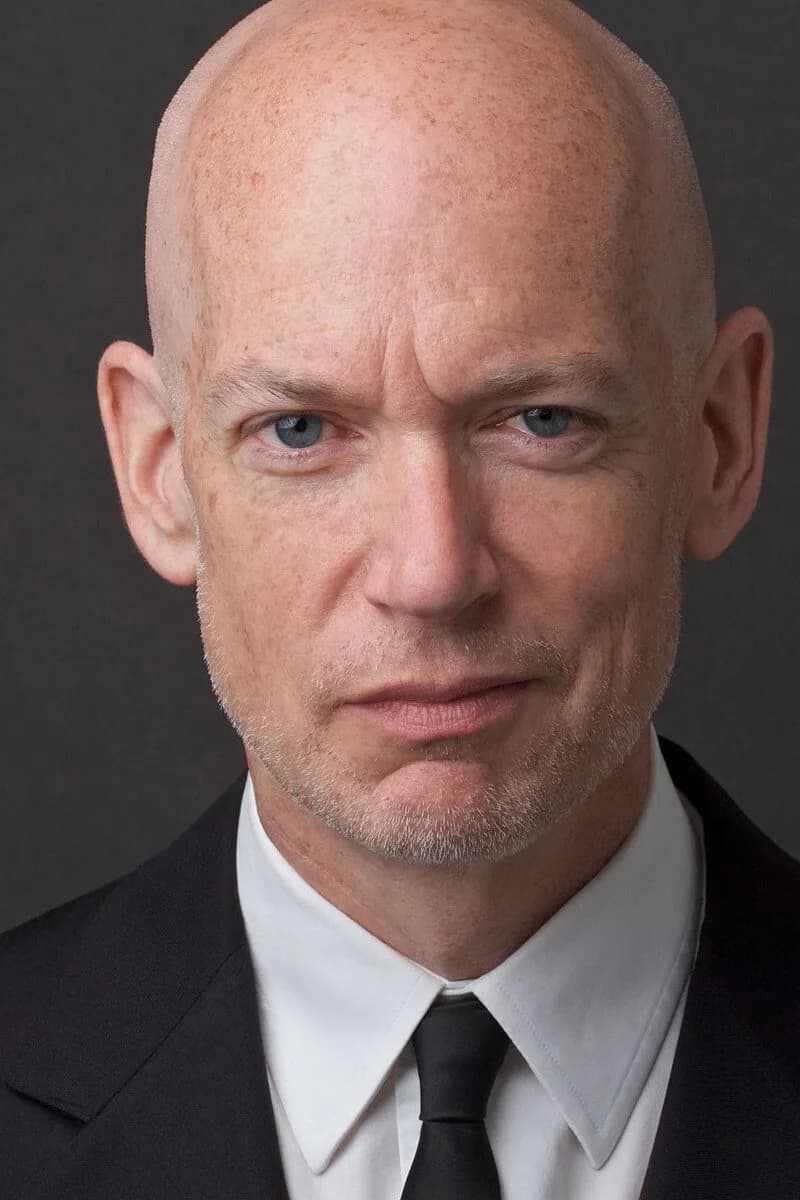
Christopher Gurr
Christopher Gurr [he/him/his] is an American actor and director known for playing a vast range of roles on Broadway and in theaters across the United States (as well as the more readily accessible reaches of Canada). He was born in the Deep South, educated in the Midwest, ripened by the sun and sea of California and matured in the mountains of Appalachia before making his home in New York City. Gurr starred as Bustopher Jones and Gus (“the cat at the theatre door”) in the Broadway revival of Cats at the Neil Simon Theatre. In that same theater, he made his Broadway debut playing Senator Strom Thurmond opposite Byran Cranston’s LBJ in the Tony Award-winning play, All The Way. Between that notorious Dixiecrat and cats both fat and thin, Gurr has been seen on Broadway as, among other things, a villainous fop and a hard-nosed sea captain (Amazing Grace), a factory owner and his fastidious foreman (two different stints in Kinky Boots), and a very, very strange man in a yellow suit (Tuck Everlasting). Recent Off-Broadway and regional productions featured Gurr in Marie, Dancing Still at Seattle’s 5th Avenue Theatre, the world premiere of The Sting opposite Harry Connick, Jr. at The Paper Mill Playhouse, Titanic and Oklahoma! at Pittsburgh’s Civic Light Opera, and The Resistible Rise of Arturo Ui at Classic Stage Company in New York City opposite Raúl Esparza. Gurr made his commercial theatre debut in the first national tour of the Tony Award-winning musical, Monty Python’s Spamalot. Sometimes as Mrs. Galahad and Sir Bedevere, sometimes as King Arthur, he performed all over North America for the better part of four years. His next first national tour found Gurr playing seven different types of mean white cracker in the Tony Award-winning musical, Memphis. Gurr’s other roles include Hitler (History of War), Heisenberg (Copenhagen), Aerosmith guitarist Joe Perry (Getting The Band Back Together), Uncle Ernie (The Who’s Tommy), Ali Hakim (Oklahoma!), Aldolpho (The Drowsy Chaperone), Geoffrey (The Lion In Winter), and Rutledge (1776). His directing projects include productions of Nine, Camelot, Heartbreak House, Into The Woods, Die Fledermaus, Billy Bishop Goes To War, Wesley Middleton’s Tomato Plant Girl, James Still’s Meet Me Incognito, the world premiere of José Cruz Gonzáles’ Earth Songs, and Guys & Dolls: In Concert with Jeff Tyzik and the Rochester Philharmonic Orchestra and staged readings of many, many new plays and musicals. Gurr has served as artistic associate with Geva Theatre Center in Rochester, NY, The Theatre Building in Chicago, and Metro Theater Company in St. Louis. He has taught with and designed curriculum for the internationally recognized education department of the Oregon Shakespeare Festival. He graduated from and has served as guest director and faculty member at Webster University’s Conservatory of Theatre & Dance in St. Louis. Gurr’s voiceover work has included distressed dads, buttoned-up bankers, Boston Brahmins, and backwoods bloviators, to name a few.
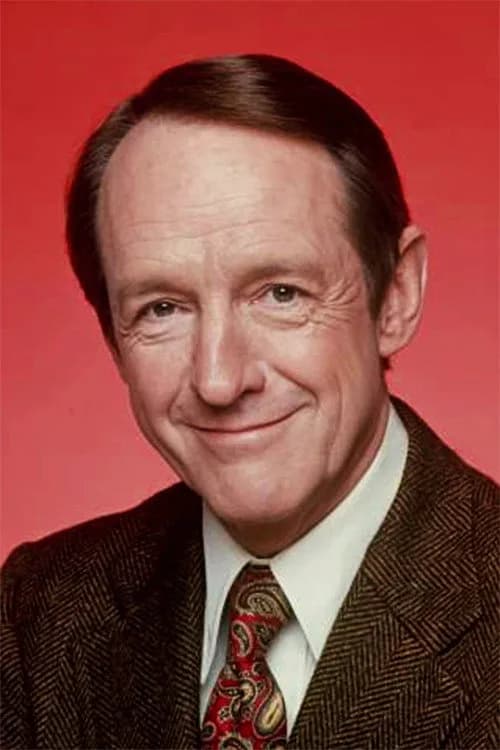
William Schallert
Cast · Known for Get Smart
William Joseph Schallert (July 6, 1922 – May 8, 2016) was an American character actor who appeared in dozens of television shows and films over a career spanning more than 60 years. He is known for his roles on Richard Diamond, Private Detective (1957–1959), Death Valley Days (1955–1962), and The Patty Duke Show (1963–1966). Schallert was born in Los Angeles, California, the son of Edwin Francis Schallert, a longtime drama critic for the Los Angeles Times, and Elza Emily Schallert (née Baumgarten), a magazine writer and radio host. He began acting while a student at the University of California, Los Angeles (UCLA) but left to become an Army Air Corps fighter pilot in World War II. He returned to UCLA after the war and graduated in 1946. After graduating from UCLA, Schallert began his acting career in the theater. He appeared in several productions at the Circle Theatre in Los Angeles, including a staging of W. Somerset Maugham's Rain in 1948, which was directed by Charlie Chaplin. Schallert made his television debut in 1951, and he quickly became a familiar face on the small screen. He appeared in numerous guest roles on shows such as The Adventures of Superman, The Twilight Zone, and The Dick Van Dyke Show. He also had recurring roles on The Patty Duke Show, The Nancy Drew Mysteries, and The Torkelsons. In addition to his work on television, Schallert also appeared in several films, including The Bridges of Toko-Ri (1954), The Apartment (1960), and The Sting (1973). Schallert died in Pacific Palisades, California, in 2016, at the age of 93. He was survived by his wife, Leah Waggner, and their four children.
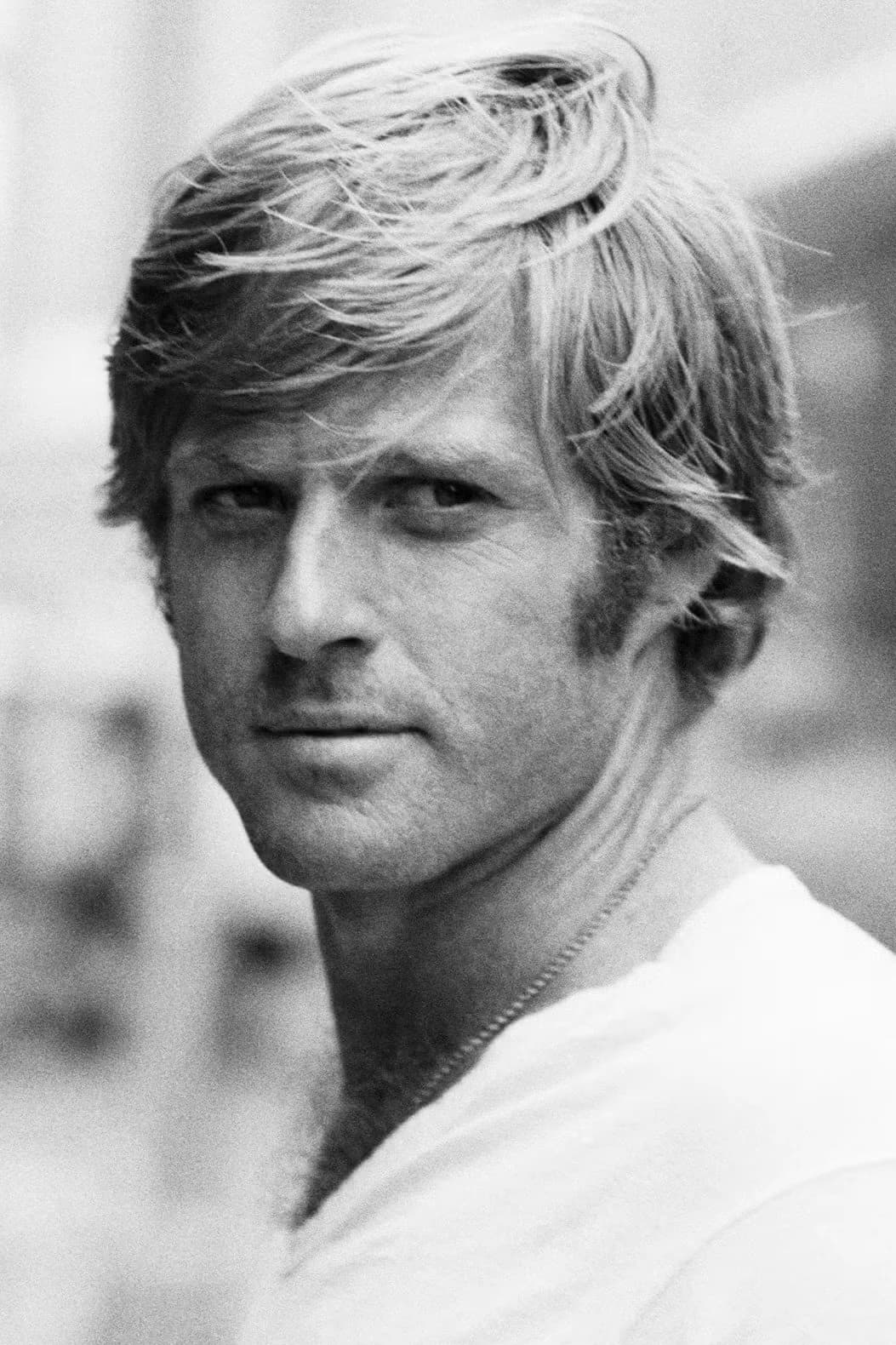
Robert Redford
Cast · Known for The Sting
Charles Robert Redford Jr. (August 18, 1936 – September 16, 2025) was an American actor, director and activist. Throughout his career, he won several film awards, including the Academy Award for Best Director for his 1980 film Ordinary People. He also received an honorary Academy Award for Lifetime Achievement in 2002 and was also the founder of the Sundance Film Festival. In 2014, Time magazine named him one of the 100 most influential people in the world, and in 2016 he was honored with a Presidential Medal of Freedom. Appearing on stage in the late 1950s, Redford's television career began in 1960, including an appearance on The Twilight Zone in 1962. He earned an Emmy nomination as Best Supporting Actor for his performance in The Voice of Charlie Pont (1962). His greatest Broadway success was as the stuffy newlywed husband of co-star Elizabeth Ashley's character in Neil Simon's Barefoot in the Park (1963). Redford made his film debut in War Hunt (1962). His role in Inside Daisy Clover (1965) won him a Golden Globe for the best new star. He starred alongside Paul Newman in Butch Cassidy and the Sundance Kid (1969), which was a huge success and made him a major star. He had a critical and box office hit with Jeremiah Johnson (1972), and in 1973 he had the greatest hit of his career, the blockbuster crime caper The Sting, a re-union with Paul Newman, for which he was nominated for an Academy Award; that same year, he also starred opposite Barbra Streisand in The Way We Were. The popular and acclaimed All the President's Men (1976) was a landmark film for Redford. In the 1980s, Redford began his career as a director with Ordinary People (1980), which was one of the most critically and publicly acclaimed films of the decade, winning four Oscars including Best Picture and the Academy Award for Best Director for Redford. He continued acting and starred in Brubaker (1980), as well as playing the male lead in Out of Africa (1985), which was an enormous box office success and won seven Oscars including Best Picture. He released his third film as a director, A River Runs Through It, in 1992. He went on to receive Best Director and Best Picture nominations in 1995 for Quiz Show. He received a second Academy Award—for Lifetime Achievement—in 2002. In 2010, he was made a chevalier of the Légion d'Honneur. He additionally won BAFTA, Directors Guild of America, Golden Globe, and Screen Actors Guild awards.
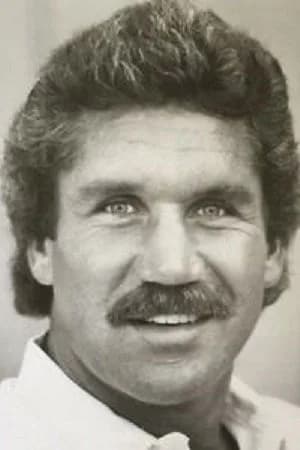
Tim Rossovich
Cast · Known for Knight Rider
Tim’s life was lived in many phases. He was a consummate football player for much of his early years. An All-American at St. Francis High School in Mountain View, California, an All-American at USC playing from 1965-68, and co-captain on the 1967 National Championship Team. In 2015, he was inducted into the USC Athletic Hall of Fame. Tim was selected by the Eagles in the 1968 NFL draft, where he played four seasons with a Pro Bowl appearance in 1969. He later played with the Philadelphia Bell of World Football League for two years, then the San Diego Chargers, and finally with the Houston Oilers before ending his illustrious years playing football in 1976. While his was unquestionably a remarkable career, his hard-playing physical style may have caught up with him in the form of CTE, which may have been the cause of the many antics throughout his life. After football, still in his prime, Tim reinvented himself into an actor and stuntman. He appeared on MacGyver, The A-Team, Baywatch, Magnum, P.I., The Love Boat, and Charlie’s Angels to name a few. He made appearances on the big screen in the Barbara Streisand/Ryan O’Neal movie, the Main Event (1979), The Long Riders (1980), Looker (1981), Night Shift (1982), and The Sting II (1983). He returned to Grass Valley, California, in 1995, where he remained until his death.
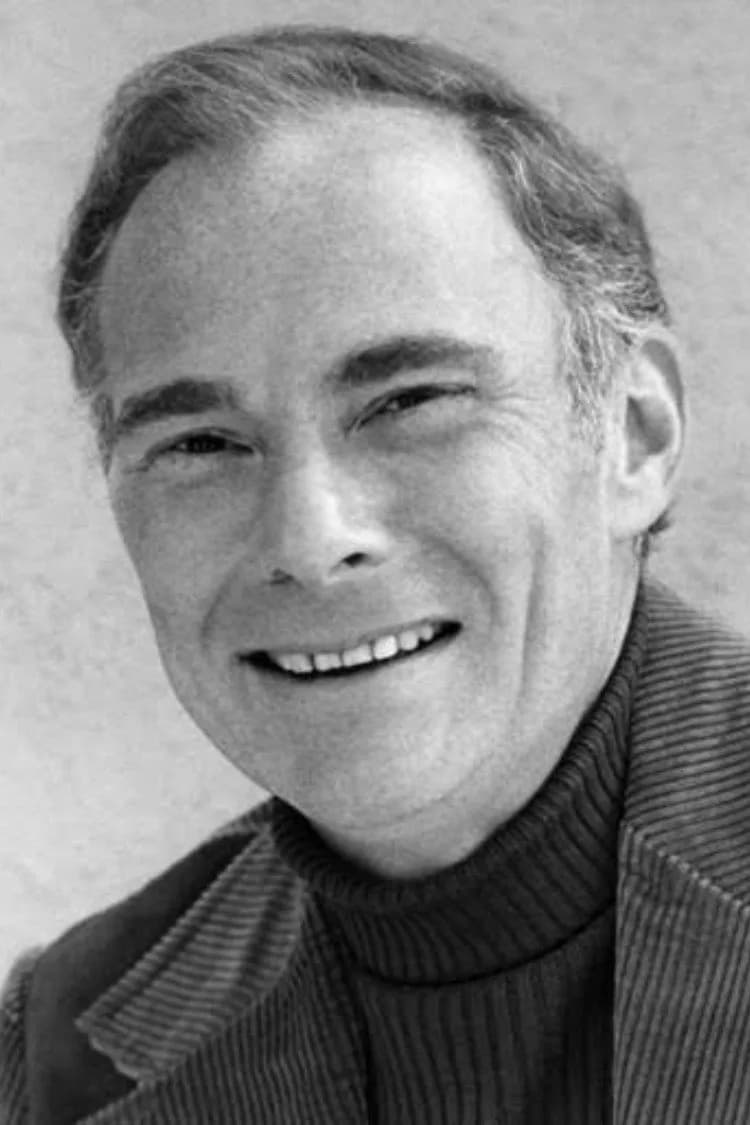
Dean Riesner
Writer · Known for The Virginian
Dean Riesner (November 3, 1918, New Rochelle, New York – August 18, 2002, Encino, California) was an American film and television writer. Riesner's father, Charles Reisner, was a German American silent film director, and Dean began acting in films at the age of five as "Dinky Dean". His most notable role was in Charlie Chaplin's 1923 film The Pilgrim. His career at this young age ended because his mother wanted her son to have a real childhood. As an adult, his first job in films was as a co-writer of the 1939 Ronald Reagan movie Code of the Secret Service. Riesner won an Oscar for directing Bill and Coo (1948), a feature film with a cast of real birds, costumed as humans, acting on the world's smallest film set. Throughout the 1950s and 1960s, Riesner worked primarily in television, including writing for Rawhide and the "Tourist Attraction" episode of The Outer Limits, although he occasionally contributed to feature films like The Helen Morgan Story. In 1968 he landed a job working on the Clint Eastwood action film Coogan's Bluff, and this in turn would lead to him writing several other Eastwood features throughout the 1970s. Riesner helped pen the screenplays for two Eastwood films in 1971, Play Misty for Me and the original Dirty Harry. In 1973 he provided an uncredited rewrite for High Plains Drifter, and in 1976 he was one of the writers to draft The Enforcer, the third Dirty Harry thriller. That same year he provided the teleplay for NBC's highly rated miniseries Rich Man, Poor Man, starring Nick Nolte. In 1979 he wrote an early draft screenplay for The Godfather Part III, but his script was discarded when Francis Ford Coppola and Mario Puzo finally agreed to collaborate on a third entry in the series. Riesner continued to write into the 1980s, though most of his work from that period went uncredited. Those films include Das Boot, The Sting II, and Starman. Riesner died in 2002 of natural causes. He had been married to actress Maila Nurmi, better known as the horror hostess Vampira.
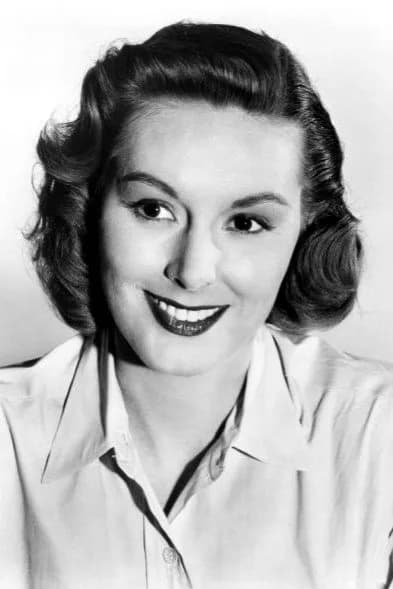
Jean Byron
Jean Byron (born Imogene Audette Burkhart; December 10, 1925 – February 3, 2006, Height 5 feet 9 inches [1.75 meters]) was an American film, television, and stage actress. She was best known for the role of Natalie Lane, Patty Lane's mother in the sitcom The Patty Duke Show. Byron was born in Paducah, Kentucky, and raised in Louisville. She began her career as a singer on radio, and then moved to Los Angeles to pursue an acting career. She made her film debut in 1952's Voodoo Tiger. She appeared in several other films, including The Magnetic Monster (1953), Serpent of the Nile (1953), and The Opposite Sex (1956). Byron's most famous role was as Natalie Lane on The Patty Duke Show. She appeared in all three seasons of the show, from 1963 to 1966. She was nominated for an Emmy Award for Outstanding Supporting Actress in a Comedy Series in 1964. After The Patty Duke Show, Byron continued to work in television, appearing in shows such as The Wild Wild West, The Love Boat, and Murder, She Wrote. She also appeared in several films, including The Sting (1973) and The Muppet Movie (1979). Byron retired from acting in the early 1990s. She died in Mobile, Alabama, in 2006, at the age of 80. In addition to her acting career, Byron was also a talented singer and dancer. She was a member of the Actors Studio and the Screen Actors Guild. She was also a member of the Delta Delta Delta sorority.