
Search

The Silent Storm
2026
In 1994, tax auditor Ouyang Xu, criminal investigator Yan Ping'an, and Zhou Haiyang—who was searching for his missing wife—met through a counterfeit invoice case in Chunjiang City. Under the tide of the times, the three experienced vastly different circumstances, and their fates gradually diverged. Years later, Operation Grain Rain brings them together again—but the brothers of old now stand on opposite sides. Ouyang Xu faces off against the tax fraud ring led by Zhou Haiyang and the protective umbrella behind it, caught in a painful choice between emotion and the law. Starting from a single invoice, he tears away the veil of greed and ultimately eliminates evil, safeguarding justice.
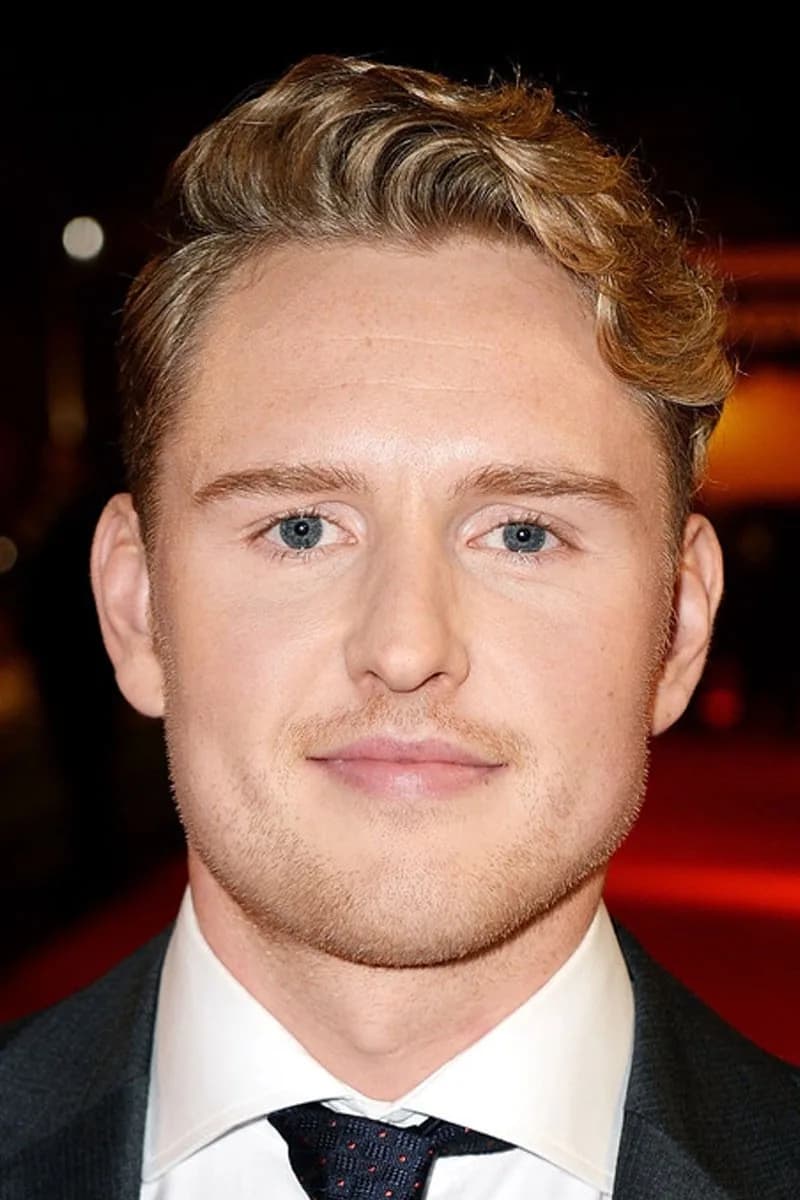
Ross Anderson
Cast · Known for Has Fallen
Ross Anderson is a Scottish actor. He was born in Paisley but grew up in Bo'ness, West Lothian, Scotland. He studied at Drama Centre London, England in 2008, leaving a year early in 2010 after being cast in the National Theatre of Scotland's Olivier Award winning "Black Watch". He first appeared on television as Lomax in the BBC One series "Privates" (2012). Then, after impressing Bond producers Barbara Broccoli and Michael G.Wilson, he made his big screen breakthrough when he was cast opposite Andrea Riseborough and Damian Lewis in the Eon produced "The Silent Storm" (2014) which screened at the 2014 BFI London Film Festival. He was then cast in Angelina Jolie's "Unbroken" (2014) opposite Jack O'Connell and Justin Kurzel's "Macbeth" (2015) alongside Michael Fassbender.
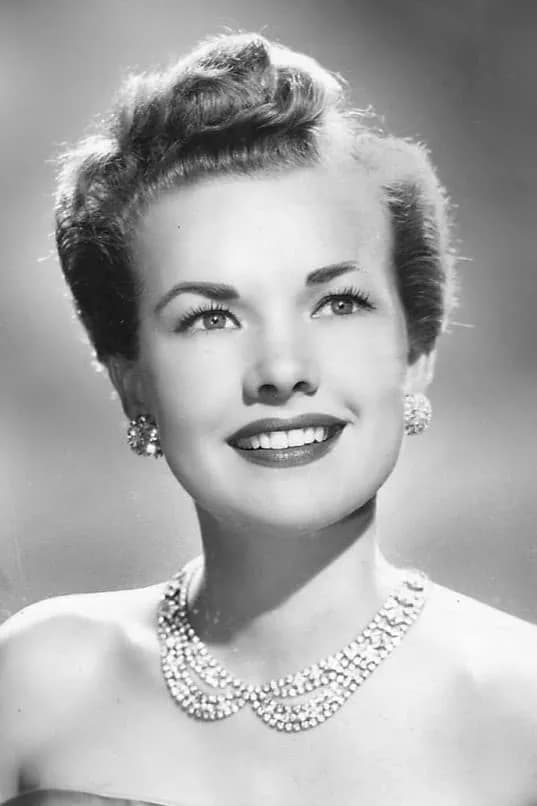
Gale Storm
Josephine Owaissa Cottle, known professionally as Gale Storm, was an American actress and singer who starred in two popular television programs of the 1950s, My Little Margie and The Gale Storm Show. Six of her songs were top ten hits. Storm's greatest success was a cover version of "I Hear You Knockin'," which hit #2 on the Billboard Hot 100 chart in 1955. When Storm was 17, two of her teachers urged her to enter a contest on Gateway to Hollywood, broadcast from the CBS Radio studios in Hollywood. First prize was a one-year contract with a movie studio. She won and was immediately given the stage name Gale Storm. Her performing partner (and future husband), Lee Bonnell from South Bend, Indiana, became known as Terry Belmont. Storm had a role in the radio version of Big Town. After winning the contest in 1940, Storm made several films for the RKO Radio Pictures studio. Her first was Tom Brown's School Days, playing opposite Jimmy Lydon and Freddie Bartholomew. She worked steadily in low-budget films released during this period. In 1941, she sang in several soundies, three-minute musicals produced for "movie jukeboxes". She acted and sang in Monogram Pictures' Frankie Darro series, and played ingénue roles in other Monogram features with the East Side Kids, Edgar Kennedy, and the Three Stooges, most notably in the film Swing Parade of 1946. Monogram had always relied on established actors with reputations, but in Gale Storm, the studio finally had a star of its own. She played the lead in the studio's most elaborate productions, both musical and dramatic. She shared top billing in Monogram's Cosmo Jones, Crime Smasher, opposite Edgar Kennedy, Richard Cromwell, and Frank Graham in the role of Jones, a character derived from network radio. Storm starred in a number of films, including the romantic comedies G.I. Honeymoon and It Happened on Fifth Avenue, the Western Stampede, and the 1950 film-noir dramas The Underworld Story and Between Midnight and Dawn. U.S. audiences warmed to Storm and her fan mail increased. She performed in more than three dozen motion pictures for Monogram, experience which made possible her success in other media. In the 1950s, she made singing appearances on such television variety programs as The Pat Boone Chevy Showroom. In 1950, Storm made her television debut in Hollywood Premiere Theatre on ABC. From 1952 to 1955, she starred in My Little Margie, with former silent film actor Charles Farrell as her father. The series began as a summer replacement for I Love Lucy on CBS, but ran for 126 episodes on NBC and then CBS. The series was broadcast on CBS Radio from December 1952 to August 1955 with the same actors. Her popularity was capitalized on when she served as hostess of the NBC Comedy Hour in the winter of 1956. That year, she starred in another situation comedy, The Gale Storm Show (Oh! Susanna), featuring another silent movie star, ZaSu Pitts. The show ran for 143 episodes on CBS and ABC between 1956 and 1960. Storm appeared regularly on other television programs in the 1950s and 1960s. She was both a panelist and a "mystery guest" on CBS's What's My Line?
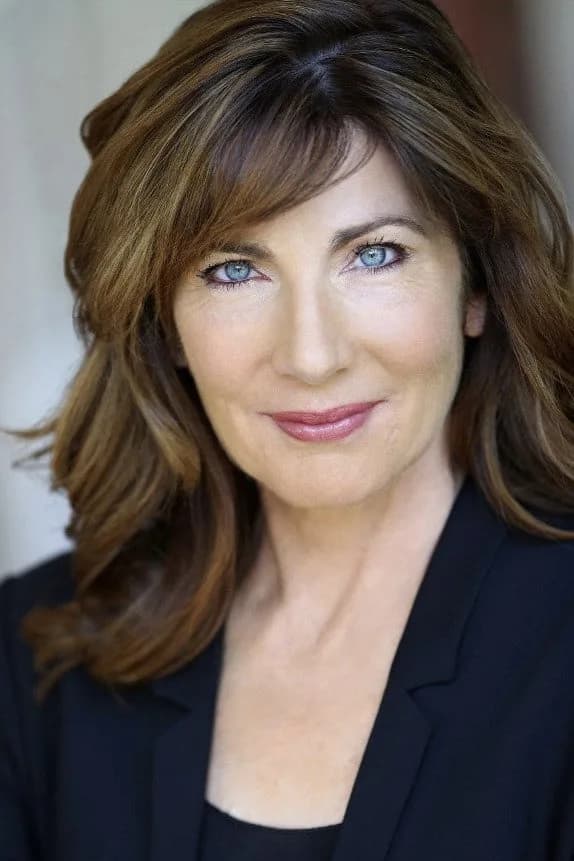
Colette Kilroy
Colette Kilroy is an actress, known for David & Fatima, Masculine Timing, Me and You and Everyone We Know, and The Ice Storm. Other film credits include Finding Amanda and Matchbox Circus Train. Television credits include Ellen Behar on NBC’s Profiler. Theatre credits include her Broadway debut as Ellen/Phoebe Kidde in Eastern Standard (John Golden Theatre); Off-Broadway, as Fayle in Neddy (American Place Theatre); and regionally, as Marion in Absurd Person Singular, Annie Cannon in Silent Sky, Corine in The Triumph of Love, and Geraldine Bernst/Arlene Terry in Night and Her Stars (South Coast Repertory), Maureen Kincaid in A Texas Trilogy: The Oldest Living Graduate (Malibu Stage), Lane in The Clean House (Odyssey Theatre), Stella in The Scene (Ensemble Theatre), Mae in Nighthawks (Kirk Douglas Theatre), Paulina in The Winter’s Tale (F.M. Kirby Shakespeare Theatre), and Isabella in Measure for Measure (Shakespeare Theatre).
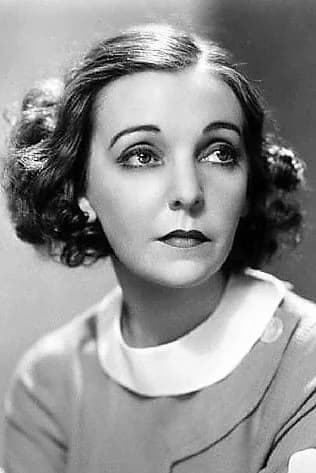
Zasu Pitts
Zasu Pitts (January 3, 1894 – June 7, 1963) was an American actress who starred in many silent dramas and comedies, transitioning successfully to mostly comedy films with the advent of sound films. She may be best known for her performance in Erich von Stroheim's epic silent film Greed. Based on her performance, von Stroheim labeled Pitts "the greatest dramatic actress". He also featured her in his films The Honeymoon (1928), The Wedding March (1928), War Nurse (1930) and Walking Down Broadway, released as Hello, Sister! (1933). However, for the most part, with the advent of sound Pitts was mostly relegated to comedy parts. A bitter disappointment was when she was replaced in the classic war drama All Quiet on the Western Front (1930) by Beryl Mercer after her initial appearance in previews drew unintentional laughs, despite her intense performance. She had viewers rolling in the aisles in Finn and Hattie (1931), The Guardsman (1931), Blondie of the Follies (1932), Sing and Like It (1934) and Ruggles of Red Gap (1935). In 1936 and 1937 she portrayed Hildegarde Withers in two movies, succeeding Edna May Oliver as the spinster sleuth, but they were not well received. In the 1950s she started focusing on television. This culminated in her best known series role, playing second banana to Gale Storm on CBS's The Gale Storm Show (1956) (also known as Oh, Susannah) in the role of Elvira Nugent ("Nugie"), the shipboard beautician. In 1961, Pitts was cast opposite Earle Hodgins in the episode "Lonesome's Gal" on the ABC sitcom, Guestward, Ho!, set on a dude ranch in New Mexico. In 1962, Pitts appeared in an episode of CBS's Perry Mason, "The Case of the Absent Artist". Her final role was as Gertie, the switchboard operator in the Stanley Kramer comedy epic It's a Mad, Mad, Mad, Mad World (1963).
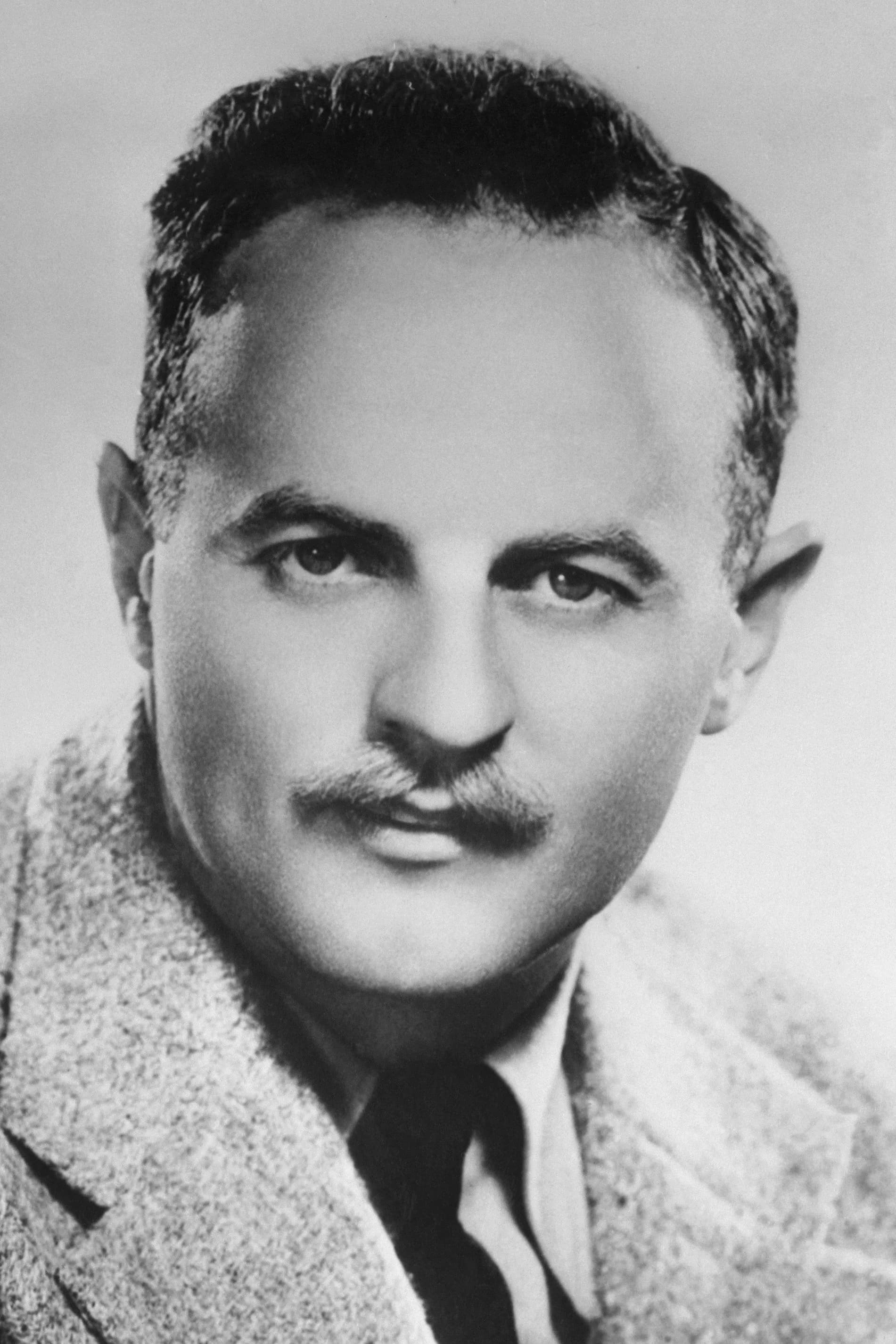
Darryl F. Zanuck
Darryl Francis Zanuck (September 5, 1902 – December 22, 1979) was an American film producer and studio executive; he earlier contributed stories for films starting in the silent era. He played a major part in the Hollywood studio system as one of its longest survivors (the length of his career was rivaled only by that of Adolph Zukor). He produced three films that won the Academy Award for Best Picture during his tenure. Zanuck was born in Wahoo, Nebraska, the son of Sarah Louise (née Torpin), who later married Charles Norton, and Frank Harvey Zanuck, who owned and operated a hotel in Wahoo. He had an older brother, Donald (1893–1903), who died in an accident when he was only 9 years old. Zanuck was of partial Swiss descent, and raised a Protestant. At age six, Zanuck and his mother moved to Los Angeles, where the better climate could improve her poor health. At age eight, he found his first movie job as an extra, but his disapproving father recalled him to Nebraska. In 1917, despite being 15, he deceived a recruiter, joined the United States Army, and served in France with the Nebraska National Guard during World War I. Upon returning to the US, he worked in many part-time jobs while seeking work as a writer. He found work producing movie plots, and sold his first story in 1922 to William Russell and his second to Irving Thalberg. Screenwriter Frederica Sagor Maas, story editor at Universal Pictures' New York office, stated that one of the stories Zanuck sent out to movie studios around this time was completely plagiarized from another author's work. Zanuck then worked for Mack Sennett and FBO (where he wrote the serials The Telephone Girl and The Leather Pushers) and took that experience to Warner Bros., where he wrote stories for Rin Tin Tin and under a number of pseudonyms wrote over 40 scripts from 1924 to 1929, including Red Hot Tires (1925) and Old San Francisco (1927). He moved into management in 1929, and became head of production in 1931. In 1933, Zanuck left Warner Bros. over a salary dispute with studio head Jack L. Warner. A few days later, he partnered with Joseph Schenck to form 20th Century Pictures, Inc. with financial help from Joseph's brother Nicholas Schenck and Louis B. Mayer, president and studio head of Loew's, Inc and its subsidiary Metro-Goldwyn-Mayer, along with William Goetz and Raymond Griffith. 20th Century released its material through United Artists. During that short time (1933–1935), 20th Century became the most successful independent movie studio of its time, breaking box-office records with 18 of its 19 films, all profitable, including Clive of India, Les Miserables, and The House of Rothschild. After a dispute with United Artists over stock ownership, Schenck and Zanuck negotiated and used their studio to bring the bankrupt Fox studios in 1935 to create Twentieth Century-Fox Film Corporation. Zanuck was Vice President of Production of this new studio and took a hands-on approach, closely involving himself in scripts, film editing, and producing. ... Source: Article "Darryl F. Zanuck" from Wikipedia in English, licensed under CC-BY-SA 3.0.
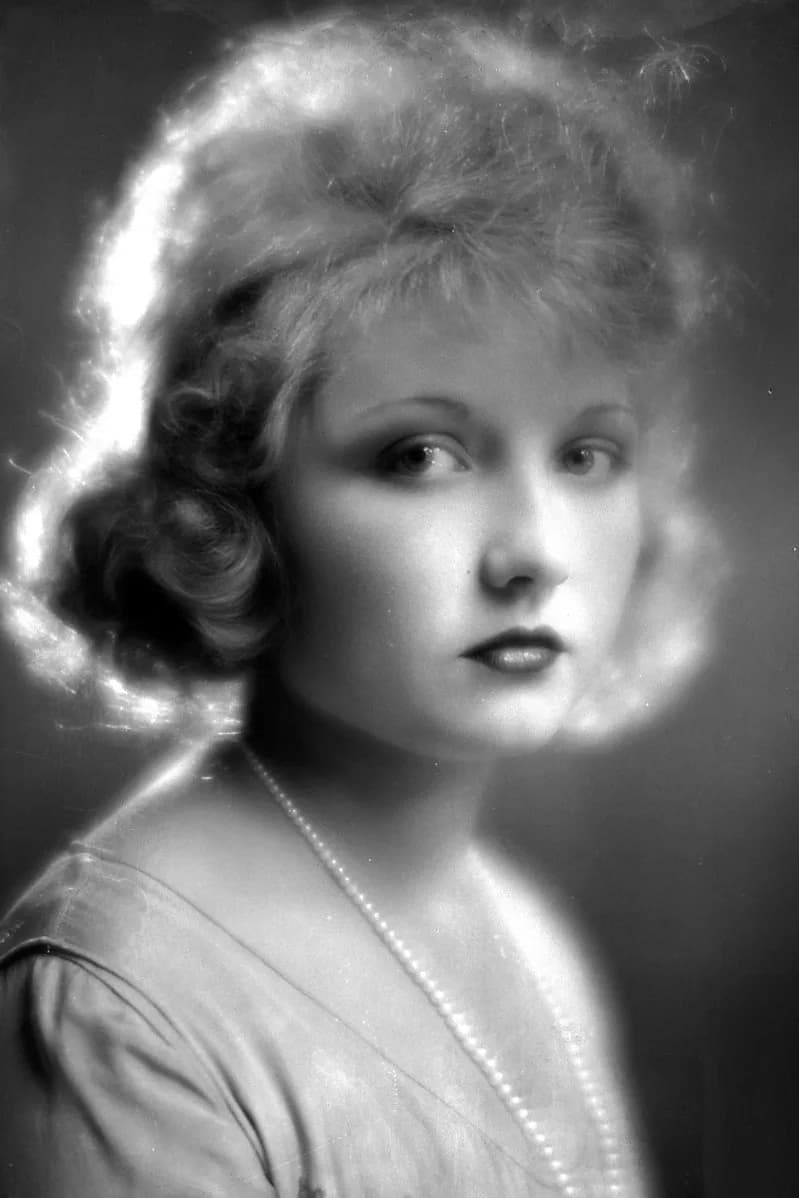
Eva Novak
Eva Barbara Novak (February 14, 1898 – April 17, 1988) was an American film actress, who was quite popular during the silent film era. On February 14, 1898, Eva Barbara Novak was born in St. Louis, Missouri, to Joseph Jerome Novak, an immigrant from Bohemia, and Barbara Medek. Her older sister, Johana, also became an actress. Joseph Novak died when Eva was still a child and Barbara was left to raise five children. Novak began her acting career in 1917 in L-KO's Roped into Scandal, followed by another seven films that same year. She appeared in 17 films in 1918, and another eight in 1919. In 1920, she starred opposite Tom Mix in The Daredevil, one of six film roles she would have that year, and one of ten films in which she starred opposite Mix. In 1921, she married stuntman William Reed, whom she met while on location for a film. They had two daughters Vivian Barbara and Pamela Eve. Novak was interested in stunt performing herself, having been taught by Mix to perform many of her own stunts. From 1921 to 1928, she appeared in and starred in 48 films, including an early version of Boston Blackie. She also co-starred with Betty Bronson and Jack Benny in The Medicine Man (1930) and appeared in the 1922 film Chasing the Moon, which was an early forerunner of the 1950s film D.O.A. In the late 1920s, she and her husband moved to Australia, where she made numerous films, including The Romance of Runnibede. However, with the advent of "talking films", her popularity faded. She would continue to act, but mostly in obscure roles. She appeared in 123 films between 1917 and 1965, when she retired. She was residing in Woodland Hills, Los Angeles at the time of her death from pneumonia at the age of 90, on April 17, 1988. In May 1923, the Altoona Tribune held a contest to find the girl who most closely resembled Novak. An announcement in the newspaper said that the winner would receive $250 worth of clothes from a store.
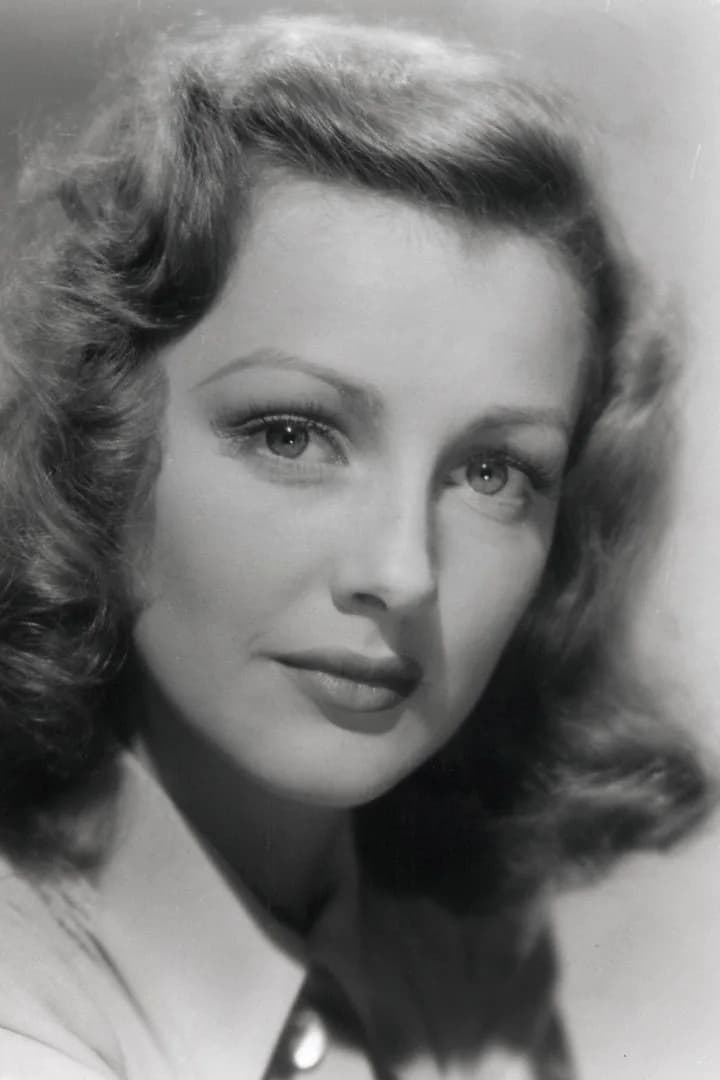
Virginia Grey
Virginia Grey (March 22, 1917 – July 31, 2004) was an American actress. She was born in Los Angeles, California, the daughter of director Ray Grey. One of her early babysitters was Gloria Swanson. Grey debuted at the age of ten in the silent film Uncle Tom's Cabin (1927) as Little Eva. She continued acting for a few more years, but then left movies in order to finish her education. Grey returned to films in the 1930s with bit parts and extra work, but she eventually signed a contract with MGM and appeared in such movies as Another Thin Man, Hullabaloo and The Big Store. She played Consuela McNish in The Hardys Ride High (1939) with Mickey Rooney. She left MGM in 1942, and signed with several different studios over the years, working steadily. During the 1950s and 1960s, producer Ross Hunter frequently included Grey in his popular soap melodramas, such as All That Heaven Allows, Back Street and Madame X. She had an on again/off again relationship with Clark Gable in the 1940s. After his wife Carole Lombard died and he returned from military service, Clark and Virginia were often seen at restaurants and nightclubs together. Many, including Virginia herself, expected him to marry her. The tabloids were all expecting the wedding announcement. It was a great surprise when he hastily married Lady Sylvia Ashley in 1949. Virginia was heartbroken. They divorced in 1952, but much to Virginia's dismay their brief romance was never rekindled. Her friends say that her hoping and waiting for Clark was the reason she never married. She was a regular on television in the 1950s and 1960s, appearing on Playhouse 90, General Electric Theater, The DuPont Show with June Allyson, Your Show of Shows, Wagon Train, Bonanza, Marcus Welby, M.D., Love, American Style, Burke's Law, The Virginian, Peter Gunn and many others. She was portrayed by Anna Torv in the HBO Mini-series The Pacific. Description above from the Wikipedia article Virginia Grey, licensed under CC-BY-SA, full list of contributors on Wikipedia.
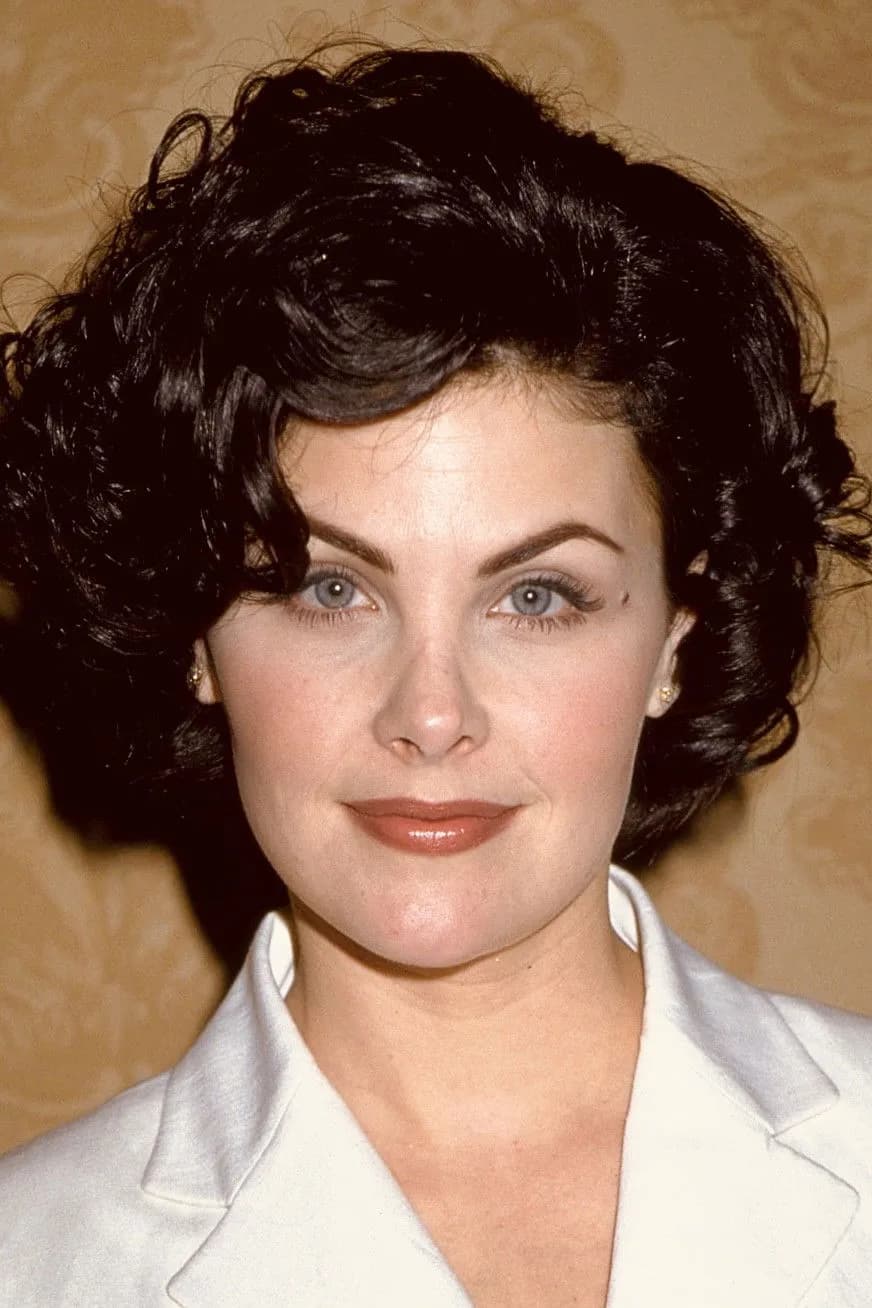
Sherilyn Fenn
Cast · Known for Twin Peaks
Sherilyn Fenn, born Sheryl Ann Fenn on February 1, 1965, is an American actress best known for her iconic role as the seductive and complex Audrey Horne on the cult TV series Twin Peaks (1990–1991, 2017). She grew up in a musical family, traveling extensively before settling in Los Angeles, where she began acting with early B-movies like The Wild Life (1984), Thrashin' (1986), The Wraith (1986), and Two Moon Junction (1988). In the early 1990s, Fenn's career breakthrough came with Twin Peaks, earning her an Emmy nomination for Outstanding Supporting Actress and a Golden Globe nomination. She credited acting coach Roy London with revitalizing her confidence, leading to roles in films like Wild at Heart (1990), Of Mice and Men (1992), Boxing Helena (1993), and the TV biopic Liz: The Elizabeth Taylor Story (1995). Fenn later starred in the Showtime series Rude Awakening (1998–2001) as recovering addict Billie Frank, with recurring roles in S.W.A.T. (2017–2021) as Karen Street and Shining Vale (2021–). Recent films include Shooting Heroin (2020), Silent Life: The Story of the Lady in Black (2023), and Upon Waking (2023).
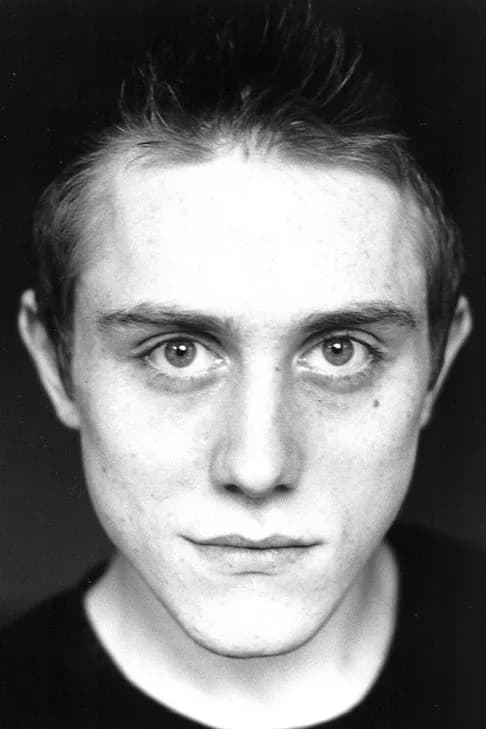
Jack Roth
Cast · Known for Bohemian Rhapsody
Born in 1984, Jack Ernest Roth is the son of celebrated actor Tim Roth and award-winning writer and producer Lori Baker. Jack is best known for his roles as Big Issue Frank in Sky One's The Cafe (2011) Max in Sky Living's second series of 'Bedlam'(2012), Dolge Orlick in the BBC's 'Great Expectations'(2011) and as Charlie Wilson in The Great Train Robbery (2013). More recently, Roth has appeared on film in Rogue One: A Star Wars Story, The Snowman, Us and Them and Brimstone, and on TV in Detectorists, The Interceptor and Silent Witness.

James Strong
Director · Known for Doctors, Holby City, Vigil
James Strong is a British television and film director and writer, best known for his work on Broadchurch for which he was BAFTA-nominated for Best Director Fiction 2015. He trained at Granada TV and has directed episodes of the shows Holby City and Doctors, as well as seven episodes of Doctor Who and two episodes of its spin-off series Torchwood. His work on the Doctor Who episode "Voyage of the Damned" won him a BAFTA Cymru award for Best Director in 2008. In 2007, he directed the autobiographical documentary Elton John: Me, Myself & I and in 2008 he directed three episodes of Bonekickers. He then directed Hunted and Best Possible Taste: The Kenny Everett Story and Silent Witness in 2010 followed by the feature film United and Downton Abbey in 2011. He was lead director and associate producer on Broadchurch, which won six BAFTAs including Best Drama and for which he was nominated for BAFTA Best Director Fiction. Strong followed this with work on Series 2 of Broadchurch, the US remake Gracepoint in 2013 and other US pilots, including Kingmakers for ABC in 2015 and Drew in 2016. He also directed episodes of the Stephen King adaptation and J. J. Abrams produced 11.22.63. In 2017 he directed and executive produced "Liar" for ITV and AMC. He recently directed the critically acclaimed mini-series “Vanity Fair “ for ITV and Amazon Studios. He is then set to direct a J.R.R. Tolkien biopic entitled 'Middle Earth'.
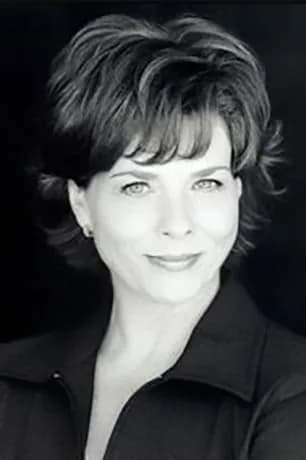
Ellen Kennedy
Ellen Kennedy (born January 2, 1958, in London, Ontario, Canada) is a Canadian actress, voice actress, singer, and stage actress based in Vancouver. She has been active since 1986 and is a member of Vancouver TheatreSports, where she has appeared in X-Mas Files, TheatreSports Interactive, the touring version of See BC, and Star Trick, the Musical. On stage she has performed in Nunsense (as Sister Mary Amnesia, at the Citadel) and Something's Afoot (as Lettie, at Persephone Theatre), and co-wrote, performed in, and won a Jessie Award for All Grown Up, which first ran at the Arts Club Theatre. In addition to theatre, she sings jazz and swing around Vancouver and works regularly as an animation voice-over artist. Her voice work spans hundreds of episodes and films across animation and anime dubbing. She is best known for voicing Mrs. Pteranodon in Dinosaur Train (2009–2021, 158 episodes), multiple ponies in My Little Pony: Friendship Is Magic (2013–2019, including Mane-iac, Dusty Pages, Ma Hooffield, and the Chimera), 75 episodes of Krypto the Superdog (2005), and Queen Genevieve in Barbie as The Princess & the Pauper (2004). Other notable voice credits include Barbie in A Mermaid Tale (2010), Barbie: Princess Charm School (2011), Planet Hulk (2010), Candy Land: The Great Lollipop Adventure (2005), X-Men: Evolution (2000–2003), Transformers: Armada (2003), Ninjago: Masters of Spinjitzu (2012, as the Empress), and Tom and Jerry Tales (2006). In anime dubbing she voiced Lebia Maverick in Silent Möbius: The Motion Picture (2008), Shirin Bakhtiar in Mobile Suit Gundam 00 (2007–2008), and Kyoko Otonashi in Maison Ikkoku. In live-action film and television, Kennedy appeared as a Woman in The Final Cut (2004, starring Robin Williams), Mother Agnes in Chestnut: Hero of Central Park (2004, with Abigail Breslin), a Concession Lady in Air Buddies (2006), and Ruth in Magic Stocking (2015, Hallmark). More recent live-action credits include The Last Bridesmaid (2019), Three Wise Men and a Baby (2022), This Time Each Year (2024), and Accused: The Karen Read Story (2026). On television she has also appeared in iZombie (2015), Prison Break (2005), Being Ian (2004), and Loudermilk (2017).

Elizabeth Patterson
Cast · Known for I Love Lucy
From Wikipedia, the free encyclopedia Mary Elizabeth Patterson (November 22, 1874 – January 31, 1966) was an American theatre, film, and television character actress who gained popular recognition late in her career playing the elderly neighbor Matilda Trumbull on the television comedy series I Love Lucy. In 1926, at the age of 51, Patterson was cast in her first movie, a silent film, The Boy Friend. Transitioning successfully into the era of "talkies", she remained a very busy actress in Hollywood throughout the 1930s, averaging more than five films a year during that decade, usually in supporting roles. A few of her screen credits at that time include Tarnished Lady; Husband's Holiday; A Bill of Divorcement; So Big!; The Story of Temple Drake; Hold Your Man; Dinner at Eight; High, Wide, and Handsome; and No Man of Her Own. She also appeared in the role of Susan in two adaptations of John Willard's popular play The Cat and the Canary: The Cat Creeps in 1930 and The Cat and the Canary in 1939. Patterson continued to perform frequently in the 1940s, when she was cast in more than 30 additional films. Among her notable roles is her 1949 portrayal of the heroic character Eunice Habersham in the groundbreaking racial crime drama Intruder in the Dust, a film based on the William Faulkner novel of the same name and set in the Deep South. Although she would appear in a few more feature films in the 1950s, such as Washington Story and Pal Joey, Patterson by then began to focus her work increasingly on roles in the rapidly expanding medium of television. In 1952, at the age of 77, Patterson made her first appearance on the hit CBS-TV sitcom I Love Lucy in the episode "The Marriage License". Her character on I Love Lucy proved to be so popular among viewers, as well as useful to the writers of the series, that she continued in the role for three more years, often serving in episode storylines as a convenient babysitter for "Little Ricky". Prior to, during, and after her work on I Love Lucy, Patterson appeared in many other American television series during the 1950s and early 1960s. Her first credited performance on the "small screen" was in March 1950 in "The Walking Stick", a teleplay on the NBC anthology series The Chevrolet Tele-Theatre. During the 11 years after that initial televised performance to her final role on television in 1961, she portrayed characters in a variety of other series, including Pulitzer Prize Playhouse, Studio One in Hollywood, General Electric Theater, Stage 7, Lux Video Theatre, Crossroads, The Star and the Story, The Adventures of Jim Bowie, Adventures of Superman, New York Confidential, 77 Sunset Strip, Johnny Stacatto, Alfred Hitchcock Presents, Playhouse 90, The Barbara Stanwyck Show, and The New Breed. Patterson, who never married, lived at the Hollywood Roosevelt Hotel during her 35-year film and television career.. On January 31, 1966, she died at age 91 in Los Angeles of complications from pneumonia. Her gravesite is in Savannah Cemetery in her hometown in Tennessee.
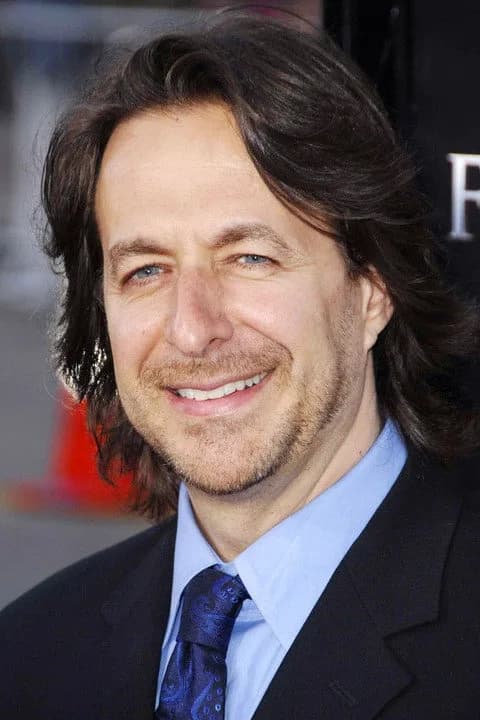
Jeff Danna
Composer · Known for Onward, The Addams Family, The Good Dinosaur
Jeff Danna is a Canadian film composer. He has composed or co-composed scores for a wide range of films and television, including The Boondock Saints (1999), Resident Evil: Apocalypse (2004), Silent Hill (2006), The Imaginarium of Doctor Parnassus (2009), The Good Dinosaur (2015), Storks (2016), The Breadwinner (2017), The Addams Family (2019), Onward (2020), Guillermo Del Toro’s Tales of Arcadia (2019-2021), Nora Twomey’s My Father’s Dragon (2022) and Julia (2022). His older brother, composer Mychael Danna, is a frequent collaborator, and the two have received Emmy nominations for their work on Camelot (2011), Tyrant (2014-2016), and Alias Grace (2017). Additionally, Danna has been nominated for six Annie Awards, won five BMI Film & TV Awards, a Gemini Award, a Genie award, two Hollywood Music in Media Awards, and 15 SOCAN Awards. Description above from the Wikipedia article Jeff Danna, licensed under CC-BY-SA, full list of contributors on Wikipedia.
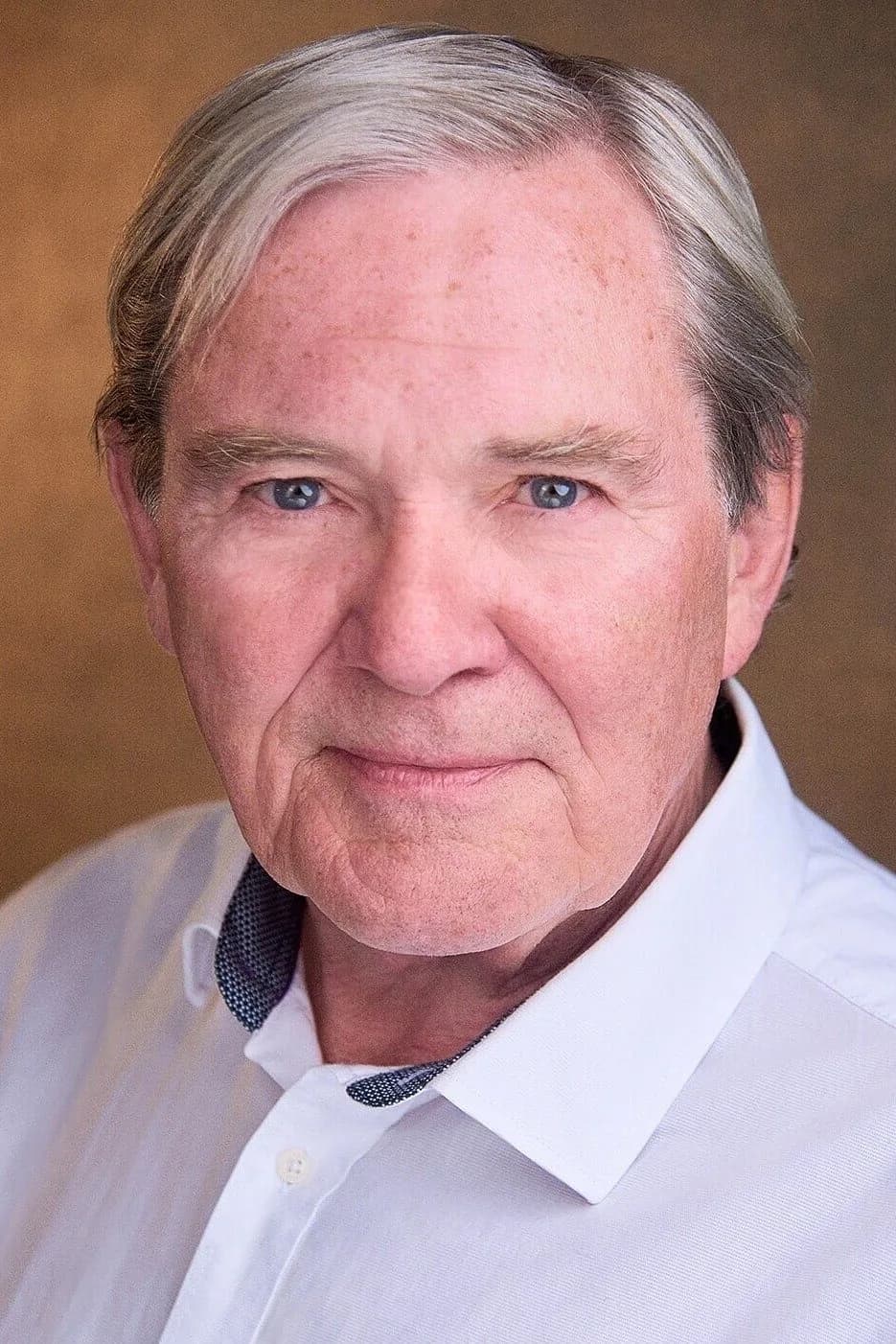
Roger Alborough
Roger Alborough (born 19 February 1953) is a British TV and Theatre actor appearing in many dramas on the BBC, ITV, Channel 4 and in film. Richard trained at The Central School of Speech and Drama from 1973 to 1976 Recent work includes Black Mirror by Charlie Brooker Thieftakers 2, The 8 Days that Made Rome, Washington for The History Channel as General Braddock. Alborough has also appeared in Doctors, Silent Witness, The Queen as Sir William Heseltine, Body Story, Judge John Deed, EastEnders, The Bill, Mr Pye, Strife, Merlin of the Crystal Cave, and Unnatural Causes among others. In the BBC sitcom The Green Green Grass, Alborough played the part of Jonty in the 2005 Christmas Special episode "One Flew Over the Cuckoo Clock". In 2018, Alborough played the role of The Professor in Ionesco's The Lesson at the award-winning Hope Theatre in London. He followed this with role of Tom in Goodnight Mr Tom at East Riding Theatre. In 2016, Alborough played the role of Andy Capp at the Finborough Theatre in London in a stage musical based on the long-running cartoon strip Films include Shaka Zulu as Hawkins, I Anna, Velvet Underground. Roger has also played radical co-prime minister Peter Clement in the game Not for Broadcast. West End includes Buddy and Jailhouse Rock. Up'n Under, Chasing Dragons at the Soho Theatre, African Snow at the Trafalgar Studios, Enjoy original cast at the Vaudeville, Annie Get Your Gun Haymarket.
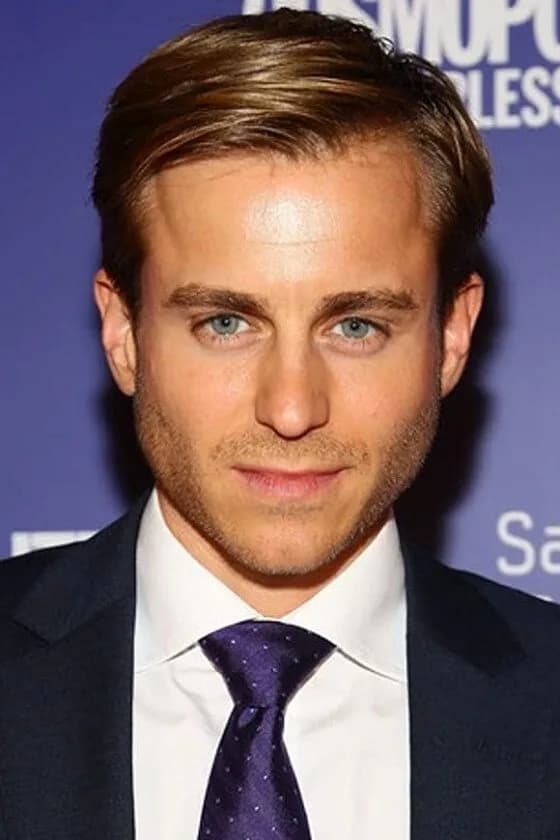
Kevin Bishop
Kevin Brian Bishop is an English actor and comedian, best known for The Kevin Bishop Show, which he co-wrote with Lee Hupfield. Bishop's first role was in Grange Hill. His second role, at age 16, was as Ben Quayle in Silent Witness. He played Stupid Brian in three episodes of My Family. He starred in Muppet Treasure Island as Jim Hawkins. In 2005, he portrayed the late comedian Dudley Moore onstage in Pete and Dud: Come Again, a drama charting Moore's turbulent relationship with Peter Cook, which debuted at the Assembly Rooms as part of the Edinburgh Fringe before transferring to The Venue in London's West End in March 2006. In August 2007 he appeared as the title character in Channel 4's satirical spoof documentary "Being Tom Cruise", a spin-off of Star Stories. In September 2014, Bishop appeared in the one-man show Fully Committed at the Menier Chocolate Factory, in which he played forty characters. In 2013, Bishop appeared in the American comedy series Super Fun Night, written by and starring Australian comedic actress Rebel Wilson. The show ran for one season. In August 2016, Bishop starred in the revival of classic 1970s BBC sitcom Porridge. He played the role of Fletch, grandson of Ronnie Barker's original main character, locked up for cyber-crime. Originally a one-off, the show was commissioned to full series in October 2016. The first series was broadcast in October 2017 on a 6-week run on BBC One as well as the full series being released at the same time on BBC iPlayer. In 2016, Bishop played Nigel Farage in a one-off BBC Two comedy series entitled Nigel Farage Gets His Life Back. In 2017, Bishop became the speaking voice for 2-D, fictional lead singer of British virtual band Gorillaz
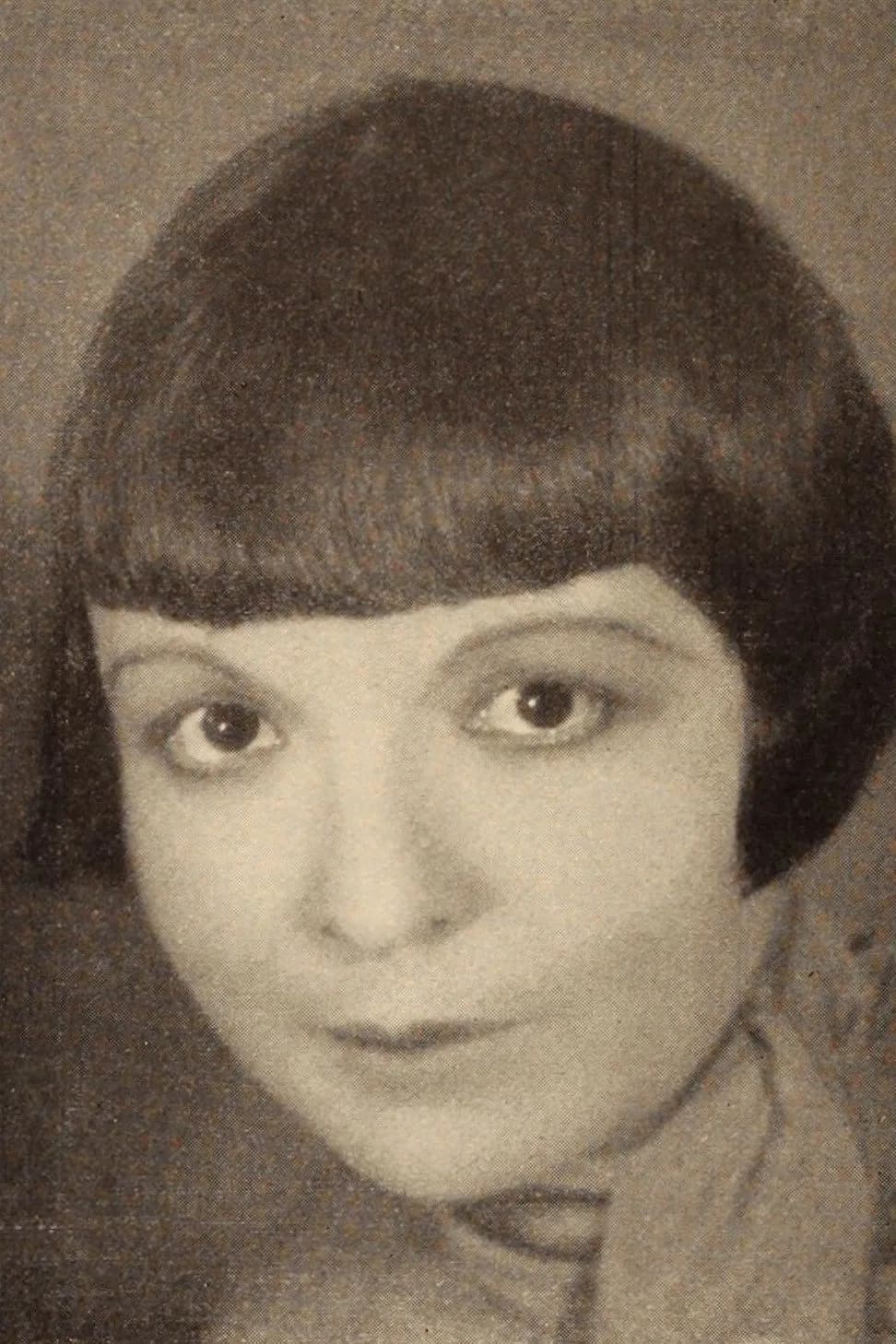
Florence Ryerson
Writer · Known for The Wizard of Oz
Florence Ryerson (September 20, 1892 – June 8, 1965) was an American playwright, screenwriter and co-author of the script for the 1939 film "The Wizard of Oz." Between 1915 and 1927 she published more than 30 short stories and then joined Metro-Goldwyn-Mayer in 1926 to work on silent film scripts. In 1930 and 1933 she and her husband wrote two of the earliest books about teenage girlhood. The books were based on a short story series Ryerson had started in 1925. She continued to write for most of her life, writing plays for Broadway in the 1940s.
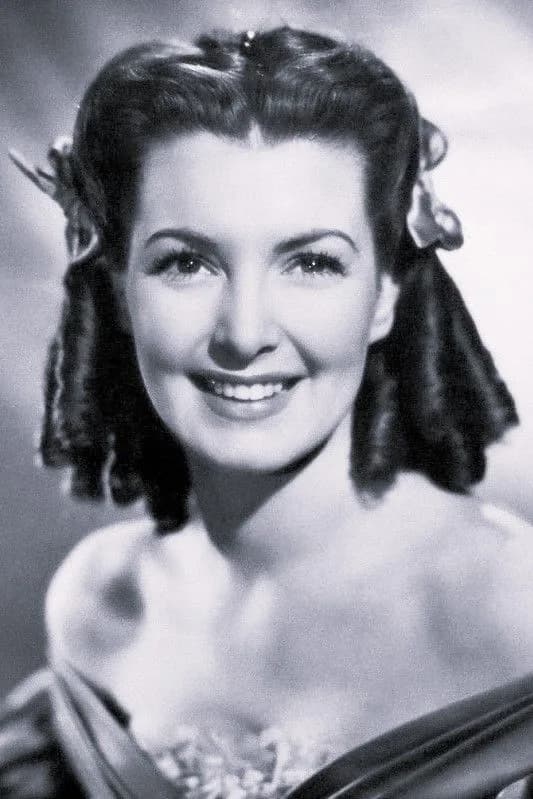
Patricia Roc
From Wikipedia, the free encyclopedia Patricia Roc (born Felicia Miriam Ursula Herold; 7 June 1915 – 30 December 2003) was an English film actress, popular in the Gainsborough melodramas such as Madonna of the Seven Moons (1945) and The Wicked Lady (1945), though she only made one film in Hollywood, Canyon Passage (1946). She also appeared in Millions Like Us (1943), Jassy (1945), The Brothers (1947) and When the Bough Breaks (1947). She was employed by the studio of J. Arthur Rank, who called her "the archetypal British beauty" She achieved her greatest level of popularity in British films during the Second World War in escapist melodramas for Gainsborough Studios. Roc began as a stage actress, debuting in the 1938 London production of Nuts in May, in which she was seen by Alexander Korda who gave her an uncredited bit in The Divorce of Lady X (1938) and her in a leading role as a Polish princess in The Rebel Son. She had roles in The Gaunt Stranger (1939), The Mind of Mr. Reeder (1939), and The Missing People (1940). She had a bigger part in A Window in London (1940), the comedy Pack Up Your Troubles (1940), Dr. O'Dowd (1940), Three Silent Men (1940), It Happened to One Man (1940), and The Farmer's Wife (1941). Her parts grew bigger: My Wife's Family (1941), Suspected Person (1942), Let the People Sing (1942), and We'll Meet Again (1943) with Vera Lynn. Roc was top billed in Millions Like Us (1943) from Gainsborough Studios. It was a success and Gainsborough gave her another lead, as a nun interned by the Germans in Two Thousand Women (1944). She appeared alongside two of Gainsborough's biggest stars, Margaret Lockwood and Stewart Granger in Love Story (1944), a big hit. Roc played the jealous rival of Margaret Lockwood. She later commented that although they were required to slap each other's faces, she and Lockwood were always the best of friends. Madonna of the Seven Moons (1945), with Granger and Phyllis Calvert, was another success. Neither of them, however, did as well as The Wicked Lady (1945), where Roc played Lockwood's best friend. It was the most successful movie at the British box office in 1946. Roc's more overt sexuality in such films as The Wicked Lady was downplayed for the American market; her décolletage led US censors to call for retakes to de-emphasise it) and "the Goddess of Odeons", whilst Noël Coward said she was "a phenomenon" and "an unspoiled film star who can act". She was also in Johnny Frenchman (1945). Co starring in that film was Ralph Michael who soon after divorced his wife Fay Compton; Roc was named in proceedings. Her brief move to Hollywood to film Canyon Passage (1946) was a lend lease agreement between Rank Pictures and Universal Studios of British in return for American film actors. During filming, Roc was romantically linked with Ronald Reagan, while her US co-star Susan Hayward stated "that Limey glamour girl is a helluva dame." Roc returned to Britain to make The Brothers (1947), a melodrama that was a commercial disappointment. She was in an expensive British-US co production So Well Remembered (1947) which was a hit in Britain but failed to recoup its cost. Jassy(1947), a melodrama with Lockwood, was a big hit. When the Bough Breaks (1947), another melodrama, performed reasonably well.
Angelo Novi
Cast · Known for The Good, the Bad and the Ugly
Angelo Novi (9 June 1930 – 6 May 1997) worked for thirty years as the exclusive photographer with some of the most known Italian film directors of his time, such as Bernardo Bertolucci, Sergio Leone, and Pier Paolo Pasolini. He studied at the Brera Academy in Milan, and from 1952 on, started to work as a photojournalist. The ability to capture the decisive moment, inspired by idols like Henri Cartier-Bresson and Robert Capa, is an important gist for his photographic style, which later honed in his work as a set photographer. Novi told his own story through the scenic action captured by his photographs. Emphasis on the decisive moment, the contrast of proximity and distance, and the black and whites, are all attributes of Novi's work. With his photographs, Novi has made a comprehensive contribution to the cultural memory of the golden era of the Italian cinema. As a silent observer, he captured the moments at the film sets both behind the scenes and in action, revealing intimate aspects that cannot be found on the screen.
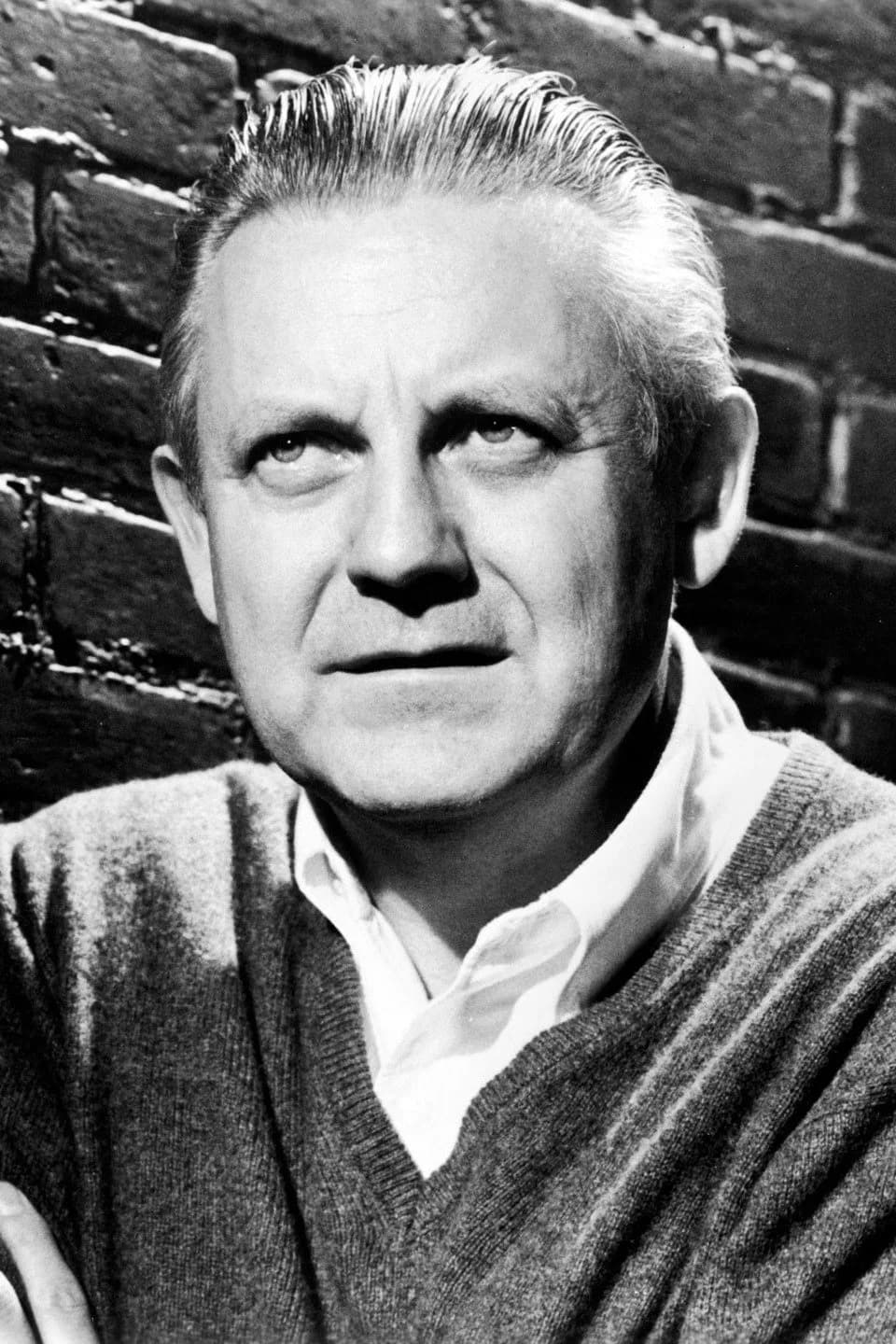
Robert Wise
Director · Known for The Sound of Music
Robert Earl Wise (September 10, 1914 – September 14, 2005) was an American sound effects editor, film editor, film producer and director. He won Academy Awards as Best Director for The Sound of Music (1965) and West Side Story (1961) as well as nominations as Best Film Editing for Citizen Kane (1941) and Best Picture for The Sand Pebbles (1966). Among his other films are Born to Kill; Destination Gobi; The Hindenburg; Star Trek: The Motion Picture; The Day the Earth Stood Still; Run Silent, Run Deep; The Andromeda Strain; The Set-Up; The Haunting; and The Body Snatcher. Wise's working period spanned the 1930s to the 1990s. Often contrasted with contemporary "auteur" directors such as Stanley Kubrick who tended to bring a distinctive directorial "look" to a particular genre, Wise is famously viewed to have allowed his (sometimes studio assigned) story to dictate style. Later critics such as Martin Scorsese would go on to expand that characterization, insisting that despite Wise's notorious workaday concentration on stylistic perfection within the confines of genre and budget, his choice of subject matter and approach still functioned to identify Wise as an artist and not merely an artisan. Through whatever means, Wise's approach would bring him critical success as a director in many different traditional film genres: from horror to noir to Western to war films to science fiction, to musical and drama, with many repeat hits within each genre. Wise's tendency towards professionalism led to a degree of preparedness which, though nominally motivated by studio budget constraints, nevertheless advanced the moviemaking art, with many Academy Award-winning films the result. Robert Wise received the AFI Life Achievement Award in 1998. Description above from the Wikipedia article Robert Wise, licensed under CC-BY-SA, full list of contributors on Wikipedia.
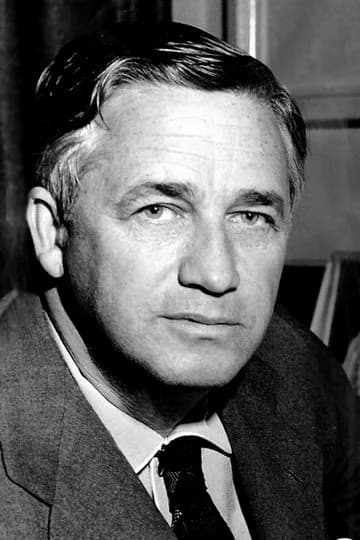
Mervyn LeRoy
Producer · Known for The Wizard of Oz
Mervyn LeRoy was an American film director, producer, and sometime actor. LeRoy worked in costumes, processing labs and as a camera assistant until he became a gag writer and actor in silent films, including The Ten Commandments in 1923. LeRoy credits Ten Commandments director, Cecil B. DeMille, for inspiring him to become a director: "As the top director of the era, DeMille had been the magnet that had drawn me to his set as often as I could go." LeRoy also credits DeMille for teaching him the directing techniques required to make his own films. His first directing job was with First National Pictures on 1927's No Place to Go. LeRoy ended up working at Warner Bros. after they took control of First National. When his movies made lots of money without costing too much, he became well received in the movie business. He directed two key films which launched Edward G. Robinson into major stardom, the Oscar-nominated critique of tabloid journalism Five Star Final, and the classic gangster film Little Caesar, which made his mark. From that point forward, LeRoy would be responsible for a diverse variety of films as a director and producer. The following year's I Am a Fugitive from a Chain Gang was also nominated for the Academy Award for Outstanding Production as was his Anthony Adverse. In 1938 he was chosen as head of production at MGM, where he was responsible for the decision to make The Wizard of Oz. He was responsible for discovering Clark Gable, Loretta Young, Robert Mitchum, and Lana Turner. His 1941 film Blossoms in the Dust was nominated for the Academy Award for Outstanding Motion Picture. His first big hit as a director with MGM was 1942's Random Harvest which was their biggest of the season earning worldwide rentals of $8 million and for which he was nominated for the Academy Award for Directing. The film was also nominated for the Academy Award for Outstanding Motion Picture. He hit big again two years later with Thirty Seconds Over Tokyo with rentals of $6 million. In 1951, he scored his biggest hit with Quo Vadis earning worldwide rentals of $21 million as well as a nomination for the Academy Award for Best Motion Picture. In the early 1950s, LeRoy directed such musicals as Lovely to Look At, Million Dollar Mermaid, Latin Lovers and Rose Marie. He returned to Warner Brothers in 1955, where he took over from John Ford as director on Mister Roberts, another big hit, which was also nominated for the Academy Award for Best Motion Picture. He also directed films for Warners such as The Bad Seed, No Time for Sergeants, The FBI Story, and Gypsy. He received an honorary Oscar in 1946 for The House I Live In, "for tolerance short subject", and the Irving G. Thalberg Memorial Award in 1976. A total of eight movies Mervyn LeRoy directed or co-directed were nominated for Best Picture at the Oscars, one of the highest numbers among all directors.
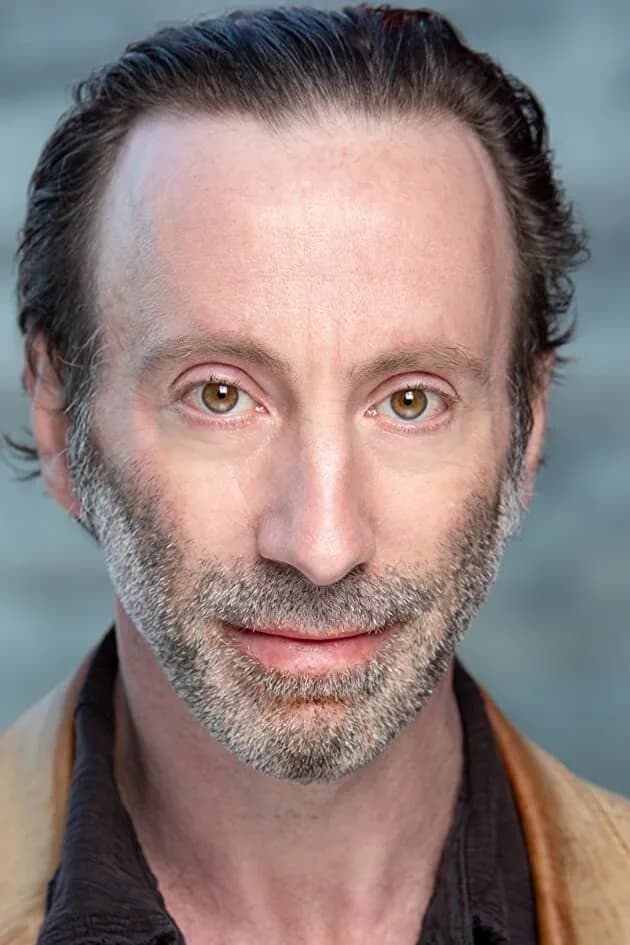
Matthew James
Born and raised in Long Island New York, Matthew James moved to Manhattan to study acting at the Lee Strasberg Institute. After years of honing his craft in NYC he ventured out to Los Angeles. In Hollywood Matt landed the crucial role of Merl on the hit show Angel. After two seasons on Angel, he appeared on NYPD Blue. In 2001 he landed the key role of the Dude in Kevin Smith's Jay and Silent Bob Strike Back. After doing several Independent films Matthew started writing his own movies. His current project is an offbeat love story set in Los Angeles called Nipples and Palm Trees in which he wrote and stars in is now streaming on Netflix, Amazon, and Hulu. - IMDb Mini Biography By: Doug Jackson
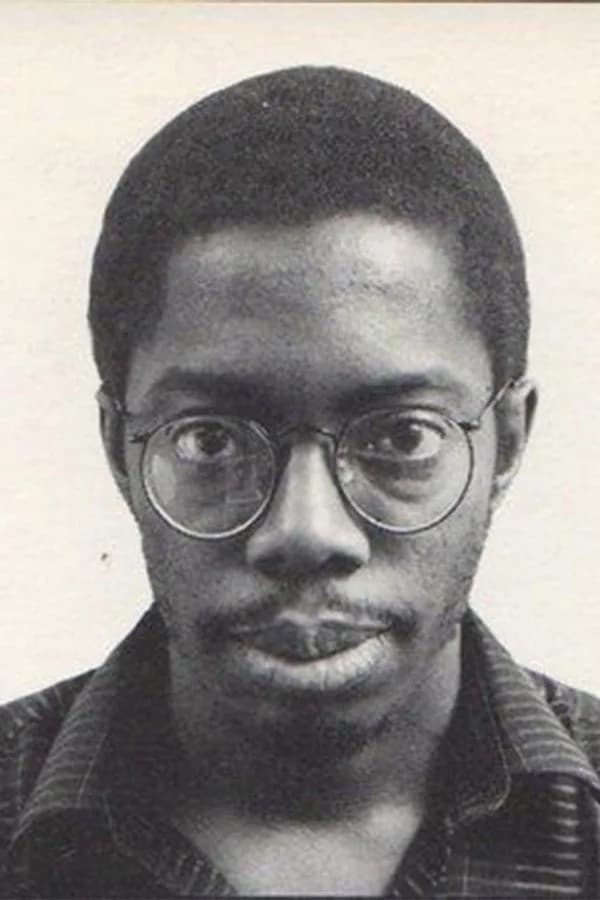
Charles Lane
Charles Lane (born December 26, 1953) is an African-American actor and filmmaker. While attending SUNY Purchase as a film student, he made a short titled "A Place in Time" based on the famous Kitty Genovese incident. This short gained him a certain amount of attention, including a student Academy Award win. Lane then directed and starred in feature films True Identity, a vehicle for British comedian Lenny Henry funded by the Walt Disney Company, and Sidewalk Stories, the later of which won several awards, including one at the Cannes Film Festival.[1] This modern-day, silent black-and-white story of a homeless man and a little girl he tries to help was released by Palm Pictures, but is now out-of-print. Charles also had a starring role in the Mario Van Peebles film Posse, as Weezie, often the butt of jokes. He has starred with James Earl Jones, Lenny Henry, and Frank Langella and offered one of the first film roles to The Sopranos actress Edie Falco. Lane often includes various friends and family star in his films, including brother Gerald, friend George, and daughter Nicole Alysia. From Wikipedia, the free encyclopedia.

Naoko Yamada
Director · Known for A Silent Voice: The Movie
Naoko Yamada (山田 尚子) is a Japanese animator, television and film director. Working at Kyoto Animation, she directed the K-On! and Tamako Market anime series, and the anime films A Silent Voice and Liz and the Blue Bird. Yamada intended to work in film after university, but she decided to join Kyoto Animation after seeing an advertisement. Her first assignment at KyoAni was drawing inbetween frames for Inuyasha. She was eventually promoted to a key animator for Air. After working as an episode director of Clannad, she was asked to make her chief directorial debut with K-On!, an adaptation of a slice-of-life manga. The series was very successful, spurring a second season and a film. In 2013, she directed Tamako Market, and followed it with the film Tamako Love Story in 2014. For Tamako Love Story, she was awarded the New Face Award at the Japan Media Arts Festival. She storyboarded the entire film herself, and also wrote the lyrics for the opening theme song, Everybody Loves Somebody. Yamada's next project was the feature film A Silent Voice, an adaptation of the manga of the same name, that reflected on elements of bullying and physical impairment in Japan. The film opened at #2 in the Japanese Box Office and grossed a total of ¥2.3 billion, the 19th highest-grossing film in Japan in 2016. The film also received multiple award nominations, including Best Animation Film in the Mainichi Film Awards and the Excellent Animation of the Year in the Japan Academy Prize. For Yamada, the most important part of being a director is to observe people. She describes herself as a "method" director, emphasizing the minds of the characters. On July 18, 2019, a man started a fire at the main studio of Kyoto Animation, killing 36 of Yamada's colleagues and wounding 33 others. Yamada was reported not to have been hurt in the fire. In 2020, Yamada left KyoAni to join Science SARU, where she directed 2021's The Heike Story. Source: Wikipedia