
Search
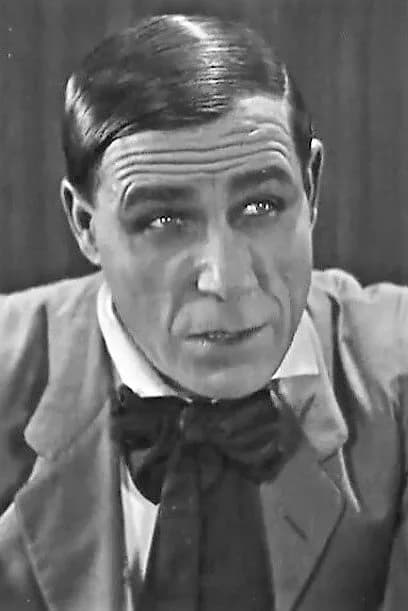
Frank Hagney
From Wikipedia, the free encyclopedia Frank S. Hagney (March 20, 1884 – June 25, 1973) was an Australian actor. Born in Sydney in 1884, Hagney appeared in more than 350 Hollywood films between 1919 and 1966. Most of his film roles were small and uncredited. Because of his tall and strong appearance, Hagney often played officers or henchmens. He is perhaps best-known as Mr. Potter's wordless wheelchair pusher in Frank Capra's classic It's a Wonderful Life (1946). Frank Hagney was also a guest star on more than 70 television programs such as The Cisco Kid, The Adventures of Kit Carson, The Lone Ranger, The Rifleman, Perry Mason, and Daniel Boone. He starred in The Fighting Marine (1926) with Jack Anthony, Joe Bonomo and Walter Miller; The Fighting Sap (1924) with Bob Fleming, Hazel Keener, Wilfred Lucas and Fred Thomson; The Ghost in the Garret (1921), Ghost Town Gold (1936), Go Get 'Em Hutch (1922) with Richard R. Neil; Ride Him Cowboy (1932) with Eddie Gribbon and Charles Sellon; Riders of the Dawn (1939), Valley of the Lawless (1936), and Vultures of the Sea (1928) with Joseph Bennett. His 42 silent films included The Battler (1919), The Breed of the Border (1924), The Dangerous Coward (1924), Galloping Gallagher (1924), Lighting Romance (1924), The Mask of Lopez (1924), The Silent Stranger (1924), The Wild Bull's Lair (1925), Lone Hand Saunders (1926) and The Two-Gun Man (1926). His 54 sound western film included The Phantom of the West (1931), Fighting Caravans (1931), The Squaw Man (1931), The Golden West (1932), Honor of the Range (1934), Western Frontier, Heroes of the Range (1936), Billy the Kid, The Lone Rider Ambushed (1941), Blazing Frontier (1943) and The Wistful Widow of Wagon Gap (1947). His last two films were McLintock! (1963) and Come Blow Your Horn (1963). Hagney was married to Edna Shephard. He died in Los Angeles in 1973. He is buried at Forest Lawn Memorial Park, Glendale.
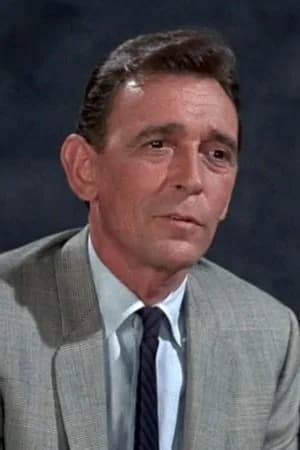
Sandy Kenyon
From Wikipedia, the free encyclopedia Sandy Kenyon (born Sanford Klein; August 5, 1922 – February 20, 2010) was an American actor of film and television. He appeared as a guest actor on numerous television series, including a recurring role on the 1961 TV series, The Americans. He was also the original voice of Jon Arbuckle, voicing the character in the first Garfield special Here Comes Garfield. Early years Kenyon was born in The Bronx, New York, and served as a pilot in the U.S. Army Air Forces during World War II. Career Kenyon co-starred as Des Smith in the syndicated television drama Crunch and Des (1956), and portrayed Cashbox Potter in the syndicated adventure series Major Del Conway of the Flying Tigers (1953). Among the many television series in which he guest starred are the westerns: The Rifleman, Colt .45, Yancy Derringer, Have Gun-Will Travel, The Tall Man, Gunsmoke, and Bonanza. In 1961, Kenyon was cast in the role of Ritter on The Americans, a 17-episode NBC series about how the American Civil War divided families. Other series in which Kenyon appeared include: Richard Diamond, Private Detective; The Fugitive; Room for One More; All in the Family; Gunsmoke; The Dick Van Dyke Show (including the 2004 reunion special "159th Episode"); That Girl; The Partridge Family; Hogan's Heroes; Adam-12; Kung Fu; Peter Gunn; Quincy, M.E.; Knots Landing; Designing Women and The Twilight Zone. Death Kenyon died of kidney cancer at the age of 87 at his home in Los Angeles. CLR
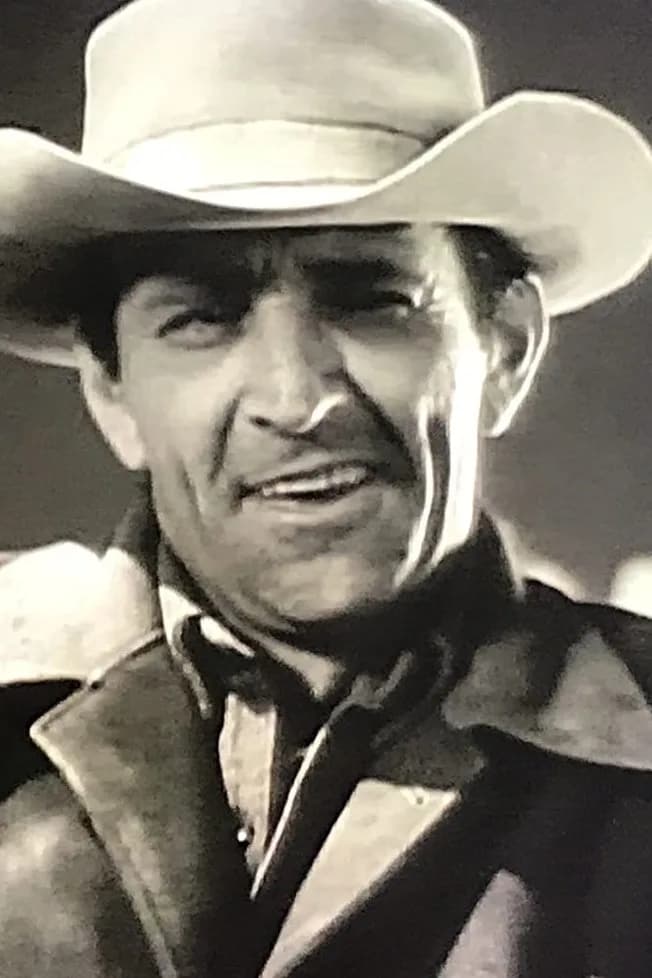
Raymond Guth
From Wikipedia, the free encyclopedia Early years Guth was born on May 29, 1924, in Oil City, Pennsylvania. He studied acting at the Pasadena Playhouse while supporting himself Work nights at a morgue. Career Guth originally performed in stage plays. In 1954 he was given an award as best actor by Theater Americana for his performance as Genesius in the play The Comedian. He made his film debut in 1956, appearing in the film The Flesh Merchant. Guth's first credited television appearance was in 1957 in the anthology series Alfred Hitchcock Presents. He continued to work with Hitchcock in film and television. Guth made guest appearances in the television shows Wagon Train, The Virginian, Route 66, The High Chaparral, Daniel Boone, Tombstone Territory, Rawhide The Rifleman, Perry Mason, and Land of the Giants, and multiple appearances in Gunsmoke, Death Valley Days and Bonanza. He made two appearances in the sitcom television series Hazel. Guth's final appearances were in the television programs The Rookies, Happy Days, The Dukes of Hazzard, Little House on the Prairie, Hart to Hart, Moonlighting and Highway to Heaven. Guth's film credits include The Bonnie Parker Story (1958), The Young Captives (1959), Operation Bikini (1963), The Hostage (1967), The Reivers (1969), Bad Company (1972), and Silver Streak (1976), starring Gene Wilder. His last film credit was for the 1982 film Some Kind of Hero. Personal life Guth died on December 17, 2021, in La Verne, California, at the age of 97. CLR
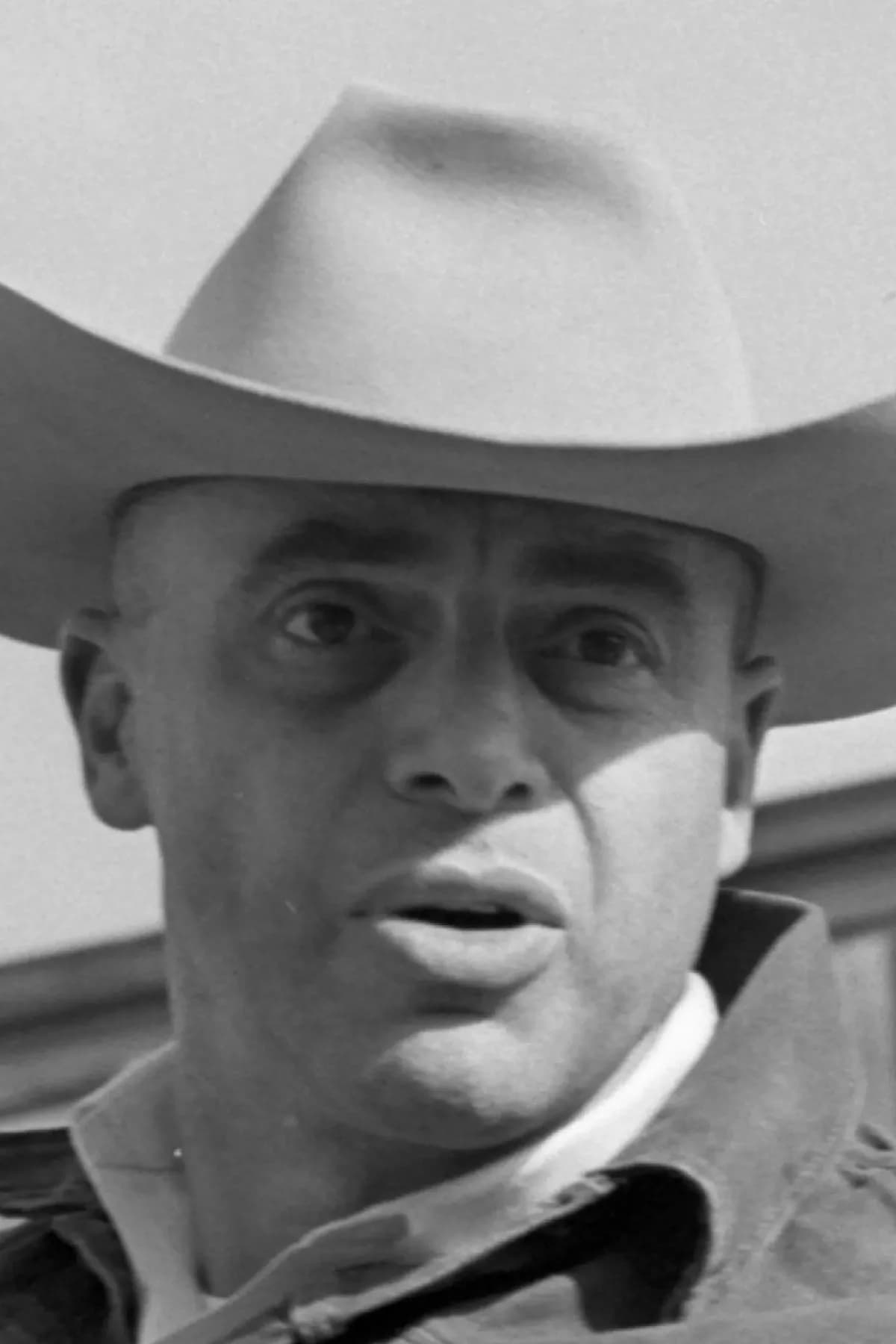
Tom Gries
From Wikipedia, the free encyclopedia. Thomas S. "Tom" Gries (20 December 1922; Chicago, Illinois – 3 January 1977; Pacific Palisades, California) was an American TV and film director, writer and producer. Educated at the Loyola Academy and Georgetown University, Gries began working in TV in the 1950s as a writer and director, on such programmes as Bronco,"Rat Patrol", Wanted: Dead or Alive, The Westerner, The Rifleman, East Side/West Side, Mission: Impossible, Route 66, Batman and I Spy. He won Emmy Awards for his direction on East Side/West Side in 1964 and The Glass House in 1972. In the cinema, Gries directed some low-budget movies in the 1950s before concentrating his efforts more on TV. In the late 1960s, he wrote and directed what is generally acknowledged to be his greatest work in either medium, the western Will Penny, which starred Charlton Heston and was released in 1968. It was based on an episode of the TV series The Westerner that Gries wrote and directed in 1960, entitled "Line Camp". Gries subsequently made two other films with Heston, the much less successful Number One, and The Hawaiians, and directed several other films with other high profile actors such as Burt Reynolds and Charles Bronson into the 1970s, though they failed to reach the critical approval that Will Penny received. The most successful of his later works was Helter Skelter, made in 1976, which was a TV film based on the notorious Charles Manson Family. During post-production on his final film, The Greatest (1977), a biography on boxer Muhammed Ali (in which Ali also played himself), Tom Gries collapsed and died of a heart attack while playing tennis. He was 54 years old. He is the father of actor/director Jon Gries (who appeared under the name Jon Francis in Will Penny as a child actor). Description above from the Wikipedia article Tom Gries, licensed under CC-BY-SA, full list of contributors on Wikipedia.
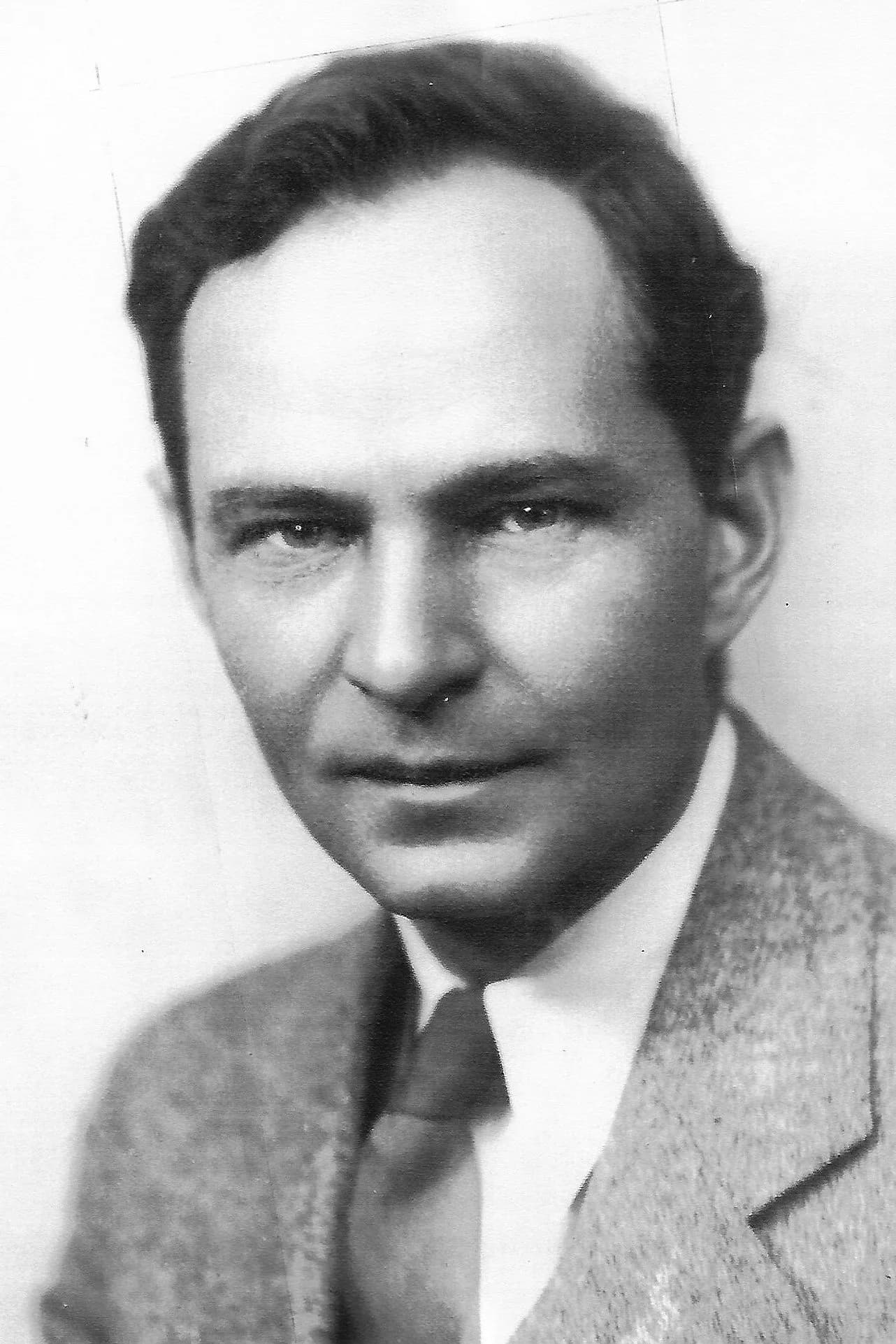
Earle Hodgins
Cast · Known for Have Gun, Will Travel
From Wikipedia, the free encyclopedia Earle Hodgins (October 6, 1893 – April 14, 1964) was an American actor. Early in his career, Hodgins was active in stock theater, including working in the Ralph Cloninger troupe of Salt Lake City, Utah, and the Siegel Stock company of Seattle, Washington. He appeared in over 330 films and television shows between 1932 and 1963. He specialized in playing fast-talking con men—often in westerns, such as The Lone Ranger, Judge Roy Bean, The Cisco Kid, The Adventures of Wild Bill Hickok, Rawhide, Maverick, Lawman, The Rifleman, Cheyenne, Have Gun – Will Travel, Gunsmoke and Hopalong Cassidy. In the 1960-1961 season, he appeared in three episodes of Joanne Dru's ABC sitcom, Guestward, Ho! as the aging ranch wrangler known as "Lonesome." In one of those episodes, "Lonesome's Gal", he was cast opposite ZaSu Pitts. Thereafter, the two died within a year of each other. Hodgins' other television roles were as carnival barkers, medicine-show salesmen, and the like. He was known for shooing away obstreporous children from his stage, snapping at them, "Get away, son, ya bother me". Hodgins married Sue Hanley, who was described in a newspaper item as "a Seattle society girl."
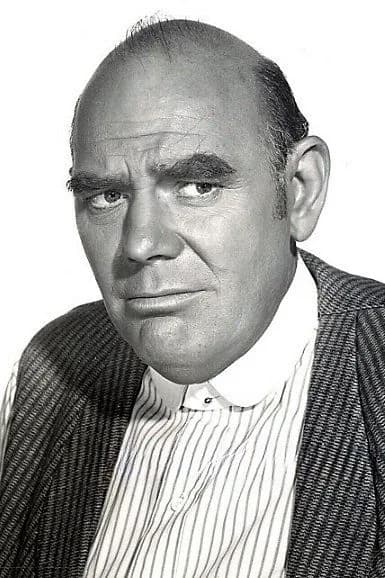
James Westerfield
From Wikipedia, the free encyclopedia James A. Westerfield (22 March 1913 – 20 September 1971) was an American actor of stage, film, and television. Born in Nashville, Tennessee, to candy-maker Brasher Omier Westerfield and his wife Dora Elizabeth Bailey, he was raised in Detroit, Michigan. (A news story in the June 12, 1949, issue of The Brooklyn Daily Eagle calls the information in the preceding sentence into question. It describes Westerfield as "the son of a famous producer-director" and says that he was "a youngster in Denver, Col.") He became interested in theatre as a young man and in the 1930s joined Gilmor Brown's famed Pasadena Community Playhouse, appearing in dozens of plays. He played in numerous films following his debut in 1940, then went to New York City and appeared on Broadway, winning two New York Drama Critics' Circle Awards for his supporting roles in The Madwoman of Chaillot and Detective Story. He then returned to Hollywood and made more than 40 more films. Westerfield maintained an interest in the theatre. He directed more than 50 musicals in a summer-musical tent he owned in Danbury, Connecticut, and was the original stage director and producer for the Greek Theatre in Los Angeles. He directed three seasons of "Theatre Under the Stars" in Vancouver, British Columbia, and appeared in musical roles with the Detroit Civic Light Opera, the Los Angeles Civic Light Opera, and the San Francisco Civic Light Opera. On film, Westerfield had roles in The Magnificent Ambersons (1942), On The Waterfront (1954), Lucy Gallant (1955), the 1957 Budd Boetticher-directed Western Decision at Sundown starring Randolph Scott, Cowboy (1958), a repeating role in The Absent-Minded Professor (1961) and its sequel Son of Flubber (1963), Birdman of Alcatraz (1962), Man's Favorite Sport (1964), The Sons of Katie Elder (1965), Hang 'Em High (1968) and True Grit (1969). Westerfield had many roles on television, including seven episodes as John Murrel from 1963 to 1964 on ABC's The Travels of Jaimie McPheeters, starring child actor Kurt Russell in the title role. He made two guest appearances on Perry Mason, including the role of Sheriff Bert Elmore in the 1957 episode, "The Case of the Angry Mourner." He also appeared in an episode of The Lone Ranger in 1954 entitled "Texas Draw." Westerfield's other appearances were on such series as The Rifleman, The Californians, Richard Diamond, Private Detective, The Alaskans, The Rebel, Straightaway, Going My Way, The Asphalt Jungle, Hazel, The Andy Griffith Show, Daniel Boone, The Beverly Hillbillies, and Gunsmoke. He played the circus leader, Dr. Marvello, in an episode of Lost in Space "Space Circus" (1966). Westerfield as a young man was a roommate of fellow Pasadena Playhouse actor George Reeves. The two remained close friends until Reeves's death in 1959. Westerfield was married to Alice G. Fay (an actress under the name Fay Tracey), who, along with his mother, survived him. Westerfield died from a heart attack in Woodlands Hills, California, at the age of fifty-eight.
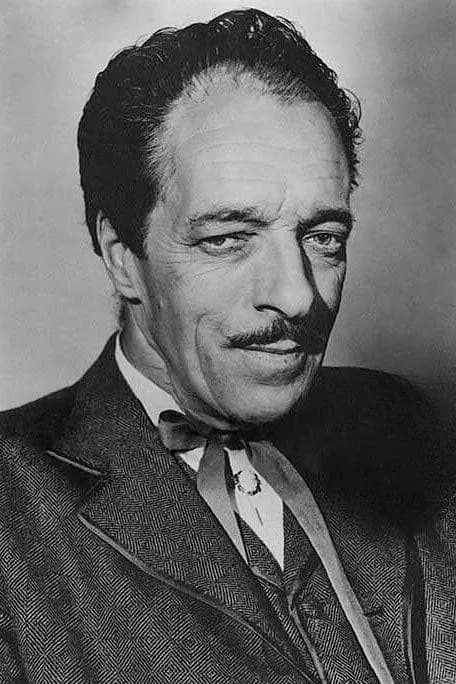
I. Stanford Jolley
From Wikipedia, the free encyclopedia Isaac Stanford Jolley (October 24, 1900 – December 7, 1978) was an American character actor of film and television, primarily in western roles as cowboys, law-enforcement officers, or villains. Recognized by his slight build, narrow face, and pencil-thin moustache, Jolley appeared some five hundred times on the large or small screen. Isaac Stanford Jolley was born in a circus trailer in Elizabeth, New Jersey, while the circus owned by his father had a three-day stop there.[2] Jolley toured as a child with his father's traveling circus and worked in vaudeville. He was a student of the Edward Clark Academy Theater. Television roles From 1950 to 1953, Jolley first appeared on television with six castings in different role in the series, The Lone Ranger with Clayton Moore. He appeared twice in 1953 in the syndicated western series, The Range Rider. He made two appearances as Parker in Tales of the Texas Rangers, with series stars Willard Parker and Harry Lauter. Jolley guest starred as the henchman Walt, along with Clayton Moore and Darryl Hickman in the 1954 episode "Annie Gets Her Man" of the syndicated Western, Annie Oakley. He appeared as Sheriff Bascom in the 1954 episode "Black Bart" of Stories of the Century. Jolley soon appeared multiple times on a wide range of other western series, including, The Adventures of Wild Bill Hickok (three times), The Cisco Kid (ten), Tales of the Texas Rangers (twice), Sergeant Preston of the Yukon (twice), The Roy Rogers Show (three), The Gene Autry Show (four), Sky King (four), Death Valley Days (five), 26 Men (five appearances, again with Tristram Coffin, the series star), Wanted Dead or Alive (two), Bronco (twice), Tales of Wells Fargo (twice), The Life and Legend of Wyatt Earp (six), Maverick (six), Lawman (six), Cheyenne (seven), Rawhide (five), Wagon Train (ten), The Virginian (two), Daniel Boone (two), Laredo (two), The Big Valley (three), Bonanza (eight), and Gunsmoke (nine). In 1960, he guest starred as the Indian named Singing Arrow in the series finale, "The Search," of the syndicated western, Pony Express, with Grant Sullivan. In 1962, he was cast as The Stranger in the episode "Quarantine" of the NBC western series, The Tall Man, starring Barry Sullivan, and Clu Gulager. In 1965, Jolley appeared as Enos Scoggins in "The Greatest Coward on Earth" of the Chuck Connors series, Branded. He had also appeared with Connors on ABC's The Rifleman in one of the last episodes of the series in 1963 in the role of Joe Fogner in "Hostages to Fortune" (1963). He appeared four times in 1956 in archival footage on the children's western The Gabby Hayes Show. In 1966, Jolley appeared on the show F Troop as Colonel Ferguson in the episode "Survival of the Fittest". Jolley's last Western roles were in 1976: as (1) a farmer in ABC's The Macahans, the pilot of James Arness's second western series, How the West Was Won, and (2) as a drunkard in the short-lived Tim Matheson and Kurt Russell series The Quest. CLR
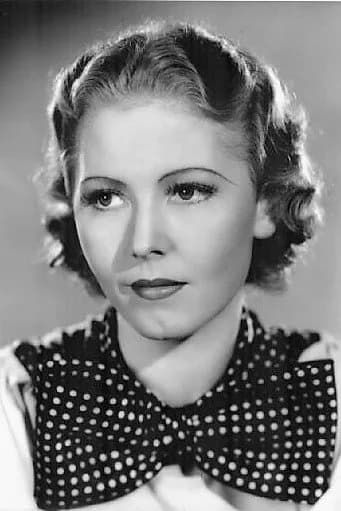
Josephine Hutchinson
Cast · Known for North by Northwest
From Wikipedia, the free encyclopedia Josephine Hutchinson (October 12, 1903 - June 4, 1998) was an American actress. Hutchinson was born in Seattle, Washington. Her mother, Leona Roberts, was an actress best known for her role as Mrs. Meade in Gone with the Wind. Under contract with Warner Bros., Hutchinson went to Hollywood in 1934, debuting in Happiness Ahead. She was featured on the cover of Film Weekly on August 23, 1935 and appeared in The Story of Louis Pasteur in 1936. At Universal, she played Elsa von Frankenstein in one of her more memorable roles alongside actor Basil Rathbone and Boris Karloff in Son of Frankenstein (1939). She later played Mrs. Townsend in North by Northwest (1959) and Love Is Better Than Ever, starring Elizabeth Taylor. Hutchinson made a number of Television appearances, including episodes of Perry Mason, The Rifleman and Little House on the Prairie. She died, aged 94, on June 4, 1998 at the Florence Nightingale Nursing Home in Manhattan. Her ashes were scattered near her niece’s home at Springfield, Oregon.
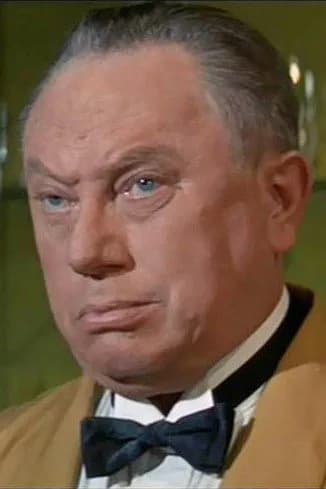
Henry Rowland
From Wikipedia, the free encyclopedia Henry Rowland (born Heinrich Wilhelm von Bock; December 28, 1913 – April 26, 1984) was an American film and television actor. Rowland's father left Germany before World War I began and became a professor of German at the University of Nebraska. Following the war, Rowland was educated in Germany through the secondary level. He returned to the United States and studied acting in Pasadena. Rowland had heavily Teutonic facial features, making him an invaluable commodity in wartime films, even though he was born in the American Midwest. Rowland "heiled" and "achtunged" his way through a variety of films, ranging from Casablanca to Russ Meyer's Supervixens. Conversely, he showed up as an American flight surgeon in 1944's Winged Victory, billed under his Army rank as Corporal Henry Rowland. In his last years, Rowland had continued playing such Germanic characters as the Amish farmer in The Frisco Kid (1979). He appeared six times on the western series Annie Oakley, starring Gail Davis and Brad Johnson. He was also cast in the television series Brave Eagle, Fury, The Lone Ranger, Zorro, The Rifleman, Tales of Wells Fargo (episode "Laredo"), and Gunsmoke. For his contribution to the television industry, Henry Rowland has a star on the Hollywood Walk of Fame at 6328 Hollywood Boulevard. CLR
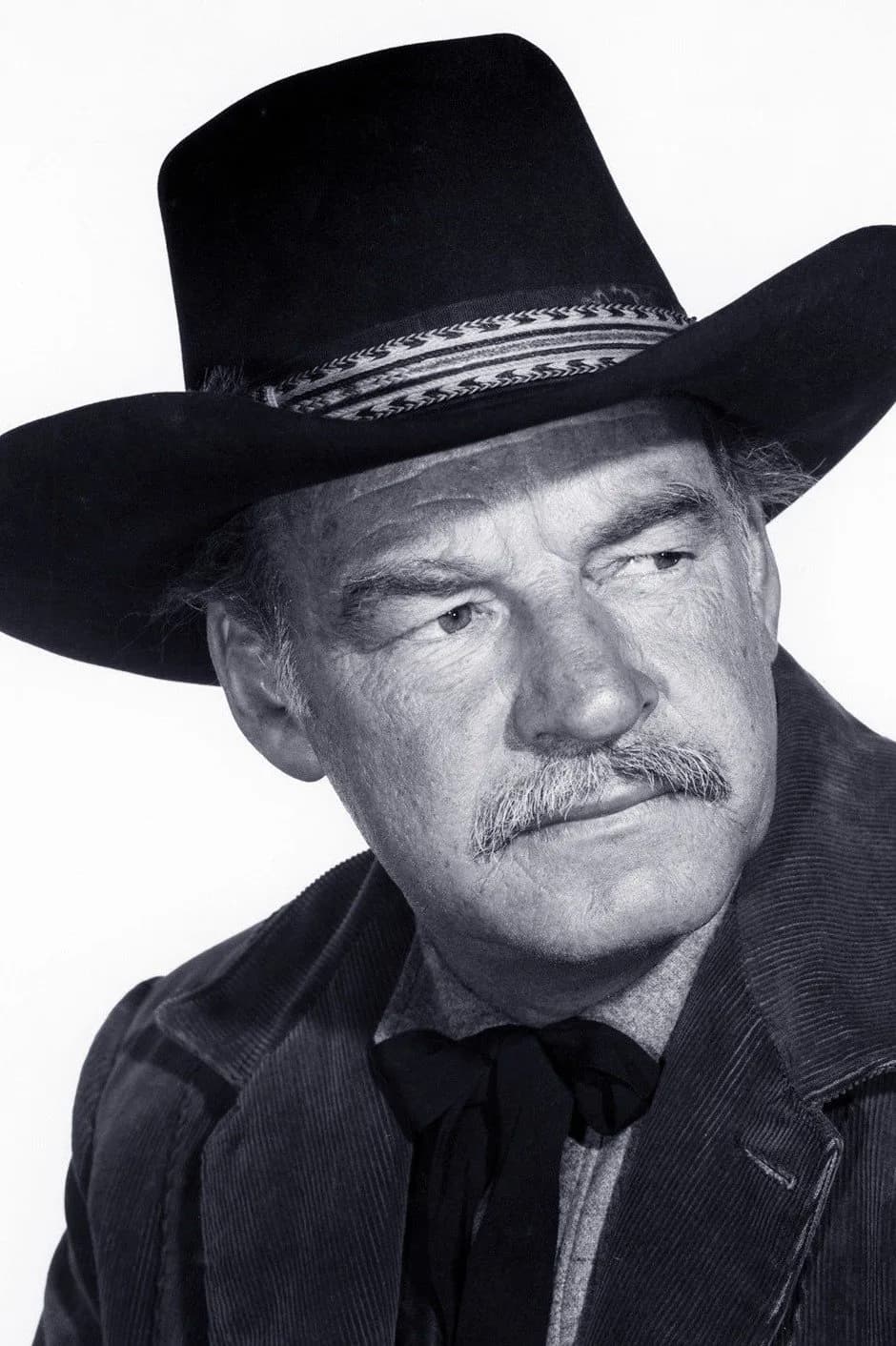
Ray Teal
Cast · Known for Bonanza, Lassie, Maverick
From Wikipedia, the free encyclopedia Ray Elgin Teal (January 12, 1902 – April 2, 1976) was an American actor. His most famous role was as Sheriff Roy Coffee on the television series Bonanza (1959–1972), which was only one of dozens of sheriffs on television and in movies that he played during his long and prolific career stretching from 1937 to 1970. He appeared in pictures such as Western Jamboree (1938) with Gene Autry, The Best Years of Our Lives (1946) with Fredric March and Myrna Loy, The Black Arrow (1948), Billy Wilder's Ace in the Hole (1951) and Judgment at Nuremberg (1961) with Spencer Tracy and Burt Lancaster. Teal was born in Grand Rapids, Michigan. A saxophone player, he worked his way through the University of California, Los Angeles as a bandleader before becoming an actor. His longest-running role was as Sheriff Roy Coffee, a law-enforcing sheriff on Bonanza. Teal was one of the most senior members of the crew having a permanent role. He had also played a sheriff in the Billy Wilder film Ace in the Hole (1951). Teal co-starred in numerous TV westerns throughout his career: he appeared five times on Cheyenne, four times on The Lone Ranger, on The Alaskans, three times in different roles on another long-running western series, Wagon Train, on NBC's Tales of Wells Fargo, on the ABC western series Broken Arrow, five times on the ABC western comedy Maverick, on the CBS western series The Texan, the NBC western series The Californians, twice on Colt .45, once on Wanted: Dead or Alive, and as "Sheriff Clay" for a single 1960 episode of the NBC western series Riverboat, and four times on a western series about the rodeo titled Wide Country. After more than 15 years performing in films and in early television, Teal secured a recurring role as a police officer in the 1953–1955 ABC sitcom with a variety-show theme, Where's Raymond?, later renamed The Ray Bolger Show. In 1955, Teal appeared as McCanles, a ruthless cattle baron in the episode "Julesburg" of the ABC/Warner Bros. Western series, Cheyenne. Altogether, Teal appeared five times on Cheyenne. He later appeared in a guest-starring role in another ABC/WB Western series, The Alaskans. From 1957 to 1962, Teal was cast three times in different roles on the Western series, Wagon Train. He also appeared in a number of episodes of Bat Masterson, an episode of The Rifleman and later in Green Acres. In 1957, Teal played a lawman, Captain McNelly, in the episode "Sam Bass" of NBC's Tales of Wells Fargo. Teal was cast as Fenster in "The Bounty Hunters" (1957) on the ABC Western series, Broken Arrow. In 1958, Teal guest-starred "No Tears for the Dead" on the CBS Western series, The Texan. He also later appeared in the CBS sitcom, Dennis the Menace. In 1960, Teal was cast as Sheriff Roy Coffee in Bonanza, a role he played until 1972, appearing in 98 episodes, occasionally as the lead character. He also portrayed judge/dentist/shoe repairman H.G. Cogswell in Bat Masterson starring Gene Barry. He died of undisclosed causes on April 2, 1976, at age 74 in Santa Monica, California. CLR
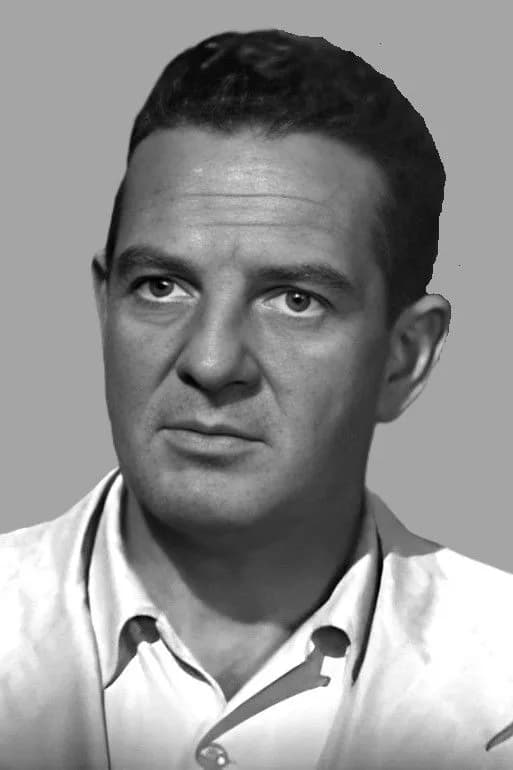
Steve Pendleton
From Wikipedia, the free encyclopedia Steve Pendleton (September 16, 1908 – October 3, 1984) was an American film and television actor, often cast in the role of law-enforcement officers. Pendleton was cast in eight episodes in different roles from 1952 to 1957 on The Roy Rogers Show. In 1955, he played the role of Baumer in "Gold of Haunted Mountain" of the CBS drama, Brave Eagle. In another 1955 appearance, he was cast as Captain Kenneth McNabb in "The Fight for Texas" of the syndicated western series, Buffalo Bill, Jr. In 1956, he was cast as Bill Mathison in the episode "The Long Weekend" of the then CBS military drama, Navy Log. In 1957, he appeared on two episodes of William Bendix's NBC situation comedy, The Life of Riley. In 1958, he played Marshal Purvis in "Star Witness" of another syndicated western series, Casey Jones, with Alan Hale, Jr., in the title role. In 1959 he portrayed Sheriff Anderson in "The Louisiana Dude" of the CBS western series Yancy Derringer. Pendleton was cast in two roles in a total of twelve episodes broadcast between 1956 and 1961 of the ABC/Desilu western television series, The Life and Legend of Wyatt Earp, with Hugh O'Brian in the title role of deputy marshal Wyatt Earp. He played a United States Army mayor, Benteen, in five segments, including "Dull Knife Strikes for Freedom" (May 7, 1957). In this segment, the actor Ian MacDonald is cast as Dull Knife, a Cheyenne chief, who leads his tribe from its reservation in Oklahoma Territory to their homeland in Montana, which they claim the U.S. government had promised them. Benteen has orders to prevent the Indians from passing through. Pendleton also appeared in seven other series episodes as the character Thacker. In 1960, Pendleton was cast as Marshal McCoy in "The Town That Wasn't There" of the ABC/Warner Brothers western series, Maverick. That same year, he played deputy Kelsey, with Lee Van Cleef as deputy Clyde Wilson, in the episode "Man on a Mountain" of another ABC/WB western, Lawman. In 1961, he portrayed deputy marshal Ben Johnson in the episode "Death Trap" of the ABC western series, The Rifleman, starring Chuck Connors. In 1967, he played Mr. Hutchins in the episode "Howard and Millie" of the CBS sitcom, The Andy Griffith Show. From 1968 to 1970, he had a recurring role as Mr. Bennett in six episodes of the NBC sitcom, Julia, starring Diahann Carroll. His last role was as a businessman on the 1976 episode "The Reformer" of William Conrad's CBS crime drama, Cannon. Pendleton died at the age of seventy-six in Pasadena, California.
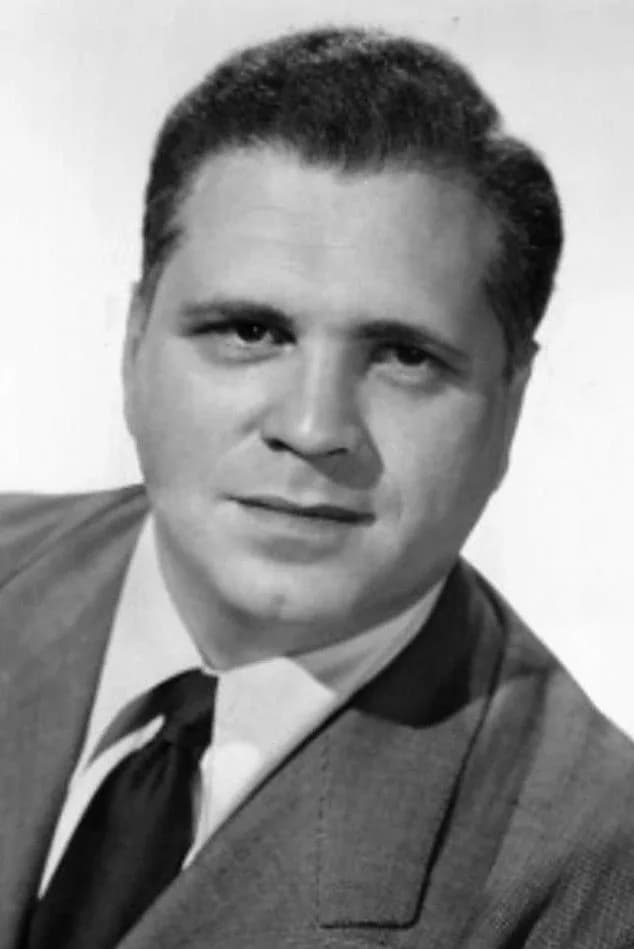
Bert Freed
From Wikipedia, the free encyclopedia. Bert Freed (November 3, 1919 — August 2, 1994) was a prolific American character actor, voice over actor, and the first actor to portray "Detective Columbo" on television. Born and raised in The Bronx, New York, Freed began acting while attending Penn State University, and made his Broadway debut in 1942. Following World War II Army service in the European Theatre, he appeared in the Broadway musical The Day Before Spring in 1945 and dozens of television shows between 1947 and 1985. His film debut occurred, oddly enough, in a musical Carnegie Hall (1947). A prominent role was as the villainous Ryker in the television series Shane, in which Freed added a unique touch of realism by beginning the show clean-shaven and growing a beard from one week to the next, never shaving again through the season. Freed played Columbo in a live 1960 episode of the "Chevy Mystery Theatre" seven years before Peter Falk played the role. Thomas Mitchell also played the part on stage prior to Falk's version, which is probably where many of the eccentric Columbo traits originated; only a few were visible in Freed's straightforward interpretation, although the character as played by Freed is recognizably Columbo. He appeared (sometimes more than once) in television shows such as The Rifleman, Bonanza, Gunsmoke, The Big Valley,The Virginian, Mannix, Barnaby Jones, Charlie's Angels, Then Came Bronson, Run For Your Life, Get Smart, The Lucy Show, Hogan's Heroes, Voyage to the Bottom of the Sea, Dr. Kildare, Ben Casey, Perry Mason, Combat!, Petticoat Junction, The Outer Limits, Alfred Hitchcock Presents, Route 66, Ironside, The Green Hornet, The Munsters, and many, many more. He directed one episode of T.H.E. Cat. Freed appeared as a racist club owner in No Way Out (1950), a gangster in Ma and Pa Kettle Go to Town (1950), a Marine private in Halls of Montezuma (1951 film), an Army sergeant in Take the High Ground! (1953), the Police Chief in Invaders From Mars (1953), Sgt. Boulanger in Paths of Glory (1957), the hangman in Hang 'Em High (1968), Max's father in Wild in the Streets (1968), as Chief of Detectives in Madigan (1968), a homosexual prison guard in There Was a Crooked Man... (1970) and Bernard's father in Billy Jack (1971) in which he got "whumped" on the side of the face by Billy Jack's right foot "just for the hell of it." He retired from acting in 1986, and died of a heart attack in Canada in 1994 while on a fishing trip with his son. Description above from the Wikipedia article Bert Freed, licensed under CC-BY-SA, full list of contributors on Wikipedia.
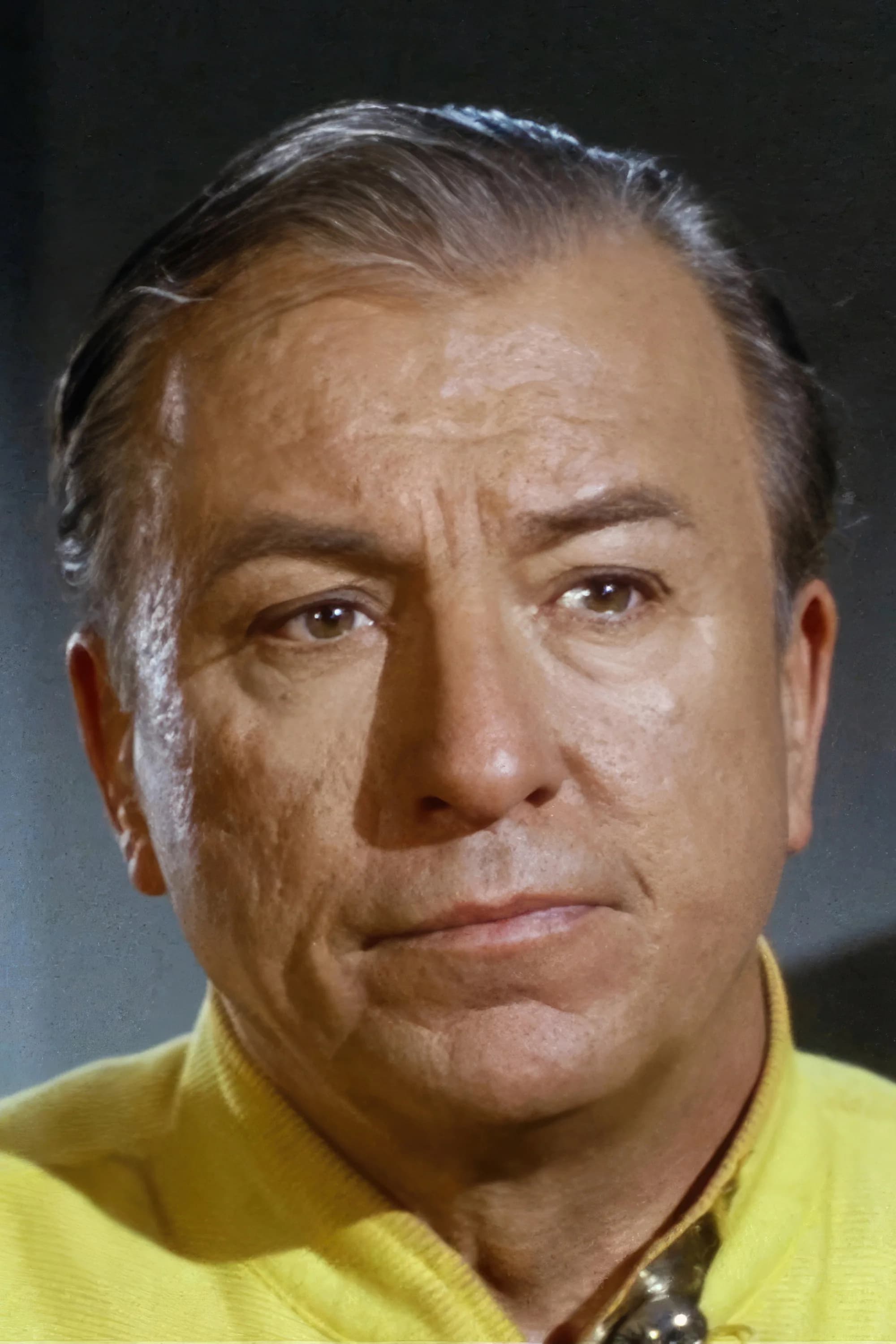
Ken Lynch
Cast · Known for North by Northwest
From Wikipedia, the free encyclopedia Kenneth E. Lynch (July 15, 1910 – February 13, 1990) was an American radio, film, and television actor with more than 180 credits to his name. He was generally known for portraying law enforcement officers and detectives. Early life Kenneth Englehart Lynch was born on July 15, 1910, in Albany, New York, the only child of Bertha Dietzel and Charles William Lynch. His father was a native of Woburn, Massachusetts, who started his career as a coffee salesman, and then became a creamery owner in Troy, New York. His mother was from Yonkers, New York, a third generation German-American. His middle name was his maternal grandmother's maiden name. Career He appeared in numerous television series. He made three guest appearances on Perry Mason, including the role of Wallace Lang in "The Case of the Stuttering Bishop" in 1959, Robert Hayden in "The Case of the Irate Inventor" in 1960 and Customs Inspector Wendel in "The Case of the Floating Stones" in 1963. Some of the other series in which Lynch appeared are Peter Gunn, Zorro, Have Gun - Will Travel ("Fight at Adobe Wells"), Gunsmoke (“Bureaucrat” & “The Patsy”), Checkmate ("Cyanide Touch"), woman"), Checkmate ("Born To Hang"), The Asphalt Jungle, Straightaway, The Honeymooners, The Fugitive, The Andy Griffith Show, The Dick Van Dyke Show, Blue Light, Adam-12, Star Trek ("The Devil in the Dark") Season 1, Episode 25 as Chief Engineer Vanderberg in 1967, Maverick, All In The Family (in the famous episode, "Archie and the Lockup", where he played Guard Callaghan), The Twilight Zone ("Mr. Denton on Doomsday"), The Rifleman, and The Wild Wild West. In 1960 Lynch appeared as Al Killmer in the TV western series Lawman in the episode titled "The Escape of Joe Killmer." He played The Freighter in S8 E26 "The Jarbo Pierce Story" on "Wagon Train", 1965. Between 1972 and 1977, he made 16 guest appearances on McCloud, performing as a police sergeant and later a detective named Grover on the series. In September 1974, he appeared in the very first episode of the cult classic, Kolchak:The Night Stalker, playing a police captain. He previously appeared in 12 episodes of Gunsmoke, 10 episodes of The F.B.I., nine episodes of Bonanza, and six episodes in both The Virginian and Gomer Pyle, USMC. Among the feature films in which he appeared are I Married a Monster from Outer Space, North By Northwest, The Lawbreakers, Pork Chop Hill, Anatomy of a Murder and Tora! Tora! Tora!. He appeared in Battlestar Galactica as Dr Horning in episode 22, "Experiment in Terra" (1979). Lynch's last credited performance was in the role of Rear Admiral Talbot Gray in the 1983 seven-part miniseries The Winds of War. Flower business Even though Lynch still had a very successful career as an actor by the 1970s, he began looking for another, more steady source of income. He explained in a 1975 newspaper interview: "In acting you just can't predict the jobs that will come along. If you could, you could budget." Death Lynch died at age 79 from a virus on February 13, 1990, in Burbank, California. He was buried at the San Fernando Mission Cemetery in Mission Hills, Los Angeles. CLR
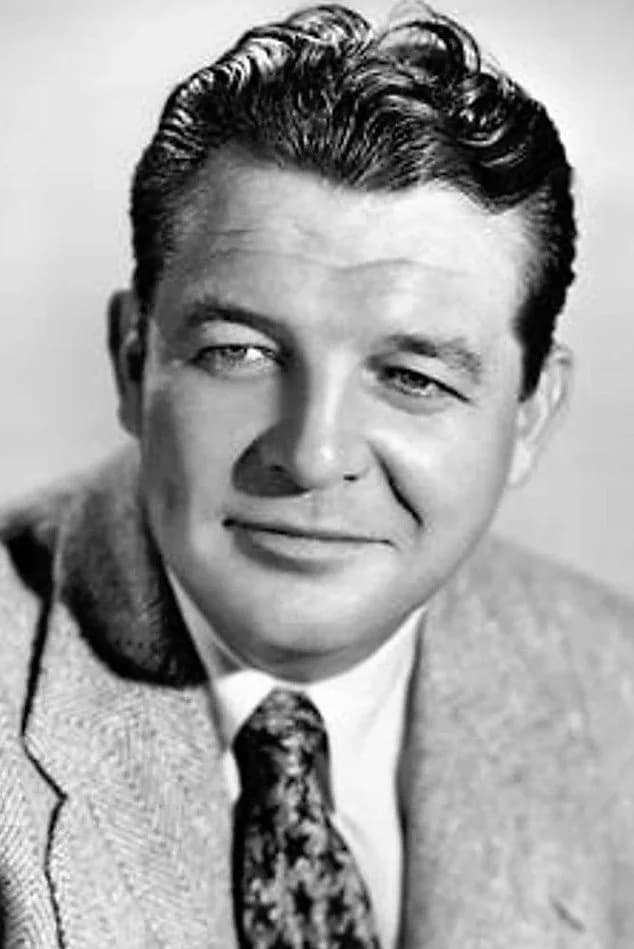
Gordon Jones
From Wikipedia, the free encyclopedia Gordon Wynnivo Jones (April 5, 1911 – June 20, 1963) was an American character actor, a member of John Wayne's informal acting company best known for playing Lou Costello's TV nemesis "Mike the Cop" and appearing as The Green Hornet in the first of two movie serials based on that old-time radio program. Iowa-born Jones had been a student athlete and star football guard ("Bull" Jones) at University of California, Los Angeles, and had also played a few seasons of professional football. He started out playing small roles in Wesley Ruggles' and Ernest B. Schoedsack's The Monkey's Paw (1933), his first credited role in Sam Wood's Let 'Em Have It (1935), and Sidney Lanfield's Red Salute (1935). By 1937, he had moved on to a contract at RKO Radio Pictures. In 1940, Jones had the title role in The Green Hornet but did not reprise the role in the sequel. Jones held a reserve commission in the army and was called into the service after filming his roles as "The Wreck" in My Sister Eileen (1942) and "Alabama Smith" in Flying Tigers (1942), a John Wayne vehicle that was one of the most popular action films of the war. This picture began Jones' 20-year onscreen association with Wayne, who was also a former football player at the University of Southern California. Jones remained associated with the service after the war, encouraging college students to consider the Reserve Officers' Training Corps. After resuming his acting career in the late 1940s, Jones appeared in prominent roles in the John Wayne features Big Jim McLain (1952) and Island in the Sky (1953). By the end of the 1940s, Jones had aged into a beefier screen presence and into very physical character roles. He was no longer a leading man but he had developed a comic villain persona which meshed with the work of Bud Abbott and Lou Costello. Jones' association with the duo began in The Wistful Widow of Wagon Gap (1947) with the role of the film's heavy, Jake Frame, and continued through their television series The Abbott and Costello Show. Jones played "Mike the Cop", Costello's hulking, loud-voiced antagonist. The program was produced for only two seasons, but ensured continued recognition for Jones via frequent reruns and a 21st Century DVD release. Jones also remained busy in films and on television throughout the 1950s, in pictures that ranged from the sci-fi chiller The Monster That Challenged the World to the Tony Curtis/Janet Leigh sex comedy The Perfect Furlough, and on TV series ranging from The Real McCoys to The Rifleman. Jones also appeared in two very successful Disney movies during the early '60s, The Absent-Minded Professor and Son of Flubber. He played harried school coaches in both pictures. He also starred with Mitzi Green and Virginia Gibson in the short-lived TV sitcom So This Is Hollywood (1955), and had a recurring role as neighbor Butch Barton during the early years of The Adventures of Ozzie and Harriet Jones returned to the John Wayne stock company portraying Douglas, the bureaucrat antagonist to Wayne's G.W. McLintock in the Western comedy McLintock! (1963). Jones unexpectedly succumbed to a heart attack on June 12, 1963, five months before the release of that movie. Jones has a star on the Hollywood Walk of Fame on the West side of the 1600 block of Vine Street.
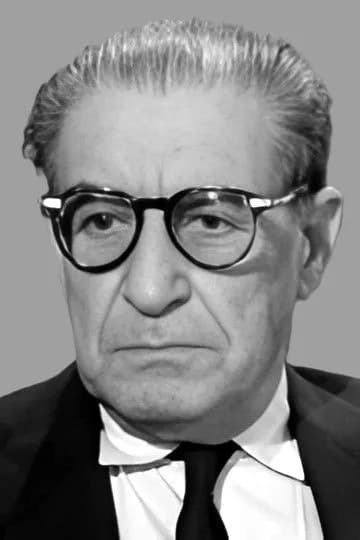
Ralph Moody
From Wikipedia, the free encyclopedia Ralph Moody (November 5, 1886–September 6, 1971) was an American actor with over 50 movie and over 100 television appearances plus numerous radio appearances. Moody spent more than four decades working in stock theater throughout the United States, including having his own troupe for almost half of that span. In 1939, he began working in radio at WIBW in Topeka, Kansas. Later, he became an announcer and actor at WLW radio in Cincinnati. Moody was a regular on radio broadcasts of Gunsmoke, and also performed on the Roy Rogers Show, Wild Bill Hickok and X Minus One. He portrayed Gramps on The Trouble with the Truitts on NBC Rado. At the age of 62, Moody began a string of film and television appearances, including films such as Road to Bali, Toward the Unknown, The Legend of Tom Dooley, and The Story of Ruth. On television, he played Jay Burrage in The Rifleman. He was also seen in episodes of Gunsmoke, The Lone Ranger, Circus Boy, Perry Mason, Bonanza, Have Gun - Will Travel, Rawhide, Daniel Boone, Wanted Dead or Alive, and The Adventures of Rin Tin Tin. He was also among a rotation of actors used by Jack Webb in the 1950s version as well as the 1967-70 revival of Dragnet, and in 1970 appeared in the last Dragnet episode produced by Webb. His most frequent television roles were as a kindly old man or Native American. CLR
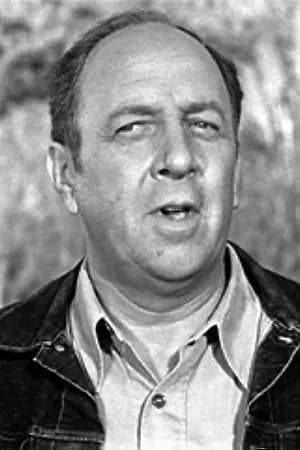
Robert Foulk
Cast · Known for Lassie, Bonanza, The Rifleman
From Wikipedia, the free encyclopedia Robert C. Foulk (May 5, 1908 – February 25, 1989) was an American television and film character actor who portrayed Sheriff H. Miller in the CBS series Lassie from 1958 to 1962. Television Between 1953 and 1959, Foulk was in thirteen episodes of the NBC anthology series, The Loretta Young Show. From 1954 to 1957, he was in five episodes as Ed Davis in the sitcom Father Knows Best with Robert Young, when the series aired on NBC. In 1956, he played Jackley in the Walt Disney Mickey Mouse Club serial "The Mystery of the Applegate Treasure". In 1957 and 1958, Foulk played the outlaw Curly Bill Brocius in three episodes, "Gunslinger from Galeville", "Ride Out at Noon", and "Skeleton Canyon Massacre", of the western television series Tombstone Territory. In 1958, Foulk portrayed Sheriff Brady in the film, The Left Handed Gun. From 1959 to 1960, he had the recurring role of bartender Joe Kingston in the NBC western series Wichita Town. Foulk appeared in five episodes of The Rifleman. He played the blacksmith Toomey in "The Second Witness" (episode 23), "Three Legged Terror" (episode 30) and "Outlaw's Inheritance" (episode 38). He played Johannson in "The Raid" (episode 37) and Herbert Newman in "The Lost Treasure of Canyon Town" (episode 99). Foulk made four appearances on CBS's Perry Mason, all of them as a law-enforcement officer including the 1958 episode 'The Case of the Buried Clock'. He appeared as the sheriff of Cloverville, California in the two-part episode of The Untouchables, "The Big Train," which dealt with the attempt to free Al Capone from the train transporting him to Alcatraz. He made thirteen appearances on NBC's Bonanza, mostly as a sheriff or deputy sheriff. He also had recurring roles as Mr. Wheeler and Roy Trendall, former Hooterville phone company president, in sixteen episodes of CBS's Green Acres. In 1960, he guest starred in the TV Western Bat Masterson, playing Judge Pete Perkins, the town's crooked judge in S2E30's "Welcome To Paradise". In the early 1970s, Foulk made four guest appearances on CBS's Here's Lucy in various roles. Personal life and death In the 1930s, Foulk was married to actress Alice Frost. In 1947, he married Barbara Slater, an actress who appeared in two Three Stooges short features. She left Hollywood in the same year. They remained married until his death in 1989. CLR
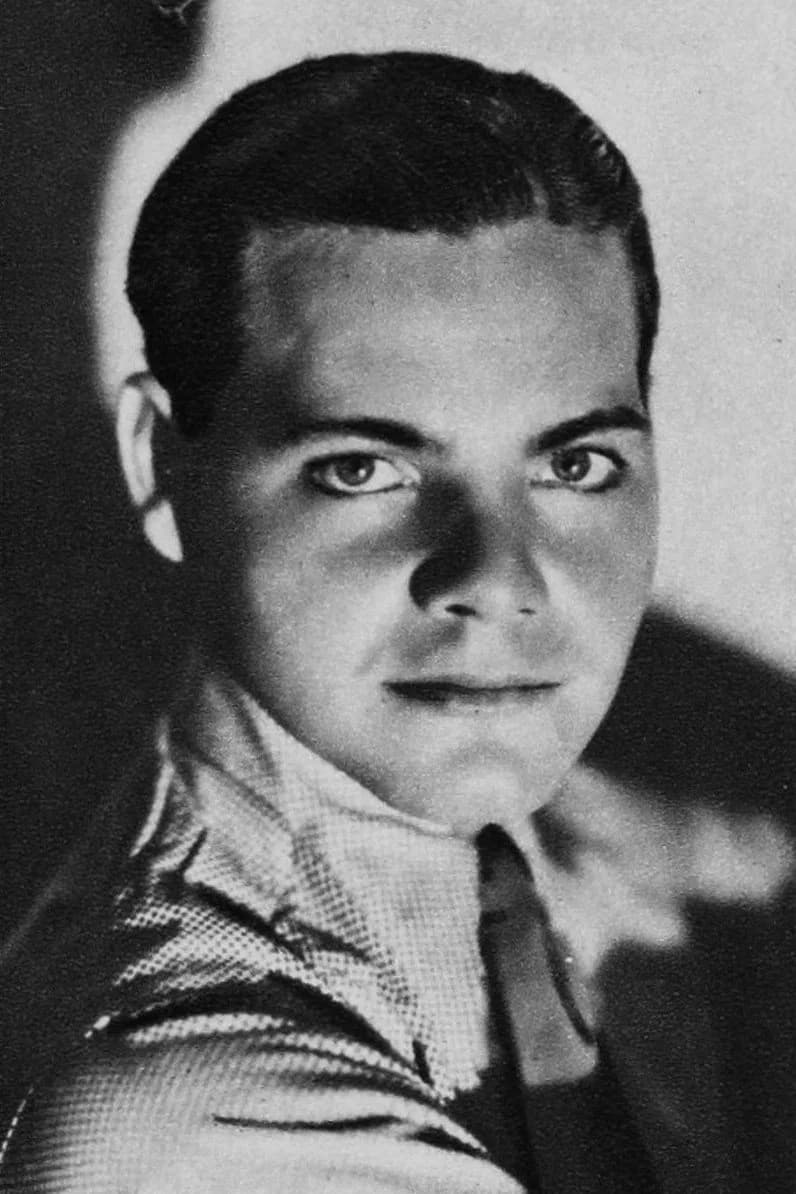
Eddie Quillan
From Wikipedia, the free encyclopedia Edward "Eddie" Quillan (March 31, 1907 – July 19, 1990) was an American film actor whose career began as a child on the vaudeville stages and silent film and continued through the age of television in the 1980s. Quillan's very first film appearance was in the 1922 comedy short Up and at 'Em. His next performance was in the 1926 comedy short The Love Sundae opposite actress Alice Day. Quillan would remain a popular leading and secondary actor throughout the sound film era and would appear in such notable films as 1935's Mutiny on the Bounty with Clark Gable, Charles Laughton, and Franchot Tone, 1939's Young Mr. Lincoln opposite Henry Fonda and Alice Brady, as 'Connie Rivers' in John Ford's 1940 film adaptation of the John Steinbeck novel The Grapes of Wrath opposite Henry Fonda, in 1943's Alaska Highway and It Ain't Hay opposite the comedic duo Abbott and Costello. Quillan's breezy screen personality was seen in "B" musicals, comedies, and even serials during the 1940s. In 1948 Columbia Pictures producer Jules White teamed Quillan with veteran movie comic Wally Vernon for a series of comedy short subjects. White emphasized extreme physical comedy in these films, and Vernon and Quillan made a good team, enthusiastically engaging in pratfalling, kick-in-the-pants slapstick. The series ran through 1956. Beginning in the late 1950s, Quillan began to make the transition to the medium of television and by the 1960s could be seen frequently appearing as a guest actor in such series as The Andy Griffith Show, Petticoat Junction, Perry Mason, and approximately five appearances on the camp-horror comedy series The Addams Family. He was a regular on the Anthony Franciosa sitcom Valentine's Day from 1964 to 1965, and from 1968 through 1971 he appeared as "Eddie Edson" on the television drama Julia opposite actress Diahann Carroll. Through the 1950s and 1960s, Quillan continued to appear in motion pictures, but in increasingly smaller roles and often in bit parts. One notable appearance of the era was his role of 'Sandy' in the 1954 Vincente Minnelli directed musical Brigadoon. Quillan also appeared in the uncredited role of 'Mr.Cassidy' in the 1969 Gene Kelly film adaptation of Hello, Dolly!. Quillan appeared in My Three Sons as Mr Hewlett (1961) and also appeared on the western television adventure series The Rifleman as Angus Evans. In the 1970s, Quillan made guest appearances on such varied television series as Mannix, Here's Lucy, Chico and the Man and Baretta. After meeting and befriending actor and director Michael Landon, he played numerous bit roles in the popular television series Little House on the Prairie. Quillan also performed in the Landon-directed series Highway to Heaven and Father Murphy during the 1980s. Quillan made his last television appearance in a 1987 episode of the television crime-mystery series Matlock.
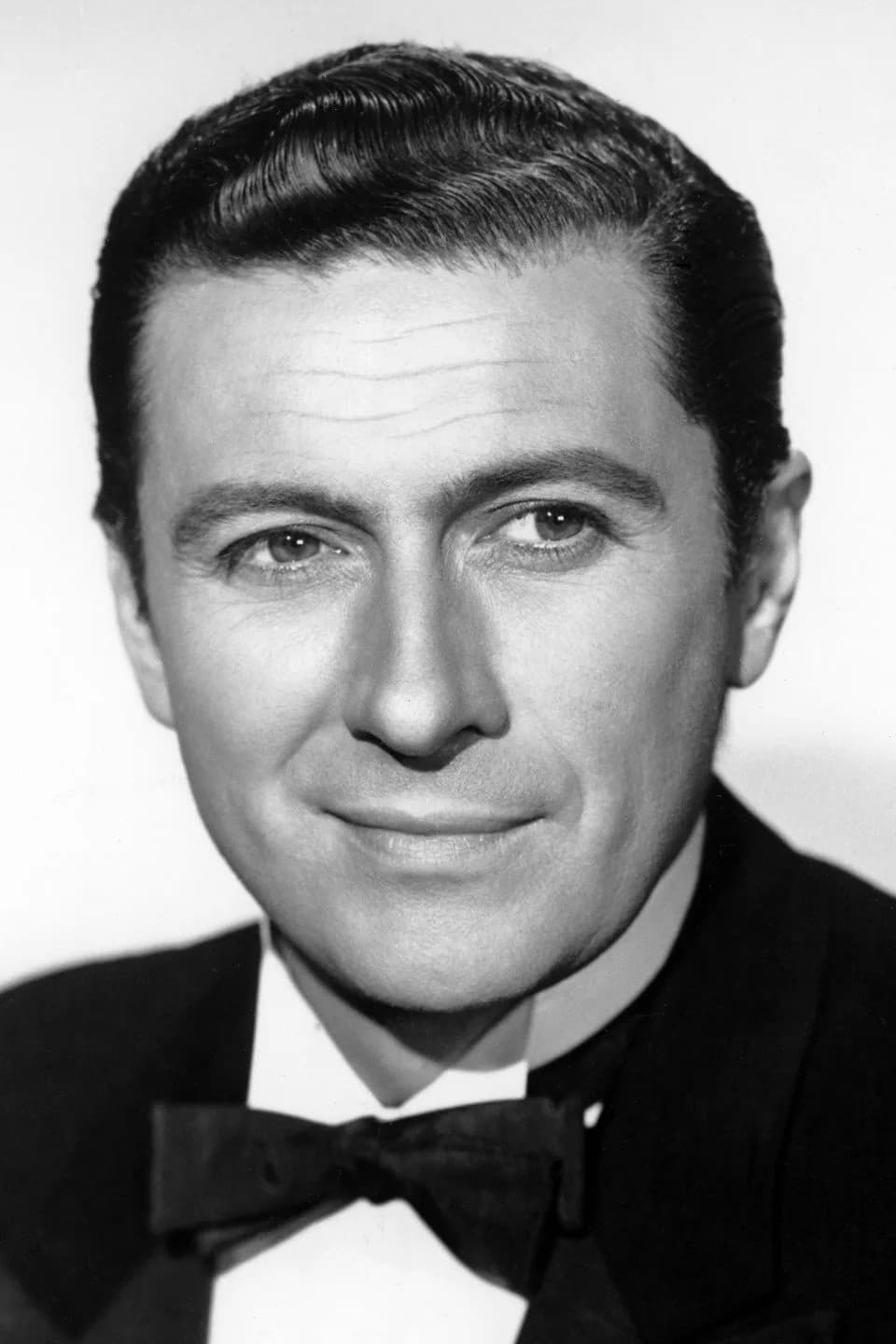
Cesare Danova
Cast · Known for Charlie's Angels
From Wikipedia, the free encyclopedia. Cesare Danova (March 1, 1926 - March 19, 1992), born Cesare Deitinger in Bergamo, Italy, was a television and screen actor. He adopted the stage name Danova when he turned to acting in Rome at the end of World War II. He migrated to the United States in the 1950s to make the film Don Giovanni (Don Juan) in 1955. He was contracted to MGM in 1956. Other appearances include The Man Who Understood Women. He tested for a part in Ben Hur, but his big break was the role of Apollodorus, Cleopatra's personal servant in the 1963 film, Cleopatra directed by Joseph Mankiewicz and starring Elizabeth Taylor, Richard Burton and Rex Harrison. While the original script called for a major role for Danova, who was to form a trio of Cleopatra's lovers alongside Harrison's Caesar and Burton's Marc Antony. Though a number of scenes featuring Taylor and Danova were shot, the script was revised and the role truncated as the Burton-Taylor affair made tabloid headlines. What remained was little more than a cameo. The following year he starred as Count Elmo Mancini in Viva Las Vegas as Elvis Presley's rival for both Ann Margaret's Rusty Martin and for the Las Vegas Grand Prix (predictably losing both to Elvis's Lucky Jackson). In 1967, Danova had another break with the TV series, Garrison's Gorillas, in which he played the role of Actor. Clearly inspired by the hit film, The Dirty Dozen and the hit TV series Mission: Impossible, the series had an ensemble cast but, unfortunately, only ran for 26 episodes. Two of his best roles were as the neighborhood mafia Don, Giovanni Cappa, in Martin Scorsese's Mean Streets (1973) and as the corrupt town mayor, Carmine DePasto, in National Lampoon's Animal House (1978). He also acted in three episodes of The Rifleman, and regularly appeared as a guest star on numerous television series, including Murder, She Wrote, Maude, Falcon Crest, and the revival of Mission: Impossible (1988–90). He died of a heart attack at the Academy of Motion Picture Arts and Sciences headquarters in Los Angeles while attending a meeting of the Foreign Language Film committee. His mausoleum is in Valhalla Memorial Park Cemetery. Danova was married twice and had two sons, Marco & Fabrizio, by his first wife, Pamela. He was an expert horseman, avid polo player, and an excellent archer. Description above from the Wikipedia article Cesare Danova, licensed under CC-BY-SA, full list of contributors on Wikipedia.
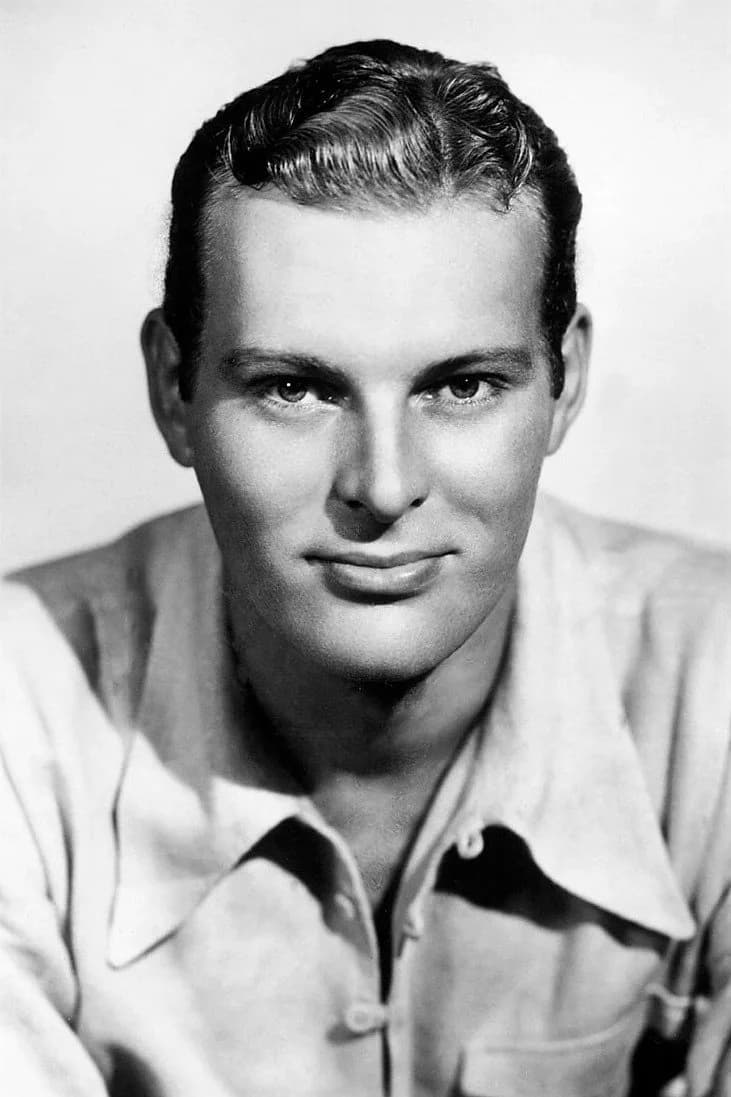
Leif Erickson
Cast · Known for Climax!
From Wikipedia, the free encyclopedia Leif Erickson (born William Wycliffe Anderson) was an American stage, film, and television actor. Erickson was born in Alameda, California, near San Francisco. He worked as a soloist in a band as vocalist and trombone player, performed in Max Reinhardt's productions, and then gained a small amount of stage experience in a comedy vaudeville act. Initially billed by Paramount Pictures as Glenn Erickson, he began his screen career as a leading man in Westerns. Erickson enlisted in the United States Navy during World War II. Rising to the rank of Chief Petty Officer in the Naval Aviation Photographic Unit, he served as a military photographer, shooting film in combat zones, and as an instructor. He was shot down twice in the Pacific as well as receiving two Purple Hearts. Erickson was in the unit that filmed and photographed the Japanese surrender aboard the USS Missouri in Tokyo Bay on September 2, 1945. Over four years service, he shot more than 200,000 feet of film for the Navy. Erickson's first films were two 1933 band films with Betty Grable before starting a string of Buster Crabbe Western films based on Zane Grey novels. He would go on to appears in films such as The Snake Pit, Sorry, Wrong Number, Abbott and Costello Meet Captain Kidd, Invaders from Mars, On the Waterfront, A Gathering of Eagles, Roustabout, The Carpetbaggers and Mirage. One of his more notable roles was as Deborah Kerr's macho husband in the stage and film versions of Tea and Sympathy. He appeared with Greta Garbo, as her brother in Conquest (1937). He played the role of Pete, the vindictive boat engineer, in the 1951 remake of the famed musical Show Boat. His final appearance in a feature film was in Twilight's Last Gleaming (1977). Erickson appeared frequently on television; he was cast as Dr. Hillyer in "Consider Her Ways" (1964) and as Paul White in "The Monkey's Paw—A Retelling" (1965) on CBS's The Alfred Hitchcock Hour. However, he is probably best known for The High Chaparral, which aired on NBC from 1967 until 1971. He portrayed a rancher, Big John Cannon, determined to establish a cattle empire in the Arizona Territory while keeping peace with the Apache. Erickson guest-starred in several television series, including Rawhide, Bonanza, Gunsmoke, Marcus Welby, M.D., Medical Center, Cannon, The Rifleman, The Rockford Files, and the 1977 series Hunter. His final role was in an episode of Fantasy Island in 1984. Erickson was married to actress Frances Farmer from 1936 until 1942. The same day that his divorce from Farmer was finalized, June 12, 1942, he married actress Margaret Hayes. They divorced a month later. He married Ann Diamond in 1945. They had two children, William Leif Erickson (born 1946 - died 1971 in a car accident) and Susan Irene Erickson (born 1950). Erickson died of cancer in Pensacola, Florida, on January 29, 1986, aged 74 CLR
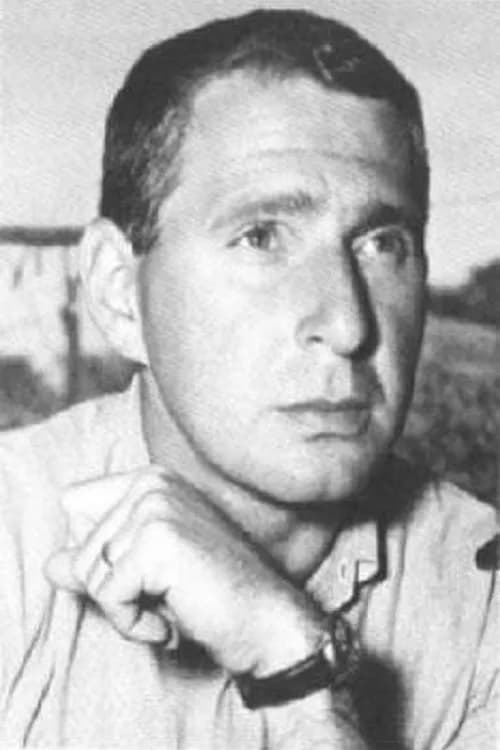
Paul Wendkos
From Wikipedia, the free encyclopedia. Paul Wendkos (September 20, 1922; Philadelphia, Pennsylvania – November 12, 2009; Malibu, California) was an American television and film director. Following wartime service in the US Navy and attending Columbia University on the GI Bill Wendkos made his first feature, a documentary on a school for the blind called Dark Interlude in 1953. Wendkos's first feature film was The Burglar . Wendkos's fluid camera technique caught the attention of the head of Columbia Pictures chief Harry Cohn who not only wished to distribute the film, but put Wendkos on a contract. A variety of films followed for Columbia beginning with the hard-hitting crime drama The Case Against Brooklyn, two suspenseful war dramas Tarawa Beachhead and Battle of the Coral Sea, the youth-oriented Gidget and two sequels Gidget Goes Hawaiian, Gidget Goes to Rome as well as Because They're Young. Wendkos also directed many episodes of Playhouse 90, Alcoa Theatre, Ben Casey, Dr. Kildare, Route 66, The Rifleman, Mr. Novak, Honey West, The Big Valley, I Spy, The Invaders and Hawaii Five-O. With I Spy, Wendkos filmed several interesting episodes but was deemed too "arty" by the producers and let go. In 1968 Wendkos signed a five picture contract with Mirisch Productions beginning with the war films Attack on the Iron Coast and Hell Boats followed by Westerns set in Mexico but filmed in SpainGuns of the Magnificent Seven and Cannon for Cordoba. He also made the first feature film for Quinn Martin, The Mephisto Waltz. From 1970 until his retirement in 1999, Wendkos specialized in made-for-television movies. One of these was The Taking of Flight 847: The Uli Derickson Story (1988), based on a TWA hijacking in 1985, picked up five Emmy nominations, including one for Wendkos. Wendkos was cited by film critic Andrew Sarris in his book The American Cinema: Directors and Directions 1929-1968. He is also cited, along with many other directors, in The American Vein: Directors and Directions in Television by Christopher Wicking and Tise Vahimagi, Talisman Books (England), 1979, and E.P. Dutton (United States), 1979; Library of Congress Catalog Card No. 79-52675. Wendkos married Ruth Bernat on March 1, 1953 and had one son, Jordan Elkan Wendkos. Ruth died in June, 1978. Wendkos married Lin Bolen, Former NBC VP & Producer in 1983 and they lived together happily in Malibu, California until his death. He is survived by his son, Jordan, granddaughter, Justine Wendkos, and his wife Lin Bolen Wendkos. Wendkos was ill for several years following a stroke. He died on November 12, 2009 in Malibu, California. Description above from the Wikipedia article Paul Wendkos, licensed under CC-BY-SA, full list of contributors on Wikipedia.
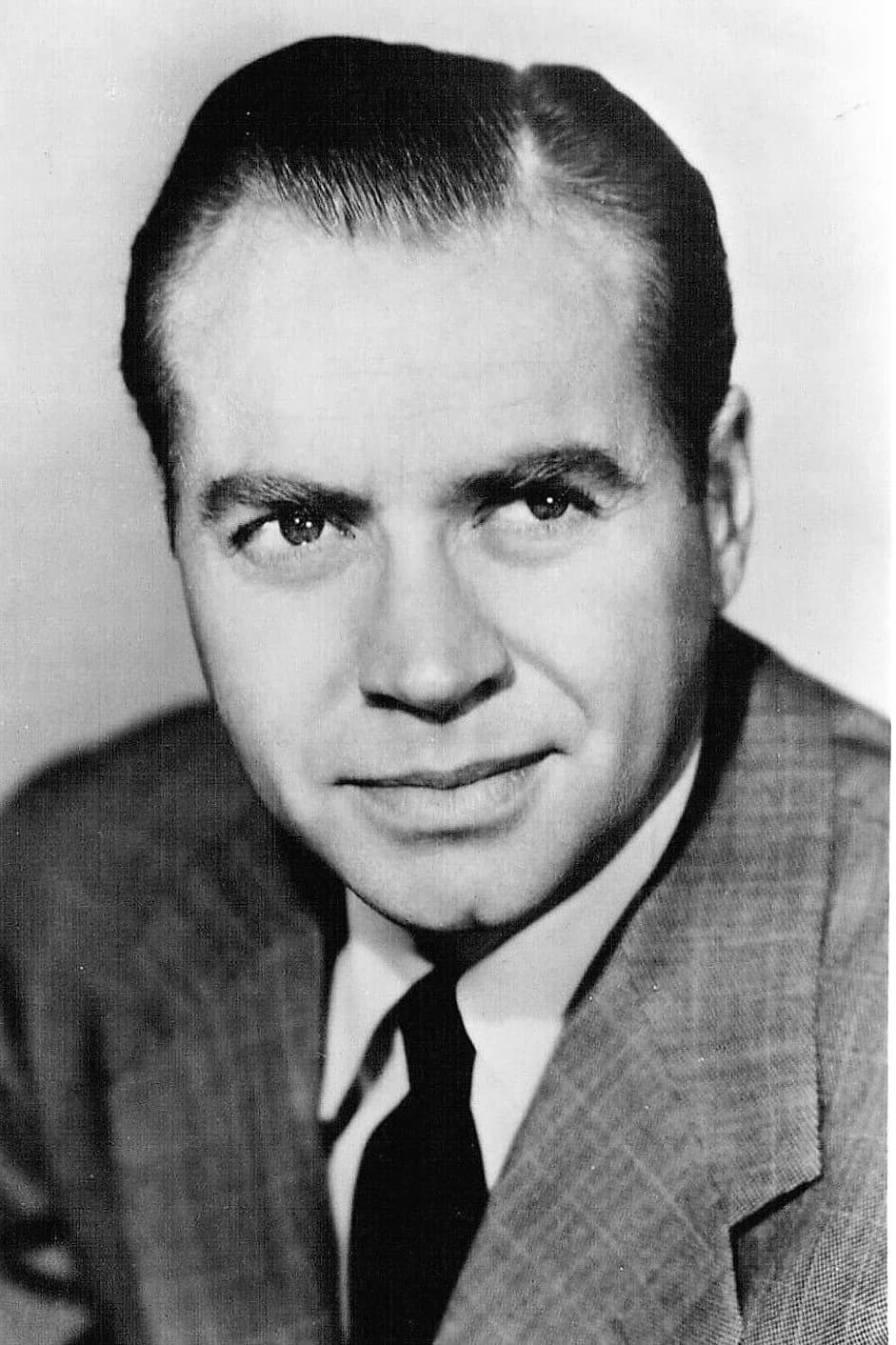
Lyle Bettger
From Wikipedia, the free encyclopedia Lyle S. Bettger (February 13, 1915 – September 24, 2003) was a character actor known most for his Hollywood roles from the 1950s, typically portraying villains. He is perhaps most recognisable as the wrathfully jealous elephant handler Klaus from the Oscar winning film The Greatest Show on Earth (1952). Born in Philadelphia, Pennsylvania, Lyle was the son of Frank Bettger, who was an infielder for the St Louis Cardinals. An enthusiastic fan of cinema, Lyle left school in his late teens with the ambition of becoming an actor. Bettger graduated from the American Academy of Dramatic Arts in New York. His theatrical debut was in Brother Rat at the Biltmore Theatre in New York City in 1936. After a period languishing in small-time theatre he landed the lead role in the Broadway production of The Flying Gerardos in 1940. When Paramount sent a talent scout to see the show, Bettger was signed on a three-year contract. Bettger's movie career began when he was cast as the lead in the film noir No Man of Her Own (1950). He soon became a regular on the set of Westerns such as Denver and Rio Grande (1952), The Great Sioux Uprising (1953), Drums Across the River (1954), The Lone Ranger (1956) and Gunfight at the O.K. Corral (1957). Lyle developed a reputation for playing the bad guy and excelled in villainous roles such as the menacing Joe Beacom in Union Station (1950) and the cold-blooded Nazi Chief Officer Kirchner in The Sea Chase (1955). Bettger also made many appearances in dramatic roles on television, starring in the 1957 series The Court of Last Resort as well as guesting on Hawaii Five-O, Rawhide, The Rifleman, Bonanza and The Time Tunnel. Lyle was married to Mary Rolfe (1940–1996) until her death. They had three children: Lyle Jr., Frank and Paula. He was also survived by a sister, Lee Morgan. Lyle Bettger died on September 24, 2003 in San Luis Obispo County, California. Description above from the Wikipedia article Lyle Bettger, licensed under CC-BY-SA, full list of contributors on Wikipedia.
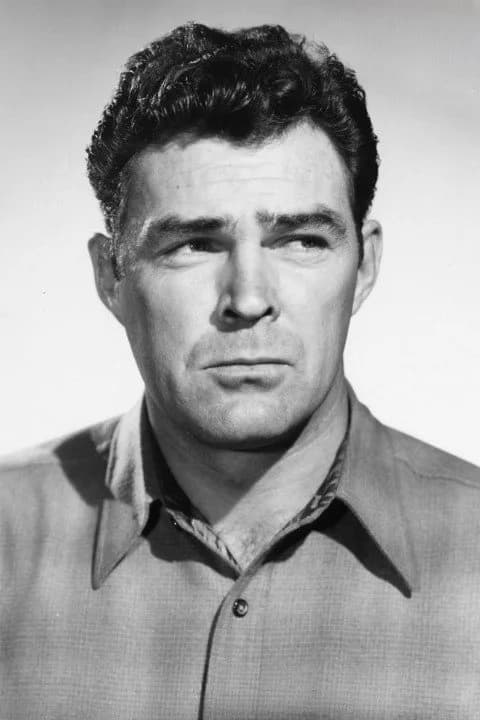
Don Megowan
From Wikipedia, the free encyclopedia Don Megowan (May 24, 1922 – June 26, 1981) was an American actor. He played the Gill-man on land in The Creature Walks Among Us, the final part of the Creature from the Black Lagoon trilogy. Don Megowan was born in Inglewood, California to Robert and Leila (née Dale) Megowan. His mother Leila worked as a negative cutter for Pathé. At 6'7" Megowan was very active in sports, playing baseball, football, and throwing discus. He went to the University of Southern California on a football scholarship before serving in the United States Army during World War II. Megowan starred in the science fiction films The Werewolf in the role of Sheriff Jack Haines, in The Creation of the Humanoids (1962) as a captain in the anti-robot Order of Flesh and Blood, who must stop the Humanoids, and in The Creature Walks Among Us as the Gill-man. Megowan also appeared in westerns: Davy Crockett, King of the Wild Frontier (1955), The Great Locomotive Chase (1956), Tarzan and the Valley of Gold (1966), The Devil's Brigade (1968), and Mel Brooks Blazing Saddles (1974). In 1962, he starred with Cameron Mitchell in the television series, The Beachcomber. He guest starred in various programs, including the westerns: Gunsmoke, Wagon Train (twice), The Californians, The Tall Man, Maverick, Cimarron City, Have Gun–Will Travel, Tales of Wells Fargo, The Rifleman, Lawman, Cheyenne, Colt .45, Bonanza, The Americans, Rawhide, and Daniel Boone. He was also cast in episodes of such series as Angel, U.S. Marshal, Get Smart, and Fantasy Island. Megowan, a smoker from age 12 to 48, died of throat cancer at age 59. His weight had dwindled from nearly 300 pounds to barely 150. CLR Description above from the Wikipedia article Don Megowan,licensed under CC-BY-SA, full list of contributors on Wikipedia.

Max Wagner
From Wikipedia, the free encyclopedia Max Wagner (November 28, 1901 – November 16, 1975) was a Mexican-born American film actor who specialized in playing small parts such as thugs, gangsters, sailors, henchmen, bodyguards, cab drivers and moving men, appearing more than 400 films in his career, most without receiving screen credit. Newspaper gossip columnists noted his rise from playing "Gangster #4", with no lines, and not carrying a gun, to "Gangster #2", with both lines and a gun. Wagner was one of five children, all boys, of William Wallace Wagner, a railroad conductor, and Edith Wagner, a writer who provided dispatches for the Christian Science Monitor during the Mexican Revolution. When he was 10 years old, his father was killed by rebels and the family moved to Salinas, California, where he met John Steinbeck, who became a lifelong friend. Steinback based the character of the boy in his novel The Red Pony on Wagner. Under the name "Max Baron", Wagner acted in many Spanish-language versions of English-language films, which studios made as a matter of course in the early days of sound films, He also served as a Spanish language coach for other actors, and appeared in many of the "Mexican Spitfire" films starring Lupe Vélez, where he also served to monitor Velez's Spanish ad-libs for profanity. Other series that Wagner appeared in include the Charlie Chan films, and Tom Mix serials, as well as others made by Mascot Pictures Corporation. In the 1940s, Wagner was part of Preston Sturges' unofficial "stock company" of character actors, appearing in six films written and directed by Sturges, beginning with The Palm Beach Story In 1940 during the filming of "The Mad Doctor", Wagner was credited for driving 50,000 miles as an on-screen taxi driver on the studio back lots of Hollywood. Since his appearance as a cab driver in Charlie Chan in Shanghai (1935), producers often cast him as a wise-cracking or henchman taxi driver. "I was cast as a taxi driver about five years ago", Wagner told a reporter. "And I was typed." In 1952, Wagner began to appear on television, in episodes of such shows as The Cisco Kid, Zane Grey Theater and Perry Mason, playing much the same kind of parts he played in the movies. He was a regular cast member on the western television series Gunsmoke, making nearly 80 appearances between 1959 and 1973. He also appeared in many episodes of The Rifleman, Bonanza, Cimarron Strip, The Wild Wild West and Maverick, including a guest-starring role in the 1959 Rifleman episode "Blood Brother." He also had roles in the original Star Trek and The Twilight Zone series. He appeared in more than 200 television episodes between 1952 and 1974. Notable film roles for Wagner include a supporting role in the cult science fiction classic Invaders from Mars (1953), an actor playing a gangster in the film-within-a-film segment of Bullets or Ballots (1936), and the bull farm attendant in the Laurel and Hardy comedy The Bullfighters (1945). Late in his career, he appeared in To Kill a Mockingbird (1962) and The Man Who Shot Liberty Valance (1962). He also occasionally composed music, such as the Mexican folk ballad "Pedro, Rudarte y Simon" in the Western film The Last Trail (1933). Wagner died of a heart attack in Hollywood in 1975.
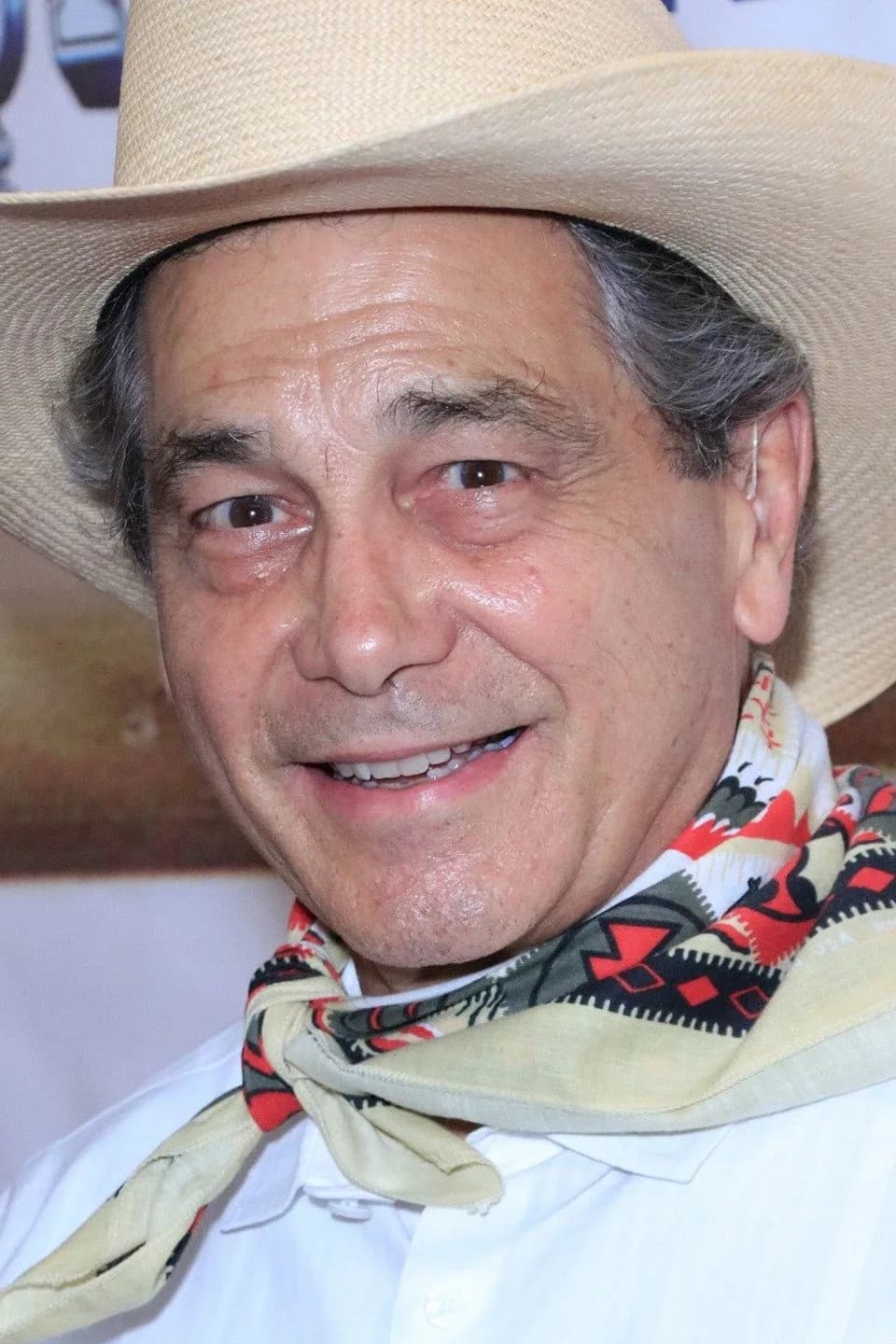
Robert Crawford Jr.
From Wikipedia, the free encyclopedia Robert Lawrence Crawford Jr. (born May 13, 1944) is an American actor who portrayed the character Andy Sherman on the NBC television series Laramie in 1959 and 1960. He was cast as the younger brother of Slim Sherman, portrayed by John Smith, owner of the fictitious Sherman Ranch and Relay Station some twelve miles east of Laramie, Wyoming. Their co-star was Robert Fuller in the role of former gunfighter Jess Harper. Crawford's role on Laramie ended in 1960, when Andy Sherman was shipped off to boarding school. Crawford is sometimes credited as Bobby Crawford Jr., or without the generational suffix as Bobby Crawford or Robert L. Crawford. His father, also named Robert L. Crawford and occasionally referred to as Robert Crawford, Sr., was a well-known, Emmy-nominated film editor and occasional actor, who portrayed Detective Phil Burns on the syndicated television series, Manhunt. Before and after Laramie, Crawford appeared in some two dozen film and television productions. His television guest appearances included Walt Disney family adventure series Zorro, The Californians, The Donna Reed Show, National Velvet, Jack Webb's crime drama Dragnet, Combat!, Mr. Novak, Rawhide, Cheyenne, and Gunsmoke. In the 1970s, 1980s, and 1990s, Crawford was a production assistant, associate producer, and producer on films such as Slaughterhouse-Five (1972), The Sting (1973), Slap Shot (1977), The World According to Garp (1982), and The Parasite (1997).[7] In 1959, Crawford's appearance on the CBS anthology series Playhouse 90 was nominated for Best Single Performance on the 11th Primetime Emmy Awards. That year's Emmy Awards also nominated Crawford's younger brother, Johnny Crawford, for his recurring portrayal of Mark McCain, son of Lucas McCain, on The Rifleman. CLR