
Search

The Pianist
2002
The true story of pianist Władysław Szpilman's experiences in Warsaw during the Nazi occupation. When the Jews of the city find themselves forced into a ghetto, Szpilman finds work playing in a café; and when his family is deported in 1942, he stays behind, works for a while as a laborer, and eventually goes into hiding in the ruins of the war-torn city.
Ed Stoppard
Cast · Known for The Pianist
Ed Stoppard is an English actor and the son of playwright Tom Stoppard. He has appeared in films such as The Pianist, Joy Division, and Brave New World, and in TV shows such as The Politician's Husband and Knightfall.
Jessica Kate Meyer
Cast · Known for The Pianist
Jessica Kate Meyer is an American retired actress, who has appeared in The Pianist, and was later ordained as a rabbi.
Wojciech Kilar
Composer · Known for The Pianist
From Wikipedia, the free encyclopedia Wojciech Kilar (Polish: [ˈvɔjt͡ɕex ˈkilar]; 17 July 1932 – 29 December 2013) was a Polish classical and film music composer. His film scores have won many honors including the best score award for the music to Ziemia obiecana / The Promised Land in 1975, followed by the Prix Louis Delluc in 1980 for the music to Le Roi et l'Oiseau / The King and the Mockingbird, and an award at the Cork International Film Festival for the music to From A Far Country (1981) about the life of Pope John Paul II. One of his greatest successes came with his score to Francis Ford Coppola's Bram Stoker's Dracula in 1993 which received the ASCAP Award from the American Society of Composers, Authors, and Producers in Los Angeles, nominated also for the Saturn Award for Best Music in a science fiction, fantasy, or horror film in San Francisco in 1993. In 2003, he won the César Award for Best Film Music written for The Pianist, at France's 28th César Awards Ceremony in 2003, for which he also received a BAFTA nomination. The Pianist (soundtrack) featured his "Moving to the Ghetto Oct. 31, 1940" with the other 10 tracks being works by Frédéric Chopin. The music in the movie includes pieces by Beethoven and Bach. The vast majority of Wojciech Kilar's work remains undiscovered by the music public at large, despite having written music for well over 100 films, including: Bram Stoker's Dracula, Death and the Maiden, The Portrait of a Lady, The Ninth Gate, Pan Tadeusz, The Pianist, Zemsta, and We Own the Night.
Anna B. Sheppard
Costume Design · Known for Inglourious Basterds, Schindler's List, Spider-Man: Far From Home
Anna Biedrzycka Sheppard (born 18 January 1946) is a Polish costume designer. Sheppard made many films with directing masters like Steven Spielberg, Roman Polański, and Quentin Tarantino. She has earned three Academy Awards for Best Costume Design nominations for Schindler's List (1993), The Pianist (2002), and Maleficent (2014). Recently, she has designed costumes for Captain America: The First Avenger (2011) and Spider-Man: Far From Home (2019). She has also designed costumes for the television series Band of Brothers (2001) and The Prisoner (2009). Born in 1946 in Poland, she is the sister of fellow costume designer Magdalena Biedrzycka. She graduated with architecture from the Academy of Fine Arts in Warsaw and now lives in London. She has been nominated three times for the Academy Award for Best Costume Design, Schindler's List in 1993 and The Pianist in 2003, and a third nomination for Maleficent shared with Jane Clive. She was also nominated for a BAFTA Award for Schindler's List and César Award for The Pianist. Sheppard's work with Thomas Casterline on Dragonheart earned her a 1997 Saturn Award nomination as well. Description above from the Wikipedia article Anna B. Sheppard, licensed under CC-BY-SA, full list of contributors on Wikipedia.
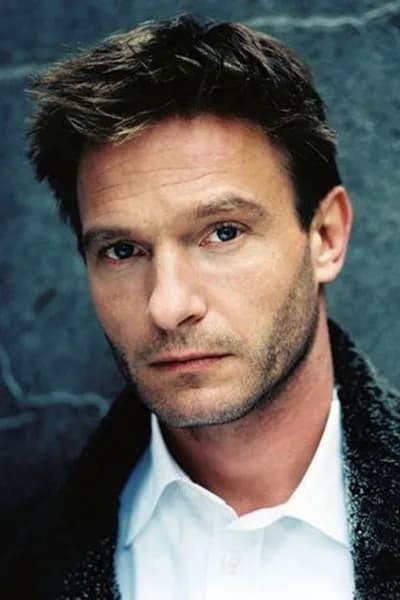
Thomas Kretschmann
Cast · Known for The Pianist, Jungle, Cars 2
Thomas Kretschmann (born September 8, 1962) is a German actor best known for playing Leutnant Hans Von Witzland in the 1993 film Stalingrad, Hauptmann Wilm Hosenfeld in The Pianist, Hermann Fegelein in Der Untergang, and Captain Englehorn in the 2005 remake of King Kong. Description above from the Wikipedia article Thomas Kretschmann, licensed under CC-BY-SA, full list of contributors on Wikipedia.
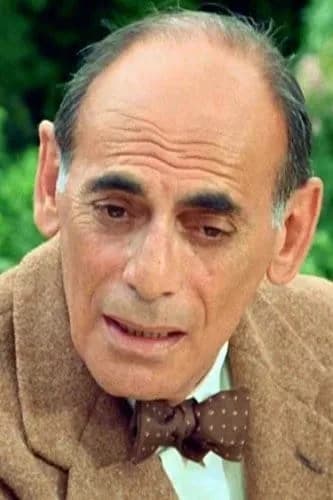
John Bennett
John Bennett was educated at Bradfield College in Berkshire, then trained at the Central School of Speech and Drama, followed by a wide repertory theatre experience including Bromley, Bristol Old Vic, Dundee, the Edinburgh Festival and Watford before going to London's West End. Often cast as a villain, Bennett had many roles on television including Market in Honey Lane, Porridge, Survivors, The Avengers, Strange Report, Bergerac, The Professionals and four episodes of The Saint. He also appeared in several films including The Fifth Element and The Pianist. He also had an extensive stage career. Away from acting, Bennet was an enthusiastic amateur flier and an accomplished glider pilot. He died in 2005, aged 76.
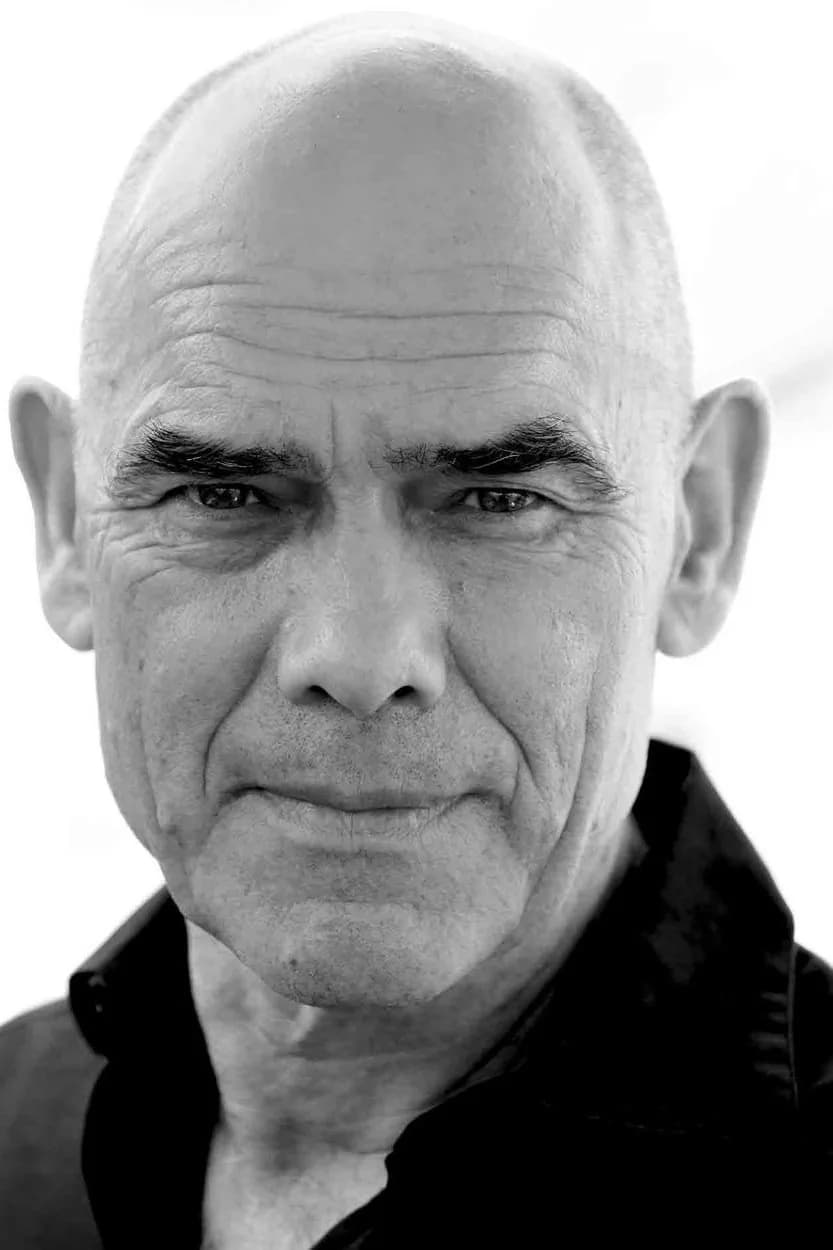
Peter Guinness
Cast · Known for Alien³, Sleepy Hollow
Peter Guinness (born 14 August 1950) is an English film, television, and theatre actor. He has appeared in over fifty television productions and over ten films. Guinness has also appeared onstage in an adaptation of The Pianist.
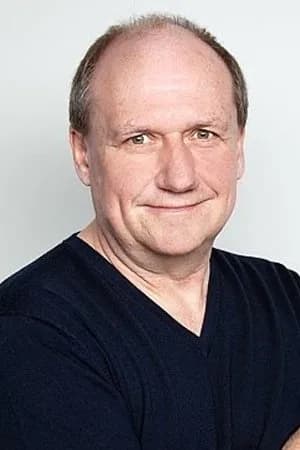
Henning Molfenter
Executive Producer · Known for The French Dispatch of the Liberty, Kansas Evening Sun, The Grand Budapest Hotel, The Phoenician Scheme
Henning Molfenter is Managing Director of Studio Babelsberg Motion Pictures and Babelsberg Film. After several years in the US film industry, he started in Babelsberg as Executive Producer of Roman Polanski's award winning film THE PIANIST. Before his appointment in Babelsberg, Henning Molfenter had worked in the U.S. film industry for ten years

Emilia Fox
Cast · Known for Silent Witness, The Pianist
Emilia Rose Elizabeth Fox is an English actress and presenter whose career is primarily in British television. Her feature film debut was in Roman Polanski's film The Pianist (2002). Her other motion pictures include the Italian–French–British romance-drama The Soul Keeper (2002), for which she won the Flaiano Film Award for Best Actress; the drama The Republic of Love (2003); the comedy-drama Things to Do Before You're 30 (2005); the black comedy Keeping Mum (2005); the romantic comedy-drama Cashback (2006); the drama Flashbacks of a Fool (2008); the drama Ways to Live Forever (2010); the drama-thriller A Thousand Kisses Deep (2011); and the fantasy-horror drama Dorian Gray (2009).

Hervé de Luze
Editor · Known for The Pianist
Hervé de Luze (born 1949) is a French film editor with about fifty feature film credits. de Luze had a long collaboration with the director Claude Berri, for whom he edited eight films between 1981 and 1999. de Luze has been director Roman Polanski's principal editor since Pirates (1986), including the much honored 2002 film The Pianist. de Luze has also edited several films with Alain Resnais, including On connaît la chanson, for which he won a César Award. de Luze was nominated for the Academy Award for Best Film Editing for The Pianist. de Luze has also won three César Awards (the "French Academy Award") for On connaît la chanson (1997), for Ne le dis à personne (2006), and for The Ghost Writer (2010); he has been nominated for the César for five other films as well. Source: Article "Hervé de Luze" from Wikipedia in English, licensed under CC-BY-SA.

Michał Żebrowski
Cast · Known for The Pianist
Michal Zebrowski was born on June 17, 1972 in Warsaw, Mazowieckie, Poland. He is an actor, known for The Pianist (2002), The Hexer (2001) and With Fire and Sword (1999). He has been married to Aleksandra Adamczyk since June 20, 2009.
Paweł Edelman
Cinematographer · Known for The Pianist
Pawel Edelman (born 26 June 1958) is a Polish cinematographer from Łódź, known for his collaborations with acclaimed directors Roman Polanski and Andrzej Wajda. He was named Best European Cinematographer in 2002 at the European Film Awards for his work on The Pianist, for which he also won the César Award for Best Cinematography. He was nominated for an Academy Award and a BAFTA for the same film. He also received a nomination for Outstanding Achievement in Cinematography from the American Society of Cinematographers for Ray. His credits include films both in and outside Poland.
Robert Benmussa
Producer · Known for The Pianist
Robert Benmussa is a French producer. His company RB Production is based in Paris. He has produced The Pianist (2002), nominated and won numerous awards, Oliver Twist (2005) and Venus in Fur (2013) by Roman Polanski. He has over 25 credits to his name, although only 9 are listed on Letterboxd.
Robert J. Ulrich
Casting · Known for American Horror Story, CSI: Miami, Supernatural
Robert J. Ulrich is an American casting director and producer active since the 1980s and best known for casting television shows including Glee, The Boys, Zoey's Extraordinary Playlist, Supernatural, Battlestar Galactica, CSI, Diagnosis: Murder and Matlock. He has also cast most Ryan Murphy productions since Popular in 1999. He has been nominated for eight Emmy Awards, winning a Primetime Emmy Award for casting Glee. He has been nominated for the Artios Awards 22 times and won twice, for casting Glee and Nip/Tuck. Robert J. Ulrich began his career as a stage actor, but realized he would not be successful. He moved into casting and says he learned more about acting his first time behind the table than in his previous career. Known for casting musical television series, Ulrich told The Hollywood Reporter that "it's so much more fun when you're doing a musical, because people are singing and your day's suddenly better". He developed this musical casting process for the show Rhapsody, which did not get greenlit. Initially, he would have auditionees sing a cappella or with a backing track, but insisted on bringing a live pianist for the callbacks, saying in 2020 that "great singers are better with a piano and less trained singers are much better with a piano". He has also said that having live piano sets actors at ease. The pianist he found for the Rhapsody callbacks was Brad Ellis, whom he would use for subsequent musical auditions as well as integrating into shows like Glee. Ulrich's musical casting process has not changed since Rhapsody, and he encourages actors to showcase themselves. He has also opined that for television, he considers acting ability above singing and that actors from the stage "should bring it down for the screen".Sometimes for auditions later in a show a pianist will not be used. Ulrich became involved with Glee through his business partner Eric Dawson, who had worked with creator Ryan Murphy on multiple occasions; Dawson suggested Ulrich should be involved due to his musical background.While working on the show he helped develop the reality series The Glee Project, which he described as an extension of the comedy-musical's casting process. In 2021, The Hollywood Reporter wrote that Ulrich does not find musical casting challenging, as he has many connections with triple threat performers; for Zoey's Extraordinary Playlist he cast several actors he had seen for prior auditions, including Jane Levy, who had previously auditioned for him for The Rocky Horror Picture Show: Let's Do the Time Warp Again, and Michael Thomas Grant and Alex Newell who had been contestants on The Glee Project. He is affiliated with professional guilds The Academy of Television Arts and Sciences, the Casting Society of America, the Producers Guild of America, and Teamsters Local 399. He was also a producer of Billy Boy, a 2017 film written by and starring Glee performers Melissa Benoist and Blake Jenner
Frank Finlay
Cast · Known for The Pianist
Frank received Academy Award, Golden Globe and BAFTA Award nominations for his performance as William Shakespeare’s Iago in Stuart Burge’s 1965 film of Laurence Olivier’s staging of Othello. He also won the Best Actor Award at the San Sebastian International Film Festival. He later essayed the definitive screen portrayal of Alexandre Dumas’ musketeer Porthos in three movies for director Richard Lester: The Three Musketeers (1974), The Four Musketeers (1975) and The Return of the Musketeers (1989). Frank’s many other films include The Longest Day; Tony Richardson’s The Lonliness of the Long Distance Runner; Martin Ritt’s The Molly Maguires; Bob Clark’s Murder by Decree; Alan Bridges’ The Return of the Soldier (for which he recieved a BAFTA Award nomination); Franco Zeffrelli’s Sparrow; and Eric Styles’ Dreaming of Joseph Lees; and most recently Roman Polanski’s multi-award winning The Pianist and Norma Jewison’s The Statement. His similarly extensive television projects have earned him two BAFTA Awards, for his performances in The Death of Adolf Hitler (starring as Hitler, with Rex Firkin directing); The Adventures of Don Quixote (as Sancho Panza, opposite Rex Harrison, for director Alvin Rakoff); the ground breaking Bouquet of Barbed Wire and Another Bouquet; 84 Charing Cross Road; and recently the critically acclaimed series The Sins. Born in Farnworth, Lancashire, Finlay had already begun performing on stage when he earned the Sir James Knott Scholarship at London’s Royal Academy of Dramatic Art (RADA). Since then he has led theatre companies in London and on Broadway. He was made a Commander of the British Empire (CBE) in the 1984 New Year’s Honours List, and was presented with his CBE by the Queen in February1984.
Pat Metheny
Patrick Bruce "Pat" Metheny, born August 12, 1954 in Lee's Summit, Missouri, is an American jazz guitarist and composer. He is one of the most successful jazz musicians. And since the mid 1970s so was he perfoming as The Pat Metheny Group whit the pianist Lyle Mays by his side untill 2006.

Ronald Harwood
Writer · Known for The Pianist
Sir Ronald Harwood CBE FRSL (né Horwitz; 9 November 1934 – 8 September 2020) was a South African-born British author, playwright, and screenwriter, best known for his plays for the British stage as well as the screenplays for The Dresser (for which he was nominated for an Oscar) and The Pianist, for which he won the 2003 Academy Award for Best Adapted Screenplay. He was nominated for the Best Adapted Screenplay Oscar for The Diving Bell and the Butterfly (2007).
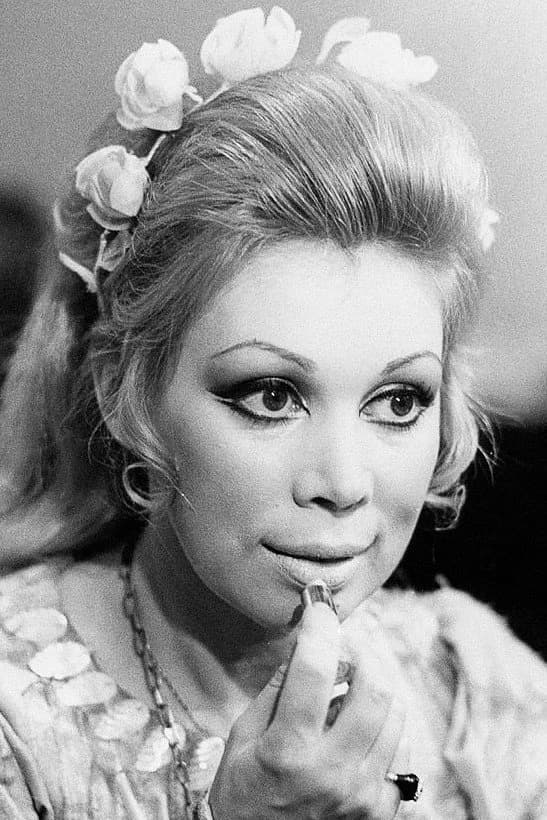
Mirella Freni
Mirella Freni (born Mirella Fregni, 27 February 1935 – 9 February 2020) was an Italian operatic soprano who had a career of 50 years and appeared at major international opera houses. She received international attention at the Glyndebourne Festival, where she appeared as Zerlina in Mozart's Don Giovanni and as Adina in Donizetti's L'elisir d'amore. Freni is associated with the role of Mimi in Puccini's La bohème, which featured in her repertoire from 1957 to 1999 and which she sang at La Scala in Milan and the Vienna State Opera in 1963, conducted by Herbert von Karajan. She also performed the role in a film of the production and as her debut at the Metropolitan Opera in New York City in 1965. In the earliest opera DVDs, she portrayed her characters convincingly in both acting and singing. Freni was married for many years to the Bulgarian bass Nicolai Ghiaurov, with whom she performed and recorded. Her obituary from The New York Times describes her as a "matchless Italian prima donna". Born in Modena, she had the same wet-nurse as Luciano Pavarotti, with whom she grew up and who was to become a frequent tenor partner on stage. She studied voice first with her uncle, Dante Arcelli, then with Luigi Bertazzoni and Ettore Campogalliani. She later changed her name thinking it was easier to pronounce. Freni made her operatic debut at the Teatro Municipale in her hometown on 3 March 1955 as Micaëla in Bizet's Carmen. She later married her teacher, the pianist and director Leone Magiera; the couple had a daughter. Freni resumed her career in 1958 when she performed Mimì in Puccini's La bohème at the Teatro Regio in Turin, and sang in De Nederlandse Opera's 1959–60 season. Her international breakthrough came at the Glyndebourne Festival, where she appeared in 1960 as Zerlina in Mozart's Don Giovanni, alongside Joan Sutherland as Donna Anna, and in 1962 as Susanna in The Marriage of Figaro, and as Adina in Donizetti's L'elisir d'amore, directed by Franco Zeffirelli. In 1961, Freni first performed at the Royal Opera House in London as Nannetta in Verdi's Falstaff. She stepped in as Nanetta at La Scala in Milan for Renata Scotto. On 31 January 1963, she appeared there as Mimi in a production staged by Franco Zeffirelli and conducted by Herbert von Karajan. She became one of the conductor 's favourite singers in operas and concerts. The production was repeated at the Vienna State Opera the same year, and she appeared at the house in eleven roles, including the title role of Puccini's Manon Lescaut, and Amelia in Verdi's Simon Boccanegra. On 29 September 1965, she first appeared at the Metropolitan Opera in New York City, again as Mimi, with Gianni Raimondi as Rodolfo who also made his house debut. Reviewer Alan Rich wrote in the New York Herald Tribune: Miss Freni is—well, "irresistible" will do for a start. Beautiful to look at, and actress of simple naturalness and overwhelming intelligence, she used voice and gesture to create a Mimi of ravishing femininity and grace. The voice itself is pure and fresh, operating without seam from bottom to top, marvelously colored at every point by what seems to be an instinctive response to the urging of the text. ... Source: Article "Mirella Freni" from Wikipedia in English, licensed under CC-BY-SA 3.0.
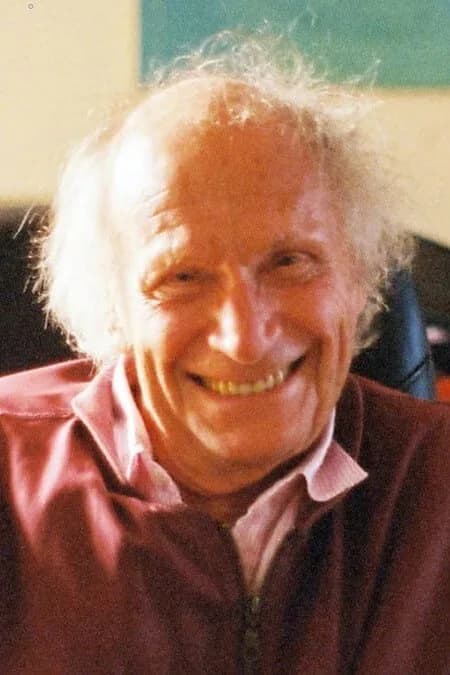
Ivry Gitlis
Ivry Gitlis (25 August 1922 – 24 December 2020) was an Israeli virtuoso violinist and UNESCO Goodwill Ambassador. He performed with the world's top orchestras, including the London Philharmonic, New York Philharmonic, Berlin Philharmonic, Vienna Philharmonic, Philadelphia Orchestra, and Israel Philharmonic Orchestra. Yitzhak-Meir (Isaac) Gitlis was born on 25 August 1922 in Haifa, Israel to Jewish parents, who emigrated in 1921 from Kamianets-Podilskyi, Ukraine. Gitlis acquired his first violin when he was five years old and started lessons under Mme Velikovsky together with his friend Zvi Zeitlin. He then studied privately with Mira Ben-Ami, a pupil of Joseph Szigeti. When he was eight, she arranged for him to play for Bronisław Huberman, which prompted a fundraising campaign to allow him to study in France. In 1933, he arrived with his mother in Paris and started to take lessons with Marcel Chailley, husband of the pianist Céliny Chailley-Richez. Being very close to their family, he was introduced to George Enescu and Jacques Thibaud. In that period, he decided to change his birth name (Isaac) to Ivry. At 11, Gitlis (Jitlis) entered the Conservatoire de Paris in the class of Jules Boucherit, and graduated in 1935. In 1938–1940, his teachers included George Enescu and Jacques Thibaud in Paris and Carl Flesch in Spa, Belgium and later in London. In 1940, during World War II, he went to London where he first worked for two years in a war factory and was then assigned to the artists branch of the British Army. He gave numerous concerts for the Allied soldiers and in war factories. After the war he made his successful debut with the London Philharmonic Orchestra and subsequently played with the BBC and all other principal orchestras of Great Britain. In 1951, as suggested by his teacher Alice Pashkus, he participated in the Long-Thibaud Competition in Paris, where he took fifth place. During the preliminary stages of the competition, a rumor circulated that he had stolen a Stradivarius violin during the war, which caused a scandal on the day of the final. Six years after the fall of Hitler, being a Jew in France was still causing debate. In the same year, Gitlis made his debut in Paris, playing in a recital at the Salle Gaveau, sponsored by the music manager Marcel de Valmalète (9 July 1951). In the 1950s, he moved to the United States where he met Jascha Heifetz. There he made several tours, managed by Sol Hurok, including those conducted by Eugene Ormandy (Tchaikovsky, in Philadelphia) and George Szell (Sibelius, on 15,16 and 18 December 1955 in New York). Back in Europe, between 1954 and 1955, he recorded for the Vox label concertos by Berg (Violin Concerto "To the memory of an angel", coupled with "Chamber Concerto" -Vox PL 8660- which was awarded a "Grand Prix du Disque" in 1954), Tchaikovsky, Mendelssohn, Stravinsky (Violin Concerto, coupled with "Duo Concertant") and with the conductor Jascha Horenstein, Bartók, Bruch and Sibelius. His recording of Bartók's 2nd Violin Concerto and Solo Violin Sonata -Vox PL 9020- received the "Best Record of the Year" award from the New York Herald Tribune in 1955. ... Source: Article "Ivry Gitlis" from Wikipedia in english, licensed under CC-BY-SA 3.0.
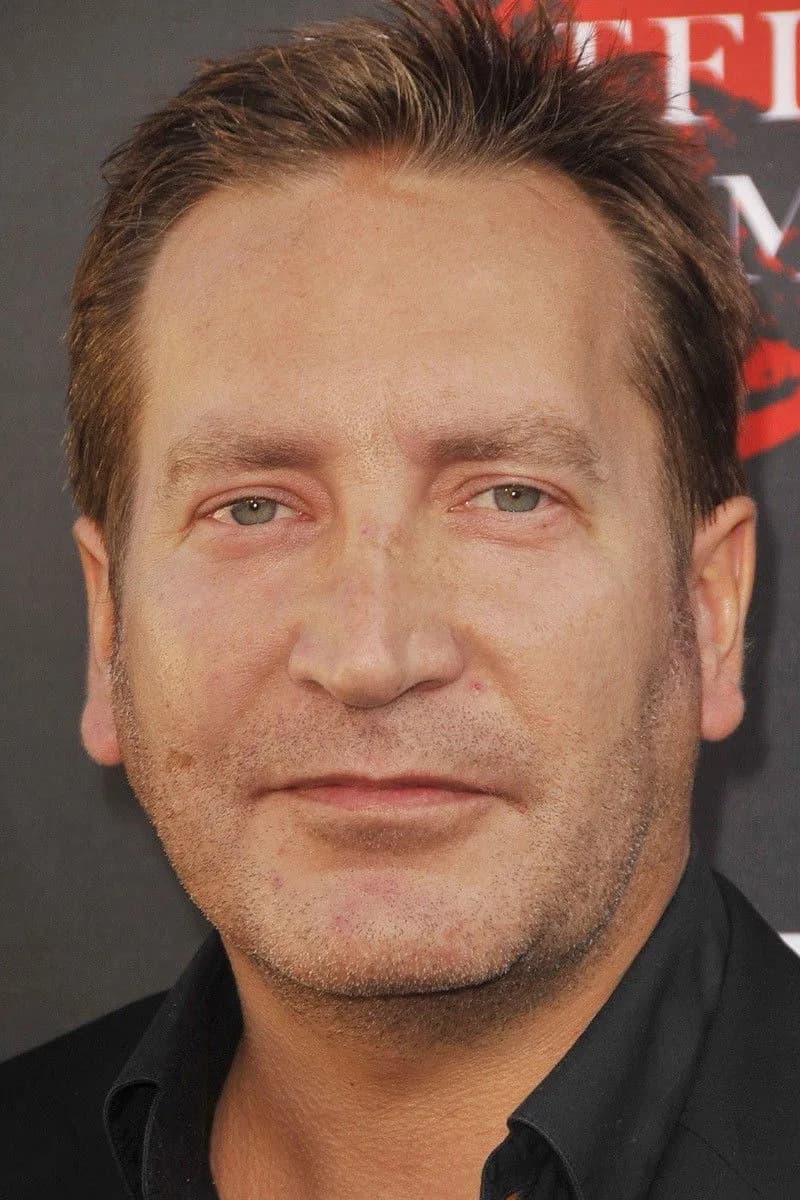
Ronan Vibert
Ronan David Jackson Vibert (23 February 1964 – 22 December 2022) was an English actor who was known for his appearances in films and on British and American television. He was born in Cambridge, on 23 February 1964,the son of Dilys (née Jackson) and David Vibert, both artists and brother Cevn Vibert. He lived in Penarth, South Wales, until he was 18, then attended the Royal Academy of Dramatic Art (RADA), graduating in 1985. Vibert had a long career in theatre, radio, television and film. Vibert appeared in episodes of Lovejoy, Chandler & Co, Between the Lines and the BBC's The Buccaneers, in ITV's Cadfael, Inspector Lewis and in Van der Valk. He appeared in Jeeves and Wooster as Wilmot, Lord Pershore ('Motty'). Stage credits included plays at the Bush Theatre, Hampstead Theatre, The Gate, Manchester Royal Exchange, Bristol Old Vic, The Barbican for the RSC, The Almeida and The Savoy West End. In 1996, Vibert appeared at the National Theatre for the third time, as Prince Andre in Helen Edmundson's adaptation of Leo Tolstoy's War and Peace. He played Maximilien Robespierre in the BBC's adaptation of The Scarlet Pimpernel with Richard E. Grant. Vibert appeared in the Midsomer Murders episode "Death in Chorus". He also appeared in episodes of Waking The Dead and The Mrs Bradley Mysteries. He also appeared in such TV series as Rome, ITV's Poirot, The Borgias, Emmy award winning miniseries Hatfields and McCoys with Kevin Costner and Bill Paxton, Penny Dreadful, The Lizzie Borden Chronicles, NCIS LA, Phillip K Dick's Electric Dreams and Carnival Row. Among his many films are Shadow of the Vampire with John Malkovich and Willem Dafoe, The Cat's Meow directed by Peter Bogdanovich, the Oscar-winning The Pianist directed by Roman Polanski, Tomb Raider 2, Tristan and Isolde, The Snowman with Michael Fassbender and Saving Mr Banks with Tom Hanks and Emma Thompson, portraying the publisher Diarmuid Russell. He also appeared in The Grass Arena with Mark Rylance. Vibert died at a Florida hospital on 22 December 2022, aged 58, following a brief illness

Roman Polanski
Director · Known for The Pianist
Roman Polański (born 18 August 1933) is a Polish-French film director, producer, writer and actor. Born in Paris to Polish parents, Polański relocated with his family to Poland in 1937. After surviving the Holocaust, he continued his education in Poland and became a critically acclaimed director of both art house and commercial films. Polański's first feature-length film, Knife in the Water (1962), made in Poland, was nominated for an Academy Award for Best Foreign Language Film. He has since received five more Oscar nominations, and in 2002 received the Academy Award for Best Director for his film, The Pianist. He has also been the recipient of two Baftas, four Césars, a Golden Globe and the Palme d'Or. He left Poland in 1961 to live in France for several years, then moved to the United Kingdom where he collaborated with Gérard Brach on three films, beginning with Repulsion (1965). In 1968 he moved to the United States, immediately cementing his burgeoning directing status with the 1968 groundbreaking Academy Award winning horror film Rosemary's Baby. In 1969, Polański's pregnant wife, Sharon Tate, was murdered while staying at the Polańskis' Benedict Canyon home above Los Angeles by members of the Manson Family. Following Tate's death, Polański returned to Europe and spent much of his time in Paris and Gstaad, but did not make another film until he filmed Macbeth (1971) in England. The following year he went to Italy to make What? (1973) and subsequently spent the next five years living near Rome. However, he traveled to Hollywood to direct Chinatown (1974) for Paramount Pictures, with Robert Evans serving as producer. The film was nominated for eleven Academy Awards, and was a critical and box-office success; the script by Robert Towne won for Best Original Screenplay. Polański's next film, The Tenant (1976), was shot in France, and completed the "Apartment Trilogy", following Repulsion and Rosemary's Baby. In 1977, after a photo shoot in Los Angeles, Polański was arrested for the sexual abuse of a 13 year old girl. He was charged with rape but pleaded guilty to unlawful sex with a minor. To avoid sentencing, Polański fled to his home in London, and then moved on to France the following day. He has had a U.S. arrest warrant outstanding since then, and an international arrest warrant since 2005. Polański continued to make films such as The Pianist (2002), a World War II-set adaptation of Jewish-Polish musician Władysław Szpilman's autobiography of the same name, which echoed some of Polański's earlier life experiences. Like Szpilman, Polański escaped the ghetto and the concentration camps while family members were killed. The film won three Academy Awards including Best Director, the Cannes Film Festival's Palme d'Or, and seven French César Awards including Best Picture and Best Director. He then released the successful films Oliver Twist (2005), To Each His Own Cinema (2007), and The Ghost Writer (2010), completed while under house arrest. In September 2009, Polański was arrested by Swiss police, at the request of U.S. authorities, when he traveled to receive a lifetime achievement award at the Zurich Film Festival. In October 2009, the U.S. requested his extradition; however, on July 12, 2010, the Swiss rejected that request and instead declared him a "free man" after releasing him from custody.
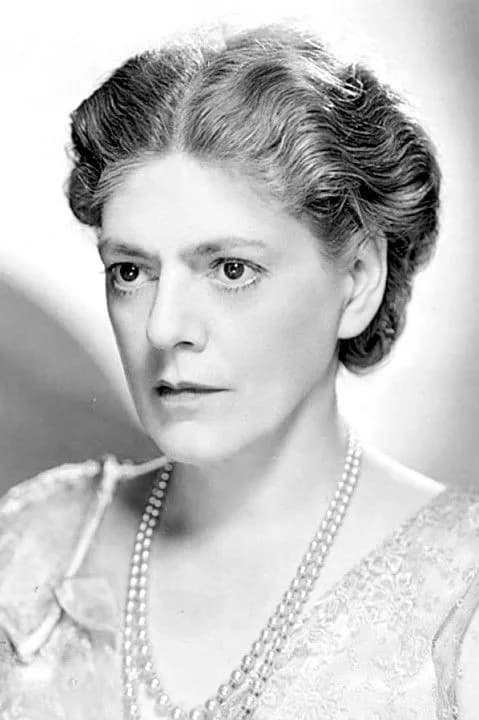
Ethel Barrymore
Ethel Barrymore was the second of three children seemingly destined for the actor's life of their parents Maurice and Georgiana. Maurice Barrymore had emigrated from England in 1875, and after graduating from Cambridge in law had shocked his family by becoming an actor. Georgiana Drew of Philadelphia acted in her parents' stage company. The two met and married as members of Augustin Daly's company in New York. They both acted with some of the great stage personalities of the mid Victorian theater of America and England. The Barrymore children were born and grew up in Philadelphia. Though older brother Lionel Barrymore began acting early with his mother's relatives in the Drew theater company, Ethel, after a traditional girl's schooling, planned on becoming a concert pianist. The lure of the stage was perhaps congenital, however. She made her debut as a stage actress during the New York City season of 1894. Her youthful stage presence was at once a pleasure, a strikingly pretty and winsome face and large dark eyes that seemed to look out from her very soul. Her natural talent and distinctive voice only reinforced the physical presence of someone destined to command any role set before her. After the opportunity to appear on the London stage with English great Henry Irving in "The Bells" (1897) and later in "Peter the Great" (1898), she returned to New York to star in the Clyde Fitch play "Captain Jinks of the Horse Marines" (1901) (produced by her friend and benefactor Charles Frohman), which brought her initial American acclaim. Lead roles, such as Nora in Henrik Ibsen's "A Doll's House" (1905) and starring in "Alice By the Fire" (also 1905), "Mid-Channel" (1910) and "Trelawney of the Wells" (1911) proved her popularity as a warm and charismatic star of American stage. In the meantime she married stockbroker Russell Griswold Colt in 1909 and gave birth to three children while continuing her acting career. Although the stage was her first love, she did heed the call of the silver screen, and though not achieving the matinée idol image that younger brother John Barrymore garnered in silent movies after similar chemistry on stage, she won over audiences from her first film appearance in The Nightingale (1914). However, her early film roles, steady through 1919, took a back seat to continued stage triumphs: "Declassee" (1919), her impassioned Juliet in "Romeo and Juliet" (1922), "The Second Mrs. Tanqueray" (1924) and, especially, "The Constant Wife" (1926). She harnessed her considerable talents in the role of an activist as well, being a bedrock supporter of the Actors Equity Association and, in fact, had been a prominent figure in the actors strike of 1919. By 1930 she was entering middle age and her movie roles reflected this. Except for Rasputin and the Empress (1932) with her brothers, the roles were elderly mothers and grandmothers, dowager ladies and spinster aunts. Perhaps wisely she put off Hollywood for over a decade, with stage work that included her most endearing role in "The Corn is Green" (a tour that lasted from 1940 to 1942). She finally moved to Southern California in 1940. When she passed away in 1959, she was interred near her brothers at Calvary Cemetery in East Los Angeles.
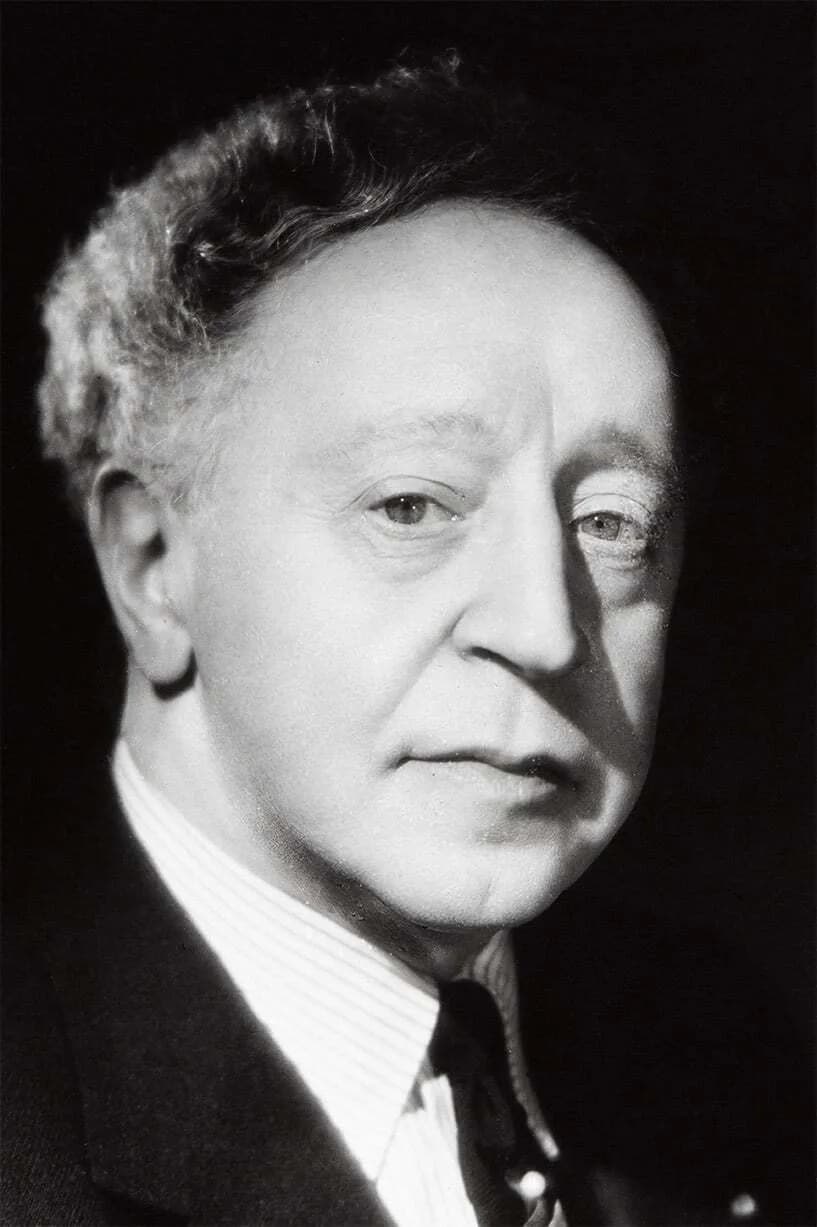
Arthur Rubinstein
Arthur Rubinstein (Polish: Artur Rubinstein; 28 January 1887 – 20 December 1982) was a Polish-American pianist. He is widely regarded as one of the greatest pianists of all time. He received international acclaim for his performances of the music written by a variety of composers and many regard him as one of the greatest Chopin interpreters of his time. He played in public for eight decades. Artur Rubinstein was born in Łódź, Congress Poland (part of the Russian Empire for the entire time Rubinstein resided there) on 28 January 1887, to a Jewish family. He was the youngest of seven children of Felicja Blima Fajga (née Heiman) and Izaak Rubinstein. His father owned a small textile factory. Rubinstein's birth name was to be Leo, but his eight-year-old brother claimed that "His name must be Artur. Since Artur X (a neighbour's son) plays the violin so nicely, the baby may also become a great musician!". Thus, he was called Artur, although in English-speaking countries, he preferred to be known as Arthur Rubinstein. His United States impresario Sol Hurok, however, insisted he be billed as Artur, and records were released in the West under both versions of his name. At age two, Rubinstein demonstrated absolute pitch and a fascination with the piano, watching his elder sister's piano lessons. By the age of four, he was recognised as a child prodigy. His father had a predilection for the violin and offered Rubinstein a violin; but Rubinstein rejected it because he thought his instinct was for harmony and polyphony. The Hungarian violinist Joseph Joachim, on hearing the four-year-old child play the piano, was greatly impressed, telling Arthur's family, "This boy may become a very great musician—he certainly has the talent for it... When the time comes for serious study, bring him to me, and I shall be glad to supervise his artistic education." On 14 December 1894, seven-year-old Arthur Rubinstein had his debut with pieces by Mozart, Schubert and Mendelssohn. When he became ten years of age, Rubinstein moved to Berlin to continue his studies, and gave his first performance with the Berlin Philharmonic in 1900, at the age of 13. Joseph Joachim recommended Karl Heinrich Barth as the boy's piano teacher. As a student of Barth, Rubinstein inherited a renowned pedagogical lineage: Barth was himself a pupil of Liszt, who had been taught by Czerny, who had in turn been a pupil of Beethoven. In 1904, Rubinstein moved to Paris to launch his career in earnest, where he met the composers Maurice Ravel and Paul Dukas and the violinist Jacques Thibaud. He also played Camille Saint-Saëns' Piano Concerto No. 2 in the presence of the composer. Through the family of Juliusz Wertheim, whose understanding of Chopin's genius inspired Rubinstein, he formed friendships with the violinist Paul Kochanski and composer Karol Szymanowski. ... Source: Article "Arthur Rubinstein" from Wikipedia in English, licensed under CC-BY-SA 3.0.