
Search
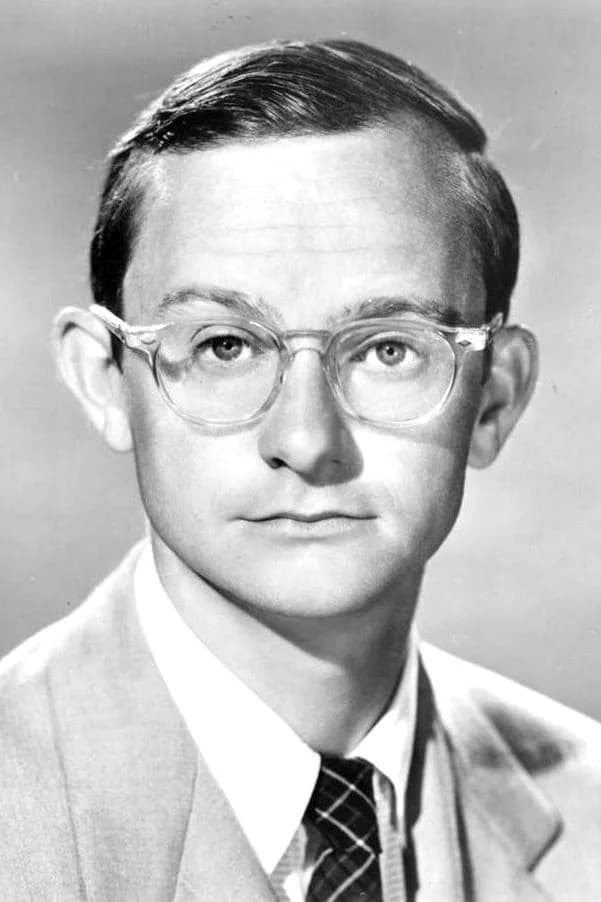
Wally Cox
Wally Cox was a beloved character actor who made his mark in television and ranks as one of the medium's most memorable performers. His ability to show his range likely was limited by his short stature, slight frame, and high-pitched voice, which along with his talent for being very funny, made him ideal for comedy parts such as his memorable turn as Professor P. Caspar Biddle in "The Bird-Watchers" episode of The Beverly Hillbillies (1962) in 1966. His television persona was that of a shy, timid man in horn-rimed glasses who spoke in a tentative, though distinctly enunciated, voice. It was a persona that his long-time friend Marlon Brando said was completely at odds with the real man. Cox always will be remembered as the eponymous "Mr. Peepers" and the voice of "Underdog," but he was an actor of wider talents seldom used by the industry, as can be seen in his turns as the sonar operator in The Bedford Incident (1965) and as the potential suicide Wally Haverstraw in The Bill Cosby Show (1969) episode "Goodbye, Cruel World" in 1970. Dying unexpectedly on February 15, 1973, from what some newspapers described as an accidental overdose of sedatives but which Marlon Brando in his autobiography said was a heart attack, Wally Cox's cremated remains were kept hidden in a closet by his old friend for three decades. According to Brando's son Miko, both his father's and Cox's ashes were scattered at the same time in Death Valley, California, in a ceremony following Brando's death, thus reuniting the lifetime friends.

Geoff Zanelli
Composer · Known for Good Luck, Have Fun, Don't Die, Maleficent: Mistress of Evil, Pirates of the Caribbean: Dead Men Tell No Tales
Geoffrey Zanelli (born September 28, 1974) is an American composer working primarily in the medium of film, television, and video game scores. His early career was notable for scoring additional music on roughly 30 film scores written by Hans Zimmer, John Powell, Harry Gregson-Williams, Danny Elfman, and Steve Jablonsky, including several blockbuster films. He has since moved on to more solo work, winning a Primetime Emmy Award for Outstanding Music Composition for a Limited Series, Movie, or Special for his score to the miniseries Into the West. Aside from film and television scores, Zanelli also collaborates with recording artists, writing arrangements for Steve Martin, Edie Brickell, Robbie Williams, The Webb Sisters, Mest, and Story of the Year. He is credited as a guitarist/bassist/keyboardist on the song "I'm Not Dead" from recording artist Pink. Description above from the Wikipedia article Geoff Zanelli, licensed under CC-BY-SA, full list of contributors on Wikipedia.
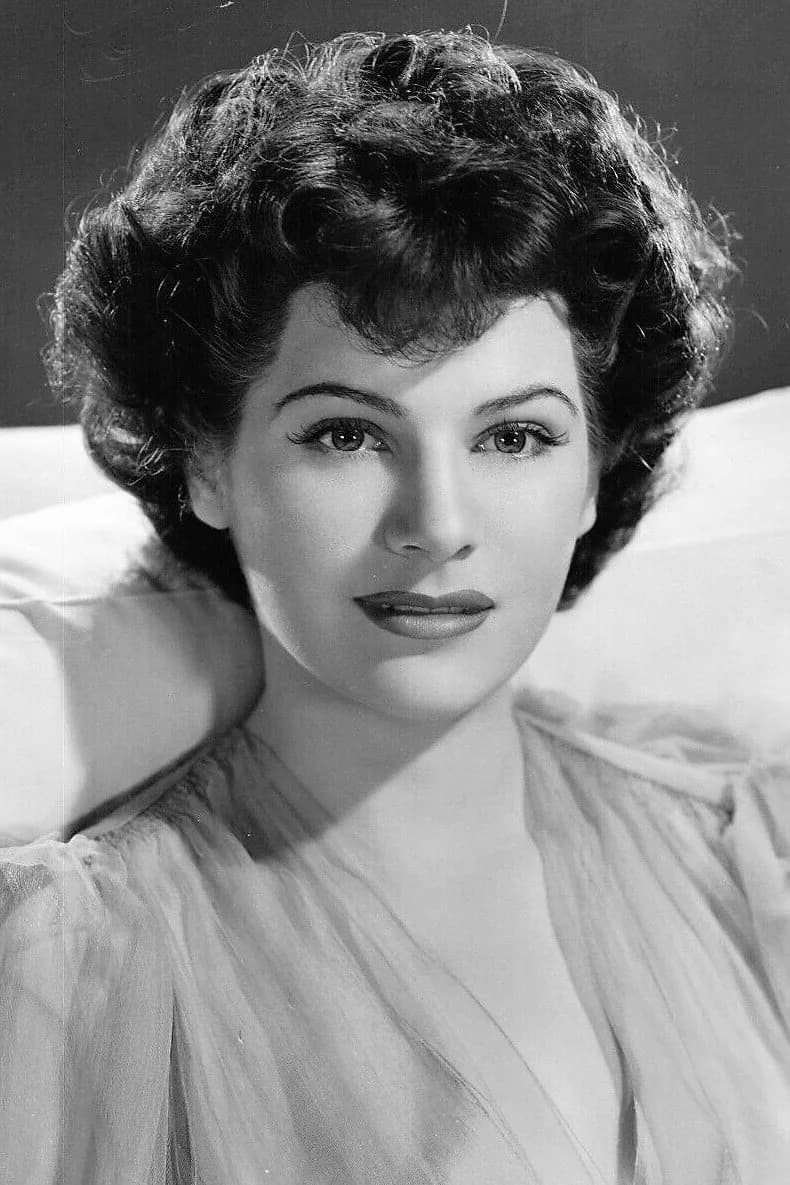
Ann Ayars
From Wikipedia, the free encyclopedia Ann Ayars (23 July 1918 – 27 February 1995) was an American soprano and actress. Early in her career she acted in several TV series and non musical films. Later, she sang with the New York City Opera (NYCO), and became known worldwide when she sang and acted the part of Antonia in the 1951 British film The Tales of Hoffmann. From 1968 to 1987 she taught voice and piano and staged 19 full-length opera productions at Mt. San Jacinto College in California, where she was made a professor emerita. Ann Ayars was born on 23 July 1918 in Beverly Hills, California. She began as a singer in the late 1930s and started acting in the early 1940s. She had parts in several television series, including Batman, Hazel, Mission: Impossible, The Alfred Hitchcock Hour, Perry Mason, The Virginian and The Monroes. She starred as Cholita in the 1941 film Fiesta and in 1942 she was Cynthia Cookie Charles in Dr. Kildare's Victory. Also in 1942, she appeared as Constance Selden in Apache Trail, Kaaren de Relle in Nazi Agent and Juliette in Reunion in France. In 1943 she was Mrs Sandoval in The Human Comedy and Susan Thayer in The Youngest Profession. She left Hollywood in 1943 to join the newly formed New York City Opera, becoming its leading lyric soprano. Her operatic roles included Monica in The Medium, Mimi in La bohème and Violetta in La traviata. Her friend, mezzo-soprano Frances Bible, said "Her work with the opera has inspired many young singers, many of whom went on to professional careers." She had a star part as Antonia in the 1951 Powell and Pressburger film The Tales of Hoffmann, which was based on the opéra fantastique by Jacques Offenbach. Although all the parts in the film are sung, only Robert Rounseville (Hoffmann) and Ayars sung their own parts, the others being dubbed. In 1968 she returned to California and took a post teaching voice and piano at Mt. San Jacinto College in San Jacinto, California, where she staged 19 full-length opera productions. She retired in 1987. On 27 February 1995 she died at her home in Hemet in Riverside County following complications from diabetes .
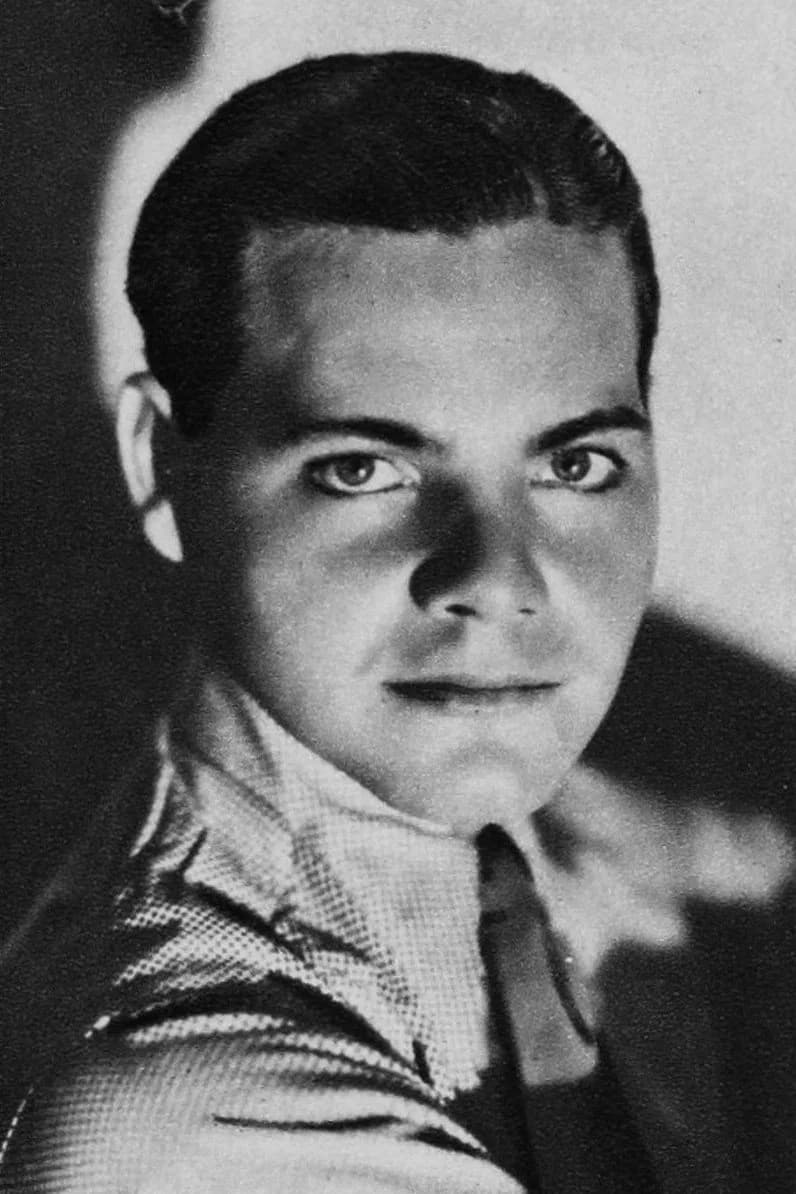
Eddie Quillan
From Wikipedia, the free encyclopedia Edward "Eddie" Quillan (March 31, 1907 – July 19, 1990) was an American film actor whose career began as a child on the vaudeville stages and silent film and continued through the age of television in the 1980s. Quillan's very first film appearance was in the 1922 comedy short Up and at 'Em. His next performance was in the 1926 comedy short The Love Sundae opposite actress Alice Day. Quillan would remain a popular leading and secondary actor throughout the sound film era and would appear in such notable films as 1935's Mutiny on the Bounty with Clark Gable, Charles Laughton, and Franchot Tone, 1939's Young Mr. Lincoln opposite Henry Fonda and Alice Brady, as 'Connie Rivers' in John Ford's 1940 film adaptation of the John Steinbeck novel The Grapes of Wrath opposite Henry Fonda, in 1943's Alaska Highway and It Ain't Hay opposite the comedic duo Abbott and Costello. Quillan's breezy screen personality was seen in "B" musicals, comedies, and even serials during the 1940s. In 1948 Columbia Pictures producer Jules White teamed Quillan with veteran movie comic Wally Vernon for a series of comedy short subjects. White emphasized extreme physical comedy in these films, and Vernon and Quillan made a good team, enthusiastically engaging in pratfalling, kick-in-the-pants slapstick. The series ran through 1956. Beginning in the late 1950s, Quillan began to make the transition to the medium of television and by the 1960s could be seen frequently appearing as a guest actor in such series as The Andy Griffith Show, Petticoat Junction, Perry Mason, and approximately five appearances on the camp-horror comedy series The Addams Family. He was a regular on the Anthony Franciosa sitcom Valentine's Day from 1964 to 1965, and from 1968 through 1971 he appeared as "Eddie Edson" on the television drama Julia opposite actress Diahann Carroll. Through the 1950s and 1960s, Quillan continued to appear in motion pictures, but in increasingly smaller roles and often in bit parts. One notable appearance of the era was his role of 'Sandy' in the 1954 Vincente Minnelli directed musical Brigadoon. Quillan also appeared in the uncredited role of 'Mr.Cassidy' in the 1969 Gene Kelly film adaptation of Hello, Dolly!. Quillan appeared in My Three Sons as Mr Hewlett (1961) and also appeared on the western television adventure series The Rifleman as Angus Evans. In the 1970s, Quillan made guest appearances on such varied television series as Mannix, Here's Lucy, Chico and the Man and Baretta. After meeting and befriending actor and director Michael Landon, he played numerous bit roles in the popular television series Little House on the Prairie. Quillan also performed in the Landon-directed series Highway to Heaven and Father Murphy during the 1980s. Quillan made his last television appearance in a 1987 episode of the television crime-mystery series Matlock.
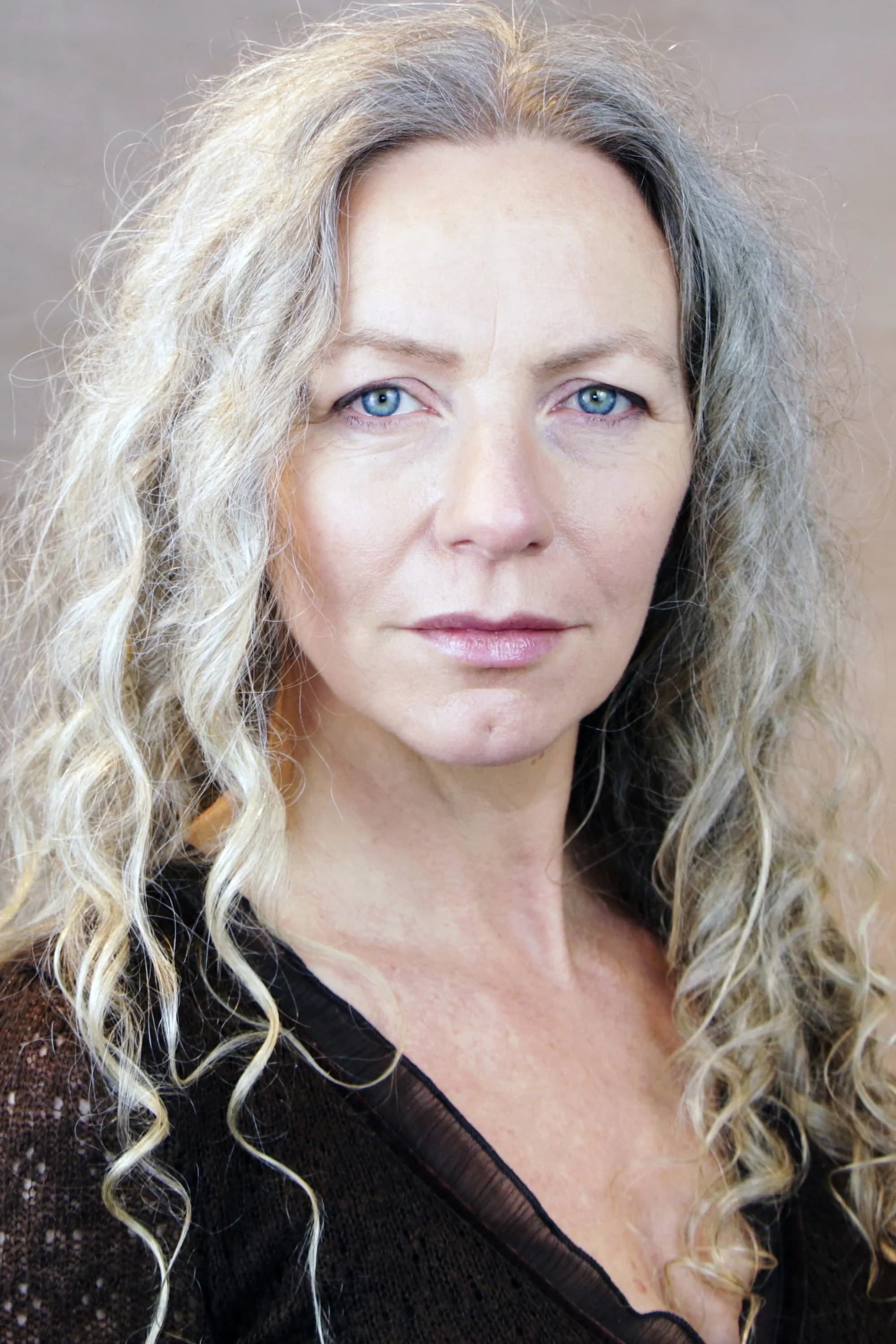
Seylan Baxter
Seylan's first acting role was in 2014 when she responded to a facebook post and was cast as the Older Witch in Macbeth (StudioCanal, dir J. Kurzel). She has appeared in numerous productions since, most recently Doctor Who (BBC) as Tecteun and Host (Shudder, dir R. Savage) the ground-breaking zoom horror filmed remotely during Covid-19 lockdown, where she plays the medium in an online séance. From near Glasgow, Scotland, Seylan has a degree in languages (French, Spanish and Portuguese) from Salford University and a degree in Scottish Music (cello and voice) from the Royal Conservatoire of Scotland.
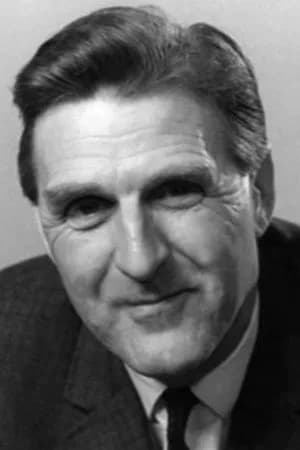
Shaun Sutton
Shaun Alfred Graham Sutton (14 October 1919 – 14 May 2004) was an English television writer, director, producer and executive, who worked in the medium for nearly forty years from the 1950s to the 1990s. His most important role was as the Head of Drama at BBC Television from the late 1960s until 1981, a role he occupied for longer than anyone else.
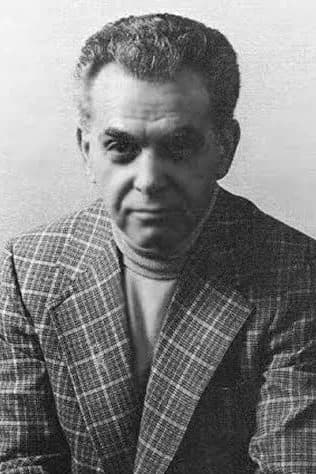
Jack Kirby
Writer · Known for The Incredible Hulk
Jack Kirby (born Jacob Kurtzberg; August 28, 1917 – February 6, 1994) was an American comic book artist, widely regarded as one of the medium's major innovators and one of its most prolific and influential creators. He grew up in New York City and learnt to draw cartoon figures by tracing characters from comic strips and editorial cartoons. He entered the nascent comics industry in the 1930s, drawing various comics features under different pen names, including Jack Curtiss, before settling on Jack Kirby. In 1940, he and writer-editor Joe Simon created the highly successful superhero character Captain America for Timely Comics, predecessor of Marvel Comics. During the 1940s, Kirby regularly teamed with Simon, creating numerous characters for that company and for National Comics Publications, later to become DC Comics. After serving in the European Theatre in World War II, Kirby produced work for DC Comics, Harvey Comics, Hillman Periodicals, and other publishers. At Crestwood Publications, he and Simon created the genre of romance comics and later founded their own short-lived comic company, Mainline Publications. Kirby was involved in Timely's 1950s iteration, Atlas Comics, which in the next decade became Marvel. There, in the 1960s, Kirby cocreated many of the company's major characters, including Ant-Man, the Avengers, the Black Panther, the Fantastic Four, the Hulk, Iron Man, the Silver Surfer, Thor, and the X-Men, among many others. Kirby's titles garnered high sales and critical acclaim, but in 1970, feeling he had been treated unfairly, largely in the realm of authorship credit and creators' rights, Kirby left the company for rival DC. At DC, Kirby created his Fourth World saga, which spanned several comic titles. While these series proved commercially unsuccessful and were cancelled, the Fourth World's New Gods have continued as a significant part of the DC Universe. Kirby returned to Marvel briefly in the mid-to-late 1970s and then ventured into television animation and independent comics. In his later years, Kirby, who has been called "the William Blake of comics," began receiving great recognition in the mainstream press for his career accomplishments, and in 1987 he was one of the three inaugural inductees of the Will Eisner Comic Book Hall of Fame. In 2017, Kirby was posthumously named a Disney Legend for his creations not only in the field of publishing but also because those creations formed the basis for The Walt Disney Company's financially and critically successful media franchise, the Marvel Cinematic Universe. Kirby was married to Rosalind Goldstein in 1942. They had four children and remained married until his death from heart failure in 1994, at the age of 76. The Jack Kirby Awards and Jack Kirby Hall of Fame were named in his honour, and he is known as "The King" among comics fans for his many influential contributions to the medium. Description above from the Wikipedia article Jack Kirby, licensed under CC-BY-SA, full list of contributors on Wikipedia.
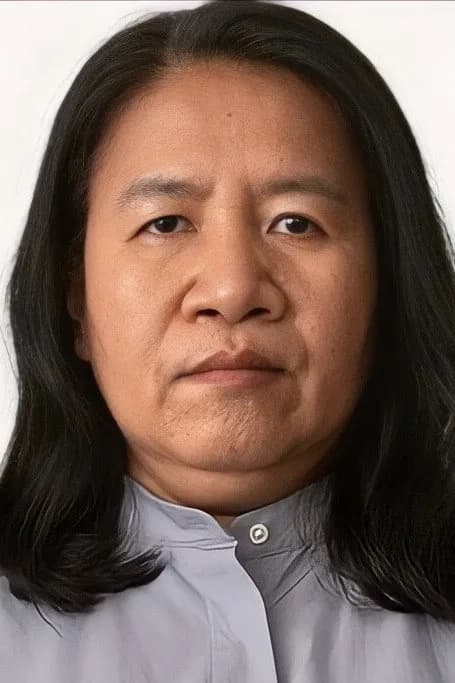
Sawanee Utoomma
Cast · Known for The Medium
Iang Sawanee Utoomma is a performer, theatre director and playwright. Sawanee became particularly well-known for her role in the award-winning 2021 Thai-Korean horror film 'The Medium' for which she won Best Supporting Actress at the 30th Suphannahong National Film Awards.
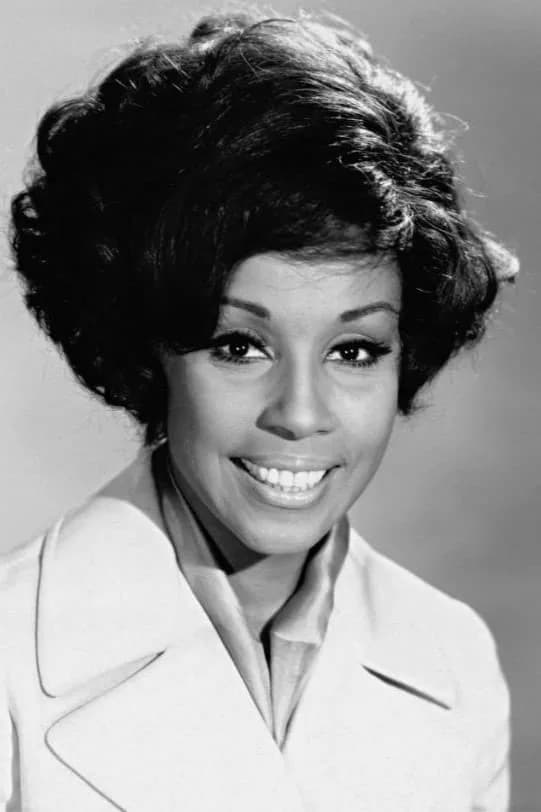
Diahann Carroll
Cast · Known for White Collar, Dynasty, Great Performances
Diahann Carroll (born Carol Diahann Johnson; July 17, 1935 – October 4, 2019) was an American actress, singer and model. She rose to stardom in performances in some of the earliest major studio films to feature black casts, including Carmen Jones in 1954 and Porgy and Bess in 1959. In 1962, Carroll won a Tony Award for best actress, a first for a black woman, for her role in the Broadway musical No Strings. Her 1968 debut in Julia, the first series on American television to star a black woman in a nonstereotypical role, was a milestone both in her career and the medium. In the 1980s she played the role of an interracial diva in the primetime soap opera Dynasty. Carroll was the recipient of numerous stage and screen nominations and awards, including the Golden Globe Award for Best Actress In A Television Series in 1968. She received an Academy Award nomination for Best Actress for the 1974 film Claudine. She was also a breast cancer survivor and activist.

Eden Riegel
Cast · Known for The Prince of Egypt
Eden Sonja Jane Riegel (born January 1, 1981) is an American actress. She portrayed Bianca Montgomery in the daytime drama All My Children, and propelled the character into a gay icon, as well as a popular figure within the medium. Nominated previously on multiple occasions, she received a Daytime Emmy Award for the role in 2005. In addition to her work on All My Children, Riegel has guest starred in several prime time shows, as well as film, and starred as character "Eden" in the web series Imaginary Bitches. She assumed the role of Heather Stevens on The Young and the Restless from April 2010 to November 2011. Riegel is also a prolific voice actress, providing the voices for many video games and animated projects. She is the voice director for Disney's animated TV series Amphibia, The Owl House and The Ghost and Molly McGee. Description above from the Wikipedia article Eden Riegel, licensed under CC-BY-SA, full list of contributors on Wikipedia.
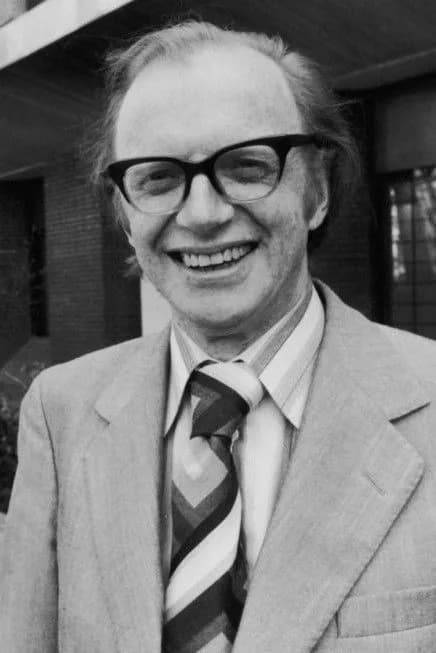
Dennis Potter
Writer · Known for Play for Today, The Wednesday Play
Dennis Christopher George Potter (17 May 1935 – 7 June 1994) was an English television dramatist, screenwriter and journalist. He is best known for his BBC TV serials Pennies from Heaven (1978), The Singing Detective (1986), and the television plays Blue Remembered Hills (1979) and Brimstone and Treacle (1976). His television dramas mixed fantasy and reality, the personal and the social, and often used themes and images from popular culture. Potter is widely regarded as one of the most influential and innovative dramatists to have worked in British television. Born in Gloucestershire and graduating from Oxford University, Potter initially worked in journalism. After standing for parliament as a Labour candidate at the 1964 general election, his health was affected by the onset of psoriatic arthropathy which necessitated Potter changing careers and led to him becoming a television dramatist. His new career began with contributions to the BBC's Wednesday Play anthology series in 1965, and he continued to work in the medium for the rest of his life. He also wrote screenplay adaptations for the Hollywood studios. He died of pancreatic cancer in 1994.
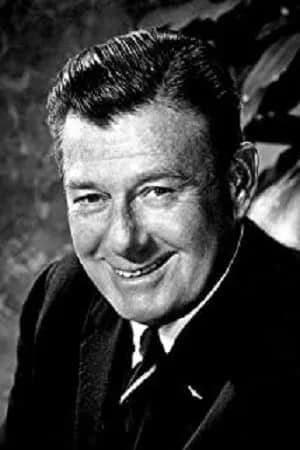
Arthur Godfrey
Arthur Morton Godfrey (August 31, 1903 – March 16, 1983) was an American radio and television broadcaster and entertainer who was sometimes introduced by his nickname, "The Old Redhead". No television personality of the 1950s enjoyed more clout or fame than Godfrey until an on-camera incident undermined his folksy image and triggered a gradual decline; the then-ubiquitous Godfrey helmed two CBS-TV weekly series and a daily 90-minute television mid-morning show through most of the decade but by the early 1960s found himself reduced to hosting an occasional TV special. Arguably the most prominent of the medium's early master commercial pitchmen, he was strongly identified with many of his many sponsors, especially Chesterfield cigarettes and Lipton Tea. After many years for Chesterfield (during which Godfrey came up with the idea and slogan "Buy 'em by the carton"), he severed the relationship during one of his television programs, when his doctors convinced him that his lung cancer was due to smoking. Subsequently, he became a prominent spokesman for anti-smoking education. Description above from the Wikipedia article Arthur Godfrey, licensed under CC-BY-SA, full list of contributors on Wikipedia.
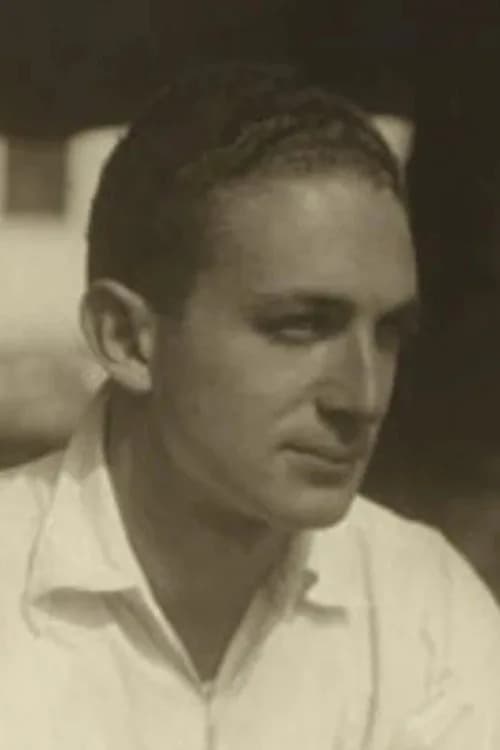
Bert Granet
Producer · Known for The Twilight Zone
New York-born television pioneer Bert Granet graduated with a B.A. from Yale University. He began in the film industry in 1934, and, a decade later, was working as writer-producer under contract at RKO (1944-48). He set up his own short-lived production company, Kaladore Corporation, under which banner he released just one feature film (a rather obscure item, entitled The Torch (1950), set in revolutionary Mexico, with an all-Mexican cast -- the single exception being star Paulette Goddard). In the mid-50's, Granet joined Desilu Productions to produce light, unpretentious entertainment like The Lucy-Desi Comedy Hour (1957) and the weekly anthology series Westinghouse Desilu Playhouse (1958). Reputedly 'a hard-nosed realist', Granet's success in the medium stemmed from vowing audiences through signing top movie actors and acquiring scripts from well-established and respected writers. One of these turned out to be the genial Rod Serling -- introduced to Granet via a mutual friend, the director Robert Parrish. At considerable cost and having to overcome strong objections by the sponsor's ad agency, McCann-Erickson (who had script approval and hated 'ambiguous endings'), Granet purchased a story from CBS ("The Time Element"). This was aired with great success as an episode of 'Playhouse' and ultimately persuaded CBS to take on The Twilight Zone (1959), the show which -- according to Serling himself -- "no one wanted to buy". The rest is history. Granet later served as producer of 'Twilight Zone' during seasons four and five.
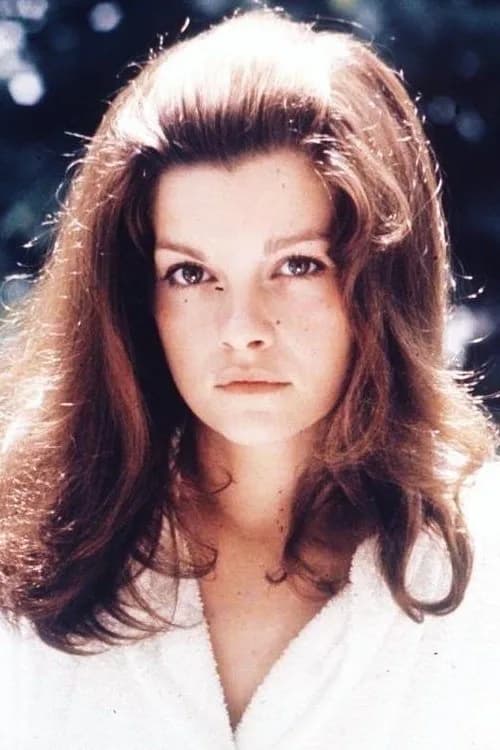
Geneviève Bujold
Geneviève Bujold (born July 1, 1942) is a Canadian stage and screen actress, best known for her portrayal of Anne Boleyn in the 1969 film Anne of the Thousand Days, for which she won a Golden Globe Award for best actress and was nominated for an Academy Award. She made her TV debut with Le square (1963), a 60-minute TV film based on a play by Marguerite Duras, co-starring Georges Groulx. Her Canadian feature film debut was in Amanita Pestilens (1963). She appeared in Michel Brault's film Between Salt and Sweet Water (1967), then went to New York to play the title role in a production of Saint Joan (1967) for Hallmark Hall of Fame on American TV. Although she said she preferred film most and television least out of all the mediums, she received great acclaim for this including an Emmy nomination. In Canada, she starred in Isabel (1968), written and directed by her then-husband Paul Almond. It was one of the first Canadian films to be picked up for distribution by a major Hollywood studio. International recognition came in 1969, when she starred as Anne Boleyn in Charles Jarrott's film Anne of the Thousand Days, with Richard Burton. Producer Hal B. Wallis cast her after seeing her in Isabel. For her performance, she received the Golden Globe Award for Best Actress in a Motion Picture – Drama, and received a nomination for the Academy Award for Best Actress. It was released by Universal who signed her to a three-picture contract. Her other film credits include The Trojan Women (1971), Earthquake (1974), Obsession (1976), Coma (1978) with Michael Douglas, Murder by Decree (1979), Tightrope (1984) with Clint Eastwood, Choose Me (1984), and Dead Ringers (1988) with Jeremy Irons. She had supporting roles in The Adventures of Pinocchio (1995), The House of Yes (1997), Last Night (1998), You Can Thank Me Later (1998), Eye of the Beholder (1999), The Bookfair Murders (2000), Children of My Heart (2001) and Alex in Wonder (2001). Her later appearances include Jericho Mansions (2003), Finding Home (2004), Downtown: A Street Tale (2004), By the Pricking of My Thumbs (2005), Disappearances (2006), Deliver Me (2006), The Trotsky (2009), For the Love of God (2011), Still Mine (2012), Northern Borders (2013), and Chorus (2015). She was nominated for an Emmy Award for her role in Saint Joan. She was nominated for a Canadian Screen Award For her portrayal of Irene in Still Mine. She won three Canadian Film Awards for Best Actress for her roles in the films Isabel, The Act of the Heart, and Kamouraska. She won a Prix Gemeaux Award for Best Actress for her role in the film The Paper Wedding, and was nominated for Best Actress for her role in the film L'Emprise. She won a Genie Award for Best Supporting Actress for her role in the film Murder By Decree, and was nominated for four more Genie Awards for her roles in Final Assignment, Dead Ringers, My Friend Max, and Last Night.
Scott McCloud
Scott McCloud (born Scott McLeod) is an American cartoonist and comics theorist. He is best known for his non-fiction books about comics: Understanding Comics (1993), Reinventing Comics (2000), and Making Comics (2006), all of which also use the medium of comics. He established himself as a comics creator in the 1980s as an independent superhero cartoonist and advocate for creator's rights. He rose to prominence in the industry beginning in the 1990s for his non-fiction works about the medium, and has advocated the use of new technology in the creation and distribution of comics. Description above from the Wikipedia article Scott McCloud, licensed under CC-BY-SA, full list of contributors on Wikipedia.
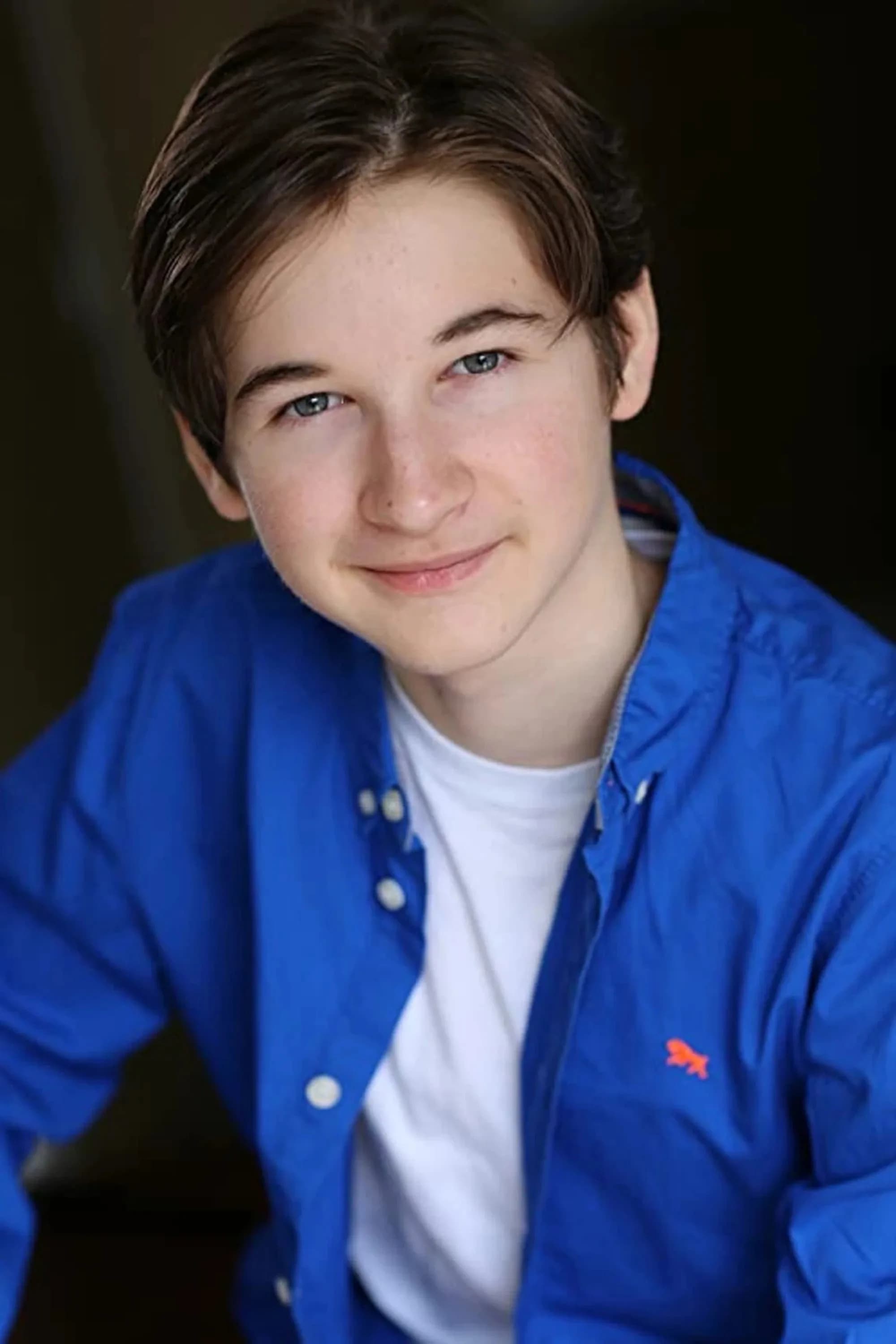
David Raynolds
Hailing from Calgary, Canada, David Raynolds is a young, award-winning, multi-faceted performer of the highest caliber. From the age of 1, he was already singing and dancing, and by the age of 3, he had mastered the art of producing his own videos. For the next 3 years, he formally trained in the art of acting, and by the age of 6, with several independent productions under his belt, he had the honor of working with Helena Bonham Carter in 'The Young and Prodigious T.S. Spivet'. Because of the lasting impact Helena had made on young David, it was evident that his passion had become the pursuit of a career in film and television. Looking to increase David's acting opportunities, his family moved to Vancouver when he was 7. He has had the honor of training with several prestigious acting teachers and coaches in the area, and a variety of high profile companies have utilized his skills in their advertisements. In the medium of television, David's screen credits include guest spots and recurring roles in notable series such as 'Falling Skies', 'Wayward Pines', 'Travelers', and 'Legends of Tomorrow'. As a highly sought-after voice actor, his talents have been featured in renowned series such as 'Lego Ninjago', 'Biklonz', and 'Ready! Jet Go'. David's extensive talents extend beyond acting to the areas of singing, martial arts, and comedy. Thanks to his rich cultural heritage which consists of German, Hungarian, and Romanian roots, he also speaks two additional languages besides English--German and Romanian. As one who is a philanthropist at heart, David's desire is to help build orphanages and shelters for all of those in need, and he also has a genuine love for all animals. He longs to be a role model for other young people to emulate through the way he lives his life and the positive message he sends out to others in every performance he gives. As a young man on the precipice of stardom, his commitment to excellence and his spirit of humility and benevolence continue to put him on the path to making a lasting impact on all with whom he is privileged to interact.
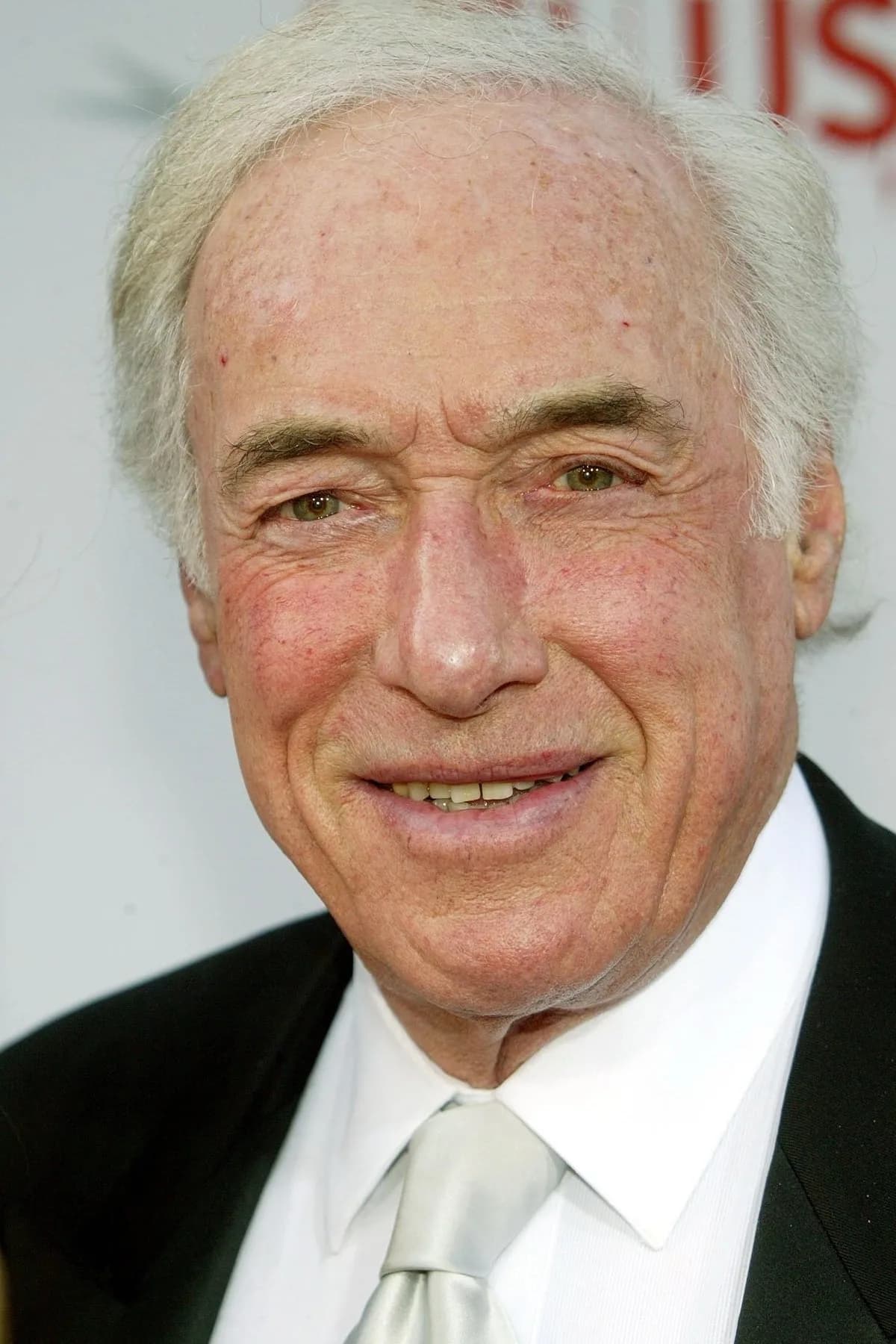
Bud Yorkin
Producer · Known for Blade Runner 2049
Bud Yorkin (born February 22, 1926) is an American film and television producer, director, writer and actor. He directed and produced the 1958 TV special An Evening With Fred Astaire, which won nine Emmy Awards. Yorkin was born Alan David Yorkin in Washington, Pennsylvania. He earned a degree in engineering from Carnegie Tech, now Carnegie Mellon University in Pittsburgh. In 1956, he became the producer and director of Tennessee Ernie Ford's NBC comedy/variety program, The Ford Show. In 1963, Yorkin joined Norman Lear to form Tandem Productions, which, at first, produced several films in the 1960s to 1971 with such major studios like United Artists and Warner Bros., and later produced many of the decade's hit sitcoms, such as All in the Family, Maude, Good Times, and Sanford and Son. In 1999, he and Lear were awarded the Women in Film Lucy Award in recognition of excellence and innovation in creative works that have enhanced the perception of women through the medium of television. After his split with Lear, Yorkin went on to form Bud Yorkin Productions. His first sitcom after the split was the unsuccessful Sanford and Son spin-off sitcom Grady. In 1976, he formed TOY Productions with Saul Turteltaub and Bernie Orenstein (who produced Sanford and Son from 1974–1977), but their two hits were What's Happening!! and Carter Country. Yorkin's film directing credits include The Thief Who Came to Dinner , Divorce American Style and Inspector Clouseau (film) of the Pink Panther series. Yorkin is the father of television writer and producer Nicole Yorkin. He is married to actress Cynthia Sikes.
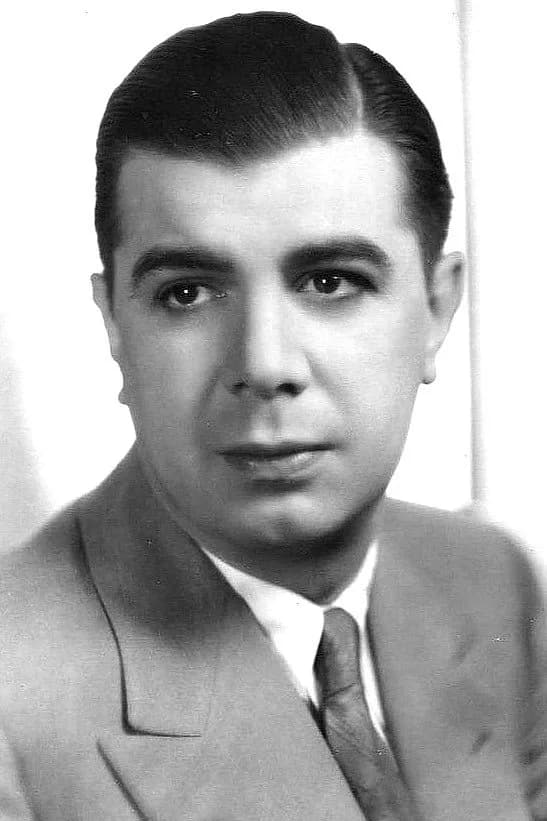
Ken Murray
Ken Murray (born Kenneth Abner Doncourt, July 14, 1903 – October 12, 1988) was an American comedian, actor, radio and television personality and author. After finding success on the vaudeville stage, Murray moved to Hollywood and made his film debut in the 1929 romantic drama Half Marriage, followed by a role in Leathernecking in 1930. Murray was the host of a weekly radio variety show (The Ken Murray Show) on NBC 1932-33 and on CBS 1936–37. He later was the original host (1945-57) of Queen for a Day, on the Mutual Broadcasting System radio show, which was simulcast on KTSL (now KCBS-TV), Channel 2 in Los Angeles. During World War II, Murray was one of the many celebrities to volunteer at the Hollywood Canteen. In 1947, he produced Bill and Coo, a feature film using trained birds and other animals as actors. Bill and Coo won a special Academy Award for "novel and entertaining use of the medium of motion picture" and "artistry and patience" . He was also the host of The Ken Murray Show, a weekly music and comedy show on CBS Television that ran from 1950 to 1953. The show was the first to win a Freedom Foundation Award. Murray also guest starred on several television series, including The Ford Show, Starring Tennessee Ernie Ford and The Bing Crosby Show. Murray produced and co-starred as "Smiling Billy Murray" in a 1953 film, The Marshal's Daughter, a western that featured his protege Laurie Anders in the title role, her sole film performance. In 1962, Murray portrayed the top hat wearing, cigar chewing, drunken Doc Willoughby in John Ford's The Man Who Shot Liberty Valance starring John Wayne and James Stewart, arguably his most memorable screen role. Paired off for most of the picture with Edmond O'Brien as an alcoholic newspaper editor, he drunkenly rolls over the gunshot corpse of villain Liberty Valance (Lee Marvin) with his boot, looks around off-handedly, and says "Dead" to the surrounding crowd of euphoric Mexicans. In 1964, Murray played Whipsaw, the operator of a stagecoach depot in the episode "Little Cayuse" of the television series Death Valley Days, hosted by Stanley Andrews. He and his partner take in a Cayuse orphan (Larry Domasin), who demonstrates his loyalty to the men during an Indian attack. In 1965, Murray played a THRUSH financier and owner of a caribbean casino in The Man from U.N.C.L.E.. In 1966, Murray was cast as Melody Murphy in the Walt Disney film Follow Me, Boys! starring Fred MacMurray, Vera Miles and Kurt Russell.
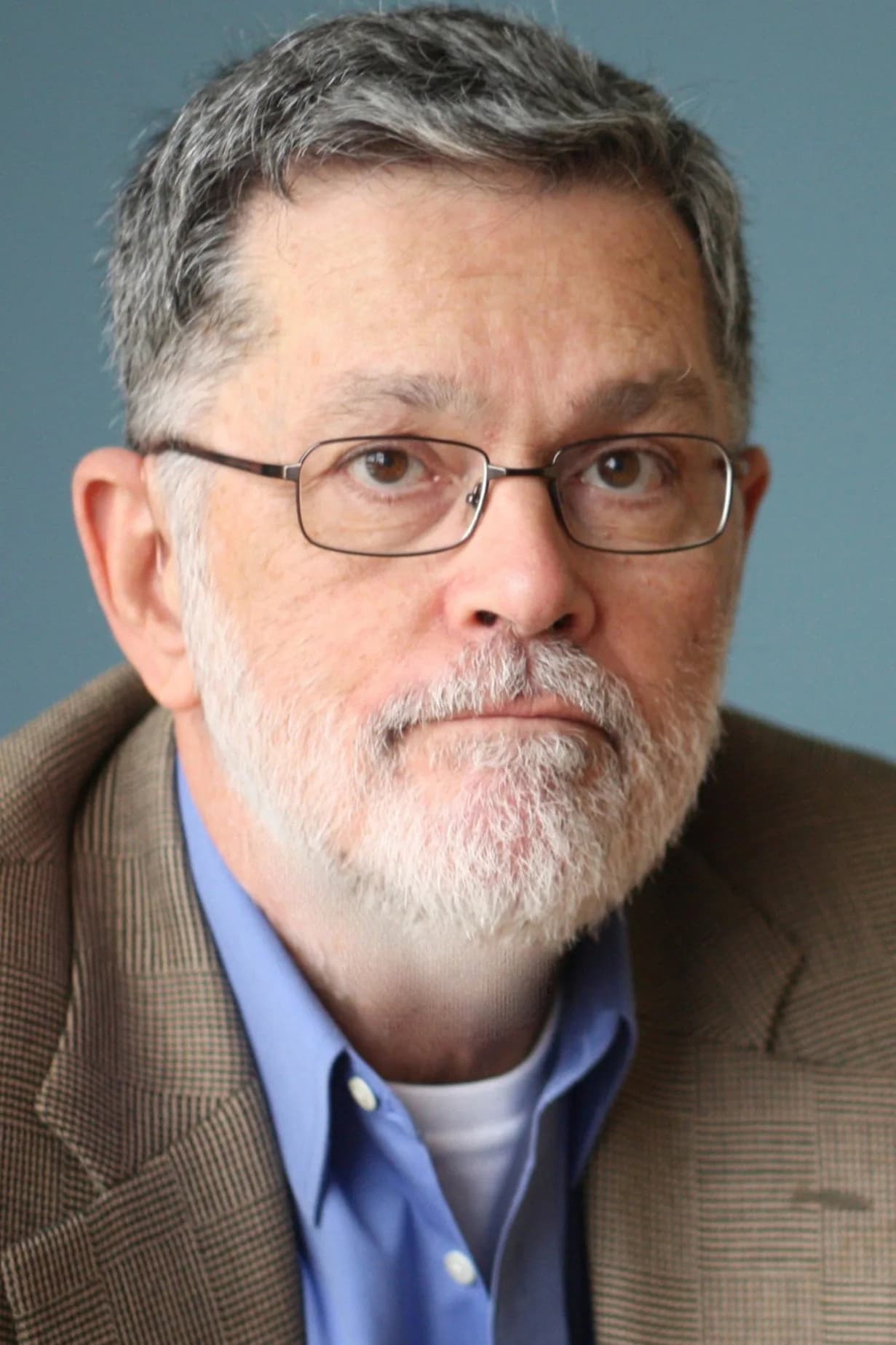
Geoffrey C. Ward
Writer · Known for American Experience
Geoffrey C. Ward is an author, editor, historian and writer of scripts for American History Documentaries for Public Television. He is the author or co-author of 18 books. Five books are companion books to documentary films that he has written. He has won seven Emmy Awards. The principal writer of the television mini-series The Civil War (1990,) Ward has collaborated with its co-producer Ken Burns on many of the documentaries he has made since, including Jazz, Baseball, The War and Not For Ourselves Alone: The Story of Elizabeth Cady Stanton and Susan B. Anthony. This work has garnered him five Emmy Awards. He also won two Emmys for the American Experience series, including The Kennedys, in 1992 and TR,The Story of Theodore Roosevelt in 1996. His script for the documentary Unforgivable Blackness: The Rise and Fall of Jack Johnson, won the Writers Guild of America Award in 2005[3] and the accompanying book won the 2006 William Hill Sports Book of the Year and the Anisfield-Wolf Award for best biography. In 2006, the Organization of American Historians gave Ward their Friend of History Award for his outstanding contributions to American history: "Over the last twenty years Geoffrey Ward's writings on American History have had a greater influence and reached a wider audience than those of any other American writer and historian. [His] work is always his own, but he has also helped free ideas that otherwise might have been imprisoned in the academy and helped them find a wider world. He has helped academic historians understand the possibilities, limits, and demands of what has become the medium through which most Americans now get their history." The most recent Burns/Ward collaboration, Prohibition (2011), brought Ward his seventh Emmy for Outstanding Writing for Nonfiction Programming. He is currently at work on a multi-part series "Vietnam", with Lynn Novick and Ken Burns. He is the principle writer or co-writer of 24 documentary films. Ward is married to the writer and social/environmental activist Diane Raines Ward. He has three children.

Abel Gance
Abel Gance (October 25, 1889 – November 10, 1981) was a French film director, producer, writer and actor. A pioneer in the theory and practice of montage, he is best known for three major silent films: J'accuse (1919), La Roue (1923), and Napoléon (1927). He was born in Paris in 1889. In 1909, he acted in his first film. He also wrote scenarios, and often sold them to Gaumont. During this period he was diagnosed with tuberculosis, fatal at the time, but he recovered. In 1911, with some friends he established a production company, Le Film Français, and began directing his own films. With the outbreak of WW I, rejected by the army on medical grounds, he started writing and directing for a new film company, Film d'Art until 1918, making over a dozen successful films. Charles Pathé underwrote his next film, J'accuse (1919), in which Gance confronted the waste and suffering which the war had brought. In 1920, he developed La Roue. He brought an unprecedented level of energy and imagination to the technical realization of his story, employing elaborate editing techniques and innovative use of rapid cutting which made the film highly influential. The finished film ran for nearly nine hours, but was edited down for distribution. In 1921, Gance visited America to promote J'accuse. He met D. W. Griffith, whom he had long admired. He was also offered a contract with MGM but turned it down. He then embarked on his greatest project, a six-part life of Napoléon. Only the first part was completed, tracing his early life, through the Revolution, up to the invasion of Italy, but even this occupied a vast canvas with meticulously recreated historical scenes and scores of characters. The film was full of experimental techniques, combining rapid cutting, hand-held cameras, superimposition of images, and, in wide-screen sequences, shot using a system he called Polyvision needing triple cameras (and projectors), achieved a spectacular panoramic effect, including a finale in which the outer two film panels were tinted blue and red, creating a widescreen image of a French flag. The original version ran for around 6 hours. A shortened version received a triumphant première at the Paris Opéra in April 1927. Throughout his life he kept returning to Napoléon, editing his footage, and as a result the original 1927 film was lost from view for decades. The dedicated work of the film historian Kevin Brownlow produced a five-hour version, still incomplete but fuller than anyone had seen since the 1920s. It was presented at the Telluride Film Festival in 1979, and the occasion brought a belated triumph to Gance's career, and made his name known to a worldwide audience. In the assessment of Kevin Brownlow, "...[Abel Gance] made a fuller use of the medium than anyone before or since". As well as his multiscreen ventures with Polyvision, he explored the use of superimposition of images, extreme close-ups, fast rhythmic editing, and he made the camera mobile in unorthodox ways – hand-held, mounted on wires or a pendulum, or even strapped to a horse. He also made early experiments with the addition of sound to film, and with filming in color and in 3-D. There were few aspects of film technique that he did not seek to incorporate in his work, and his influence was acknowledged by contemporaries and later by the French New Wave film-makers.
Bing Crosby
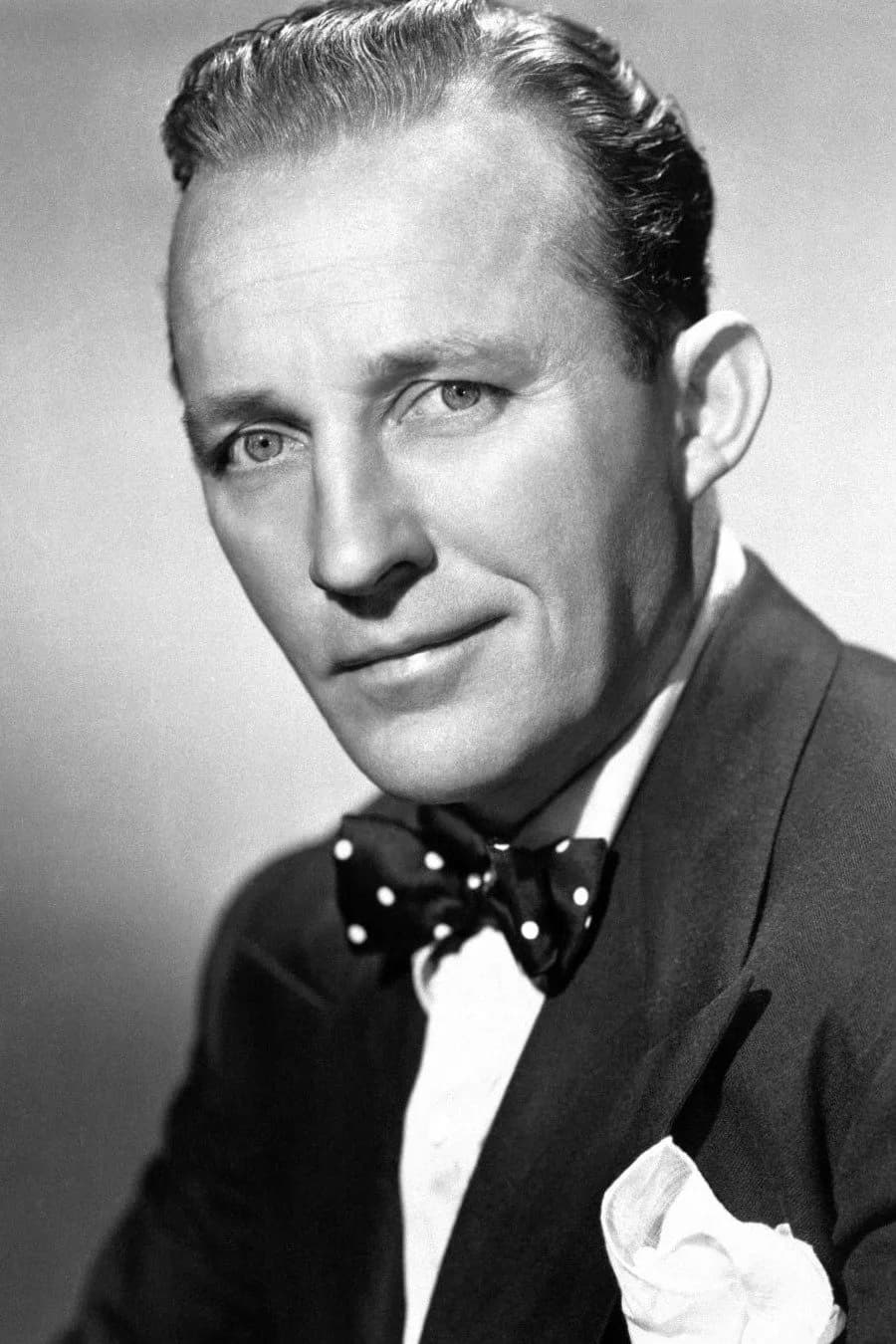
Harry Lillis "Bing" Crosby Jr. (May 3, 1903 – October 14, 1977) was an American singer, comedian and actor. The first multimedia star, Crosby was a leader in record sales, radio ratings, and motion picture grosses from 1931 to 1954. His early career coincided with recording innovations that allowed him to develop an intimate singing style that influenced many male singers who followed him, including Perry Como, Frank Sinatra, Dick Haymes, and Dean Martin. Yank magazine said that he was "the person who had done the most for the morale of overseas servicemen" during World War II. In 1948, American polls declared him the "most admired man alive", ahead of Jackie Robinson and Pope Pius XII. Also in 1948, Music Digest estimated that his recordings filled more than half of the 80,000 weekly hours allocated to recorded radio music. Crosby won an Oscar for Best Actor for his role as Father Chuck O'Malley in the 1944 motion picture Going My Way and was nominated for his reprise of the role in The Bells of St. Mary's opposite Ingrid Bergman the next year, becoming the first of six actors to be nominated twice for playing the same character. In 1963, Crosby received the first Grammy Global Achievement Award. He is one of 33 people to have three stars on the Hollywood Walk of Fame, in the categories of motion pictures, radio, and audio recording. He was also known for his collaborations with longtime friend Bob Hope, starring in the Road to... films from 1940 to 1962. Crosby influenced the development of the postwar recording industry. After seeing a demonstration of a German broadcast quality reel-to-reel tape recorder brought to America by John T. Mullin, he invested $50,000 in a California electronics company called Ampex to build copies. He then convinced ABC to allow him to tape his shows. He became the first performer to pre-record his radio shows and master his commercial recordings onto magnetic tape. Through the medium of recording, he constructed his radio programs with the same directorial tools and craftsmanship (editing, retaking, rehearsal, time shifting) used in motion picture production, a practice that became an industry standard. In addition to his work with early audio tape recording, he helped to finance the development of videotape, bought television stations, bred racehorses, and co-owned the Pittsburgh Pirates baseball team.
Sam McCurdy
Cinematographer · Known for Into the Badlands, Merlin, Peacemaker
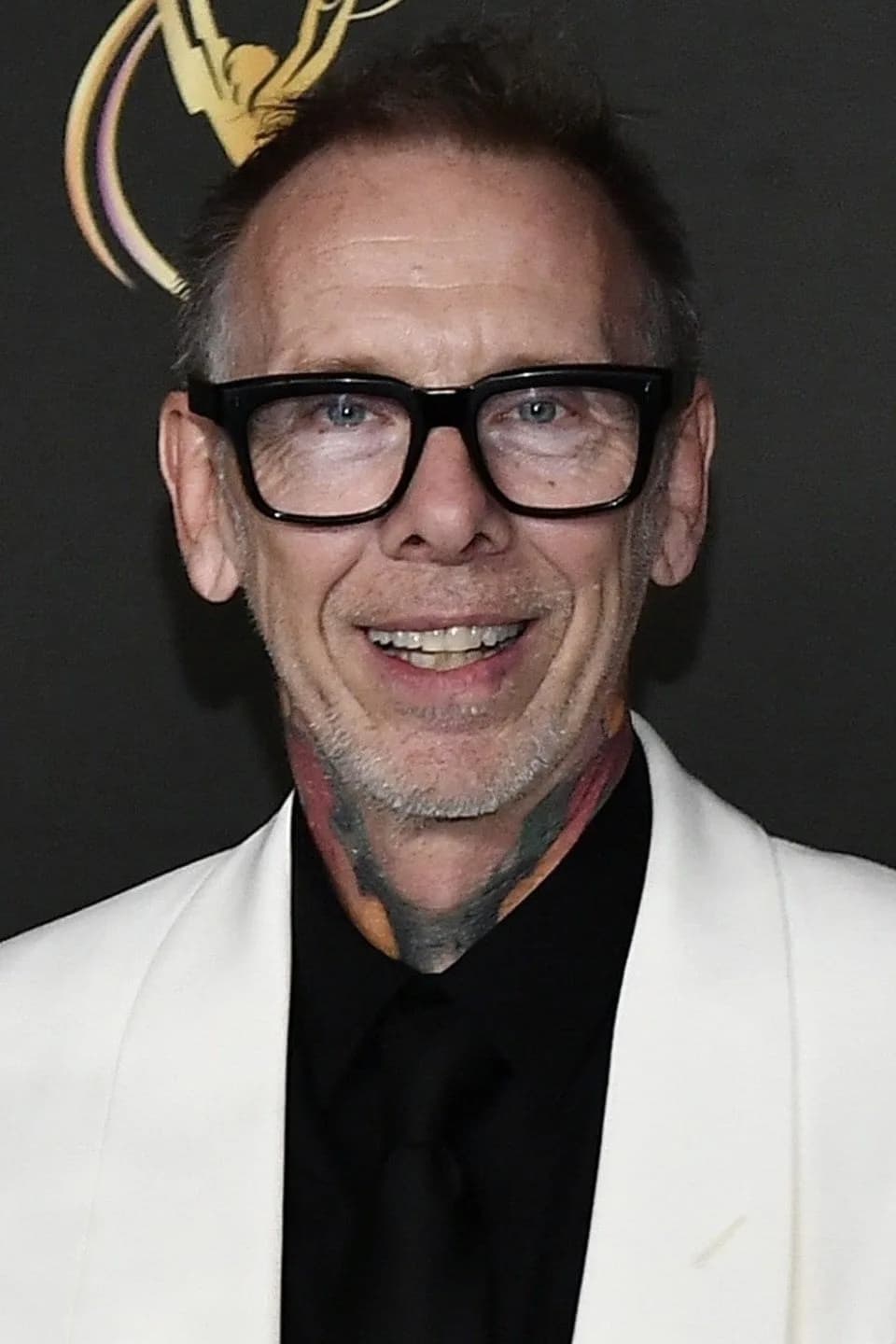
Sam McCurdy, ASC, BSC, is a British director of photography. Born and raised in the United Kingdom, McCurdy studied fine art and photography before being drawn to motion pictures, initially shooting short films and music videos during his college years and working his way up through the camera ranks at Pinewood Studios and beyond. His early collaborations with director Neil Marshall on genre projects such as Killing Time (1998), Combat (1999), Dog Soldiers (2002), The Descent (2005) and Doomsday (2008). McCurdy's work in television began in the early 2000s and includes contributions to British series such as Wire in the Blood (2006–2008), Merlin (2011–2012), Last Tango in Halifax (2012) and Fresh Meat (2012). He gained wider international recognition with his cinematography on the Game of Thrones (2011) episode "Blackwater," which earned him nominations from the British Society of Cinematographers and the Best Cinematography Award for Television Drama, as well as recognition from the Online Film & Television Association alongside his fellow cinematographers on the series. Throughout the late 2010s and into the 2020s, McCurdy contributed significantly to high‑profile television productions, including Lost in Space (2018–2021), for which he shot the pilot and many subsequent episodes, Into the Badlands (2015–2019), Pennyworth (2019), Carnival Row (2019, 2023) and Monarch: Legacy of Monsters (2023). His work on the critically acclaimed FX/Hulu series Shōgun (2024) was particularly celebrated; McCurdy shot multiple episodes including "Crimson Sky," and received the Primetime Emmy Award for Outstanding Cinematography for a Series (One Hour), the American Society of Cinematographers' Outstanding Achievement in Cinematography in an Episode of a One‑Hour Series, and nominations from the British Society of Cinematographers for his camera work on that episode. In addition to his television work, McCurdy's feature film cinematography encompasses projects such as A United Kingdom (2016) and a range of genre films, including The Legend of Hercules (2014) and Knights of Badassdom (2013). He has also worked on documentary and special-format projects, including Le Mans: 3D (2017) and the miniseries Le Mans: Racing Is Everything (2017). He has been a member of the British Society of Cinematographers since 2009 and of the American Society of Cinematographers since his invitation to join. In his professional pursuits, McCurdy has discussed the role of the cinematographer as shaping visual storytelling through lighting, camera movement and collaboration with directors and crews, drawing on a broad range of influences and experiences across the mediums of film and television.
Fred Allen
Cast · Known for What's My Line?
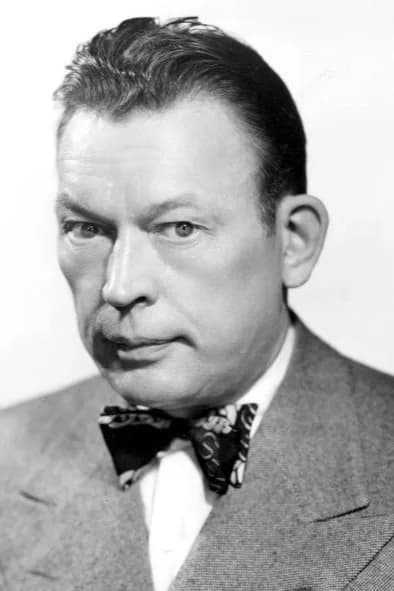
John Florence Sullivan (May 31, 1894 – March 17, 1956), known professionally as Fred Allen, was an American comedian whose absurdist, topically pointed radio show (1932–1949) made him one of the most popular and forward-looking humorists in the so-called classic era of American radio. His best-remembered gag was his long-running mock feud with friend and fellow comedian Jack Benny, but it was only part of his appeal; radio historian John Dunning (in On the Air: The Encyclopedia of Old-Time Radio) wrote that Allen was radio's most admired comedian and most frequently censored. A master adlibber, Allen often tangled with his network's executives (and often barbed them on the air over the battles), while developing routines the style and substance of which influenced contemporaries and futures among comic talents, including Groucho Marx, Stan Freberg, Henry Morgan and Johnny Carson, but his fans also included President Franklin D. Roosevelt, and novelists William Faulkner, John Steinbeck and Herman Wouk (who began his career writing for Allen). Ironically, in view of his often barbed observations of the medium, Fred Allen was honored with a star on the Hollywood Walk of Fame for contributions to television
Veda Ann Borg
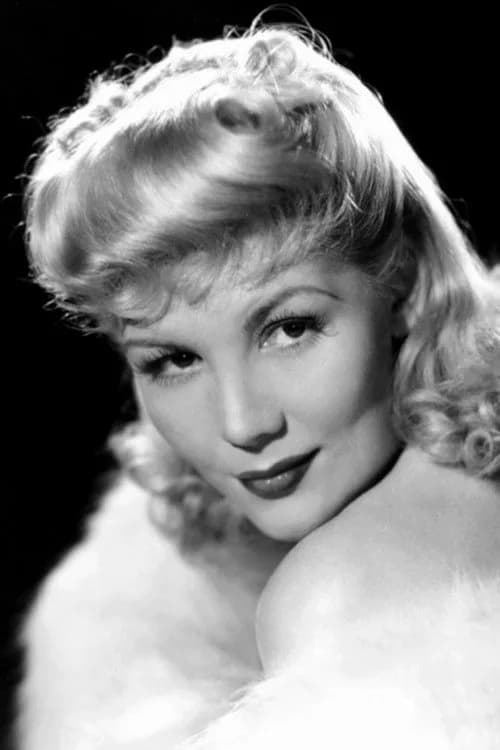
From Wikipedia, the free encyclopedia. Veda Ann Borg (January 11, 1915 – August 16, 1973) was an American film actress. Born in Boston, Massachusetts, Borg was the daughter of Gottfried Borg, a Swedish immigrant and Minna Noble. She became a model in 1936 before winning a contract at Paramount Pictures. A car crash in 1939 necessitated drastic reconstruction of her face by plastic surgery. She appeared in more than one hundred films, including Mildred Pierce, Chicken Every Sunday, Love Me or Leave Me, Guys and Dolls, Thunder in the Sun, and The Alamo (1960). Borg began accepting parts in television when the new medium opened up. From 1952 through 1961, she appeared on shows such as Alfred Hitchcock Presents, General Electric Theater, The 20th Century-Fox Hour, The Abbott and Costello Show, The Restless Gun, Bonanza, The Red Skelton Show, Adventures of Superman, Wild Bill Hickok, and Mr. & Mrs. North, among many others. In 1953-54, she substituted for Joan Blondell as "Honeybee Gillis" in The Life of Riley TV series.[1] Borg was married to Paul Herrick (1942) and to director Andrew McLaglen (1946–1958) and had three children, Mary McLaglen, Josh McLaglen, and Andrew Victor McLaglen II. She died of cancer in Hollywood. Description above from the Wikipedia article Veda Ann Borg, licensed under CC-BY-SA, full list of contributors on Wikipedia.