
Search

The Man with the Golden Gun
1974
Cool government operative James Bond searches for a stolen invention that can turn the sun's heat into a destructive weapon. He soon crosses paths with the menacing Francisco Scaramanga, a hitman so skilled he has a seven-figure working fee. Bond then joins forces with the swimsuit-clad Mary Goodnight, and together they track Scaramanga to a Thai tropical isle hideout where the killer-for-hire lures the slick spy into a deadly maze for a final duel.
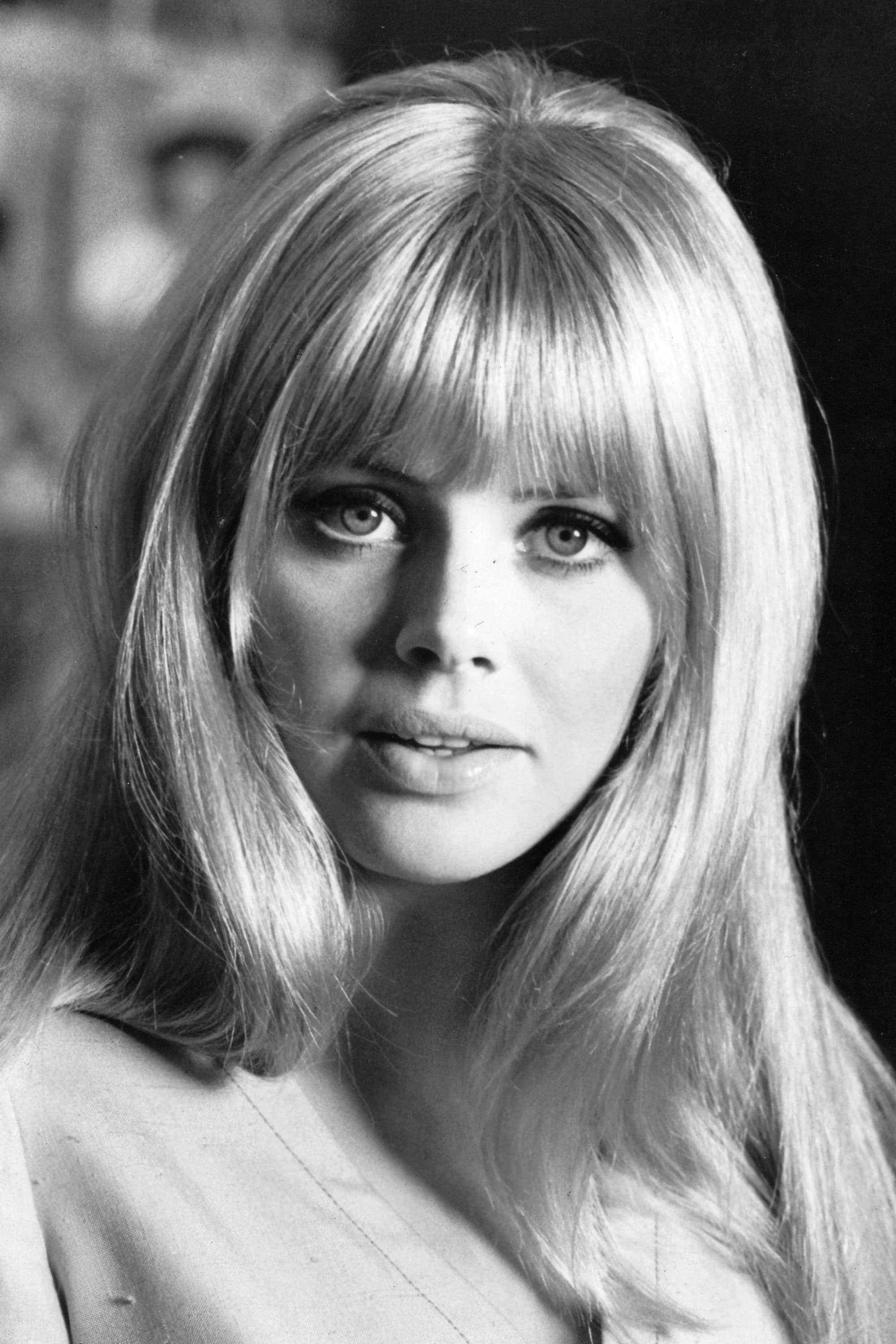
Britt Ekland
Cast · Known for The Man with the Golden Gun
Britt-Marie Ekland (born 6 October 1942) is a Swedish actress long resident in the United Kingdom. She is best known for her roles as a Bond girl in The Man with the Golden Gun, and in the British cult horror film The Wicker Man, as well as her marriage to actor Peter Sellers, and her high-profile social life.
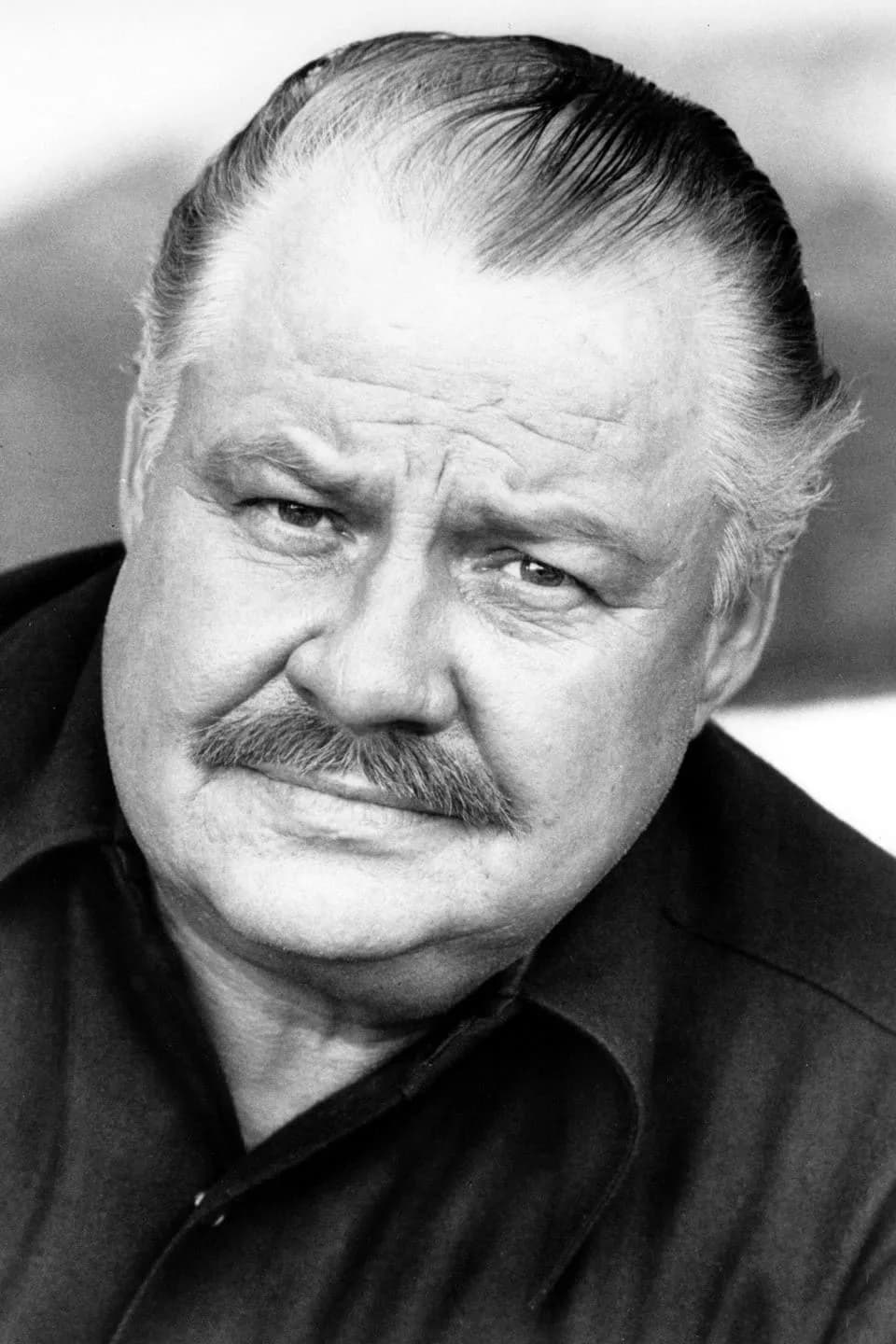
Clifton James
Cast · Known for Live and Let Die, The Man with the Golden Gun
From Wikipedia, the free encyclopedia. Clifton James (born May 29, 1921) was an American actor. He is probably best known for his work with two of the six James Bond 007 actors in the past, Roger Moore in Live and Let Die (1973), The Man With The Golden Gun (1974) and Sean Connery in The Untouchables (1987). Description above from the Wikipedia article Clifton James, licensed under CC-BY-SA,full list of contributors on Wikipedia.
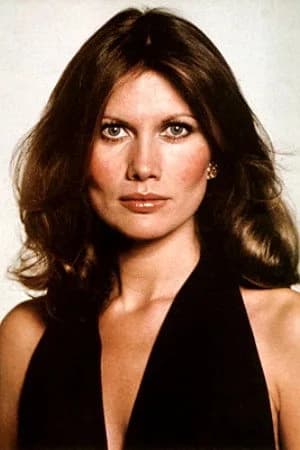
Maud Adams
Cast · Known for The Man with the Golden Gun
Maud Solveig Christina Wikström (born 12 February 1945), known professionally as Maud Adams, is a Swedish actress, known for her roles as two different Bond girls: in The Man with the Golden Gun (1974), and as the eponymous character in Octopussy (1983) as well as making a brief uncredited appearance in A View to a Kill (1985). Description above from the Wikipedia article Maud Adams, licensed under CC-BY-SA, full list of contributors on Wikipedia.
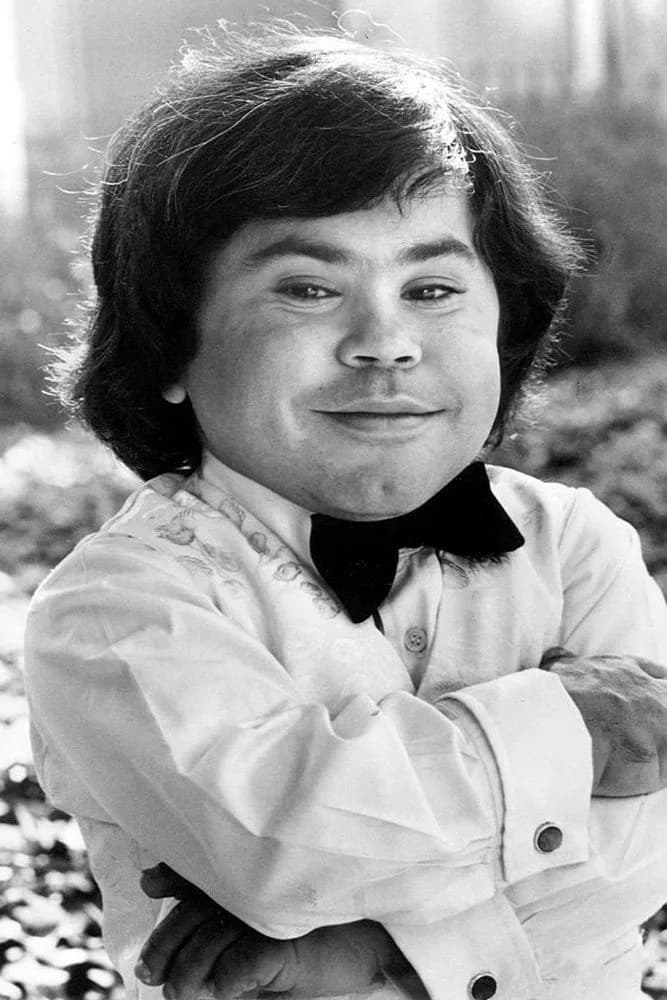
Hervé Villechaize
Cast · Known for Fantasy Island, The Man with the Golden Gun
Hervé Jean-Pierre Villechaize was a French actor and painter of English and Filipino descent. He achieved worldwide recognition for various roles including that of the evil henchman Nick Nack in the James Bond film, The Man with the Golden Gun, as well as Mr. Roarke's assistant, Tattoo, in the television series Fantasy Island.

Roger Moore
Cast · Known for Live and Let Die, The Man with the Golden Gun, The Spy Who Loved Me
Sir Roger George Moore (14 October 1927 – 23 May 2017) was an English actor. He was the third actor to portray Ian Fleming's fictional secret agent James Bond in the Eon Productions/MGM Studios film series, playing the character in seven feature films: Live and Let Die (1973), The Man with the Golden Gun (1974), The Spy Who Loved Me (1977), Moonraker (1979), For Your Eyes Only (1981), Octopussy (1983) and A View to a Kill (1985). Moore's seven appearances as Bond are the most of any actor in the Eon-produced entries. On television, Moore played the lead role of Simon Templar, the title character in the British mystery thriller series The Saint (1962–1969). He played Beau Maverick in the American Western series Maverick (1960–1961), replacing James Garner as the lead, and starred with Tony Curtis in the action-comedy The Persuaders! (1971–1972). Continuing to act in the decades after his retirement from the Bond franchise, Moore's final appearance was in a pilot for a new Saint series that became a 2017 television film. Moore was appointed a UNICEF Goodwill Ambassador in 1991 and was knighted by Queen Elizabeth II in 2003 for services to charity. In 2007, he received a star on the Hollywood Walk of Fame for his contributions to the film industry. He was made a Commander of the Order of Arts and Letters by the French government in 2008. Description above from the Wikipedia article Roger Moore, licensed under CC-BY-SA, full list of contributors on Wikipedia.
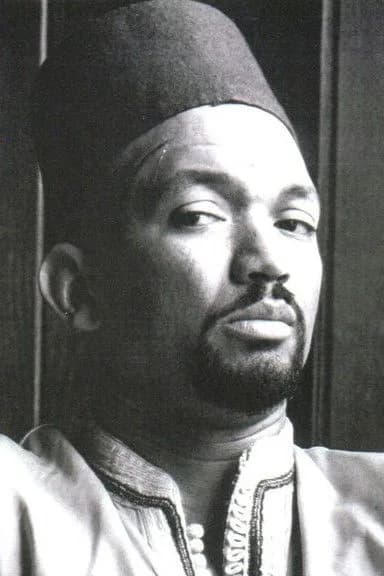
Sonny Caldinez
Sonny Caldinez (1 July 1932 – 12 April 2022) was a Trinidadian actor and professional wrestler. He was often cast in television and films for his great height and muscular physique. He appeared as various Ice Warriors on the British programme Doctor Who and also in films such as The Man with the Golden Gun, Raiders of the Lost Ark, Ali G Indahouse, Arabian Adventure and The Fifth Element.
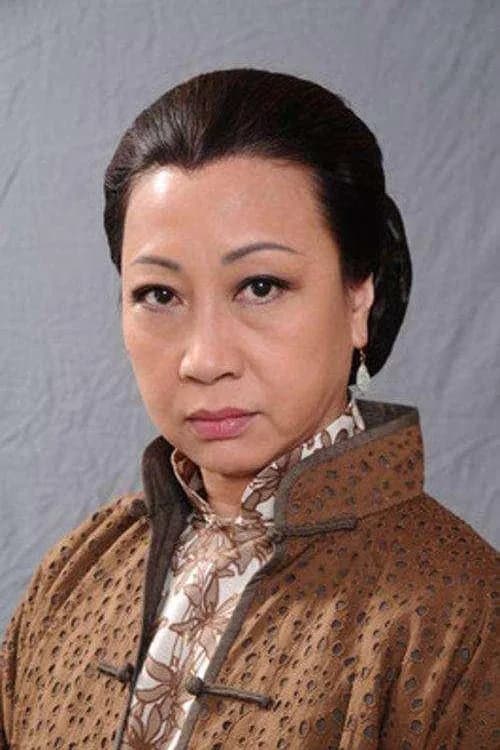
Yuen Qiu
Cast · Known for Kung Fu Hustle
Yuen Qiu (元秋) is a Hong Kong actress and martial artist born as born Cheung Cheun-Nam (張轉男) in Shandong Province, China. She is an expert of both Chinese martial arts and Beijing-opera skills, and was apprenticed under the same master, Yu Jim-Yuen, as Jackie Chan and Sammo Hung Kam-Bo at the China Drama Academy's Peking Opera School. Yuen Qiu worked as a stuntwoman and as a night club performer from the late 1960s to early 1970s. She had a small role in the international production, The Man with the Golden Gun (1974), portraying a student rescuing Roger Moore as James Bond. As there were few opportunities for stuntwomen and barely any prospects for improvement at the time, she got married in 1974 at the age of 24. After being away from the Hong Kong film industry for nearly 20 years, she landed a role in Kung Fu Hustle only by chance. She was only accompanying a junior woman fellow of the China Drama Academy at the audition but the director's eye was on her. Reports show that Stephen Chow gave her the job after unremitting and persistent persuasion. Yuen is also in a movie called Kung Fu Mahjong, with Yuen Wah.
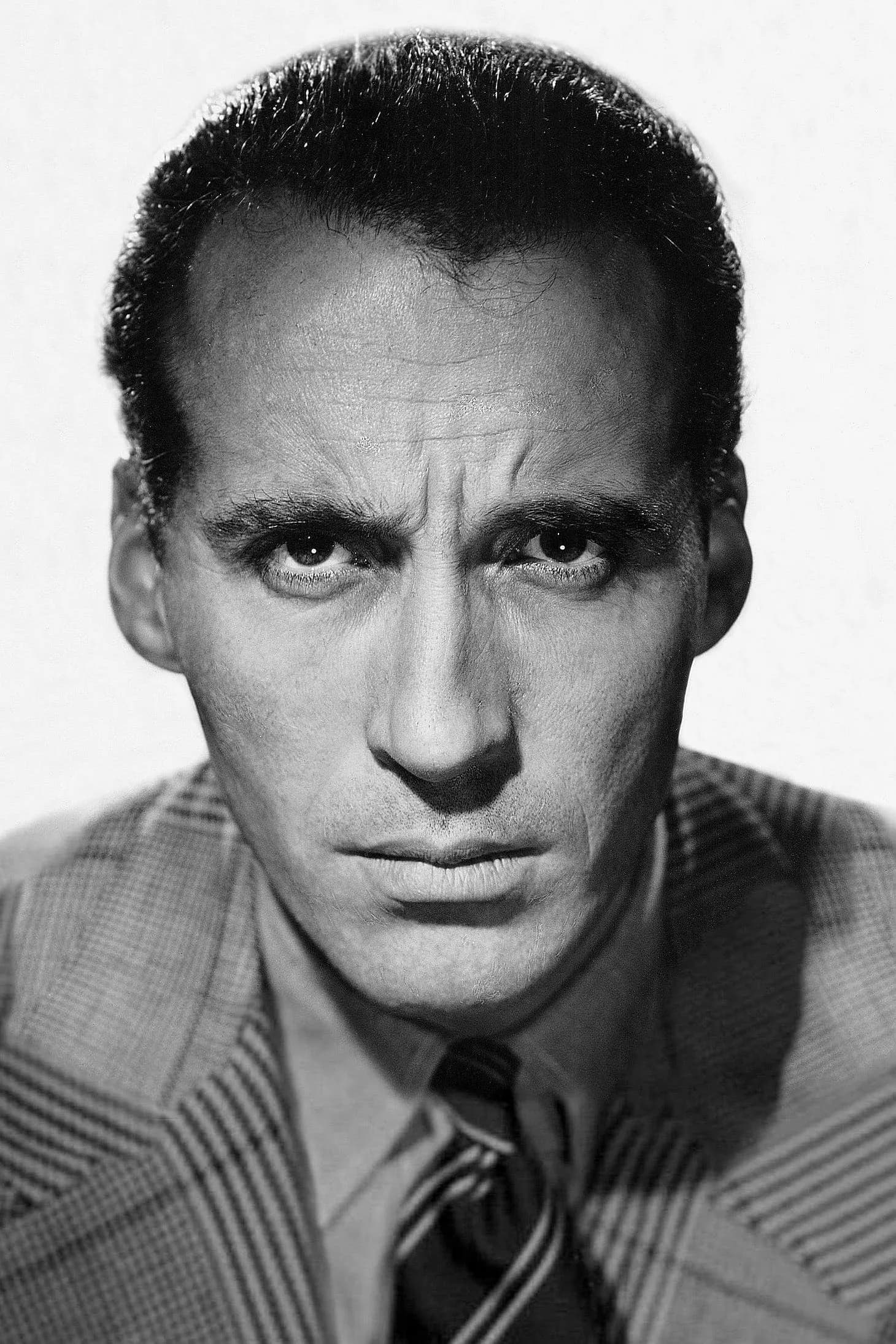
Christopher Lee
Cast · Known for Corpse Bride, Star Wars: Episode III - Revenge of the Sith, The Lord of the Rings: The Two Towers
Christopher Lee (May 5, 1922 – June 7, 2015) was an English actor and musician. Lee initially portrayed villains and became famous for his role as Count Dracula in a string of Hammer Horror films. Other notable roles include Lord Summerisle in The Wicker Man (1973), Francisco Scaramanga in The Man with the Golden Gun (1974), Count Dooku in Star Wars episodes II and III (2002, 2005) and Saruman in The Lord of the Rings film trilogy (2001–2003). Lee considers his most important role to have been his portrayal of Pakistan's founder Muhammad Ali Jinnah in the biopic Jinnah (1998). He is well known for his deep, commanding voice. Lee has performed roles in 266 films since 1948 making him the Guinness book world record holder for most film acting roles ever. He was knighted in 2009 and received the BAFTA Fellowship in 2011.
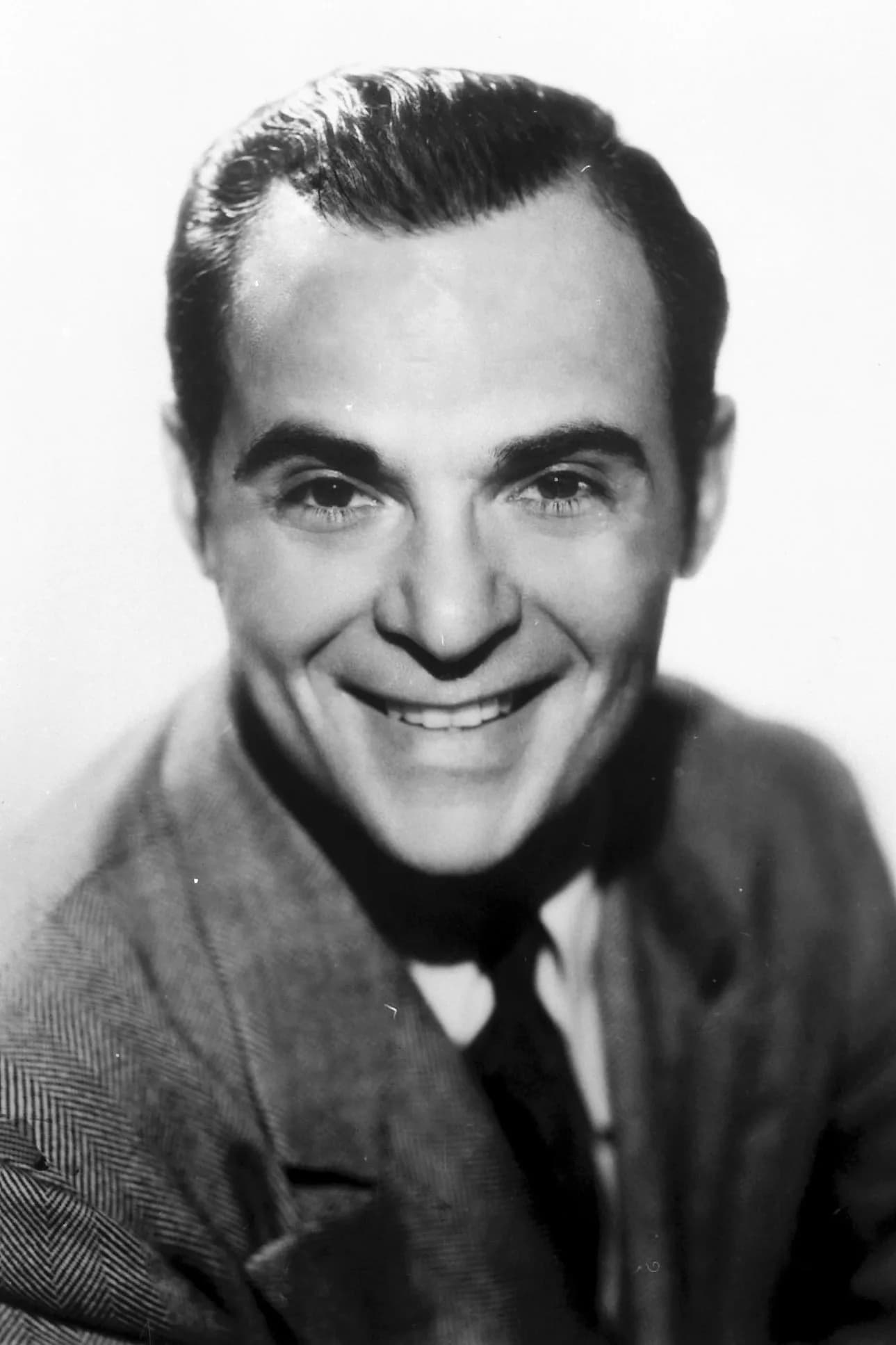
Marc Lawrence
Cast · Director · Known for The Man with the Golden Gun, From Dusk Till Dawn, Lawman
Marc Lawrence was an American character actor who specialized in underworld types. In 1930, Lawrence befriended another young actor, John Garfield. The two appeared in a number of plays before Lawrence was given a film contract with Columbia Pictures. Lawrence appeared in films beginning in 1931. Garfield followed, starting his film career in 1938. Lawrence's pock-marked complexion, brooding appearance and New York street-guy accent made him a natural for heavies, and he played scores of gangsters and mob bosses over the next six decades. Later, Lawrence found himself under scrutiny for his political leanings. When called before the House Un-American Activities Committee, he admitted he had once been a member of the Communist Party. He named Sterling Hayden, Lionel Stander, Anne Revere, Larry Parks, Karen Morley and Jeff Corey as Communists. He was blacklisted and departed for Europe, where he continued to make films. Following the demise of the blacklist, he returned to America and resumed his position as a familiar and talented purveyor of gangland types. He played gangsters in two James Bond movies: 1971's Diamonds Are Forever opposite Sean Connery, and 1974's The Man with the Golden Gun opposite Roger Moore. He also portrayed a henchman opposite Laurence Olivier in Marathon Man (1976) and a stereotypical Miami mob boss alongside Jerry Reed and Dom DeLuise in the comedy Hot Stuff (1979). Description above from the Wikipedia article Marc Lawrence, licensed under CC-BY-SA, full list of contributors on Wikipedia.
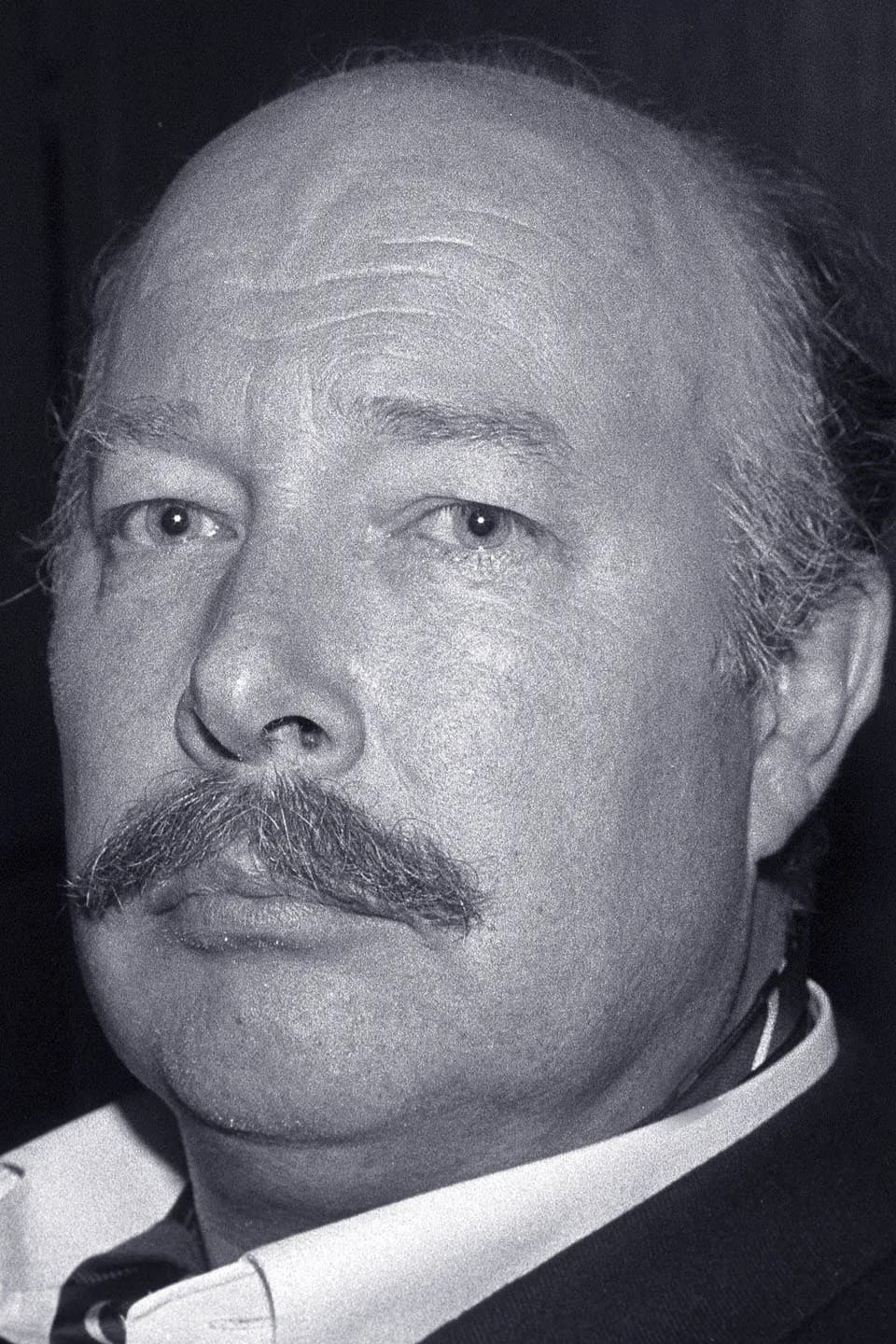
James Cossins
Cast · Known for The Man with the Golden Gun
James Cossins (4 December 1933 – 12 February 1997) was an English actor. Born in Beckenham, Kent, he became widely recognised as the abrupt, bewildered Mr Walt in the Fawlty Towers episode "The Hotel Inspectors" and as Mr Watson, the frustrated Public Relations training course instructor, in an episode of Some Mothers Do 'Ave 'Em. Cossins was born in Beckenham and educated at the City of London School. After serving in the Royal Air Force, he trained at Royal Academy of Dramatic Art, where he won the silver medal in 1952. Cossins first appeared in repertory theatre and at the Nottingham Playhouse. He played a wide range of characters throughout his colourful and extensive career on television and stage, often portraying blustering, pompous, crusty and cantankerous characters. Cossins appeared in Charley's Aunt at the Apollo Theatre in 1971 with Tom Courtenay, David Horovitch, Garth Forwood, Joanna McCallum, and Celia Bannerman. He appeared in more than forty films, including The Anniversary (recreating his West End stage role), and The Lost Continent (both 1968), Gandhi (1982), and The Man with the Golden Gun (1974). On the small screen, Cossins appeared as a guest in a variety of shows, including The Likely Lads and Whatever Happened to the Likely Lads?, Minder, Bergerac, The Sweeney, Bless This House, Shadows, All Creatures Great and Small, Citizen Smith, Just William, The Good Life, L for Lester, Neville Dennis in Callan "Rules of the Game" (1972), Z-Cars, and as the regular character Bruce Westrop (in 1979) in Emmerdale Farm. He also played Major Bagstock in Dombey and Son (1983), and appeared in the first series of All in Good Faith in 1985. He played a magistrate in episodes of four different British sitcoms, Whatever Happened to the Likely Lads?, The Good Life, Citizen Smith and Minder. Cossins's later appearances were limited by ill health and he lived in semi-retirement in Surrey. Cossins died from heart disease at the age of 63, in 1997
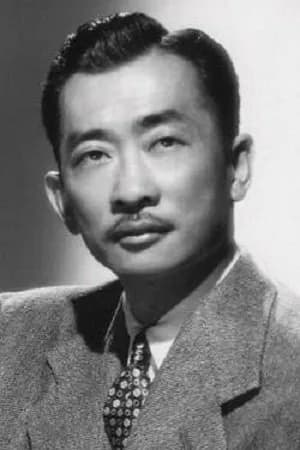
Richard Loo
Cast · Known for The Man with the Golden Gun
Richard Loo (October 1, 1903 – November 20, 1983) was an American film actor who was one of the most familiar Asian character actors in American films of the 1930s and 1940s. He appeared in more than 120 films between 1931 and 1982. Chinese by ancestry and Hawaiian by birth, Loo spent his youth in Hawaii, then moved to California as a teenager. He graduated from the University of California at Berkeley and began a career in business. The stock market crash of 1929 and the subsequent economic depression forced Loo to start over. He became involved with amateur, then professional, theater companies and in 1931 made his first film. Like most Asian actors in non-Asian countries, he played primarily small, stereotypical roles, though he rose quickly to familiarity, if not fame, in a number of films. His stern features led him to be a favorite movie villain, and the outbreak of World War II gave him greater prominence in roles as vicious Japanese soldiers in such successful pictures as The Purple Heart (1944) and God Is My Co-Pilot (1945). Loo was most often typecast as the Japanese enemy pilot, spy or interrogator during World War II. In the film The Purple Heart he plays a Japanese Imperial Army general who commits suicide because he cannot break down the American prisoners. According to his daughter, Beverly Jane Loo, he didn't mind being typecast as a villain in these movies as he felt very patriotic about playing those parts. In 1944 he appeared as a Chinese army lieutenant opposite Gregory Peck in The Keys of the Kingdom. He had a rare heroic role as a war-weary Japanese-American soldier in Samuel Fuller's Korean War classic The Steel Helmet (1951), but he spent much of the latter part of his career performing stock roles in films and minor television roles. In 1974 he appeared as the Thai billionaire tycoon Hai Fat in the James Bond film The Man with the Golden Gun, opposite Roger Moore and Christopher Lee. Loo was also a teacher of Shaolin monks in three episodes of the 1972–1975 hit TV series Kung Fu and made a further three appearances as a different character. His last acting appearance was in The Incredible Hulk TV series in 1981, but he continued to act in Toyota commercials into 1982. Loo died of a cerebral hemorrhage on November 20, 1983, age 80. [biography (excerpted) from Wikipedia]

Lulu
Cast · Known for Absolutely Fabulous
Lulu Kennedy-Cairns, (born Marie McDonald McLaughlin Lawrie; 3 November 1948), best known by her stage name Lulu, is a Scottish singer, actress, and television personality who has been successful in the entertainment business from the 1960s. She is internationally identified, especially by North American audiences, with the song "To Sir with Love" from the film of the same name and with the title song to the James Bond film The Man with the Golden Gun. In European countries, she is also widely known for her Eurovision Song Contest winning entry "Boom Bang-a-Bang" and in the UK for her first hit "Shout", which was performed at the closing ceremony of the 2014 Commonwealth Games in Glasgow.
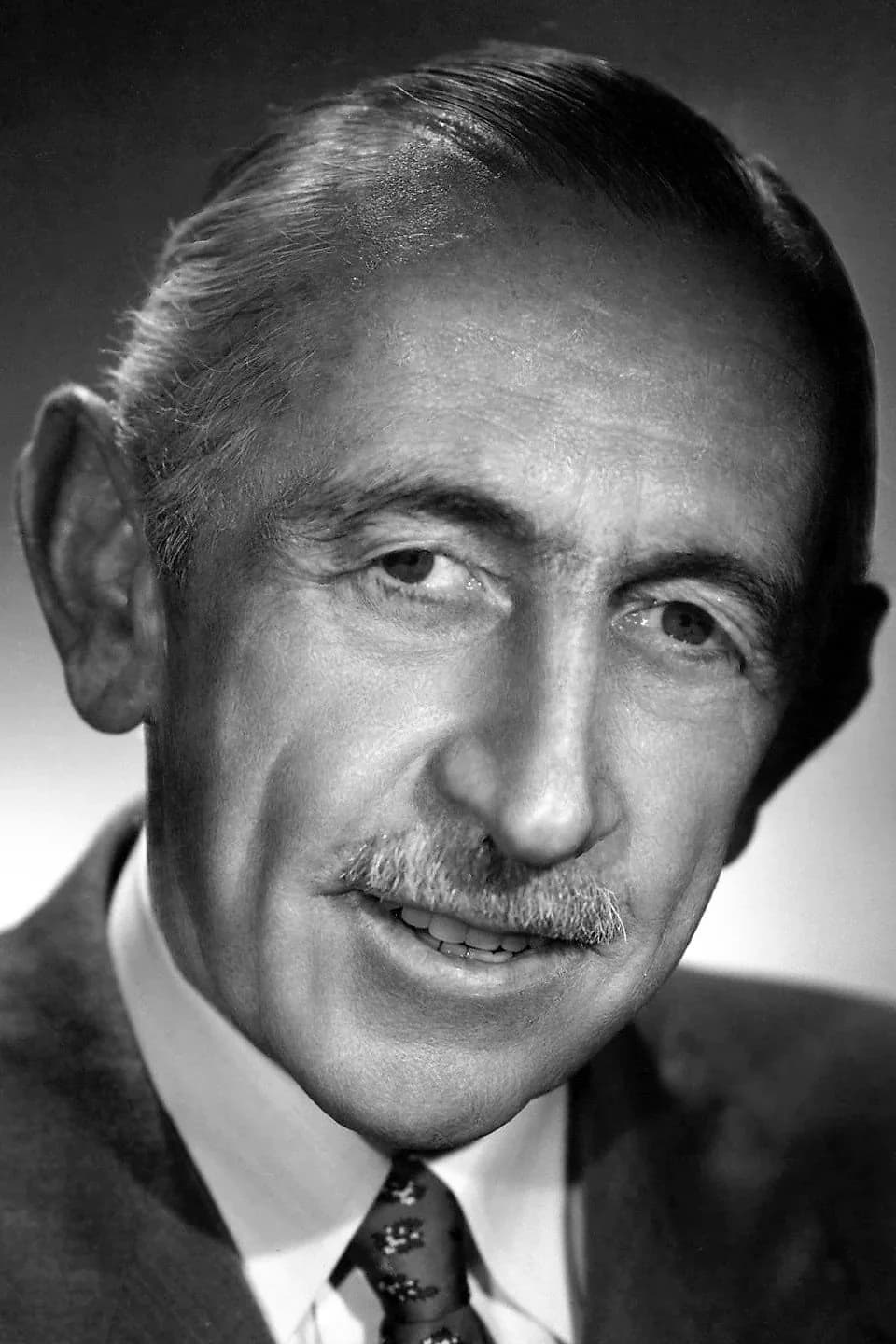
Will Wright
Cast · Known for Maverick
From Wikipedia, the free encyclopedia. William Henry "Will" Wright (March 26, 1894, San Francisco, California - June 19, 1962, Los Angeles, California) was an American character actor. He was frequently cast in westerns and in curmudgeonly roles. Over the course of his career, Wright appeared in more than 200 film and television roles. He started his acting career in vaudeville and later moved to the stage, then on to movies, radio, and television. Among the films in which Wright appeared are Shadow of the Thin Man (1941), The Major and the Minor (1943), So Proudly We Hail! (1943), Road to Utopia (1946), Mother Wore Tights (1947), Mr. Blandings Builds His Dream House (1948), Little Women (1949), Walk Softly, Stranger (1950), Sunset in the West (1950), People Will Talk (1951), The Happy Time (1952), River of No Return (1954), The Man with the Golden Arm (1955), Jeanne Eagels (1957), and Gunman's Walk (1958). One of his most famous and memorable film roles was corrupt city official Dolph Pillsbury in the Academy Award-winning All the King's Men (1949). Wright provided the voice of Friend Owl in Walt Disney's animated film Bambi (1942). He guest starred on several television series. Will Wright died of cancer in 1962.
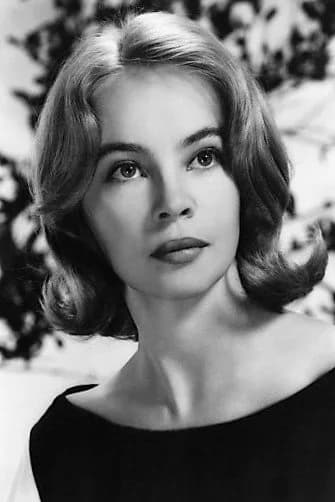
Leslie Caron
Leslie Claire Margaret Caron (born 1 July 1931) is a French-American actress, dancer and writer. She is the recipient of various accolades, including a Golden Globe Award, two BAFTA Awards, and a Primetime Emmy Award, in addition to nominations for two Academy Awards. Caron started her career as a ballerina. She made her film debut in the musical An American in Paris (1951), followed by roles in The Man with a Cloak (1951), Glory Alley (1952) and The Story of Three Loves (1953), before receving critical acclaim for her role as an orphan in Lili (also 1953), which earned her the BAFTA Award for Best Foreign Actress and garnered nominations for an Academy Award and a Golden Globe Award. As a leading lady, Caron went on to star in films such as The Glass Slipper, Daddy Long Legs (both 1955), Gigi (1958), Fanny (1961), both of which earned her Golden Globe nominations, Guns of Darkness (1962), The L-Shaped Room (both 1962), Father Goose (1964) and A Very Special Favor (1965). For her role of a single pregnant woman in The L-Shaped Room, Caron, in addition to receiving a second Academy Award nomination, won the Golden Globe Award for Best Actress in a Motion Picture – Drama and a second BAFTA Award. Caron's other roles include Is Paris Burning? (1966), That's Entertainment! (1974), The Man Who Loved Women, Valentino (both 1977), Damage (1992), Funny Bones (1995), Chocolat (2000) and Le Divorce (2003). In 2007, she won the Primetime Emmy Award for Outstanding Guest Actress in a Drama Series for her performance of a child molestation victim in Law & Order: Special Victims Unit. Description above from the Wikipedia article Leslie Caron, licensed under CC-BY-SA, full list of contributors on Wikipedia.
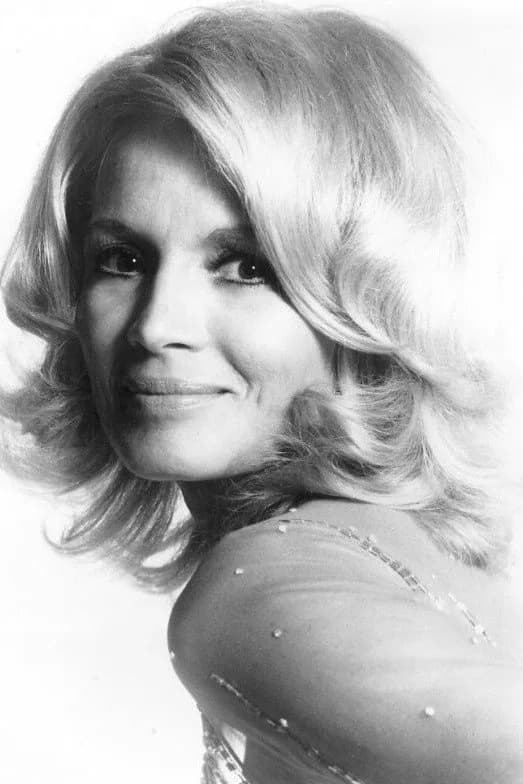
Angie Dickinson
Angeline Dickinson (née Brown; September 30, 1931) is a retired American actress. She began her career on television, appearing in many anthology series during the 1950s, before landing her breakthrough role in Gun the Man Down (1956) with James Arness and the Western film Rio Bravo (1959), for which she received the Golden Globe Award for New Star of the Year. In her six decade career, Dickinson has appeared in more than 50 films, including China Gate (1957), Ocean's 11 (1960), The Sins of Rachel Cade (1961), Jessica (1962), Captain Newman, M.D. (1963), The Killers (1964), The Art of Love (1965), The Chase (1966), Point Blank (1967), Pretty Maids All in a Row (1971), The Outside Man (1972) and Big Bad Mama (1974). From 1974 to 1978, Dickinson starred as Sergeant Suzanne \"Pepper\" Anderson in the NBC crime series Police Woman, for which she received the Golden Globe Award for Best Actress – Television Series Drama and three Primetime Emmy Award for Outstanding Lead Actress in a Drama Series nominations. As lead actress, she starred in Brian De Palma's erotic crime thriller Dressed to Kill (1980), for which she received a Saturn Award for Best Actress. During her later career, Dickinson starred in several television movies and miniseries, also playing supporting roles in films such as Even Cowgirls Get the Blues (1994), Sabrina (1995), Pay It Forward (2000) and Big Bad Love (2001).
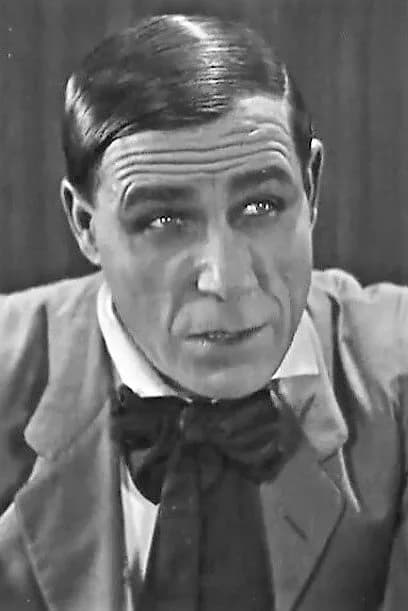
Frank Hagney
From Wikipedia, the free encyclopedia Frank S. Hagney (March 20, 1884 – June 25, 1973) was an Australian actor. Born in Sydney in 1884, Hagney appeared in more than 350 Hollywood films between 1919 and 1966. Most of his film roles were small and uncredited. Because of his tall and strong appearance, Hagney often played officers or henchmens. He is perhaps best-known as Mr. Potter's wordless wheelchair pusher in Frank Capra's classic It's a Wonderful Life (1946). Frank Hagney was also a guest star on more than 70 television programs such as The Cisco Kid, The Adventures of Kit Carson, The Lone Ranger, The Rifleman, Perry Mason, and Daniel Boone. He starred in The Fighting Marine (1926) with Jack Anthony, Joe Bonomo and Walter Miller; The Fighting Sap (1924) with Bob Fleming, Hazel Keener, Wilfred Lucas and Fred Thomson; The Ghost in the Garret (1921), Ghost Town Gold (1936), Go Get 'Em Hutch (1922) with Richard R. Neil; Ride Him Cowboy (1932) with Eddie Gribbon and Charles Sellon; Riders of the Dawn (1939), Valley of the Lawless (1936), and Vultures of the Sea (1928) with Joseph Bennett. His 42 silent films included The Battler (1919), The Breed of the Border (1924), The Dangerous Coward (1924), Galloping Gallagher (1924), Lighting Romance (1924), The Mask of Lopez (1924), The Silent Stranger (1924), The Wild Bull's Lair (1925), Lone Hand Saunders (1926) and The Two-Gun Man (1926). His 54 sound western film included The Phantom of the West (1931), Fighting Caravans (1931), The Squaw Man (1931), The Golden West (1932), Honor of the Range (1934), Western Frontier, Heroes of the Range (1936), Billy the Kid, The Lone Rider Ambushed (1941), Blazing Frontier (1943) and The Wistful Widow of Wagon Gap (1947). His last two films were McLintock! (1963) and Come Blow Your Horn (1963). Hagney was married to Edna Shephard. He died in Los Angeles in 1973. He is buried at Forest Lawn Memorial Park, Glendale.
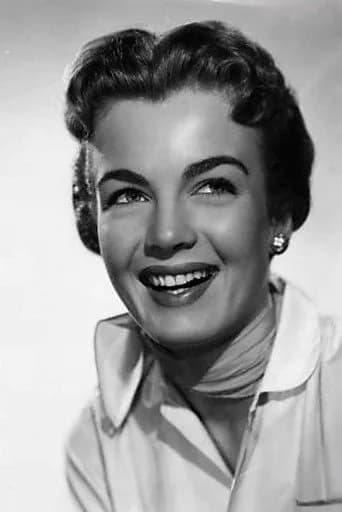
Joanna Barnes
Cast · Known for The Parent Trap
Barnes' initial appearance on television was in the episode "The Man Who Beat Lupo" on Ford Theatre. She made guest appearances on many television series, including the ABC/Warner Bros. programs 77 Sunset Strip and Maverick, CBS's Have Gun - Will Travel, What's My Line, and the crime drama Richard Diamond, Private Detective. In 1960-61, she guest-starred on The Untouchables episode "90 Proof Dame" as the wife of a French exporter of brandy. Barnes appeared as Kate Henniger, with Bing Russell and Arthur Space in the 1958 episode "Ghost Town" of the ABC/WB Western series Colt .45, starring Wayde Preston. In 1959, she portrayed Lola in the NBC detective series 21 Beacon Street. In the 1960s, Barnes worked for producer Martin Ransohoff and appeared in episodes of his The Beverly Hillbillies ("Elly Goes to School" and "The Clampett Look") and was billed as special guest-star. Barnes played Peter Falk's former wife on the 1965–1966 CBS series The Trials of O'Brien and was host of the ABC daytime talk show Dateline: Hollywood in 1967. She was also a frequent panelist in the early years of the syndicated version of What's My Line?. On December 19, 1972, Barnes appeared on The Merv Griffin Show with Joan Fontaine, Zsa Zsa Gabor and Dan Martino (founder of the Dan Martino School for Men). Barnes moved to Los Angeles soon after finishing her education, and took up a contract with Columbia Pictures. She went on to have roles in more than 20 films. Among her most remembered roles is the snooty Gloria Upson in the film Auntie Mame, which earned her a Golden Globe Award nomination for New Star of the Year. Barnes became the 13th actress to play Jane when she appeared in Tarzan, the Ape Man, with Denny Miller as Tarzan. In Disney's original 1961 version of The Parent Trap starring Hayley Mills, Barnes played gold-digger Vicki Robinson, who temporarily comes between Maureen O'Hara and Brian Keith. In the 1998 remake starring Lindsay Lohan, she played Vicki Blake, the mother of the child-hating gold-digger and fiancee Meredith Blake (Elaine Hendrix). As well, she appeared in The War Wagon, a western movie starring John Wayne and Kirk Douglas. Barnes was also a writer and columnist. In 1973, she told newspaper columnist Dick Kleiner that she liked writing because "it is something you do yourself. With acting, if you win an Oscar or an Emmy, you have to thank everybody. If you write a book, it is completely your own." She wrote a book, titled Starting from Scratch, about home decorating and several novels, including The Deceivers, Who Is Carla Hart?, Pastora, and Silverwood. She wrote a weekly book review for the Los Angeles Times, and her column "Touching Home" was carried by The Chicago Tribune and the New York News Syndicate.
Robert McQuain
Cast · Known for The Andy Griffith Show
The only child of Jay David and Lena McQuain, "Bob" grew up in the Washington D.C. area, often visiting and spending summers at the McQuain homestead in Elkins, West Viriginia as well. He graduated from Fork Union Miltary Academy and later attended William and Mary College. Mr. McQuain's big break came when he appeared playing Sir Walter Raleigh in the famous outdoor theatre production of The Lost Colony of Roanoke, a wonderful historical production still on-going today in North Carolina where the historical event actually took place. This was also the venue in which actor, Andy Griffith had got his own early start. When Mr. Griffith returned to NC for a visit, he caught a performance and met Mr. McQuain. This lead to a subsequent friendship, an introduction to Andy's Agent, Mr. Richard Linc, and their circle of friends in the business, a move to Hollywood, years of behind-the-scenes studio work experience, several (14) small bit parts on the 1960s "The Andy Griffith Show," as well as Gunsmoke, Perry Mason and a made for TV Disney two-part movie called Bristol Face, all in the time-honored practice of grooming an actor for a beak in a leading role. However, Mr. McQuain was bucking up against a rival look- alike at the time with the sudden recent success of actor, James Garner. But, by this time, Mr. McQuain was finding more interest working behind the camera as manager of the Title, Optical and Special Effects Department at CFI, Consolidated Film Labs in Hollywood where he worked for ten very innovative years. He then made a move to use his natural likability and knowledge of the industry as a freelance agent booking talent on television and radio talk shows and promotion of all kinds. By 1975, times were changing, with the '72 L.A. earthquake, the oil crisis, and Holywood changing for good from it's golden era, Mr. McQuain pulled up roots leaving Hollywood for good and moved his family to Oregon. He became a licensed real estate agent and soon opened up his own brokerage office with agents and family being apart of it all. He also ran, successfully, for local political office. Tall, with a deep, booming voice, it was hard to forget the friendly Mr. McQuain once you met him. A devoted family man, he had a great interest in genealogy and researched the McQuain family lineage. Still working actively in commercial real estate and family financial planning to the end, Mr. McQuain died unexpectedly in December 1999. He was loved by a great many.
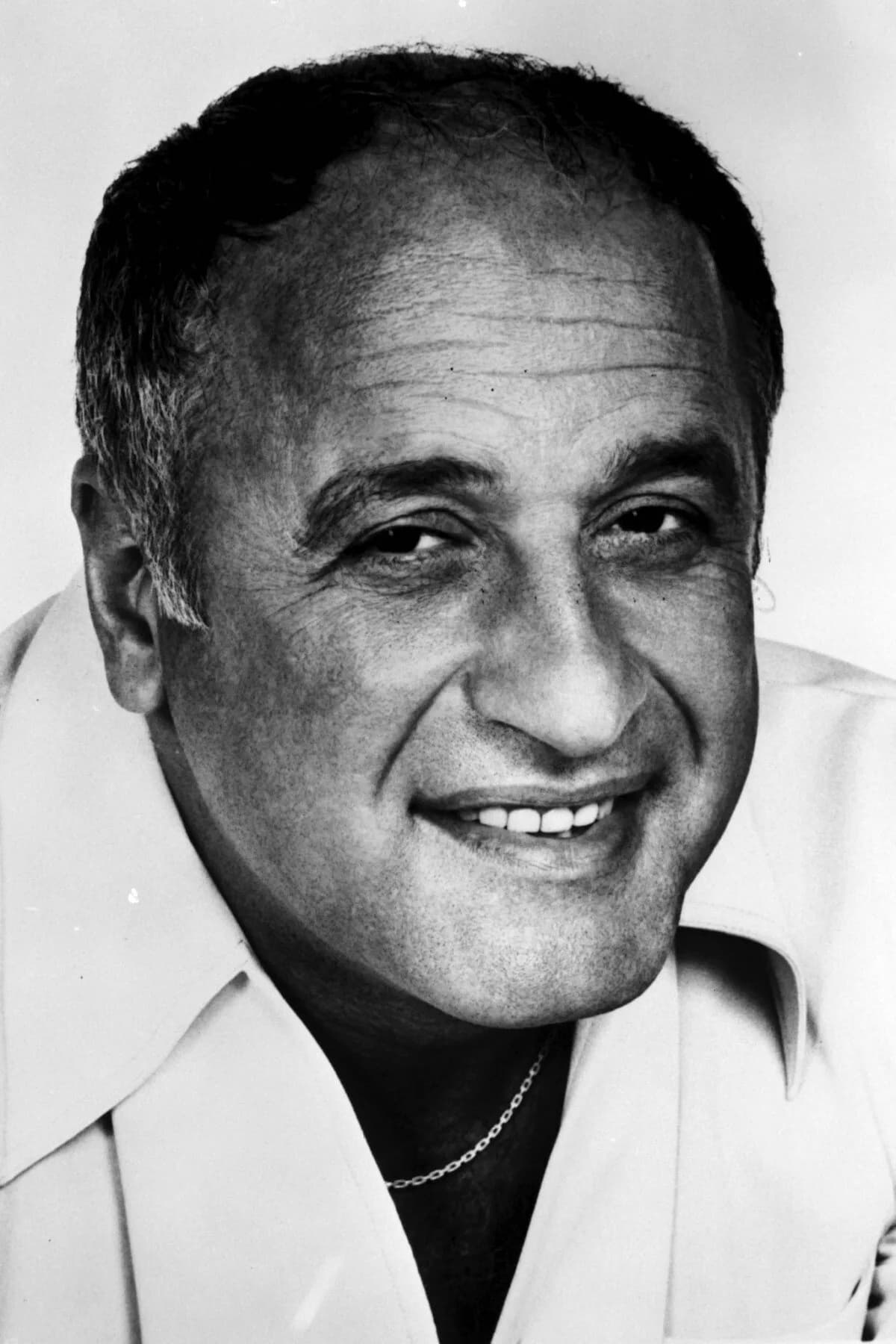
Vic Tayback
Cast · Known for Alice
From Wikipedia, the free encyclopedia Victor Tayback (January 6, 1930 – May 25, 1990) was an American actor. He is best known for his role as diner owner Mel Sharples in the comedy-drama film Alice Doesn't Live Here Anymore (1974) and the television sitcom Alice (1976–1985), for which he won two consecutive Golden Globes. Early life Tayback was born on January 6, 1930 in Brooklyn, New York, to Syrian Catholic immigrant parents Helen (née Hanood; Arabic: هيلين هنود تايباك) and Najeeb James Tayback (Arabic: نجيب جيمس طيبك) . Both of his parents had emigrated to the United States from Aleppo. He moved with his family to Burbank, California during his teenage years and attended Burbank High School, from which he graduated in 1948. He also attended Glendale Community College and the Frederick A. Speare School of Radio and TV Broadcasting. Career Tayback served in the United States Navy before beginning his acting career at the age of 25. A lifetime member of the Actors Studio, he was a familiar face on television in the 1960s and 1970s, appearing on numerous series, including The Man from U.N.C.L.E., Star Trek, Bonanza, Here Come the Brides, That Girl, Gunsmoke, The Mary Tyler Moore Show, The Partridge Family, All in the Family, Fantasy Island, Columbo, Bewitched and The Love Boat. He also appeared in many films such as Bullitt (1968), Papillon (1973), The Gambler (1974), The Cheap Detective (1978), and All Dogs Go to Heaven (1989), as well as more than 25 stage productions, including Twelve Angry Men, The Diary of Anne Frank, Death of a Salesman, and Brighton Beach Memoirs. He was the co-founder of the theatre troupe Company of Angels. He also appeared in television commercials, notably in 1968 with Richard Dreyfuss for the AMC Javelin. Tayback's most famous role was as diner owner Mel Sharples in both the film Alice Doesn't Live Here Anymore (1974) and the television series Alice (1976–1985). He was the only actor in the original film to reprise his role for the rest of the series. For the role, he was nominated for a Primetime Emmy Award in 1978 and won two consecutive Golden Globe Awards in 1980 and 1981. In 1971, he made a guest appearance as Dirks in season 16, episode 19 of the long-running CBS Western series Gunsmoke. Personal life Tayback was married to Sheila Maureen Barnard (1932–2001) from March 16, 1963, until his death on May 25, 1990. They had one son. Death Tayback died of a heart attack at age 60 on May 25, 1990. Tayback was pronounced dead at 1:56 a.m. at Glendale Adventist Medical Center, where he was taken after his wife called paramedics. She said he had climbed out of bed, taken a few steps and collapsed. Tayback was a lifelong smoker and had a history of heart problems. He underwent a triple bypass in 1983. He is buried at Forest Lawn Memorial Park (Hollywood Hills). CLR
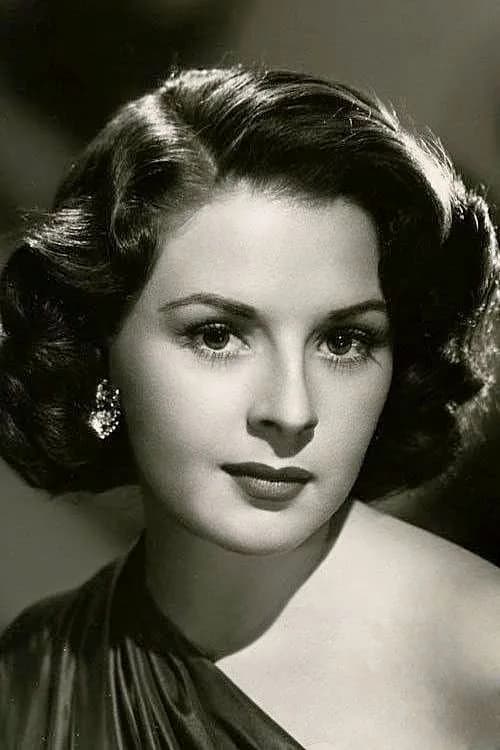
Mala Powers
From Wikipedia, the free encyclopedia Mary Ellen "Mala" Powers (December 20, 1931 – June 11, 2007) was an American film actress. She was born in San Francisco, California. In 1940, her family moved to Los Angeles. Her father was an executive with United Press. In the summer of her relocation, Powers attended the Max Reinhardt Junior Workshop where she enjoyed her first role in a play before a live audience. She continued with her drama lessons, and a year later she auditioned and won a part in the 1942 Dead End Kids film Tough as They Come. At the age of 16 she began working in radio drama, before becoming a film actress in 1950. Her first roles were in Outrage and Edge of Doom in 1950. That same year, Stanley Kramer signed Powers to star opposite Jose Ferrer in what may be her most remembered role as Roxane in Cyrano de Bergerac. She was nominated for a Golden Globe Award for her part in this movie. While on a USO entertainment tour in Korea in 1951, she acquired a blood disease and almost died. She was treated with chloromycetin, but a severe allergic reaction resulted in the loss of much of her bone marrow. Powers barely survived, and her recovery took nearly nine months. She began working again in 1952 and 1953, including a part in City Beneath the Sea and City That Never Sleeps, although she was still taking medication. Following her recovery, she appeared in B-movie westerns, such as Rage at Dawn (1955), and science fiction films, among them The Colossus of New York (1958), Flight of the Lost Balloon (1961), and Doomsday Machine (1972). She also had a large role in Tammy and the Bachelor (1957) She appeared on more than one hundred television programs, including episodes of Appointment with Adventure, John Payne's The Restless Gun, Maverick, Bonanza, Wild Wild West and Perry Mason. She co-starred opposite Anthony Quinn in the television movie The Man and the City, later a television series. She was married to Monte Vanton in 1954, but they divorced in 1962; they had a son, Toren Vanton, who survived his mother. Powers remarried in 1970 to M. Hughes Miller, a book publisher. Powers was a successful children's author of "Follow the Star" and "Follow the Year" and of "Dial a Story". Shortly before her death from complications of leukemia June 11, 2007, aged 75, she had been on a lecture tour at universities. She was a master teacher for the past 14 years in the summer program at the University of Southern Maine for the Michael Chekhov Theatre Institute, training actors and teachers of acting. Mala Powers co-founded the National Michael Chekhov Association with teaching colleagues Wil Kilroy and Lisa Dalton, who continue to teach the curriculum developed by the trio in Maine. Powers was the executrix of the Michael Chekhov estate and instrumental in publishing Chekhov's books On the Technique of Acting, To the Actor, and The Path of the Actor. She also published Chekhov's audio series "On Theatre and the Art of Acting", to which she added a 60 page study guide. She co-narrates with Gregory Peck a documentary on Chekhov entitled "From Russia To Hollywood". She was patron of the Michael Chekhov Studio London and has a star on the Hollywood Walk of Fame. Powers also had a small but recurring role on Shirley Booth's Hazel series. In that capacity she became a close friend of Lynn Borden, who played Barbara Baxter in the 1965-1966 season. Later, she gave Borden several elephant figurines, one a jade piece an another purchased on a trip to India. Borden became a collector of both frog and elephant figures. Description above from the Wikipedia article Mala Powers, licensed under CC-BY-SA, full list of contributors on Wikipedia.
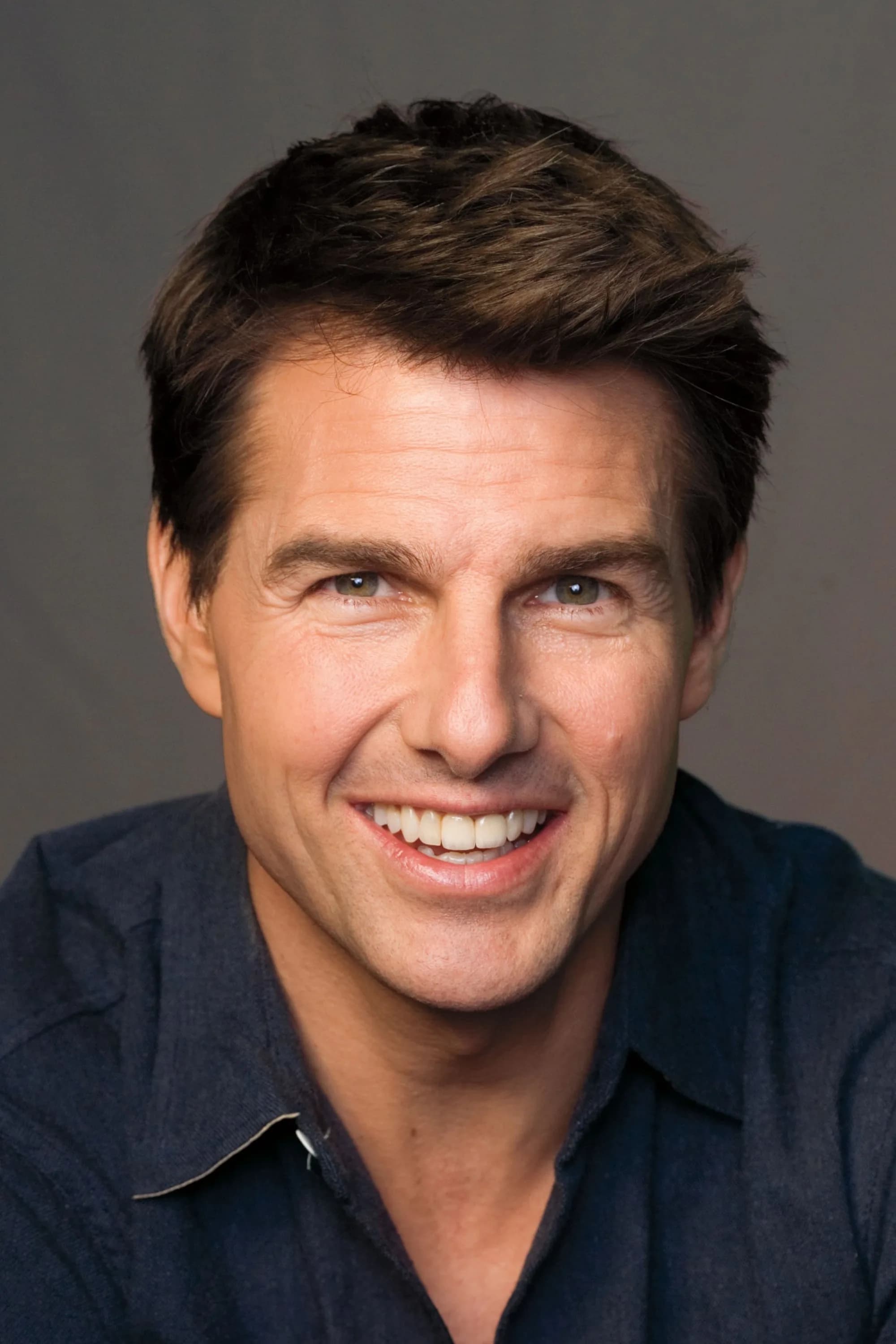
Tom Cruise
Cast · Known for Digger, Minority Report, Mission: Impossible - Dead Reckoning Part One
Thomas Cruise Mapother IV (/ˈmeɪˌpɒθər/ MAY-poth-ər; born July 3, 1962) is an American actor and film producer. Regarded as a Hollywood icon, he has received various accolades, including an Honorary Palme d'Or, an Academy Honorary Award, and three Golden Globes, in addition to nominations for four competitive Academy Awards. As of 2026, his films have grossed more than $13.3 billion worldwide, placing him among the highest-grossing actors of all time. One of Hollywood's most bankable stars, he is consistently one of the world's highest-paid actors. Cruise began acting in the early 1980s and made his breakthrough with leading roles in Risky Business (1983) and Top Gun (1986), the latter earning him a reputation as a sex symbol. Critical acclaim came with his roles in the dramas The Color of Money (1986), Rain Man (1988), and Born on the Fourth of July (1989). For his portrayal of Ron Kovic in the latter, he won a Golden Globe Award and received a nomination for the Academy Award for Best Actor. As a leading Hollywood star in the 1990s, he starred in commercially successful films, including the drama A Few Good Men (1992), the thriller The Firm (1993), the horror film Interview with the Vampire (1994), and the sports comedy-drama Jerry Maguire (1996); for the latter, he won a Golden Globe Award for Best Actor and his second nomination for the Academy Award for Best Actor. Cruise's performance in the drama Magnolia (1999) earned him another Golden Globe Award and a nomination for the Academy Award for Best Supporting Actor. Cruise subsequently established himself as a star of science fiction and action films, often performing his own risky stunts. He played fictional agent Ethan Hunt in the Mission: Impossible film series (1996–2025). His other films in the genre include Vanilla Sky (2001), Minority Report (2002), The Last Samurai (2003), Collateral (2004), War of the Worlds (2005), Knight and Day (2010), Jack Reacher (2012), Oblivion (2013), Edge of Tomorrow (2014), and Top Gun: Maverick (2022). Cruise holds the Guinness World Record for the most consecutive $100 million-grossing movies, a feat achieved with eleven films released between 2012 and 2025. In December 2024, he was awarded the U.S. Navy's highest civilian honor, the Distinguished Public Service Award, in recognition of his "outstanding contributions" to the military, with his screen roles. In March 2025, he was named the recipient of the British Film Institute Fellowship, the BFI's highest honor, for his contributions to cinema. Forbes ranked him as the world's most powerful celebrity in 2006. He was named People's Sexiest Man Alive in 1990, and received the top honor of "Most Beautiful People" in 1997. Outside his film career, Cruise has been an outspoken advocate for the Church of Scientology, which has resulted in controversy and scrutiny of his involvement in the organization. An aviation enthusiast, he has held a pilot certificate since 1994. Description above from the Wikipedia Tom Cruise, article licensed under CC-BY-SA, full list of contributors on Wikipedia.
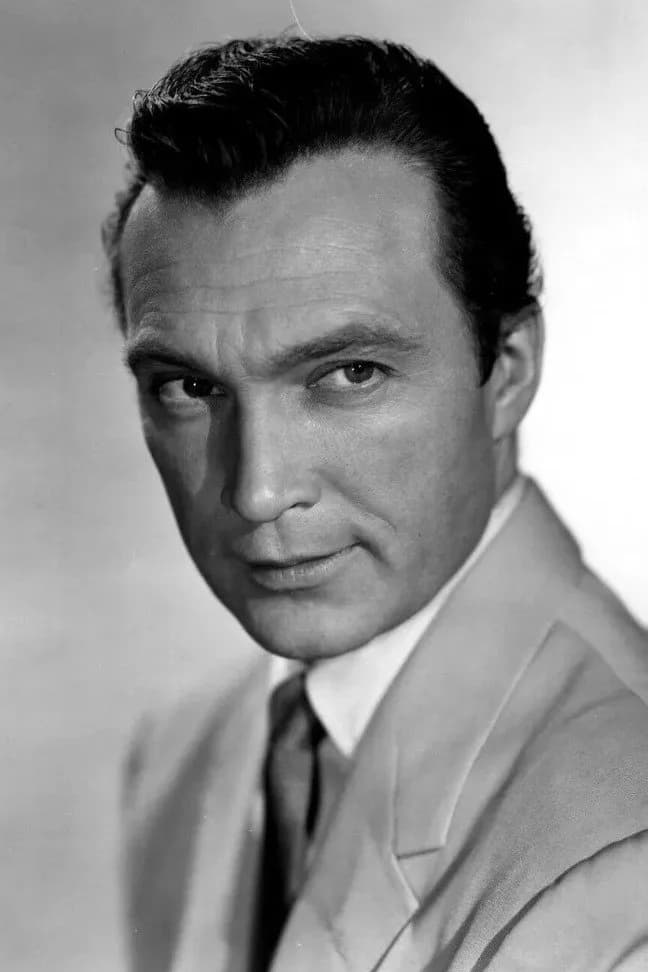
Warren Stevens
Warren Albert Stevens was an American stage, screen, and television actor. A founding member of The Actor's Studio in New York, Stevens received notice on Broadway in the late 1940s, and thereafter was offered a Hollywood contract at 20th Century Fox. His first Broadway role was in The Life of Galileo; his first movie role followed in The Frogmen. As a young studio contract player, Stevens had little choice of material, and he appeared in films that included Phone Call from a Stranger, Wait Till the Sun Shines, Nellie, and Gorilla at Large. A memorable movie role was that of the ill-fated "Doc" Ostrow in the science fiction film Forbidden Planet. He also had supporting roles in The Barefoot Contessa with Humphrey Bogart and Intent to Kill. Despite occasional parts in big films, Stevens was unable to break out consistently into A-list movies, so he carved out a career in television as a journeyman dramatic actor. He co-starred as Lt. William Storm in Tales of the 77th Bengal Lancers, a prime time adventure series set in India. Stevens also provided the voice of John Bracken in season one of Bracken's World. He played the role of Elliot Carson in the daytime series Return to Peyton Place during its two-year run. He appeared in over 150 prime time shows from the 1950s to the early 1980s, including: Golden Age anthology series (Actors Studio, Campbell Playhouse, The Web, Justice, Philco Television Playhouse, Studio One, The United States Steel Hour, Bob Hope Presents the Chrysler Theatre, Route 66, Mysteries Hawaiian Eye, Perry Mason, The Untouchables, Climax!, Checkmate, Surfside 6, 77 Sunset Strip, Behind Closed Doors, I Spy, The Man from U.N.C.L.E., Ironside, The Mod Squad, Mannix, Cannon, Griff, and Mission: Impossible, as well as Alfred Hitchcock Presents, The Twilight Zone, One Step Beyond, and Mission: Impossible. He also starred in a variety of Westerns: Laramie, The Rebel, The Man Called Shenandoah), Wagon Train, The Alaskans, Gunsmoke, Bonanza, Daniel Boone, The Virginian Rawhide, and Have Gun, Will Travel, as well as Tombstone Territory and Stoney Burke. In 1970, he appeared as Paul Carson on "The Men From Shiloh" (rebranded name for The Virginian in the episode titled "Hannah.") Stevens' appearance in the 1955 movie Robbers' Roost introduced him to Richard Boone, who hired him for a continuing television role on The Richard Boone Show, an award-winning NBC anthology series which lasted for the 1963–1964 season. In his later years, Stevens' appearances were infrequent. He guest-starred in ER in March 2006 and had two roles in 2007.
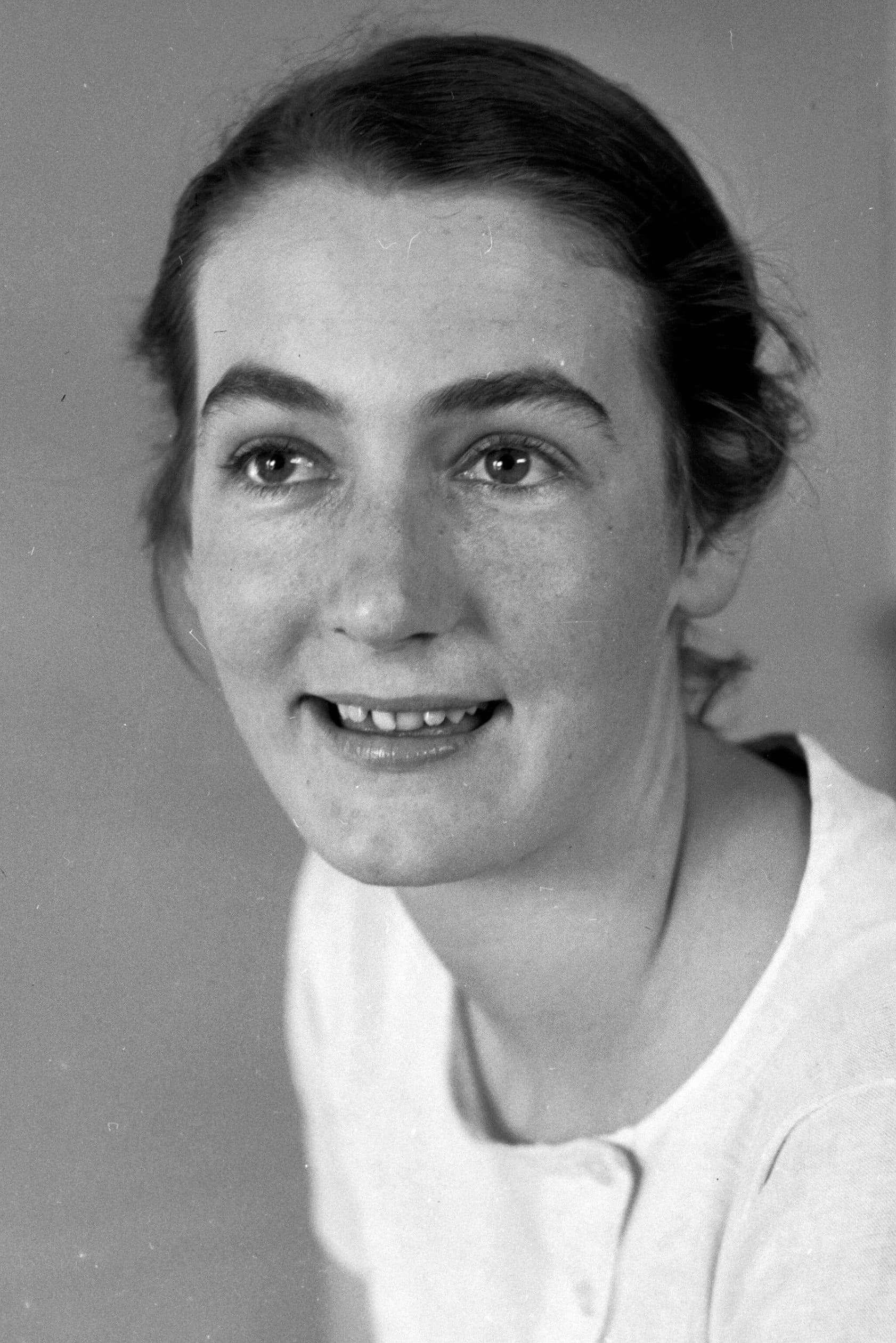
Dorothy Jeakins
Costume Design · Known for The Sound of Music, The Ten Commandments
Dorothy Jeakins (January 11, 1914 – November 21, 1995) was an American costume designer. Born in San Diego, California, she attended public school in Los Angeles from first grade through high school. As a senior at Fairfax High School, she was offered a scholarship to study at the Otis Art Institute (now known as Otis College of Art and Design). She also attended the Art Students League of Los Angeles, under Stanton Macdonald-Wright. She was later awarded an Honorary Doctorate from Otis College in 1987. Jeakins worked on WPA projects and as a Disney artist in the 1930s. Her fashion career began as a designer at I. Magnin's, where she was spotted by director Victor Fleming. Hired as a sketch artist for Joan of Arc (1948), Jeakins worked on the costumes with Barbara Karinska and shared an Oscar with her in the color category. This was the first Oscar ever awarded for costumes outside the black and white category. Jeakins was unusual in that she freelanced, never signing a long-term contract with any one studio. She worked steadily for the next thirty-nine years, winning another two Oscars, for Samson and Delilah (1949, shared with Edith Head and others), The Night of the Iguana (1964), and another 12 nominations. She designed period costumes for The Ten Commandments (1956), The Music Man (1962), The Sound of Music (1965), Little Big Man (1970), The Way We Were (1973), Young Frankenstein (1974) and The Dead (1987). Her modern dress excursions included Niagara (1953), Three Coins in the Fountain (1954), South Pacific (1958), and On Golden Pond (1981). Jeakins also worked on stage productions, including South Pacific (in which Motley was the principal costume designer), King Lear, Winesburg, Ohio, and The World of Suzie Wong (for which she received her third Tony nomination), and such television productions as the 1957 production of Annie Get Your Gun, and Mayerling. For ten years beginning in 1953, she served as designer for the Los Angeles Civic Light Opera. In 1961 she was awarded a Guggenheim Fellowship to study in Japan. She spent a year there, studying theater costume. From 1967 to 1970, Ms. Jeakins was Curator of Costumes and Textiles at the Los Angeles County Museum of Art. In 1987, she was awarded the Women in Film Crystal Award for outstanding women who, through their endurance and excellence of their work, have helped to expand women's roles within the entertainment industry. Jeakins, who retired in 1990, once summed up her designing: "I can put my world down to two words: Make beauty. It's my cue and my private passion."