
Search
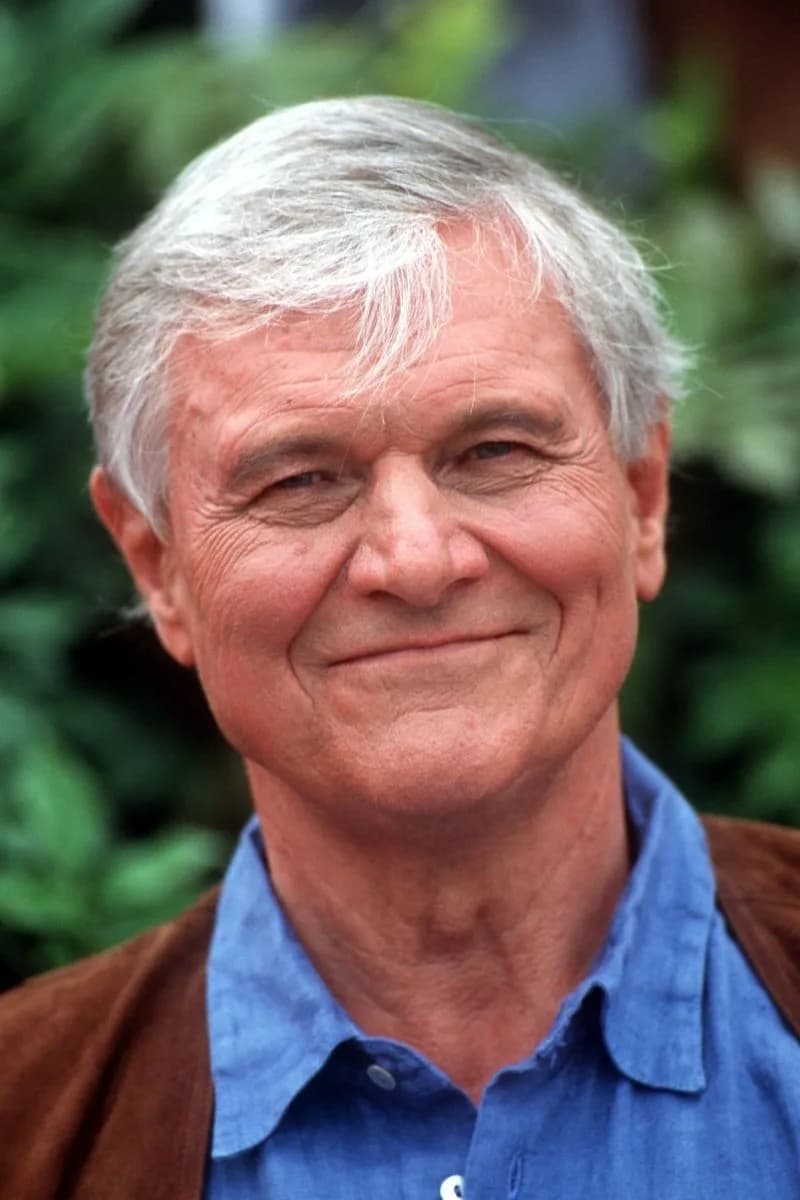
Heinz Weiss
Cast · Known for Das Traumschiff
Heinz Weiss (12 June 1921 – 20 November 2010) was a German film actor. Weiss is best known for playing the role of Phil Decker in the Jerry Cotton series of films and the role of Captain Heinz Hansen in Das Traumschiff. He also played the character "Kramer" in the iconic World War II film The Great Escape (1963). He himself had served in German military, the Wehrmacht, during World War II. From Wikipedia, the free encyclopedia
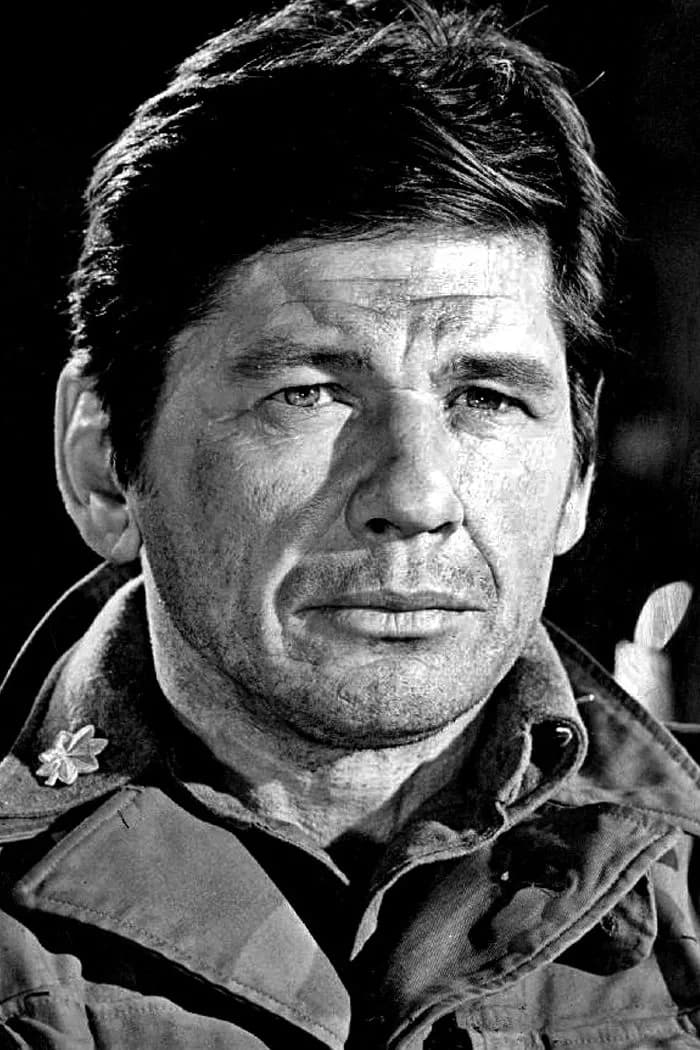
Charles Bronson
Cast · Known for Once Upon a Time in the West, The Great Escape, Have Gun, Will Travel
From Wikipedia, the free encyclopedia Charles Bronson (born Charles Dennis Buchinsky; November 3, 1921 – August 30, 2003) was an American actor. He was known for his roles in action films and his "granite features and brawny physique". Bronson was born into extreme poverty in Ehrenfeld, Pennsylvania, a coal mining town in the Allegheny Mountains. Bronson's father, a miner, died when Bronson was young. Bronson himself worked in the mines as well until joining the United States Army Air Forces in 1943 to fight in World War II. Bronson had sizeable co-starring roles in The Magnificent Seven (1960), The Great Escape (1963), This Property Is Condemned (1966), and The Dirty Dozen (1967). Bronson also performed in many major television shows, and was nominated for an Emmy Award for his supporting role in an episode of General Electric Theater. Actor Alain Delon (who was a fan of Bronson) hired him to co-star with him in the French film Adieu l'ami (1968). That year, he also played one of the leads in the Italian spaghetti Western, Once Upon a Time in the West (1968). Bronson continued playing leads in various action, Western, and war films made in Europe, including Rider on the Rain (1970), which won a Golden Globe Award for Best Foreign Language Film. During this time Bronson was the most popular American actor in Europe. Early life and war service Bronson was born November 3, 1921, in Ehrenfeld, Pennsylvania, a coal mining region in the Allegheny Mountains, north of Johnstown. He was the 11th of 15 children born into a Roman Catholic family of Lithuanian descent. The very large family slept in shifts in their cold-water shack. The coal car tracks that ran out of the mine's mouth passed just a few yards away. His father, Walter Buchinsky (né Vladislavas Valteris Paulius Bučinskas/Bučinskis), was a Lipka Tatar from Druskininkai in southern Lithuania. Bronson's mother, Mary (née Valinsky), whose parents were from Lithuania, was born in Tamaqua, Pennsylvania, in the Anthracite Coal Region. Bronson said English was not spoken at home during his childhood, like many other first-generation American children he grew up with. He once recounted that even as a soldier, his accent was strong enough to make his comrades think he was a foreigner. Besides English, he could speak Lithuanian and Russian. Marriages His first marriage was to Harriet Tendler, whom he met when both were fledgling actors in Philadelphia. They had two children, Suzanne and Tony, before divorcing in 1965. Bronson died at age 81 on August 30, 2003, at Cedars-Sinai Medical Center in Los Angeles. Bronson was married to English actress Jill Ireland from October 5, 1968, until her death in 1990. Death Bronson died at age 81 on August 30, 2003, at Cedars-Sinai Medical Center in Los Angeles. Although pneumonia and Alzheimer's disease have been cited as his cause of death, neither appears on his death certificate, which cites "respiratory failure", "metastatic lung cancer", with, secondarily, "chronic obstructive pulmonary disease" and "congestive cardiomyopathy" as the causes of death. He was interred at Brownsville Cemetery in West Windsor, Vermont. CLR
Ferris Webster
Editor · Known for The Great Escape
From Wikipedia, the free encyclopedia Ferris Webster (April 29, 1912 – February 4, 1989) was an American film editor with approximately seventy-two film credits. He was nominated for Academy Awards for Best Film Editing for his work on Blackboard Jungle (1955), The Manchurian Candidate (1962), and The Great Escape (1963). Webster was raised in the state of Washington, and was a student at the University of Southern California, where he was an outstanding track and field athlete. He was trained as an editor at the MGM Studios, and received his first feature-film credit in 1943 for Harrigan's Kid. At MGM, Webster edited six films with director Vincente Minnelli: Undercurrent (1946), Madame Bovary (1949), Father of the Bride (1950), Father's Little Dividend (1951), The Long, Long Trailer (1954), and Tea and Sympathy (1956). Film critic Bruce Eder has written of Madame Bovay that, "the cutting of the film in the gala ball sequence, in particular, was a marvel of the editor's art in the service of old Hollywood's restrained, elegant storytelling." In the mid-1950s, he edited three films with director Richard Brooks: Blackboard Jungle (1955), Something of Value (1957), and Cat on a Hot Tin Roof (1958); Webster received his first nomination for the Academy Award for Blackboard Jungle. His last film at MGM was Key Witness (1960). Bruce Eder has written, "If ever a film editor deserved public recognition in the 1960s, it was Ferris Webster." Webster edited the three films of director John Frankenheimer's "paranoia trilogy": The Manchurian Candidate (1962), Seven Days in May (1964), and Seconds (1966). Eder writes that The Manchurian Candidate was "the editor's magnum opus. The shooting, cutting, and intercutting of one extended brainwashing sequence, seen from multiple points-of-view, is still striking decades later, and the movie earned Webster his second Academy Award nomination." Frankenheimer cast Webster in his only appearance as a film actor, as Air Force Gen. Bernard "Barney" Rutkowski in Seven Days in May. Webster was nominated for an Academy Award for the editing of The Great Escape (1963), which was directed by John Sturges. Webster and Sturges' notable collaboration included fifteen films between 1950 and 1972, which is about half of Sturges' films in that period. It started with The Magnificent Yankee and Mystery Street (1950), and included The Law and Jake Wade (1958), The Magnificent Seven (1960), and Ice Station Zebra (1968). The final film of their collaboration was Joe Kidd (1972), which was near the end of Sturges' career. Joe Kidd starred Clint Eastwood. In the last phase of his career, Webster edited and co-edited eight films that were directed by Eastwood, starting with High Plains Drifter (1973), which was Eastwood's second film as a director. Webster edited Breezy (1973), The Eiger Sanction (1975), The Outlaw Josey Wales (1976), The Gauntlet (1977), Bronco Billy (1980), Firefox (1982) and Honkytonk Man (both 1982). These latter two films with Eastwood concluded Webster's career as an editor, apparently after a falling-out between the two men. Additional credits include The Picture of Dorian Gray (1945), Lili (1953), Forbidden Planet (1956), Les Girls (1957), Divorce American Style (1967).
Daniel Hayde
Actor, Writer. Daniel Hayde is known for The Boys in the Boat (2023), The Great Escaper (2023) and Ted Lasso (2020).
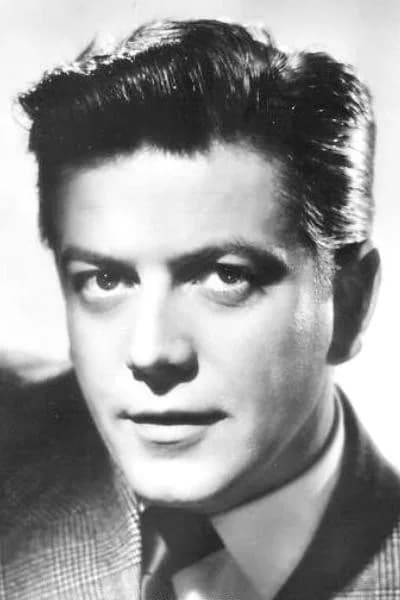
Hans Reiser
Cast · Known for The Great Escape
Hans Reiser (3 June 1919 – 10 June 1992) was a German film and television actor. He starred as Joseph Schmidt in the 1958 biopic A Song Goes Round the World, and The Great Escape (film) as Herr Kuhn. Reiser was born and died in Munich. From Wikipedia, the free encyclopedia
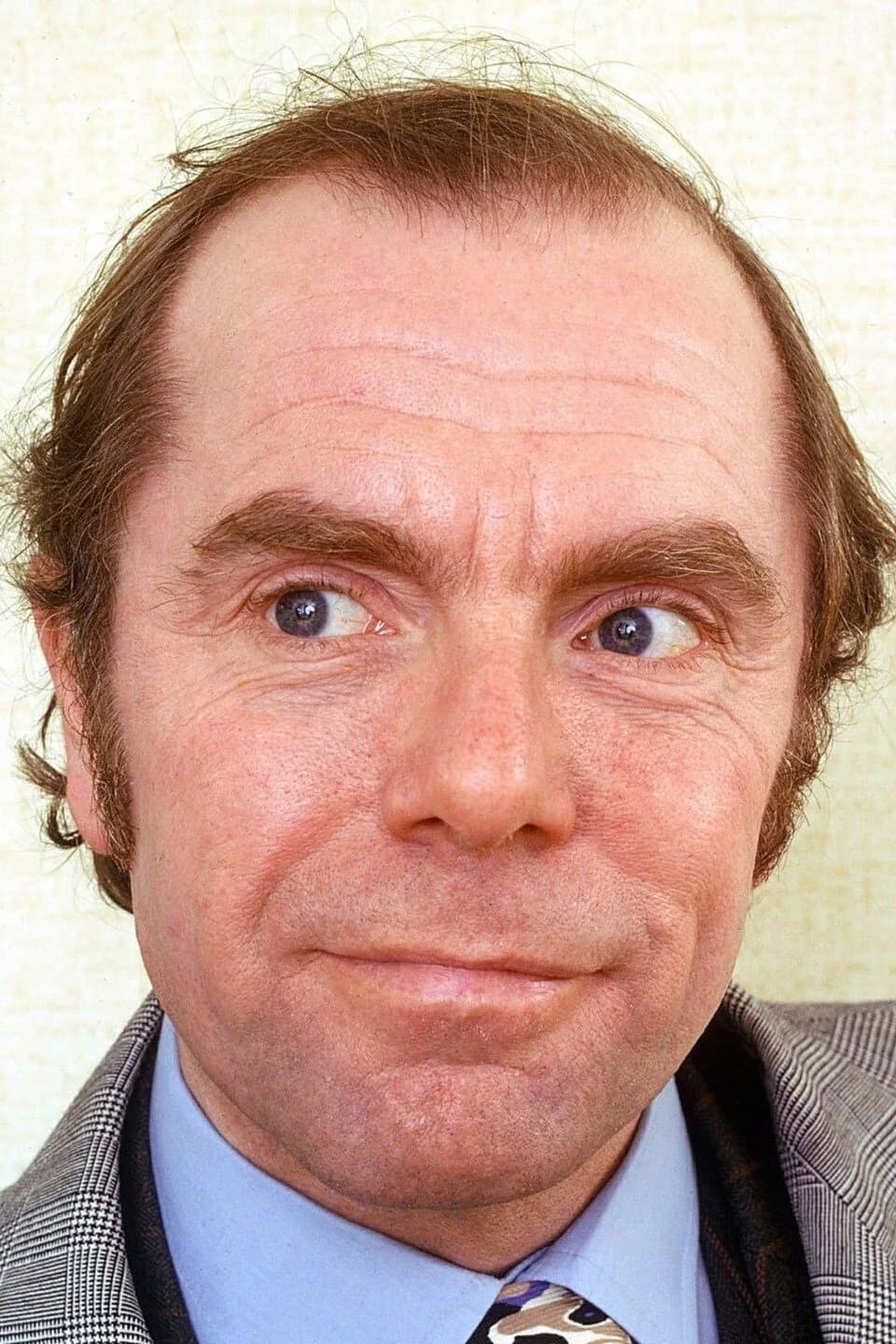
Angus Lennie
Cast · Known for The Great Escape
Angus Wilson Lennie (18 April 1930 – 14 September 2014) was a Scottish film and theatre character actor with a 50-year career span. His numerous credits include the character of Flying Officer Archibald Ives in The Great Escape, and Shughie McFee in the television soap opera Crossroads.
Rich Jeffery
Cast · Known for Bluey
Rich Jeffery is a sound editor, foley artist and boom operator, as well as being a founding member of The Great Escape. Outside of film production, Rich works as an internal software developer for a technology analyst firm.

George Mikell
George Mikell (born Jurgis Mikelaitis; 4 April 1929 – 12 May 2020) was a Lithuanian-Australian actor and writer best known for his performances as Schutzstaffel (SS) officers in The Guns of Navarone (1961) and The Great Escape (1963). Mikell appeared in over 30 British and American feature films and had numerous leading roles in theatre. From Wikipedia, the free encyclopedia
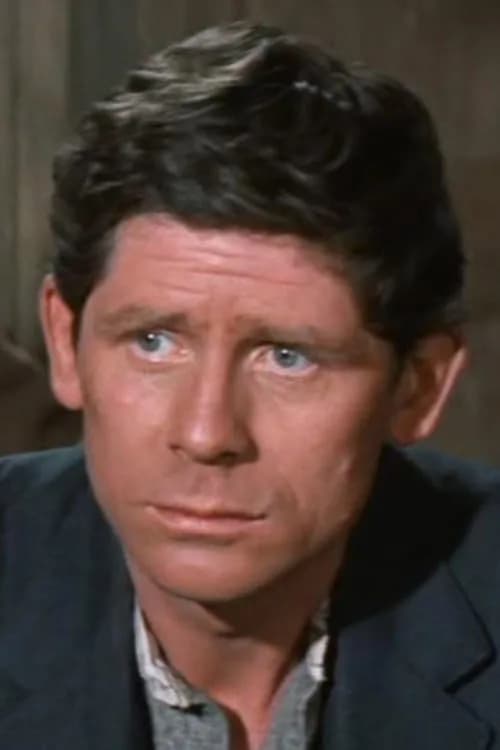
Robert Desmond
Cast · Known for Compact
Robert Desmond (16 December 1922 – 2002) was a British film and television actor of the 1950s and 1960s. He started out in juvenile roles, making his film debut in 1948's The Guinea Pig opposite Richard Attenborough. He appeared in a number of early television films such Boys in Brown, recreating the role of Spud Parker in the theatrical film version of 1949, again with Attenborough. He would appear opposite Attenborough one more time in The Great Escape (1963), as Griffith the Tailor. Other films include The Cockleshell Heroes (1955), Indiscreet (1958), The Ugly Duckling (1959), Sink the Bismarck! (1960), The Bulldog Breed (1960) and The Best of Enemies (1961).
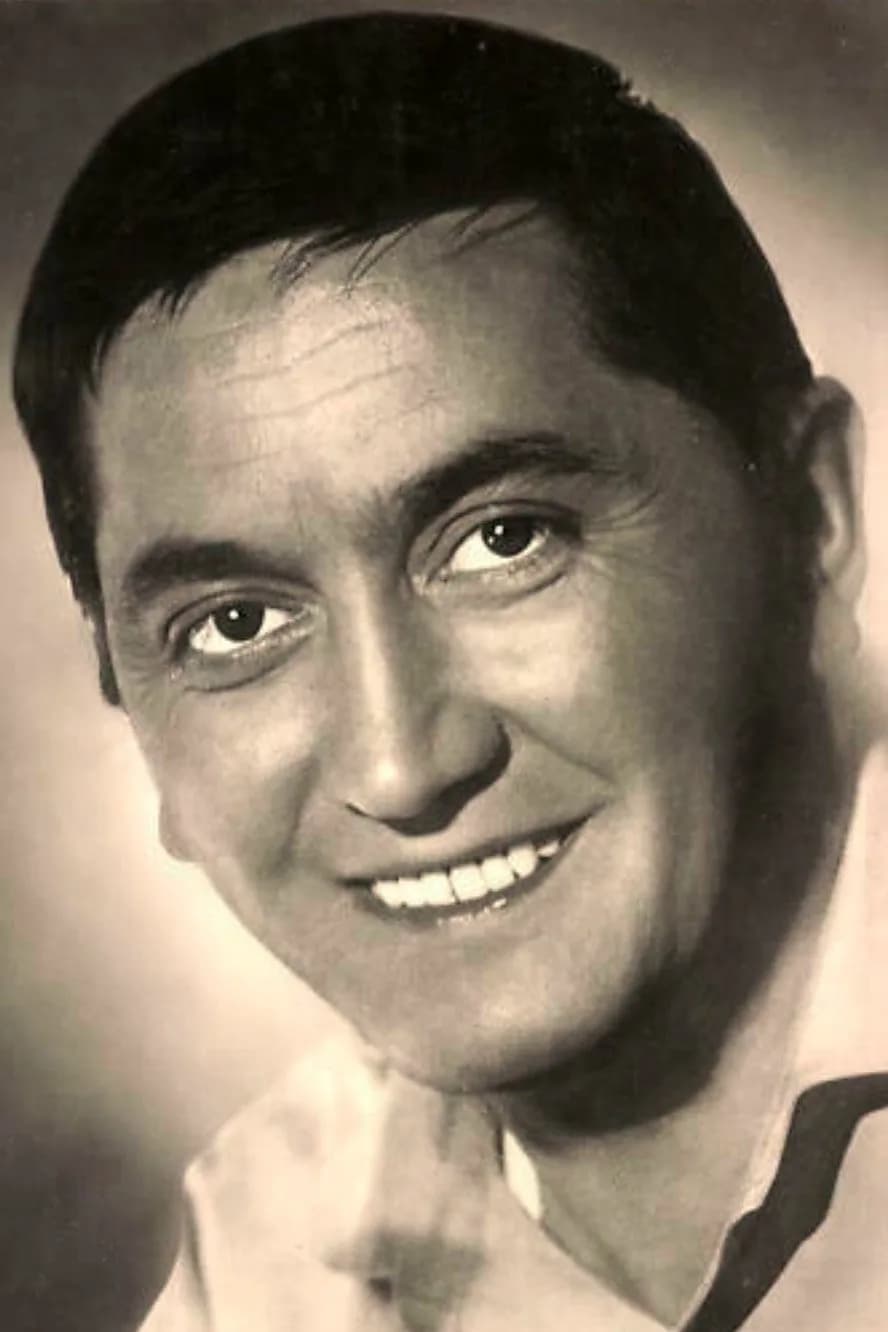
Robert Graf
Cast · Known for The Great Escape
Robert Graf (November 18, 1923 – February 4, 1966) was a German actor who played the role of Werner, "The Ferret" in the 1963 movie The Great Escape. Graf was born in Witten, Germany in 1923. In 1942, after completing his Abitur, he was conscripted into the Wehrmacht and sent to the Eastern Front. He was wounded in 1944, and assigned to war production duties in Munich, where he began his study of theater.[1] In 1952, Graf married the actress Selma Urfer and had three children. He was the father of the director Dominik Graf. Robert Graf died of cancer in Munich in 1966 at age 42. From Wikipedia, the free encyclopedia
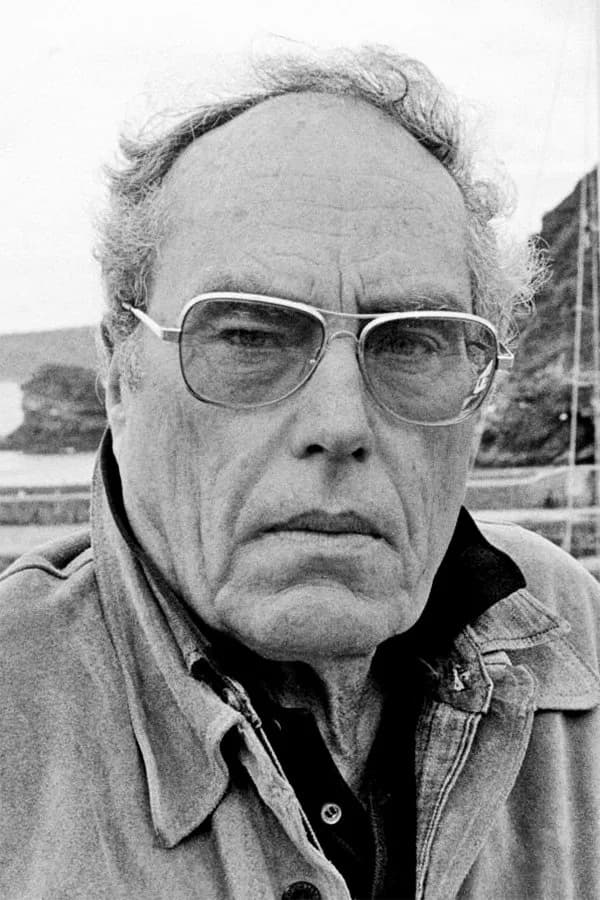
John Sturges
Director · Known for The Great Escape
John Eliot Sturges was an American film director. His movies include Bad Day at Black Rock (1955), Gunfight at the O.K. Corral (1957), The Magnificent Seven (1960), The Great Escape (1963) and Ice Station Zebra (1968).
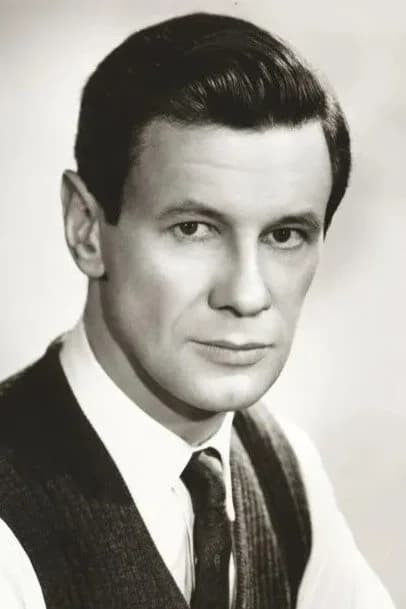
James Donald
Cast · Known for The Great Escape
From Wikipedia, the free encyclopedia James Donald (18 May 1917 - 3 August 1993) was a Scottish actor. Tall and gaunt, he specialised in playing authority figures; military officers, doctors or scientists. Donald was born in Aberdeen, and made his first professional stage appearance sometime in the late-1930s, having been educated at Rossall School on Lancashire's Fylde coast. During World War II he appeared in minor roles in such propaganda classics as In Which We Serve (1942), Went the Day Well? (1942) and The Way Ahead (1944), and he played Mr. Winkle in the 1952 film version of The Pickwick Papers. However, leading roles eluded him until Lust for Life (1956), in which he played Theo Van Gogh. His work in the theatre included Noël Coward's Present Laughter (1943) which starred Coward himself, and The Eagle with Two Heads (1947), You Never Can Tell (1948), and The Heiress (1949) with Ralph Richardson, Peggy Ashcroft and Donald Sinden. He memorably portrayed Major Clipton, the doctor who expresses grave doubts about the sanity of Col. Nicholson's (Alec Guinness) efforts to build the bridge in order to show up his Japanese captors, in the film The Bridge on the River Kwai (1957). The final words are his: "Madness!, Madness!" He also played Group Captain Ramsey, the Senior British Officer in The Great Escape (1963), as well as supporting roles in other notable films both in Britain and the United States, including The Vikings (1958), King Rat (1965), Cast a Giant Shadow (1966), and Quatermass and the Pit (1967). Donald starred in a 1960 television adaptation of A. J. Cronin's The Citadel and appeared regularly in many other television dramas in the UK and USA, as well as on stage. In 1961, he played Prince Albert opposite Julie Harris's Queen Victoria, in the Hallmark Hall of Fame production of Laurence Housman's play Victoria Regina. Description above from the Wikipedia article James Donald, licensed under CC-BY-SA, full list of contributors on Wikipedia.
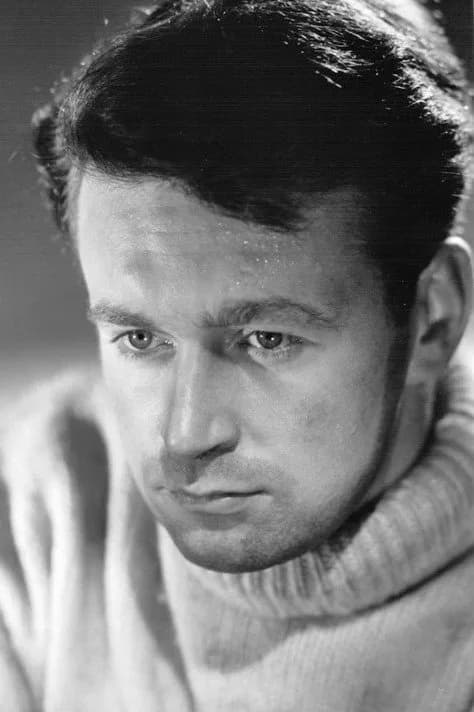
William Russell
Cast · Known for Father Brown, Doctor Who, The Great Escape
William Russell Enoch (19 November 1924–3 June 2024) was an English actor. He achieved prominence in 1956 when he took the title role in the ITV television series The Adventures of Sir Lancelot (1956–1957). In 1963, he became part of the original lead cast of BBC1's Doctor Who, playing the role of schoolteacher Ian Chesterton opposite William Hartnell from the show's first episode until 1965. Russell's film roles include parts in The Man Who Never Was (1956), The Great Escape (1963) and Superman (1978). On television, he notably appeared as Ted Sullivan in Coronation Street in 1992. In recent years, Russell has maintained his association with Doctor Who; he returned to the show in 2022, making a cameo appearance as Ian in "The Power of the Doctor", 57 years after the character's last television appearance. From Wikipedia, the free encyclopedia
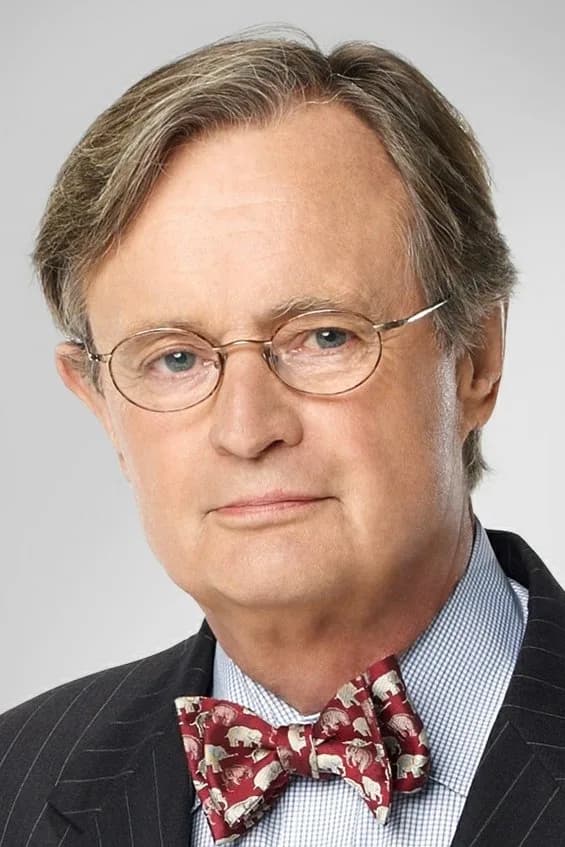
David McCallum
Cast · Known for NCIS, The Great Escape, Ben 10: Ultimate Alien
David McCallum (September 19, 1933 - September 25, 2023) was a Scottish actor and musician. He gained wide recognition in the 1960s for playing secret agent Illya Kuryakin in the television series The Man from U.N.C.L.E. His other notable television roles include Carter in Colditz (1972–1974) and Steel in Sapphire & Steel (1979–1982). Beginning in 2003, McCallum gained renewed international popularity for his role as NCIS medical examiner Dr. Donald "Ducky" Mallard in the American television series NCIS. On film, McCallum notably appeared in The Great Escape (1963). He was born in Glasgow, Scotland, to David McCallum Sr., an orchestral violinist, and Dorothy (née Dorman), a cellist. He began his acting career in the early 1950s, appearing in British television shows and films. In 1957, he moved to Hollywood to pursue a career in American cinema. His breakthrough role came in 1964 when he was cast as Illya Kuryakin in The Man from U.N.C.L.E. The show was a huge success, and he became an international star. After the show ended in 1968, he continued to act in films and television shows, but he never achieved the same level of success. In 2003, he was cast as Dr. Donald "Ducky" Mallard in NCIS. The show was a critical and commercial success, and McCallum became one of the most popular members of the cast. He remained with the show for a 20-year run, and became the longest-serving cast member. In addition to his acting career, he was also a musician. He has released several albums of folk and pop music, and he also toured extensively.

Brian Pettifer
Brian Pettifer (born January 1, 1953) is a South African actor who has appeared in many television shows, and also on stage and in film. He is the younger brother of folk musician Linda Thompson. He intended to become a photographer, but pursued a career as an actor. He appeared as a child in the BBC's This Man Craig and Dr Finlay's Casebook, and Madame Bovary (with his friend Alex Norton) which gave him an avid interest in acting on television. His first film role was in Lindsay Anderson's film if.... (1968). He also appeared in Anderson's O Lucky Man! (1973) and Britannia Hospital (1982) playing the same character in all three Anderson films, that of Biles. His other film credits include roles in Amadeus (1984), A Christmas Carol (1984), Gulag (1985), Heavenly Pursuits (1986), Little Dorrit (1987), The Great Escape II: The Untold Story (1988), Loch Ness (1996), The House of Mirth (2000), Dr Jekyll and Mr Hyde (2002), The Rocket Post (2004), Vanity Fair (2004) and Lassie (2005). Pettifer was a regular in Rab C. Nesbitt mainly propping up a bar, but was also known as aircraftman Bruce Leckie in Get Some In!, where he was constantly the butt of jokes directed at him by Corporal Marsh. He also played cousin Hughie in the long running Liverpool based 70s sitcom The Liver Birds. He also played Alfred Meyer in the BBC/HBO film Conspiracy and the part of Dr. Cameron in the Radio 4 series entitled Adventures of a Black Bag, after appearing in several episodes of Dr. Finlay's Casebook. He appeared in Hamish Macbeth, as well as guest starring in Still Game. In 2005, he also appeared in the first episode of the BBC drama Bleak House. In 2011 and 2013, he played Father Richards in The Field of Blood. He had the role of Poupart in the BBC One series The Musketeers. In 2012, Brian Pettifer appeared as Archie Milgrow in the episode Old School Ties in the series New Tricks. He has worked extensively in the theatre: writing, directing and acting. He has been in a production of The Fairy-Queen at Glyndebourne, which went to Paris and New York in 2010. In 2015, Pettifer appeared in the crime comedy The Legend of Barney Thomson along with his Hamish Macbeth co-star Robert Carlyle. In 2019, he appeared in an episode of Holby City playing patient Laurie Stocks.
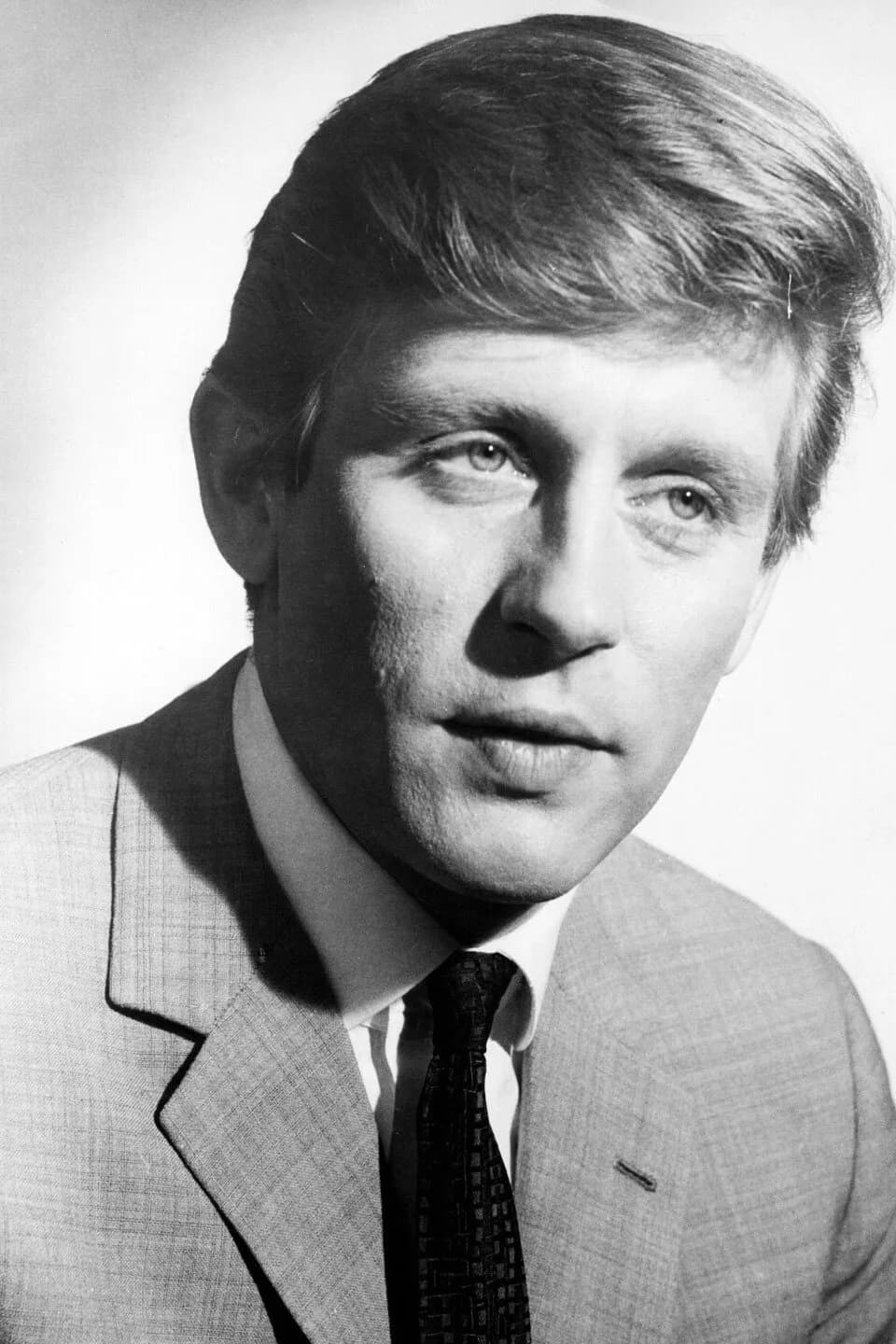
John Leyton
Cast · Known for The Great Escape
John Dudley Leyton (born 17 February 1936) is an English actor and singer. Leyton as a singer is best known for his hit song "Johnny Remember Me" (written by Geoff Goddard and produced by Joe Meek), which reached number one in the UK Singles Chart in August 1961 despite being banned by the BBC for its death references. His follow-up single, "Wild Wind", reached number two in the charts. Alongside singing, Leyton's acting career saw him appearing in television and films throughout the 1960s. His films included The Great Escape, Guns at Batasi, Von Ryan's Express and Krakatoa, East of Java. In 2009 he also had a small role in the film Telstar, a biopic based on Joe Meek's life in which Leyton himself was portrayed by Callum Dixon.
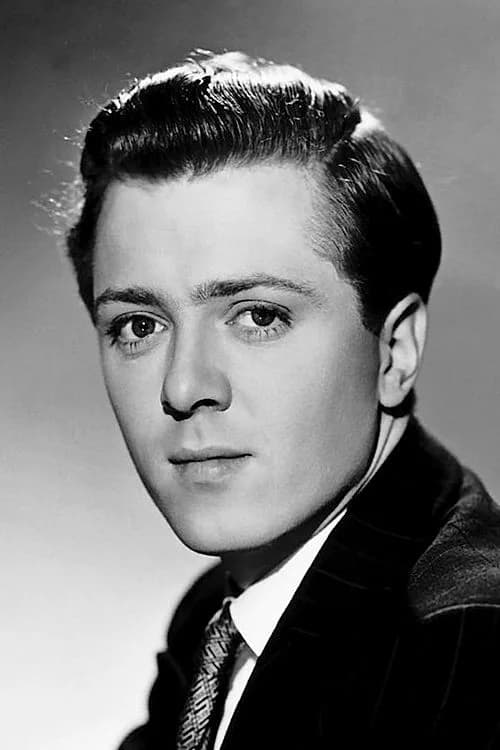
Richard Attenborough
Cast · Known for The Great Escape, Jurassic Park
Richard Samuel Attenborough, Baron Attenborough, Kt, CBE (August 29, 1923 – August 24, 2014) was an English actor, filmmaker, entrepreneur, and politician. He was the President of the Royal Academy of Dramatic Art (RADA) and the British Academy of Film and Television Arts (BAFTA). Attenborough joined the Royal Air Force during World War II and served in the film unit. He went on several bombing raids over Europe and filmed action from the rear gunner's position. As a film director and producer, Attenborough won two Academy Awards for Gandhi in 1983. He also won four BAFTA Awards and four Golden Globe Awards. As an actor, he is perhaps best known for his roles in Brighton Rock, The Great Escape, 10 Rillington Place, Miracle on 34th Street (1994) and Jurassic Park. He was the older brother of David Attenborough, a naturalist and broadcaster, and John Attenborough, an executive at Alfa Romeo. He was married to actress Sheila Sim from 1945 until his death.
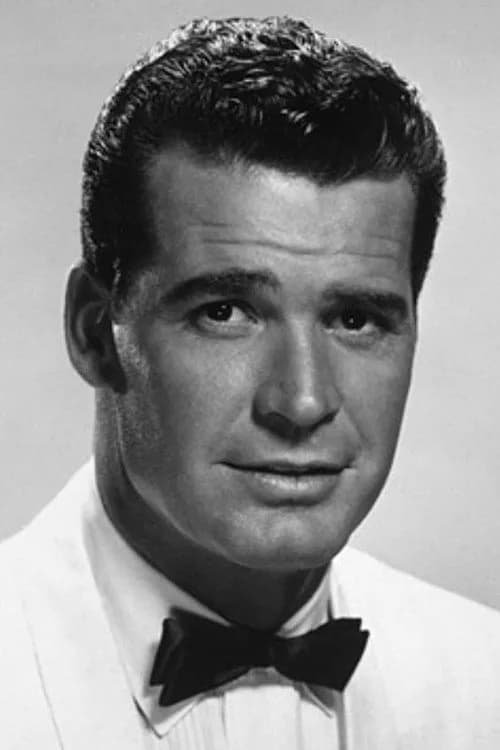
James Garner
Cast · Known for The Rockford Files, Maverick, The Great Escape
James Scott Garner (né Bumgarner; April 7, 1928 – July 19, 2014) was an American actor, producer, and voice artist. He starred in several television series over more than five decades, including such popular roles as Bret Maverick in the 1950s western comedy series Maverick and Jim Rockford in The Rockford Files, and played leading roles in more than 50 theatrical films, including The Great Escape (1963) with Steve McQueen, Paddy Chayefsky's The Americanization of Emily (1964), Grand Prix (1966), Blake Edwards' Victor Victoria (1982), Murphy's Romance (1985), for which he received an Academy Award nomination, Space Cowboys (2000) with Clint Eastwood, and The Notebook (2004).
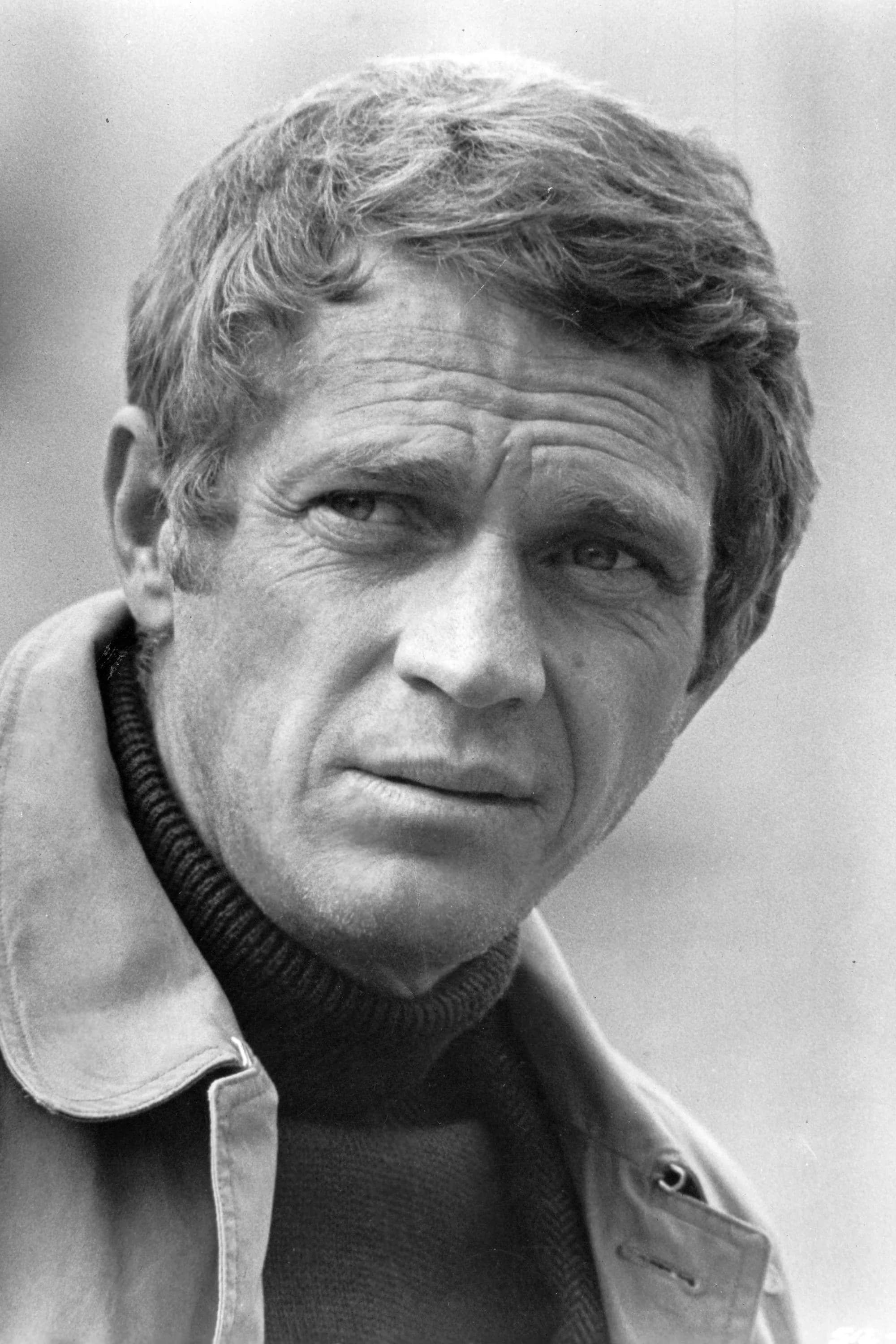
Steve McQueen
Cast · Known for The Great Escape, Wanted: Dead or Alive
Terrence Stephen "Steve" McQueen (March 24, 1930 – November 7, 1980) was an American actor. His antihero persona, emphasized during the height of the counterculture of the 1960s, made him a top box-office draw for his films of the late 1950s, 1960s, and 1970s. He was nicknamed the "King of Cool" and used the alias Harvey Mushman in motor races. McQueen received an Academy Award nomination for his role in The Sand Pebbles (1966). His other popular films include Love With the Proper Stranger (1963), The Cincinnati Kid (1965), Nevada Smith (1966), The Thomas Crown Affair (1968), Bullitt (1968), Le Mans (1971), The Getaway (1972), and Papillon (1973). In addition, he starred in the all-star ensemble films The Magnificent Seven (1960), The Great Escape (1963), and The Towering Inferno (1974). In 1974, McQueen became the highest-paid movie star in the world, although he did not act in film for another four years. He was combative with directors and producers, but his popularity placed him in high demand and enabled him to command the largest salaries.
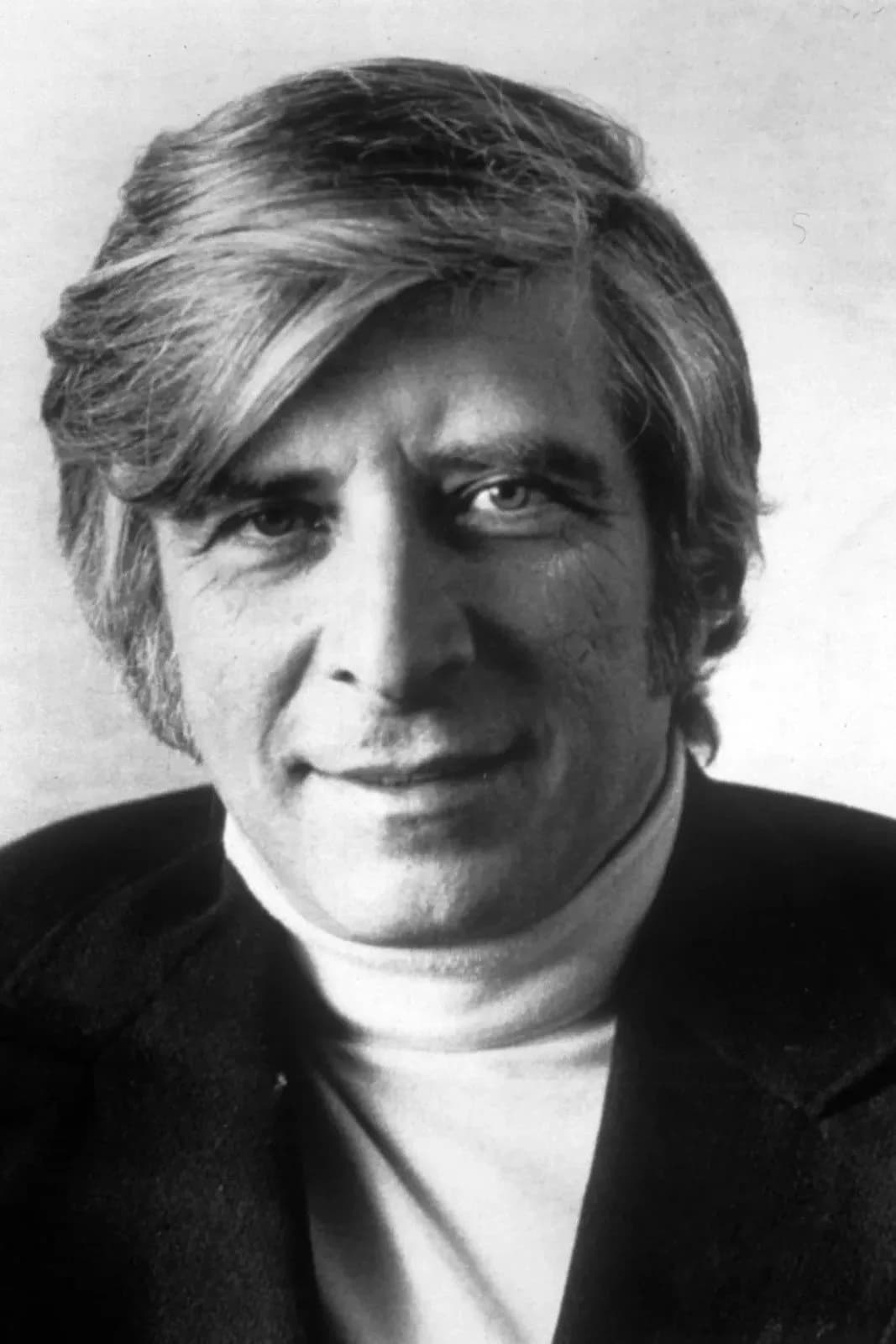
Elmer Bernstein
Composer · Known for Airplane!, Cape Fear, Ghostbusters
Elmer Bernstein (April 4, 1922 – August 18, 2004) was an American composer and conductor best known for his many film scores. In a career which spanned fifty years, he composed music for hundreds of film and television productions. His most popular works include the scores to The Magnificent Seven, The Ten Commandments, The Great Escape, To Kill a Mockingbird, Ghostbusters, The Black Cauldron, Airplane!, and The Rookies. Bernstein won an Oscar for his score to Thoroughly Modern Millie (1967) and was nominated for fourteen Oscars in total. He also won two Golden Globes and was nominated for two Grammy Awards. Bernstein wrote the theme songs or other music for more than 200 films and TV shows, including The Magnificent Seven, The Great Escape, The Ten Commandments (1956), The Man with the Golden Arm, To Kill a Mockingbird, Robot Monster, and the fanfare used in the National Geographic television specials. His theme for The Magnificent Seven is also familiar to television viewers, as it was used in commercials for Marlboro cigarettes. Bernstein also provided the score to many of the short films of Ray and Charles Eames. In 1961 Bernstein co-founded Äva Records an American record label based in Los Angeles together with Fred Astaire, Jackie Mills and Tommy Wolf.

James Clavell
Writer · Known for The Great Escape
James Clavell, born Charles Edmund Dumaresq Clavell (10 October 1924 – 7 September 1994) was an Australian (later naturalized American) novelist, screenwriter, director and World War II veteran and prisoner of war. Clavell is best known for his epic Asian Saga series of novels and their televised adaptations, along with such films as The Great Escape and To Sir, with Love.
Harry Riebauer
Cast · Known for The Great Escape, Possession
Harry Riebauer (4 July 1921 – 8 November 1999) was a German film and television actor. Riebauer was born in Reichenberg (Liberec, Czechoslovakia) in a Sudetengerman family. Active in acting from 1950 through 1990, one of his many roles was appearing as Sgt. Strachwitz in the film The Great Escape (1963).[ He was noted for his tall stature, standing 1.94 metres (6 ft 4 in). From Wikipedia, the free encyclopedia
Daniel L. Fapp
Cinematographer · Known for The Great Escape
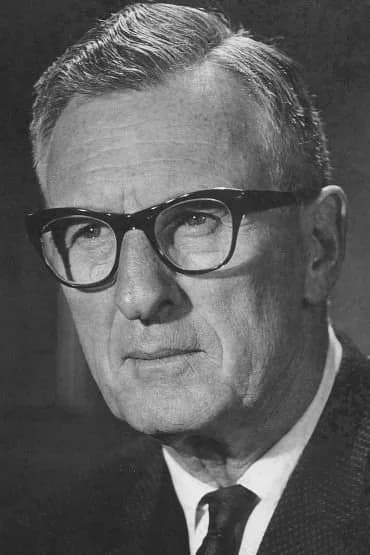
Daniel L. Fapp, A.S.C. (April 21, 1904 – July 19, 1986) was an American cinematographer, best known as director of photography for West Side Story (1961), for which he won an Academy Award for Best Cinematography, and The Great Escape (1963). He also was nominated for Academy Awards for his cinematography for Desire Under the Elms (1958), The Five Pennies (1959), One, Two, Three (1961), The Unsinkable Molly Brown (1964), Ice Station Zebra (1968) and Marooned (1969). From Wikipedia, the free encyclopedia.
Michael Caine
Cast · Known for Stonehearst Asylum, The Last Witch Hunter, Now You See Me
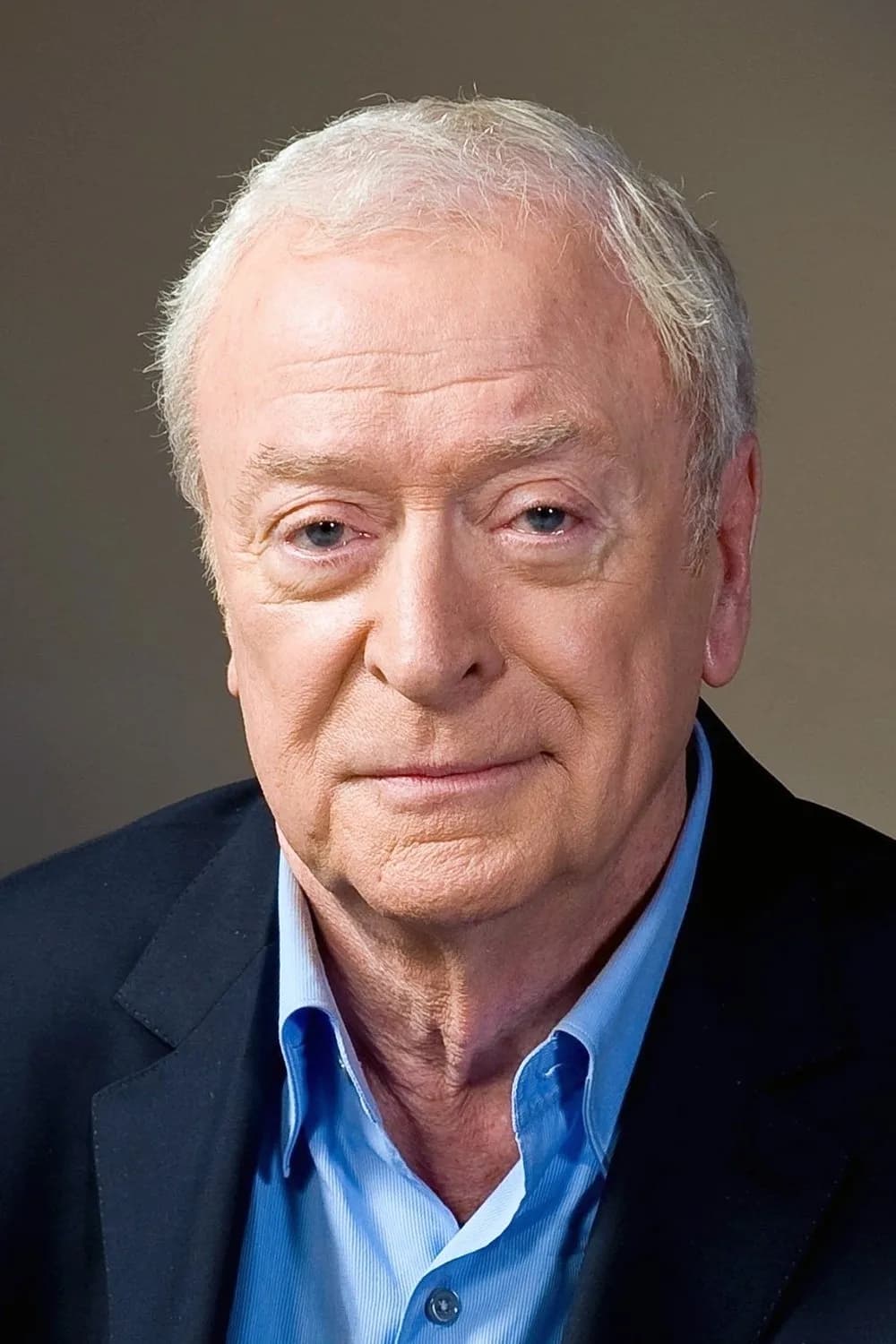
Sir Michael Caine CBE (born Maurice Joseph Micklewhite Jr.; 14 March 1933) is a retired English actor. Known for his distinctive South London accent, he has appeared in more than 160 films in a career spanning seven decades, and is considered a British film icon. As of February 2017, the films in which Caine has appeared have grossed over $7.8 billion worldwide. Often playing a Cockney, Caine made his breakthrough in the 1960s with starring roles in British films such as Zulu (1964), The Ipcress File (1965), Alfie (1966), The Italian Job (1969), and Battle of Britain (1969). He was nominated for an Academy Award for Alfie. His roles in the 1970s included Get Carter (1971), The Last Valley (1971), Sleuth (1972), The Man Who Would Be King (1975), The Eagle Has Landed (1976) and A Bridge Too Far (1977). He earned his second Academy Award nomination for Sleuth and achieved some of his greatest critical success in the 1980s, with Educating Rita (1983) earning him the BAFTA and Golden Globe Award for Best Actor and Woody Allen's Hannah and Her Sisters (1986) earning him his first Academy Award for Best Supporting Actor. Caine is also known for his performance as Ebenezer Scrooge in The Muppet Christmas Carol (1992), and for his comedic roles in Dirty Rotten Scoundrels (1988), Miss Congeniality (2000), Austin Powers in Goldmember (2002), and Secondhand Lions (2003). He received his second Golden Globe Award for Little Voice (1998). In 1999, he received his second Academy Award for Best Supporting Actor for his performance as a sympathetic doctor in The Cider House Rules. He portrayed a British journalist in Vietnam in The Quiet American (2002), earning his sixth Oscar nomination, and appeared in Alfonso Cuaron's dystopian drama film Children of Men (2006). Caine portrayed Alfred Pennyworth in Christopher Nolan's The Dark Knight Trilogy (2005–2012). He appeared in several other of Nolan's films including The Prestige (2006), Inception (2010), Interstellar (2014) and Tenet (2020). He also appeared in the heist thriller film Now You See Me (2013), the action comedy film Kingsman: The Secret Service (2014), the Italian drama Youth (2015) and the crime film King of Thieves (2018). Caine officially confirmed his retirement from acting on 13 October 2023 after The Great Escaper (2023).