
Search

The Chorus
2004
In 1940s France, a new teacher at a school for disruptive boys gives hope and inspiration.
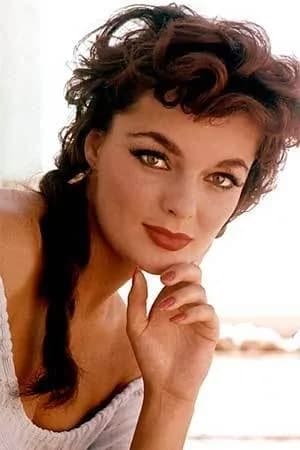
Marilyn Hanold
Lovely brunette Marilyn Hanold was born the second of six children on June 9, 1938 in Jamaica, Long Island, New York. She's of German descent. Her father was a lieutenant with the New York City police department. Hanold graduated from the World Secretarial School in New York and worked as a legal secretary for a big league patent attorney for 18 months. In August, 1957 Marilyn joined the chorus line of the El Rancho in Las Vegas, Nevada -- she went on to be featured in the tabloid revue "Scandalettes" at the El Rancho -- and was a showgirl at Ciro's. Marilyn was working as a showgirl at Frank Sennes' "Moulin Rouge" in Hollywood, California when she was spotted by a William Morris Agency representative for George Gobel's new stage production "Riviera Revue." Hanold graced the cover of the February, 1959 issue of "Photo Life" magazine and was the Playmate of the Month in the June, 1959 issue of "Playboy." Moreover, she also acted in a handful of films and TV shows throughout the 50s and 60s. Hanold married oil tycoon Rulon Keaton Neilson in 1967; the couple had three daughters altogether. Marilyn now lives in Salt Lake City, Utah and remains prominent in charities and gala events held in the Salt Lake City area. - IMDb Mini Biography By: woodyanders Family (1) Spouse Rulon Keaton Neilson (1967 - 1 February 1993) (his death) (3 children) Trivia (1) As of Nov. 2010 she was living in Salt Lake City, UT.

Phil Karlson
From Wikipedia, the free encyclopedia Phil Karlson (July 2, 1908, Chicago, Illinois – December 12, 1985, Los Angeles, California) was a film director known for his no-nonsense film noirs. Karlson directed 99 River Street, Kansas City Confidential and Hell's Island all with actor John Payne in the early 1950s. Other films include Rocky (1948), The Phenix City Story (1955), 5 Against the House (1955) and The Young Doctors (1961). Phil Karlson was the son of popular Irish actress Lillian O'Brien. He studied painting at Chicago's Art Institute, and law, at his father's request, at Loyola Marymount University in California. Karlson got into the film industry working as a prop man while a law student. After working a number of film jobs, including being an assistant director for a number of Abbott and Costello films, Karlson directed his first film in 1944 and in 1948 directed the first film starring Marilyn Monroe, Ladies of the Chorus. He worked on a number of low-budget projects for Monogram Pictures and Eagle-Lion Films before making his mark in 1950. It was then that he was known for directing tough, realistic and sometimes violent gritty crime films. In the 1960s the quality of his directed films declined, which included working on Kid Galahad (1962) with Elvis Presley and two Dean Martin Matt Helm spy films, including The Wrecking Crew (1969) co-starring Sharon Tate and Elke Sommer. He had his biggest success in 1973 when he directed the hit film, Walking Tall. The film made the director a rich man many times over, thanks to the fact that he owned a huge part of the movie. Description above from the Wikipedia article Phil Karlson, licensed under CC-BY-SA, full list of contributors on Wikipedia.
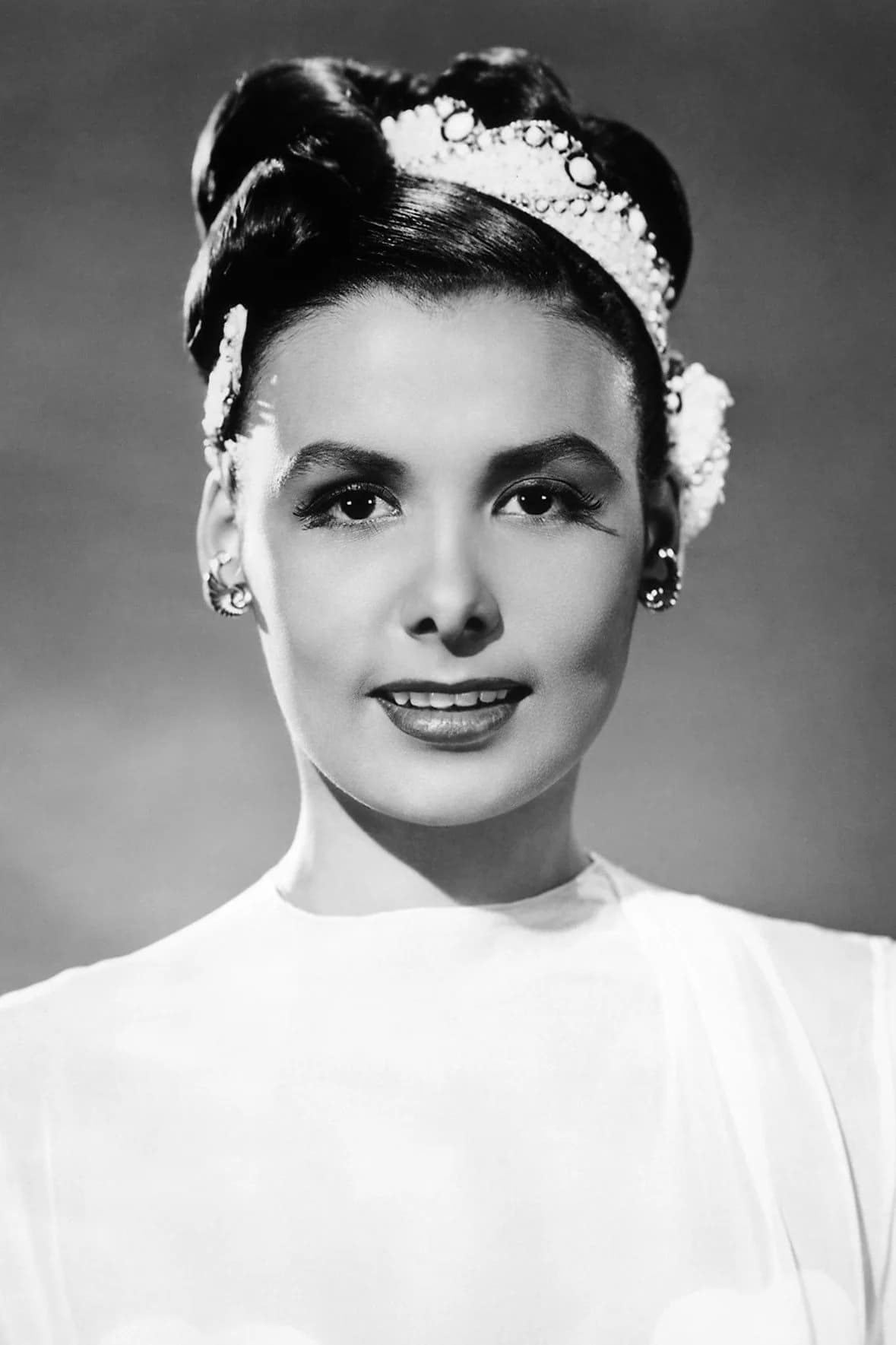
Lena Horne
Lena Horne (June 30, 1917 - May 9, 2010) was a singer, dancer, actress, and civil rights activist. Horne joined the chorus of the Cotton Club at the age of sixteen and became a nightclub performer before moving to Hollywood, where she had small parts in numerous movies, and more substantial parts in the films Cabin in the Sky and Stormy Weather. Due to the Red Scare and her left-leaning political views, Horne found herself blacklisted and unable to get work in Hollywood. Returning to her roots as a nightclub performer, Horne took part in the March on Washington in August 1963, and continued to work as a performer, both in nightclubs and on television, while releasing well-received record albums. She announced her retirement in March 1980, but the next year starred in a one-woman show, Lena Horne: The Lady and Her Music, which ran for more than three hundred performances on Broadway and earned her numerous awards and accolades. She continued recording and performing sporadically into the 1990s, disappearing from the public eye in 2000. Horne died on May 9, 2010 in New York City. During her lifetime, Horne was awarded four Grammys, a Tony, and a NAACP Image Award . She also received the Kennedy Center Honors in 1984.

Ken Page
Cast · Known for The Nightmare Before Christmas
Born in St. Louis, Missouri, Page began in the chorus before making his Broadway debut in The Wiz playing The Cowardly Lion. He made a large number of stage appearances but also performed as a cabaret singer with an act entitled Page by Page. Page also appeared on screen making his television debut in 1984 and film debut in 1988's Torch Song Trilogy. He appeared as the voice of Oogie Boogie in The Nightmare Before Christmas and related video games, in Dreamgirls as Max Webster and in such television programmes as Sable and Adventures in Wonderland. Page appeared in a number of roles on stage, originating the part of Ken in Ain't Misbehavin' and appearing as Old Deuteronomy in Cats on both Broadway and in the filmed production. He also originated the part of Father in Children of Eden, played The Cowardly Lion in several productions of The Wizard of Oz and appeared in Disney musicals Beauty and the Beast and The Little Mermaid. Page also sang in his animated voice roles, performing the duet "Let's Make Music Together" in All Dogs Go to Heaven and "The Oogie Boogie Song" in The Nightmare Before Christmas.

Maxence Perrin
Cast · Known for The Chorus
Maxence Perrin (born 1 April, 1995) is a French actor, best known for his parts in Les Choristes (English title The Chorus), Petit homme and For intérieur. He is the son of actor and film producer Jacques Perrin. Source: Article "Maxence Perrin" from Wikipedia in English, licensed under CC-BY-SA 3.0.
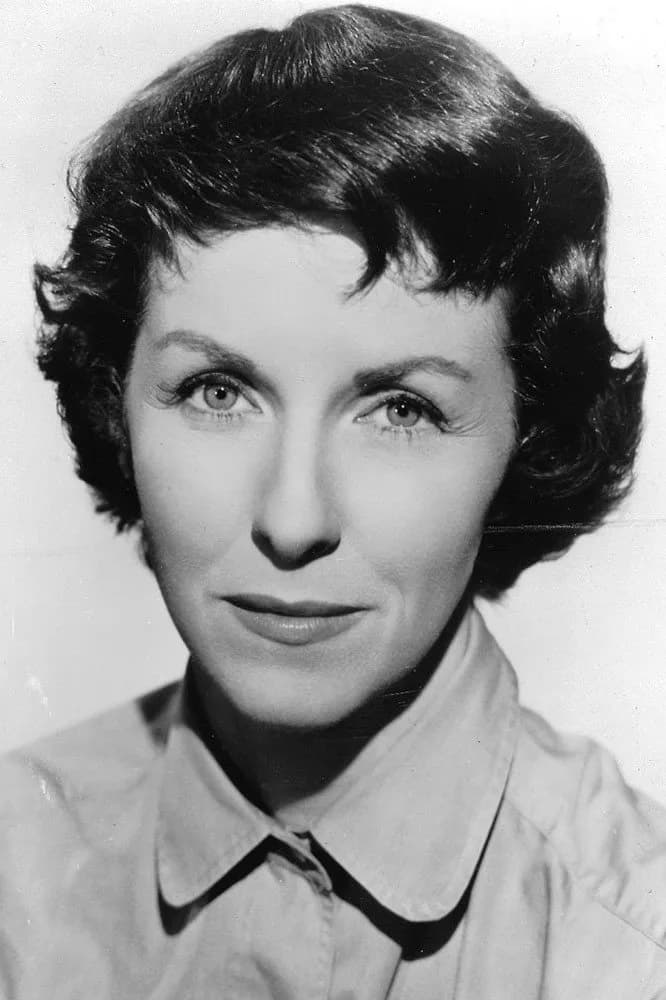
Betsy Blair
Betsy Blair -December 11, 1923 – March 13, 2009) was an American actress of film and stage, long based in London. Blair pursued a career in entertainment from the age of eight, and as a child worked as an amateur dancer, performed on radio, and worked as a model, before joining the chorus of Billy Rose's Diamond Horseshoe in 1940. There she met Gene Kelly. They were married the following year, when she was seventeen years old. The couple divorced sixteen years later, in 1957. After work in the theatre, Blair began her film career playing supporting roles in films such as A Double Life (1947) and Another Part of the Forest (1948). Her interest in Marxism led to an investigation by the House Un-American Activities Committee and Blair was blacklisted for some time, but resumed her career with a critically acclaimed performance in Marty (1955), winning a BAFTA Award and a nomination for an Academy Award for Best Supporting Actress. She continued her career with regular theatre, film and television work until the mid 1990s.
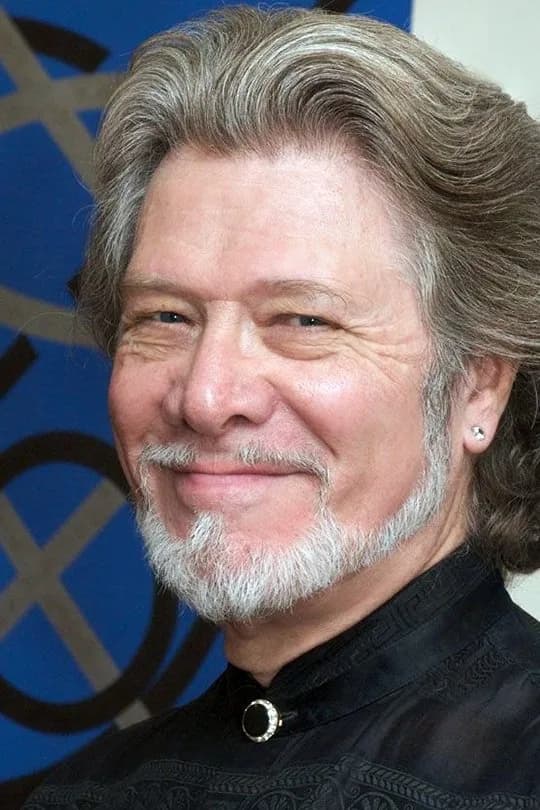
Samuel Ramey
Samuel Ramey (born March 28, 1942) is an American operatic bass. At the height of his career, he was greatly admired for his range and versatility, having possessed a sufficiently accomplished bel canto technique which enabled him to sing the music of Handel, Mozart and Rossini but with enough vocal power to handle the more overtly dramatic roles in Verdi, Puccini, and Meyerbeer operas. Ramey graduated from Colby High School in Colby, Kansas in 1960. He studied music in high school and in college at Kansas State University, as well as at Wichita State with Arthur Newman. At Kansas State, he was a member of Kappa Sigma fraternity. Ramey was in the chorus of Don Giovanni in 1963, with Norman Treigle in the title role, while studying with the Central City Opera in Central City, Colorado. After being an apprentice with the Santa Fe Opera in Santa Fe, New Mexico, he worked for an academic publisher in New York City before he had his first breakthrough while at the New York City Opera debuting on March 11, 1973, as Zuniga in the 1875 Bizet opera Carmen. He took over that role as well as the Faustian devils in Gounod's Faust and Boito's Mefistofele, which was vacated by the early death of Treigle. As his repertoire expanded he worked extensively in European theaters notably in Berlin, Hamburg, London, Paris, Milan, and Vienna in addition to summer festivals in Aix-en-Provence, Glyndebourne, Pesaro, and Salzburg. In January 1984, Ramey made his debut at the Metropolitan Opera in Handel's Rinaldo. He became a fixture at the Teatro alla Scala, Royal Opera House at Covent Garden, Vienna State Opera, the Paris Opera, the Lyric Opera of Chicago, the New York City Opera, the San Francisco Opera and the Teatro Colón in Buenos Aires (Attila, The Rake's Progress, Mefistofele) since then. In July 1985 he was cast as Bertram in the historic revival in Paris of Giacomo Meyerbeer's Robert le diable. Ramey has sung in Mozart's Don Giovanni and The Marriage of Figaro and, in the bel canto repertoire, in Rossini's Semiramide, The Barber of Seville, Il Turco in Italia, L'italiana in Algeri, and La Gazza Ladra; in Donizetti's Anna Bolena and Lucia di Lammermoor and Bellini's I puritani. In the dramatic repertoire, Ramey has been acclaimed for his "Three Devils": Boito's Mefistofele, Gounod's Faust and Berlioz's dramatic legend Damnation of Faust. Other dramatic roles of his have included Verdi's Nabucco, Don Carlo, I masnadieri, I Lombardi and Jérusalem, as well as Offenbach's Tales of Hoffmann (he portrayed all four villains). ... Source: Article "Samuel Ramey" from Wikipedia in English, licensed under CC-BY-SA.
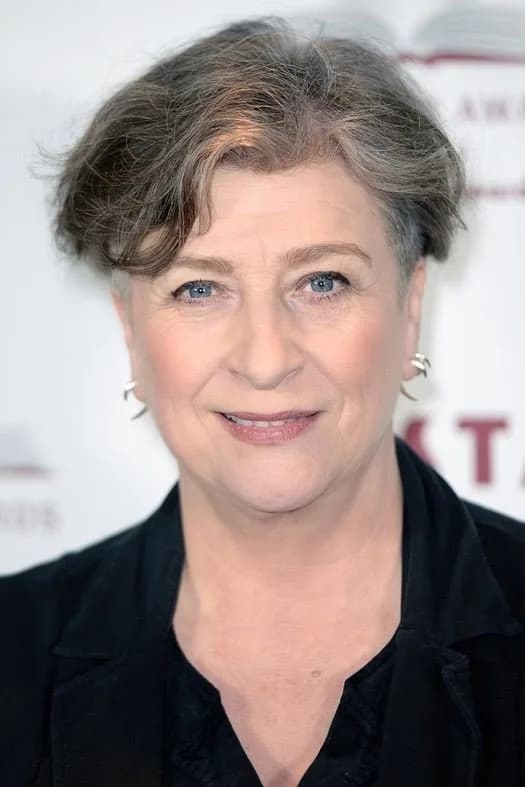
Caroline Quentin
Quentin became known for her television appearances: portraying Dorothy in Men Behaving Badly (1992–1998), Maddie Magellan in Jonathan Creek (1997–2000), and DCI Janine Lewis in Blue Murder (2003–2009).Quentin received an Ian Charleson Award commendation for her Masha in The Seagull at the Oxford Theatre Company in 1991.[5] Her early stage work had also included appearing in the chorus of the original English production of the musical Les Misérables in 1985. In July 1996, Quentin released a single, a cover of the Exciters' hit "Tell Him", with her Men Behaving Badly co-star Leslie Ash under the name of "Quentin and Ash". The single reached number 25 in the UK Singles Chart and spent 3 weeks in that listing.[6] From 1997 until 2000 Quentin starred alongside Alan Davies in Jonathan Creek playing investigative journalist Maddie Magellan, who uses Jonathan's mind to solve murder mysteries. Quentin appeared in the 2001 telefilm Hot Money, which was based on the true story of the theft of hundreds of thousands of pounds from the Bank of England. In 1998 she starred in the first sitcom that was specifically built around her: Kiss Me, Kate. At the British Comedy Awards in 2004, Quentin won the "Best Comedy Actress" award for her performance in Von Trapped; that year she started the major role of Maggie Mee in the popular drama Life Begins, which returned for a third series in 2006. ITV has produced five series of the police drama Blue Murder, in which Quentin plays against type in the main role DCI Janine Lewis. The pilot aired in the UK on 18 May 2003.[7][8] Quentin has appeared in Whose Line Is It Anyway?; in a pre-Men Behaving Badly role as a traffic warden in the Mr. Bean episode The Trouble with Mr. Bean in 1991; Room 101; Have I Got News for You; and the 2009–10 BBC comedy series Life of Riley, a sitcom about a dysfunctional blended family; and in the BBC Radio 4 improvisational comedy series The Masterson Inheritance and the popular BBC Radio 2 sitcom On the Blog. On 11 January 2009, Quentin stated on the show Something for the Weekend that she would return to Jonathan Creek in the future if the offer came. She appeared as Heather Babcock in an episode of Agatha Christie's Miss Marple, The Mirror Crack'd from Side to Side, in 2010. Also in 2010 she started appearing in Marks and Spencer's revamped food range advertisements.[9] In March 2011, a documentary entitled Caroline Quentin: A Passage Through India aired on ITV in the UK. The documentary followed Quentin as she traveled from the North of India to the South.[10] Quentin presents Restoration Home on BBC Two. The programme looks into the history and families of the UK's derelict mansion houses which are being restored by their private owners.
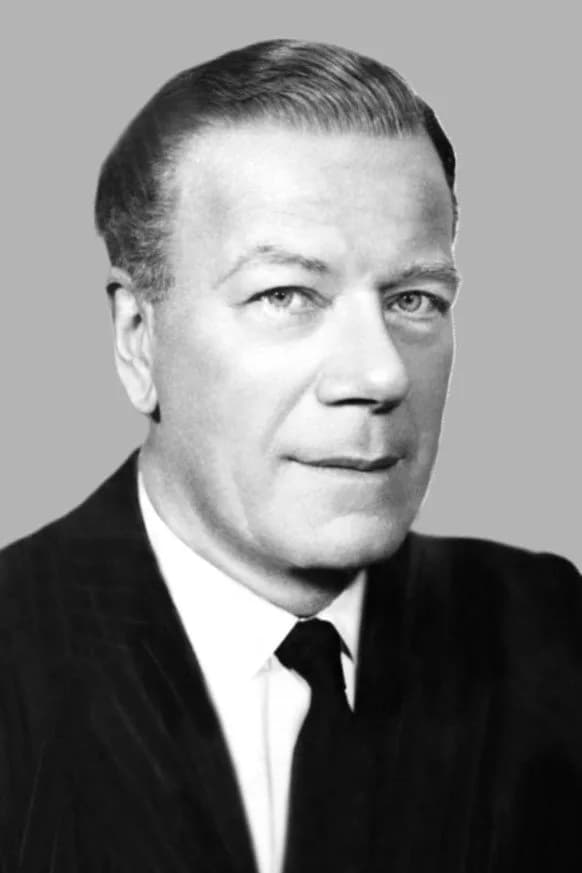
Cyril Ritchard
Legendary for his preening, prancing, delightfully playful villain Captain Hook on the award-winning stage (as well as TV) opposite America's musical treasure Mary Martin, beloved musical star Cyril Ritchard had a vast career that would last six decades, but "Peter Pan" would become his prime legacy. Born in Australia just before the turn of the century, he was educated at St. Aloysius College and Sydney University wherein he slyly sidestepped a parental-guided career in medicine for entertainment, participating in numerous college productions that quickly got him "hooked." He began professionally in the chorus line of The Royal Comic Opera Company and quickly progressed to juvenile leads. A subsequent pairing with the already-established theatre actress Madge Elliott in 1918 proved successful, and the musical twosome eventually married in 1935. Together they would go on to become known as "The Musical Lunts" by their acting peers performing in scores of plays and revues together. Ritchard specialized in playing slick, dandified villains in musical comedy and developed a potent reputation of being a man of many talents. Not only directing and staging Broadway's finest, he became a renown performer of various operas and led many productions as such. Shortly before his wife's death of bone cancer in 1955, Ritchard ventured into TV infamy by repeating his Tony and Donaldson award-winning portrayal of Hook in Peter Pan (1955). He continued to earn acclaim and/or honors with such classic stage productions as "Visit to a Small Planet" (Tony-nominated), "The Pleasure of His Company" (Drama League award, Tony-nominated), "The Roar of the Greasepaint...the Smell of the Crowd" (Tony-nominated), "A Midsummer Night's Dream" and "Sugar," the musical version of the classic Billy Wilder film Some Like It Hot (1959) in which Ritchard played the Joe E. Brown role. Lesser regarded when it comes to film, he performed in the early Hitchcock classic Blackmail (1929) and made his last movie with the musical Half a Sixpence (1967) with Tommy Steele. While performing as the Narrator in a stage production of "Side by Side by Sondheim" in November 1977, Ritchard suffered a heart attack and died one month later. A one-of-a-kind talent, his nefarious, narcissistic humor was a career trademark that culminated in the role of a lifetime -- one that will certainly be enjoyed by children young and old for eons to come.
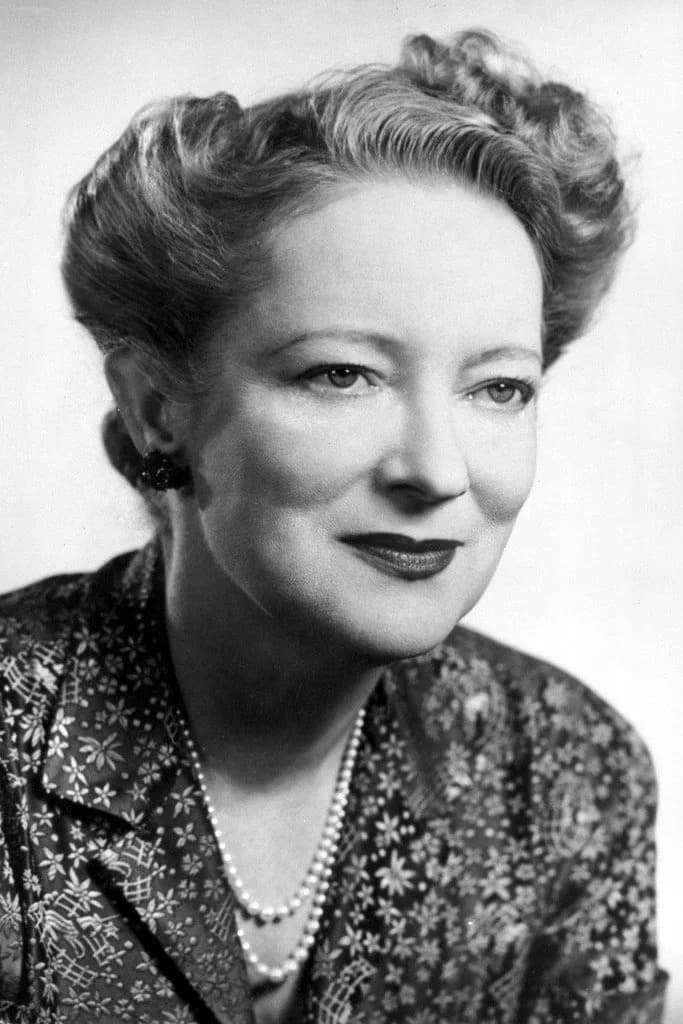
Peggy Wood
Cast · Known for The Sound of Music
Mary Margaret Wood was an American actress of stage, film, and television. She is best remembered for her performance as the title character in the CBS television series Mama, for which she was nominated for a Primetime Emmy Award for Outstanding Lead Actress in a Drama Series; her starring role as Naomi, Ruth's mother-in-law, in The Story of Ruth; and her final screen appearance as Mother Abbess in The Sound of Music, for which she was nominated for an Academy Award and a Golden Globe Award. Wood studied voice in France with the legendary soprano Emma Calve - the greatest exponent of the role of CARMEN in the first half of the 20th century. Upon returning to the U.S., Wood was an early member of the Actors' Equity Association, spending nearly 50 years on the stage, beginning in the chorus and becoming known as a Broadway singer and star. She made her stage debut in 1910, as part of the chorus for Naughty Marietta. In 1917, she starred in Maytime, in which she introduced the song "Will You Remember". She starred in several other musicals before playing the role of Portia in a 1928 production of The Merchant of Venice. From the late 1920s until the late 1930s, Wood had lead roles in musicals staged in London and New York. She was chosen by Noel Coward to star in the original London production of his wildly successful operetta BITTER SWEET. In 1941, she starred in the New York premiere of Blithe Spirit. Wood did not star in many films. Her few film appearances include roles in Jalna, A Star is Born, Call It a Day, The Housekeeper's Daughter, The Bride Wore Boots, Magnificent Doll, and Dream Girl. From 1949 to 1957, she played matriarch Marta Hansen in the popularTV series Mama. She co-starred with comedian Imogene Coca on Broadway in The Girls in 509. In October 1963, she and Ruth Gates appeared in a one-act play, Opening Night, which played in off-Broadway. Wood portrayed Fanny Ellis, a once famous star who prepares for a performance; the play lasted 47 performances. Ruth Gates was Aunt Jenny on the "Mama" series with Wood. She returned to movies in the 1960 CinemaScope production The Story of Ruth in a co-starring role, as what she referred to in her own book as a "blonde, blue-eyed Jewess". Her final screen appearance was as the gentle, wise Mother Abbess in The Sound of Music, for which she was nominated for the Academy Award for Best Supporting Actress and the Golden Globe Award for Best Supporting Actress - Motion Picture. She was thrilled to be in the movie although she knew that she could no longer sing "Climb Ev'ry Mountain". She was dubbed (for singing) by Margery McKay. In her autobiography, Marni Nixon, who appeared in the film as Sister Sophia, said Peggy especially liked McKay's singing voice because she sounded as Peggy did in her younger days. In 1969, Wood joined the cast of the ABC-TV soap, One Life to Live as Dr. Kate Nolan and had a recurring role until the end of the year. Her first autobiography, How Young You Look, was published by Farrar and Rinehart in 1941. An update, Arts and Flowers, appeared in 1963. She also wrote a biography of actor John Drew, Jr., as well as a novel called The Star Wagon and was a co-author of a play called Miss Quis. Wood received numerous awards for her theatrical work and for a while was president of the American National Theater and Academy.
Rand Brooks
Cast · Known for Gone with the Wind
Arlington Rand Brooks Jr. (September 21, 1918 – September 1, 2003) was an American film and television actor. Brooks was born in Wright City, Missouri. He was the son of Arlington Rand Brooks, a farmer. His mother and he moved to Los Angeles when he was four, though he continued to spend summers in Wright City. Brooks continued to make visits to his hometown of Wright City into the 1950s, up to and following the death of his father in 1950. His mother and his grandfather were actors. After leaving school, Brooks got a screen test at MGM and was given a bit part in Love Finds Andy Hardy (1938). His big fame came with his part as Charles Hamilton in Gone with the Wind (1939), a role which he later admitted he despised; he wanted to play more macho parts. He made $100 per week under contract at MGM, but when he was on loan to Selznick International Pictures for Gone with the Wind, he made $500 per week. After Gone With the Wind, he had relatively small parts in other movies including Babes in Arms, then a regular role as Lucky in the Hopalong Cassidy series of Westerns in the mid-1940s; Brooks succeeded Russell Hayden in the role. Among the films, which starred William Boyd as Hopalong, were Hoppy's Holiday, The Dead Don't Dream, and Borrowed Trouble. He received positive notice for his work in Fool's Gold, with Variety reporting that he did "an excellent job." In edited, half-hour versions of some of the films, he appeared in 12 of the 52 episodes of the Hopalong Cassidy television series. In 1948, he co-starred with Adele Jergens and Marilyn Monroe in the low-budget, black-and-white Columbia Pictures film, Ladies of the Chorus. Brooks became the first actor to share an on-screen kiss with Monroe, who in a few years was one of the world's biggest movie stars. Filmed in just 10 days, the film was released soon after its completion. Variety called his performance in the 1952 film The Steel Fist "capable." Television brought new opportunities, again often in Westerns. He played Cpl. Randy Boone in the 1950s television series, The Adventures of Rin Tin Tin. Brooks had guest roles in 1950s Western series, including Mackenzie's Raiders, The Lone Ranger, Maverick, Gunsmoke, and Bonanza. He appeared twice on the syndicated adventure series, Rescue 8, as well as on CBS's Perry Mason courtroom drama series. In 1962, he directed and produced a movie about brave dogs, Bearheart, but the film was entangled in legal troubles due to his business manager's involvement in crimes such as forgery and graft. The film was finally released in 1978, under the title Legend of the Northwest. After he left show business, Brooks ran a private ambulance company in Glendale, California. He commented that he "died in more pictures than almost anyone" and that though he was never very big in show business, he was willing to return to it. Brooks sold the ambulance company in 1994, and retired to his ranch in the Santa Ynez Valley, where he bred champion Andalusian horses. He attended a Gone with the Wind reunion for Clark Gable's birthday, along with Ann Rutherford and Fred Crane, in Cadiz, Ohio, in 1992. On September 1, 2003, Brooks died in Santa Ynez, California.
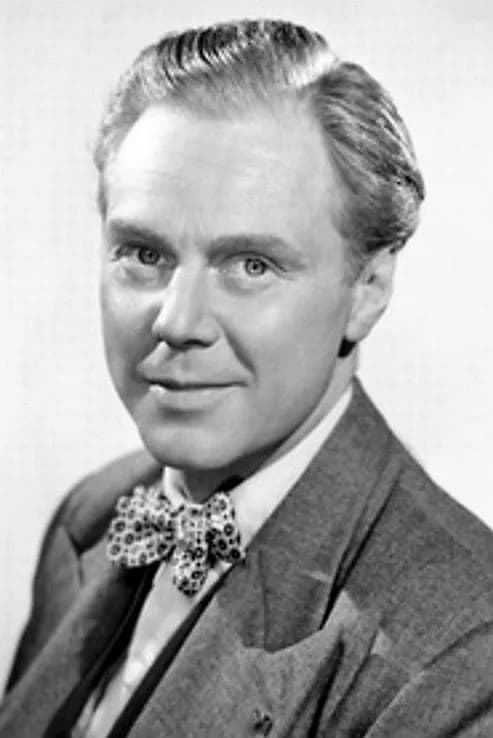
Marius Goring
Marius Re Goring CBE FRSL (May 23, 1912 – September 30, 1998) was an English stage and screen actor. He is the son of Dr Charles Buckman Goring, a renowned physician and criminologist, and Kate Winifred (née MacDonald), a former suffragette and talented pianist. Marius Goring was educated at The Perse School, Cambridge, England and at universities in Frankfurt, Munich, Vienna and Paris (The Sorbonne) where he perfected his French and German - he became fluent in both languages. He studied for the stage under Harcourt Williams at the Old Vic dramatic school, London. His first stage appearance was a fairy at the ADC Theatre, Cambridge in 1925 at the age of twelve in "Crossings: A Fairy Play" the only play written by Walter De La Mare. His first London appearance was at the Rudolph Steiner Hall in December 1927 as Harlequin in one of Jean Sterling McKinlay’s Children’s Matinees. He performed regularly at the Old Vic and Sadler's Wells in the 1930s and later toured France and Germany. He played Macbeth, Romeo, Trip in School for Scandal and the Chorus in Henry V with Laurence Olivier amongst others. His first West End appearance was at the Shaftesbury Theatre in May 1934 in The Voysey Inheritance. He joined the army in July 1940 but was seconded the following year to the BBC where he became supervisor of productions for its German Service. He made regular propaganda broadcasts to Germany. Most of his radio propaganda work was done under the alias Charles Richardson (using his father’s first name and his grandmother’s maiden name) as the name Goring wasn't too popular during the war (Hermann Göring was the commander-in-chief of the Luftwaffe). In 1941 he was married for the second time to the renowned German Jewish actress Lucie Mannheim who had to flee Germany in 1934 after the Nazis came to power. They worked together on stage and in films and television many times over the following years. He was a founder member of British Equity in 1929, being on its council for decades from 1949 and was elected its vice president three times. He had a contentious relationship with the union from the 1970s, taking them to court on a number of issues, the last of which he lost in the High Court and was nearly bankrupted by the court costs. Marius was made a Fellow of the Royal Society of Literature in 1979 and appointed Commander of the Order of the British Empire (CBE) in 1991. He died from stomach cancer in 1998 aged 86 at his home in Rushlake Green, East Sussex, survived by his third wife, Prudence FitzGerald, a television producer/director who had directed him in 18 episodes of The Expert and his only child, a daughter from his first marriage, Phyllida.
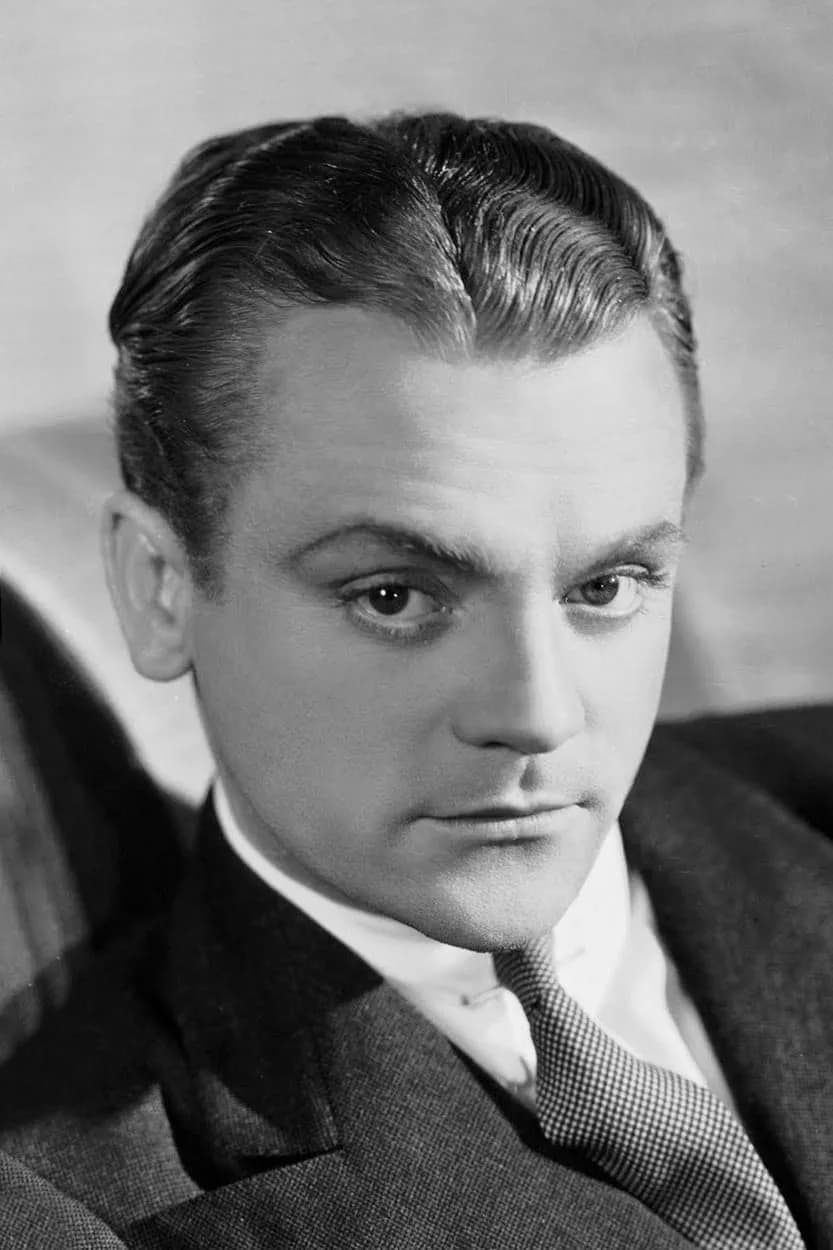
James Cagney
James Francis Cagney, Jr. (July 17, 1899 – March 30, 1986) was an American film actor. Although he won acclaim and major awards for a wide variety of roles, he is best remembered for playing "tough guys". In 1999, the American Film Institute ranked him eighth among the Greatest Male Stars of All Time. In his first performing role, Cagney danced dressed as a woman in the chorus line of the 1919 revue Every Sailor. He spent several years in vaudeville as a hoofer and comedian until his first major acting role in 1925. He secured several other roles, receiving good reviews before landing the lead in the 1929 play Penny Arcade. After rave reviews for his acting, Warners signed him for an initial $500 a week, three-week contract to reprise his role; this was quickly extended to a seven year contract. Cagney's seventh film, The Public Enemy, became one of the most influential gangster movies of the period. Notable for its famous grapefruit scene, the film thrust Cagney into the spotlight, making him one of Warners' and Hollywood's biggest stars. In 1938, he received his first Academy Award Best Actor nomination for Angels with Dirty Faces, before winning in 1942 for his portrayal of George M. Cohan in Yankee Doodle Dandy. He was nominated a third time in 1955 for Love Me or Leave Me. Cagney retired for 20 years in 1961, spending time on his farm before returning for a part in Ragtime mainly to aid his recovery from a stroke. Cagney walked out on Warners several times over his career, each time coming back on improved personal and artistic terms. In 1935, he sued Warners for breach of contract and won; this marked one of the first times an actor had beaten a studio over a contract issue. He worked for an independent film company for a year while the suit was settled, and also established his own production company, Cagney Productions, in 1942 before returning to Warners again four years later. Jack Warner called him "The Professional Againster", in reference to Cagney’s refusal to be pushed around. Cagney also made numerous morale-boosting troop tours before and during World War II, and was President of the Screen Actors Guild for two years.
Jack Boyle
Jack Boyle was born on 9 October 1916 in Chicago, Illinois, USA. He was an actor, known for Yankee Doodle Dandy (1942), Chick Carter, Detective (1946) and Ladies of the Chorus (1948). He died on 15 October 1965 in San Gabriel, California, USA.

Christophe Barratier
Director · Known for The Chorus
Christophe Barratier (born 17 June 1963 in Paris) is a French film producer, director and screenwriter, and lyricist. Barratier is the son of the actress Eva Simonet and M. Barratier. He is the nephew of the film director Jacques Perrin, who was an influence on his choice of career. Before being a filmmaker, Barratier studied a university course in classical music and guitar lessons. He graduated from the prestigious French public school École normale de Paris and won several international competition prizes. In 1991, Barratier got into his uncle Jacques Perrin's production firm, Galatée Films, where he learned the profession of producer. As line producer, he participated in making the films Microcosmos (1995), Himalaya (1999) and Winged Migration(2001). In 2001, he directed his first short film, Les tombales, adapted from the Guy de Maupassant novel. Starring Lambert Wilson and Carole Weiss. His first feature, The Chorus came out in 2004. An adaptation of the Jean Dréville movie, La cage aux rossignols (1945), its scenario was jointly written with the screenwriter Philippe Lopes-Curval. His second movie, Paris 36, is based on iconic films choreographed by Busby Berkeley and has a storyline of proletarians confronted to an opportunity such as in La belle équipe from Julien Duvivier (1936). Alongside the producer Thomas Langmann, he started working on a new adaptation of War of the Buttons (2011) is an adaptation of La Guerre des boutons (War of the Buttons), based on the 1912 novel by Louis Pergaud. It is altered by being set during World War II and the German Occupation of France. It was produced and co-written by Thomas Langmann (an Academy Award-winner for The Artist), with financial participation by Canal Plus. It was released in France in September 2011 and cost €16 million. Following this, Barratier directed Team Spirit, which revisits the career of Jérôme Kerviel as a trader in the Société Générale company. The movie came out in June 2016. It marks a clear shift from his previous strongly historically connoted movies, but seduces by its well-referenced nature and a realism acquired thanks to its roots into Jérôme Kerviel's biography, L'engrenage : mémoire d'un trader. Team Spirit highlighted a very mediated case while maintaining a storyline based on impartiality towards the man who presented himself as a victim of the banking system. In 2017, Barratier presented the adaptation of his first success, The Chorus, as a musical show produced in the Folies Bergères theatre. For his show, the children of La maîtrise des Hauts-de-Seine are the new singers of the filmmaker. The next year, he signed a new partnership with Pascal Obispo to stage the musical Jésus, de Nazareth à Jérusalem. Based on the greatest Hollywoodian movies, the musical dives into one of the most intense tales of humanity. As the lyricist of The Chorus' song "Look To Your Path", Barratier was nominated for an Academy Award for Best Original Song. The film was nominated for the Academy Award for Best Foreign Language Film as well as eight César Awards, of which it won two. His second feature film, Paris 36, starring Gérard Jugnot and Nora Arnezeder, was nominated for Academy Award for Best Original Song and four César Awards. Source: Article "Christophe Barratier" from Wikipedia in English, licensed under CC-BY-SA 3.0.

Jean-Baptiste Maunier
Cast · Known for The Chorus
Jean-Baptiste Maunier (born December 22, 1990) is a French actor and singer. He is best known for his role in the 2004 French film Les Choristes. Jean-Baptiste Maunier was born to Thierry Maunier, a cameraman, and Muriel Maunier. He has a younger brother, Benjamin. His father sang in a well-known church choir (Les Petits Chanteurs de Saint Marc). Jean-Baptiste attended a Roman Catholic school in Lyon, France. He studied at the Lee Strasberg Institute in New York between 2008 and 2009 to perfect his acting and English, returning to France to sing in Les Enfoirés charity concerts. Maunier gained fame for his starring role in the 2004 French film Les Choristes, in which he plays Pierre Morhange, a delinquent with an exceptional singing voice at the correctional school Fond de L'Étang. Christophe Barratier, the director of Les Choristes, chose Maunier because "he had the right look" and a marvellous voice. He was also exceptionally appealing for the role. Following the release of the film, Maunier and the choir took part in numerous concerts all over the world, including Japan and Canada. In February 2005, he left the choir in order to devote more time to his studies and to his acting career. In April and August 2005, he took part in a four-episode television series for France 2, Le Cri, playing a young steelworker. The series was released in 2006. Maunier appears in Le Grand Meaulnes (2006) as Francois Seurel. In Piccolo, Saxo et compagnie (2006), an animated film, he lent his voice to the character "Saxo". In the summer of 2006, Maunier acted in Hellphone, a full-length film directed by James Huth. In this film, Maunier plays the role of Sid. The film was released in March 2007. In L'Auberge rouge, directed by Gérard Krawczyk (an adaptation of the 1951 version) Maunier stars as Octave. It opened in theaters in France on 5 December 2007. Jean-Baptiste spent a year studying at New York's Lee Strasberg Institute in 2008 to unleash his acting potentials. Staying in the USA allowed him to perfect his English. He returned to France in 2010, and performed in the Enfoirés charity concert of 2010. Upon entering collège (middle school), Maunier was asked to make a choice between various activities. He chose singing and became a member of Les Petits Chanteurs de Saint-Marc (full name is "La Chorale des Petits Enfants De Saint-Marc"). In the choir, he was tutored by Nicolas Porte. In Les Choristes, the film that made him widely famous for his singing skills, both Maunier's solo and the chorus of "Les Petits Chanteurs de Saint-Marc" are featured on the original soundtrack. In 2005, to keep a souvenir of his voice before it broke, Maunier decided to sing with Clemence Saint-Preux and had released the single, Concerto pour deux voix, which was in turn an adaptation of Concerto pour une Voix. Since 2005 he has participated in Les Enfoirés, an ensemble of notable singers and performers in France that periodically performs charity concerts. He contributed a song named "Le Monde Qui Est Le Mien" for the album "We Love Disney 2" and also released a single, "Je Reviens". Source: Article "Jean-Baptiste Maunier" from Wikipedia in English, licensed under CC-BY-SA 3.0.

Philippe Lopes-Curval
Writer · Known for The Chorus
Philippe Jean Lopes-Curval (9 June 1951 – 13 February 2023) was a French film director and screenwriter. Born in Bayeux on 9 June 1951, Lopes-Curval directed a series of short films before directing his first feature film, Trop tard Balthazar, in 1986. Released on Canal+, the film was noticed by Jean-Claude Fleury, who introduced him to Gérard Jugnot. This began a longtime collaboration with Jugnot, having partnered for the films Casque bleu, Fallait pas !..., Monsieur Batignole, Boudu, and Fashion Victim. He also wrote the screenplay for the Christophe Barratier film The Chorus. In 2017, Lopes-Curval co-signed the booklet for the musical festival at the Folies Bergère. In addition to his film career, he worked on television as well, notably writing the screenplay for Maintenant ou jamais, directed by Jérôme Foulon. In 2011, he wrote a comic book, Les Grobec. Lopes-Curval was the father of fellow film director Julie Lopes-Curval and married to painter Catherine Lopes-Curval. He died in Bayeux on 13 February 2023, at the age of 71. Source: Article "Philippe Lopes-Curval" from Wikipedia in English, licensed under CC-BY-SA.
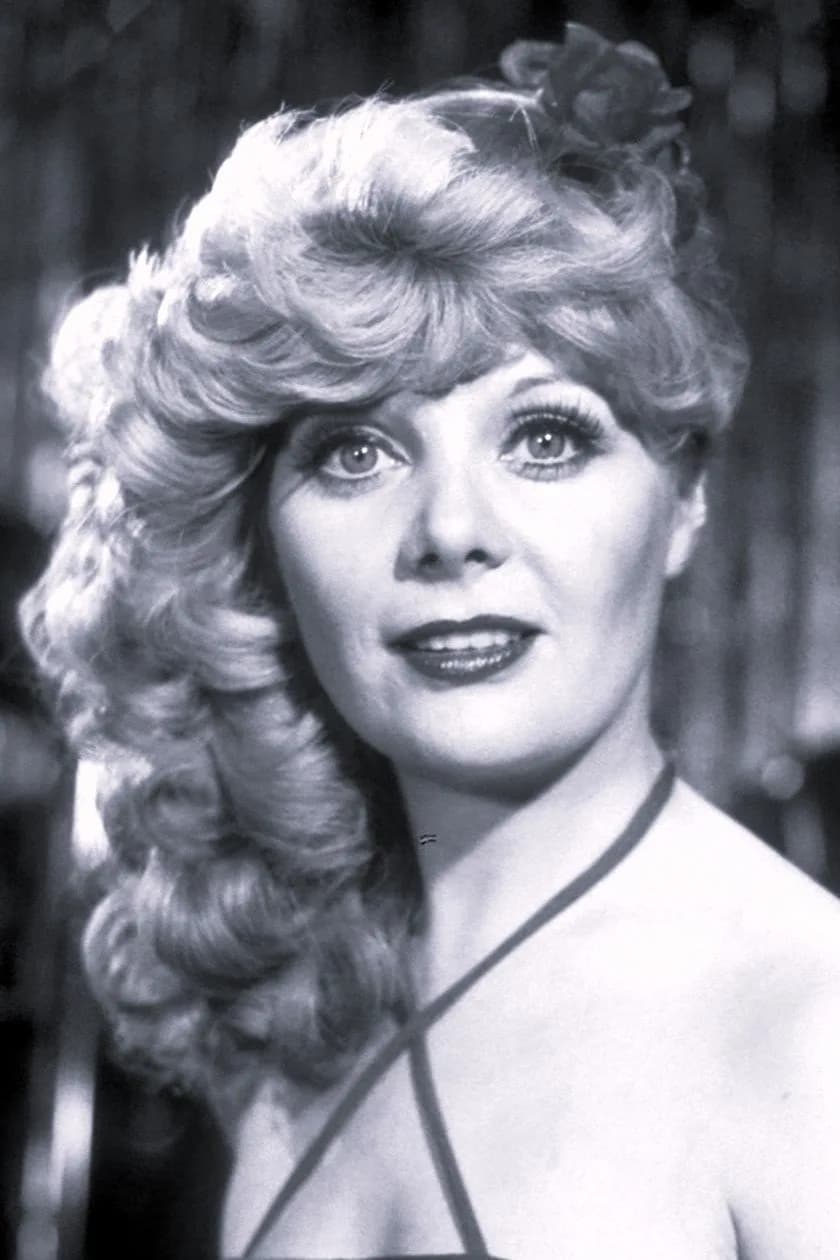
Sheila White
Sheila White is an English film, television and stage actress. She is married to former theatre producer Richard M. Mills and lives in Kingston, Surrey. White was born in London. She began her career at the age of twelve in the pantomime Cinderella at the Golders Green Hippodrome starring Arthur Askey as a member of Terry's Juveniles. This led to an audition for the London production of The Sound of Music at the Palace Theatre where she played the parts of Brigitta and Louisa for three years. She then became a student at the Corona Stage School in Hammersmith, West London. At sixteen, she still played children's roles, as she appeared young for her age; the start of her television career was in Z-Cars with Malcolm McDowell. A theatre tour of Counter Crime followed and the musical tour of The Roar of the Greasepaint—the Smell of the Crowd starring Norman Wisdom and Willoughby Goddard, written by Leslie Bricusse and Anthony Newley, playing one of the urchins with Elaine Paige and choreography by Gillian Lynne. Sheila White's big break came playing the part of Eileen in the musical On The Level at the Saville Theatre. She was taken out of the chorus and the song "Bleep – Bleep", was written especially for her. This song proved to be a show-stopper, making Sheila White's name in the West End theatre. This success led to the part of Bet, Nancy's best friend in Lionel Bart's 1968 film musical Oliver!, accompanying Shani Wallis as Nancy and Mark Lester as Oliver in the songs "It's a Fine Life" and "I'd Do Anything".
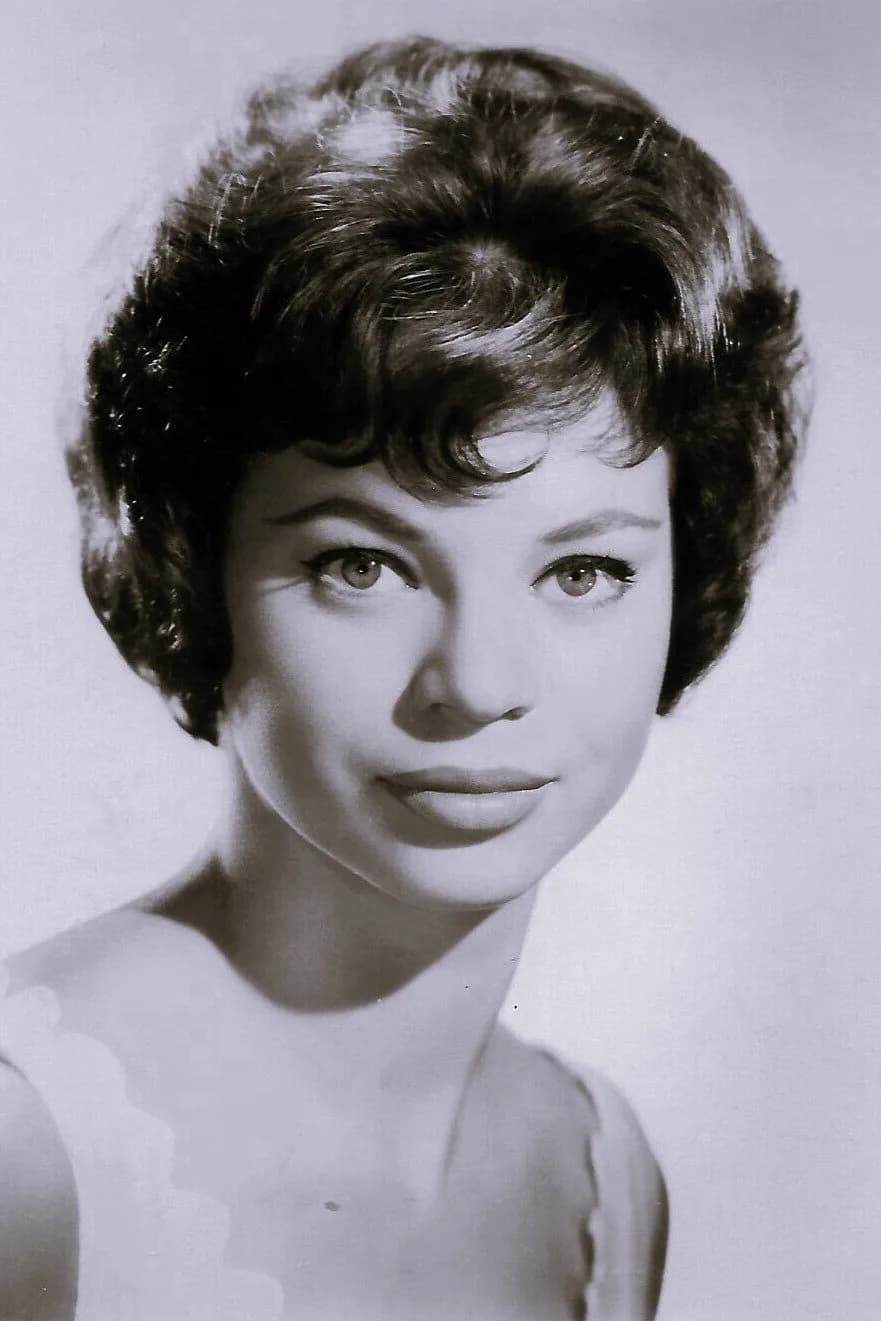
Juliet Prowse
Juliet Anne Prowse was a dancer, whose four-decade career included stage, television and film. She was raised in South Africa, where her family emigrated after World War II. Known for her attractive legs, she was described after her death as having "... arguably the best legs since Betty Grable." In her early twenties, she was dancing at a club in Paris when she was spotted by a talent agent and eventually signed to play the role of Claudine in the Walter Lang film Can-Can. It was during the filming of Can-Can in 1959 that she captured the international spotlight. Soviet leader Nikita Khrushchev visited the set of the film and after Prowse performed a rather saucy can-can for the Russian leader, he proclaimed her dance immoral. The publicity brought Prowse considerable attention in the United States. Prowse met Frank Sinatra on the set of Can-Can. Time magazine did not rate the movie highly, but declared Prowse the best thing in it: "In fact, the only thing really worth seeing is Juliet Prowse, a young South African hoofer who puts some twinkle in the stub-toed choreography. And the only thing really worth hearing is the crack that Frank flips back at Juliet when she whips a redoubtable hip in his direction. "Don't point", he gasps. "It's rude." She would go on to appear with Sinatra and other notable guests such as Ella Fitzgerald, Peter Lawford, Hermione Gingold, the Hi-Lo's, Red Norvo, Nelson Riddle and his orchestra on the 1959 Frank Sinatra Show. She at times would sing in the chorus with other guests or Sinatra would sing to her. Sinatra invited Prowse to join him in Las Vegas, even though she was living with the actor Nico Minardos at the time. Sinatra and Prowse announced their engagement in 1962. Soon afterwards they broke up, reportedly because Prowse wanted to concentrate on her career. Prowse later admitted, "I was as much flattered as I was in love. He (Sinatra) was a complex person, and after a few drinks he could be very difficult." Prowse co-starred alongside Elvis Presley in G.I. Blues. During shooting of the film, they had a short and intense fling. "Elvis and I had an affair. ... We had a sexual attraction like two healthy young people, but he was already a victim of his fans. We always met in his room and never went out." Prowse also made a brief cameo appearance in the Metro-Goldwyn-Mayer documentary film, Elvis: That's the Way. She starred with Denny Scott Miller on her own NBC sitcom in the 1965-1966 season: Mona McCluskey, which was produced by George Burns. The series was based on the idea that the couple, Mike and Mona McCluskey, would live on his military salary, rather than her lucrative earnings as an actress. In the late 1980s, she was mauled by an 80-pound leopard – twice. Once, while filming a scene for Circus of the Stars in 1987 and later that same year rehearsing a promotional stunt on The Tonight Show, when the same leopard attacked her. The later attack was more serious, requiring upwards of twenty stitches to reattach her ear.
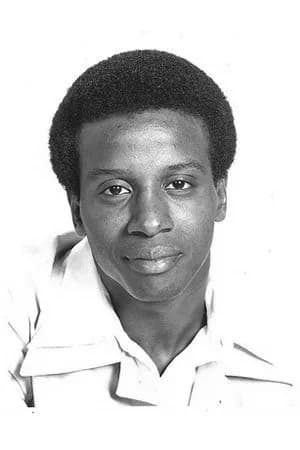
Damon Evans
From Wikipedia, the free encyclopedia Damon Evans (born November 24, 1949) is an American actor, born in Baltimore, Maryland, best known as the second of two actors who portrayed Lionel Jefferson on the CBS sitcom The Jeffersons. He also portrayed the young Alex Haley (ages 17–25) in the ABC television miniseries Roots: The Next Generations. Evans attended the Interlochen Academy on a Reader's Digest Scholarship. After graduation, he attended the Boston Conservatory of Music. While in Boston he appeared in productions of Two If by Sea, Hair, and The Corner at the Theatre Company of Boston. His Off-Broadway credits include performances in A Day in the Life of Just About Everyone, Bury the Dead (for the Urban Arts Corp) and Love Me, Love My Children. He made his Broadway debut in The Me Nobody Knows. Other Broadway credits include Via Galactica and Lost in the Stars. He also toured as Judas and Jesus Christ in the authorized concert version of the musical Jesus Christ Superstar. He appeared in the Tony-, Obie-, and Drama Desk Award-winning Broadway musical Don't Bother Me, I Can't Cope. In the late 1980s, Evans appeared in Trevor Nunn's enormously successful, critically acclaimed, Glyndebourne Festival production of the George Gershwin opera, Porgy and Bess, and again in the 1993 television adaptation of that production. In addition to Evans and other noted performers, this British production of Gershwin's 'American folk opera' featured the Glyndebourne Chorus and the London Philharmonic, both conducted by Sir Simon Rattle. Evans played Sportin' Life, a role originated by John W. Bubbles and originally written for famed 1920s and 1930s jazz bandleader and singer Cab Calloway. CLR
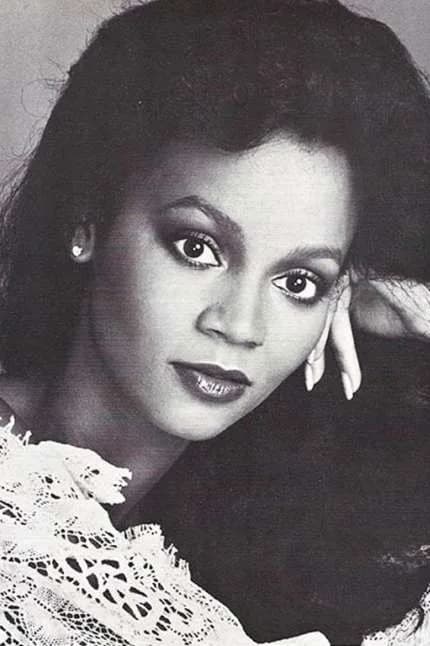
Denise Gordy
Denise Georgette Gordy is a daughter of George and Rosemary Gordy and sister of Patrice and George Gordy, Jr., among others. Motown founder Berry Gordy is her uncle; her aunt is Anna Gordy Gaye. Gordy has appeared in numerous television and theatrical features, beginning in 1972 with Lady Sings the Blues as a dancer in the nightclub chorus. In 1974, Gordy appeared in Black Fist and ending most recently with Toy Soldiers in 1991. Gordy also has contributed vocals to the soundtrack album for the film Black Fist, which was originally titled Bogard, as well as recording the song "Let's Do It Again" for that same movie. Gordy was married to actor Richard Lawson from December 31, 1978 until 1989. They share one child, actress Bianca Lawson. Gordy is also the biological mother of Marvin Gaye III, who was born on November 17, 1965 when she was sixteen years old. His biological father, singer Marvin Gaye, was twenty six years old and married to Gordy's aunt Anna at the time. She agreed to give birth to the child because her aunt was unable to conceive. Shortly after Marvin III's birth, Anna adopted him.
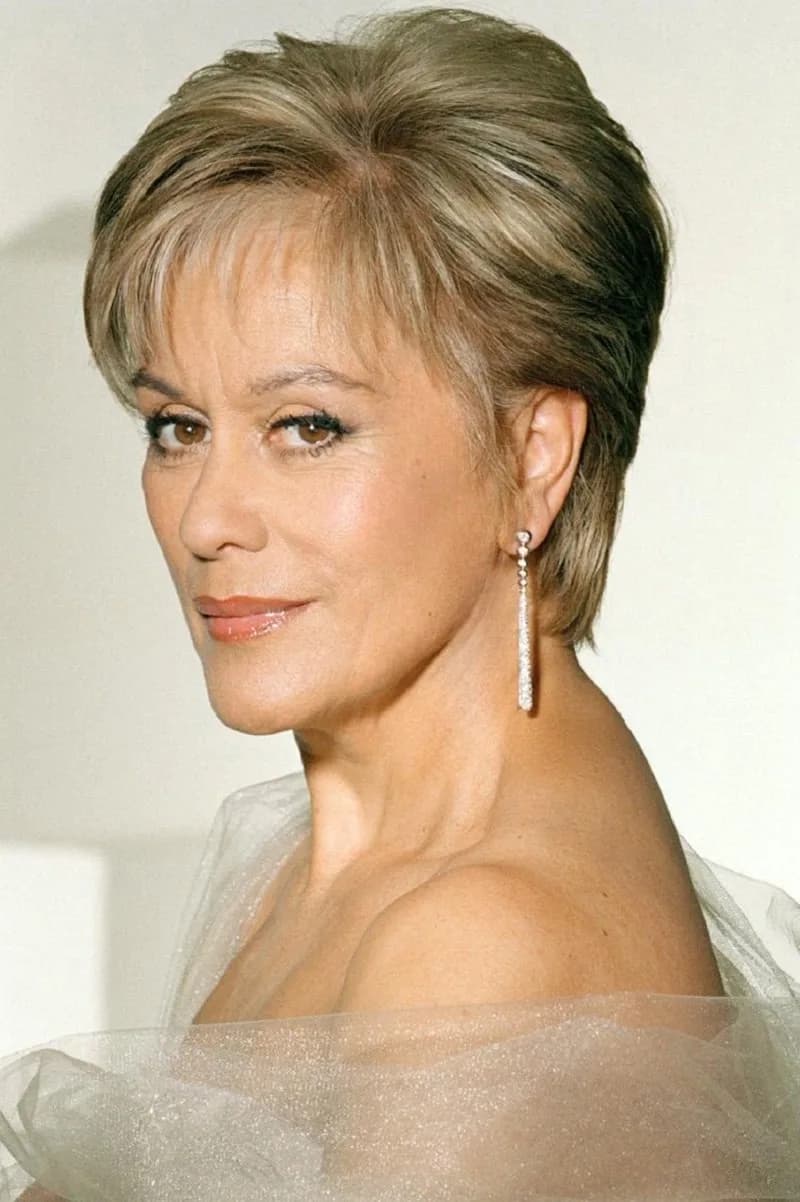
Kiri Te Kanawa
Dame Kiri Jeanette Claire Te Kanawa ONZ, CH, DBE, AC (/ˈkɪri təˈkɑːnəwə/; born Claire Mary Teresa Rawstron, 6 March 1944) is a retired New Zealand opera singer. She had a full lyric soprano voice, which has been described as "mellow yet vibrant, warm, ample and unforced". Te Kanawa had three top 40 albums in Australia in the mid-1980s. Te Kanawa has received accolades in many countries, singing a wide array of works in many languages dating from the 17th to the 20th centuries. She is particularly associated with the works of Mozart, Strauss, Verdi, Handel and Puccini, and found considerable success in portraying princesses, nobility, and other similar characters on stage. Though she rarely sang opera later in her career, Te Kanawa frequently performed in concert and recital, gave masterclasses, and supported young opera singers in launching their careers. Her final performance was in Ballarat, Australia, in October 2016, but she did not reveal her retirement until September 2017. Te Kanawa was born Claire Mary Teresa Rawstron in Gisborne, New Zealand, to Māori butcher Tieki "Jack" Wawatai and to Mary Noeleen Rawstron, who was the daughter of Irish emigrants. Wawatai was already married to Apo, the daughter of the Rev. Poihipi Kohere. Poihipi Kohere was the brother of both the community leader Rēweti Kōhere and the soldier and farmer Henare Mokena Kohere. Mary Noeleen Rawstron's mother insisted the baby be given up for adoption. Te Kanawa was adopted as an infant by Thomas Te Kanawa, the owner of a successful trucking business, and his wife Nell. She was educated at St Mary's College, Auckland, and formally trained in operatic singing by Sister Mary Leo Niccol. Te Kanawa began her singing career as a mezzo-soprano but developed into a soprano. Her recording of the "Nuns' Chorus" from the Strauss operetta Casanova was the first gold record produced in New Zealand. Te Kanawa met Desmond Park on a blind date in London in August 1967, and they married six weeks later at St Patrick's Cathedral, Auckland. They adopted two children, Antonia (born 1976) and Thomas (born 1979). The couple divorced in 1997. Te Kanawa never made an attempt to contact her biological parents, but her half-brother Jim Rawstron contacted her. Initially, she was unwilling to meet him, but agreed to do so in 1997. The episode ended bitterly, when a newspaper ran a story on their meeting; despite Rawstron denying contact with the newspaper, she has since reaffirmed her decision to have nothing to do with her birth family. In her teens and early 20s, Te Kanawa was a pop star and entertainer at clubs in New Zealand,[failed verification] and regularly appeared in newspapers and magazines. In 1963, she was runner-up to Malvina Major in the Mobil Song Quest with her performance of "Vissi d'arte" from Tosca, and in 1965 she won the same competition. As winner, she received a grant to study in London. She appeared and sang in the 1966 musical comedy film Don't Let It Get You. In 1966, she won the Melbourne Sun-Aria contest, which Major had also won the previous year. Both singers had been taught by Sister Mary Leo. ... Source: Article "Kiri Te Kanawa" from Wikipedia in English, licensed under CC-BY-SA 3.0.
Elizabeth Coyle
Born in Irvine, Scotland on the 14th of December 1984. Elizabeth had her first introduction to acting at Shawlands Academy as part of the school choir/chorus. Elizabeth created Freedom Theatre while still in training and put on a sold out production of Lady Windermere's Fan (Oscar Wilde) as part of the Wycombe Arts Festival.