
Search

The Bridge on the River Kwai
1957
The classic story of English POWs in Burma forced to build a bridge to aid the war effort of their Japanese captors. British and American intelligence officers conspire to blow up the structure, but Col. Nicholson, the commander who supervised the bridge's construction, has acquired a sense of pride in his creation and tries to foil their plans.

Percy Herbert
Cast · Known for The Bridge on the River Kwai
From Wikipedia, the free encyclopedia Percy Herbert (31 July 1920 - 6 December 1992) was an English character actor who often played soldiers, most notably in The Bridge on the River Kwai, The Wild Geese and Tunes of Glory. However, he was equally at home in comedies (Barnacle Bill, Call Me Bwana, two Carry On films) and science fiction (One Million Years B.C., Mysterious Island). He also acted on television; he was a regular on the short-lived series Cimarron Strip, starring Stuart Whitman. Herbert was a soldier and prisoner of war during World War II, captured by the Japanese when they took Singapore. He was discovered by Dame Sybil Thorndike. Herbert died of a heart attack on 6 December 1992. Description above from the Wikipedia article Percy Herbert (actor), licensed under CC-BY-SA, full list of contributors on Wikipedia.
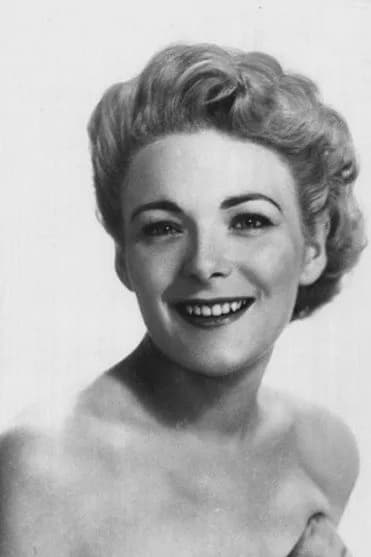
Ann Sears
Cast · Known for The Bridge on the River Kwai
Ann Sears was an English actress, best known for The Bridge on the River Kwai (1957), The Flying Doctor (1959) and The Brain (1962). She was married to Michael Holden and Ian Mullins.
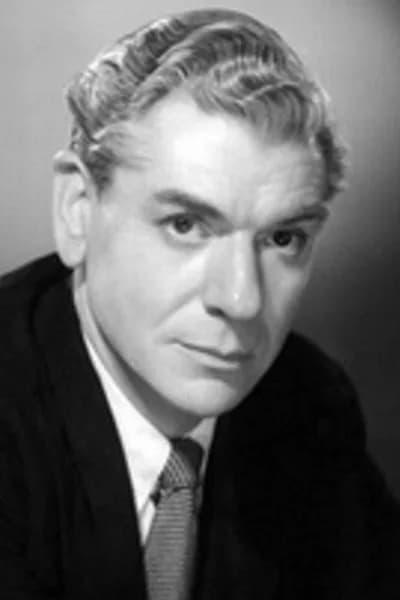
André Morell
Cast · Known for The Bridge on the River Kwai, Ben-Hur, Barry Lyndon
From Wikipedia, the free encyclopedia André Morell (20 August 1909 – 28 November 1978; sometimes credited as Andre Morell) was a British actor. He appeared frequently in theatre, film and on television from the 1930s to the 1970s. His best known screen roles were as Professor Bernard Quatermass in the BBC Television serial Quatermass and the Pit (1958–59), and as Doctor Watson in the Hammer Film Productions version of The Hound of the Baskervilles (1959). He also appeared in the Academy Award-winning films The Bridge on the River Kwai (1957) and Ben-Hur (1959), in several of Hammer's well-known horror films throughout the 1960s and in the acclaimed ITV historical drama The Caesars (1968). His obituary in The Times newspaper described him as possessing a "commanding presence with a rich, responsive voice... whether in the classical or modern theatre he was authoritative and dependable." Description above from the Wikipedia article André Morell, licensed under CC-BY-SA, full list of contributors on Wikipedia.
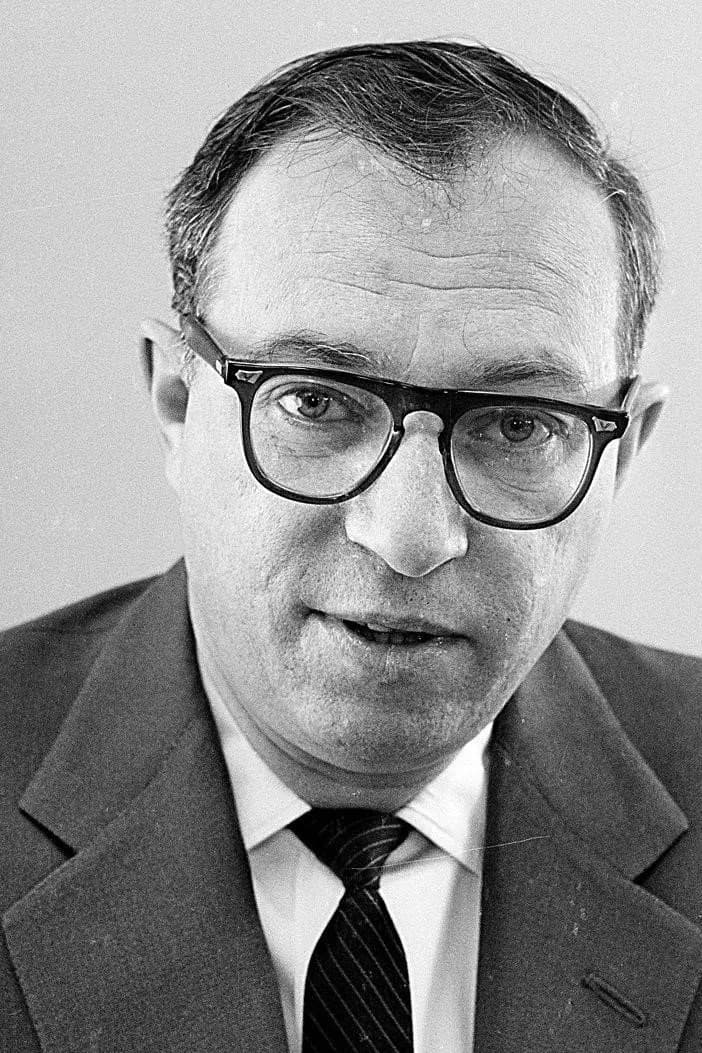
Carl Foreman
Writer · Known for High Noon, The Bridge on the River Kwai
Carl Foreman, CBE was an American screenwriter and film producer who wrote the award-winning films The Bridge on the River Kwai and High Noon, among others. He was one of the screenwriters who were blacklisted in Hollywood in the 1950s because of their suspected communist sympathy or membership in the Communist Party.
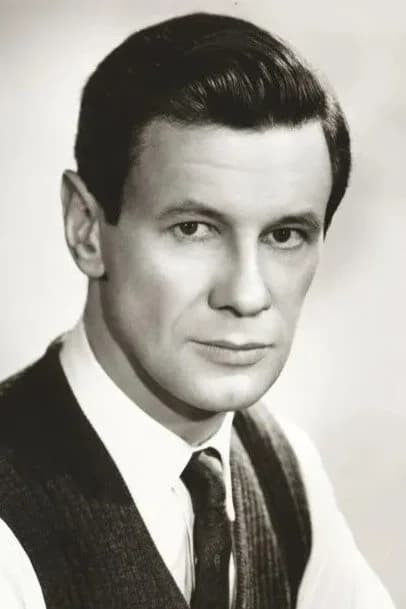
James Donald
Cast · Known for The Great Escape, The Bridge on the River Kwai
From Wikipedia, the free encyclopedia James Donald (18 May 1917 - 3 August 1993) was a Scottish actor. Tall and gaunt, he specialised in playing authority figures; military officers, doctors or scientists. Donald was born in Aberdeen, and made his first professional stage appearance sometime in the late-1930s, having been educated at Rossall School on Lancashire's Fylde coast. During World War II he appeared in minor roles in such propaganda classics as In Which We Serve (1942), Went the Day Well? (1942) and The Way Ahead (1944), and he played Mr. Winkle in the 1952 film version of The Pickwick Papers. However, leading roles eluded him until Lust for Life (1956), in which he played Theo Van Gogh. His work in the theatre included Noël Coward's Present Laughter (1943) which starred Coward himself, and The Eagle with Two Heads (1947), You Never Can Tell (1948), and The Heiress (1949) with Ralph Richardson, Peggy Ashcroft and Donald Sinden. He memorably portrayed Major Clipton, the doctor who expresses grave doubts about the sanity of Col. Nicholson's (Alec Guinness) efforts to build the bridge in order to show up his Japanese captors, in the film The Bridge on the River Kwai (1957). The final words are his: "Madness!, Madness!" He also played Group Captain Ramsey, the Senior British Officer in The Great Escape (1963), as well as supporting roles in other notable films both in Britain and the United States, including The Vikings (1958), King Rat (1965), Cast a Giant Shadow (1966), and Quatermass and the Pit (1967). Donald starred in a 1960 television adaptation of A. J. Cronin's The Citadel and appeared regularly in many other television dramas in the UK and USA, as well as on stage. In 1961, he played Prince Albert opposite Julie Harris's Queen Victoria, in the Hallmark Hall of Fame production of Laurence Housman's play Victoria Regina. Description above from the Wikipedia article James Donald, licensed under CC-BY-SA, full list of contributors on Wikipedia.

Jack Hildyard
Cinematographer · Known for Casino Royale, The Bridge on the River Kwai
Jack Hildyard (17 March 1908 – 5 September 1990) was a British cinematographer. He made several films with David Lean, including The Sound Barrier (1952), Hobson's Choice (1954), and The Bridge on the River Kwai (1957), for which he won an Academy Award for Best Cinematography.
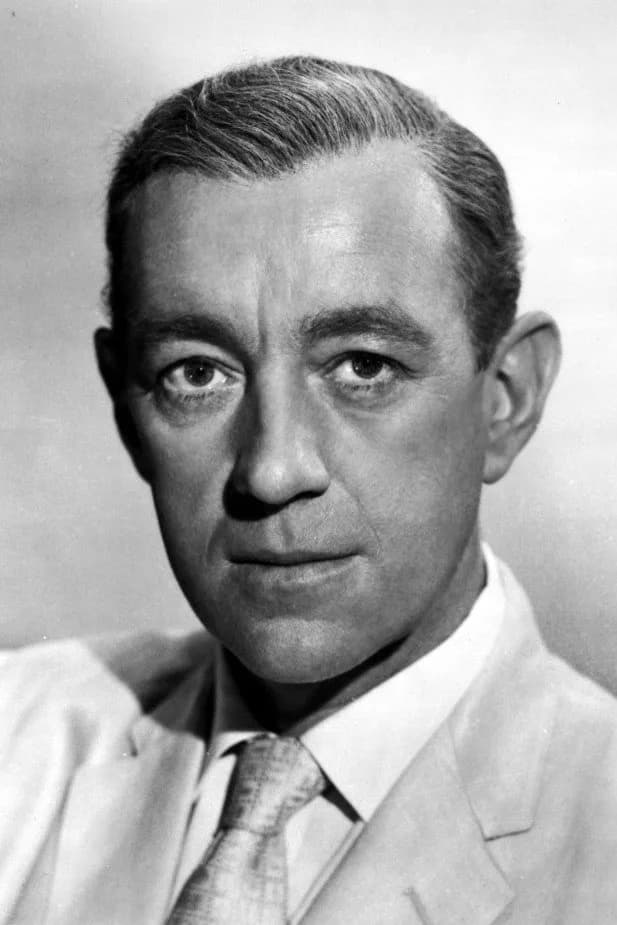
Alec Guinness
Cast · Known for Lawrence of Arabia, The Bridge on the River Kwai, Star Wars
Sir Alec Guinness, CH, CBE (born Alec Guinness de Cuffe; 2 April 1914 – 5 August 2000) was an English actor. He was featured in several of the Ealing Comedies, including Kind Hearts and Coronets in which he played eight different characters. He later won the Academy Award for Best Actor for his role as Colonel Nicholson in The Bridge on the River Kwai. He is most well known for playing Obi-Wan Kenobi in the original Star Wars trilogy. He also played Prince Feisal in Lawrence of Arabia and George Smiley in the TV adaptation of Tinker, Tailor, Soldier, Spy.
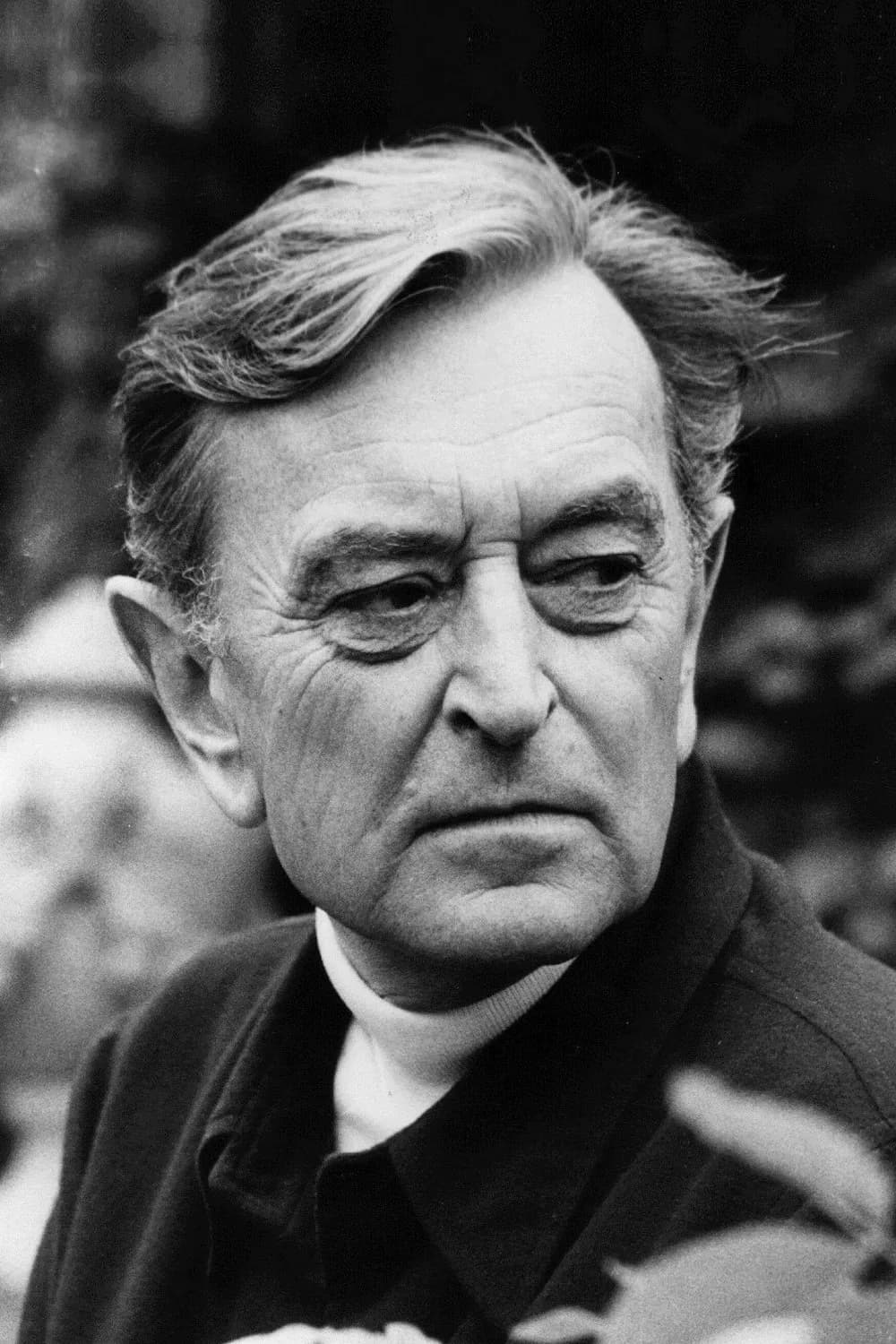
David Lean
Director · Known for Lawrence of Arabia, The Bridge on the River Kwai
Sir David Lean CBE (25 March 1908 – 16 April 1991) was an English film director, producer, screenwriter and editor. Widely considered one of the most important figures in British cinema, he is best remembered for adapting the works of Charles Dickens and Noël Coward, and for his large scale period epics such as The Bridge on the River Kwai (1957), Lawrence of Arabia (1962), Doctor Zhivago (1965), Ryan's Daughter (1970), and A Passage to India (1984). Acclaimed and praised by directors such as Steven Spielberg and Stanley Kubrick, Lean was voted 9th greatest film director of all time in the British Film Institute Sight & Sound "Directors Top Directors" poll 2002. Nominated seven times for the Academy Award for Best Director, winning twice for The Bridge on the River Kwai and Lawrence of Arabia, he has seven films in the British Film Institute's Top 100 British Films (with three of them being in the top five).
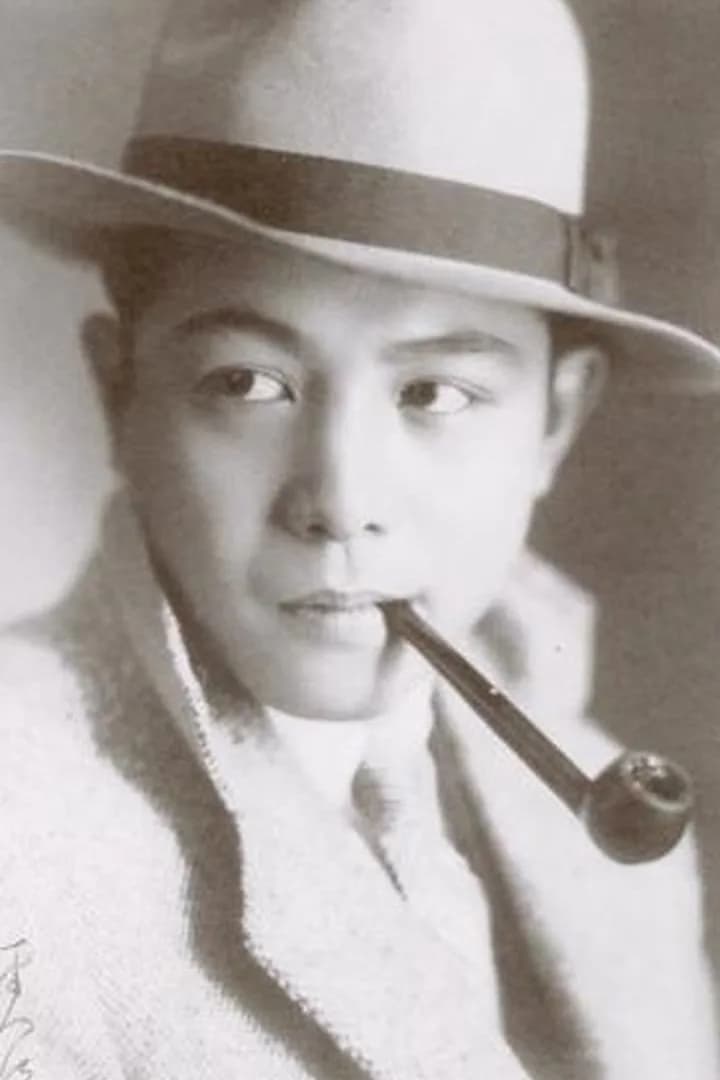
Heihachirō Ōkawa
Cast · Known for The Bridge on the River Kwai
Heihachiro Okawa (Japanese: 大川 平八郎 Hepburn: Ōkawa Heihachirō, 9 September 1905 – 27 May 1971), also sometimes credited as Henry Okawa (ヘンリー大川), was a Japanese film actor active from the 1930s to 1971. With hopes of starting a business, he traveled to the United States in 1923 and studied at Columbia University. He also studied at the Paramount Studios acting school and eventually began working in Hollywood, appearing in films by Howard Hawks and William Wellman. He returned to Japan in 1933 and co-starred in the Photo Chemical Laboratories (PCL) film Horoyoi jinsei. He later appeared in foreign films under the name Henry Okawa. He is best known for Moyuru ōzora (1940), Dawn of Freedom (1944) Tokyo File 212 (1951), Floating Clouds (1955) and The Bridge on the River Kwai (1957). (Wikkipedia)
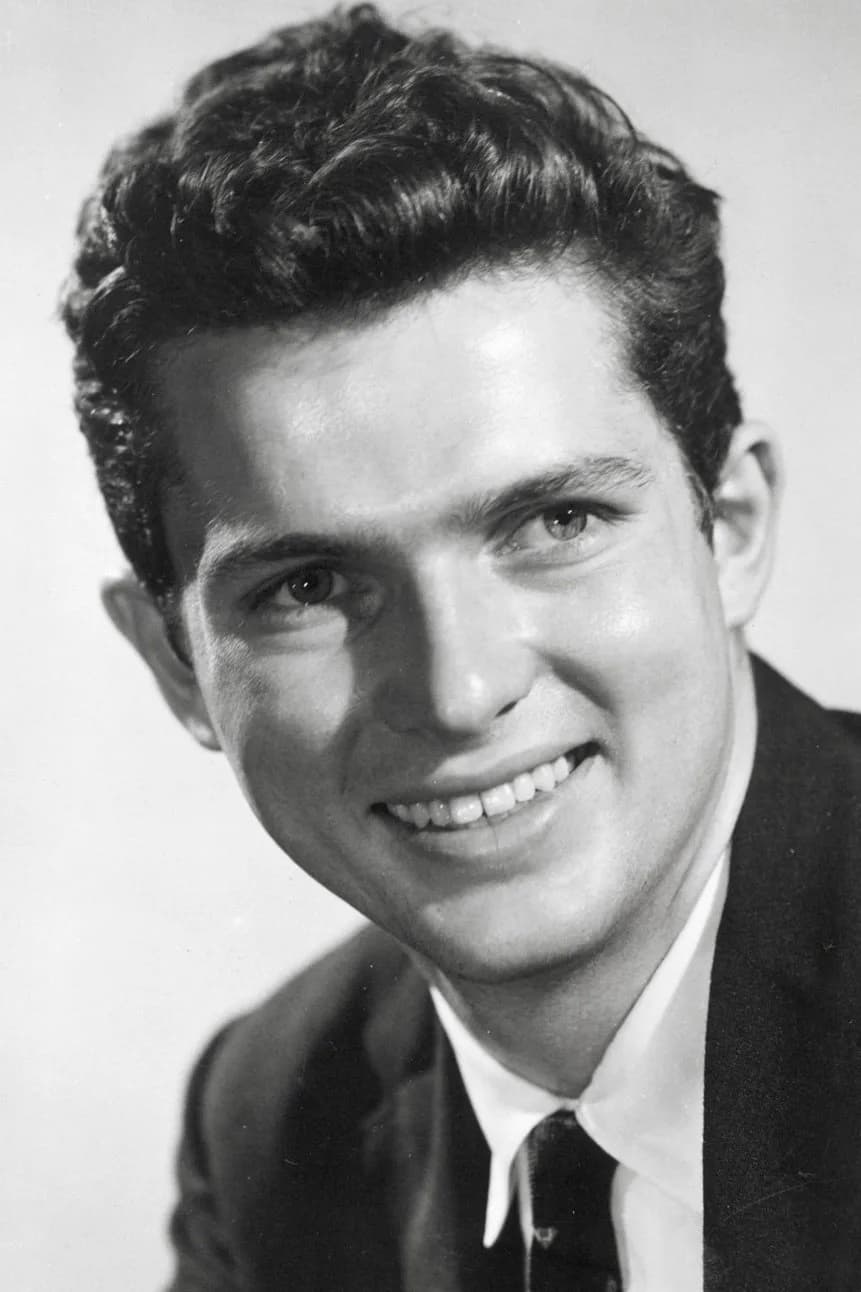
Geoffrey Horne
Cast · Known for The Bridge on the River Kwai
Geoffrey Horne is an American actor and acting teacher known for his work in both film and theatre. Born on August 22, 1933, in New York City, Horne grew up in a family of artists, with his mother being a ballet dancer and his father being a painter. Horne developed an interest in acting at a young age and began taking classes at the Neighborhood Playhouse School of the Theatre in New York City. He made his Broadway debut in 1952 in the play "The Happiest Millionaire" and soon after was discovered by director Elia Kazan, who cast him in the film "The Bridge on the River Kwai" (1957). Horne's performance in "The Bridge on the River Kwai" earned him critical acclaim and led to more film roles, including "Bonjour Tristesse" (1958) and "Two Living, One Dead" (1961). He also continued to work in theatre, appearing in productions of "The Caretaker" and "A View from the Bridge," among others. In the 1960s, Horne moved to Italy and began working in Italian cinema, appearing in films such as "Il Posto" (1961) and "La lunga notte del '43" (1960). He also studied with the legendary acting teacher Lee Strasberg and later became an acting teacher himself, founding the HB Studio in Rome. Horne continued to work in both film and theatre throughout his career, and in 2007 he was honored with a lifetime achievement award by the Rome Film Fest. Today, he lives in Italy and continues to teach acting. The story of Geoffrey Horne is a testament to the power of following one's passions and pursuing a life in the arts. His dedication to his craft and his willingness to take risks and explore new opportunities have made him a beloved figure in the world of acting and a respected teacher of the craft.
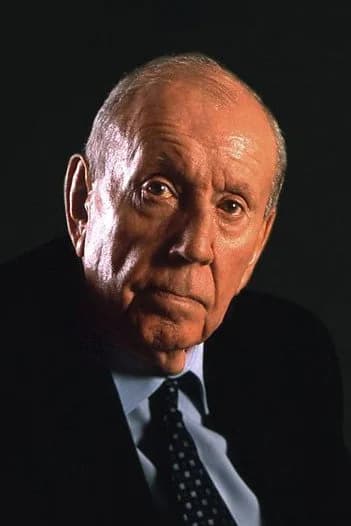
Malcolm Arnold
Composer · Known for The Bridge on the River Kwai
Sir Malcolm Henry Arnold CBE (21 October 1921 – 23 September 2006) was an English composer. His works feature music in many genres, including a cycle of nine symphonies, numerous concertos, concert works, chamber music, choral music and music for brass band and wind band. His style is tonal and rejoices in lively rhythms, brilliant orchestration, and an unabashed tunefulness. He wrote extensively for the theatre, with five ballets specially commissioned by the Royal Ballet, as well as two operas and a musical. He also produced scores for more than a hundred films, among these The Bridge on the River Kwai (1957), for which he won an Oscar. Description above from the Wikipedia page Malcolm Arnold, licensed under CC-BY-SA, full list of contributors on Wikipedia.
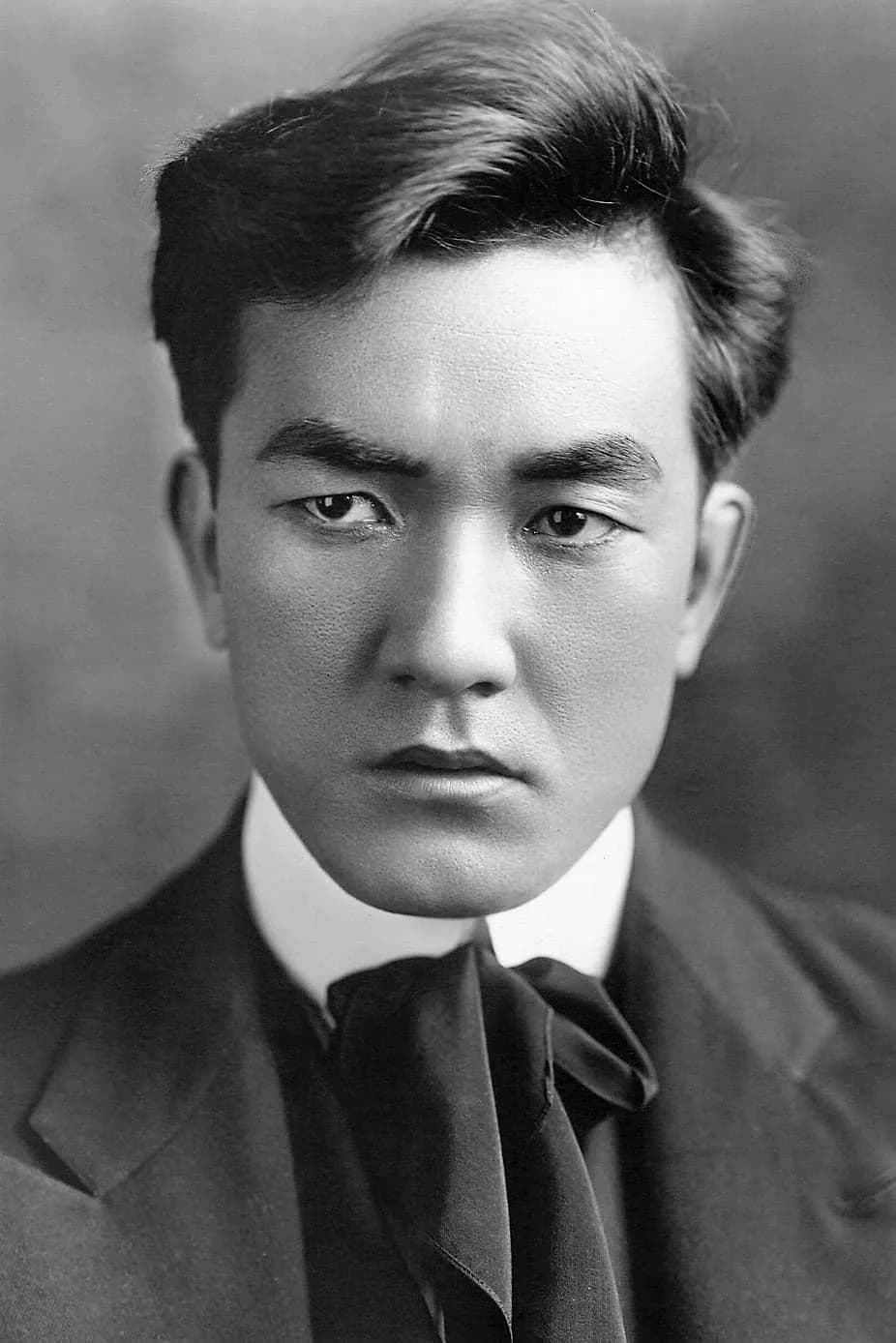
Sessue Hayakawa
Cast · Known for The Bridge on the River Kwai
Sessue Hayakawa (June 10, 1889 – November 23, 1973) was a Japanese and American Issei (Japanese immigrant) actor who starred in American, Japanese, French, German, and British films. Hayakawa was the first and one of the few Asian actors to find stardom in the United States as well as Europe. Between the mid-1910s and the late 1920s, he was as well known as actors Charlie Chaplin and Douglas Fairbanks. He was one of the highest paid stars of his time; making $5,000 a week in 1915, and $2 million a year via his own production company during the 1920s. He starred in over 80 movies and has two films in the U.S. National Film Registry. His international stardom transitioned both silent films and talkies. Of his English-language films, Hayakawa is probably best known for his role as Colonel Saito in the film The Bridge on the River Kwai, for which he received a nomination for Academy Award Best Supporting Actor in 1957. He also appeared as the pirate leader in Disney's Swiss Family Robinson in 1960. In addition to his film acting career, Hayakawa was a theatre actor, film and theatre producer, film director, screenwriter, novelist, martial artist, and an ordained Zen master. Description above from the Wikipedia article Sessue Hayakawa, licensed under CC-BY-SA, full list of contributors on Wikipedia.

Jack Hawkins
Cast · Known for The Bridge on the River Kwai, Ben-Hur, Lawrence of Arabia
John Edward Hawkins, CBE was an English actor who worked on stage and in film from the 1930s until the 1970s. One of the most popular British film stars of the 1950s, he was best known for his portrayal of military men in films like Angels One Five (1951), The Cruel Sea (1953), Bridge on the River Kwai (1957), Ben Hur (1959) and Lawrence of Arabia (1962).
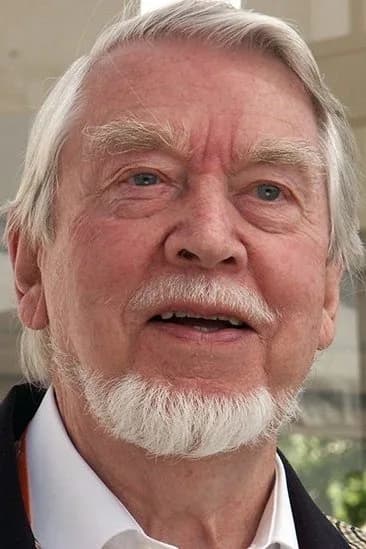
Gerry Fisher
Cinematographer · Known for Highlander
Gerry Fisher, B.S.C. (23 June 1926 – 2 December 2014) was an English cinematographer. He was born in London in 1926. Early employment by Kodak and De Havilland Aircraft was followed by service in the Royal Navy during WW II. Fisher then worked as a clapper boy at Alliance Riverside Studios, Twickenham, and as assistant cameraman on documentaries for Wessex Films, before becoming a Focus puller at Shepperton Studios. After years in this capacity on films such as An Inspector Calls (1954), he was promoted to camera operator on Bridge on the River Kwai (1957), before finally becoming director of photography on Joseph Losey's Accident (1967). He collaborated with Losey on a further seven films, including The Go-Between in 1971. In 1976 Fisher was nominated for the Best Cinematography Award by the British Society of Cinematographers, for Aces High, and in 1977 was nominated for a BAFTA Award for the same film. In 1977 he was nominated in the César Awards for Best Cinematography for Monsieur Klein. The film directors Fisher frequently collaborated with included Losey, Tony Richardson, Sidney Lumet, John Huston, William Peter Blatty, John Frankenheimer and, latterly, Michael Ritchie. Fisher and his wife retired to The Film and Television Charity's Glebelands Care Home at Wokingham in Berkshire. He died on 2 December 2014, at the Royal Berkshire Hospital in nearby Reading, at the age of 88. Source: Article "Gerry Fisher" from Wikipedia in English, licensed under CC-BY-SA.
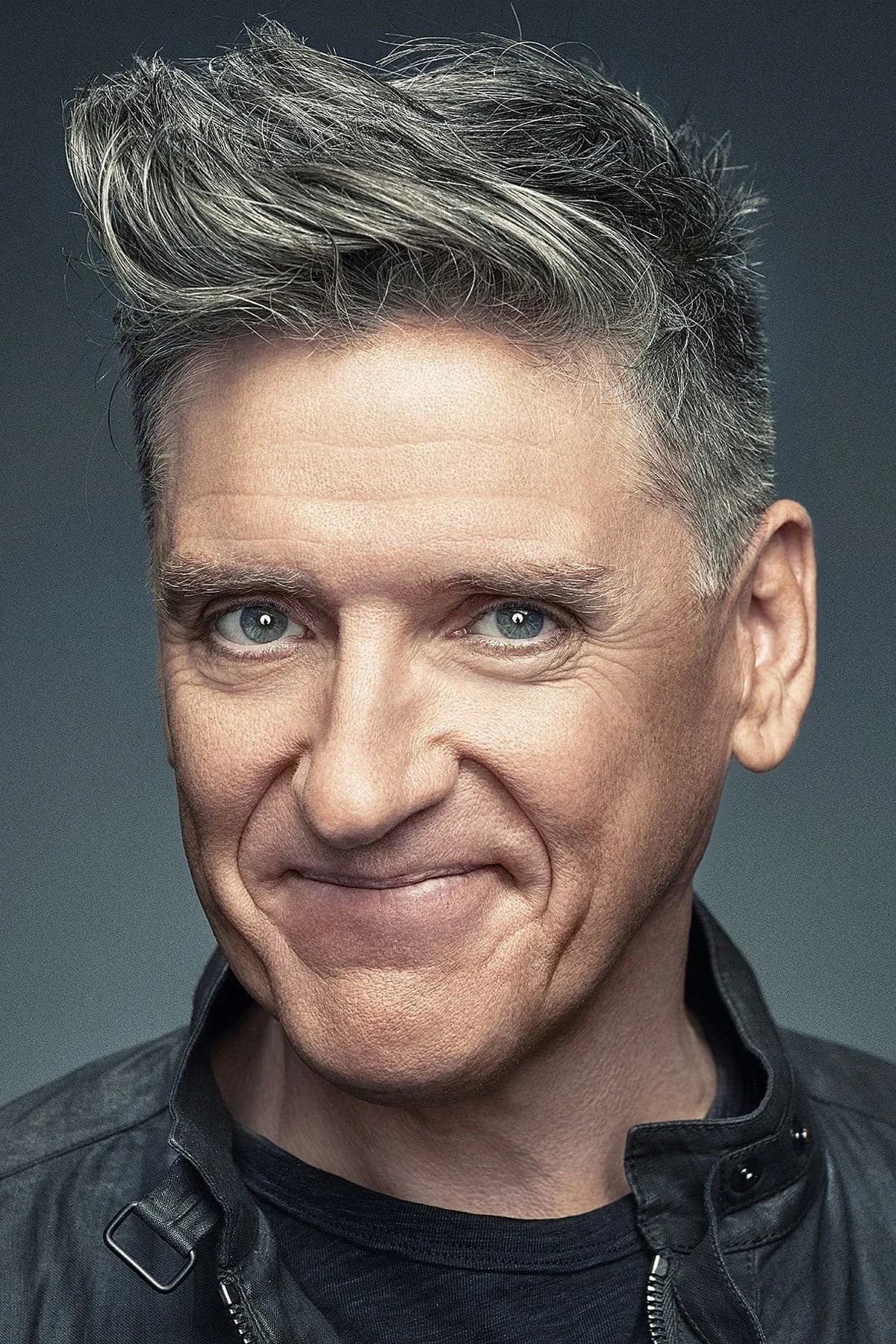
Craig Ferguson
Cast · Known for How to Train Your Dragon, How to Train Your Dragon 2, How to Train Your Dragon: The Hidden World
Craig Ferguson (born May 17, 1962) is a Scottish-born, naturalized American television host, stand-up comedian, writer, actor, director, and producer. He is the host of The Late Late Show with Craig Ferguson, an Emmy Award-nominated, Peabody Award-winning late-night talk show that airs on CBS. In addition to hosting that program and performing stand-up comedy, Ferguson has written two books: Between the Bridge and the River, a novel, and American on Purpose, an autobiography. He became a citizen of the United States in 2008. Before his career as a late-night television host, Ferguson was best known in the United States for his role as the office boss, Nigel Wick, on The Drew Carey Show from 1996 to 2003. After that, he wrote and starred in three films, directing one of them. Description above from the Wikipedia article Craig Ferguson, licensed under CC-BY-SA, full list of contributors on Wikipedia.
James Hunter
James Hunter began making movies at an extremely young age. At age 13 in 1990 he made a "Star Wars" movie using action figures with blue screen and special effects after renting out a local TV station. At age 14 he wrote "Robin Hood: Prince of Sherwood" and with the help of his father and friends, pulled together his first feature film, shot on 16mm. The film took three years to make and premiered in January 1994 at the local town theater. Tickets were sold at $5 and around 3,000 people saw the movie over 2 days. James self taught himself how to load and shoot with a 16mm film camera and also taught himself to edit on film. That same year, Hunter began his second feature film attempt at age 17, this time playing the lead role as well as directing. Also shot and edited on 16mm, "The River Bridge" was completed in 1996. This film starred Charles Napier, a veteran character actor of the 80s and 90s. In 1997, Hunter married and moved to Los Angeles where he studied film, theater, and philosophy at Los Angeles City College. He worked at the Virgin Mega Store in Hollywood, as a waiter at Hamburger Hamlet, and as an extra to make ends. Due to the Digital Revolution and Hollywood's reluctance to take such a young director seriously, Hunter put directing aside and got involved in acting at age 20 and in 2004 he became a member of the Screen Actors Guild. His teenage films remained on a shelf until 2008 when Hunter distributed the movies with the help of Ryan Sims, and the films were finally released through Indieflix and Amazon.com. In April of 2013, Hunter uploaded to films to YouTube. In 1999, Hunter went into production on his 3rd film, "Vagabond Lover 1999". Production shut down after one investor pulled the plug. Twenty years later, Hunter began pre-production again and reentered the project, writing new scenes and new characters. In 2020, the Covid pandemic shut down the production a second time. Production is scheduled to begin again in 2023. As of 2023, James has written several new projects including two horror films, a sequel to his original Robin Hood film, and a movie based on the true story of his late aunt, Mary Faye Hunter, who was murdered in 1967.
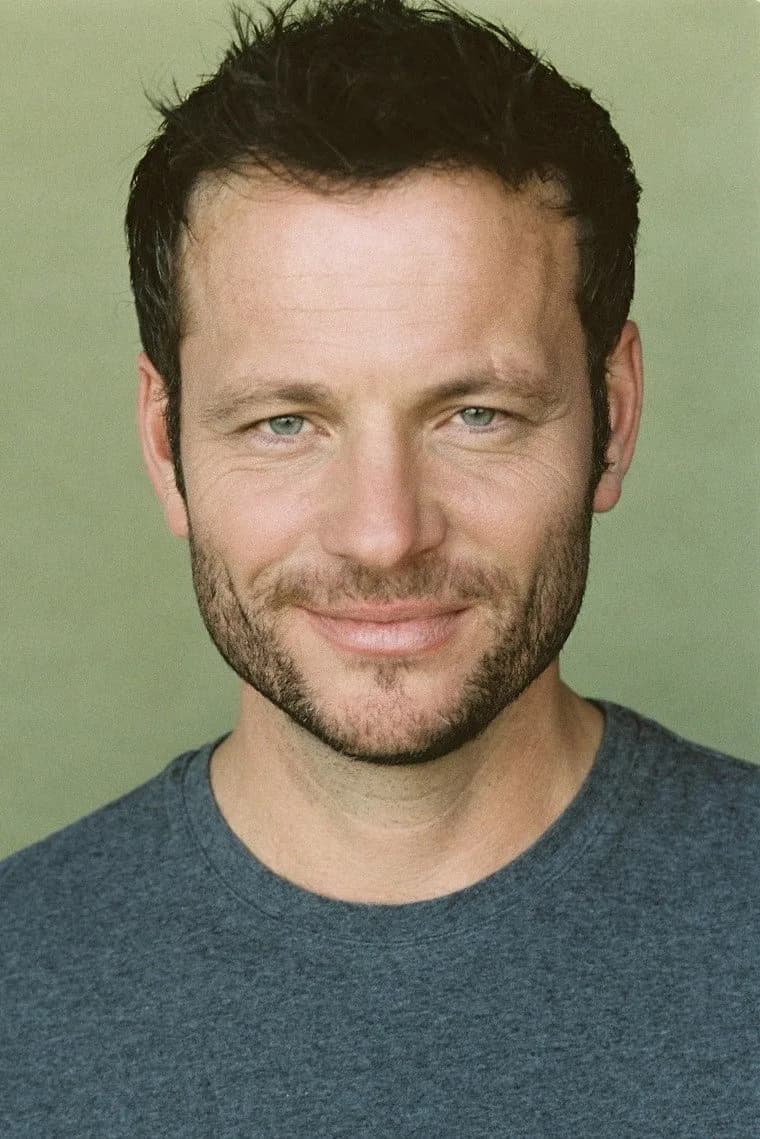
Michael Rodrick
Michael was born and raised in Jersey City. During his junior year of high school, he auditioned for New Jersey's Governor's School of the Arts on a lark to get himself out of the house. He was one of 12 students selected across the state. He went on to receive a full scholarship to the Catholic University of America, graduating with a BA in Political Science. During school, he supported himself as a theater carpenter - often building the sets that he would later perform on. Early in his college career, he portrayed Jim O'Connor in Tennessee Williams' The Glass Menagerie and The Beast in Beauty and the Beast. Michael has appeared in several feature films, most notably The River Murders opposite Ray Liotta, Nowhere Man, Desolation Angels (Telluride Film Festival winner), and Under Hellgate Bridge. Dedicated fans remember him from his first television acting role as Cameron on NBC's Another World. Since then he's had numerous guest star roles on shows such as Hawaii Five-0, Castle, Major Crimes, Rizzoli & Isles, Saving Grace, The Mentalist, 24, and Bones, in addition to several Jerry Bruckheimer shows - CSI: Miami, Without a Trace, Close to Home, and Cold Case. He's also lent his voice to the video games Call of Duty: Black Ops II and L.A. Noire. He currently resides in Los Angeles, California. When not acting, he works with non-profits to build housing for the homeless with a focus on seniors and veterans, as well as at-risk foster youth. To stay active, he studies Krav Maga and enjoys tuna fishing and salsa dancing. He loves to attend film festivals.
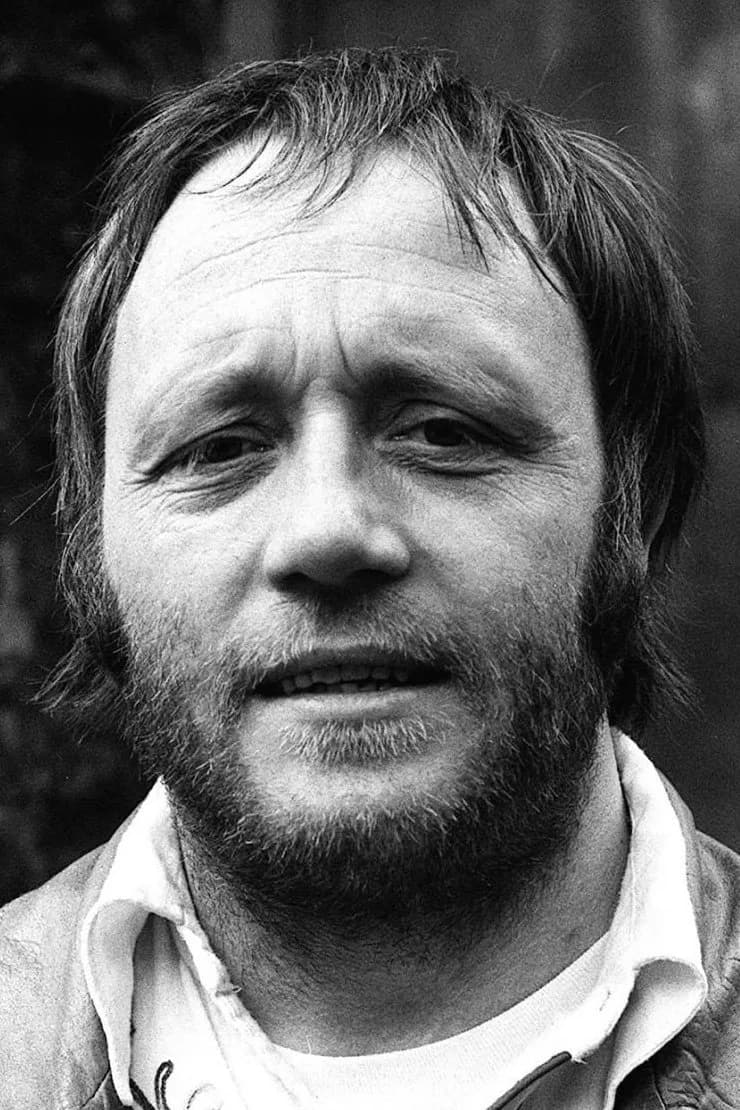
John Bindon
Cast · Known for Barry Lyndon
John 'Biffo' Bindon was a British actor and bodyguard (most notoriously for Led Zeppelin on their 1977 US tour, which he was subsequently sacked from for violent behaviour) with close links to the London underworld and a celebrated party trick; "I'd hang five half-pint beer glasses on me manhood. Everyone would ask how it's done beforehand so I'd put them out of their misery and thread my old chap through the handles of the glasses". The son of a London cab driver, Bindon was sentenced to Borstal twice in his youth and gained his nickname 'Biffo' from his propensity for starting fights. Spotted by Ken Loach in a London pub, Bindon got his acting break with the 1967 film Poor Cow. Roles in classic British films like Performance, Get Carter and Quadrophenia would follow, with Bindon often typecast as a gangland heavy. In 1968, Bindon met Vicki Hodge, a baronet's daughter turned model and actress, who introduced him to British aristocracy. This led to close and controversial links with Princess Margaret and her holiday hideaway of the Caribbean island resort of Mustique. Bindon and his alleged relationship with Princess Margaret is a major plot element in the 2008 crime film The Bank Job. Also in 1968, Bindon was awarded the Queen's Award for Bravery for diving off Putney Bridge into the River Thames to rescue a drowning man - although some said he had pushed the man in and only rescued him when a policeman appeared. In 1979, Bindon stood trial for the murder of London gangster John Darke. Bindon's successful defence (bolstered by a character witness appearance from actor Bob Hoskins) argued that Darke's death was in self-defence, saying Bindon was in fear of his life as he was being blackmailed about losing drug money and cocaine worth thousands of pounds. Despite being acquitted, Bindon struggled to find work in the entertainment industry as his reputation was now tarnished. He died of an AIDS-related illness in 1993, having spent the later years of his life as a virtual recluse in Belgravia.
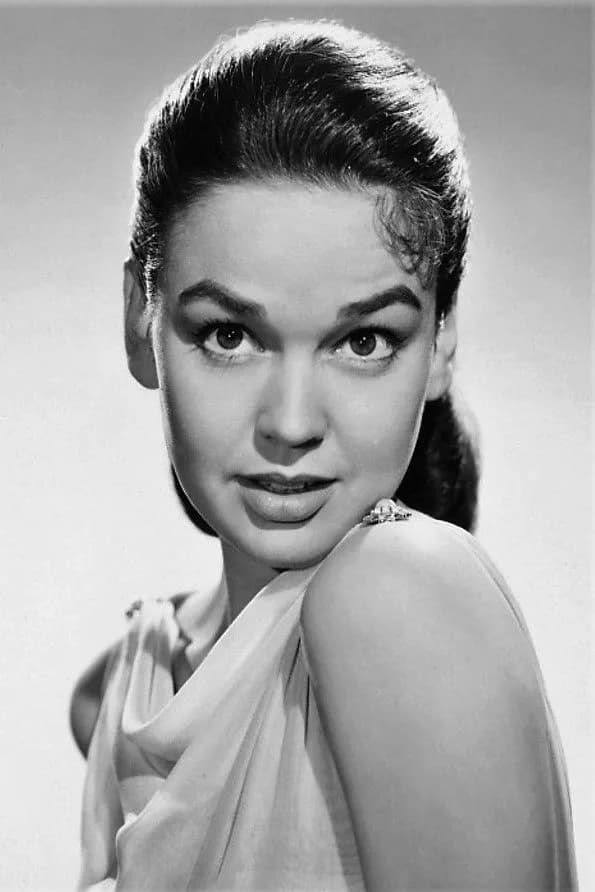
Kathryn Grant
Kathryn Crosby (November 25, 1933 - September 20, 2024) was an American actress and singer who also performed under the stage-name Kathryn Grant. Born Olive Kathryn Grandstaff in Houston, Texas, she graduated from the University of Texas at Austin with a Bachelor of Fine Arts in 1955. Two years later she became Bing Crosby's second wife. The couple had three children, Harry, Mary Frances, and Nathaniel. She appeared as a guest star on her husband's 1964–1965 ABC sitcom The Bing Crosby Show. She largely retired after their marriage, but did have a featured role in the courtroom drama Anatomy of a Murder. She also played the part of "Mama Bear" alongside her husband and children in Goldilocks and starred with Jack Lemmon in Operation Mad Ball in 1957. In the mid-1970s, she hosted The Kathryn Crosby Show, a 30-minute local talk-show on KPIX-TV in San Francisco. Husband Bing appeared as a guest occasionally. After Bing Crosby's death in 1977, she took on a few smaller roles and the lead in the short-lived 1996 Broadway musical State Fair. For 16 years ending in 2001, Crosby hosted the Crosby National Golf Tournament at Bermuda Run Country Club in Bermuda Run, North Carolina. A nearby bridge carrying U.S. Route 158 over the Yadkin River is named for Crosby. On November 4, 2010, Crosby was seriously injured in an automobile accident in the Sierra Nevada that killed her 85-year-old husband, Maurice William Sullivan.

Robert Conder
Bob (Birth Name: Robert N. Conder) has been working in stage, theater and film since 1967 both behind the scenes and in front of the stage and camera. He began as an actor with roles in such films as; Solo, Choke Canyon, Evil in Clear River, Haloween 4, as a stunt man specializing in fights, falls and cars, Bob has been punched by Tommy Lee Jones, dropped by Jim Carrey, shot from the roof of a building, and rolled in a moving van off an exploding bridge. Bob soon began working behind the camera as a grip, key grip and other departments, with the idea of learning more about the film process. After several films and commercials, Bob began to learn the scheduling and budgeting side of the business. In 1982 Bob worked for Aquila Films helping with preproduction packaging. Then 1987 he began working for NAK Entertainment in much the same capacity, and worked as the 1st AD for the pilot "Dojo Kids". Later as and as a second unit director for "A Boy Named Danger" and "Mr. Atlas". Bob in now focusing on AD work as he continues to build his resume with such films as "Tears of a King" and National Lampoon's "Bag Boy". With 30 years in the film industry he has worked in almost every capacity and within every size budget, can anticipate the needs for each department thereby reducing costs and stress. Nothing makes Bob happier than the working in the business side of that great creative process. Biography By: Bob Conder Birth Name: Robert N. Conder
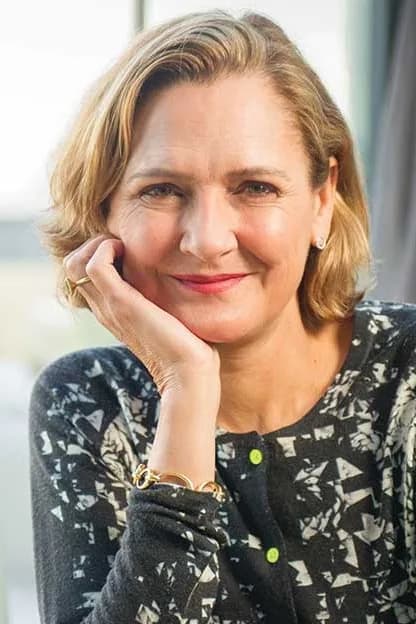
Kate Harwood
Executive Producer · Known for EastEnders
Kate Harwood is a British television producer. She became managing director of a revived Euston Films in summer 2014. Kate graduated from the University of Birmingham with a degree in Drama before becoming an Arts Council Trainee director with Century Theatre and then Literary Manager of the Royal Court Theatre. Harwood has spent over 15 years working at the BBC, and became an executive producer in the BBC Drama Serials department. As a Producer, she has worked on dramas including The Beggar Bride, Close Relations, The Echo, David Copperfield, Man and Boy and BAFTA winner Charles II: The Power and The Passion (released in the US under the title The Last King: the Power and the Passion of Charles II, in a heavily edited version on the A&E cable network). In her role as Executive Producer in BBC Drama Serials, she has been responsible for programmes including Crime and Punishment, Daniel Deronda, The Lost World, and Final Demand. Harwood was appointed the executive producer of EastEnders in February 2005, a position she retained until October 2006 when she was succeeded by Diederick Santer. As well as being responsible for the introduction of several new families, such as the Brannings and the Foxes, she introduced such characters as Sean Slater and May Wright, as well as the departures of many popular characters such as Sharon Watts and Dennis Rickman, Chrissie Watts, Kat Moon and Alfie Moon, Sam Mitchell, Nana Moon, Jake Moon, Little Mo Mitchell, Johnny Allen and Pauline Fowler and oversaw numerous high-profile storylines, such as Pauline Fowler’s murder; Billy and Honey’s wedding and daughter being born with Down's Syndrome; and the domestic abuse storyline between Denise Fox and Owen Turner as well as the discovery of Den Watts body under the Queen Vic. She was also responsible for such ratings-winners as Dennis Rickman’s stabbing and the critically acclaimed return of the Mitchell brothers, which drew respective audiences of 12 and 13 million viewers. Other storylines, however, such as a brief lesbian affair between Sonia and Naomi, "Get Johnny Week," and the handling of Pauline Fowler's departure were not as well-received and prompted further media criticism; in July 2006, EastEnders fell to just 3.9 million viewers, its lowest ever viewing figure. Her final episode aired on 4 January 2007. In December 2012, Harwood took the position as BBC's Head of Drama, replacing John Yorke. In March 2014, it was announced that Harwood was to leave the BBC to take up a position as managing director of Euston Films, previously a highly successful producer of British television drama from the 1970s to the early 1990s, now being revived as a company by owners Fremantle Media. Her grandfather, Commodore Henry Harwood, was commander of Force G during the pursuit which resulted in the scuttling of the German battleship Admiral Graf Spee after the Battle of the River Plate, off Uruguay, in World War II (these events were later the basis of the 1956 film The Battle of the River Plate). Her brother, Anthony Harwood, is Head of News at the British newspaper The Daily Mirror. From Wikipedia, the free encyclopedia
Bolen High
Bolen High, a native of Houston, Texas, grew up in Oak Park, Illinois in the home Ernest Hemmingway was born in (now a museum) and graduated with a BFA in Acting from Chicago's renowned Goodman School of Drama. In New York, he studied acting with the legendary actress and acting teacher, Uta Hagen. As Producing Director of Charleston, South Carolina's Dock Street Theatre and Queen Street Playhouse he produced and directed three seasons of 24 plays and musicals, a film series and a concert series of American jazz. Additional producing and management credits include: the Brooklyn Academy of Music's The Gershwin Celebration starring Leonard Bernstein, Mikhail Baryshnikov, Rosemary Clooney, Bob Dylan, Madeline Kahn, Chita Rivera, Michael Tilson Thomas and Tommy Tune and its videotaping for PBS's Great Performances along with the world premiere concert presentation of the George and Ira Gershwin Pulitzer Prize winning musical Of Thee I Sing and its restored and re-orchestrated sequel Let Em Eat Cake starring Jack Gilford, Larry Kert and Maureen McGovern; The Bridge - a Festival of American Musical Theatre in Beziers, France, starring Betty Comden, Adolph Green and Honey Coles; the American tour, off-Broadway presentation and two European tours of Robert Wilson's play I Was Sitting On My Patio starring Robert Wilson and Lucinda Childs; the original European tour and Metropolitan Opera presentation of Robert Wilson and Philip Glass's acclaimed opera, Einstein On The Beach; and a U.S. State Department Tour to Portugal, Denmark, England, Yugoslavia, Egypt, Israel and Jordan of The Martha Graham Dance Company. As a director, he has directed everything from Shakespeare at the Tribecca Bar and Grill to La Boheme for Opera Theatre of St. Louis. He was instrumental in helping launch the careers of actors John Goodman, J.T. Walsh, Dan Florek, Ernie Sabella and Nathan Lane in productions of A Midsummer Night's Dream, The Robber Bridegroom, The Merry Wives Of Windsor, Workers and with the comedy act of "Pat Stack and Nathan Lane". He recently starred as Jack Hill, Director of N.Y. City's Office of Emergency Management, in the highly acclaimed FX/BBC docudrama, Smallpox 2002: Silent Weapon (2002). Virginia Heffernan's review in The New York Times stated, "The performances - especially Bolen High as Jack Hill - are perfect - have never seemed so convincing." He will be starring on the Women's Entertainment Channel (WE) as series regular, Charles Bumble, in the soon to be aired four-part comedy series, The Tinsley Bumble Show. In addition to his work in television, he has starred in three independent features, on and off-Broadway, in regional theater and in numerous television commercials and industrials. His voice can be heard on national commercials, television promos, corporate narration and books on tape.
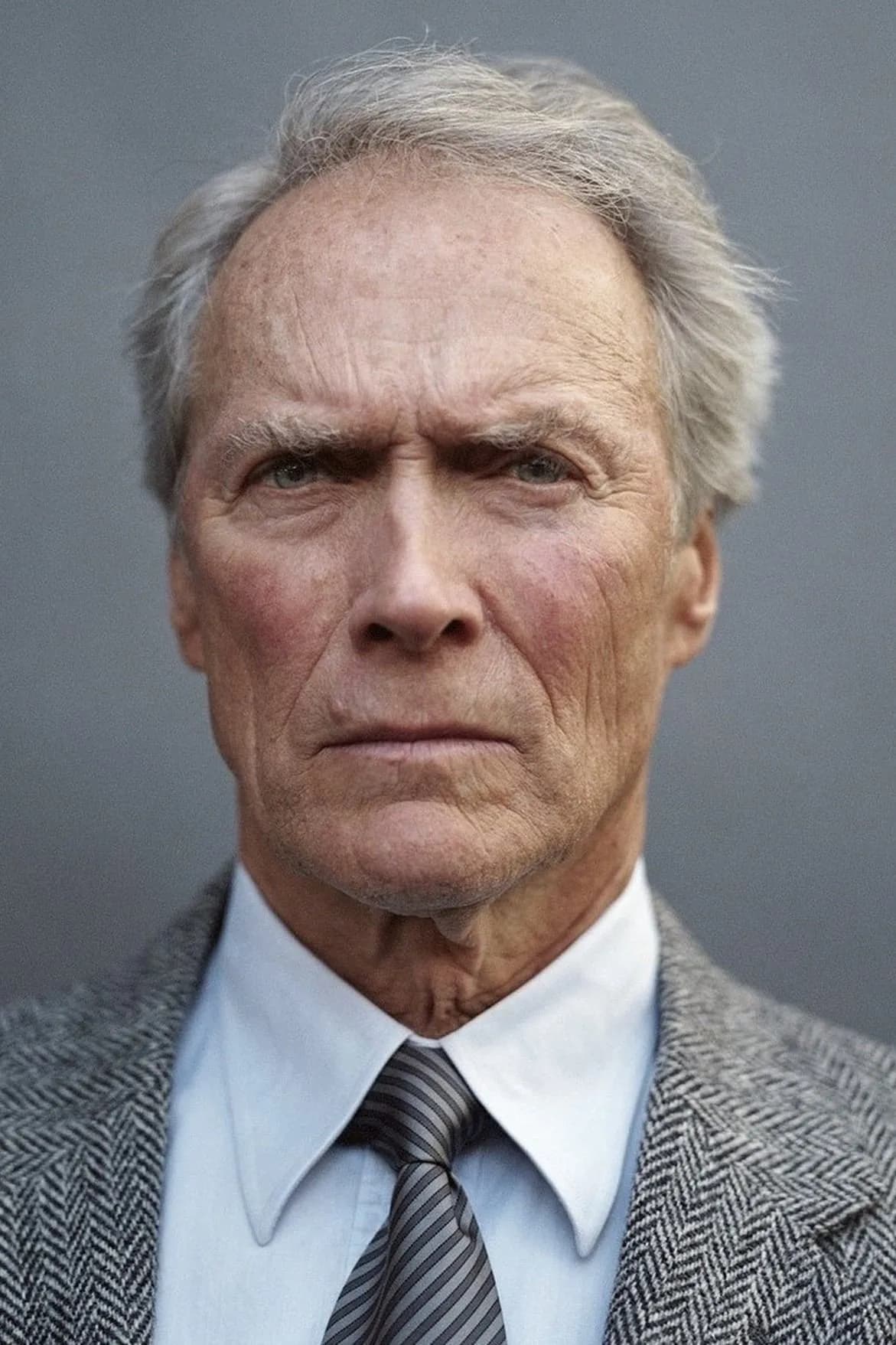
Clint Eastwood
Cast · Director · Known for A Fistful of Dollars, Gran Torino, Rawhide
Clinton "Clint" Eastwood Jr. (born May 31, 1930) is a retired American film actor, director, producer, composer, and former politician. Following his breakthrough role on the TV series "Rawhide" (1959–65), Eastwood starred as the Man with No Name in Sergio Leone's Dollars Trilogy of spaghetti westerns ("A Fistful of Dollars," "For a Few Dollars More," and "The Good, the Bad and the Ugly") in the 1960s, and as San Francisco Police Department Inspector Harry Callahan in the Dirty Harry films ("Dirty Harry," "Magnum Force," "The Enforcer," "Sudden Impact," and "The Dead Pool") during the 1970s and 1980s. These roles, along with several others in which he plays tough-talking no-nonsense police officers, have made him an enduring cultural icon of masculinity. Eastwood won Academy Awards for Best Director and Producer of the Best Picture, as well as receiving nominations for Best Actor, for his work in the films "Unforgiven" (1992) and "Million Dollar Baby" (2004). These films in particular, as well as others including "Play Misty for Me" (1971), "The Outlaw Josey Wales" (1976), "Pale Rider" (1985), "In the Line of Fire" (1993), "The Bridges of Madison County" (1995), and "Gran Torino" (2008), have all received commercial success and/or critical acclaim. Eastwood's only comedies have been "Every Which Way but Loose" (1978) and its sequel "Any Which Way You Can" (1980); despite being widely panned by critics they are the two highest-grossing films of his career after adjusting for inflation. Eastwood has directed most of his own star vehicles, but he has also directed films in which he did not appear such as "Mystic River" (2003) and "Letters from Iwo Jima" (2006), for which he received Academy Award nominations and "Changeling" (2008), which received Golden Globe Award nominations. He has received considerable critical praise in France in particular, including for several of his films which were panned in the United States, and was awarded two of France's highest honors: in 1994 he received the Ordre des Arts et des Lettres medal and in 2007 was awarded the Légion d'honneur medal. In 2000 he was awarded the Italian Venice Film Festival Golden Lion for lifetime achievement. Since 1967 Eastwood has run his own production company, Malpaso, which has produced the vast majority of his films. He also served as the nonpartisan mayor of Carmel-by-the-Sea, California, from 1986 to 1988. Eastwood has seven children by five women, although he has only married twice. An audiophile, Eastwood is also associated with jazz and has composed and performed pieces in several films along with his eldest son, Kyle Eastwood. On June 1, 2026, his retirement was confirmed by his son, Kyle Eastwood.