
Search
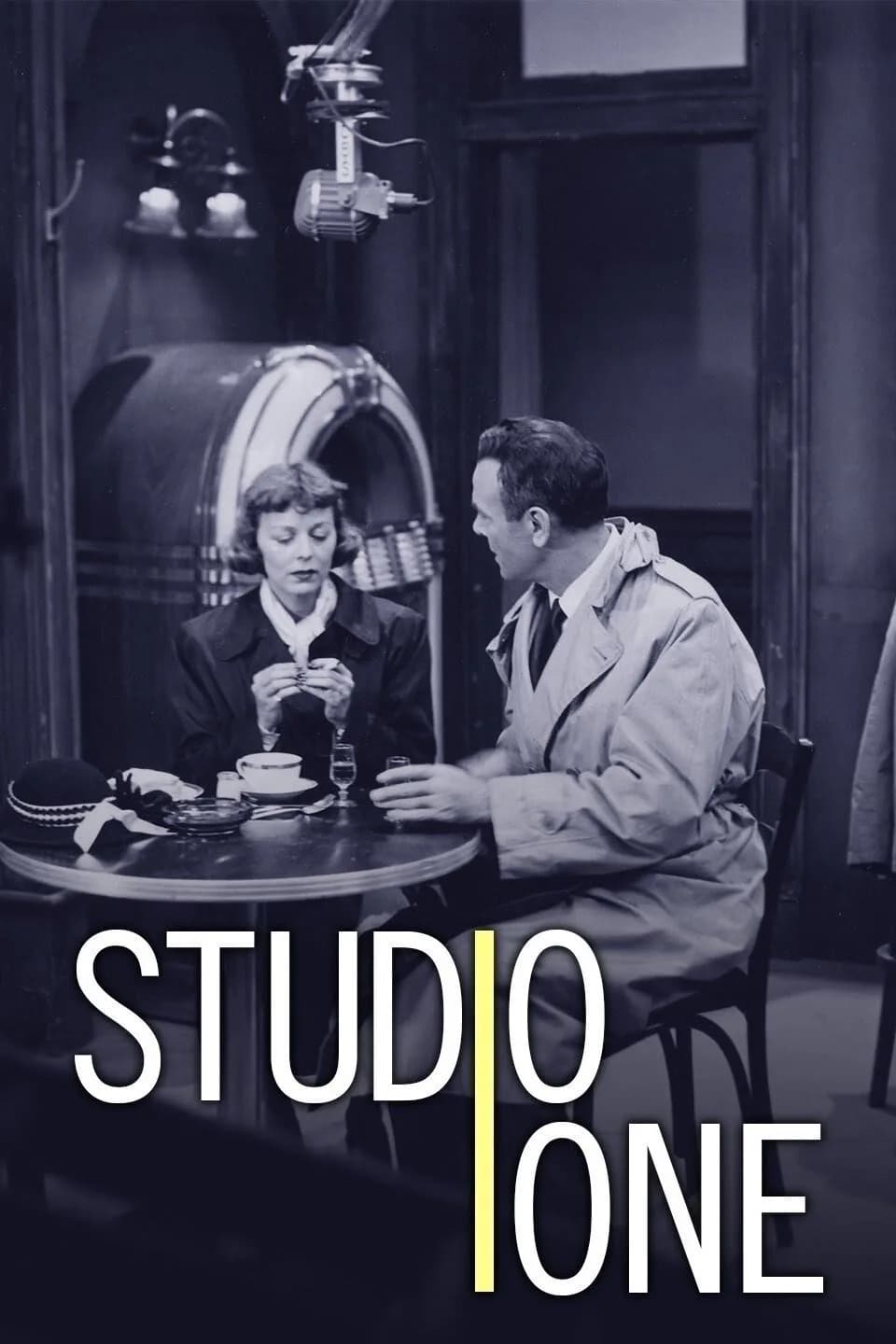
Studio One
1948
An American radio–television anthology series, created in 1947 by Canadian director Fletcher Markle, who came to CBS from the CBC. Studio One, presented by Westinghouse, was one of the first of the anthology TV programs. The episodes were often abridged remakes of movies from years gone by and many future well-known television and movie actors appeared in the productions.
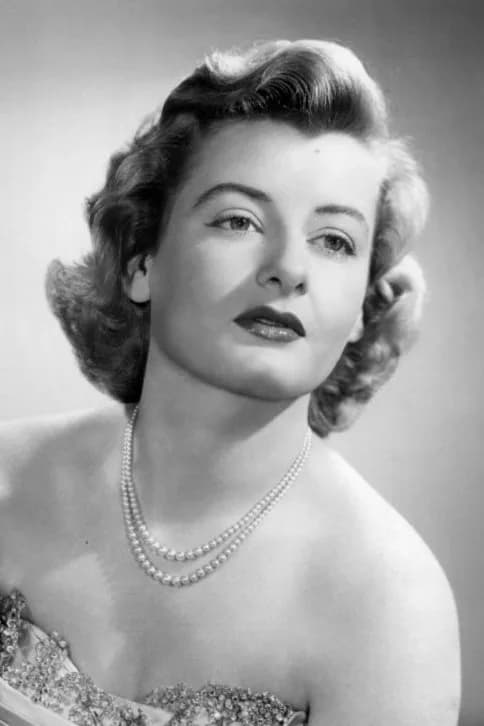
Constance Ford
Constance Ford (July 1, 1923 – February 26, 1993) was an American actress and model. She began her career in television in the 1950s, performing in live television dramas on "Studio One in Hollywood" (1948),"Armstrong Circle Theatre" (1950), "Goodyear Playhouse" (1951), and other acclaimed series, and playing recurring characters in four afternoon serials; "Rose Peabody" in "Search for Tomorrow" (1951), "Lynn Sherwood" in "Woman with a Past" (1954), "Eve Morris" in "The Edge of Night"(1956) and "Ada Davis Downs Hobson" in "Another World" (1964). Ford's assertive style made her a favorite of TV casting directors, and she was often featured in episodes of "Ponds Theater" (1953), "Bat Masterson" (1958), "Rawhide" (1959), "Gunsmoke" (1955), "Alfred Hitchcock Presents" (1955), "Twilight Zone" (1959), and other series, as tough but sensible career women.

Akiyuki Shinbo
Director · Known for Monogatari, Puella Magi Madoka Magica the Movie -Walpurgisnacht: Rising-
Akiyuki Shinbo (Japanese: 新房 昭之, Hepburn: Shinbō Akiyuki, born September 27, 1961) is a Japanese animator, director, producer and storyboard artist who started his career in 1981 at Studio One Pattern. He then made his directorial debut with Metal Fighter Miku in 1994. He is most notable for his involvement in a number of Shaft works since 2004. He has received the 11th Tokyo Anime Award as well as the 2011 Newtype Anime Award for Best Director for his work on the acclaimed anime series Puella Magi Madoka Magica. When working on the ero OVAs he uses the name Minamizawa Juuhachi (Juuhachi means 18 in Japanese).
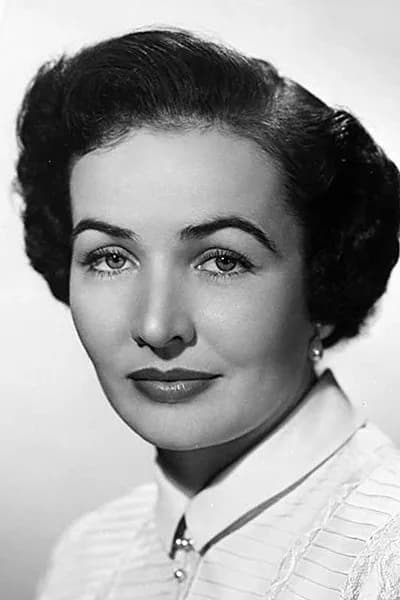
Catherine McLeod
Catherine McLeod (July 2, 1921 – May 11, 1997) was an American actress who made over sixty television and movie appearances between 1944 and 1976. She memorably portrayed the one woman whom James Garner's character Bret Maverick wanted to marry on the 1957 television series Maverick, in the episode "Rage for Vengeance," and appeared in literally dozens of other series including The Millionaire, Meet McGraw, Richard Diamond, Private Detective, 77 Sunset Strip, Mickey Spillane's Mike Hammer, Bronco, Perry Mason, Colt .45, Lawman, Bonanza, Hawaiian Eye, Have Gun - Will Travel, The Outer Limits, The Virginian, and the Ten Thousand Horses Singing episode of Studio One opposite James Dean and John Forsythe. Movies included Frank Borzage's I've Always Loved You (1946), Courage of Lassie (1946), The Fabulous Texan (1947), That's My Man (1947), Old Los Angeles (1948), My Wife's Best Friend (1952), A Blueprint for Murder (1953), William Witney's The Outcast (1954), Ride the Wild Surf (1964), and Lipstick (1976). McLeod's greatest impact upon American consciousness by far, however, was as purveyor of one of the most ubiquitous catchphrases of its era when she portrayed the woman in the 1963 headache remedy television commercial who plaintively but irritably said, "Mother, please! I'd rather do it myself!" The announcer's voiceover would then intone, "Sure you have a headache... tense, irritable.... but don't take it out on her." Description above from the Wikipedia article Catherine McLeod, licensed under CC-BY-SA, full list of contributors on Wikipedia.
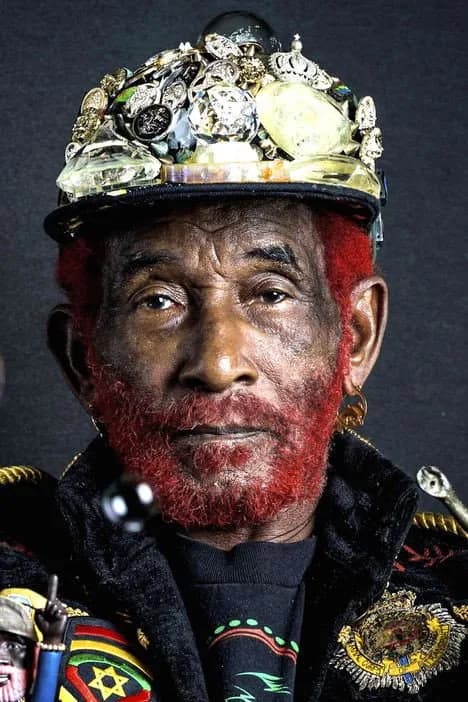
Lee "Scratch" Perry
Lee "Scratch" Perry OD (born Rainford Hugh Perry; 20 March 1936 – 29 August 2021) was a Jamaican record producer, songwriter, and singer regarded as one of the pioneers of dub music and a major influence on reggae. Known for his experimental production techniques, innovative use of remixing, echo, and studio effects, Perry helped shape the sound of reggae and dub during the 1970s. Over the course of his career, he collaborated with artists including Bob Marley and the Wailers, Junior Murvin, Max Romeo, The Congos, Adrian Sherwood, Beastie Boys, The Clash, and The Orb. Perry was born in Kendal, Jamaica, in the parish of Hanover. Raised in a working-class family, he left school at the age of 15 and worked various jobs before moving to Kingston, where he became involved in the city’s growing music scene. He began his career in the late 1950s working for Clement “Coxsone” Dodd’s Studio One, where he performed a variety of roles including record seller, talent scout, songwriter, and musician. After disputes with Dodd, he moved to Joe Gibbs’s Amalgamated Records before eventually founding his own label, Upsetter Records, in 1968. One of Perry’s earliest hits, “People Funny Boy,” became successful in Jamaica and is often cited as an important early reggae recording because of its rhythmic style and use of sound effects. During the late 1960s and early 1970s, he worked extensively with his backing band, the Upsetters. Their instrumental track “The Return of Django” became an international success, reaching the UK charts in 1969. Around the same period, Perry began collaborating with Bob Marley and the Wailers, producing songs such as “Mr. Brown” and helping shape the group’s early sound. In 1973, Perry established the Black Ark studio in Kingston, Jamaica. Despite its limited equipment, the studio became legendary for its distinctive sound and experimental production methods. At Black Ark, Perry produced influential recordings for artists including Junior Murvin, The Heptones, Max Romeo, and The Congos. His productions from this period are considered some of the defining works of dub and roots reggae. By the end of the 1970s, however, personal and financial difficulties contributed to the decline of the studio, which was later destroyed by fire. After leaving Jamaica in the early 1980s, Perry spent time in the United States and Europe, continuing to record and perform. Collaborations with producers such as Adrian Sherwood and Mad Professor helped revive his international profile during the late 1980s and 1990s. He later worked with artists including Beastie Boys, Moby, Animal Collective, and Andrew W.K., while continuing to experiment with electronic and dub-inspired music. In 2003, Perry won the Grammy Award for Best Reggae Album for “Jamaican E.T.” He also received Jamaica’s Order of Distinction and the Gold Musgrave Medal for his contributions to music and culture. Perry remained active as a performer, producer, and visual artist into the final years of his life, continuing to tour and release recordings. He died on 29 August 2021 at the age of 85, leaving behind a legacy as one of the most influential and innovative figures in reggae and dub music history.
Vince O'Brien
Vincent J. O'Brien (January 11, 1919 – June 19, 2010) was an American character actor, who appeared as a doctor in Woody Allen's film Annie Hall (1977) and appeared on television and in print ads as the Shell Answer Man. O'Brien grew up in New Britain, Connecticut and served in the United States Army during World War II. He attended Carnegie Mellon University in Pittsburgh, where he was awarded a bachelor's degree in 1949 with a major in drama. In 1950 he moved to New York City, where he started his acting career. O'Brien's balding, mature look helped gain him roles as authority figures, with his son recalling that "he always had that older look" even in his early acting days In the 1950s, he appeared on 23 episodes of the television series Westinghouse Studio One, including an episode with Walter Matthau. During the 1960s, O'Brien appeared on the soap operas Dark Shadows, andThe Edge of Night and twice, as two different characters in two different decades, on The Guiding Light as Colonel Grove Mason (1969–1970) and Dante "Pops Cooper" Kouperakis (1987–1990). In the late 1960s and through much of the 1970s, O'Brien appeared on television and print advertisements as the Shell Answer Man, a job that he felt was "like hitting the state lottery". During the 1970s he appeared on Ryan's Hope and played a hotel doctor in Woody Allen's 1977 comedy Annie Hall. In the 1990s he had a recurring role as a judge on Law & Order. His final film appearances were in the movies Quiz Show and Six Degrees of Separation.
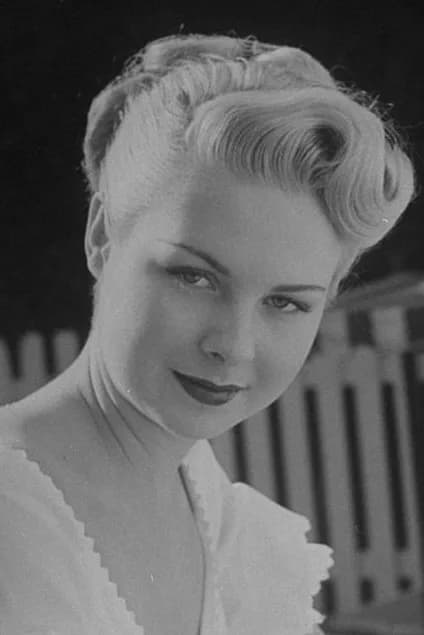
Lois Hall
Hall was born in Grand Rapids, Minnesota, the daughter of Lois Grace (née Lambert), a teacher, and Ralph Stewart Hall, a businessman and inventor. Hall's television appearances included Studio One, The Cisco Kid, Episode 112 of The Lone Ranger, Adventures of Superman, Highway Patrol, Marcus Welby, M.D., the penultimate episode of Little House on the Prairie and Star Trek: The Next Generation. Hall has been seen in such classic films as Every Girl Should Be Married (1948), Love Happy, My Blue Heaven, Carrie, Night Raiders, Seven Brides for Seven Brothers in small roles, as well as in starring roles in pictures like Daughter of the Jungle and Pirates of the High Seas. She is perhaps best known for her supporting role as Sister Constance in Kenneth Branagh's acclaimed 1991 drama Dead Again, which also featured Raymond Cruz and Steven Culp. She also guest-starred in TV series such as CSI, Cold Case, Six Feet Under, Nip/Tuck, and The Unit. She was also seen in the hit films Gone in 60 Seconds and Flightplan
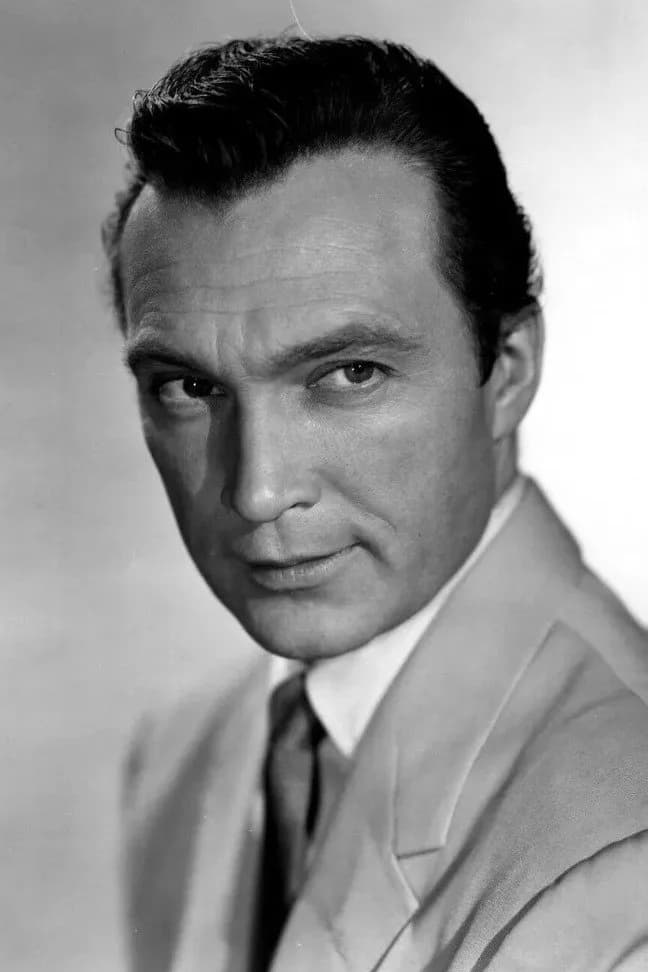
Warren Stevens
Warren Albert Stevens was an American stage, screen, and television actor. A founding member of The Actor's Studio in New York, Stevens received notice on Broadway in the late 1940s, and thereafter was offered a Hollywood contract at 20th Century Fox. His first Broadway role was in The Life of Galileo; his first movie role followed in The Frogmen. As a young studio contract player, Stevens had little choice of material, and he appeared in films that included Phone Call from a Stranger, Wait Till the Sun Shines, Nellie, and Gorilla at Large. A memorable movie role was that of the ill-fated "Doc" Ostrow in the science fiction film Forbidden Planet. He also had supporting roles in The Barefoot Contessa with Humphrey Bogart and Intent to Kill. Despite occasional parts in big films, Stevens was unable to break out consistently into A-list movies, so he carved out a career in television as a journeyman dramatic actor. He co-starred as Lt. William Storm in Tales of the 77th Bengal Lancers, a prime time adventure series set in India. Stevens also provided the voice of John Bracken in season one of Bracken's World. He played the role of Elliot Carson in the daytime series Return to Peyton Place during its two-year run. He appeared in over 150 prime time shows from the 1950s to the early 1980s, including: Golden Age anthology series (Actors Studio, Campbell Playhouse, The Web, Justice, Philco Television Playhouse, Studio One, The United States Steel Hour, Bob Hope Presents the Chrysler Theatre, Route 66, Mysteries Hawaiian Eye, Perry Mason, The Untouchables, Climax!, Checkmate, Surfside 6, 77 Sunset Strip, Behind Closed Doors, I Spy, The Man from U.N.C.L.E., Ironside, The Mod Squad, Mannix, Cannon, Griff, and Mission: Impossible, as well as Alfred Hitchcock Presents, The Twilight Zone, One Step Beyond, and Mission: Impossible. He also starred in a variety of Westerns: Laramie, The Rebel, The Man Called Shenandoah), Wagon Train, The Alaskans, Gunsmoke, Bonanza, Daniel Boone, The Virginian Rawhide, and Have Gun, Will Travel, as well as Tombstone Territory and Stoney Burke. In 1970, he appeared as Paul Carson on "The Men From Shiloh" (rebranded name for The Virginian in the episode titled "Hannah.") Stevens' appearance in the 1955 movie Robbers' Roost introduced him to Richard Boone, who hired him for a continuing television role on The Richard Boone Show, an award-winning NBC anthology series which lasted for the 1963–1964 season. In his later years, Stevens' appearances were infrequent. He guest-starred in ER in March 2006 and had two roles in 2007.
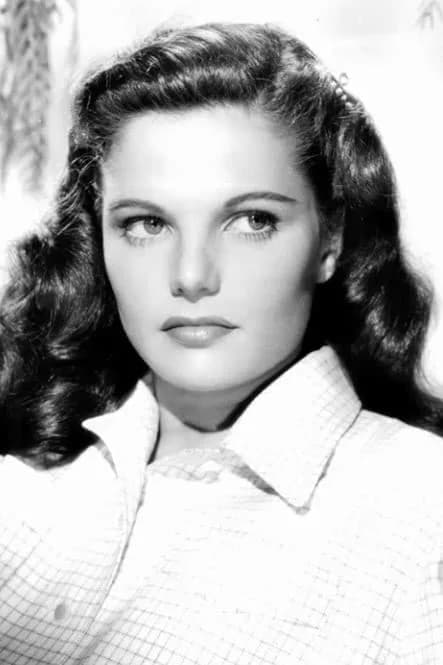
Geraldine Brooks
Geraldine Brooks (born Geraldine Stroock; October 29, 1925 – June 19, 1977) was an American actress whose three-decade career on stage as well as in films and on television was noted with nominations for an Emmy in 1962 and a Tony in 1970. She was married to author Budd Schulberg. Brooks was born in New York City, the daughter of Lawrie Brooks, an American big-band singer, and Gloria, a public relations officer. She attended Bethlehem College, a secondary school for girls, and the University of Sydney. Brooks began her acting career in the early 1950s, appearing in off-Broadway productions and television shows such as "Studio One" and "Kraft Television Theatre." In 1962, she made her Broadway debut in the play "The Night of the Iguana" by Tennessee Williams, opposite Bette Davis and Margaret Leighton. For her performance, she was nominated for a Tony Award for Best Featured Actress in a Play. Brooks continued to appear on Broadway throughout the 1960s and 1970s, starring in productions such as "The Subject Was Roses" (1964), "The Diary of Anne Frank" (1965), and "The Effect of Gamma Rays on Man-in-the-Moon Marigolds" (1970). She also appeared in a number of films, including "The Killing of a Chinese Bookie" (1976) and "The Turning Point" (1977). Brooks was also a prolific television actress, appearing in numerous series and made-for-TV movies throughout her career. Some of her notable TV credits include "The Twilight Zone" (1961), "Alfred Hitchcock Presents" (1962), "The Fugitive" (1965), "Columbo" (1971), and "Medical Center" (1972-1976). Brooks died of cancer in 1977 at the age of 51. She is remembered as a talented and versatile actress who excelled on both stage and screen.
Joe De Santis
From Wikipedia, the free encyclopedia Joseph Vito DeSantis (June 15, 1909 - August 30, 1989) was an American radio, television, movie and theatrical actor and sculptor. Joe De Santis was born Joseph Vito Marcello De Santis to Italian immigrant parents in New York City. De Santis played in numerous films; the high point of his career came in 1962 with A Cold Wind in August. He was also featured in I Want to Live! and The Brotherhood. With the advent of television, Joe became known as a skilled character actor who could play convincing dialect characters, mugs, suave heavies and emotional leads. He was active in such early television series as Playhouse 90, Studio One, Sheriff of Cochise, and he appeared regularly on the programs of Red Buttons, Martha Raye and Sid Caesar shows. In addition to many single performances on other series like Voyage to the Bottom of the Sea, Joe had a recurring presence in such shows as The Untouchables, 77 Sunset Strip, Perry Mason, Mission: Impossible, and in the westerns such as Sugarfoot, Daniel Boone, Gunsmoke, Sara, and Bonanza. De Santis retired to Provo, Utah in 1978 to be close to family, and resided there until his death in 1989. He died in 1989 at the age of eighty of chronic obstructive pulmonary disease.
Joseph Sweeney
Cast · Known for 12 Angry Men
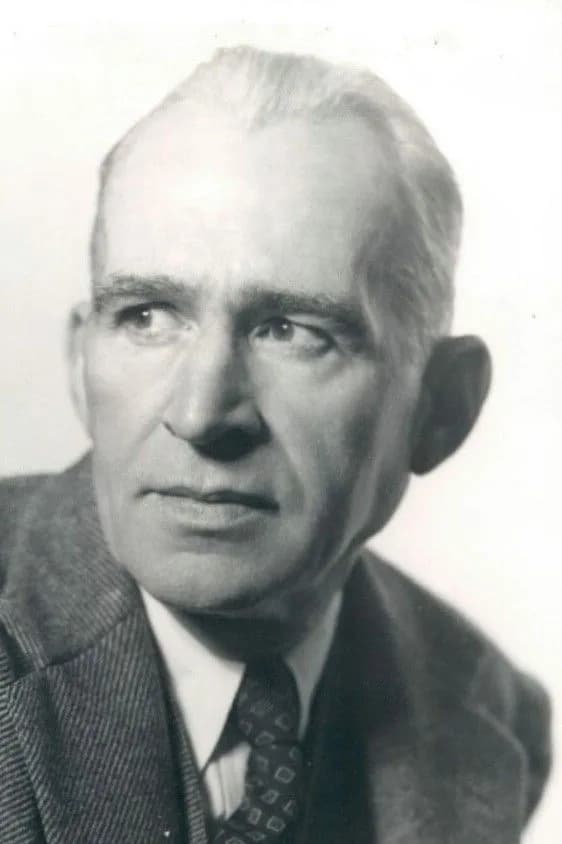
Joseph Sweeney (July 26, 1884 – November 25, 1963) was an American actor who worked in stage productions, television and movies. His most famous role was as the elderly Juror #9 in the 1957 film 12 Angry Men, the role he originated in a 1954 Westinghouse Studio One live teleplay of which the film was an adaptation.
Robert Alan Aurthur
Writer · Known for The Philco Television Playhouse
Robert Alan Aurthur was an American screenwriter, film director, and producer renowned for his work in television and film. Raised in Freeport, New York, he initially pursued pre-medical studies at the University of Pennsylvania but left to serve as a combat correspondent in the United States Marine Corps during World War II. Aurthur's early television writing included episodes for Studio One and Mister Peepers. He gained acclaim for his teleplay A Man Is Ten Feet Tall (1955), which was adapted into the film Edge of the City (1957). His film credits include Warlock (1959), Grand Prix (1966), and The Lost Man (1969), which he wrote and directed. Aurthur co-wrote and produced All That Jazz (1979), receiving two posthumous Academy Award nominations. He was married to actress Bea Arthur from 1947 to 1950. Aurthur passed away from lung cancer in New York City at the age of 56.
John Cannon
Cast · Known for Studio One
John Cannon was born on March 26, 1920 in Chicago, Illinois, USA. He was an actor, known for I've Got a Secret (1952), Strike It Rich (1951) and Studio One in Hollywood (1948). He was married to Trudy Wilson Cannon. He died on June 22, 2001 in Cologne, North Rhine-Westphalia, Germany.
Lisa Kirk
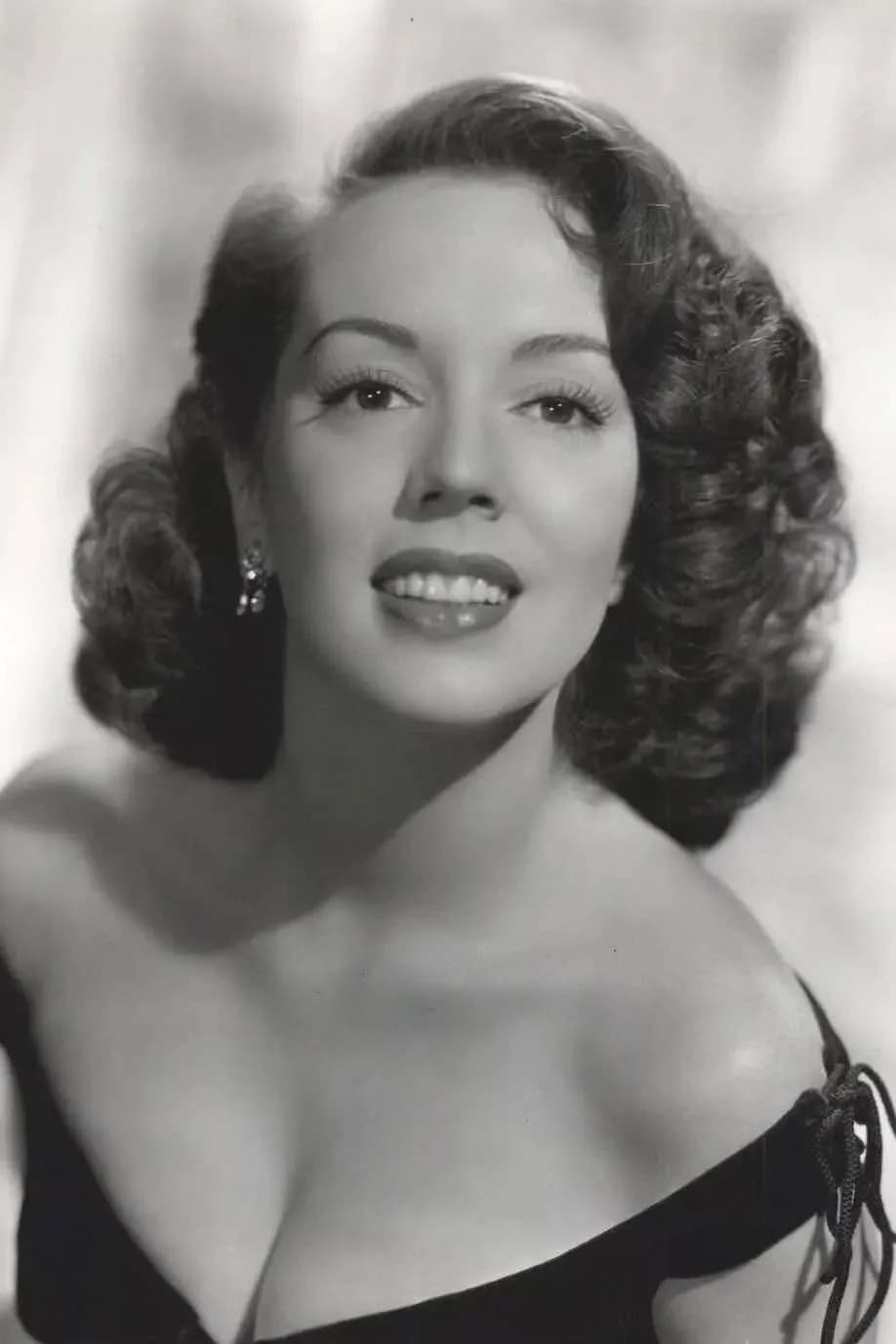
Lisa Kirk (born Elsie Kirk; February 25, 1925 – November 11, 1990) was an American actress, writer and singer noted for her comic talents and rich contralto; her voice was called a husky alto. She was known for Studio One (1948), Front Row Center (1955) and Suspicion (1957). She was previously married to Robert Wells. She died on November 11, 1990 in New York City, New York, USA.
Harry Guardino
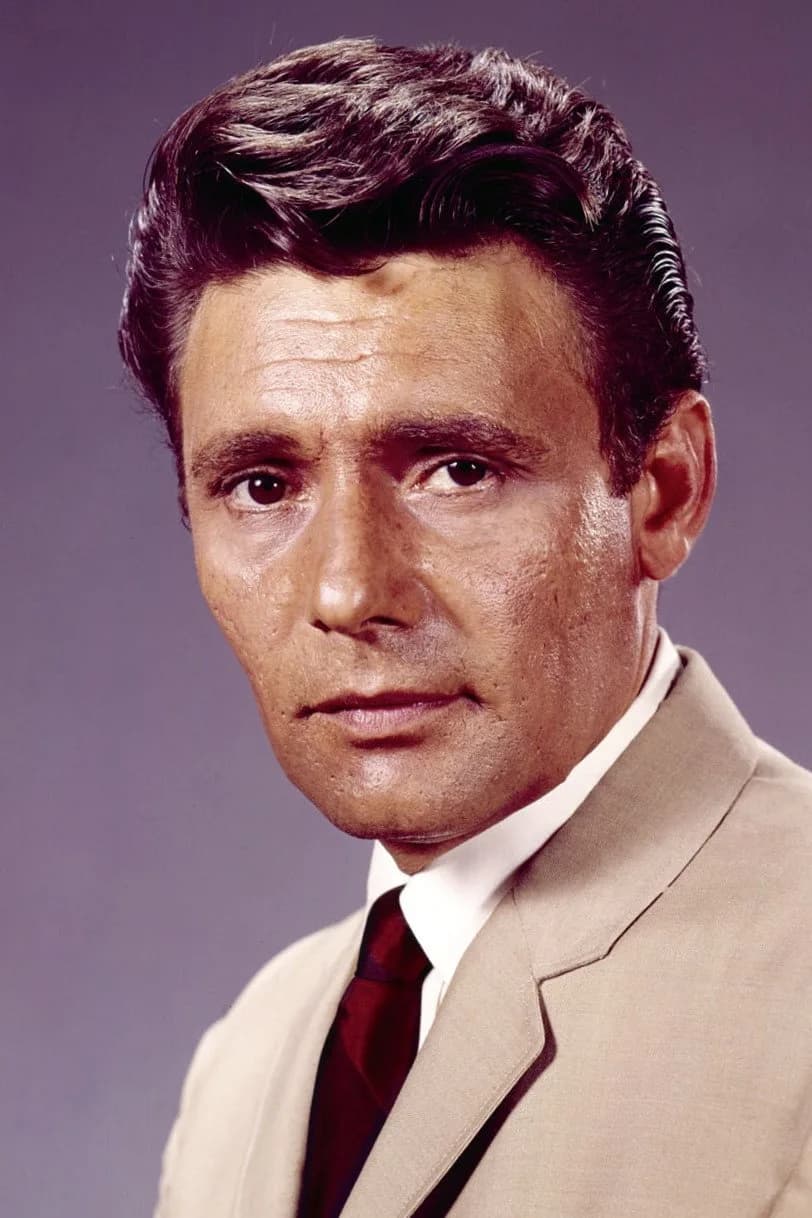
From Wikipedia, the free encyclopedia Harry Guardino (December 23, 1925—July 17, 1995) was an American actor whose career spanned from the early 1950s to the early 1990s. In 1964, he was cast in a short-lived CBS series entitled The Reporter, a drama about a hard-hitting investigative journalist named Danny Taylor. His principal co-star was Gary Merrill as city editor Lou Sheldon. Born in Brooklyn, New York, Guardino appeared on stage, in films, and on television. His Broadway theatre credits included A Hatful of Rain, One More River (earning a Tony Award nomination for Best Featured Actor in a Play for his performance), Anyone Can Whistle, The Rose Tattoo, The Seven Descents of Myrtle, and Woman of the Year. Guardino's other film credits include Houseboat, Pork Chop Hill (about the Korean War), The Five Pennies, King of Kings, Madigan, Lovers and Other Strangers, and Dirty Harry. He was nominated twice for the Golden Globe Award for Best Supporting Actor. He guest starred on John Cassavetes's 1959-1960 series, Johnny Staccato, the story of a pianist/private detective in New York City. In 1960, Guardino appeared as Johnny Caldwell in the episodes "Perilous Passage", "The O'Mara's Ladies", and "Daughter of the Sioux" in the NBC western series Overland Trail starring William Bendix and Doug McClure. McClure two years later would join the long-running The Virginian series on NBC after a preceding stint on the CBS detective series Checkmate (TV series). Guardino had a continuing role as Perry Mason's nemesis, Hamilton Burger, in the 1973 television series The New Perry Mason and a recurring role on Angela Lansbury's Murder, She Wrote. He made guest appearances in dozens of television series, including Studio One, Target: The Corruptors!, The Eleventh Hour, Alfred Hitchcock Presents, Kraft Television Theatre, Playhouse 90, Dr. Kildare, The Lloyd Bridges Show, Route 66, Ben Casey, Hawaii Five-O, Love, American Style, The Greatest Show on Earth, Kojak, The Streets of San Francisco, Jake and the Fatman, and Cheers. He had the lead role of Det. Lee Gordon in the 1969 made-for-television suspense film The Lonely Profession. Guardino died at the age of sixty-nine of lung cancer in Palm Springs, California. Description above from the Wikipedia article Harry Guardino, licensed under CC-BY-SA, full list of contributors on Wikipedia.

James Barton
James Barton (November 1, 1890 - February 19, 1962) was an American vaudevillian and a character actor in films and television. Born into a theatrical family in Gloucester City, New Jersey, Barton began performing in minstrel shows and burlesque houses throughout the country in 1898. His years of experience working with African American performers led to his becoming one of the first jazz dancers in America. After working with repertory companies in the South and Midwest, he made his Broadway debut in the musical revue The Passing Show of 1919 in a role originally intended for Ed Wynn. He frequently was the highlight in mediocre productions, and a critic for the Daily News noted, "Whenever the book failed him, he shuffled into one or more of his eccentric dances." Additional theatre credits include Sweet and Low, Tobacco Road, The Iceman Cometh, and Paint Your Wagon. Barton's film career began in the silent era. His screen credits include The Time of Your Life, Here Comes the Groom, and The Misfits. On television he appeared in The Ford Television Theatre, Lux Video Theatre, Studio One, The Kaiser Aluminum Hour, Playhouse 90, Kraft Television Theatre, The Rifleman, Adventures in Paradise, and Naked City. Barton died of a heart attack in Mineola, New York. Bing Crosby considered James Barton to be one his ten favorite performers of all time, alongside names such as Al Jolson, Frank Sinatra, Lena Horne, Louis Armstrong, Judy Garland and Nat King Cole. Description above from the Wikipedia article James Barton (vaudevillian), licensed under CC-BY-SA, full list of contributors on Wikipedia.
James Whitmore
Cast · Known for Planet of the Apes, The Shawshank Redemption
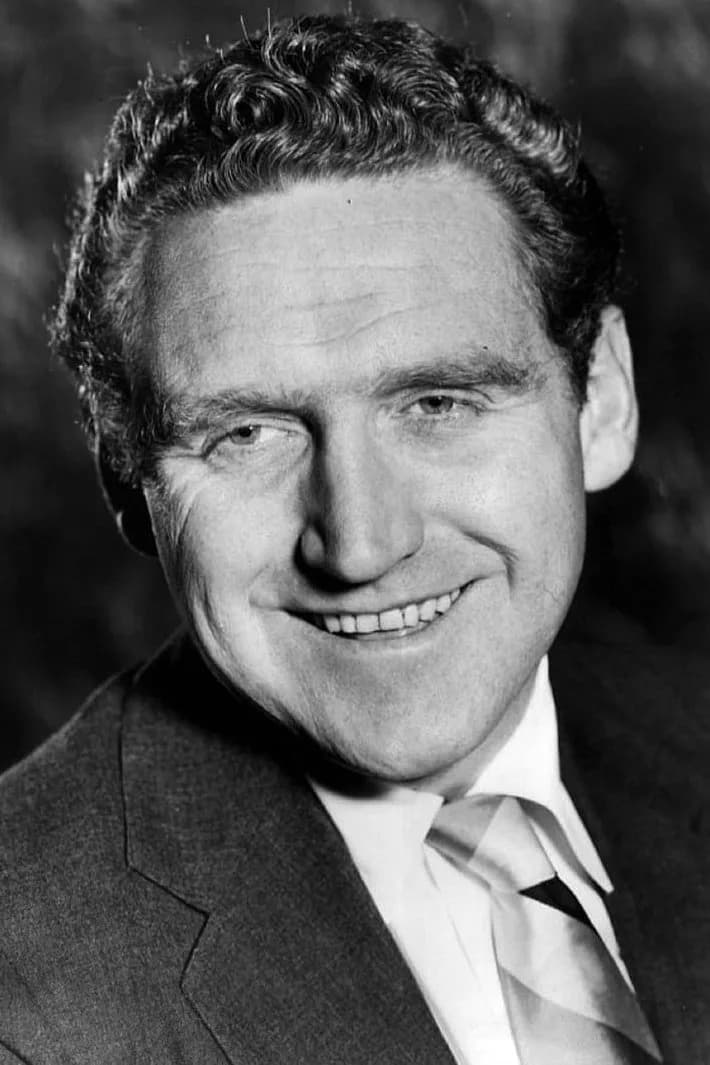
James Allen Whitmore Jr. (October 1, 1921 – February 6, 2009) was an American film, theatre, and television actor. During his career, Whitmore won three of the four EGOT honors; - a Tony, a Grammy, and an Emmy. Whitmore also won a Golden Globe and was nominated for two Academy Awards. Following World War II, Whitmore appeared on Broadway in the role of the sergeant in Command Decision. Metro-Goldwyn-Mayer gave Whitmore a contract, but his role in the film adaptation was played by Van Johnson. His first major picture for MGM was Battleground, in a role that was turned down by Spencer Tracy, to whom Whitmore bore a noted physical resemblance. He was nominated for the Academy Award for Best Supporting Actor for this role, and won the Golden Globe Award as Best Performance by an Actor In A Supporting Role. Other major films included Angels in the Outfield, The Asphalt Jungle, The Next Voice You Hear, Above and Beyond, Kiss Me, Kate, Them!, Oklahoma!, Black Like Me, Guns of the Magnificent Seven, Tora! Tora! Tora!, and Give 'em Hell, Harry!, a one-man show for which he was nominated for the Academy Award for Best Actor for his portrayal of former U.S. President Harry S Truman. In the film Tora! Tora! Tora!, he played Admiral William F. "Bull" Halsey. Whitmore appeared during the 1950s on many television anthology series. He was cast as Father Emil Kapaun in the 1955 episode "The Good Thief" in the ABC religion anthology series Crossroads. Other roles followed on Jane Wyman Presents the Fireside Theater, Lux Video Theatre, Kraft Theatre, Studio One in Hollywood, Schlitz Playhouse, Matinee Theatre, and the Ford Television Theatre. In 1958, he carried the lead in "The Gabe Carswell Story" of NBC's Wagon Train, with Ward Bond. Whitmore has a star on the Hollywood Walk of Fame at 6611 Hollywood Boulevard. The ceremony was held on February 8, 1960.
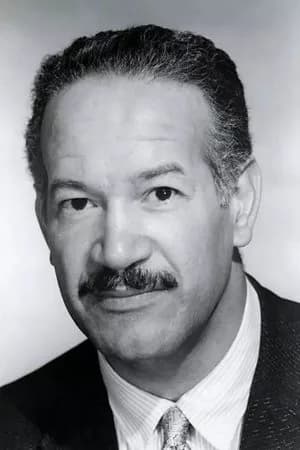
Frank Silvera
From Wikipedia, the free encyclopedia. Frank Silvera (July 24, 1914 – June 11, 1970) was an American actor and theatrical director. Silvera was born in Kingston, Jamaica the son of a mixed race Jamaican mother, Gertrude Bell and Spanish Jewish father, Alfred Silvera. His family emigrated to the United States when he was six-years old, settling in Boston. Silvera became interested in acting and began performing in amateur theatrical groups and at church. He graduated from English High School of Boston and then studied at Boston University, followed by the Northeastern Law School. Silvera left Northeastern Law School in 1934, when he was cast in Paul Green's production of Roll Sweet Chariot. He next joined the New England Repertory Theatre where he appeared in productions of MacBeth, Othello and The Emperor Jones. He also worked at Federal Theatre and with the New Hampshire Repertory Theatre. In 1940, Silvera made his Broadway debut in a small role in Big White Fog. His career was interrupted in 1942, when he enlisted in the United States Navy during World War II. He was assigned to Camp Robert Smalls, where he and Owen Dodson were in charge of entertainment. Silvera directed and acted in radio programs and appeared in USO shows. Honorably discharged at the war's end in 1945, he joined the cast of Anna Lucasta and became a member of the Actors Studio. In 1952, Silvera made his film debut in the western, The Cimarron Kid. Because of his strongly Latin appearance, he was cast in a variety of ethnic roles in films and television. He was cast as General Huerta in Viva Zapata! which starred Marlon Brando. Silvera also portrayed the role in the stage production, which opened at the Regent Theatre in New York City on February 28, 1952. He appeared in two films directed by Stanley Kubrick, Fear and Desire (1953) and Killer's Kiss (1955). Silvera made guest appearances in numerous television series, mainly dramas and westerns, including Studio One in Hollywood, Alfred Hitchcock Presents, Bat Masterson, Thriller, Riverboat, The Travels of Jaimie McPheeters, The Untouchables, and Bonanza. In 1962 he portrayed Dr. Koslenko in The Twilight Zone episode "Person or Persons Unknown", opposite Richard Long. That year, he also played Minarii, a Polynesian man in the 1962 film Mutiny on the Bounty, again starring Marlon Brando. In 1963, Silvera was nominated for a Tony Award for Best Actor in a Play for playing Monsieur Duval in The Lady of the Camellias. In 1964, Silvera and Vantile Whitfield founded the Theatre of Being, a Los Angeles-based theatre dedicated to providing black actors with non-stereotypical roles. One of their first projects was producing The Amen Corner by African-American writer James Baldwin. Silvera and Whitfield financed the play themselves and with donations from friends. It opened on March 4, 1964 and would gross $200,000 within the year, moving to Broadway in April 1965. Beah Richards won critical acclaim for her performance as the lead. Silvera was killed on June 11, 1970, after accidentally electrocuting himself while repairing a garbage disposal unit in his kitchen sink. Description above from the Wikipedia article Frank Silvera, licensed under CC-BY-SA, full list of contributors on Wikipedia.
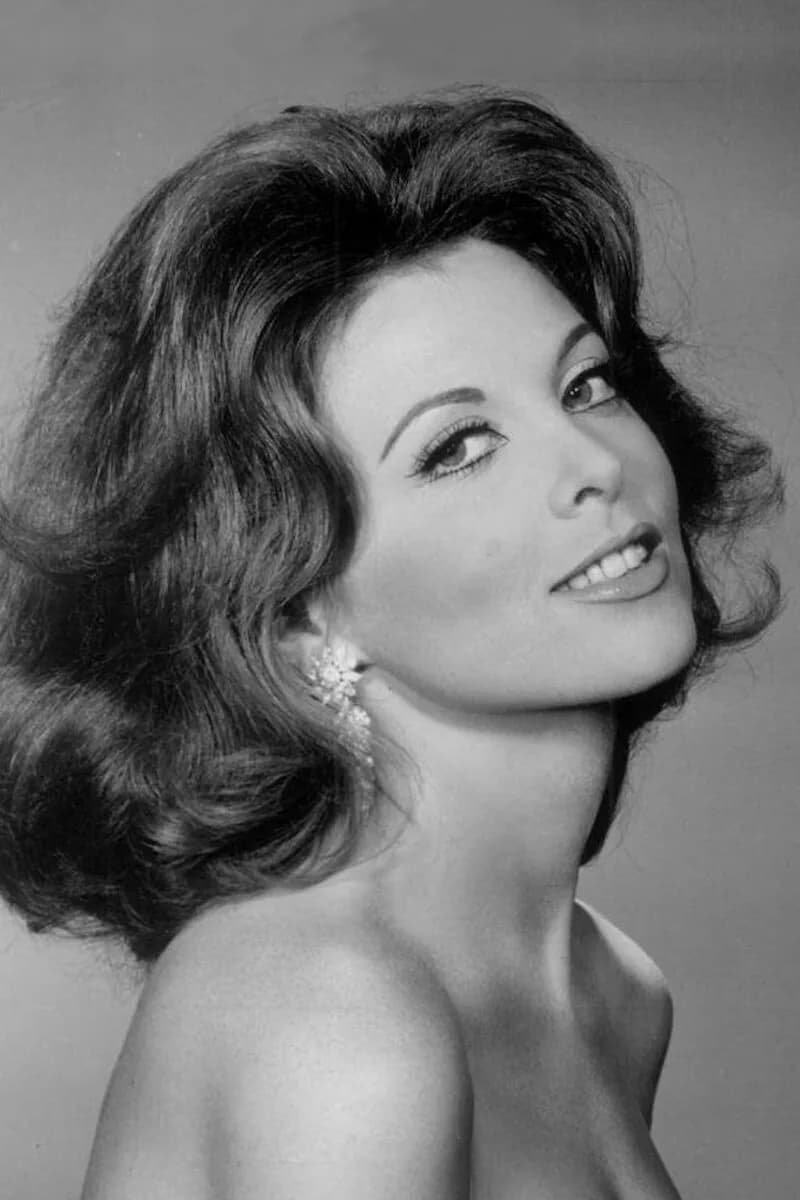
Tina Louise
Tina Louise (born February 11, 1934) is an American actress best known for playing movie star Ginger Grant in the CBS television situation comedy Gilligan's Island. She began her career on stage during the mid-1950s, before landing her breakthrough role in 1958 drama film God's Little Acre for which she received Golden Globe Award for New Star of the Year. Louise had starring roles in a number of Hollywood movies, including The Trap, The Hangman, Day of the Outlaw, and For Those Who Think Young. Louise later returned to film, appearing in The Wrecking Crew, The Happy Ending, and The Stepford Wives (1975). Tina Blacker was born in New York City. By the time she was four years of age, her parents had divorced. An only child, she was raised by her mother, Sylvia Horn (née Myers) Blacker (1916–2011), a fashion model. Tina's father, Joseph Blacker, was a candy store owner in Brooklyn and later an accountant. The name "Louise" was allegedly added during her senior year in high school when she mentioned to her drama teacher that she was the only girl in the class without a middle name. He selected the name "Louise" and it stuck. She attended Miami University in Ohio. At the early age of just two years, Tina got her first role, after being seen in an ad for her father's candy store. She played numerous roles until she decided it was best to focus on school work. By the age of 17, Louise began studying acting, singing and dancing. She studied acting under Sanford Meisner at the prestigious Neighborhood Playhouse in Manhattan. During her early acting years, she was offered modeling jobs, including as a rising starlet, who along with Jayne Mansfield, was a product advocate in the 1958 Frederick's of Hollywood catalog, and appeared on the cover of several pinup magazines such as Adam, Sir! and Modern Man. Her later pictorials for Playboy (May 1958; April 1959) were arranged by Columbia Pictures studio in an effort to further promote the young actress. Louise with Gene Barry from the television series Burke's Law (1964). Her acting debut came in 1952 in the Bette Davis musical revue Two's Company,[4] followed by roles in other Broadway productions, such as John Murray Anderson's Almanac, The Fifth Season, and Will Success Spoil Rock Hunter? She appeared in such early live television dramas as Studio One, Producers' Showcase, and Appointment with Adventure. In 1957, she appeared on Broadway in the hit musical Li'l Abner. Her album, It's Time for Tina, was released that year, with songs such as "Embraceable You" and "I'm in the Mood for Love". Louise made her Hollywood film debut in 1958 in God's Little Acre. That same year, the National Art Council named her the "World's Most Beautiful Redhead." The next year she starred in Day of the Outlaw, with Robert Ryan. She became an in-demand leading lady for major stars like Robert Taylor and Richard Widmark, often playing somber roles quite unlike the glamorous pinup photographs and Playboy pictorials she had become famous for in the late 1950s. ] In 1962, she guest-starred on the sitcom The Real McCoys, portraying a country girl from West Virginia in an episode titled "Grandpa Pygmalion". Two years later, prior to the development of Gilligan's Island, she appeared with Bob Denver in the beach party film For Those Who Think Young. CLR
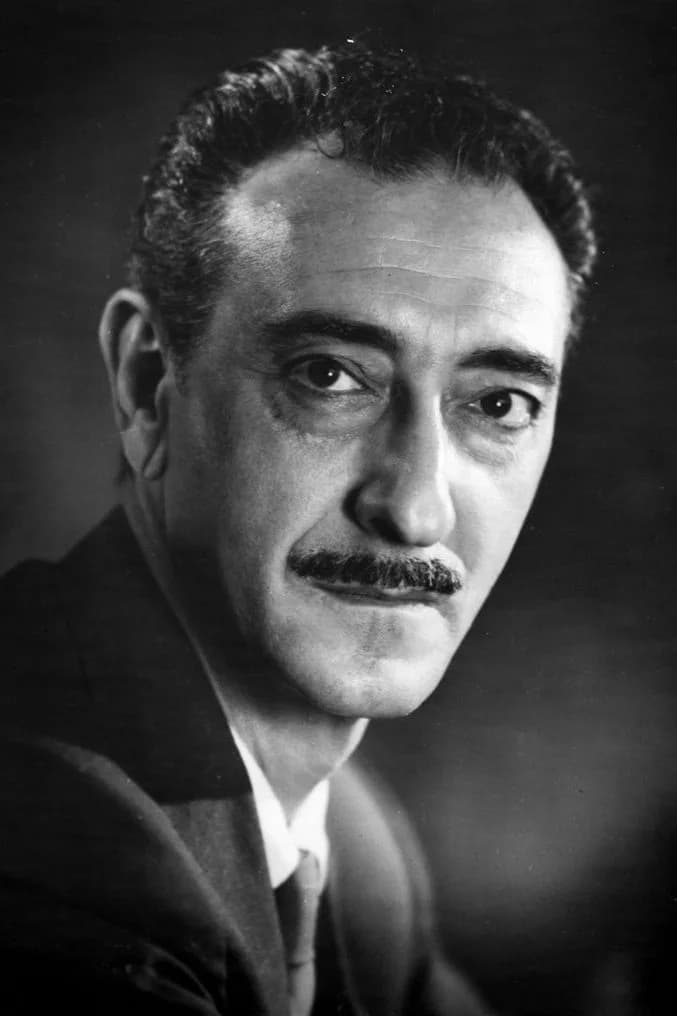
Arnold Moss
Arnold Moss (January 28, 1910 – December 15, 1989) was an American character actor. Moss made two appearances in Bob Hope films, as Hope's Casablanca contact in the espionage spoof My Favorite Spy and as a conniving Venetian doge in Casanova's Big Night. Moss appeared in dozens of television programs during the golden age of TV. He appeared on television in Star Trek (1966) as mysterious actor Anton Karidian, alter-ego of the tyrannical Gov. Kodos of Tarsus IV, in the episode "The Conscience of the King". He also played in The Rifleman as the school teacher, Mr. Griswald, and as Chief Lonespear in Bonanza episode "In Defense of Honor" in 1968. Other television appearances include The Time Tunnel, The Girl From U.N.C.L.E., The Man From U.N.C.L.E., and the anthology series The Alfred Hitchcock Hour, General Electric Theater, Alfred Hitchcock Presents, Suspense, Tales of Tomorrow, Studio One, and Kraft Theater.
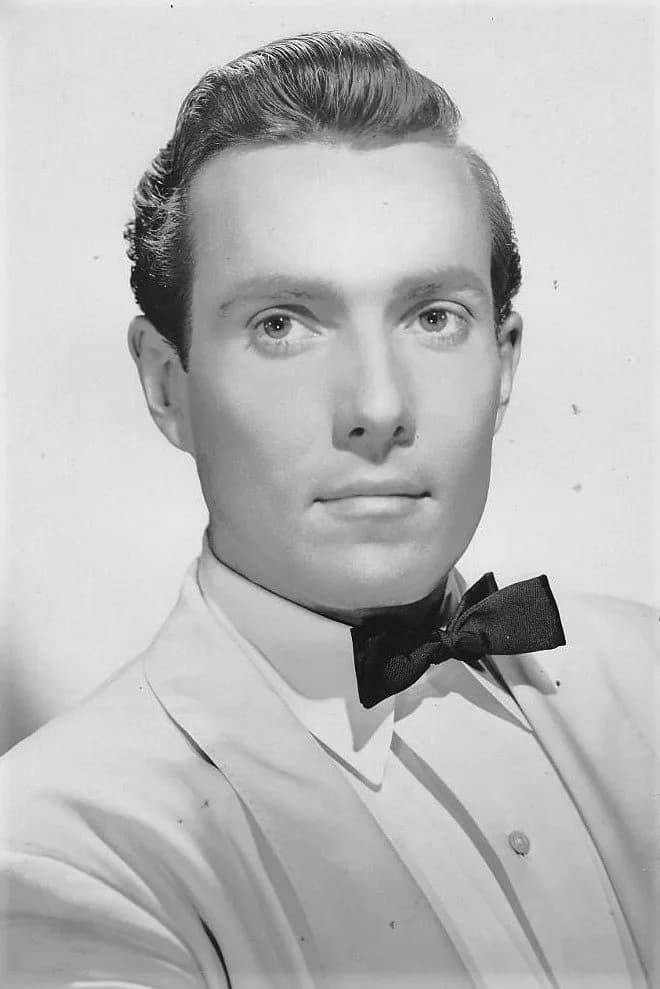
Hurd Hatfield
William Rukard Hurd Hatfield was an American actor, best known for often playing characters of handsome, narcissistic young men, most notably Dorian Gray in the film The Picture of Dorian Gray. Hatfield was born in New York City to William Henry Hatfield, who died in 1954, an attorney who served as deputy attorney general for New York, and his wife, Adele (née McGuire). Hurd was educated at Columbia University, then moved to London, England where he studied drama and began acting in theatre. He returned to America for his film debut in Dragon Seed, in which he and his co-stars (Katharine Hepburn, Akim Tamiroff, Aline MacMahon, Turhan Bey) portrayed Chinese peasants, some more convincingly than others. Hatfield's second film, The Picture of Dorian Gray, made him a star. As Oscar Wilde's ageless anti-hero, Hatfield received widespread acclaim for his dark good looks as much as for his acting ability. However, the actor was ambivalent about the role and his performance. "The film didn't make me popular in Hollywood," he commented later. "It was too odd, too avant-garde, too ahead of its time. The decadence, the hints of bisexuality and so on, made me a leper! Nobody knew I had a sense of humor, and people wouldn't even have lunch with me." His follow-up films, The Diary of a Chambermaid, The Beginning or the End, and The Unsuspected), were successful, but Joan of Arc was a critical and financial failure. Hatfield's film career began to lose momentum very quickly in the 1950s, and he returned to the stage. Subsequent movies included supporting roles in The Left Handed Gun, King of Kings (as Pontius Pilate), El Cid, Harlow (as Paul Bern), and The Boston Strangler. He cut back on performing in the 1970s. His later movies included King David and Her Alibi. He appeared frequently on television and received an Emmy Award nomination for the Hallmark Hall of Fame videotaped play The Invincible Mr. Disraeli). In 1957, he appeared in Beyond This Place, directed by Sidney Lumet. Other television credits include three guest appearances on Murder She Wrote, opposite his Picture of Dorian Gray costar Angela Lansbury, who had become a lifelong friend. He also appeared as the villain in the second episode of Voyage to the Bottom of the Sea. He appeared in Alfred Hitchcock Presents in "None Are So Blind". In 1952, Hatfield appeared as Joseph in Westinghouse Studio One's The Nativity. This was a rare commercial network staging of a 14th-century mystery play, adapted from the York and Chester plays. According to the magazine Films in Review, Hatfield was ambivalent about having played Dorian Gray, feeling that it had typecast him. "You know, I was never a great beauty in Gray...and I never understood why I got the part and have spent my career regretting it", he is reported to have said. He died in his sleep of a heart attack at a friend's home, aged 81, after celebrating Christmas dinner. Description above from the Wikipedia article Hurd Hatfield, licensed under CC-BY-SA, full list of contributors on Wikipedia.
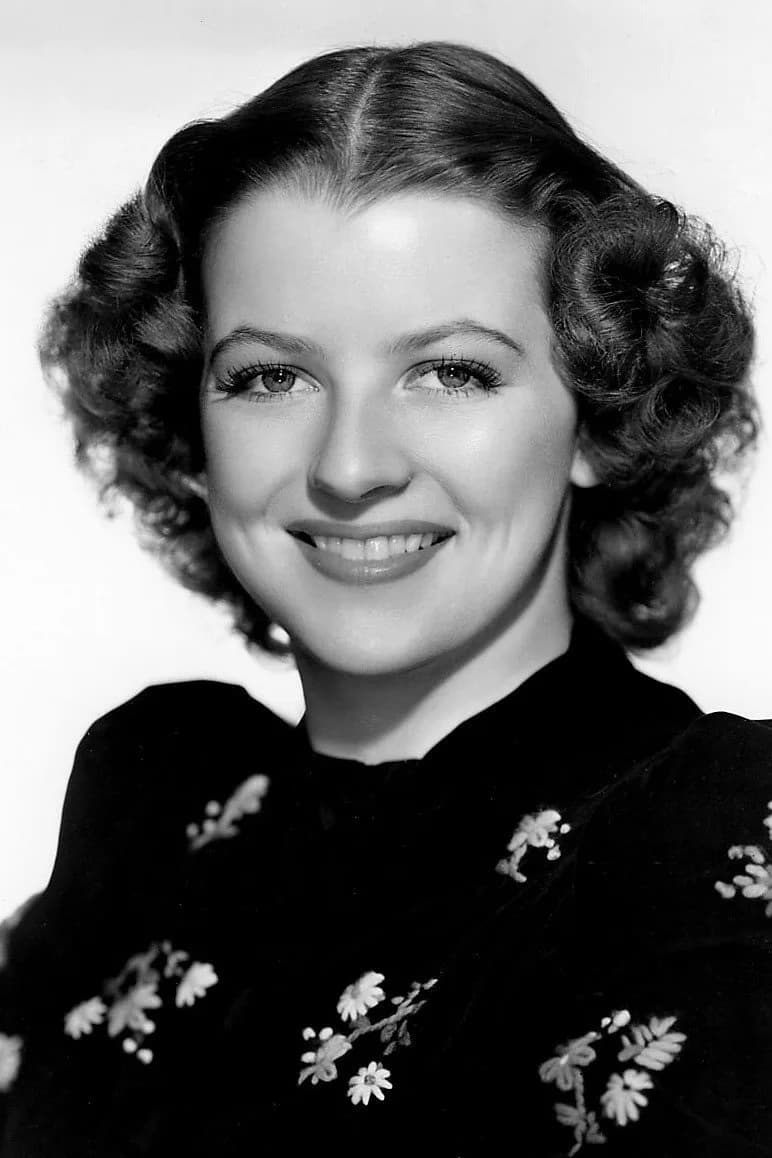
Betty Furness
From Wikipedia, the free encyclopedia Elizabeth Mary Furness (January 3, 1916 – April 2, 1994) was an American actress, consumer advocate, and current affairs commentator. She began her professional career as a model before being noticed by a talent scout and being signed to a film contract in 1932 by RKO Studios. Her first film role was as the "Thirteenth Woman" in the film Thirteen Women (1932) but her scenes were deleted before the film's release. Over the next few years, she appeared in several RKO films, and became a popular actress. Among her film successes were Magnificent Obsession (1935) and the Fred Astaire and Ginger Rogers film Swing Time (1936). By the end of the decade, she had appeared in over forty films, but during the 1940s, she found it difficult to secure acting roles. In 1948, Furness was performing in the television series Studio One, which was broadcast live. She filled in for an actor to promote Westinghouse products during the advertisement break, and impressed the company with her easy and professional manner. They offered her a contract to promote their products and she thus became closely associated with them.
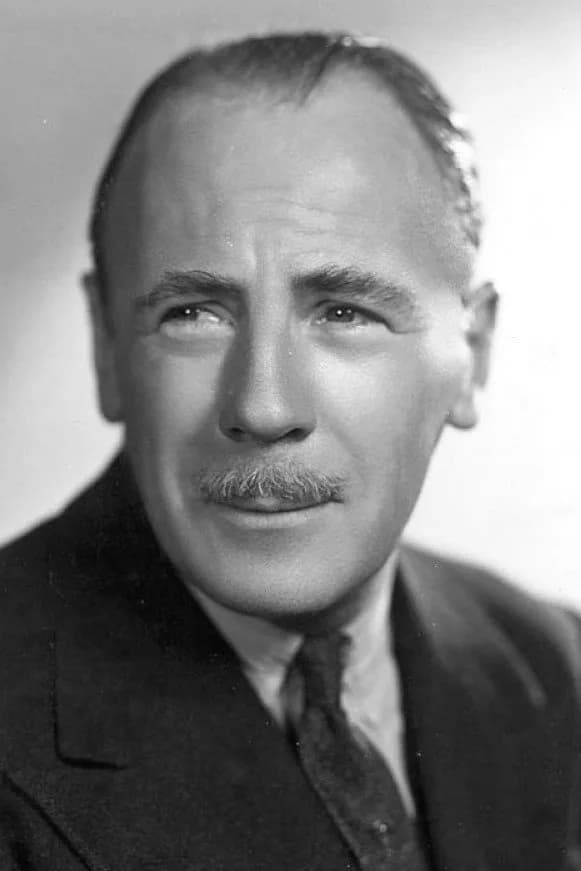
Roland Young
From Wikipedia, the free encyclopedia Roland Young (11 November 1887 – 5 June 1953) was an English actor. Young made his first stage appearance in London's West End in Find the Woman in 1908, and in 1912 he made his Broadway debut in Hindle Wakes. He appeared in two comedies written for him by Clare Kummer, Good Gracious Annabelle! (1916) and A Successful Calamity (1917) before he served with the United States Army during World War I. He returned to New York when the war ended, and married Kummer's daughter, Frances. For the next few years he alternated between New York and London. He made his film debut in the 1922 silent film Sherlock Holmes, in which he played Watson opposite John Barrymore as Holmes. He signed a contract with Metro-Goldwyn-Mayer and made his talkie debut in The Unholy Night (1929), directed by Lionel Barrymore. He was loaned to Warner Bros. to appear in Her Private Life, with Billie Dove and Fox Film Corporation, winning critical approval for his comedic performance as Jeanette MacDonald's husband in Don't Bet on a Woman. He was again paired with MacDonald in the film version of Good Gracious Annabelle!, titled Annabelle's Affairs. He appeared in Cecil B. de Mille's The Squaw Man, and played opposite Alfred Lunt and Lynn Fontanne in The Guardsman (both 1931). He appeared with Evelyn Brent in Columbia's The Pagan Lady (1932) and Pola Negri in RKO's A Woman Commands (1932). His final film under his MGM contract was Lovers Courageous (1932), opposite Robert Montgomery. In 1933 he had a starring role in the risqué comedy for Fox Film called Pleasure Cruise along side Genevieve Tobin. Young began to work as a freelance performer and found himself in constant demand. He appeared with Jeanette MacDonald, Genevieve Tobin and Maurice Chevalier in One Hour With You (1932) and with Kay Francis in Street of Women (1932). Alexander Korda invited him to return to Britain to make his British film debut in Wedding Rehearsal (1932). He returned to Hollywood and appeared in a diverse group of films that included comedies, murder mysteries, and dramas, and also worked on Broadway. Among his films of this period were Ruggles of Red Gap (1935), David Copperfield (1935) (playing Uriah Heep), and the H.G. Wells fantasy The Man Who Could Work Miracles (1936). In 1937, he achieved one of the most important successes of his career in Topper, as a bank president haunted by the ghosts of his clients, played by Cary Grant and Constance Bennett. It was one of the most successful films of the year, and Young was nominated for the Academy Award for Best Supporting Actor. Topper's wife was played by Billie Burke, who wrote in her memoir that Young "was dry and always fun to work with". They also appeared together in The Young in Heart (1938), and both of the Topper sequels, Topper Takes a Trip (1938) and Topper Returns (1941). He continued working steadily through the 1940s, playing small roles opposite some of Hollywood's leading actresses, such as Joan Crawford, Marlene Dietrich, Paulette Goddard and Greta Garbo in her final film, Two-Faced Woman (1941). In the 1950s, Young appeared on several episodic television series, including Lux Video Theatre, Studio One, Pulitzer Prize Playhouse and The Chevrolet Tele-Theatre.

William T. Orr
Producer · Known for Maverick, Sex and the Single Girl
From Wikipedia, the free encyclopedia William T. Orr (September 27, 1917 – December 25, 2002) was an American television producer associated with a series of western and detective programs of the 1950s-1970s. On most of his Warner Bros. series, he was billed as "Wm. T. Orr". Orr began his career as an actor; his film credits include The Mortal Storm, The Gay Sisters, and The Big Street. As the first head of Warner Bros. Television department, Orr forged a fruitful alliance with ABC, which resulted in the network having a number of prime time hits, such as Maverick, 77 Sunset Strip, and F Troop. At the height of this relationship in the early 1960s, Orr had nine programs in prime time simultaneously. Of these, no program was more significant than one of his earliest, Cheyenne. It was a groundbreaking series that was both the first hour-long western and the first series of any kind made by a major Hollywood film studio consisting entirely of content wholly exclusive to television. A curator at The Paley Center for Media (previously named The Museum of Television and Radio) once encapsulated Orr's importance to Warner Bros. by saying, "Television began as a step-child. But because of Orr, it became equal with film in creating revenue and jobs for the studio." One of the key reforms he made to effect this change was to move Warner's nascent television department from cramped quarters in New York City to Los Angeles studios separate from the film division. His impact on the genre of western fiction was recognized with a Golden Boot Award upon the announcement of his death.