
Search
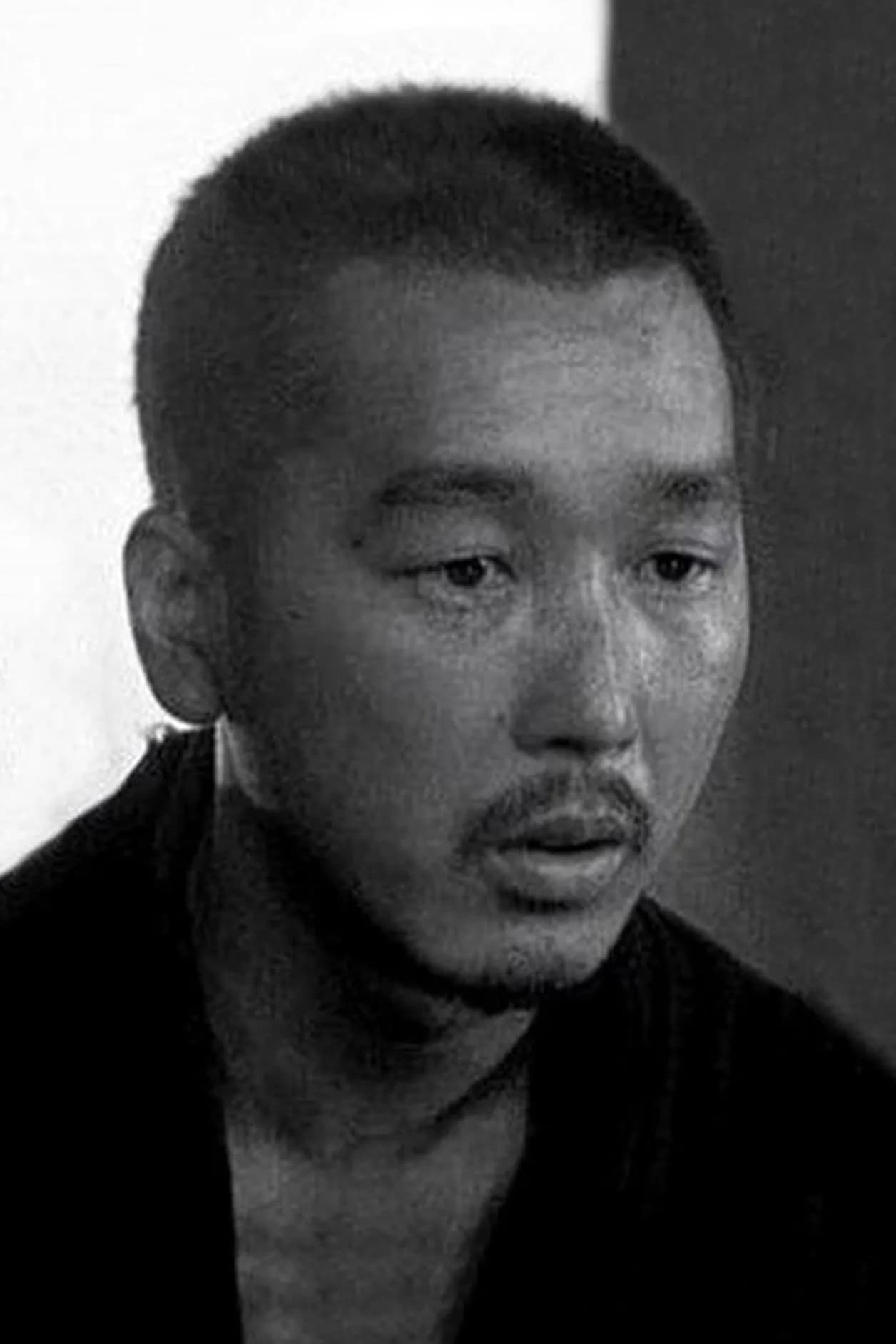
Minoru Chiaki
Cast · Known for Seven Samurai, Ikiru, High and Low
Minoru Chiaki (April 28, 1917 - November 1, 1999) was a Japanese actor who appeared in such films as Akira Kurosawa's Seven Samurai and The Hidden Fortress. In Seven Samurai he was the good-natured samurai Heihachi. Later in his career he appeared as a secondary actor in many Toei films. In 1986 he was given the Best Actor prize at the Japan Academy Prize ceremony for his performance in Toei's Gray Sunset (1985). Description above from the Wikipedia article Minoru Chiaki, licensed under CC-BY-SA, full list of contributors on Wikipedia.
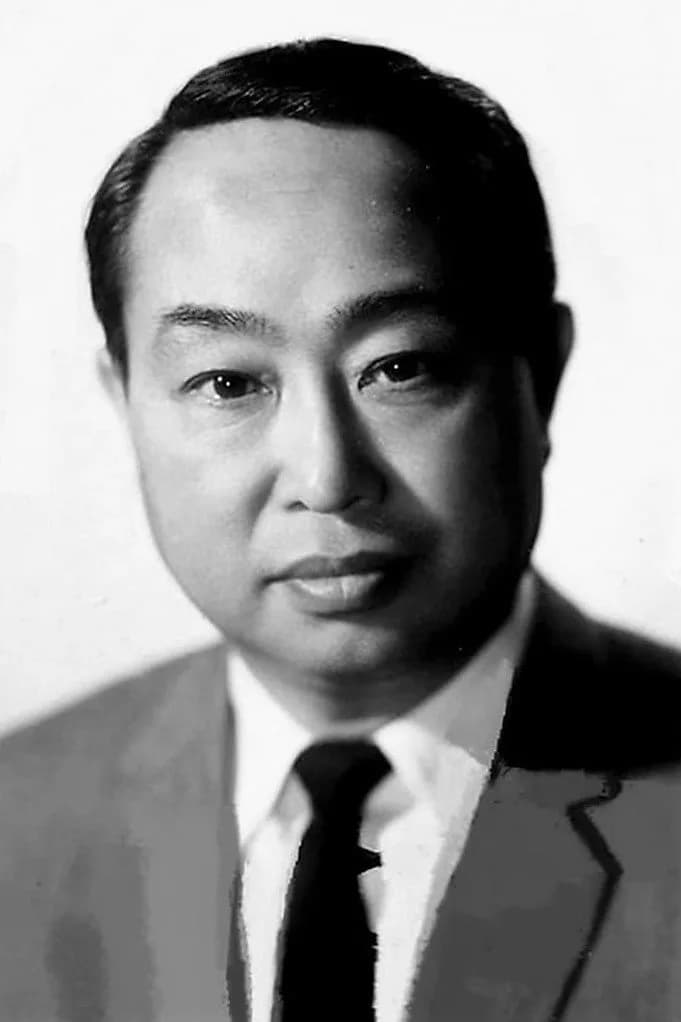
Daisuke Katō
Cast · Known for Seven Samurai
Daisuke Katō (加東 大介 Katō Daisuke, February 18, 1911 – July 31, 1975) was a Japanese actor who appeared in over 150 films, including Akira Kurosawa's Seven Samurai (as the loyal comrade Shichiroji), Rashomon, Yojimbo (as the "wild pig" Inokichi), Ikiru, and Hiroshi Inagaki's Samurai Trilogy and Chushingura.
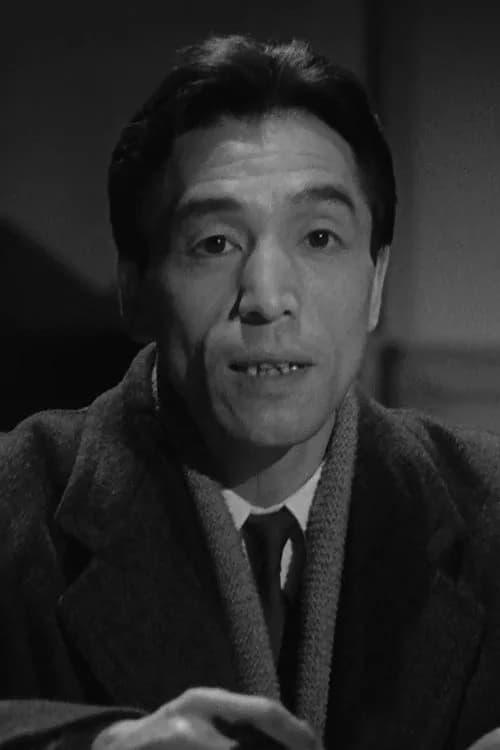
Seiji Miyaguchi
Cast · Known for Seven Samurai
Seiji Miyaguchi (宮口 精二 Miyaguchi Seiji, November 15, 1913–April 12, 1985) was a Japanese actor who appeared in such films as Akira Kurosawa's Seven Samurai (as Kyuzo, the master swordsman) despite the actor's confession to have never handled a sword before the role, Ikiru as a yakuza boss from "restaurant row," and Masaki Kobayashi's Kwaidan. He died of lung cancer. Description above from the Wikipedia article Seiji Miyaguchi, licensed under CC-BY-SA, full list of contributors on Wikipedia.
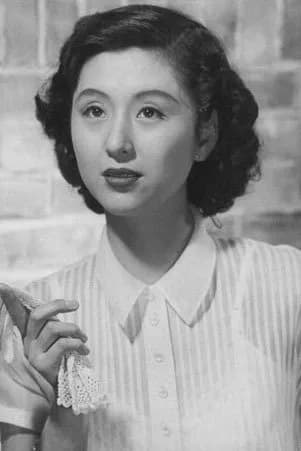
Keiko Tsushima
Cast · Known for Seven Samurai
Keiko Tsushima (津島 恵子 Tsushima Keiko, 7 February 1926 – 1 August 2012) was a Japanese actress, whose real name was Naoko Mori (森 直子 Mori Naoko). She was notable for her prominent role in Akira Kurosawa's 1954 film Seven Samurai. She also starred in Japanese television series such as Sakura and Kimi ga Jinsei no Toki.
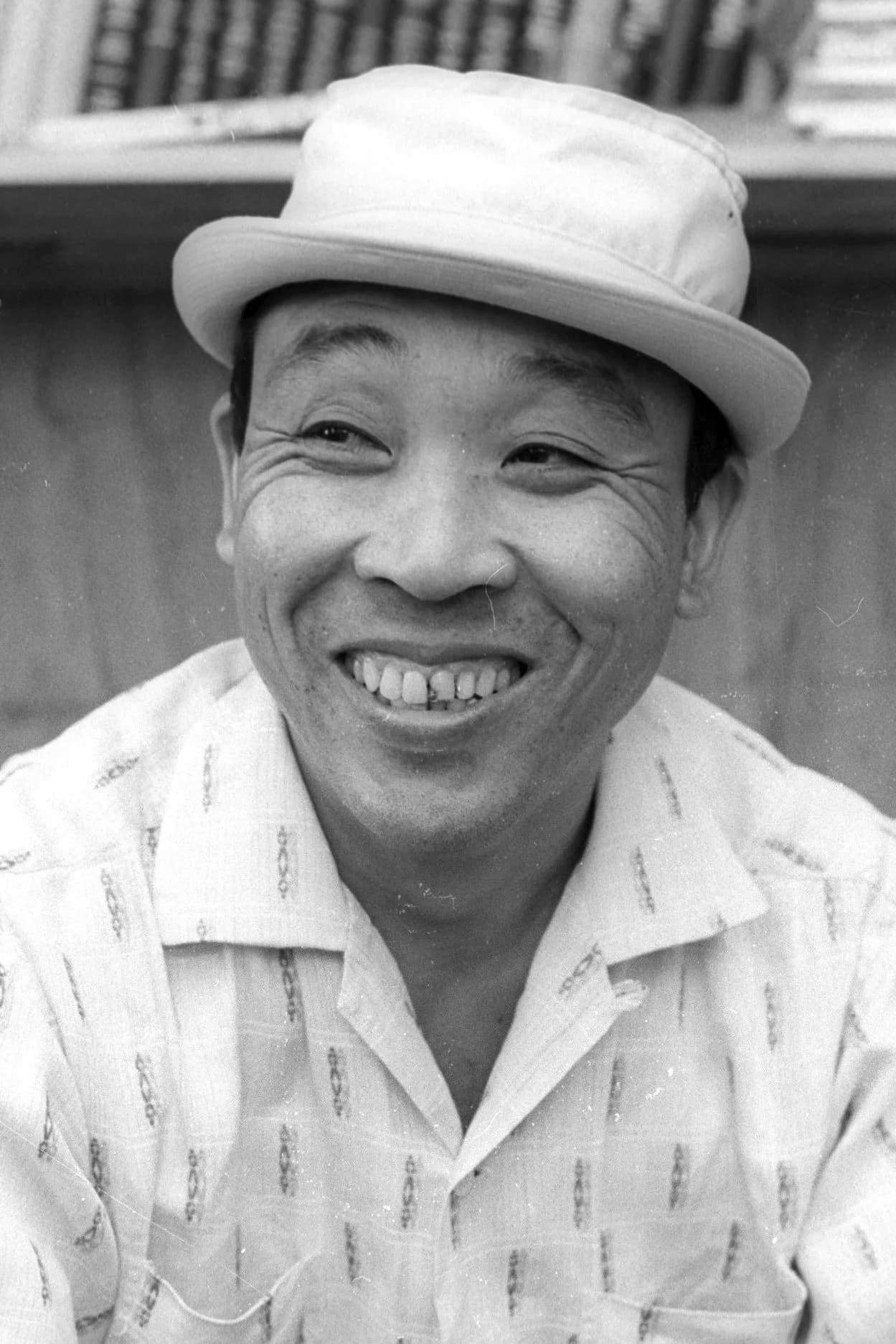
Haruo Nakajima
Haruo Nakajima (Japanese: 中島 春雄, Hepburn: Nakajima Haruo; January 1, 1929 – August 7, 2017) was a Japanese actor and stuntman. A pioneer of suit acting, he is best known for playing Godzilla in 12 consecutive films, starting from the original Godzilla until Godzilla vs. Gigan. Nakajima also played various other kaiju in Toho's tokusatsu films, including Rodan, Mothra and The War of the Gargantuas and also appeared in minor roles in Akira Kurosawa's Seven Samurai, Yojimbo, and Stray Dog.
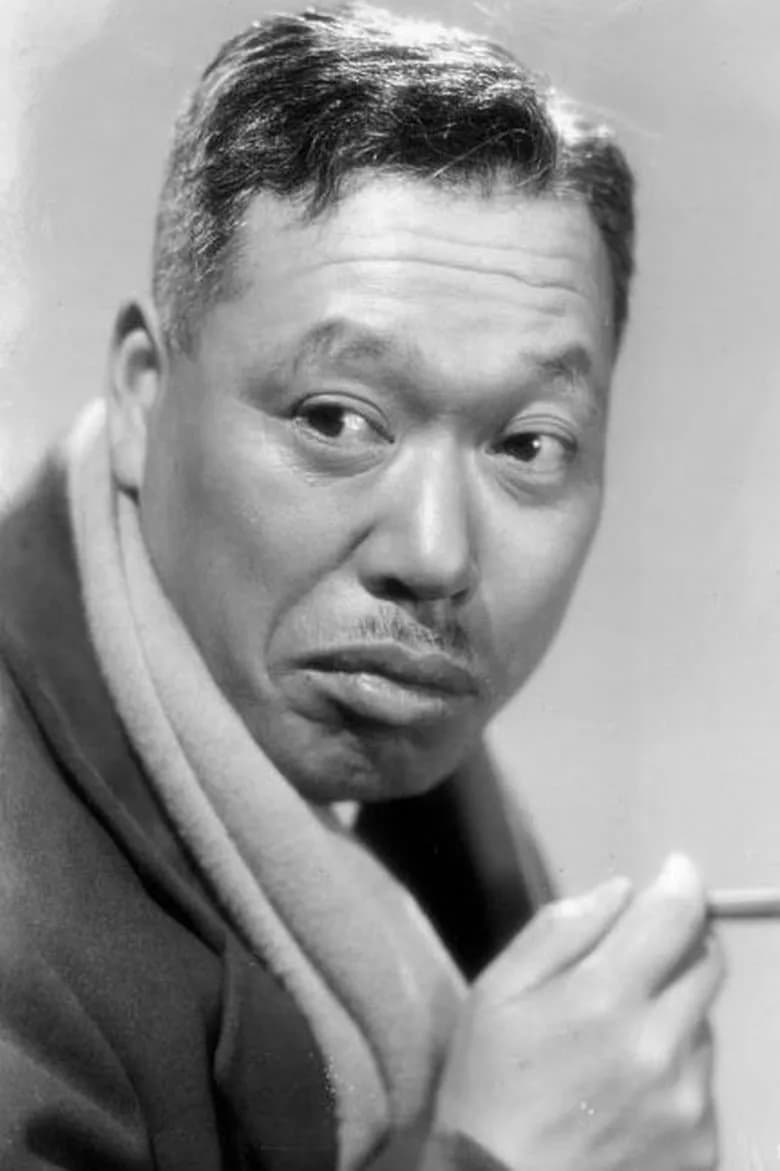
Takashi Shimura
Cast · Known for Ikiru, Seven Samurai, High and Low
From Wikipedia, the free encyclopedia. Takashi Shimura (志村 喬, Shimura Takashi, March 12, 1905 – February 11, 1982) was a Japanese actor who appeared in over 200 films between 1934 and 1981. He appeared in 21 of Akira Kurosawa's 30 films (more than any other actor), including as a lead actor in Drunken Angel (1948), Rashomon (1950), Ikiru (1952) and Seven Samurai (1954).[3] He played Professor Kyohei Yamane in Ishirō Honda's original Godzilla (1954) and its first sequel, Godzilla Raids Again (1955). For his contributions to the arts, the Japanese government decorated Shimura with the Medal with Purple Ribbon in 1974 and the Order of the Rising Sun, 4th Class, Gold Rays with Rosette in 1980. Shimura died on February 11, 1982, in Tokyo, Japan, from emphysema at the age of 76. His effects were presented to the Film Centre of the National Museum of Modern Art, Tokyo. Description above from the Wikipedia article Takashi Shimura, licensed under CC-BY-SA, full list of contributors on Wikipedia.
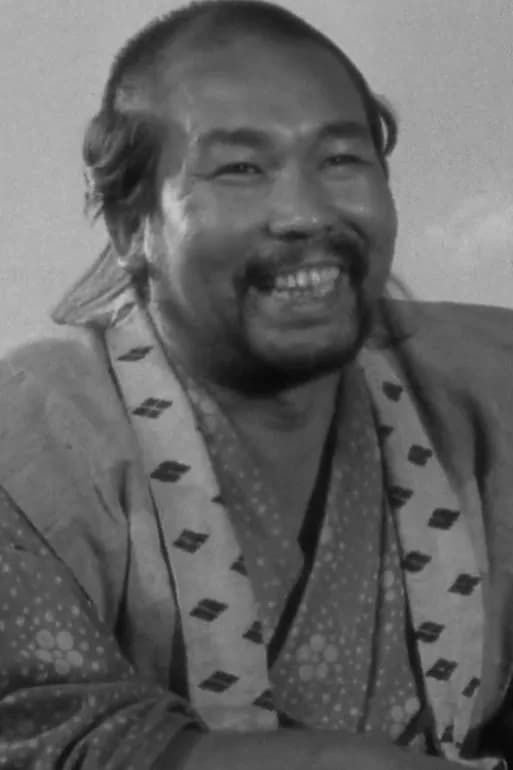
Yoshio Inaba
Cast · Known for Seven Samurai
From Wikipedia, the free encyclopedia. Yoshio Inaba (稲葉 義男 Inaba Yoshio, July 15, 1920–April 20, 1998) was a Japanese actor best known for his role as one of the title characters (the good-natured, second-in-command Gorobei) in Akira Kurosawa's Seven Samurai. He died of a heart attack at the age of 77. Description above from the Wikipedia article Yoshio , licensed under CC-BY-SA, full list of contributors on Wikipedia.
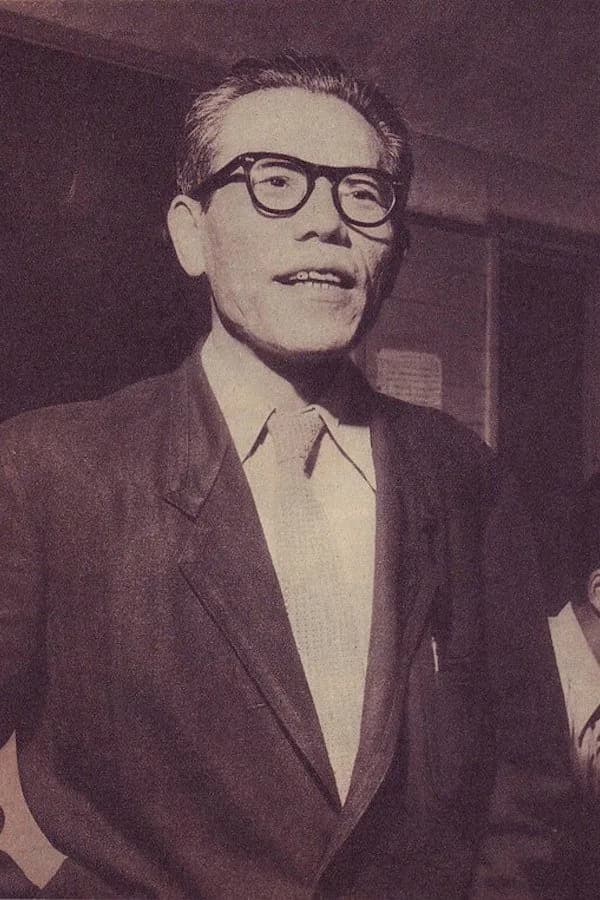
Eijirō Tōno
Cast · Known for High and Low, Seven Samurai
Eijirō Tōno (東野英治郎 Tōno Eijirō, 17 September 1907 – 8 September 1994) was a Japanese actor who, in a career lasting more than 50 years, appeared in over 400 television shows, nearly 250 films and numerous stage productions. He is best known in the West for his roles in films by Akira Kurosawa, such as Seven Samurai (1954) and Yojimbo (1961), and films by Yasujirō Ozu, such as Tokyo Story (1953) and An Autumn Afternoon (1962). He also appeared in Kill! by Kihachi Okamoto and Tora! Tora! Tora!, a depiction of the Japanese attack on Pearl Harbor. His final film was Juzo Itami's A-ge-man (Tales of a Golden Geisha) in 1990. Tōno also starred as the title character in the long-running television jidaigeki series Mito Kōmon from 1969 to 1983. In the early years of his career he acted under the name of Katsuji Honjo (本庄克二).
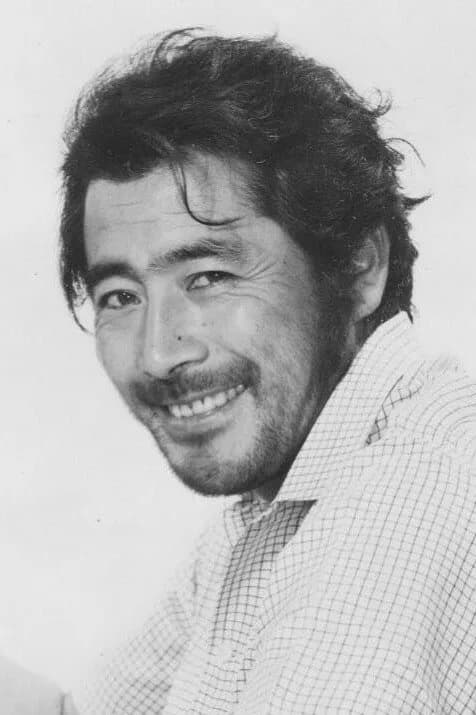
Toshirō Mifune
Cast · Known for High and Low, Seven Samurai
Toshirō Mifune (April 1, 1920 - December 24, 1997) was a Japanese actor who is widely regarded as one of the greatest actors in the history of Japanese cinema. He was born in Qingdao, China, but was raised in Japan. Mifune's career spanned over 50 years, during which he collaborated extensively with renowned director Akira Kurosawa, creating some of the most iconic films in Japanese cinema. Mifune gained international recognition for his performances in Kurosawa's films, particularly in samurai films. He portrayed strong, dynamic, and often rebellious characters, bringing a raw intensity to his roles. Some of his notable collaborations with Kurosawa include "Rashomon" (1950), "Seven Samurai" (1954), "Yojimbo" (1961), and "The Hidden Fortress" (1958), which inspired George Lucas's "Star Wars." Apart from his work with Kurosawa, Mifune appeared in numerous other films, showcasing his versatility as an actor. He played roles in various genres, including dramas, comedies, and war films. Some of his other notable films include "The Throne of Blood" (1957), "High and Low" (1963), and "Red Beard" (1965). Mifune's charismatic presence, powerful performances, and ability to convey complex emotions made him an iconic figure in Japanese cinema. He received international recognition and awards for his contributions to the film industry, including several honors at the Venice Film Festival and a lifetime achievement award from the Academy of Motion Picture Arts and Sciences.
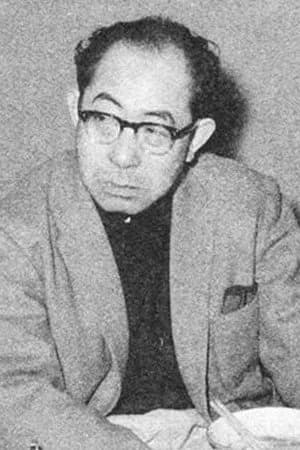
Hideo Oguni
Writer · Known for High and Low, Ikiru, Seven Samurai
Hideo Oguni (小国 英雄 Oguni Hideo, 9 July 1904 – 5 February 1996) was a Japanese writer who wrote over 100 screenplays. He is best known for co-writing screenplays for a number of films directed by Akira Kurosawa, including Ikiru, The Seven Samurai, Throne of Blood and The Hidden Fortress. His first film with Kurosawa was Ikiru, and according to film professor Catherine Russell, it was Oguni who devised that film's two-part structure. Film critic Donald Richie regarded him as the "humanist" among Kurosawa's writers. In 2013, Oguni and frequent screenwriting collaborators Kurosawa, Shinobu Hashimoto and Ryūzō Kikushima were awarded the Jean Renoir Award by the Writers Guild of America West. Writing credits other than for Kurosawa films include Heinosuke Gosho's Entotsu no mieru basho in 1953, Koji Shima's Warning from Space in 1956, Tora! Tora! Tora!, and Hiroshi Inagaki's Machibuse in 1970.
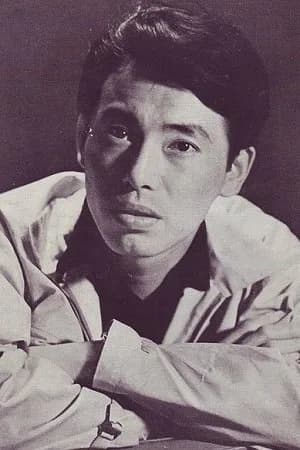
Isao Kimura
Cast · Known for High and Low, Seven Samurai, Ikiru
From Wikipedia, the free encyclopedia Isao Kimura (木村 功 Kimura Isao), also known as Kō Kimura, was a Japanese actor. He appeared in several films directed by Akira Kurosawa. The first was Stray Dog (1949) as Yusa the criminal. Perhaps his most notable collaboration with Kurosawa was in Seven Samurai as the youngest of the samurai, Katsushiro. During his career he also appeared in several films directed by Mikio Naruse as well as appearing in the famous Lone Wolf and Cub film series. In addition to a film career spanning almost thirty years, Kimura founded and directed an acting company which ultimately went bankrupt. He died of esophageal cancer at 57 years old.
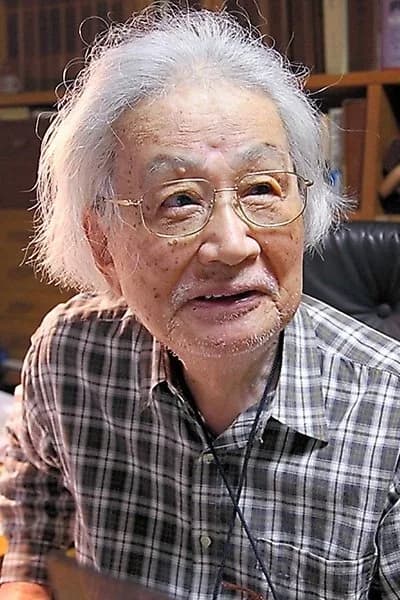
Shinobu Hashimoto
Writer · Known for Ikiru, Seven Samurai
Shinobu Hashimoto (Japanese: 橋本 忍, Hashimoto Shinobu; 18 April 1918 – 19 July 2018) was a Japanese screenwriter, film director and producer. A frequent collaborator of Akira Kurosawa, he wrote the scripts for such internationally acclaimed films as Rashomon and Seven Samurai.
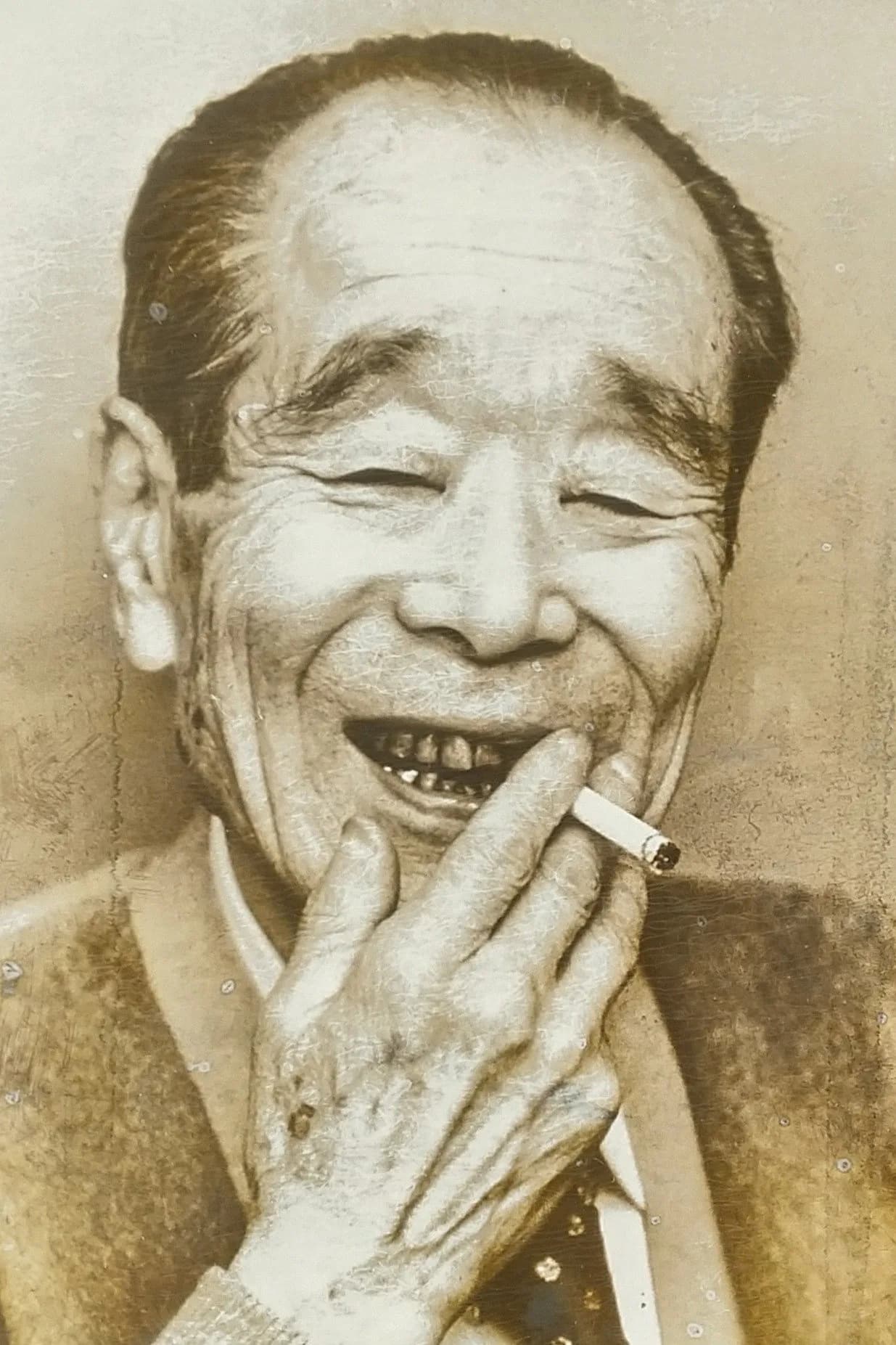
Bokuzen Hidari
Cast · Known for Ikiru, Seven Samurai
Bokuzen Hidari (左 卜全 Hidari Bokuzen, 20 February 1894 - 26 May 1971) was a Japanese actor and comedian born in Kotesashi Village (now part of Tokorozawa), Iruma District, Saitama Prefecture, Japan. He appeared in such films as Akira Kurosawa's Seven Samurai, The Lower Depths and Ikiru. Hidari was famous among Japanese audiences for his portrayals of meek, downtrodden men, and although a teetotaller, was renowned for his convincing drunk scenes (see esp. "Ikiru").
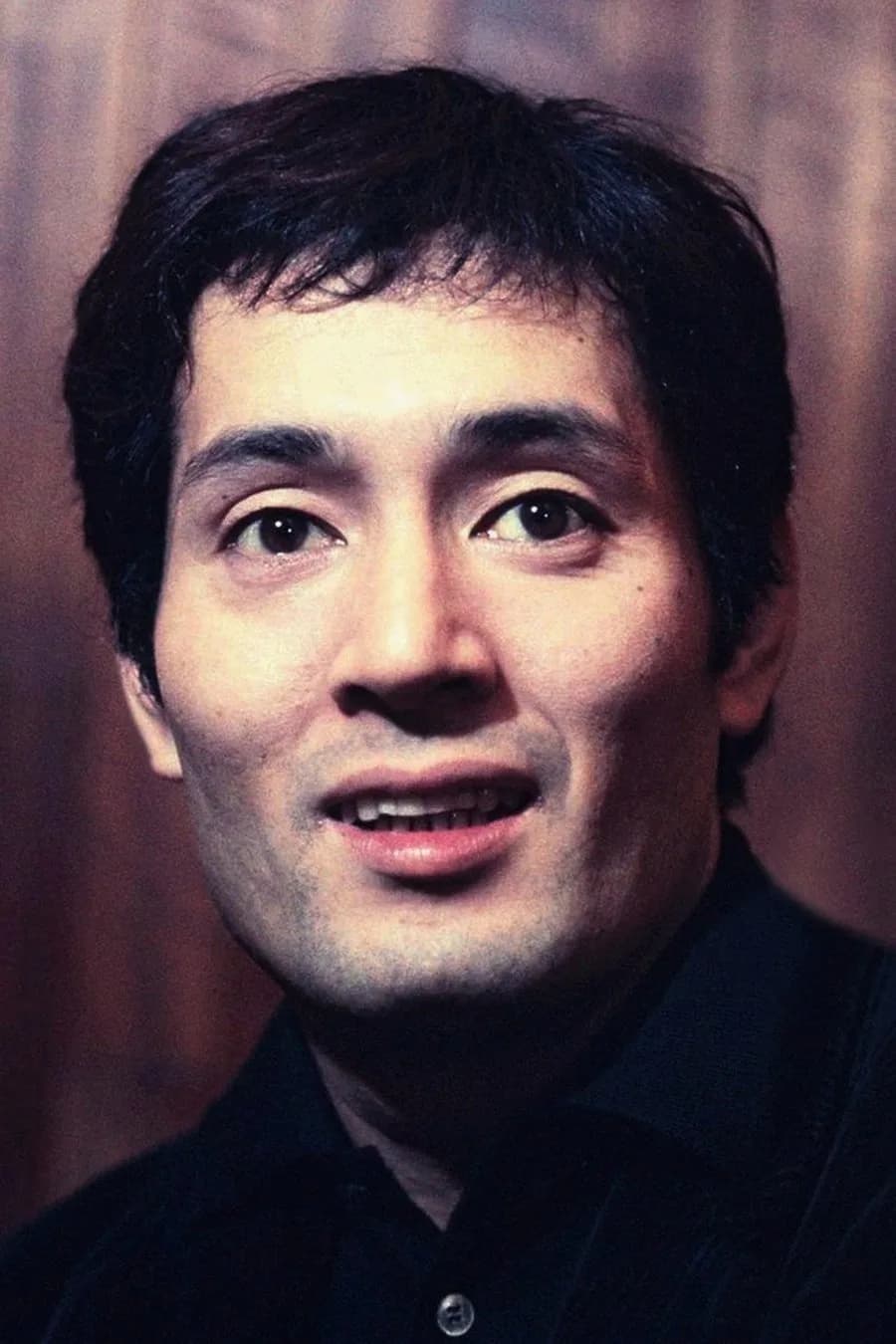
Tatsuya Nakadai
Cast · Known for High and Low
Tatsuya Nakadai (仲代 達矢, Nakadai Tatsuya; born Motohisa Nakadai; December 13, 1932 – November 8, 2025) was a Japanese actor. Widely regarded as one of the greatest actors in the history of Japanese cinema, he collaborated extensively with many of Japan's best-known and acclaimed directors. In his over seven decade career, he appeared in more than 160 films, and received numerous accolades. He was honored with a Medal with Purple Ribbon in 1996 and Japan's Order of Culture in 2015. Nakadai rose to prominence starring in Masaki Kobayashi's films, with his breakthrough being the protagonist of the epic anti-war trilogy The Human Condition (1959–1961). He won the Blue Ribbon Award for Best Actor for his performance as the vengeful ronin in Harakiri (1962), a role he considered his finest. Nakadai collaborated on eleven films with Kobayashi—including Kwaidan (1964) and Samurai Rebellion (1967)—and five with Akira Kurosawa, most notably as the tragic warlord in Ran (1985), a performance that earned global acclaim. His other notable credits included Seven Samurai (1954), Yojimbo (1961), The Sword of Doom (1966), The Face of Another (1966), Goyokin (1969), Kagemusha (1980), and The Tale of the Princess Kaguya (2013). A lifelong stage actor, he founded the Gendai Nohgaku-kai troupe in 1975 and continued performing on stage into his nineties. Description above from the Wikipedia article Tatsuya Nakadai, licensed under CC-BY-SA, full list of contributors on Wikipedia.
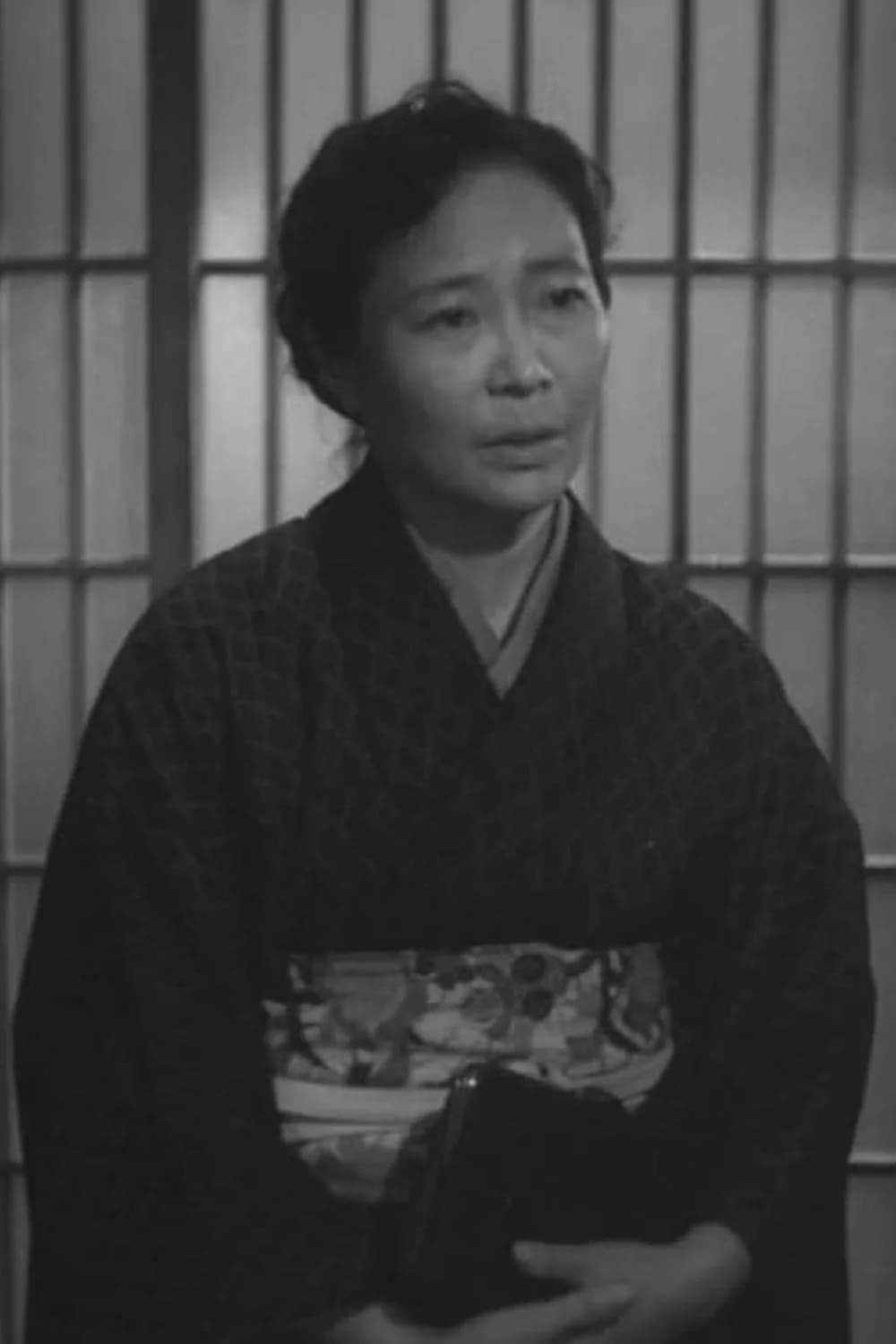
Noriko Honma
Cast · Known for Ikiru
Noriko Honma (本間文子 Honma Noriko, born 29 November 1911 - 12 April 2009) is a Japanese actress whose film work occurred primarily during the 1950s. She was born in Hokkaido. She worked in many of Akira Kurosawa's films, first appearing in Kurosawa's Rashomon as the Miko, also in Ikiru, The Seven Samurai, Akahige, and Dreams.
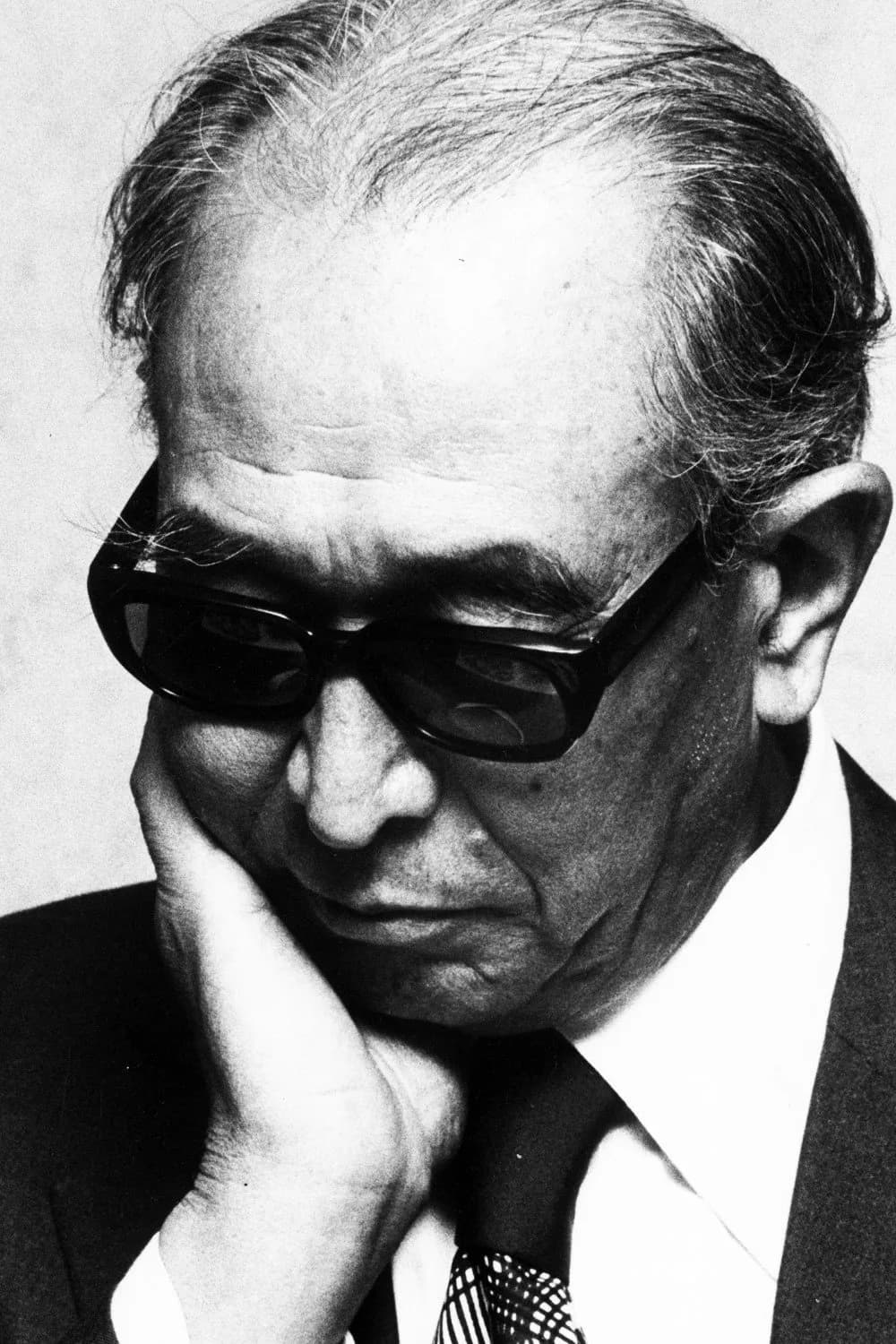
Akira Kurosawa
Director · Known for High and Low, Ikiru, Seven Samurai
Akira Kurosawa (黒澤 明) was a Japanese filmmaker and painter who directed thirty films in a career spanning over five decades. He is widely regarded as one of the greatest and most influential filmmakers in the history of cinema. He displayed a bold, dynamic style, strongly influenced by Western cinema yet distinct from it; he was involved with all aspects of film production. Kurosawa entered the Japanese film industry in 1936, following a brief stint as a painter. After years of working on numerous films as an assistant director and scriptwriter, he made his debut as a director during World War II with the popular action film Sanshiro Sugata (1943). After the war, the critically acclaimed Drunken Angel (1948), in which Kurosawa cast the then little-known actor Toshiro Mifune in a starring role, cemented the director's reputation as one of the most important young filmmakers in Japan. The two men would go on to collaborate on another fifteen films. Rashomon (1950), which premiered in Tokyo, became the surprise winner of the Golden Lion at the 1951 Venice Film Festival. The commercial and critical success of that film opened up Western film markets for the first time to the products of the Japanese film industry, which in turn led to international recognition for other Japanese filmmakers. Kurosawa directed approximately one film per year throughout the 1950s and early 1960s, including a number of highly regarded (and often adapted) films, such as Ikiru (1952), Seven Samurai (1954), Throne of Blood (1957), Yojimbo (1961) and High and Low (1963). After the 1960s he became much less prolific; even so, his later work—including two of his final films, Kagemusha (1980) and Ran (1985)—continued to receive great acclaim. In 1990, he accepted the Academy Award for Lifetime Achievement. Posthumously, he was named Asian of the Century in the Arts, Literature, and Culture category by AsianWeek magazine and CNN, cited there as being among the five people who most prominently contributed to the improvement of Asia in the 20th century. His career has been honored by many retrospectives, critical studies and biographies in both print and video, and by releases in many consumer media.
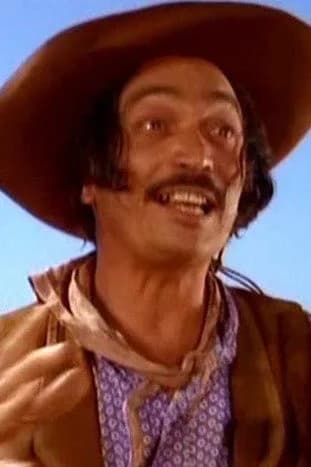
Roberto Contreras
Tall, and slim, 6-foot-5, versatile, Euro-Indigenous Latino American character actor. He will be best remembered for playing the role of 'Armendariz' in the classic western adventure film, "Gold of the Seven Saints" (1961), which also starred Clint Walker, Roger Moore, and Letícia Román. He is also best remembered for playing the role of 'Angelo' in the episode entitled, "The Vaqueros," of the classic western television series, "The Rifleman," which originally aired on October 2, 1961, and which also starred Chuck Connors, Johnny Crawford, and Paul Fix. He was born to Jaime Contreras (1900-1975), and his wife Catalina Coin Contreras in St. Louis, Missouri, on December 12, 1928. Was of Euro-Indigenous Mexican descent. He made his actual film debut playing an undetermined role in the Spanish jungle adventure film, "The Rebellion of the Hanged" (1954), which also starred Pedro Armendáriz, Ariadne Walker, Victor Junco, and Amanda del Lindo. Besides, "The Rebellion of the Hanged" (1954), and "Gold of the Seven Saints" (1961), his many other film credits include, "En carne viva" (1954), "The Beast of Hollow Mountain" (1956), "The Black Scorpion" (1957), "Ride a Violent Mile" (1957), "The Flame Barrier" (1958), "The Badlanders" (1958), "Holiday for Lovers" (1959), "The Miracle" (1959), "The Magnificent Seven" (1960), "California" (1963), "Rio Conchos" (1964), "Mara of the Wilderness" (1965), "Brainstorm" (1965), "Marriage on the Rocks" (1965), "Alvarez Kelly" (1966), "The Last Challenge" (1967), "Chubasco" (1968), "Topaz" (1969), "Pets" (1973), "El extraño caso de Rachel K" (1973), "Cantata de Chile" (1976), "Miguel's Navidad" (1976), "Black Samurai" (1976), "The Dark" (1979), "The Day Time Ended" (1979), "Barbarosa" (1982), "Scarface" (1983), "Streets of Justice" (1985), "Blue City" (1986), and "The Under Achievers" (1987). Besides, the episode entitled, "The Vaqueros," of the classic western television series, "The Rifleman," his many other television credits include, "Telephone Time," "Broken Arrow," "Maverick," "The Walter Winchell File," "The Adventures of Jim Bowie," "The Magical World of Disney," "Zorro," "Border Patrol," "Cimarron City," "Sugarfoot," "26 Men," "The Rough Riders," "The Life and Legend of Wyatt Earp," "Riverboat," "Colt .45," "Law of the Plainsman," "The Texan," "Tombstone Territory," "The Westerner," "Gunslinger," "Wanted: Dead of Alive," "Mister Ed," "Have Gun-Will Travel," "Zane Grey Theatre," "The Barbara Stanwyck Show," "Ripcord," "The Dick Powell Theatre," "Outlaws," "Tales of Wells Fargo," "Thriller," "Frontier Circus," Cheyenne," "77 Sunset Strip," "Temple Houston," "Kraft Suspense Theatre," "Dr. Kildare," "Wendy and Me," "Rawhide," "Run for Your Life," "Get Smart," "Burke's Law," "Laredo," "The Invaders," Bob Hope Presents the Chrysler Theatre," "The Big Valley," "The Fugitive," "Rango," "The F.B.I.," "Death Valley Days," "Men at Law," "Ironside," "The High Chaparral," "Mission: Impossible," "Insight," "The Cowboys," "Cannon," "Police Story," "Kung Fu," "Switch," "Chico and the Man," "The Next Step Beyond," "Simon & Simon," and "Amazing Stories." His last role was playing 'Cruz's Grandfather' in the biographical crime film, "Blood In, Blood Out" (1993), which also starred Damian Chapa, Jesse Borrego, and Benjamin Bratt.
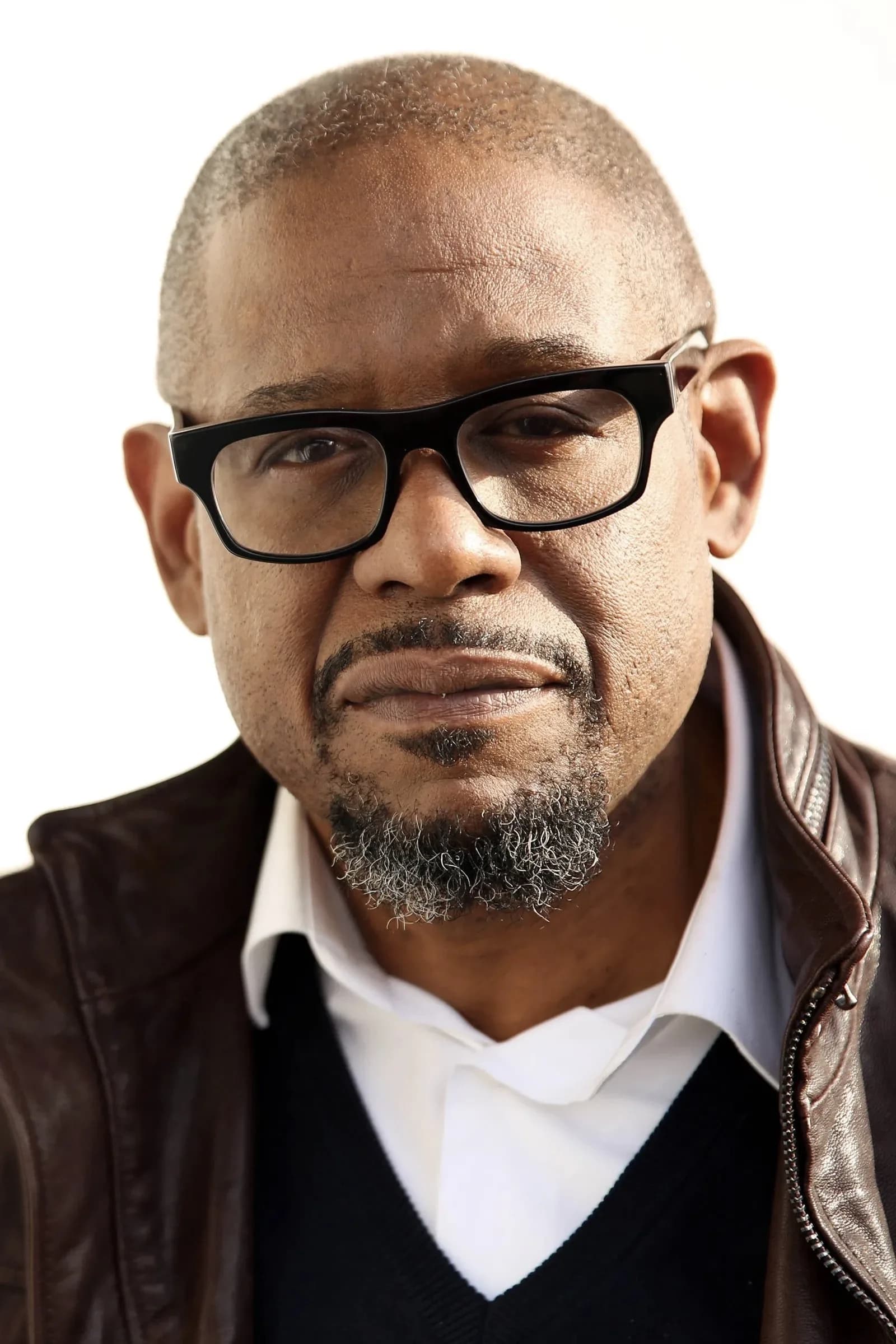
Forest Whitaker
Cast · Known for Taken 3, Arrival, Black Panther
Forest Steven Whitaker (born July 15, 1961) is an American actor, producer, director, and activist. He is the recipient of various accolades, including an Academy Award, a Golden Globe Award, a British Academy Film Award, and two Screen Actors Guild Awards. After making his film debut in Fast Times at Ridgemont High (1982), Whitaker went on to earn a reputation for intensive character study work for films, such as Platoon (1986), Good Morning, Vietnam (1987), Bird (1988), The Crying Game (1992), Phenomenon (1996), Ghost Dog: The Way of the Samurai (1999), The Great Debaters (2007), The Butler (2013), Arrival (2016), and Respect (2021). He has also appeared in blockbusters, such as Panic Room (2002), Rogue One: A Star Wars Story (2016) as Saw Gerrera, and Black Panther (2018) as Zuri. For his portrayal of Ugandan dictator Idi Amin in the British historical drama film The Last King of Scotland (2006), Whitaker won the Academy Award for Best Actor. Whitaker made his directorial debut with the television film Strapped (1993), and directed the films Waiting to Exhale (1995), Hope Floats (1998), and First Daughter (2004). Apart from his film career, Whitaker is also known for his humanitarian work and activism. In 2011, he was inducted as a UNESCO Goodwill Ambassador, later receiving a promotion to Special Envoy for Peace and Reconciliation, and serves as the CEO of Whitaker Peace and Development Initiative (WPDI), a non-profit outreach program.
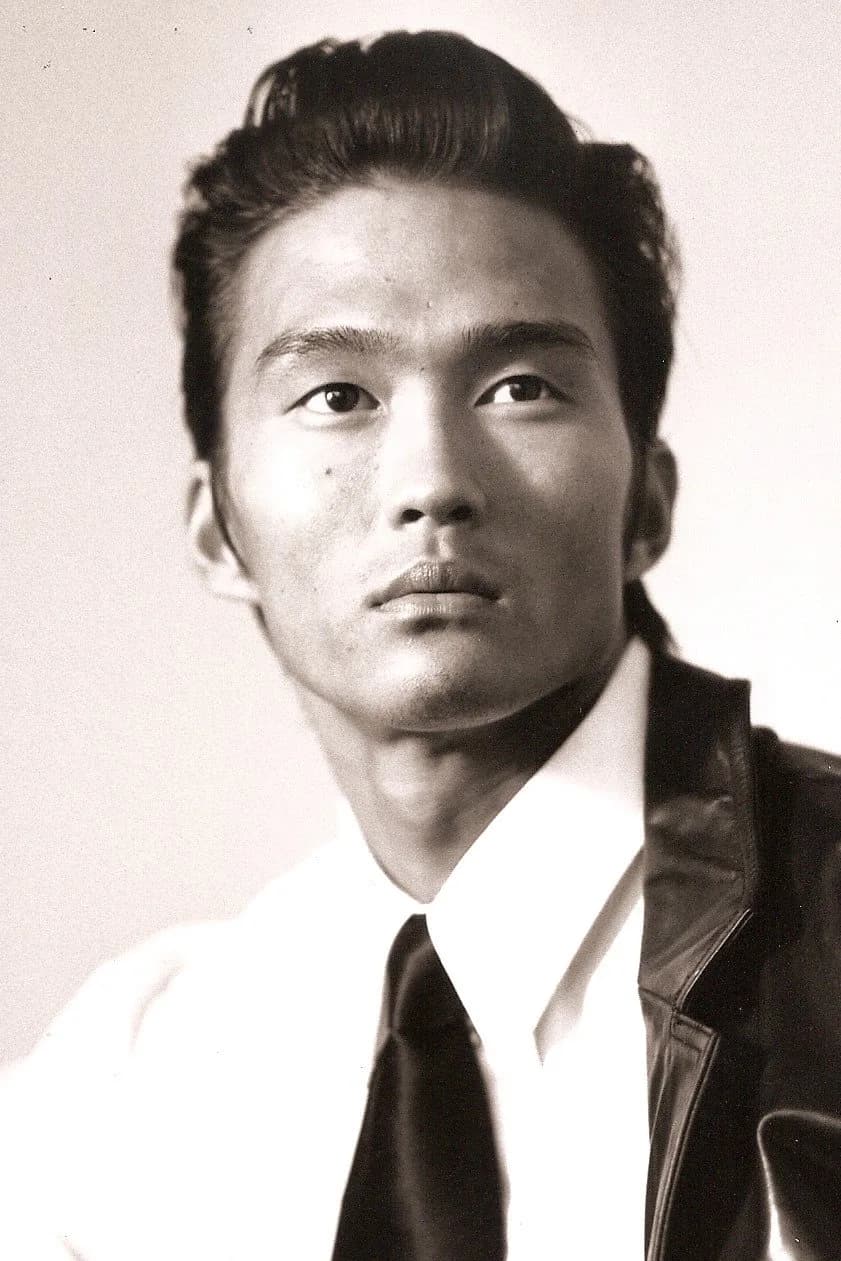
Karl Yune
Cast · Known for Real Steel
Born and raised in Washington D.C., Karl Yune is an American actor of Asian descent. After high school, Karl successfully started and sold an internet based consulting business and was accepted to Columbia University as a business major. His studying and love of Shakespeare during a literature course influenced him to switch his major to theater at the University's School of the Arts. While at Columbia, Yune won the role of Romeo in an off Broadway production of Romeo and Juliet and was later signed to a talent manager. Karl continued to work as a theater actor in New York City and won critical and rave reviews for his performance as Gloucester in a contemporary rendition of Shakespeare's Richard the III. While casting The Last Samurai, director Edward Zwick was impressed with Yune's audition tape and Karl went to Los Angeles for the first time to meet with the famed director. Zwick later informed Karl that the studio was to cast the film out of Japan, but encouraged Karl to move to Los Angeles as he saw promise in the young actor's talent. Inspired, Karl moved to Los Angeles, only to learn that he was offered a five year contract back in New York, on the popular daytime TV drama All My Children. Yune passed on the offer and soon booked his first lead role in the cult film Anacondas: The Hunt for the Blood Orchid. The following year Karl was picked by producer Steven Spielberg to play the memorable role of Koichi, the secret lover to Li Gong's Geisha Hatsumomo, in Memoirs of a Geisha, based on the international best selling novel. Karl continued to work in lead and supporting roles in award winning independent, foreign, and Hollywood films. In 2010, Karl was again chosen by producer Steven Spielberg and director Shawn Levy to star as Tak Mashido, the reclusive legend of the robot fighting world in the sci-fi drama Real Steel. Karl now resides in Los Angeles, California. His brother Rick is also a successful actor in Hollywood.
Seven John Singleton
Murat Seven
Cast · Known for Kraven the Hunter
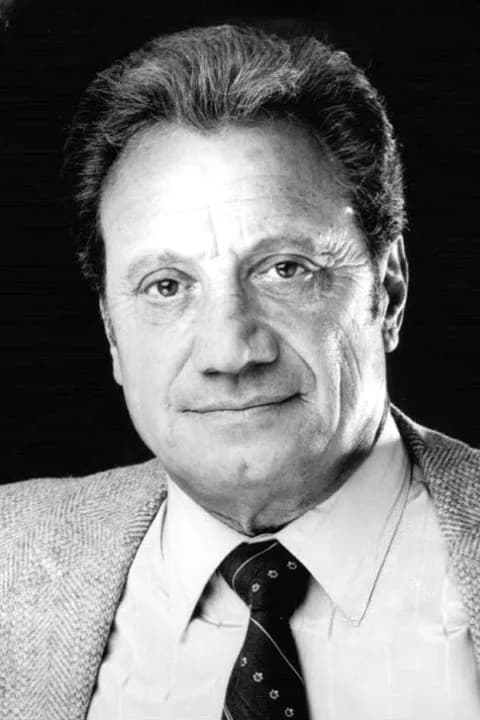
Johnny Seven
Cast · Known for Ironside
Dave Schultz
Dave Shultz was seven-time World and Olympic Gold medalist wrestler.
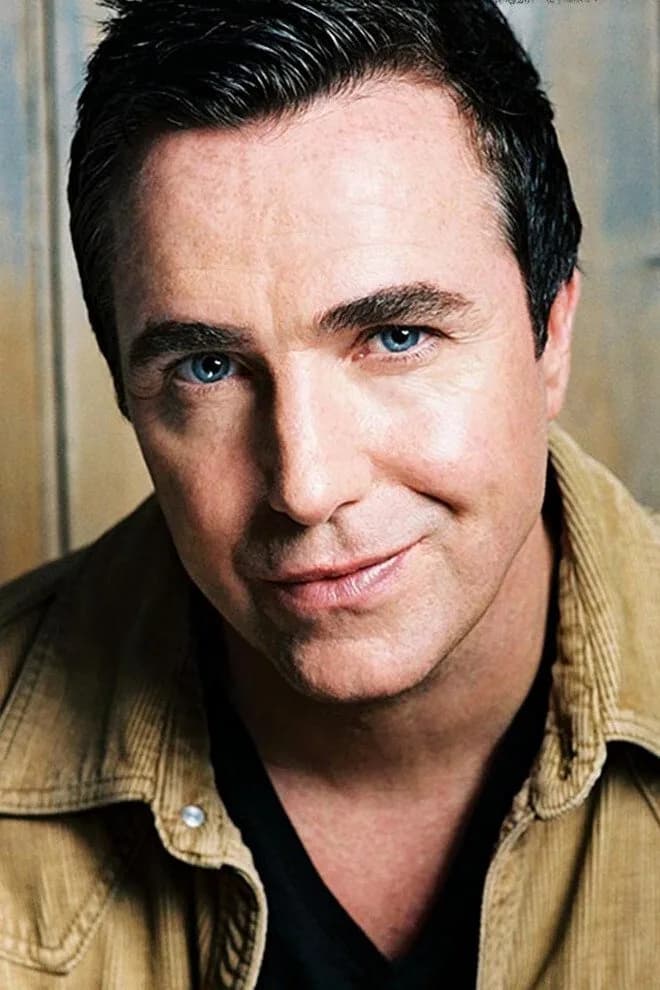
Paul McGillion
Cast · Known for Stargate Atlantis
The sixth of seven children, Paul's family emigrated to Canada from Paisley, Scotland when he was just 2 years old. He returned to Scotland during his early teens for a few years before heading back to Canada . Paul has a degree in Teaching and while studying at University, got involved in various sports including wrestling. After graduating the actor began his career teaching theatre in Toronto, squeezing in time to attend auditions, finally making the move to Vancouver. Paul has worked extensively in film, TV and the theatre for the last 12 years, as well as teaching scene study in 1998 & 1999 at the respected Vancouver Film School. ((Source: IMDB))