
Search
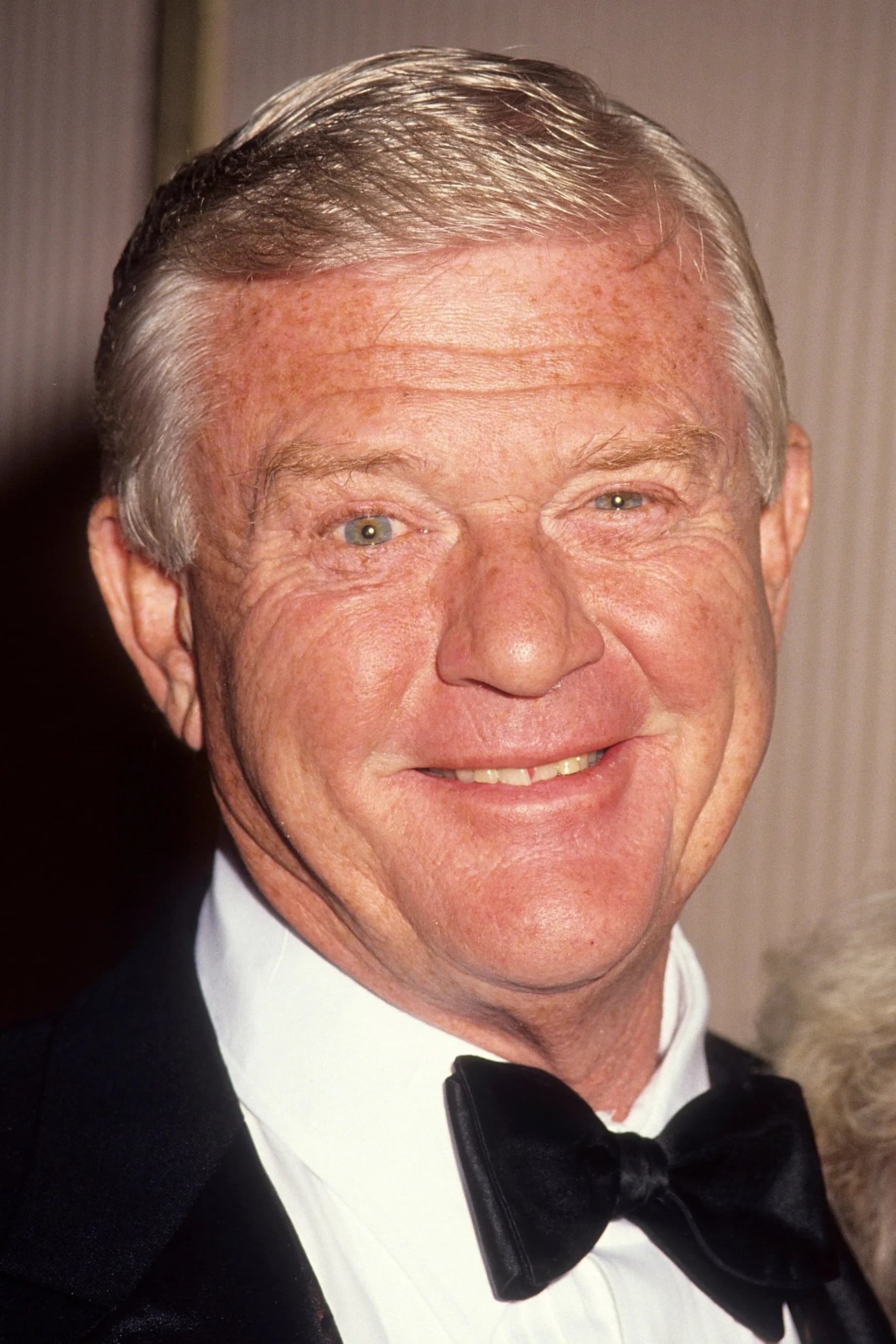
Martin Milner
Cast · Known for Adam-12, Route 66, Dragnet
Martin Milner (1931–2015) was an American actor best known for his performances on Adam-12 and Route 66.
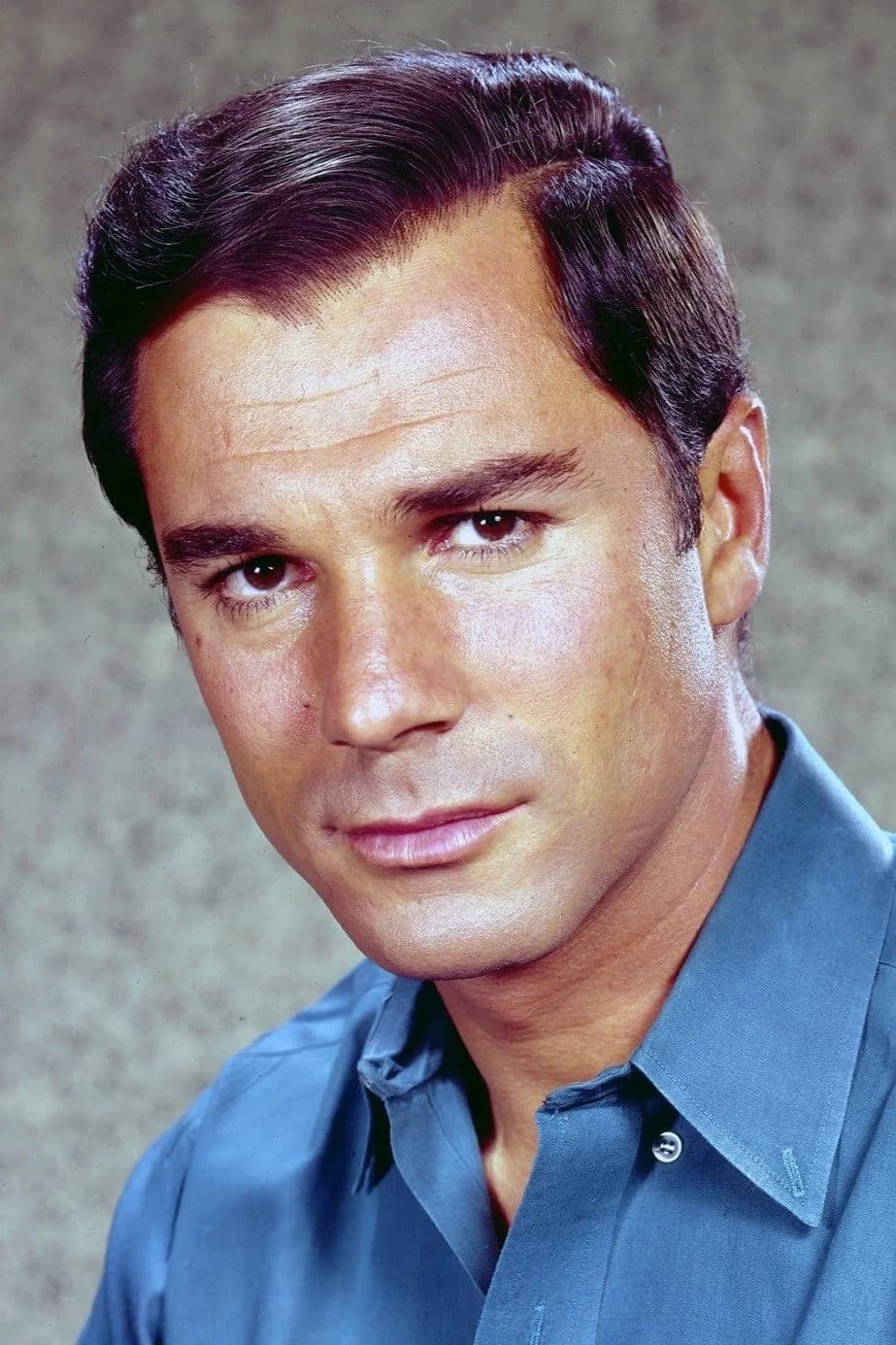
George Maharis
Cast · Known for Route 66, Naked City
George Maharis was an American actor who portrayed Buz Murdock in the first three seasons of the TV series Route 66. Maharis also recorded numerous pop music albums at the height of his fame, and later starred in the short-lived TV series The Most Deadly Game.
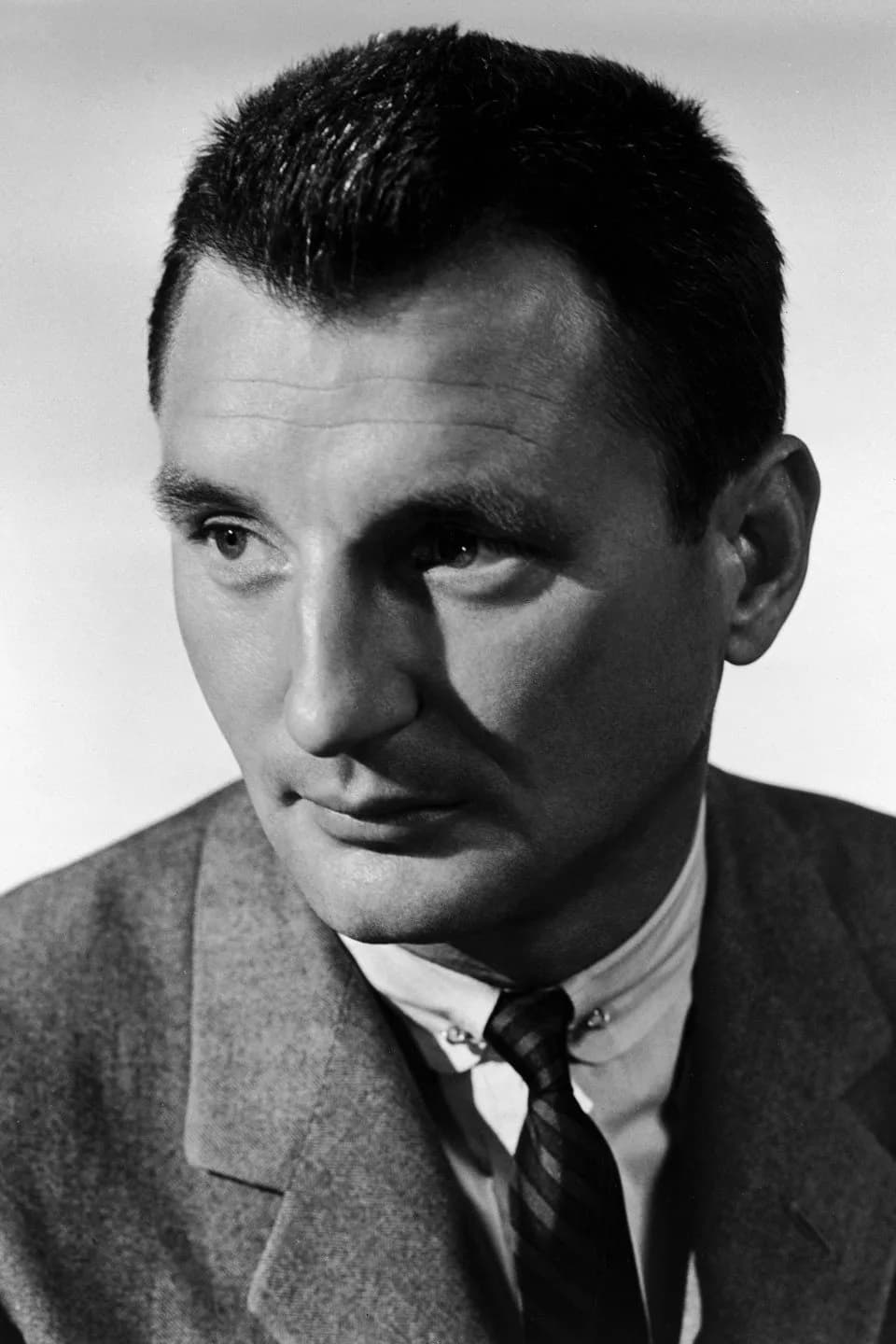
Bobby Troup
Cast · Known for Emergency!, M*A*S*H
American actor, musician, and songwriter, known for his role on Emergency! and for writing the song "Route 66."
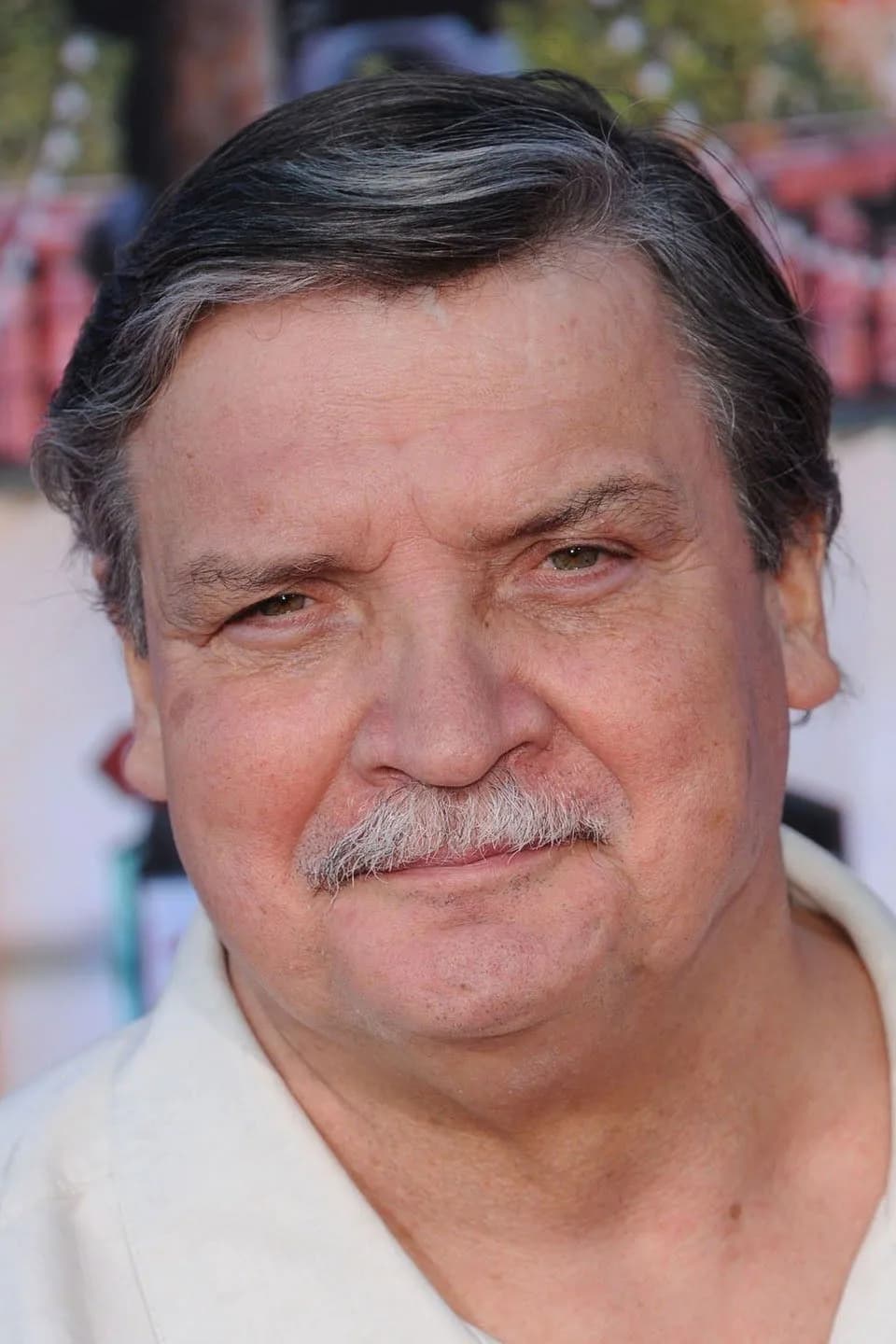
Michael Wallis
Cast · Known for Cars
Michael Wallis (born October 7, 1945) is an American journalist, popular historian, author and speaker. He has written seventeen books, including Route 66: The Mother Road, about the historic highway U.S. Route 66. His work has also been published extensively in magazines and newspapers, including Time, Life, People, Smithsonian, The New Yorker, and The New York Times. From Wikipedia, the free encyclopedia
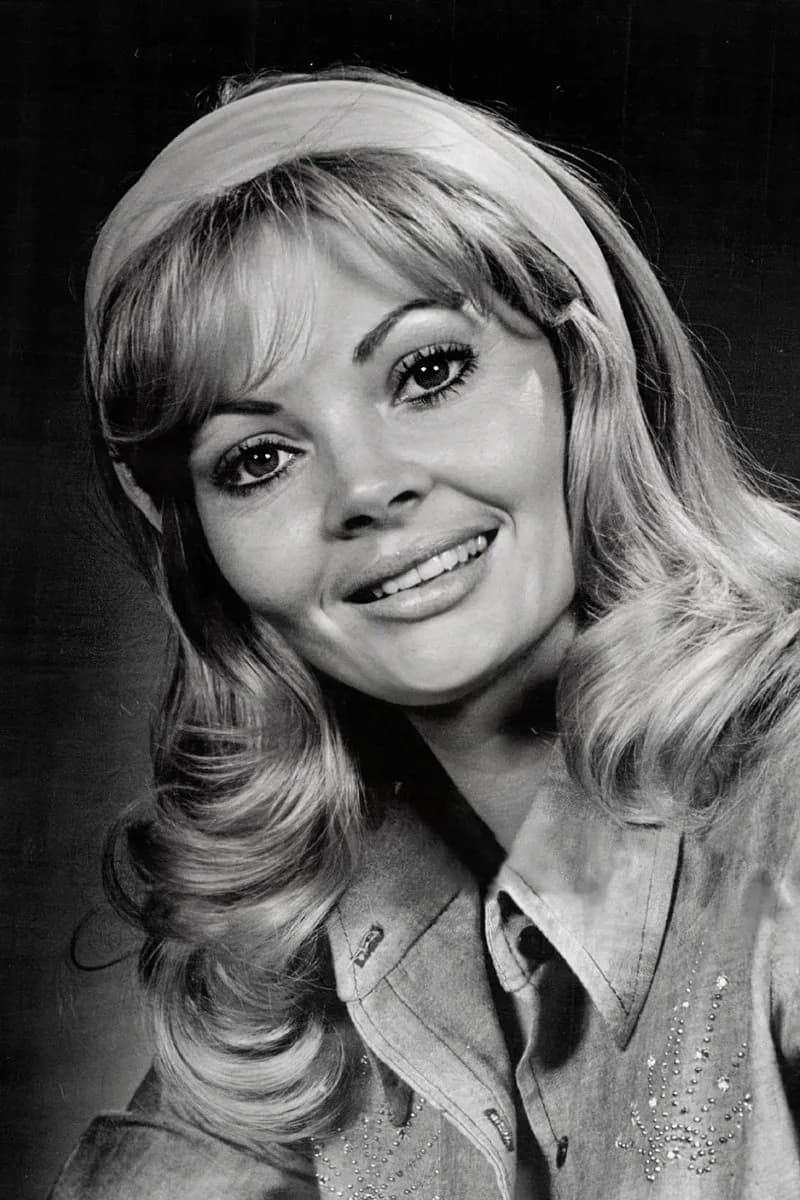
Jeannine Riley
Cast · Known for Petticoat Junction
From Wikipedia, the free encyclopedia Jeannine Riley Born Jeannine Brooke Riley October 1, 1940 (age 77) Madera, California, U.S. Occupation Actress Years active 1962–1991 She appeared in guest roles on numerous television series (Route 66, The Man from U.N.C.L.E., The Wild Wild West) and a few feature films such as The Big Mouth (1967), Fever Heat (1968), The Comic (1969) and Electra Glide in Blue (1973). Also made a guest appearance in an episode of The Virginian. She may be best-known for her role as Billie Jo Bradley on the first two seasons of the CBS sitcom Petticoat Junction (1963–1965). Riley left the series in 1965 to pursue movies, and she was replaced by Gunilla Hutton for season three and by Meredith MacRae from seasons four to seven. She also had a regular cast member role on the comedy variety series Hee Haw (1969-71). She played Lulu McQueen (a take-off on Ginger Grant, played by Tina Louise, from Gilligan's Island)
Doris Karnes
Doris Karnes was an actress, known for The Twilight Zone (1959), Route 66 (1960) and It's a Man's World (1962). She was married to Robert Karnes. She died on March 5, 1998 in Los Angeles, California, USA.
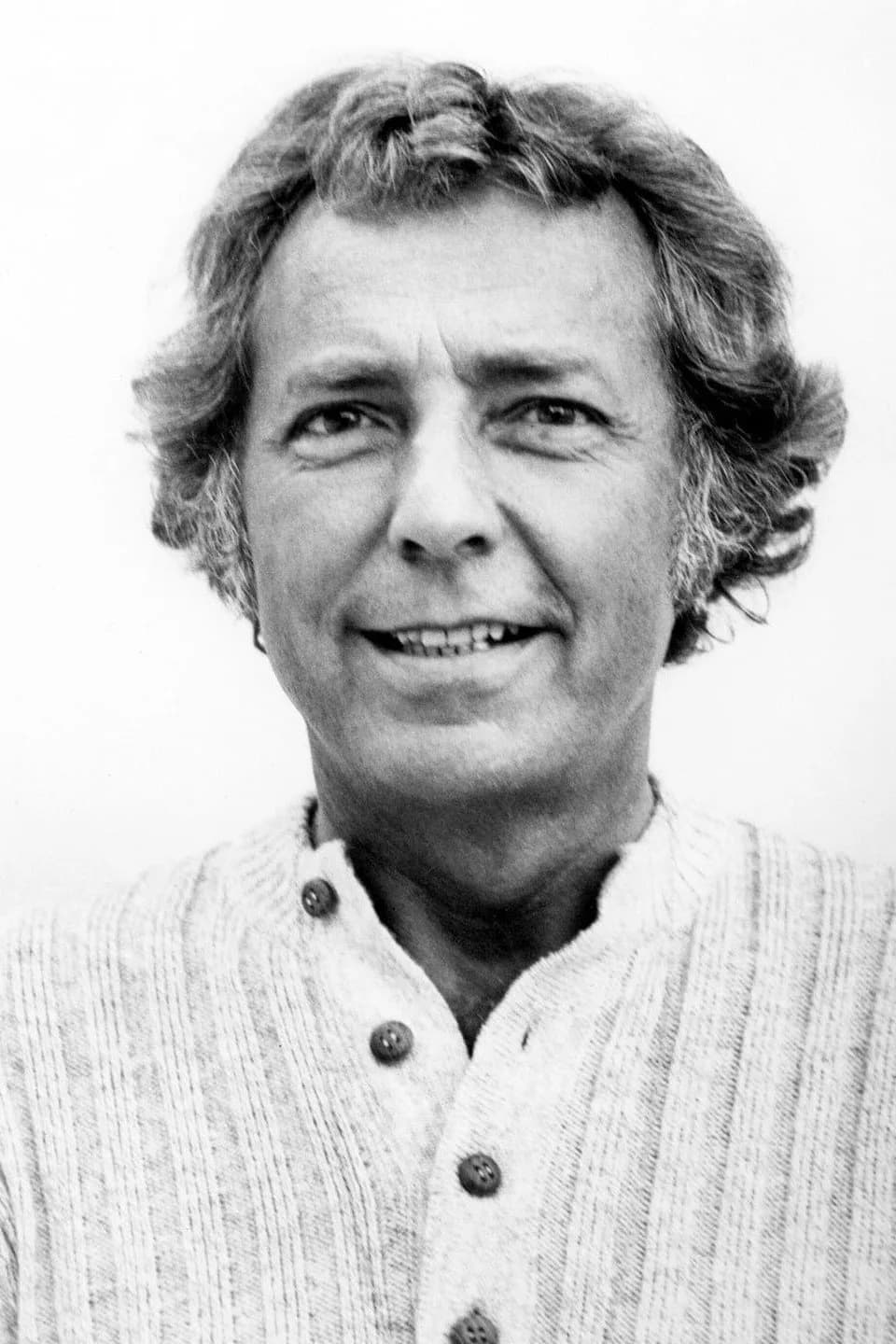
Stirling Silliphant
Writer · Known for Naked City, Route 66
Stirling Dale Silliphant (January 16, 1918 – April 26, 1996) was an American screenwriter and producer. He is best remembered for his screenplay for In the Heat of the Night, for which he won an Academy Award in 1967, and for creating the television series Naked City, Perry Mason, and Route 66. Other features as screenwriter include the Irwin Allen productions The Towering Inferno and The Poseidon Adventure. Description above from the Wikipedia article Stirling Silliphant, licensed under CC-BY-SA, full list of contributors on Wikipedia
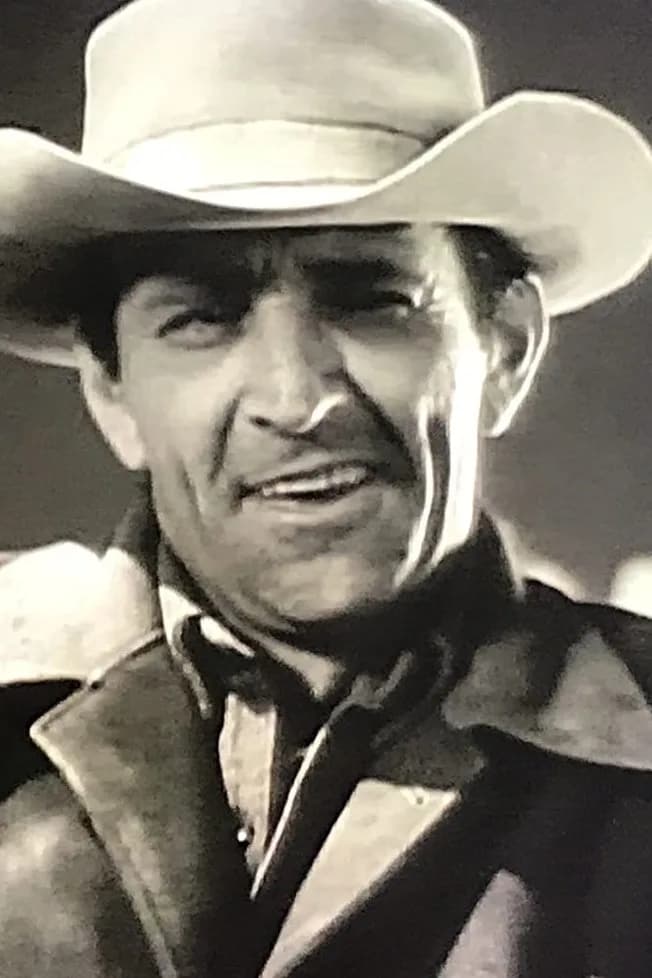
Raymond Guth
From Wikipedia, the free encyclopedia Early years Guth was born on May 29, 1924, in Oil City, Pennsylvania. He studied acting at the Pasadena Playhouse while supporting himself Work nights at a morgue. Career Guth originally performed in stage plays. In 1954 he was given an award as best actor by Theater Americana for his performance as Genesius in the play The Comedian. He made his film debut in 1956, appearing in the film The Flesh Merchant. Guth's first credited television appearance was in 1957 in the anthology series Alfred Hitchcock Presents. He continued to work with Hitchcock in film and television. Guth made guest appearances in the television shows Wagon Train, The Virginian, Route 66, The High Chaparral, Daniel Boone, Tombstone Territory, Rawhide The Rifleman, Perry Mason, and Land of the Giants, and multiple appearances in Gunsmoke, Death Valley Days and Bonanza. He made two appearances in the sitcom television series Hazel. Guth's final appearances were in the television programs The Rookies, Happy Days, The Dukes of Hazzard, Little House on the Prairie, Hart to Hart, Moonlighting and Highway to Heaven. Guth's film credits include The Bonnie Parker Story (1958), The Young Captives (1959), Operation Bikini (1963), The Hostage (1967), The Reivers (1969), Bad Company (1972), and Silver Streak (1976), starring Gene Wilder. His last film credit was for the 1982 film Some Kind of Hero. Personal life Guth died on December 17, 2021, in La Verne, California, at the age of 97. CLR
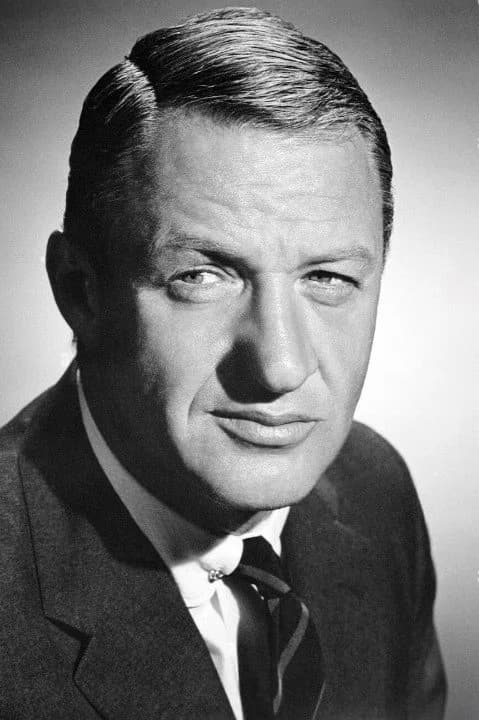
John Larch
Cast · Known for Route 66
John Larch (October 4, 1914 - October 16, 2005) was an American film and television actor. After his lead role in the radio serial Captain Starr of Space (1953–54), John Larch entered films in 1954. He usually appeared in westerns (How The West Was Won) and action films, including Miracle of the White Stallions as General George S. Patton Jr. (1963), Collision Course: Truman vs. MacArthur as General Omar Bradley (1976), replacing James Gregory as Mac in the Matt Helm movie The Wrecking Crew (1969) starring Dean Martin, Sharon Tate and Elke Sommer. Larch, an old friend of Clint Eastwood, appeared in Eastwood films, including Dirty Harry (1971) and Play Misty for Me (1971). He also appeared on a number of television programs, including Naked City (three episodes), Route 66 (three episodes), The Fugitive (two episodes), The Invaders, The Restless Gun (four episodes), Gunsmoke (seven episodes), The Virginian (four episodes), Bonanza, Hawaii Five-0, Mission Impossible (two episodes), The Troubleshooters, Bus Stop, Laramie, The Law and Mr. Jones, and possibly most famously as Bill Mumy's father in The Twilight Zone episode "It's a Good Life" in 1961. He also appeared in two other The Twilight Zone episodes, playing a psychiatrist in "Perchance to Dream" and the sheriff in "Dust". Description above from the Wikipedia article John Larch, licensed under CC-BY-SA, full list of contributors on Wikipedia.
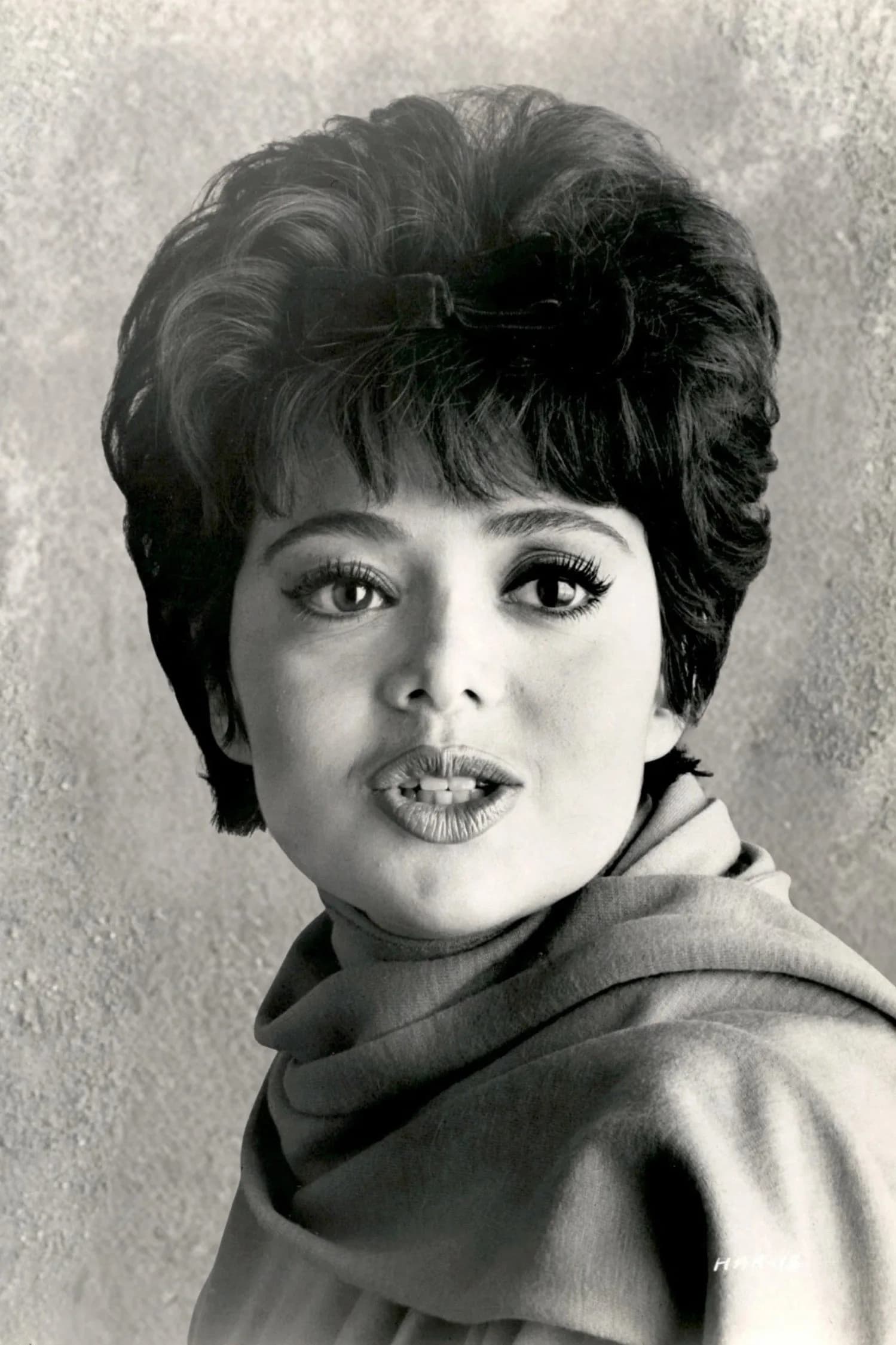
Susan Silo
Cast · Known for Blaze and the Monster Machines, Highway to Heaven
Susan Silo (born July 27, 1942) is an American actress who is best known for her work in voice-over roles, such as Wuya in Xiaolin Showdown (2003 -2006), Netti Pisghetti in Curious George (2006 - 2022), Sartana in El Tigre: The Adventures of Manny Rivera (2007 - 2008), and Yin in The Legend of Korra (2014). Silo also made live-action guest appearances in episodes of numerous TV series from the 1960s to the 1990s, including Alfred Hitchcock Presents, Hawaiian Eye, McHale's Navy, Route 66, Gunsmoke, Bonanza, Wagon Train, Have Gun Will Travel, The Many Loves of Dobie Gillis, Sea Hunt, Ripcord, Hazel, Combat!, Batman, The Man from U.N.C.L.E., The Love Boat, L.A. Law and The Wild Wild West.
Alvin Ganzer
Alvin Ganzer was an American film and television director whose career spanned several decades. He began his career at Paramount Pictures in 1932, working in the casting department before transitioning to roles as an assistant and second unit director on numerous feature films from 1934 through 1954. Ganzer's first directorial feature film credit was for The Girls of Pleasure Island (1953), stepping in after the original director fell ill. From 1954 to 1979, he directed episodes for various television series, including The Twilight Zone, Route 66, The Man from U.N.C.L.E., and Lost in Space. His work contributed significantly to the development of American television during its formative years.
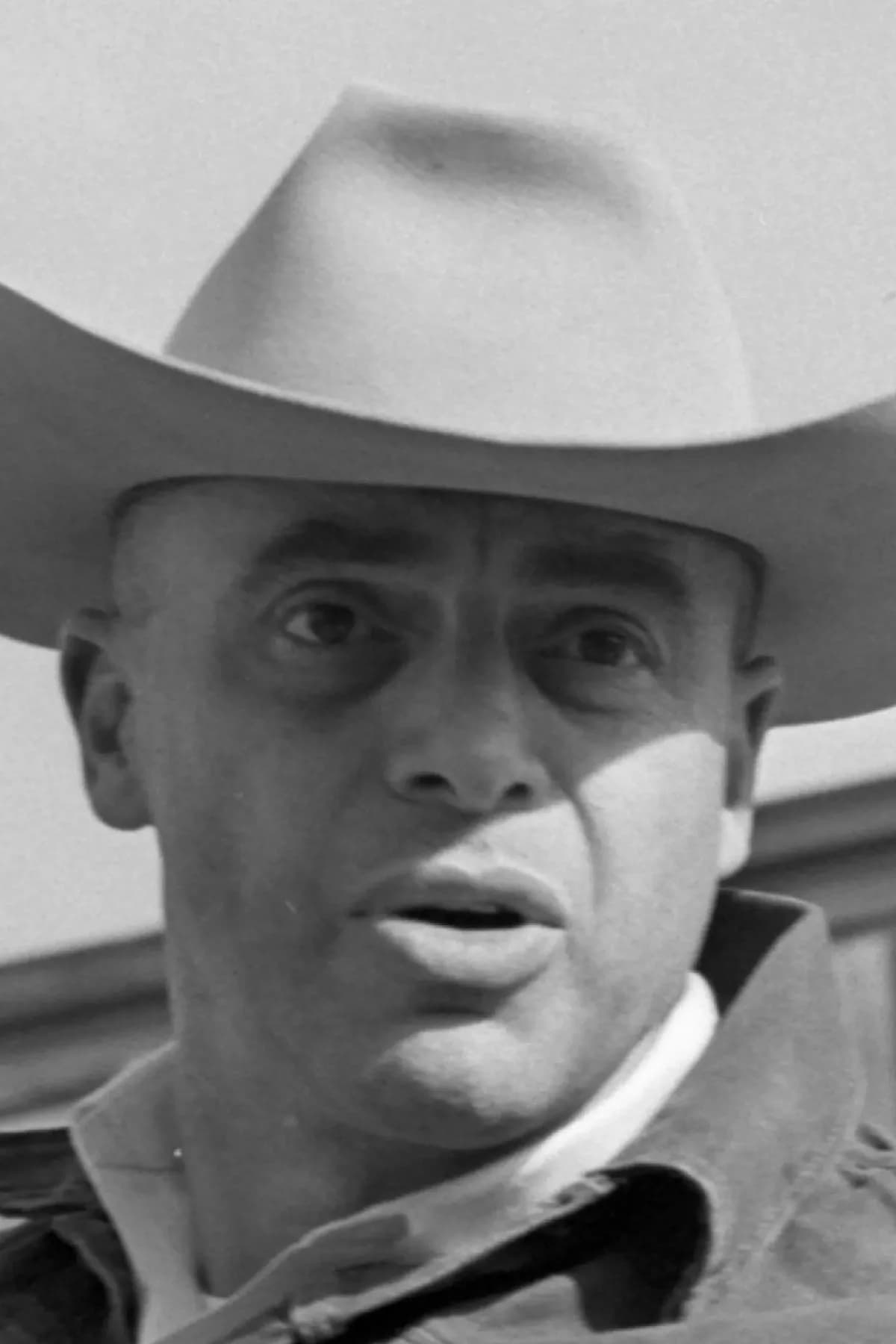
Tom Gries
From Wikipedia, the free encyclopedia. Thomas S. "Tom" Gries (20 December 1922; Chicago, Illinois – 3 January 1977; Pacific Palisades, California) was an American TV and film director, writer and producer. Educated at the Loyola Academy and Georgetown University, Gries began working in TV in the 1950s as a writer and director, on such programmes as Bronco,"Rat Patrol", Wanted: Dead or Alive, The Westerner, The Rifleman, East Side/West Side, Mission: Impossible, Route 66, Batman and I Spy. He won Emmy Awards for his direction on East Side/West Side in 1964 and The Glass House in 1972. In the cinema, Gries directed some low-budget movies in the 1950s before concentrating his efforts more on TV. In the late 1960s, he wrote and directed what is generally acknowledged to be his greatest work in either medium, the western Will Penny, which starred Charlton Heston and was released in 1968. It was based on an episode of the TV series The Westerner that Gries wrote and directed in 1960, entitled "Line Camp". Gries subsequently made two other films with Heston, the much less successful Number One, and The Hawaiians, and directed several other films with other high profile actors such as Burt Reynolds and Charles Bronson into the 1970s, though they failed to reach the critical approval that Will Penny received. The most successful of his later works was Helter Skelter, made in 1976, which was a TV film based on the notorious Charles Manson Family. During post-production on his final film, The Greatest (1977), a biography on boxer Muhammed Ali (in which Ali also played himself), Tom Gries collapsed and died of a heart attack while playing tennis. He was 54 years old. He is the father of actor/director Jon Gries (who appeared under the name Jon Francis in Will Penny as a child actor). Description above from the Wikipedia article Tom Gries, licensed under CC-BY-SA, full list of contributors on Wikipedia.
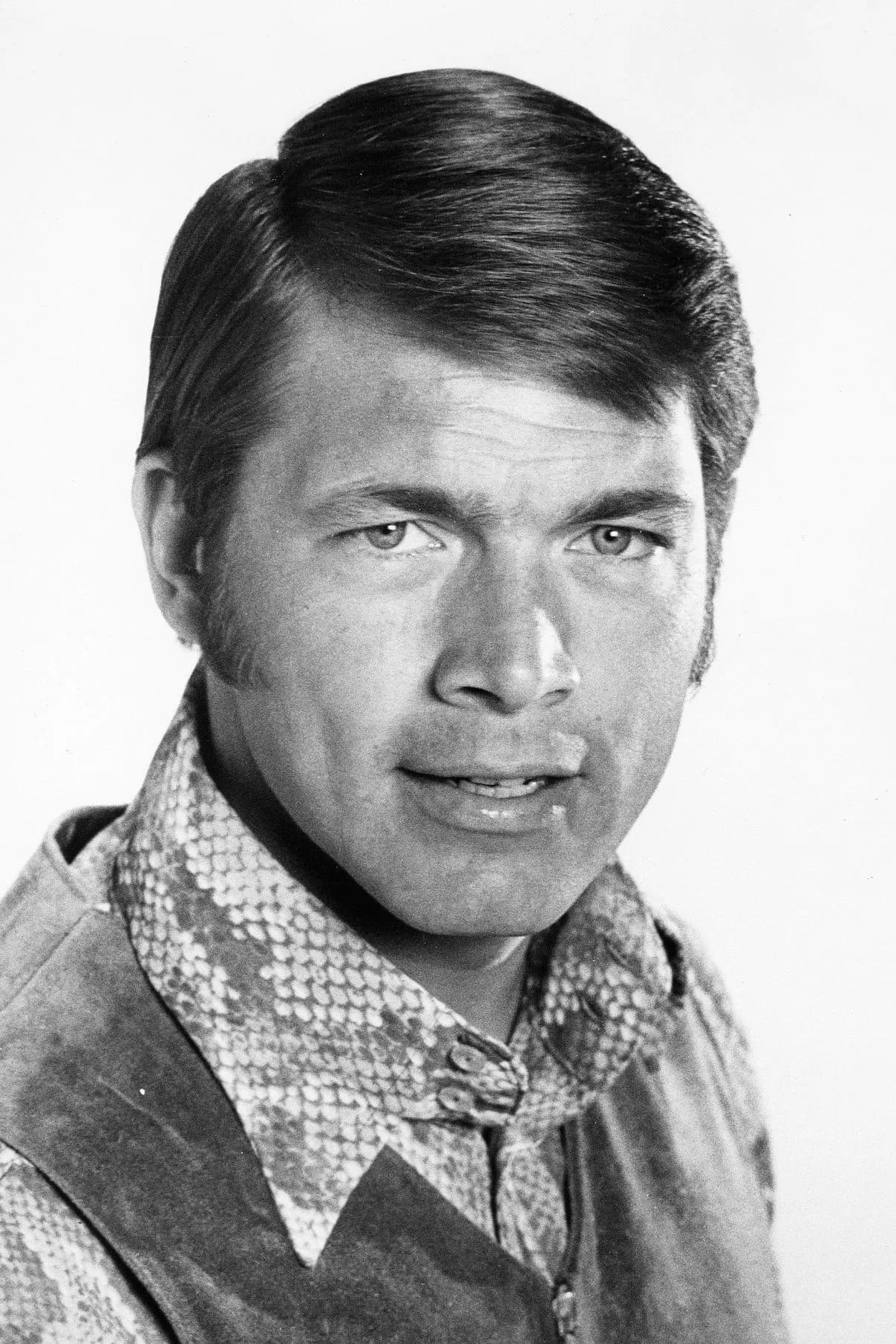
Chad Everett
Cast · Known for Medical Center, Mulholland Drive
Chad Everett (June 11, 1937 – July 24, 2012) was an American actor who appeared in more than 40 films and television series. He was well known for his role as Dr. Joe Gannon in the television drama Medical Center which aired 1969 to 1976. Everett's first notable role came in an episode of the ABC/Warner Brothers 1960-1962 detective series Surfside 6. His first major role came a year later in the film Claudelle Inglish, and subsequently played a deputy in the short-lived 1963 ABC western television series The Dakotas, which featured Jack Elam as a fellow lawman. After appearing in a number of movies and television series in the later 1960s, he got his big break, landing the role of Dr. Joe Gannon on the innovative medical drama, Medical Center, with costar James Daly. He appeared in numerous films and television series, including The Singing Nun, Centennial, Hagen, Airplane II: The Sequel, Star Command, and Mulholland Drive. He also appeared as a guest star in more than 40 television series such as Redigo, Melrose Place, The Nanny, Touched by an Angel, Diagnosis: Murder, Caroline in the City, Murder, She Wrote, The Red Skelton Show, The Man from U.N.C.L.E., and Route 66.
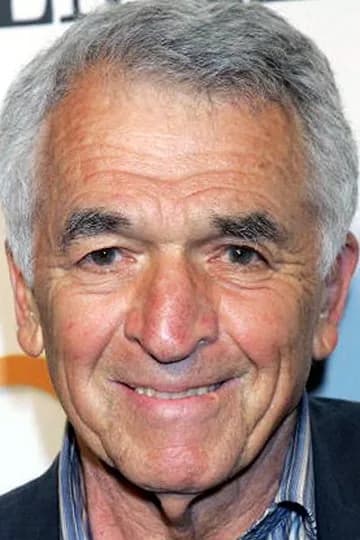
Alvin Sargent
Writer · Known for Spider-Man 2, Spider-Man 3, The Amazing Spider-Man
Alvin Sargent (April 12, 1927–May 9, 2019) was an American screenwriter. He won two Academy Awards for Best Adapted Screenplay, for Julia (1977) and Ordinary People (1980). Sargent's other works include screenplays of the films The Sterile Cuckoo (1969), The Effect of Gamma Rays on Man-in-the-Moon Marigolds (1970), Paper Moon (1973), Nuts (1987), White Palace (1990), What About Bob? (1991), Unfaithful (2002), Spider-Man 2 (2004), Spider-Man 3 (2007), and The Amazing Spider-Man (2012). Alvin Sargent was born Alvin Supowitz in Philadelphia, Pennsylvania, the son of Esther (née Kadansky) and Isaac Supowitz. He was of Russian Jewish descent. Sargent attended Upper Darby High School, leaving at age 17 to join the Navy. As of 2006, he was one of 35 alumni to be on the school's Wall of Fame. Sargent began writing for television in 1953, and through the 1960s, he scripted episodes for Route 66, Ben Casey, and The Alfred Hitchcock Hour. He collaborated on his first screenplay for a film on Gambit (1966) and gained recognition for I Walk the Line (1970) and Paper Moon (1973), for which he won the WGA Award for Best Screenplay Based on Material from Another Medium and was nominated for an Academy Award. He won the Academy Award for Adapted Screenplay in 1978 for the film Julia (1977) and again in 1981 for Ordinary People (1980). He collaborated on the 2004 screenplay for Spider-Man 2 and the 2007 screenplay for Spider-Man 3. He'd also collaborate on the screenplay for the 2012 reboot The Amazing Spider-Man. He had a long-time relationship with producer Laura Ziskin; they were married from 2010 until her death in 2011. His brother was writer and producer Herb Sargent. Sargent died from natural causes at his home in Seattle on May 9, 2019, four weeks after his 92nd birthday. Description above from the Wikipedia article Alvin Sargent, licensed under CC-BY-SA, full list of contributors on Wikipedia.
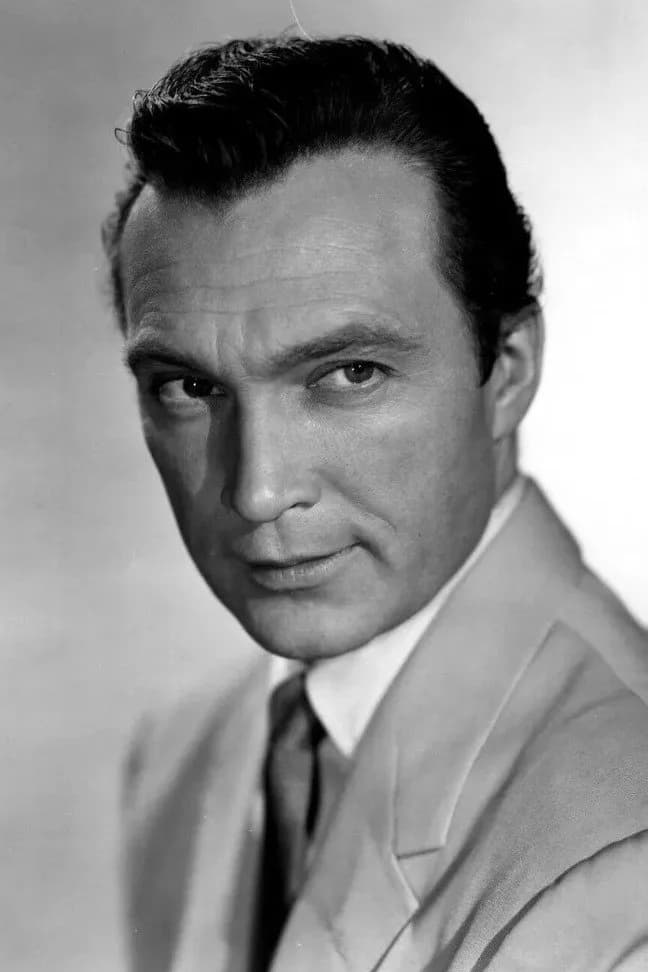
Warren Stevens
Warren Albert Stevens was an American stage, screen, and television actor. A founding member of The Actor's Studio in New York, Stevens received notice on Broadway in the late 1940s, and thereafter was offered a Hollywood contract at 20th Century Fox. His first Broadway role was in The Life of Galileo; his first movie role followed in The Frogmen. As a young studio contract player, Stevens had little choice of material, and he appeared in films that included Phone Call from a Stranger, Wait Till the Sun Shines, Nellie, and Gorilla at Large. A memorable movie role was that of the ill-fated "Doc" Ostrow in the science fiction film Forbidden Planet. He also had supporting roles in The Barefoot Contessa with Humphrey Bogart and Intent to Kill. Despite occasional parts in big films, Stevens was unable to break out consistently into A-list movies, so he carved out a career in television as a journeyman dramatic actor. He co-starred as Lt. William Storm in Tales of the 77th Bengal Lancers, a prime time adventure series set in India. Stevens also provided the voice of John Bracken in season one of Bracken's World. He played the role of Elliot Carson in the daytime series Return to Peyton Place during its two-year run. He appeared in over 150 prime time shows from the 1950s to the early 1980s, including: Golden Age anthology series (Actors Studio, Campbell Playhouse, The Web, Justice, Philco Television Playhouse, Studio One, The United States Steel Hour, Bob Hope Presents the Chrysler Theatre, Route 66, Mysteries Hawaiian Eye, Perry Mason, The Untouchables, Climax!, Checkmate, Surfside 6, 77 Sunset Strip, Behind Closed Doors, I Spy, The Man from U.N.C.L.E., Ironside, The Mod Squad, Mannix, Cannon, Griff, and Mission: Impossible, as well as Alfred Hitchcock Presents, The Twilight Zone, One Step Beyond, and Mission: Impossible. He also starred in a variety of Westerns: Laramie, The Rebel, The Man Called Shenandoah), Wagon Train, The Alaskans, Gunsmoke, Bonanza, Daniel Boone, The Virginian Rawhide, and Have Gun, Will Travel, as well as Tombstone Territory and Stoney Burke. In 1970, he appeared as Paul Carson on "The Men From Shiloh" (rebranded name for The Virginian in the episode titled "Hannah.") Stevens' appearance in the 1955 movie Robbers' Roost introduced him to Richard Boone, who hired him for a continuing television role on The Richard Boone Show, an award-winning NBC anthology series which lasted for the 1963–1964 season. In his later years, Stevens' appearances were infrequent. He guest-starred in ER in March 2006 and had two roles in 2007.
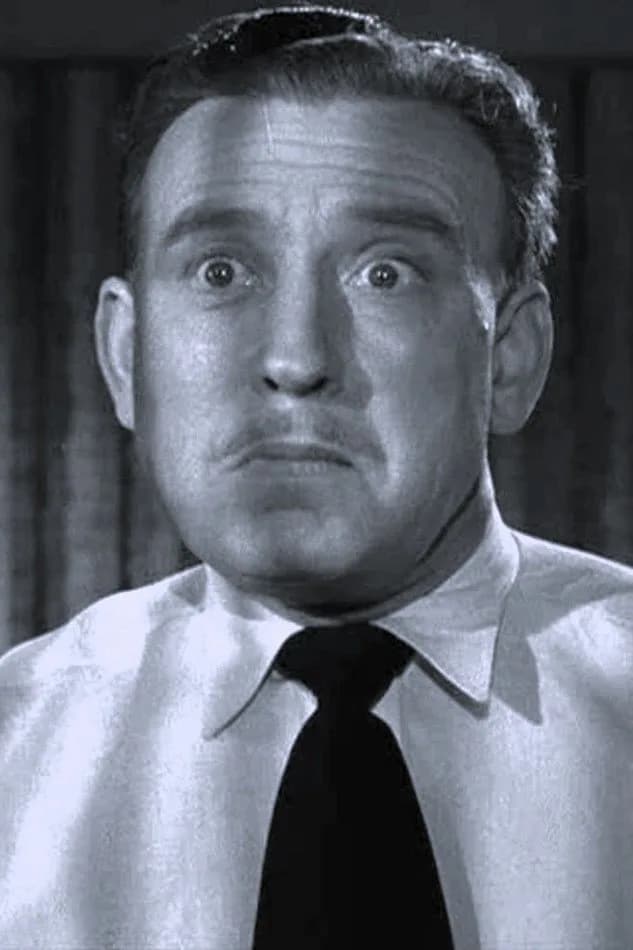
Robert Gist
Robert Marion Gist (October 1, 1917 – May 21, 1998) was an American actor and film director. Gist was reared around the stockyards of Chicago, Illinois, during the Great Depression. Reform school-bound after injuring another boy in a fistfight, Gist instead ended up at Chicago's Hull House, a settlement house originally established by social worker Jane Addams. There he first became interested in acting. Work in Chicago radio was followed by stage acting roles in Chicago and on Broadway (in the long-running Harvey with Josephine Hull).[citation needed] While acting in Harvey, he made his motion picture debut in 20th Century-Fox's Christmas classic Miracle on 34th Street (1947). Gist was also seen on Broadway in director Charles Laughton's The Caine Mutiny Court Martial (1954) with Henry Fonda and John Hodiak. While shooting Operation Petticoat (1959), Gist told director Blake Edwards that he was interested in directing. Edwards later hired Gist to helm episodes of the TV series Peter Gunn. Gist also directed episodes of TV shows Naked City, The Twilight Zone, Route 66 and many others.
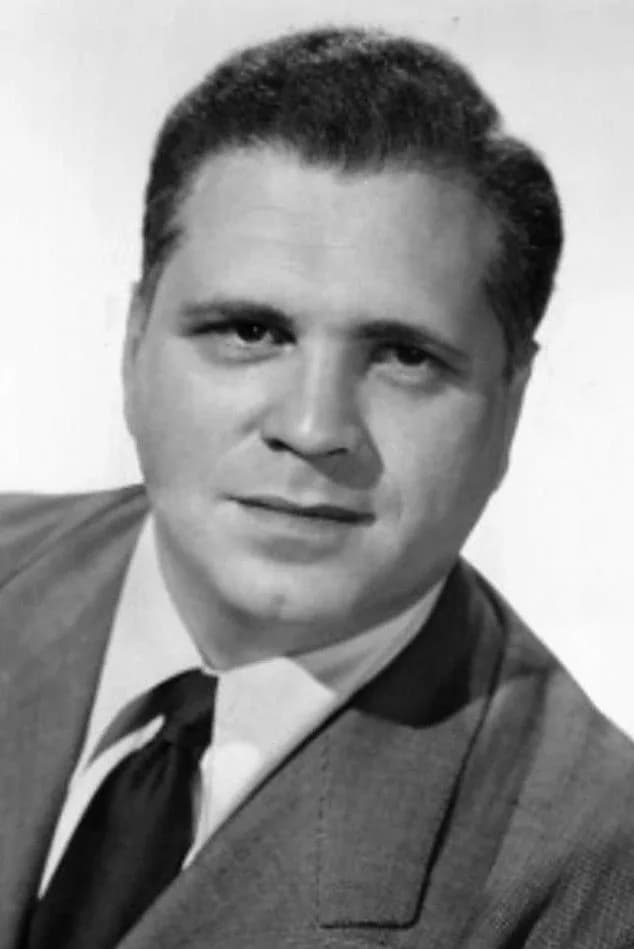
Bert Freed
From Wikipedia, the free encyclopedia. Bert Freed (November 3, 1919 — August 2, 1994) was a prolific American character actor, voice over actor, and the first actor to portray "Detective Columbo" on television. Born and raised in The Bronx, New York, Freed began acting while attending Penn State University, and made his Broadway debut in 1942. Following World War II Army service in the European Theatre, he appeared in the Broadway musical The Day Before Spring in 1945 and dozens of television shows between 1947 and 1985. His film debut occurred, oddly enough, in a musical Carnegie Hall (1947). A prominent role was as the villainous Ryker in the television series Shane, in which Freed added a unique touch of realism by beginning the show clean-shaven and growing a beard from one week to the next, never shaving again through the season. Freed played Columbo in a live 1960 episode of the "Chevy Mystery Theatre" seven years before Peter Falk played the role. Thomas Mitchell also played the part on stage prior to Falk's version, which is probably where many of the eccentric Columbo traits originated; only a few were visible in Freed's straightforward interpretation, although the character as played by Freed is recognizably Columbo. He appeared (sometimes more than once) in television shows such as The Rifleman, Bonanza, Gunsmoke, The Big Valley,The Virginian, Mannix, Barnaby Jones, Charlie's Angels, Then Came Bronson, Run For Your Life, Get Smart, The Lucy Show, Hogan's Heroes, Voyage to the Bottom of the Sea, Dr. Kildare, Ben Casey, Perry Mason, Combat!, Petticoat Junction, The Outer Limits, Alfred Hitchcock Presents, Route 66, Ironside, The Green Hornet, The Munsters, and many, many more. He directed one episode of T.H.E. Cat. Freed appeared as a racist club owner in No Way Out (1950), a gangster in Ma and Pa Kettle Go to Town (1950), a Marine private in Halls of Montezuma (1951 film), an Army sergeant in Take the High Ground! (1953), the Police Chief in Invaders From Mars (1953), Sgt. Boulanger in Paths of Glory (1957), the hangman in Hang 'Em High (1968), Max's father in Wild in the Streets (1968), as Chief of Detectives in Madigan (1968), a homosexual prison guard in There Was a Crooked Man... (1970) and Bernard's father in Billy Jack (1971) in which he got "whumped" on the side of the face by Billy Jack's right foot "just for the hell of it." He retired from acting in 1986, and died of a heart attack in Canada in 1994 while on a fishing trip with his son. Description above from the Wikipedia article Bert Freed, licensed under CC-BY-SA, full list of contributors on Wikipedia.
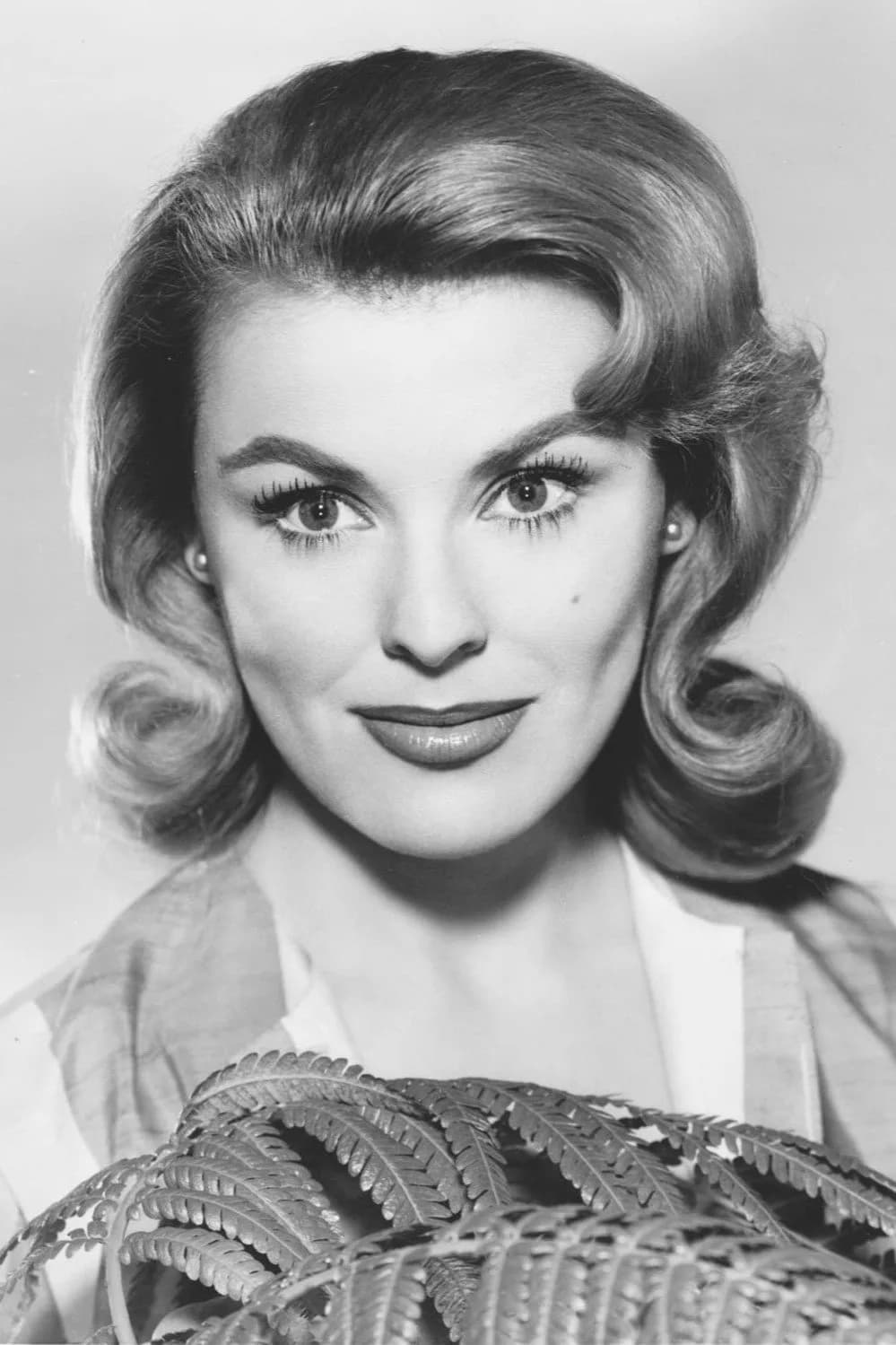
Kathleen Crowley
Cast · Known for Maverick, Climax!
Betty Jane Kathleen Crowley (born December 26, 1931) was an American actress and was Miss New Jersey in 1949 and a contestant for Miss America in the same year (she came in sixth). After the pageants, she became an actress who specialized in being phenomenally seductive in TV series and movies. Most well known for playing a variety of sirens in TV's Maverick (1957) opposite James Garner, Jack Kelly, and Roger Moore, she appears in eight episodes, a series record for leading ladies; "The Jeweled Gun" (with Jack Kelly), "Maverick Springs" (with James Garner and Jack Kelly), "The Misfortune Teller" (with Garner), "A Bullet for the Teacher" (with Roger Moore), "Kiz" (with Moore), and "Dade City Dodge," "The Troubled Heir," and "One of Our Trains Is Missing," with Kelly. Crowley made 81 television appearances on various series and appeared in twenty movies between 1951 and 1970 (one of her last movie roles was in Downhill Racer with Robert Redford). Many of her films were low-budget sci-fi and horror movies, but she seemed to appear in practically every narrative television series produced in the late '50s and '60s, including Bourbon Street Beat, Surfside 6, Hawaiian Eye, 77 Sunset Strip, Bat Masterson, Bonanza, Branded, My Three Sons, Donna Reed, Perry Mason, Checkmate, Bronco, Route 66, Thriller, Batman, Disneyland, Family Affair, Rawhide, The Lone Ranger, and many others. Crowley was often confused with her acting contemporary Pat Crowley (frequently billed as "Patricia Crowley"), who appeared as guest leading lady in different episodes of many of the same television series and was not related. The two Crowleys were apparently never cast in the same episode. In the Philip Roth novel American Pastoral, the protagonist marries Miss New Jersey 1949, in the book named Dawn Dwyer and having few similarities to Crowley's post-Miss New Jersey life (including a poorer finish in the Miss America pageant). Description above from the Wikipedia article Kathleen Crowley, licensed under CC-BY-SA, full list of contributors on Wikipedia.
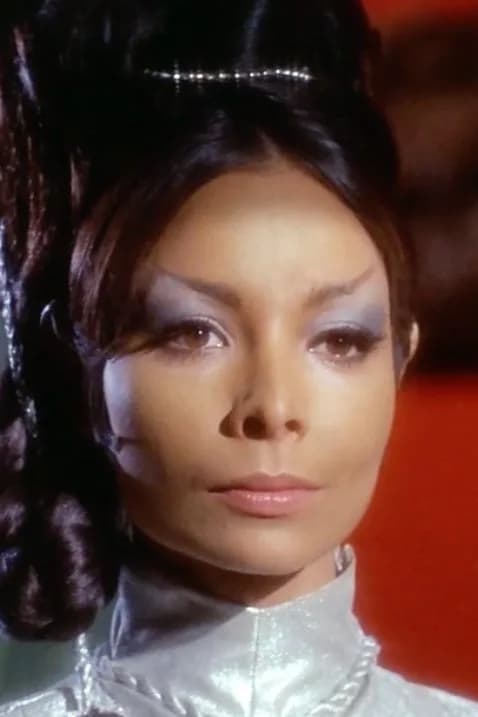
Arlene Martel
Cast · Known for Columbo
Arlene Martel (April 14, 1936 – August 12, 2014) was an American actress and acting coach. Prior to 1964, she was frequently billed as Arline Sax, Arlene Sax or as Tasha Martel. In 1962 Martel made her first of two appearances on Perry Mason as Fiona Cregan in "The Case of the Absent Artist". Later, she guest starred as Sandra Dunkel in "The Case of the Dead Ringer" (1966) when Raymond Burr doubled as Mason and the actual murderer Grimes, an old sea salt. Martel appeared in the Star Trek episode "Amok Time" (1967) as T'Pring and the original The Outer Limits episode "Demon with a Glass Hand" (1964) written by Harlan Ellison. Martel played the princess Sarafina on Have Gun – Will Travel, the evil witch Malvina on Bewitched, the French Underground contact Tiger in five episodes of Hogan's Heroes, a female cosmonaut on I Dream of Jeannie, a Hungarian immigrant Magda on The Fugitive episode "The Blessings of Liberty" (1966), and, memorably, as the nurse who repeatedly utters the sinister phrase "Room for one more, Honey!" at the entrance to a hospital morgue and as the stewardess at an airplane door in the Twilight Zone episode "Twenty-Two". She also appeared in the season-one episode of The Twilight Zone "What You Need". She was billed (as Arline Sax) as a featured actress in the episode of Route 66 called "The Newborn," in which she gives birth. She also made guest appearances on The Man from U.N.C.L.E., The Untouchables, Mission: Impossible (season 4, episode 20, 1970), appeared as Asastia in Here Come the Brides (1970, episode "To The Victor"), The Wild Wild West, Battlestar Galactica, the 1968 movie Angels from Hell, and two appearances on The Monkees. She played Interpol agent Violette in The Six Million Dollar Man episode "The Last of the Fourth of Julys" (season 1, episode 10, 1974). She appeared as a featured actress in the Gunsmoke episode titled "The Squaw" (1975). She received top billing when she starred as the lady commandant in charge of the Russian road crew in Zoltan, Hound of Dracula (1978), although it was only a bit part lasting less than five minutes of the 97 minute movie. She also received credit in a font so large that it was almost twice as large as that used for Reggie Nalder or Michael Pataki, the leads who occupied most of the screen throughout the movie. She appeared in the Star Trek webisode "Of Gods and Men" in the final scene as a Vulcan priestess initiating a marriage ceremony between Uhura and Vulcan native Stonn (a character from the episode "Amok Time", played by original actor Lawrence Montaigne). She played Gloria, mistress of Tony Goodland (Bradford Dillman) in the Columbo episode "The Greenhouse Jungle" (1972).
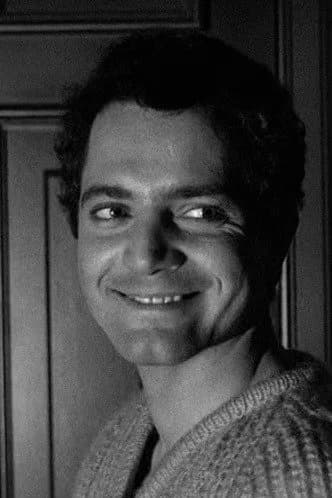
Scott Marlowe
Cast · Known for The F.B.I.
From Wikipedia, the free encyclopedia Scott Gregory Marlowe (born Ronald Richard DeLeo; November 28, 1932 – January 6, 2001) was an American film, stage and television actor. Marlowe was born Ronald DeLeo in Newark, New Jersey, the son of Emil and Constance Severini DeLeo. He had a half-sister, Claudia, and half-brothers Dean and Robert, known as the guitarist and bassist of the popular grunge band Stone Temple Pilots. He debuted on television in 1951 on Pulitzer Prize Playhouse (1950–52) in the episode "Hostage" (June 8, 1951) His first feature film role was in the 1954 production of Attila. Two years later, he starred as John Goodwin in an episode "In Summer Promise" on General Electric Theater. He appeared as Jimmy Budd, along with Ronald Reagan and his wife Nancy Davis, in the episode "The Long Shadow" in Dick Powell's Zane Grey Theater directed by Budd Boetticher, which aired on January 19, 1961. Marlowe often took film roles of dysfunctional juveniles in a series of films made during the 1950s and 1960s, including The Scarlet Hour (1956), The Restless Breed (1957), Riot in Juvenile Prison (1959), The Subterraneans (1960), and A Cold Wind in August (1961). Beginning in 1956 with the film The Young Guns, Marlow appeared in a number of Western films and television shows. In the 1960s, he continued to appear in drama and adventure series, often as a young man in trouble with the law or unwilling to adjust to societal mores. He appeared twice in 1961 on ABC's Target: The Corruptors! in episodes "A Man's Castle" (as Tito) and "Mr. Meglomania" (as Phil Manzak). In 1961, he starred as Armand Fontaine a serial killer on the episode "Effigy in Snow" of CBS's Route 66. He guest starred as Eliot Gray in the 1961 episode "The Throwback" of CBS's Alfred Hitchcock Presents. He appeared on Thriller, Dr. Kildare, and The Detectives. Marlowe died of a heart attack at age 68 in Los Angeles, California. Marlowe, who was bisexual, never married.
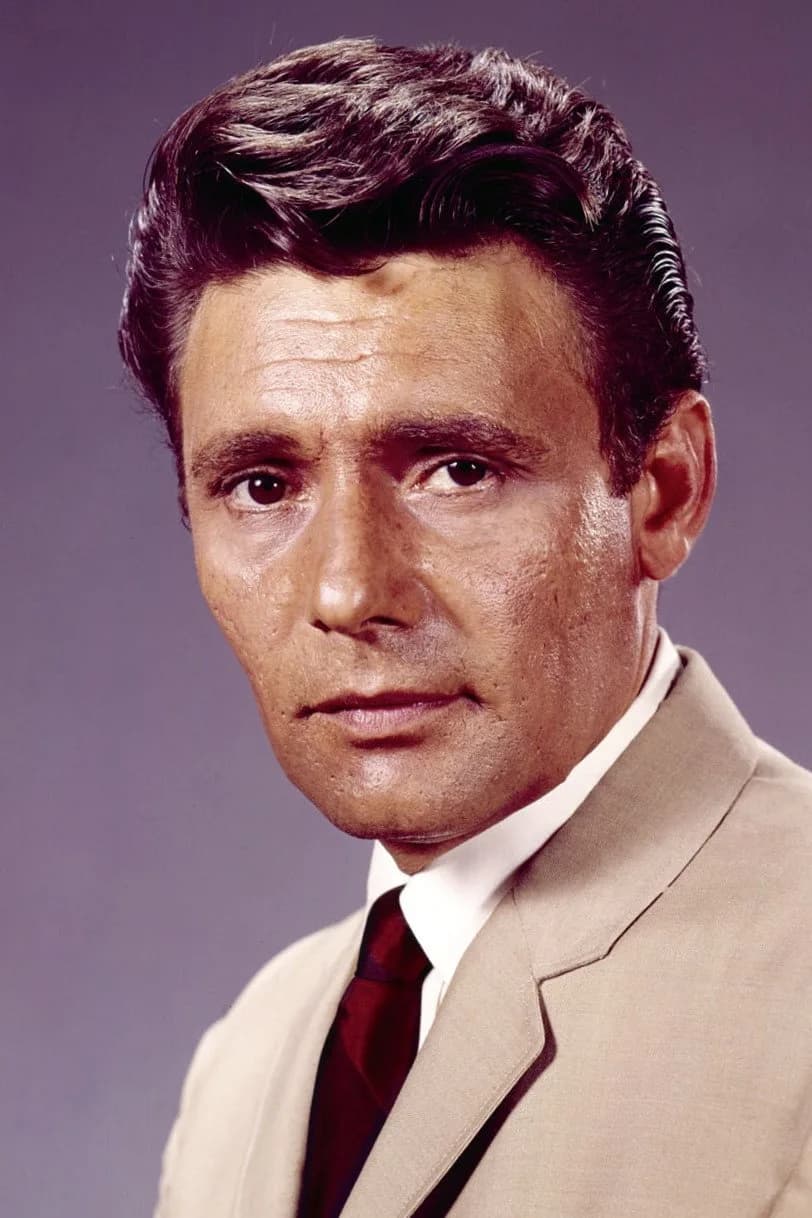
Harry Guardino
From Wikipedia, the free encyclopedia Harry Guardino (December 23, 1925—July 17, 1995) was an American actor whose career spanned from the early 1950s to the early 1990s. In 1964, he was cast in a short-lived CBS series entitled The Reporter, a drama about a hard-hitting investigative journalist named Danny Taylor. His principal co-star was Gary Merrill as city editor Lou Sheldon. Born in Brooklyn, New York, Guardino appeared on stage, in films, and on television. His Broadway theatre credits included A Hatful of Rain, One More River (earning a Tony Award nomination for Best Featured Actor in a Play for his performance), Anyone Can Whistle, The Rose Tattoo, The Seven Descents of Myrtle, and Woman of the Year. Guardino's other film credits include Houseboat, Pork Chop Hill (about the Korean War), The Five Pennies, King of Kings, Madigan, Lovers and Other Strangers, and Dirty Harry. He was nominated twice for the Golden Globe Award for Best Supporting Actor. He guest starred on John Cassavetes's 1959-1960 series, Johnny Staccato, the story of a pianist/private detective in New York City. In 1960, Guardino appeared as Johnny Caldwell in the episodes "Perilous Passage", "The O'Mara's Ladies", and "Daughter of the Sioux" in the NBC western series Overland Trail starring William Bendix and Doug McClure. McClure two years later would join the long-running The Virginian series on NBC after a preceding stint on the CBS detective series Checkmate (TV series). Guardino had a continuing role as Perry Mason's nemesis, Hamilton Burger, in the 1973 television series The New Perry Mason and a recurring role on Angela Lansbury's Murder, She Wrote. He made guest appearances in dozens of television series, including Studio One, Target: The Corruptors!, The Eleventh Hour, Alfred Hitchcock Presents, Kraft Television Theatre, Playhouse 90, Dr. Kildare, The Lloyd Bridges Show, Route 66, Ben Casey, Hawaii Five-O, Love, American Style, The Greatest Show on Earth, Kojak, The Streets of San Francisco, Jake and the Fatman, and Cheers. He had the lead role of Det. Lee Gordon in the 1969 made-for-television suspense film The Lonely Profession. Guardino died at the age of sixty-nine of lung cancer in Palm Springs, California. Description above from the Wikipedia article Harry Guardino, licensed under CC-BY-SA, full list of contributors on Wikipedia.
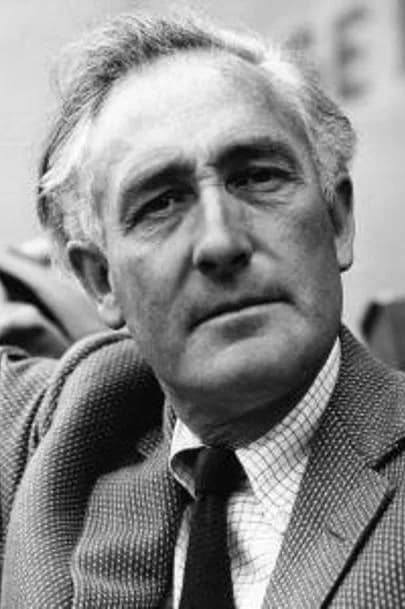
Philip Leacock
Director · Producer · Known for Dynasty, Route 66, The Waltons
Philip David Charles Leacock (8 October 1917 – 14 July 1990) was an English television and film director and producer. His brother was documentary filmmaker Richard Leacock. Born in London, England, Leacock spent his childhood in the Canary Islands. He began his career directing documentaries and later turned to fiction films. He was known for his films about children, particularly The Kidnappers (US: The Little Kidnappers, 1953), which gained Honorary Juvenile Acting Oscars for two of its performers, and The Spanish Gardener (1956) starring Dirk Bogarde. He also directed Innocent Sinners (1958) with Flora Robson, The Rabbit Trap (1959) with Ernest Borgnine, and The War Lover (1962) with Steve McQueen, based on John Hersey's novel about a World War II pilot. He began to work mainly in Hollywood, where he made Take a Giant Step (1959) about a black youth's encounter with racism and Let No Man Write My Epitaph (1960) about an aspiring young pianist whose mother is a drug addict. Around this time, he began to work in television, directing episodes of Gunsmoke, Route 66, The Waltons, The Defenders, and The New Land. He also directed many segments of the American series Eight Is Enough (1977–1981). He retired in 1987 after directing a three-part television drama about the Salem witch hunts titled Three Sovereigns for Sister Sarah, which starred Vanessa Redgrave. Leacock died while on vacation with his family in London on 14 July 1990.
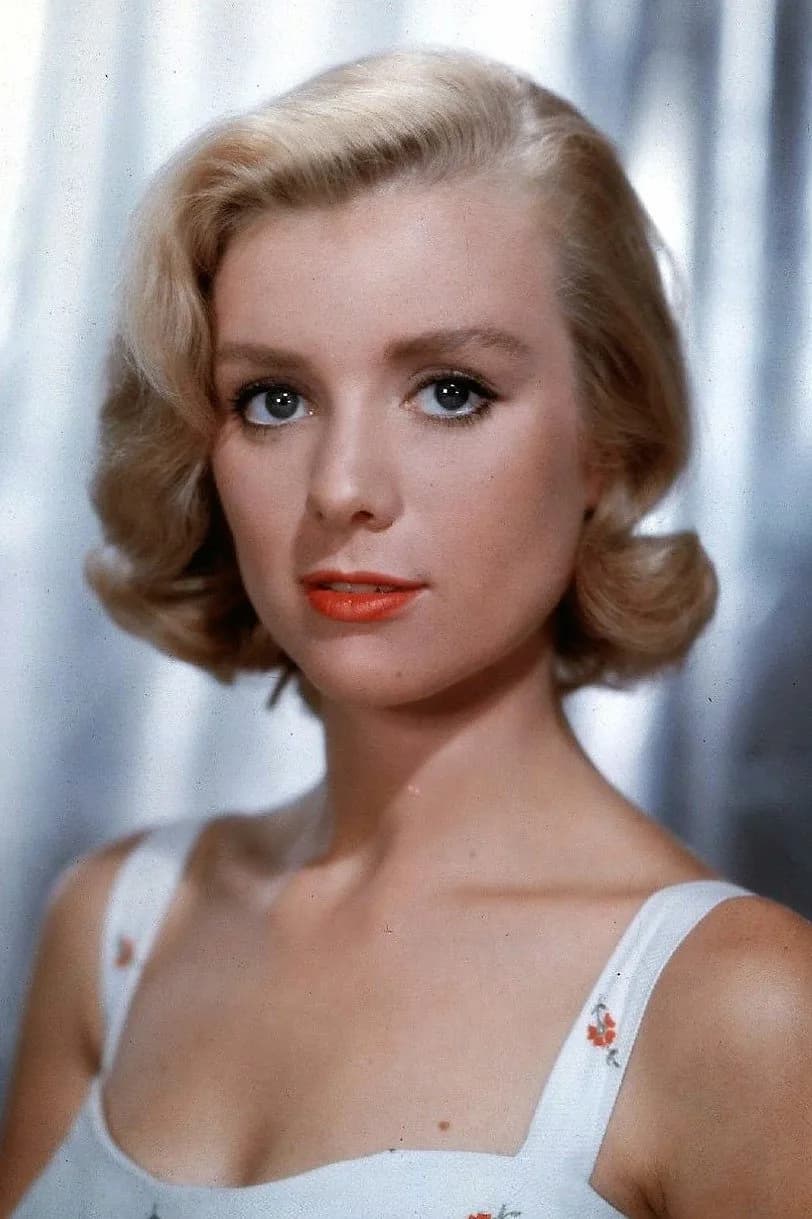
Inger Stevens
Inger Stevens (born Ingrid Stensland; October 18, 1934 – April 30, 1970)[1] was a Swedish–American film, television, and stage actress. Stevens was born in Stockholm, Sweden, the eldest child of Per Gustaf and Lisbet Stensland. When she was six years old, her mother abandoned the family (taking her youngest son Peter with her). Soon afterwards Stevens' father moved to the United States, leaving Stevens and her brother, Ola, in the custody of the family maid—and then later with an aunt in Lidingö, near Stockholm. In 1944, she and her brother moved to the United States and lived with their father and his new wife in New York City where he was teaching at Columbia University. At age 13, Stevens moved with her family to Manhattan, Kansas, where her father taught at Kansas State University. Stevens attended Manhattan High School. At 16, she ran away from home to Kansas City, and worked in burlesque shows. At 18, she left Kansas City to return to New York City, where she worked as a chorus girl and in the Garment District while taking classes at the Actors Studio. Stevens appeared on television series, in commercials, and in plays until she received her big break in the film Man on Fire, starring Bing Crosby. Roles in major films followed, including a starring role opposite Harry Belafonte in 1959's The World, the Flesh and the Devil, but she achieved her greatest success in the television series The Farmer's Daughter (1963–1966), with William Windom. Previously, Stevens had appeared in episodes of Bonanza, Route 66, The Alfred Hitchcock Hour, The Eleventh Hour, Sam Benedict The Aquanuts (1960 TV series) and The Twilight Zone. Following the cancellation of The Farmer's Daughter in 1966, Stevens appeared in several films: A Guide for the Married Man (1967), with Walter Matthau; Hang 'Em High, with Clint Eastwood; 5 Card Stud, with Dean Martin and Robert Mitchum; and Madigan with Henry Fonda and Richard Widmark. At the time of her death, Stevens was attempting to revive her television career with the detective drama series The Most Deadly Game. Her first husband was her agent Anthony Soglio, to whom she was married from 1955 to 1957. In January 1966, she was appointed to the Advisory Board of the UCLA Neuropsychiatric Institute by then-California governor Edmund G. "Pat" Brown. She also was named Chairman of the California Council for Retarded Children. Her aunt was Karin Stensland Junker, author of The Child in the Glass Ball. On the morning of April 30, 1970, Stevens's sometime roommate and companion, Lola McNally, found her on the kitchen floor of her Hollywood Hills home. According to McNally, when she called Stevens's name, she opened her eyes, lifted her head, and tried to speak, but was unable to make any sound. McNally told police that she had spoken to Stevens the previous night and had seen no sign of trouble. Stevens died in the ambulance on the way to the hospital. On arrival, medics removed a small bandage from her chin that revealed a small amount of fresh blood oozing from a cut that appeared to have been a few hours old. Los Angeles County Coroner Dr. Thomas Noguchi attributed Stevens's death to "acute barbiturate poisoning" that was eventually ruled a suicide.
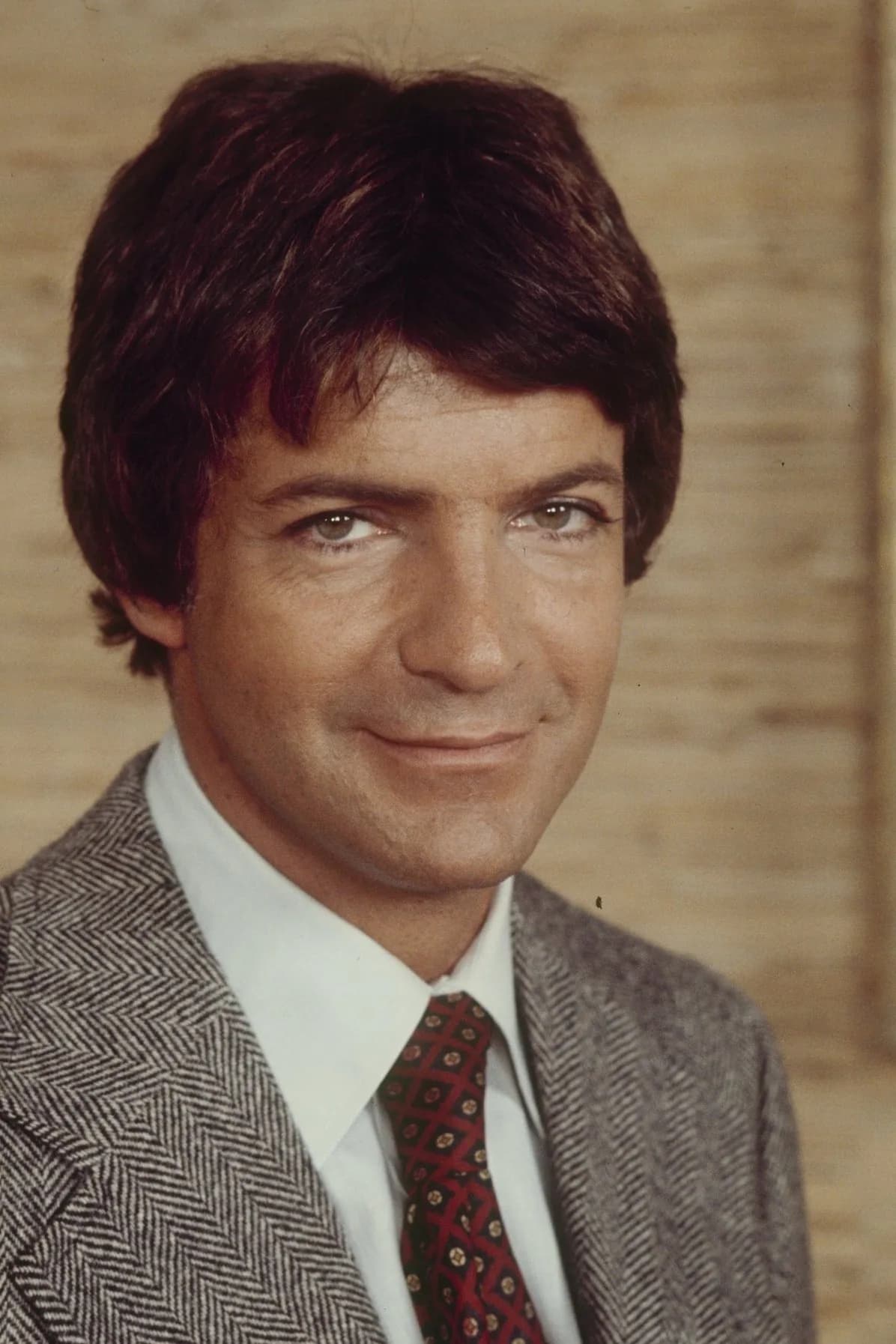
Robert Drivas
From Wikipedia, the free encyclopedia. Robert Drivas (November 21, 1938 – June 29, 1986) was an American actor and theatre director. Drivas was born Robert Choromokos in Chicago, Illinois, the son of Hariklia (née Cunningham-Wright) and James Peter Choromokos. Drivas studied at the University of Chicago and the University of Miami. After further training at the Greek Playhouse in Athens, Greece and with the Coconut Grove Playhouse in Miami Beach, he made his New York City debut in the role of Rameses in 1958 in the play The Firstborn, starring Anthony Quayle as Moses. He continued to perform on stage with One More River (1960), The Wall (1960), The Irregular Verb to Love (1963), and And Things That Go Bump in the Night (1965), which he also directed. In 1963 he won a Theatre World Award for his performance in Mrs. Dally Has a Lover (opposite Estelle Parsons). Drivas was associated with many well-known theatrical figures of his time. These included playwrights Terrence McNally, whose play The Ritz he directed in 1975, and Edward Albee, who directed Drivas in the 1983 premiere of Albee's harshly received play The Man Who Had Three Arms. Other directing credits include Bad Habits, for which he won an Obie Award, Legend, Cheaters, It Had to Be You, a revival of the musical Little Me, and Peg, a musical biography of songstress Peggy Lee, with lyrics and book by the star herself. Concurrent with his theater work, Drivas appeared in television, beginning in 1958, on such crime shows and dramas as Route 66, N.Y.P.D., The Defenders, The Fugitive, 12 O-Clock High (TV series), and The F.B.I.. Drivas' first theatrical film appearance was in the role of "Loudmouth Steve" in the classic prison drama Cool Hand Luke (1967). This debut led to more film work, in The Illustrated Man (1969) and Where It's At (1969). Description above from the Wikipedia article Robert Drivas, licensed under CC-BY-SA, full list of contributors on Wikipedia.