
Search
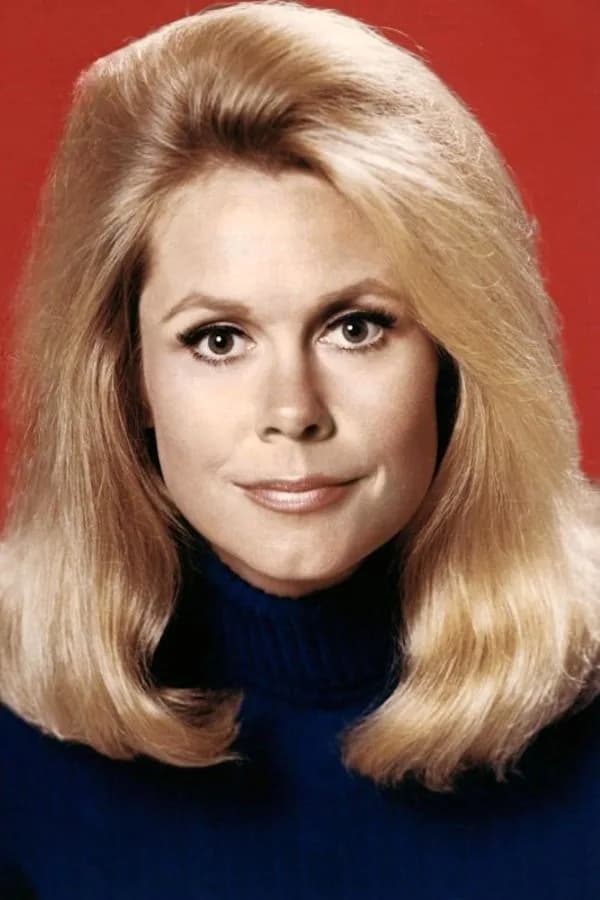
Elizabeth Montgomery
Cast · Known for Bewitched, Robert Montgomery Presents
Elizabeth Victoria Montgomery was an American film and television actress whose career spanned five decades. She is best remembered as the star of the TV series Bewitched. The daughter of Robert Montgomery, she began her career in the 1950s with a role on her father's television series Robert Montgomery Presents. In the 1960s, she rose to fame as Samantha Stephens on the ABC sitcom Bewitched. Her work on the series earned her five Primetime Emmy Award nominations and four Golden Globe Award nominations. After Bewitched ended its run in 1972, Montgomery continued her career with roles in numerous television films. In 1974, she portrayed Ellen Harrod in A Case of Rape and Lizzie Borden in the 1975 television film The Legend of Lizzie Borden. Both roles earned her additional Emmy Award nominations. Montgomery was married four times, most notably to actor producer/director William Asher with whom she had three children. Her final marriage was to actor Robert Foxworth, with whom she lived for twenty years before marrying in 1993. Montgomery died of colorectal cancer in May 1995, eight weeks after being diagnosed with the disease.
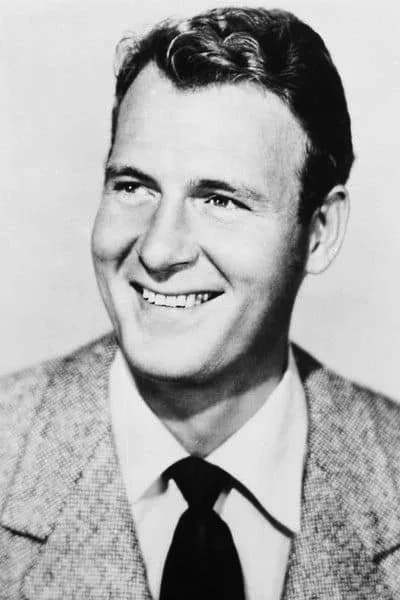
Charles Drake
Cast · Known for Robert Montgomery Presents
Charles Drake (October 2, 1917 – September 10, 1994) was an American actor.Drake was born as Charles Ruppert in New York City. He graduated from Nichols College and became a salesman. In 1939, he turned to acting and signed a contract with Warner Brothers. He wasn't immediately successful. World War II interrupted his career; soon after his military service was complete, Drake returned to Hollywood in 1945, his contract with Warner Brothers ended. In the 1940s, he did some freelance work, like A Night in Casablanca. In 1949 he moved to Universal Studios. In 1955, Drake turned to television as one of the stock-company players on Robert Montgomery Presents and three years later he became the host of the British TV espionage weekly Rendezvous. In 1959, he starred in the Western film, No Name on the Bullet, where he played a doctor dedicated to saving a small town from a dangerous assassin. In 1967 he played the part of Oliver Greer in The Fugitive episode The One That Got Away. He played in 83 films between 1939 and 1975, including Scream, Pretty Peggy. More than 50 were dramas, but he also acted in comedies, science fiction, horror and film noir. He died on September 10, 1994 in East Lyme, Connecticut, aged 76. Description above from the Wikipedia article Charles Drake, licensed under CC-BY-SA, full list of contributors on Wikipedia.
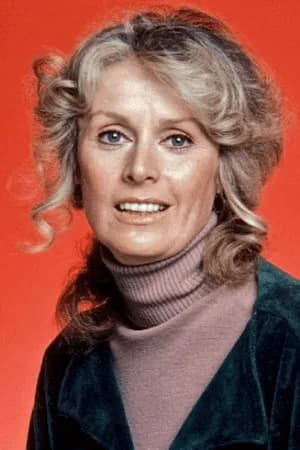
Diana Hyland
Diana Hyland, a striking, knowing beauty with a confident air about her, was born Diane Gentner on January 25, 1936, in Ohio and appeared on stage in summer stock as a teen before graduating from Cleveland Heights High School. Moving to New York in 1955 to test her acting mettle, the slim-faced, honey-blonde actress began to find TV roles almost immediately (one of her first being a "Robert Montgomery Presents" episode) in between supplementing her income as a switchboard operator. Initially billed Diane Gentner, she changed it to Diana Hyland (taking her mother's maiden name). Following a tour of the play "Look Back in Anger," she broke through quite impressively on the Broadway boards as the neurotic ingénue in the acclaimed 1959 Tennessee Williams production of "Sweet Bird of Youth" starring Paul Newman and Geraldine Page. Her role of Heavenly Finley could have made her a film star had she been allowed to take it the big screen, but Shirley Knight was given that honor. In the early 60s, Diana focused on the small screen with strong, emotional roles on such soaps as "Young Dr. Malone" (1958) and "Peyton Place" (1964) (in a particularly showy role as a minister's alcoholic wife). She also scored well in a series of guest parts, notably "The Twilight Zone," "The Fugitive," "The Alfred Hitchcock Hour" and "Alcoa Presents," the last for which she received an Emmy nomination. She was a particularly sought-after presence on medical shows as well, spicing up such popular tearjerkers as "Ben Casey," "Dr. Kildare," "The Doctors and the Nurses," "Medical Center" and "Marcus Welby, M.D.". Strangely, Diana made noticeably few films during her career, her best showcase being that of the unconventional minister's wife opposite Don Murray's Rev. Norman Vincent Peale in One Man's Way (1964). In addition to a small, downbeat supporting turn in The Chase (1966) starring Marlon Brando, Robert Redford and, Jane Fonda, she also co-starred with Fess Parker in the routine western yarn Smoky (1966). Remaining focused on TV, Diana continued to brightened up the TV medium into the 1970s with an emphasis on crime ("Kojak, "Harry O", "Cannon," "Mannix," etc.). IMDb Mini Biography By: Gary Brumburgh / [email protected]
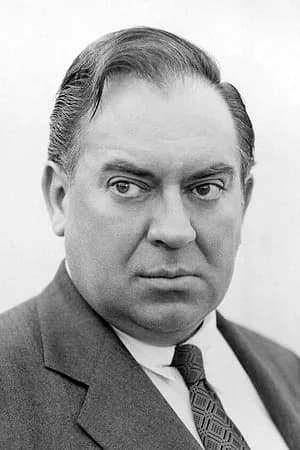
Thomas Gomez
From Wikipedia Thomas Gomez (July 10, 1905 – June 18, 1971) was an American actor. Born Sabino Tomas Gomez in New York City, Gomez began his acting career in theater during the 1920s and was a student of the actor Walter Hampden. He made his first film Sherlock Holmes and the Voice of Terror in 1942 and by the end of his career had appeared in sixty films. Gomez was the first Hispanic-American to be nominated for an Academy Award when he was nominated for his performance in the 1947 film Ride the Pink Horse. Directed by and starring Robert Montgomery, it was later used as the basis for an episode of the same name for the television series Robert Montgomery Presents in which Gomez reprised his role. His other film roles include Who Done It? (1942), Key Largo (1948), Force of Evil (1948), The Conqueror (1956) and his final film Beneath the Planet of the Apes (1970). A frequent performer on television, Gomez also appeared in guest roles in such series as The Twilight Zone, Route 66, Dr. Kildare, Mr. Ed, Burke's Law, The Virginian, It Takes a Thief, Bewitched, The Rifleman, and Gunsmoke. Gomez had many notable stage roles, such as the one in the original Broadway run of A Man for All Seasons. Thomas Gomez died in Santa Monica, California, from injuries sustained in a car accident.
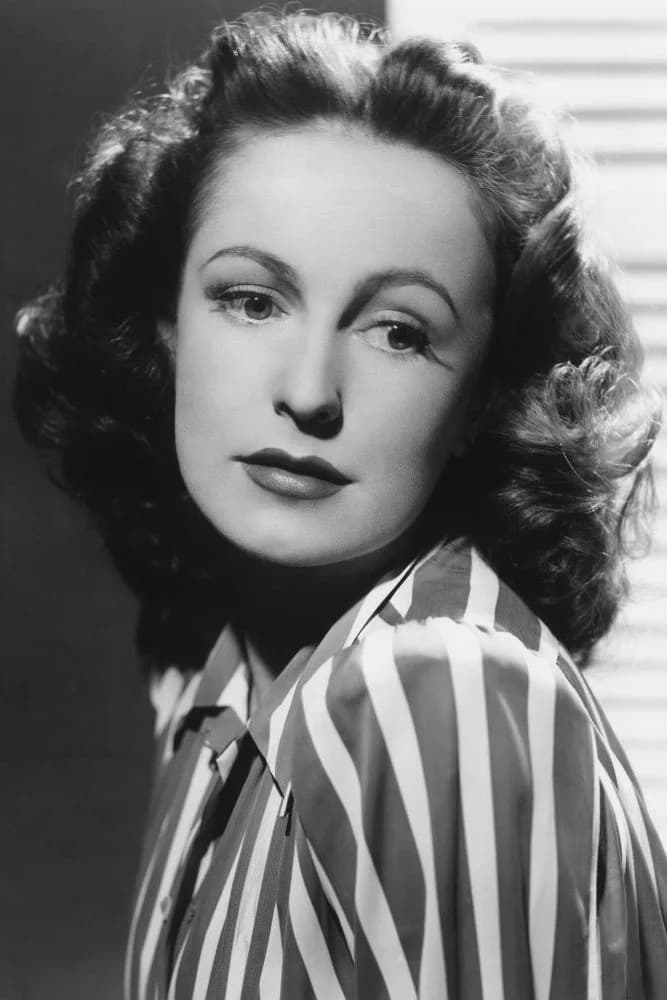
Geraldine Fitzgerald
Cast · Known for Great Performances, Robert Montgomery Presents
Geraldine Fitzgerald, Lady Lindsay-Hogg was an Irish-American actress and a member of the American Theatre Hall of Fame. She was born south of Dublin, the daughter of Edith Catherine and Edward Martin FitzGerald. She studied painting at the Dublin School of Art. Inspired by her aunt, and began her acting career in at Dublin's Gate Theatre. After two seasons in Dublin, she moved to London, where she found success in films The Mill on the Floss, The Turn of the Tide, and Cafe Mascot. Fitzgerald's success led her to the Broadway stage in 1938. She made her American debut in the Mercury Theatre production of Heartbreak House. Producer Hal B. Wallis saw her in this production and subsequently signed her to a contract with Warner Bros, where she starred in Dark Victory and Wuthering Heights. Afterwards, appeared in Shining Victory, The Gay Sisters, and Watch on the Rhine, but her career was hampered by her frequent clashes with studio management. Although she continued to work throughout the 1940s, the quality of her roles began to diminish and her career lost momentum. In 1946, shortly after completing work on Three Strangers, she left Hollywood to return to New York City, where she married her second husband, Stuart Scheftel, a grandson of Isidor Straus. She returned to Britain to film So Evil My Love, receiving strong reviews, and The Late Edwina Black, before returning to the United States. She became a naturalized United States citizen on April 18, 1955. The 1950s provided her with few opportunities in film, but during the 1960s she asserted herself as a character actor and her career enjoyed a revival. Among her successful films of this period were Ten North Frederick, The Pawnbroker, and Rachel, Rachel. Her later films included The Mango Tree, for which she received an Australian Film Institute Best Actress nomination, and Harry and Tonto, in a scene opposite Art Carney. She also starred in Arthur 1 and 2, miniseries Kennedy, Do You Remember Love, Easy Money, Poltergeist 2, as in Circle of Violence, a television film about elder abuse. Fitzgerald returned to stage acting, and won acclaim for her performance in the 1971 revival of Long Day's Journey Into Night. In 1976, she performed as a cabaret singer with the show Streetsongs, recorded an album of the show for Ben Bagley's Painted Smiles label. She also achieved success as a theatre director; becoming one of the first women to receive a Tony Award nomination for Best Direction of a Play. While in New York, Fitzgerald collaborated with playwright and Franciscan brother Jonathan Ringkamp to found the Everyman Theater of Brooklyn, a street theater company, that performed throughout the city. She appeared on television, in such series as Alfred Hitchcock Presents, Robert Montgomery Presents, Naked City, St. Elsewhere, The Golden Girls, and Cagney and Lacey. As well, she starred in Our Private World, and Mabel and Max. She won a Daytime Emmy Award as best actress for her appearance in the NBC Special Treat episode "Rodeo Red and the Runaways". Description above from the Wikipedia article Geraldine Fitzgerald, licensed under CC-BY-SA, full list of contributors on Wikipedia.
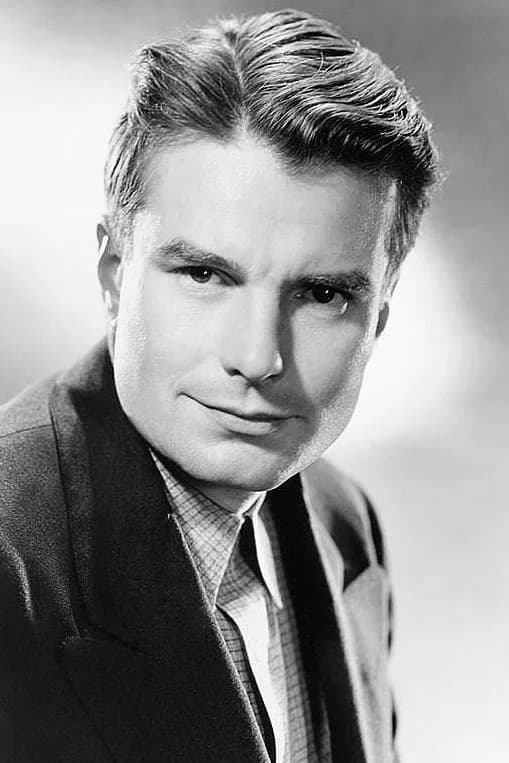
Kent Smith
Kent Smith (born Frank Kent Smith) was an American stage, screen, and television actor. Smith's early acting experience started in 1925 when he was one of the founders of the famed Harvard "University Players", which later included Henry Fonda, James Stewart, Joshua Logan and Margaret Sullavan in Falmouth, Massachusetts. Smith's stock experience also included productions with the Maryland Theatre in Baltimore. His professional acting debut was in 1929 in Blind Window in Baltimore, Mayland. He made his Broadway acting debut in 1932 in Men Must Fight. He also appeared on Broadway in Measure for Measure, Sweet Love Remembered, The Best Man, Ah, Wilderness!, Dodsworth, Saint Joan,, Old Acquaintance, Antony and Cleopatra and Bus Stop. Smith moved to Hollywood, California, where he made his film debut in The Garden Murder Case. He appeared in such films as Cat People, Hitler's Children, This Land Is Mine, Three Russian Girls, Youth Runs Wild, The Curse of the Cat People, The Spiral Staircase, Nora Prentiss, Magic Town, My Foolish Heart, The Fountainhead, and The Damned Don't Cry. He continued acting in films such as Comanche, Sayonara, Party Girl, The Mugger, Imitation General, The Badlanders, This Earth Is Mine, Strangers When We Meet, Susan Slade, The Balcony, A Distant Trumpet, Youngblood Hawke, and The Young Lovers. Smith had roles in television films such as How Awful About Allan, The Night Stalker, The Judge and Jake Wyler, The Cat Creature, The Affair and The Disappearance of Flight 412. His numerous television credits included a continuing role in the soap opera Peyton Place as Dr. Robert Morton; Smith's wife, actress Edith Atwater, played his character's wife on the series. He began guest-starring in television series in 1949 in The Philco Television Playhouse, and also appeared in Robert Montgomery Presents, Wagon Train, General Electric Theater, Alfred Hitchcock Presents, Naked City, Have Gun Will Travel, Perry Mason, Gunsmoke, The Beverly Hillbillies, Rawhide, The Americans, Barnaby Jones, The Outer Limits, Night Gallery, and the 1976 miniseries Once an Eagle. His last appearance was in a 1977 episode of Wonder Woman.
Jim Boles
Jim Boles was an American actor. He appeared in the films The Tattooed Stranger, The Man with My Face, Naked in the Sun, Fluffy, The Ghost and Mr. Chicken, The Trouble with Angels, A Big Hand for the Little Lady, Waterhole No. 3, With Six You Get Eggroll, Angel in My Pocket, The Love God?, Ace Eli and Rodger of the Skies, Doctor Death: Seeker of Souls, Nightmare Honeymoon, Jacqueline Susann's Once Is Not Enough, and The Great Texas Dynamite Chase, among others. Boles also appeared in a number of television shows, including nine episodes of the televised version of the radio series One Man's Family. Other appearances occurred on notable programs such as The Phil Silvers Show, The United States Steel Hour, Robert Montgomery Presents, Rocky King Detective, Have Gun – Will Travel, Naked City, Cheyenne, The Twilight Zone, The Lucy Show, The Dick Powell Theatre, McHale's Navy, Profiles in Courage, Daniel Boone, Rawhide, The Alfred Hitchcock Hour, Perry Mason, Bob Hope Presents the Chrysler Theatre, Lost in Space, The Man from U.N.C.L.E., Bonanza, The Big Valley, The Monkees, Get Smart, The Virginian, The Guns of Will Sonnett, Mod Squad, Marcus Welby, M.D., The F.B.I., Gunsmoke, Love, American Style, Night Gallery, Adam-12, Barnaby Jones, Cannon, Mannix, Days of Our Lives, The Odd Couple, Kung Fu, The Streets of San Francisco, Quincy, M.E., The Name of the Game, A Man Called Shenandoah, The Eleventh Hour, Hawaiian Eye, Bronco, Adventures in Paradise, Temple Houston, The Defenders, The Jackie Gleason Show, Little House on the Prairie, and numerous others. He died of a heart attack on May 26, 1977, in Sherman Oaks, Los Angeles, California at age 63.

Gloria DeHaven
Cast · Known for Hello, Larry
Gloria Mildred DeHaven (July 23, 1925-July 30, 2016) was an American actress, singer and a former contract star for Metro-Goldwyn-Mayer. DeHaven was born in Los Angeles, California, the daughter of actor-director, Carter DeHaven, and actress, Flora Parker DeHaven, both former vaudeville performers. She began her career as a child actor with a bit part in Charlie Chaplin's Modern Times (1936). She was signed to a contract with MGM. Despite featured roles in such films as Best Foot Forward, The Thin Man Goes Home (1944) and Summer Stock (1950), and being voted by exhibitors as the third most likely to be a "star of tomorrow'" in 1944, she did not achieve film stardom. She portrayed her own mother, Flora Parker DeHaven, in the Fred Astaire film Three Little Words (1950). DeHaven also appeared as a regular in the television series and soap operas As the World Turns, Mary Hartman, Mary Hartman and Ryan's Hope. She was one of the numerous celebrities enticed to appear in the all-star box office flop, Won Ton Ton, the Dog Who Saved Hollywood (1976), and has guest starred in such television series as Robert Montgomery Presents, Appointment with Adventure (episode entitled "The Snow People"), The Guy Mitchell Show, Johnny Ringo (as Rosemary Blake in "Love Affair"), The Rifleman, Wagon Train, The Lloyd Bridges Show, Marcus Welby, M.D., Gunsmoke, Mannix, Fantasy Island, Hart to Hart, The Love Boat, Mama's Family, Highway to Heaven, Murder, She Wrote and Touched by an Angel. She was also on five episodes of Match Game 75 along with Patti Deutsch and Buck Owens as guest panelists. Gloria DeHaven died July 30, 2016 (age 91), in Las Vegas, Nevada, USA. From Wikipedia.
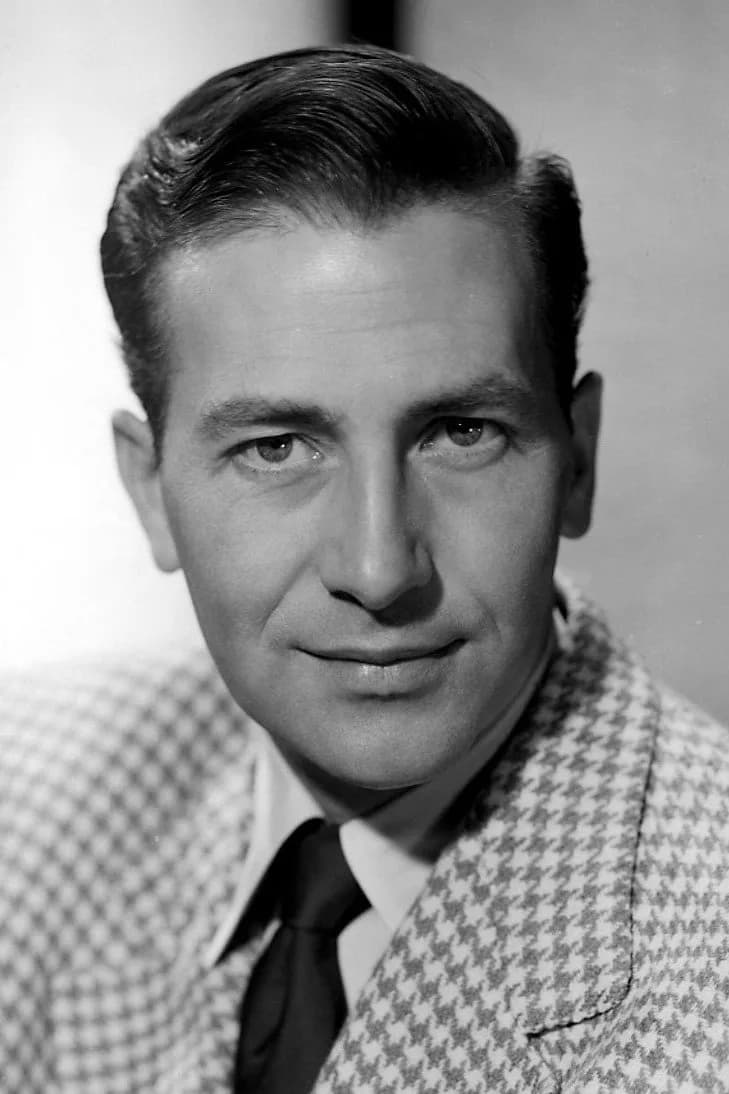
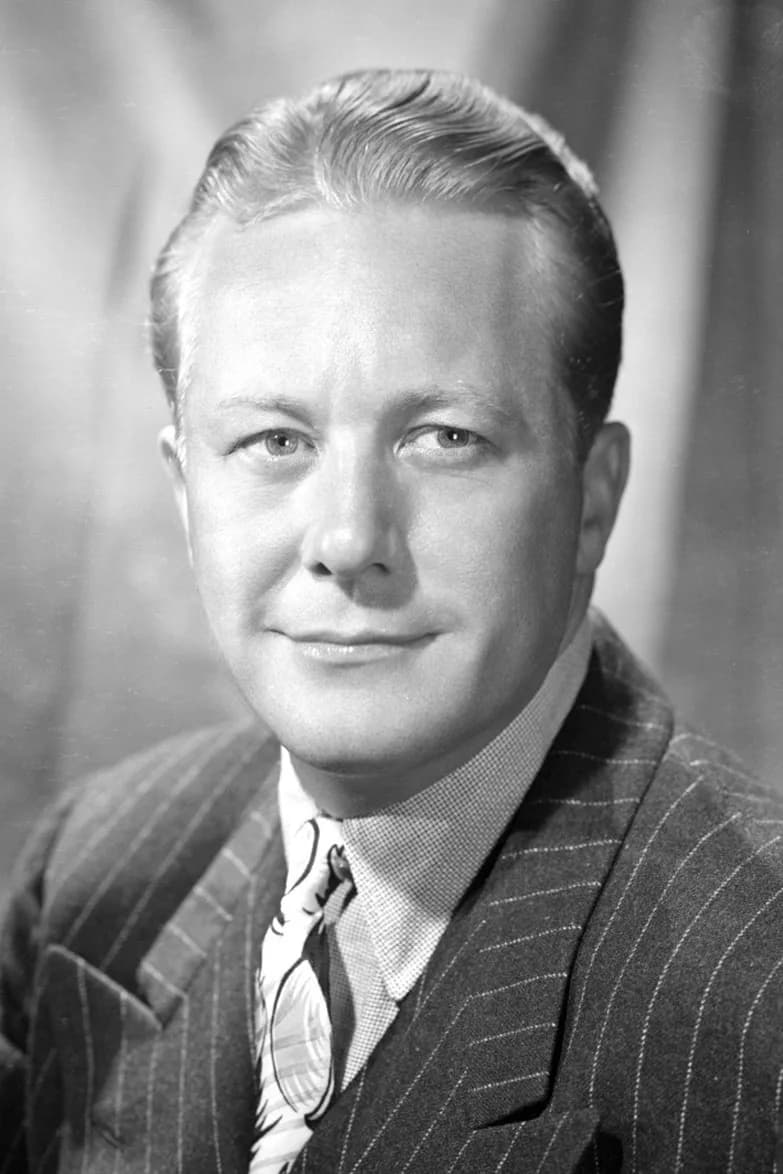
Jeffrey Lynn
From Wikipedia, the free encyclopedia Jeffrey Lynn (born Ragnar Godfrey Lind; February 16, 1909 – November 24, 1995) was an American stage-screen actor and film producer who worked primarily through the Golden Age of Hollywood establishing himself as one of the premier talents of his time. Throughout his acting career, both on stage and in film, he was typecast as "the attractive, reliable love interest of the heroine," or "the tall, stalwart hero." Born and raised in Massachusetts, he attended Bates College, before working as a teacher. He was tapped to act in his first film in 1938, which convinced him to move to Hollywood, California. His second film–Four Daughters (1938)–propelled him into national fame sparking three sequels: Daughters Courageous (1939), Four Wives (1939) and Four Mothers (1941) with Lynn reprising his role in each of them. He was at the center of the Gone with the Wind (1939) screening controversy; he was noted as the top contender to play Ashley Wilkes, however, the directer eventually chose Leslie Howard instead. Lynn was asked to join James Cagney and Humphrey Bogart in The Roaring Twenties (1939), a gangster noir that garnered him critical praise. His success continued with such films as The Fighting 69th (1940) in which he portrayed poet-soldier Joyce Kilmer opposite Cagney, It All Came True (1940), All This and Heaven Too (1940) and Million Dollar Baby (1941). His movie career was put on hold for World War II draft, where he received a Bronze Star for his service as a in Italy and Austria as a combat intelligence captain. He returned to the screen in 1948 and was in the notably successful, A Letter to Three Wives (1949), which went on to be nominated of best picture in the 1950 prime time Academy Awards. A year later he joined that cast of Home Town Story (1951) billed alongside Marilyn Monroe. His later film career credits include: BUtterfield 8 (1960) along with Elizabeth Taylor and Laurence Harvey, and Tony Rome (1967) with Frank Sinatra. Lynn also began to act on Broadway and was featured in such plays as Any Wednesday (1966) and Dinner at Eight (1967). Later on in his career he found mixed critical success television starring in hit shows such as Robert Montgomery Presents, Your Show of Shows, My Son Jeep (with young Martin Huston), and Lux Video Theatre. He died in November 1995 in Burbank, California from natural causes and was buried at Forest Lawn Memorial Park in the Hollywood Hills. Actor Jeffrey Lynn "Jeff" Goldblum is named in honor of Jeffrey Lynn.
Gene Raymond
Cast · Known for Matinee Theater
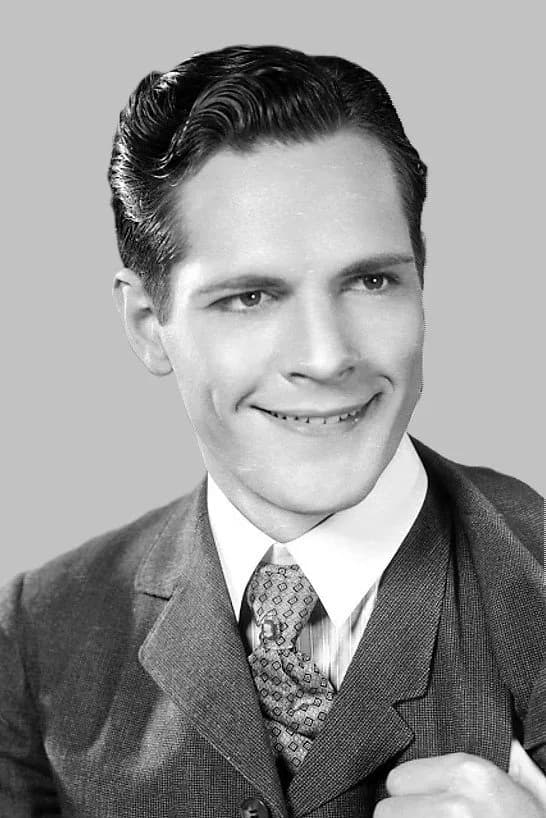
Gene Raymond, born Raymond Guion, was an American film, television, and stage actor of the 1930s and 1940s. In addition to acting, Raymond was also a composer, writer, director, producer, and decorated military pilot. His screen debut was in Personal Maid (1931). Another early appearance was in the multi-director If I Had a Million with W. C. Fields and Charles Laughton. With his blond good looks, classic profile, and youthful exuberance — plus a name change to the more pronounceable "Gene Raymond" — he scored in films like the classic Zoo in Budapest with Loretta Young, and a series of light RKO musicals, mostly with Ann Sothern. He wrote a number of songs, including the popular "Will You?" which he sang to Sothern in Smartest Girl in Town. His wife, Jeanette MacDonald, sang several of his more classical pieces in her concerts and recorded one entitled "Let Me Always Sing". His most notable films, mostly as a second lead actor, include Red Dust (1932) with Jean Harlow and Clark Gable, Zoo in Budapest with Loretta Young, Ex-Lady with Bette Davis, Flying Down to Rio with Dolores del Río, Fred Astaire and Ginger Rogers, I Am Suzanne with Lilian Harvey, Sadie McKee with Joan Crawford, Alfred Hitchcock's Mr. and Mrs. Smith with Carole Lombard and Robert Montgomery, and The Locket with Laraine Day, Brian Aherne, and Robert Mitchum. MacDonald and Raymond made one film together, Smilin' Through, which came out as the U.S. was on the verge of entering World War II. After service in the United States Army Air Forces Raymond returned to Hollywood. He wrote, directed and starred in the 1949 film Million Dollar Weekend. In later years he appeared in only a few films. His last major film was The Best Man in 1964 with Henry Fonda and Cliff Robertson. In the 1950s he mostly worked in television, appearing in Playhouse of Stars, Fireside Theatre, Hollywood Summer Theater and TV Reader's Digest. In the 1970s he appeared on ABC Television Network's Paris 7000 and had guest roles in The Outer Limits, Robert Montgomery Presents, Playhouse 90, The Man from U.N.C.L.E., Ironside, The Defenders, Mannix, The Name of the Game, Lux Video Theatre, Kraft Television Theatre and U.S. Steel Hour. Description above from the Wikipedia article Gene Raymond, licensed under CC-BY-SA, full list of contributors on Wikipedia.
Donald Woods
From Wikipedia, the free encyclopedia Donald Woods (born Ralph Lewis Zink, December 2, 1906 – March 5, 1998) was a Canadian-American film and television actor whose career in Hollywood spanned six decades. Born in Brandon, Manitoba, Woods moved with his family to California and was raised in Burbank. A son of William and Margaret Zink, Presbyterians of German descent. His younger brother, Clarence Russell Zink, also became an actor (Russ Conway). Woods graduated from the University of California, Berkeley, and made his film debut in 1928. His screen career was spent mostly in B movies, for example as lawyer Perry Mason in the 1937 film The Case of the Stuttering Bishop. He also occasionally played major roles in bigger feature films like A Tale of Two Cities (1935), Anthony Adverse (1936), Watch on the Rhine (1943), The Bridge of San Luis Rey (1944), and Roughly Speaking (1945). Of considerable importance to his acting career were several seasons as leading man with the Elitch Gardens Theatre Company in Denver, Colorado, where he performed in 1932, 1933, 1939, 1941, 1947, and 1948. In the early days of television, Woods starred as the title character in the 1951 syndicated TV series Craig Kennedy, Criminologist, and he was the host of Damon Runyon Theater on CBS-TV. He played himself on the dramatic series Hotel Cosmopolitan, also on CBS, and he was one of three hosts of The Orchid Award on ABC-TV. He portrayed Walter Manning on Portia Faces Life on CBS. He also appeared in such anthology series as The Philco Television Playhouse, Armstrong Circle Theatre, Robert Montgomery Presents, The United States Steel Hour, Crossroads, and General Electric Theater. On April 11, 1961, Woods appeared as "Profesor Landfield" in the episode "Two for the Gallows" on NBC's Laramie western series. Series character Slim Sherman (John Smith) is hired under false pretenses to take Landfield into the Badlands to seek gold. Landfield, however, is really Morgan Bennett, a member of the former Henry Plummer gang who has escaped from prison. Slim has no idea that Lanfield is seeking the loot that his gang had hidden away. Series character Jess Harper (Robert Fuller), Pete Dixon, played by Warren Oates, and Pete's younger brother soon come to Slim's aid. The title stems from the talk that the undisciplined Dixon brothers might eventually wind up on a hangman's noose. Woods later was a regular in the role of John Brent on the short-lived series Tammy and made guest appearances on Bat Masterson, Wagon Train, Ben Casey, 77 Sunset Strip, Hawaiian Eye, Stoney Burke, Bourbon Street Beat, Bonanza, Coronet Blue, Ironside, Alias Smith and Jones, The Wild Wild West and Owen Marshall: Counselor at Law, among many others before retiring from acting in 1976. Besides his film career, he also worked as a successful real estate broker in Palm Springs where he lived with his wife, childhood sweetheart Josephine Van der Horck. They were married from 1933 until his death and had two children, Linda and Conrad. He was interred at the Forest Lawn Cemetery in Cathedral City, California.
Robert Montgomery
Cast · Known for Robert Montgomery Presents
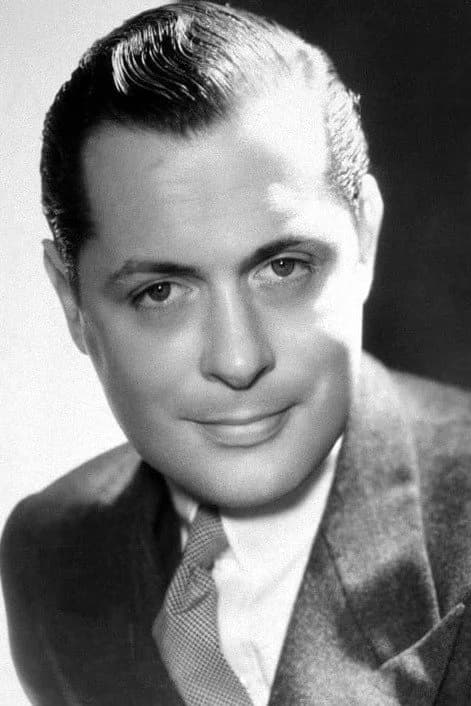
From Wikipedia, the free encyclopedia Robert Montgomery (born Henry Montgomery Jr.; May 21, 1904 – September 27, 1981) was an American film and television actor, director, and producer. He was also the father of actress Elizabeth Montgomery. Montgomery settled in New York City to try his hand at writing and acting. He established a stage career, and became popular enough to turn down an offer to appear opposite Vilma Bánky in the film This Is Heaven (1929). Sharing a stage with George Cukor gave him an entry to Hollywood and a contract with Metro-Goldwyn-Mayer, where he debuted in So This Is College (also 1929). Montgomery initially played exclusively in comedy roles, but portrayed a character in his first drama film in The Big House (1930). MGM was initially reluctant to assign him in such a role, until "his earnestness, and his convincing arguments, with demonstrations of how he would play the character" won him the assignment. From The Big House on, he was in constant demand. Appearing as Greta Garbo's romantic interest in Inspiration (1930) started him toward stardom with a rush. Norma Shearer chose him to star opposite her in The Divorcee (1930), Strangers May Kiss (1931), and Private Lives (1931), which led him to stardom. In another challenging role, Montgomery played a psychopath in the chiller Night Must Fall (1937), for which he received an Academy Award for Best Actor nomination. After World War II broke out in Europe in September, 1939, and while the United States was still officially neutral, Montgomery enlisted in London for American field service and drove ambulances in France until the Dunkirk evacuation. He then returned to Hollywood and addressed a massive rally on the MGM lot for the American Red Cross in July 1940. Montgomery returned to playing light comedy roles, such as Alfred Hitchcock's Mr. & Mrs. Smith (1941) with Carole Lombard. He continued his search for dramatic roles. For his role as Joe Pendleton, a boxer and pilot in Here Comes Mr. Jordan (1941), Montgomery was nominated for an Oscar a second time. After the U.S. entered World War II in December 1941, he joined the United States Navy, rising to the rank of lieutenant commander, and served on the USS Barton (DD-722) which was part of the D-Day invasion on June 6, 1944. In 1945, Montgomery returned to Hollywood, making his uncredited directing debut with They Were Expendable, where he directed some of the PT boat scenes when director John Ford was unable to work for health reasons. Montgomery's first credited film as director and his final film for MGM was the film noir Lady in the Lake (1947), in which he also starred, which received mixed reviews. Adapted from Raymond Chandler's detective novel and sanitized for the censorship of the day, the film is unusual because it was filmed entirely from Marlowe's vantage point. Montgomery only appeared on camera a few times, three times in a mirror reflection. Active in Republican politics and concerned about communist influence in the entertainment industry, Montgomery was a friendly witness before the House Un-American Activities Committee in 1947. Montgomery has two stars on the Hollywood Walk of Fame, one for movies at 6440 Hollywood Boulevard, and another for television at 1631 Vine Street.
Robert Young
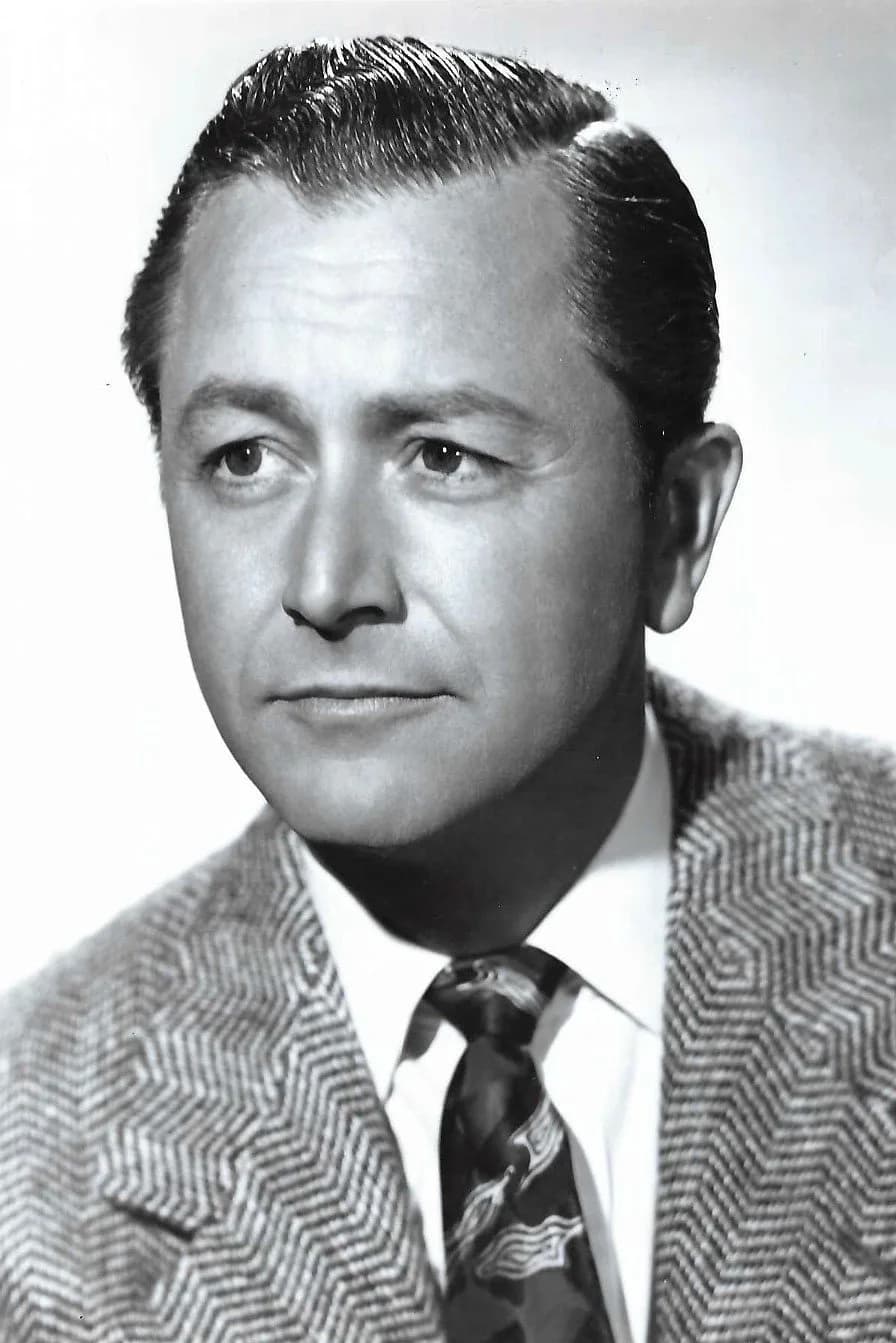
Robert George Young (February 22, 1907 – July 21, 1998) was an American television, film, and radio actor, best known for his leading roles as Jim Anderson, the father of Father Knows Best (NBC and then CBS) and as physician Marcus Welby in Marcus Welby, M.D. (ABC). Young appeared in over 100 films between 1931 and 1952. After appearing on stage, Young was signed with Metro-Goldwyn-Mayer and, in spite of having a "tier B" status, he co-starred with some of the studio's most illustrious actresses, such as Katharine Hepburn, Margaret Sullavan, Norma Shearer, Joan Crawford, Helen Hayes, Luise Rainer, Hedy Lamarr, and Helen Twelvetrees. Yet, most of his assignments consisted of B movies, also known as "programmers," which required two to three weeks of shooting (considered very brief shooting periods at the time). Actors who were relegated to such a hectic schedule appeared, as Young did, in some six to eight movies per year. As an MGM contract player, Young was resigned to the fate of most of his colleagues—to accept any film assigned to him or risk being placed on suspension—and many actors on suspension were prohibited from earning a salary from any endeavor at all (even those unrelated to the film industry). In 1936, MGM summarily loaned Young to Gaumont British for two films; the first was directed by Alfred Hitchcock with the other co-starring Jessie Matthews. While there he surmised that his employers intended to terminate his contract, but he was mistaken. He unexpectedly received one of his most rewarding roles late in his MGM career, in H.M. Pulham, Esq., featuring one of Hedy Lamarr's most effective performances. He once remarked that he was assigned only those roles which Robert Montgomery and other A-list actors had rejected. After his contract ended at MGM, Young starred in light comedies as well as in trenchant dramas for studios such as 20th Century Fox, United Artists, and RKO Radio Pictures. From 1943, Young assayed more challenging roles in films like Claudia, The Enchanted Cottage, They Won't Believe Me, The Second Woman, and Crossfire. His portrayal of unsympathetic characters in several of these later films—which was seldom the case in his MGM pictures—was applauded by numerous reviewers. Young's career began an incremental and imperceptible decline, despite a propitious beginning as a freelance actor without the nurturing of a major studio. He continued starring as a leading man in the late 1940s and early 1950s, but only in mediocre films, then he subsequently disappeared from the silver screen - only to reappear several years later on a much smaller one. Description above from the Wikipedia article Robert Young (actor), licensed under CC-BY-SA, full list of contributors on Wikipedia
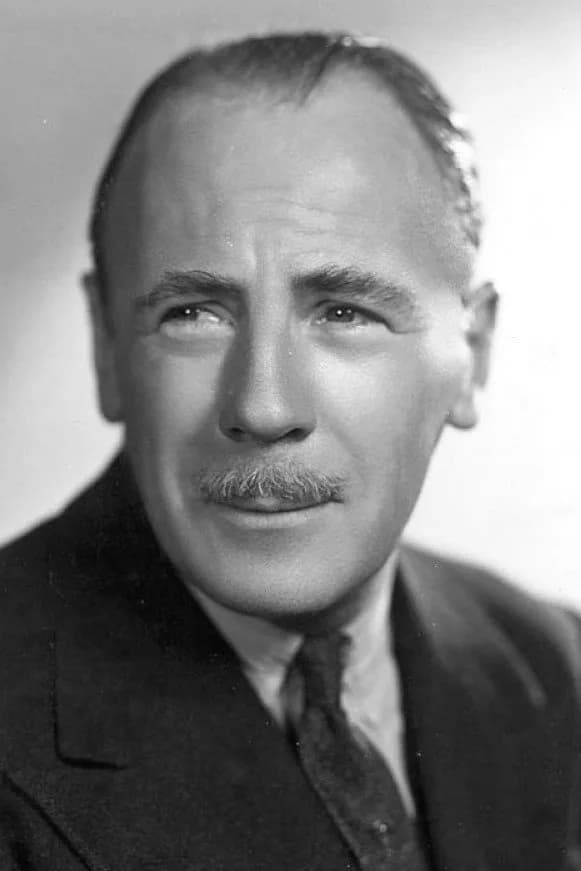
Roland Young
From Wikipedia, the free encyclopedia Roland Young (11 November 1887 – 5 June 1953) was an English actor. Young made his first stage appearance in London's West End in Find the Woman in 1908, and in 1912 he made his Broadway debut in Hindle Wakes. He appeared in two comedies written for him by Clare Kummer, Good Gracious Annabelle! (1916) and A Successful Calamity (1917) before he served with the United States Army during World War I. He returned to New York when the war ended, and married Kummer's daughter, Frances. For the next few years he alternated between New York and London. He made his film debut in the 1922 silent film Sherlock Holmes, in which he played Watson opposite John Barrymore as Holmes. He signed a contract with Metro-Goldwyn-Mayer and made his talkie debut in The Unholy Night (1929), directed by Lionel Barrymore. He was loaned to Warner Bros. to appear in Her Private Life, with Billie Dove and Fox Film Corporation, winning critical approval for his comedic performance as Jeanette MacDonald's husband in Don't Bet on a Woman. He was again paired with MacDonald in the film version of Good Gracious Annabelle!, titled Annabelle's Affairs. He appeared in Cecil B. de Mille's The Squaw Man, and played opposite Alfred Lunt and Lynn Fontanne in The Guardsman (both 1931). He appeared with Evelyn Brent in Columbia's The Pagan Lady (1932) and Pola Negri in RKO's A Woman Commands (1932). His final film under his MGM contract was Lovers Courageous (1932), opposite Robert Montgomery. In 1933 he had a starring role in the risqué comedy for Fox Film called Pleasure Cruise along side Genevieve Tobin. Young began to work as a freelance performer and found himself in constant demand. He appeared with Jeanette MacDonald, Genevieve Tobin and Maurice Chevalier in One Hour With You (1932) and with Kay Francis in Street of Women (1932). Alexander Korda invited him to return to Britain to make his British film debut in Wedding Rehearsal (1932). He returned to Hollywood and appeared in a diverse group of films that included comedies, murder mysteries, and dramas, and also worked on Broadway. Among his films of this period were Ruggles of Red Gap (1935), David Copperfield (1935) (playing Uriah Heep), and the H.G. Wells fantasy The Man Who Could Work Miracles (1936). In 1937, he achieved one of the most important successes of his career in Topper, as a bank president haunted by the ghosts of his clients, played by Cary Grant and Constance Bennett. It was one of the most successful films of the year, and Young was nominated for the Academy Award for Best Supporting Actor. Topper's wife was played by Billie Burke, who wrote in her memoir that Young "was dry and always fun to work with". They also appeared together in The Young in Heart (1938), and both of the Topper sequels, Topper Takes a Trip (1938) and Topper Returns (1941). He continued working steadily through the 1940s, playing small roles opposite some of Hollywood's leading actresses, such as Joan Crawford, Marlene Dietrich, Paulette Goddard and Greta Garbo in her final film, Two-Faced Woman (1941). In the 1950s, Young appeared on several episodic television series, including Lux Video Theatre, Studio One, Pulitzer Prize Playhouse and The Chevrolet Tele-Theatre.

Madge Evans
Lovely Madge Evans was the perennial nice girl in films of the 1930s. By then, she had been in front of the camera for many years, starting with Fairy Soap commercials at the age of two (she sat on a bar of soap holding a bunch of violets with the tag line reading "have you a little fairy in your home?"). 'Baby Madge' also lent her name to a children's hat company. In 1914, aged five, she was picked out by talent scouts to appear in the William Farnum movie The Sign of the Cross (1914), followed by The Seven Sisters (1915) with Marguerite Clark. By the end of the following year, she had amassed some twenty film credits, appearing with such noted contemporary stars as Pauline Frederick or Alice Brady. All of her early films were made on the East Coast, at studios in Ft.Lee, New Jersey. In 1917 (aged eight), Madge made her Broadway debut in 'Peter Ibbetson' with John Barrymore and Lionel Barrymore. She resumed her stage career in 1926 as an ingenue with 'Daisy Mayme' and the following year appeared with Billie Burke in Noel Coward's costume drama 'The Marquise' (1927). Her pleasing looks and personality soon attracted the attention of Hollywood and she was eventually signed by MGM in 1931. During the next decade, she appeared in several A-grade productions, notably as Lionel Barrymore's daughter in MGM's Dinner at Eight (1933) and as the dependable Agnes Wickfield in one of the best-ever filmed versions of David Copperfield (1935). She co-starred opposite James Cagney in the gangster movie The Mayor of Hell (1933), Spencer Tracy in The Show-Off (1934) and listened to Bing Crosby crooning the title song in Pennies from Heaven (1936). Madge received praise for her performance as the star of Beauty for Sale (1933) and The New York Times review of January 13 1934 described her acting in Fugitive Lovers (1934) (opposite Robert Montgomery ) as 'spontaneous and captivating'. Many of her 'typical American girl' roles did not allow her to express aspects of the greater acting range she undoubtedly possessed. Too often she was cast as the 'nice girl' - and those rarely make much of a dramatic impact. On the few occasions she was assigned the role of 'other woman' , such as the Helen Hayes-starrer What Every Woman Knows (1934), audiences found her character difficult to believe and disassociate from her all-round wholesome image. When her contract with MGM expired in 1937, Madge wound down her film career and, following her 1939 marriage, concentrated on being the wife of celebrated playwright Sidney Kingsley. She last appeared on stage in one of his plays, "The Patriots", in 1943.
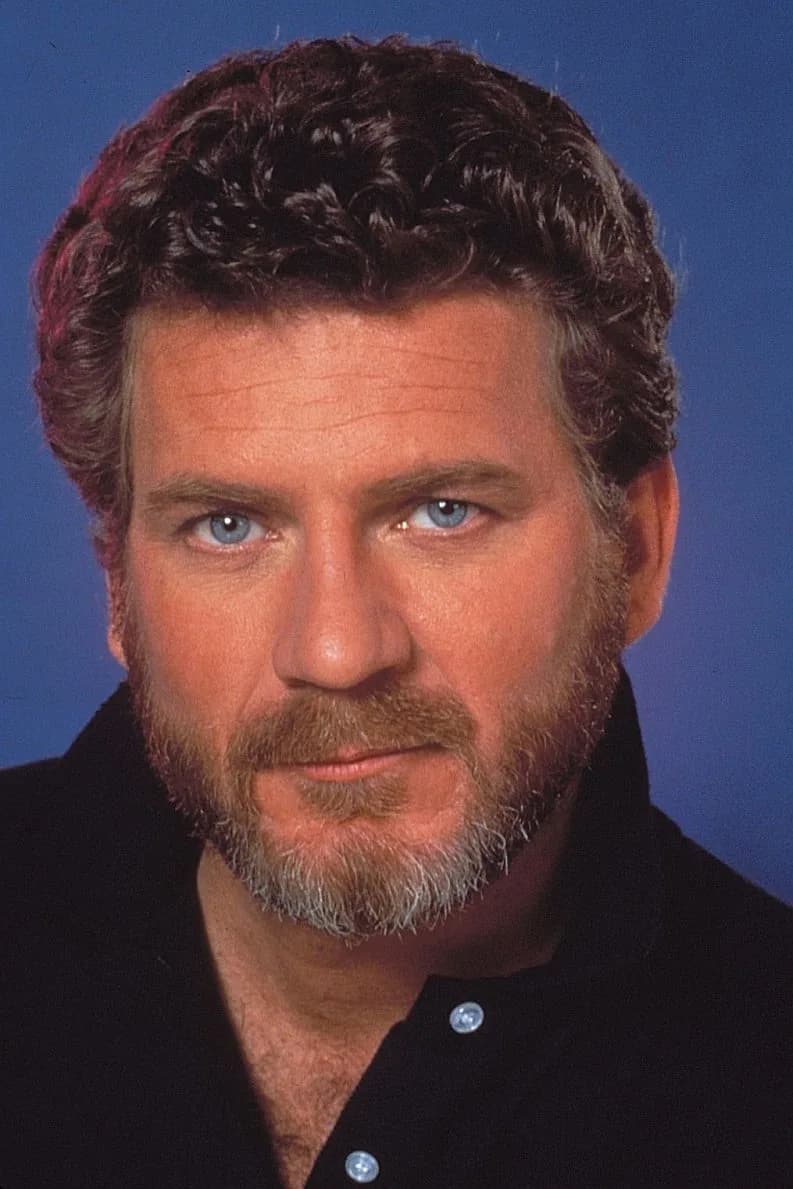
Robert Foxworth
Cast · Known for Falcon Crest
Robert Foxworth is an American actor born on November 1, 1941, in Houston, Texas. He earned a Bachelor of Fine Arts degree in acting from Carnegie Mellon University and began his career as a stage actor, notably performing at Washington D.C.'s Arena Stage. Foxworth is best known for his television roles, including Chase Gioberti on the popular soap opera "Falcon Crest" (1981–1987), and Bernard Chenowith in the drama series "Six Feet Under" (2001–2003). He also starred in Gene Roddenberry's 1974 TV movie "The Questor Tapes." Over his long career, Foxworth appeared in diverse television shows such as "Star Trek: Deep Space Nine," "The West Wing," and "Law & Order," and lent his voice to characters like the Autobot Ratchet in the "Transformers" film series. Foxworth was married to actress Elizabeth Montgomery from 1993 until her death in 1995 and has been married to Stacey Thomas since 1998. He is recognized for his versatility in film, television, and stage acting.
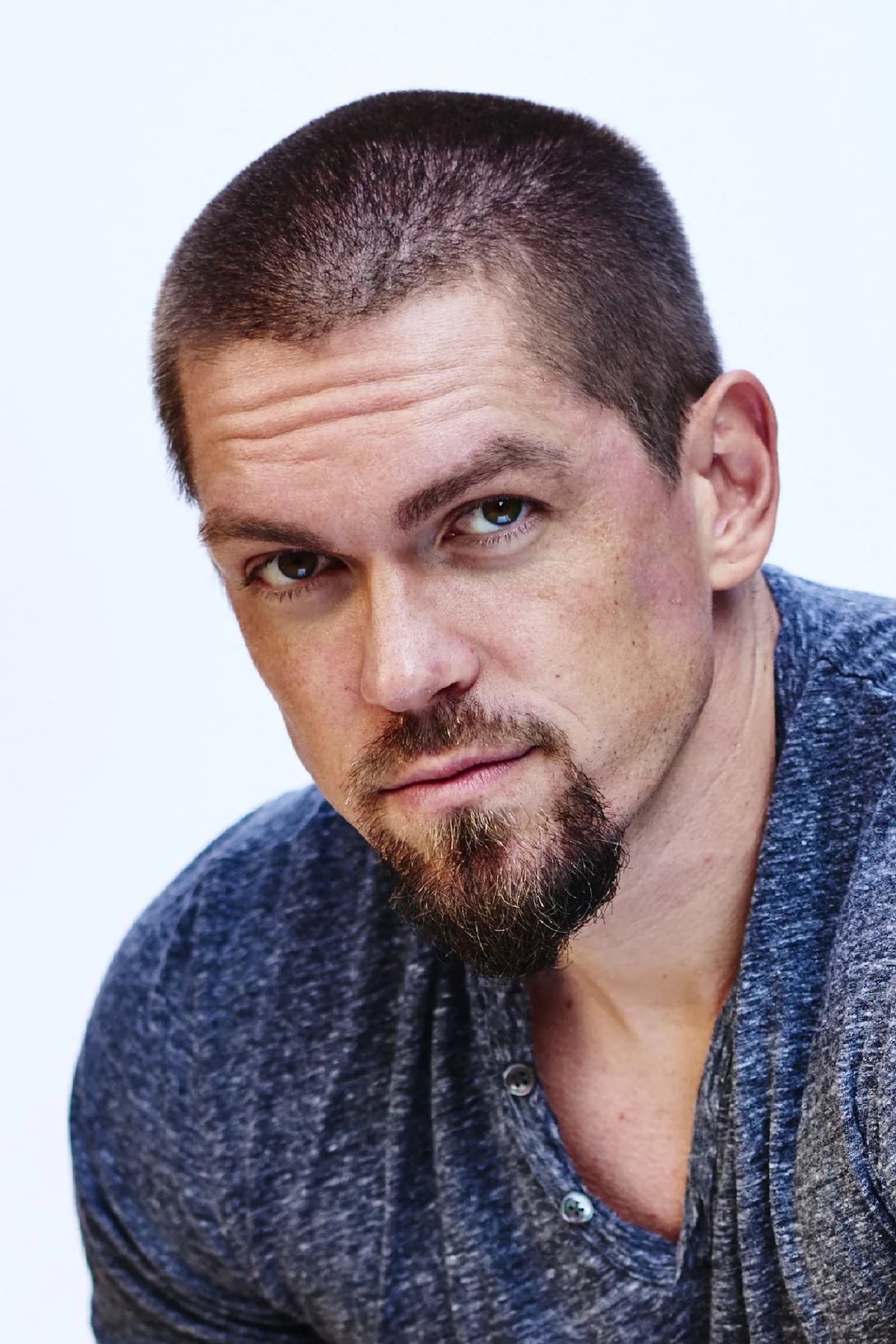
Steve Howey
Cast · Known for Shameless, High Potential, Off Campus
Steven Michael Robert Howey (born July 12, 1977) is an American film and television actor. He is known for his roles as Van Montgomery on The WB/CW television series Reba, and Kevin "Kev" Ball on the Showtime series Shameless. Howey has also appeared in the films Supercross, DOA: Dead or Alive, Bride Wars, Game Over, Man!, and Something Borrowed.
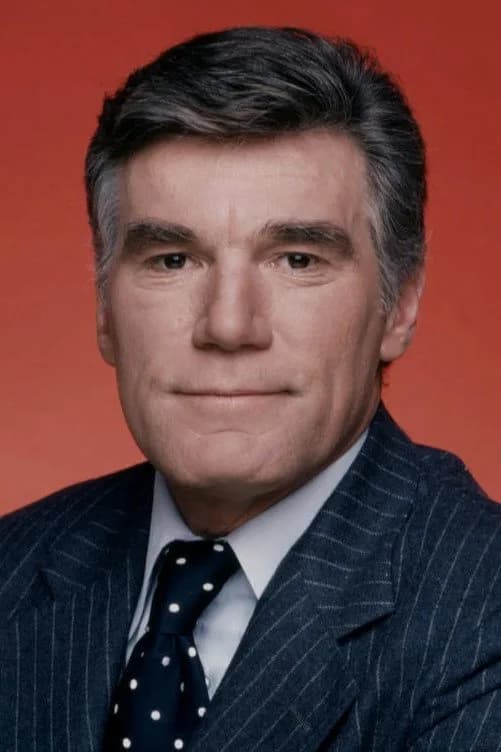
Mitchell Ryan
Cast · Known for Lethal Weapon, Judge Dredd, Dark Shadows
Mitchell Ryan (January 11, 1934 – March 4, 2022) was an American actor most recently known for playing Edward Montgomery on Dharma & Greg. Ryan was born in Cincinnati, Ohio and raised in Louisville, Kentucky. He served in the US Navy during the Korean War. After the Korean War, he went to the Barter Theatre in Abingdon, Virginia. There he went on to make his acting debut in Thunder Road along with the Theatre's founder Robert Porterfield. Ryan was an original cast member on Dark Shadows, His other acting credits include Halloween: The Curse of Michael Myers, Liar, Liar, Magnum Force, Lethal Weapon, Grosse Pointe Blank, Electra Glide in Blue, and Hot Shots! Part Deux. In 1973, he played the lead on Chase. His Broadway theatre credits include Wait Until Dark, Medea, and The Price. Ryan was married and divorced twice and is the father of three children.
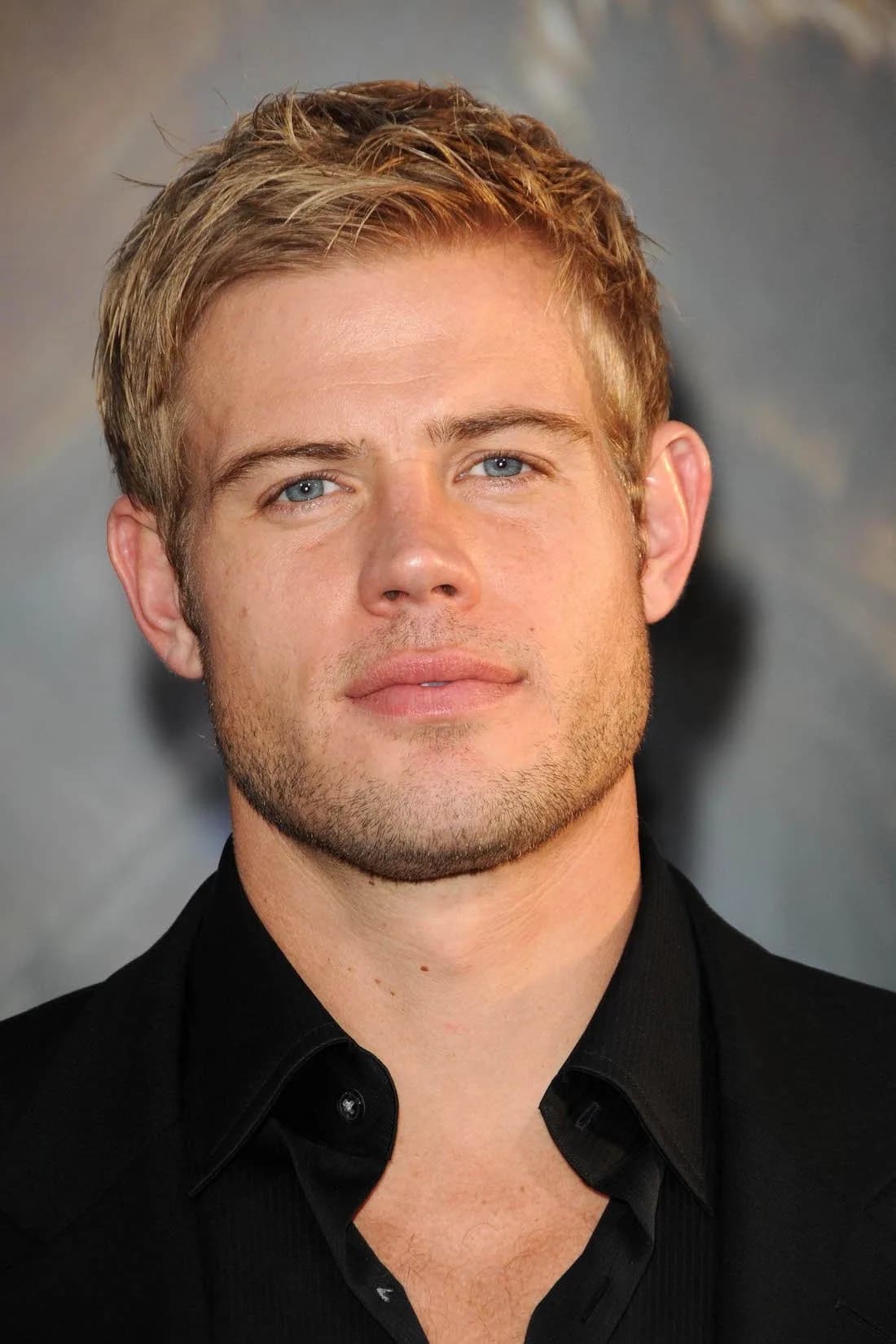
Trevor Donovan
Trevor Donovan (born October 11, 1982, in Mammoth Lakes, California) is a versatile artist, advocate, and author. A former member of the U.S. teen ski team, Donovan later earned a bachelor's degree in graphic design before embarking on a successful entertainment career. He is best known for his groundbreaking role as Teddy Montgomery, the first and only LGBT series regular on the global hit 90210, as well as for his performances in Texas Rising, Sun Records, and Melissa & Joey. Beyond his on-screen success, Donovan is a passionate advocate for various causes, including canine rights and anti-bullying. He serves as an active ambassador for the Robert F. Kennedy Center for Justice and Human Rights. Additionally, he founded the nationwide anti-bullying program Team Upstanders, dedicating himself to raising awareness about bullying in all its forms, along with other issues he deeply cares about. Known for his charismatic and engaging performances, Donovan has emerged as a sought-after leading man in romantic comedies, earning him the title "The Prince Charming of RomComs." He has starred in numerous titles, including Easy Heart, USS Christmas, Love Finds You in Charm, and many others. Recently, he has taken on the role of Chase Logan in the Where the Wind Blows film series, adding to his impressive repertoire. Donovan appeared on Season 31 of Dancing with the Stars on Disney+, quickly becoming a fan favorite and reaching the semi-finals despite having no prior dance experience. He has also starred in various popular TV shows, including 90210, Sun Records, The Client List, Melissa & Joey, Awkward, NCIS, and Lucifer. His recent projects include the biopic Reagan with Dennis Quaid, which was theatrically released in August 2024. Upcoming projects include Grounded, A Little Women's Christmas, and When Hope Calls. Apart from his successful acting career, Donovan is also an accomplished author, having written three children's books in his Love Always series, featuring Dogbert the German Shepherd, Tito the English Bulldog, Shadow the Golden Retriever, and Chance the Labrador. These heartwarming stories are inspired by real-life everyday experiences and showcase Donovan's love for animals and his unwavering optimism. Donovan's positive outlook on life and dedication to making a difference make him a beloved figure in both the entertainment industry and the wider community. He is an avid user of social media, where he has a global fan base known as #DonoFans, who eagerly support all his endeavors and ensure his projects trend online.
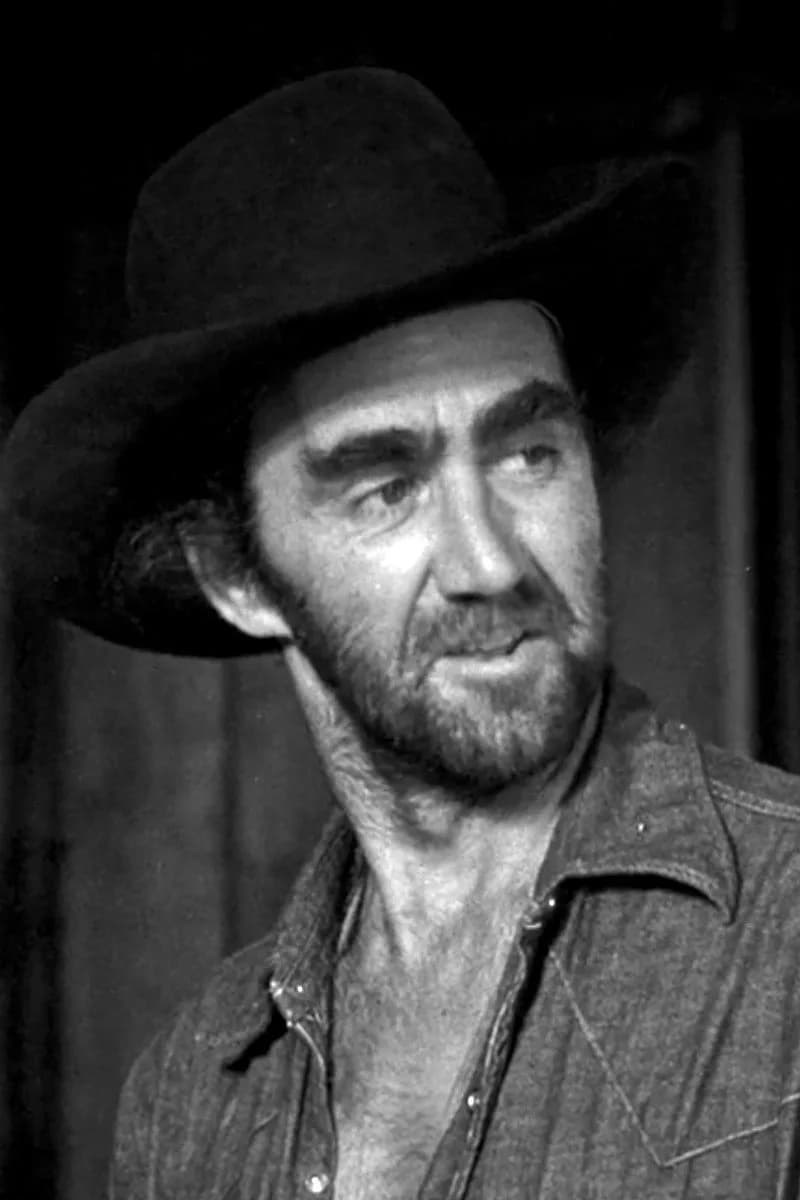
Leonard P. Geer
Leonard P. Geer (May 9, 1914 - January 9, 1989) was an American actor and stuntman. He appeared in many Western films and shows, usually in background roles. Notably he starred as ranch hand Ollie in the first two serials of The Adventures of Spin and Marty (1955 - 1956). Geer also was noted for his stunt work on films such as North by Northwest (1959), The Birds (1963), The Blues Brothers (1980), Breathless (1983), and Scarface (1983). He served as a stunt double for actors Robert Mitchum and George Montgomery.
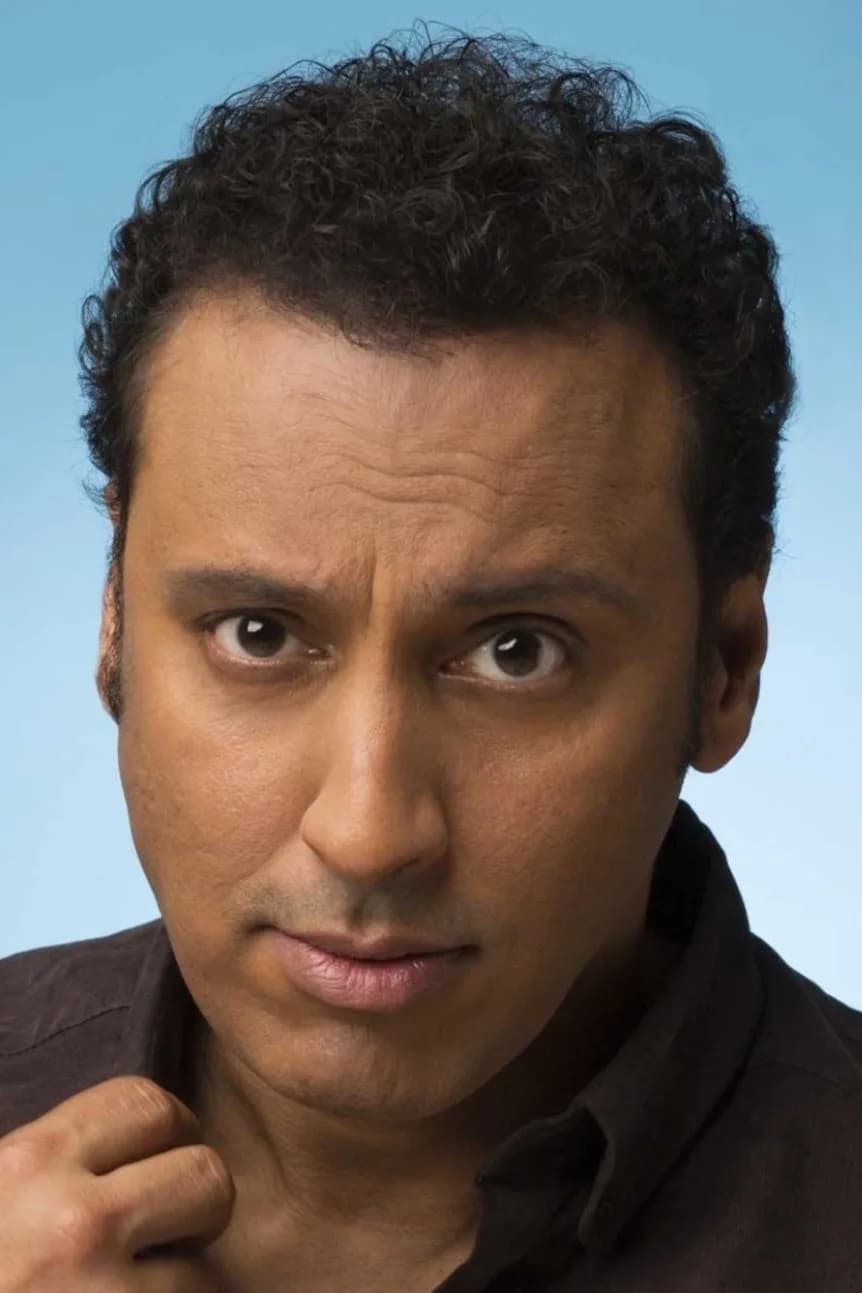
Aasif Mandvi
Cast · Known for Evil, The Proposal, Ray Gunn
Aasif Hakim Mandviwala (known professionally as Aasif Mandvi; born March 5, 1966) is a British-American actor, comedian and author. He made his television debut as a doorman at the Miami Biltmore Hotel in the episode "Line of Fire" of the series Miami Vice. In 2006, Mandvi auditioned for The Daily Show and was hired immediately and appeared on the show the same day. He began appearing as an occasional contributing correspondent on The Daily Show on August 9, 2006. On March 12, 2007, he was promoted to a regular correspondent. In October 2013, during a segment on The Daily Show, his interview with Don Yelton led to Yelton's resignation from the North Carolina Republican Party office. In 2013, he was cast in a recurring role on the FOX romantic comedy, Us & Them. Beginning in June 2015, he portrayed Rafiq Massoud in the HBO comedy series The Brink. He also served as a writer and co-producer on the series. Also in 2015, he was the lead actor, co-writer and producer of the web series Halal in the Family, which premiered on Funny or Die. In 2016, he joined the climate change documentary show Years of Living Dangerously as one of its celebrity correspondents. Beginning in 2017, he had a short recurring role on Netflix's A Series of Unfortunate Events as Montgomery "Uncle Monty" Montgomery, a herpetologist and distant relative of the Baudelaire children. In 2019, he starred in CBS' supernatural drama series Evil as Ben Shakir, a carpenter who works as a technical expert, equipment handler and debunker of supernatural phenomena. His other recurring roles include Oz, CSI, Tanner on Tanner, The Bedford Diaries, Jericho, Blue Bloods, Younger, and This Way Up. He hosted the game show Would I Lie to You? (2022). He played minor roles in the films The Siege and Die Hard with a Vengeance. He played the doctor who diagnosed Paul Vitti's (Robert De Niro) panic attacks in Analyze This, and had a role as Mr. Aziz of "Joe's Pizza" in Spider-Man 2. He played the tone deaf doorman Khan in Music and Lyrics, a dentist alongside Ricky Gervais in Ghost Town, Bob Spaulding in The Proposal, and appeared in It's Kind of a Funny Story. In M. Night Shyamalan's The Last Airbender (released in 2010) he played a major role as Commander Zhao. He played the role of Mr. Chetty in The Internship and Ash Vasudevan in Million Dollar Arm. He has appeared in other films including Random Hearts, Margin Call, Dark Horse, The Dictator, Ruby Sparks, Premium Rush, Movie 43, Mother's Day, Drunk Parents, and more.
Simon Oakland
Cast · Known for Psycho, Combat!
From Wikipedia, the free encyclopedia Simon Oakland (August 28, 1915 – August 29, 1983) was an American actor of stage, screen, and television. During his career, Oakland performed primarily on television, appearing in over 130 series and made-for-television movies between 1951 and 1983. His most notable big-screen roles were in Psycho (1960), West Side Story (1961), The Sand Pebbles (1966), Bullitt (1968), The Hunting Party (1971), and Chato's Land (1972). On television, he was a regular on the cult classic horror series Kolchak: The Night Stalker (1974-1975), and the military drama Baa Baa Black Sheep (1976-1978). Early life and career Oakland was born in Brooklyn, New York, the eldest of the three sons of immigrant Jewish parents, Jacob Weiss and Ethel Oaklander, born in Romania and the Russian Empire respectively. His father was a plasterer and builder. While he later claimed in media interviews to have been born in 1922 (a date repeated in his New York Times obituary), Social Security and vital records indicate he was born Simon Weiss in 1915; his stage name was derived from his mother's maiden name, Oaklander. Film and television In 1955, Oakland made his film debut, albeit uncredited, as an Indiana state trooper in The Desperate Hours. He appeared in two films released in 1958: as Mavrayek in The Brothers Karamazov and as journalist Edward Montgomery in I Want to Live! Oakland's notable performance in I Want to Live! led to his playing a long series of tough-guys, either as authority figures or villains or a mix of both. He appeared in Psycho as the psychiatrist who, at the end of the film, explains Norman Bates's multiple personality disorder. He appeared in the films West Side Story, The Sand Pebbles, and Bullitt. He made two guest appearances as murder victims on CBS's Perry Mason. He appeared in the syndicated crime drama, Decoy, starring Beverly Garland. Oakland appeared once on the CBS Western Dundee and the Culhane and once on the series Sheriff of Cochise. He was also a regular, in a comedic supporting role, as General Thomas Moore, on NBC's Baa Baa Black Sheep, starring Robert Conrad. He appeared in two episodes of the original The Twilight Zone TV series (“The Rip Van Winkle Caper” and “The Thirty-Fathom Grave”) and in The Outer Limits as the alien birdman in "Second Chance". In 1974 and 1975, he was a series regular on Kolchak: The Night Stalker, playing newspaper editor Tony Vincenzo. (He had previously played the same character in two made-for-television movies. Personal life Oakland was married to Lois Lorraine Porta. The couple had one daughter, Barbara. Death Oakland continued working up to the year of his death. His last credited acting appearance was in the episode "Living and Presumed Dead" on the CBS television series Tucker's Witch. That episode aired three months before Oakland's death from colon cancer in Cathedral City, California, on August 29, 1983, the day after his 68th birthday. CLR
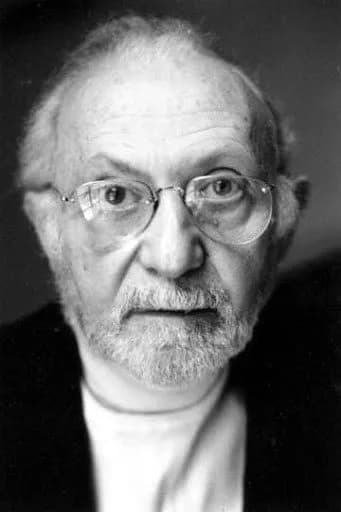
Lee Strasberg
Cast · Known for The Godfather Part II
From Wikipedia, the free encyclopedia. Lee Strasberg was an American actor, director and acting teacher. He cofounded, with directors Harold Clurman and Cheryl Crawford, the Group Theatre in 1931, which was hailed as "America's first true theatrical collective". In 1951, he became director of the non-profit Actors Studio, in New York City, considered "the nation's most prestigious acting school". In 1969, Strasberg founded the Lee Strasberg Theatre and Film Institute in New York City and in Hollywood to teach the work he pioneered. He is considered the "father of method acting in America," according to author Mel Gussow, and from the 1920s until his death in 1982 "he revolutionized the art of acting by having a profound influence on performance in American theater and movies". From his base in New York, he trained several generations of theatre and film's most illustrious talents, including Anne Bancroft, Dustin Hoffman, Montgomery Clift, Marlon Brando, James Dean, Marilyn Monroe, Julie Harris, Paul Newman, Al Pacino, Robert De Niro and director Elia Kazan. Former student Elia Kazan directed James Dean in East of Eden (1955), for which Kazan and Dean were nominated for Academy Awards. As a student, Dean wrote that Actors Studio was "the greatest school of the theater [and] the best thing that can happen to an actor". Playwright Tennessee Williams, writer of A Streetcar Named Desire, said of Strasberg's actors, "They act from the inside out. They communicate emotions they really feel. They give you a sense of life." Directors like Sidney Lumet, a former student, have intentionally used actors skilled in Strasberg's "Method". Kazan, in his autobiography, wrote, "He carried with him the aura of a prophet, a magician, a witch doctor, a psychoanalyst, and a feared father of a Jewish home.... [H]e was the force that held the thirty-odd members of the theatre together, and made them 'permanent.'" :61 Today, Ellen Burstyn, Al Pacino, and Harvey Keitel lead this nonprofit studio dedicated to the development of actors, playwrights, and directors. Description above from the Wikipedia article Lee Strasberg, licensed under CC-BY-SA, full list of contributors on Wikipedia.
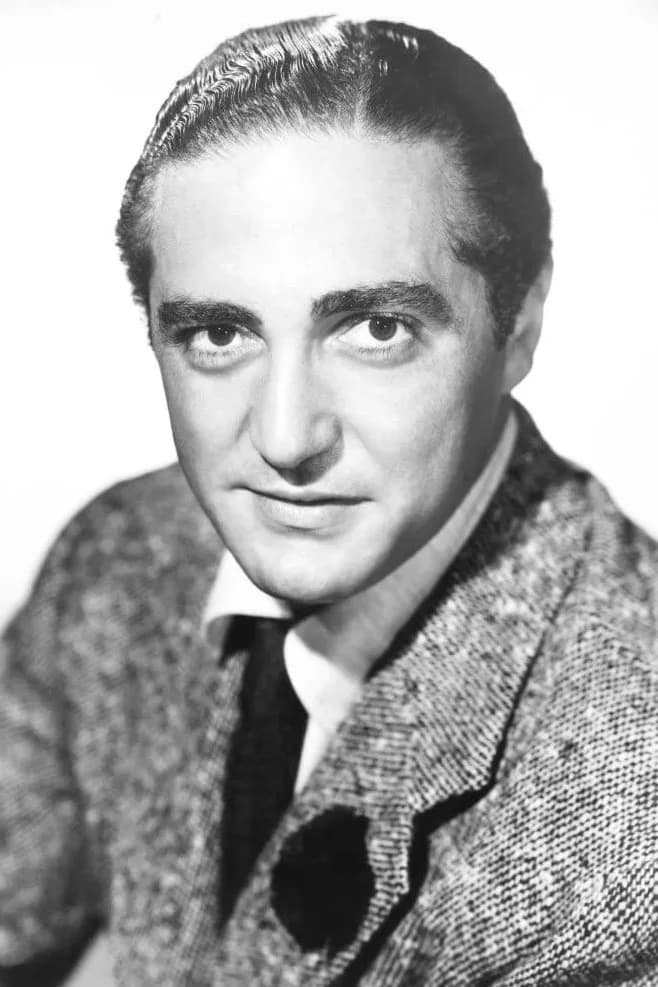
Sheldon Leonard
Executive Producer · Known for The Andy Griffith Show
From Wikipedia, the free encyclopedia Sheldon Leonard Bershad (February 22, 1907 – January 11, 1997) was an American film and television actor, producer, director, and writer. Sheldon Leonard Bershad was born in Manhattan, New York City, the son of middle class Jewish parents Anna Levit and Frank Bershad. He graduated from Syracuse University in 1929. As an actor, Leonard specialized in playing supporting characters, especially gangsters or "heavies", in films such as It's a Wonderful Life (1946; as bartender Nick), To Have and Have Not (1944), Guys and Dolls (1955), and Open Secret (1948). His trademark was his especially thick New York accent, usually delivered from the side of his mouth. In Decoy (1946), Leonard uses his "heavy" persona to create the hard-boiled police detective Joe Portugal. On radio from 1945 to 1955, Leonard played an eccentric racetrack tout on The Jack Benny Program and later in the TV series of the same name. His role was to salute Benny out of the blue in railroad stations, on street corners, or in department stores ("Hey Bud. C'mere a minute."), ask Benny what he was about to do, and then proceed to try to argue him out of his course of action by resorting to inane and irrelevant racing logic. As "The Tout," he never gave out information on horse racing, unless Jack demanded it. One excuse the tout gave was, "Who knows about horses?" Leonard was part of the cast of voice actors on the Damon Runyon Theatre radio show (1948-1949). He was part of the ensemble cast of the Martin and Lewis radio show. He also appeared frequently on The Adventures of the Saint, often playing gangsters and heavies, but also sometimes in more positive roles. Leonard was also a regular on the radio comedy series The Adventures of Maisie in the 1940s. During the 1950s, Leonard provided the voice of lazy fat cat Dodsworth in two Warner Bros. Merrie Melodies cartoons directed by Robert McKimson. In the adventure movie The Iroquois Trail (1950), Leonard played against type in the significant role of Chief Ogane, a Native American warrior, who pursues and fights the frontiersman Nat "Hawkeye" Cutler (George Montgomery) in a climactic duel to the death with knives. Later in the 1950s and 1960s, he established a reputation as a producer of successful television series, including The Danny Thomas Show (aka Make Room For Daddy) (1953–64), The Andy Griffith Show (1960–68), Gomer Pyle U.S.M.C. (1964–69), The Dick Van Dyke Show (1961–66), and I Spy (1965–68). He also directed several TV series episodes, including four of the first eight episodes of the TV series Lassie (Season 1, 1954). Leonard also provided the voice of Linus the Lionhearted in a series of Post Crispy Critters cereal TV commercials in 1963-64, which led to a Linus cartoon series that aired on Saturday (and later, Sunday) mornings on CBS (1964–66) and ABC (1967–69). He also was briefly the star of his own television show Big Eddie (1975), where he played the owner of a large sports arena. The show lasted for only ten episodes.