
Search
Brian Smyj
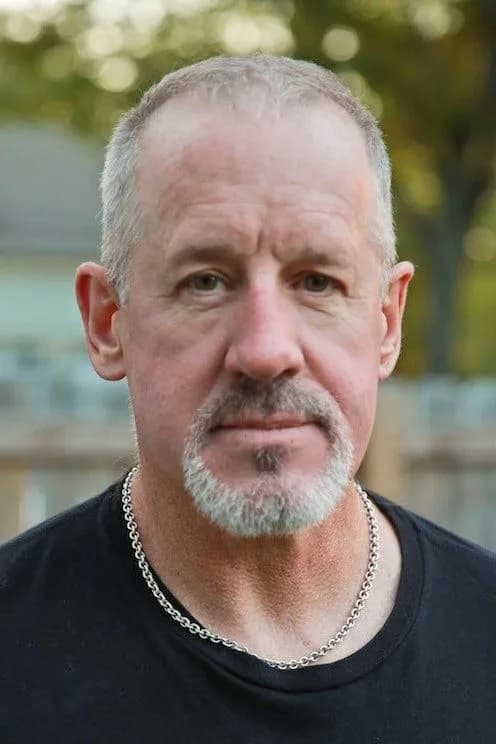
Brian Smyj (pronounced Smy) is a highly trained Stunt Coordinator and Stunt man with over 20 years in the business. From Gladiator (2000) to The Pink Panther (2006) he's crashed and burned his way across the big screen time and time again. When he's not launching someone off a building or lighting them on fire, he's designing and fabricating one-of-a-kind rigs, machines, and safety systems to make his stunts the best and safest in the business. Brian is one of the most creative, accomplished stunt rigger in the United States. Brian knows how to flex the rules of physics to defy the laws of gravity.
Scott Rechsteiner
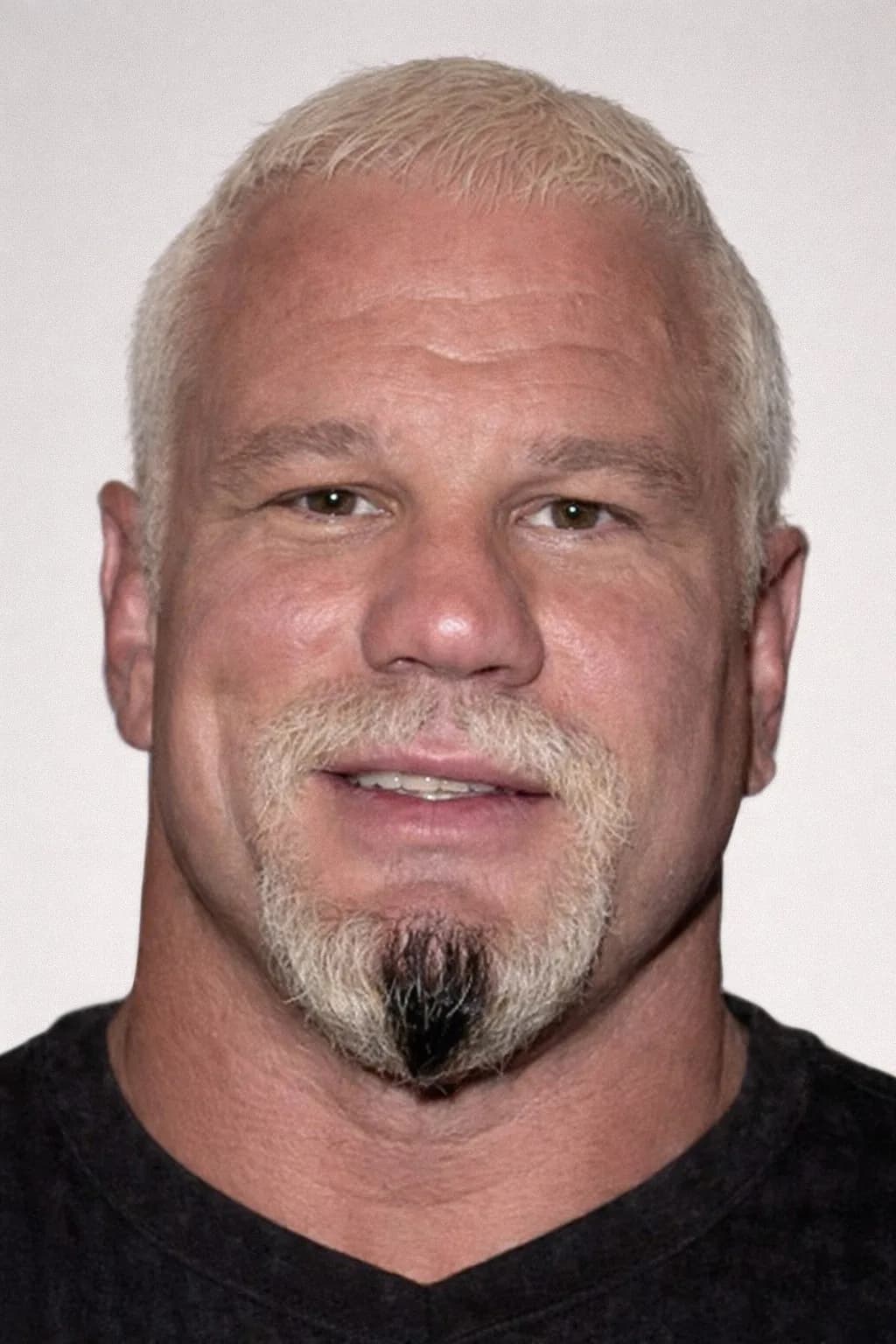
Scott Rechsteiner, better known by his ring name Scott Steiner, is an American professional wrestler best known for his explosive singles run as “Big Poppa Pump” and his earlier success as one-half of the Steiner Brothers alongside his brother Rick. He rose to prominence in World Championship Wrestling (WCW), where he transitioned from tag team standout to main-event singles star and later became a key member of the New World Order (nWo). Following WCW’s collapse, Steiner continued wrestling at a high level across the World Wrestling Federation (WWF), later renamed World Wrestling Entertainment (WWE) in 2002, and World Wrestling All-Stars (WWA) before becoming a featured veteran presence in Total Nonstop Action Wrestling (TNA), where he captured the TNA World Tag Team Championship and remained a prominent on-screen personality during the promotion’s formative years. A multi-time world champion, Steiner is remembered for his raw intensity, freakish power, and one-of-a-kind promo style that made him one of wrestling’s most unmistakable figures.
Olivia Newton-John
Cast · Known for Grease
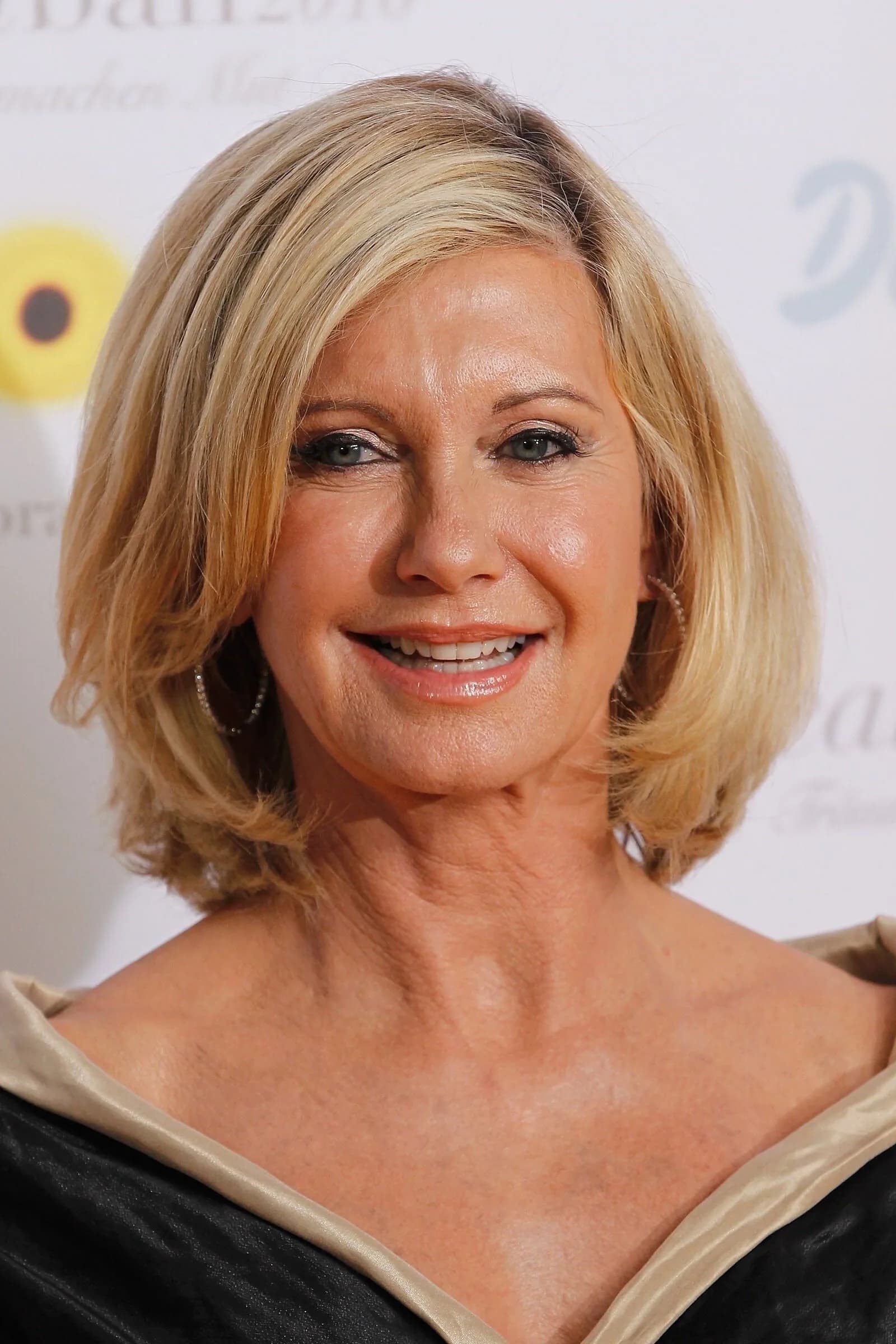
Dame Olivia Newton-John AC, DBE (September 26, 1948 – August 8, 2022) was an English-born, Australian-raised singer and actress. She is a four-time Grammy award winner who amassed five No. 1 and ten other Top Ten Billboard Hot 100 singles and two No. 1 Billboard 200 solo albums. Eleven of her singles (including two platinum) and 14 of her albums (including two platinum and four double platinum) have been certified gold by the RIAA. She has sold an estimated over 100 million albums worldwide. In 1978, she co-starred with John Travolta in the film adaptation of the Broadway musical, Grease, which became one of the most successful films and movie soundtracks in Hollywood history. It features two major hit duets with co-star John Travolta: "You're the One That I Want"—which is one of the best-selling singles of all time—and "Summer Nights". She became the second woman (after Linda Ronstadt in 1977) to have two singles – "Hopelessly Devoted to You" and "Summer Nights" – in the Billboard top 5 simultaneously. Her performance earned her a People's Choice Award for Favorite Film Actress. She was nominated for a Golden Globe as Best Actress in a Musical and performed the Oscar-nominated "Hopelessly Devoted to You" at the 1979 Academy Awards. In 1980, she starred with Gene Kelly and Michael Beck in the musical fantasy film Xanadu. Although it was a critical failure, its soundtrack was certified double platinum and scored five top 20 singles on the Billboard Hot 100. She charted with "Magic", "Suddenly" with Cliff Richard, and the title song "Xanadu" with the Electric Light Orchestra. "Magic" was Newton-John's biggest pop hit to that point and still ranks as the biggest AC hit of her career. The film has since become a cult classic and the basis for a Broadway show that ran for more than 500 performances beginning in 2007 and was nominated for four Tony Awards including Best Musical. She helped pioneer the music video industry by recording a video album for Physical, featuring videos of all the album's tracks and three of her older hits. The video album earned her a fourth Grammy and was aired as an ABC prime-time special, Let's Get Physical, becoming a top-10 Nielsen hit. She teamed up with Travolta again in 1983 for the critically and commercially unsuccessful movie Two of a Kind, redeemed by its platinum soundtrack featuring "Twist of Fate", and a new duet with Travolta, "Take a Chance"Iowa. In 2002, she was inducted into Australia's ARIA Hall of Fame and, in 2015, she was inducted into the Music Victoria Hall of Fame. In recognition for "her work as an entertainer and philanthropist", she was bestowed Australia's highest honor, the Companion of the Order of Australia, in June 2019. In 2008, she raised funds to help build the Olivia Newton-John Cancer and Wellness Centre in Melbourne, Australia. She led a three-week, 228 km walk along the Great Wall of China, joined by various celebrities and cancer survivors throughout her trek. The walk symbolised the steps cancer patients must take on their road to recovery. She was a a long-time activist for environmental and animal rights issues. She battled breast cancer three times and was an advocate for breast cancer research and health awareness. Her business ventures included launching several product lines for Koala Blue and co-owning the Gaia Retreat & Spa in Australia.
Gary Mule Deer
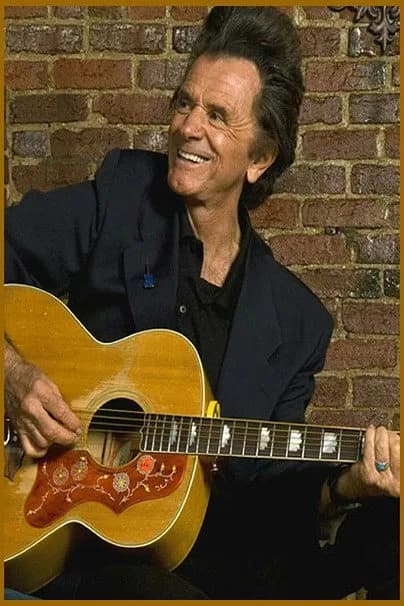
Comedian and musician Gary Mule Deer has performed on every major concert stage in the U.S. He has made over 350 television appearances including many on both The Tonight Show and The Late Show With David Letterman, and has entertained everywhere from the Grand Ole Opry to Royal Albert Hall in London. His unique blend of comedy and music has set him apart as a one-of-a-kind performer. Gary was one of six comedians, along with Jay Leno, to star on the very first HBO comedy special, and was the comedy host of Don Kirshner’s Rock Concert on NBC. He has appeared regularly in Las Vegas, Reno, Lake Tahoe and Atlantic City, and for over 20 years toured as a special guest with Johnny Mathis in major venues all across the U.S. and Canada.
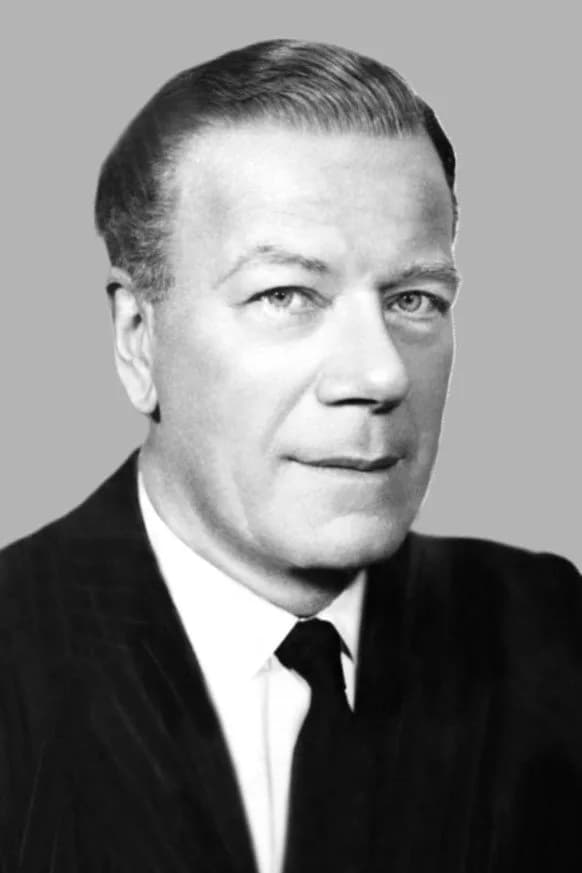
Cyril Ritchard
Legendary for his preening, prancing, delightfully playful villain Captain Hook on the award-winning stage (as well as TV) opposite America's musical treasure Mary Martin, beloved musical star Cyril Ritchard had a vast career that would last six decades, but "Peter Pan" would become his prime legacy. Born in Australia just before the turn of the century, he was educated at St. Aloysius College and Sydney University wherein he slyly sidestepped a parental-guided career in medicine for entertainment, participating in numerous college productions that quickly got him "hooked." He began professionally in the chorus line of The Royal Comic Opera Company and quickly progressed to juvenile leads. A subsequent pairing with the already-established theatre actress Madge Elliott in 1918 proved successful, and the musical twosome eventually married in 1935. Together they would go on to become known as "The Musical Lunts" by their acting peers performing in scores of plays and revues together. Ritchard specialized in playing slick, dandified villains in musical comedy and developed a potent reputation of being a man of many talents. Not only directing and staging Broadway's finest, he became a renown performer of various operas and led many productions as such. Shortly before his wife's death of bone cancer in 1955, Ritchard ventured into TV infamy by repeating his Tony and Donaldson award-winning portrayal of Hook in Peter Pan (1955). He continued to earn acclaim and/or honors with such classic stage productions as "Visit to a Small Planet" (Tony-nominated), "The Pleasure of His Company" (Drama League award, Tony-nominated), "The Roar of the Greasepaint...the Smell of the Crowd" (Tony-nominated), "A Midsummer Night's Dream" and "Sugar," the musical version of the classic Billy Wilder film Some Like It Hot (1959) in which Ritchard played the Joe E. Brown role. Lesser regarded when it comes to film, he performed in the early Hitchcock classic Blackmail (1929) and made his last movie with the musical Half a Sixpence (1967) with Tommy Steele. While performing as the Narrator in a stage production of "Side by Side by Sondheim" in November 1977, Ritchard suffered a heart attack and died one month later. A one-of-a-kind talent, his nefarious, narcissistic humor was a career trademark that culminated in the role of a lifetime -- one that will certainly be enjoyed by children young and old for eons to come.

Tanino Liberatore
Costume Design · Known for Asterix & Obelix: Mission Cleopatra
Gaetano Liberatore (born 12 April 1953), better known as Tanino Liberatore, is an Italian comics author and illustrator. His best known fictional character is RanXerox. Born in Quadri (province of Chieti), Liberatore went to high school in Pescara where he met comics artist Andrea Pazienza. He later finished his architectural studies at the University of Rome. From 1974 to 1978, he designed record covers for RCA. In 1978 he met Stefano Tamburini and published his first work in Tamburini's comics magazine Cannibale. In 1978 Rank Xerox was born, a cyborg-punk, ultra strong creature created by Tamburini. Several stand alone hardcover albums ensued, translated in several languages. In 1980 he involved in the foundation of the magazine Frigidaire. Liberatore's work has been republished in several international comics magazines (Transfert, Métal Hurlant, A Suivre, L'Écho des savanes, Chic). The cover of Frank Zappa's The Man from Utopia album features an illustration by Tanino Liberatore, showing Zappa as RanXerox. In 1984 he drew the album cover for Beat Up, the first 7-inch release by New York City based ska band The Toasters. During this time he also created a few 'one of a kind' pieces of art work for Toasters frontman Robert "Bucket" Hingley. He has also done art direction for films. Source: Article "Tanino Liberatore" from Wikipedia in English, licensed under CC-BY-SA 3.0.
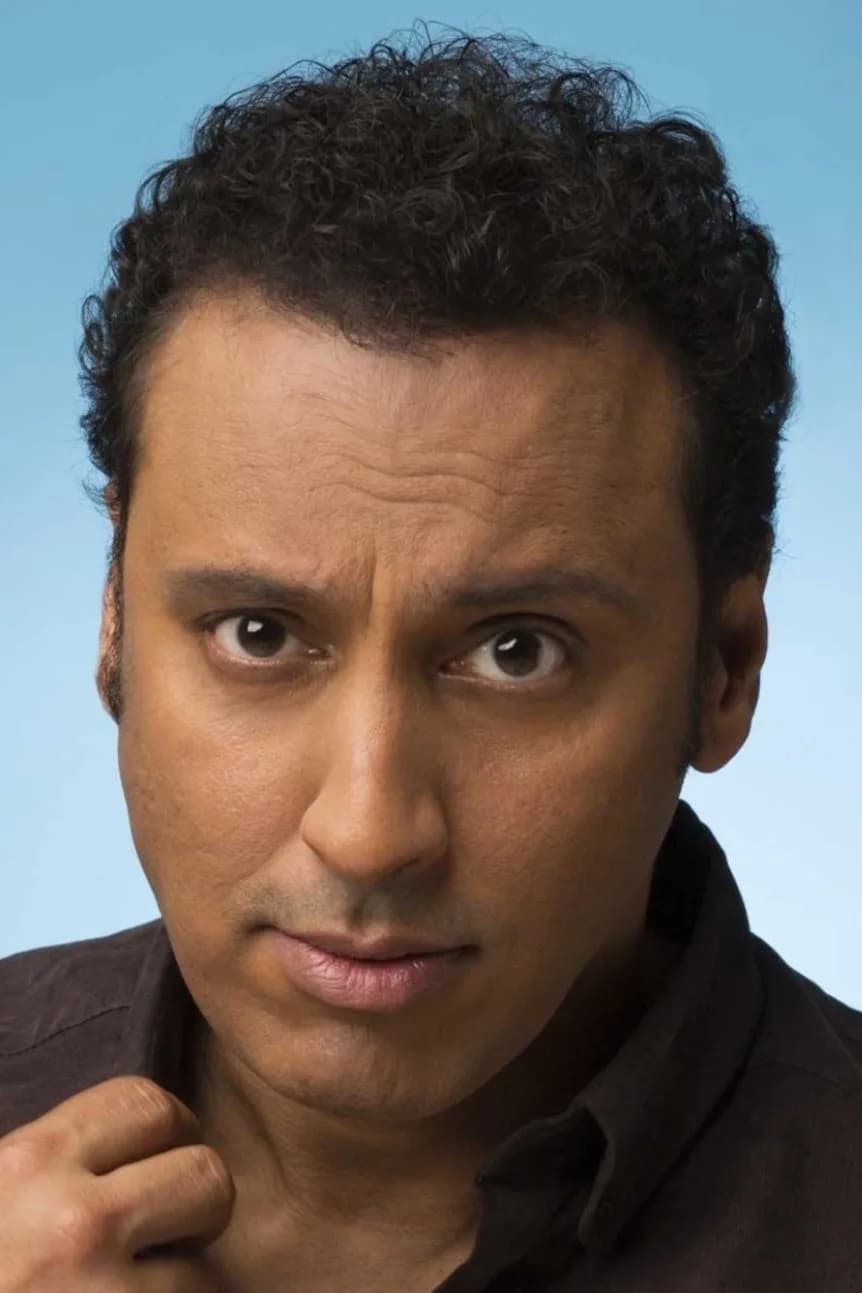
Aasif Mandvi
Cast · Known for Evil, The Proposal, Ray Gunn
Aasif Hakim Mandviwala (known professionally as Aasif Mandvi; born March 5, 1966) is a British-American actor, comedian and author. He made his television debut as a doorman at the Miami Biltmore Hotel in the episode "Line of Fire" of the series Miami Vice. In 2006, Mandvi auditioned for The Daily Show and was hired immediately and appeared on the show the same day. He began appearing as an occasional contributing correspondent on The Daily Show on August 9, 2006. On March 12, 2007, he was promoted to a regular correspondent. In October 2013, during a segment on The Daily Show, his interview with Don Yelton led to Yelton's resignation from the North Carolina Republican Party office. In 2013, he was cast in a recurring role on the FOX romantic comedy, Us & Them. Beginning in June 2015, he portrayed Rafiq Massoud in the HBO comedy series The Brink. He also served as a writer and co-producer on the series. Also in 2015, he was the lead actor, co-writer and producer of the web series Halal in the Family, which premiered on Funny or Die. In 2016, he joined the climate change documentary show Years of Living Dangerously as one of its celebrity correspondents. Beginning in 2017, he had a short recurring role on Netflix's A Series of Unfortunate Events as Montgomery "Uncle Monty" Montgomery, a herpetologist and distant relative of the Baudelaire children. In 2019, he starred in CBS' supernatural drama series Evil as Ben Shakir, a carpenter who works as a technical expert, equipment handler and debunker of supernatural phenomena. His other recurring roles include Oz, CSI, Tanner on Tanner, The Bedford Diaries, Jericho, Blue Bloods, Younger, and This Way Up. He hosted the game show Would I Lie to You? (2022). He played minor roles in the films The Siege and Die Hard with a Vengeance. He played the doctor who diagnosed Paul Vitti's (Robert De Niro) panic attacks in Analyze This, and had a role as Mr. Aziz of "Joe's Pizza" in Spider-Man 2. He played the tone deaf doorman Khan in Music and Lyrics, a dentist alongside Ricky Gervais in Ghost Town, Bob Spaulding in The Proposal, and appeared in It's Kind of a Funny Story. In M. Night Shyamalan's The Last Airbender (released in 2010) he played a major role as Commander Zhao. He played the role of Mr. Chetty in The Internship and Ash Vasudevan in Million Dollar Arm. He has appeared in other films including Random Hearts, Margin Call, Dark Horse, The Dictator, Ruby Sparks, Premium Rush, Movie 43, Mother's Day, Drunk Parents, and more.
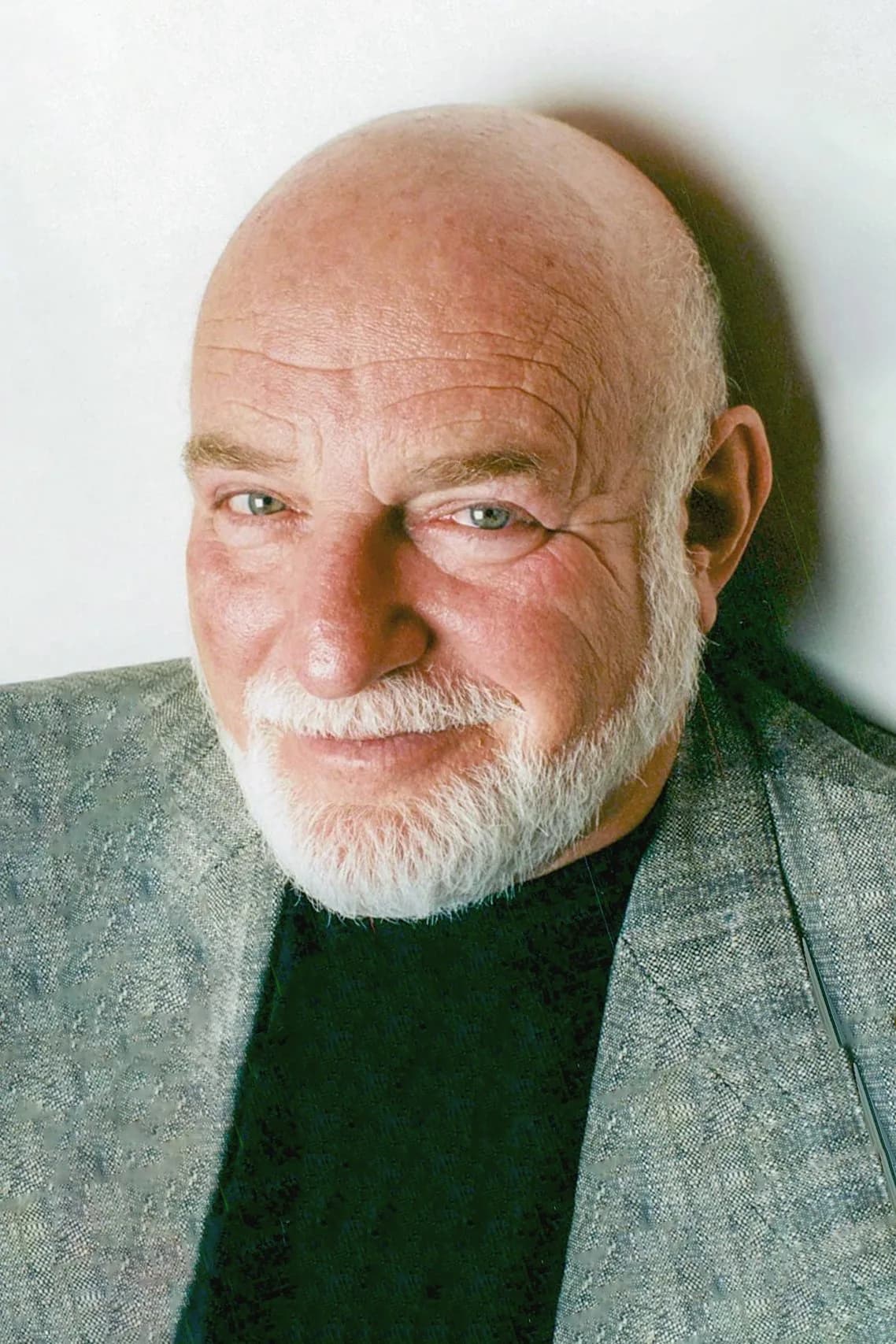
John Schlesinger
John Richard Schlesinger, CBE, was an English film and stage director, and actor. He won an Academy Award for Best Director for Midnight Cowboy, and was nominated for two other films (Darling and Sunday Bloody Sunday). Schlesinger was born in London, into a middle class Jewish family. His acting career began in the 1950s and consisted of supporting roles in British films and television productions. He began his directorial career in 1956 with the short documentary Sunday in the Park about London's Hyde Park. In 1958, Schlesinger created a documentary on Benjamin Britten and the Aldeburgh Festival for the BBC's Monitor TV programme, including rehearsals of the children's opera Noye's Fludde featuring a young Michael Crawford. By the 1960s, he had virtually given up acting to concentrate on a directing career, and another of his earlier directorial efforts, the British Transport Films' documentary Terminus (1961), gained a Venice Film Festival Gold Lion and a British Academy Award. His first two fiction films, A Kind of Loving (1962) and Billy Liar (1963) were set in the North of England. A Kind of Loving won the Golden Bear award at the 12th Berlinale in 1962. His third feature film, Darling (1965), tartly described the modern, urban way of life in London and was one of the first films about 'swinging London'. Schlesinger's next film was the period drama Far from the Madding Crowd (1967), an adaptation of Thomas Hardy's popular novel accentuated by beautiful English country locations. Both films (and Billy Liar) featured Julie Christie as the female lead. Schlesinger's next film, Midnight Cowboy (1969), was internationally acclaimed. A story of two hustlers living on the fringe in the bad side of New York City, it was Schlesinger's first film shot in the US, and it won Oscars for Best Director and Best Picture. During the 1970s, he made an array of films that were mainly about loners, losers and people outside the clean world, such as Sunday Bloody Sunday (1971), The Day of the Locust (1975), Marathon Man (1976) and Yanks (1979). Later, came the major box office and critical failure of Honky Tonk Freeway (1981), followed by films that attracted mixed responses from the public From 1973, he was an associate director of the Royal National Theatre, where he produced George Bernard Shaw's Heartbreak House (1975). He also directed several operas, beginning with Les contes d'Hoffmann (1980) and Der Rosenkavalier (1984), both at Covent Garden. Schlesinger was made a Commander of the Order of the British Empire (CBE) for his services to film in 1970. In 2003, a Golden Palm Star on the Palm Springs, California Walk of Stars was dedicated to him.
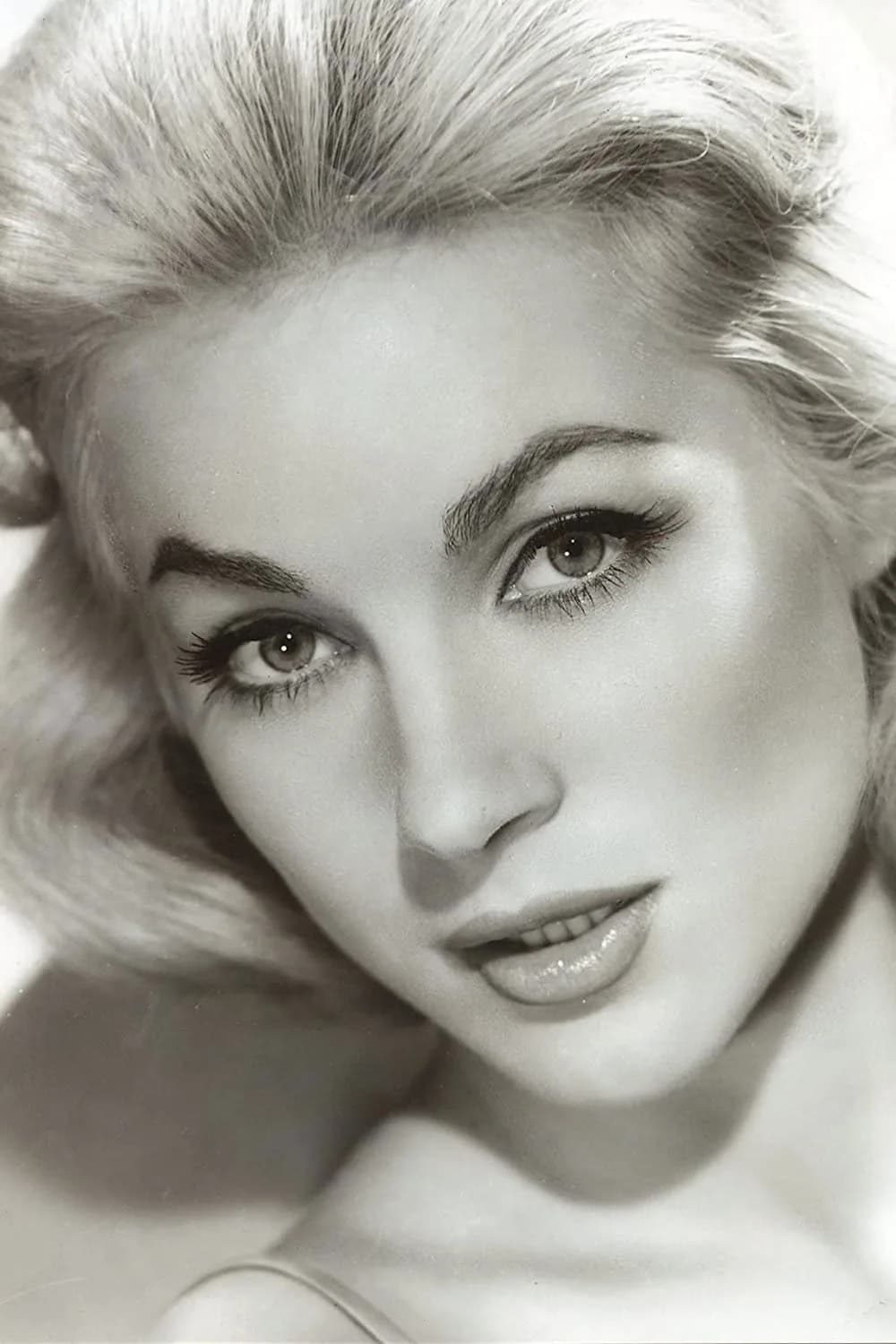
Shirley Anne Field
Shirley Anne Field (born Shirley Broomfield; June 27, 1938 - December 10, 2023) was an English actress who performed on stage, film and television since 1955, prominent during the British New Wave. After a course at the Lucie Clayton School and Model Agency, she became a photographic model for pin-up magazines like Reveille and Titbits. She was subsequently spotted by Bill Watts, who ran a theatrical agency and obtained for her roles in late 1950s British films, usually uncredited. Her first appearance in a film was as an extra in Simon and Laura (1955). She had small parts in All for Mary (1955), Lost (1956), Yield to the Night (1956) (directed by J. Lee Thompson), It's Never Too Late (1956), It's a Wonderful World (1956), The Weapon (1956), Loser Takes All (1956), The Silken Affair (1956), Dry Rot (1956), The Good Companions (1957) (again for Thompson), Seven Thunders (1957), and The Flesh Is Weak (1957). She was in episodes of The New Adventures of Martin Kane (1957) and International Detective. Field's first sizeable film role was in Horrors of the Black Museum (1959). She had minor parts in Once More, with Feeling! (1960) and And the Same to You (1960). Field had a larger role in the controversial Peeping Tom (1960). She appeared on stage in The Lily White Boys with Albert Finney. In 1960, Field's breakthrough came when she was chosen by Tony Richardson to play the role of model Tina Lapford in The Entertainer (1960), starring Laurence Olivier, distributed by Bryanston Films. Field had a supporting role in Beat Girl (1960), then appeared in probably her best known role as Doreen, the would-be girlfriend of rebellious Arthur Seaton (played by Albert Finney), in the New Wave film Saturday Night and Sunday Morning (1960). Field starred alongside Kenneth More in Man in the Moon (1960). With those three big film starring roles in 1960, she became one of the very few actors ever to have their name above the titles in all the major cinemas around Leicester Square simultaneously. Although offered a role in A Kind of Loving (1962), Field turned it down to play the female lead in a Hollywood financed film, The War Lover (1962), with Steve McQueen. In the UK, she had the lead in Lunch Hour (1962), which was one of her favorite films. For Hammer films, Field starred in The Damned (1963), directed by Joseph Losey. She went to Hollywood to play the female lead in an epic directed by J. Lee Thompson, Kings of the Sun (1963). Thompson had her under personal contract at this stage. Field went to Italy to appear in The Wedding March (1966), then back in England made Doctor in Clover (1966) and Alfie (1966). She had a supporting role in Hell Is Empty (1967) and later starred in With Love in Mind (1970) and A Touch of the Other (1970), then made House of the Living Dead (1974). By the late 1970s Field was more commonly seen on TV, in shows such as Centre Play, Shoestring, Buccaneer, Never the Twain and a long run on Santa Barbara as well as TV movies like Two by Forsyth. She had roles in films like My Beautiful Laundrette (1985), Shag (1989), Getting It Right (1989), The Rachel Papers (1989), Hear My Song (1991), UFO (1993), Taking Liberty (1993), Loving Deadly (1994), and At Risk (1994). Description above from the Wikipedia article Shirley Anne Field, licensed under CC-BY-SA, full list of contributors on Wikipedia.
Sue Casey
Cast · Known for American Beauty
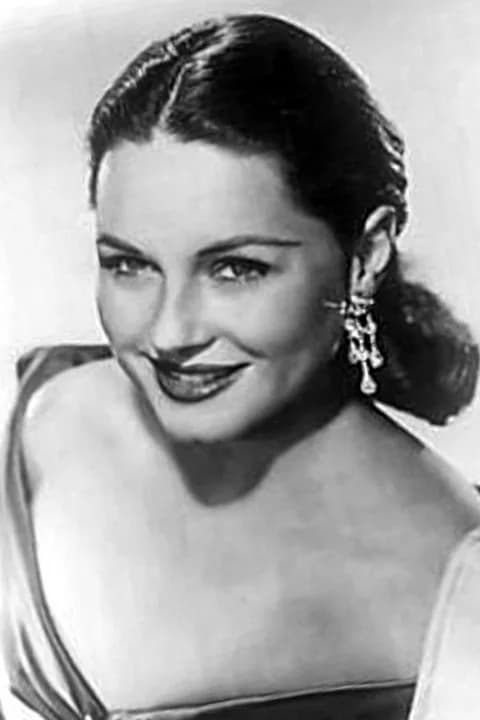
While other actresses would have long given up a stalled career out of pure frustration after decades of mostly uncredited extra/bit parts and little reward, perennial starlet Sue Casey somehow found the stamina to maintain for six decades! In films from 1946, the voluptuous brunette, at most, became a campy vixen in a few 1960s "drive-in" bombs, yet has always held a remarkably appreciative outlook as to how things turned out. Successfully establishing herself as a wholesome commercial actress, she pitched everything from cereal to automobiles in over 200 assignments. Light TV guest parts also came her way in episodes of The Lucy-Desi Comedy Hour (1957), The Baileys of Balboa (1964), The Dick Van Dyke Show (1961), The Farmer's Daughter (1963), The Beverly Hillbillies (1962) and Family Affair (1966), among others. As for the big screen, nothing changed. Obscure bit/extra parts continued with Bells Are Ringing (1960), The Ladies Man (1961), Breakfast at Tiffany's (1961), Two Weeks in Another Town (1962), A New Kind of Love (1963) and The Carpetbaggers (1964). Finally, after nearly two decades of pursuing her dream in Hollywood, Casey nabbed a leading role! As bad girl "Vicky Lindsay" in what is arguably one of film's biggest "turkeys" of all time, The Beach Girls and the Monster (1965), she attained a notoriety that led to minor cult status. The film had a non-existent budget and was received poorly in every way, shape and form upon its initial release. Casey even had to do her own hair and makeup and was forced to pick out her vixen character's clothes from her own closet. The actors were never paid until the movie was sold years later to TV (retitled as "Monster from the Surf") and that was a mere pittance. Over the years, however, the movie has reportedly gained a cult following. Two other easily dismissed co-starring roles in unmemorable campy films followed. She played a hillbilly mom in the fugitive drama Swamp Country (1966) (which starred pearly-toothed pre-Carol Burnett hunk Lyle Waggoner) and a manipulative mom and art forger in Catalina Caper (1967) (which starred former Disney star Tommy Kirk after his fall from studio grace, and (again) Lyle Waggoner). In later years, she developed a successful real estate business. She found acting work (often without an agent) intermittently on film and TV. Featured in a couple of higher-scaled movie musicals -- as a lady attendant to Vanessa Redgrave's Queen Guinevere in Camelot (1967) and as one of John Mitchum's two wives in Paint Your Wagon (1969) -- her final film resume would add such films as The Main Event (1979), Evilspeak (1981), Whitesnake: Live... in the Still of the Night (2005) and A Very Brady Sequel (1996). In American Beauty (1999), an Oscar winner for "Best Picture" and "Best Actor", lead actress Annette Bening (a Best Actress nominee for the role), plays a desperate realtor trying to sell Casey's well-to-do character a house.
Jeff Vintar
Writer · Known for I, Robot
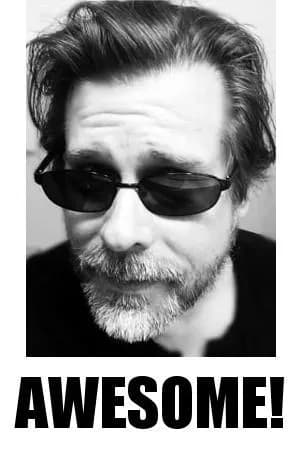
Jeff Vintar attended the University of Iowa's Writers' Workshop, where he published a series of cartoons in Random House's The Quarterly. Carving out a living as a factory worker, English teacher and transit bus driver, Vintar broke into the film business when he sold three original spec scripts in the span of six months. The second screenplay, a twist-filled sci-fi love story called Spaceless, has become almost legendary in insider circles due to its reputation and long tortuous twenty-three year struggle through Hollywood's "development hell." With notable professionals calling it their favorite unproduced screenplay and online collectors always on the lookout for a copy of the script, it is often referred to as one of the Holy Grail scripts. It is a long-time favorite of Gore Verbinski, who directed The Ring, Pirates of the Caribbean and Rango. The third spec sale, Hardwired, renamed by the studio I, Robot after the Isaac Asimov short story collection, starred Will Smith and made $350 million worldwide, becoming the highest-grossing non-sequel of the summer, and the tenth highest-grossing film of 2004. The original Hardwired screenplay was a cerebral murder mystery that read like a stage play, and representatives of the Asimov estate considered it "more Asimov than Asimov." Vintar transformed the script into a big-budget studio film, also moving the story into the greater I, Robot universe. Mandated changes made the project more of a summer action blockbuster, a move that angered Asimov purists, although many critics considered the final product to have brains as well as brawn. The years have been kind to I, Robot which remains a popular audience favorite, and has inspired a generation of A.I. researchers, with retrospective articles calling for the film's reevaluation, saying it is more relevant than ever, far more faithful to Asimov's entire body of work than generally recognized, and hoping for a sequel. Ten years before Iron Man with Robert Downey, Jr. was released, Vintar wrote an early draft called The Iron Man for 20th Century Fox. He only agreed to take the job after he asked Stan Lee to co-write the screenplay or story with him, and Stan agreed. This was before the X-Men and Spider-Man films proved super-heroes are box office gold. Studio head Tom Rothman complimented the script, saying he did not understand the character until he read the Vintar/Lee draft, but insisting that the market would never support all these super-hero movies, especially not a fringe title like Iron Man. The Iron Man by Jeff Vintar and Stan Lee has made several reader's lists, including the one at Screenwriter's Utopia, of Best Unproduced Screenplays, and has been called "perhaps the best superhero screenplay of the era.” His first television series, The Hot Zone, became NatGeo's most-watched scripted series and warned of a coming catastrophe six months before the worldwide pandemic hit. Vintar's current projects include an adaptation of Blood Music, an original Christmas comedy, a time travel adventure series, and a crazy monster detective show with a great deal of cannabis. In his spare hours, just for fun, Vintar creates comic strips using his vintage action figure collection.

Björn Ulvaeus
Björn Kristian Ulvaeus (born 25 April 1945) is a Swedish musician, singer, songwriter, and producer best known as a member of the musical group ABBA. He is also the co-composer of the musicals Chess, Kristina från Duvemåla, and Mamma Mia! He co-produced the films Mamma Mia! and Mamma Mia! Here We Go Again with fellow ABBA member and close friend Benny Andersson. He is the oldest member of the group. Björn Kristian Ulvaeus was born in Gothenburg on 25 April 1945. In 1951, he moved with his family to Västervik, Kalmar County. His parents were Aina Eliza Viktoria (née Bengtsson; 1909–2005) and Erik Gunnar Ulvaeus (1912–1999). Ulvaeus has one sister, Eva Margareta (born 1948). Ulvaeus studied business and law at Lund University after undertaking his military service, alongside comedian Magnus Holmström. Before gaining international recognition with ABBA, Ulvaeus was a member of the Swedish folk-schlager band Hootenanny Singers, known earlier as the "West Bay Singers", who had an enormous following in Scandinavia. While on the road in southern Sweden in 1966, they encountered the Hep Stars, and Ulvaeus quickly became friends with the group's keyboard player, Benny Andersson. The two musicians shared a passion for songwriting, and each found a composing partner in the other. On meeting again that summer, they composed their first song together: "Isn't It Easy To Say", a song soon to be recorded by Andersson's group. The two continued teaming up for music, helping out each other's bands in the recording studio, and adding guitar or keyboards respectively to the recordings. In 1968, they composed two songs together: "A Flower in My Garden", recorded by Hep Stars, and their first real hit "Ljuva Sextiotal", for which Stig Anderson wrote lyrics. The latter, a cabarét-style ironic song about the 1960s, was submitted for the 1969 Swedish heats for the Eurovision Song Contest, but was rejected; it was later recorded by diva Brita Borg. Another hit came in 1969 with "Speleman", also recorded by Hep Stars. While filming a nostalgic schlager special for television in March 1969, Björn met eighteen-year-old future wife and singer-songwriter Agnetha Fältskog. Björn Ulvaeus continued recording and touring with Hootenanny Singers to great acclaim while working as in-house producer at Polar Record Company (headed by future manager Stig Anderson), with Benny as his new partner. The twosome produced records by other artists and continued writing songs together. Polar artist Arne Lamberts Swedish version of "A Flower in My Garden" ("Fröken Blåklint") was one of Björn & Benny's first in-house productions. In December 1969, they recorded the new song "She's My Kind of Girl", which became their first single as a duo. It was released in March 1970, giving them a minor hit in Sweden and a top-ten hit in Japan two years later. The Hootenanny Singers entered Svensktoppen, the Swedish radio charts, in 1970 with "Omkring Tiggarn Från Luossa", a cover of an old folk-schlager song. It remained on the charts for 52 consecutive weeks, a record which endured until 1990; the song was produced by Björn and Benny, and had Ulvaeus's solo vocal and Benny's piano. ... Source: Article "Björn Ulvaeus" from Wikipedia in English, licensed under CC-BY-SA 3.0.
Perry Millward
Perry Millward (born 24 October 1992) is an English actor primarily known for his work on stage (especially in London's West End), and with a number of film and television credits. Millward was born in Sidcup, London. Thanks to an Emma Priest Scholarship he received for his singing, Millward became a full-time pupil with the Sylvia Young Theatre School. He was one of the students featured in the 2004 television series "When Will I Be Famous?", which gave a behind-the-scenes look at the famous theatre school. Millward starred as Jeremy Potts in the musical Chitty Chitty Bang Bang, as Michael Banks in Mary Poppins, and as Gavroche in Les Misérables. In 2006 he performed the role of Noah in the musical Caroline, or Change at the National Theatre, London, He played the role of David in Menier Chocolate Factory's production of Torch Song Trilogy in 2012. Millward's first television appearance was playing a character, Warren, in an episode of The Bill in 2003; he returned to the long-running series in 2008, playing the character Joey Tomlinson. He also portrayed The Artful Dodger in a televised stage production hosted by Shane Ritchie called Celebrate 'Oliver!' on 26 December 2005 alongside Ron Moody (Fagin) and Joseph McManners (Oliver) in which the cast sang the biggest hits from the West End production. On 7 July 2006 he starred as Mike in the one-hour television film drama That Summer Day broadcast on CBBC, about the bombings of the London public transport system that occurred a year earlier. In the same year he achieved a small role (Marcel) in his first feature film, Perfume: The Story of a Murderer. In 2008, he played Jacob West in The Sarah Jane Adventures story The Mark of the Berserker. In 2009 he appeared in an episode of the British drama Ashes to Ashes, and also appeared as Nathan Harris in two episodes of television series Casualty, in which he had portrayed a minor character three years previously. Although his role was a minor one, he was cast as a newspaper delivery boy in the highly successful 2010 ITV television series Downton Abbey. In 2011 Millward began appearances in the role of Nick Monroe in the television series Monroe; his character is a family member of the lead character of the series. Following his minor parts in the 2006 films That Summer Day and Perfume: The Story of a Murderer, Millward was cast in a significant supporting role in the 2011 television film Christopher and His Kind, produced by the BBC, and based on the autobiographical novel by Christopher Isherwood. Millward played Richard Isherwood, younger brother of Christopher, against Matt Smith's lead role. During 2011 Millward also completed filming of a supporting role in the science-fiction feature film John Carter of Mars
Anna Magnani
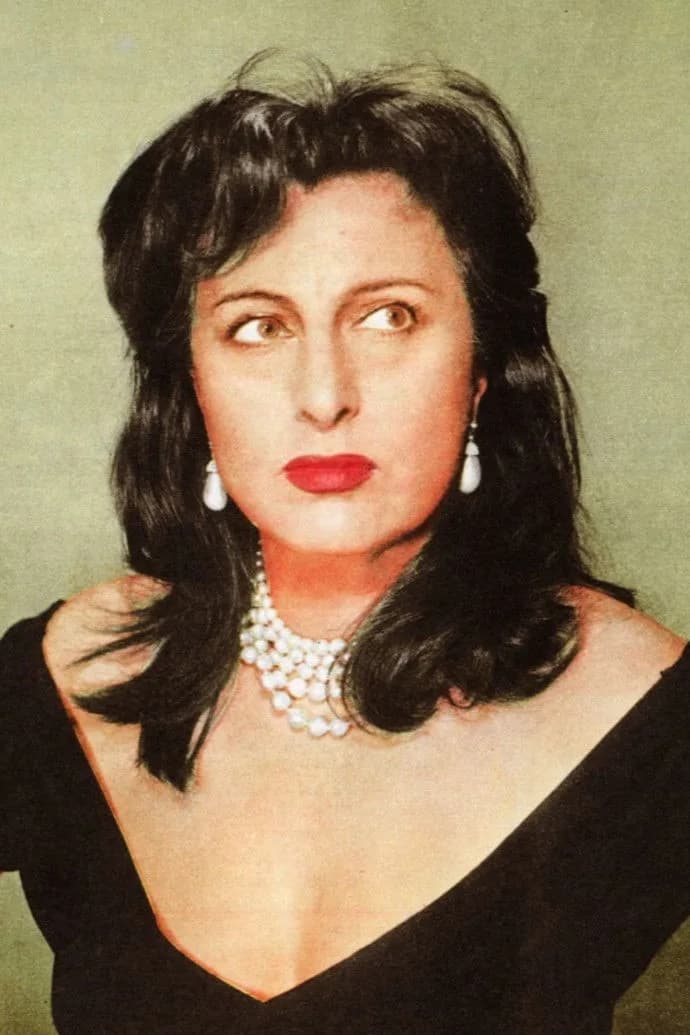
Anna Magnani (pronounced: mahn-YANEE; 7 March 1908 – 26 September 1973) was an Italian stage and film actress. She won the Academy Award for Best Actress, along with four other international awards, for her portrayal of a Sicilian widow in The Rose Tattoo. Born in Rome to an Egyptian father and an Italian mother, she worked her way through Rome's Academy of Dramatic Art by singing at night clubs. During her career, her only child was stricken by polio when he was 18 months old and remained crippled. She was referred to as "La Lupa," the "perennial toast of Rome" and a "living she-wolf symbol" of the cinema. Time magazine described her personality as "fiery", and drama critic Harold Clurman said her acting was "volcanic". In the realm of Italian cinema, she was "passionate, fearless, and exciting," an actress that film historian Barry Monush calls "the volcanic earth mother of all Italian cinema." Director Roberto Rossellini called her "the greatest acting genius since Eleonora Duse. Playwright Tennessee Williams became an admirer of her acting and wrote The Rose Tattoo specifically for her to star in, a role for which she received her first Oscar in 1955. After meeting director Goffredo Alessandrini she received her first screen role in La cieca di Sorrento (The Blind Woman of Sorrento) (1934) and later achieved international fame in Rossellini's Rome, Open City (1945), considered the first significant movie to launch the Italian neorealism movement in cinema. As an actress she became recognized for her dynamic and forceful portrayals of "earthy lower-class women" in such films as The Miracle (1948), Bellissima (1951), The Rose Tattoo (1955), The Fugitive Kind (1960), with Marlon Brando and directed by Sidney Lumet, and Mamma Roma (1962). As early as 1950, Life magazine had already stated that Magnani was "one of the most impressive actresses since Garbo". Description above from the Wikipedia article Anna Magnani, licensed under CC-BY-SA, full list of contributors on Wikipedia
Mamie Van Doren
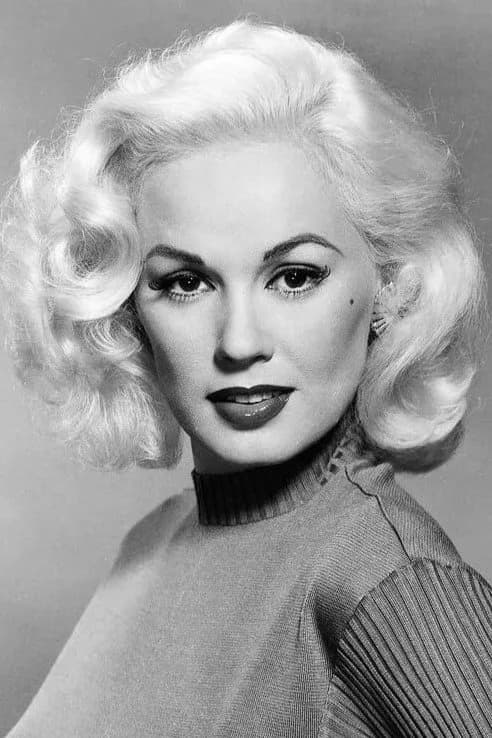
Mamie Van Doren (/ˈmeɪmi væn ˈdɔːrən/; born Joan Lucille Olander; February 6, 1931) is an American retired actress. The last living blonde bombshell from the Golden Age of Hollywood, she is one of the "Three M's", a group formed by Marilyn Monroe and Jayne Mansfield, who were contemporaries. In 1953, Van Doren, then named Joan Lucille Olander, signed a seven-year contract with Universal, which hoped that she would be their version of Monroe. She starred in teen dramas, exploitation, musical, comedy, and rock and roll films, among other genres, many of which have gone on to become cult classics. She was one of the leading sex symbols in the 1950s. Van Doren was born and raised in Rowena, South Dakota, but her parents moved to Sioux City, Iowa, and eventually to Los Angeles in 1942 before she married Jack Newman. In 1949, at the age of eighteen, she won Miss Palm Springs and Miss Eight Ball. As Miss Eight Ball, she was discovered by film producer Howard Hughes, who put her in the RKO films His Kind of Woman (1951), Two Tickets to Broadway (1951), and Jet Pilot (1957) in minor roles. In 1950 she was dating the heavyweight boxer Jack Dempsey, over thirty-five years her senior, in New York City and was engaged to him. However, she left him to go back to Los Angeles. On January 20, 1953, Van Doren signed a contract with Universal, who wanted her to be Universal's equivalent of Monroe. While at Universal, Van Doren changed her name to Mamie Van Doren, the "Mamie" from then–First Lady Mamie Eisenhower and the "Van Doren" from Universal's telling Van Doren she was more Dutch than Swedish. During her time at Universal, Van Doren starred in movies such as The Second Greatest Sex (1955), Running Wild (1955), and The All American (1953). Outside of Universal she starred in Untamed Youth (1957), Teacher's Pet (1958), High School Confidential (1958), Born Reckless (1958), The Beat Generation (1959), and Sex Kittens Go To College (1960). She starred on television shows such as What's My Line?, The Jack Benny Program, and The Bob Cummings Show. After Universal failed to renew her contract in 1959, Van Doren struggled to find work as a free agent. She starred in many B movies, such as Voyage to the Planet of Prehistoric Women (1968), The Las Vegas Hillbillys (1966) with Mansfield, and 3 Nuts in Search of a Bolt (1964), a film which challenged the Hays Code. The same year, she appeared in the June 1964 Playboy magazine with nude photos of her on the set of the film. Van Doren has married five times and had intimate affairs with many other Hollywood actors. She went to Vietnam in the 1970s to entertain troops during the Vietnam War. Partially because of the sudden deaths of Mansfield and Monroe, she decided to retire from acting. In 1987 Van Doren released her autobiography, Playing the Field: My Story. On February 1, 1994, she received her star on the Hollywood Walk of Fame. In 1998, she created her website, describing herself as “the first authentic kitten on Cyberspace". Description above from the Wikipedia article Mamie Van Doren, licensed under CC-BY-SA, full list of contributors on Wikipedia.

Max Wagner
From Wikipedia, the free encyclopedia Max Wagner (November 28, 1901 – November 16, 1975) was a Mexican-born American film actor who specialized in playing small parts such as thugs, gangsters, sailors, henchmen, bodyguards, cab drivers and moving men, appearing more than 400 films in his career, most without receiving screen credit. Newspaper gossip columnists noted his rise from playing "Gangster #4", with no lines, and not carrying a gun, to "Gangster #2", with both lines and a gun. Wagner was one of five children, all boys, of William Wallace Wagner, a railroad conductor, and Edith Wagner, a writer who provided dispatches for the Christian Science Monitor during the Mexican Revolution. When he was 10 years old, his father was killed by rebels and the family moved to Salinas, California, where he met John Steinbeck, who became a lifelong friend. Steinback based the character of the boy in his novel The Red Pony on Wagner. Under the name "Max Baron", Wagner acted in many Spanish-language versions of English-language films, which studios made as a matter of course in the early days of sound films, He also served as a Spanish language coach for other actors, and appeared in many of the "Mexican Spitfire" films starring Lupe Vélez, where he also served to monitor Velez's Spanish ad-libs for profanity. Other series that Wagner appeared in include the Charlie Chan films, and Tom Mix serials, as well as others made by Mascot Pictures Corporation. In the 1940s, Wagner was part of Preston Sturges' unofficial "stock company" of character actors, appearing in six films written and directed by Sturges, beginning with The Palm Beach Story In 1940 during the filming of "The Mad Doctor", Wagner was credited for driving 50,000 miles as an on-screen taxi driver on the studio back lots of Hollywood. Since his appearance as a cab driver in Charlie Chan in Shanghai (1935), producers often cast him as a wise-cracking or henchman taxi driver. "I was cast as a taxi driver about five years ago", Wagner told a reporter. "And I was typed." In 1952, Wagner began to appear on television, in episodes of such shows as The Cisco Kid, Zane Grey Theater and Perry Mason, playing much the same kind of parts he played in the movies. He was a regular cast member on the western television series Gunsmoke, making nearly 80 appearances between 1959 and 1973. He also appeared in many episodes of The Rifleman, Bonanza, Cimarron Strip, The Wild Wild West and Maverick, including a guest-starring role in the 1959 Rifleman episode "Blood Brother." He also had roles in the original Star Trek and The Twilight Zone series. He appeared in more than 200 television episodes between 1952 and 1974. Notable film roles for Wagner include a supporting role in the cult science fiction classic Invaders from Mars (1953), an actor playing a gangster in the film-within-a-film segment of Bullets or Ballots (1936), and the bull farm attendant in the Laurel and Hardy comedy The Bullfighters (1945). Late in his career, he appeared in To Kill a Mockingbird (1962) and The Man Who Shot Liberty Valance (1962). He also occasionally composed music, such as the Mexican folk ballad "Pedro, Rudarte y Simon" in the Western film The Last Trail (1933). Wagner died of a heart attack in Hollywood in 1975.
Justice Leak
Justice Leak was born and raised in Montgomery, Alabama. His father, George, a former police officer, named his daughter, Liberty and son, Justice after vowing to do so while a young soldier in Vietnam. "My Dad said if he made it back home, he'd give us these names after his love for his country." During his childhood, Justice was anything but fond of his name. "As a kid, you don't want to stick out. And when I was introduced to people, my name was (and still is) a conversation starter, which for me was a nightmare." Leak said. "But as you get older, you realize that it's good to have something that makes you different from everyone else." Leak was a shy kid who "could easily blend into the walls." His quiet nature, however, made him a keen observer of human behavior, a skill that has served him well. "All my life's experiences -- the good, the bad and the ugly -- have been preparing me to do this thing (acting). That's why I'm so thankful that I wasn't a popular kid!" His first stint in the spotlight came during his senior year at Jefferson Davis High School. He was chosen to lead the marching band, and recalls his experience as drum major as the "best of both worlds in terms of performing and music." "For the first time, I was in a leadership position," Leak said. "I couldn't hide behind anybody else, and looking back, that was the beginning point for me coming out of my shell." After graduation, Leak attended college in Texas and later Auburn University. While there, he became involved in the drama department, mainly working behind the scenes. But that all changed when he helped a classmate with an audition. "I told the director that I wasn't auditioning and was only helping," Leak said. "Afterwards, he stepped up and said, 'Why aren't you auditioning? You would be great in one of the leads.'" His first role was the lead in Arthur Miller's, "The Crucible." During his senior year, he starred in every main stage play produced at Auburn and earned two Irene Ryan Award nominations. He was also named "best actor" by the university's faculty and students. After earning a degree in theatre arts, Leak moved to Atlanta and was signed to the agency, People Store. He began doing commercials for companies such as Verizon Wireless, and later, had small roles in TV shows and independent films. His agent felt he could do more and sent his resume to the casting directors for "The Great Debaters," a career changing moment. As the buzz of The Great Debaters crossed the country, so did Justice, making his move from the east to the west coast; capitalizing on the momentum of this success. Once in Los Angeles, he was quickly signed by two leading agencies and booked back to back to back guest starring roles on three major network shows within a month's time - and the momentum shows no signs of slowing anytime soon. Leak plans to remain humble, no matter how successful he becomes. "I want to be known as a good soul with a kind heart, and a great artist who had the chance to make a difference in this world for the better and succeeded."

Rick Najera
California born Rick Najera started his artistic career as an actor. He is an award-winning actor-writer-director-producer with credits in film, television, theatre and Broadway. Early in his career, he was inspired and mentored by Oscar-winning actress Whoopi Goldberg, Keenen Ivory Wayans and comedian Cheech Marin. Realizing there were few roles for him to play, he took matters into his own hands and started writing his way into Hollywood, and landed his first big writing gig on In Living Color. Rick Najera is one of three Latinos in the history of Broadway to write and star in his own show. Najera made his Broadway debut in 2005 with his award-winning sketch comedy show, Latinologues (TM), the longest running and only showcase of its kind for Latinos in America. Najera penned the holiday film Nothing Like the Holidays starring Debra Messing, Alfred Molina and John Leguizamo, which won him an Alma Award. He was also honored with two WGA nominations for his writing on MADtv. Najera has been honored twice as 100 Most Influential Latinos in America along with several other awards. Rick Najera's fourth book was released in 2013, Almost White: Forced Confessions of a Latino in Hollywood garnering a press tour and five-star reviews on Amazon.com. Rick Najera is the director of the annual CBS Diversity Sketch Comedy Showcase going on 12 years. Rick Najera is a regular contributor to NPR radio and is also a professional speaker (The World Bank, Google, Harvard Law School, Wellesley College, Stanford, CBS, CNN, Al Jazeera, UCLA and more). He is the writer of the multi-Emmy nominated Hulu original series, East Los High and producer of talk show, Latino Thought Makers.
Joe Besser
Joe Besser (born Jessel Besser, August 12, 1907 – March 1, 1988) was an American actor, comedian, and musician, known for his impish humor and wimpy characters. He is best known for his brief stint as a member of The Three Stooges in movie short subjects of 1957–59. He is also remembered for his television roles: Stinky, the bratty man-child in The Abbott and Costello Show, and Jillson, the maintenance man in The Joey Bishop The zany comedy team of Olsen and Johnson, whose Broadway revues were fast-paced collections of songs and blackouts, hired Joe Besser. His noisy intrusions were perfect for their anything-can-happen format. Besser's work caught the attention of the Shubert brothers, who signed him to a theatrical contract. Columbia Pictures hired Besser away from the Shuberts, and Besser relocated to Hollywood in 1944, where he brought his unique comic character to feature-length musical comedies. Besser also starred in short-subject comedies for Columbia from 1949 to 1956. Besser had substituted for Lou Costello on radio, opposite Bud Abbott, and by the 1950s he was firmly established as one of the Abbott and Costello regulars. When the duo filmed The Abbott and Costello Show for television, they hired Joe Besser to play Oswald "Stinky" Davis, a bratty, loudmouthed child dressed in an oversized Little Lord Fauntleroy outfit, shorts, and a flat top hat with overhanging brim. He appeared during the first season of The Abbott and Costello Show. Besser was cast for the role of Yonkel, a chariot man in the low-budget biblical film Sins of Jezebel, which starred Paulette Goddard as the titular wicked queen. After Shemp Howard died of a heart attack, Moe suggested he and teammate Larry Fine continue working as "The Two Stooges". Studio chief Harry Cohen rejected the proposal. Although Moe had legal approval to allow new members into the act, Columbia executives had the final say about any actor who would appear in the studio's films, and insisted on a performer already under contract to Columbia, Joe Besser. At the time, Besser was one of a few comedians still making comedy shorts at the studio. Besser refrained from imitating Curly or Shemp. He continued to play the same whiny character he had developed over his long career. He had a clause in his contract prohibiting being hit excessively. Besser recalled, "I usually played the kind of character who would hit others back". The Stooges shorts with Besser were filmed from the spring of 1956 to the end of 1957. His Stooge tenure ended when Columbia shut down the two-reel-comedy department on December 20, 1957. Producer-director Jules White had shot enough film for 16 comedies, which were released a few months apart until June 1959, with Sappy Bull Fighters being the final release. Joe Besser was found dead in his home, aged 80, and determined to have died of heart failure.

Ágata Lys
Cast · Known for Love in Difficult Times
Actress (b. Valladolid, Spain, Dec. 3, 1953). After having studied simultaneously Philosophy and Art and Speech (both careers remained unfinished), she became a household name overnight as one of the pretty and "bespectacled" hostesses of the top-rated TV contest "1, 2, 3, Responda Otra Vez", where she popularized what was going to be her early screen persona: platinum blonde-dyed hair, provocative ways and a sensuality always ready to break out. She made her film debut in 1972, at 19, and acquired an enormous popularity thanks to her tremendous sex-appeal and a clever promotion campaign that exploited a certain similarity between her looks and those of the late Marilyn Monroe to the extent of making a successful movie named precisely "The New Marilyn" (1976). She kept this image for a while (especially in her spectacular TV appearances in the mid-70s), but eventually got tired of it and decided to cut off her hair completely (she did it herself with a pair of scissors borrowed from a filming kit) and let it grow its natural dark colour again. Blonde or brunette, Lys grabbed a long string of femme fatale roles in films of each and every genre (thrillers, comedies, dramas, westerns, etc.) and turned into some kind of domestic myth at that time. (She also had the advantage of owning a fine diction that matched her thought-provoking voice perfectly, so, unlike some other actresses of that era, she didn't need to be dubbed.) Anyway, after leading her bold image one step further in the late 70s, she decided to stop making films and concentrate on her theatrical work, that she had started in 1973 playing Dª Inés de Ulloa in Zorrilla's "Don Juan Tenorio" with her own company. In the 1980s she focused her activity on recording music (which she did with real gusto and vocal dexterity), performing in both musical shows and dramatic or comic plays in which she displayed an image far removed from the one that shot her to fame and even making more sporadic appearances on TV (playing, for example, a splendid Portia on a small-screen adaptation of Shakespeare's "The Merchant Of Venice"). The late 80s saw her returning to the movies and scoring some films of uneven success and quality, although she has always risen to the occasion. In any case, she is still an underestimated actress, though she has proved capable of giving such amusing characterizations as that of "Avisa A Curro Jiménez" (1978), where she seemed almost unrecognizable. Now she leads a rather reclusive life when not working (in contrast to the antics and eccentricities of her early career) and, although she has never married, she enjoys a very stable relationship with Fernando, her partner of some 20 years. Hers is really one of those examples of body-with-a-brain-on-top-to-match, and hopefully she will still be around for a large number of years. - IMDb Mini Biography By: alberto mallofré

Sharon Farber
Composer · Known for Why Did I Get Married Again?
A member of the Executives Committees of both the Motion Pictures and TV Academies, Four - time Emmy Award Nominated, Board member of ASCAP, Vice-president of the Alliance for Women Film Composers, Winner of the Society of Composers and Lyricists Award for "Outstanding work in the Art of Film Music", the Visionary Award In Music by The Women's International Film & Television Showcase, and winner of the Telly Award, Sharon Farber is a celebrated Film, TV and concert music composer. A graduate of the prestigious Berklee College of Music in Film scoring and Concert composition (dual major), Sharon has been working with networks and cable broadcasters like NBC, CBS, Showtime, Lifetime and the WB as well as writing music for feature films. Her film music has been released commercially and performed live in concerts. Recent projects included the Sundance/Berlin feature doc "Brainwashed: Sex-Camera-Power" and the Heather Locklear TV movie "Don't Sweat the Small Stuff: The Kristine Carlson Story". Sharon is one of 9 female composers featured at Lincoln Center last year, at the historical "Women Warriors" concert, curated by Maestra Amy Anderson (https://ileadexploration.integrity6.com/), and she was also one of the few composers featured in the concert event celebrating female composers sponsored by the "Alliance for Women Film Composers" (The AWFC). The International Film Music Critics Association wrote about her piece: "Composer Sharon Farber wowed the crowd with a suite of music from three of her scores: "Children of the Fall", "When Nietzsche Wept" and "The Dove Flyer"... Sharon's produced and arranged the United Nations' Corona relief fund music video, "I'm Standing With You", in collaboration with 13 time OSCAR nominee Iconic song-writer Diane Warren and award winning Director Gev Miron, features 17 lead singers from virtually every continent and 160 singers and instrumentalists. It is the largest scale project of its kind. In the concert music world, Sharon has many national and international credits to her name, including The Los Angeles Master Chorale, Pacific Serenade Ensemble, The Northwest Sinfonietta and many more, in venues such as Carnegie Hall, Lincoln Center (NY), Disney Hall, Dorothy Chandler Pavilion (LA), and internationally. Sharon's acclaimed concerto for cello, orchestra and narrator, "Bestemming" ("Destination"), based on the life story of Holocaust survivor and hero Curt Lowens, has received many performance since its creation, recently on a 4 - city tour of the Pacific Northwest, with renowned cellist Amit Peled and conducted by Maestro Yaniv Attar, who said: "Sharon Farber is definitely one of the most exciting and versatile voices on the contemporary music scene today. Cellist Amit Peled, added: "The "Bestemming" Concerto is truly a jewel in our repertoire! A deep musical journey!"
Johan Renck
Johan Renck is one of the most respected and sought after directors of commercials and music videos today, so much so that the French magazine CB News dubbed him "the number one director of commercials and music videos in the world ". His directing career started in 1992 when he joined the production company Mekano Film and Television in Stockholm, Sweden. In 1994 he left Mekano to join forces with childhood friend director Jonas Åkerlund. They established a new production company, Renck Åkerlund Films, which immediately became one of the leaders of its kind in Sweden. During the same time he worked with his music project, Stakka Bo, with big success and a lot of his time was occupied by the music career. In 1997 he started to work as a director full time and quickly became a well-known name worldwide and in 1999 he was working with Madonna and Nike among others.
Chuck Picerni Jr.
Chuck Picerni's unique array of talents as a Director, 2nd Unit Director, and Stunt Coordinator/Action Expert has enable him to create, capture, and deliver the kind of action films audiences have been parking theaters to see for years! A driving force behind some of Hollywood's Top Blockbusters, his work has helped bring in over 3 billion in box office receipts. Chuck has been one of the industry's most exciting "Go To" creative forces. Chuck has been in the industry for over 36 years and there are no signs of him or his reputation that precedes him slowing down. Chuck's action career began as an elite stunt performer on the original series "Starsky and Hutch." Through his creative talent and vision, Chuck emerged as one of the most successful and sought after Director's and Stunt Coordinator of the industry
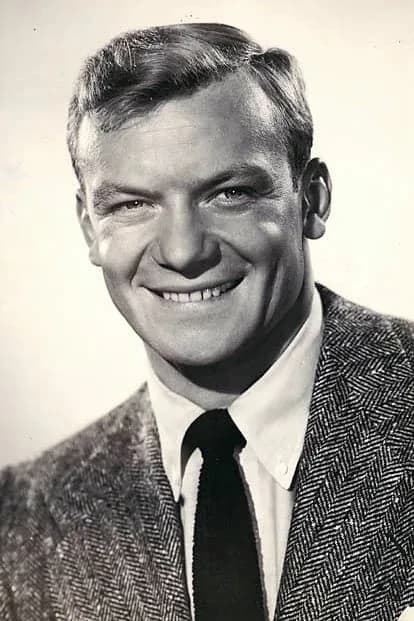
Aldo Ray
Aldo Ray was born in the borough of Pen Argyl, in Northampton County, Pennsylvania on 25 September 1926. He attended the University of California at Berkeley, served as a US Navy frogman during WWII and saw action on Iwo Jima. While constable of Crockett, California, he drove his brother Guido to an audition for the film Idols in the Dust (1951). Director David Miller hired him for a small role as a cynical football player. Ray's husky frame, thick neck and raspy voice made him perfect for playing tough sexy roles. He was the star of George Cukor's The Marrying Kind (1952) and starred opposite Rita Hayworth in Miss Sadie Thompson (1953). Ray was the none-too-bright boxer in Cukor's Pat and Mike (1952) and an escaped convict in 'Michael Curtiz"s We're No Angels (1955). His career started downhill in the 1970s, with him appearing in a string of low-budget films as a character actor. His last film was Shock 'Em Dead (1991). Ray was married three times, with one daughter Claire born in 1951 to his first wife Shirley Green whom he married on on 20 June 1947. Ray was then briefly married to actress Jeff Donnell and then had two sons and a daughter with his third wife, Johanna Ray, one of whom is the actor Eric DaRe. Aldo Ray died of throat cancer on 27 March 1991.