
Search
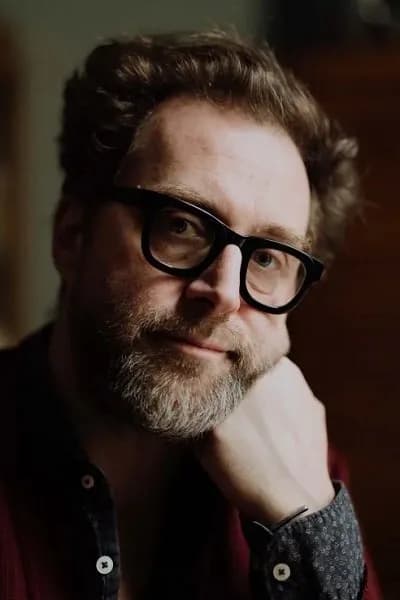
Uli Hanisch
Production Design · Known for Babylon Berlin, Cloud Atlas, Perfume: The Story of a Murderer
Uli Hanisch was born in Nuremberg in 1967. Studying graphic arts in Düsseldorf, he began collaborating in 1989 with Christoph Schlingensief on experimental films such as THE GERMAN CHAINSAW MASSACRE. He designed the movies of Germany's exceptional comedian Helge Schneider. Working in several European art departments for films by Enki Bilal or Peter Greenaway, he also designed German feature films with directors like Leander Haußmann, Oliver Hirschbiegel, and Sönke Wortmann. Since 1996, he collaborated many times with Tom Tykwer. He was awarded in 2007 the Bavarian Film Award, the German Film Award and the Prix d'Exellence of the European Film Academy for best production design of Tykwer's THE PERFUME - The Story of a Murderer, produced by Bernd Eichinger. He worked on Tom Tykwer's THE INTERNATIONAL, produced by Chuck Roven for Columbia Pictures, and other international productions in Europe, like in Budapest 2008 for the medieval horror movie SEASON OF THE WITCH, again produced by Chuck Roven, directed by Dominic Sena. In 2011, Hanisch designed three parts of this epic story on CLOUD ATLAS. For this, he received the German Film Award for Best Design. He was nominated for the Art Director's Guild of Los Angeles Production Design Award. He also collaborated on the Berlin part of the Netflix series SENSE 8, directed by the Wachowskies and Tom Tykwer. In 2012, he went to Belgrade and Budapest again for the American arthouse project IN SECRET, starring Jessica Lange and Elisabeth Olsen, directed by Charlie Stratton and produced by Bill Horberg. In 2016, he started to work for the German TV period series BABYLON BERLIN, produced for SKY and ARD, directed by Tom Tykwer, Henk Handloegten and Achim von Borries. He designed the new permanent backlot street for STUDIO BABELSBERG, the NEUE BERLINER STRASSE. Since 2001, Hanisch has lectured at various film schools in Germany and Europe. He has been a Professor of production design at the INTERNATIONAL FILM SCHOOL (IFS) in Cologne since 2018. Uli Hanisch lives in Berlin. Information above via their homepage.
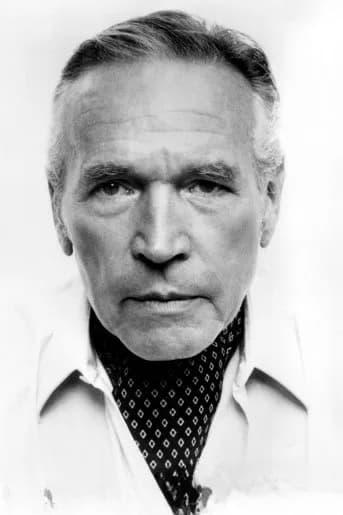
Wolfgang Preiss
From Wikipedia, the free encyclopedia. Wolfgang Preiss (27 February 1910 at Nuremberg - 27 November 2002 at Baden-Baden) was a German theatre, film and television actor. The son of a teacher, in the early 1930s Preiss studied philosophy, German and drama. He also took private acting classes with Hans Schlenck, making his stage début in Munich in 1932. He went to appear in various theatre productions in Heidelberg, Königsberg, Bonn, Bremen, Stuttgart and Berlin. In 1942 he made his film début - he was exempted from military service specifically - in the UFA production Die grosse Liebe with Zarah Leander. After the end of the Second World War Preiss returned to the theatre, and from 1949 worked extensively dubbing films into German. In 1954 he returned to film acting, appearing in Alfred Weidenmann's Canaris. The following year Preiss played the lead role of Claus von Stauffenberg in Falk Harnack's film Der 20. Juli, which dramatised the 1944 plot to assassinate Hitler. This role brought Preiss to popular attention and also the 1956 Federal Film Award. From now on Preiss was largely typecast in the role of the upright and obligation-conscious German officer to the other A-list actor playing the Fanatic (I.E. Paul Scofeld in The Train) a part he played in many films, later reprising it in numerous international productions, predominantly in Italy and the USA, while occasionally playing a more typically cynical or brutal Nazi officer. Preiss appeared in such productions as The Longest Day (1962), Otto Preminger's The Cardinal (1963), and with Jean-Paul Belmondo in Is Paris Burning? (1966). He starred alongside Burt Lancaster in John Frankenheimer's The Train (1964), Frank Sinatra in Von Ryan's Express (1965), Robert Mitchum in Anzio (1968), with Richard Burton, in the title role of Erwin Rommel in Raid on Rommel (1971), and The Boys From Brazil (1978) with Gregory Peck. He also appeared in several Italian language films, credited as "Luppo Prezzo", and played Field Marshal Von Rundstedt in Richard Attenborough's all-star war epic A Bridge Too Far (1977). In addition, for the cinema-going public of West Germany he became the epitome of the evil genius in his role as Doctor Mabuse, a role he first played in 1960 (following Rudolf Klein-Rogge) in Fritz Lang's The Thousand Eyes of Dr. Mabuse. He went on to play the role four more times. In the 1980s Preiss turned to television, notably playing General Walther von Brauchitsch in the American TV mini-series Winds of War and War and Remembrance, based on the books of Herman Wouk. In 1987 received a second Federal Film Award for his outstanding work in film. In film dubbing Preiss provided the voice for such actors as Lex Barker, Christopher Lee, Anthony Quinn, Claude Rains, Richard Widmark, as well as that of Conrad Veidt as "Major Strasser" in the remastered version of Casablanca. Description above from the Wikipedia article Wolfgang Preiss, licensed under CC-BY-SA, full list of contributors on Wikipedia.
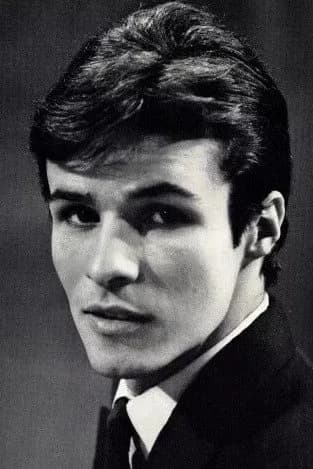
Michael Maien
Michael Maien (born October 12, 1945, in Nuremberg, Germany) is a German actor, pop singer, screenwriter, and author. Trained at Munich’s Otto Falckenberg School, he made his film debut in 1965 with the controversial drama Wälsungenblut, earning the Bambi Award for Best Newcomer. During the late 1960s and early 1970s, Maien became a prominent screen presence in popular cinema, appearing in educational films by Oswalt Kolle, crime films, sex comedies, and international genre productions. At the same time, he pursued a Schlager music career with several singles and frequent television appearances. From the late 1970s onward, he shifted his focus to television, theatre, and writing. Since the 1990s, Maien has worked primarily as a freelance writer, publishing novels and cultural essays while living in Düsseldorf.
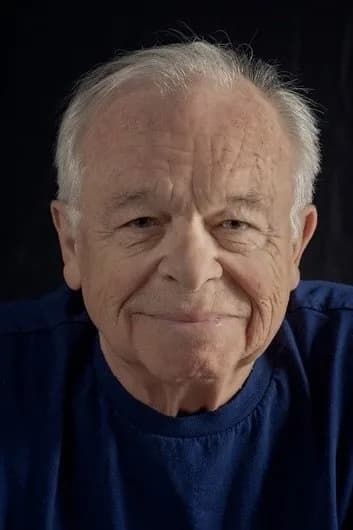
Raymond Cloutier
Raymond Cloutier was born on 3 May 1945. He is an actor and director, known for Nuremberg (2000), Montréal blues (1972) and Saint Jude (2000). He was previously married to actress Danielle Proulx.

Abby Mann
Abby Mann (1927–2008) was an American screenwriter and producer, best known for his socially conscious dramas and sharp character portrayals. He won an Academy Award for Best Adapted Screenplay for Judgment at Nuremberg (1961), which explored the moral responsibilities of judges during the Nazi regime. Mann later created the iconic television detective Kojak (1973), blending gritty realism with social commentary. Throughout his career, he was recognized for tackling controversial themes such as justice, prejudice, and human rights, leaving a lasting mark on both film and television.
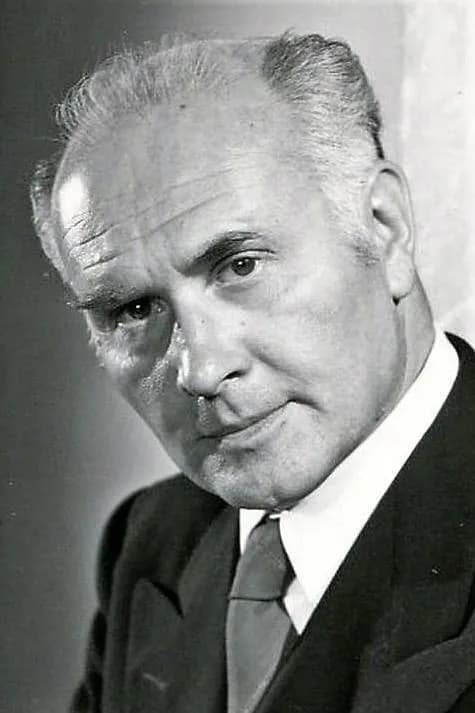
Charles Evans
From Wikipedia, the free encyclopedia Charles Evans (1896-1996), born in Nuremberg, Germany of a German father and Welsh mother, was a character actor and bit player, active in Hollywood from 1944 through 1968, most often seen as doctors, policemen, judges and generals.
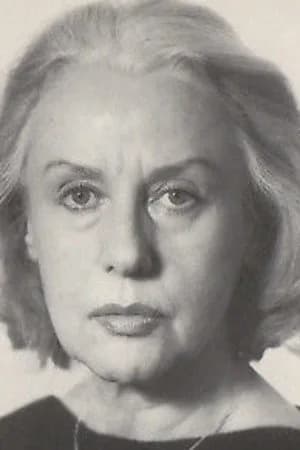
Doris Schade
Doris Schade (born May 21, 1924, in Frankenhausen; died June 25, 2012, in Munich) was a German actress. Doris Schade received her acting training at the *Altes Theater* in Leipzig and made her stage debut in 1946 as Luise in *Kabale und Liebe* (Intrigue and Love) at the *Städtische Bühnen* in Osnabrück. Over the following decades, she was a member of the ensembles at theaters in Bremen, Nuremberg, and Frankfurt am Main, among others, before becoming a defining actress at the *Münchner Kammerspiele* starting in 1961. Further engagements took her to venues such as the *Deutsches Schauspielhaus* in Hamburg, the *Burgtheater* in Vienna, and the Salzburg Festival. On stage, she collaborated with renowned directors including Fritz Kortner, Peter Zadek, Dieter Dorn, and Claus Peymann. In addition to her extensive theater work, Schade also appeared regularly in film and television productions. Following early television broadcasts of stage productions, she took on roles in popular series such as *Tatort* and *Derrick*. She played her first feature film role in 1981 in Margarethe von Trotta’s award-winning drama *Die bleierne Zeit* (Marianne and Juliane). She later collaborated with von Trotta again on *Heller Wahn*, *Rosa Luxemburg*—in which she played Clara Zetkin—and *Rosenstraße*. She became known to a younger audience through her role as Grandma Slättberg in the films *Die Wilden Hühner*, *Die Wilden Hühner und die Liebe*, and *Die Wilden Hühner und das Leben*. Schade lived in Munich in her final years and passed away in 2012 at the age of 88.
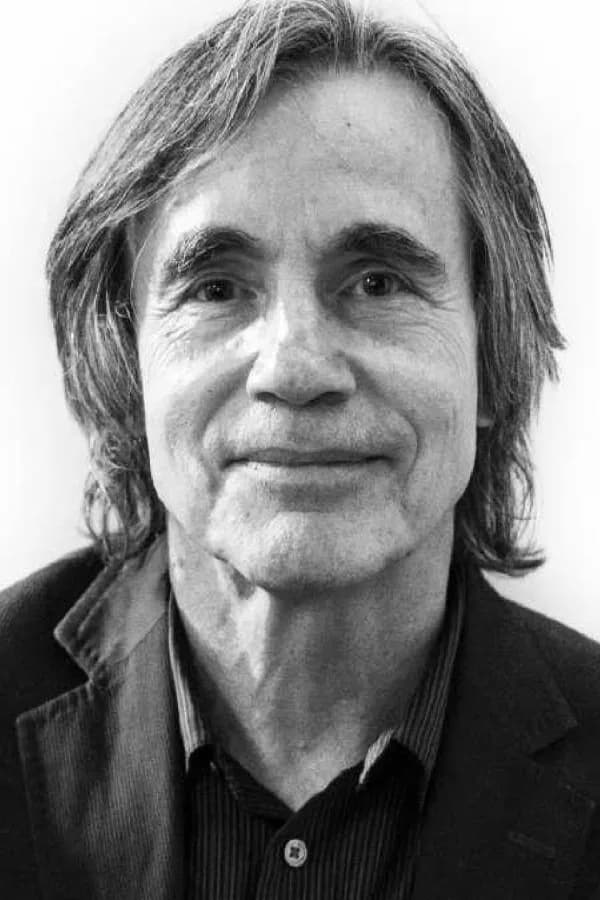
Jackson Browne
Browne was born October 9, 1948, in Heidelberg, Germany, where his father Clyde Jack Browne, an American serviceman, was stationed for his job assignment with the Stars and Stripes newspaper. Browne's mother, Beatrice Amanda (née Dahl), was a Minnesota native of Norwegian ancestry. Browne has three siblings. Roberta "Berbie" Browne was born in 1946 in Nuremberg, Germany; and Edward Severin Browne was born in 1949 in Frankfurt am Main, Germany. His younger sister, Gracie Browne, was born a number of years later. At the age of three, Browne and his family moved to his grandfather's house, Abbey San Encino, in the Highland Park district of Los Angeles. In his teens, he began singing folk songs in local venues such as the Ash Grove and The Troubador Club. He attended Sunny Hills High School in Fullerton, California, graduating in 1966. Clyde Jackson Browne is a German/American singer-songwriter and musician who has sold over 18 million albums in the United States. Coming to prominence in the 1970s, Browne has written and recorded songs such as "These Days", "The Pretender", "Running on Empty", "Lawyers in Love", "Doctor My Eyes", "Take It Easy", "For a Rocker", and "Somebody's Baby". In 2004, he was inducted into the Rock and Roll Hall of Fame in Cleveland, Ohio, and given an honorary doctorate of music by Occidental College in Los Angeles, California. In 2015, Rolling Stone ranked him as 37th in its list of the "100 Greatest Songwriters of All Time".

Jill Hennessy
Cast · Known for Crossing Jordan, Law & Order, Madam Secretary
Jill Hennessy's confidence and maturity propelled her to early success in the long-running crime drama series "Law & Order." She portrayed Assistant District Attorney Claire Kincaid for three seasons. Despite her nomadic childhood, Hennessy refused to limit her creative endeavours. She took on roles in films like "The Paper" and "I Shot Andy Warhol." After leaving "Law & Order," she appeared in smaller roles in movies such as "A Smile Like Yours" and "Most Wanted." Hennessy returned to television in the miniseries "Nuremberg" before starring in her own series, "Crossing Jordan." In this show, she played a determined medical examiner seeking justice for the deceased. Following the conclusion of "Crossing Jordan," Hennessy continued to take on film roles, including in movies like "Wild Hogs" and "Lymelife." Currently, she can be seen in Showtime's "City on a Hill" and has appeared in other series such as "Shots Fired," "Crawford," and the pilot episode of "Yellowstone." Jill, a singer/songwriter, wrote all the songs on her first album "Ghost In My Head" and also performed on the Lilith Tour with Sarah McLachlan, The Indigo Girls, and the Dixie Chicks. She was even featured on The Indigo Girls' live album "Staring Down The Brilliant Dream". Jill went on to write all the songs on her second album "I Do" and is currently working on her third album. Although not widely known, Jill's talent and charm have enabled her to pursue both practical and personal projects.
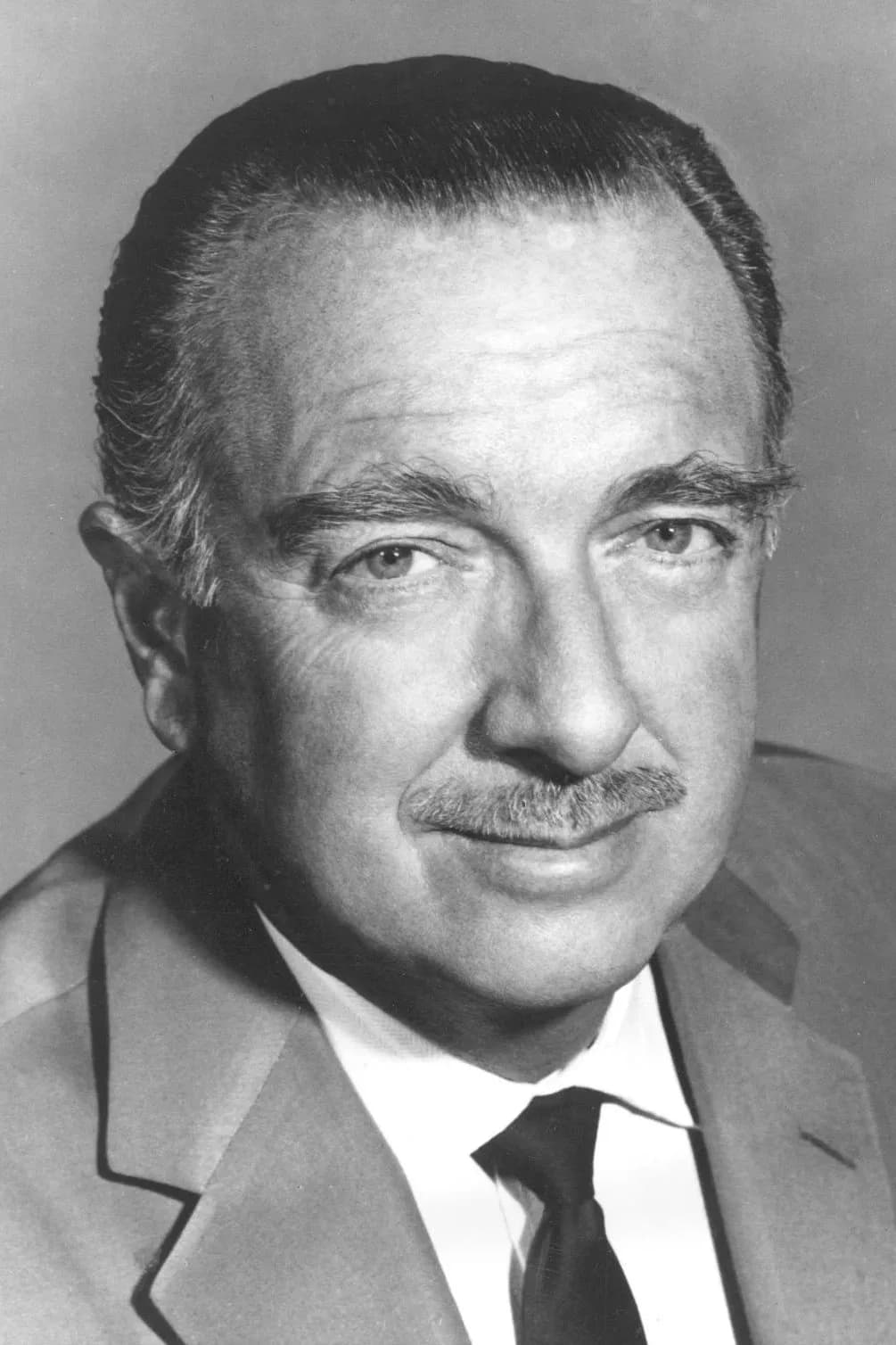
Walter Cronkite
Walter Leland Cronkite, Jr. (November 4, 1916 – July 17, 2009) was an American broadcast journalist, best known as anchorman for the CBS Evening News for 19 years (1962–81). During the heyday of CBS News in the 1960s and 1970s, he was often cited as "the most trusted man in America" after being so named in an opinion poll. Although he reported many events from 1937 to 1981, including bombing in World War II, the Nuremberg trials, combat in the Vietnam War, the death of President John F. Kennedy, the death of civil rights pioneer Martin Luther King, Jr., Watergate, and the Iran Hostage Crisis, he was known for extensive TV coverage of the U.S. space program, from Project Mercury to the Moon landings to the Space Shuttle. He was the only non-NASA recipient of a Moon-rock award. Cronkite is well known for his departing catchphrase "And that's the way it is," followed by the date on which the appearance is aired. Description above from the Wikipedia article Walter Cronkite, licensed under CC-BY-SA, full list of contributors on Wikipedia.
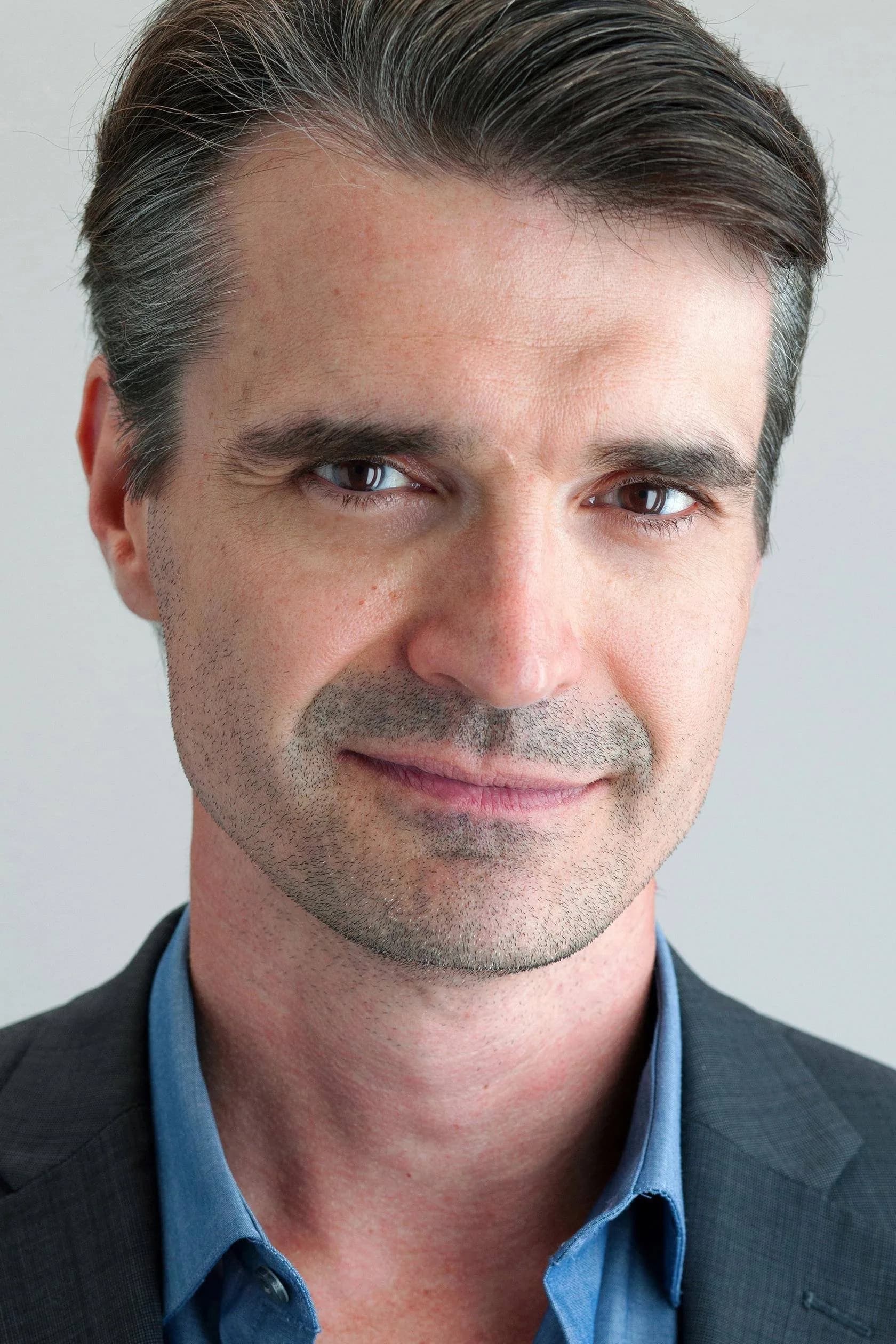
Matthew Floyd Miller
Matthew Floyd Miller is an American stage and screen actor. Theatre credits include: LATW: Oslo, The Goodbye Girl, I Love Lucy: A Funny Thing Happened On the Way to the Sitcom, The Tug of War, Hold These Truths, Behind the Sheet and Judgment at Nuremberg (national tour and The Wallis).
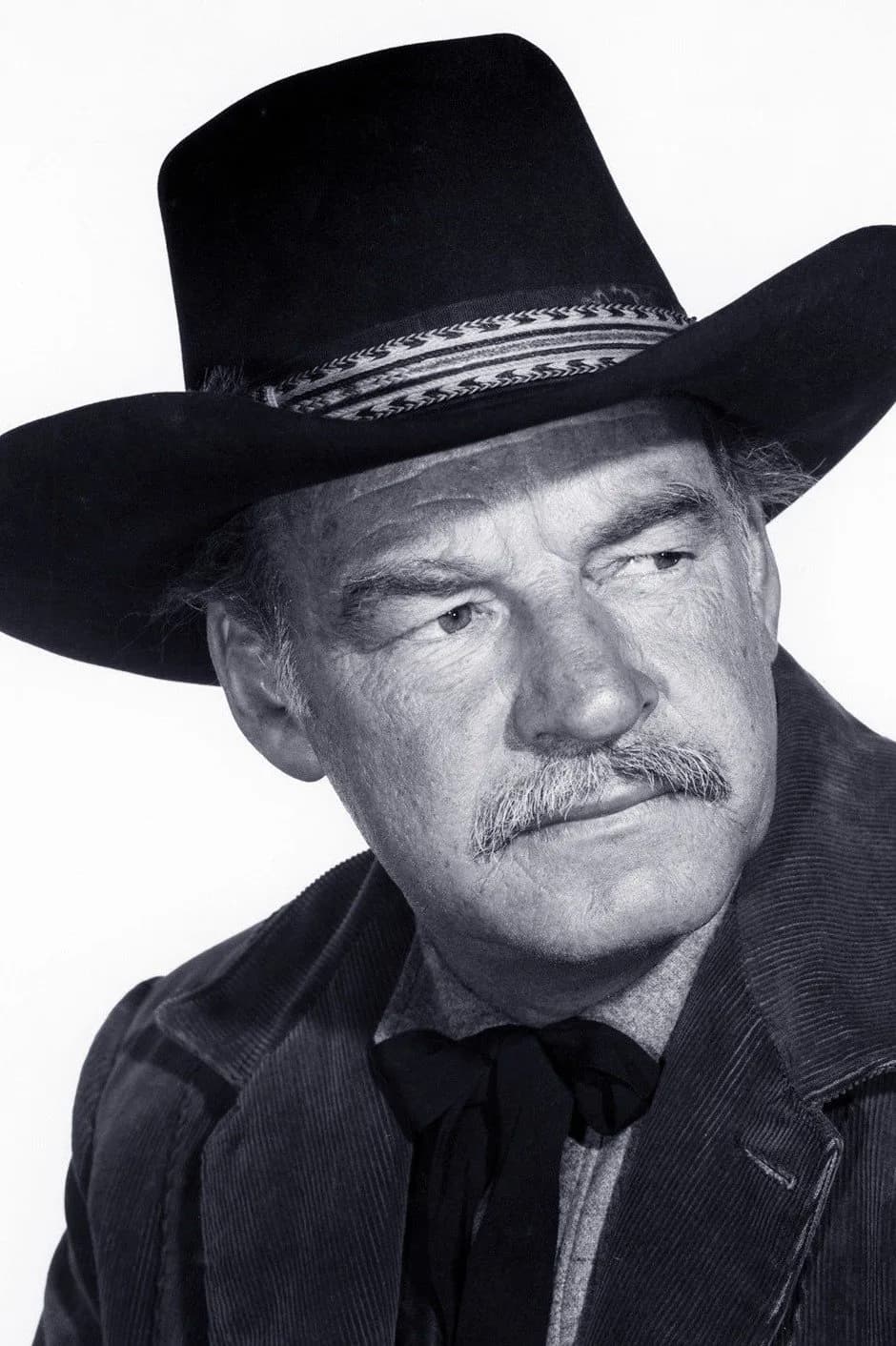
Ray Teal
Cast · Known for Bonanza, Cheyenne, Lassie
From Wikipedia, the free encyclopedia Ray Elgin Teal (January 12, 1902 – April 2, 1976) was an American actor. His most famous role was as Sheriff Roy Coffee on the television series Bonanza (1959–1972), which was only one of dozens of sheriffs on television and in movies that he played during his long and prolific career stretching from 1937 to 1970. He appeared in pictures such as Western Jamboree (1938) with Gene Autry, The Best Years of Our Lives (1946) with Fredric March and Myrna Loy, The Black Arrow (1948), Billy Wilder's Ace in the Hole (1951) and Judgment at Nuremberg (1961) with Spencer Tracy and Burt Lancaster. Teal was born in Grand Rapids, Michigan. A saxophone player, he worked his way through the University of California, Los Angeles as a bandleader before becoming an actor. His longest-running role was as Sheriff Roy Coffee, a law-enforcing sheriff on Bonanza. Teal was one of the most senior members of the crew having a permanent role. He had also played a sheriff in the Billy Wilder film Ace in the Hole (1951). Teal co-starred in numerous TV westerns throughout his career: he appeared five times on Cheyenne, four times on The Lone Ranger, on The Alaskans, three times in different roles on another long-running western series, Wagon Train, on NBC's Tales of Wells Fargo, on the ABC western series Broken Arrow, five times on the ABC western comedy Maverick, on the CBS western series The Texan, the NBC western series The Californians, twice on Colt .45, once on Wanted: Dead or Alive, and as "Sheriff Clay" for a single 1960 episode of the NBC western series Riverboat, and four times on a western series about the rodeo titled Wide Country. After more than 15 years performing in films and in early television, Teal secured a recurring role as a police officer in the 1953–1955 ABC sitcom with a variety-show theme, Where's Raymond?, later renamed The Ray Bolger Show. In 1955, Teal appeared as McCanles, a ruthless cattle baron in the episode "Julesburg" of the ABC/Warner Bros. Western series, Cheyenne. Altogether, Teal appeared five times on Cheyenne. He later appeared in a guest-starring role in another ABC/WB Western series, The Alaskans. From 1957 to 1962, Teal was cast three times in different roles on the Western series, Wagon Train. He also appeared in a number of episodes of Bat Masterson, an episode of The Rifleman and later in Green Acres. In 1957, Teal played a lawman, Captain McNelly, in the episode "Sam Bass" of NBC's Tales of Wells Fargo. Teal was cast as Fenster in "The Bounty Hunters" (1957) on the ABC Western series, Broken Arrow. In 1958, Teal guest-starred "No Tears for the Dead" on the CBS Western series, The Texan. He also later appeared in the CBS sitcom, Dennis the Menace. In 1960, Teal was cast as Sheriff Roy Coffee in Bonanza, a role he played until 1972, appearing in 98 episodes, occasionally as the lead character. He also portrayed judge/dentist/shoe repairman H.G. Cogswell in Bat Masterson starring Gene Barry. He died of undisclosed causes on April 2, 1976, at age 74 in Santa Monica, California. CLR
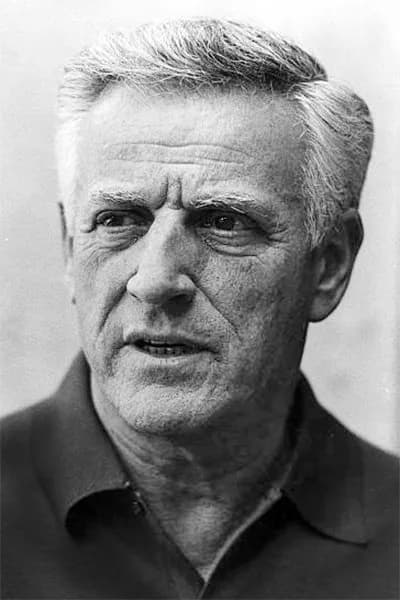
Stanley Kramer
Producer · Known for High Noon
Stanley Earl Kramer (September 29, 1913 – February 19, 2001) was an American film director and producer responsible for some of Hollywood's most famous "message" movies. His notable films include The Defiant Ones (1958), On the Beach (1959), Inherit the Wind (1960), Judgment at Nuremberg (1961), It's a Mad, Mad, Mad, Mad World (1963), Ship of Fools (1965) and Guess Who's Coming to Dinner (1967). His work was recognized with the Irving G. Thalberg Memorial Award in 1961, and over the course of his career he received nine Academy Award nominations. Director Steven Spielberg once described him as "one of our great filmmakers, not just for the art and passion he put on screen, but for the impact he has made on the conscience of the world." Film critic David Thomson described Kramer as a "hero of the 1950s" and an "enterprising producer," but also wrote of his later films that "commercialism, of the most crass and confusing kind, has devitalised all [of] his projects". Description above from the Wikipedia article Stanley Kramer, licensed under CC-BY-SA, full list of contributors on Wikipedia.
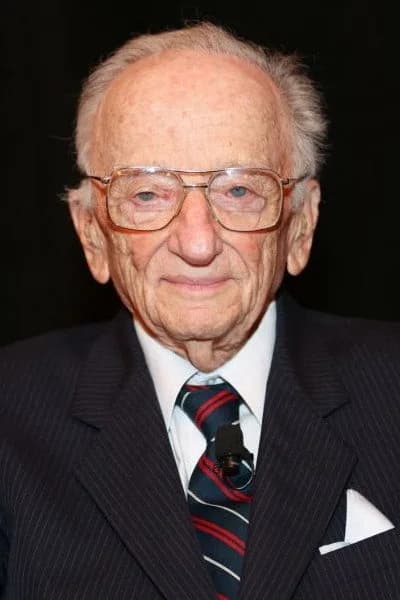
Benjamin Ferencz
Benjamin Berell Ferencz (March 11, 1920 – April 7, 2023) was an American lawyer. He was an investigator of Nazi war crimes after World War II and the chief prosecutor for the United States Army at the Einsatzgruppen Trial, one of the 12 Subsequent Nuremberg Trials held by the U.S. authorities at Nuremberg, Germany. Later, he became an advocate of international rule of law and for the establishment of an International Criminal Court. From 1985 to 1996, he was an adjunct professor of international law at Pace University.

Susan Glover
Susan Glover is a Canadian actress, best known for playing Sarah in Naked Josh. She is also known for voicing Miss Woods in Arthur, Izabella Dehavalot in Amazon Jack, Mrs. Larkin in What's With Andy?, Tubby's mom in The Little Lulu Show, Lucille and Princess Vi in Samurai Pizza Cats, General Jinjur in the 1986 anime The Wonderful Wizard of Oz and Miss Dalee in My Goldfish is Evil. She also played Ms. Noelle Atoll on the television series Radio Active and has made appearances in several films, specials and television programmes. Prior to film acting, Glover began her career doing improvisational theatre with companies such as Albert Nuremberg's Theatre Shmeatre, Acme Harpoon Co. and La Ligue National d'Improvisation. She has since appeared in theatres across Canada including, Montreal's Centaur Theatre, Ottawa's Great Canadian Theatre Company and the National Arts Center, and Calgary's Alberta Theatre Projects. She is sometimes credited as Suzanne Glover. She currently lives in Montreal, Quebec.
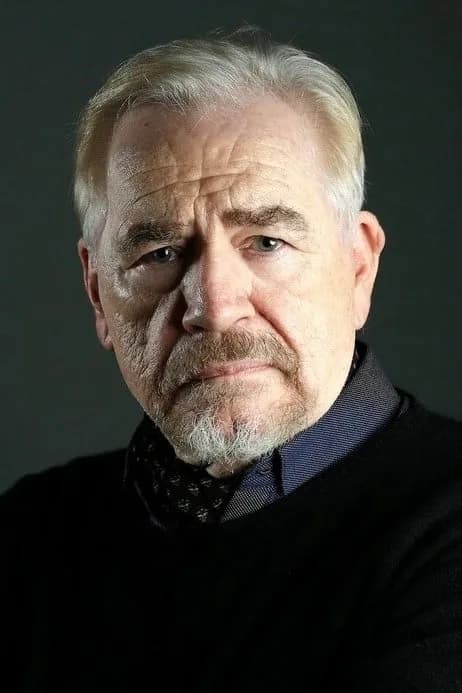
Brian Cox
Cast · Known for The Lord of the Rings: The War of the Rohirrim, Rise of the Planet of the Apes, The Bourne Identity
Brian Denis Cox (born June 1, 1946) is a Scottish actor. A classically trained Shakespearean actor, he is known for his work on stage and screen. His numerous accolades include two Laurence Olivier Awards, a Primetime Emmy Award, and a Golden Globe Award, as well as a nomination for a British Academy Television Award. In 2003, he was appointed to the Order of the British Empire at the rank of Commander. Cox trained at the Dundee Repertory Theatre before becoming a founding member of the Royal Lyceum Theatre. He went on to train as a Shakespearean actor, starring in numerous productions with the Royal National Theatre and the Royal Shakespeare Company, where he gained recognition for his portrayal of King Lear. Cox received two Laurence Olivier Awards for Best Actor for his roles in Rat in the Skull (1984), for Royal Court, and Titus Andronicus (1988). He received two more Olivier Award nominations for Misalliance (1986) and Fashion (1988). Known as a character actor in film, he played Robert McKee in Spike Jonze's Adaptation (2002) and William Stryker in X2 (2003). For his starring role in L.I.E. (2001), he received an Independent Spirit Award nomination. His other notable films include Manhunter (1986), Iron Will (1994), Braveheart (1995), The Boxer (1997), The Rookie (2002), Troy (2004), Match Point (2005), The Water Horse: Legend of the Deep (2007), Coriolanus (2011), Pixels (2015), and Churchill (2017). Cox won the Primetime Emmy Award for Best Supporting Actor in a Limited Series for his portrayal of Hermann Göring in the television film Nuremberg (2001). The following year, he guest starred on the NBC sitcom Frasier, earning his second Emmy nomination in 2002. He portrayed Jack Langrishe in the HBO series Deadwood. He starred as Logan Roy on the HBO series Succession (2018-2023), for which he won the Golden Globe Award for Best Actor in a Drama Series and was nominated for three Primetime Emmy Awards for Best Actor in a Drama Series.
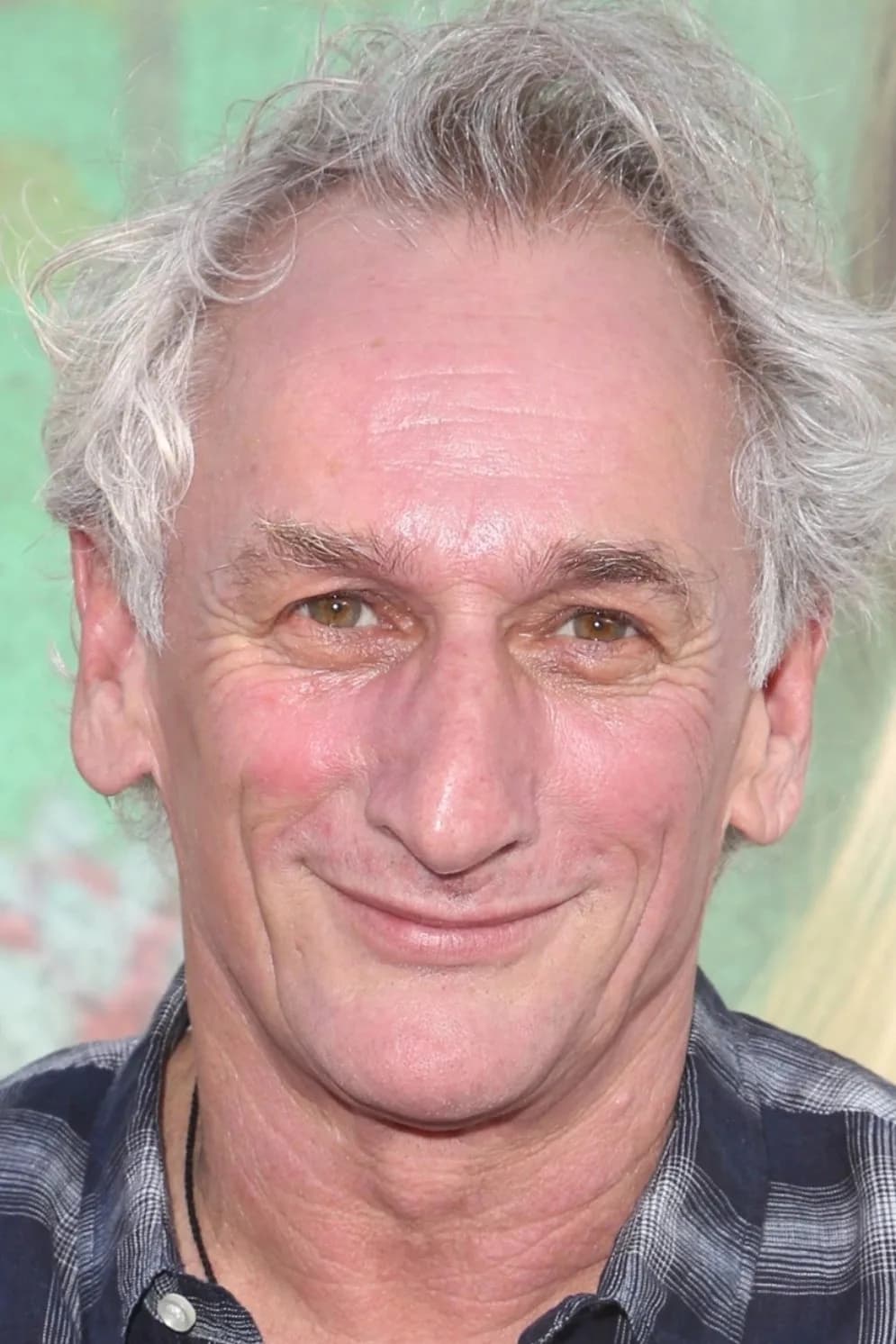
Matt Craven
Cast · Known for Déjà Vu, A Few Good Men
Matt Craven (born Matthew John; November 10, 1956) is a Canadian actor. He is known for his roles in Blue Steel, Jacob's Ladder, K2, A Few Good Men, Crimson Tide, The Juror, Assault on Precinct 13, Déjà Vu, Disturbia, The Longshot, Public Enemies, X-Men: First Class, White House Down, and Lou. He's had recurring roles on Stumptown, Sharp Objects, Resurrection, Justified, NCIS, Raines, The Lyon's Den, Boomtown, ER, L.A. Doctors, High Incident, Harry, and Tough Cookies. His guest starring credits include Alcatraz, Without a Trace, The Pacific, Nuremberg, From the Earth to the Moon, American Gothic, and The Outer Limits.

Rami Malek
Cast · Known for Mr. Robot, No Time to Die, Oppenheimer
Rami Said Malek (English: /ˈrɑːmi ˈmælɪk/; Arabic: رامي سعيد مالك, Egyptian Arabic: [ˈɾɑːmi sæˈʕiːd ˈmæːlek]; born May 12, 1981) is an American actor. He gained recognition for portraying Queen lead singer Freddie Mercury in the biographical film Bohemian Rhapsody (2018), for which he won numerous accolades, including the Academy Award for Best Actor in 2019, becoming the first actor of Egyptian heritage to win in that category. He played computer hacker Elliot Alderson in the USA Network television series Mr. Robot (2015–2019), for which he received the Primetime Emmy Award for Outstanding Lead Actor in a Drama Series. Born in Torrance, California, to Coptic immigrant parents, he studied theater before acting in plays in New York City. He had supporting roles in film and television, including the Fox sitcom The War at Home (2005–2007), the HBO miniseries The Pacific (2010), and the Night at the Museum film trilogy (2006–2014). Since his breakthrough, Malek has starred in the crime film The Little Things (2021), played the main antagonist Lyutsifer Safin in the James Bond film No Time to Die (2021), portrayed David Hill in Christopher Nolan's biographical film Oppenheimer (2023), starred as a CIA cryptographer in the spy film The Amateur (2025), and starred as psychiatrist Douglas Kelley in the film Nuremberg (2025). Description above from the Wikipedia article Rami Malek, licensed under CC-BY-SA, full list of contributors on Wikipedia.
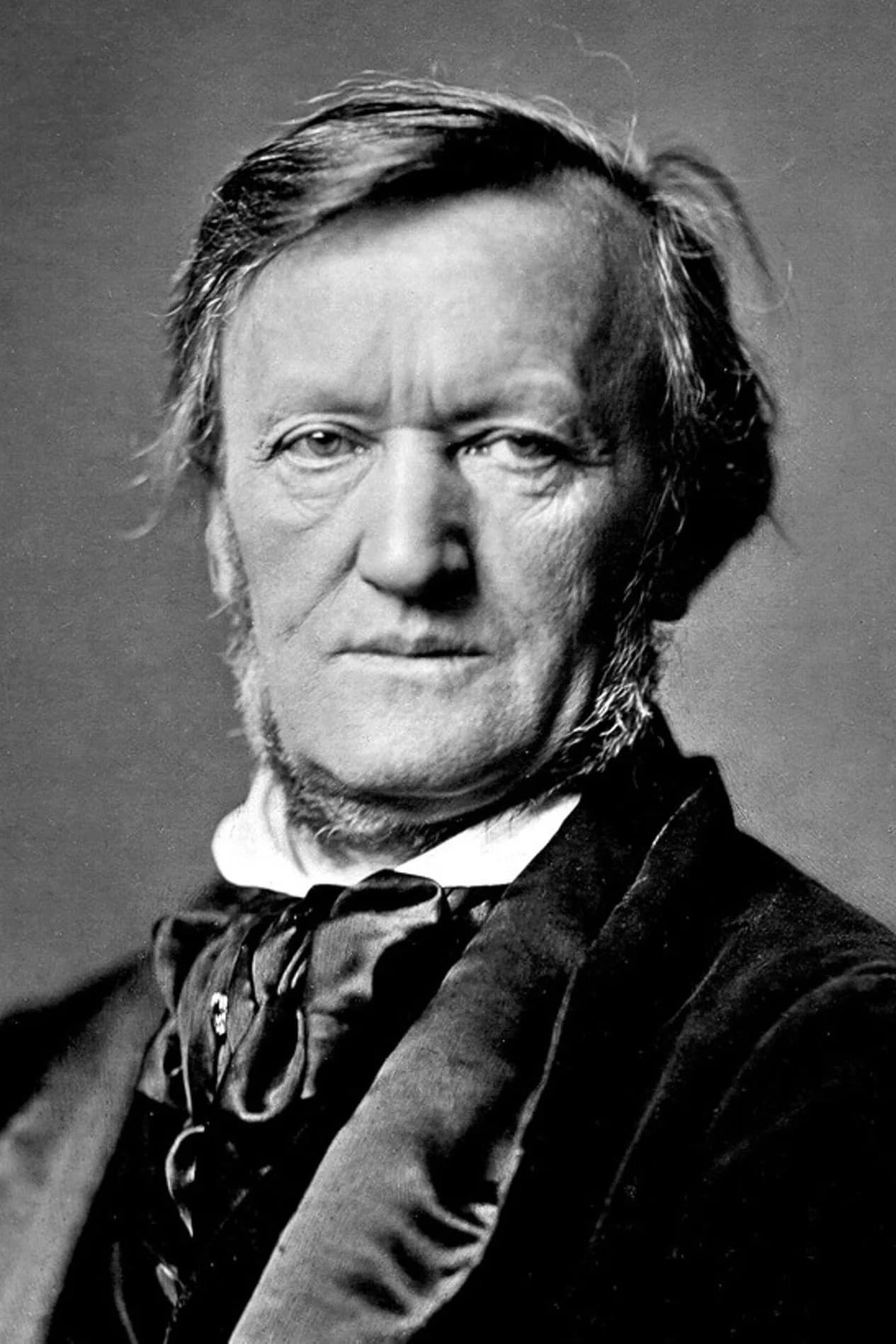
Richard Wagner
Wilhelm Richard Wagner (/ˈvɑːɡnər/; German: [ˈʁiçaʁt ˈvaːɡnɐ] (About this sound listen); 22 May 1813 – 13 February 1883) was a German composer, theatre director, polemicist, and conductor who is chiefly known for his operas (or, as some of his later works were later known, "music dramas"). Unlike most opera composers, Wagner wrote both the libretto and the music for each of his stage works. He described this vision in a series of essays published between 1849 and 1852. Wagner realised these ideas most fully in the first half of the four-opera cycle Der Ring des Nibelungen (The Ring of the Nibelung). His compositions, particularly those of his later period, are notable for their complex textures, rich harmonies and orchestration, and the elaborate use of leitmotifs—musical phrases associated with individual characters, places, ideas, or plot elements. His advances in musical language, such as extreme chromaticism and quickly shifting tonal centres, greatly influenced the development of classical music. His Tristan und Isolde is sometimes described as marking the start of modern music. Famously, he is known for Der Ring des Nibelungen (The Ring of the Nibelung), WWV 86, is a cycle of four German-language epic music dramas composed by Richard Wagner. The works are based loosely on characters from the Norse sagas and the Nibelungenlied. The four parts that constitute the Ring cycle are, in sequence: Das Rheingold (The Rhinegold) Die Walküre (The Valkyrie) Siegfried Götterdämmerung (Twilight of the Gods) Wagner had his own opera house built, the Bayreuth Festspielhaus, which embodied many novel design features. The Ring and Parsifal were premiered here and his most important stage works continue to be performed at the annual Bayreuth Festival, run by his descendants. His thoughts on the relative contributions of music and drama in opera were to change again, and he reintroduced some traditional forms into his last few stage works, including Die Meistersinger von Nürnberg (The Mastersingers of Nuremberg).
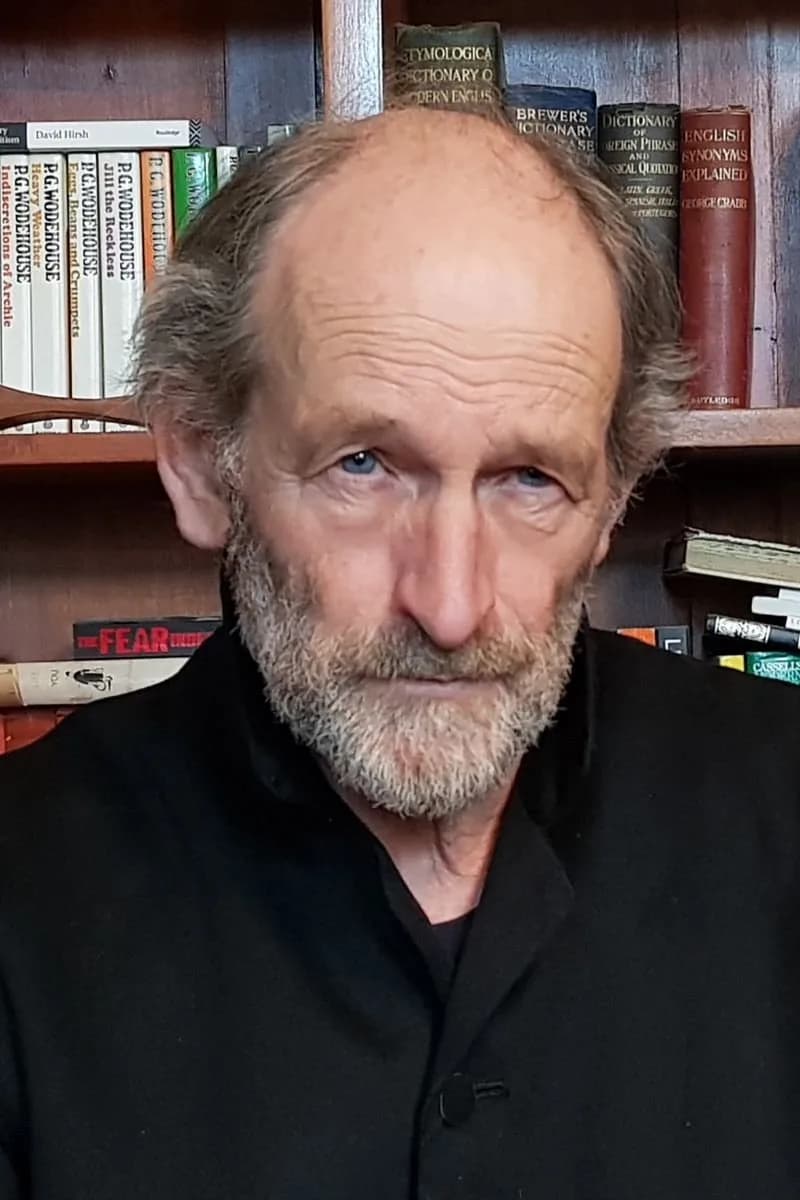
Jeremy Wheeler
Jeremy Wheeler is a British character and supporting actor born in Dover, Kent, England. He has lived in England, Zambia, France, and Hungary, and is currently based in the Hungarian countryside, where he is married and lives in an old farmhouse with his wife and four dogs. Before turning to acting, he graduated from London Metropolitan University with a Bachelor of Law, worked as a law lecturer at the City of London Police (2003–2008), and founded Anglaw Kft., an institute teaching English language and legal practice (2009). He made his acting debut in 2013 with the short film The Antique Vase and his TV debut as Rabbi Weiss in Houdini (2014), followed by his feature film debut as a Customs Officer in Anti-Social (2015). He is best known for Ship Officer in Yorgos Lanthimos's Poor Things (2023), Party Guest in The Brutalist (2024), Policeman in Mrs. Harris Goes to Paris (2022), Doctor Jacobson in The Crown (2017), and Rabbi Weiß in Houdini (2014). His filmography spans over 27 credits across film and television. Notable film credits include The Brutalist (2024, as Party Guest, with Adrien Brody and Cillian Murphy), Maria (2024, as Dorchester Tuxedo Man, with Rosamund Pike), Borderlands (2024, as Citizen, with Cate Blanchett and Charlie Hunnam), Poor Things (2023, as Ship Officer, with Emma Stone and Willem Dafoe), Dunki (2023, as British Judge, with Aamir Khan), Stockholm Bloodbath (2024, as Archibishop), The Invitation (2022, as Jonathan Harker), The Munsters (2022, as Mr. Gateman), Birds of Paradise (2021, as State Dpt. Official), Archive (2020), and The Childhood of a Leader (2015, as Mr. Deputy). On television he has appeared in The Crown (2017, as Doctor Jacobson), Vienna Blood (2019, Season 2), Halo (2022), Desperate Measures (2022, as Pawn Shop Owner, 2 episodes), The Fear Index (2022), FBI: International (2024, as Keith Edmonds), All the Light We Cannot See (2023, as Train Platform Officer), The Continental: From the World of John Wick (2023), Nuremberg (2025, as General Phipps), The Testament of Ann Lee (2025, as John Townley), and Death by Lightning (2025, as Reverend Hicks). His most recent credit is Duach in The Pendragon Cycle: Rise of the Merlin (2026).
Montgomery Clift
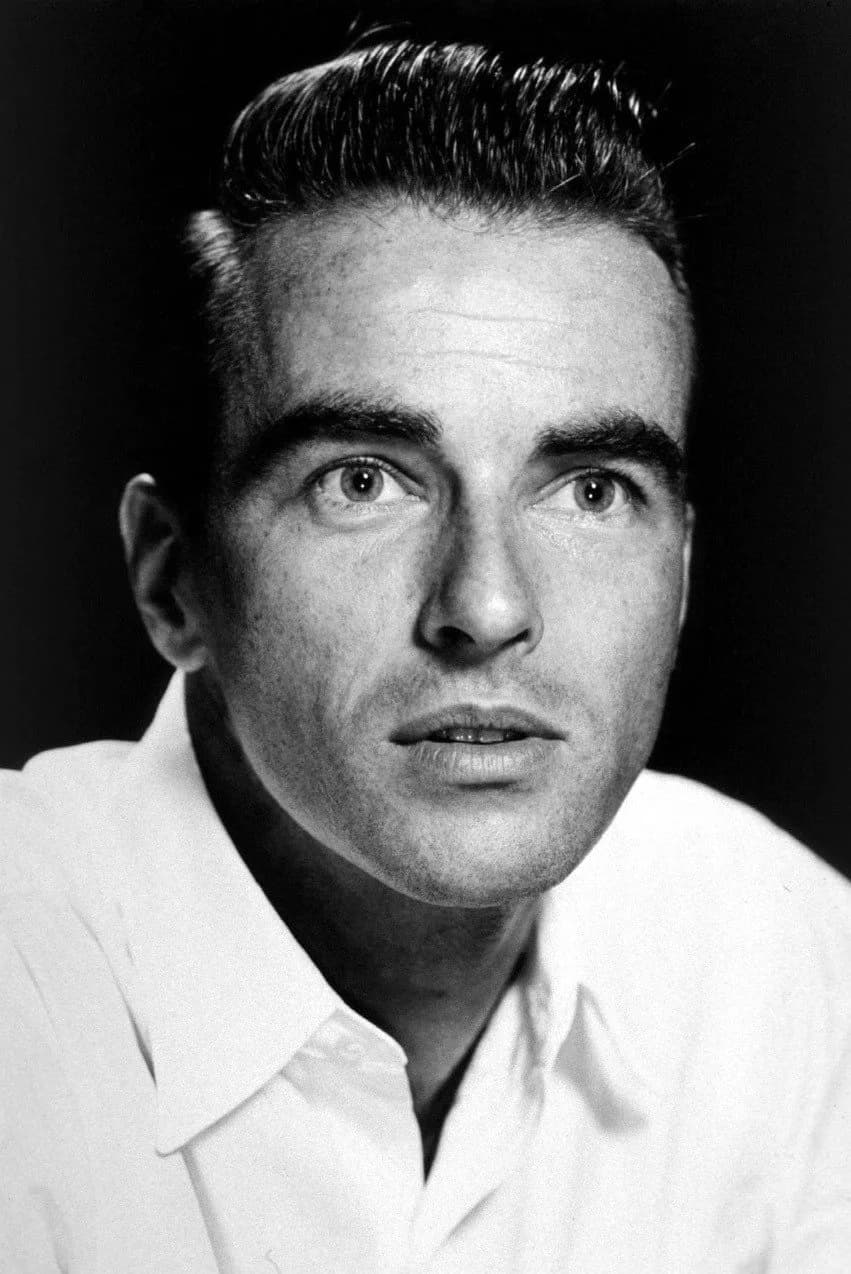
Edward Montgomery “Monty” Clift (October 17, 1920 - July 23, 1966) was an American actor of the Golden Age, known for often playing sensitive or conflicted outcast characters with realistic emotional depth and anxieties. Clift, Marlon Brando and James Dean are the trio typically associated with the new wave of film acting, with Clift being the oldest and first to make his stage and screen debuts. Starting at age 14, he was a breakout talent on Broadway throughout 1935-1945. He finally accepted one of many Hollywood offers: starring in the Western “Red River” which was filmed in 1946 but delayed release for 2 years. Fred Zinnemann’s “The Search” preceded “Red River” as his first film in 1948 and first Academy Award nomination. Clift’s next major films were “The Heiress” (1949) and “A Place in the Sun” (1951), cementing his romantic lead status. At the time, audiences had rarely seen a type of masculinity softened with Clift’s vulnerability. Hollywood had also never seen a young actor control his career and instant stardom the way Clift did in the late 1940’s: notoriously selective, refusing the standard seven-year studio contracts and rewriting scripts to preserve his artistic freedom. In 1953, Zinnemann again directed Clift to an Academy Award nomination in war drama “From Here to Eternity.” After suffering a near-fatal car accident during “Raintree County” (1957) he starred in acclaimed 1960’s films "Wild River,” "The Misfits” and “Judgment at Nuremberg” for which he earned a fourth and final Academy Award nomination for his 12-minute scene. Despite a 4-year hiatus and mounting health problems, Clift was eager to make a comeback in "Reflections in a Golden Eye,” secured by the insurance and insistence of co-star Elizabeth Taylor, but he tragically died of a heart attack at the age of 45 just weeks before shooting began.

Judy Garland
Cast · Known for The Wizard of Oz
Judy Garland, born Frances Ethel Gumm, (June 10, 1922 – June 22, 1969) was an American actress and singer. After appearing in vaudeville with her sisters, Jimmie and Suzie. Judy was signed to Metro-Goldwyn-Mayer. There she made more than two dozen films, including nine with Mickey Rooney and "The Wizard of Oz". After fifteen years, Garland was released from the studio but gained renewed success through concert appearances and later a return to acting. Through a career, Garland attained international stardom as an actress in musical and dramatic roles, as a recording artist, and on the concert stage. She received a juvenile Academy Award, a Golden Globe Award as well as a Grammy Award, and a Special Tony Award. She was nominated for the Academy Award for Best Actress for "A Star is Born" (1954) and Best Supporting Actress for "Judgement at Nuremberg" (1961). At forty, she was the youngest recipient of the Cecil B. DeMille Award for lifetime achievement in the motion picture industry. In 1997, Garland was posthumously awarded a Grammy Lifetime Achievement Award. Several of her recordings have been inducted into the Grammy Hall of Fame. In 1999, the American Film Institute placed her among the ten greatest female stars in the history of American cinema.
Howard Caine
Cast · Known for Hogan's Heroes, Get Smart
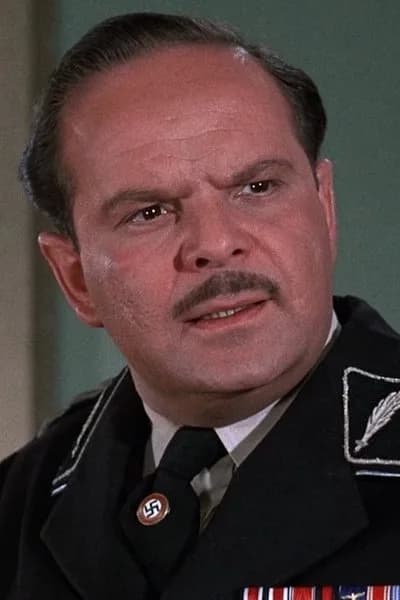
From Wikipedia, the free encyclopedia Howard Caine (January 2, 1928 – December 28, 1993), was a popular character actor, probably best known as Gestapo agent Major Wolfgang Hochstetter in the television series Hogan's Heroes. At the age of 13 Howard Cohen moved with his family from his hometown of Nashville, Tennessee to New York City, where he began studying acting. Learning to erase his Southern accent, he went on to became a master of 32 foreign and American dialects. After serving in World War II- he joined the United States Navy fighting the Japanese in the Pacific theater - Caine continued his studies at The School of Drama, Columbia University, where he graduated summa cum laude. He appeared on Broadway in Wonderful Town, Inherit the Wind, Lunatics and Lovers and Tiger at the Gates. He succeeded Ray Walston as "Mr. Applegate" in the original production of Damn Yankees. He was featured in such films as From the Terrace (1960), Pay or Die (1960), Judgment at Nuremberg (1961), Brushfire (1962), The Man from the Diner's Club (1963), Pressure Point (1962) and Alvarez Kelly (1966). He co-starred with Godfrey Cambridge and Estelle Parsons in Watermelon Man (1970). He was a member of the Academy of Motion Picture Arts and Science. He acted in more than 750 live and filmed television programs, including the 1961 episode "The Vials" of the western series Two Faces West. He may be best-remembered as Major Hochstetter on Hogan's Heroes (1965). He was featured as "Everett Scovill", a thinly disguised portrait of Charles Manson's attorney Irving Kanarek, on Helter Skelter (1976). A native of Tennessee, Caine had always been fascinated with the Appalachian five-string banjo, and began mastering it in the mid-'60s. From the summer of 1970 until his death in 1993, he had taken trophies at 29 prominent banjo and fiddle contests in the Southland for both Best Traditional Banjo and Traditional Singing. He was also a popular folk singer and appeared at a number of prominent folk clubs and folk festivals. Description above from the Wikipedia article Howard Caine, licensed under CC-BY-SA, full list of contributors on Wikipedia.
John Wengraf
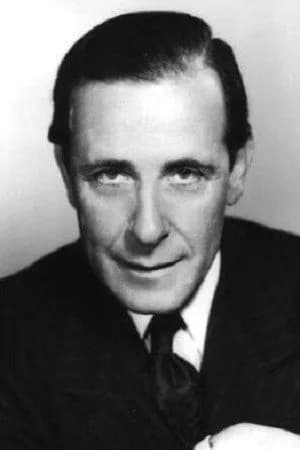
Emigrating to England in 1933 as the Nazis began their rise to power, Wengraf appeared unbilled in a couple of films there, as well as in some of the first BBC live-television shows ever presented but his career began to languish. In late 1941, however, he had the good fortune of appearing on Broadway with Helen Hayes in "Candle in the Wind" and decided to stay. The following year he headed west and settled permanently in the Los Angeles area. A dark, cold-eyed, thin-lipped player with a precise, meticulous air about him, he found himself invariably playing the very characters he detested. Some of his more nefarious nasties surfaced in such films as the Humphrey Bogart classic Sahara (1943/I), as well as The Boy from Stalingrad (1943), U-Boat Prisoner (1944) and Till We Meet Again (1944). In postwar years, he was often spotted portraying ethnic professionals (scientists, doctors, professors, foreign royalty). Some of the more quality pictures he enhanced were Tomorrow Is Forever (1946); Count Von Papen in 5 Fingers (1952); and Ronchin in the Ethel Merman musical Call Me Madam (1953). Although Wengraf never made it to the very top of the Hollywood character ranks, he remained a throughly strong and reliable player. In the 1950s and 1960s he transferred his talents to TV, appearing on a number of dramatic showcases and on such popular programs as "The Untouchables" (1959), "Hawaiian Eye" (1959), "The Man from U.N.C.L.E." (1964) and "The Time Tunnel" (1966). His last few films included minor roles in the war-themed Judgment at Nuremberg (1961), Hitler (1962) and Ship of Fools (1965). He retired in 1966, and died in Santa Barbara, California, at age 77, on May 4, 1974.