
Search

Ninho: Fame Ain’t Worth It
2026
At the height of his success in 2025, French rap star Ninho considers leaving music behind. This documentary looks back on the triumphs, sacrifices and personal challenges that brought him to that crossroads.

Ninho
Cast · Known for Ninho: Fame Ain’t Worth It
Nino Korda
Cast · Known for Loves of a French Pussycat

Nino Böhlau
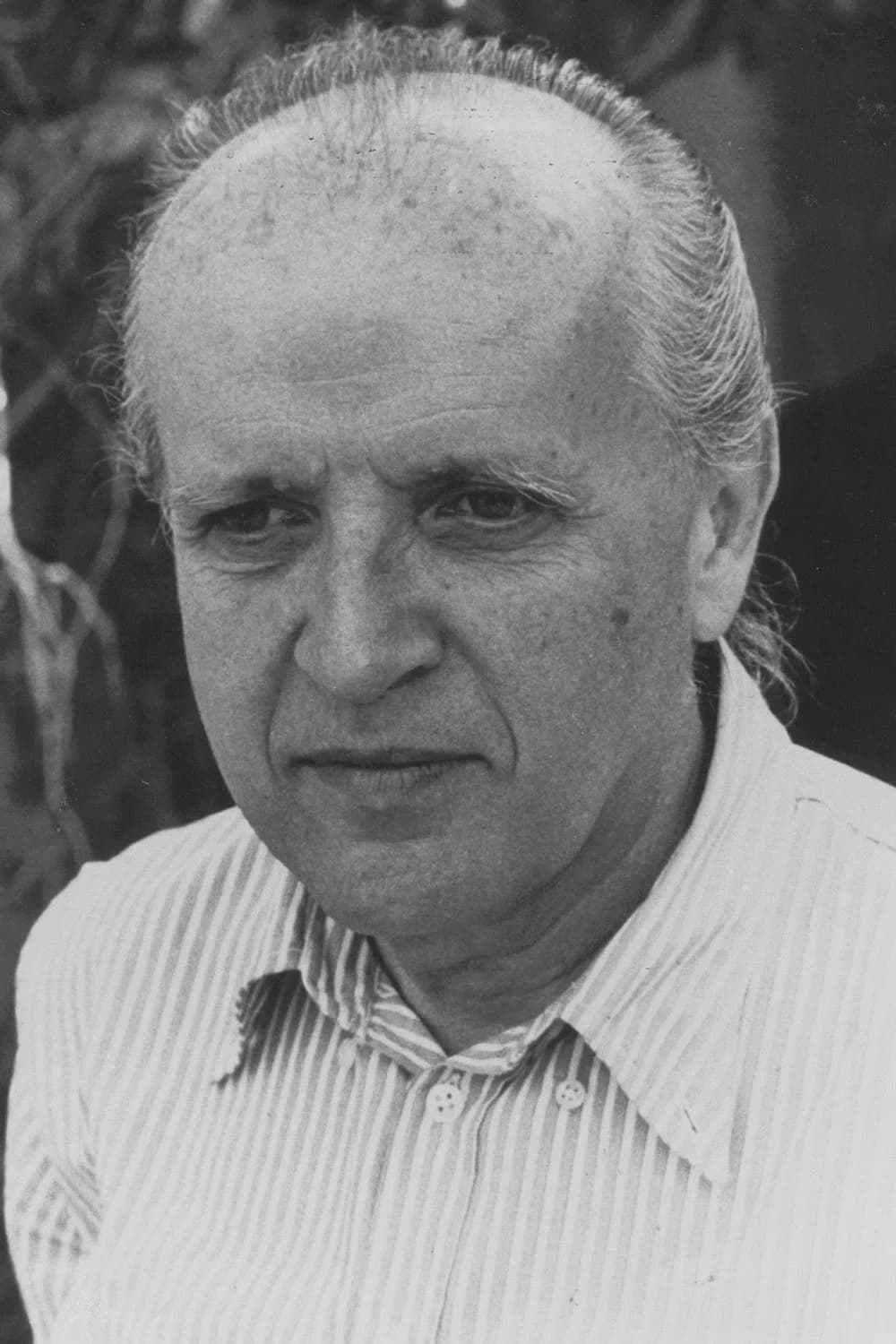
Nino Rota
Composer · Known for The Godfather, The Godfather Part II
From Wikipedia, the free encyclopedia Giovanni "Nino" Rota (3 December 1911 – 10 April 1979) was an Italian composer, pianist, conductor and academic who is best known for his film scores, notably for the films of Federico Fellini and Luchino Visconti. He also composed the music for two of Franco Zeffirelli's Shakespeare films, and for the first two films of Francis Ford Coppola's Godfather trilogy, receiving the Academy Award for Best Original Score for The Godfather Part II (1974). During his long career Rota was an extraordinarily prolific composer, especially of music for the cinema. He wrote more than 150 scores for Italian and international productions from the 1930s until his death in 1979—an average of three scores each year over a 46-year period, and in his most productive period from the late 1940s to the mid-1950s he wrote as many as ten scores every year, and sometimes more, with a remarkable thirteen film scores to his credit in 1954. Alongside this great body of film work, he composed ten operas, five ballets and dozens of other orchestral, choral and chamber works, the best known being his string concerto. He also composed the music for many theatre productions by Visconti, Zeffirelli and Eduardo De Filippo as well as maintaining a long teaching career at the Liceo Musicale in Bari, Italy, where he was the director for almost 30 years.
Nino Del Prete
Niño de Elche
Nino Porzio
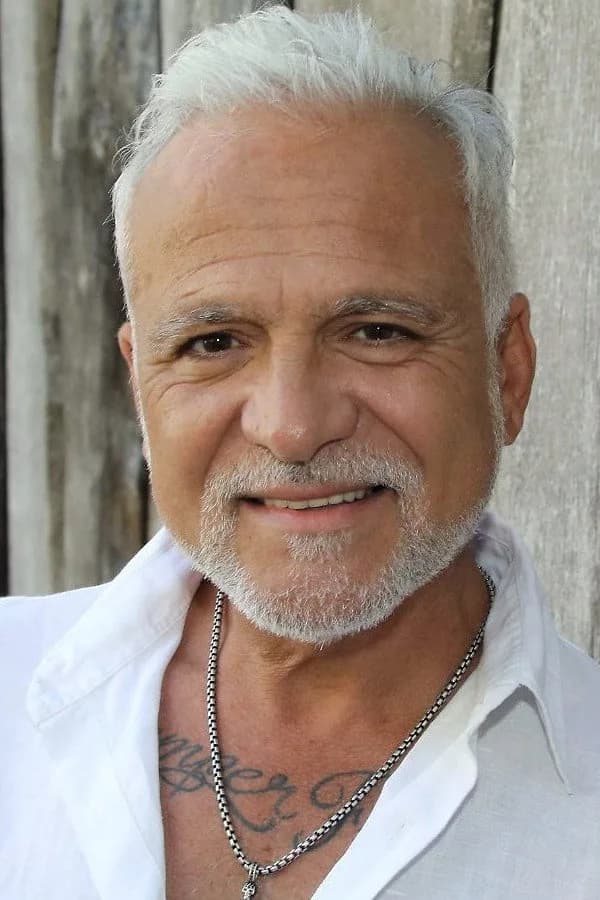
Nino de Angelo
Domenico Gerhard Gorgoglione (born 18 December 1963), known professionally as Nino de Angelo, is a German singer of Italian descent known for his 1983 chart-topper "Jenseits von Eden", and who participated in the Eurovision Song Contest 1989 with the song, "Flieger", written by Dieter Bohlen and Joachim Horn-Bernges. He had a minor hit in 1984 in the UK Singles Chart with "Guardian Angel". Originally the song was recorded in German and written by Drafi Deutscher. Titled "Jenseits von Eden", it remained number one for ten weeks on the German chart in 1983, while an Italian version was number one in France for five weeks. He collaborated with German band Mr. President, performing a song called "Olympic Dreams" from their "We See the Same Sun" album. He participated in Eurovision Song Contest in 1989 with the song "Flieger", performed 21st in the night and finished 14th with 46 points. German punk band Die Ärzte covered the song "Jenseits Von Eden" on their self-titled album, released in 1986. Source: Article "Nino de Angelo" from Wikipedia in English, licensed under CC-BY-SA 3.0.
Nino J. Martin

Nino Baragli
Editor · Known for Caligula, Duck, You Sucker, Once Upon a Time in America
Nino Baragli (1 October 1925 – 29 May 2013) was an Italian film editor with more than 200 film credits. Among his films in English, The Good, the Bad and the Ugly (1966) and Once Upon a Time in the West (1968), both directed by Sergio Leone, are perhaps the best known. Born in Rome as Giovanni Baragli, he was introduced in the film industry by his uncle, the renowned editor Eraldo Da Roma. He started his career in 1944 as film operator and assistant editor for Marinai senza stelle by Francesco De Robertis. During his career he worked as editor in more than 200 productions between 1944 and 1996, including works by Federico Fellini, Pier Paolo Pasolini, Sergio Leone, Damiano Damiani, Luigi Zampa, Giuliano Montaldo, Sergio Corbucci, Mauro Bolognini, Luigi Comencini, Cristina Comencini, Florestano Vancini, Gabriele Salvatores, Alberto Lattuada, Tinto Brass, Margarethe von Trotta, Pál Sándor, Bernardo Bertolucci, Roberto Benigni, Massimo Troisi. The single largest impact of Baragli's editing is likely on the films of Pier Paolo Pasolini. Gino Moliterno as described Pasolini as follows: "Outside Italy Pasolini is usually remembered as one of the most significant of the directors who emerged in the second wave of Italian postwar cinema in the early 1960s but, within Italy itself, Pasolini was always much more than just a distinctive and innovative filmmaker. By the time he came to make his first film, Accattone, in 1961, he had already published numerous collections of poetry, two highly-acclaimed novels, had collaborated widely in cultural-literary journals and firmly established himself as one of Italy’s leading writer-intellectuals." Stefano Musi has called Baragli's contributions to Pasolini's films "enormous"; Baragli edited every one of Pasolini's feature films from his first, Accattone (1961), to his final film Salò, or the 120 Days of Sodom (1975), which was released shortly after his murder. Geoffrey Nowell-Smith has written of the editing innovations in their early films, "When Accatone and Mamma Roma came out, Pasolini and his editor Nino Baragli were widely condemned as amateurish and incompetent, which is rather like saying that Cezanne's brushstrokes showed that he couldn't paint." Perhaps the best-known of Pasolini's films to English-speaking audiences is The Gospel According to Saint Matthew (1964), now considered a masterpiece by many critics. Nowell-Smith writes of the editing that "large sections of the film do not even bother to respect continuity, let alone to pay obeisance to it. ... Each shot simply presents itself as reality in its own right but there is no attempt to maintain the realistic illusion that had been the foundation of cinema since the early 1920s if not before." ... Source: Article "Nino Baragli" from Wikipedia in English, licensed under CC-BY-SA 3.0.

Nino Frassica
Cast · Known for Father Matteo
Nino D'Agata
Nino Benvenuti

Nino Furuhata
Nino Degennaro

Nino Terzo
Cast · Known for Cinema Paradiso
Nino Terzo (22 May 1923 – 8 May 2005) was an Italian actor. Born in Palermo as Antonino Terzo, he worked intensively in the avanspettacolo and revue theater, entering the stage companies of Totò, Peppino De Filippo, Franco Franchi and Ciccio Ingrassia, Domenico Modugno, among others. Terzo was also active as a singer, appearing in several operettas. Terzo made his film debut in 1962, and he soon established himself as one of the most active character actors in the Italian comedy cinema, usually playing, with small variations, the character that made him famous in avanspettacolo, i.e. a man with extremely slow reflexes and a huge speech impediment, which does not allow him to speak before he loudly inhaled and exhaled. He retired in 1992 for health reasons. Source: Article "Nino Terzo" from Wikipedia in English, licensed under CC-BY-SA 3.0.
Nino, o Italianinho
1969
Nino Pitkänen
Nino Sandow
Naoko Niiho
Rosa Nino
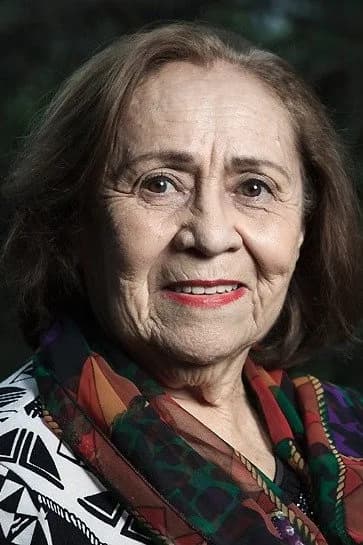
Ilva Niño
Cast · Known for Caça Talentos
Miguel Nino
Cast · Known for The Fugitive