
Search

Never After Dark
2026
A traveling psychic who helps lost souls cross over encounters a powerful entity at a remote house. While investigating its origins, she uncovers dark secrets and faces a deadly threat from an unexpected source.

Dave Boyle
Director · Known for Never After Dark
Dave Boyle is known for Never After Dark (2026), House of Ninjas (2024) and Man from Reno (2014).
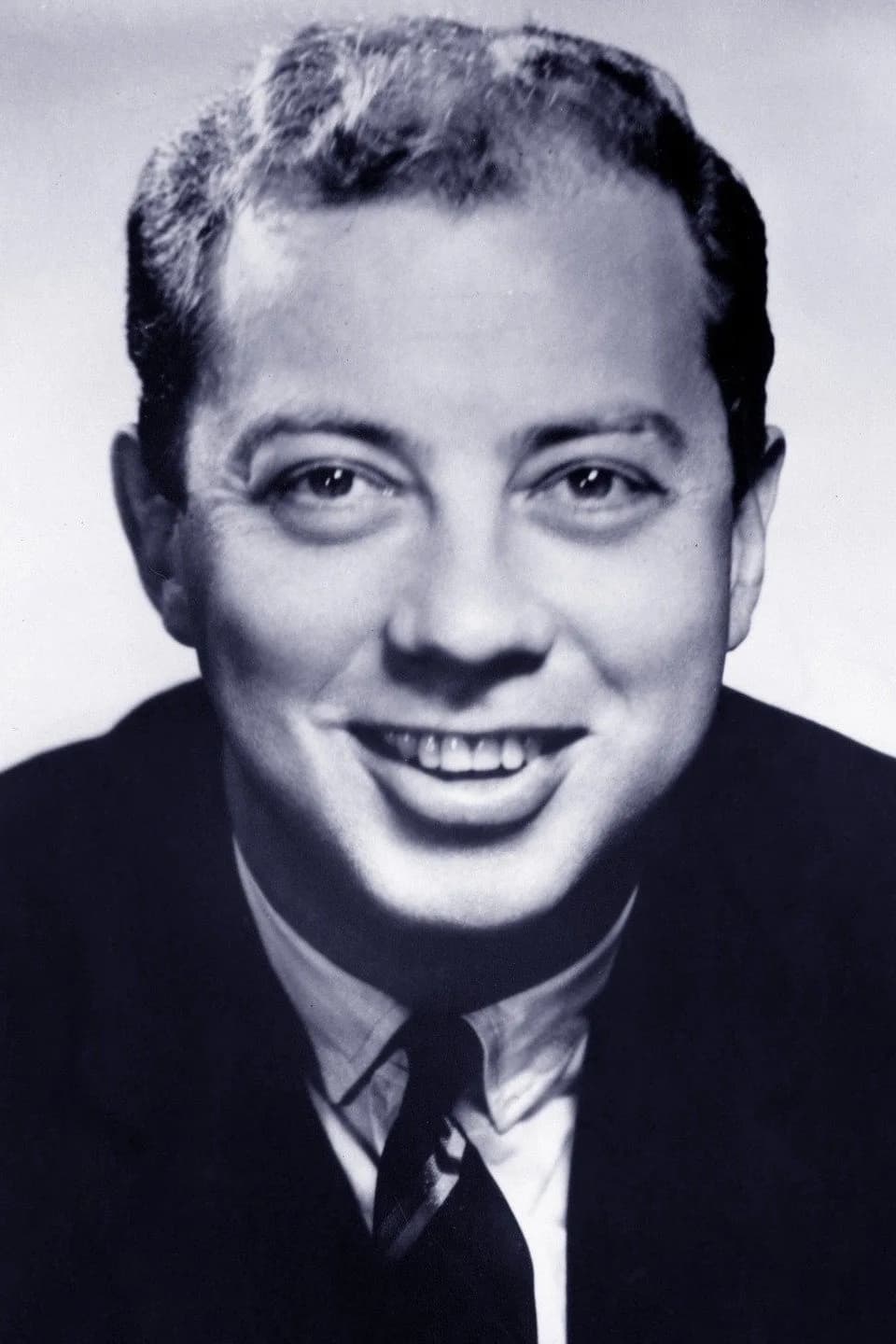
Cy Coleman
Cy Coleman (born Seymour Kaufman; June 14, 1929 – November 18, 2004) was an American composer, songwriter, and jazz pianist. Coleman was born Seymour Kaufman in New York City, to Eastern European Jewish parents, and was raised in the Bronx. His mother, Ida (née Prizent) was an apartment landlady and his father was a brickmason. He was a child prodigy who gave piano recitals at venues such as Steinway Hall, Town Hall, and Carnegie Hall between the ages of six and nine. Before beginning his fabled Broadway career, he led the Cy Coleman Trio, which made many recordings and was a much-in-demand club attraction. Despite the early classical and jazz success, Coleman decided to build a career in popular music. His first collaborator was Joseph Allen McCarthy, but his most successful early partnership, albeit a turbulent one, was with Carolyn Leigh. The pair wrote many pop hits, including "Witchcraft" and "The Best Is Yet to Come". One of his instrumentals, "Playboy's Theme," became the signature music of the regular syndicated late night TV show Playboy After Dark in the 1960s. This included specials presented by the editor/publisher Hugh M. Hefner of Playboy magazine, and remains synonymous with the Chicago magazine and its creator, Hefner. Coleman's career as a Broadway composer began when he and Leigh collaborated on Wildcat (1960), which marked the Broadway debut of movie/television comedienne Lucille Ball. The score included the hit tune "Hey, Look Me Over". When Ball became ill, she left the show, and it closed. Next for the two was Little Me, with a book by Neil Simon based on the novel of the same name by Patrick Dennis. The show introduced "Real Live Girl" and "I've Got Your Number," which became popular standards. In 1964, Coleman met Dorothy Fields at a party, and when he asked if she would like to collaborate with him, she is reported to have answered: "Thank God somebody asked." Fields was revitalized by working with the much younger Coleman, and by the contemporary nature of their first project, which was Sweet Charity, again with a book by Simon, starring Gwen Verdon, and introducing the songs "If My Friends Could See Me Now", "I'm a Brass Band", "Big Spender" and "The Rhythm of Life". The show was a major success and Coleman found working with Fields much easier than with Leigh. The partnership was to work on two more shows – an aborted project about Eleanor Roosevelt, and Seesaw which reached Broadway in 1973 after a troubled out-of-town tour. Despite mixed reviews, the show enjoyed a healthy run. The partnership was cut short by Fields' death in 1974. Coleman remained prolific in the late 1970s. He collaborated on I Love My Wife (1977) with Michael Stewart, On the Twentieth Century (1978) with Betty Comden and Adolph Green, and Home Again, Home Again with Barbara Fried, although the latter never reached Broadway. Also in 1970, he produced the single "Lying Here" (Mercury 73150) for the Rock opera Sensations, and took a full-page (back cover) advert in Billboard magazine to promote his upcoming star vocalist Steve Leeds. ... Source: Article "Cy Coleman" from Wikipedia in English, licensed under CC-BY-SA.

Austin Macdonald
After a short modeling career as a youngster, Austin moved onto doing commercials. He began acting at the age of eight. An ambitious young actor, he wasted no time making the jump into the television and film industry and was cast as Auzzie in Family Channels series DEBRA! Austin also plays Andy in "Life with Boys" on YTV/Nick. Austin has also had principal roles on the television shows Living in Your Car, Doddlebops and has appeared in The Ron James Show, The Rick Mercer Report, Little Mosque on the Prairie, Mudpit and Guest starred in a series of movies for Nickelodeon based on the adventures of Roxie Hunter. Austin's other feature credits include Kit Kittredge: An American Girl, Jack Brooks: Monster Slayer and Jesus Henry Christ. Most recently Austin has had the chance to welcome the opportunity to make the transition from child/teen actor to adult actor. Taking on more challenging roles such as the lead in a very dark role in the short Portrait of Ryan, a guest role in the popular TV series Hannibal on NBC as a serial killer & a mugger in the feature film He Never Died. Austin has also loves doing voice for animation & narrative productions, he has a tenor voice. Austin has been humbled to have been nominated 11 times and won 3 "Young Artists awards" and had 5 nominations and 1 win for Mississauga arts Council "MARTY"(Emerging artists of the year award), 2 nominations for a Joey Award and 1 win. In addition to acting, Austin is also interested in what goes on behind the camera. He is doing his Bachelor of Film And Television at Sheridan College. His love for cinematography and sound have found him writing, filming, directing, editing & acting in a few short films of is own & helping out other filmmakers. He has a new respect for the crew when he is on set acting.. Austin has always been involved with current events and environmental issues and began devoting time to organizations that give back to the community. Austin is very involved with anti-bullying programs and an initiative called "Blessings in a Backpack" which is dedicated to ensuring less fortunate children have enough to eat and are able to perform to the best of their ability with the benefit of proper nutrition.
Lee Kinsolving
Gifted, poetic actor who never fulfilled his potential. The son of an Episcopal minister and the eldest of four, Kinsolving began acting after his first year of college. A Method actor, Kinsolving studied under Mary Welch of the famed Actors Studio in New York. After a short turn on Broadway, he was signed by agent Richard Clayton, who had brought both James Dean and Tab Hunter to stardom. Soon, Kinsolving was appearing in various East Coast television shows, including the live presentation of Eugene O'Neill's "Ah, Wilderness!" with Helen Hayes. In 1959, Kinsolving headed for Hollywood, rooming with actor James Franciscus. After several more TV appearances in such shows as Have Gun - Will Travel (1957), Kinsolving landed his first movie role, with Alan Ladd, in 1960's All the Young Men (1960). That same year, he gave a moving performance as "Sammy Golden" in the film adaptation of William Inge's The Dark at the Top of the Stairs (1960). Kinsolving won raves and a Golden Globe nomination for Best Supporting Actor. Regrettably, Kinsolving made only one more film, The Explosive Generation (1961), before completing his brief career in TV guest roles. Nonetheless, Kinsolving brought a striking combination of sexuality, pathos and vulnerability to his work (including an outstanding performance in Route 66 (1960)). Kinsolving retired from acting in 1966, due to his personal frustrations with the business. For two years, he owned a hip restaurant-bar, "Toad Hall", in Manhattan. After brief romances with Tuesday Weld and Candice Bergen, Kinsolving sold his bar and married in late 1969. Moving to Florida, he managed two art galleries. After divorcing his wife in 1972, Kinsolving, an avid seaman, spent the remainder of his life sailing exotic locales in his private schooner. Sadly, Kinsolving developed a strange respiratory illness which, without warning, rendered him unconscious. On the afternoon of December 4, 1974, Kinsolving collapsed and died in his Palm Beach apartment. He was 36.
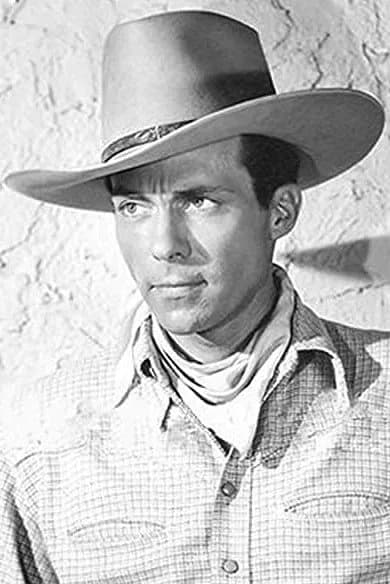
Dennis Moore
Dennis Moore was an actor who specialized in western films and film serials. He began appearing in short subjects and low-budget feature films in the 1930s under the name "Denny Meadows," and enjoyed greater recognition and employment after he changed his professional name to Dennis Moore. His dark looks and solemn demeanor kept him working steadily as an all-purpose utility player, in both heroic and villainous roles. Moore became a familiar face in westerns but never became a major star. He did play leads or second leads in serials, and holds the distinction of appearing in the very last serials produced by Universal Pictures (in 1946) and Columbia Pictures (in 1956).
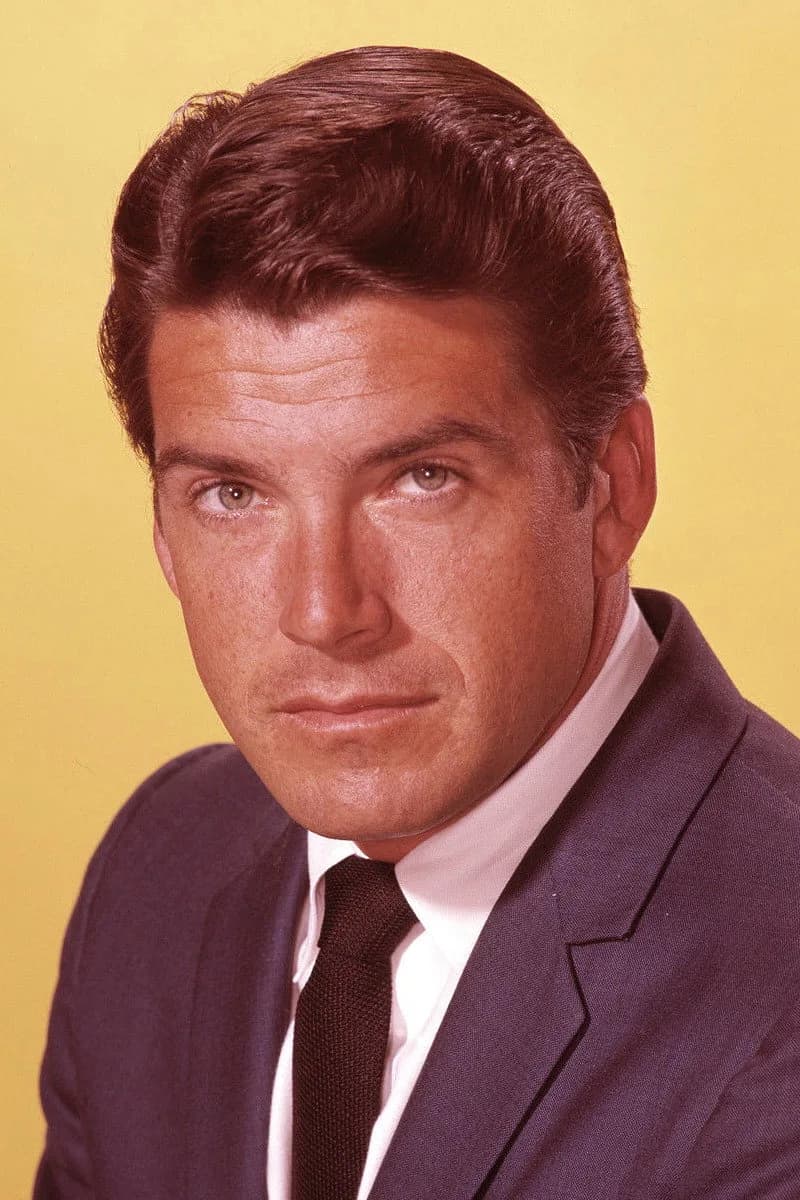
Van Williams
You could shoehorn actor Van Williams right in there between the other tall, dark and drop-jaw gorgeous heartthrobs Tom Tryon and John Gavin of the late 1950s/early 1960s who conveyed a similar bland, heroic image. All three were too often given colorless heroes to play on film and/or TV -- roles that played off their charm but seldom tested their talent. Born on February 27, 1934 as Van Zandt Jarvis Williams, he was the son of a cattle rancher. He majored in animal husbandry and business at Texas Christian University but moved to Hawaii which changed the course of his life. While operating a salvage company and a skin-diving school during the mid-1950s, he was approached by Elizabeth Taylor and husband/producer Mike Todd, who were filming there. Encouraged by Todd to try his luck, Van arrived in Hollywood with no experience. Todd perished in a plane crash before he was able to help Van, but the young hopeful ventured on anyway, taking some acting/voice lessons, and was almost immediately cast in dramatic TV roles. Warner Brothers had a keen eye for this type of photogenic hunk and smartly signed Van. Fitting in perfectly, he was soon showing just how irresistible he was as a clean-cut private eye on the series "Bourbon Street Beat (1959)". Although the show lasted only one season, Warners carried his Kenny Madison character into the more popular adventure drama Surfside 6 (1960) opposite fellow pin-up / blond beefcake bookend Troy Donahue. Series-wise, Van tried comedy next opposite "Walter Brennan in The Tycoon (1964)". After his contract expired at Warners, 20th Century-Fox handed him his most vividly recalled role, that of the emerald-suited superhero "The Green Hornet (1966)" with the late Bruce Lee as his partner Kato. The show, inspired by the huge cult hit "Batman (1966)" enjoyed a fast start but, like its predecessor, met an equally untimely finish. Never a strong draw in films, Van revealed quite a bit of himself (literally) in his debut in "Tall Story (1960)" coming out of a shower. He was handed a typically staid second lead in "The Caretakers (1963)". Continuing well into the 1970s to guest sporadically on the TV scene in classics like "The Dick Van Dyke Show (1961)", "Love, American Style (1969)", "Mission: Impossible (1966)", "The Big Valley (1965)", "Nanny and the Professor (1970)", "Barnaby Jones (1973)", and "The Rockford Files (1974)". Another starring series attempt with "Westwind (1975)" failed to make the grade and he soon let his career go. Van went on quite successfully in business with telecommunications, real estate and law enforcement supplies among his ventures. With his glossy, pretty-boy years far behind him, he has not felt the need to look back except for an occasional autograph convention. - IMDb Mini Biography By: Gary Brumburgh / [email protected]
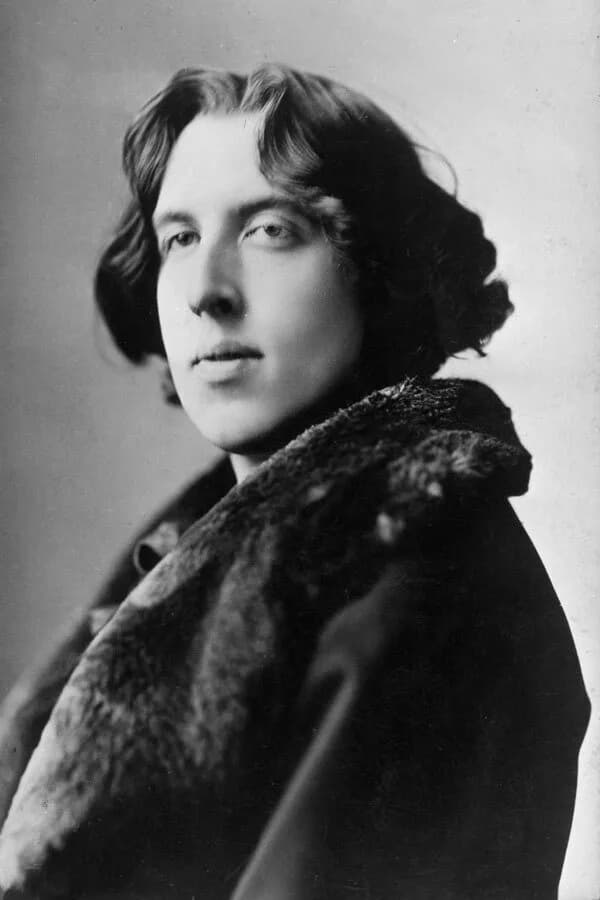
Oscar Wilde
From Wikipedia, the free encyclopedia Oscar Fingal O'Flahertie Wills Wilde (16 October 1854 – 30 November 1900) was an Irish writer and poet. After writing in different forms throughout the 1880s, he became one of London's most popular playwrights in the early 1890s. Today he is remembered for his epigrams, plays and the circumstances of his imprisonment, followed by his early death. Wilde's parents were successful Dublin intellectuals, and their son showed his intelligence early by becoming fluent in French and German. At university Wilde read Greats; he proved himself to be an outstanding classicist, first at Dublin, then at Oxford. He became known for his involvement in the rising philosophy of aestheticism (led by two of his tutors, Walter Pater and John Ruskin), though he also profoundly explored Roman Catholicism, to which he would later convert on his deathbed. After university, Wilde moved to London into fashionable cultural and social circles. As a spokesman for aestheticism, he tried his hand at various literary activities: he published a book of poems, lectured in the United States of America and Canada on the new "English Renaissance in Art", and then returned to London where he worked prolifically as a journalist. Known for his biting wit, flamboyant dress, and glittering conversation, Wilde had become one of the most well-known personalities of his day. At the turn of the 1890s, he refined his ideas about the supremacy of art in a series of dialogues and essays, and incorporated themes of decadence, duplicity, and beauty into his only novel, The Picture of Dorian Gray (1890). The opportunity to construct aesthetic details precisely, and combine them with larger social themes, drew Wilde to write drama. He wrote Salome (1891) in French in Paris but it was refused a licence. Unperturbed, Wilde produced four society comedies in the early 1890s, which made him one of the most successful playwrights of late Victorian London. At the height of his fame and success, whilst his masterpiece, The Importance of Being Earnest (1895), was still on stage in London, Wilde sued the father of his lover, Lord Alfred Douglas, for libel. After a series of trials, Wilde was convicted of gross indecency with other men and imprisoned for two years, held to hard labour. In prison he wrote De Profundis (1905), a long letter which discusses his spiritual journey through his trials, forming a dark counterpoint to his earlier philosophy of pleasure. Upon his release he left immediately for France, never to return to Ireland or Britain. There he wrote his last work, The Ballad of Reading Gaol (1898), a long poem commemorating the harsh rhythms of prison life. He died destitute in Paris at the age of forty-six. Description above from the Wikipedia article Oscar Wilde, licensed under CC-BY-SA, full list of contributors on Wikipedia.
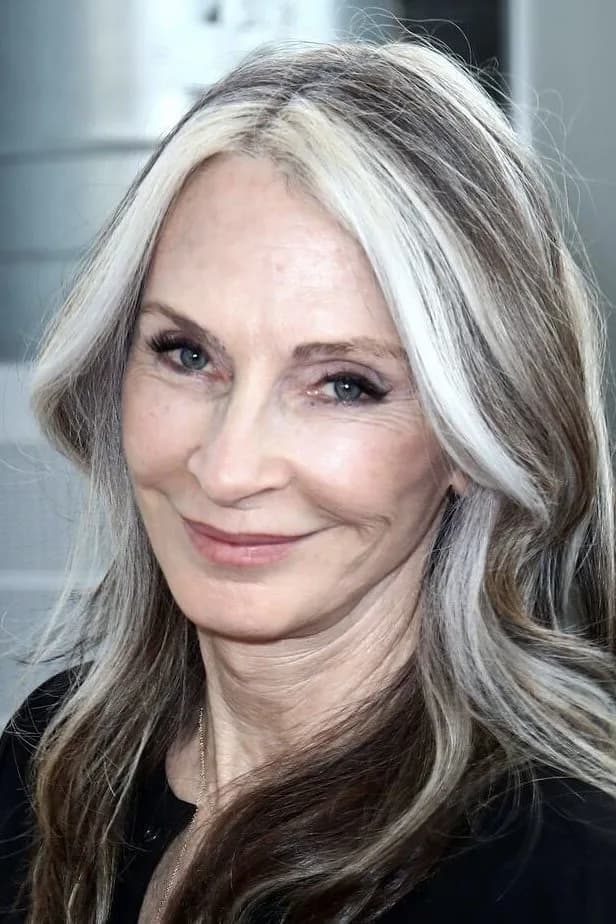
Gates McFadden
Cast · Known for Star Trek: The Next Generation
Cheryl Gates McFadden (born March 2, 1949) is an American actress and choreographer. She is best known for portraying the character of Dr. Beverly Crusher in the television and film series Star Trek: The Next Generation. She attended Brandeis University earning B.A Cum Laude in Theater Arts. After graduating from Brandeis, she moved to Paris and studied theater with actor Jacques LeCoq. Before Star Trek: The Next Generation, she was mostly known as a choreographer, often working on Jim Henson productions including the films The Dark Crystal, for which she was a choreographer, Labyrinth, for which she served as Director of Choreography and Puppet Movement, and The Muppets Take Manhattan, in which she has a brief on-screen appearance. As a way of distinguishing her acting work from her choreography, she is usually credited as "Gates McFadden" as an actress and "Cheryl McFadden" as a choreographer. She appeared briefly in the Woody Allen film Stardust Memories, and in The Hunt for Red October as Jack Ryan's wife Cathy, though most of her scenes were cut in post-production. In 1987, McFadden was cast as Dr. Beverly Crusher on Star Trek: The Next Generation. The Crusher character was slated to be Captain Jean-Luc Picard's love interest, and this aspect of the character is what attracted McFadden to the role. Another important aspect of the character was being a widow balancing motherhood and a career. McFadden left after the first season, in part because series executive producer Gene Roddenberry was never enthusiastic about casting McFadden in the first place. Roddenberry also wanted to give the role of ship's doctor to actress Diana Muldaur, with whom he had worked on the original Star Trek series and other occasions. Muldaur's character, Dr. Katherine Pulaski, proved very unpopular with fans and left the show after the second season. McFadden was approached to return for the third season. At first she was hesitant, but after a phone call from co-star Patrick Stewart, McFadden was persuaded to reprise her role.
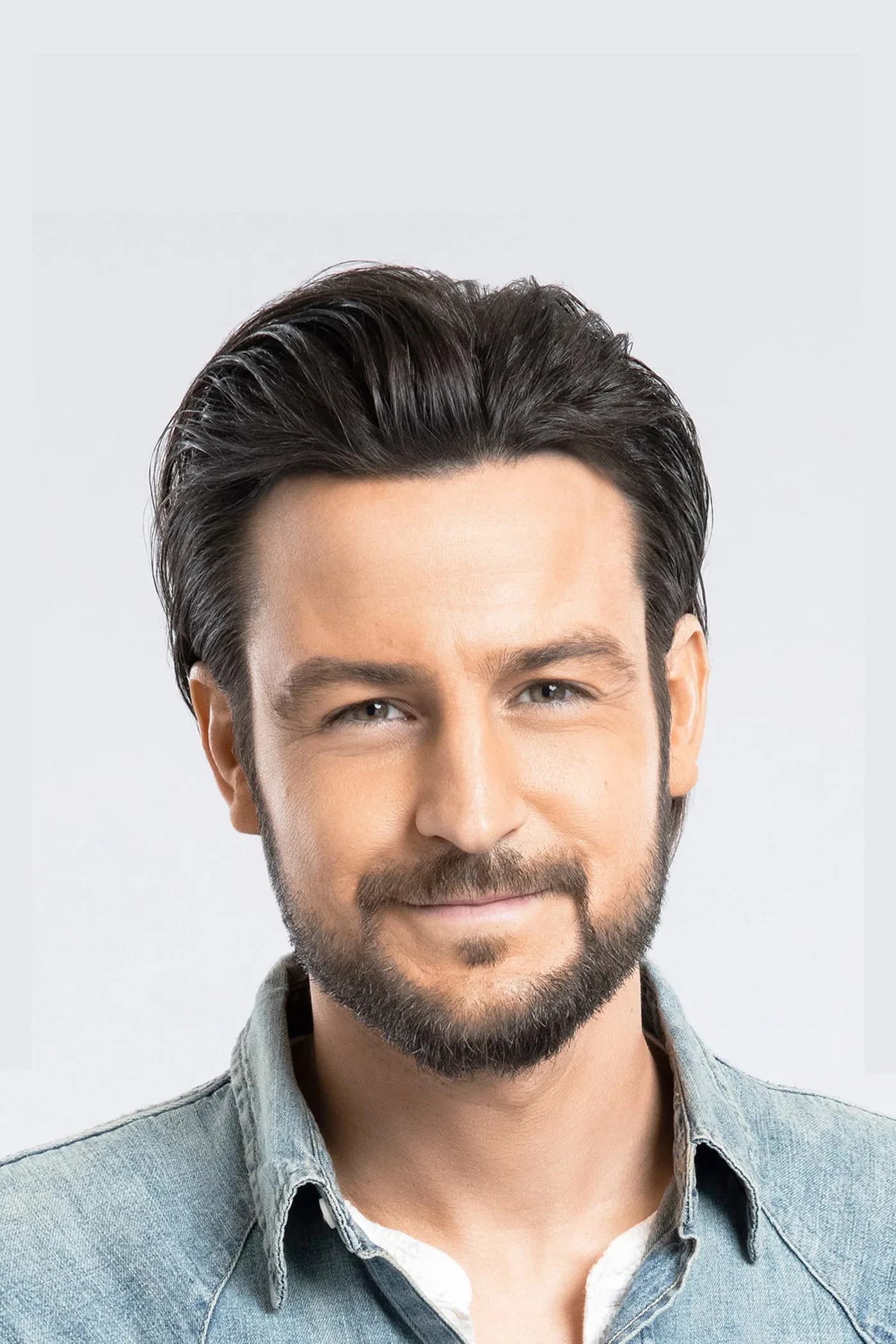
Tyler Hynes
Tyler Hynes was born in Toronto Canada. He is an accomplished actor, director, producer, editor, writer. Tyler got his Professional start at the age of 8 during a 72 performance run of the Musical Stage Production of "A Christmas Carol," followed by the Cross Canada Tour of The Who's Rock Opera "Tommy" playing the role of 10 year old Tommy. After getting his start in Theater, he moved in front of the camera with his first feature film "Little Men" starring Mariel Hemingway. He then went on to star in various television and film productions, alongside the likes of Tim Roth, Andie MacDowell, James Franco, Sienna Miller, Henry Cavil, Elliot Page, Billy Bob Thornton and more. Nominated "fan favorite" as a teen, Tyler starred in the 24 episode run of the TV Series "Tales from the Never Ending Story" as Atreyu and as "The Chosen One" in "Peter Benchley's Amazon" for 26 episodes. He then turned in Award Nominated performances in Disney's "The Other Me" and "Terrorized by Teens: The Jonathan Wamback Story" which told the real life story of a young man bullied and beaten and left with permanent brain damage which gained Major National Media attention, launching anti bullying town halls and a TV blitz across Canada. As an adult he further cultivated his acting craft as a regular on such TV series "Saving Hope," "The Firm" based on the John Grisham's novel, critically acclaimed Police drama "19-2" and the Emmy winning Lifetime series "Unreal." He also enjoyed guest starring roles on NCIS, Flashpoint, Rookie Blue, Transporter, Star Trek:Discovery, etc. - some of which earning Award recognition. Recently, his standout performance as Sgt. Reece in the WWII Feature "Recon" has been lauded by critics. This character is in great contrast to his sudden rise as one of Hallmark Channel's top leading men bringing a unique and refreshing approach to the genre. All while appearing, and contrasting further still, on Hulu's breakout comedy series "Letterkenny." Hynes plays the lovable Dierks, the antagonist to Letterkenny's most beloved star Jared Keeso, Hynes's friend and former co-star in 19-2. A fan of filmmaking as a whole, Tyler has expanded into directing, writing and producing. Some of his short film credits include "Help Doug Recycle" a 40 minute documentary about a homeless man struggling with substance abuse while recycling to make ends meet, the dark coming of age drama "Firefly" and "AFK_", a proof of concept funded by BELL Media as part of a television pitch piece. Upon the release of "AFK_" online it earned praise with features on taste-maker websites like "short of the week" among others. With notoriety growing behind the camera Tyler was then getting requests to helm music videos for multi-platinum and Grammy winning artists. Seeing it as an opportunity to test his craft, Tyler wrote, directed, produced and edited over a dozen music videos for artists such as multi-platinum/Grammy nominated Shaun Frank, Coachella headlining Rezz and others. These videos earned features on sites like Billboard and nominations in Award shows like the "Much Music Video Awards". From a World War II drama, to a unique hit comedy series, a romantic fan favorite, to his work behind the lens, Hynes is seeing a diversity in the industry shared by few.
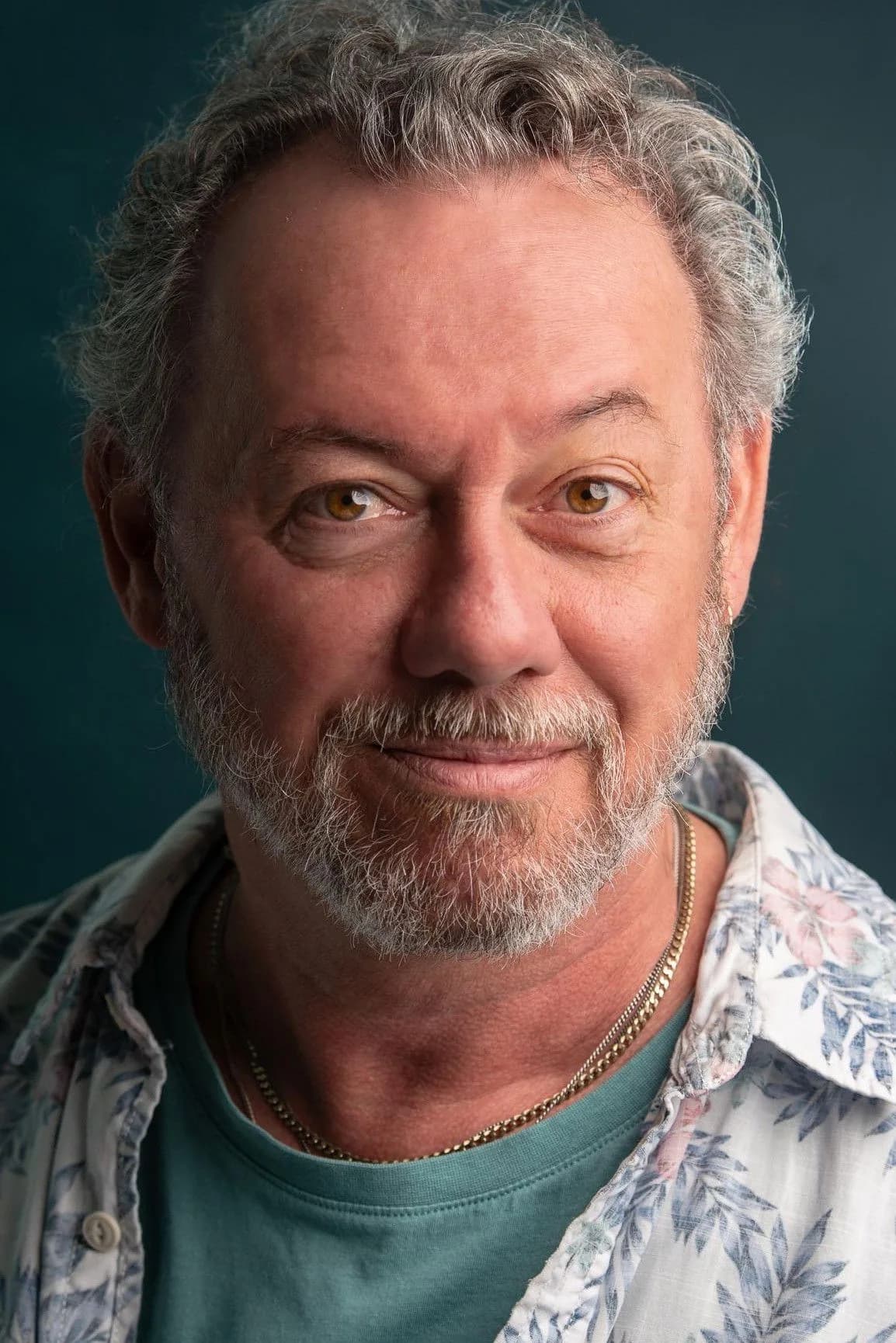
John MacNeill
John Macneill trained at the (Royal) Central School of Speech & Drama on the three-year acting course. Upon graduation, and after an appearance at the Edinburgh Fringe, he joined Bedside Manners to play Bob Cratchet in A Christmas Carol, a small-scale musical tour of community venues in London. As an associate director of the company, John acted in, wrote and/or directed a further ten productions with the company, which ultimately toured to venues nationwide, including The West Yorkshire Playhouse, The Barbican Centre, and The Lyric Hammersmith. He appeared in Buddy and She Loves Me in the West End, as Tony in West Side Story at the National Theatre of Kenya, and has worked in various scales of theatre all over the UK. In 2002 he became Kneehigh's admin and marketing co-ordinator, then as co-director of Mundic Nation, he played Jack in Hell Fire Corner co-produced with Hall for Cornwall. John also played Pilia Borza in Barabas (Marlowe's Jew of Malta) and Helyar Jan in Never Say Rabbit in a Boat by Nick Darke at HfC. He played Rooster in Jerusalem touring outdoors for Common Players with Exeter Northcott. He played two shows back-to-back at the 2023 Edinburgh Fringe: Polko, and award-winning The Interrogation. A South West tour of one-man play The Coastguard in which he played Peter, received a five-star review. Television work includes Black Books, The Bill, Doc Martin, His Dark Materials, Beyond Paradise, and The Diplomat, as well as numerous commercials, while John is probably best known as Jacka Hoblyn in Poldark Series 2, 4 and 5. At AMATA John has worked closely with 2nd and 3rd Year students on performance, and acting for camera since 2015. His final productions The House of Bernarda Alba (2016) and The Resistible Rise of Arturo Ui (2017) won Best Actor/Actress awards, with the cast of Ui also winning Best Ensemble Company at the AMATA festival.
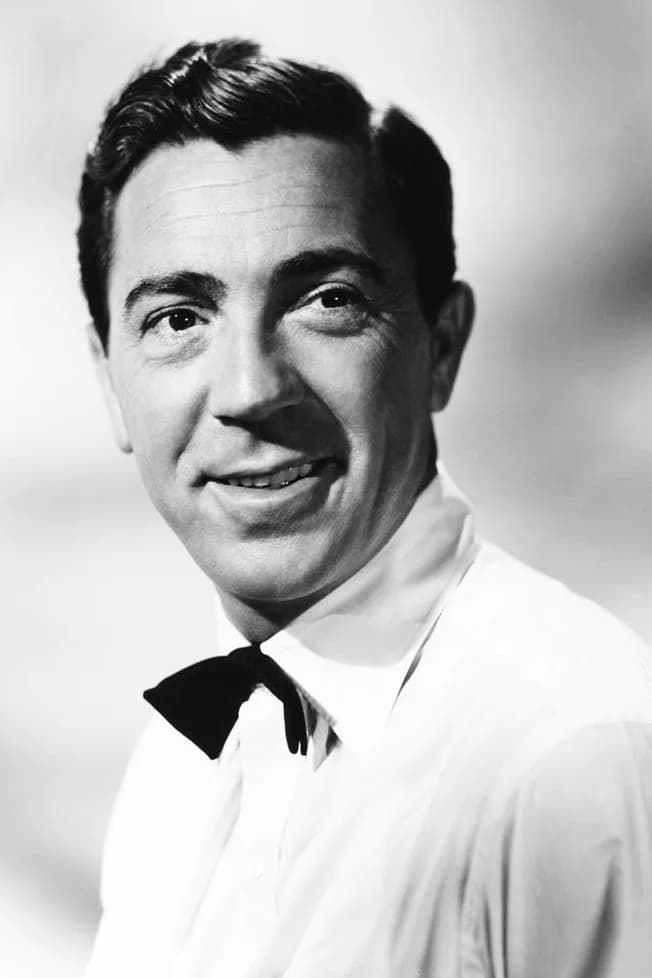
Tom D'Andrea
Thomas J. D'Andrea was an American actor in films and on television. D'Andrea's first job was at the Chicago Public Library, after which he worked in publicity at the Sherman Hotel in Chicago. Contacts with entertainers at the hotel led to an opportunity to work in Hollywood. After moving there in 1934, he became a publicist for Betty Grable, Gene Autry, Mae Clarke and Jackie Coogan. He began writing scripts in 1937, creating lines for Ben Bernie, Jack Benny, Eddie Cantor and Olsen and Johnson and continued in television, writing for Cantor and Donald O'Connor on their shows. In 1941, D'Andrea was drafted into the Army Air Corps. He was assigned to write a Gracie Fields program after being stationed at Camp Roberts, California..Reading lines at a rehearsal, Fields decided to have him read the lines in the show. He was assigned to the Overseas Radio Unit in 1943, and he began performing comedy in addition to writing. While at Ciro's Restaurant on Sunset Strip attracted a Warner Bros.' executive's attention, resulting in a role in This is the Army, with Ronald Reagan. In 1946, the studio sighed him to a long-term contract. He went on to roles in Pride of the Marines with John Garfield, Night and Day with Cary Grant, Never Say Goodbye, Silver River with Errol Flynn, and Dark Passage with Humphrey Bogart. His last film was A House Is Not a Home with Shelley Winters in 1964. After working in the film Kill the Umpire, with William Bendix in 1950, D'Andrea was chosen to play the part of Gillis, Riley's talkative neighbor in the long running television series, The Life of Riley starring Bendix. Other TV shows he appeared in were "Death Valley Days" with Ronald Reagan, "Playhouse 90" and the "Hallmark Hall of Fame." "He retired in his '60s. But, he didn't really retire. Like all actors and writers he never stopped performing. They would meet at places like the Friars Club and amuse themselves," said his son Tom. "That was when he started doing club dates at The Sands with Frank Sinatra. He Coalso did a summer replacement TV show called 'The Soldiers' with Hal March. After they left, the show was kept on with Phil Silvers and renamed 'Sgt. Bilko'. On television, D'Andrea portrayed Bill, the bartender, in Dante and acted as himself in The Soldiers. He appeared in the films This Is the Army, Pride of the Marines, Night and Day, Two Guys from Milwaukee, Never Say Goodbye, Humoresque, Love and Learn, Dark Passage, To the Victor, Silver River, Smart Girls Don't Talk, Fighter Squadron, Flaxy Martin, Tension, Kill the Umpire, The Next Voice You Hear..., Little Egypt and A House Is Not a Home. He appeared in the television series' The Soldiers, The Life of Riley, The Bill Dana Show, My Living Doll, The Farmer's Daughter, The Double Life of Henry Phyfe, The Beverly Hillbillies, The Andy Griffith Show, Green Acres and That Girl, among others.
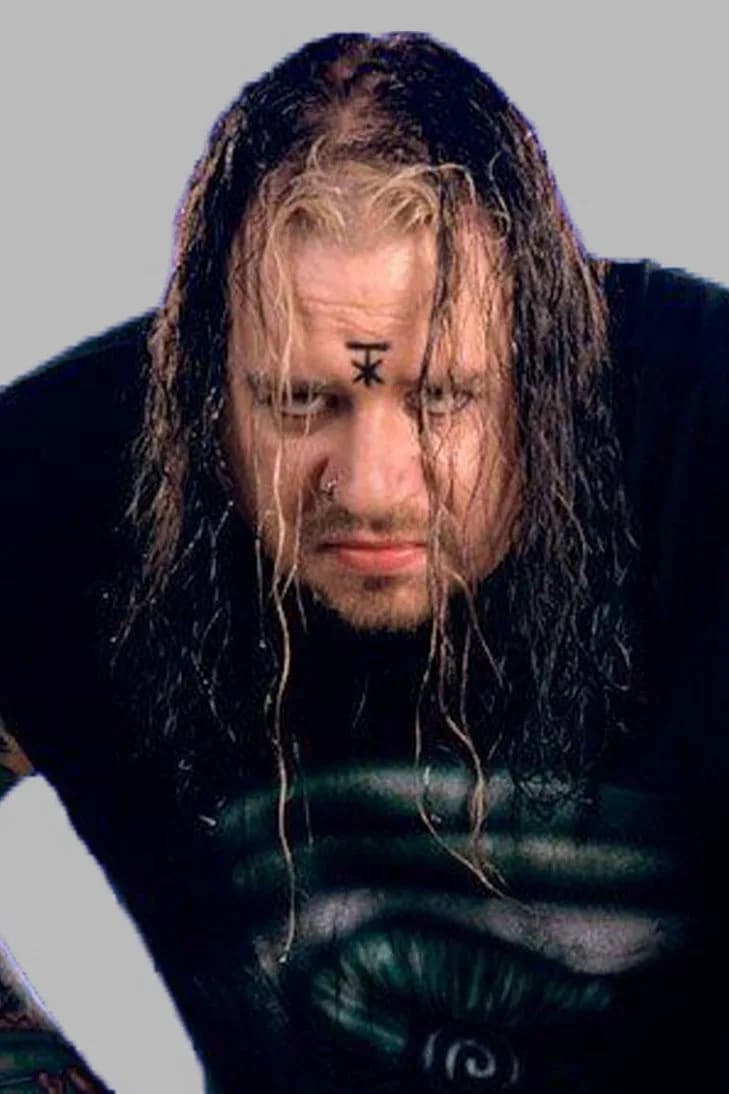
Dennis Knight
Cast · Known for WWE Heat
Dennis Knight is a retired American professional wrestler best known for his appearances with World Wrestling Entertainment as Phineas I. Godwinn and Mideon. Following his run with the WWF, Knight returned to his home in Tampa, Florida and spent time training students at Steve Keirn's Pro Wrestling school. During this time he also continued to wrestle for several Florida independent promotions such as IPW and the FSPW, as well as touring Europe. Knight appeared at the Total Nonstop Action Wrestling event TNA Destination X 2005 on March 13, 2005 during the scheduled match between Monty Brown and Trytan. In the course of the match, the lights went off and Trytan vanished from the ring. When the lights came on, a masked Knight was in his place and was quickly pinned by Brown. TNA never revealed on air who was under the mask and release Knight the following day. In March 2006, Knight wrestled several dark matches for World Wrestling Entertainment under his own name. Knight retired from professional wrestling in 2006. After retiring from professional wrestling, Knight began working as a chef in Clearwater, Florida. Knight has an eyeball tattooed on the back of his head and a tattoo of Doc Holliday on his left arm. He also has other tattoos on both of his arms including a Confederate flag on his right arm.

Ágata Lys
Cast · Known for Love in Difficult Times
Actress (b. Valladolid, Spain, Dec. 3, 1953). After having studied simultaneously Philosophy and Art and Speech (both careers remained unfinished), she became a household name overnight as one of the pretty and "bespectacled" hostesses of the top-rated TV contest "1, 2, 3, Responda Otra Vez", where she popularized what was going to be her early screen persona: platinum blonde-dyed hair, provocative ways and a sensuality always ready to break out. She made her film debut in 1972, at 19, and acquired an enormous popularity thanks to her tremendous sex-appeal and a clever promotion campaign that exploited a certain similarity between her looks and those of the late Marilyn Monroe to the extent of making a successful movie named precisely "The New Marilyn" (1976). She kept this image for a while (especially in her spectacular TV appearances in the mid-70s), but eventually got tired of it and decided to cut off her hair completely (she did it herself with a pair of scissors borrowed from a filming kit) and let it grow its natural dark colour again. Blonde or brunette, Lys grabbed a long string of femme fatale roles in films of each and every genre (thrillers, comedies, dramas, westerns, etc.) and turned into some kind of domestic myth at that time. (She also had the advantage of owning a fine diction that matched her thought-provoking voice perfectly, so, unlike some other actresses of that era, she didn't need to be dubbed.) Anyway, after leading her bold image one step further in the late 70s, she decided to stop making films and concentrate on her theatrical work, that she had started in 1973 playing Dª Inés de Ulloa in Zorrilla's "Don Juan Tenorio" with her own company. In the 1980s she focused her activity on recording music (which she did with real gusto and vocal dexterity), performing in both musical shows and dramatic or comic plays in which she displayed an image far removed from the one that shot her to fame and even making more sporadic appearances on TV (playing, for example, a splendid Portia on a small-screen adaptation of Shakespeare's "The Merchant Of Venice"). The late 80s saw her returning to the movies and scoring some films of uneven success and quality, although she has always risen to the occasion. In any case, she is still an underestimated actress, though she has proved capable of giving such amusing characterizations as that of "Avisa A Curro Jiménez" (1978), where she seemed almost unrecognizable. Now she leads a rather reclusive life when not working (in contrast to the antics and eccentricities of her early career) and, although she has never married, she enjoys a very stable relationship with Fernando, her partner of some 20 years. Hers is really one of those examples of body-with-a-brain-on-top-to-match, and hopefully she will still be around for a large number of years. - IMDb Mini Biography By: alberto mallofré
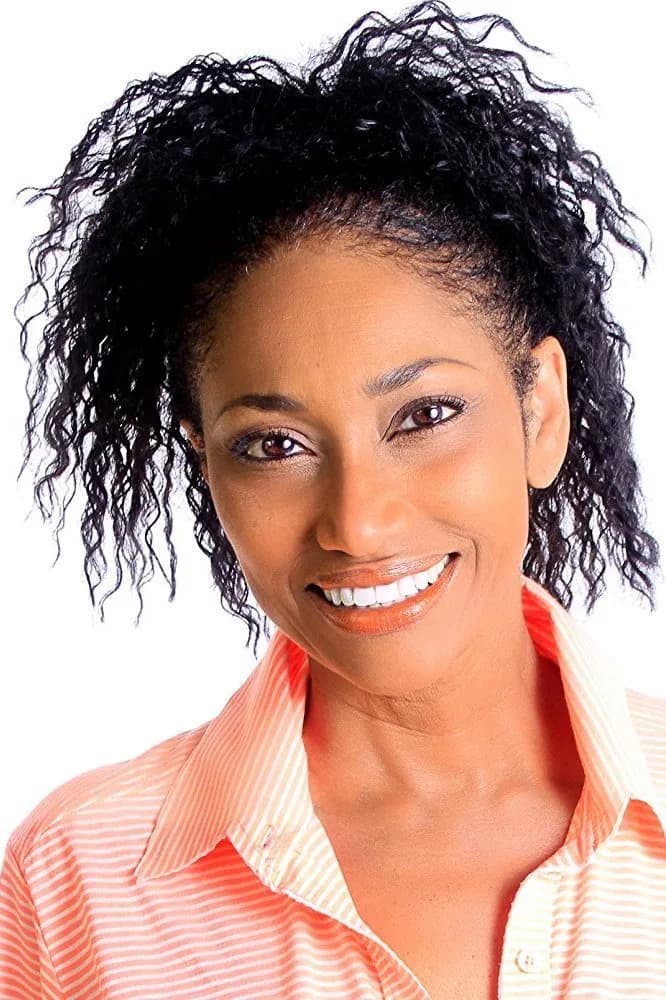
Pamella D'Pella
Pamella D'Pella was born on August 22, 1967 in Chicago, Illinois although she grew up in Cincinnati, Ohio. Since the age of four, Pamella has always wanted to be a "movie star". She would sit in the window, singing and reciting to passersby. As a young child, she overheard a conversation between her mother and her voice teacher telling her mother that she was tone deaf and would never be able to carry a note, so between the ages of 9 through her graduate school years; she avoided musicals or anything that required singing. She was a cheerleader from seventh grade through her college. While cheering for the University of Cincinnati she went Professional. Professionally cheering as a Ben-Gal for the Cincinnati Bengals for two years. She broke barriers by becoming one of the first Black cheerleaders at Mt. Healthy High School and with the Cincinnati Bengals. She was very active through her teenage years: she was an athlete, a cheerleader, and, naturally, an actor! At the age of 16, she was crowned Ms. NAACP and was the first Black "Cincinnati Junior Miss" she went on with that title to win for her city, "Junior Miss Ohio Physical Fitness", 2nd in talent, and 4th in the State. Not content with a fourth place win, she went on to be crowned, "Miss Aerospace" and "Miss. Hemisphere". In high school, The International Thespian Society honored Pamella with Certificates of Recognition for excellence of movement and characterization and a Meritous award Participation in Theatre Arts for her work as the Wicked Witch of the West in "The Wizard of Oz." This was quite an honor for she started this journey with the school play, "Peter Pan" whereas she auditioned for the dog but landed the lead. As "Peter" she was so proud; she went around the school calling herself "Peter Pam!" If acting was king then academics were queen and sports, the royal court. Pamella won one of many college scholarships with the national writing contest "What's Right about America." She was a theatre major performing in show after show, She received standing ovations for her work as the "The Dark Queen" in the "Snow White" and great press reviews for her performance in David Mamet's "Sexual Perversity in Chicago. Pamella knew that she had to take her craft to a higher level; she left Cincinnati to attend The American Academy of Dramatic Arts in New York City. Pamella was awarded permission to live at the United States International House, housing only available to post graduate International students and Americans with high academic grades and social achievements. In New York, studying was at a high concentration. Acting at the Academy, dance at the Dance Theatre of Harlem and writing at the Frank Silvera workshop. - IMDb mini biography by: Pamella d'Pella
Mary Field
From Wikipedia, the free encyclopedia Mary Field (June 10, 1909 – June 12, 1996) was an American film actress who primarily appeared in supporting roles. She was born in New York City. As a child she never knew her biological parents. During her infancy she was left outside the doors of a church with a note pinned to her saying that her name was "Olivia Rockefeller". She would later be adopted. In 1937, she was signed under contract to Warner Bros. Studios and made her film debut in The Prince and the Pauper (1937). Her other screen credits include parts in such films as Jezebel (1938), Cowboy from Brooklyn (1938), The Amazing Dr. Clitterhouse (1938), Eternally Yours (1939), When Tomorrow Comes (1939), Broadway Melody of 1940, Ball of Fire (1941), How Green Was My Valley (1941), Mrs. Miniver (1942), Ministry of Fear (1944), Dark Angel (1946), Out of the Past(1947), Miracle on 34th Street (1947), and Life With Father (1947). During her time in Hollywood she appeared in approximately 103 films. Her TV credits include parts in Gunsmoke, Wagon Train, and The Loretta Young Show. In 1963, her last acting role was as a Roman Catholic nun in the television series, Going My Way, starring Gene Kelly and modeled after the 1944 Bing Crosby film of the same name. She appeared in several episodes of the television comedy, Topper, as Henrietta Topper's friend Thelma Gibney.

Ralph Bates
From Wikipedia, the free encyclopedia. Ralph Bates (12 February 1940 – 27 March 1991) was an English film and television actor, known for his role in the British sitcom Dear John and for being one of Hammer Horror's best-known actors from the latter period of the company. Bates was born in Bristol, England, of French ancestry (He was the great, great nephew of French scientist Louis Pasteur) and educated at Trinity College Dublin. He read French there, before winning a scholarship to Yale Drama School. The course completed, Bates returned to Ireland to make his stage debut in Shaw's You Never Can Tell at The Gate Theatre, Dublin, in 1963. A career in repertory theatre soon followed and the young actor gained experience in productions ranging from Hedda Gabler, to raucous comedies. Later, Bates carved a niche in the world of horror films and played important roles or the lead in several Hammer Horror productions, such as Taste the Blood of Dracula, The Horror of Frankenstein, Lust for a Vampire, and Dr. Jekyll and Sister Hyde, in which he played a deranged doctor who mistakenly transforms himself into a beautiful siren. He portrayed Caligula in the series The Caesars and alongside Cyd Hayman in a passionate French tale of murder and mystery - Crime of Passion series. After playing Thomas Culpeper in an episode of The Six Wives of Henry VIII (1970), he went on to star in the BBC drama series, Moonbase 3 (1973) and the long-running Poldark, in which he played villainous George Warleggan. The series ran for 29 episodes, starting in 1975. He also played Communist Paul Vercors in the final season of the drama series Secret Army. Because of his French ancestry and dark looks, he was often chosen to play a Frenchman on television. Bates also appeared in the television movie Minder on the Orient Express, again as a Frenchman. It looked, for some time, as if he might remain typecast in sinister roles, but he was offered a part in a farcical comedy by the writer John Sullivan, which saw Bates as the loveable but loveless central character among a singles group, with each of its members looking for that perfect but ever elusive partner. Dear John (1986–87), in which he realistically played the part of a divorcee returning to single life, lasted for two series, and around the same time he appeared in the ITV Yorkshire Television sitcom Farrington of the F.O. (1986) with Angela Thorne and Joan Sims. Bates became ill and was diagnosed with cancer. He died in London at age 51 from pancreatic cancer. He was divorced from the actress Joanna Van Gyseghem, and survived by his second wife, the actress Virginia Wetherell (married 1973-1991). The couple had one daughter actress Daisy Bates (b. 1974), and a son William Bates (b. 1977), an actor & musician. Description above from the Wikipedia article Ralph Bates, licensed under CC-BY-SA, full list of contributors on Wikipedia.
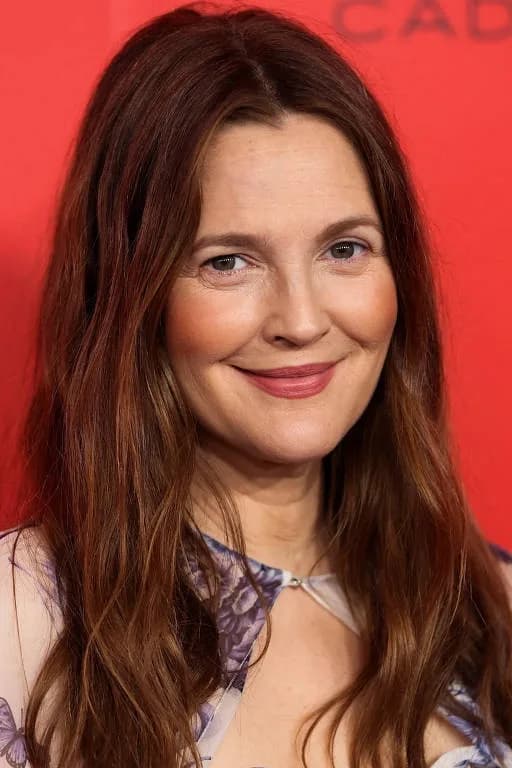
Drew Barrymore
Cast · Known for E.T. the Extra-Terrestrial, Donnie Darko, Scream
Drew Blythe Barrymore (born February 22, 1975) is an American actress, director, producer, businesswoman, and talk show host. She is the recipient of numerous accolades, including a Golden Globe and a Screen Actors Guild Award, as well as five Emmy Award nominations and a BAFTA nomination. She is a member of the Barrymore family of actors and the granddaughter of John Barrymore. Barrymore achieved fame as a child actress with her role in E.T. the Extra-Terrestrial. Following a highly publicized childhood marked by drug and alcohol abuse, she released an autobiography Little Girl Lost. She starred in a string of successful films during the 1990s and 2000s, including Charlie's Angels, Never Been Kissed, Poison Ivy, Boys on the Side, Mad Love, Batman Forever, Scream and Ever After. Barrymore starred with Adam Sandler in several films, including The Wedding Singer, 50 First Dates and Blended. Her other films include Firestarter, Donnie Darko, Riding in Cars with Boys, Confessions of a Dangerous Mind, Charlie's Angels: Full Throttle, Fever Pitch, Music and Lyrics, Going the Distance, Big Miracle and Miss You Already. She also starred in her directorial debut film Whip It. She won a SAG Award and a Golden Globe for her role in Grey Gardens. She starred in the Netflix series Santa Clarita Diet and currently hosts her syndicated talk show The Drew Barrymore Show. Barrymore is the founder of the production company Flower Films. It produced several projects in which she has starred. She launched a range of cosmetics under the Flower banner in 2013, which has grown to include lines in make-up, perfume and eyewear. Her other business ventures include a range of wines and a clothing line. E. P. Dutton published a collection of Barrymore's autobiographical essays in a book titled Wildflower in 2015. Barrymore received a star on the Hollywood Walk of Fame in 2004.
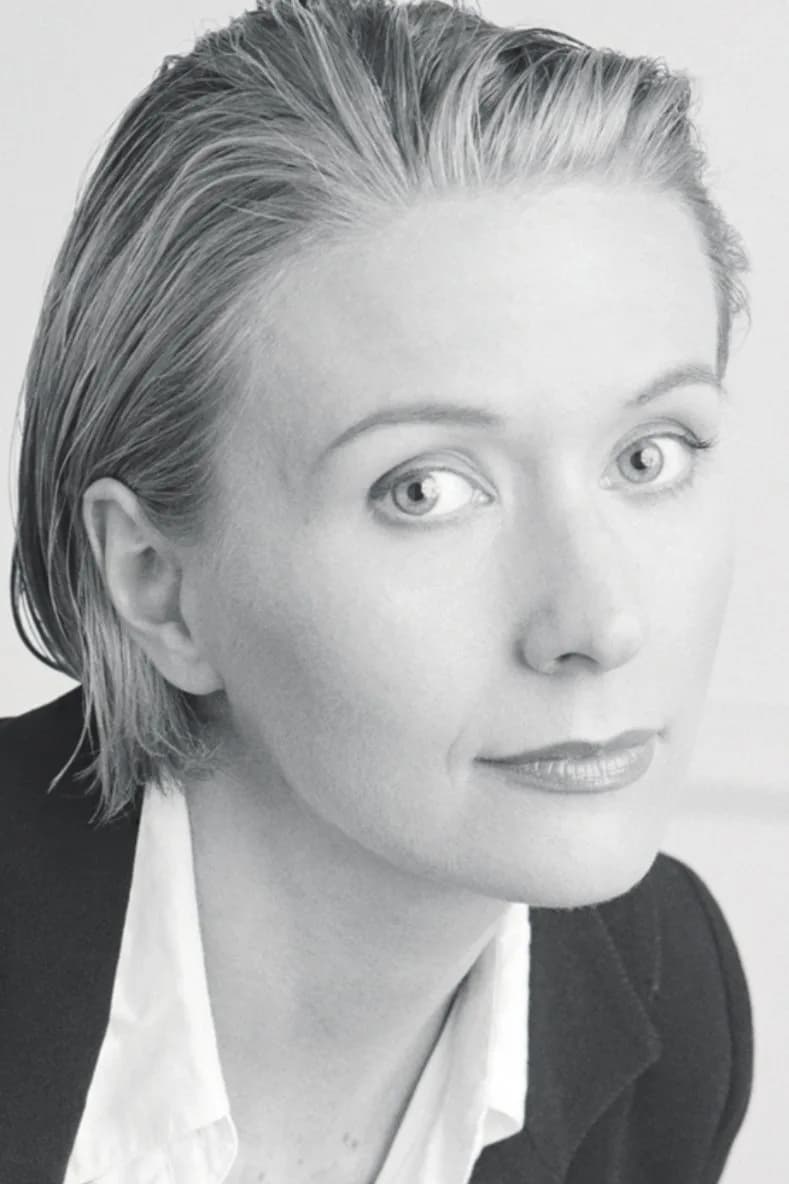
Sam Phillips
Leslie Ann Phillips (born June 28, 1962), better known by her stage name Sam Phillips, is an American singer and songwriter. She is also an actress, best known for her film acting debut as the mute terrorist Katya in the Bruce Willis blockbuster Die Hard with a Vengeance. Phillips made a cameo appearance in the 1997 Wim Wenders film The End of Violence, singing part of the song "Animals on Wheels" from Omnipop. Phillips also began writing music for and scoring the TV series Gilmore Girls, and appeared in the final episode of season six, performing "Taking Pictures" from her Fan Dance album. She also composed scores for the television shows Bunheads, The Marvelous Mrs. Maisel, and Gilmore Girls: A Year in the Life. She began her musical career in the early 1980s in the contemporary Christian music industry, where she sang background vocals for Christian artists Mark Heard and Randy Stonehill. Phillips was signed as a solo artist with Myrrh Records under her given name and recorded four Christian pop albums: Beyond Saturday Night, Dancing with Danger, Black and White in a Grey World and, The Turning. The Turning teamed her with producer T Bone Burnett, whom she would later marry. Several of Phillips' songs became Top 10 singles on Christian radio and Myrrh records promoted her as "the Christian Cyndi Lauper". Phillips was never comfortable with this image, and it was a bone of contention between her and her label. She began using the name "Sam" professionally in 1988 when she left Myrrh Records and signed with Virgin Records in order to distance herself from her prior persona. With The Indescribable Wow, Philips moved into mainstream music. Cruel Inventions was released in 1991, and included a guest performance by Elvis Costello. 1994's Martinis and Bikinis was nominated for a Grammy Award, her second nomination. In 1996, she released Omnipop (It's Only a Flesh Wound Lambchop), which featured a song co-written by R.E.M. After releasing a contractually obligated "best of" album in 1999, Virgin Records dropped Phillips from its roster. In 2001, she signed with Nonesuch Records, evolving her musical style to a stripped-down, acoustically based sound on her album called Fan Dance In 2004, she released A Boot and a Shoe, another collection of acoustically based songs, similar in style to Fan Dance. Her album Don't Do Anything was self-produced and released in 2008. In October 2009, she launched The Long Play, a music subscription service offering digital releases without a record label. The first subscription only EP, Hypnotists in Paris, was recorded with the Section Quartet and a Christmas collection Cold Dark Night, Magic for Everyone, Old Tin Pan, and Days of the One Night Stands followed, with the full-length album Cameras in the Sky released in early 2010. In Spring 2011, she issued Solid State, a public CD release. Push Any Button was released on August 13, 2013. In 2013, her first live concert album, Sam Phillips: Live @ Largo at The Coronet, was made available digitally through her website. In 2016, Phillips released a downloadable EP Human Contact is Never Easy, which included four new tracks off her next album World on Sticks. In September 2018, Phillips released World on Sticks.
April Walker
April Walker is a British actress and trained at the Royal Academy of Dramatic Art between 1960 and 1962. She worked extensively in repertory and touring theatre before appearing on television in BBC TV comedy series such as The Two Ronnies, Fawlty Towers (as Jean Wilson, in an early episode in which a hotel proprietor, Basil Fawlty, played by John Cleese, seeks to stamp out suspected extra-marital liaisons on his premises), Yes Minister (as a journalist, who discovers that a Government Minister, whose wife is a friend of hers, has retained for himself a valuable vase presented during an overseas visit), Dad's Army (as a Second World War “land girl”), Morecambe and Wise, The Dick Emery Show, Terry and June, Sykes, and The Les Dawson Show. Interspersed with the comedy were drama series which included appearances in Inspector Wycliffe, Anna Karenina, Minor Complications, Father Brown, The Prince and the Pauper, Judge John Deed and Waking The Dead. She has also performed on radio, including the last series of The Navy Lark, and in films such as The Pink Panther Strikes Again, Rhubarb Rhubarb and Shadow in a Landscape. Walker's experience of touring took her to Canada and South Africa in 1979, with Eric Sykes and Hattie Jacques, and to the Middle East and Far East in 1990 with Tim Brooke Taylor in a Derek Nimmo production of Alan Ayckbourn's Table Manners. She has appeared in West End productions: Oh Clarence at the Lyric Theatre in 1968 (in which she played Jon Pertwee's niece), in Key For Two at the Vaudeville in 1982, Present Laughter at both the Aldwych Theatre and the Wyndham Theatre in 1996, and Brief Encounter at the Lyric Theatre in 2000. In 1973, a new companion was being sought to star opposite Jon Pertwee in the long-running television series Doctor Who. After auditioning many women, producer Barry Letts selected Walker for the role of Sarah Jane Smith. Pertwee, who had been playing the Doctor for some time, had not been consulted and totally disagreed with the casting although he and Walker had worked harmoniously together in Oh Clarence. He was not comfortable with playing opposite his female co-star, who was tall and blonde. Already contractually protected, Walker was paid for the entire season but any monies earned at the BBC during the period of the contract were deducted. The role was re-cast with Elisabeth Sladen, who was not as tall as Walker and had dark hair. Although committed to not talking about the issue in her release agreement, Walker began to discuss the circumstances surrounding her casting decades later. After giving some written interviews to fanzines, in May 2020 Walker gave an on-screen interview to 'Time Space Visualiser' giving much further detail about the circumstances, including revealing later work alongside Pertwee in the last series of radio comedy, The Navy Lark. Walker stated that they "were perfectly civil to each other, but I could never quite forgive him"
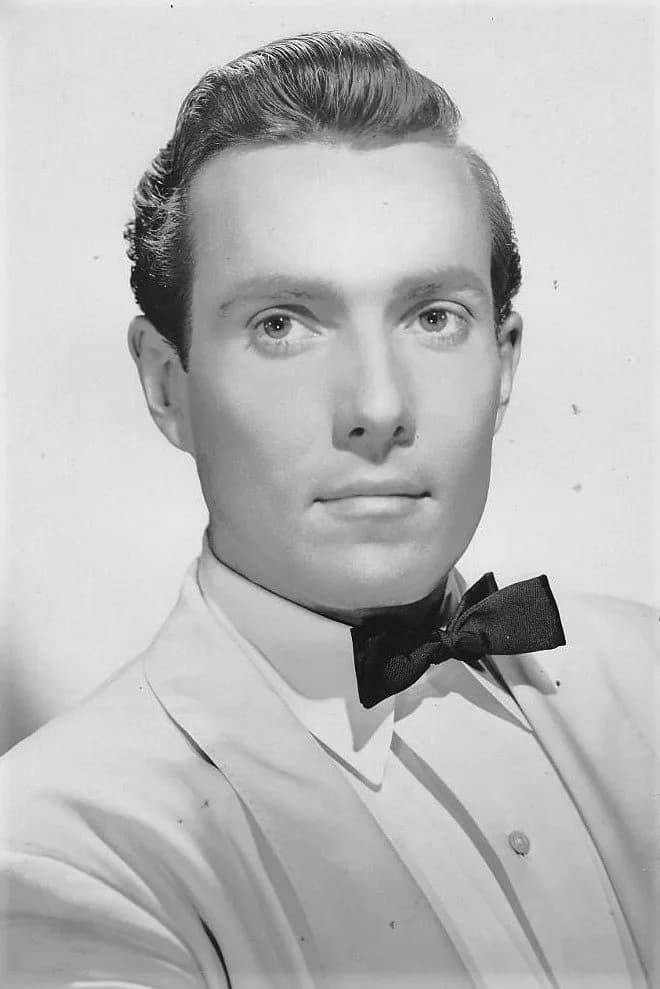
Hurd Hatfield
William Rukard Hurd Hatfield was an American actor, best known for often playing characters of handsome, narcissistic young men, most notably Dorian Gray in the film The Picture of Dorian Gray. Hatfield was born in New York City to William Henry Hatfield, who died in 1954, an attorney who served as deputy attorney general for New York, and his wife, Adele (née McGuire). Hurd was educated at Columbia University, then moved to London, England where he studied drama and began acting in theatre. He returned to America for his film debut in Dragon Seed, in which he and his co-stars (Katharine Hepburn, Akim Tamiroff, Aline MacMahon, Turhan Bey) portrayed Chinese peasants, some more convincingly than others. Hatfield's second film, The Picture of Dorian Gray, made him a star. As Oscar Wilde's ageless anti-hero, Hatfield received widespread acclaim for his dark good looks as much as for his acting ability. However, the actor was ambivalent about the role and his performance. "The film didn't make me popular in Hollywood," he commented later. "It was too odd, too avant-garde, too ahead of its time. The decadence, the hints of bisexuality and so on, made me a leper! Nobody knew I had a sense of humor, and people wouldn't even have lunch with me." His follow-up films, The Diary of a Chambermaid, The Beginning or the End, and The Unsuspected), were successful, but Joan of Arc was a critical and financial failure. Hatfield's film career began to lose momentum very quickly in the 1950s, and he returned to the stage. Subsequent movies included supporting roles in The Left Handed Gun, King of Kings (as Pontius Pilate), El Cid, Harlow (as Paul Bern), and The Boston Strangler. He cut back on performing in the 1970s. His later movies included King David and Her Alibi. He appeared frequently on television and received an Emmy Award nomination for the Hallmark Hall of Fame videotaped play The Invincible Mr. Disraeli). In 1957, he appeared in Beyond This Place, directed by Sidney Lumet. Other television credits include three guest appearances on Murder She Wrote, opposite his Picture of Dorian Gray costar Angela Lansbury, who had become a lifelong friend. He also appeared as the villain in the second episode of Voyage to the Bottom of the Sea. He appeared in Alfred Hitchcock Presents in "None Are So Blind". In 1952, Hatfield appeared as Joseph in Westinghouse Studio One's The Nativity. This was a rare commercial network staging of a 14th-century mystery play, adapted from the York and Chester plays. According to the magazine Films in Review, Hatfield was ambivalent about having played Dorian Gray, feeling that it had typecast him. "You know, I was never a great beauty in Gray...and I never understood why I got the part and have spent my career regretting it", he is reported to have said. He died in his sleep of a heart attack at a friend's home, aged 81, after celebrating Christmas dinner. Description above from the Wikipedia article Hurd Hatfield, licensed under CC-BY-SA, full list of contributors on Wikipedia.
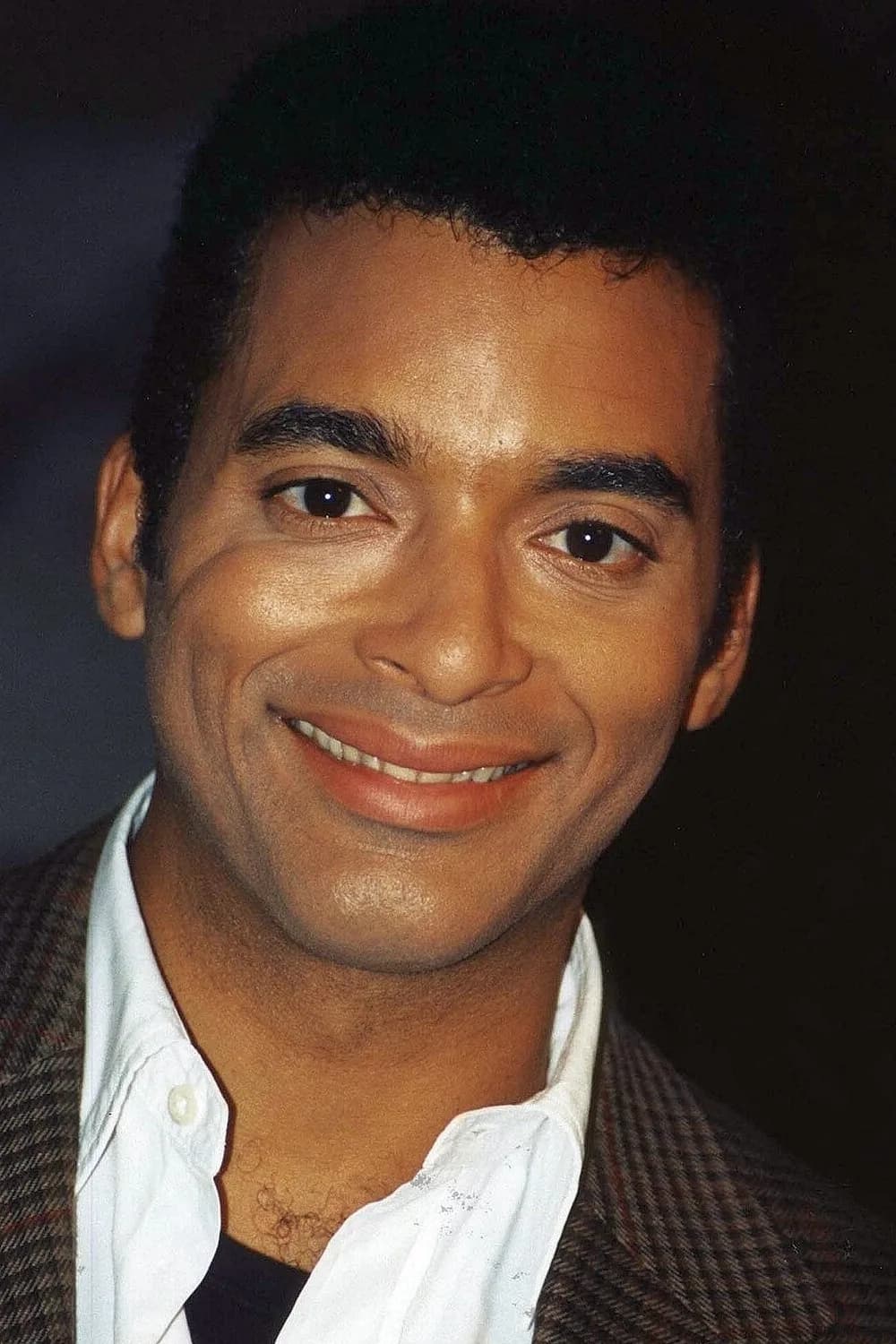
Jon Secada
Juan Francisco Secada Ramírez (born October 4, 1961), better known as Jon Secada, is a Cuban-born American singer, songwriter and record producer. He has won two Grammy Awards and sold 15 million records, making him one of the best-selling Latin music artists. His music fuses funk, soul music, pop, and Latin percussion. Secada has written songs for Gloria Estefan, Ricky Martin, and Jennifer Lopez. He has toured with Luciano Pavarotti and recorded duets with Jim Brickman, Olivia Newton-John, and Frank Sinatra. Secada has performed several times at A Capitol Fourth, an annual Independence Day concert from the United States Capitol televised by PBS. Secada was born in 1961 in Havana, Cuba. Secada's father, José, was incarcerated for 3 years as a political prisoner by the communist Cuban government. In 1971, the Secadas received permission to emigrate and moved to Miami. His parents opened a coffee shop. Secada was raised in Hialeah, Florida. In 1979, Secada graduated from Hialeah Senior High School in Hialeah, Florida. During his performance of A Christmas Carol in 11th grade, he says he realized his musical potential and was encouraged by teachers to pursue music as a career. After graduating from high school, Secada attended the Frost School of Music at the University of Miami, where he received a Bachelor of Music in 1983 and a Master of Music in jazz vocal performance in 1986. He graduated cum-laude and was later inducted into the Iron Arrow Honor Society, the highest honor bestowed by the University of Miami. From 1986 to 1991, Secada was a teacher at Miami Dade College. In 1986, Secada's University of Miami acquaintances introduced him to Emilio Estefan, a musician in Miami Sound Machine and husband of Gloria Estefan. Estefan listened to one of Secada's demos and then became Secada's mentor and manager. This led to Secada becoming a backup singer for Miami Sound Machine. In 1991, Secada co-wrote and was a backup singer for "Coming Out of the Dark," a number-one hit song inspired by a tour-bus accident involving Gloria Estefan in 1990, in which her back was broken. In 1992, he released his self-titled debut album, which sold 7 million copies. In 1994, he performed a duet with Frank Sinatra, a re-recording of "The Best Is Yet to Come," released on Sinatra's album Duets II. He also performed at the awards for Miss Venezuela 1994. In 1995, he performed on Broadway in Grease, and he also presented at the 49th Tony Awards. He also recorded "If I Never Knew You", a duet with Shanice for Pocahontas. In 1999, he co-wrote and co-produced "She's All I Ever Had" for Ricky Martin. In 2003, he performed in Cabaret. He also co-wrote "Juramento" for Ricky Martin. From 2006 to 2009 Secada was a judge on Latin American Idol for its entire four-season run. In 2007, he co-wrote three songs, and performed in one, on Lilian Garcia's album ¡Quiero Vivir!. In 2017, he released a tribute album with cover versions of songs by Benny Moré. From 1988 to 1993, Secada was married to Jo Pat Cafro. In May 1995, he started dating Maritere Vilar. They were married in February 1997 and have two children. ... Source: Article "Jon Secada" from Wikipedia in English, licensed under CC-BY-SA 3.0.
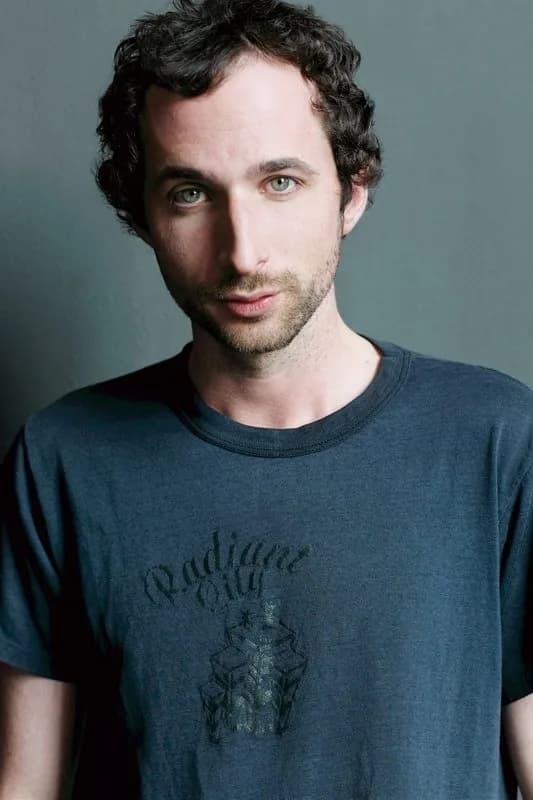
Dov Tiefenbach
Dov Yosef Tiefenbach (born December 8, 1981, in Toronto, Ontario, Canada) is a Jewish Canadian actor and musician, 5′ 5″ (165 cm) tall, who began his acting career at age twelve in commercials before landing his first on-screen role as Josh Avery in the television series RoboCop (1994). He made his first starring role as Murray Murray in the short film Love Child (1995) alongside Neve Campbell, and went on to star as Nick Burns in the 1996 Broadway production of A Thousand Clowns opposite Judd Hirsch. He won the Leo Award for Best Supporting Male Performance for Flower & Garnet (2002), and as a musician he fronted the Toronto indie pop bands Theresa Sound-World (named after a Sonic Youth song) and Trucks Leaving. He currently resides in Los Angeles. His most notable film credits include Azrael in Jason X (2001), Bradley Thomas in Harold & Kumar Go to White Castle (2004), a role in Tommy Boy (1995), It Takes Two (1995), The Mighty (1998), Knockaround Guys (2001), Adrian in The Dark Hours (2005), Billy in Parasomnia (2008), Hershey in You Might as Well Live (2009), Moises in Polish Bar (2010), Oogie in Sympathy for Delicious (2010), Logan in Asthma (2015), Samson Griggs in Poor Boy (2016), Will Sacco in We Forgot to Break Up (2017), a Club Customer in Molly's Game (2017), Jason in All My Puny Sorrows (2021), and Larry in It Feeds (2025). On television he is best known as Keechie in The Umbrella Academy (2020, 6 episodes), Gizmo in Titans (2021), Percy Campbell in Transplant (2023, 3 episodes), Steve in The Boys (2024, 2 episodes), Fitz in Law & Order: Special Victims Unit (2018–2019, 5 episodes), with additional credits in Goosebumps (1996, 1998), Little Men (1998), Witchblade (2002), CSI: Crime Scene Investigation (2006), The Strain (2014), Homeland (2017), Pretty Hard Cases (2021), and Murdoch Mysteries.
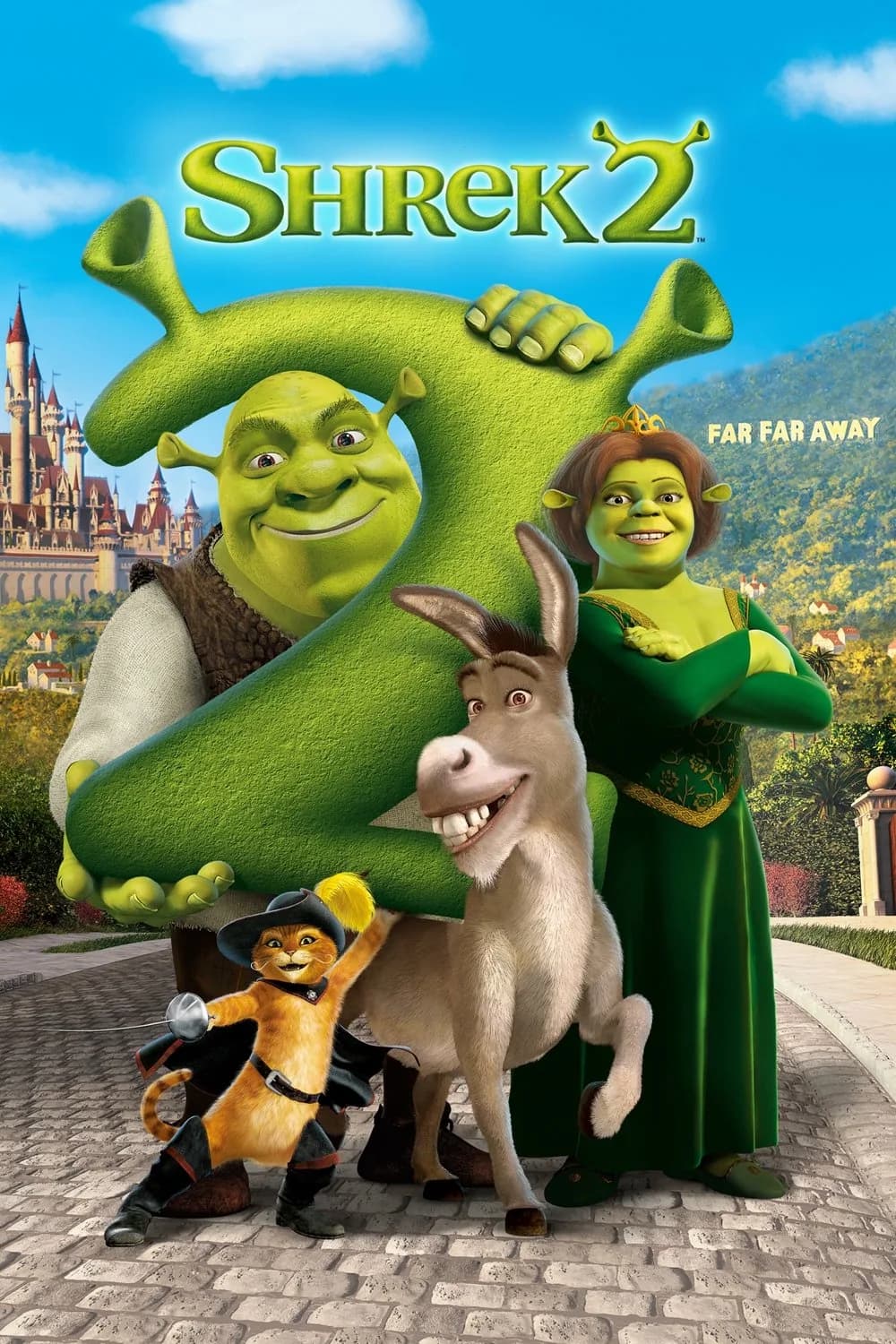
Shrek 2
2004
Happily ever after never seemed so far far away when a trip to meet the in-laws turns into a hilariously twisted adventure for Shrek and Fiona. With the help of ever-faithful Donkey, Shrek takes on the potion-brewing Fairy Godmother, pompous Prince Charming, and infamous ogre-killer Puss In Boots.