
Search
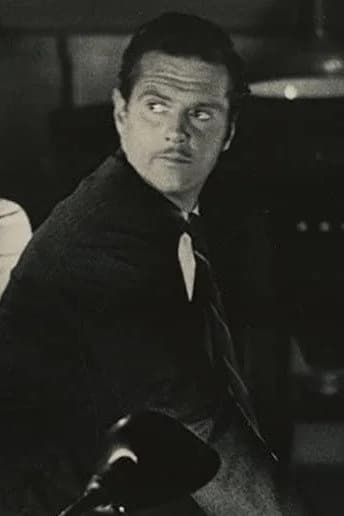
David Frankham
From Wikipedia, the free encyclopedia. David Frankham (born 16 February 1926) is a film and television actor. After serving in India and Malaya in WWII, Frankham worked first as a news reader, and then a writer, interviewer and producer for the BBC from 1948 through 1955. In 1955 Frankham moved to Hollywood to pursue a career as an actor. He soon found work, appearing on five episodes of the live television program Matinee Theater. He worked steadily in television, as well as appearing in films such as Return of the Fly (1959), Ten Who Dared (1960), Master of the World (1961), Tales of Terror (1962), The Spiral Road (1962), King Rat (1965), and The Great Santini (1979). Frankham provided the voice of Sergeant Tibbs the cat in Walt Disney's One Hundred and One Dalmatians. He appeared in guest roles on American television from the late 1950s through the 1980s. His career peaked in the 1960s with frequent roles on such popular shows as Thriller (U.S. TV series), Twelve O'Clock High (TV series), The F.B.I., Gomer Pyle, U.S.M.C., The Beverly Hillbillies, The Outer Limits, Star Trek, then onward into the 1970s in Cannon (TV series), The Waltons, and McCloud (TV series). Description above from the Wikipedia article David Frankham, licensed under CC-BY-SA, full list of contributors on Wikipedia.
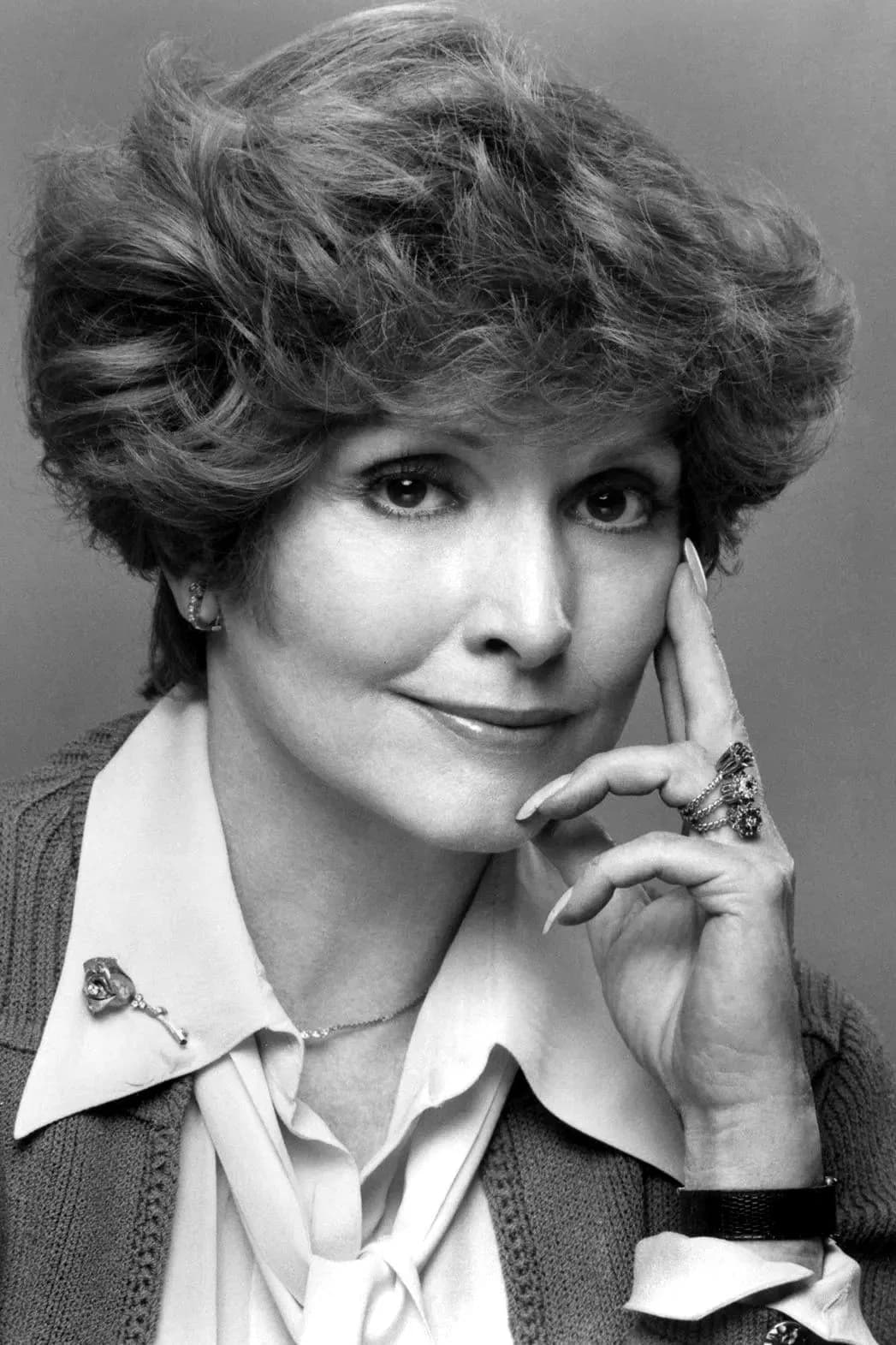
Patricia Barry
Patricia received her first break into acting very soon after she graduated from Stephens College in the mid 1940s. Almost immediately after graduating, she received a contract from Columbus Pictures. They recognized that she had the rare combination of beauty, grace and intelligence that would serve her well throughout her long and well-respected career. When she first signed with Colombia Pictures, she was known as Patricia White. A few years later, in the late 1940s, she met Philip Barry, Jr., who was to become her husband. Philip was a television producer/director and the son and namesake of the well-known playwright, Philip Barry. By 1950, Patricia began using her married name, Barry. Patricia and her husband Philip shared a long and happy marriage that only ended upon his death on May 16, 1998. During their marriage, they collaborated on several projects. Her husband Philip wrote and she acted in episodes of Matinee Theater in the late 1950s. Her husband also produced several television programs that she acted in. They include: The Alcoa Hour, a major dramatic TV series than ran from 1955-1957, a well-known TV horror film called Crowhaven Farm (1970) and two a made-for-TV biographies, First You Cry (1978), and Bogie (1980). Patricia Barry may well be one of the hardest working actresses of her time. She has performed over 130 movie and television roles to date.
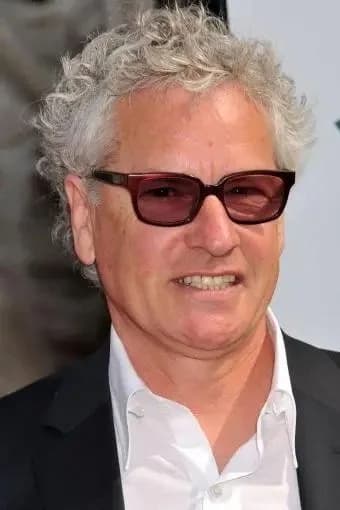
John Boylan
From Wikipedia, the free encyclopedia John J. Boylan (January 31, 1912 – November 16, 1994) was an American film, television, and theatrical actor. One of three children born in Canton, Ohio to an Irish-American immigrant family, he began acting in 1932 when he helped found the Players' Guild for a local community theater.His working life was spent in the Ohio and Pennsylvania steel industries, but he continued acting whenever the opportunity arose, often travelling to Greenwich Village in New York City the 1930s and 1940s when regular employment was scarce. It was during these periods spent in New York that he performed on Broadway, becoming acquainted with fellow actors Burgess Meredith and John Ireland while there. After over 40 years working in the steel industry, he retired in 1975, with his last job being the works manager at the Milton Manufacturing Company in Pennsylvania. Three years later he moved to Washington state, where he quickly established himself in the local repertory circuit, acting with the Seattle Repertory Theatre, the Bathhouse Theater, The Empty Space, and the Tacoma Actors Guild. With more time to devote to his craft Boylan's acting career enjoyed an Indian summer, as he began carving out a successful niche in film and television with his silver-haired, moustached appearance. He played opposite John Travolta in The Experts (1989),opposite Jeff Bridges in American Heart (1992), and most notably in Twin Peaks, where he was cast as the mayor of the titular town in David Lynch's award-winning television series. He had been working in a repertory production of Much Ado About Nothing when he was spotted for the role, but was unwilling to quit just for the show. Instead, the 79-year old Boylan would fly to Los Angeles every Sunday night after the final stage performance of the evening, spend all day Monday filming his part, before returning to Seattle in time for the Tuesday matinee, as if he had never been away. His final film role was in 1993's Sleepless in Seattle, as an elevator operator at the Empire State Building, a role that took his life full circle; it was at the Empire State Building sixty years before that he had met his wife Jeanne. A lifelong smoker, he died of lung cancer and pneumonia in Bellevue, Washington, leaving behind his wife, son John, daughter Kathy, and two grandchildren. Ironically, his "signature" performance, for which he had won a Best of Festival award at New City Theater's annual directors' festival in 1986, was in Anton Chekhov's one-man comedy On the Harmful Effects of Tobacco. His son later admitted that even while performing in this play, he had been "smoking on the sly". Description above from the Wikipedia article John Boylan (actor), licensed under CC-BY-SA, full list of contributors on Wikipedia.
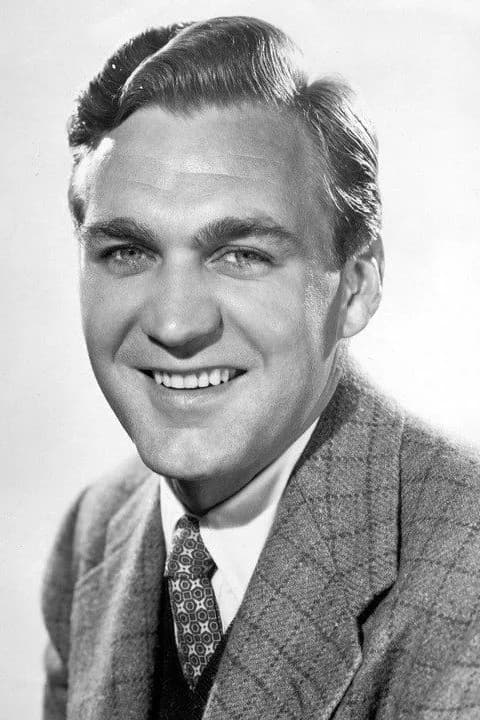
Forrest Tucker
From Wikipedia, the free encyclopedia Forrest Meredith Tucker (February 12, 1919 – October 25, 1986) was an American actor in both movies and television who appeared in nearly a hundred films. Tucker described himself as a farm boy. He was born in Plainfield, Indiana, on February 12, 1919, a son of Forrest A. Tucker and his wife, Doris Heringlake. His mother has been described as an alcoholic. Tucker began his performing career at age 14 at the 1933 Chicago World's Fair, pushing the big wicker tourist chairs by day and singing "Throw Money" at night. After his family moved to Washington, D.C., Tucker attracted the attention of Jimmy Lake, the owner of the Old Gaiety Burlesque Theater, by winning its Saturday night amateur contest on consecutive weeks. After his second win, Tucker was hired there at full time as Master of Ceremonies, but left when it was soon discovered that he was underage. He graduated from Washington-Lee High School, Arlington, Virginia, near Washington, D.C., in 1938, and, joining the United States Cavalry, was stationed at Fort Myer in Arlington County, Virginia, but discharged for, once again, being underage. He returned to work at the Old Gaiety after his 18th birthday. When Lake's theatre closed for the summer in 1939, Tucker was helped by a wealthy mentor to travel to California and try to break into film acting. He made a successful screen test, and began auditioning for movie roles. In his own estimation, Tucker was in the mold of large "ugly guys" such as Wallace Beery, Ward Bond and Victor McLaglen, rather than a matinee idol. His debut was as a powerfully built farmer who clashes with the hero in The Westerner (1940), which starred Gary Cooper. Like many other movie actors at the time, Tucker enlisted in the United States Army during World War II; he earned a commission as a second lieutenant. Tucker married four times: Sandra Jolley (1919–1986) in 1940, divorced in 1950, daughter of the character actor I. Stanford Jolley (who also died of emphysema) and the sister of the Academy Award-winning art director Stan Jolley. They had a daughter, Pamela "Brooke" Tucker. Marilyn Johnson on March 28, 1950 (died on July 19, 1960). Marilyn Fisk on October 23, 1961. They had a daughter, Cindy Tucker, and son, Forrest Sean Tucker. Sheila Forbes on April 15, 1986. Tucker, who had battled lung cancer for more than a year, as well as having a series of minor illnesses, collapsed and was hospitalized, for the second time in a week, on his way to the ceremony for his star on the Hollywood Walk of Fame on August 21, 1986. He died at the Motion Picture & Television Country House and Hospital on October 25, 1986, a few months after the theatrical release of Thunder Run and Outtakes. He was interred in Forest Lawn–Hollywood Hills Cemetery in the Hollywood Hills. CLR
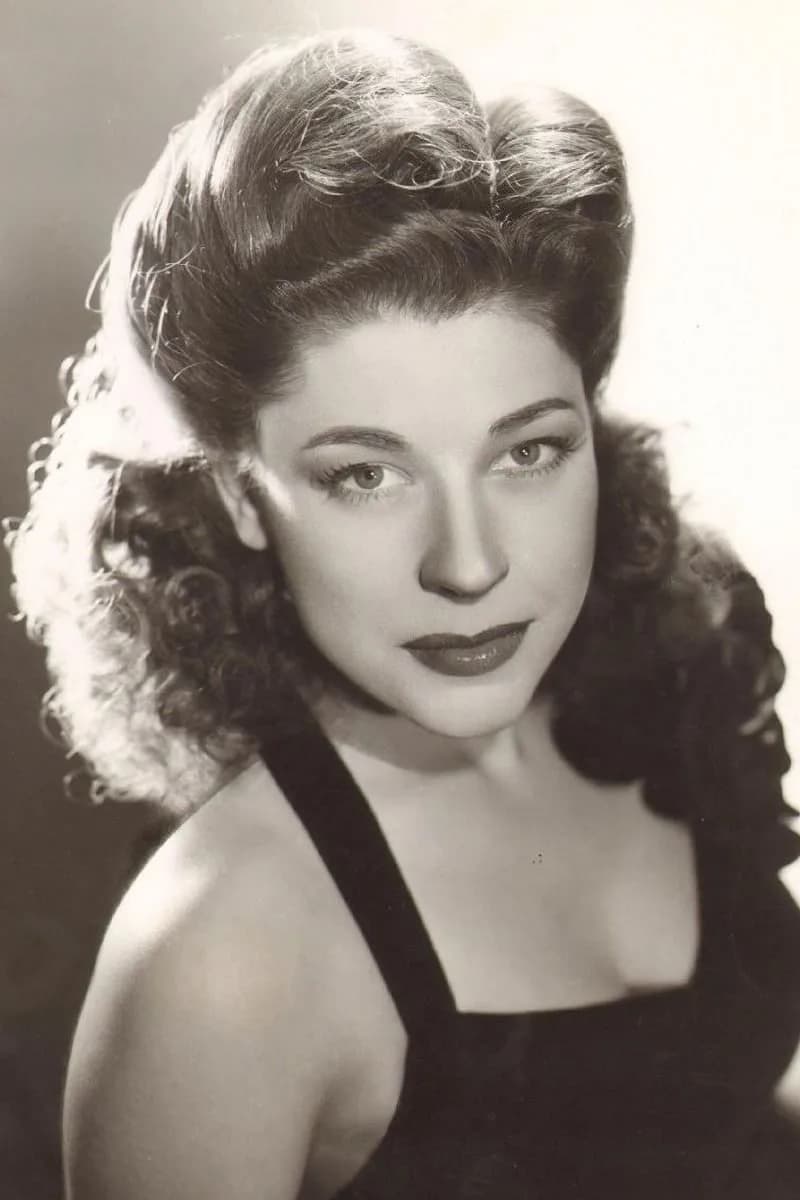
Judy Canova
From Wikipedia Judy Canova (November 20, 1913 – August 5, 1983), born Juliette Canova, (some sources indicate Julietta Canova), was an American comedienne, actress, singer, and radio personality. She appeared on Broadway and in films. She hosted her own self-titled network radio program, a popular series broadcast from 1943 to 1955. When bandleader Rudy Vallée offered the still-teenaged Canova a guest spot on his radio show in 1931, The Fleischmann Hour, the door opened to a career that spanned more than five decades. The popularity of the Canova family led to numerous performances on radio in the 1930s, and they made their Broadway theater debut in the revue Calling All Stars. An offer from Warner Bros. led to several bit parts before she signed with Republic Pictures. She recorded for the RCA Victor label and appeared in more than two dozen Hollywood films, playing leading roles as well as supporting parts, including Scatterbrain (1940), Joan of Ozark (1942), and Lay That Rifle Down (1955). In 1943, she began her own radio program, The Judy Canova Show, that ran for twelve years—first on CBS and then on NBC. Playing herself as a love-starved Ozark bumpkin dividing her time between home and Southern California. By the time her radio program ended in 1955, Canova made a smooth transition to television with appearances on The Colgate Comedy Hour, The Steve Allen Show, Matinee Theatre, Alfred Hitchcock Presents, Make Room For Daddy,and other shows. In 1967, she portrayed Mammy Yokum in an unsold TV pilot adapted from Al Capp's Li'l Abner. She also worked on Broadway and in Vegas nightclubs through the early 1970s, touring with No, No Nanette in 1971. She appeared as a mystery guest on the TV show What's My Line on July 18, 1954. Canova is honored with stars on the Hollywood Walk of Fame for her contribution to the film & television Industry.
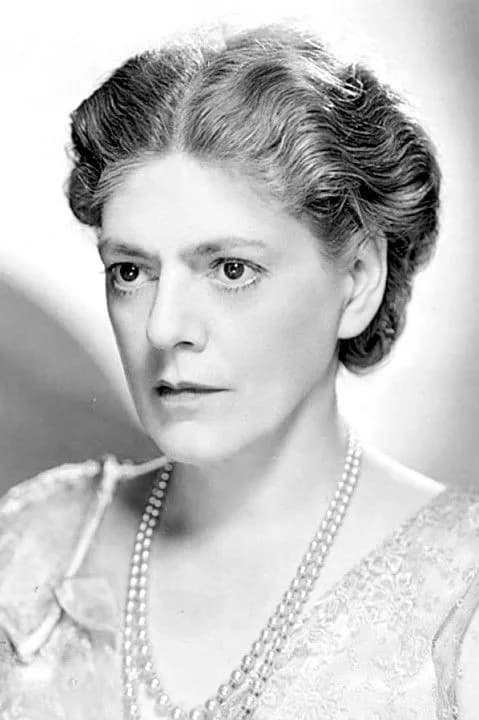
Ethel Barrymore
Ethel Barrymore was the second of three children seemingly destined for the actor's life of their parents Maurice and Georgiana. Maurice Barrymore had emigrated from England in 1875, and after graduating from Cambridge in law had shocked his family by becoming an actor. Georgiana Drew of Philadelphia acted in her parents' stage company. The two met and married as members of Augustin Daly's company in New York. They both acted with some of the great stage personalities of the mid Victorian theater of America and England. The Barrymore children were born and grew up in Philadelphia. Though older brother Lionel Barrymore began acting early with his mother's relatives in the Drew theater company, Ethel, after a traditional girl's schooling, planned on becoming a concert pianist. The lure of the stage was perhaps congenital, however. She made her debut as a stage actress during the New York City season of 1894. Her youthful stage presence was at once a pleasure, a strikingly pretty and winsome face and large dark eyes that seemed to look out from her very soul. Her natural talent and distinctive voice only reinforced the physical presence of someone destined to command any role set before her. After the opportunity to appear on the London stage with English great Henry Irving in "The Bells" (1897) and later in "Peter the Great" (1898), she returned to New York to star in the Clyde Fitch play "Captain Jinks of the Horse Marines" (1901) (produced by her friend and benefactor Charles Frohman), which brought her initial American acclaim. Lead roles, such as Nora in Henrik Ibsen's "A Doll's House" (1905) and starring in "Alice By the Fire" (also 1905), "Mid-Channel" (1910) and "Trelawney of the Wells" (1911) proved her popularity as a warm and charismatic star of American stage. In the meantime she married stockbroker Russell Griswold Colt in 1909 and gave birth to three children while continuing her acting career. Although the stage was her first love, she did heed the call of the silver screen, and though not achieving the matinée idol image that younger brother John Barrymore garnered in silent movies after similar chemistry on stage, she won over audiences from her first film appearance in The Nightingale (1914). However, her early film roles, steady through 1919, took a back seat to continued stage triumphs: "Declassee" (1919), her impassioned Juliet in "Romeo and Juliet" (1922), "The Second Mrs. Tanqueray" (1924) and, especially, "The Constant Wife" (1926). She harnessed her considerable talents in the role of an activist as well, being a bedrock supporter of the Actors Equity Association and, in fact, had been a prominent figure in the actors strike of 1919. By 1930 she was entering middle age and her movie roles reflected this. Except for Rasputin and the Empress (1932) with her brothers, the roles were elderly mothers and grandmothers, dowager ladies and spinster aunts. Perhaps wisely she put off Hollywood for over a decade, with stage work that included her most endearing role in "The Corn is Green" (a tour that lasted from 1940 to 1942). She finally moved to Southern California in 1940. When she passed away in 1959, she was interred near her brothers at Calvary Cemetery in East Los Angeles.
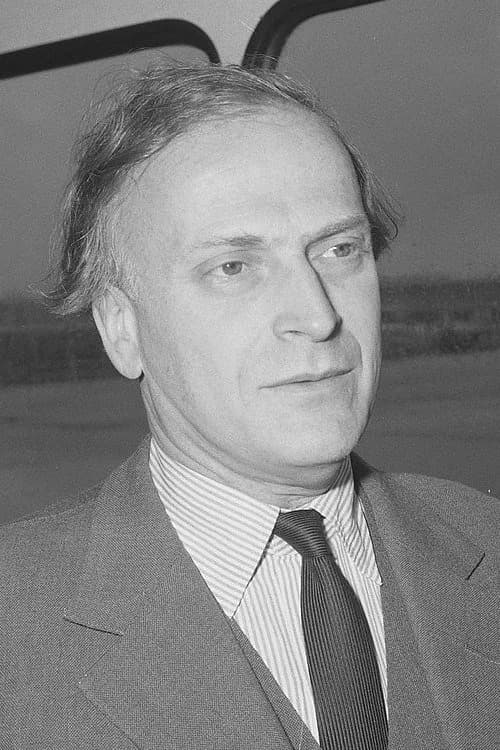
Yehudi Menuhin
Yehudi Menuhin, Baron Menuhin, (22 April 1916 – 12 March 1999) was an American-born violinist and conductor who spent most of his performing career in Britain. He is widely considered one of the great violinists of the 20th century. He played the Soil Stradivarius, considered one of the finest violins made by Italian luthier Antonio Stradivari. Yehudi Menuhin was born in New York City to a family of Lithuanian Jews. Through his father Moshe, he was descended from a rabbinical dynasty. In late 1919, Moshe and his wife Marutha (née Sher) became American citizens, and changed the family name from Mnuchin to Menuhin. Menuhin's sisters were concert pianist and human rights activist Hephzibah, and pianist, painter and poet Yaltah. Menuhin's first violin instruction was at age four by Sigmund Anker (1891–1958); his parents had wanted Louis Persinger to teach him, but Persinger refused. Menuhin displayed exceptional musical talent at an early age. His first public appearance took place as an accompanist to another child prodigy, pianist Viola Walters, at the Imperial Theater’s Golden Hour Saturday matinee on January 21, 1921. Menuhin was five years old at the time. Two years later, when he was seven years old, Menuhin appeared as solo violinist with the San Francisco Symphony Orchestra in 1923. Persinger then agreed to teach him and accompanied him on the piano for his first few solo recordings in 1928–29. Julia Boyd records: " On 12 April 1929 it [the Semperoper] cancelled its advertised programme to make way for a performance by the twelve-year-old Yehudi Menuhin. That night he played the Bach, Beethoven and Brahms violin concertos to an ecstatic audience ... The week before, Yehudi had played in Berlin with the Philharmonic under Bruno Walter to an equally rapturous response." A newspaper critic said of his Berlin performance: "There steps a fat little blond boy on the podium, and wins at once all hearts as in an irresistibly ludicrous way, like a penguin, he alternately places one foot down, then the other. But wait: you will stop laughing when he puts his bow to the violin to play Bach's violin concerto in E major no.2." When the Menuhins moved to Paris, Persinger suggested Menuhin go to Persinger's old teacher, Belgian virtuoso and pedagogue Eugène Ysaÿe. Menuhin did have one lesson with Ysaÿe, but he disliked Ysaÿe's teaching method and his advanced age. Instead, he went to Romanian composer and violinist George Enescu, under whose tutelage he made recordings with several piano accompanists, including his sister Hephzibah. He was also a student of Adolf Busch in Basel. He stayed in the Swiss city for a bit more than a year, where he started to take lessons in German and Italian as well. According to Henry A. Murray, Menuhin wrote: "Actually, I was gazing in my usual state of being half absent in my own world and half in the present. I have usually been able to "retire" in this way. I was also thinking that my life was tied up with the instrument and would I do it justice?" — Yehudi Menuhin, personal communication, 31 October 1993. ... Source: Article "Yehudi Menuhin" from Wikipedia in English, licensed under CC-BY-SA 3.0.
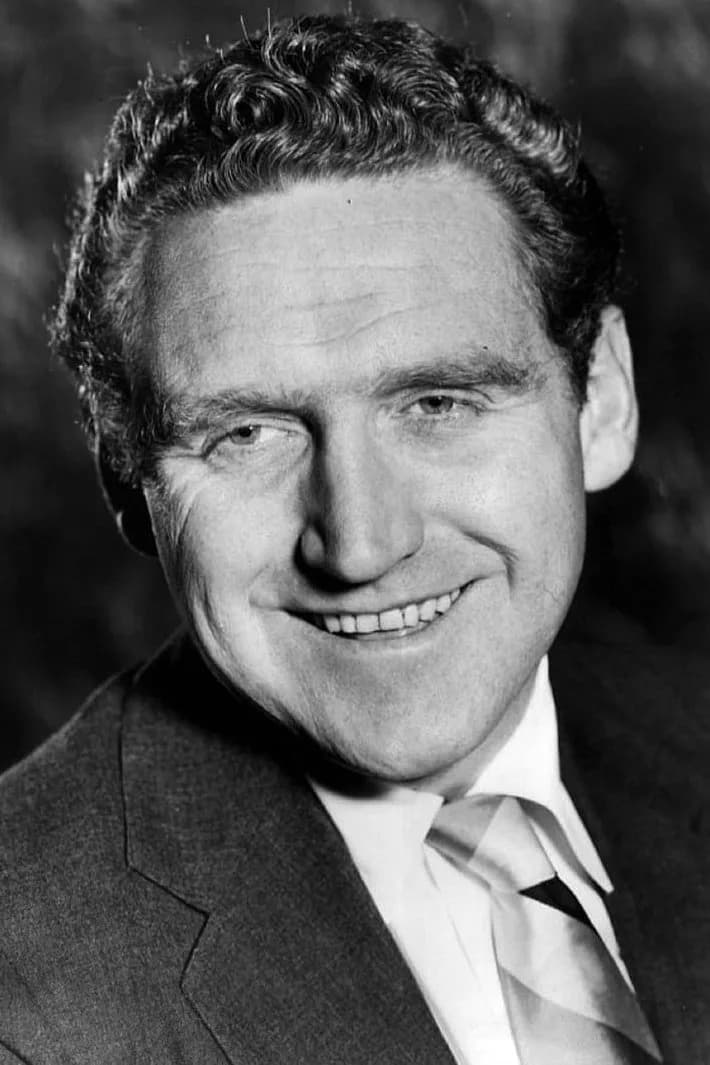
James Whitmore
Cast · Known for The Shawshank Redemption
James Allen Whitmore Jr. (October 1, 1921 – February 6, 2009) was an American film, theatre, and television actor. During his career, Whitmore won three of the four EGOT honors; - a Tony, a Grammy, and an Emmy. Whitmore also won a Golden Globe and was nominated for two Academy Awards. Following World War II, Whitmore appeared on Broadway in the role of the sergeant in Command Decision. Metro-Goldwyn-Mayer gave Whitmore a contract, but his role in the film adaptation was played by Van Johnson. His first major picture for MGM was Battleground, in a role that was turned down by Spencer Tracy, to whom Whitmore bore a noted physical resemblance. He was nominated for the Academy Award for Best Supporting Actor for this role, and won the Golden Globe Award as Best Performance by an Actor In A Supporting Role. Other major films included Angels in the Outfield, The Asphalt Jungle, The Next Voice You Hear, Above and Beyond, Kiss Me, Kate, Them!, Oklahoma!, Black Like Me, Guns of the Magnificent Seven, Tora! Tora! Tora!, and Give 'em Hell, Harry!, a one-man show for which he was nominated for the Academy Award for Best Actor for his portrayal of former U.S. President Harry S Truman. In the film Tora! Tora! Tora!, he played Admiral William F. "Bull" Halsey. Whitmore appeared during the 1950s on many television anthology series. He was cast as Father Emil Kapaun in the 1955 episode "The Good Thief" in the ABC religion anthology series Crossroads. Other roles followed on Jane Wyman Presents the Fireside Theater, Lux Video Theatre, Kraft Theatre, Studio One in Hollywood, Schlitz Playhouse, Matinee Theatre, and the Ford Television Theatre. In 1958, he carried the lead in "The Gabe Carswell Story" of NBC's Wagon Train, with Ward Bond. Whitmore has a star on the Hollywood Walk of Fame at 6611 Hollywood Boulevard. The ceremony was held on February 8, 1960.
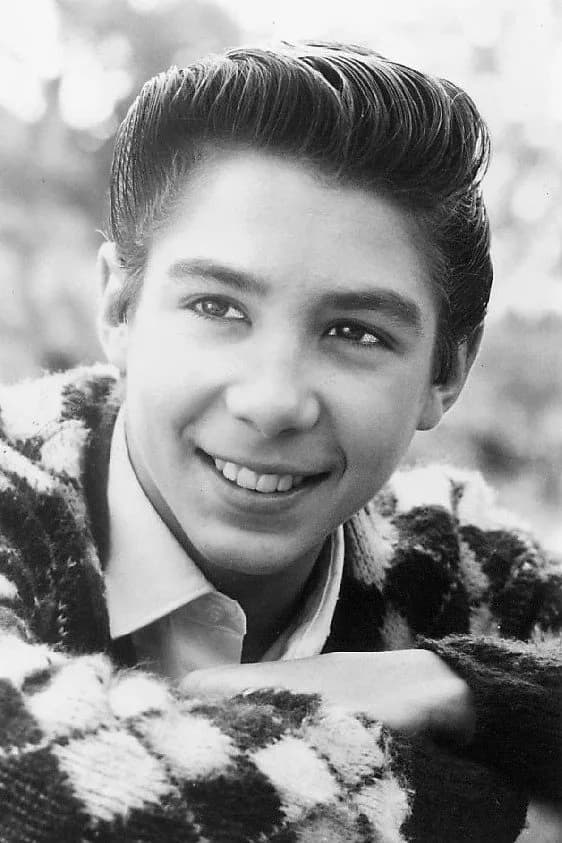
Johnny Crawford
John Ernest Crawford (March 26, 1946 – April 29, 2021) was an American actor, singer, and musician. He first performed before a national audience as a Mouseketeer. At age 12, Crawford rose to prominence playing Mark McCain in the ABC Western series, The Rifleman. Crawford was nominated for an Emmy Award for Best Supporting Actor at age 13 for his work on The Rifleman, which aired from 1958 to 1963. Disney started out with 24 original Mouseketeers. However, at the end of the first season, the studio reduced the number to 12, and Crawford was released from his contract. His first important break as an actor followed with the title role in a Lux Video Theatre production of "Little Boy Lost", a live NBC broadcast on March 15, 1956. He also appeared in the popular Western series The Lone Ranger, in 1956, in one of the few color episodes of that series. Following that performance, the young actor worked steadily with many seasoned actors and directors. Freelancing for two and one-half years, he accumulated almost 60 television credits, including featured roles in three episodes of NBC's The Loretta Young Show and an appearance as Manuel in, "I Am an American", an episode of the syndicated crime drama Sheriff of Cochise. He starred as Bobby Adams in the 1958 drama "Courage of Black Beauty". By the spring of 1958, he had also performed 14 demanding roles in live teleplays for NBC's Matinee Theatre, appeared on CBS's sitcom, Mr. Adams and Eve, in the Wagon Train episode "The Sally Potter Story" (in which Martin Milner also appeared) and on the syndicated series, Crossroads, Sheriff of Cochise, and Whirlybirds, and made three pilots of TV series. The third pilot, which was made as an episode of Dick Powell's Zane Grey Theater, was picked up by ABC and the first season of The Rifleman began filming in July 1958. Crawford had a brief career as a recording artist in the 1950s and 1960s. He continued to act on television and in film as an adult. Beginning in 1992, Crawford led the California-based Johnny Crawford Orchestra, a vintage dance orchestra that performed at special events.
Alan Cooke
Alan Cooke was born on March 29, 1926 in London, England, UK. He was a director and producer, known for Matinee Theatre (1955), The Rivals of Sherlock Holmes (1971) and Out of This World (1962). He died on October 9, 1994 in Los Angeles, California, USA.
Helen Wallace
Helen Wallace was born on October 23, 1889 in Van Nuys, California, USA. She was an actress, known for Matinee Theatre (1955), The Twilight Zone (1959) and The Midnight Story (1957). She died on December 17, 1970 in New York City, New York, USA
Virginia Aldridge
Born September 1, 1938 in Boston, Massachusetts, Virginia Aldridge came to Los Angeles when she was eight years old. She started studying the ballet at 12, and, after attending Van Nuys High School, danced professionally for two years. Deciding that she was not completely exploring her talents, Aldridge turned to acting and, at 19, began work at Cory's Hollywood Repertoire school. After only one year of training, Aldridge did her first part on the 'Ozzie and Harriet' television show, where she appeared a number of times. Often seen in such popular series as 'Cheyenne,' Zane Grey Theatre,' 'Wagon Train,' 'Matinee Theatre' and 'Father Knows Best,' her most important role to date is as the female lead opposite Tom Pittman in 'High School Big Shot.'
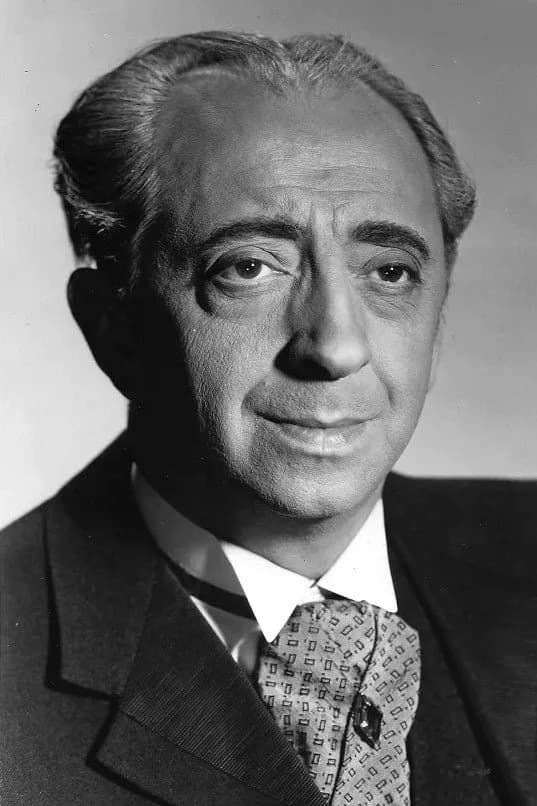
John Abbott
Cast · Known for The Jungle Book
John Albert Chamberlain Kefford was an English character actor professionally known as John Abbott. His memorable roles include the invalid Frederick Fairlie in the 1948 film The Woman in White and the pacifist Ayelborne in the Star Trek episode "Errand of Mercy". as well as a Shakespearean actor. In 1934, he began his career in show business when he made his professional stage debut in a revival of Dryden's Aureng-zebe with Sybil Thorndike. He then joined the Old Vic Company and appeared in Shakespearean roles, including Claudius in a production of Hamlet at Elsinore Castle in Denmark with Laurence Olivier, Vivien Leigh and Alec Guinness. His first Broadway role was that of Count Mancini in He Who Gets Slapped in 1946. He also appeared on Broadway in Monserrat and The Waltz of the Toreadors. He made his film debut in Mademoiselle Docteur in 1937 and went on to act in scores of films in the next 30 years. Among his film credits are Mission to Moscow, Jane Eyre, A Thousand and One Nights, Humoresque, and The Greatest Story Ever Told. His television appearances in that time were even more numerous, beginning with pioneering broadcasts by the BBC before the Second World War. In the early days of the Second World War, Abbott worked at the British Embassy in Stockholm. When the time came to leave, he had to by way of the United States. While in the U.S., he was offered a part in Hollywood in 1941 and ended up living there for the rest of his life. On American television between the 1950s and 1970s, Abbott had roles on a wide variety of series such as Kraft Television Theatre, Studio 57, Gunsmoke, Matinee Theatre, Bonanza, Thriller, Star Trek, Mannix, Iron Horse, and Bewitched. Although he was blacklisted during the Red Scare of the 1950s, a producer who wanted to hire him eventually succeeded in getting the actor removed from the list.In his final years, Abbott taught acting to students free of charge. Abbott died at Cedars-Sinai Medical Center from natural causes on 24 May 1996 at the age of 90.
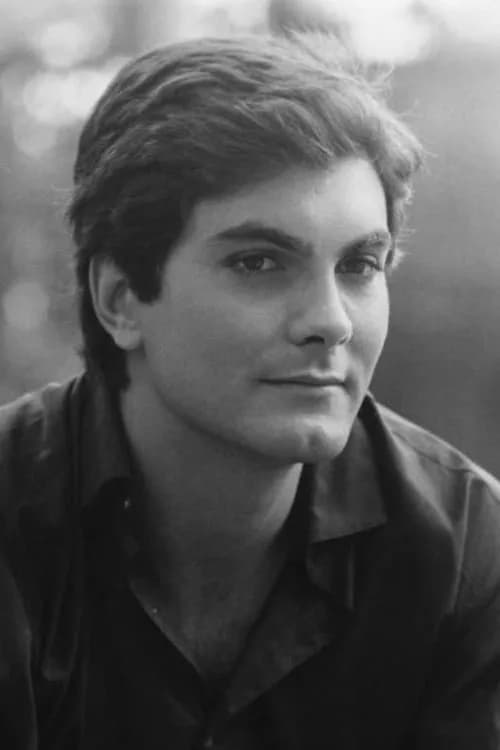
Tyrone Power Jr.
Son of the famed leading man of sound pictures Tyrone Power. Grandson of the American matinee idol and silent film star known today as Tyrone Power Sr. Great-great grandson of the original theatrical great Tyrone Power.
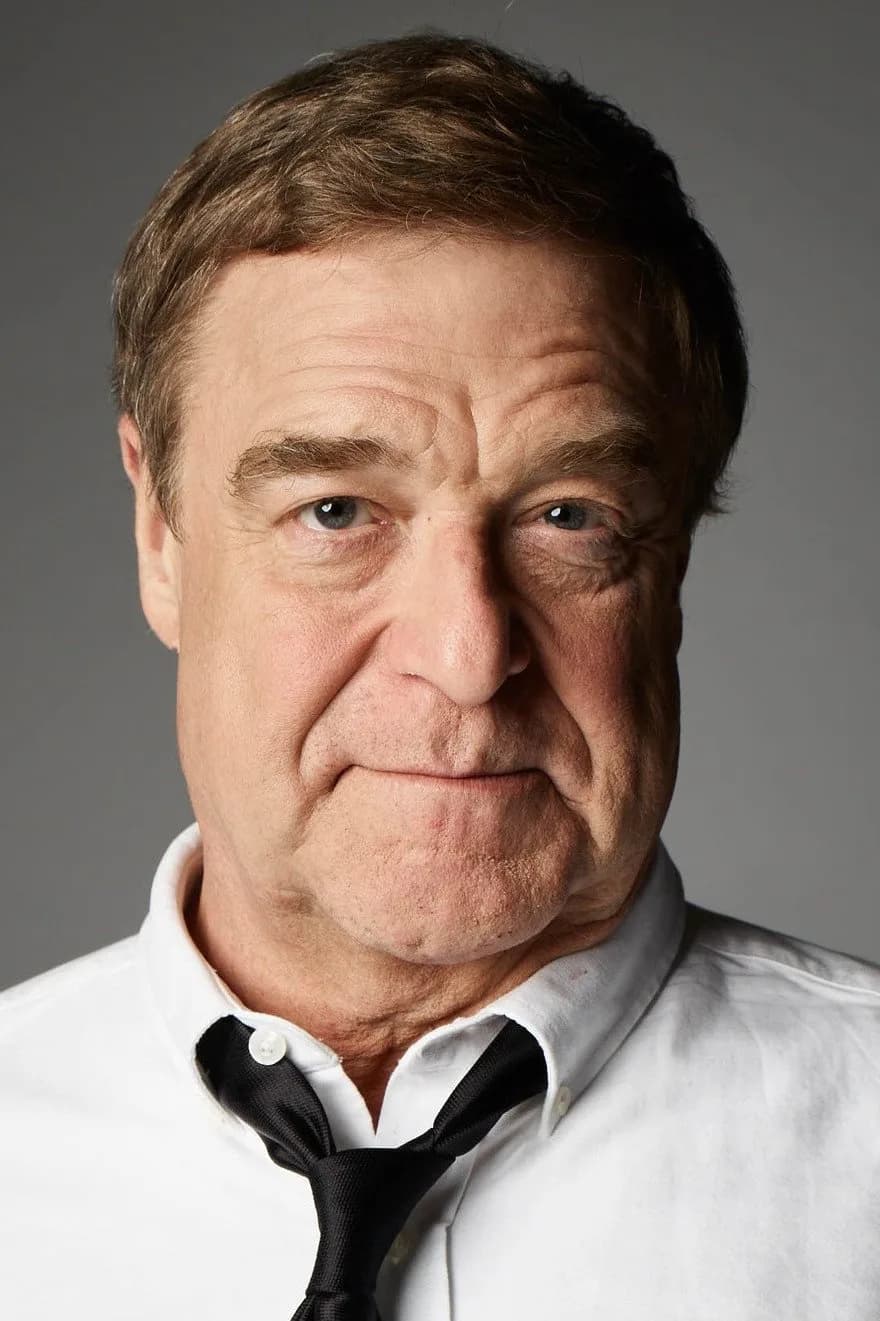
John Goodman
Cast · Known for Monsters University, The Big Lebowski, Digger
John Stephen Goodman (born June 20, 1952) is an American actor. He rose to prominence in television before becoming an acclaimed and popular film actor. Goodman has received various accolades, including a Primetime Emmy Award, a Golden Globe Award, and a Screen Actors Guild Award. Vanity Fair has called him "among our very finest actors". Goodman is known for his collaborations with the Coen brothers, appearing in films such as Raising Arizona (1987), Barton Fink (1991), The Big Lebowski (1998), and O Brother, Where Art Thou? (2000), and Inside Llewyn Davis (2013). He took leading roles in King Ralph (1991), The Babe (1992), Matinee (1993), The Flintstones (1994), and 10 Cloverfield Lane (2016) as well as supporting roles in Revenge of the Nerds (1984), True Stories (1986), Bringing Out the Dead (1999), Evan Almighty (2007), Speed Racer (2008), The Artist (2011), Flight (2012), Argo (2012), and Atomic Blonde (2017). He voiced roles in The Emperor's New Groove franchise (2000–2008), the Monsters, Inc. franchise (2001–present), Bee Movie (2007) and Smurfs (2025). On television, Goodman gained recognition playing the family patriarch Dan Conner in the ABC comedy series Roseanne (1988–1997; 2018), and The Conners (2018–2025). Goodman has played an English professor in the drama series Treme (2010–2011), a military contractor in the legal drama series Damages (2011), a Republican senator in the political satire Alpha House (2013–2014), and a televangelist in the comedy series The Righteous Gemstones (2019–2025). He also guest-starred in The West Wing (2003–2004), Studio 60 on the Sunset Strip (2006), and Community (2011–2012), and is a member of the Five Timers Club, having hosted Saturday Night Live 13 times from 1989 to 2013. Goodman started his career at The Public Theatre acting in numerous productions including Henry IV, Part 1 (1981), The Skin of Our Teeth (1998), and The Seagull (2001). He made his Broadway debut in Big River (1985), for which Goodman received a Drama Desk Award for Outstanding Featured Actor in a Musical nomination. He returned to Broadway in revivals of the Samuel Beckett play Waiting for Godot (2009), and the newspaper comedy The Front Page (2016). Goodman made his West End debut in a revival of David Mamet's American Buffalo (2015). Description above from the Wikipedia article John Goodman, licensed under CC-BY-SA, full list of contributors on Wikipedia.

Shiva Rajkumar
Cast · Known for Jailer 2
Shivarajkumar was born on 12.07.1962 to Superstar Dr. Rajkumar and Producer Parvathmma Rajkumar couple. He was born Nagaraju Shiva Puttaswamy in the then State of Madras now known as Chennai, Tamil Nadu. Nagaraju Shiva Puttaswamy did his schooling in T Nagar Chennai and college at New College Chennai and graduated from Madras University. He is also a trained Kuchupudi Dancer and a student of Vempetti Chinni Sathyam. His father a matinee idol, his mother an acclaimed movie producer and his youngest brother Puneeth Rajkumar had already amassed 12 movies as a child artist, who won a national award for Bettada Hovvu in 1985; Nagaraju Shiva Puttaswamy was not a stranger to the world of movies but it was only time before he decided to arrive on the silver screen. He gains interest in movies after the legendary director K. Balachander approached him for a movie to be made in Malayalam, which did not materialize. This incident ignites Nagaraju Shiva Puttaswamy to hone his skills as an actor and debuts with his screen name Shivarajkumar through Anand, 1986 movie which was directed by Singeetam Srinivasa Rao and he has not turned back ever since. He was also the first actor of his time who could do the western dance moves, essentially the first Superstar who could dance in the Kannada movie industry, earning him the title Natyasaarvabhouma, meaning Emperor of Dance. Having acted in over 130 movies as a lead hero, he is known for his versatility and varied story choices and earned the title Hattrick Hero after his first three movies celebrated silver jubilee theatrically through Anand, Rathasapthami and Mana Mechchida Hudugi. His notable movies are OM (which was directed by Upendra), Nammoora Mandara Hoove, Chigurida Kanasu, Janumada Jodi, AK 47, Jogi, Kaddipudi, Mufthi, Tagaru, Bhoomi Thayiya Chochala Maga, Ranaranga, Ade Raaga Ade Haadu, Inspector Vikram, Dhore, Samyukta, Assegobba Meesegobba, Mruthyunjaya, Modada Mareyali, Midida Shruthi, Mutthanna, Samara, Simhada Mari, Kurubana Rani, Andaman, Hrudaya Hrudaya, Rishi and many others. Often late he has gained fame nationwide after his cameo as Narasimha in Rajinikanth starrer Jailer and as Senganna in Dhanush starrer Captain Miller. He has won 4 state awards for best actor in a leading role (Kannada) for Om, Hrudaya Hrudaya, Chugurida Kanasu and Jogi while having won 10 filmfare awards for best actor in a leading role (Kannada).

Lisa Jakub
From Wikipedia, the free encyclopedia Lisa Jakub (born December 27, 1978) is a Canadian writer, yoga teacher, and former actress. She is best known for her roles as Lydia Hillard in the comedy-drama film Mrs. Doubtfire (1993) and as Alicia Casse in Independence Day (1996). Childhood and education Jakub was born on December 27, 1978, in Toronto, Ontario. She is of Slovak (father) and Welsh and Scottish (mother) descent. She attended multiple schools in her early life, including Hillfield Strathallan College. Jakub graduated from the University of Virginia with a degree in sociology in 2010. Acting Jakub's first role was as Katis' Granddaughter in the 1985 film Eleni. She appeared in comedy-drama film Mrs. Doubtfire (1993) alongside Mara Wilson, Sally Field, Matthew Lawrence, and Robin Williams. When Jakub received the part of Lydia in Mrs. Doubtfire, her high school expelled her for accruing too many absences. Robin Williams wrote a letter to Jakub's high school, pleading with them to re-admit Jakub but this was unsuccessful. She played Sandra in Matinee (1993), appeared in A Pig's Tale (1994) and Independence Day (1996), The Beautician and the Beast (1997), and played the "inspiration" for Princess Leia in the short film George Lucas in Love (1999). She starred in Picture Perfect (1995) and portrayed a bordello worker in the American Old West in Painted Angels (1997). Personal life Jakub retired from acting in 2001 at the age of 22 and soon moved to Virginia. In 2005, she married Jeremy Jones, a longtime friend and former theatre manager. Jakub stated she has no plans to return to acting. Jakub later became a writer, authoring two non-fiction books: the autobiography You Look Like That Girl (2015) and Not Just Me (2017). She also contributes to online blogs. Jakub is a qualified Kripalu yoga teacher. She has openly discussed her battles with anxiety, depression and panic attacks, from which she has suffered since her teenage years, and credits her yoga practice for helping her to overcome them. In 2021, Lisa launched a new website, BlueMala, which she described as the resource that she wished she had when she was in her darkest moments. The website contains her articles on mental wellness along with her yoga and meditation videos. Writings You Look Like That Girl: A Child Actor Stops Pretending and Finally Grows Up (2015) Not Just Me: Anxiety, Depression, and Learning to Embrace Your Weird (2017) (Don't) Call Me Crazy (contributing writer) (Algonquin, 2018)
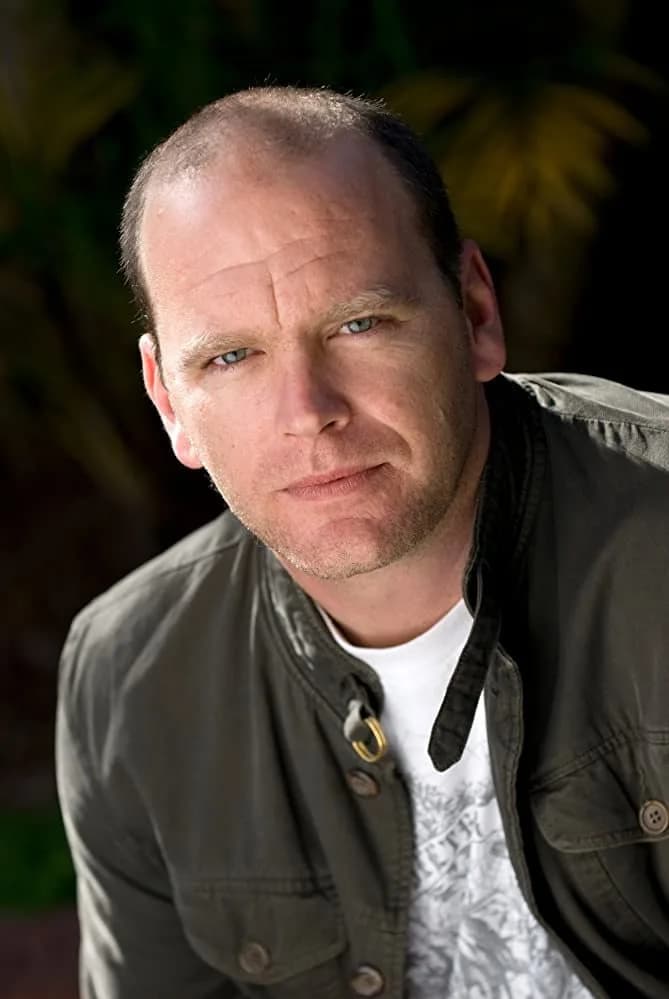
Robert Hobbs
Cast · Known for Chappie
Robert Hobbs was born in Cape Town, South Africa in 1972. At an early age his family moved to Welkom, a small mining town in the interior of SA. There he was educated at Christian Brothers College and developed a love of performance through a series of school concerts and trips to the local Saturday morning film matinées. Following his passion, he graduated with a Bachelor of Arts / Performers Diploma in Speech and Drama from the University of Cape Town in 1993. He was cast in a number of theatre roles including Macbeth for the SA State Theatre and his performance in Yasmina Reza's Life x 3 garnered him a Naledi Award nomination for Best Supporting Actor.
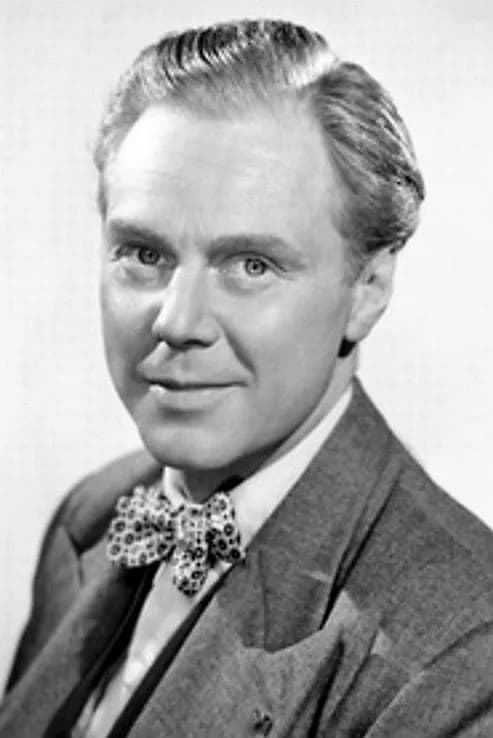
Marius Goring
Marius Re Goring CBE FRSL (May 23, 1912 – September 30, 1998) was an English stage and screen actor. He is the son of Dr Charles Buckman Goring, a renowned physician and criminologist, and Kate Winifred (née MacDonald), a former suffragette and talented pianist. Marius Goring was educated at The Perse School, Cambridge, England and at universities in Frankfurt, Munich, Vienna and Paris (The Sorbonne) where he perfected his French and German - he became fluent in both languages. He studied for the stage under Harcourt Williams at the Old Vic dramatic school, London. His first stage appearance was a fairy at the ADC Theatre, Cambridge in 1925 at the age of twelve in "Crossings: A Fairy Play" the only play written by Walter De La Mare. His first London appearance was at the Rudolph Steiner Hall in December 1927 as Harlequin in one of Jean Sterling McKinlay’s Children’s Matinees. He performed regularly at the Old Vic and Sadler's Wells in the 1930s and later toured France and Germany. He played Macbeth, Romeo, Trip in School for Scandal and the Chorus in Henry V with Laurence Olivier amongst others. His first West End appearance was at the Shaftesbury Theatre in May 1934 in The Voysey Inheritance. He joined the army in July 1940 but was seconded the following year to the BBC where he became supervisor of productions for its German Service. He made regular propaganda broadcasts to Germany. Most of his radio propaganda work was done under the alias Charles Richardson (using his father’s first name and his grandmother’s maiden name) as the name Goring wasn't too popular during the war (Hermann Göring was the commander-in-chief of the Luftwaffe). In 1941 he was married for the second time to the renowned German Jewish actress Lucie Mannheim who had to flee Germany in 1934 after the Nazis came to power. They worked together on stage and in films and television many times over the following years. He was a founder member of British Equity in 1929, being on its council for decades from 1949 and was elected its vice president three times. He had a contentious relationship with the union from the 1970s, taking them to court on a number of issues, the last of which he lost in the High Court and was nearly bankrupted by the court costs. Marius was made a Fellow of the Royal Society of Literature in 1979 and appointed Commander of the Order of the British Empire (CBE) in 1991. He died from stomach cancer in 1998 aged 86 at his home in Rushlake Green, East Sussex, survived by his third wife, Prudence FitzGerald, a television producer/director who had directed him in 18 episodes of The Expert and his only child, a daughter from his first marriage, Phyllida.
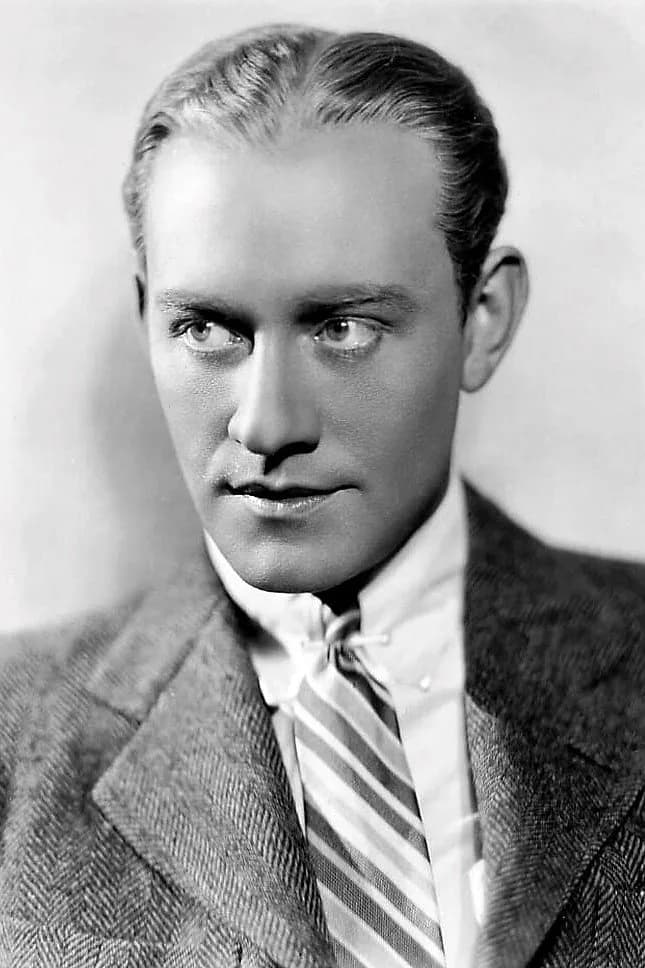
Conrad Nagel
Conrad Nagel was an American stage and film actor, as well as radio and television performer and host. He was a matinee idol and star of the Silent cinema era and beyond. He was a founding member of the Academy of Motion Picture Arts and Sciences and served as its President from 1932 to 1933. He was also a founding member of the Screen Actors Guild.
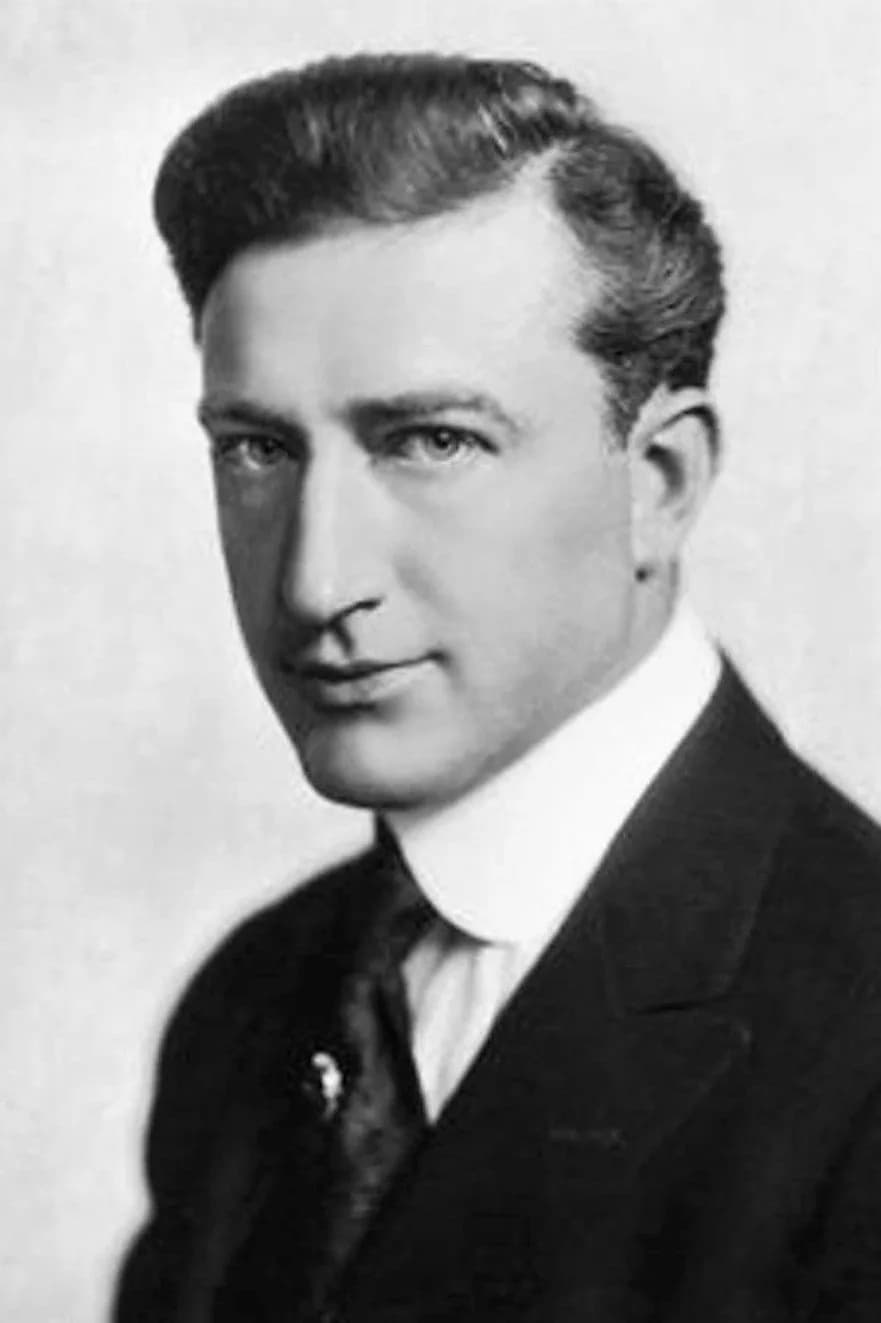
Francis X. Bushman
Francis Xavier Bushman (January 10, 1883 – August 23, 1966) was an American actor, film director, and screenwriter. His matinee idol career started in 1911 in the silent film His Friend's Wife, but it did not survive the silent screen era. Bushman, like many of his contemporaries, broke into the film business via the stage. He was performing at Broncho Billy Anderson's Essanay Studios in Chicago, Illinois, where he was first noticed for his muscular, sculpted frame. He appeared in nearly 200 feature film roles—more than 175 films before 1920, and 17 in his screen debut year of 1911 alone. He also worked for the Vitagraph studio before signing with Metro in 1915. Description above from the Wikipedia article Francis Xavier Bushman, licensed under CC-BY-SA, full list of contributors on Wikipedia.
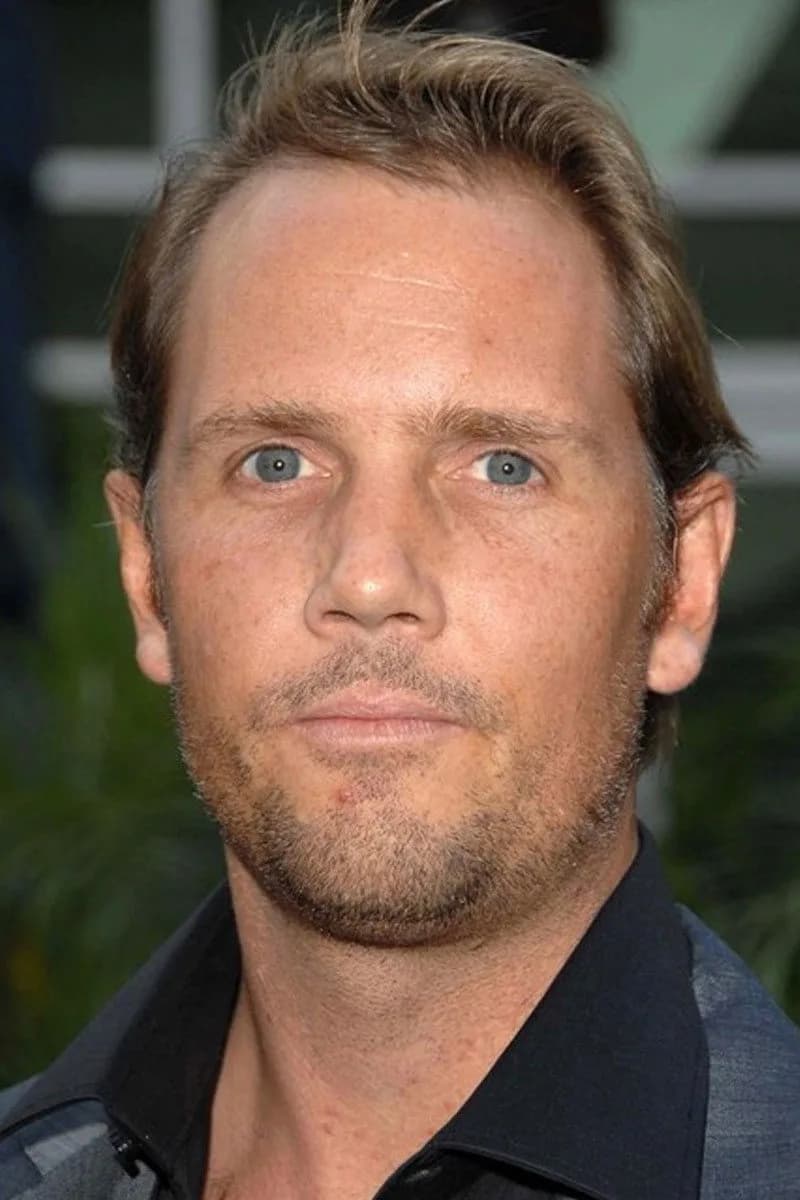
Omri Katz
Cast · Known for Hocus Pocus
Omri Haim Katz (born May 30, 1976) is an American actor. His TV and film credits include Eerie, Indiana; Matinee; Adventures in Dinosaur City; Hocus Pocus; and the CBS prime time soap opera Dallas, in which he played the role of John Ross Ewing III, the son of J.R. Ewing (played by series star Larry Hagman) and Sue Ellen Ewing (Linda Gray) from 1983 to 1991. Katz was born and raised in Los Angeles, California, the son of Israeli Jewish immigrants Rina and Yoram Katz. Katz has an older brother named Michael and an older sister named Lali. Katz lived in Israel for a year during his childhood. Description above from the Wikipedia article Omri Katz, licensed under CC-BY-SA, full list of contributors on Wikipedia.
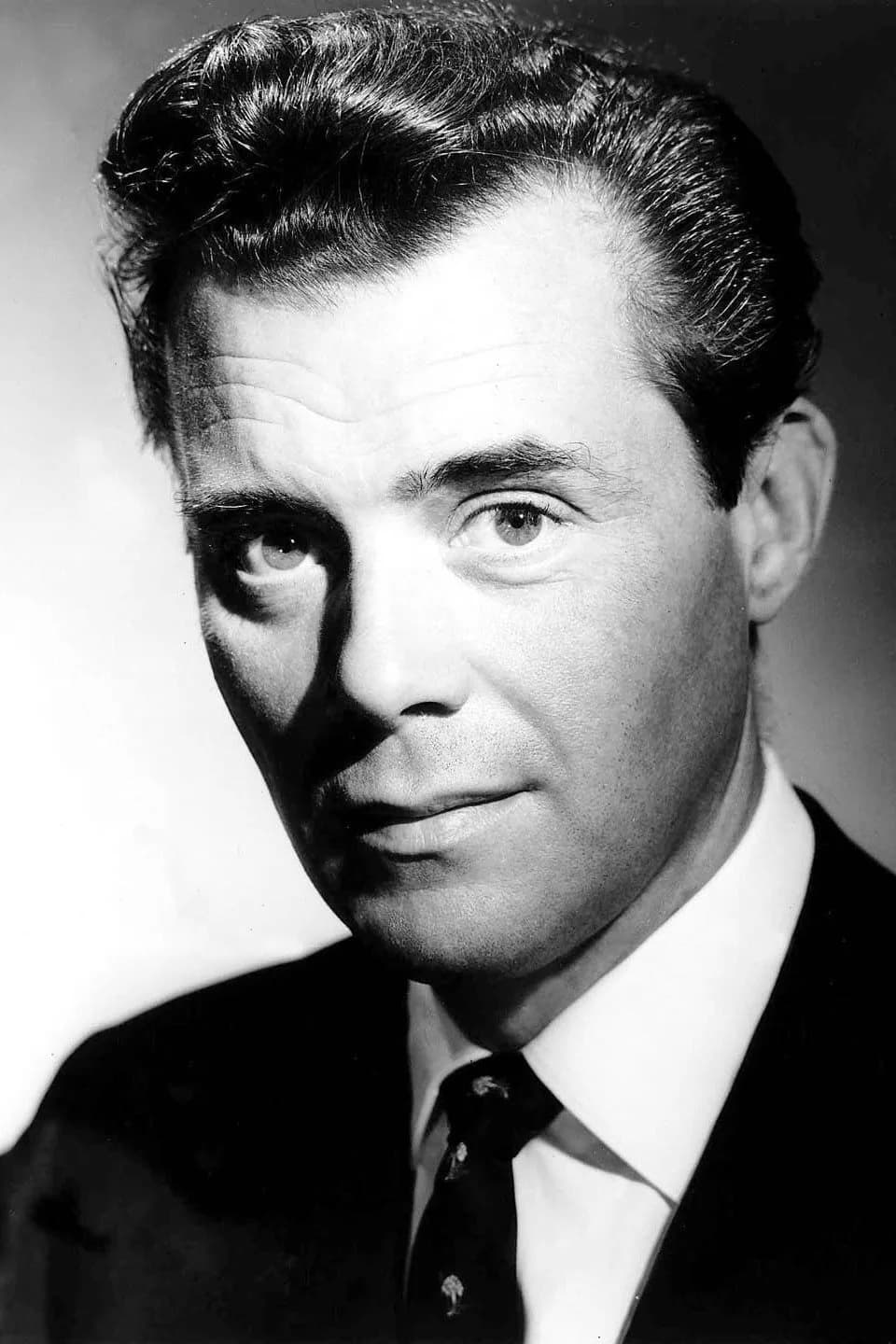
Dirk Bogarde
Sir Dirk Bogarde (born Derek Niven van den Bogaerde; 28 March 1921 – 8 May 1999) was an English actor, novelist, and screenwriter. Initially a matinée idol in films such as Doctor in the House (1954) for the Rank Organisation, he later acted in art-house films. In a second career, he wrote seven best-selling volumes of memoirs, six novels, and a volume of collected journalism, mainly from articles in The Daily Telegraph. Bogarde came to prominence in films including The Blue Lamp in the early 1950s, before starring in the successful Doctor film series (1954–1963). He twice won the BAFTA Award for Best Actor in a Leading Role, for The Servant (1963) and Darling (1965). His other notable film roles included Victim (1961), Accident (1967), The Damned (1969), Death in Venice (1971), The Night Porter (1974), A Bridge Too Far (1977), and Despair (1978). He was appointed a Commander of the Order of Arts and Letters in 1990 and a Knight Bachelor in 1992. Description above from the Wikipedia article Dirk Bogarde, licensed under CC-BY-SA, full list of contributors on Wikipedia.
Mark McCracken
Mark McCracken is an American actor. McCracken appeared in the films We Were Soldiers with Mel Gibson, Joe Dante's horror/comedy Matinee, and also portrayed Pumpkinhead in Pumpkinhead II: Blood Wings. His television credits include Ellen, Miami Vice, and The Outer Limits.