
Search
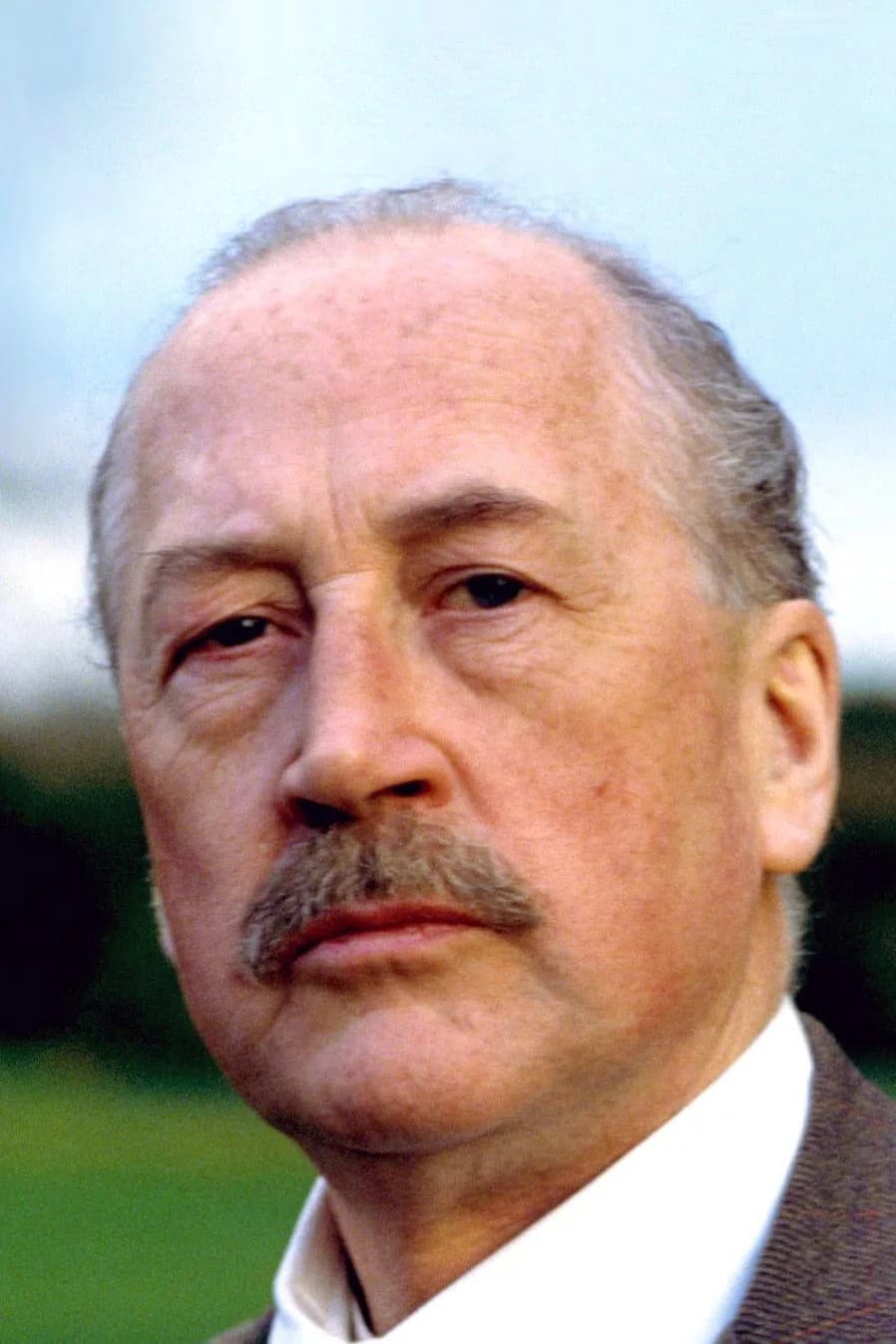
Bernard Hepton
Bernard Hepton (born 19 October 1925 - 27th July, 2018) was a British actor of stage, film and television. Hepton was known as a particularly versatile character actor. He trained at Bradford Civic Theatre school under Esme Church along with actors such as Robert Stephens. He had extensive stage experience as an actor, under Sir Barry Jackson in addition to a spell as Artistic Director of Birmingham Rep and Liverpool Playhouse. On television, he played Toby Esterhase in the BBC Television adaptations of Tinker, Tailor, Soldier, Spy and Smiley's People, and George Smiley in the radio adaptations. He also played the Kommandant in Colditz (1972–74), and later appeared for the same production team as Albert Foiret in three seasons of Secret Army (1977–79). Before that he had made a guest appearance in an episode of the first series of Catweazle in 1970 where he played a naturalist. Other notable performances included Thomas Cranmer in both The Six Wives of Henry VIII (1970) and Elizabeth R (1971). He played Sam Toovey in the 1989 television adaptation of Susan Hill's ghost story The Woman in Black. On radio Hepton played the role of Albert, in Stranger In The Home by Alan Dapre, also the role of The Old Man in the Corner, the Baroness Orczy amateur, and mostly sedentary, sleuth in the BBC dramatizations called The Teahouse Detective (1998–2000). His appearances in feature film were less frequent. He made a brief appearance as Thorpey, a gangster in the classic British film Get Carter (1971), and had another small role, as Milton Goldsmith, in Voyage of the Damned (1976). He was a fan of the Rugby League team Hunslet Hawks and also played stand-off for them in the 1952/53 season, winning a Yorkshire Cup Medal. Description above from the Wikipedia article Bernard Hepton, licensed under CC-BY-SA, full list of contributors on Wikipedia.
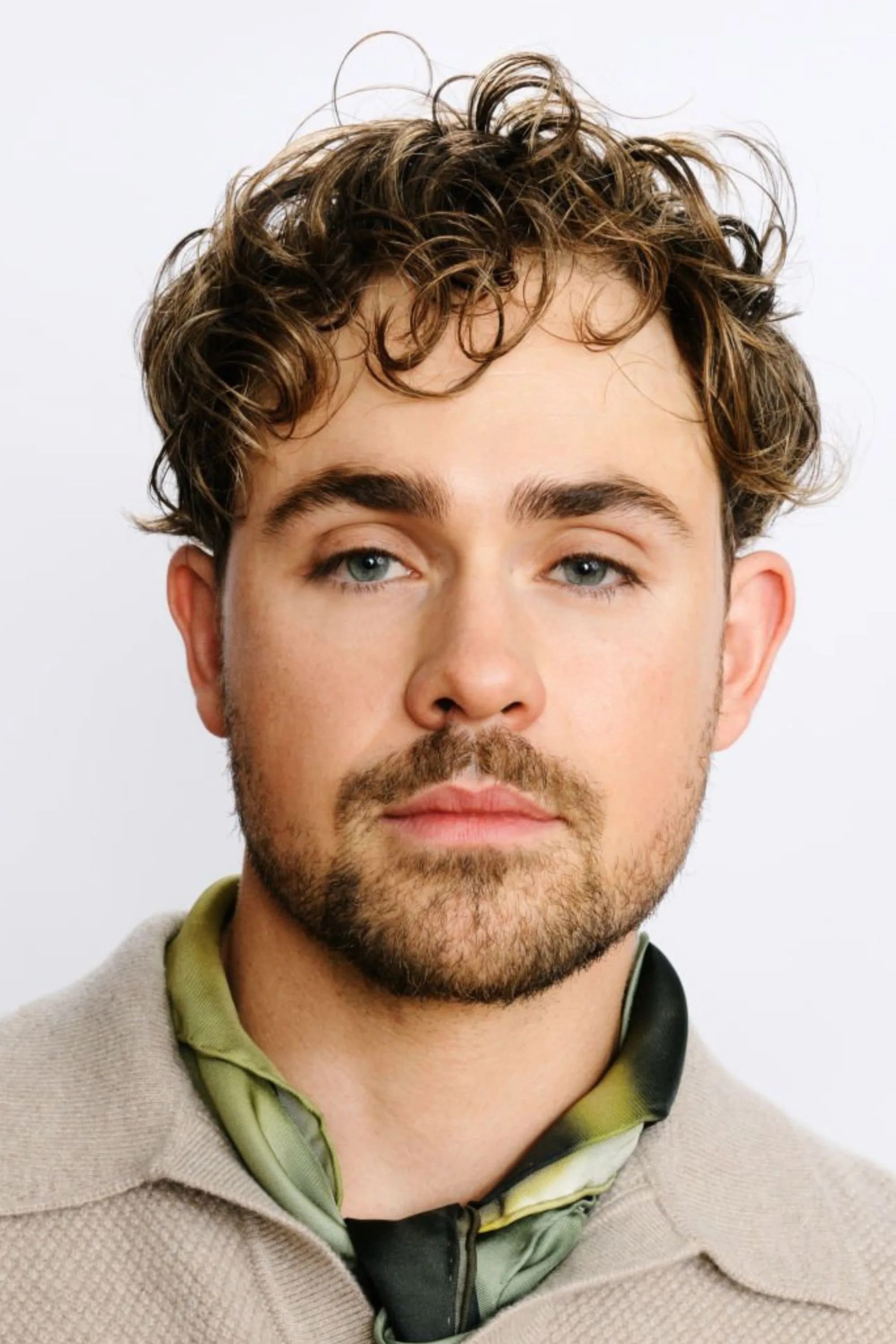
Dacre Montgomery
Cast · Known for Stranger Things
Dacre Kayd Montgomery-Harvey (/ˈdeɪkər/; born 22 November 1994) is an Australian actor. Montgomery began acting in short films as a teenager before making his feature film debut in the adventure comedy A Few Less Men (2017). In 2017, Montgomery starred as Jason Scott / Red Ranger in the superhero film Power Rangers and began playing Billy Hargrove in the Netflix science fiction horror series Stranger Things (2017–2022). His performance in the latter earned him critical acclaim and various awards nominations. He has since starred in the Christmas horror film Better Watch Out (2017) and the romantic comedy The Broken Hearts Gallery (2020) and portrayed Steve Binder in Baz Luhrmann's Elvis (2022). Description above from the Wikipedia article Dacre Montgomery, licensed under CC-BY-SA, full list of contributors on Wikipedia.
John McCafferty
Composer · Known for Cavegirl
John McCafferty is an actor and writer. He was born in Cleveland, Ohio, the USA to American parents. He is raised as Slovak Catholic. His father was a fireman with too many jobs to keep his family financially well. He was a workaholic, used to keep himself busy with work and spared very less time with his family. His mother, who was a look-alike of Hedy Lamar with glasses, was a supple woman with great childlike character and energy. She was a fortune teller. Her instinct, premonition, and dreams always seemed explicit. John has three sisters. As a child, John had very few friends and was alone most of the times; his father never had time for his games and his mother was busy telling people their fortunes. He was a curious child, while his other friends spent their time playing sports; he used to spend his time inspecting the unknown facts of publications like Stranger than Fiction, Fate, and Flying Saucers- Serious Business, Chariots of the Gods. He was always thinking about things and questioning his educators, ‘How can that be?’ John was fond of fantasy movies and TV serials as a child and watched Twilight Zone, Star Trek, One Step Beyond, and Outer Limits. He went to Catholic Grade School for his early studies and to Public High School for his higher studies. In high school, John joined drama club and took lead roles in plays. He also played drums in the R&R band. John attended Kent State University for his graduation; it is where his of lifestyle and mentality took a shift. In his freshman year, he met Vietnam vets and learned through them that Vietnam War was a complete waste of people’s life and resource. In his second year, he interchanged his major subject from theater to TV & Radio and minor subject to Photo Journalism. After graduation, John did different jobs which included Vampire Shift at WDBN Radio, Cleveland, Ohio, which he described as “the loneliest job in the world’. He also acted in local commercials and performed voice over. Later, he moved to Los Angeles leaving his family and band-mates behind and worked as a tour guide at Universal Studios. He then started acting in National Commercials and co-starring leads on TV through which he got a lead role on the NBC soap opera Texas for which he relocated to New York for three years. He has acted in many movies and TV series but his best-known works are - Texas (1980), Death row Game show (1987) and Sexual Intent (1993). He has other experiences as Spokesman, Ear prompter, Teleprompter, Voice over, TV Promos, Movie Trailers, Psychic, Palm Reader, Handwriting Analyst. (source: nettv4u.com/celebrity/english/movie-actor/john-mccafferty)
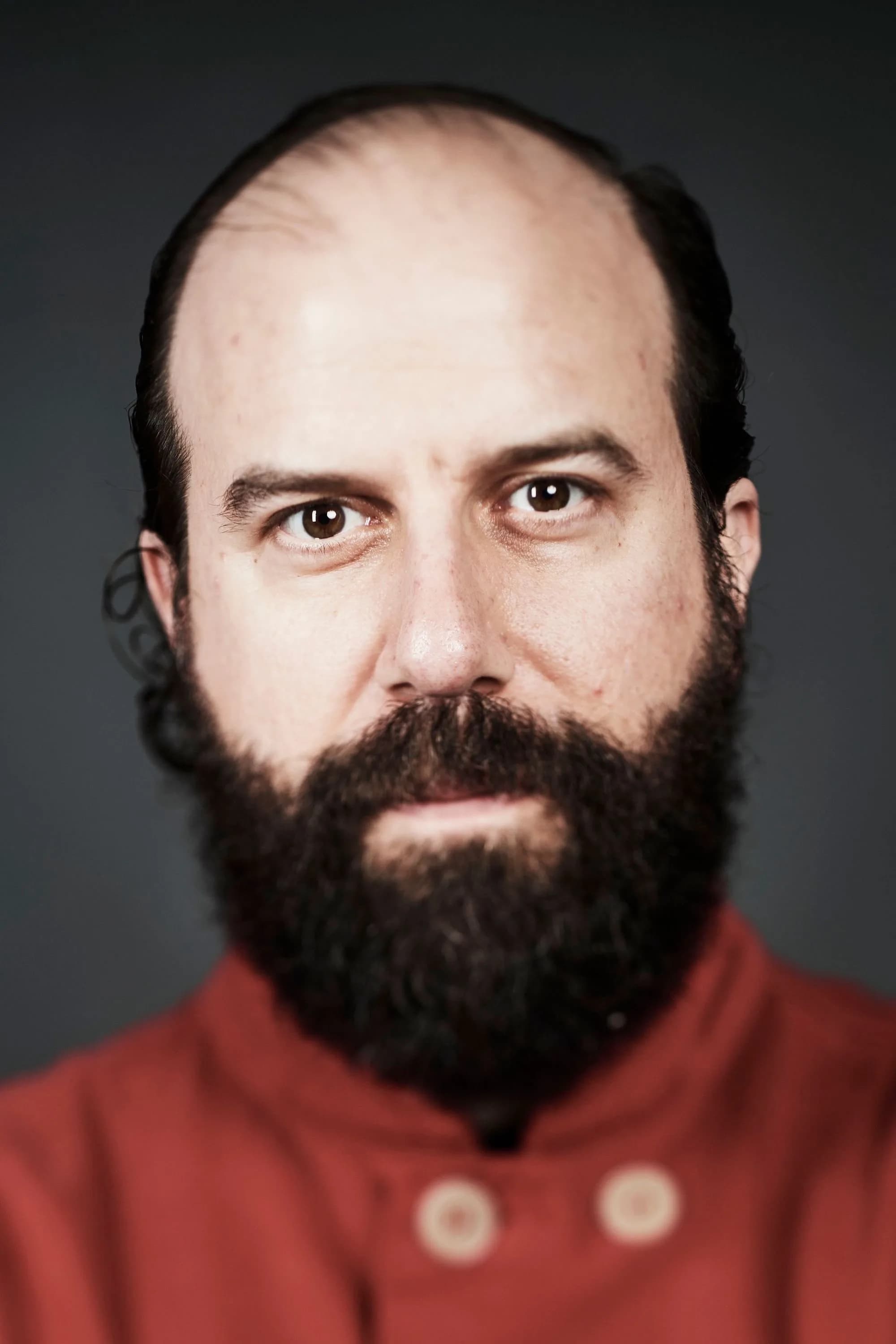
Brett Gelman
Cast · Known for Lyle, Lyle, Crocodile, Stranger Things
Brett Clifford Gelman is an American actor and comedian. He was born on October 6, 1976, in Highland Park, Illinois. He is best known for his roles as Murray Bauman in the Netflix series Stranger Things and Martin on the BBC series Fleabag. Gelman began his career as a comedian in the early 2000s. He performed in numerous comedy clubs and improv theaters in New York City. In 2009, he was a writer and performer on the sketch comedy series Eagleheart. He also had a recurring role on the comedy series Another Period. In 2016, Gelman was cast as Murray Bauman in the third season of Stranger Things. His character is a conspiracy theorist who helps the main characters investigate the supernatural events in Hawkins, Indiana. Gelman has since appeared in all four seasons of the show. In 2016, Gelman also starred in the BBC series Fleabag. He played Martin, the boyfriend of the show's main character, Fleabag. Gelman's performance was critically acclaimed, and he was nominated for a Primetime Emmy Award for Outstanding Supporting Actor in a Comedy Series. Gelman has also appeared in numerous films, including The Other Guys (2010), 30 Minutes or Less (2011), and A Very Harold & Kumar 3D Christmas (2011). He has also had recurring roles on the television shows Go On, Married, and Camping.
Richard Quine
Director · Known for Sex and the Single Girl
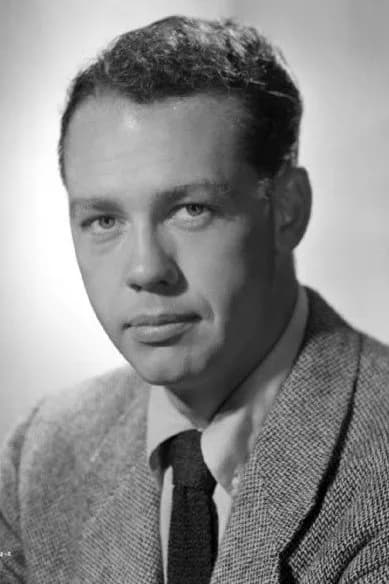
Richard Quine (November 12, 1920 – June 10, 1989) was an American stage, film, and radio actor and film director. Quine was born in Detroit. He made his Broadway debut in the Jerome Kern/Oscar Hammerstein II musical Very Warm for May in 1939 and appeared in My Sister Eileen the following year. His screen acting credits include The World Moves On (1934), Jane Eyre (1934), Babes on Broadway (1941), My Sister Eileen (1942), and Words and Music (1948), among others. At MGM he became friends with Mickey Rooney and later directed several of Rooney's films. During World War II, Quine served in the United States Coast Guard, He married actress Susan Peters in November 1943. After the war, he tried directing, first as co-producer and co-director on Leather Gloves (1948), with William Asher, before his first solo effort on the musical The Sunny Side of the Street (1951). His directing credits include Pushover (1954), My Sister Eileen (1955), Operation Mad Ball (1957), Bell, Book and Candle (1958), Strangers When We Meet (1960), and The World of Suzie Wong (1960). He also produced such films as the comedy Paris, When It Sizzles (1964) with Audrey Hepburn and William Holden, How to Murder Your Wife (1965) with Jack Lemmon, Synanon (1966), and Hotel (1967). By the late 1960s, his output fell, and in the 1970s, Quine made only a few disappointing films. Turning to television, he had in the 1954-1955 season created with Blake Edwards the first Mickey Rooney series, The Mickey Rooney Show: Hey, Mulligan, which aired on NBC. Quine later directed three episodes of Peter Falk's Columbo, including Dagger Of The Mind, an episode set in Britain which some UK fans of that series regard as an embarrassment. He also worked on, another, much less successful NBC Mystery Movie series, McCoy starring Tony Curtis. His final work was on The Prisoner of Zenda (1979) with Peter Sellers, although he was briefly part of the crew for another Sellers film, The Fiendish Plot of Dr. Fu Manchu (1980), for which he received no credit. His first wife, whom he married on 11 July 1943, was actress Susan Peters, who was crippled from the waist down on a hunting trip with Quine in 1945 when her 22-caliber rifle accidentally discharged. The bullet lodged in her spine. On 17 April 1946, the couple adopted an infant, whom they named Timothy Richard Quine. They divorced in 1948, and she died of the effects of anorexia nervosa in 1952, at age 31. Quine was later engaged to Kim Novak, but the two did not marry. He also married actresses Barbara Bushman (with whom he had two daughters, Katherine and Victoria), Fran Jeffries, and Diana Balfour. After an extended period of depression and poor health, Quine committed suicide by shooting himself in Los Angeles on June 10, 1989. A rifle injury eerily reminiscent of his first wife's hunting accident. Description above from the Wikipedia article Richard Quine, licensed under CC-BY-SA, full list of contributors on Wikipedia.
Arthur Allan Seidelman
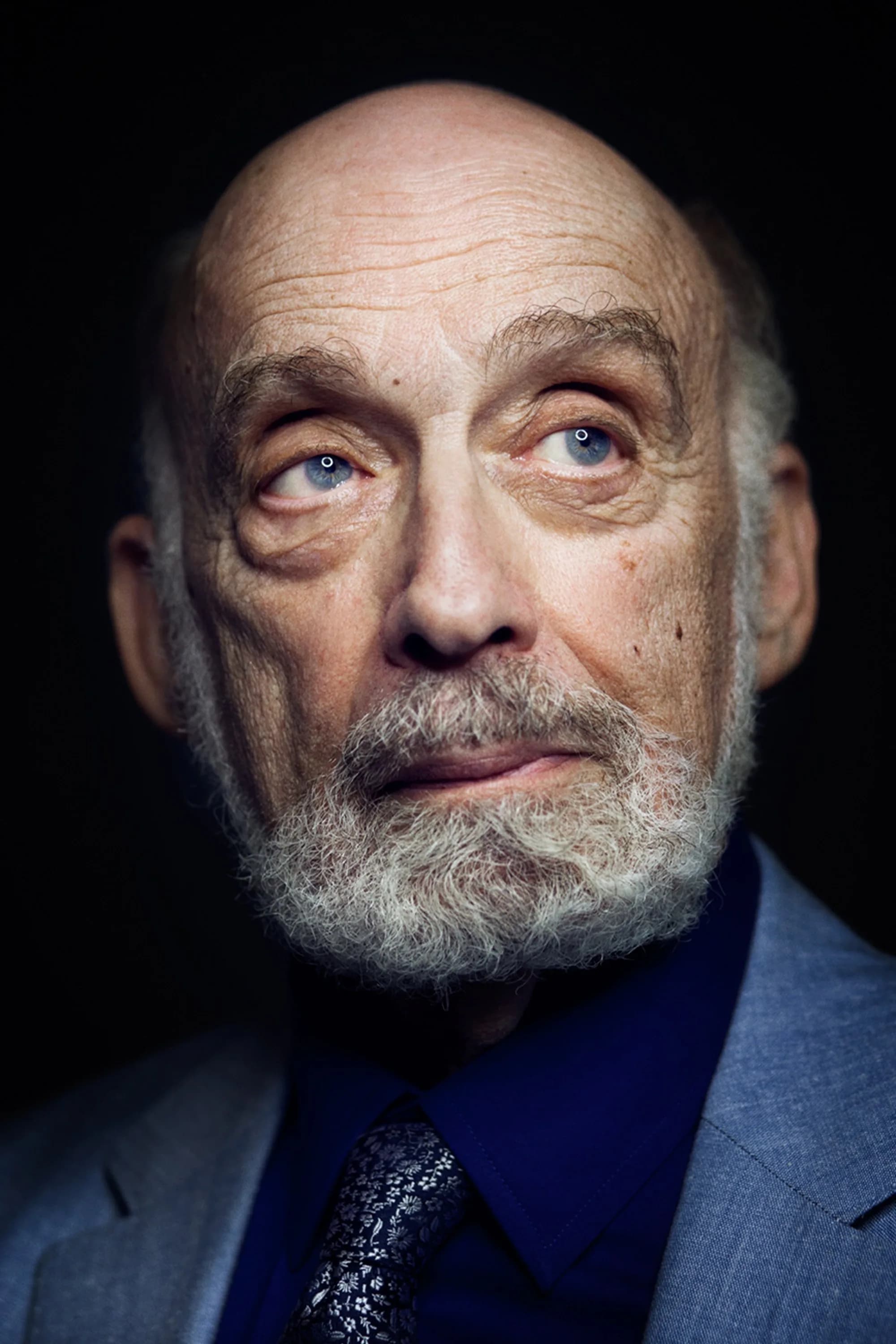
Arthur Allan Seidelman is an award-winning American television, film, and theatre director and an occasional writer, producer and actor. Most of Seidelman's career has been spent in television directing movies such as Macbeth, Like Mother Like Son: The Strange Story of Sante and Kenny Kimes, Poker Alice, A Friendship in Vienna, Grace and Glorie, Harvest of Fire, Kate's Secret, The Runaway, and A Christmas Carol-The Musical; episodes of series such as Fame, The Paper Chase, Knots Landing, Hill Street Blues, Magnum, P.I., Murder, She Wrote, Trapper John, M.D., L.A. Law, and A Year in the Life, among others; and several episodes of the ABC Afterschool Special series. The latter won him two Daytime Emmy Awards for Outstanding Individual Direction in Children's Programming. He received additional Emmy nominations for Hill Street Blues, I Love Liberty, and as host of the PBS series Actors on Acting. He also has won the Writers Guild of America Award for his contribution to the 1982 all-star variety special I Love Liberty, featuring Barbra Streisand, Shirley MacLaine, Jane Fonda, and Dionne Warwick, as well as two Christopher Awards. He has also won The Peabody Award, the Humanitas Award, The Western Heritage Award and numerous awards from international film festivals, including the Milagro Award for the Best American Independent Film for The Sisters. Seidelman most recently guest starred in the final episode of ER. Seidelman's Broadway career has been less successful. Billy, a 1969 musical adaptation of Billy Budd, closed on opening night. Vieux Carré, a 1977 play by Tennessee Williams, ran for six performances, and in 2003, Six Dance Lessons in Six Weeks closed less than two months after it began previews. He directed a revival of The Most Happy Fella for the New York City Opera in 1991. He has had considerable success off-Broadway with acclaimed productions of The Ceremony of Innocence, by Ronald Ribman, Awake and Sing by Clifford Odets and Hamp by John Wilson, among others. He directed Madama Butterfly for Santa Barbara Opera and The Gypsy Princess for Opera Pacific. In Los Angeles, he has directed major revivals of Hair, Of Thee I Sing, Mack and Mabel, The Boys From Syracuse, Follies and others. For regional theatres, he has directed Cat on a Hot Tin Roof, The Little Foxes, A Man for All Seasons, The Roar of the Greasepaint - The Smell of the Crowd, Romeo and Juliet, Stop the World - I Want to Get Off, and The Tempest, among others. In addition, he served as the Administrator of the Forum Theatre (now the Mitzi Newhouse) for the Repertory Theatre of Lincoln Center and as Artistic Director of Theatre Vanguard in Los Angeles. Description above from the Wikipedia article Arthur Allan Seidelman, licensed under CC-BY-SA, full list of contributors on Wikipedia.
Jean Kent
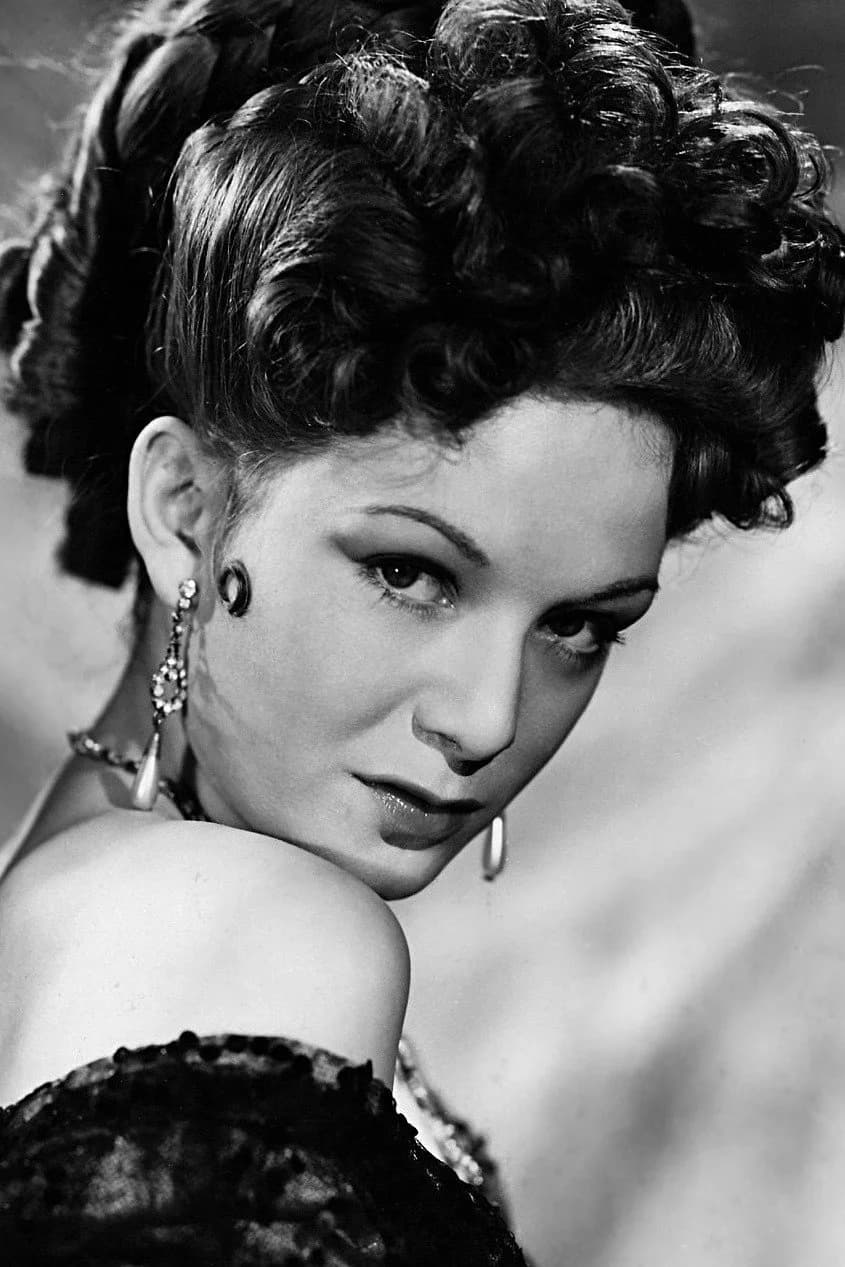
Jean Kent (29 June 1921 - 30 November 2013) was a British film actress. She signed to Gainsborough Pictures during the Second World War. Kent's first good role in Two Thousand Women (1944), playing a stripper who is interned by the Germans. She was a Pacific Islander in Bees in Paradise (1944) with Arthur Askey and was the ingenue in a Tommy Trinder musical Champagne Charlie (1944). The turning point in her career came when she was given a dramatic part in the Gainsborough melodrama film Fanny by Gaslight (1944). The movie established Kent as Gainsborough's backup to Margaret Lockwood. Kent played another sexually aggressive girl in Madonna of the Seven Moons (1945) with Calvert and Granger. It was a big hit. Rank borrowed her to support Rex Harrison in The Rake's Progress (1945). Kent continued to have success in films. Her favorite film was musical Trottie True (1949) where she played the lead. Kent's film appearances grew less frequent from the mid 1950s onward. She had support roles in The Prince and the Showgirl (1957) and Bonjour Tristesse (1958) and a good part in the horror film The Haunted Strangler (1959). She was in the comedy Please Turn Over (1959) and the thriller Beyond This Place (1959). She was one of several female stars in Bluebeard's Ten Honeymoons (1960) with George Sanders. Kent was married to Austrian actor Josef Ramart from 1946 until his death in 1989, aged 70. They met on the set of Caravan. Actor Stewart Granger was the best man at their wedding. They appeared together in the films Caravan and Trottie True. Kent made her last public appearance in June 2011, when she was honoured by the British Film Institute on her 90th birthday. Kent died in the West Suffolk Hospital, Bury St. Edmunds on 30 November 2013, following a fall at her home in Westhorpe. The coroner recorded a narrative verdict that Kent died from accidental injuries and that cardiac disease may have contributed to a fall. Description above from the Wikipedia article Jean Kent, licensed under CC-BY-SA, full list of contributors on Wikipedia.
Eric Tabach
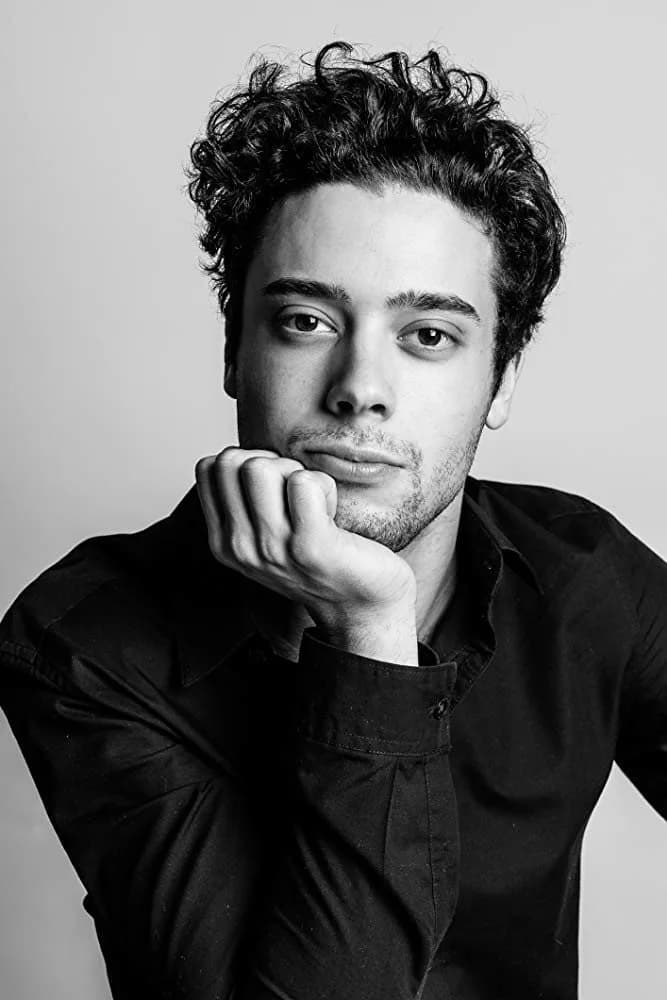
Eric Tabach (born March 12th, 1997) is an American actor. At the age of three he and his family moved to Moscow, Russia and lived there for the next twelve years. During those twelve years he traveled the world and fell in love with theater. He began performing in a Russian theater that brought in an audience of around five hundred people every weekend. Eric played leading and supporting roles in over seven plays including drama and comedy. In 2012, he did the voice over and motion capture for the lead role in "Rorrim Bo and the Magical Goblet", a 3D feature film. He moved to the United States in the summer of 2012 and began acting in 2013. In less than a year he was able to act in a worldwide commercial and act in two feature films "The Girl in the Book" and "Love is Strange".
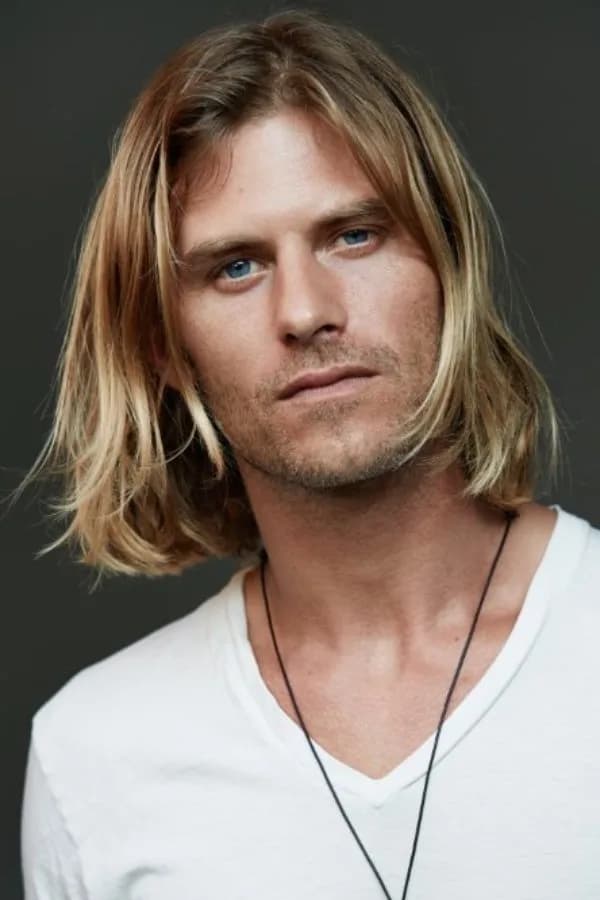
Jake Muxworthy
From Wikipedia, the free encyclopedia. Jake Muxworthy (born September 10, 1978) is an American actor born on September 10 (star sign: Virgo), 1978 in Washington, USA. His first appearance was on early 2000s, when he graduated from bit parts. He mostly appears in the Horror ' or Thriller genres. He received his first role as a paramedic in Cradle 2 the Grave . Almost immediately it was followed by a part in the comedy I Heart Huckabees . He then accepted his first lead, as the comparatively less twisted of a psychopathic serial killer's two sons, in Morgan Freeman's film Born Killers (2005). In the 2007 Borderland he plays Henry, one a a group of three college students who discovers human sacrifice cult in a a Mexican border town. He extended his record of disturbing and dark material by a lead role in the horror film Asylum (2008}. In that film, he was one of several students, who must try to free the possessed campus. He is the protagonist in the 2009 film shadow, where he plays David, who returns from traumatic military service in Iran only to discover a much more horrifying lost Nazi experiment camp in the Alps. Description above from the Wikipedia article Jake Muxworthy, licensed under CC-BY-SA, full list of contributors on Wikipedia
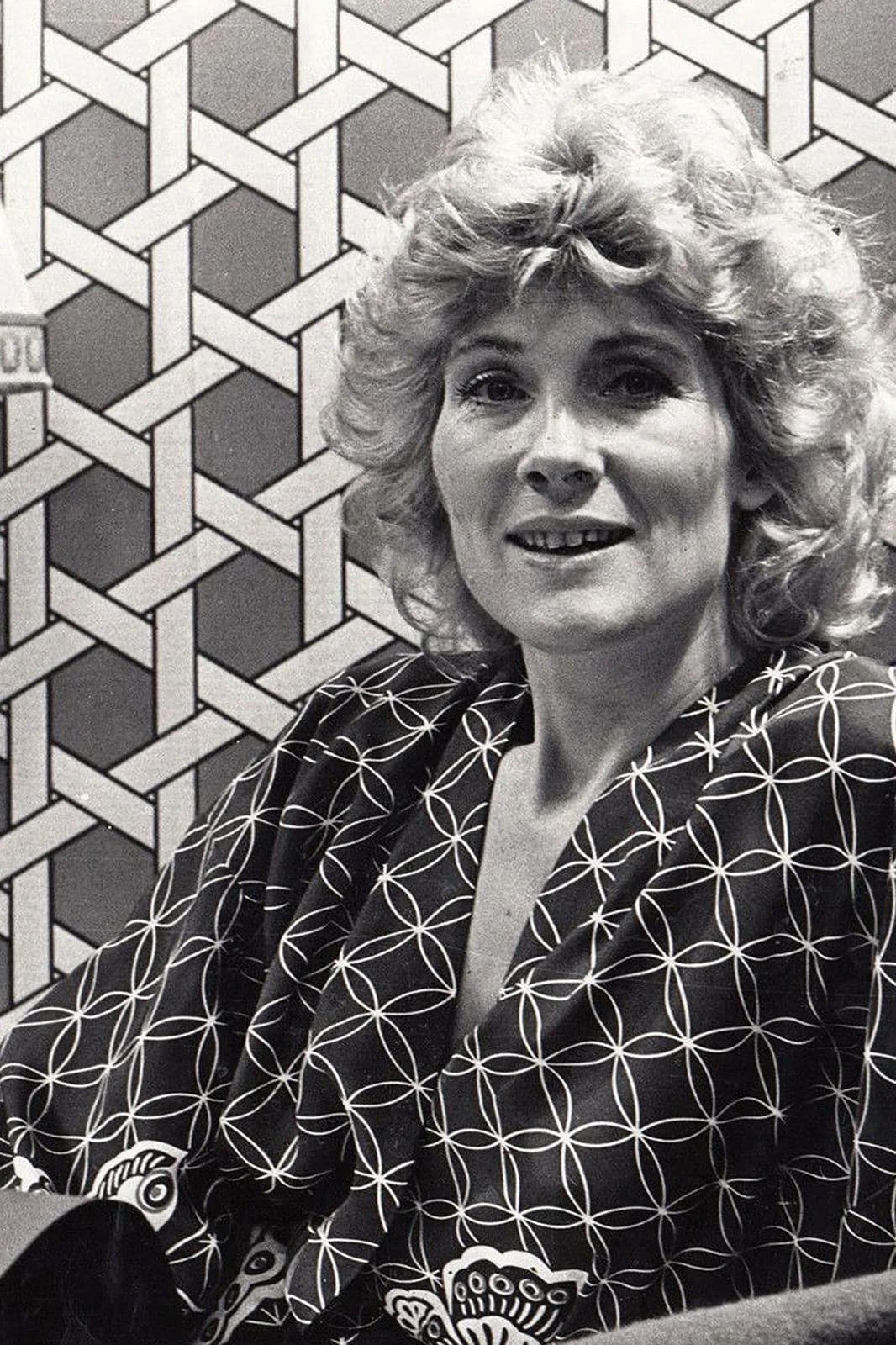
Virginia Stride
Virginia Stride (born Virginia Thomas in Yokohama, Japan) is a British actress of stage and screen who first came to public attention on television in the 1960s. She was the first wife of the actor John Stride (1936–2018), whom she met when they were studying at the Royal Academy of Dramatic Art (RADA), and in 1964 she introduced the first programme to be seen on BBC2. Virginia Stride played the recurring role of BD Girl Katy Hoskins in Z-Cars (1962–64), the long-running BBC television series about the police in an area of Liverpool. In 1964 she appeared in an episode of The Avengers as Alice Brisket, secretary to Quilpie (played by Ronald Radd), who was the controller of John Steed (Patrick Macnee) and Cathy Gale (Honor Blackman). With Gordon Rollings Stride was the first presenter, on 21 April 1964, of Play School, a daily programme for young children on BBC 2. Because a power failure coincided with the channel's scheduled opening the previous evening,[3] Play School was the first programme to be transmitted on BBC2. In 1966 Stride appeared in the BBC comedy series On the Margin, a collection of sketches and songs written by Alan Bennett, who, together with John Sergeant (later the BBC's political correspondent), also starred in the show. The six episodes of On the Margin were twice repeated in 1967, but were among many programmes "wiped" by the BBC in the 1970s. A compact disc of surviving audio extracts was released by the BBC in 2009. Virginia Stride's best-known role was probably as the "seductive" Liz Champion in Champion House, a weekly drama series created for the BBC by Hazel Adair and Peter Ling,[5] which concerned a family-run textile business in Yorkshire. Liz Champion was a member of the company's board. She was the daughter of Jack Champion, whose father, Joe (played by Edward Chapman), had made the company over to him, only to see it pass, after Jack's early death, to Liz's eldest brother Stephen (James Kerry), who had his own less compliant ideas of the firm's direction. The first episode of Champion House was shown on 28 May 1967 and there was a second series in 1968. Its initial profile was assisted by live coverage on 28 May of the return of Sir Francis Chichester from his solo circumnavigation of the world. Virginia Stride appeared in episodes of a number of other television series, including Out of the World (1962), Public Eye (1966), The Baron (1966, as an hotelier who has an implied "one-night stand" with John Mannering, the "Baron", played by Steve Forrest[7]), The Mind of Mr. J.G. Reeder (as Margaret Bellman in the first series, in 1969, a role that Gillian Lewis played in the second series in 1971), Callan (1972), The Expert (1976), Target (1978) and A Touch of Spice (1989). Her films include I Want What I Want (1972), based on Geoff Brown's novel of 1966 about transsexualism. In the early 21st century Stride performed with the Agatha Christie Theatre Company, for example on tour in The Unexpected Guest (with, among others, Simon MacCorkindale and former singer Mark Wynter) in 2006 Virginia Stride has three daughters, Philippa and Lindsay, by her first husband, the actor John Stride, and another daughter from a subsequent relationship with the producer and football chairman Bill Kenwright. She has four grandchildren.
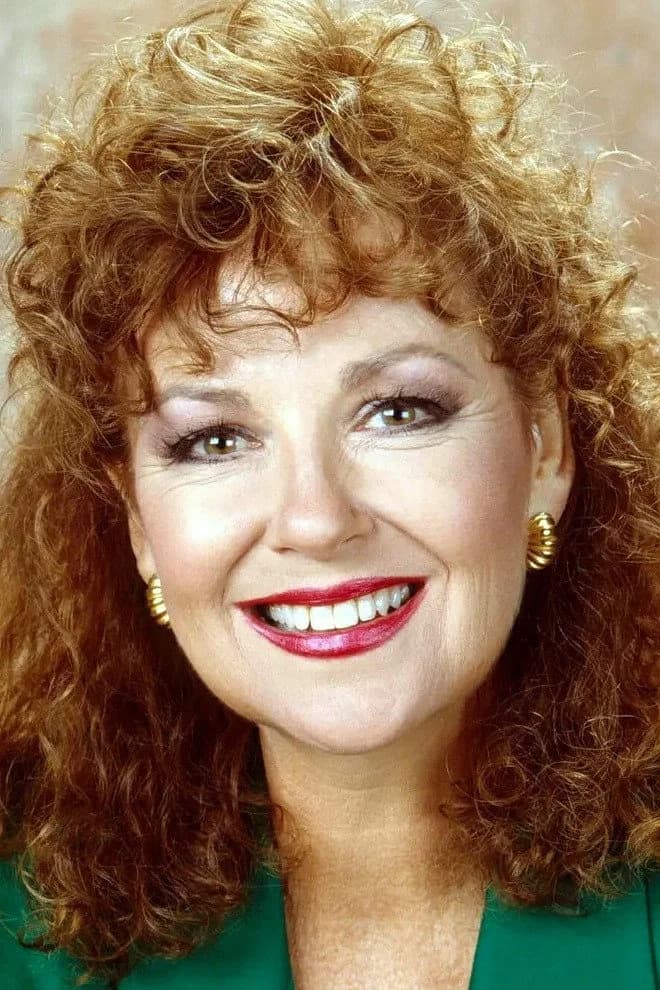
Shelley Fabares
Cast · Known for Coach
Michele Ann Marie "Shelley" Fabares (January 19, 1944 – August 22, 2026) was an American actress and singer. She is best known for her television roles as Mary Stone on the sitcom The Donna Reed Show (1958–1963) and as Christine Armstrong on the sitcom Coach (1989–1997), the latter of which earned her two Primetime Emmy Awards nominations. Her film roles include playing the leading lady to Elvis Presley in Girl Happy, Spinout, and Clambake. As the niece of singer/comedienne Nanette Fabray, she was indoctrinated early into the show biz life. Tap dancing from age three, she also modeled during her elementary school years and began appearing on such TV shows as Captain Midnight (1954) and Annie Oakley (1954) (the latter a recurring role). At age 12, she made her professional film debut in the Rock Hudson/Cornell Borchers tearjerker Never Say Goodbye (1956) as Hudson's daughter, and went on to play kid sister roles in the rock 'n' roll-themed Rock, Pretty Baby! (1956) and its sequel Summer Love (1957) both starring John Saxon. Teen-idol status came with her coming-of-age role as the ever-wholesome daughter "Mary Stone" on The Donna Reed Show (1958), a part she played for five seasons before embarking on a more grown-up film career. The character of "Mary Stone" was gently phased out of the show as her character "left for college". During its' run, she and TV "brother" Paul Petersen grew so popular that they sprinted to adjoining pop singing celebrity, although both admitted that their vocal talents were limited. In 1962, her recording of "Johnny Angel" reached number one on the Billboard Hot 100 chart. She left The Donna Reed Show in 1963 (she would return periodically until its end in 1966) to pursue other acting opportunities. This was followed by a second album, The Things We Did Last Summer, which included two hit songs "Johnny Loves Me" (no. 21) and "The Things We Did Last Summer" (no. 46). She released a third album, Teenage Triangle in 1963. She landed top femme parts in such fun-and-frolic fare as Ride the Wild Surf (1964), Hold On! (1966) in which she played the love interest of Peter Noone (of Herman's Hermits) and sings Make Me Happy, as well as three of Elvis Presley's less-acclaimed films of the later 1960s: Girl Happy (1965), Spinout (1966) and Clambake (1967). She then played the love interest of a young Hank Williams Jr. in A Time to Sing (1968). She had support roles in television films like Brian's Song (1971) (playing Brian Piccolo's wife with James Caan as Brian), and Two for the Money (1972). Her performance in Brian's Song earned her a Golden Globe nomination. For her work, she was nominated twice for a Primetime Emmy Award and, in 1994, she was honored by the Young Artist Foundation with its Former Child Star "Lifetime Achievement" Award for her role as Mary Stone on The Donna Reed Show. From 2004 to 2011 she produced the Screen Actors Guild Awards.
Mitchell Kummen
Mitchell Kummen is a Canadian actor. Mitch nailed his first audition at eight years of age and has never looked back. A bit of a chameleon, Mitch has played younger versions of Daniel Radcliffe, Callum Keith Rennie, Luke Mitchell, Don Cherry and most recently Adam “Edge” Copeland and Mike “The Miz” Mizanin. He has appeared in the feature films Horns, Interrogation, and Santa’s Little Helper, and mow’s Lucky Christmas which is Kummen’s first role to be featured in the United States along with Elizabeth Berkley. He has recurred on the television series When Calls the Heart, The Tomorrow People, The Haunting Hour, Shattered and Less Than Kind. He was also a lead in the award winning web series Time Tremors. Recently Mitchell won four Joey Awards for his individual and ensemble work.
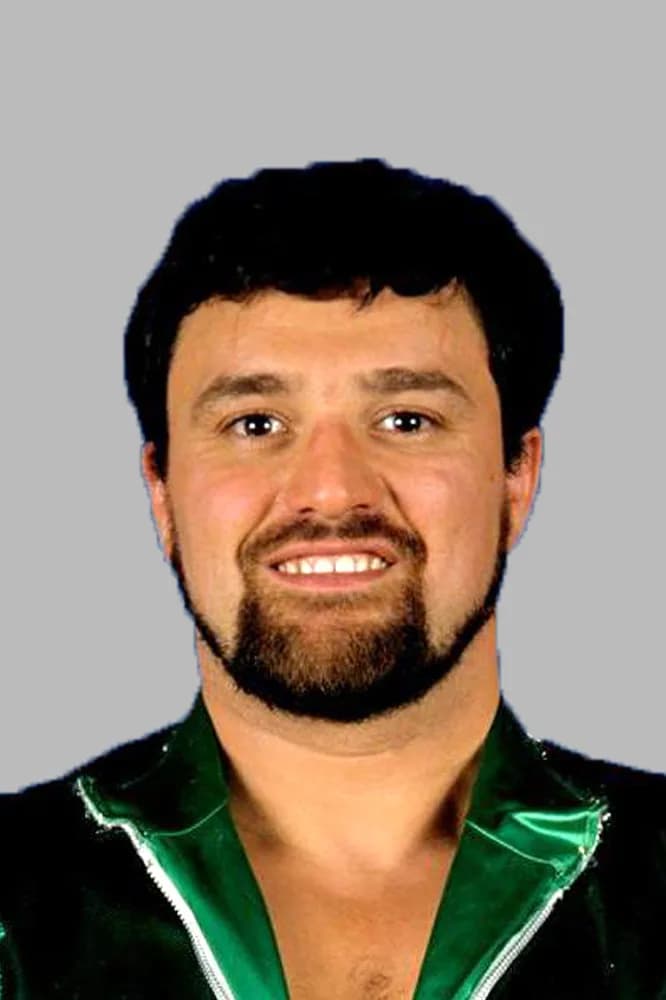
Salvatore Bellomo
Salvatore Bellomo was a Belgian professional wrestler. His career spanned over 40 years; he is perhaps best known for his appearances in the United States with WWE in the 1980s and with ECW in the 1990s. In 1982, Bellomo was signed by WWE after Peter Maivia advised him to audition as WWE was looking for a new babyface Italian wrestler to replace Bruno Sammartino. Wrestling under his real name, Bellomo made his televised in-ring debut on the June 28, 1982 episode of WWE on MSG Network, defeating Baron Mikel Scicluna. In mid-1983, Bellomo and a series of tag team partners unsuccessfully challenging The Wild Samoans for the WWE World Tag Team Championship. In late-1983 and early-1984, he unsuccessfully challenged both WWE Champion The Iron Sheik and WWE Intercontinental Champion Don Muraco. By mid-1984, Bellomo was winning less regularly, putting over opponents such as David Schultz, Greg Valentine, Big John Studd, Paul Orndorff & Pat Patterson. In August 1984, he lost to former WWE Champion Bob Backlund in Philadelphia, in what was Backlund's final match before leaving WWE. By 1985, Bellomo was being used as a jobber, losing to opponents such as Brutus Beefcake, Jim Neidhart, and The Missing Link. On the 34th episode of Tuesday Night Titans in May 1985, Bellomo defeated Frankie Williams and hosted a segment titled "Thatsa My Kitchen" featuring traditional Italian cooking. He made his final appearance with WWE in March 1987, losing to Brad Rheingans in the Nassau Coliseum. In April 1992, Bellomo began appearing with the Philadelphia, Pennsylvania, United States-based promotion Eastern Championship Wrestling, approaching ECW promoter Tod Gordon as he was living in Philadelphia at the time. Now considerably heavier than during his WWE run and sporting a full beard, he was billed as "Wildman" Sal Bellomo, adopting both a distinctive new ring attire resembling a Roman centurion and a more brawling-orientated wrestling style. In his first match, he won a battle royale as part of a tournament to crown the inaugural ECW Heavyweight Champion. He went on to lose to Jimmy Snuka (who had won a separate battle royale) in the tournament final. In mid-1992, Bellomo began feuding with Tony Stetson, with Stetson winning a loser leaves town match in August 1992. Bellomo returned in November 1992. In January 1993, he wrestled Kerry Von Erich (the "secret weapon" of Woman) to a double DQ at the "Battle of the Belts" event. In June 1993, he wrestled at ECW's first supercard, the Super Summer Sizzler Spectacular, teaming with Super Destroyer #1 & Stevie Wonderful to defeat the Suicide Blondes and Hunter Q. Robbins III. In the same month, he had a brief rivalry with the Super Destroyers after he began impersonating them, calling himself "Super Destroyer #3". In August 1993, Bellomo and The Sandman entered a tournament for the vacant ECW Tag Team Championship, first defeating Sir Richard Michaels & Tony Stetson, then defeating Ivan & Vladimir Koloff, before losing to The Dark Patriot & Eddie Gilbert in the finals. A short feud between Bellomo and Sir Richard Michaels culminated in a strap match at UltraClash that was won by Bellomo. Bellomo went on to feud with Rockin' Rebel, defeating him in a chairs match at November to Remember by forfeit. Bellomo continued to appear on ECW Hardcore TV until leaving ECW in May 1994. Before returning in 1996.
Regis Cordic
Cordic was born in the Hazelwood neighborhood of Pittsburgh and attended Central Catholic High School. He started in radio as a staff announcer and substitute sportscaster at WWSW-AM.[1] When morning host Davey Tyson left the station in 1948, Cordic was one of a number of staffers given the opportunity to replace him. At first a straightforward announcer, Cordic began introducing comedy to his program—first in subtle ways, such as reading a sports score for "East Overshoe University" along with the real scores, and later by adding a repertory company of supporting comic characters. The morning show, renamed Cordic & Company, became the most popular in Pittsburgh. In 1954, Cordic & Company moved to KDKA (AM) on Labor Day, one of the first times that an American radio station had hired a major personality directly from a local competitor. Popular Bette Smiley had decided to retire from her full-time KDKA wake-up show Radio Gift Shoppe of the Air and move to a Sunday-only condensed version on WCAE in August 1954 in order to raise her young son Robbie. Cordic's immediate predecessor in the morning slot was the Ed and Rainbow show, featuring Ed Schaughency with Elmer Waltman cast in the role of Rainbow, the janitor. Waltman was dropped, and Schaughency was moved to the afternoon with a show called Schaughency's Record Cabinet. Schaughency lasted less than two years in that role before he was replaced by Art Pallan, who also came over from WWSW. Schaughency took on a new role as a news reader and moved back to mornings, delivering the newscasts during Cordic & Company. The show's ratings continued to grow until, at some points, it had an 85 share—meaning that 85% of all radios in Pittsburgh were tuned to Cordic & Company while it was on. By the end of his tenure in Pittsburgh, Cordic was reportedly earning $100,000 a year, a huge sum for a radio host at the time.
Joseph Harrell
Joseph Harrell was born in December of (1973) in Norfolk, Virginia, to parents Helen and Clayton Harrell. Three years later, Helen divorced Clayton, and she moved Joseph along with his older sister Julie to New Mexico. Harrell got his first taste of acting at age seven, when he performed in a church play. However, the divorce and lack of a father figure had a major effect on him. He proceeded to act out, getting into loads of trouble with the law, eventually being put into the local "Scared Straight" program at age ten. The family returned to Virginia Beach in (1984) in order to keep Harrell out of trouble. From the age of 10, he held several part-time jobs ranging from paperboy to pamphleteer, gas station attendant to mechanic, pizza delivery guy to restaurant manager, seafood warehouses to first mate on a fishing boat, and greens keeper to golf caddy. During this time Harrell was involved in various sports such as football, boxing and power lifting. Unfortunately, trouble eventually found him. From the years (1984 - 1991), Harrell was arrested for numerous gang and street related crimes, fighting, vandalism, grand larceny and car theft. In (1992), while attending Bayside high school, Harrell decided to join the Marine Corps in order to find the structure he needed, but a curiosity for exotic dancing caught his eye. Less than three months later he dropped out of high school to pursue a career as a male stripper, a job he would hold for four years In (1996), Harrell headed to New York to pursue his lifelong passion of acting, enrolling at HB Studios. His first audition a year later, for the film "Quiz Show," was a disaster. Scarred from the experience, Harrell gave up acting and decided to focus on a career as a personal trainer for the next three years. Bored and feeling that he was still in desperate need of structure and focus in his life, Harrell kept a promise he made to himself; got his GED, finished a semester of college, and joined the US Marine Corps in (1999). Having found the lifelong search for structure and discipline, Harrell quickly rose to the rank of Staff Sergeant in less than five years. Before enlisting for another term, Harrell was in charge of over one hundred Marines and twenty aircraft. During his second enlistment from January (2005-2008), Harrell served as a Drill Instructor for 3rd Battalion Lima Company at Marine Corps Recruit Depot Parris Island, a position that would have an incredibly positive effect on him. "Being part of something bigger than your self is very exciting," says Harrell, regarding his time in the USMC. "Learning patience, not to quit, and looking forward instills wonderful behavior." Harrell's big acting break came in (2009) with K.J. Sanchez's critically acclaimed Off-Broadway play "ReEntry," which explored the difficulties faced by military veterans making the transition from the battle front to the home front. Originally hired as a military consultant, Harrell's incredible charisma and command of the script during a workshop of the play thoroughly impressed writer/director Sanchez, and she quickly offered him the lead role of the "C.O."
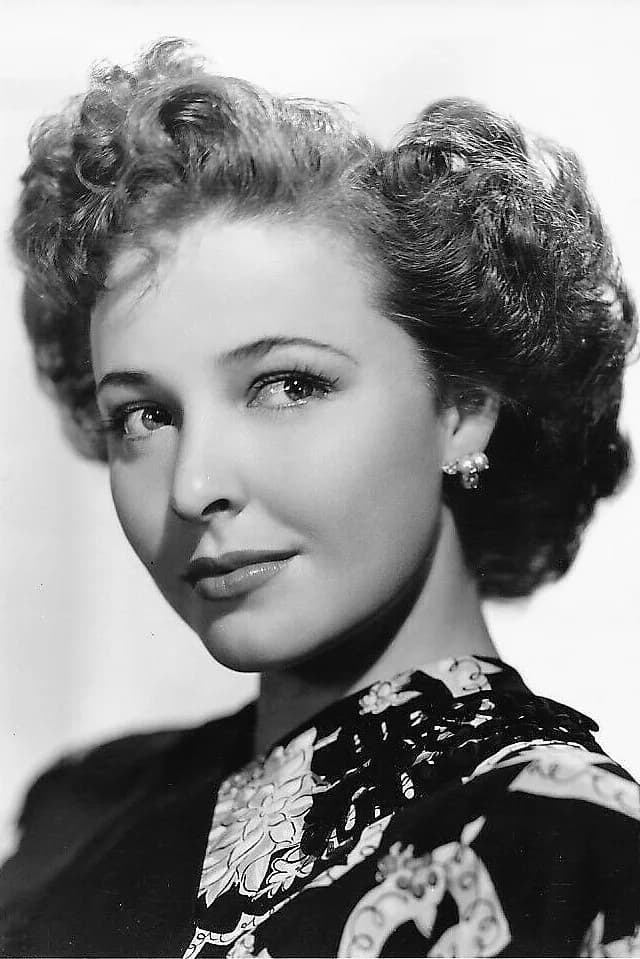
Laraine Day
Laraine Day, born La Raine Johnson, was a major movie star of the 1940s and '50s. Raised in Utah as part of a prominent Mormon family, she came to Hollywood as a young woman, and made her film debut with an uncredited role in Stella Dallas. Before she was famous she also played the birth-mother of Tarzan and Jane's adopted son "Boy" in Tarzan Finds a Son. Her break came in 1939, with the wildly popular "Dr Kildare" sequels. Day played Kildare's nurse and love interest in the third through ninth Kildare movies, until her character married the doctor in Dr. Kildare's Wedding Day. As Mrs Kildare, she was written out of the next, and last, Kildare feature. In 1942, she starred with Ayres again in the underrated axe murder melodrama Fingers at the Window. Over subsequent decades, her memorable films included the flashback-within-flashback-within-flashback drama The Locket, the gangster comedy Mr Lucky, and the campy paranoia piece I Married A Communist. She was among the all-star passengers in the overwrought airliner-in-peril drama The High and the Mighty, and in Hitchcock's Foreign Correspondent it was Day who encouraged Joel McCrea to give his stirring report of the air raid at the film's climax Hitchcock's thinly-veiled plea for America to enter World War II. When television became a viable income source, Day found the small screen more inviting and less time-consuming than making movies, and she became primarily a TV actress. She had a 15-minute series of uplifting vignettes called Daydreaming with Laraine, and another 15-minute daily celebrity chat show called The Laraine Day Show. Married to New York Giants manager Leo Durocher, Day became one of TV's first female sports reporters when she hosted Day with the Giants, an early 1950s baseball talk show with Giants' players that aired on New York City's Channel 11. Her last film was a low-budget thriller, The Third Voice, in 1960, but she continued taking occasional guest roles on TV series Love Boat, Fantasy Island, Murder, She Wrote, etc. through the mid-1980s. Following her retierment she spent the remainder of her life active in the Mormon church, Republican politics, and various charity related work. Upon the death of her third husband Michael Grilikhes in March 2007 she moved back to her native Utah where she died that November at age 87. She is interred at Forest Lawn Memorial Park, Hollywood Hills, Los Angeles, CA.
Walter Gotell
From Wikipedia, the free encyclopedia Walter Gotell (15 March 1926 – 5 May 1997) was a German actor, known for his role as General Gogol, head of the KGB, in the James Bond film series. Gotell was born in Bonn, Germany; his family emigrated to the United Kingdom after the Nazis came to power. A fluent English speaker, he started in films as early as 1943, usually playing German henchmen, such as in We Dive at Dawn (1943). He began to have more established roles by the early fifties, starring in The African Queen (1951), Ice-Cold in Alex (1958), The Guns of Navarone (1961), 55 Days At Peking (1963), Lancelot and Guinevere (1963), The Spy Who Came In From The Cold (1965), Lord Jim (1965), Black Sunday (1977), The Boys From Brazil (1978), and Cuba (1979). Gotell won the role of KGB General Anatol Gogol in The Spy Who Loved Me for being a look-alike of the former head of Soviet secret police Lavrentiy Pavlovitch Beria. His first role in the James Bond films came in 1963, when he played the henchman Morzeny in From Russia with Love. Starting in the late 1970s, he played the recurring role of General Gogol in the James Bond series, beginning with The Spy Who Loved Me in 1977. The character returned in Moonraker (1979), For Your Eyes Only (1981), Octopussy (1983), A View to a Kill (1985) and The Living Daylights (1987). As the Cold War developed, the role of leader of the KGB was seen to change attitudes to the West - from direct competitor to collaborator. His final appearance, as the Cold War began to become less imminent, sees him transferred to a different, more diplomatic role. Gotell is one of a few actors to have played a villain and a Bond ally in the film series (others being Joe Don Baker, Charles Gray and Richard Kiel). Throughout his career, Gotell also made numerous guest appearances in a wide array of television series. He played Chief Constable Cullen in Softly, Softly: Taskforce between 1969 and 1975. He guested in many series including Danger Man, Knight Rider, The A-Team, Airwolf, The X-Files, Scarecrow and Mrs. King, MacGyver, Star Trek: The Next Generation, Miami Vice, Cagney and Lacey, The Saint, and many others. Description above from the Wikipedia article Walter Gotell, licensed under CC-BY-SA, full list of contributors on Wikipedia.
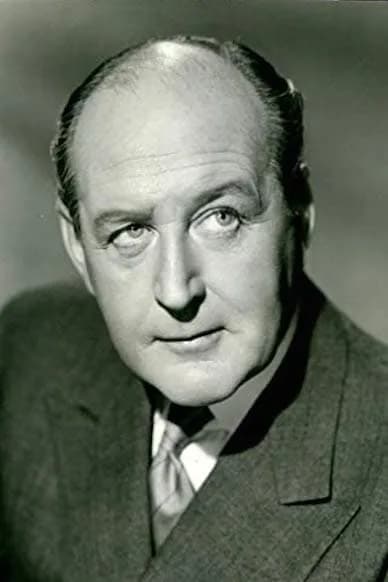
Cecil Parker
Cecil Parker (3 September 1897 – 20 April 1971) was an English character and comedy actor with a distinctive husky voice, who usually played supporting roles in his 91 films made between 1928 and 1969. Born Cecil Schwabe in Hastings, Sussex, he began his theatrical career in London in 1922 after serving in World War I. He made his first film appearance in 1928 and subsequently became a familiar face in British, and occasionally American films, until his death. He appeared less often on television, but many of his films have remained popular and are often shown. He acted in two adaptations of A. J. Cronin's novels, The Citadel (1938) and The Stars Look Down (1940), in addition to appearing in The Lady Vanishes (1938) and Under Capricorn (1949), both of the later films were directed by Alfred Hitchcock. Other roles were in 23 Paces to Baker Street (1956), Dangerous Moonlight (1941), Swiss Family Robinson (1960), and I Was Monty's Double (1958), as well as the comedies A French Mistress (1960), The Ladykillers (1955), The Man in the White Suit (1951), The Court Jester (1955), Indiscreet (1958) and I Believe in You (1952). Parker was also the original Charles Condomine in the West End production of Noel Coward's Blithe Spirit, a role subsequently played on Broadway by Clifton Webb and in the 1945 film by Rex Harrison. He often played a touchy senior officer or British upper-class character, and his last two films were true to form: The Magnificent Two (1967) with the British comedy double act Morecambe and Wise and Richard Attenborough's version of Oh! What A Lovely War (1969). He played an evil, scheming butler on one episode of The Avengers ("The £50,000 Breakfast"). Description above from the Wikipedia article Cecil Parker , licensed under CC-BY-SA, full list of contributors on Wikipedia.

Angus Wall
Editor · Known for The Curious Case of Benjamin Button, The Social Network, Zodiac
Angus Alexander Wall (born March 15, 1967) is a film editor and film title designer. He and fellow film editor Kirk Baxter won the Academy Award for Best Film Editing for the David Fincher film The Social Network (2010) and again the next year for The Girl with the Dragon Tattoo (2011). He and Baxter were nominated for the Academy Award for Best Film Editing, the BAFTA Award for Best Editing, and the American Cinema Editors Eddie Award for the 2008 film The Curious Case of Benjamin Button, also directed by David Fincher. Wall's title design work on the HBO television series Carnivàle and Game of Thrones both received Emmy Awards in 2004 and 2011, respectively, and his work on the series Rome's titles was nominated for the BAFTA Award in 2005. Wall graduated from Woodberry Forest School in Virginia in 1984. He then earned a BA from Bowdoin College in 1988. In 1992, he and Linda Carlson started the firm Rock Paper Scissors, which has become "a respected West Hollywood creative editorial house known for its commercial work for such clients as BMW, HP, and Nike." Wall's relationship with the director David Fincher extends back to 1988, when Wall entered the entertainment industry. Wall had edited some commercials directed by David Fincher, and he edited the titles for Fincher's film Se7en. He became an "editorial consultant" on Fight Club (1999), which was edited by James Haygood, and he then co-edited Panic Room (2002) with Haygood. While Wall became the sole editor credited on Zodiac (2007), Kirk Baxter worked with him as an "additional editor." Wall proposed to Fincher that Baxter be the co-editor for The Curious Case of Benjamin Button. Wall and his firm are noted for being early adopters of all-digital filmmaking using digital cameras. The film Zodiac (2007), which was directed by Fincher and edited by Wall, is noted as "the first major motion picture created without using film or tape," although some parts of the film were shot with conventional cameras. One important aspect of using digital cameras is that the director can view a scene immediately after it is recorded; as Fincher commented in an interview, "Dailies almost always end up being disappointing, like the veil is pierced and you look at it for the first time and think, 'Oh my god, this is what I really have to work with.' But when you can see what you have as it's gathered, it can be a much less neurotic process." Digital filmmaking also creates new possibilities for film editing compared to the "cutting" of reels of physical film; among these possibilities are subtle changes in the timing of an actor's performance and the combining of two different takes of a given scene within a single frame. The Curious Case of Benjamin Button has the additional novel element that the facial performances in many of the film's scenes were recorded independently of the body performances and were combined to create the final film. Brad Pitt's face performances for Button were used in all the scenes, but for many of the scenes, a second actor's performance was used for the rest of Button's body. Description above from the Wikipedia article Angus Wall, licensed under CC-BY-SA, full list of contributors on Wikipedia.

Park Hee-bon
Park Hee-bon (born Park Jae-young; May 11, 1983) is a South Korean actress, singer and model. Park made her entertainment debut in 2001 as a member of a girl group named M.I.L.K. under S.M. Entertainment's short-lived subsidiary BM Entertainment. The quartet released one album titled With Freshness, and disbanded less than two years later. When Park transitioned to acting, she began using the stage name Park Hee-von. Park is best known for starring in independent films and cable TV series.

Lisa Durupt
Originally from Winnipeg, Manitoba, Lisa Durupt has established herself as fierce, funny, and fearless talent in film and television. A talented ice hockey player growing up, she earned a scholarship to an American university until surgery postponed her arrival. On a whim, she registered at the University of Winnipeg and after attending a local performance of A Chorus Line for her theatre class, Lisa traded sports for the arts and went on to study theatre at the University of Winnipeg and the Canadian College of Performing Arts. Lisa's natural athleticism gave her a natural entry into the film industry as a dancer and stunt performer. Following early appearances in films like Shall We Dance and The Lazarus Project, Lisa was cast by Canadian comedy veteran Mark McKinney on the series, Less Than Kind, as the temperamental Shandra. Lisa's unfiltered energy and gift for ad-libbing over four seasons of the show was highlighted by a Gemini Award nomination in 2010 for Best Individual Performance in a Comedy Program or Series and a Leo Award nomination for Best Performance in a Music, Comedy, or Variety Program or Series in 2013. After a string of appearances across film and television projects such as The Pastor's Wife, The Color of Rain, Run for Your Life, and Supernatural, Lisa Durupt won her most substantial cinematic role thus far as the overly competitive sister of Sonja Bennett in Preggoland, a performance that earned Lisa her second Leo Award nomination in 2015 for Best Supporting Performance by a Female in a Motion Picture. While she continues to work steadily on film, Lisa is presently enjoying another steady run on television as Andrea Todd - sister to Alison Sweeney's Hannah Swensen - on Murder She Baked, the Hallmark Channel screen adaptations of the best-selling mystery novel series of the same name.
Peter H. Hunt
Director · Known for American Playhouse, Touched by an Angel
Peter Huls Hunt (December 19, 1938 - April 26, 2020) was an American theatre, film, and television director and a theatrical lighting designer. Born in Pasadena, California, Hunt began his career as a lighting designer at the Williamstown Theatre Festival in 1958. He became Artistic Director in 1989, a post he held until 1995. In 1969, he helmed the Broadway musical 1776, winning the Tony Award for Best Direction of a Musical for his efforts. His next project, Georgy, was less successful, closing after only four performances. He received a second Tony nomination for Goodtime Charley in 1975. His most recent Broadway project was The Scarlet Pimpernel in 1997. He has since directed several benefit shows for the Actors Fund in Los Angeles, including staged readings of Sunset Boulevard and Casablanca. Hunt's feature film credits include the screen adaptation of 1776 and Give 'em Hell, Harry!. He has directed numerous television movies, including four based on the Hart to Hart series, and episodes of Baywatch, Baywatch Nights, and Touched by an Angel, among others. He was producer-director of four of the feature adaptations in the Peabody Award-winning Mark Twain Series on PBS including Life on the Mississippi and Adventures of Huckleberry Finn. Hunt is the uncle of actress Helen Hunt, through his half-brother, director Gordon Hunt. He resides in Los Angeles, California. He is married to former actress Barbette Tweed, daughter of lawyer/civic leader Harrison Tweed. The couple have three children. Description above from the Wikipedia article Peter H. Hunt, licensed under CC-BY-SA, full list of contributors on Wikipedia.
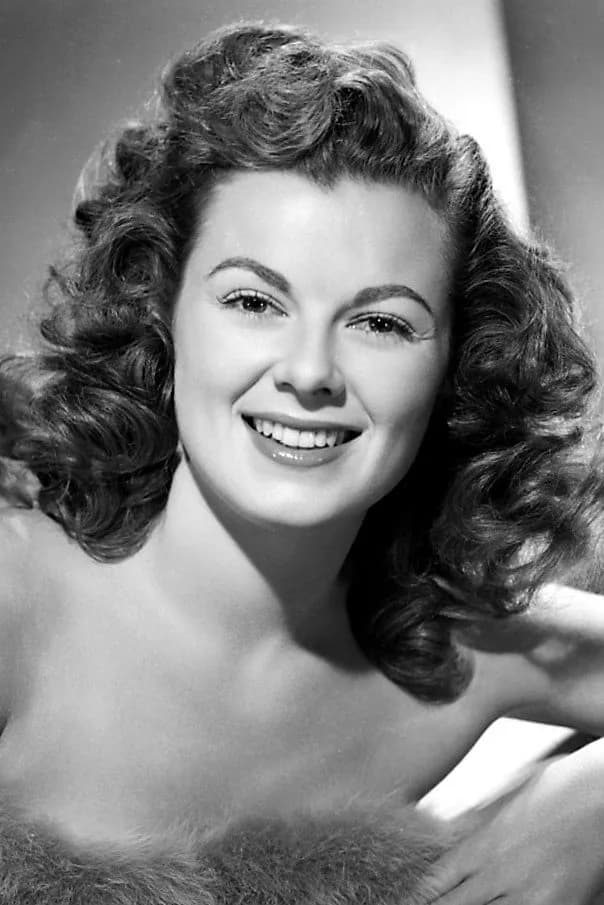
Barbara Hale
Cast · Known for Perry Mason
Barbara Hale (April 18, 1922 - January 26, 2017) was an American actress best known for her role as legal secretary Della Street on more than 250 episodes of the long-running Perry Mason television series and in 30 made-for-TV movies. Hale was born in DeKalb, Illinois, to Luther Ezra Hale, a landscape gardener, and his wife, Wilma Colvin. She is of Scots-Irish ancestry. Hale graduated from high school in Rockford, Illinois, then attended the Chicago Academy of Fine Arts, planning to become an artist. Her performing career began in Chicago when she started modeling to pay for her education. She moved to Hollywood in 1943, and made her first screen appearances playing small parts (often uncredited). Hale was under contract to RKO Radio Pictures through the late 1940s. She appeared in Higher and Higher (1943) with Frank Sinatra; played leading lady to Robert Mitchum in West of the Pecos (1945); enjoyed top billing in both Lady Luck (1946) opposite Robert Young and The Window (1949) with Arthur Kennedy; and co-starred in Jolson Sings Again (1949), with Larry Parks playing Al Jolson and Hale as Jolson's wife, Ellen Clark. She played the top-billed title role in Lorna Doone (1951) and portrayed Julia Hancock in The Far Horizons (1955) with Fred MacMurray and Charlton Heston. Her flourishing movie career more or less ended when Hale accepted her best known role, Della Street, secretary to attorney Perry Mason, in the TV series with Raymond Burr. The show ran from 1957 to 1966, and she reprised the role in several television movies. Her last performance to date was in 2000 at age 78. In 1967 she guest starred on the ABC series Custer. Hale also had a featured role in the 1970 ensemble film Airport, playing the wife of a jetliner pilot (Dean Martin).
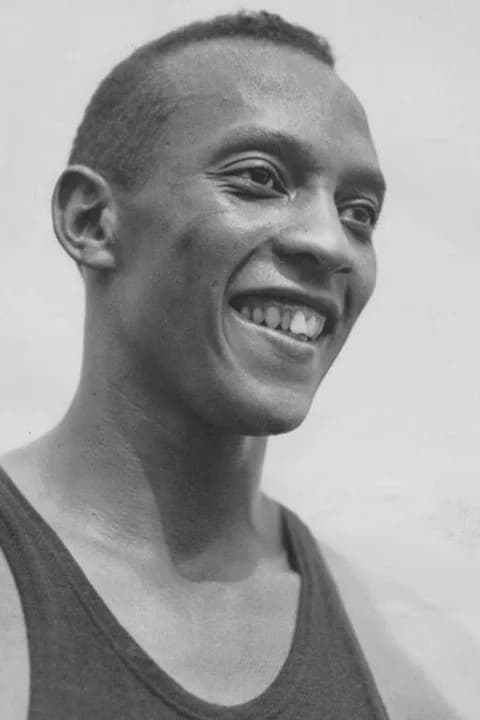
Jesse Owens
James Cleveland "Jesse" Owens (September 12, 1913 – March 31, 1980) was an American track and field athlete who won four gold medals at the 1936 Olympic Games. Owens specialized in the sprints and the long jump and was recognized in his lifetime as "perhaps the greatest and most famous athlete in track and field history". He set three world records and tied another, all in less than an hour, at the 1935 Big Ten track meet in Ann Arbor, Michigan—a feat that has never been equaled and has been called "the greatest 45 minutes ever in sport". He achieved international fame at the 1936 Summer Olympics in Berlin, Germany, by winning four gold medals: 100 meters, long jump, 200 meters, and 4 × 100-meter relay. He was the most successful athlete at the Games and, as a black American man, was credited with "single-handedly crushing Hitler's myth of Aryan supremacy". The Jesse Owens Award is USA Track and Field's highest accolade for the year's best track and field athlete. Owens was ranked by ESPN as the sixth greatest North American athlete of the 20th century and the highest-ranked in his sport. In 1999, he was on the six-man short-list for the BBC's Sports Personality of the Century. Jesse Owens, originally known as J.C., was the youngest of ten children (three girls and seven boys) born to Henry Cleveland Owens (a sharecropper) and Mary Emma Fitzgerald in Oakville, Alabama, on September 12, 1913. He was the grandson of a slave. At the age of nine, he and his family moved to Cleveland, Ohio for better opportunities as part of the Great Migration (1910–40) when 1.6 million African Americans left the segregated and rural South for the urban and industrial North. When his new teacher asked his name to enter in her roll book, he said "J.C.", but because of his strong Southern accent, she thought he said "Jesse". The name stuck, and he was known as Jesse Owens for the rest of his life. As a youth, Owens took different menial jobs in his spare time: he delivered groceries, loaded freight cars, and worked in a shoe repair shop while his father and older brother worked at a steel mill. During this period, Owens realized that he had a passion for running. Throughout his life, Owens attributed the success of his athletic career to the encouragement of Charles Riley, his junior high school track coach at Fairmount Junior High School. Since Owens worked after school, Riley allowed him to practice before school instead. Owens and Minnie Ruth Solomon (1915–2001) met at Fairmont Junior High School in Cleveland when he was 15 and she was 13. They dated steadily through high school. Ruth gave birth to their first daughter Gloria in 1932. They married on July 5, 1935, and had two more daughters together: Marlene, born in 1937, and Beverly, born in 1940. They remained married until his death in 1980. Owens first came to national attention when he was a student of East Technical High School in Cleveland; he equaled the world record of 9.4 seconds in the 100 yards (91 m) dash and long-jumped 24 feet 9+1⁄2 inches (7.56 m) at the 1933 National High School Championship in Chicago. ... Source: Article "Jesse Owens" from Wikipedia in English, licensed under CC-BY-SA 3.0.