
Search

Have Gun, Will Travel
1957
Have Gun – Will Travel is an American Western television series that aired on CBS from 1957 through 1963. It was rated number three or number four in the Nielsen ratings every year of its first four seasons. It was one of the few television shows to spawn a successful radio version. The radio series debuted November 23, 1958. The television show is presently shown on the Encore-Western channel. Have Gun – Will Travel was created by Sam Rolfe and Herb Meadow and produced by Frank Pierson, Don Ingalls, Robert Sparks, and Julian Claman. There were 225 episodes of the TV series, 24 written by Gene Roddenberry. Other contributors included Bruce Geller, Harry Julian Fink, Don Brinkley and Irving Wallace. Andrew McLaglen directed 101 episodes and 19 were directed by series star Richard Boone.
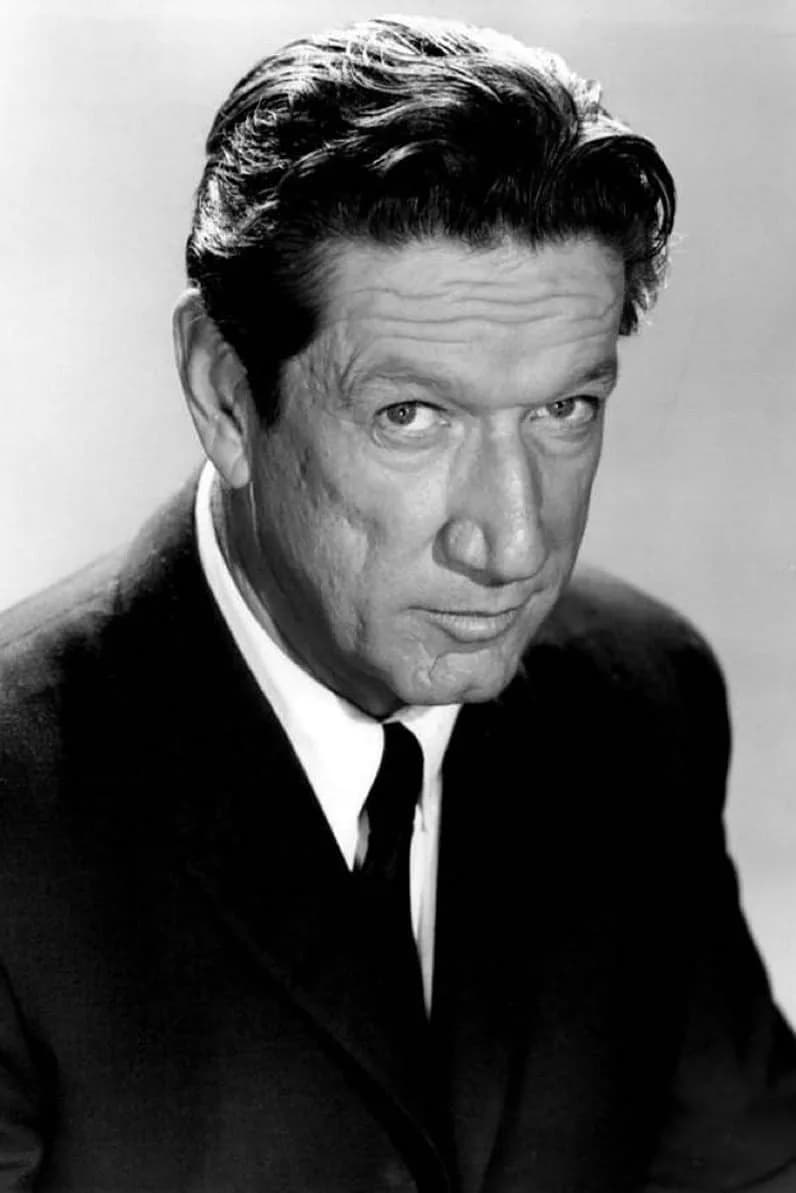
Richard Boone
Cast · Known for Have Gun, Will Travel
Richard Allen Boone (June 18, 1917 – January 10, 1981) was an American actor who starred in over 50 films and was notable for his roles in Westerns and for starring in the TV series Have Gun – Will Travel. Boone was born in Los Angeles, California, the middle child of Cecile (née Beckerman) and Kirk E. Boone, a corporate lawyer and 4th great-grandson of Squire Boone 1744–1815, a brother to frontiersman Daniel Boone. His mother was Jewish, the daughter of immigrants from Russia. Richard Boone graduated from Hoover High School in Glendale, California. He attended Stanford University in Palo Alto, California, where he was a member of Theta Xi fraternity. He dropped out of Stanford prior to graduation and then worked as an oil-rigger, bartender, painter, and writer. In 1941 Boone joined the United States Navy and served on three ships in the Pacific during World War II, seeing combat as an aviation ordnance, aircrewman and tail gunner on Grumman TBF Avenger torpedo bombers and ended his service with the rank of petty officer first class. In his youth, Boone had attended the San Diego Army and Navy Academy in Carlsbad, California, where he was introduced to theatre under the tutelage of Virginia Atkinson. After the war, Boone used the G.I. Bill to study acting at the Actors Studio in New York. In 1950, Boone made his screen debut as a Marine officer in Milestone's Halls of Montezuma (1951). Fox used him in military parts in Call Me Mister (1951) and The Desert Fox: The Story of Rommel (1951). He had bigger roles in Red Skies of Montana (1952), Return of the Texan (1952), Kangaroo (1952) (directed by Milestone), and Way of a Gaucho (1952). Boone was married three times: to Jane Hopper (1937–1940), Mimi Kelly (1949–1950), and Claire McAloon (from 1951 until his death). Richard Boone died at his home in St. Augustine, Florida, due to complications from throat cancer. His ashes were scattered in the Pacific Ocean off Hawaii.
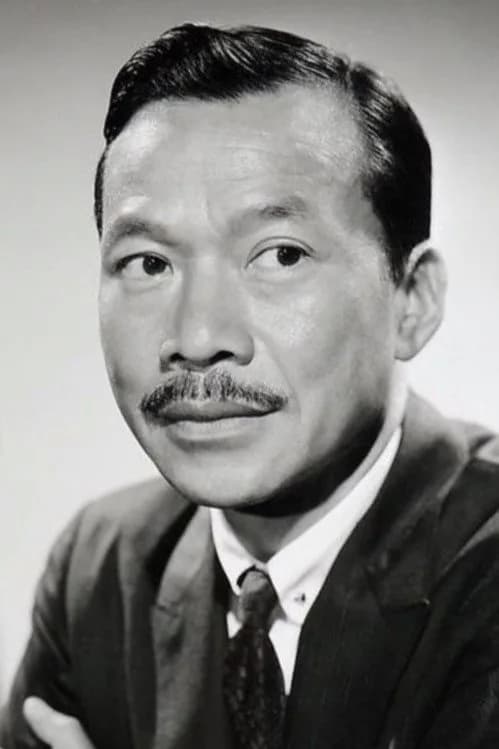
Kam Tong
Cast · Known for Have Gun, Will Travel
Kam Tong (December 18, 1906 – November 8, 1969) was a Chinese-American actor. He was best known for his role as Hey Boy on the CBS television series Have Gun, Will Travel and as Dr. Li in the film version of the Rodgers and Hammerstein musical Flower Drum Song. Curiously, though appearing as a series regular on Have Gun, Will Travel he was never afforded a regular featured credit, always instead listed undistinguished from the support guest cast, perhaps an indication of inherent discrimination in that regard. Kam was also a regular on the short run CBS-TV series Mr. Garlund in 1960. He appeared in many movies, often as an uncredited Chinese, Japanese, or Filipino character. He appeared in many television shows, including The Man from U.N.C.L.E., The Big Valley, The Time Tunnel, The Final War of Olly Winter, and I Spy. After serving in World War II in an OSS intelligence unit, he became involved in efforts to raise awareness over gun violence. He also owned and operated a restaurant called Shanghai Lil's in San Francisco. On November 8, 1969, Kam Tong died of non-communicable disease. At the time of his death, he was 63 years old. At the time of his death he survived by his large extended friends and family.
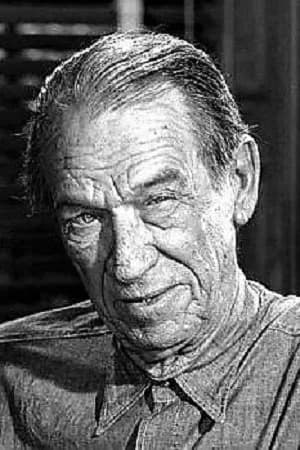
Hank Patterson
Cast · Known for Petticoat Junction
Hank Patterson (born Elmer Calvin Patterson; October 9, 1888 – August 23, 1975) was an American actor and musician. He is known foremost for playing two recurring characters on three television series: the stableman Hank Miller on Gunsmoke and farmer Fred Ziffel on both Petticoat Junction and Green Acres. Patterson found plenty of movie work, mainly playing cantankerous types as well as blacksmiths, hotel clerks, farmers, shopkeepers and other townsmen, usually bit roles and character parts in Republic Pictures westerns, and then in popular juvenile TV westerns such as The Cisco Kid, The Adventures of Kit Carson, The Lone Ranger, and Annie Oakley. Patterson played recurring or different roles in adult/family TV westerns, including the role of "Hank Miller" in 33 episodes of Gunsmoke from 1962 through 1972, on Have Gun-Will Travel (eleven episodes), Death Valley Days (nine episodes), Tales of Wells Fargo (seven episodes), Maverick (four episodes), Cheyenne (four episodes), Wagon Train (three episodes), Daniel Boone (three episodes), The Virginian (two episodes), The Rifleman, Bonanza, and in episodes of Lawman, Bat Masterson, The Restless Gun, and many others. He made additional TV appearances, including three episodes of The Twilight Zone as well as Perry Mason, Burke's Law, The Untouchables, Judd for the Defense, My Three Sons, and in later years The Mod Squad and Love, American Style.Highway Patrol. In 1963 Patterson first appeared in what would become a recurring role as farmer Fred Ziffel on the popular CBS rural comedy Petticoat Junction. In 1965 CBS debuted another rural comedy, Green Acres. Both series were set in the mythical farming community of Hooterville, with characters from Petticoat Junction often also appearing in Green Acres, including Patterson's Fred Ziffel character. It was on the popular, irreverent Green Acres that Patterson earned his greatest fame. In 1965 and 1966—two of the years in which the two series ran concurrently—Patterson frequently appeared in both shows in the same week on primetime. The association of Patterson's character with the popular character Arnold, the pet pig whom Fred and his wife Doris treated as a son, ensured Patterson a place in TV history. Arnold attended school, watched TV and was a talented artist, piano player, and actor. He even "talked" (snorted, grunted and squealed) in a language that everyone in Hooterville seemed to understand except Oliver Wendell Douglas (Green Acres co-star Eddie Albert). According to westernclippings.com "Characters and Heavies" by Boyd Magers, "Ironically, by the time Patterson was doing 'Green Acres' he was in his late 70s and almost completely deaf, but the producers loved his portrayal so much they worked around his hearing impairment by having the dialogue coach lying on the floor out-of-shot tapping Hank's leg with a yardstick as a cue to speak his line."
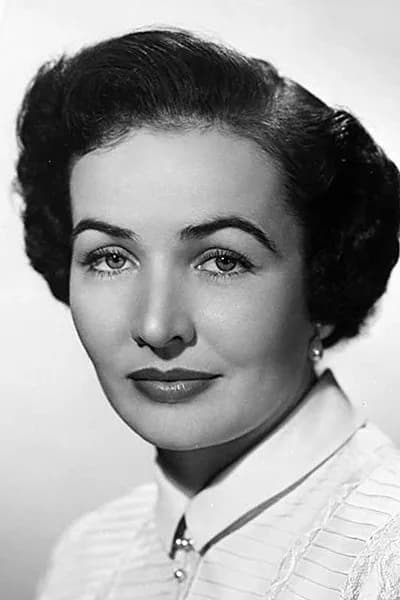
Catherine McLeod
Catherine McLeod (July 2, 1921 – May 11, 1997) was an American actress who made over sixty television and movie appearances between 1944 and 1976. She memorably portrayed the one woman whom James Garner's character Bret Maverick wanted to marry on the 1957 television series Maverick, in the episode "Rage for Vengeance," and appeared in literally dozens of other series including The Millionaire, Meet McGraw, Richard Diamond, Private Detective, 77 Sunset Strip, Mickey Spillane's Mike Hammer, Bronco, Perry Mason, Colt .45, Lawman, Bonanza, Hawaiian Eye, Have Gun - Will Travel, The Outer Limits, The Virginian, and the Ten Thousand Horses Singing episode of Studio One opposite James Dean and John Forsythe. Movies included Frank Borzage's I've Always Loved You (1946), Courage of Lassie (1946), The Fabulous Texan (1947), That's My Man (1947), Old Los Angeles (1948), My Wife's Best Friend (1952), A Blueprint for Murder (1953), William Witney's The Outcast (1954), Ride the Wild Surf (1964), and Lipstick (1976). McLeod's greatest impact upon American consciousness by far, however, was as purveyor of one of the most ubiquitous catchphrases of its era when she portrayed the woman in the 1963 headache remedy television commercial who plaintively but irritably said, "Mother, please! I'd rather do it myself!" The announcer's voiceover would then intone, "Sure you have a headache... tense, irritable.... but don't take it out on her." Description above from the Wikipedia article Catherine McLeod, licensed under CC-BY-SA, full list of contributors on Wikipedia.
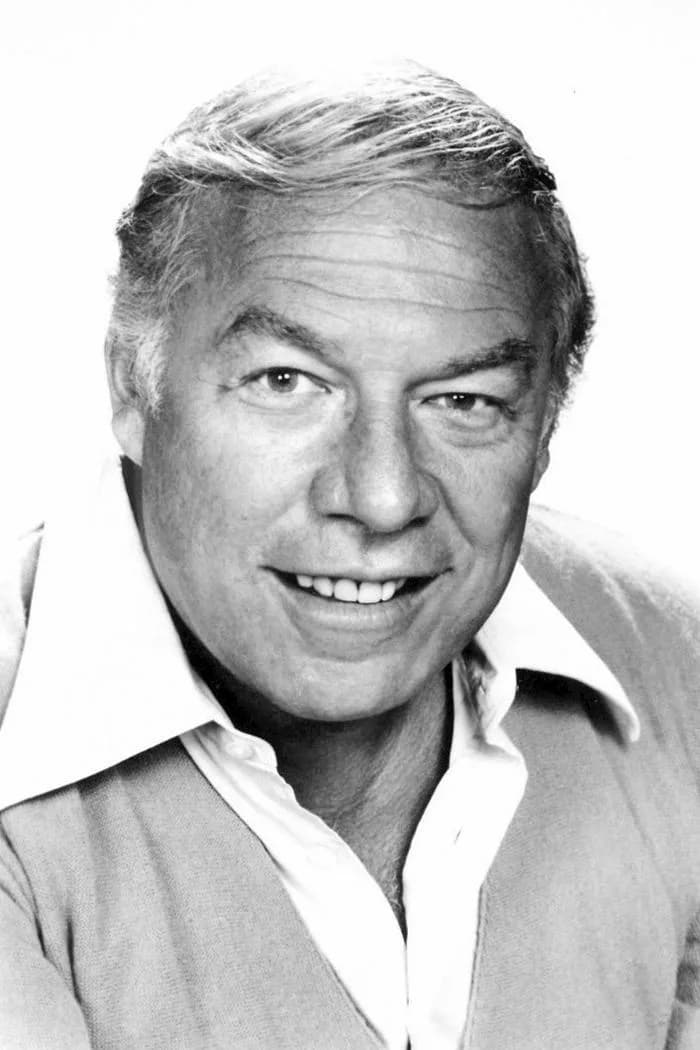
George Kennedy
Cast · Known for Have Gun, Will Travel, Dallas
George Kennedy (February 18, 1925 — February 28, 2016) was a European-American businessman, entrepreneur, A World War II veteran, actor, adviser, radio dj, and author. Kennedy at one stage in his career cornered the market at playing tough, no-nonsense characters who were either quite crooked or possessed hearts of gold. Kennedy notched up an impressive 200+ appearances in both TV and film, and was well respected within the Hollywood community. He started out in TV westerns in the late 1950s and early 1960s: Have Gun - Will Travel (1957), Rawhide (1959), Maverick (1957), Colt .45 (1957), among others; before scoring minor roles in films including Lonely Are the Brave (1962), The Sons of Katie Elder (1965) and The Flight of the Phoenix (1965). The late 1960s was a very busy period for Kennedy, and he was strongly in favor with casting agents, appearing in Hurry Sundown (1967), The Dirty Dozen (1967) and scoring an Oscar win as Best Supporting Actor for his performance in Cool Hand Luke (1967). The disaster film boom of the 1970s was kind to Kennedy, too, and his talents were in demand for Airport(1970) and the three subsequent sequels, as a grizzled cop in Earthquake (1974), plus the buddy/road film Thunderbolt and Lightfoot (1974) as vicious bank robber Red Leary. The 1980s saw Kennedy appear in a mishmash of roles, playing various characters; however, Kennedy and Leslie Nielsen surprised everyone with their comedic talents in the hugely successful The Naked Gun: From the Files of Police Squad! (1988), and the two screen veterans hammed it up again in, The Naked Gun 2½: The Smell of Fear (1991), plus Naked Gun 33 1/3: The Final Insult (1994). Kennedy remained busy in Hollywood and lent his distinctive voice to the animated Cats Don't Dance (1997) and the children's action film Small Soldiers (1998). A Hollywood stalwart for nearly 50 years, he is one of the most enjoyable actors to watch on screen. His last role was in the film The Gambler (2014), as Mark Wahlberg's character's grandfather. George Kennedy died on February 28, 2016 in Middleton, Idaho.
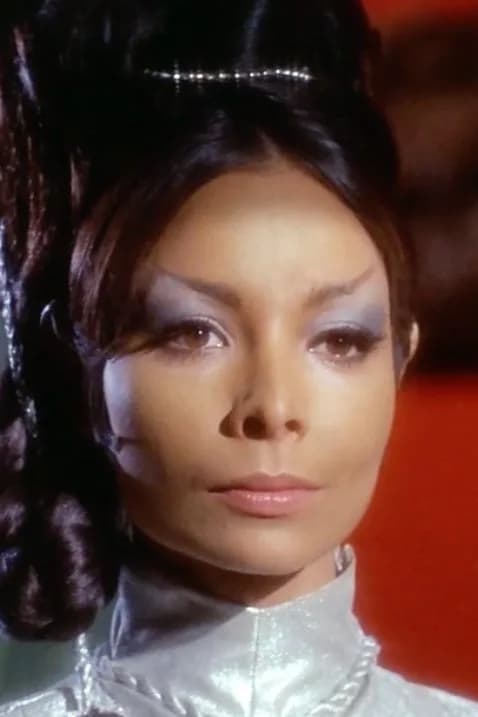
Arlene Martel
Cast · Known for Columbo
Arlene Martel (April 14, 1936 – August 12, 2014) was an American actress and acting coach. Prior to 1964, she was frequently billed as Arline Sax, Arlene Sax or as Tasha Martel. In 1962 Martel made her first of two appearances on Perry Mason as Fiona Cregan in "The Case of the Absent Artist". Later, she guest starred as Sandra Dunkel in "The Case of the Dead Ringer" (1966) when Raymond Burr doubled as Mason and the actual murderer Grimes, an old sea salt. Martel appeared in the Star Trek episode "Amok Time" (1967) as T'Pring and the original The Outer Limits episode "Demon with a Glass Hand" (1964) written by Harlan Ellison. Martel played the princess Sarafina on Have Gun – Will Travel, the evil witch Malvina on Bewitched, the French Underground contact Tiger in five episodes of Hogan's Heroes, a female cosmonaut on I Dream of Jeannie, a Hungarian immigrant Magda on The Fugitive episode "The Blessings of Liberty" (1966), and, memorably, as the nurse who repeatedly utters the sinister phrase "Room for one more, Honey!" at the entrance to a hospital morgue and as the stewardess at an airplane door in the Twilight Zone episode "Twenty-Two". She also appeared in the season-one episode of The Twilight Zone "What You Need". She was billed (as Arline Sax) as a featured actress in the episode of Route 66 called "The Newborn," in which she gives birth. She also made guest appearances on The Man from U.N.C.L.E., The Untouchables, Mission: Impossible (season 4, episode 20, 1970), appeared as Asastia in Here Come the Brides (1970, episode "To The Victor"), The Wild Wild West, Battlestar Galactica, the 1968 movie Angels from Hell, and two appearances on The Monkees. She played Interpol agent Violette in The Six Million Dollar Man episode "The Last of the Fourth of Julys" (season 1, episode 10, 1974). She appeared as a featured actress in the Gunsmoke episode titled "The Squaw" (1975). She received top billing when she starred as the lady commandant in charge of the Russian road crew in Zoltan, Hound of Dracula (1978), although it was only a bit part lasting less than five minutes of the 97 minute movie. She also received credit in a font so large that it was almost twice as large as that used for Reggie Nalder or Michael Pataki, the leads who occupied most of the screen throughout the movie. She appeared in the Star Trek webisode "Of Gods and Men" in the final scene as a Vulcan priestess initiating a marriage ceremony between Uhura and Vulcan native Stonn (a character from the episode "Amok Time", played by original actor Lawrence Montaigne). She played Gloria, mistress of Tony Goodland (Bradford Dillman) in the Columbo episode "The Greenhouse Jungle" (1972).
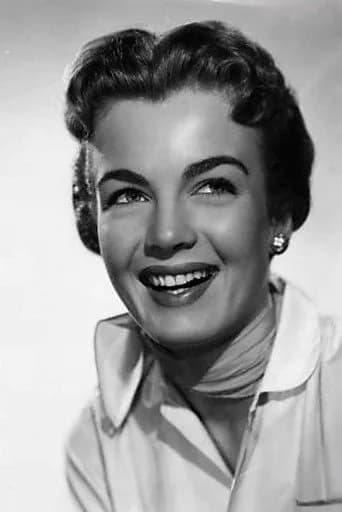
Joanna Barnes
Cast · Known for The Parent Trap
Barnes' initial appearance on television was in the episode "The Man Who Beat Lupo" on Ford Theatre. She made guest appearances on many television series, including the ABC/Warner Bros. programs 77 Sunset Strip and Maverick, CBS's Have Gun - Will Travel, What's My Line, and the crime drama Richard Diamond, Private Detective. In 1960-61, she guest-starred on The Untouchables episode "90 Proof Dame" as the wife of a French exporter of brandy. Barnes appeared as Kate Henniger, with Bing Russell and Arthur Space in the 1958 episode "Ghost Town" of the ABC/WB Western series Colt .45, starring Wayde Preston. In 1959, she portrayed Lola in the NBC detective series 21 Beacon Street. In the 1960s, Barnes worked for producer Martin Ransohoff and appeared in episodes of his The Beverly Hillbillies ("Elly Goes to School" and "The Clampett Look") and was billed as special guest-star. Barnes played Peter Falk's former wife on the 1965–1966 CBS series The Trials of O'Brien and was host of the ABC daytime talk show Dateline: Hollywood in 1967. She was also a frequent panelist in the early years of the syndicated version of What's My Line?. On December 19, 1972, Barnes appeared on The Merv Griffin Show with Joan Fontaine, Zsa Zsa Gabor and Dan Martino (founder of the Dan Martino School for Men). Barnes moved to Los Angeles soon after finishing her education, and took up a contract with Columbia Pictures. She went on to have roles in more than 20 films. Among her most remembered roles is the snooty Gloria Upson in the film Auntie Mame, which earned her a Golden Globe Award nomination for New Star of the Year. Barnes became the 13th actress to play Jane when she appeared in Tarzan, the Ape Man, with Denny Miller as Tarzan. In Disney's original 1961 version of The Parent Trap starring Hayley Mills, Barnes played gold-digger Vicki Robinson, who temporarily comes between Maureen O'Hara and Brian Keith. In the 1998 remake starring Lindsay Lohan, she played Vicki Blake, the mother of the child-hating gold-digger and fiancee Meredith Blake (Elaine Hendrix). As well, she appeared in The War Wagon, a western movie starring John Wayne and Kirk Douglas. Barnes was also a writer and columnist. In 1973, she told newspaper columnist Dick Kleiner that she liked writing because "it is something you do yourself. With acting, if you win an Oscar or an Emmy, you have to thank everybody. If you write a book, it is completely your own." She wrote a book, titled Starting from Scratch, about home decorating and several novels, including The Deceivers, Who Is Carla Hart?, Pastora, and Silverwood. She wrote a weekly book review for the Los Angeles Times, and her column "Touching Home" was carried by The Chicago Tribune and the New York News Syndicate.
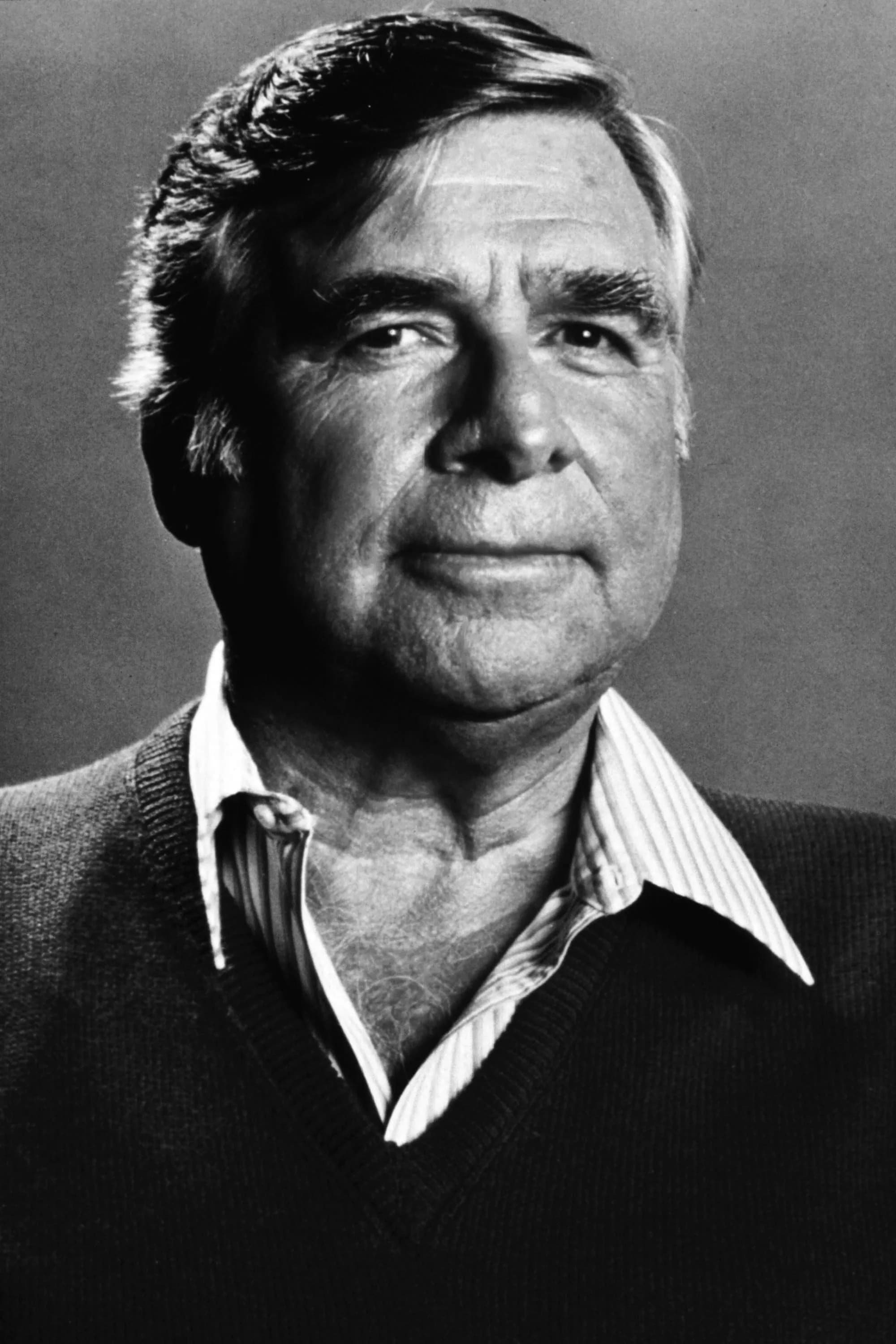
Gene Roddenberry
Creator · Writer · Known for Andromeda, Have Gun, Will Travel, Star Trek
Eugene Wesley "Gene" Roddenberry, Sr. (August 19, 1921- October 24, 1991) was an American television screenwriter, producer and futurist, best known for creating the American science fiction series Star Trek. Born in El Paso, Texas, Roddenberry grew up in Los Angeles, California where his father worked as a police officer. Roddenberry flew 89 combat missions in the United States Army Air Forces during World War II, and worked as a commercial pilot after the war. He later followed in his father's footsteps, joining the Los Angeles Police Department to provide for his family, but began focusing on writing scripts for television. As a freelance writer, Roddenberry wrote scripts for Highway Patrol, Have Gun, Will Travel and other series, before creating and producing his own television program, The Lieutenant. In 1964, Roddenberry created Star Trek, and it premiered in 1966, running for three seasons before cancellation. Syndication of Star Trek led to increasing popularity, and Roddenberry continued to create, produce, and consult on Star Trek films and the television series, Star Trek: The Next Generation until his death. Roddenberry received a star on the Hollywood Walk of Fame and he was inducted into the Science Fiction Hall of Fame and the Academy of Television Arts & Sciences' Hall of Fame. Years after his death, Roddenberry was one of the first humans to have his ashes "buried" in outer space. The fictional Star Trek universe Roddenberry created has spanned over four decades, producing six television series, 715 episodes and eleven films, with a twelfth film currently in development and scheduled for a 2012 release.
Paul Stanley
Director · Known for Hawaii Five-O
From Wikipedia, the free encyclopedia. Paul Stanley (1922, Hartford, Connecticut – 2002) was an American television director. Stanley worked in television from the early 1950s until the mid-1980s. His credits encompass all genres, extending to more than fifty prime time television series of the period, from Have Gun – Will Travel in 1957 to MacGyver in 1985. Description above from the Wikipedia article Paul Stanley(director), licensed under CC-BY-SA, full list of contributors on Wikipedia.
Susan Silo
Cast · Known for Blaze and the Monster Machines
Susan Silo (born July 27, 1942) is an American actress who is best known for her work in voice-over roles, such as Wuya in Xiaolin Showdown (2003 -2006), Netti Pisghetti in Curious George (2006 - 2022), Sartana in El Tigre: The Adventures of Manny Rivera (2007 - 2008), and Yin in The Legend of Korra (2014). Silo also made live-action guest appearances in episodes of numerous TV series from the 1960s to the 1990s, including Alfred Hitchcock Presents, Hawaiian Eye, McHale's Navy, Route 66, Gunsmoke, Bonanza, Wagon Train, Have Gun Will Travel, The Many Loves of Dobie Gillis, Sea Hunt, Ripcord, Hazel, Combat!, Batman, The Man from U.N.C.L.E., The Love Boat, L.A. Law and The Wild Wild West.
Walter Barnes
Walter Lee Barnes was an American football guard and actor who played in National Football League (NFL) for four seasons. He played in the (NFL) for the Philadelphia Eagles and in college at Louisiana State University. Barnes was an actor in both American and European films. He appeared in several films with John Wayne, Lex Barker, and Clint Eastwood. Barnes entered acting after appearing several times on The Eagles Nest, a local Philadelphia television show. WCAU television placed him on several local shows. His contacts with Walt Silver, a producer for Warner Bros. Television, led him into several appearances on television and films. Some of his more notable appearances included Bronco, Gunsmoke, Cheyenne, Bonanza, Have Gun – Will Travel and Death Valley Days. John Wayne got him a small role as Charlie the Bartender in Rio Bravo. Tiring of small roles and seeing opportunities overseas, Barnes was one of the many American actors who moved to Italy in the early 1960s. Kirk Douglas recommended him for a role in his The Vikings television spinoff Tales of the Vikings that was filmed for Douglas's production company in Germany. From 1960 to 1969, he was first active in pirate movies, then Karl May film adaptations and Spaghetti Westerns. Barnes returned to the United States in 1969 and appeared in more films and television series, which included The High Chaparral. His friendship with Clint Eastwood on Rawhide later led him to several roles in Eastwood's films. He retired from acting in 1987 and became increasingly ill due to his diabetes. He was the father of German former actress Lara Wendel, who was born Daniela Barnes.
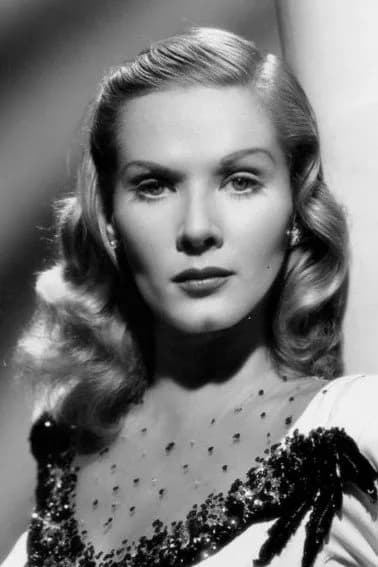
June Vincent
June Vincent (born Dorothy June Smith, July 17, 1920 – November 20, 2008) was an American actress. Vincent began her career in film in the early 1940s. After having made 50 films, she retired from that field when her second child was born. She later became a successful television actress appearing in many programs throughout the 1950s, 1960s, and 1970s. She appeared in three episodes of Have Gun - Will Travel and she made five guest appearances on Perry Mason including the roles of Madge Wainwright in the 1959 episode, "The Case of the Bartered Bikini," and title character and murder victim/villainess Laura Randall in the 1961 episode, "The Case of the Wintry Wife." From Wikipedia.
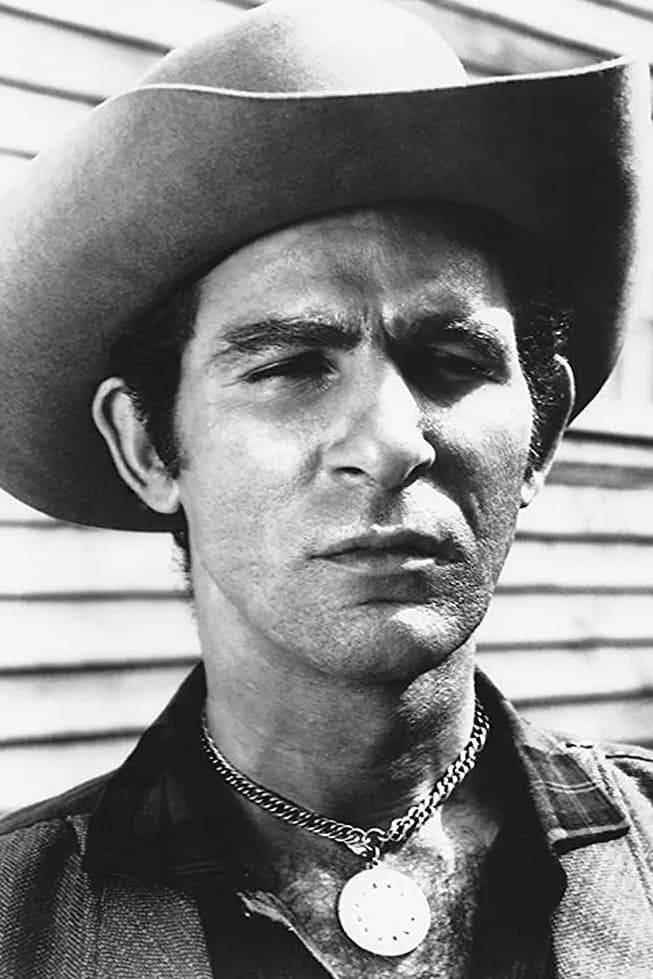
George Keymas
George Keymas (November 18, 1925 – January 17, 2008) was an American film and television actor. Keymas graduated from Springfield (Ohio) High School. Keymas began his Hollywood career in 1950, mainly in Westerns. His first screen appearance was in an uncredited role in the 1950 B-feature film, I Shot Billy the Kid, with lead Don "Red" Barry. Keymas was cast in ethnic, often Native American characters, or cow-punching, at times ruthless, cowboys, in countless film and TV Westerns. He appeared on "Have Gun Will Travel" S2 E19 "The Monster" as Regaldo, which first aired on 1/14/1960. He portrayed "the Leader" in The Twilight Zone episode "Eye of the Beholder", which originally aired November 11, 1960. His freakish, ambiguous character was seen throughout the episode on a futuristic big-screen monitor as background subplot to the story. In 1962, he played a murderer in "The Nancy Davis Story" on the TV Western Wagon Train. Keymas's "Indian" roles came in many other popular TV Westerns series of the day, such as Daniel Boone, Death Valley Days, The High Chaparral, Gunsmoke, and Bonanza, among many others. Keymas retired in 1977. Selected filmography I Shot Billy the Kid (1950) - Murphy's Man (uncredited) Border Rangers (1950) - Raker, Henchman Mask of the Avenger (1951) - Austrian Soldier (uncredited) Actors and Sin (1952) (segment "Woman of Sin") - Producer The Miracle of Our Lady of Fatima (1952) - Prisoner (uncredited) Salome (1953) - Sailor (uncredited) Siren of Bagdad (1953) - Soradin Flame of Calcutta (1953) - Prince Jehan The Robe (1953) - Slave (uncredited) The Great Adventures of Captain Kidd (1953, Serial) - Sailor in the Argus brig (uncredited) King of the Khyber Rifles (1953) - Afridi Horseman (uncredited) Bait (1954) - Chuck Drums of Tahiti (1954) - Angelo The Raid (1954) - Captain Dupree (uncredited) The Black Dakotas (1954) - Spotted Deer (uncredited) They Rode West (1954) - Torquay (uncredited) The Bamboo Prison (1954) - Spiros Metaxas (uncredited) The Prodigal (1955) - Scribe (uncredited) Stranger on Horseback (1955) - Bannerman's Henchman Wyoming Renegades (1955) - George Curry Kentucky Rifle (1955) - Interpreter Santa Fe Passage (1955) - Chief Satank Apache Ambush (1955) - Tweedy The Vanishing American (1955) - Coshanta Kismet (1955) - Young Policeman (uncredited) Fury at Gunsight Pass (1956) - Daley The Maverick Queen (1956) - Muncie Walk the Proud Land (1956) - Ponce (uncredited) Thunder Over Arizona (1956) - Harvard 'Shotgun' Kelly The White Squaw (1956) - Yotah Utah Blaine (1957) - Rink Witter The Storm Rider (1957) - Apache Kid Apache Warrior (1957) - Chato Plunder Road (1957) - Officer No. 1 (uncredited) Gunfire at Indian Gap (1957) - Scully Cole Younger, Gunfighter (1958) - Sergeant Price, State Police Gunsmoke in Tucson (1958) - Hondo Death Valley Days (1960) - Toguima, Episode: Mission to the Mountains Studs Lonigan (1960) - Gangster (uncredited) Lonely Are the Brave (1962) - Deputy (uncredited) He Rides Tall (1964) - Ed Harney (uncredited) Arizona Raiders (1965) - Montana Beau Geste (1966) - Platoon Sergeant Journey to Shiloh (1968) - Crooked Gambler (uncredited) The Other Side of Midnight (1977) - Dr. K CLR
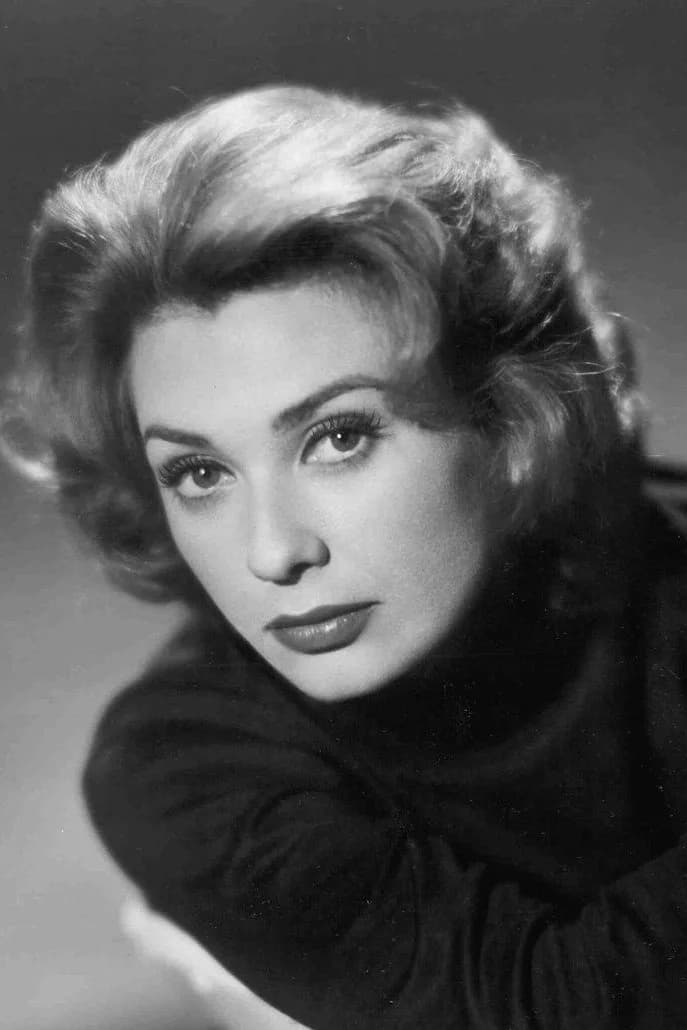
Norma Crane
From Wikipedia, the free encyclopedia. Norma Crane (November 10, 1928 — September 28, 1973) was an actress of stage, film and television. Among her best known roles was that of Golde in the 1971 film adaptation of Fiddler on the Roof. She also starred in They Call Me MISTER Tibbs! and Penelope. Crane was born in New York City but raised in El Paso, Texas. Born as Norma Anna Bella Zuckerman, she was a member of Elia Kazan's Actors Studio and debuted on Broadway in Arthur Miller's play The Crucible. Throughout the 1950s, she appeared on a variety of live television dramas, first gaining recognition in a televised adaptation of George Orwell's 1984. Crane guest-starred in a 1959 episode of the TV series Have Gun – Will Travel as Eileen Tuttle ("Episode in Laredo"). Description above from the Wikipedia article Norma Crane, licensed under CC-BY-SA, full list of contributors on Wikipedia.
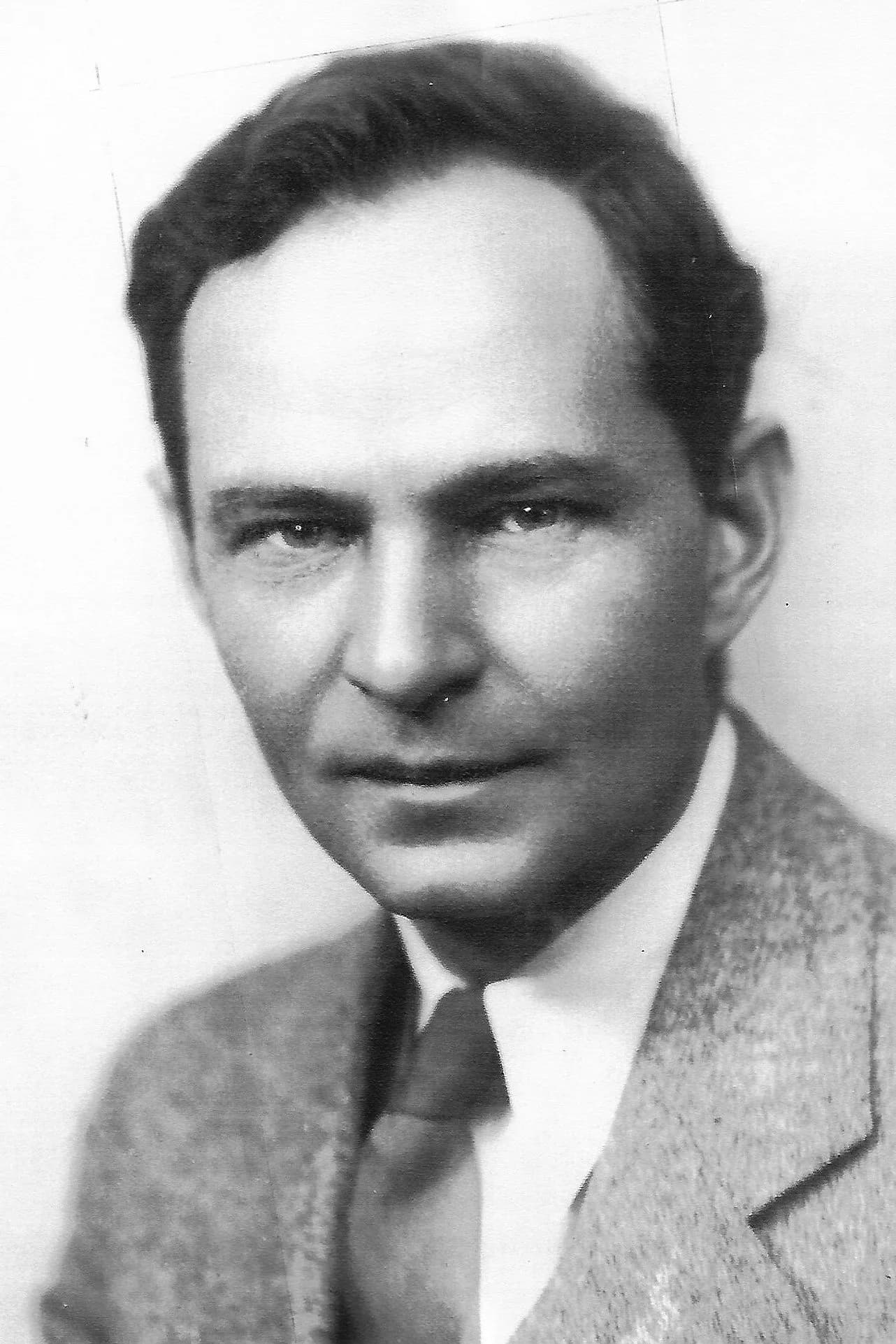
Earle Hodgins
Cast · Known for Have Gun, Will Travel
From Wikipedia, the free encyclopedia Earle Hodgins (October 6, 1893 – April 14, 1964) was an American actor. Early in his career, Hodgins was active in stock theater, including working in the Ralph Cloninger troupe of Salt Lake City, Utah, and the Siegel Stock company of Seattle, Washington. He appeared in over 330 films and television shows between 1932 and 1963. He specialized in playing fast-talking con men—often in westerns, such as The Lone Ranger, Judge Roy Bean, The Cisco Kid, The Adventures of Wild Bill Hickok, Rawhide, Maverick, Lawman, The Rifleman, Cheyenne, Have Gun – Will Travel, Gunsmoke and Hopalong Cassidy. In the 1960-1961 season, he appeared in three episodes of Joanne Dru's ABC sitcom, Guestward, Ho! as the aging ranch wrangler known as "Lonesome." In one of those episodes, "Lonesome's Gal", he was cast opposite ZaSu Pitts. Thereafter, the two died within a year of each other. Hodgins' other television roles were as carnival barkers, medicine-show salesmen, and the like. He was known for shooing away obstreporous children from his stage, snapping at them, "Get away, son, ya bother me". Hodgins married Sue Hanley, who was described in a newspaper item as "a Seattle society girl."
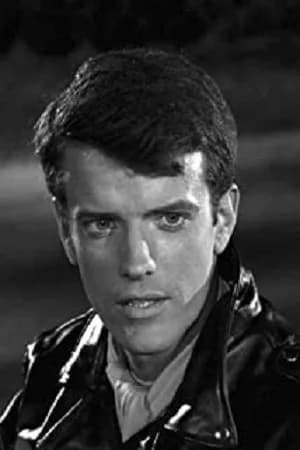
Lee Kinsolving
Gifted, poetic actor who never fulfilled his potential. The son of an Episcopal minister and the eldest of four, Kinsolving began acting after his first year of college. A Method actor, Kinsolving studied under Mary Welch of the famed Actors Studio in New York. After a short turn on Broadway, he was signed by agent Richard Clayton, who had brought both James Dean and Tab Hunter to stardom. Soon, Kinsolving was appearing in various East Coast television shows, including the live presentation of Eugene O'Neill's "Ah, Wilderness!" with Helen Hayes. In 1959, Kinsolving headed for Hollywood, rooming with actor James Franciscus. After several more TV appearances in such shows as Have Gun - Will Travel (1957), Kinsolving landed his first movie role, with Alan Ladd, in 1960's All the Young Men (1960). That same year, he gave a moving performance as "Sammy Golden" in the film adaptation of William Inge's The Dark at the Top of the Stairs (1960). Kinsolving won raves and a Golden Globe nomination for Best Supporting Actor. Regrettably, Kinsolving made only one more film, The Explosive Generation (1961), before completing his brief career in TV guest roles. Nonetheless, Kinsolving brought a striking combination of sexuality, pathos and vulnerability to his work (including an outstanding performance in Route 66 (1960)). Kinsolving retired from acting in 1966, due to his personal frustrations with the business. For two years, he owned a hip restaurant-bar, "Toad Hall", in Manhattan. After brief romances with Tuesday Weld and Candice Bergen, Kinsolving sold his bar and married in late 1969. Moving to Florida, he managed two art galleries. After divorcing his wife in 1972, Kinsolving, an avid seaman, spent the remainder of his life sailing exotic locales in his private schooner. Sadly, Kinsolving developed a strange respiratory illness which, without warning, rendered him unconscious. On the afternoon of December 4, 1974, Kinsolving collapsed and died in his Palm Beach apartment. He was 36.
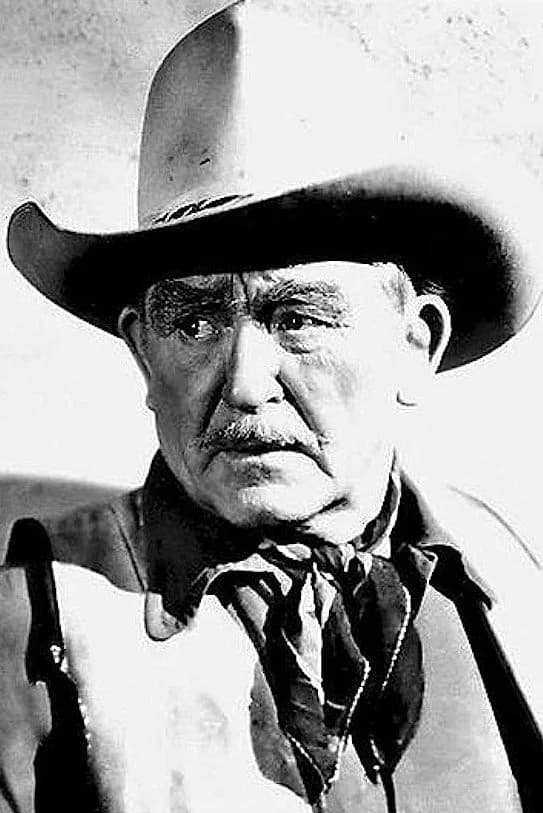
Bud Osborne
From Wikipedia Bud Osborne (July 20, 1884 – February 2, 1964) was an American film actor. He appeared in more than 600 films and television programs between 1912 and 1963. Osborne was born in Knox County, Texas, and died in Hollywood, California from a heart attack. Osborne specialized in westerns, and was also noted for his skill as a stage driver, and was thus much in demand from his first film in 1912, right through the early 1950s. He was working as a stunt man as late as 1948, in Ray Enright's Return of the Bad Men. As he grew older, Osborne played small character parts in television westerns such series as Have Gun – Will Travel, Bonanza, Bat Masterson, Rawhide and The Lone Ranger. His last role, was in an episode of Gunsmoke in 1963. His career spanned 51 years, with a total of 607 films and television episodes to his credit.
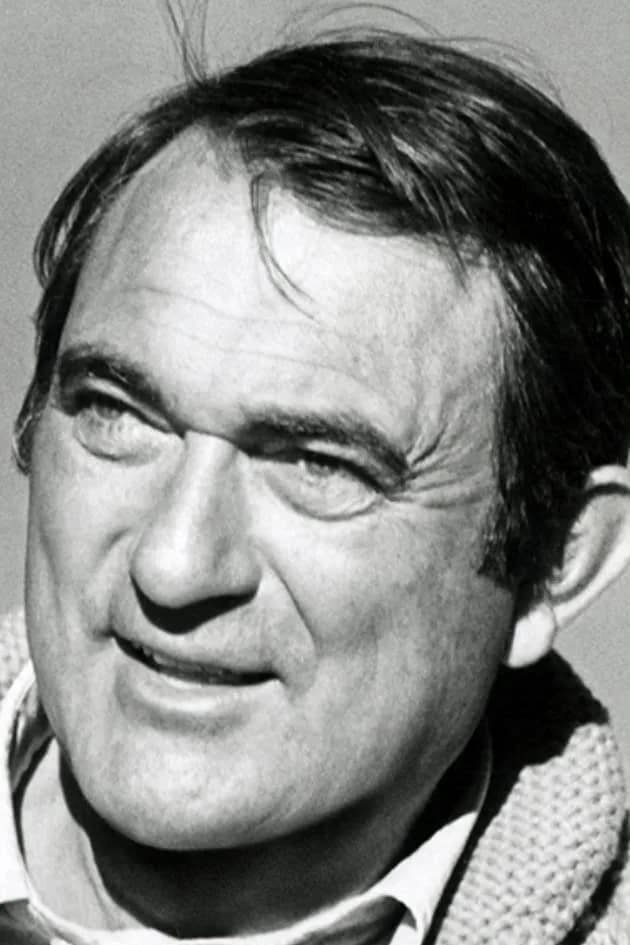
Andrew V. McLaglen
Director · Known for Have Gun, Will Travel
Andrew Victor McLaglen ((July 28, 1920 – August 30, 2014) was a British-American film and television director and former actor. Andrew McLaglen was born in London, the son of British actor Victor McLaglen and Enid Lamont. He was from a film family that included eight uncles and an aunt, and he grew up on movie sets with his parents as well as John Wayne and John Ford. After working as an assistant director on a few smaller films, Ford gave him the assistant director job on the film The Quiet Man (1952). After a few more assistant or second director jobs, McLaglen directed his first film Gun The Man Down in 1956 - a western B-movie with James Arness, Angie Dickinson and Harry Carey, Jr.. He went on to work extensively in television directing, directing episodes of Perry Mason (7), Gunslinger (5), Rawhide (6), and then 99 episodes of Have Gun – Will Travel, The Lieutenant (4), The Virginian (2), and 96 episodes of Gunsmoke. Returning to films - directing Shenandoah (1965) and The Rare Breed (1966), both with James Stewart; The Devil's Brigade (1968), Mitchell (1975), The Wild Geese (1978), North Sea Hijack (1979), and The Sea Wolves (1980), mostly westerns, but later specializing in war or action films, his last being Return from the River Kwai (1989). He also worked many times with John Wayne in such films as McLintock! (1963), Hellfighters (1968), The Undefeated (1969), Chisum (1970), and Cahill U.S. Marshal (1973). He also directed The Last Hard Men (1976) which starred Charlton Heston and James Coburn. McLaglen directed films in an assortment of categories, including crime, war, historical and comedy, but he was most frequently a director of Westerns, and would be among the last of the American film directors to specialize in the Western genre.
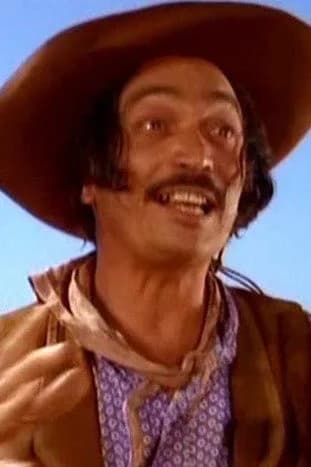
Roberto Contreras
Tall, and slim, 6-foot-5, versatile, Euro-Indigenous Latino American character actor. He will be best remembered for playing the role of 'Armendariz' in the classic western adventure film, "Gold of the Seven Saints" (1961), which also starred Clint Walker, Roger Moore, and Letícia Román. He is also best remembered for playing the role of 'Angelo' in the episode entitled, "The Vaqueros," of the classic western television series, "The Rifleman," which originally aired on October 2, 1961, and which also starred Chuck Connors, Johnny Crawford, and Paul Fix. He was born to Jaime Contreras (1900-1975), and his wife Catalina Coin Contreras in St. Louis, Missouri, on December 12, 1928. Was of Euro-Indigenous Mexican descent. He made his actual film debut playing an undetermined role in the Spanish jungle adventure film, "The Rebellion of the Hanged" (1954), which also starred Pedro Armendáriz, Ariadne Walker, Victor Junco, and Amanda del Lindo. Besides, "The Rebellion of the Hanged" (1954), and "Gold of the Seven Saints" (1961), his many other film credits include, "En carne viva" (1954), "The Beast of Hollow Mountain" (1956), "The Black Scorpion" (1957), "Ride a Violent Mile" (1957), "The Flame Barrier" (1958), "The Badlanders" (1958), "Holiday for Lovers" (1959), "The Miracle" (1959), "The Magnificent Seven" (1960), "California" (1963), "Rio Conchos" (1964), "Mara of the Wilderness" (1965), "Brainstorm" (1965), "Marriage on the Rocks" (1965), "Alvarez Kelly" (1966), "The Last Challenge" (1967), "Chubasco" (1968), "Topaz" (1969), "Pets" (1973), "El extraño caso de Rachel K" (1973), "Cantata de Chile" (1976), "Miguel's Navidad" (1976), "Black Samurai" (1976), "The Dark" (1979), "The Day Time Ended" (1979), "Barbarosa" (1982), "Scarface" (1983), "Streets of Justice" (1985), "Blue City" (1986), and "The Under Achievers" (1987). Besides, the episode entitled, "The Vaqueros," of the classic western television series, "The Rifleman," his many other television credits include, "Telephone Time," "Broken Arrow," "Maverick," "The Walter Winchell File," "The Adventures of Jim Bowie," "The Magical World of Disney," "Zorro," "Border Patrol," "Cimarron City," "Sugarfoot," "26 Men," "The Rough Riders," "The Life and Legend of Wyatt Earp," "Riverboat," "Colt .45," "Law of the Plainsman," "The Texan," "Tombstone Territory," "The Westerner," "Gunslinger," "Wanted: Dead of Alive," "Mister Ed," "Have Gun-Will Travel," "Zane Grey Theatre," "The Barbara Stanwyck Show," "Ripcord," "The Dick Powell Theatre," "Outlaws," "Tales of Wells Fargo," "Thriller," "Frontier Circus," Cheyenne," "77 Sunset Strip," "Temple Houston," "Kraft Suspense Theatre," "Dr. Kildare," "Wendy and Me," "Rawhide," "Run for Your Life," "Get Smart," "Burke's Law," "Laredo," "The Invaders," Bob Hope Presents the Chrysler Theatre," "The Big Valley," "The Fugitive," "Rango," "The F.B.I.," "Death Valley Days," "Men at Law," "Ironside," "The High Chaparral," "Mission: Impossible," "Insight," "The Cowboys," "Cannon," "Police Story," "Kung Fu," "Switch," "Chico and the Man," "The Next Step Beyond," "Simon & Simon," and "Amazing Stories." His last role was playing 'Cruz's Grandfather' in the biographical crime film, "Blood In, Blood Out" (1993), which also starred Damian Chapa, Jesse Borrego, and Benjamin Bratt.
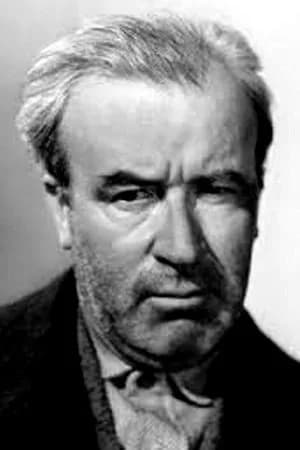
Harry Shannon
Born and raised on a farm in Michigan in 1890, Irish-American character actor Harry Shannon had the credentials for becoming a staple player in westerns. He started off his career traveling around with repertory and stock companies and developed his musical abilities in tent shows, burlesque houses and such tuneful Broadway shows as "Oh, Kay!" (1926), "Hold Everything" (1928), "Simple Simon" (1931), and "Pardon My English" (1933). A company member of Joseph Schildkraut's Hollywood Theater Guild, Shannon broke into films at the advent of sound and started things off in comedy film shorts opposite such celebrated players as Bert Lahr, Shemp Howard, and Leon Errol. In the 1940s Shannon established himself in feature-length movies and although he remained a minor, second-string player, he proved himself a durable presence in westerns usually remaining on the good side of the law as sheriffs and bucolic dads. In lighthearted entertainment he could be found as a friendly Irish cop or bartender. He made a slight but memorable impression as Kane's alcoholic father in the classic Citizen Kane (1941), while his last role would be as the grandfather in the musical Gypsy (1962). In between were small parts in such notable films as The Fighting Sullivans (1944), The Jolson Story (1946), High Noon (1952), Touch of Evil (1958), and The Buccaneer (1958). 1950s TV westerns such as Cheyenne (1955), Have Gun - Will Travel (1957), Rawhide (1959), and Gunsmoke (1955) made consistent use of his rustic demeanor. Shannon died in 1964 at age 74.
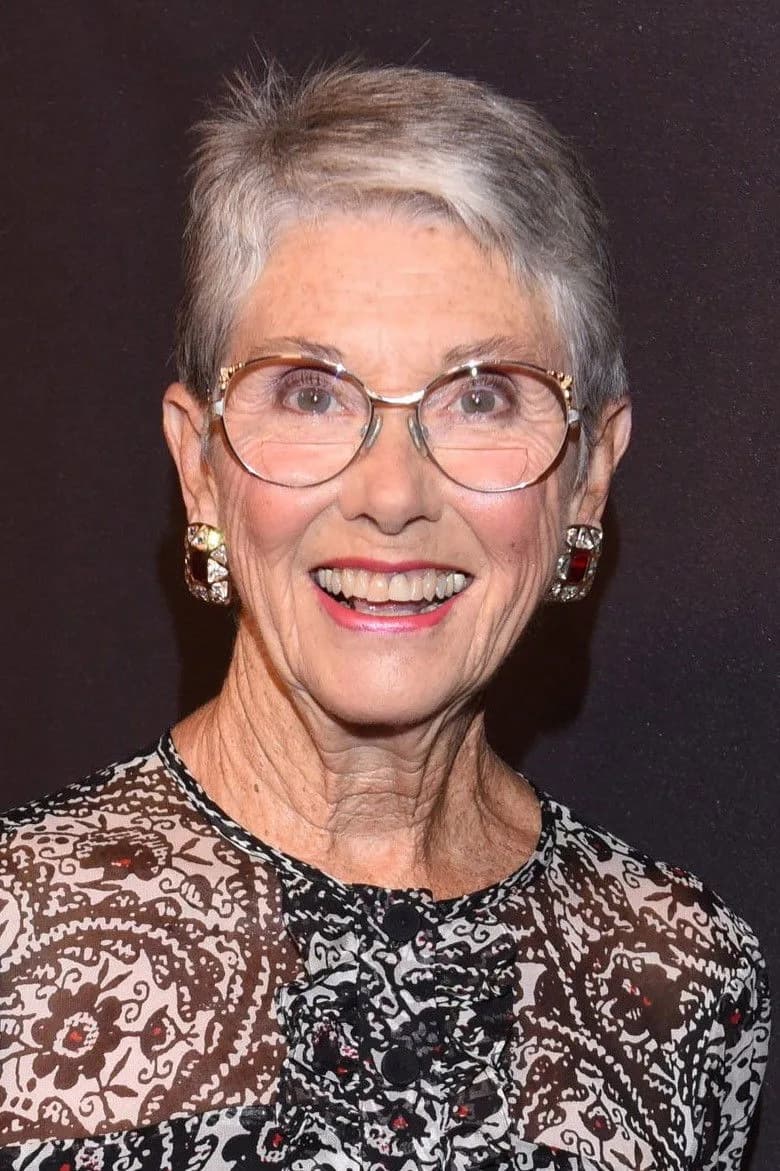
Elinor Donahue
Cast · Known for Pretty Woman, The Andy Griffith Show
Mary Eleanor Donahue (born April 19, 1937), credited as Elinor Donahue, is an American actress, best remembered today for playing the role of Betty Anderson, the eldest child of Robert Young and Jane Wyatt, on the 1950s American sitcom Father Knows Best. Donahue achieved stardom for her role as the elder daughter, Betty, on the television family series Father Knows Best. Her co-stars were Robert Young, Jane Wyatt, Billy Gray as her younger brother, James "Bud" Anderson, Jr., and Lauren Chapin as her younger sister, Kathy. Donahue was a musical judge in ABC's Jukebox Jury (1953–54). While in the first season of Father Knows Best she also appeared on The Ray Bolger Show, starring Ray Bolger as a song-and-dance man. Thereafter, she was cast with James Best, Ann Doran, and J. Carrol Naish in the 1956 episode "The White Carnation" of the religion anthology series, Crossroads. She guest starred on an episode of U.S. Marshal. She also appeared as a new bride in the George Burns and Gracie Allen Show episode titled "The Newlyweds" that aired April 2, 1956. She played Georgiana Balanger in the episode "Dennis and the Wedding" (1960) on Dennis the Menace.[5] Donahue was also cast, in 1960, with Marion Ross in an episode ("Duet") of The Brothers Brannagan. She played Miriam Welby on ABC's The Odd Couple, Jane Mulligan on Mulligan's Stew, and Nurse Hunnicut on Days of Our Lives. She was featured in 12 episodes of CBS's The Andy Griffith Show as pharmacist Ellie Walker, even getting a mention in the opening credits. The character was intended to be a love interest for Sheriff Andy Taylor, but after one season (1960–1961), Donahue decided to ask for a release from her three-year contract.[6] In 1963, Donahue was cast in an episode of NBC's short-lived modern Western series, Redigo, with Richard Egan as the rancher Jim Redigo; then in 1964, she appeared as Melanie in "The Secret in the Stone" in the NBC medical drama dealing with psychiatry, The Eleventh Hour, starring Jack Ging and Ralph Bellamy. Additionally, on February 9, 1963, she played Letty May in the episode "The Burning Tree" on Have Gun Will Travel. In the 1964–65 season, Donahue costarred as Joan Randall, the daughter of Walter Burnley, played by John McGiver, on the CBS sitcom, Many Happy Returns about the complaint department of a fictitious Los Angeles department store. She guest-appeared on Star Trek in the second-season episode "Metamorphosis" (1967) as commissioner Nancy Hedford. In 1966, she guest starred on the TV series A Man Called Shenandoah, episode 8, "Town On Fire."
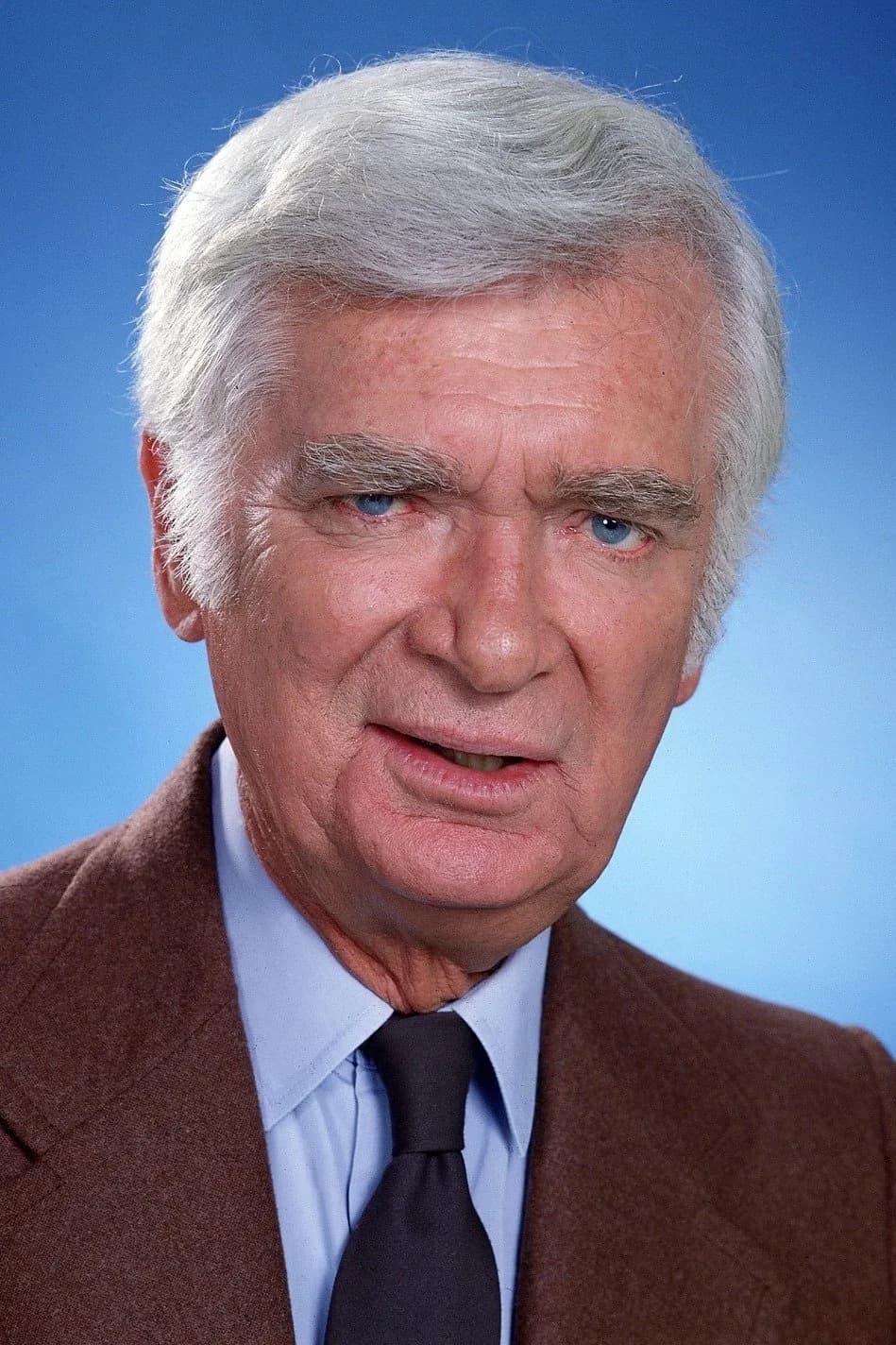
Buddy Ebsen
Christian Ludolf "Buddy" Ebsen Jr. (April 2, 1908 – July 6, 2003) was an American actor and dancer, whose career spanned seven decades, including the role of Jed Clampett in the CBS television sitcom The Beverly Hillbillies (1962–1971) and the title character in the television detective drama Barnaby Jones (1973–1980), also on CBS. The SAG-AFTRA records also show him as Frank "Buddy" Ebsen. A performer for seven decades, he had starring roles as Jed Clampett in the long-running television series "The Beverly Hillbillies" and as the title character in the 1970s detective series "Barnaby Jones". Ebsen was cast as the original Tin Man in 1939 film "The Wizard of Oz", but fell ill, reacting to the aluminum dust in his makeup, and was forced to drop out of the film. Ebsen made his television debut on an episode of The Chevrolet Tele-Theatre in 1949. This led to television appearances in: Stars Over Hollywood, Gruen Guild Playhouse, four episodes of Broadway Television Theatre, Schlitz Playhouse of Stars, Corky and White Shadow, the H.J. Heinz Company's Studio 57, Screen Directors Playhouse, two episodes of Climax!, Tales of Wells Fargo, The Martha Raye Show, Playhouse 90, Westinghouse Desilu Playhouse, Johnny Ringo, two episodes of Bonanza, three episodes of Maverick (in which he portrayed assorted homicidal villains), and 77 Sunset Strip. Ebsen received wide television exposure when he played Georgie Russel, a role based on a historical person and companion to frontiersman Davy Crockett, in the Disneyland television miniseries Davy Crockett (1954–1955). In the 1958–1959 season, Ebsen co-starred in the 26-episode half-hour NBC television adventure series Northwest Passage. This series was a fictionalized account of Major Robert Rogers, a colonial American fighter for the British in the French and Indian War. Ebsen played the role of Sergeant Hunk Marriner; Keith Larsen played Rogers. In 1960, Ebsen appeared in episodes of the television series Rawhide, in the episodes "The Pitchwagon" and Tales of Wells Fargo, which he reprised in episodes of both series during 1962 in the roles of different characters. Also in 1960, Ebsen played in season 4 episode 30 of Have Gun, Will Travel called "El Paso Stage", as a corrupt marshal. From 1961 to 1962, Ebsen had a recurring role as Virge Blessing in the ABC drama series Bus Stop, the story of travelers passing through the bus station and diner in the fictitious town of Sunrise, Colorado. Robert Altman directed several episodes. Arthur O'Connell had played Virge Blessing in the earlier film version on which the series was loosely based. Ebsen also appeared as "Mr. Dave" Browne, a homeless hobo, on The Andy Griffith Show opposite Ron Howard, and as Jimbo Cobb in The Twilight Zone episode "The Prime Mover" (season 2, episode 21) in 1961.
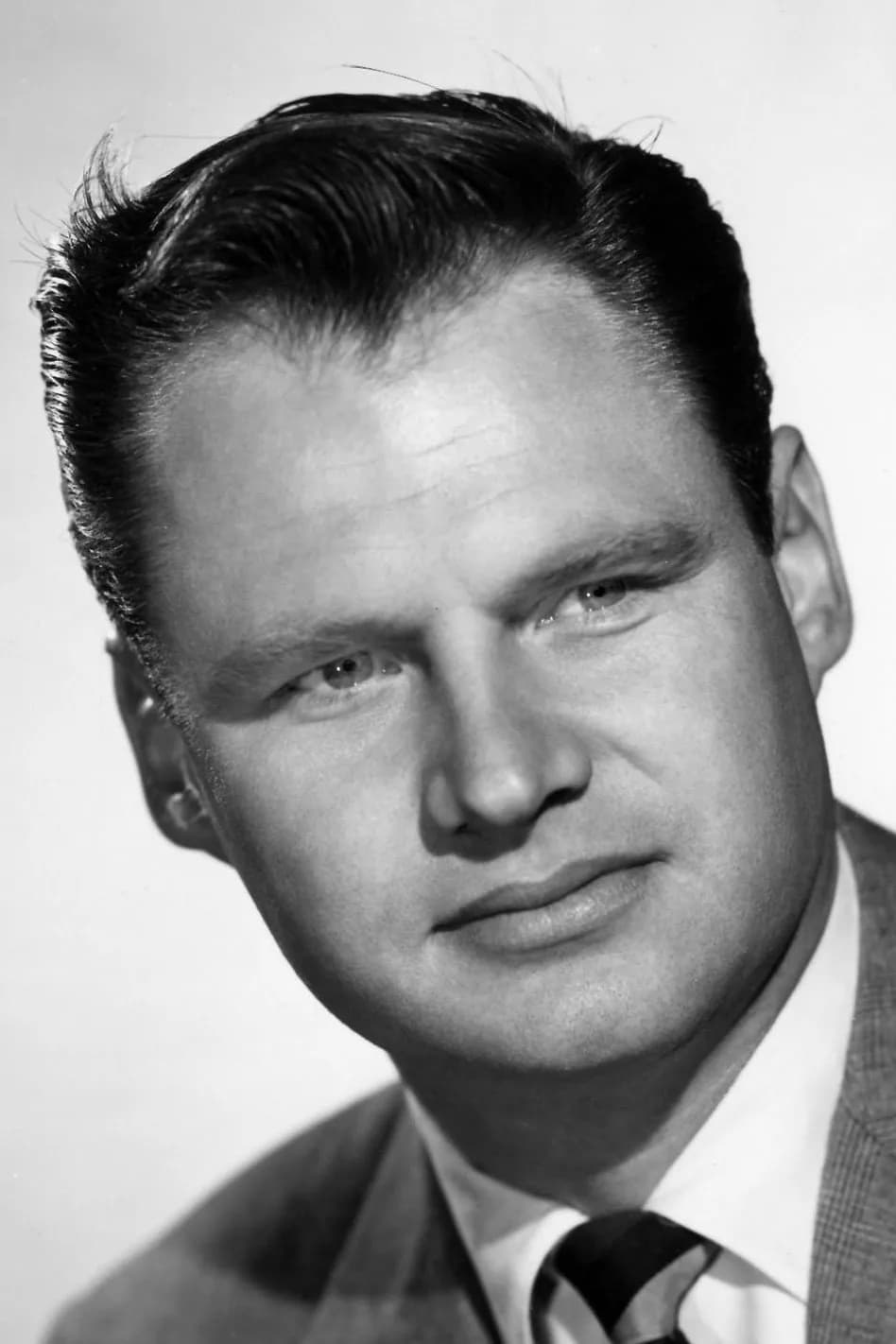
Adam Williams
Cast · Known for North by Northwest
Adam Williams (born Adam William Berg, November 26, 1922 – December 4, 2006) was an American film and television actor. A veteran "bad guy" actor of 1950s film and TV, he began his career after distinguished World War II military service as a United States Navy pilot, for which he received the Navy Cross. In 1952, Williams played the lead, a Los Angeles woman killer, in the film Without Warning! In 1953, he was cast as Larry, a car bomber, in The Big Heat. He had a leading role in the 1958 science fiction movie The Space Children. Other notable film roles include the psychiatrist in Fear Strikes Out (1957) and Valerian in North by Northwest (1959). During the 1950s and 1960s, he appeared on dozens of television series, including the syndicated Sheriff of Cochise, set in Arizona and starring John Bromfield, and Have Gun – Will Travel in the episode "The Reasonable Man". He portrayed private detective and murderer Jason Beckmeyer in the 1957 Perry Mason episode "The Case of the Runaway Corpse." In 1961, he was cast as Jim Gates in the episode "Frontier Week" on Joanne Dru's sitcom Guestward, Ho!, set on a dude ranch in New Mexico. In 1960, he played the role of a sailor hitching a ride in The Twilight Zone season 1 episode "The Hitch-Hiker", where he is picked up by a terrified driver played by Inger Stevens, who is compelled to pick him up so that he may offer protection and safety to her from a mysterious hitchhiker who shows up at various times and places along the road while she travels across country. Many reviewers have cited this episode as one of The Twilight Zone's "10 Greatest" of the series. He had also appeared in the Twilight Zone episode "A Most Unusual Camera". Between 1959 and 1967 he appeared in six episodes of The Rifleman and in four episodes of Bonanza, and in 1961 as Adam in "A Rope for Charlie Munday", in the ABC adventure series The Islanders. He was cast as Burley Keller in the 1961 episode "The Persecuted" of the ABC/Warner Brothers western series Lawman. He guest-starred in an episode of the 1961 NBC series The Americans, based on family conflicts stemming from the American Civil War, and in an episode of the 1961 series The Asphalt Jungle. One of his later roles was in the 1976 television movie Helter Skelter.