
Search
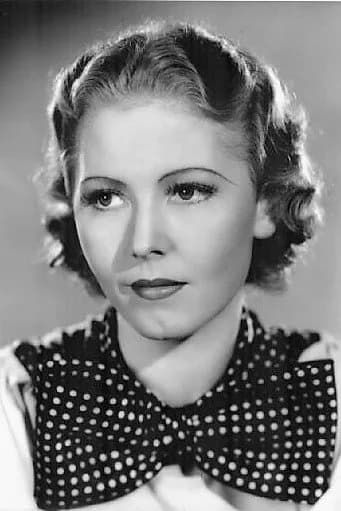
Josephine Hutchinson
Cast · Known for North by Northwest
From Wikipedia, the free encyclopedia Josephine Hutchinson (October 12, 1903 - June 4, 1998) was an American actress. Hutchinson was born in Seattle, Washington. Her mother, Leona Roberts, was an actress best known for her role as Mrs. Meade in Gone with the Wind. Under contract with Warner Bros., Hutchinson went to Hollywood in 1934, debuting in Happiness Ahead. She was featured on the cover of Film Weekly on August 23, 1935 and appeared in The Story of Louis Pasteur in 1936. At Universal, she played Elsa von Frankenstein in one of her more memorable roles alongside actor Basil Rathbone and Boris Karloff in Son of Frankenstein (1939). She later played Mrs. Townsend in North by Northwest (1959) and Love Is Better Than Ever, starring Elizabeth Taylor. Hutchinson made a number of Television appearances, including episodes of Perry Mason, The Rifleman and Little House on the Prairie. She died, aged 94, on June 4, 1998 at the Florence Nightingale Nursing Home in Manhattan. Her ashes were scattered near her niece’s home at Springfield, Oregon.
James E. Newcom
From Wikipedia, the free encyclopedia James E. Newcom (August 29, 1905 – October 6, 1990) was an American film editor who had over 40 films during his long career. All 4 of these nominations were in the category of Best Film Editing 12th Academy Awards-Gone with the Wind. Shared with Hal C. Kern. Won. 17th Academy Awards-Nominated for Since You Went Away. Nomination shared with Hal C. Kern. Lost to Wilson. 23rd Academy Awards-Nominated for Annie Get Your Gun. Lost to King Solomon's Mines. 43rd Academy Awards-Nominated for Tora! Tora! Tora!. Nomination shared with Inoue Chikaya and Pembroke J. Herring. Lost to Patton.

Thomas Mitchell
Cast · Known for High Noon, It's a Wonderful Life, Gone with the Wind
From Wikipedia, the free encyclopedia Thomas Mitchell (July 11, 1892 – December 17, 1962) was an American actor, playwright and screenwriter. Among his most famous roles in a long career are those of Gerald O'Hara, the father of Scarlett O'Hara in Gone with the Wind, the drunken Doc Boone in John Ford's Stagecoach, and Uncle Billy in It's a Wonderful Life. Mitchell was the first person to win an Oscar, an Emmy, and a Tony Award.

Howard Hickman
Cast · Known for Gone with the Wind
From Wikipedia, the free encyclopedia Howard Charles Hickman (February 9, 1880 – December 31, 1949) was an American actor, director and writer. He was an accomplished stage leading man, who entered films through the auspices of producer Thomas H. Ince. Hickman directed 19 films and co-starred with his wife, actress Bessie Barriscale, in several productions before returning to the theatre. With the rise of the sound film, Hickman returned to the film business but received mostly small roles, often as an authoritarian figure. Hickman made a brief appearance as plantation owner John Wilkes, father of Ashley Wilkes, in Gone with the Wind (1939). He ended his film career in 1944, after more than 270 films. Hickman died of myocardial infarction in San Anselmo, California, and is buried at the Mount Tamalpais Cemetery, San Rafael, California.
Sidney Howard
Writer · Known for Gone with the Wind
From Wikipedia, the free encyclopedia Sidney Coe Howard (June 26, 1891 – August 23, 1939) was an American playwright, dramatist and screenwriter. He received the Pulitzer Prize for Drama in 1925 and a posthumous Academy Award in 1940 for the screenplay for Gone with the Wind. Sidney Howard was born in Oakland, California, the son of Helen Louise (née Coe) and John Lawrence Howard. He studied playwriting at Harvard University under George Pierce Baker in his legendary "47 workshop." Howard volunteered with Andrew's American Field Service, serving in France and the Balkans during World War I. After the war, Howard made use of his proficiency at foreign languages and translated a number of literary works from French, Spanish, Hungarian, and German. He was a liberal intellectual whose politics became progressively more left-wing over the years. Howard's first success was with his realistic romance They Knew What They Wanted 1924 that established his reputation as a serious writer. The story of a middle-aged Italian vineyard owner who woos a young woman by mail with a false snapshot of himself, marries her, and then forgives her when she becomes pregnant by one of his farm hands. Theater critic Brooks Atkinson called it "a tender, original, merciful drama." They Knew What They Wanted won the 1925 Pulitzer Prize for Drama, was adapted three times into film (1928, 1930, and 1940) and later became the Broadway musical, The Most Happy Fella. One of his greatest successes on Broadway was an adaptation of a French comedy by René Fauchois, The Late Christopher Bean. Yellow Jack, an historical drama about the war against yellow fever, was praised for its high-minded purpose and innovative staging when it premiered in 1934. Hired by Samuel Goldwyn, Howard worked in Hollywood at MGM and wrote several successful screenplays. Despite his well-known left-wing political sympathies he became a shrewd Hollywood insider. In 1932, Howard was nominated for an Academy Award for his adaptation of the Sinclair Lewis novel Arrowsmith and again in 1936 for Dodsworth. In 1935, Howard wrote the Broadway stage adaptation of Humphrey Cobb's novel Paths of Glory. With its unsparing depictions of battlefield brutality, the play failed at the box office. As a World War I veteran, however, Howard believed it necessary to show the horrors of armed conflict. The film version of the novel, directed by Stanley Kubrick, did not appear until 1957. Howard's screenplay for Gone with the Wind echoed Paths of Glory with an unflinching look at the cost of war. Howard died in the summer of 1939 at the age of forty-eight in Tyringham, Massachusetts while working on his 700-acre farm. He was crushed to death in a garage by his two-and-one-half ton tractor as he was trying to crank it. Howard was the posthumous winner of the 1939 Academy Award for an adapted screenplay for Gone with the Wind. (He was the only writer honored for the writing of that screenplay, despite the fact that his script was revised by several other writers.) This was the first time a posthumous nominee for any Oscar won the award. He was also posthumously inducted into the American Theatre Hall of Fame in 1981. He is buried in the Tyringham Cemetery.
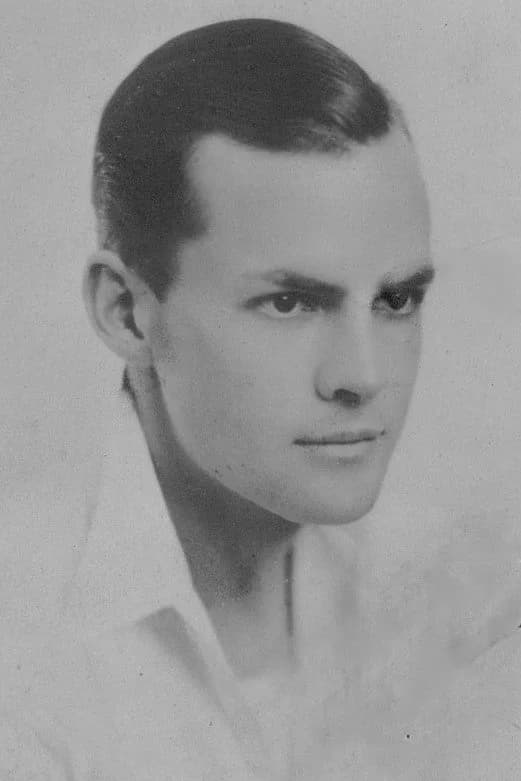
Carroll Nye
Cast · Known for Gone with the Wind
From Wikipedia, the free encyclopedia Robert Carroll Nye (October 4, 1901 – March 17, 1974) was an American film actor. He appeared in 58 films between 1925 and 1944. His mother, Myra Nye, worked for the Los Angeles Times. Carroll was educated at the University of California and later became a reporter and radio editor with the Times like his mother. However, he went into film business in 1924. At the beginning of his career he had a score of leading man roles in Hollywood opposite such silent screen stars as Anita Page and Corinne Griffith. In his late career, he played usually small roles, perhaps most memorably as Frank Kennedy, Scarlett's second husband, in Gone with the Wind (1939). His film career ended in 1944 with an uncredited role in Wilson. Nye also worked with Groucho Marx at CBS. After his film career, Nye served as a Hollywood newscaster and publicity man. He was married to actress Helen Lynch since 1928, but the marriage ended in divorce. He later married a woman named Dorothy, mentioned on his gravestone at Forest Lawn Memorial Park, Hollywood Hills. His brother was respected Hollywood makeup artist Ben Nye.
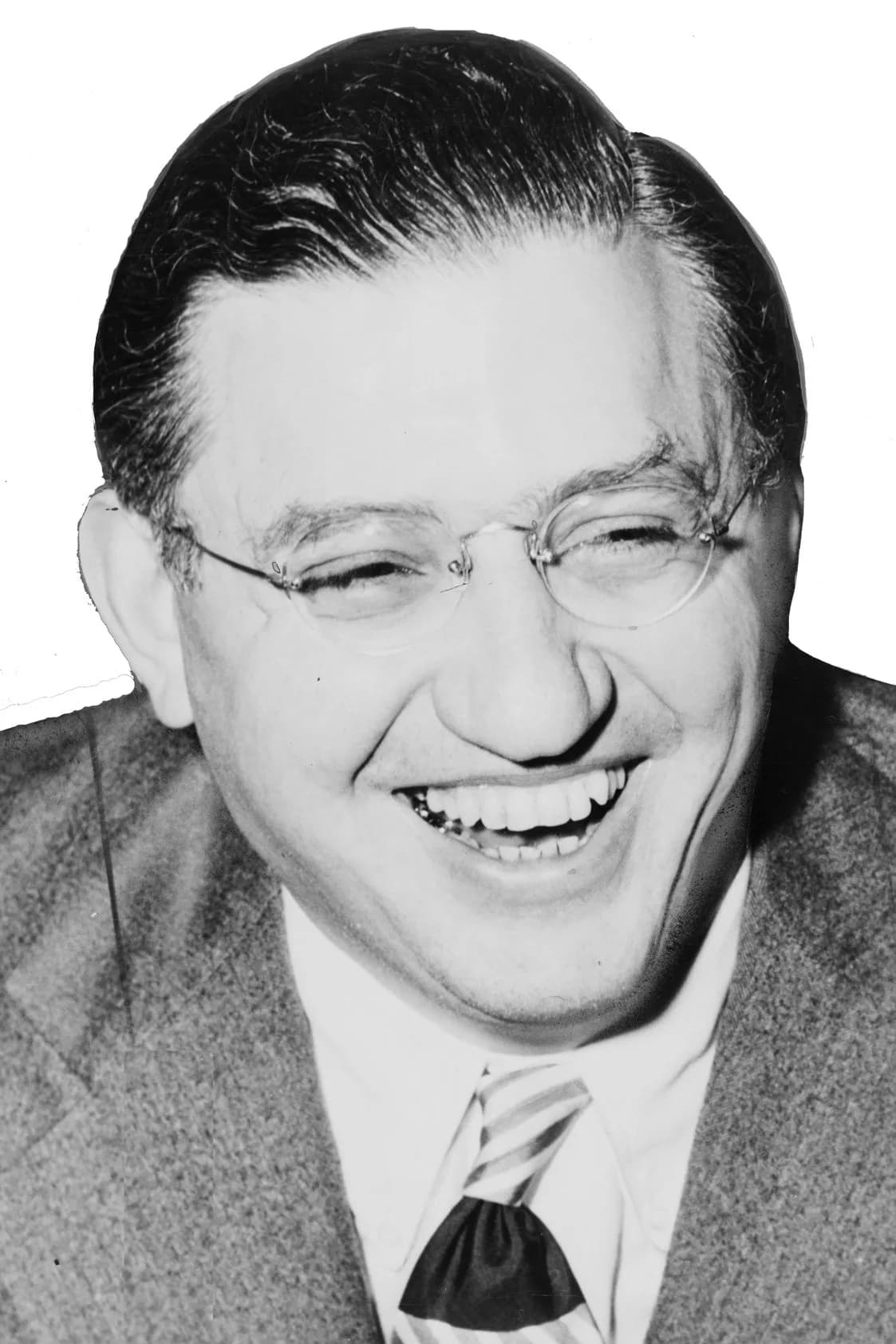
David O. Selznick
Writer · Known for Gone with the Wind
From Wikipedia, the free encyclopedia David O. Selznick (May 10, 1902 – June 22, 1965) was an American film producer, screenwriter and film studio executive. He is best known for producing Gone with the Wind (1939) and Rebecca (1940), both earning him an Academy Award for Best Picture. In 1926, Selznick moved to Hollywood, and with the help of his father's connections, he got a job as an assistant story editor at Metro-Goldwyn-Mayer. He left MGM for Paramount Pictures in 1928, where he worked until 1931, when he joined RKO as Head of Production. His years at RKO were fruitful, and he worked on many films, including A Bill of Divorcement (1932), What Price Hollywood? (1932), Rockabye (1932), Bird of Paradise (1932), Our Betters (1933), and King Kong (1933). While at RKO, he also gave George Cukor his directing break. In 1933 he returned to MGM where his father-in-law, Louis B. Mayer, was studio CEO. Mayer established a second prestige production unit for David, parallel to that of powerful Irving Thalberg, who was in poor health. Selznick's unit output included the all star cast movie Dinner at Eight (1933), David Copperfield (1935), Anna Karenina (1935), and A Tale of Two Cities (1935). Selznick went on to make more films at MGM, Paramount and RKO, but he wanted more independence and formed Selznick International Pictures in 1935. Here he produced classics such as Gone with the Wind. Gone with the Wind overshadowed the rest of Selznick's career. Later, he was convinced that he had wasted his life trying to outdo it. The closest he came to matching the film was with Duel in the Sun (1946) featuring future wife Jennifer Jones in the role of the primary character Pearl. With a huge budget, the film is known for causing moral upheaval because of the then risqué script written by Selznick. And though it was a troublesome shoot with a number of directors, the film would be a major success. The film was the second highest-grossing film of 1947 and was the first movie that Martin Scorsese saw, inspiring Scorsese's own directorial career.
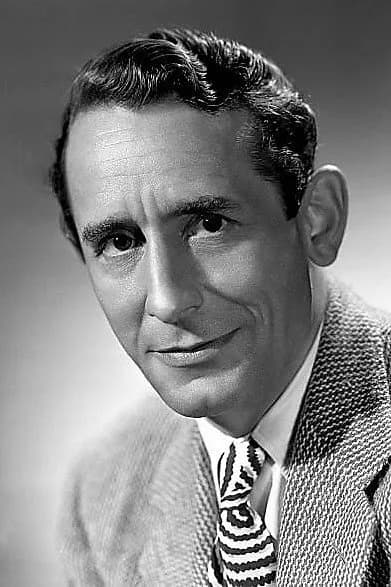
Victor Jory
Cast · Known for Gone with the Wind
Victor Jory was a Canadian stage, film and television actor, best known for his role as Jonas Wilkerson, the brutal and opportunistic overseer, in "Gone with the Wind", and as Lamont Cranston, aka 'The Shadow', in the 1942 serial film "The Shadow".
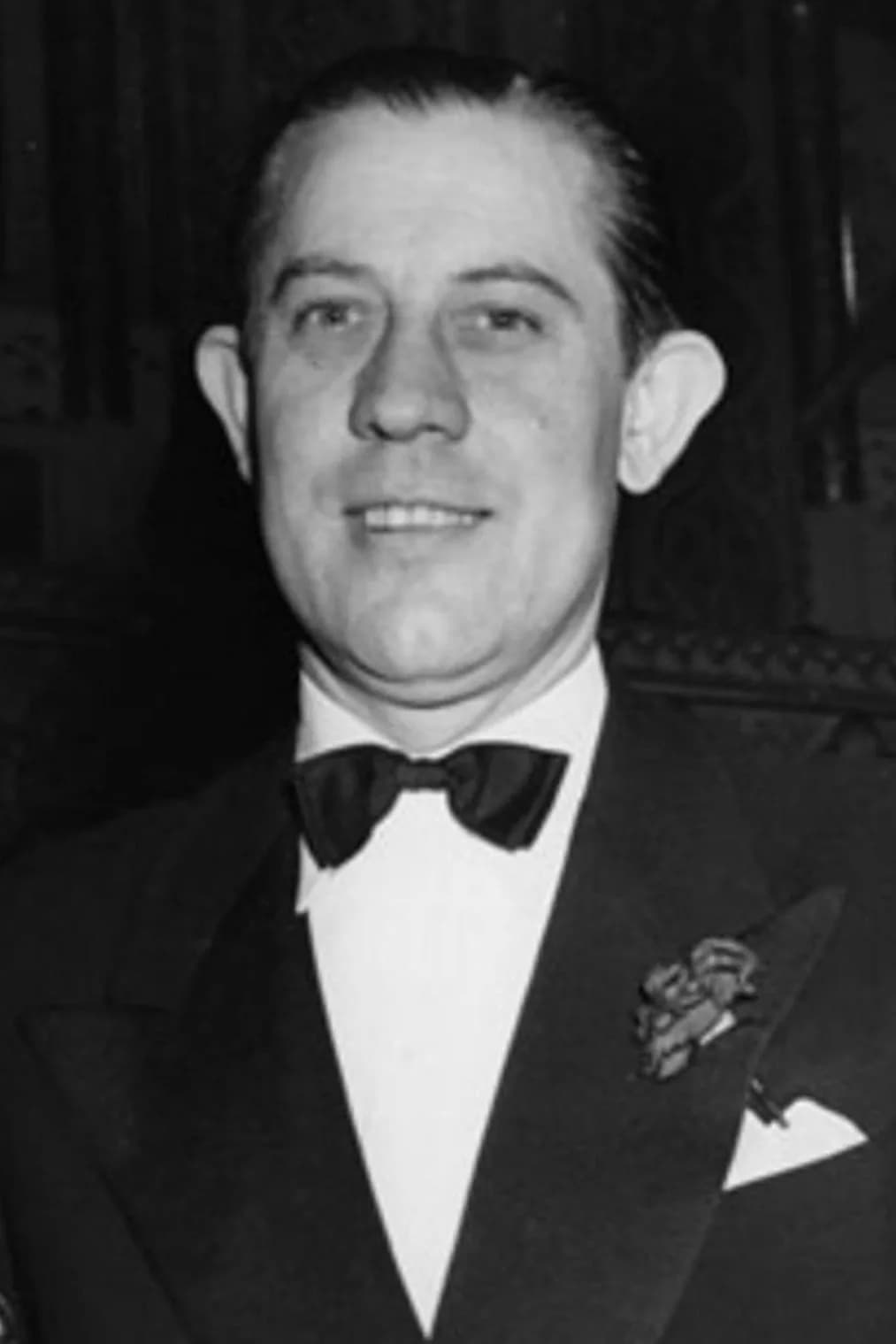
Ernest Haller
Cinematographer · Known for Gone with the Wind, Star Trek
Ernest Jacob Haller (May 31, 1896 – October 21, 1970) was an American cinematographer. He was most notable for his involvement in Gone with the Wind (1939) and his close professional relationships with prominent actresses of the time, such as Bette Davis, Joan Crawford, and Ingrid Bergman. Haller was nominated for Academy Awards a total of seven times and won for Best Cinematography once. Haller began his career as a cinematographer as an assistant cameraman to D. W. Griffith’s great cameraman Billy Bitzer. He next moved to Warner Brothers. Some of Haller’s recognized works include Weary River (1928), Dawn Patrol (1930), The Rich Are Always with Us (1931)— a film where he first photographed Bette Davis—, The Emperor Jones (1933), and Dangerous (1935). In 1938, Haller received his first Academy Awards nomination for Best Cinematography for the film Jezebel. This recognition caught the eyes of David O. Selznick who was impressed with Haller's work in Jezebel enough to borrow him from the Warner Bros. to participate in Gone with the Wind (1939), which granted Haller his first and only Oscar for Best Cinematography. Haller had five more nominations for an Academy Award, for All This, and Heaven Too (1940), Mildred Pierce (1945), The Flame and the Arrow (1950), What Ever Happened to Baby Jane? (1962), and Lilies of the Field (1963). Haller initially announced his retirement in 1965 but managed to briefly come out of it in July 1965 upon the request of director James Goldstone to film the second pilot of the Star Trek episode "Where No Man Has Gone Before". He was killed in a car accident in Marina Del Rey, California, on October 21, 1970 at the age of 74.
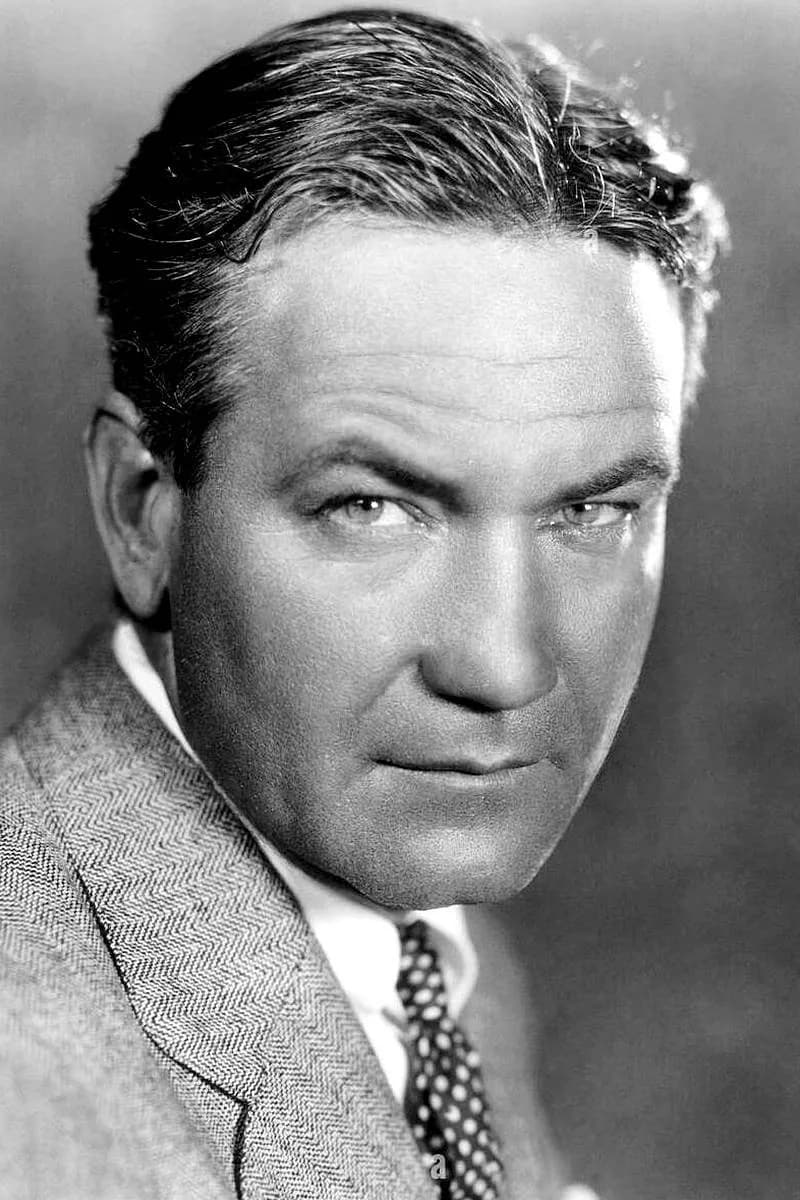
Victor Fleming
Director · Known for Gone with the Wind, The Wizard of Oz
Victor Fleming was an American film director, cinematographer, and producer. His most popular films were The Wizard of Oz (1939), and Gone with the Wind (1939), for which he won an Academy Award for Best Director.

Butterfly McQueen
Cast · Known for Gone with the Wind
Thelma "Butterfly" McQueen was an American actress. Originally a dancer, McQueen first appeared in film in 1939 as Prissy, Scarlett O'Hara's maid, in the film Gone with the Wind. She was unable to attend the movie's premiere because it was held at a whites-only theater. Often typecast as a maid, she said: "I didn't mind playing a maid the first time, because I thought that was how you got into the business. But after I did the same thing over and over, I resented it. I didn't mind being funny, but I didn't like being stupid.] She continued as an actress in film in the 1940s, and then moved to television acting in the 1950s. McQueen was appearing on the Broadway stage in the comedy What a Life in 1938 when she was spotted by Kay Brown, talent scout for David O. Selznick, then in pre-production for Gone With the Wind (eventually released in 1939). Brown recommended that McQueen audition for the film. After Selznick saw her screen test, he never considered anyone else and McQueen was cast in the role that would become her most identifiable – "Prissy", a simple-minded house maid. She uttered the famous words: "Oh, Miss Scarlett! I don't know nothin' 'bout birthin' babies!" Her distinctive, high-pitched voice was noted by a critic who described it as "the itsy-little voice fading over the far horizon of comprehension". While the role is well known to audiences, McQueen did not enjoy playing the part and felt it was demeaning to African-Americans. She also played an uncredited bit part as a sales assistant in The Women (1939), filmed after Gone with the Wind but released before it. She also played Butterfly, Rochester's niece and Mary Livingstone's maid in the Jack Benny radio program for a time during World War II. She appeared in an uncredited role in Mildred Pierce (1945) (where she had a good amount of screen time) and played a supporting role in Duel in the Sun (1946). By 1947, she had grown tired of the ethnic stereotypes she was required to play and ended her film career. During World War II, McQueen frequently appeared as a comedian on the Armed Forces Radio Service broadcast Jubilee. Many of these broadcasts are available on the Internet Archive. From 1950 until 1952 she was featured in another racially stereotyped role on the television series Beulah. She played Beulah's friend Oriole, a character originated on radio by Ruby Dandridge, who would then take over the TV role from McQueen in 1952-53. In a lighter moment, she appeared in a 1969 episode of The Dating Game. Offers for acting roles began to dry up around this time, and she devoted herself to other pursuits including political study. She received a bachelor's degree in political science from City College of New York in 1975.[1] McQueen played the character of Aunt Thelma, a fairy godmother, in the ABC Weekend Special episode "The Seven Wishes of Joanna Peabody" (1978) and the ABC Afterschool Special episode "Seven Wishes of a Rich Kid" (1979); her performance in the latter earned her a Daytime Emmy Award for Outstanding Individual Achievement in Children's Programming. She had one more role of substance in the 1986 film The Mosquito Coast.
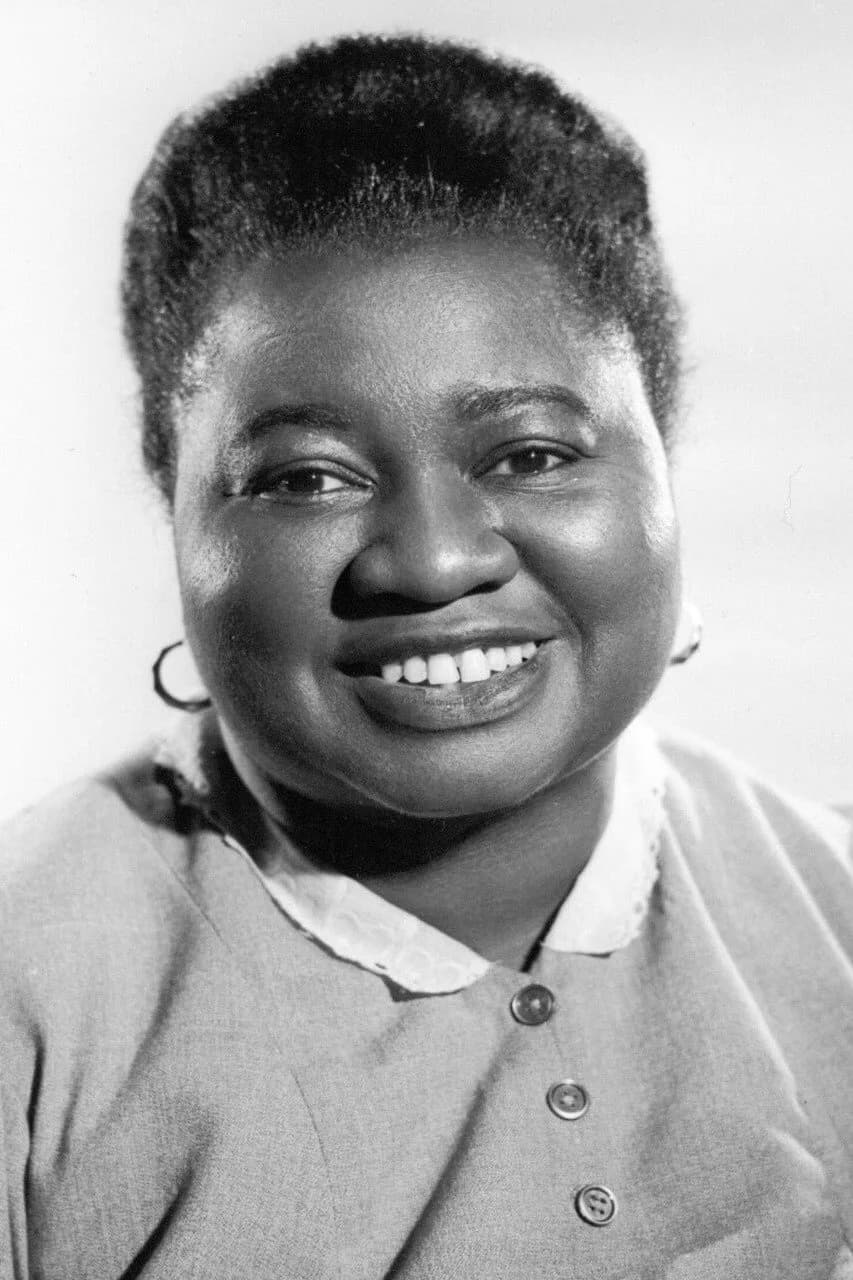
Hattie McDaniel
Cast · Known for Gone with the Wind
Hattie McDaniel (June 10, 1893 - October 26, 1952) was an American actress whose portrayal of Mammy in Gone with the Wind (1939) won her the Oscar for Best Supporting Actress, making her the first black person to win an Academy Award. After working as early as the 1910s as a band vocalist, Hattie McDaniel debuted as a maid in The Golden West (1932). Her maid-mammy characters became steadily more assertive, showing up first in Judge Priest (1934) and becoming pronounced in Alice Adams (1935). In this one, directed by George Stevens and aided and abetted by star Katharine Hepburn, she makes it clear she has little use for her employers' pretentious status seeking. By The Mad Miss Manton (1938) the character she portrays actually tells off her socialite employer Barbara Stanwyck and her snooty friends. This path extends into the greatest role of McDaniel's career, Mammy in Gone with the Wind (1939). Mammy is, in a number of ways, superior to most of the white folk surrounding her. From that point, McDaniel's roles unfortunately descended, with the characters becoming more and more menial. McDaniel played on the "Amos and Andy" and Eddie Cantor radio shows in the 1930s and 1940s, the title character in her own radio show "Beulah" (1947-51), and the same part on TV (Beulah, 1950).
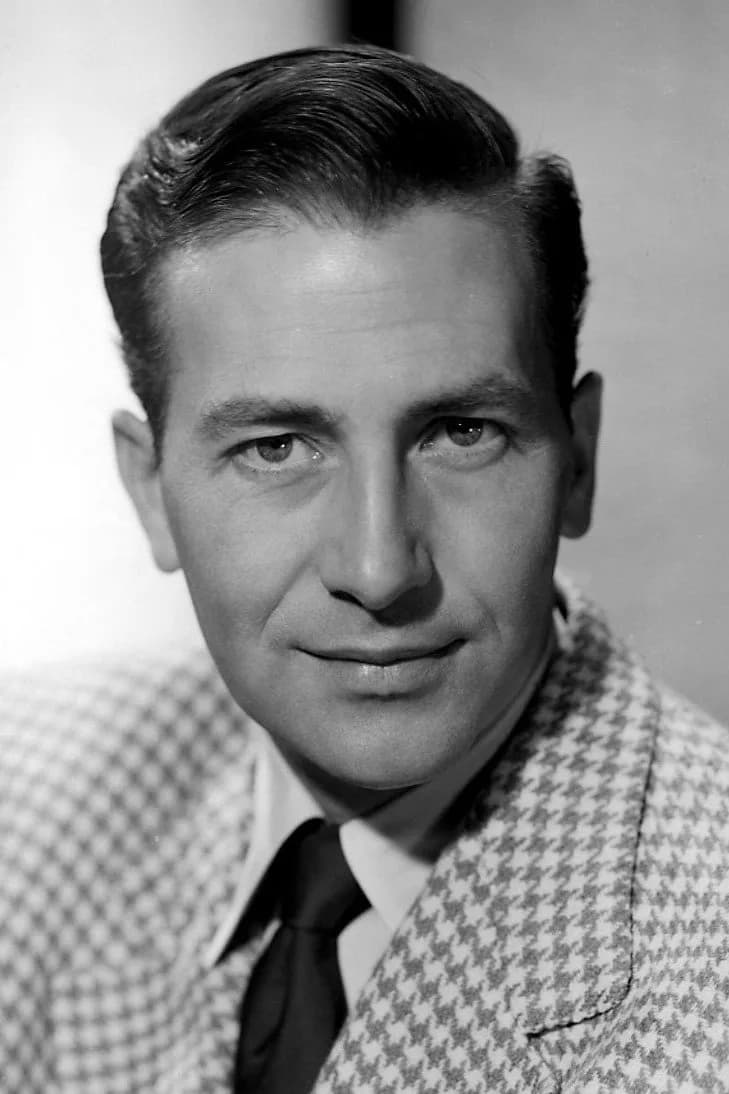
Jeffrey Lynn
From Wikipedia, the free encyclopedia Jeffrey Lynn (born Ragnar Godfrey Lind; February 16, 1909 – November 24, 1995) was an American stage-screen actor and film producer who worked primarily through the Golden Age of Hollywood establishing himself as one of the premier talents of his time. Throughout his acting career, both on stage and in film, he was typecast as "the attractive, reliable love interest of the heroine," or "the tall, stalwart hero." Born and raised in Massachusetts, he attended Bates College, before working as a teacher. He was tapped to act in his first film in 1938, which convinced him to move to Hollywood, California. His second film–Four Daughters (1938)–propelled him into national fame sparking three sequels: Daughters Courageous (1939), Four Wives (1939) and Four Mothers (1941) with Lynn reprising his role in each of them. He was at the center of the Gone with the Wind (1939) screening controversy; he was noted as the top contender to play Ashley Wilkes, however, the directer eventually chose Leslie Howard instead. Lynn was asked to join James Cagney and Humphrey Bogart in The Roaring Twenties (1939), a gangster noir that garnered him critical praise. His success continued with such films as The Fighting 69th (1940) in which he portrayed poet-soldier Joyce Kilmer opposite Cagney, It All Came True (1940), All This and Heaven Too (1940) and Million Dollar Baby (1941). His movie career was put on hold for World War II draft, where he received a Bronze Star for his service as a in Italy and Austria as a combat intelligence captain. He returned to the screen in 1948 and was in the notably successful, A Letter to Three Wives (1949), which went on to be nominated of best picture in the 1950 prime time Academy Awards. A year later he joined that cast of Home Town Story (1951) billed alongside Marilyn Monroe. His later film career credits include: BUtterfield 8 (1960) along with Elizabeth Taylor and Laurence Harvey, and Tony Rome (1967) with Frank Sinatra. Lynn also began to act on Broadway and was featured in such plays as Any Wednesday (1966) and Dinner at Eight (1967). Later on in his career he found mixed critical success television starring in hit shows such as Robert Montgomery Presents, Your Show of Shows, My Son Jeep (with young Martin Huston), and Lux Video Theatre. He died in November 1995 in Burbank, California from natural causes and was buried at Forest Lawn Memorial Park in the Hollywood Hills. Actor Jeffrey Lynn "Jeff" Goldblum is named in honor of Jeffrey Lynn.

Olin Howland
From Wikipedia, the free encyclopedia Olin Ross Howland (February 10, 1886 – September 20, 1959) was an American film and theatre actor. Howland was born in Denver, Colorado, to Joby A. Howland, one of the youngest enlisted participants in the Civil War, and Mary C. Bunting. His older sister was the famous stage actress Jobyna Howland. From 1909 to 1927, Howland appeared on Broadway in musicals, occasionally performing in silent films. The musicals include Leave It to Jane (1917), Two Little Girls in Blue (1921) and Wildflower (1923). He was in the film Janice Meredith (1924) with Marion Davies. With the advent of sound films, his theatre background proved an asset, and he concentrated mostly on films thereafter, appearing in nearly two hundred movies between 1918 and 1958. Howland often played eccentric and rural roles in Hollywood. His parts were often small and uncredited, and he never got a leading role. He was a personal favorite of David O. Selznick, who cast him in his movies Nothing Sacred (1937) as a strange luggage man, The Adventures of Tom Sawyer (1938, as the teacher Mr. Dobbins) and Gone with the Wind (1939) as a carpetbagger businessman. He also played in numerous westerns from Republic Pictures, including the John Wayne films In Old California (1942) and Angel and the Badman (1947). As a young man, Howland learned to fly at the Wright Flying School and soloed on a Wright Model B. This lent special sentiment in his scenes with James Stewart in the film The Spirit of St. Louis (1957), as Stewart was also a pilot in real life. The Spirit of St. Louis and Them (1954),where he played a drunken old man, and The Blob (1958) were his last films. He also played in telelevision shows during the 1950s. In 1958 and 1959, he was cast as Charley Perkins in five episodes of ABC's sitcom The Real McCoys, starring Walter Brennan. Howland never married and had no children. He worked until his death in Hollywood, California, at the age of 73.
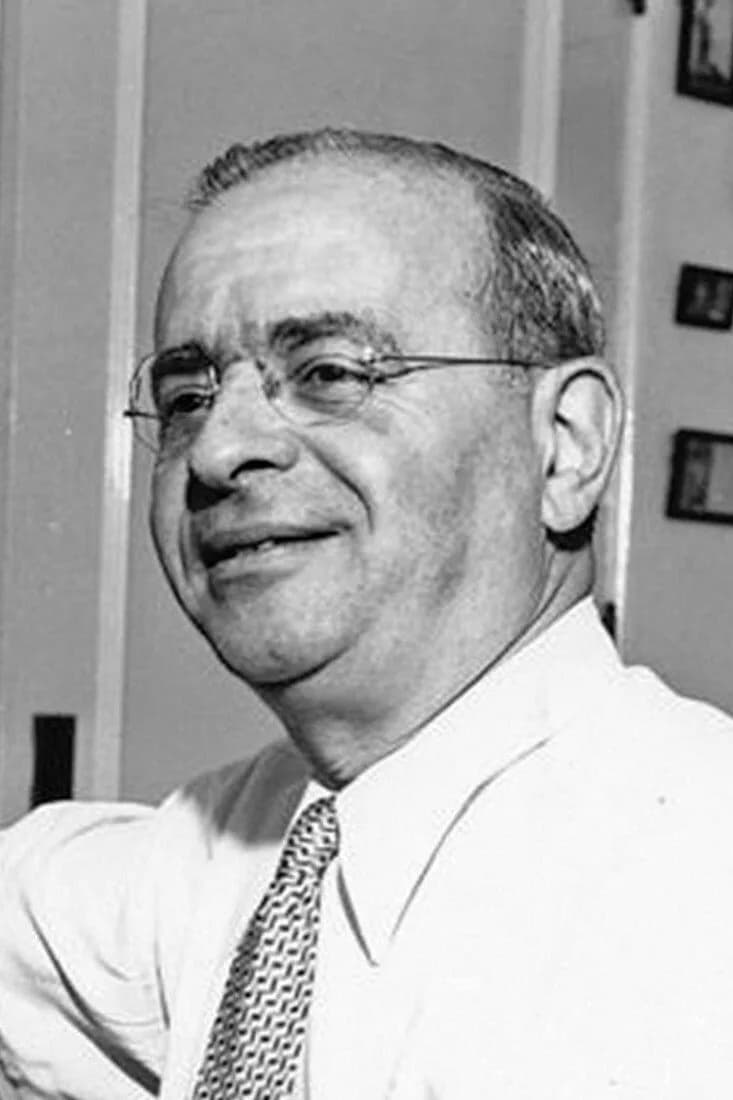
Max Steiner
Composer · Known for Casablanca, Gone with the Wind
From Wikipedia, the free encyclopedia Maximilian Raoul "Max" Steiner (May 10, 1888 – December 28, 1971) was an Austrian-born American composer of music for theatre and films. He was a child prodigy who conducted his first operetta when he was twelve and became a full-time professional, either composing, arranging or conducting, when he was fifteen. Steiner composed over 300 film scores with RKO and Warner Brothers, and was nominated for 24 Academy Awards, winning three: The Informer (1935), Now, Voyager (1942), and Since You Went Away (1944). Besides his Oscar-winning scores, some of Steiner's popular works include King Kong (1933), Little Women (1933), Jezebel (1938), Casablanca (1942), The Searchers (1956), A Summer Place (1959), and the film score for which he is possibly best known, Gone with the Wind (1939). He was also the first recipient of the Golden Globe Award for Best Original Score, which he won for his score to Life with Father. Steiner was a frequent collaborator with some of the most famous film directors in history, including Michael Curtiz, John Ford, Howard Hawks, William Dieterle, William Wyler, Raoul Walsh, John Huston, Irving Pichel, King Vidor, and Frank Capra.

Edward Baker-Duly
He was born in Stockholm, Sweden of British and Swedish parents and has lived in the United Kingdom, Ethiopia, and South Africa. His UK television work includes playing no-nonsense sports master Chris Malachay in the long-running BBC school drama, Grange Hill, from 2003–2006. Previously he had played Joe Fisher, the Australian partner of gay builder Jason Kirk, in the ITV1 soap Emmerdale. He completed filming Botched alongside Stephen Dorff in 2006, and more recently played the entrepreneur Hermann Hauser in the BBC comedy drama show Micro Men. In December 2010 he played Joachim von Ribbentrop in the BBC Wales/Masterpiece reprise of Upstairs, Downstairs. In theatre he has appeared in West Side Story directed by Arthur Laurents, South Pacific, directed by Trevor Nunn and originated the role of Ashley Wilkes in Trevor Nunn's West End musical adaptation of Gone With The Wind in 2008. He has also appeared in Rookery Nook at the Menier Chocolate Factory. He created the role of the Tin Man in Andrew Lloyd Webber's West End production of The Wizard of Oz. He also portrays Aunt Em and Uncle Henry's farmhand, Hickory, who is the Tin Man's Kansas counterpart. In 2013 he moved to New York City, where he and his wife Caroline, son Miles, and daughter Iris now reside, and appeared in the Off-Broadway production of Peter and the Starcatcher. In 2016, he appeared in the Showtime series Billions first season's final episode "The Conversation". In 2021, he appeared in Hollyoaks as Clarke. In 2019, he played The Grinch in the UK tour of Dr. Seuss' How the Grinch Stole Christmas! The Musical. In 2023, he played military policeman Calloway in a musical theatre version of The Third Man in London.
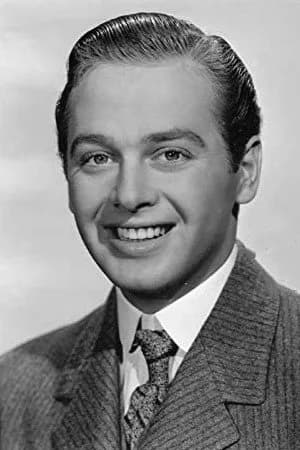
Rand Brooks
Cast · Known for Gone with the Wind
Arlington Rand Brooks Jr. (September 21, 1918 – September 1, 2003) was an American film and television actor. Brooks was born in Wright City, Missouri. He was the son of Arlington Rand Brooks, a farmer. His mother and he moved to Los Angeles when he was four, though he continued to spend summers in Wright City. Brooks continued to make visits to his hometown of Wright City into the 1950s, up to and following the death of his father in 1950. His mother and his grandfather were actors. After leaving school, Brooks got a screen test at MGM and was given a bit part in Love Finds Andy Hardy (1938). His big fame came with his part as Charles Hamilton in Gone with the Wind (1939), a role which he later admitted he despised; he wanted to play more macho parts. He made $100 per week under contract at MGM, but when he was on loan to Selznick International Pictures for Gone with the Wind, he made $500 per week. After Gone With the Wind, he had relatively small parts in other movies including Babes in Arms, then a regular role as Lucky in the Hopalong Cassidy series of Westerns in the mid-1940s; Brooks succeeded Russell Hayden in the role. Among the films, which starred William Boyd as Hopalong, were Hoppy's Holiday, The Dead Don't Dream, and Borrowed Trouble. He received positive notice for his work in Fool's Gold, with Variety reporting that he did "an excellent job." In edited, half-hour versions of some of the films, he appeared in 12 of the 52 episodes of the Hopalong Cassidy television series. In 1948, he co-starred with Adele Jergens and Marilyn Monroe in the low-budget, black-and-white Columbia Pictures film, Ladies of the Chorus. Brooks became the first actor to share an on-screen kiss with Monroe, who in a few years was one of the world's biggest movie stars. Filmed in just 10 days, the film was released soon after its completion. Variety called his performance in the 1952 film The Steel Fist "capable." Television brought new opportunities, again often in Westerns. He played Cpl. Randy Boone in the 1950s television series, The Adventures of Rin Tin Tin. Brooks had guest roles in 1950s Western series, including Mackenzie's Raiders, The Lone Ranger, Maverick, Gunsmoke, and Bonanza. He appeared twice on the syndicated adventure series, Rescue 8, as well as on CBS's Perry Mason courtroom drama series. In 1962, he directed and produced a movie about brave dogs, Bearheart, but the film was entangled in legal troubles due to his business manager's involvement in crimes such as forgery and graft. The film was finally released in 1978, under the title Legend of the Northwest. After he left show business, Brooks ran a private ambulance company in Glendale, California. He commented that he "died in more pictures than almost anyone" and that though he was never very big in show business, he was willing to return to it. Brooks sold the ambulance company in 1994, and retired to his ranch in the Santa Ynez Valley, where he bred champion Andalusian horses. He attended a Gone with the Wind reunion for Clark Gable's birthday, along with Ann Rutherford and Fred Crane, in Cadiz, Ohio, in 1992. On September 1, 2003, Brooks died in Santa Ynez, California.
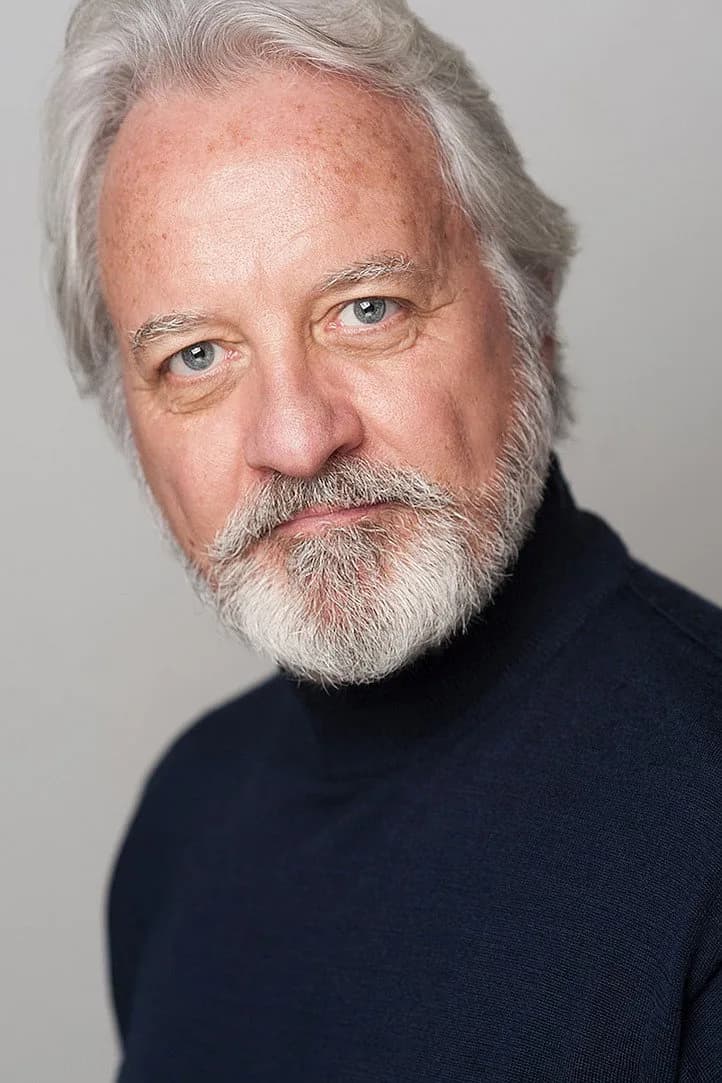
John O'May
John O'May is an American-born Australian actor, best known for his stage performances. O'May was born at Johns Hopkins Hospital in Baltimore, Maryland, one of four children. He grew up with a love of reading and literature. At university he dabbled in theatre, learning acting, stagecraft and building sets. He became a teacher at Patapsco High School, where he himself had attended high school. He taught English literature for two and a half years. He eventually travelled overseas, and after visiting his sister in Australia and ended up staying. In 1972, O'May auditioned for the role of Ashley Wilkes in Gone with the Wind. He took singing lessons and found an agent. In 1973, he was offered an audition and role in Godspell, replacing John Waters as Judas. He created and performed in the revues Gershwin (with John Diedrich) in 1975 and The 20s and All That Jazz (with Diedrich and Caroline Gilmer) O'May played Che Guevara in the original Australian cast of Evita which opened in Adelaide in April 1980. In the 1980s he was a regular performer with the Melbourne Theatre Company, and played Bobby in Company for the Sydney Theatre Company in 1986 and Captain Corcoran in H.M.S. Pinafore for the Victoria State Opera in 1987. Film credits include supporting roles in the films Starstruck and Rebel and the television opera The Divorce (2015). In 2000, O’May guest-starred in season 2, episode 11, "Sponsorship and Media Discontent", of the ABC mockumentary, The Games.
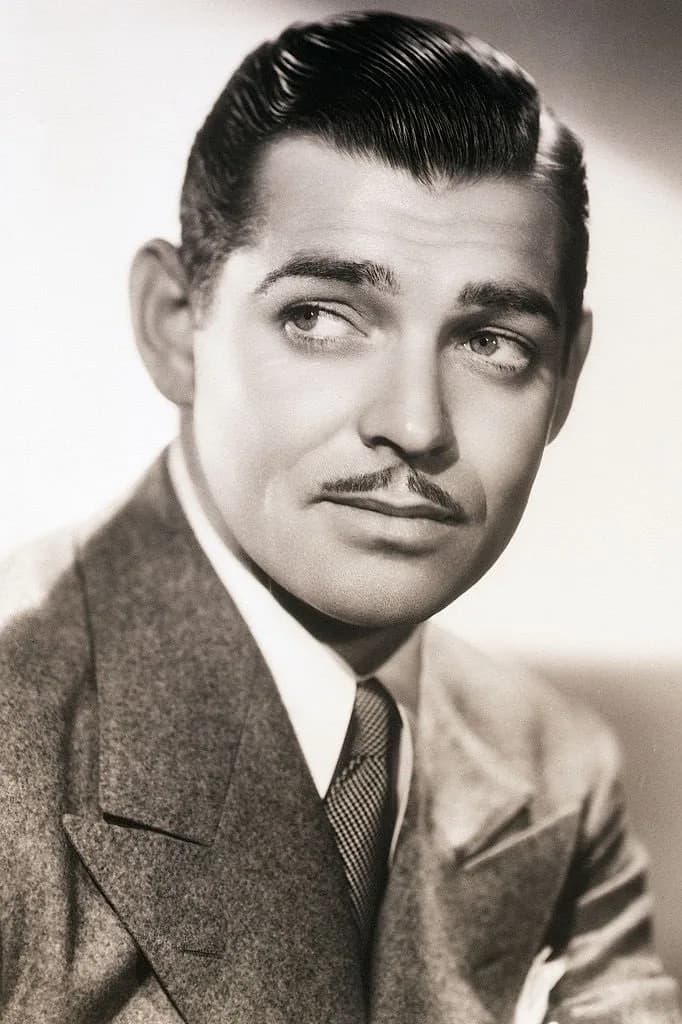
Clark Gable
Cast · Known for Gone with the Wind
William Clark Gable (February 1, 1901 – November 16, 1960) was an American actor. In 1999, the American Film Institute named Gable the seventh-greatest male star of all-time. His most famous role was Rhett Butler in the 1939 Civil War epic film Gone with the Wind, in which he starred with Vivien Leigh. His performance earned him his third nomination for the Academy Award for Best Actor; he won for It Happened One Night (1934) and was also nominated for Mutiny on the Bounty (1935). Later performances were in Run Silent, Run Deep, a submarine war film, and his final film, The Misfits (1961), which paired Gable with Marilyn Monroe, also in her last screen appearance. During his long film career, Gable appeared opposite some of the most popular actresses of the time. Joan Crawford, who was his favorite actress to work with, was partnered with Gable in eight films, Myrna Loy was with him seven times, and he was paired with Jean Harlow in six productions. He also starred with Lana Turner in four features, and with Norma Shearer in three. Gable was often named the top male star in the mid-30s, and was second only to the top box-office draw of all, Shirley Temple.
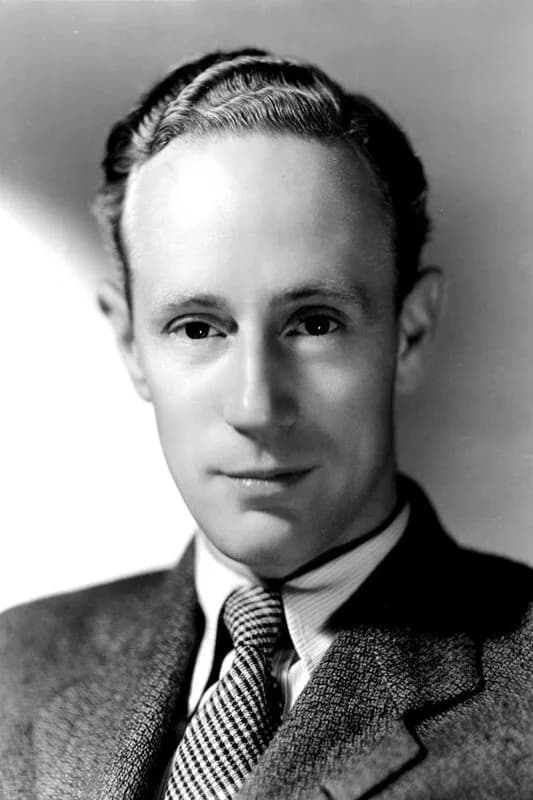
Leslie Howard
Cast · Known for Gone with the Wind
Leslie Howard Steiner (3 April 1893 – 1 June 1943) was an English actor, director and producer. He wrote many stories and articles for The New York Times, The New Yorker, and Vanity Fair and was one of the biggest box-office draws and movie idols of the 1930s. Active in both Britain and Hollywood, Howard played Ashley Wilkes in Gone with the Wind (1939). He had roles in many other films, often playing the quintessential Englishman, including Berkeley Square (1933), Of Human Bondage (1934), The Scarlet Pimpernel (1934), The Petrified Forest (1936), Pygmalion (1938), Intermezzo (1939), "Pimpernel" Smith (1941), and The First of the Few (1942). He was nominated for the Academy Award for Best Actor for Berkeley Square and Pygmalion. Howard's World War II activities included acting and filmmaking. He helped to make anti-German propaganda and shore up support for the Allies—two years after his death the British Film Yearbook described Howard's work as "one of the most valuable facets of British propaganda". He was rumoured to have been involved with British or Allied Intelligence, sparking conspiracy theories regarding his death in 1943 when the Luftwaffe shot down BOAC Flight 777 over the Atlantic (off the coast of Cedeira, A Coruña), on which he was a passenger. Description above from the Wikipedia article Leslie Howard, licensed under CC-BY-SA, full list of contributors on Wikipedia.

Walter Plunkett
Costume Design · Known for Gone with the Wind
Walter Plunkett (June 5, 1902 – March 8, 1982) was a prolific costume designer who worked on more than 150 projects throughout his career in the Hollywood film industry. Plunkett's first credited work as a costume designer was the 1927 film Hard-Boiled Haggerty. At RKO, he developed a huge costume and wardrobe department that became a major studio asset. Given free rein, he set about creating costumes that rivaled the work of his contemporaries, such as Travis Banton and Adrian. Plunkett's best-known work is featured in two films, Gone with the Wind (1939) and Singin' in the Rain (1952), in which he lampooned his initial style of the Roaring Twenties. In 1951, Plunkett shared an Oscar with Orry-Kelly and Irene Sharaff for An American in Paris.
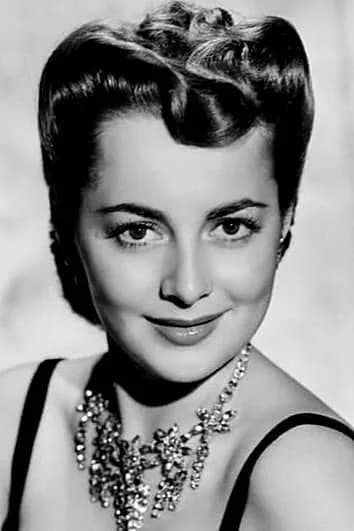
Olivia de Havilland
Cast · Known for Gone with the Wind
Dame Olivia Mary de Havilland DBE (July 1, 1916 - July 25, 2020) was a British-American actress, whose career spanned from 1935 to 1988. She appeared in 49 feature films, and was one of the leading movie stars during the golden age of Classical Hollywood. She is best known for her early screen performances in The Adventures of Robin Hood (1938) and Gone with the Wind (1939), and her later award-winning performances in To Each His Own (1946), The Snake Pit (1948), and The Heiress (1949). Born in Tokyo to British parents, de Havilland and her younger sister, actress Joan Fontaine, moved with their mother to California in 1919. They were brought up by their mother Lilian, a former stage actress who taught them drama, music, and elocution. Olivia de Havilland made her screen debut in Reinhardt's A Midsummer Night's Dream in 1935. During her career, she often played demure ingénues opposite popular leading men, including Errol Flynn, with whom she made nine films. They became one of Hollywood's most popular romantic on-screen pairings. She achieved her initial popularity in romantic comedy films, such as The Great Garrick (1937), and in Westerns, such as Dodge City (1939). Her natural beauty and refined acting style made her particularly effective in historical period dramas, such as Anthony Adverse (1936), and romantic dramas, such as Hold Back the Dawn (1941). In her later career, she was most successful in dramas, such as Light in the Piazza (1962), and unglamorous roles in psychological dramas including Hush… Hush, Sweet Charlotte (1964). In addition to her film career, de Havilland continued her work in the theatre, appearing three times on Broadway. She also worked in television, appearing in the successful miniseries, Roots: The Next Generations (1979), and television feature films, such as Anastasia: The Mystery of Anna, for which she received a Primetime Emmy Award nomination. During her film career, de Havilland won two Academy Awards, two Golden Globe Awards, two New York Film Critics Circle Awards, the National Board of Review Award for Best Actress, and the Venice Film Festival Volpi Cup. For her contributions to the motion picture industry, she received a star on the Hollywood Walk of Fame. For her lifetime contribution to the arts, she received the National Medal of Arts from President George W. Bush, and was appointed a Chevalier of the Légion d'honneur by French President Nicolas Sarkozy. De Havilland and Joan Fontaine are the only siblings to have won Academy Awards in a lead acting category. A lifelong rivalry between the two actresses resulted in an estrangement that lasted over three decades. De Havilland lived in Paris since 1956, and celebrated her 100th birthday on July 1, 2016. In June 2017, two weeks before her 101st birthday, de Havilland was appointed Dame Commander of the Order of the British Empire in the 2017 Birthday Honours for services to drama. She was the oldest woman ever to receive the honour. In a statement, she called it "the most gratifying of birthday presents".
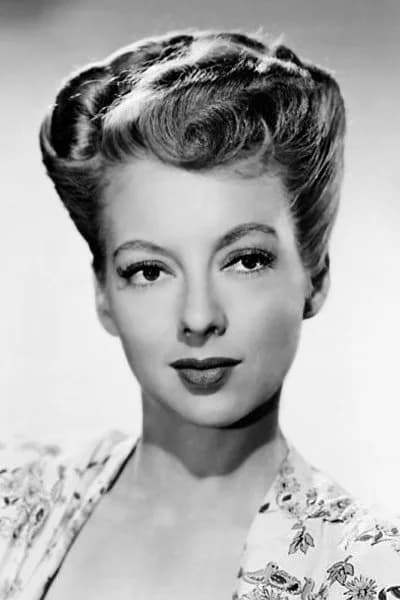
Evelyn Keyes
Cast · Known for Gone with the Wind
Evelyn Louise Keyes (November 20, 1916 - July 4, 2008) was an American film actress. A chorus girl by age 18, Keyes came out to Hollywood and was introduced to Cecil B. DeMille, who in her own words, “signed me to a personal contract without even making a test”. After a handful of B-movies at Paramount Pictures, she landed the role in Gone with the Wind, of Scarlett O'Hara's sister, Suellen. She was later interviewed for the 1988 documentary The Making of a Legend: Gone with the Wind. Columbia Pictures signed her to a contract. In 1941, she played an ingenue in Here Comes Mr. Jordan. She spent most of the early 1940s playing leads in many of Columbia's B dramas and mysteries. She appeared as the female lead opposite Larry Parks in Columbia's blockbuster hit, The Jolson Story. She followed this up with an enjoyable minor screwball comedy, The Mating of Millie, with Glenn Ford. She was then in a 1949 role as Kathy Flannigan in Mrs. Mike. Keyes' last major film role was a small part as Tom Ewell's vacationing wife in The Seven Year Itch (1955), which starred Marilyn Monroe. Keyes officially retired in 1956, but continued to act.
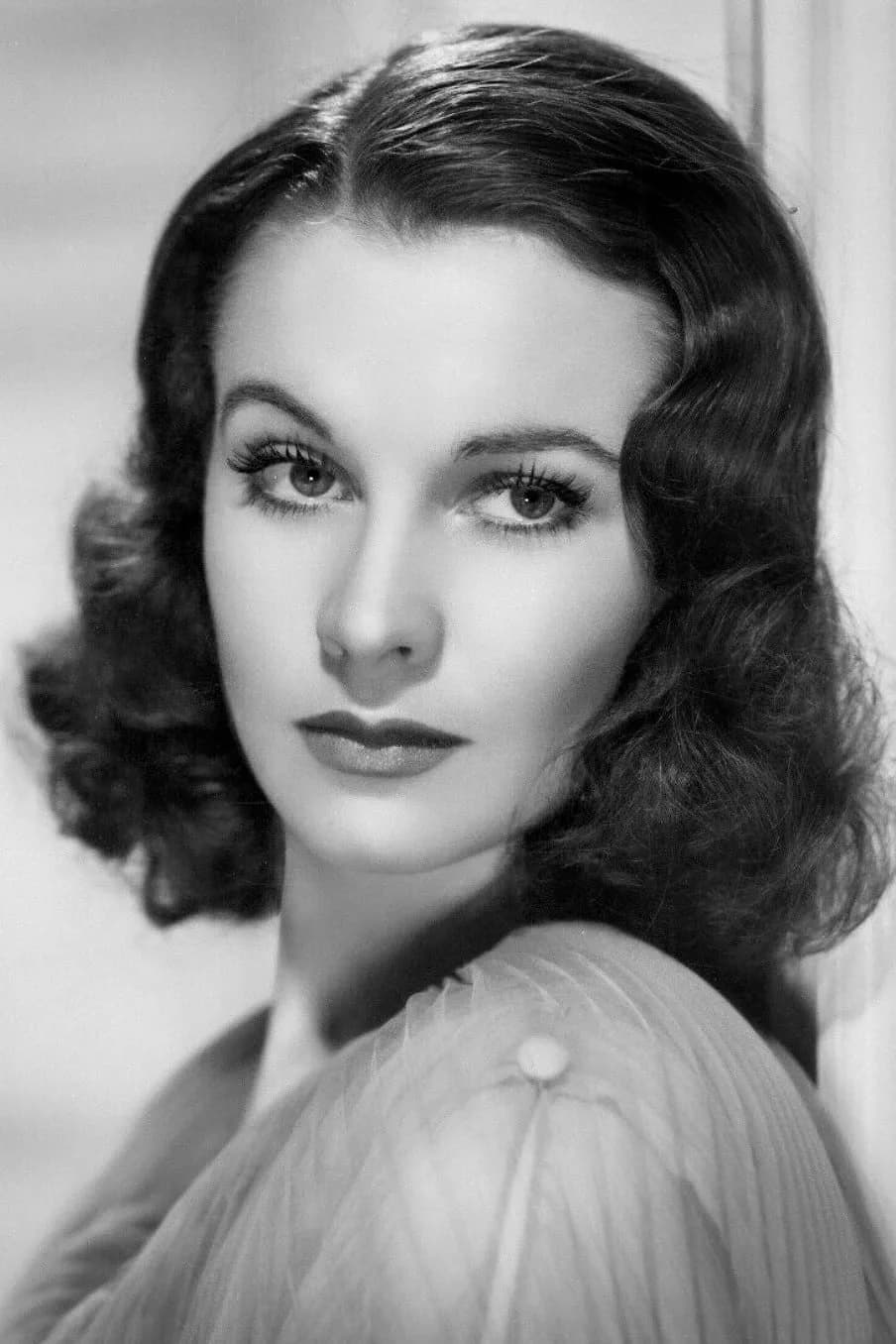
Vivien Leigh
Cast · Known for Gone with the Wind
Vivien Leigh (born November 5, 1913, Darjeeling, India—died July 8, 1967, London, England) was an English actress renowned for her roles in Hollywood and British theater. She won two Academy Awards for Best Actress, portraying Scarlett O’Hara in Gone with the Wind (1939) and Blanche DuBois in A Streetcar Named Desire (1951), both performances that solidified her place among the greatest actresses of classic cinema. Leigh was the only child of Ernest Hartley, a British broker, and Gertrude Yackjee, who had Anglo-Indian and Armenian ancestry. She spent her childhood between England and Europe, attending convent schools before enrolling at the Royal Academy of Dramatic Art (RADA) in London in 1932, setting the stage for her acting career. Her film debut came in Things Are Looking Up (1934), followed by roles in British films such as Fire Over England (1937), where she starred alongside Laurence Olivier. Their professional collaboration soon became a high-profile romance, capturing public fascination. Leigh’s breakthrough role was Scarlett O’Hara in Gone with the Wind (1939), a part for which she beat hundreds of actresses in a legendary casting search. The film became one of the most celebrated in cinematic history, and her performance earned international acclaim, securing her first Academy Award. Leigh continued to star in films such as Waterloo Bridge (1940) and That Hamilton Woman (1941), frequently working with Olivier, whom she married in 1940. Their union lasted 20 years, during which they became one of the most revered couples in theater and film, starring together in Shakespearean productions and three films. In 1951, she won her second Academy Award for A Streetcar Named Desire, where her portrayal of Blanche DuBois was deeply personal, reflecting her own struggles with mental health. Leigh suffered from bipolar disorder, which profoundly affected her career and personal relationships. She also battled chronic tuberculosis, first diagnosed in the mid-1940s, which ultimately led to her death on July 8, 1967, at the age of 53. After divorcing Olivier in 1960, she found companionship with actor John Merivale, who remained by her side until her passing. Despite periods of career instability, Leigh remains one of the most celebrated actresses of her time. In 1999, the American Film Institute (AFI) ranked her as the 16th greatest female movie star of classic Hollywood cinema. She also won a Tony Award for Tovarich (1963), proving her talent extended beyond film. Her beauty, talent, and dedication made her an enduring icon, and her performances continue to be studied and celebrated worldwide.