
Search

Georgie & Mandy's First Marriage
2024
Georgie and Mandy raise their young family in Texas while navigating the challenges of adulthood, parenting, and marriage.
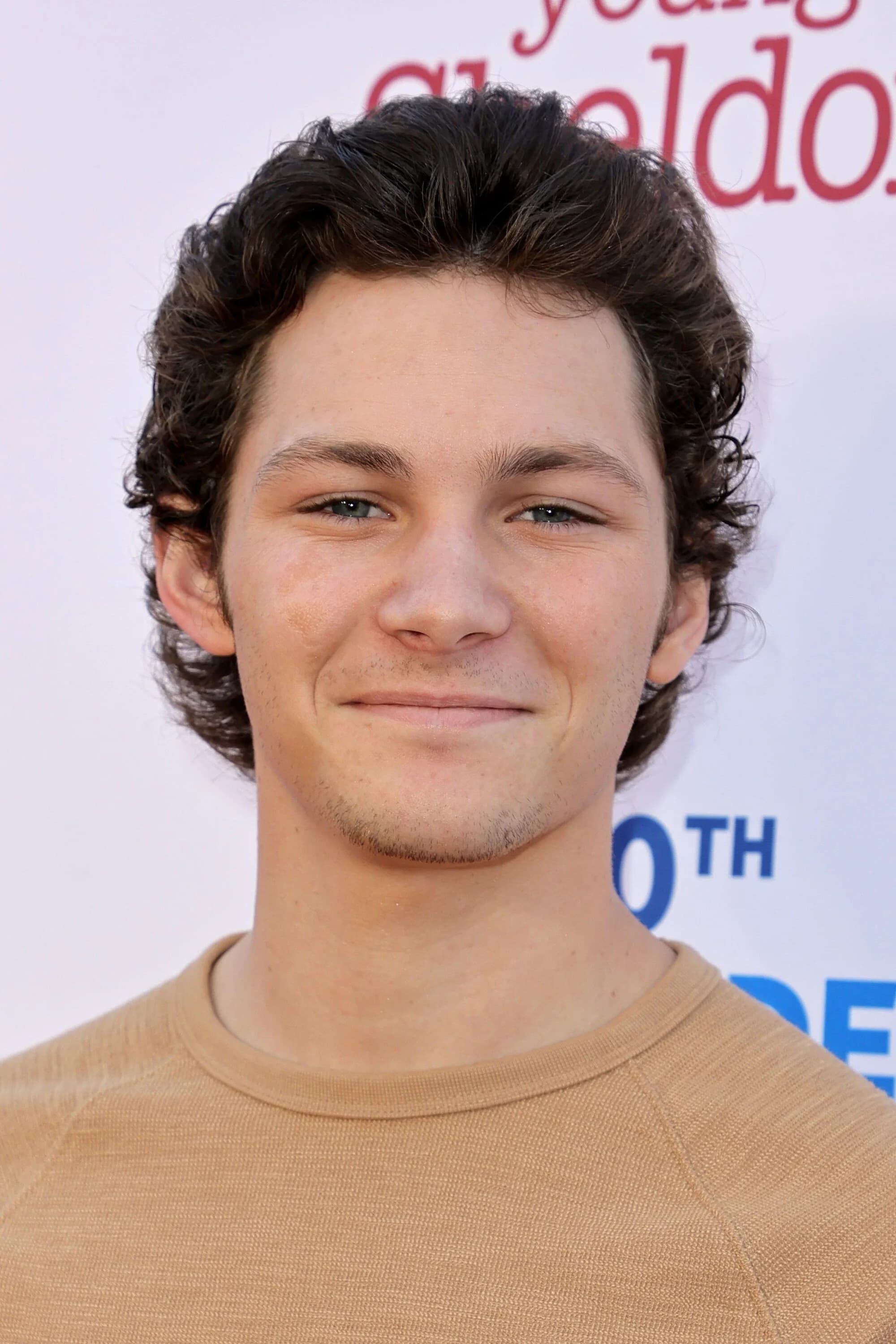
Montana Jordan
Cast · Known for Georgie & Mandy's First Marriage, Young Sheldon
Montana Jordan (born March 8, 2003) is an American actor. He is best known for his role as Georgie Cooper Jr. in The Big Bang Theory franchise, appearing as a series regular in Young Sheldon (2017–2024). He reprises the role as a lead actor in the spin-off Georgie & Mandy's First Marriage (2024–present).
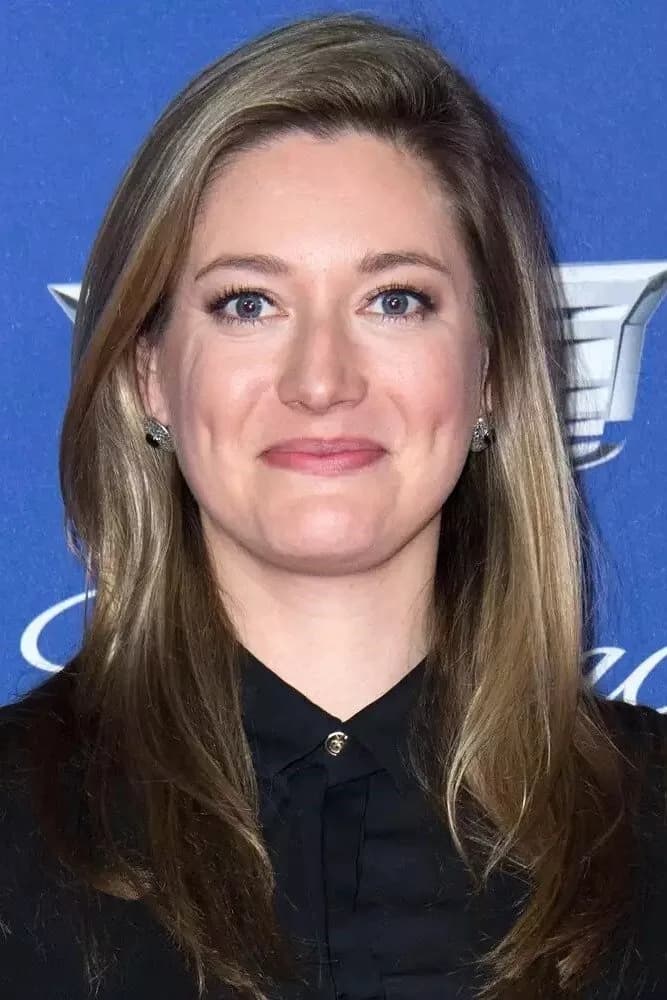
Zoe Perry
Cast · Known for Young Sheldon, Georgie & Mandy's First Marriage
Zoe Perry (born September 26, 1983) is an American actress. The daughter of actors Laurie Metcalf and Jeff Perry, she made her film debut in Deception (2008) and had a supporting role in the independent drama film The Loss of a Teardrop Diamond (2008). After recurring roles as Jane on The Family (2016) and Samantha Ruland on Scandal (2017), Perry had her breakout as Mary Cooper on the CBS sitcom Young Sheldon (2017–24). The role, which was played by her mom Laurie Metcalf on The Big Bang Theory, earned Perry a nomination for the Critics' Choice Television Award for Best Supporting Actress in a Comedy Series in 2019. She reprised the role on the spin-off series Georgie & Mandy's First Marriage (2024–present).
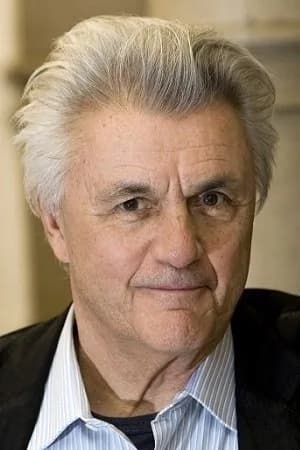
John Irving
John Winslow Irving (born John Wallace Blunt Jr.; March 2, 1942) is an American-Canadian novelist, short story writer, and screenwriter. Irving achieved critical and popular acclaim after the international success of The World According to Garp in 1978. Many of Irving's novels, including The Hotel New Hampshire (1981), The Cider House Rules (1985), A Prayer for Owen Meany (1989), and A Widow for One Year (1998), have been bestsellers. He won the Academy Award for Best Adapted Screenplay in the 72nd Academy Awards (1999) for his script of The Cider House Rules. Five of his novels have been adapted into films (Garp, Hotel, Meany, Cider, Widow). Several of Irving's books (Garp, Meany, Widow) and short stories have been set in and around Phillips Exeter Academy in the town of Exeter, New Hampshire. Irving was born John Wallace Blunt Jr. in Exeter, New Hampshire, the son of Helen Frances (née Winslow) and John Wallace Blunt Sr., a writer and executive recruiter; but the couple separated during pregnancy. Irving grew up in Exeter with a stepfather, Colin Franklin Newell Irving, who was a Phillips Exeter Academy faculty member. His uncle Hammy Bissell was also part of the faculty. John Irving was in the Phillips Exeter wrestling program as a student athlete and as an assistant coach, and wrestling features prominently in his books, stories, and life. While a student at Exeter, Irving was taught by author and Christian theologian Frederick Buechner, whom he quoted in an epigraph in A Prayer for Owen Meany. Irving has dyslexia. Irving's biological father, whom he never met, had been a pilot in the Army Air Forces and, during World War II, was shot down over Burma in July 1943, but survived. (The incident was incorporated into his novel The Cider House Rules.) Irving did not find out about his father's heroism until 1981, when he was almost 40 years old. Irving's career began at the age of 26 with the publication of his first novel, Setting Free the Bears (1968). The novel was reasonably well reviewed but failed to gain a large readership. In the late 1960s, he studied with Kurt Vonnegut at the University of Iowa Writers' Workshop. His second and third novels, The Water-Method Man (1972) and The 158-Pound Marriage (1974), were similarly received. In 1975, Irving accepted a position as assistant professor of English at Mount Holyoke College. Frustrated at the lack of promotion his novels were receiving from his first publisher, Random House, Irving offered his fourth novel, The World According to Garp (1978), to Dutton, which promised him stronger commitment to marketing. The novel became an international bestseller and cultural phenomenon. It was a finalist for the National Book Award for Fiction in 1979 (which ultimately went to Tim O'Brien for Going After Cacciato) and its first paperback edition won the Award the next year. Garp was later made into a film directed by George Roy Hill and starring Robin Williams in the title role and Glenn Close as his mother; it garnered several Academy Award nominations, including nominations for Close and John Lithgow. Irving makes a brief cameo appearance in the film as the referee in one of Garp's high school wrestling matches. ... Source: Article "John Irving" from Wikipedia in English, licensed under CC-BY-SA 3.0.
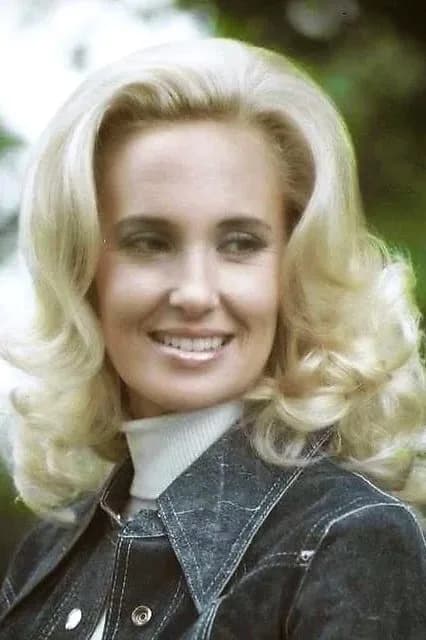
Tammy Wynette
Tammy Wynette, born Virginia Wynette Pugh, was an American country music singer-songwriter and one of country music's best-known artists and biggest-selling female singers. She was called the "First Lady of Country Music", and her best-known song, "Stand by Your Man", is one of the best-selling hit singles by a woman in the history of country music. Many of her hits dealt with classic themes of loneliness, divorce, and the difficulties of life and relationships. During the late 1960s and early 1970s, Wynette charted 23 No. 1 songs. Along with Loretta Lynn and Dolly Parton, she is credited with having defined the role of women in country music during the 1970s. Wynette's marriage to country music singer George Jones in 1969, which ended in divorce in 1975, created a country music "couple", following the earlier success of Johnny Cash and June Carter Cash. Jones and Wynette recorded a sequence of albums and singles that hit the charts throughout the 1970s and early eighties.
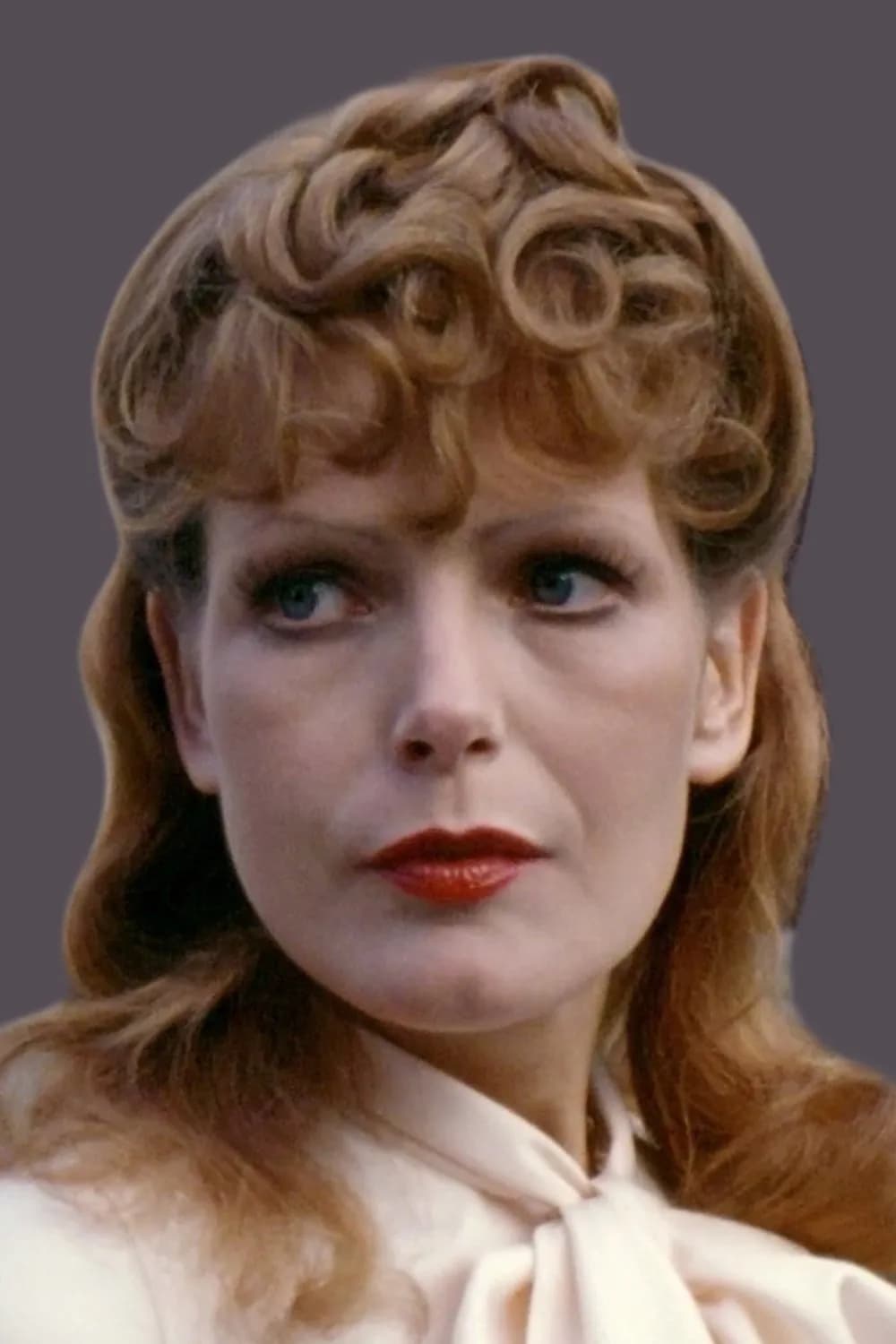
Margit Carstensen
Margit Carstensen (29 February 1940 – 1 June 2023) was a German theatre and film actress, best known outside Germany for roles in the works of film director Rainer Werner Fassbinder. Carstensen was born and raised in the northern German city of Kiel. Upon graduation from the local high school in 1958, she studied acting at the Hochschule für Musik und Theater Hamburg. This education led to her first stage appearances in Kleve, Heilbronn, Münster, and Braunschweig. In 1965, Carstensen began a four-year engagement with the German Playhouse in Hamburg. In 1969, she gained a local profile for her work in the Theater am Goetheplatz in Bremen, where she first met director Rainer Werner Fassbinder. She then worked under his direction in a comedy by the 18th-century Venetian Carlo Goldoni, The Coffee Shop (which was recorded for television in 1970), bringing her national attention in West Germany. She subsequently played the role of serial murderess Geesche Gottfried in the premiere of Fassbinder's own play Bremen Freedom (also televised, in 1972), and then in the title role of his Henrik Ibsen adaptation Nora Helmer (televised in 1974) derived from A Doll's House. Outside of theatre, Carstensen played leading roles in the Fassbinder films The Bitter Tears of Petra von Kant (1972), her best-known role for him; Martha (1974), analysing a traditional marriage in a contemporary setting; Fear of Fear (1975); Mother Küsters' Trip to Heaven (1975); Satan's Brew (1976); Chinese Roulette (1976) and Women in New York (1977). She also appeared in episodes of two Fassbinder television productions: Eight Hours Don't Make a Day (1972), and Berlin Alexanderplatz (1980). From 1973 to 1976, Carstensen held a steady acting engagement in Darmstadt. In 1977, she moved to West Berlin where she performed on the highly regarded Staatliche Schauspielbühnen. In 1982, she moved to Stuttgart in order to work with director Hansgünther Heyme, where she appeared in a series of plays directed by him. During this time, Carstensen also worked in international film productions, such as Andrzej Żuławski's Possession (1981) and Agnieszka Holland's Angry Harvest (1985); the latter was nominated for an Academy Award for Best Foreign Language Film. By the late 1980s, she had developed ongoing working relationships with German directors Werner Schroeter, Christoph Schlingensief, and Leander Haußmann. For the 2003–04 season, Carstensen appeared in the Vienna Burgtheater, in the premiere of Elfriede Jelinek's play Bambiland under the direction of Schlingensief. During the 2007–08 season Carstensen assisted with the Austrian-German TV documentary Mr. Karl – A Person for People, directed by Kurt Mayer. In 2016, she was still on television, appearing in the long-running series Tatort. Carstensen received many awards in her career. Among these were the 1973 German Film Awards (Gold), for her acting in The Bitter Tears of Petra von Kant, and the 2002 Bavarian Film Award, for her acting in Scherbentanz. In 1972 she was chosen by the German Film Critics Guild as Best Actress of the Year. In 2019, she was awarded the Götz-George-Preis for her life's work. Description above from the Wikipedia article Margit Carstensen, licensed under CC-BY-SA, full list of contributors on Wikipedia.
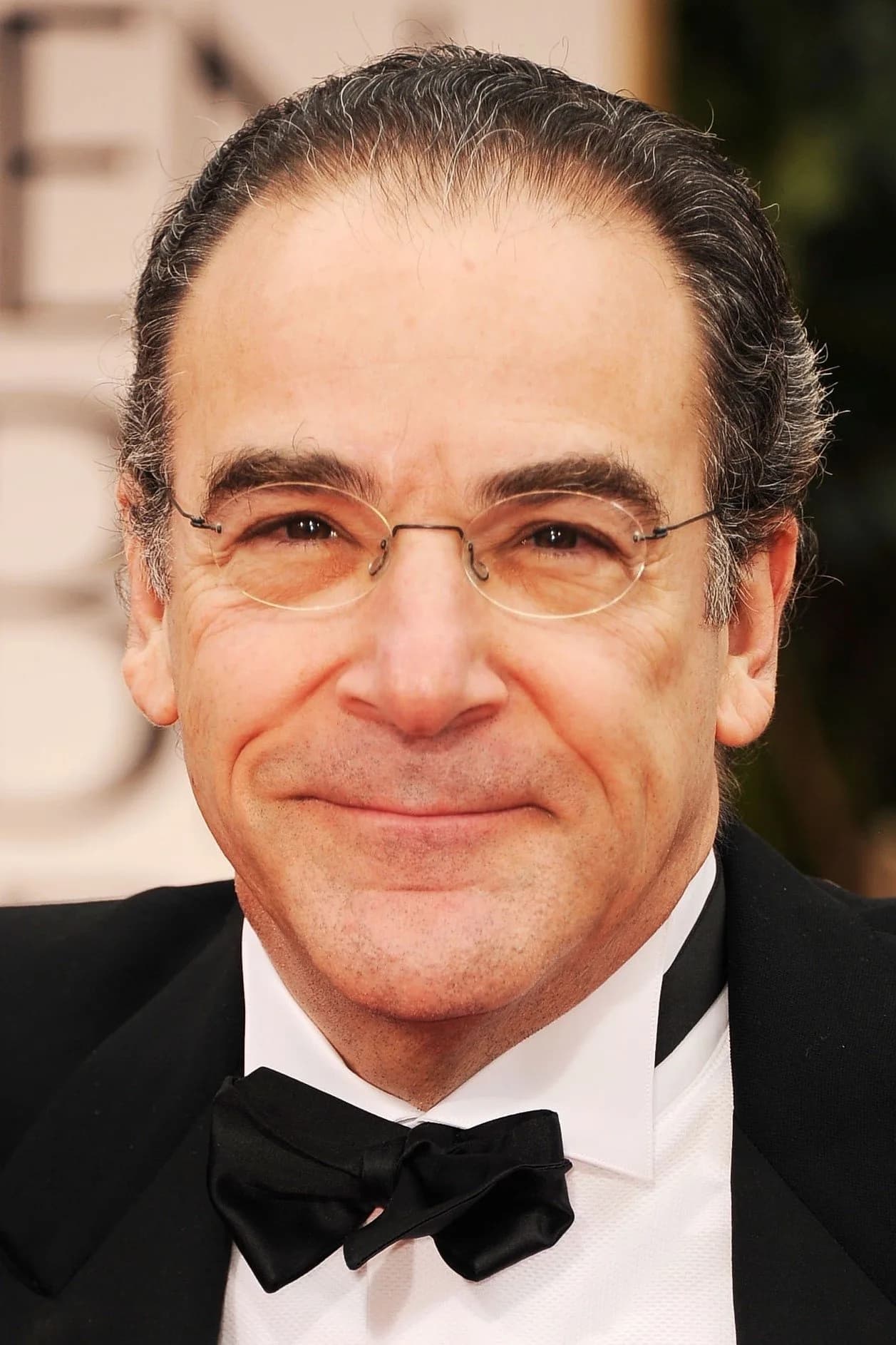
Mandy Patinkin
Cast · Known for Homeland, The Princess Bride, Chicago Hope
Mandel 'Mandy' Bruce Patinkin (born November 30, 1952) is an American actor and singer known for his work in musical theatre, television, and film. As a critically acclaimed Broadway performer, he collaborates with Stephen Sondheim and Andrew Lloyd Webber. His leading roles on stage and screen have received numerous accolades, including a Tony Award and a Primetime Emmy Award, as well as nominations for seven Drama Desk Awards, three Golden Globe Awards, and a Screen Actors Guild Award. He made his theatre debut in 1975, starring opposite Meryl Streep in the revival of the comic play Trelawny of the "Wells" at The Public Theatre's Shakespeare Festival. He played Che in the first Broadway production of Andrew Lloyd Webber's Evita (1979), earning a Tony Award for Best Featured Actor in a Musical, as well as the roles of Georges Seurat/George in Stephen Sondheim's Sunday in the Park with George (1984) for which he was nominated for the Tony Award for Best Actor in a Musical. He portrayed Lord Archibald Craven in the original Broadway cast of Lucy Simon's The Secret Garden (1991). On Broadway, he replaced Michael Rupert as Marvin in William Finn's Falsettos (1993). He starred as Burrs in The Wild Party (2000) and earned a second nomination for the Tony Award for Best Actor in a Musical. He had leading roles in television shows, playing Dr. Jeffrey Geiger in Chicago Hope (1994–2000); SSA Jason Gideon in the CBS crime-drama series Criminal Minds (2005–2007); Saul Berenson in the Showtime drama series Homeland (2011–2020); and Rufus Cotesworth in the Hulu mystery series Death and Other Details (2024). He earned seven Primetime Emmy Award nominations for his television work, winning Outstanding Leading Actor in a Drama Series for Chicago Hope in 1995. He had recurring roles in Dead Like Me (2003–2004,) and The Good Fight (2021). He also had film roles portraying Inigo Montoya in Rob Reiner's family adventure film The Princess Bride (1987) and Avigdor in Barbra Streisand's musical epic Yentl (1983), for which he earned a Golden Globe Award for Best Actor in a Motion Picture Musical or Comedy nomination. Other film credits include Ragtime (1981); Maxie (1985); Dick Tracy (1990); True Colors (1991); Impromptu (1991); Wonder (2017); and Life Itself (2018). He also voiced roles in Hayao Miyazaki's Castle in the Sky (2003) and The Wind Rises (2013).
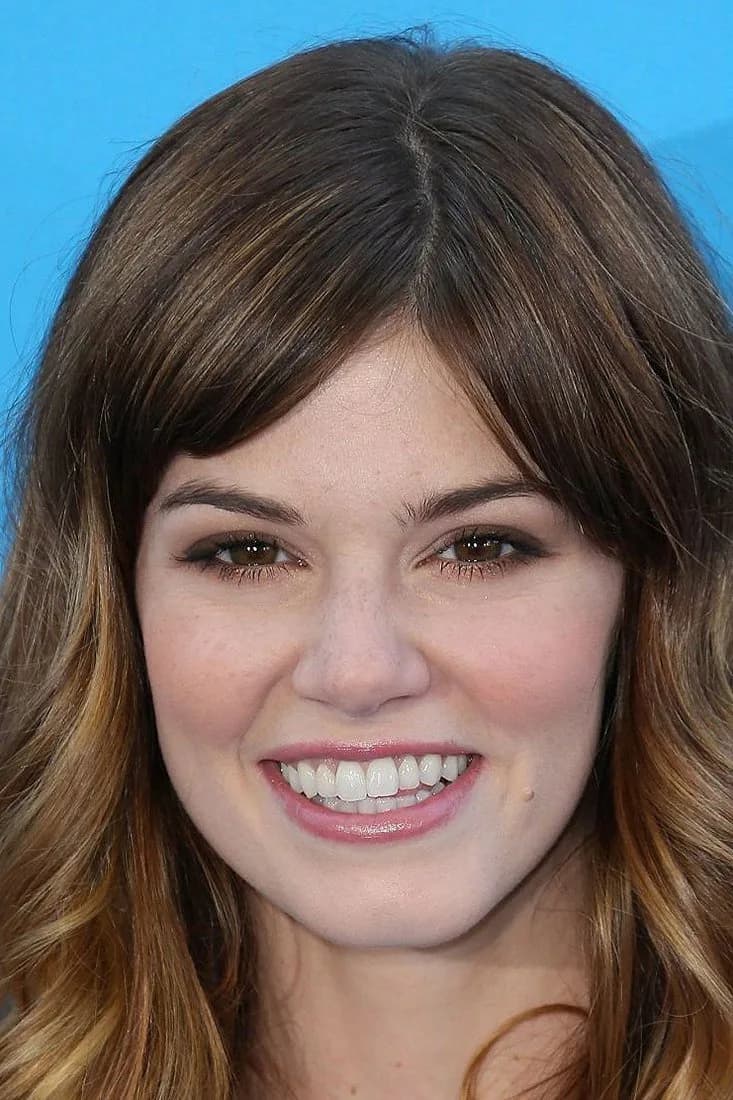
Rachel Melvin
Cast · Known for Sleepy Hollow
Rachel Melvin (born February 9, 1985) is an American actress. She is best known for her roles as Chelsea Brady on Days of Our Lives and as Penny in Dumb and Dumber To. Melvin landed her first acting job in the 2005 independent film Boo. She later won the role of Georgia LaMarque, a French girl whom Bo and Billie had been falsely led to believe was their daughter on the NBC soap opera Days of our Lives, but only appeared in five episodes. Months later, she took over the role of Chelsea Brady (originally portrayed by Mandy Musgrave). She and her dog were seen on The Tonight Show with Jay Leno, when she was randomly interviewed at a gas station for a segment. Melvin has also guest-starred on Summerland, Jack & Bobby and 8 Simple Rules. With her family, she has also appeared on Family Feud. In 2010, Melvin starred as Kaia in Seven Deadly Sins which premiered on Lifetime alongside Dreama Walker. The first part premiered on May 23 while the second part premiered on May 24, 2010. In 2011, Melvin appeared in episodes of House M.D. and Castle. In 2014, Melvin appeared as Penny Pinchelow in Dumb and Dumber To, portrayed Mary in Zombeavers, and Sarah in the drama thriller film Madtown. She appeared in the final season of MTV's Awkward.
George Kirby
George Kirby (June 8, 1923 – September 30, 1995) was an American comedian, singer, and actor from Chicago, Illinois. Kirby broke into show business in the 1940s at the Club DeLisa, a South Side establishment that employed a variety-show format and preferred to hire local singers, dancers, and comedians. His first recording was as a stand-up blues singer, performing "Ice Man Blues" on a Tom Archia session done in 1947 for Aristocrat Records. He was one of the first African-American comedians to begin to appeal to white as well as black audiences during the height of the Civil Rights era, appearing between 1966 and 1972 on The Ed Sullivan Show, The Dean Martin Show, The Jackie Gleason Show, Rowan and Martin's Laugh-In, and The Tonight Show Starring Johnny Carson. He was an excellent impressionist — targeting, somewhat scandalously for the time, many white actors such as John Wayne and Walter Brennan rather than solely black stars such as Bill Cosby and Pearl Bailey — and, for a man of his ample girth, an unexpectedly agile dancer. He also did vocal impressions of such singers as Louis Armstrong and Ella Fitzgerald. In 1970, he was allowed to produce a television special, The George Kirby Show, to gauge whether he could attract an audience for a weekly series. This led to his hosting a sketch comedy and variety show, Half the George Kirby Comedy Hour, which lasted for 22 episodes in 1972; it was also one of the actor-comedian Steve Martin's first credits in front of the camera. The series was in many ways an uneasy compromise between Kirby's natural gifts and what the public would accept of black actors at the time; a regular feature was a shaggy dog story segment entitled the "Funky Fable". He was also a regular in the British-produced ABC Comedy Hour series The Kopycats, alongside such other impressionists as Rich Little, Charlie Callas, Marilyn Michaels, and Frank Gorshin. Following the demise of his show, Kirby's career declined, especially as audiences began to look for more cutting-edge comedy. He had been an occasional drug addict; now, to make up for lost income, he took to selling drugs. In 1977 he sold heroin to an undercover cop; he plea bargained to a ten year prison term and was released after 42 months. His career never again reached its former heights, but he did register featured guest appearances on Gimme a Break with Nell Carter, Crazy Like a Fox, and 227. He then took ill with what was later diagnosed as Parkinson's Disease. He was well-loved enough within the comedy community that friends and admirers formed the "Friends of George Kirby", which performed an all-star tribute to him in 1995 to help pay his mounting medical bills, only a few months before he died. Description above from the Wikipedia article George Kirby, licensed under CC-BY-SA, full list of contributors on Wikipedia.
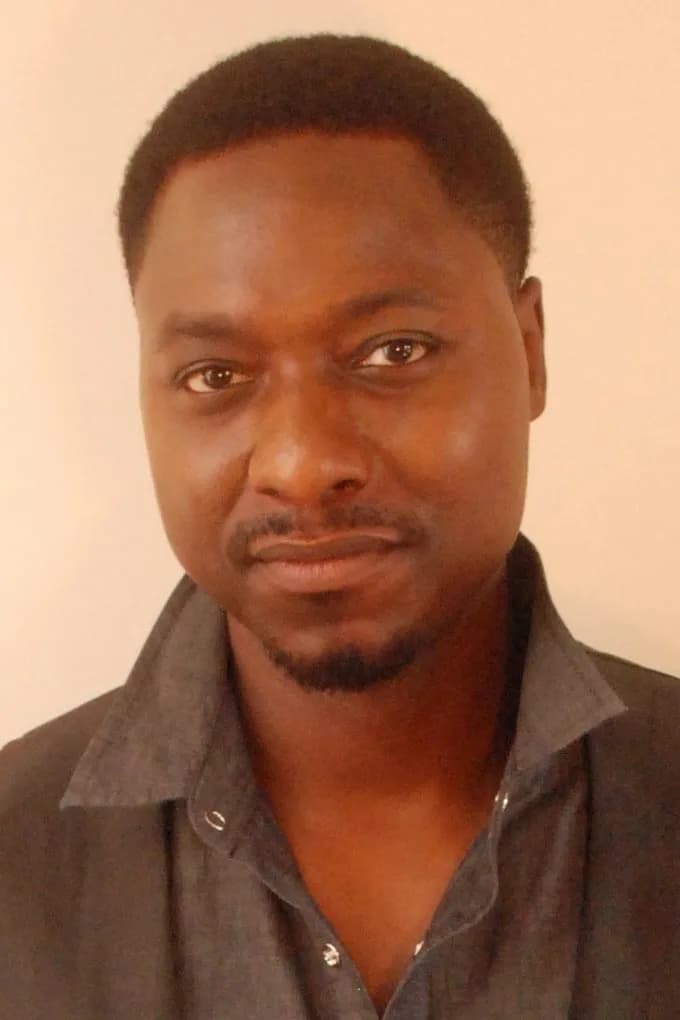
Dohn Norwood
Cast · Known for Hell on Wheels, MINDHUNTER
Morehouse alumni and Indianapolis native, Dohn Norwood is making a name for himself in the Hollywood scene. His film and television credits include: Bruce Almighty (starring Jim Carrey), Mini's First Time (starring Alec Baldwin and Carrie-Anne Moss), Castle, Entourage, Without a Trace, ER, Bones, and The Closer. Dohn's background is highlighted by both his well-traveled and well-trained skills. After receiving his Bachelor of Arts degree from prestigious Morehouse College in Atlanta, Georgia, Dohn went on to receive his Master of Fine Arts degree from the University of California, San Diego (one of the three most prominent schools for performing arts training in the United States). While at U.C.S.D., Dohn traveled to Dakar, Senegal in West Africa where he performed a one-man show centered on his childhood while growing up on Indianapolis' Westside. The show received rave reviews from a variety of foreign critics including those from Spain, Germany, Portugal, Argentina, and several West African countries. At the conclusion of Norwood's stay at U.C.S.D., he moved on to Los Angeles, California where he currently resides. His first introduction to LA's performing arts world was as the role of Romeo in the Ahmanson Theatre's production of Romeo & Juliet directed by Sir Peter Hall of the Royal Shakespeare Company in 2001. Dohn has been involved in theatre and performance since the fourth grade when he took part in an after school drama club program while attending Indianapolis Public School No. 2 in downtown Indianapolis. He went on to be part of the performing arts magnet at both Shortridge Junior High School and Broad Ripple High School. Acting is not the only career Dohn is establishing in Los Angeles. As a product of not only acting programs but many after school outreach organizations such as Indiana University's Upward Bound program (as a student) and later as a Tutor/Counselor and Drama instructor for Morehouse College's Upward Bound Program as well, it is no surprise Dohn's life has expanded to include philanthropy. Dohn not only serves as Vice President but as an instructor for The T.Y.M.E. Foundation/Boys to Men Enrichment Program centered in South Los Angeles. The T.Y.M.E. Foundation is a non-profit organization based on the principle of teaching young men excellence. "Boys to Men" is The T.Y.M.E. Foundation's youth outreach program which focuses on principles of scholastic achievement, leadership, and community service. Having established a diverse resume which includes stage, television, film, and commercials, Dohn now faces a strong future in the film and television world. Upcoming projects to watch for include Castle, Doing the L.A. Thing, and 15 Minutes of Fame. Norwood married Marlene Glasper in 2013. Height: 6′ 2″
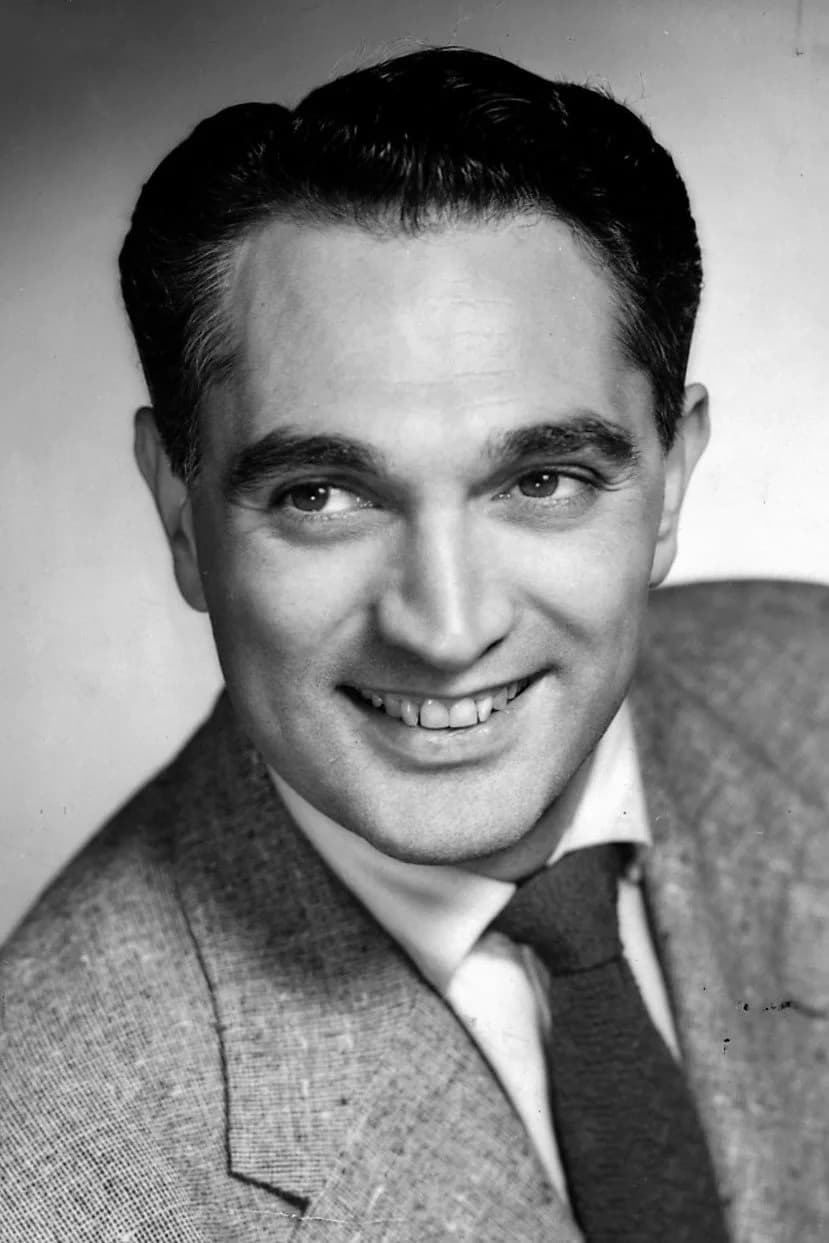
Robert Alda
From Wikipedia, the free encyclopedia Robert Alda (February 26, 1914 – May 3, 1986) was an American theatrical and film actor and father of actors Alan and Antony Alda. A singer and dancer, Alda was featured in a number of Broadway productions before moving to Italy during the early 1960s. He appeared in many European films over the next two decades, occasionally returning to the U.S. for film appearances such as The Girl Who Knew Too Much (1969). Alda, an American of Italian descent, was born Alphonso Giuseppe Giovanni Roberto D'Abruzzo in New York, New York, the son of Frances (née Tumillo) and Antonio D'Abruzzo, a barber born in Sant'Agata de' Goti, Benevento, Campania, Italy. He graduated from Stuyvesant High School in New York in 1930. He began as a singer and dancer in vaudeville after winning a talent contest, and moved on to burlesque. Alda is known for portraying George Gershwin in the biopic Rhapsody in Blue (1945) as well as the talent agent in the Douglas Sirk classic Imitation of Life (1959). He was very successful on Broadway, starring in Guys and Dolls (1950), for which he won a Tony Award, and in What Makes Sammy Run? (1964). He was also the host of the short-lived DuMont TV version of the game show What's Your Bid? (May–June 1953). Alda's first wife, and mother of actor Alan Alda, Joan Browne, was a homemaker and former beauty pageant winner. Alda was married to his second wife, Flora Marino, an Italian actress whom he met in Rome, until his death. Alda made two guest appearances with his son Alan on M*A*S*H, in the episodes "The Consultant" (January 1975) and "Lend a Hand" (February 1980). The latter episode also featured Antony Alda (1956–2009), his younger son by his second wife. Alda appeared in an episode of The Feather and Father Gang in 1977. Alda died on May 3, 1986, aged 72, after a long illness following a stroke.

Lisa Jakub
From Wikipedia, the free encyclopedia Lisa Jakub (born December 27, 1978) is a Canadian writer, yoga teacher, and former actress. She is best known for her roles as Lydia Hillard in the comedy-drama film Mrs. Doubtfire (1993) and as Alicia Casse in Independence Day (1996). Childhood and education Jakub was born on December 27, 1978, in Toronto, Ontario. She is of Slovak (father) and Welsh and Scottish (mother) descent. She attended multiple schools in her early life, including Hillfield Strathallan College. Jakub graduated from the University of Virginia with a degree in sociology in 2010. Acting Jakub's first role was as Katis' Granddaughter in the 1985 film Eleni. She appeared in comedy-drama film Mrs. Doubtfire (1993) alongside Mara Wilson, Sally Field, Matthew Lawrence, and Robin Williams. When Jakub received the part of Lydia in Mrs. Doubtfire, her high school expelled her for accruing too many absences. Robin Williams wrote a letter to Jakub's high school, pleading with them to re-admit Jakub but this was unsuccessful. She played Sandra in Matinee (1993), appeared in A Pig's Tale (1994) and Independence Day (1996), The Beautician and the Beast (1997), and played the "inspiration" for Princess Leia in the short film George Lucas in Love (1999). She starred in Picture Perfect (1995) and portrayed a bordello worker in the American Old West in Painted Angels (1997). Personal life Jakub retired from acting in 2001 at the age of 22 and soon moved to Virginia. In 2005, she married Jeremy Jones, a longtime friend and former theatre manager. Jakub stated she has no plans to return to acting. Jakub later became a writer, authoring two non-fiction books: the autobiography You Look Like That Girl (2015) and Not Just Me (2017). She also contributes to online blogs. Jakub is a qualified Kripalu yoga teacher. She has openly discussed her battles with anxiety, depression and panic attacks, from which she has suffered since her teenage years, and credits her yoga practice for helping her to overcome them. In 2021, Lisa launched a new website, BlueMala, which she described as the resource that she wished she had when she was in her darkest moments. The website contains her articles on mental wellness along with her yoga and meditation videos. Writings You Look Like That Girl: A Child Actor Stops Pretending and Finally Grows Up (2015) Not Just Me: Anxiety, Depression, and Learning to Embrace Your Weird (2017) (Don't) Call Me Crazy (contributing writer) (Algonquin, 2018)
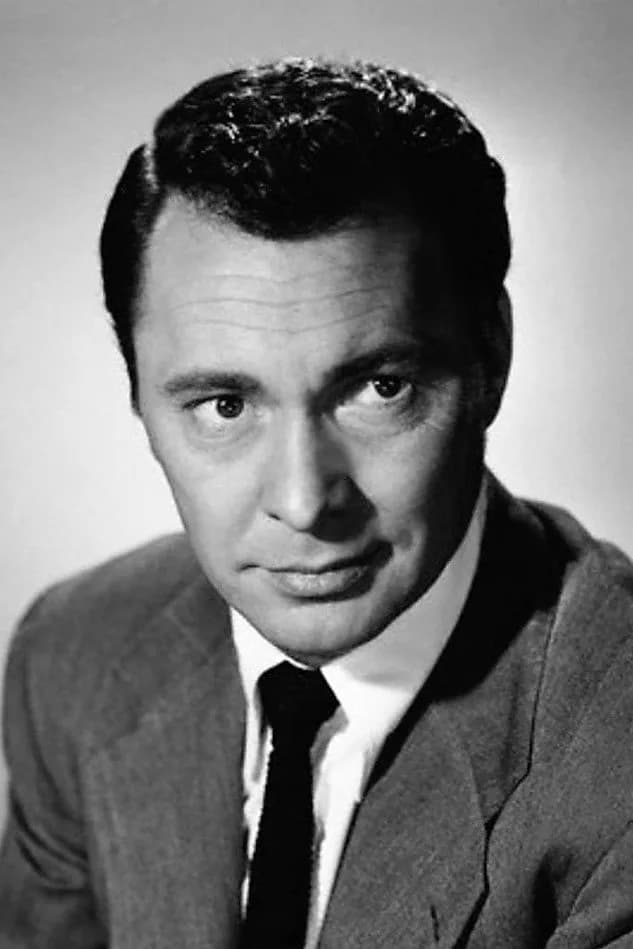
Barry Sullivan
Barry Sullivan (August 29, 1912 – June 6, 1994) was an American movie actor who appeared in over 100 movies from the 1930s to the 1980s. Born in New York City, Sullivan fell into acting when in college playing semi-pro football. During the later Depression years, Sullivan was told that because of his 6 ft 3 in (1.9 m) stature and rugged good looks he could "make money" simply standing on a Broadway stage. This began a successful career on Broadway, movies and television. One of Sullivan's most memorable roles was playing a movie director in The Bad and the Beautiful opposite Kirk Douglas. Sullivan toured the US with Bette Davis in theatrical readings of the poetry of Carl Sandburg and starred opposite her in the 1951 film Payment on Demand. In 1950, Sullivan appeared in the film A Life of Her Own and replaced Vincent Price in the role of Leslie Charteris' Simon Templar on the NBC Radio show The Saint. Unfortunately, Sullivan only lasted two episodes before the show was cancelled, and then resurrected five weeks later with Vincent Price once again playing the starring role. Sullivan's first starring TV show was a syndicated adaptation of the radio series The Man Called X for Ziv Television in 1956-1957, as secret agent Ken Thurston, the role Herbert Marshall originally portrayed before the microphone. In the 1957-1958 season, Sullivan starred in the adventure/drama television series Harbormaster. He played a commercial ship's captain, David Scott, and Paul Burke played his partner, Jeff Kittridge, in five episodes of the series, which aired first on CBS and then ABC under the revised title Adventure at Scott Island. In 1960, Sullivan played frontier sheriff Pat Garrett opposite Clu Gulager as outlaw Billy the Kid in the western television series The Tall Man (although the series ran for seventy-five half-hour episodes, the one in which Garrett kills Billy was never filmed). Sullivan appeared in Sam Peckinpah's Pat Garrett & Billy the Kid (1973) as John Chisum, but his scene was excised from the release print (though later restored to the film). He had a featured role in the 1976 miniseries Rich Man, Poor Man Book II. In additional to The Tall Man, Sullivan also starred in the television series The Road West, which aired on NBC on Monday, alternating with Perry Como), during the 1966-1967 season. Sullivan played the role of family patriarch Ben Pride. Sullivan guest starred in many series, including The DuPont Show with June Allyson, The Reporter, The Love Boat, Little House on the Prairie, and McMillan and Wife. He starred in many Hallmark Hall of Fame specials including a highly acclaimed production of "The Price" opposite George C. Scott. Sullivan was consistently in demand for the entirety of his career. His acting career spanned romantic leading man roles to villains and finally to character roles. In his later years, Sullivan had roles in the films, Oh God with George Burns and Earthquake, where he shared scenes with Ava Gardner. Sullivan has two stars on the Hollywood Walk of Fame: one at 1500 Vine St. for his work in television, and another at 6160 Hollywood Blvd. for motion pictures.
George Nickolas K.
George Nickolas K. began performing at the very young age of 5. Made his first TV appearance as a lead actor at the age of 9 and was the youngest ever actor, 11 years old, to be accepted into a local, highly respected professional theater company. Between 2003 and 2006, George was seen in many commercials, including McDonalds, Chevy, etc., various guest spots including "Made To Order" in the role of "Kevin", "Off The Record" and many other TV appearances. George has also acted in and starred in many films which were featured at the Milan Film Festival (2002),the Venice Film Festival (2007)and the Cannes Film Festival(2014) and the Toronto International Film Festival (2014). A dramatic and comedic actor, George is also a very skilled drummer and voice artist. Al Pacino, Tom Cruise, Jack Nicholson, Jim Carrey, Martin Short and the entire cast of "SCTV", are just a few of the actors with whom George credits as his biggest influences. Between 2009-2013, George was cast in many films, including: "Pay In Full", "BoonDock Saints II: All Saints Day" and a role in the David Cronenberg film "Maps to the Stars", filmed on location in Hollywood. George is a member of the Screen Actor's Guild, (SAG/AFTRA) and a member of ACTRA. - IMDb Mini Biography
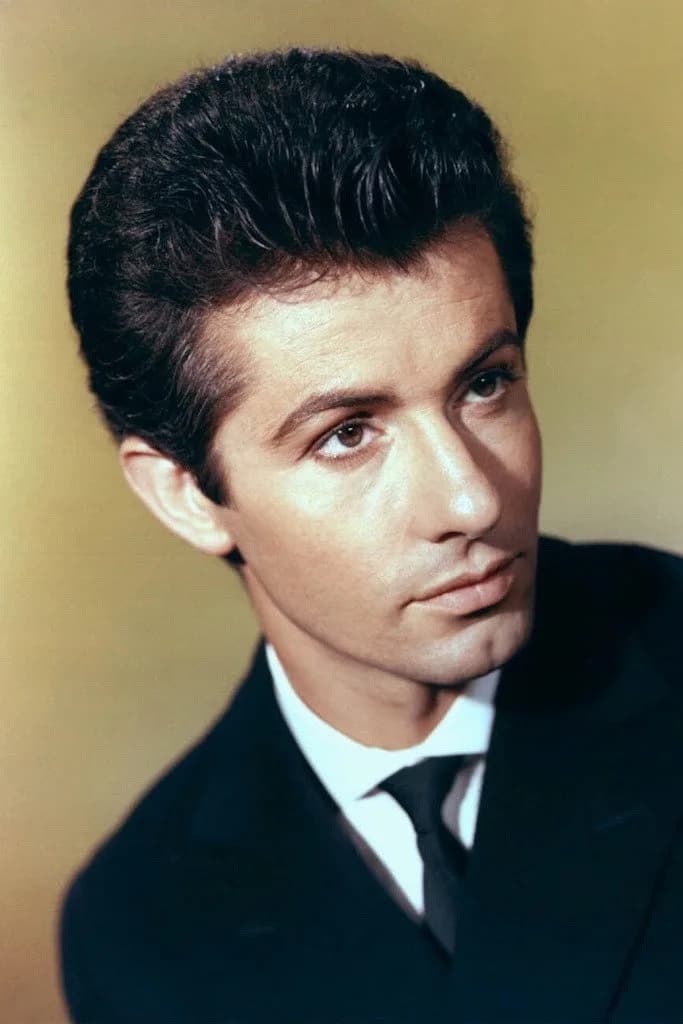
George Chakiris
George Chakiris (born September 16, 1932) is an American dancer, singer and actor. He is best known for his role as Bernardo in the 1961 film version of West Side Story, which earned him an Academy Award and Golden Globe Award for Best Supporting Actor. Prior to West Side Story, Chakiris appeared uncredited in many musicals such as Gentlemen Prefer Blondes (1953), White Christmas (1954), and Brigadoon (1954) as a dancer or chorus member. After West Side Story, he had starring roles in several lesser-known critical and commercial failures such as Diamond Head (1962), Kings of the Sun (1963), and The High Bright Sun (1965). On stage, his most notable role was as Bobby in the first national tour of Stephen Sondheim's Company. He had guest roles in many television series throughout the 1970s and 1980s, including appearances on Dallas, Superboy, and the series finale of The Patridge Family. Chakiris emerged from retirement to act in the film Not to Forget (2021), which aims to raise awareness of Alzheimer's disease.
George Savalas
Greek-American actor George Savalas is best remembered for co-starring on his elder brother (Telly Savalas)'s popular television detective show Kojak (1973) (1973-78). He played Detective Stavros to Telly's Kojak, changed his middle name later in life from "Nicholas" to "Demosthenes" and was billed as simply Demosthenes in the end credits to avoid confusion with the elder Savalas. George Savalas served in the Pacific during WWII and was a decorated U.S. Navy gunner. He learned his craft at Columbia University's School of Drama. Before making it to the small screen, he was an accomplished stage actor and acting instructor. He was, briefly, the drummer for the Clyde McCoy Big Band. He got his start on the Dick Powell Theater, and went on to guest star on other series. He appeared in several films including Genghis Khan (1965) and Kelly's Heroes (1970). After "Kojak" ended, he recorded a Top-10 Greek language record and toured with his band at many major venues including Carnegie Hall. Savalas later returned to his first love, the stage, and appeared in many off-Broadway plays. He died of leukemia in 1985, aged 60, and was survived by his wife and their six children (five sons and one daughter).
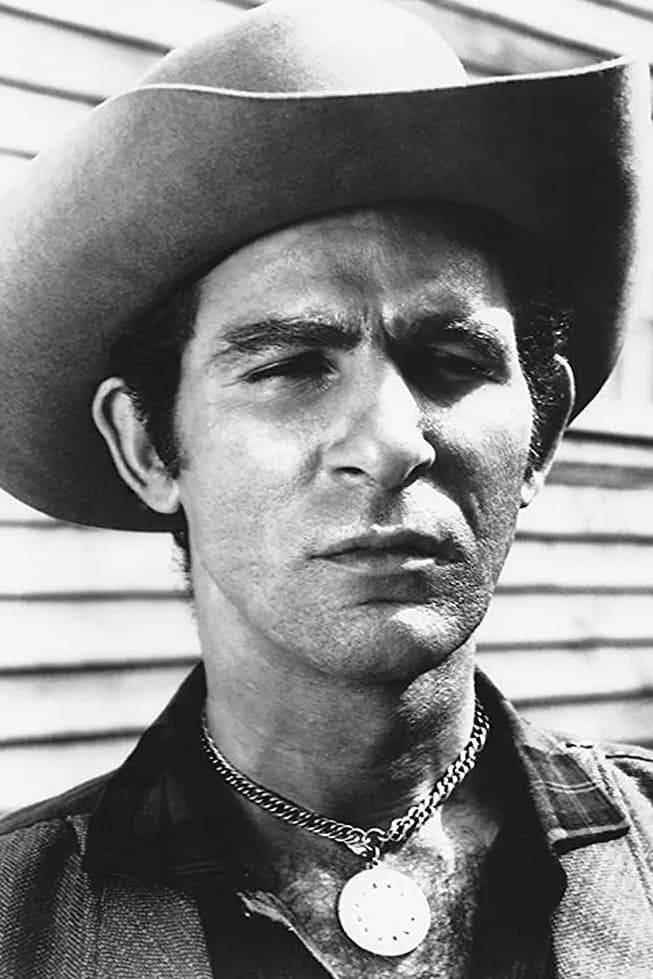
George Keymas
George Keymas (November 18, 1925 – January 17, 2008) was an American film and television actor. Keymas graduated from Springfield (Ohio) High School. Keymas began his Hollywood career in 1950, mainly in Westerns. His first screen appearance was in an uncredited role in the 1950 B-feature film, I Shot Billy the Kid, with lead Don "Red" Barry. Keymas was cast in ethnic, often Native American characters, or cow-punching, at times ruthless, cowboys, in countless film and TV Westerns. He appeared on "Have Gun Will Travel" S2 E19 "The Monster" as Regaldo, which first aired on 1/14/1960. He portrayed "the Leader" in The Twilight Zone episode "Eye of the Beholder", which originally aired November 11, 1960. His freakish, ambiguous character was seen throughout the episode on a futuristic big-screen monitor as background subplot to the story. In 1962, he played a murderer in "The Nancy Davis Story" on the TV Western Wagon Train. Keymas's "Indian" roles came in many other popular TV Westerns series of the day, such as Daniel Boone, Death Valley Days, The High Chaparral, Gunsmoke, and Bonanza, among many others. Keymas retired in 1977. Selected filmography I Shot Billy the Kid (1950) - Murphy's Man (uncredited) Border Rangers (1950) - Raker, Henchman Mask of the Avenger (1951) - Austrian Soldier (uncredited) Actors and Sin (1952) (segment "Woman of Sin") - Producer The Miracle of Our Lady of Fatima (1952) - Prisoner (uncredited) Salome (1953) - Sailor (uncredited) Siren of Bagdad (1953) - Soradin Flame of Calcutta (1953) - Prince Jehan The Robe (1953) - Slave (uncredited) The Great Adventures of Captain Kidd (1953, Serial) - Sailor in the Argus brig (uncredited) King of the Khyber Rifles (1953) - Afridi Horseman (uncredited) Bait (1954) - Chuck Drums of Tahiti (1954) - Angelo The Raid (1954) - Captain Dupree (uncredited) The Black Dakotas (1954) - Spotted Deer (uncredited) They Rode West (1954) - Torquay (uncredited) The Bamboo Prison (1954) - Spiros Metaxas (uncredited) The Prodigal (1955) - Scribe (uncredited) Stranger on Horseback (1955) - Bannerman's Henchman Wyoming Renegades (1955) - George Curry Kentucky Rifle (1955) - Interpreter Santa Fe Passage (1955) - Chief Satank Apache Ambush (1955) - Tweedy The Vanishing American (1955) - Coshanta Kismet (1955) - Young Policeman (uncredited) Fury at Gunsight Pass (1956) - Daley The Maverick Queen (1956) - Muncie Walk the Proud Land (1956) - Ponce (uncredited) Thunder Over Arizona (1956) - Harvard 'Shotgun' Kelly The White Squaw (1956) - Yotah Utah Blaine (1957) - Rink Witter The Storm Rider (1957) - Apache Kid Apache Warrior (1957) - Chato Plunder Road (1957) - Officer No. 1 (uncredited) Gunfire at Indian Gap (1957) - Scully Cole Younger, Gunfighter (1958) - Sergeant Price, State Police Gunsmoke in Tucson (1958) - Hondo Death Valley Days (1960) - Toguima, Episode: Mission to the Mountains Studs Lonigan (1960) - Gangster (uncredited) Lonely Are the Brave (1962) - Deputy (uncredited) He Rides Tall (1964) - Ed Harney (uncredited) Arizona Raiders (1965) - Montana Beau Geste (1966) - Platoon Sergeant Journey to Shiloh (1968) - Crooked Gambler (uncredited) The Other Side of Midnight (1977) - Dr. K CLR
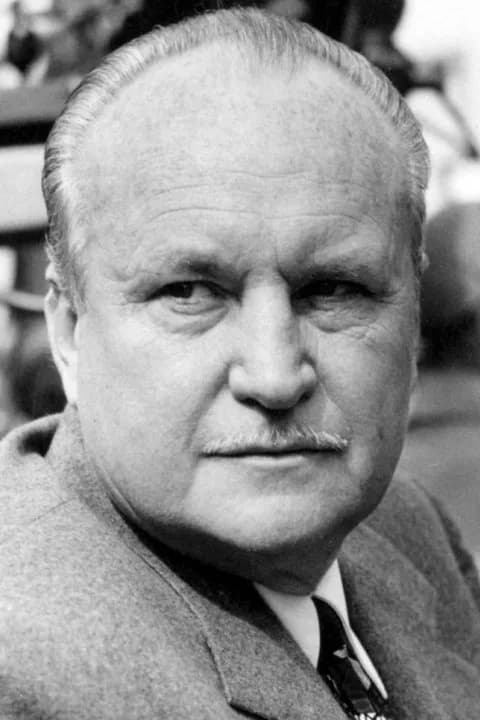
George Waggner
Director · Known for Batman
George Waggner (September 7, 1894 - December 11, 1984) was an American film director, producer and actor. Born in New York City, he made his film debut as Yousayef in The Sheik (1921). He later went on to appearances in Western films. The first film he directed was Western Trails (1938) and his most well-known directorial effort arguably remains The Wolf Man (1941). In the 1960s, he directed episodes of the television series Maverick, Batman, The Green Hornet, and The Man from U.N.C.L.E.. He also directed John Wayne and Oliver Hardy wearing coonskin caps in The Fighting Kentuckian (1949), in which his daughter, Shy Waggner, appeared in a cameo. Waggner's career in film declined in the 1950s, due to the popularity of television, and he eventually moved to television late in the decade. Many of his television credits, such as Maverick and Batman, have his name spelled as "george waGGner." He also directed Red Nightmare, a Cold War propaganda film produced by the Department of Defense and narrated by Jack Webb. Waggner wrote the film Queen of the Yukon with Jack London. His wife was Danny Shannon. The couple had only one child, Shy, born in 1924. and two grandchildren Sherry and Robert. Description above from the Wikipedia article George Waggner, licensed under CC-BY-SA, full list of contributors on Wikipedia
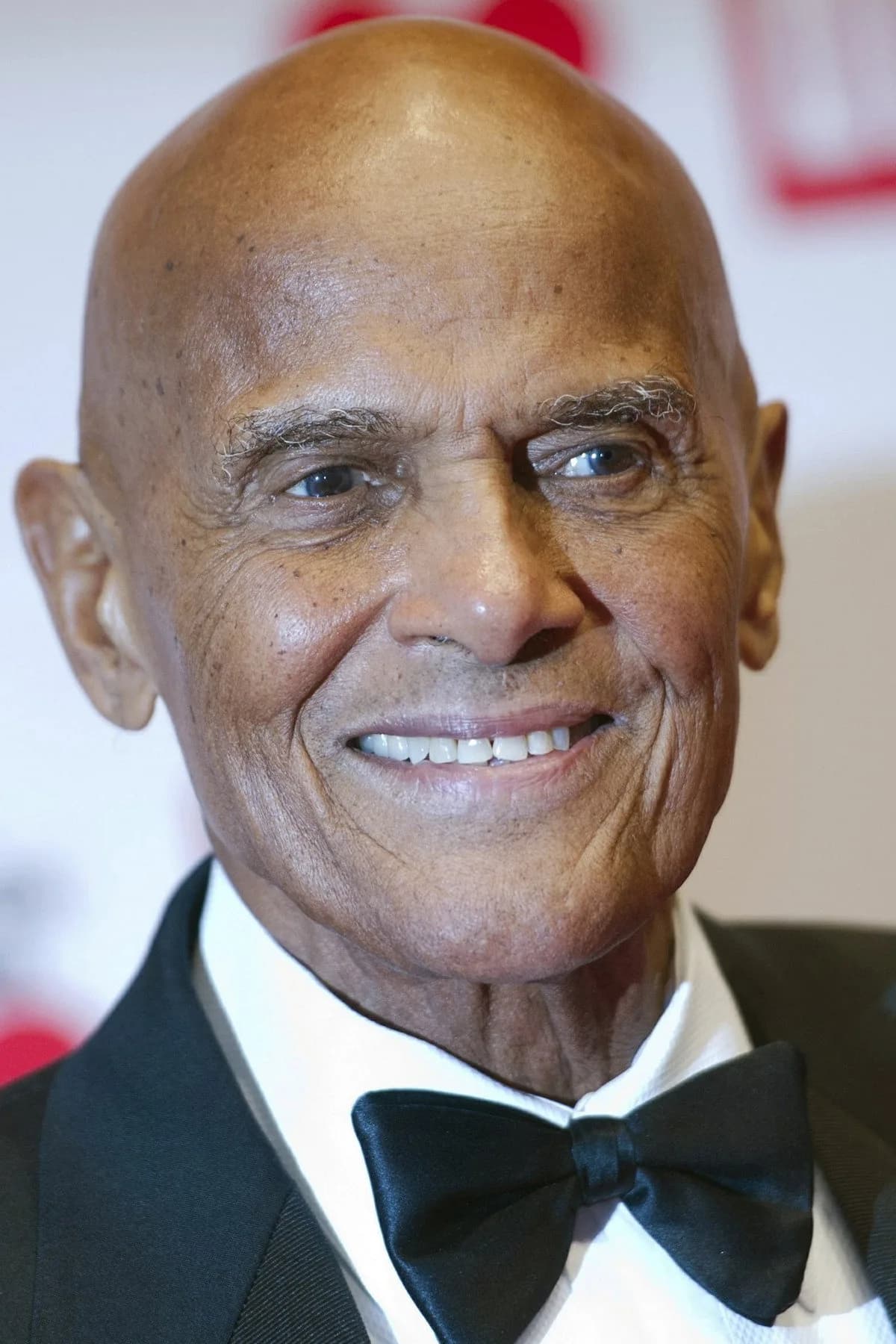
Harry Belafonte
Harry Belafonte (born Harold George Bellanfanti Jr.; March 1, 1927 – April 25, 2023) was an American singer, actor and activist, who popularized calypso music with international audiences in the 1950s. Belafonte is one of the few performers to have received an Emmy, Grammy, Oscar, and Tony (EGOT), although he won the Oscar in a non-competitive category. He earned his career breakthrough with the album Calypso (1956), which was the first million-selling LP by a single artist. Belafonte was best known for his recordings of "Day-O (The Banana Boat Song)", "Jump in the Line (Shake, Senora)", "Jamaica Farewell", and "Mary's Boy Child". He recorded and performed in many genres, including blues, folk, gospel, show tunes, and American standards. He also starred in films such as Carmen Jones (1954), Island in the Sun (1957), Odds Against Tomorrow (1959), Buck and the Preacher (1972), and Uptown Saturday Night (1974). He made his final screen appearance in Spike Lee's BlacKkKlansman (2018). Belafonte considered the actor, singer, and activist Paul Robeson a mentor, and he was a close confidant of Martin Luther King Jr. during the Civil Rights Movement of the 1950s and 1960s. He was a vocal critic of the policies of the George W. Bush and Donald Trump administrations. Belafonte acted as the American Civil Liberties Union celebrity ambassador for juvenile justice issues. Belafonte won three Grammy Awards (including a Grammy Lifetime Achievement Award), an Emmy Award, and a Tony Award. In 1989, he received the Kennedy Center Honors. He was awarded the National Medal of Arts in 1994. In 2014, he received the Jean Hersholt Humanitarian Award at the Academy's 6th Annual Governors Awards and in 2022 was inducted into the Rock and Roll Hall of Fame in the Early Influence category. Description above from the Wikipedia article Harry Belafonte, licensed under CC-BY-SA, full list of contributors on Wikipedia.
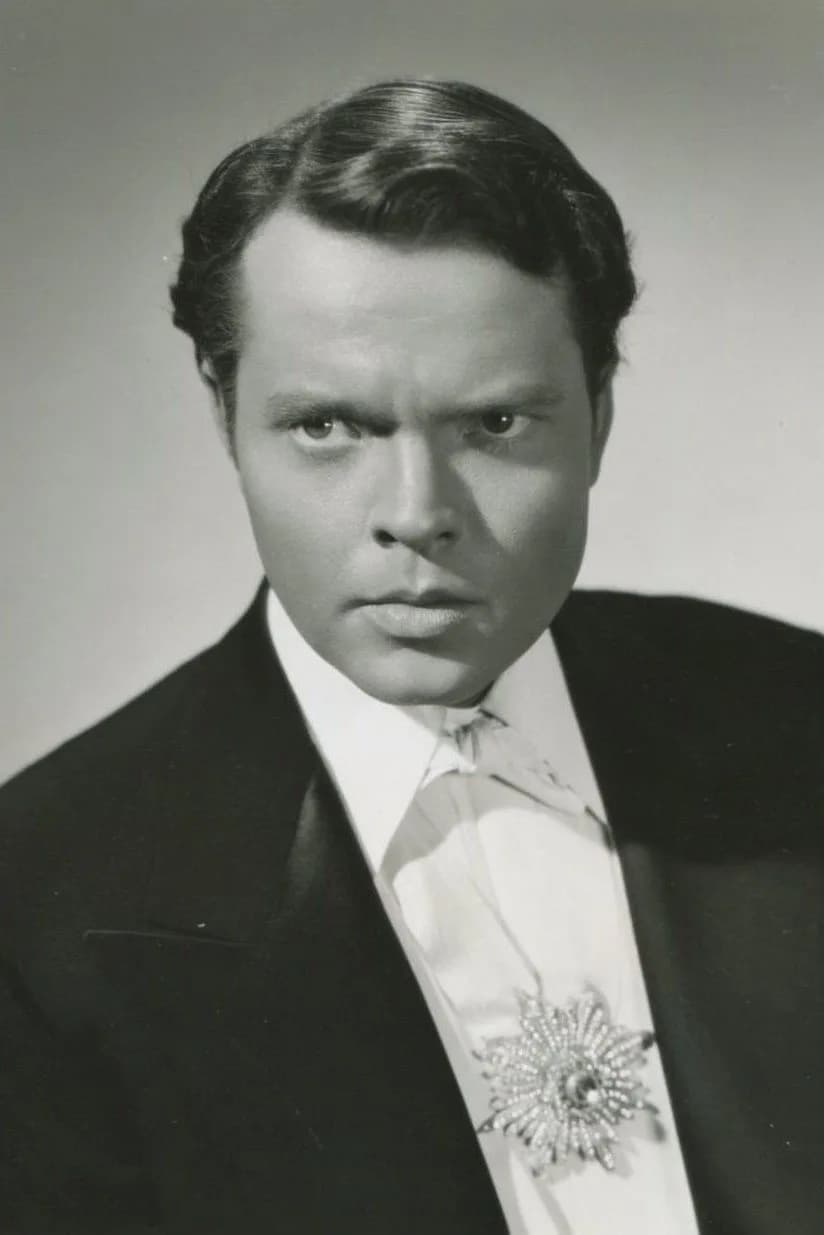
Orson Welles
Cast · Known for The Transformers: The Movie
George Orson Welles (May 6, 1915 – October 10, 1985) was an American film director, actor, theatre director, screenwriter, and producer, who worked extensively in film, theatre, television and radio. Noted for his innovative dramatic productions as well as his distinctive voice and personality, Welles is widely acknowledged as one of the most accomplished dramatic artists of the twentieth century, especially for his significant and influential early work—despite his notoriously contentious relationship with Hollywood. His distinctive directorial style featured layered, nonlinear narrative forms, innovative uses of lighting such as chiaroscuro, unique camera angles, sound techniques borrowed from radio, deep focus shots, and long takes. Welles's long career in film is noted for his struggle for artistic control in the face of pressure from studios. Many of his films were heavily edited and others left unreleased. He has been praised as a major creative force and as "the ultimate auteur." After directing a number of high-profile theatrical productions in his early twenties, including an innovative adaptation of Macbeth and The Cradle Will Rock, Welles found national and international fame as the director and narrator of a 1938 radio adaptation of H. G. Wells's novel The War of the Worlds performed for the radio drama anthology series Mercury Theatre on the Air. It was reported to have caused widespread panic when listeners thought that an invasion by extraterrestrial beings was occurring. Although these reports of panic were mostly false and overstated, they rocketed Welles to instant notoriety. Citizen Kane (1941), his first film with RKO, in which he starred in the role of Charles Foster Kane, is often considered the greatest film ever made. Several of his other films, including The Magnificent Ambersons (1942), The Lady from Shanghai (1947), Touch of Evil (1958), Chimes at Midnight (1965), and F for Fake (1974), are also widely considered to be masterpieces. In 2002, he was voted the greatest film director of all time in two separate British Film Institute polls among directors and critics, and a wide survey of critical consensus, best-of lists, and historical retrospectives calls him the most acclaimed director of all time. Andrew Sarris in his influential book of film criticism The American Cinema: Directors and Directions 1929–1968 included him in the "pantheon" of the 14 greatest film directors who had worked in the United States. Well known for his baritone voice, Welles was also an extremely well regarded actor and was voted number 16 in AFI's 100 Years... 100 Stars list of the greatest American film actors of all time. He was also a celebrated Shakespearean stage actor and an accomplished magician, starring in troop variety shows in the war years.
Raymond Mason
During Raymond Mason’s 20 years of acting in the ITV soap opera Crossroads, he played five different roles. “I don’t think anyone ever noticed,” he said, “and I don’t put it down to versatility.” For trained actors in the days when there was just a handful of drama colleges and fewer vocational courses, the pool of talent was by definition smaller. Many performers found themselves appearing more than once in the same programmes. For Raymond, the roles that he played on British television over 40-odd years numbered more than 1,000, and he appeared in scores of commercials at home and overseas. One of the reasons for Raymond’s success was that he was comfortable in a supporting role and, crucially, adept at not stealing a scene. Through a combination of timing and practised self-effacement he allowed the main star, or joke, to shine. Modest about taking the credit, he effectively enabled the skit. In the late 1960s and 1970s, when comedy was spread across just three TV channels, Raymond appeared in Saturday-night programmes including The Morecambe & Wise Show — he described the double act as “a joy”, The Two Ronnies and alongside Frankie Howerd, Les Dawson and the like. In a 1979 episode of Fawlty Towers called The Kipper and the Corpse, his character attempts to retrieve his hat while Basil is trying to hide the body of a deceased guest. John Cleese later described him as “one of my favourite actors”. The middle child between an older and a younger sister, Raymond was born in 1924 in Great Bridge, Staffordshire, and brought up in Tettenhall near Wolverhampton. His exposure to light entertainment started at an early age as his father, George, who had fought in the First World War, played the piano and organ, wrote his own compositions and was a local bandleader. After shutting up the fish and chip shop in Wolverhampton that he owned with his wife, Elizabeth, George would stuff a keyboard glockenspiel into his bike’s front carrier and set off
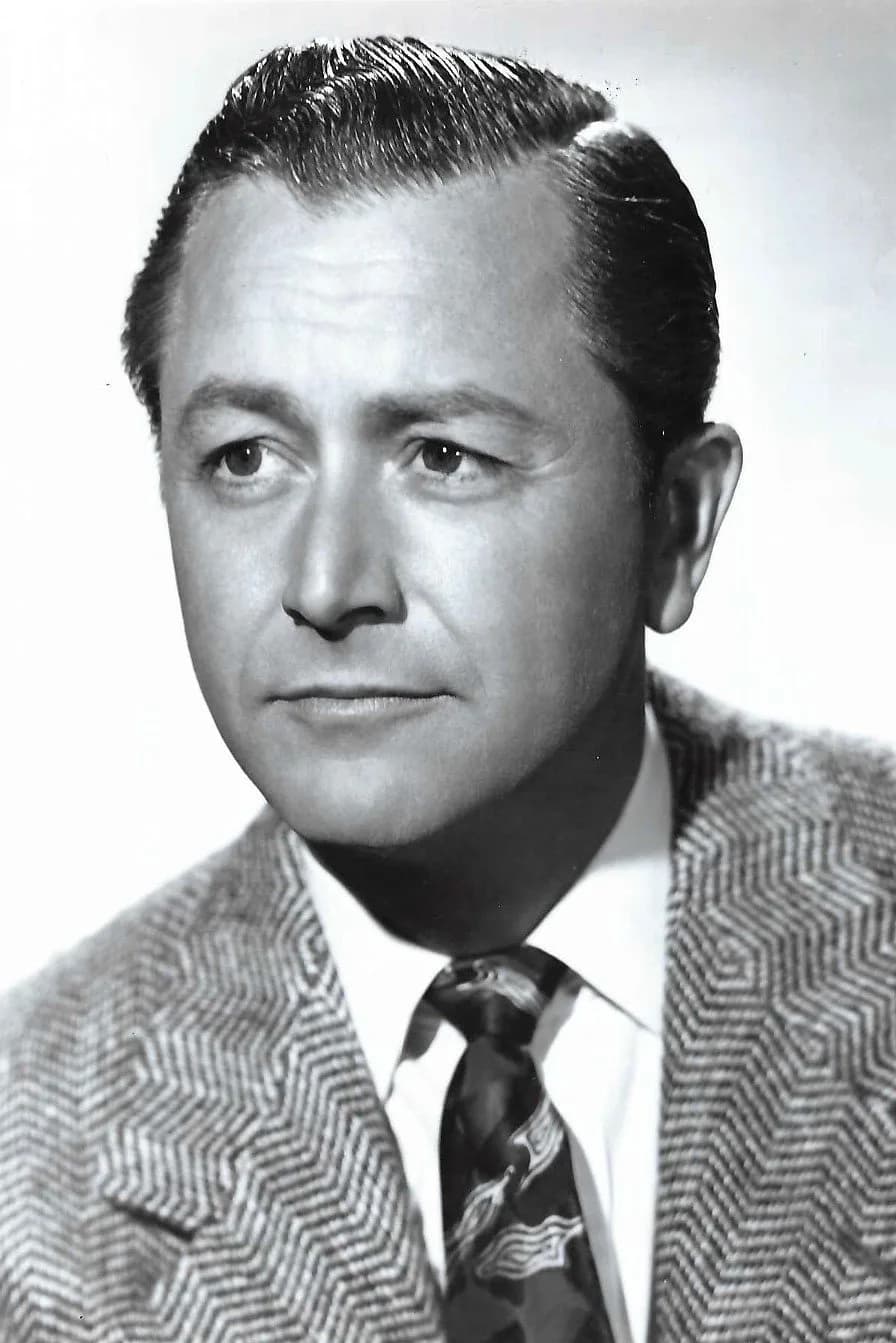
Robert Young
Robert George Young (February 22, 1907 – July 21, 1998) was an American television, film, and radio actor, best known for his leading roles as Jim Anderson, the father of Father Knows Best (NBC and then CBS) and as physician Marcus Welby in Marcus Welby, M.D. (ABC). Young appeared in over 100 films between 1931 and 1952. After appearing on stage, Young was signed with Metro-Goldwyn-Mayer and, in spite of having a "tier B" status, he co-starred with some of the studio's most illustrious actresses, such as Katharine Hepburn, Margaret Sullavan, Norma Shearer, Joan Crawford, Helen Hayes, Luise Rainer, Hedy Lamarr, and Helen Twelvetrees. Yet, most of his assignments consisted of B movies, also known as "programmers," which required two to three weeks of shooting (considered very brief shooting periods at the time). Actors who were relegated to such a hectic schedule appeared, as Young did, in some six to eight movies per year. As an MGM contract player, Young was resigned to the fate of most of his colleagues—to accept any film assigned to him or risk being placed on suspension—and many actors on suspension were prohibited from earning a salary from any endeavor at all (even those unrelated to the film industry). In 1936, MGM summarily loaned Young to Gaumont British for two films; the first was directed by Alfred Hitchcock with the other co-starring Jessie Matthews. While there he surmised that his employers intended to terminate his contract, but he was mistaken. He unexpectedly received one of his most rewarding roles late in his MGM career, in H.M. Pulham, Esq., featuring one of Hedy Lamarr's most effective performances. He once remarked that he was assigned only those roles which Robert Montgomery and other A-list actors had rejected. After his contract ended at MGM, Young starred in light comedies as well as in trenchant dramas for studios such as 20th Century Fox, United Artists, and RKO Radio Pictures. From 1943, Young assayed more challenging roles in films like Claudia, The Enchanted Cottage, They Won't Believe Me, The Second Woman, and Crossfire. His portrayal of unsympathetic characters in several of these later films—which was seldom the case in his MGM pictures—was applauded by numerous reviewers. Young's career began an incremental and imperceptible decline, despite a propitious beginning as a freelance actor without the nurturing of a major studio. He continued starring as a leading man in the late 1940s and early 1950s, but only in mediocre films, then he subsequently disappeared from the silver screen - only to reappear several years later on a much smaller one. Description above from the Wikipedia article Robert Young (actor), licensed under CC-BY-SA, full list of contributors on Wikipedia
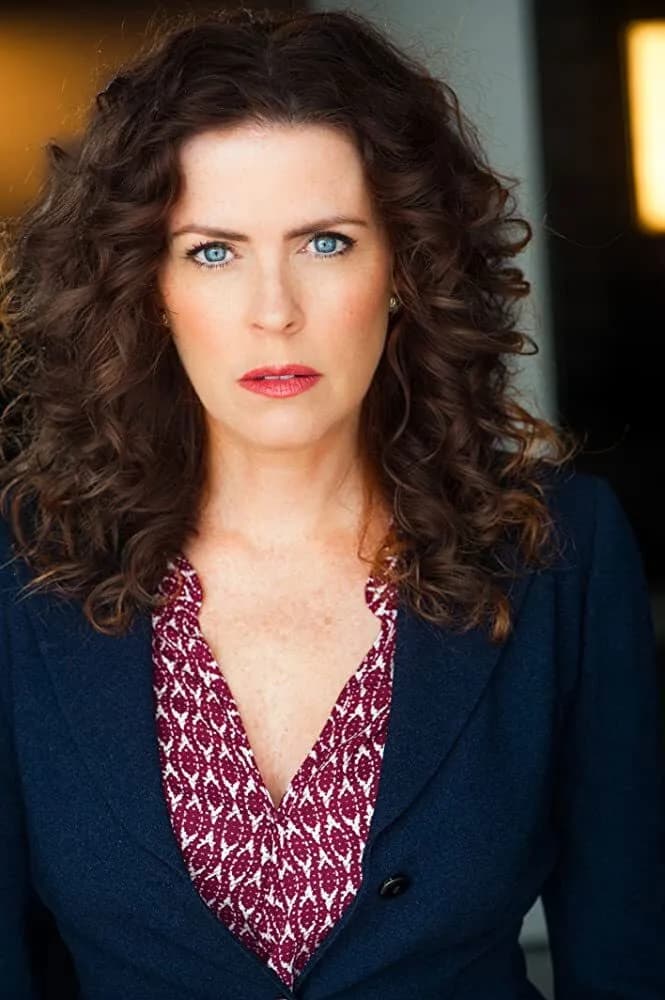
Stacey Turner
Stacey Turner was born in Atlanta, GA to Peggy, a real estate broker and Jerry Turner, a government employee with the U.S. Department of Education. Stacey attended Georgia State University and after college moved around the U.S. for six years while pursuing a television news career. Atlanta was the final stop on the news circuit, where she worked as the morning reporter for CBS46's Good Morning Atlanta. While in the news biz Stacey earned an Emmy nomination, two Society of Professional Journalists Green Eyeshade Awards, and was selected as a favorite television personality by a local Texas magazine. Her first acting role was in a church play at the age of 6. For Stacey, being from a small town on the outskirts of Atlanta was about as far from Hollywood as a girl could be. It wouldn't be until many years later, doing a play while working as a reporter in Savannah, that the interest would be re-sparked. Stacey decided to leave a career in the news industry to pursue acting full time. It wasn't long before she landed a small role in the film The Blind Side (2009) starring Sandra Bullock. While in Atlanta she also booked roles on The Army Wives and Drop Dead Diva. Shortly after that Stacey moved to Los Angeles to continue her career. Since her move she has had the opportunity to work on several films with directors such as Sophia Coppola, The Bling Ring (2013), Phil Joanou, The Veil (2015) and Jonathan Liebesman, Battle: Los Angeles (2011). She has also worked on top rated television shows including Bones, Scandal, Graceland and Legends. - IMDb Mini Biography
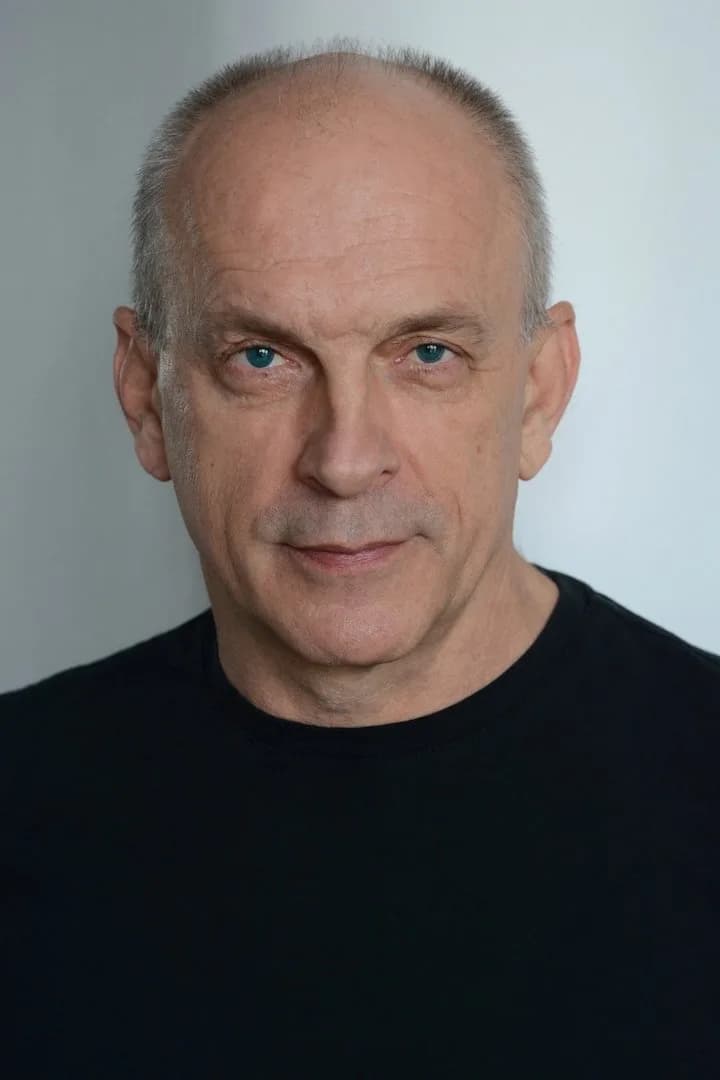
Tomas Arana
Cast · Known for Gladiator
He co-starred as Quintus in Ridley Scott's Gladiator (2000), the Dreamworks-Universal movie and winner of five Oscars, including Best Picture, co-starring Russell Crowe, Joaquin Phoenix, Connie Nielsen, Richard Harris, Derek Jacobi, and Oliver Reed. Three of Tomas Arana's more recent films are: La volpe a tre zampe (2005), directed by Sandro Dionisio, a Teatri Uniti (Angelo Curti)/Cattelya Production that co-stars Miranda Otto, Angela Luce, and Nadja Uhl; Outpatient (2002), directed by Alec Carlin, with Justin Kirk and Catherine Kellner and the Jean-Claude Van Damme action film, Derailed (2002), directed by Bob Misiorowski. He was in Chimera (2001), directed by Pappi Corsicato, with Iaia Forte and Tommaso Ragno. He has appeared in more than 40 films, ranging from large budget Hollywood Studio pictures to Independent films in both the U.S. and Europe. His studio pictures include L.A. Confidential (1997) (as Bruening, a rogue cop), The Bodyguard (1992) (as Portman, Kevin Costner's antagonist and Whitney Houston's assassin), The Hunt for Red October (1990) (as Loginov, the Russian Saboteur), Tombstone (1993), and First Kid (1996). He played Lazarus in Martin Scorsese's controversial The Last Temptation of Christ (1988). He was also featured in the Sundance-developed Wildflowers (1999), an independent film by Melissa Painter starring Clea DuVall and Daryl Hannah. Arana has played leading and supporting roles in over 30 European productions including films by directors such as Lina Wertmüller, Liliana Cavani, Carlo Verdone, Michele Soavi and with one of Japan's most successful directors: Koreyoshi Kurahara in the Toho production See You (1988). In theatre, Arana was the producer as well as a leading actor in the internationally acclaimed Theatre Company Falso Movimento, based in Naples, Italy. Under Arana and the artistic director Mario Martone (now a major Italian Film Director), Falso Movimento won many awards including Best Play of the Year, Best Set Design and the prestigious Mondello Prize. The company toured worldwide for more than nine years at major International Festivals including London, Frankfurt, New York, Los Angeles, Madrid, Barcelona, Copenhagen, Stockholm, Jerusalem, and others. Tomas Arana grew up in San Francisco and studied classical theatre at its prestigious American Conservatory Theatre, afterwards relocating to New York and acting in off-Broadway productions. He then hitchhiked throughout Europe and ended up living in Naples, Italy, where he worked in the Lucio Amelio Art Gallery, working with such artists as Warhol, Rauschenberg, Beuys, Richter, Longobardi, Clemente, Gilbert & George, etc. Andy Warhol painted his portrait, which is now part of his extensive art collection. He has both U.S. and Italian citizenship. He is married and has two sons. IMDb Mini Biography By: anonymous