
Search

Evangelion: 3.0+1.0 Thrice Upon a Time
2021
In the aftermath of the Fourth Impact, stranded without their Evangelions, Shinji, Asuka and Rei find refuge in one of the rare pockets of humanity that still exist on the ruined planet Earth. There, each lives a life far different from their days as an Evangelion pilot. However, the danger to the world is far from over. A new impact is looming on the horizon—one that will prove to be the true end of Evangelion.
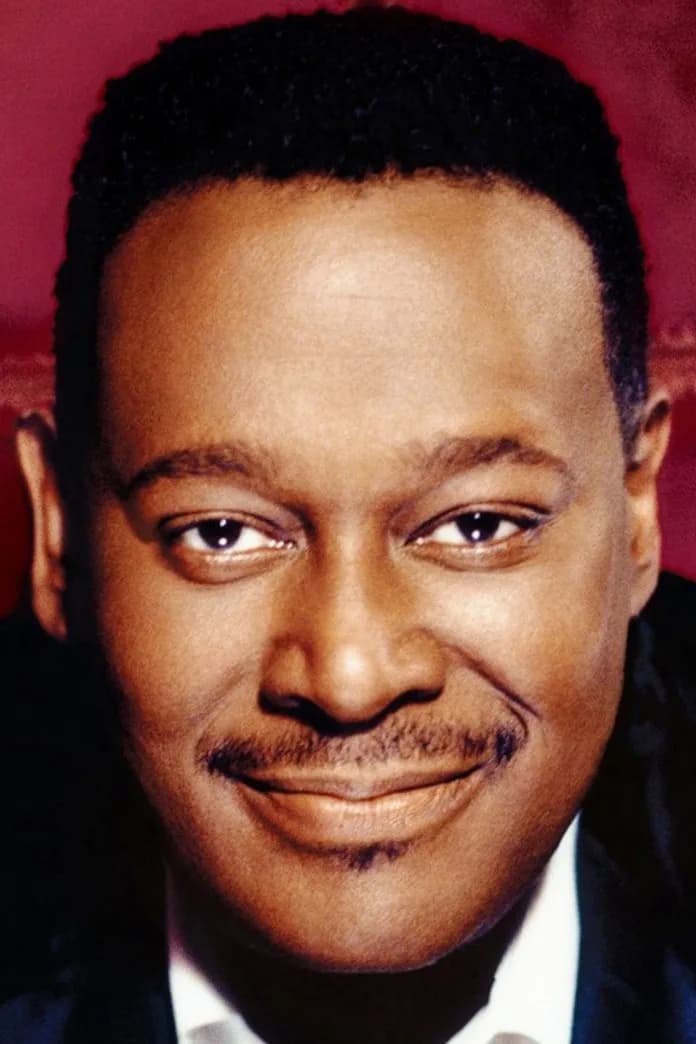
Luther Vandross
Designated the "heartbeat" of R&B during the 1980s and 1990s, Luther Vandross led a productive singing and song writing life. At age 30, he finally recorded his first solo album with the No. 1 R&B and "Top 20" pop chart maker, "Never Too Much". He continued steadily with such albums as "Forever, for Always, for Love" in 1982 and "Give Me the Reasons" (1986), but it wasn't until 1989 that he had his first "Top 10" single with "Here and Now" (No. 6), which finally placed him securely on the love song pedestal. Such other No. 1 R&B singles would include "Stop to Love", "There's Nothing Better than Love" and "Any Love". The 1990s seemed, career-wise, stronger than ever again with a Top 40 hit duetting with Mariah Carey in 1994 on "My Endless Love" and the release of his No. 1 R&B signature version of "Always and Forever" (1994). On camera film and TV acting appearances include a cameo in Robert Townsend's motion picture The Meteor Man (1993) and episodes of "Beverly HIlls 90210 (as himself) and "Touched by an Angel." A documentary, Luther Vandross: Always and Forever (1994), is also available. Throughout his career, Luther continued to write and produce for other artists including Whitney Houston, Dionne Warwick, Teddy Pendergrass, Cheryl Lynn and Aretha Franklin. Following his massive April 2003 stroke, he made a phantom return to the spotlight with the release of his 2003 CD "Dance With My Father", which was recorded prior to his illness. At the awards show, the absent Luther was rewarded with four Grammys, including song of the year. The success also gave him his first No. 1 album on the pop chart and four NAACP Image Awards. The beloved 54-year-old musician died at JFK Medical Centre in Edison, New Jersey, of his lingering complications and was survived by his Evangelist mother, Mary Ida Vandross, who was instrumental in promoting her son's last work to Grammy glory following his severe debilitation.
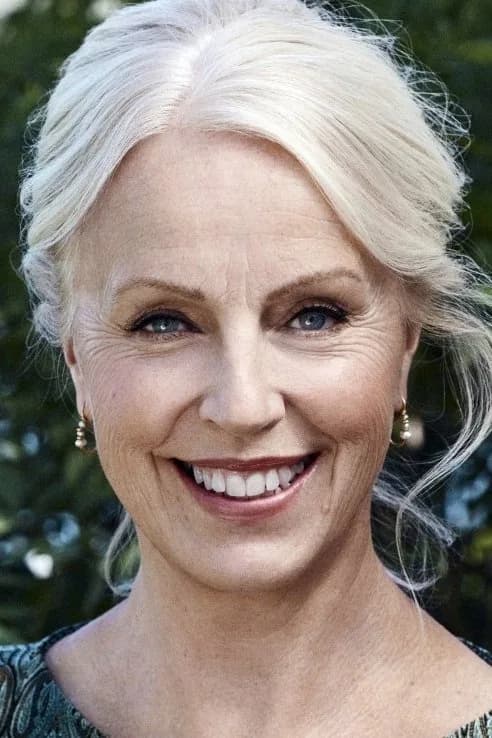
Anne Sofie von Otter
Anne Sofie von Otter (born 9 May 1955) is a Swedish mezzo-soprano. Her repertoire encompasses lieder, operas, oratorios and also rock and pop songs. Von Otter was born in Stockholm, Sweden. Her father was Göran von Otter, a Swedish diplomat in Berlin during World War II. She grew up in Bonn, London and Stockholm. She studied in Stockholm and at the Guildhall School of Music and Drama in London, where her teachers included Vera Rózsa. In 1982, she won second prize in the ARD International Music Competition. From 1983 to 1985, she was an ensemble member of the Basel Opera, where she made her professional operatic début as Alcina in Haydn's Orlando paladino. She made her Royal Opera House, Covent Garden, début in 1985 and her La Scala debut in 1987. Her Metropolitan Opera début was in December 1988 as Cherubino in The Marriage of Figaro. Her recording of Grieg songs won the 1993 Gramophone Record of the Year, the first time in the award's history that it had gone to a song recording. In 2001, she released her album with Elvis Costello, For the Stars, for which she won an Edison Award. She was awarded the Grammy Award for Best Classical Vocal Solo in 2015 for her album of French songs, Douce France. She is a regular recital and recording partner with Swedish pianist Bengt Forsberg. In 2006, von Otter sang the Evangelist in the premiere of Sven-David Sandström's Ordet – en passion. Other work in contemporary music has included singing the role of The Woman in Senza Sangue of Péter Eötvös.[8] In other media, she appeared in the film A Late Quartet. In 2007, she released an album of music written by composers imprisoned in the Nazi ghetto of Theresienstadt concentration camp (also known as Terezin) before their transportation to the death camp of Auschwitz. She collaborated on this project with Christian Gerhaher (baritone) and chamber musicians. She has stated that the material has special personal meaning for her as her father had attempted unsuccessfully during the war to spread information that he had received from SS officer Kurt Gerstein about the Nazi death camps. In 2016, von Otter sang Leonora in the world premiere of Thomas Adès' The Exterminating Angel, and again in 2017 at the Royal Opera House, Covent Garden. She created the principal role of Charlotte in Sebastian Fagerlund's 2017 opera Autumn Sonata, based on the 1979 film by Ingmar Bergman at the Finnish National Opera in Helsinki conducted by John Storgårds. Von Otter was married to Benny Fredriksson until his suicide on 17 March 2018. He was an actor and managing director of The Stockholm House of Culture, including the Stadsteater (Stockholm City Theatre). The couple had two children. She lives in the capital Stockholm. Source: Article "Anne Sofie von Otter" from Wikipedia in English, licensed under CC-BY-SA 3.0.

Megumi Hayashibara
Cast · Known for Neon Genesis Evangelion: The End of Evangelion, Mashin Hero Wataru, Detective Conan: Fallen Angel of the Highway
Megumi Hayashibara (林原 めぐみ, Hayashibara Megumi, born March 30, 1967) is a Japanese voice actress, singer, radio personality, and lyricist from Tokyo. She is currently affiliated with Aksent. Her nicknames include: Megu-san, Megu-nee, Bara-san, Kakka, and Daijin. She is best known for her roles in Ranma ½ (as Ranma Saotome (female voice)), Neon Genesis Evangelion (as Rei Ayanami), Cowboy Bebop (as Faye Valentine), Slayers (as Lina Inverse), Detective Conan (as Ai Haibara), Pokémon (as Musashi/Jessie of Team Rocket), All Purpose Cultural Catgirl Nuku Nuku (as Atsuko Natsume and her counterpart Atsuko Higuchi from the OVA Nuku Nuku Dash!) and Shaman King (as Anna Kyoyama). She is also a fully qualified and registered nurse.
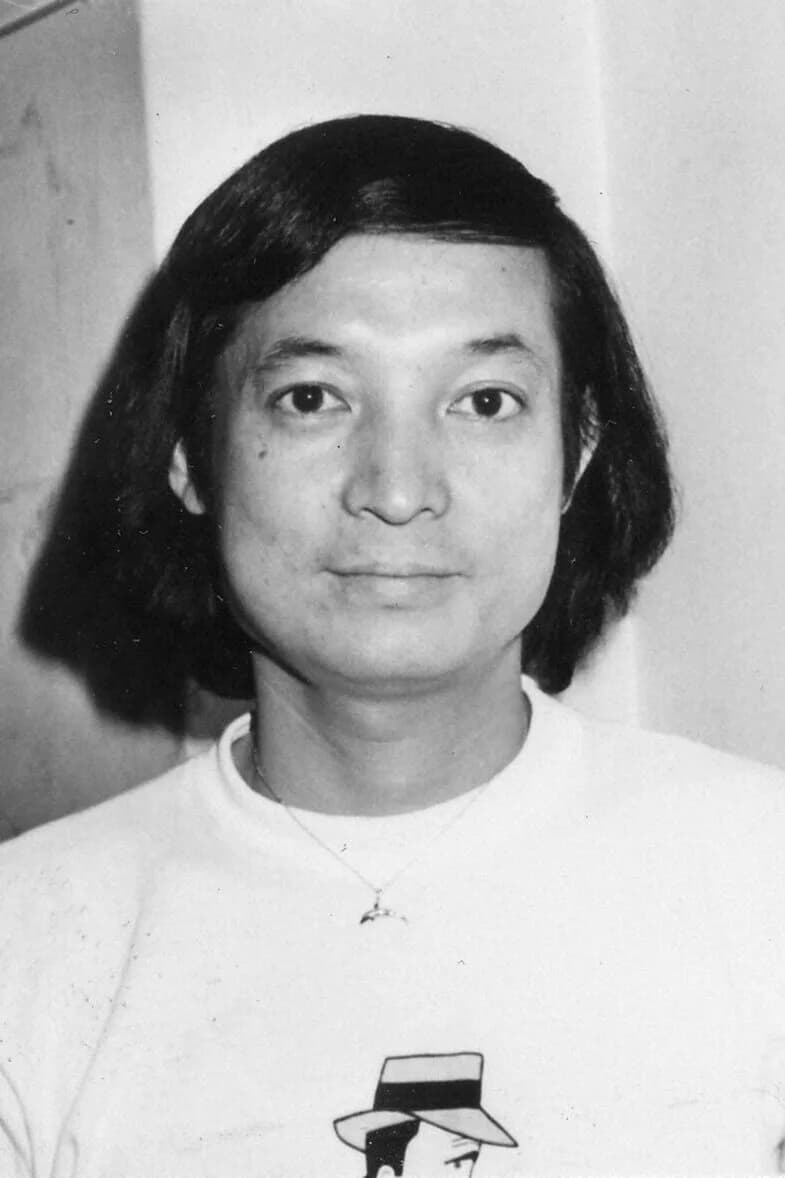
Makio Inoue
Cast · Known for The Castle of Cagliostro, Lupin the 3rd
Makio Inoue (井上 真樹夫, Inoue Makio, November 30, 1938 – November 29, 2019) was a Japanese actor and voice actor. He began voice acting in the 1960s, landing small roles in Astroboy, and was the actor of choice for deep-voiced, serious males in the 1970s. He is most noted for his two longstanding roles, as the title character in Captain Harlock from 1978 through the 1980s and 1990s (Kōichi Yamadera of Neon Genesis Evangelion and Cowboy Bebop fame took over this role in 1998), and Goemon Ishikawa XIII of Lupin III from 1977 to 2011 (taking over from Chikao Ōtsuka, who played the role in 1971 and 1972). He was succeeded in the role of Goemon by Daisuke Namikawa.

June Havoc
June Havoc (born Ellen June Evangeline Hovick), was a Canadian American actress, dancer, writer, and stage director. Havoc was a child vaudeville performer under the tutelage of her mother Rose Thompson Hovick. She later acted on Broadway and in Hollywood, and stage-directed, both on and off-Broadway. She last appeared on television in 1990 in a story arc on the soap opera General Hospital. Her elder sister Louise gravitated to burlesque and became the well-known striptease performer Gypsy Rose Lee. Following their parents' divorce, the two sisters earned the family's income by appearing in vaudeville, where June's talent often overshadowed Louise's. Baby June got an audition with Alexander Pantages, who had come to Seattle, Washington in 1902 to build theaters up and down the west coast of the United States. Soon, she was launched in vaudeville and also appeared in Hollywood movies. She could not speak until the age of three, but the films were all silent. She would cry for the cameras when her mother told her that the family's dog had died. In December 1928, Havoc, in an effort to escape her overbearing mother, eloped with Bobby Reed, a boy in the vaudeville act. Weeks later after performing at the Jayhawk Theatre in Topeka, Kansas, Rose reported Reed to the Topeka Police, and he was arrested. Rose had a concealed gun on her when she met Bobby at the police station. She pulled the trigger, but the safety was on. She then physically attacked her soon-to-be new son-in-law, and the police had to pry her off the hapless Reed. June soon married him, leaving both her family and the act. The marriage did not last, but the two remained on friendly terms. June's only child was a daughter, born April Rose Hyde. A marriage license, dated November 30, 1928 for Ellen Hovick and Weldon Hyde, would seem to indicate that Bobby Reed's real name was Weldon Hyde. April became an actress in the 1950s known as April Kent. She predeceased her mother, dying in Paris in 1998.
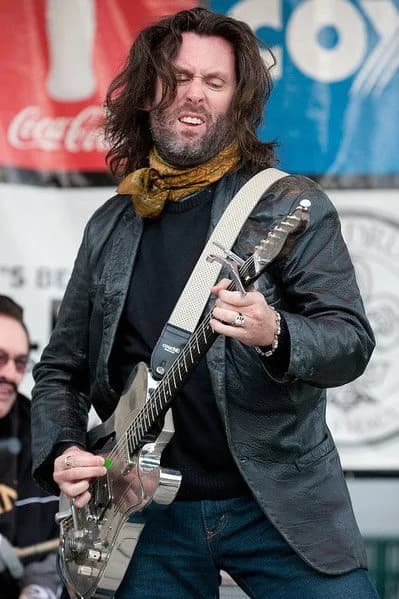
C.C. Adcock
C. C. Adcock (born Charles Clinton Adcock) is an American singer, songwriter, guitarist and blues rock musician, noted for his cajun, zydeco, electric blues and swamp pop-influenced sound and for his efforts to preserve and promote swamp pop music. He's also a Grammy-nominated music and film producer and film and TV composer. Adcock was first signed to Island Records at the age of 22 by noted record producer and A&R man Denny Cordell, who also produced Adcock's debut album. The two met when they were both working at a Hollywood soundstage in Lafayette, Louisiana. Adcock has worked with Academy-Award-winning composer and record producer Jack Nitzsche, and he has produced his own recordings as well as the work of artists including Robert Plant, Florence + The Machine, Nick Cave and Neko Case, Steve Riley & the Mamou Playboys and Doyle Bramhall. He has also worked as a composer and music supervisor for television shows and motion pictures including X Factor, 30 Beats and Academy-Award-winning director William Friedkin's Killer Joe. He writes, records and tours with his band The Lafayette Marquis as well as swamp pop supergroup Lil' Band O' Gold. He has performed and toured with Bo Diddley, Buckwheat Zydeco, as well as alongside his mentor, Lafayette, Louisiana guitarist Paul "Lil' Buck" Sinegal in Cowboy Stew Blues Revue. His music and productions have also been prominently featured in the HBO television shows True Blood and Treme. Adcock has recorded two solo albums: the self-titled C. C. Adcock (produced by Tarka Cordell), issued in 1994 on the Island label, mixed at Chris Blackwell's Compass Point Studios by Terry Manning, and reissued in 2000 on the Evangeline label under the title House Rocker; and Lafayette Marquis, issued in 2004 on the Yep Roc label. Adcock is also a co-founder of the south Louisiana supergroup Lil' Band O' Gold, which also includes swamp pop pioneer Warren Storm on drums, accordionist Steve Riley, pianist David Egan and saxophonist Dickie Landry. Together, they have released three albums: their eponymous debut on Shanachie Records; The Promised Land (2010, Dust Devil Music, and 2011, Room 609 Records); and Plays Fats, which features Lil' Band O' Gold performing the music of Fats Domino with guests including Robert Plant and Lucinda Williams, and which was released in 2012 on the Dust Devil Music record label. Adcock has also made guest appearances on other artists' albums, including several by Steve Riley & the Mamou Playboys, Ani DiFranco and Doyle Bramhall. In addition to his solo recordings and work with Lil' Band O' Gold, Adcock has also produced the Grammy-nominated albums Grand Isle by Steve Riley & the Mamou Playboys and Is It News by Doyle Bramhall. In 2011, Adcock produced Florence + The Machine’s version of Buddy Holly's "Not Fade Away" for the tribute compilation Rave On. Adcock has also produced Neko Case, Nick Cave and Jace Everett for soundtrack albums for the HBO television series True Blood.
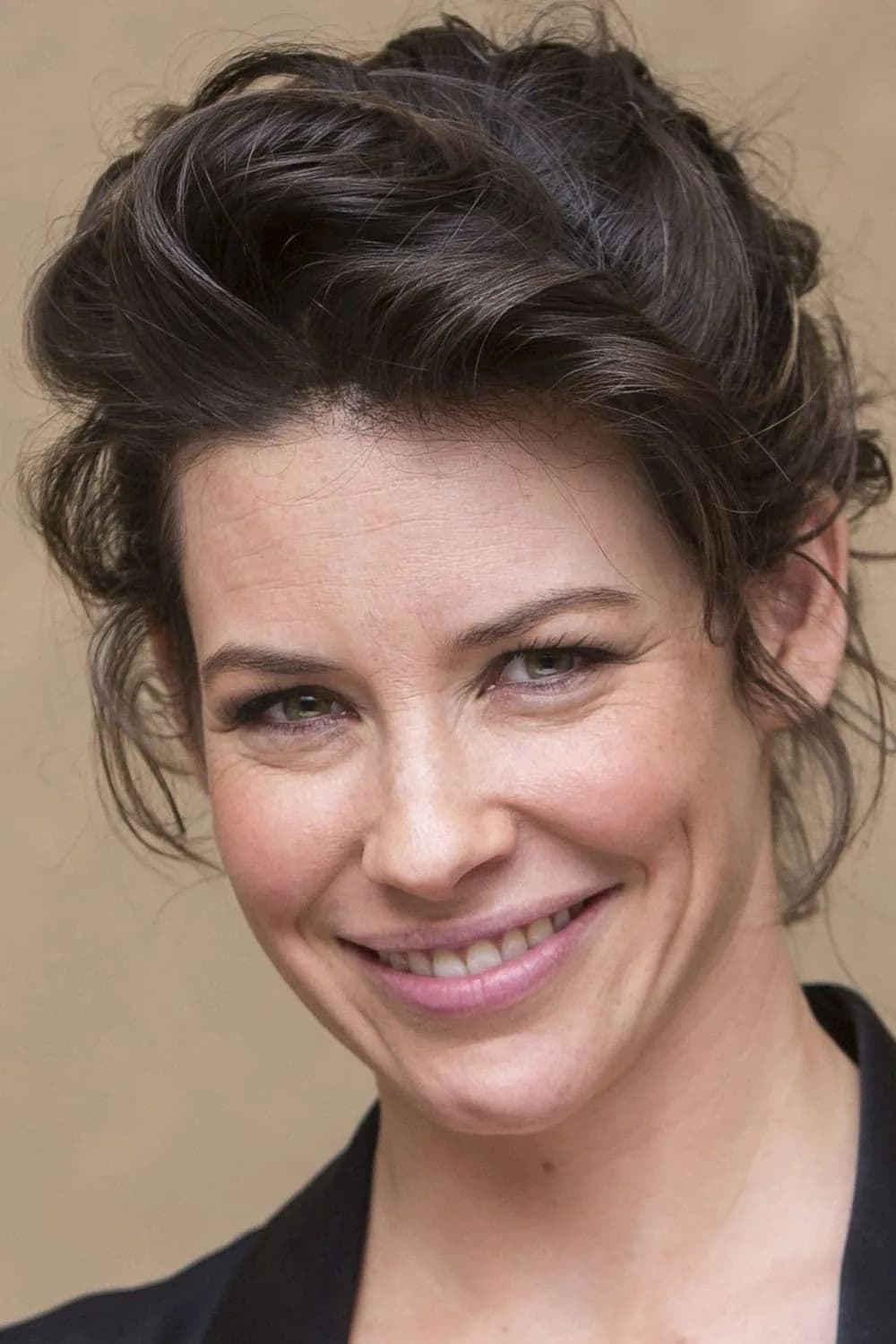
Evangeline Lilly
Cast · Known for Ant-Man and the Wasp, Lost, The Hobbit: The Battle of the Five Armies
Nicole Evangeline Lilly (born August 3, 1979) is a retired Canadian actress. She gained popularity for her first leading role as Kate Austen in the ABC drama series Lost (2004–2010), which garnered her six nominations for the Saturn Award for Best Actress on Television and a nomination for the Golden Globe Award for Best Actress in a Drama Series. Lilly has also appeared in the war film The Hurt Locker (2008) and the sports drama Real Steel (2011) and has starred as Tauriel in Peter Jackson's The Hobbit film series, appearing in The Desolation of Smaug (2013) and The Battle of the Five Armies (2014). She has also portrayed Hope van Dyne/Wasp in the Marvel Cinematic Universe (MCU) from 2015 to 2023. Lilly is also the author of a children's book series, The Squickerwonkers. Description above from the Wikipedia article Evangeline Lilly, licensed under CC-BY-SA, full list of contributors on Wikipedia.
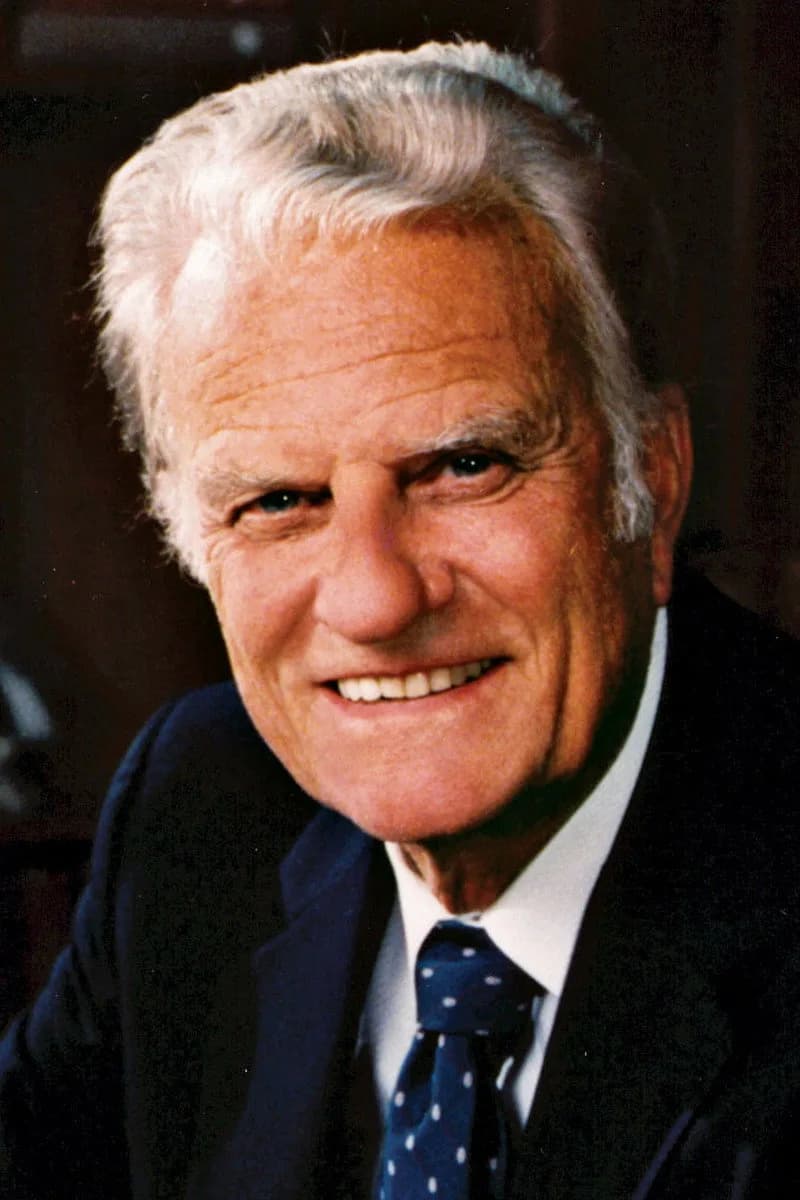
Billy Graham
William Franklin Graham Jr. (November 7, 1918 – February 21, 2018) was an American evangelist, a prominent evangelical Christian figure, and an ordained Southern Baptist minister who became well-known internationally in the late 1940s. One of his biographers has placed him "among the most influential Christian leaders" of the 20th century. As a preacher, he held large indoor and outdoor rallies with sermons that were broadcast on radio and television; some were still being re-broadcast into the 21st century. In his six decades on television, Graham hosted annual "Crusades", evangelistic campaigns that ran from 1947 until his retirement in 2005. He also hosted the radio show Hour of Decision from 1950 to 1954. He repudiated racial segregation and insisted on racial integration for his revivals and crusades, starting in 1953; he also invited Martin Luther King Jr. to preach jointly at a revival in New York City in 1957. In addition to his religious aims, he helped shape the worldview of a huge number of people who came from different backgrounds, leading them to find a relationship between the Bible and contemporary secular viewpoints. According to his website, Graham preached to live audiences of 210 million people in more than 185 countries and territories through various meetings, including BMS World Mission and Global Mission. Graham was a spiritual adviser to U.S. presidents, and he provided spiritual counsel for every president from Harry S. Truman (33rd) to Barack Obama (44th). He was particularly close to Dwight D. Eisenhower, Lyndon B. Johnson (one of Graham's closest friends), and Richard Nixon. He was also lifelong friends with another televangelist, the founding pastor of the Crystal Cathedral, Robert Schuller, whom Graham talked into starting his own television ministry. Graham operated a variety of media and publishing outlets. According to his staff, more than 3.2 million people have responded to the invitation at Billy Graham Crusades to "accept Jesus Christ as their personal savior". Graham's evangelism was appreciated by mainline Protestant and Roman Catholic denominations because he encouraged new converts to become members of these churches. As of 2008, Graham's estimated lifetime audience, including radio and television broadcasts, topped 2.2 billion. One special televised broadcast in 1996 alone may have reached a television audience of as many as 2.5 billion people worldwide. Because of his crusades, Graham preached the gospel to more people in person than anyone in the history of Christianity. Graham was on Gallup's list of most admired men and women a record 61 times. Grant Wacker writes that by the mid-1960s, he had become the "Great Legitimator": "By then his presence conferred status on presidents, acceptability on wars, shame on racial prejudice, desirability on decency, dishonor on indecency, and prestige on civic events". From Wikipedia, the free encyclopedia.

Richard Rossi
Richard Rossi is an actor, novelist, filmmaker, musician. He played guitar on stage at age 7, wowing audiences with songs like 'Somewhere Over the Rainbow.' Richard is the oldest of 5, and had musician parents, Richard and Dorothy. The Rossi family performed in the bars of their hometown of Pittsburgh. As a teen, Richard acted in films such as 'The Fish That Saved Pittsburgh.' In 1980, Richard formed a duo with his best friend from school, John Walker, and soon "Walker and Rossi" were performing their songs on TV. The Post Gazette compared them to Simon & Garfunkel and called them poets of song. In 1984, Richard married his wife Sherrie in Lynchburg, Virginia. Sherrie saw Walker-Rossi perform at Liberty U., where they were given a standing ovation by the audience of 5,000. Richard & Sherrie moved back to Pgh. in 1986. Richard reached out to his hometown, performing concerts as a guitar-playing maverick minister at the nightclub Graffiti, Station Square, and Soldier's & Sailors. In 1988, Richard and Sherrie became parents. Their daughter Karis was born. Richard was reading the Bible in the original Greek and came to a verse that read 'By grace ('Karis') are you saved.' In March of 1991, their second child, Joshua was born. Richard, Sherrie, Karis, and Joshua hosted dinners for the homeless and Richard hosted his talk-show 'Richard Rossi Live' during evening drive time on WPIT-FM until the station was sold in 1992. The popular program expanded to an international audience and now airs on BlogTalkRadio. Richard formed partnerships with African American ministers and founded the Multi-Cultural Community Coalition to combat racism. Richard's sermons were thespian, an art-form foretelling his future as an actor. In 1996, Richard & family relocated, making a journey to Hollywood. Art became Richard's ministry. Richard took acting classes with another Pittsburgh native,Milton Katselas, and soon Richard was appearing on TV shows like Ally McBeal & Gilmore Girls. Richard was granted permission to perform the story of evangelist Elmer Gantry. Richard played the lead role & directed his version of the play at Stella Adler Theatre, garnering laudatory reviews. Richard's research revealed the Gantry play was inspired by faith healer Aimee Semple McPherson. This led to Richard's writing, directing, & acting in his films on Sister Aimee ('Saving Sister Aimee' and 'Sister Aimee: The Aimee Semple McPherson Story' in 2008) that he made as an allegory for his former life as an evangelist. ABC called Richard the 'Pastor to the Stars' when it leaked out that he was advisor to stars. He released 3 books: his 1st novel, 'Stick Man' a coming-of-age story, a self-help book entitled 'Create Your Life" and his 3rd book 'Sister Aimee.' Musically, he released 3 albums 'Without Her Love,' 'Seasons of My Heart,' & 'The Kingdom Is Near.' He released his film on Roberto Clemente, 'Baseball's Last Hero,' & '10th Anniversary of Sister Aimee' a remastered collection of both of his films on Aimee McPherson. His latest feature "Canaan Land," stars Richard as an evangelist & co-stars Rebecca Holden as Sara Sunday, a female preacher. The film is set for release soon.

Neon Genesis Evangelion
1995
At the turn of the century, the Angels returned to Earth, seeking to wipe out humanity in an apocalyptic fury. Devastated, mankind's last remnants moved underground to wait for the day when the Angels would come back to finish the job. Fifteen years later, that day has come... but this time, humanity is ready to fight back with terrifying bio-mechanical weapons known as the Evangelions. Watch as Shinji, Rei, Asuka and the rest of the mysterious shadow agency Nerv battle to save earth from total annihilation.

Neon Genesis Evangelion: The End of Evangelion
1997
SEELE orders an all-out attack on NERV, aiming to destroy the Evas before Gendo can advance his own plans for the Human Instrumentality Project. Shinji is pushed to the limits of his sanity as he is forced to decide the fate of humanity.
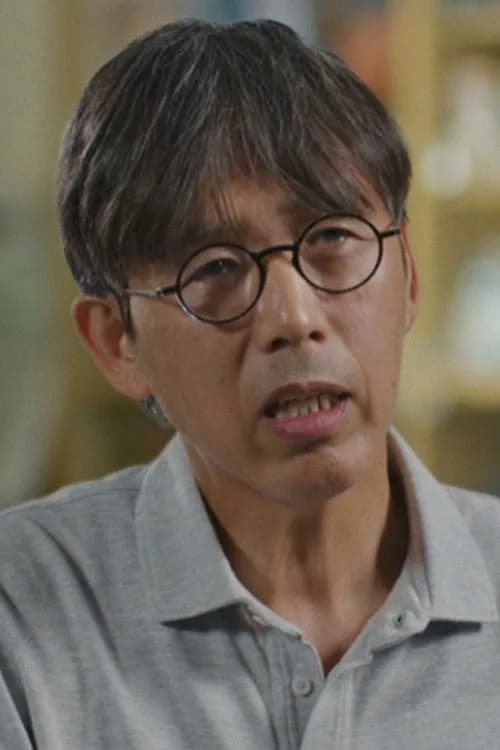
Mitsuhisa Ishikawa
Executive Producer · Producer · Known for Attack on Titan, Ghost in the Shell, Kill Bill: Vol. 1
Mitsuhisa Ishikawa is the president and CEO of Production I.G, the animation studio he founded in 1987. He produced animation works such as The End of Evangelion (1997), Jin-Roh (1999) and Ghost in the Shell: Innocence (2004).

Yuko Miyamura
Cast · Known for Evangelion: 3.0+1.0 Thrice Upon a Time, Berserk, Neon Genesis Evangelion
Yuko Miyamura is a Japanese actress, voice actress, singer and sound director. Her nickname is Miyamū. She played Kazuha Toyama in Detective Conan and Asuka Langley Soryu in Neon Genesis Evangelion.

Hideaki Anno
Cast · Director · Writer · Known for The Wind Rises, Evangelion: 3.0+1.0 Thrice Upon a Time, Neon Genesis Evangelion
Hideaki Anno (born May 22, 1960 in Ube, Yamaguchi) is a Japanese animation and film director. Anno is best known for his work on the popular anime series Neon Genesis Evangelion. His style has come to be defined by the touches of superflatism and postmodernism that he injects into his work, as well as the thorough portrayal of characters' thoughts and emotions, often through unconventional sequences incorporating psychoanalysis and emotional deconstruction of these characters. He married comics artist Moyoco Anno in 27 April 2002. Anime directed by Anno that have won the Animage Anime Grand Prix award have been Nadia: The Secret of Blue Water in 1990, Neon Genesis Evangelion in 1995 and 1996, and The End of Evangelion in 1997. Description above from the Wikipedia article Hideaki Anno, licensed under CC-BY-SA, full list of contributors on Wikipedia.
Shoichi Masuo
Shōichi Masuo was a Japanese animator, animation director, and director renowned for his contributions to the anime industry. He began his career in the late 1970s and became known for his work on series such as Gunbuster (1988) and Neon Genesis Evangelion (1995), where he served as an animation director and key animator. Masuo was acclaimed for his dynamic action sequences and mechanical designs. In addition to his animation work, he directed the OVA series Aim for the Top 2! (2004). Masuo's influence extended through his mentorship of younger animators and his dedication to advancing the quality of animation in Japan.
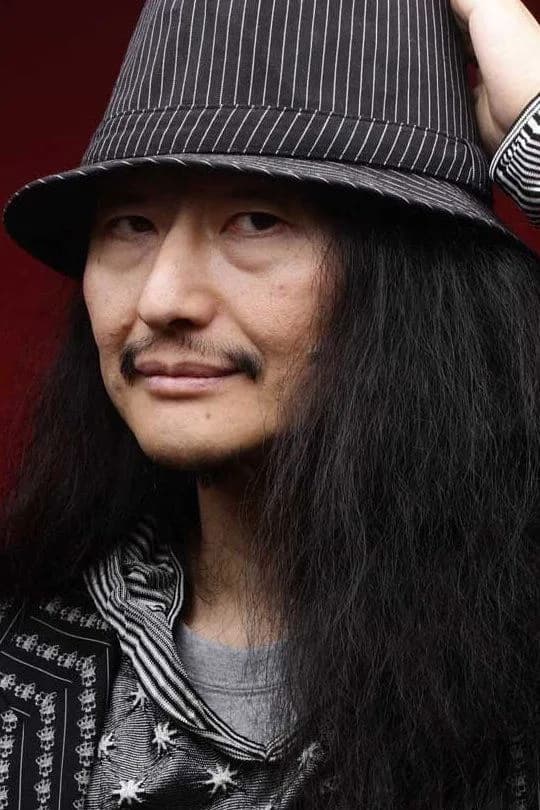
Shiro Sagisu
Composer · Known for Bleach, Evangelion: 3.0+1.0 Thrice Upon a Time, Neon Genesis Evangelion
Shiro Sagisu (born August 29, 1957) is a well-known Japanese music producer and composer. With a career spanning over 25 years (beginning in the late 1970s), he is best known for his work as a record producer for acts including Misia, Satoshi Tomiie, and Ken Hirai. Sagisu has also worked as a film composer for several anime and films and is well known for his collaborations with Gainax, especially the soundtrack to Hideaki Anno's series Neon Genesis Evangelion and for the Bleach anime adaptation.

Miki Nagasawa
Cast · Known for Neon Genesis Evangelion: The End of Evangelion, Cowboy Bebop, Neon Genesis Evangelion
Miki Nagasawa (長沢 美樹, Nagasawa Miki, born July 11, 1970) is a Japanese voice actress. She was raised in Fukushima. Formerly affiliated for Haikyo, she is affiliated with Atomic Monkey. On anime roles, she played the eponymous character in Vampire Princess Miyu, Wedy in Death Note and Maya Ibuki in Neon Genesis Evangelion. In video games, she played Shelinda in Final Fantasy X and X-2, Kuyo in Genji: Dawn of the Samurai, Karin in Shadow Hearts 2, and Sleigh Presty in Super Robot Wars. Nagasawa attended Nan Desu Kan in 2009.
Tetsuya Watanabe
Director · Known for Cowboy Bebop
Tetsuya Watanabe (渡邊 哲哉, Watanabe Tetsuya) is a Japanese anime director and storyboard artist known for his work on various television series and films. He began his career in the animation industry in the early 1990s, contributing to notable projects such as Neon Genesis Evangelion (1995) and Cowboy Bebop (1998). Watanabe has directed episodes for series including The Big O (1999) and Fairy Tail (2009). His directorial debut came with After War Gundam X (1996), where he served as the series director. Watanabe's work is characterized by dynamic storytelling and a strong visual style.

Kaoru Morota
Cast · Known for Saiyuki, Monogatari
Kaoru Morota is a Japanese voice actress from Osaka, Japan. She is often typecast as Genki girls or tomboyish characters due to her Kansai dialect. Using the alias "AYA", Kaoru has also done voice acting for Anime Eroge titles but also provided theme song vocals for both Evangelion and Le Chevalier D'Eon.
Keiichi Sugiyama
Director · Known for Neon Genesis Evangelion
Keiichi Sugiyama (杉山 慶 一) is a Japanese director born on January 1, 1965. He is the director of Origin. He has also worked on City Hunter's (Nicky Larson) special episodes, on the popular Macross (Robotech) series, and directed an episode of Neon Genesis Evangelion, among countless other works. He has also composed many music for video games. From Wikipedia, the free encyclopedia
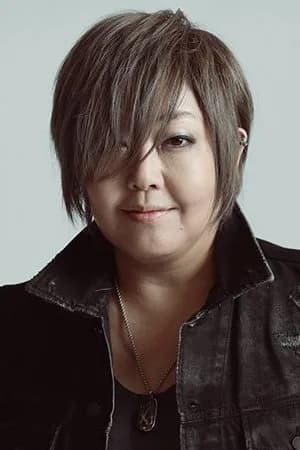
Megumi Ogata
Cast · Known for Evangelion: 3.0+1.0 Thrice Upon a Time, Jujutsu Kaisen 0, Neon Genesis Evangelion: The End of Evangelion
Megumi Ogata is a Japanese voice actress and singer from the Greater Tokyo Area. As a singer, she goes by the name em:óu. She attended Tokai University, but left due to lack of interest. She is also best known for voicing Makoto Naegi and Nagito Komaeda from the Danganronpa Series, Sailor Uranus from Sailor Moon, Kurama from Yu Yu Hakusho, Tier Harribel from Bleach, and Shinji Ikari from Neon Genesis Evangelion, as well as playing Yugi Mutou and Dark Yugi in Yu-Gi-Oh! and also Yukito Tsukishiro/Yue in Cardcaptor Sakura.
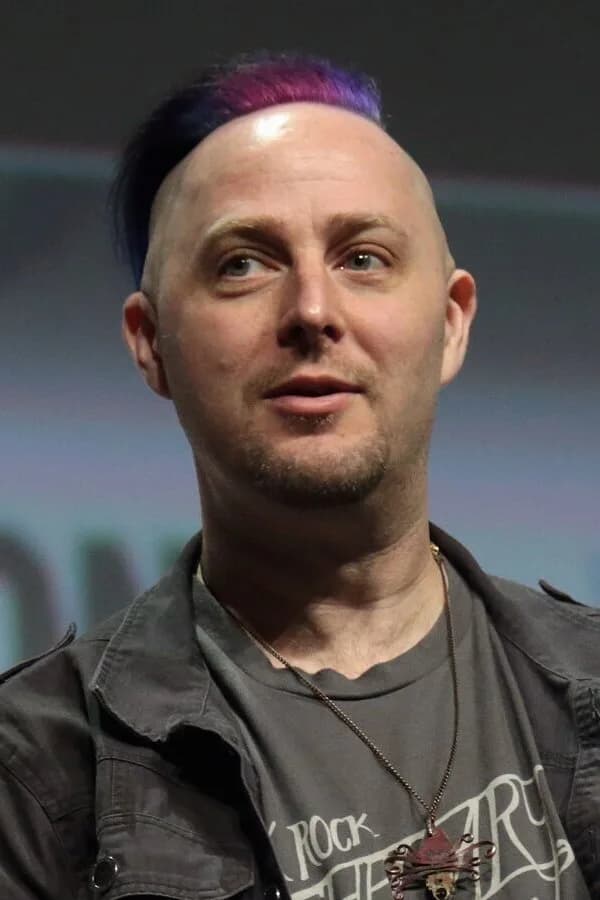
Taliesin Jaffe
Cast · Known for The Legend of Vox Machina, Critical Role
Taliesin Jaffe (born January 19, 1977) is an American voice director, script writer, voice actor, and former child actor. Jaffe was born in Los Angeles, California. He is known for directing and writing many English language anime titles for New Generation Pictures, most notably R.O.D the TV and Hellsing. He is also co-directing BECK: Mongolian Chop Squad with Christopher Bevins for FUNimation. Together with Amanda Winn Lee and Jason C. Lee, he recorded commentary tracks for the North American DVD release of the films Neon Genesis Evangelion: Death & Rebirth and The End of Evangelion. Jaffe has also written many articles and spoken as a guest lecturer at universities and libraries. Description above from the Wikipedia article Taliesin Jaffe, licensed under CC-BY-SA, full list of contributors on Wikipedia.

Kotono Mitsuishi
Cast · Known for Neon Genesis Evangelion: The End of Evangelion, Evangelion: 3.0+1.0 Thrice Upon a Time, Doraemon
Kotono Mitsuishi is a Japanese voice actress and narrator from Toda, Saitama. She was affiliated with Arts Vision and Lasley Arrow. As a young girl, Mitsuishi lived in Nagareyama, Chiba. Mitsuishi graduated from high school in 1986, and entered the Katsuta Voice Actor's Academy. In 1988, Mitsuishi made her voice acting debut as Tomoyo in the OVA Ace wo Nerae! 2. She became an instant celebrity with her role as Usagi Tsukino, when Sailor Moon debuted in 1992, and her popularity increased again with her role as Misato Katsuragi in the anime television series Neon Genesis Evangelion, as well as Murrue Ramius in both Mobile Suit Gundam SEED and Mobile Suit Gundam SEED Destiny, in 2002 and 2004 respectively.