
Search

Drunken Master
1978
After getting into trouble, a mischievous young man is sent to train under a brutal, but slovenly old beggar, who teaches him the secret of the Drunken Fist.
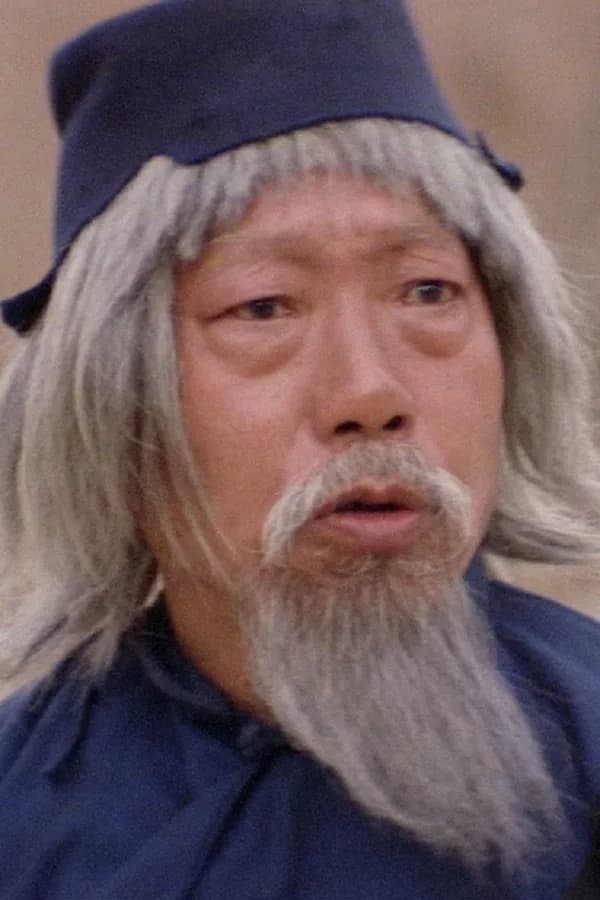
Simon Yuen Siu-Tien
Cast · Known for Drunken Master
Yuen Siu-Tien (27 November 1912 – 8 January 1979) (also known as Yuan Xiaotian, Simon Yuen, Sam Seed or "Ol' Dirty") was a Chinese martial arts film actor in the late 1970s. Yuen is perhaps best known as Beggar So in three films: Drunken Master, Story of Drunken Master and his final film Dance of the Drunk Mantis. He starred in films with film actors like Jackie Chan and under the direction of his real life son Yuen Woo-ping. Yuen died having a heart attack in 1979. Leader of the Yuen Clan and father of: Peace Yuen Wo-Ping; Charlie Yuen Cheung-Yan; Sunny Yuen Shun-Yi; Simon Yuen Yat-Choh; Brandy Yuen Jan-Yeung and Yuen Lung-Kui.
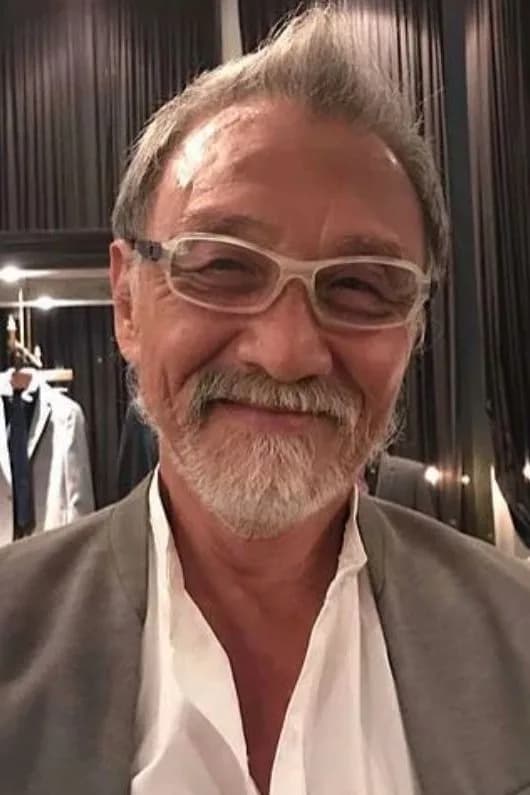
Dean Shek Tin
Cast · Known for Drunken Master
Dean Shek Tin (Chinese: 石天) (17 June 1949—September 20, 2021) is a veteran Hong Kong feature film actor and film producer with over 92 acting credits to his name. He is perhaps best known as Professor Kai-hsien in the 1978 film, Drunken Master, Lung Sei in the 1987 film, A Better Tomorrow II, and Snooker in the 1990 film, The Dragon from Russia.
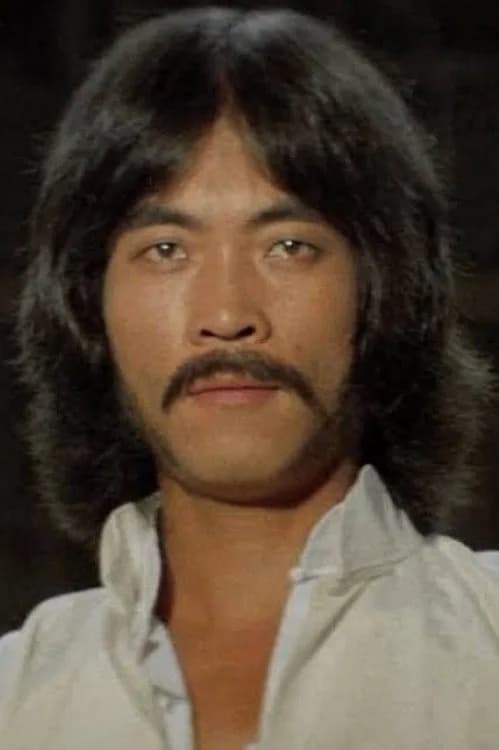
Hwang Jang-Lee
Cast · Known for Drunken Master
Hwang Jang Lee (born 21 December 1944) is a Korean martial artist and actor. Hwang is perhaps best known as Sheng Kuan in 1978 film Snake in the Eagle's Shadow and Wong Chin in 1981 film Hitman in the Hand of Buddha. Variations of his name are often written as Wong Cheng Lee or Wong Cheng Li, in their Cantonese-Chinese equivalents. He is also nicknamed Silver fox (the name of his most popular movie character), as well as "Thunderleg" or "Thunderfoot" (from his role in 1978 film Drunken Master). Born in Korea, but moved to Osaka, Japan at a very young age. He and his family later returned to Korea when he was as a teenager.

New Police Story
2004
Sent into a drunken tailspin when his entire unit is killed by a gang of thrill-seeking punks, disgraced Hong Kong police inspector Wing needs help from his new rookie partner, with a troubled past of his own, to climb out of the bottle and track down the gang and its ruthless leader.
Arch Goodfellow
played one role in the series Hercules: The Legendary Journeys Androcles This drunken Lout informed Hercules that a Cyclops was terrorizing a nearby village. Though he is credited only as "Lout" this character is named on-screen as Androcles by the Innkeeper.

Good Boy
2026
Tommy, a volatile 19-year-old, revels in drugs, parties and violence. After getting separated from his friends on a drunken bender, he is abducted by a shadowy figure. He wakes to find himself imprisoned in the basement of a remote Yorkshire house, inhabited by a very strange family. But what unfolds is not what he could possibly expect.
Sean James William Parris
Sean James William Parris is an actor, writer, and teacher. He was born in Los Angeles and raised in Miami and Georgia. He has worked with Free Street Theatre as a vocal coach and co-directed his first show there in 2019 in collaboration with the Story Front in Back of the Yards. He has also worked with the Museum of Contemporary Art Chicago as a resident artist in their SPACE program at Curie High School. As an educator, he is currently teaching at DePaul University, and has previously taught at BlackBox Acting Academy. Some of his Chicago credits include Space Age (a two-person show created with real-life intimate partner Ricardo Gamboa; Free Street Theatre); The Magic Play (Goodman Theatre); The Drunken City, Animal Farm, and Compass (Steppenwolf Garage); Curve of Departure and The Whipping Man (Northlight Theatre); Seascape (Remy Bumppo); and Pornography (Steep Theatre). Regional credits include The Magic Play (The Armory and Syracuse Stage). Film/TV credits include: Chicago P.D. (NBC); The Chi (Showtime); Brujos (Open TV) and the upcoming film Christmas Again. Sean received his MFA from DePaul University’s Theatre School and is a graduate of Black Box Acting Academy in Chicago. He is represented by Paonessa Talent.
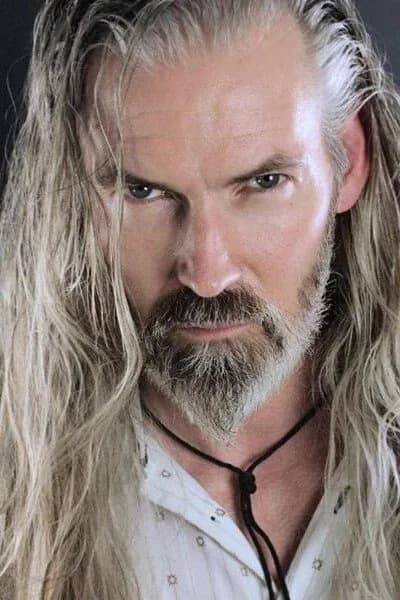
Jon Campling
Cast · Known for The Eagle, Werwulf
Since his appearance in Harry Potter And the Deathly Hallows (2010) as a handraising, trainstopping, carriageboarding, kidscaring Deatheater! Jon has been pursuing much darker film roles. Born In Yorkshire and originally an Aerospace engineer Jon has developed a compelling, unique and very striking look, and a style that has brought a string of excitingly unusual and very challenging roles. From the violently iconic Diggs in the soon to be released 'Hard Shoulder' to the Drunken desperation of Father Lawrence in 'The Zombie King' working with Corey Feldman and Edward Furlong. Jon has also been very fortunate to be involved with several ground breaking projects like 'The Underwater Realm', 'Bloody Cuts' and 'Sleeping Dogs'. During early 2012 Jon worked with Former 2 times WBO world champion Steve Collins, playing the lead in the highly anticipated 'Tax City' a no holds barred tale of life in London's notorious cardboard City. may 2012 saw splitting his time between London and Pisa where he filming on 'Zombie Massacre' playing Doug Mulligan an up-in-your-face trailer trash/hippy yank trying to save the his dog, his girl, and the world. Jon's easy going nature, striking appearance, on-screen intensity and eagerness to embrace the unusual and the demanding make him a top choice for directors, writers and producers and he looks forwards to the challenges to come. If you can work with him... do!
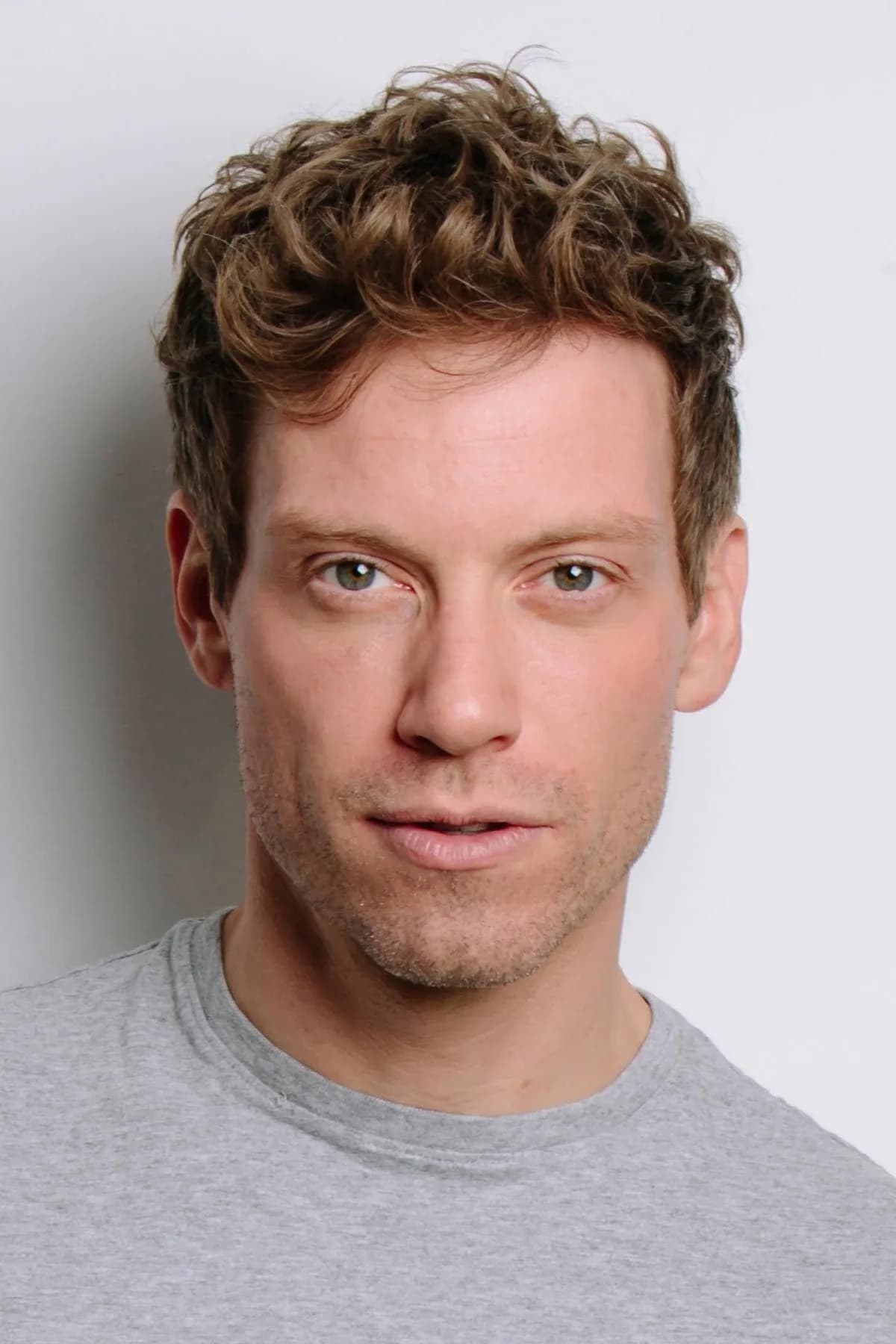
Barrett Foa
Cast · Known for NCIS: Los Angeles
Barrett Foa is a series regular on the hit CBS drama, NCIS: Los Angeles (2009). He plays tech operator/surfer "Eric Beale" alongside Chris O'Donnell, LL Cool J and Oscar winner Linda Hunt. Since moving to Los Angeles in January 2009, Foa has been a recurring guest on Entourage (2004) (as Ari's assistant), and the original NCIS: Naval Criminal Investigative Service (2003) and guest-starred on Numb3rs (2005) and The Closer (2005) opposite Kyra Sedgwick. On Broadway, Foa starred as the leads of both "Avenue Q" (Princeton and Rod) and The 25th Annual Putnam County Spelling Bee (Leaf Coneybear), and was in the original Broadway cast of "Mamma Mia!". He can be heard as "Jesus" on the 20th anniversary cast recording of "Godspell". He has played leading roles at Playwrights Horizons (where he starred in the world premiere of Adam Bock's play, "The Drunken City", a piece he helped workshop and develop), The Public Theatre, New York Theatre Workshop, The York, and John Houseman, as well as at such reputable regional venues as Hartford Stage and The Shakespeare Theatre, D.C. (starring as "Claudio" in William Shakespeare 's "Much Ado About Nothing"), Bay Street Theatre (starring opposite playwright Charles Busch), Paper Mill Playhouse, TheatreWorks in CA, The St. Louis MUNY, North Shore Music Theatre, Pittsburgh Civic Light Opera, Music Theatre of Wichita, Weston Playhouse, and Maine State Music Theatre. Born and raised in New York City, Foa graduated from The Dalton School on Manhattan's Upper East Side. He attended Interlochen Arts Camp for four summers, spent a semester of college at the Royal Academy of Dramatic Arts, and received his Bachelor of Fine Arts from one of the nation's top musical theatre programs, The University of Michigan in Ann Arbor. He resides in Los Angeles.

Yuika Motokariya
Motokariya Yuika was born in the Meguro ward of central Tokyo on September 8th, 1987. While her first role was in the ongoing serial Mr. Kinpachi In Class 3B she was first truly introduced to audiences in the seminal Swing Girls. She had joined a theatrical group at age ten. Since 2002 she has been consistently in front of the camera for the big and small screens and has not paused even for her studies at the drama department of Nihon University of Tokyo. There was a minor controversy when she was spotted in public apparently in a drunken state in 2011 because it clashed with her image. At the end of that year she presented a sexier image in her most recent photo book. Beginning 2012 and for three years Yuika was a host of a variety show called Osama No Buranchi on TBS. Her younger sister Riina was also a announcer on television. Resembling a young Kimura Tae, Yuika has of course pushed products like coffee and cars, has several photo books to her name and has conducted fan meet and greets as late as 2018. She is a fan of singer and songwriter Aiko, enjoys jogging and reading. She is handled by Stardust Agency.
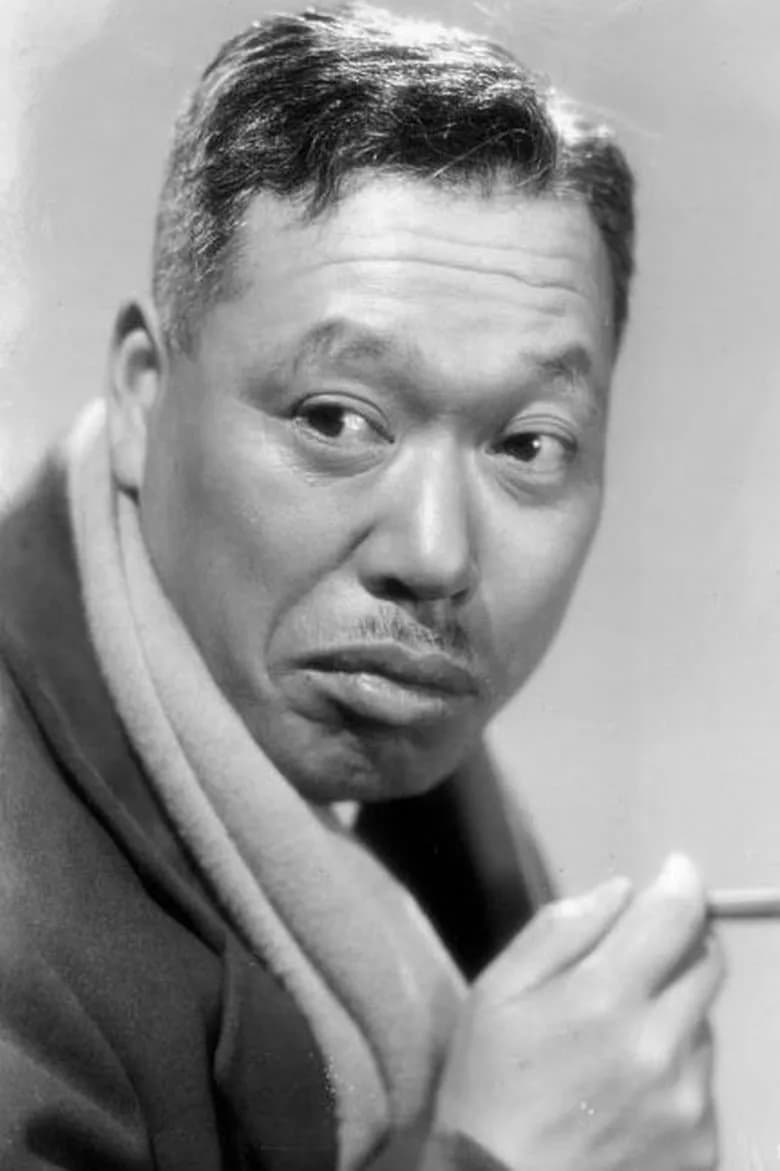
Takashi Shimura
Cast · Known for Ikiru, Seven Samurai, Rashomon
From Wikipedia, the free encyclopedia. Takashi Shimura (志村 喬, Shimura Takashi, March 12, 1905 – February 11, 1982) was a Japanese actor who appeared in over 200 films between 1934 and 1981. He appeared in 21 of Akira Kurosawa's 30 films (more than any other actor), including as a lead actor in Drunken Angel (1948), Rashomon (1950), Ikiru (1952) and Seven Samurai (1954).[3] He played Professor Kyohei Yamane in Ishirō Honda's original Godzilla (1954) and its first sequel, Godzilla Raids Again (1955). For his contributions to the arts, the Japanese government decorated Shimura with the Medal with Purple Ribbon in 1974 and the Order of the Rising Sun, 4th Class, Gold Rays with Rosette in 1980. Shimura died on February 11, 1982, in Tokyo, Japan, from emphysema at the age of 76. His effects were presented to the Film Centre of the National Museum of Modern Art, Tokyo. Description above from the Wikipedia article Takashi Shimura, licensed under CC-BY-SA, full list of contributors on Wikipedia.
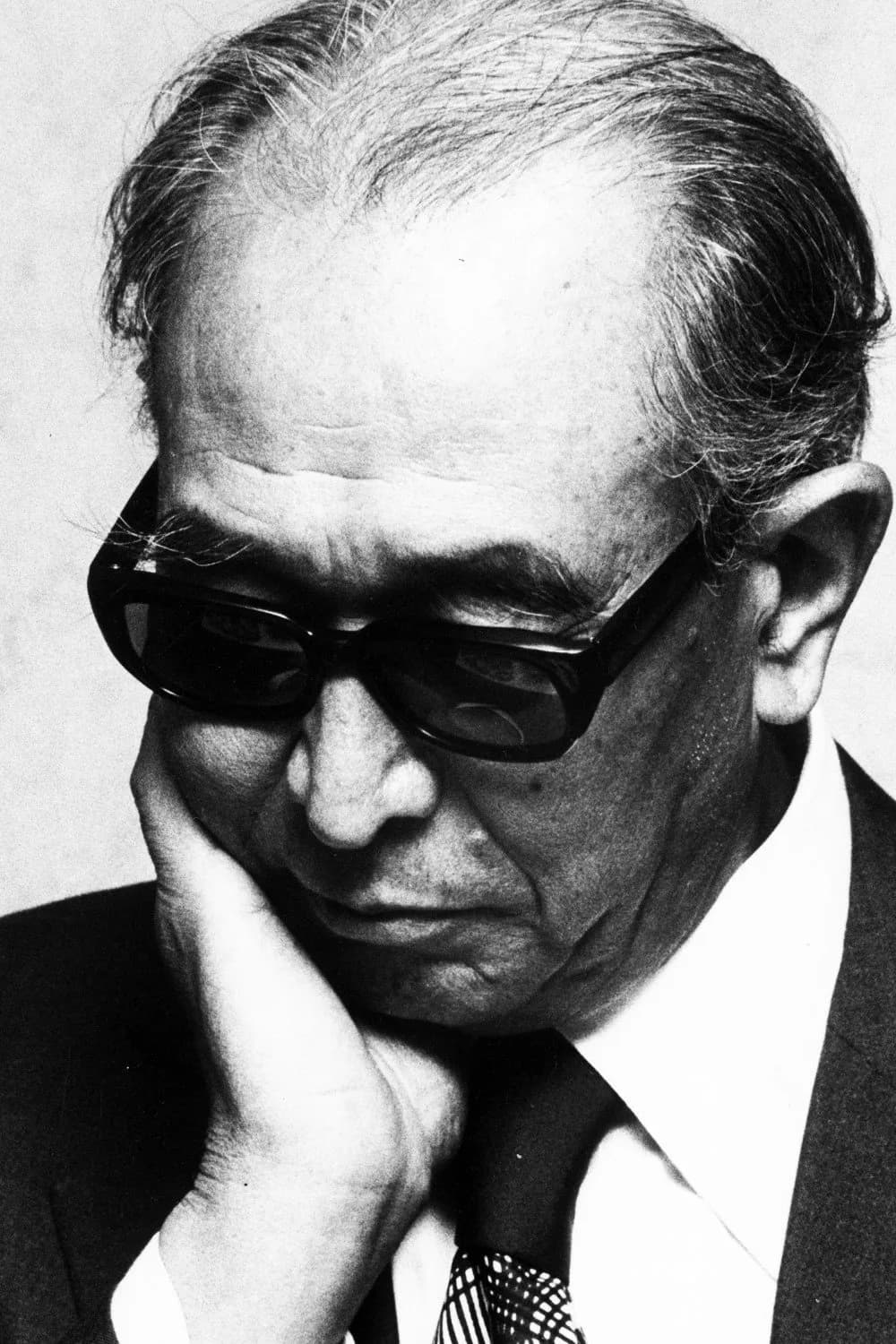
Akira Kurosawa
Director · Known for High and Low, Ikiru, Ran
Akira Kurosawa (黒澤 明) was a Japanese filmmaker and painter who directed thirty films in a career spanning over five decades. He is widely regarded as one of the greatest and most influential filmmakers in the history of cinema. He displayed a bold, dynamic style, strongly influenced by Western cinema yet distinct from it; he was involved with all aspects of film production. Kurosawa entered the Japanese film industry in 1936, following a brief stint as a painter. After years of working on numerous films as an assistant director and scriptwriter, he made his debut as a director during World War II with the popular action film Sanshiro Sugata (1943). After the war, the critically acclaimed Drunken Angel (1948), in which Kurosawa cast the then little-known actor Toshiro Mifune in a starring role, cemented the director's reputation as one of the most important young filmmakers in Japan. The two men would go on to collaborate on another fifteen films. Rashomon (1950), which premiered in Tokyo, became the surprise winner of the Golden Lion at the 1951 Venice Film Festival. The commercial and critical success of that film opened up Western film markets for the first time to the products of the Japanese film industry, which in turn led to international recognition for other Japanese filmmakers. Kurosawa directed approximately one film per year throughout the 1950s and early 1960s, including a number of highly regarded (and often adapted) films, such as Ikiru (1952), Seven Samurai (1954), Throne of Blood (1957), Yojimbo (1961) and High and Low (1963). After the 1960s he became much less prolific; even so, his later work—including two of his final films, Kagemusha (1980) and Ran (1985)—continued to receive great acclaim. In 1990, he accepted the Academy Award for Lifetime Achievement. Posthumously, he was named Asian of the Century in the Arts, Literature, and Culture category by AsianWeek magazine and CNN, cited there as being among the five people who most prominently contributed to the improvement of Asia in the 20th century. His career has been honored by many retrospectives, critical studies and biographies in both print and video, and by releases in many consumer media.

Thomas Mitchell
Cast · Known for High Noon, It's a Wonderful Life, Gone with the Wind
From Wikipedia, the free encyclopedia Thomas Mitchell (July 11, 1892 – December 17, 1962) was an American actor, playwright and screenwriter. Among his most famous roles in a long career are those of Gerald O'Hara, the father of Scarlett O'Hara in Gone with the Wind, the drunken Doc Boone in John Ford's Stagecoach, and Uncle Billy in It's a Wonderful Life. Mitchell was the first person to win an Oscar, an Emmy, and a Tony Award.
Jah Wobble
John Joseph Wardle, known by the stage name Jah Wobble, is an English bass guitarist, singer, poet and composer. John Wardle originally met John Lydon, John Grey and Sid Vicious at Kingsway College, London, in 1973. It was Vicious who originally nicknamed John “Jah Wobble” after a drunken binge, and would also loan him his first bass guitar. Jah Wobble has appeared with Public Image Ltd, African Head Charge, The Invaders of the Heart, Holger Czukay and many others.
Dub Taylor
Cast · Known for Back to the Future Part III, The Rescuers
From Wikipedia, the free encyclopedia Walter Clarence Taylor Jr. (February 26, 1907 – October 3, 1994), known as Dub Taylor, was an American character actor who from the 1940s into the 1990s worked extensively in films and on television, often in Westerns but also in comedies. He was the father of actor Buck Taylor, who played the character Newly O'Brien on Gunsmoke. Walter C. Taylor Jr. was born in 1907 in Richmond, Virginia, the middle child of five children of Minnie and Walter C. Taylor, Sr. According to the federal census of 1920, young Walter had two older sisters, Minnie Marg[aret] and Maud, a younger brother named George, and a little sister, Edna Fay. The family moved to Augusta, Georgia around 1912 when Walter was five years old, and the Taylors lived in this city until he was 13. The census of 1920 also documents that Dub's mother was a native of Pennsylvania and his father was a native of North Carolina, who worked in Augusta at that time as a "Cotton Broker". While living in Georgia as a boy, Walter, Jr., got his lifelong nickname when his friends began calling him "W" (double-u) and then shortened his nickname even farther, to just "Dub". It was in Georgia, too, where Taylor befriended Ty Cobb, Jr., the son of the legendary professional baseball player. A vaudeville performer, Dub Taylor was a member of the 1937 Alabama Crimson Tide football team that played in the 1938 Rose Bowl. He stayed behind to establish a career in films, making his film debut in 1938 as the cheerful ex-football captain Ed Carmichael in Frank Capra's You Can't Take It with You. Taylor secured the part because the role required an actor who could also play the xylophone. Later, during the 1950s and early 1960s, he demonstrated his considerable talent for playing the xylophone on several television shows, including an episode on the syndicated series Ranch Party hosted by Tex Ritter. In 1939, he appeared in the film Taming of the West, in which he originated the character of Cannonball, a role he continued to play for the next ten years, in over 50 films. Cannonball was a comic sidekick to Wild Bill Saunders (played by Bill Elliott), a pairing that continued through 13 features, during which Elliott’s character became Wild Bill Hickok. Despite his extensive career as a character actor in a wide range of roles, Dub Taylor continued to find his niche in Westerns, a genre in which he performed in literally dozens of more films and in episodes of many television series. Taylor often appeared in the guise of talkative hotel or postal clerks, court bailiffs, cooks, or dissolute doctors. He portrayed, for example, an ill-tempered chuckwagon cook in the 1969 film The Undefeated, starring John Wayne and Rock Hudson. He appeared as well in the 1971 movie Support Your Local Gunfighter as the drunken Doc Shultz. Taylor played Houston Lamb over the course of four episodes of Little House On The Prairie in seasons six and seven (1979 to 1981). Taylor made at least two film cameos in the early 1990s. In Back to the Future Part III, he appeared with veteran Western actors Pat Buttram and Harry Carey Jr.. His last appearance was in the film Maverick as a hotel room clerk. Dub Taylor died of a heart attack on October 3, 1994 in Los Angeles. In addition to being father to Buck Taylor, Dub had a daughter, Faydean Taylor Tharp. CLR
Dan Duryea
From Wikipedia, the free encyclopedia Dan Duryea (January 23, 1907, in White Plains, New York – June 7, 1968, in Hollywood, California) was an American actor of film, stage and television. Duryea graduated from Cornell University in 1928. While at Cornell, Duryea was elected into the Sphinx Head Society. He made his name on Broadway in the play Dead End, followed by The Little Foxes, in which he played the dishonest and not particularly bright weakling Leo Hubbard. He moved to Hollywood in 1940 to appear in the film version in the same role. He established himself in films playing similar secondary roles as the foil, usually as a weak or annoyingly immature character, in movies such as The Pride of the Yankees. As his career progressed throughout the 1940s he began to carve a niche as a violent, yet sexy, bad guy in a number of film noirs. In so doing he established a significant female following and, over time, something of a cult status. His work in this era included Scarlet Street, The Woman in the Window, Criss Cross, Black Angel and Too Late for Tears. From the 1950s, Duryea was more often seen in Westerns, most notably his charismatic villain in Winchester '73 (1950). Other memorable work in the latter part of his career included Thunder Bay (1953), The Burglar (1957), The Flight of the Phoenix (1965), and the primetime soap opera Peyton Place. He also appeared in one of the first Twilight Zone episodes in 1959 as a drunken former gunfighter in "Mr. Denton on Doomsday," written by Rod Serling. He guest starred on NBC's anthology series The Barbara Stanwyck Show. In 1963, Duryea appeared as Dr. Ben Lorrigan in the episode "Why Am I Grown So Cold" on the NBC medical drama about psychiatry, The Eleventh Hour. Duryea was far removed from many of the characters he played in the course of his career. He was married for thirty-five years to his wife, Helen, who preceded him in death on January 21, 1967. The couple had two sons: Peter, who worked for a time as an actor, and Richard. Dan Duryea died of cancer at the age of sixty-one. His remains are interred in Forest Lawn Hollywood Hills Cemetery in Los Angeles, California. Description above from the Wikipedia article Dan Duryea, licensed under CC-BY-SA, full list of contributors on Wikipedia.
Ken Murray
Ken Murray (born Kenneth Abner Doncourt, July 14, 1903 – October 12, 1988) was an American comedian, actor, radio and television personality and author. After finding success on the vaudeville stage, Murray moved to Hollywood and made his film debut in the 1929 romantic drama Half Marriage, followed by a role in Leathernecking in 1930. Murray was the host of a weekly radio variety show (The Ken Murray Show) on NBC 1932-33 and on CBS 1936–37. He later was the original host (1945-57) of Queen for a Day, on the Mutual Broadcasting System radio show, which was simulcast on KTSL (now KCBS-TV), Channel 2 in Los Angeles. During World War II, Murray was one of the many celebrities to volunteer at the Hollywood Canteen. In 1947, he produced Bill and Coo, a feature film using trained birds and other animals as actors. Bill and Coo won a special Academy Award for "novel and entertaining use of the medium of motion picture" and "artistry and patience" . He was also the host of The Ken Murray Show, a weekly music and comedy show on CBS Television that ran from 1950 to 1953. The show was the first to win a Freedom Foundation Award. Murray also guest starred on several television series, including The Ford Show, Starring Tennessee Ernie Ford and The Bing Crosby Show. Murray produced and co-starred as "Smiling Billy Murray" in a 1953 film, The Marshal's Daughter, a western that featured his protege Laurie Anders in the title role, her sole film performance. In 1962, Murray portrayed the top hat wearing, cigar chewing, drunken Doc Willoughby in John Ford's The Man Who Shot Liberty Valance starring John Wayne and James Stewart, arguably his most memorable screen role. Paired off for most of the picture with Edmond O'Brien as an alcoholic newspaper editor, he drunkenly rolls over the gunshot corpse of villain Liberty Valance (Lee Marvin) with his boot, looks around off-handedly, and says "Dead" to the surrounding crowd of euphoric Mexicans. In 1964, Murray played Whipsaw, the operator of a stagecoach depot in the episode "Little Cayuse" of the television series Death Valley Days, hosted by Stanley Andrews. He and his partner take in a Cayuse orphan (Larry Domasin), who demonstrates his loyalty to the men during an Indian attack. In 1965, Murray played a THRUSH financier and owner of a caribbean casino in The Man from U.N.C.L.E.. In 1966, Murray was cast as Melody Murphy in the Walt Disney film Follow Me, Boys! starring Fred MacMurray, Vera Miles and Kurt Russell.

Friedrich von Ledebur
Friedrich Anton Maria Hubertus Bonifacius Graf von Ledebur-Wicheln (June 3, 1900 – December 25, 1986) was an Austrian actor who was known for Moby Dick (1956), Alexander the Great (1955) and Slaughterhouse-Five (1972). Ledebur was born in Nisko, Austro-Hungarian Empire (now Poland) in 1900. Friedrich enlisted in the Austro-Hungarian Imperial Army in 1916, and was an officer in the Austrian Cavalry Division during the last years of World War I. In the 1930s Ledebur became a close friend of Charles Bedaux, with whom he traveled extensively in Africa and Canada. After the war, Ledebur spent the next two decades travelling the world, working all manner of odd jobs from gold mining to deep sea diving, to riding and winning prize money at rodeos. Ledebur settled in the United States in 1939 and anglicised his name to 'Frederick'. A close friendship with fellow adventurer and director John Huston, gave Ledebur his entrée to character acting. In 1945, von Ledebur made his film debut. He later appeared in Alexander the Great (1955), and played chief harpooneer Queequeg, a South Sea chieftain, in the film Moby Dick (1956). "Better a sober cannibal than a drunken Christian", Herman Melville's Ishmael famously says of Queequeg in the book and the film. He appeared as Brother Christophorus in The Twilight Zone episode "The Howling Man". Source: Article "Friedrich von Ledebur" from Wikipedia in English, licensed under CC-BY-SA 3.0.

Olin Howland
From Wikipedia, the free encyclopedia Olin Ross Howland (February 10, 1886 – September 20, 1959) was an American film and theatre actor. Howland was born in Denver, Colorado, to Joby A. Howland, one of the youngest enlisted participants in the Civil War, and Mary C. Bunting. His older sister was the famous stage actress Jobyna Howland. From 1909 to 1927, Howland appeared on Broadway in musicals, occasionally performing in silent films. The musicals include Leave It to Jane (1917), Two Little Girls in Blue (1921) and Wildflower (1923). He was in the film Janice Meredith (1924) with Marion Davies. With the advent of sound films, his theatre background proved an asset, and he concentrated mostly on films thereafter, appearing in nearly two hundred movies between 1918 and 1958. Howland often played eccentric and rural roles in Hollywood. His parts were often small and uncredited, and he never got a leading role. He was a personal favorite of David O. Selznick, who cast him in his movies Nothing Sacred (1937) as a strange luggage man, The Adventures of Tom Sawyer (1938, as the teacher Mr. Dobbins) and Gone with the Wind (1939) as a carpetbagger businessman. He also played in numerous westerns from Republic Pictures, including the John Wayne films In Old California (1942) and Angel and the Badman (1947). As a young man, Howland learned to fly at the Wright Flying School and soloed on a Wright Model B. This lent special sentiment in his scenes with James Stewart in the film The Spirit of St. Louis (1957), as Stewart was also a pilot in real life. The Spirit of St. Louis and Them (1954),where he played a drunken old man, and The Blob (1958) were his last films. He also played in telelevision shows during the 1950s. In 1958 and 1959, he was cast as Charley Perkins in five episodes of ABC's sitcom The Real McCoys, starring Walter Brennan. Howland never married and had no children. He worked until his death in Hollywood, California, at the age of 73.
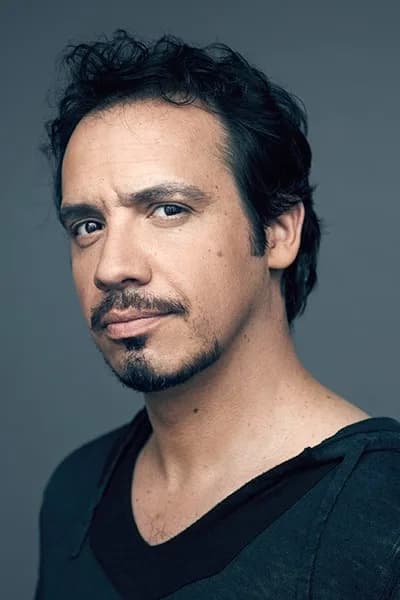
Alexandre Astier
Cast · Known for Kaamelott
Alexandre Astier (born 16 June 1974) is a French writer, director, editor, scriptwriter, humorist, actor and composer. Astier is most known as the creator, director, writer, editor, composer, and lead actor of the French television series Kaamelott, in which he also plays King Arthur. Alexandre Astier was born in Lyon on June 16, 1974, to Joëlle Sevilla and Lionnel Astier, both actors and producers mostly in Lyon's theatre scene. Alexandre Astier studied music at the conservatory and at the American School of Modern Music of Paris. He also studied acting and screenwriting. Four of Astier's seven children have featured in Kaamelott, and both his parents are main characters in the series. His daughters Ariane and Jeanne Astier play respectively Mehben and Mehgan, the daughters of Karadoc and Maevanwi (in the episodes Pupi and Exiles). His son Neil (who also appears as Karadoc and Mevanwi's son in Pupi) plays young Arthur in the season Book V, and in the final scene of Book VI. His son Ethan plays Arthur's dream heir in Book V. Moreover, the mother of his first five children, Anne-Gaëlle Daval, is head of the costume designs on Kaamelott and the short film Dies Irae. In 2012, he plays Johann Sebastian Bach in his humorous show "Que ma joie demeure !" at the theater. In 2014, his comic show "L'Exoconférence" begins at the theater in September. Passionate of technologies, he confirms in 2018 on twitter, that Kaamelott's film adaptation has been written with a bepo keyboard on a raspberry pi, running Wordgrinder text-editor software. He also owns a castle in Ardèche area, where he can store lot of his music instruments into a specific room. Alexandre Astier first got attention from the Lyon's public thanks to the play Le Jour du froment. He also acted in Nous crions grâce, a play written and directed by Jacques Chambon, to whom he gave the role of Merlin in Kaamelott. In 2001, he was the co-screenwriter and the songwriter of the short movies Soyons sport and Un soupçon fondé sur quelque chose de gras. In 2002 he was the director of Dies Irae, a 14-minute short movie that is also the first draft of the Kaamelott TV show. In 2006, he featured in Hey Good Looking!, a French movie by Lisa Azuelos. The same year, he appeared in Asterix at the Olympic Games by Frédéric Forestier and Thomas Langmann, and in Home Sweet Home by Didier Le Pêcheur. In 2009, he played the role of the ex-husband of Sophie Marceau in LOL (Laughing Out Loud), another comedy by Lisa Azuelos. In 2012, he presented his first feature film as a director, David et Madame Hansen, in which he played the main protagonist alongside Isabelle Adjani. In 2014, he was the co-director and the screenwriter of Asterix: The Mansions of the Gods. In 2015, he appeared in the film All Three of Us, directed by Kheiron. In 2018, he wrote an original screenplay for a new Asterix movie: Asterix: The Secret of the Magic Potion. Like Asterix: The Mansions of the Gods, he co-directed it with Louis Clichy. In 2025, he plays the role of a drunken shrink in the second season of Bref. He had already appeared as a cameo in the first season. ... Source: Article "Alexandre Astier" from Wikipedia in English, licensed under CC-BY-SA.
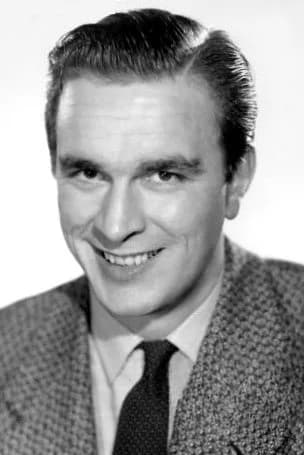
Ian MacDonald
Cast · Known for High Noon
From Wikipedia, the free encyclopedia Ian MacDonald (born Ulva W. Pippy, June 28, 1914 – April 11, 1978) was an American actor and producer during the 1940s and 1950s. He is perhaps best known as villain Frank Miller in High Noon (1952). Military service MacDonald served in the U.S. Army Signal Corps during World War II. He entered on July 13, 1942, and was discharged on April 15, 1946, reaching the rank of captain. On June 17, 1967, in Santa Monica, California, MacDonald married Shirley Kannegaard, a nurse whom he met when he was a patient at Fort Harrison Veterans Hospital. They remained wed until his death. On April 11, 1978, MacDonald died at his home in Bozeman, Montana, at age 63. CLR Selected filmography Stick to Your Guns (1941) - Henchman Elbows Secret of the Wastelands (1941) - Hollister They Died with Their Boots On (1941) - Soldier (uncredited) Swamp Woman (1941) - Det. Lt. Rance The Adventures of Martin Eden (1942) - 'Butch' Raglan North of the Rockies (1942) - Lazare The Strange Woman (1946) - Boat Captain (uncredited) Ramrod (1947) - Walt Shipley Pursued (1947) - A Callum (uncredited) Deep Valley (1947) - Blast Foreman (uncredited) Dark Passage (1947) - Cop in Bus Depot (uncredited) My Girl Tisa (1948) - Guard (uncredited) The Woman from Tangier (1948) - Paul Moreles Mr. Reckless (1948) - Jim Halsey Port Said (1948) - Jakoll Speed to Spare (1948) - Pusher Wilkes Sixteen Fathoms Deep (1948) - Nick A Southern Yankee (1948) - Hospital Orderly (uncredited) The Man from Colorado (1948) - Jack Rawson (uncredited) Road House (1948) - Police Captain Song of India (1949) - Prince's Officer (uncredited) Joe Palooka in the Big Fight (1949) - Mike Streets of San Francisco (1949) - Luke Fraser Come to the Stable (1949) - Mr. Matthews (uncredited) White Heat (1949) - Bo Creel (uncredited) Battleground (1949) - Army Colonel (uncredited) Malaya (1949) - Carlos Tassuma Montana (1950) - Slim Reeves Whirlpool (1950) - Hogan - Store Detective (uncredited) Comanche Territory (1950) - Walshy Colt .45 (1950) - Miller The Lawless (1950) - Al Peters Where the Sidewalk Ends (1950) - Detective Casey (uncredited) The Desert Hawk (1950) - Yussef Thunder in God's Country (1951) - Smitty New Mexico (1951) - Pvt. Daniels The Texas Rangers (1951) - The Sundance Kid Show Boat (1951) - Drunken Sport (uncredited) Ten Tall Men (1951) - Lustig The Barefoot Mailman (1951) - Theron Henchman (uncredited) This Woman Is Dangerous (1952) - Joe Grossland, Private Eye Flaming Feather (1952) - Tombstone Jack High Noon[2] (1952) - Frank Miller The Brigand (1952) - Maj. Schrock The Savage (1952) - Chief Yellow Eagle Toughest Man in Arizona (1952) - Steve Girard Hiawatha (1952) - Chief Megissogwon The Silver Whip (1953) - Hank A Perilous Journey (1953) - Sprague Blowing Wild (1953) - Jackson Taza, Son of Cochise (1954) - Geronimo Johnny Guitar (1954) - Pete Apache (1954) - Clagg The Egyptian (1954) - Ship's Captain (uncredited) They Were So Young (1954) - General Rodriguez Garcia (uncredited) Timberjack (1955) - Pauquette Son of Sinbad (1955) - Murad The Lonesome Trail (1955) - Gonaga Two-Gun Lady (1955) - Jud Ivers Accused of Murder (1956) - Trumbull Stagecoach to Fury (1956) - Sheriff Ross Duel at Apache Wells (1957) - Marcus Wolf Money, Women and Guns (1958) - Nibbs

Christopher Wood
Writer · Known for The Spy Who Loved Me
Christopher Hovelle Wood (5 November 1935 – 9 May 2015) was an English screenwriter and novelist, best known for the Confessions series of novels and films which he wrote as Timothy Lea. Under his own name, he adapted two James Bond novels for the screen: The Spy Who Loved Me (1977, with Richard Maibaum) and Moonraker (1979). Wood's many novels divide into four groups: semi-autobiographical literary fiction, historical fiction, adventure novels, and pseudonymous humorous erotica. Christopher Wood was the son of Walter Leonard Wood and Audrey Maud (Hovell) Wood (born 1906). They were married in 1935. He was born in London borough of Lambeth. Wood had three children, one of whom is film producer and literary agent Caroline Wood. Wood died at his apartment in southwest France on 9 May 2015, and was survived by his son and daughter. However, his death was not widely known until Sir Roger Moore paid tribute to him later that year on Twitter on 17 October. Wood's parents sent their son to board at Edward VI Grammar School in Norwich to protect him from The Blitz. The Baedeker Blitz of April 1942 saw the adjacent medieval school bombed into rubble. Wood continued his education at King's College Junior School in London where he found himself at risk from "drunken, mentally disturbed, sexual predators" among the staff. Wood graduated from Peterhouse at Cambridge University in 1960 with degrees in economics and law. He did his mandatory military service in Cyprus, which inspired his second novel Terrible Hard, Says Alice. Novelist and fellow future Bond writer William Boyd praised the book, citing it as one of the few convincing examples of accounts of war alongside Ernest Hemingway's A Farewell to Arms and Joseph Heller's Catch-22. Wood's African experiences inspired two novels: his first, Make it Happen to Me and his adventure novel A Dove Against Death (1983). Of A Dove Against Death, he recalled, "I was helping to conduct a plebiscite in the Southern Cameroons under UN supervision in 1960. An old man came out of a hut wearing what at first glance I thought was a brass coal scuttle. Then I realized that it was German helmet with a spike on it. My interest began then. Many years later came the story." After considerable research, Wood discovered records of a Dove that was sent to south-west Africa and a wireless station in Togoland that the Germans built and the British destroyed, all of which he wove together to create the novel. Wood became an account executive at the advertising agency Masius Wynne-Williams where he managed national brands. Like his Masius colleague Desmond Skirrow,] Wood used the daily train commutes between his Royston home and London to write his first several books. After unsuccessful attempts submitting scripts for television, Wood wrote his first novel which he entitled Nobody Here But Us Pickens. The publishers retitled it Make it Happen to Me. Sales were poor and the book was subsequently withdrawn after a threatened defamation lawsuit. Wood pitched the idea of a series of erotic comic novels to his publishers at Sphere paperbacks. The first of these books, Confessions of a Window Cleaner, went through multiple editions. ... Source: Article "Christopher Wood (writer)" from Wikipedia in English, licensed under CC-BY-SA 3.0.