
Search
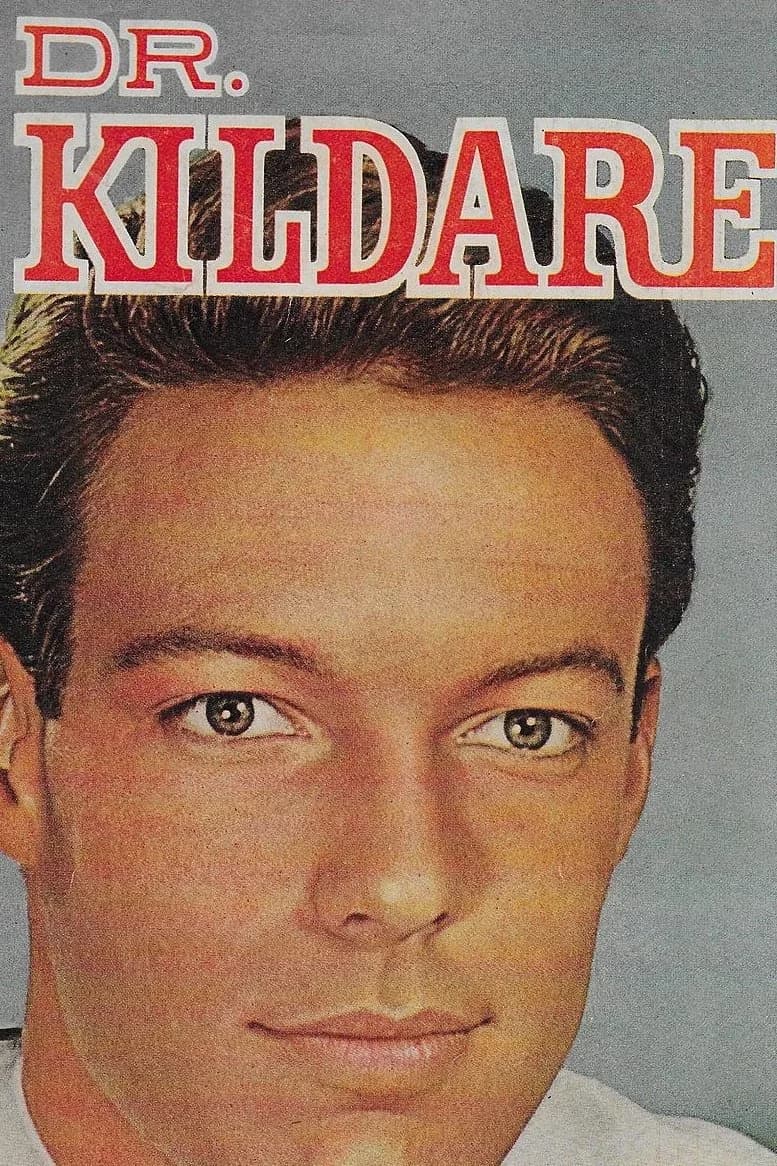
Dr. Kildare
1961
The story of a young intern in a large metropolitan hospital trying to learn his profession, deal with the problems of his patients, and win the respect of the senior doctor in his specialty, internal medicine.
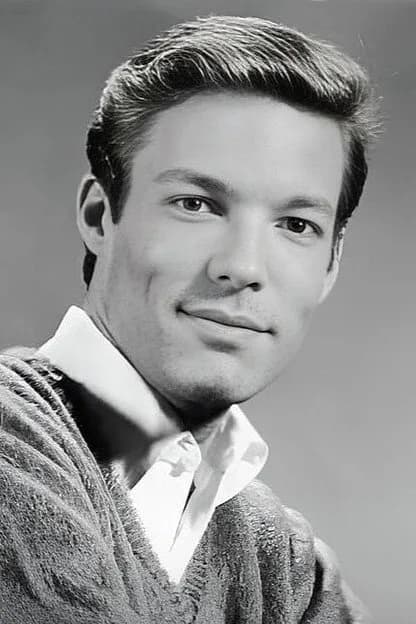
Richard Chamberlain
Cast · Known for Dr. Kildare
George Richard Chamberlain (March 31, 1934 – March 29, 2025) was an American actor of stage and screen who became a teen idol in the title role of the television show Dr. Kildare (1961–1966). He subsequently appeared in several TV mini-series, such as Shōgun (1980) and The Thorn Birds (1983) and was the first to play Jason Bourne in the 1988 made for TV movie "The Bourne Identity". Chamberlain has also performed classical stage roles and worked in musical theatre. Description above from the Wikipedia article Richard Chamberlain, licensed under CC-BY-SA, full list of contributors on Wikipedia.
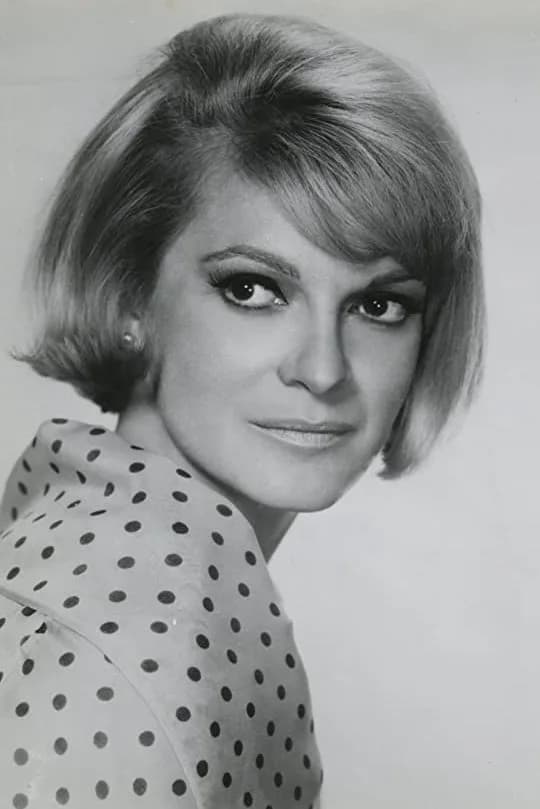
Gail Kobe
During the 1950s and 1960s, she made dozens of guest appearances on such television programs as The Twilight Zone (1959), Dr. Kildare (1961), The Felony Squad (1966), Gunsmoke (1955), Daniel Boone (1964), and Mannix (1967). She had a short role as Doris Schuster on Peyton Place (1964). She also appeared on daytime's Bright Promise (1969) as Ann Boyd Jones (1970-1972). Kobe began to work behind the camera as supervising producer and associate producer on such daytime programs as The Edge of Night (1956) and Return to Peyton Place (1972). In 1982 she became executive producer of Texas (1980) during its final few months. She then became executive producer of Guiding Light (1952) where she stayed from 1982 to 1987.
Sam Reese
Sammy Pharr Reese (September 11, 1930 – September 11, 1985) was an American film and television actor. He was known for playing the recurring role of Dr. Dan Shanks in the first season of the American medical drama television series Dr. Kildare. He also acted in In the Heat of the Night (1967), En el calor de la noche (1967), King Rat (1965) and Patrullero PT 109(1963).
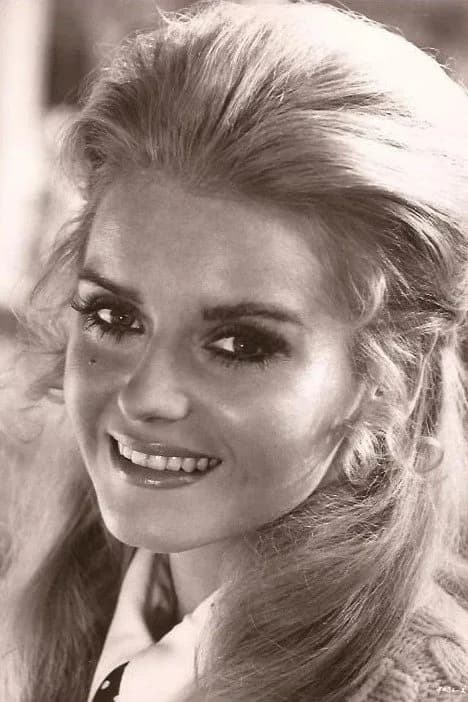
Sharon Farrell
Cast · Known for Hawaii Five-O
Sharon Farrell (born Sharon Forsmoe; December 24, 1940 – May 15, 2023) was an American television and film actress, and dancer. Originally beginning her career as a ballerina with the American Ballet Theatre company, Farrell made her film debut in 1959 in Kiss Her Goodbye, followed by roles in 40 Pounds of Trouble (1962), A Lovely Way to Die (1968), and the neo-noir Marlowe (1969). She worked prolifically in television, including recurring parts in the series Saints and Sinners (1962), Dr. Kildare (1965), and Hawaii Five-O (1980). Farrell was born in Sioux City, Iowa, to Hazel Ruth (née Huffman) and Darrel LaValle Forsmoe. She was of Norwegian descent, and was raised with sister, Dale Candice, in a Lutheran family. During her childhood, Farrell studied ballet and was involved in the theater department during high school. Farrell toured with the American Ballet Theatre Company as a dancer, which brought her to New York City. In New York, Farrell began her acting career in the theater, appearing in productions of "The Crucible" and "A View from the Bridge". She made her film debut in 1959 in Kiss Her Goodbye, and went on to appear in a number of films in the 1960s, including 40 Pounds of Trouble, A Lovely Way to Die, and Marlowe. Farrell's television career began in the early 1960s, with appearances in such series as The Alfred Hitchcock Hour, Gunsmoke, and Dr. Kildare. She had a recurring role on the soap opera Saints and Sinners from 1962 to 1963, and starred in the short-lived series The Last Ride of the Dalton Gang in 1967. In 1980, she joined the cast of Hawaii Five-O, playing the role of Lori Wilson for two seasons. Farrell was also active in the horror genre, appearing in the films It's Alive (1974) and Night of the Comet (1984). She continued to work in television and film throughout the 1980s and 1990s, and her final film appearance was in the 2000 comedy Can't Buy Me Love. In addition to her acting career, Farrell was also a dancer and choreographer. She taught dance at the University of California, Los Angeles, and was a member of the board of directors of the American Ballet Theatre. Farrell was married five times, to Andrew Prine, Ron DeBlasio, Steve Salkin, and Dale Trevillion. She had one son, Chance Boyer, from her marriage to Prine. Farrell died on May 15, 2023, at the age of 82, from natural causes. She was buried in Forest Lawn Memorial Park in Hollywood Hills, California.
John T. Dugan
Writer · Known for Little House on the Prairie
John T. Dugan was an American screenwriter. He wrote for television programs, including Bonanza, Mr. Novak, 12 O'Clock High, Dr. Kildare, Adam-12, Star Trek: The Original Series, Ben Casey, Mission: Impossible, Columbo and Little House on the Prairie.
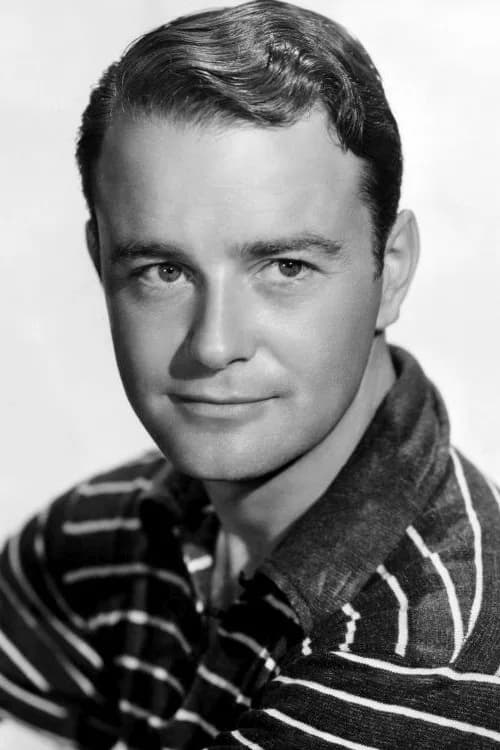
Lew Ayres
Lew Ayres was born in Minneapolis, Minnesota and raised in San Diego, California. A college dropout, he was found by a talent scout in the Coconut Grove nightclub in Los Angeles and entered Hollywood as a bit player. He was leading man to Greta Garbo in The Kiss (1929), but it was the role of Paul Baumer in All Quiet on the Western Front (1930) that was his big break. He was profoundly affected by the anti-war message of that film, and when, in 1942, the popular star of Young Dr. Kildare (1938) and subsequent Dr. Kildare films was drafted, he was a conscientious objector. America was outraged, and theaters vowed never to show his films again, but quietly he achieved the Medical Corps status he had requested, serving as a medic under fire in the South Pacific and as a chaplain's aid in New Guinea and the Phillipines. His return to film after the war was undistinguished until Johnny Belinda (1948) - his role as the sympathetic physician treating the deaf-mute Jane Wyman won him an Academy Award nomination as Best Actor. Subsequent movie roles were scarce; an opportunity to play Dr. Kildare in television was aborted when the network refused to honor his request for no cigarette sponsorship. He continued to act, but in the 1970s put his long experience into a project to bring to the west the philosophy of the East - the resulting film, Altars of the World (1976), while not a box-office success, won critical acclaim and a Golden Globe Award. Lew Ayres died in Los Angeles, California on December 30, 1996, just two days after his 88th birthday.
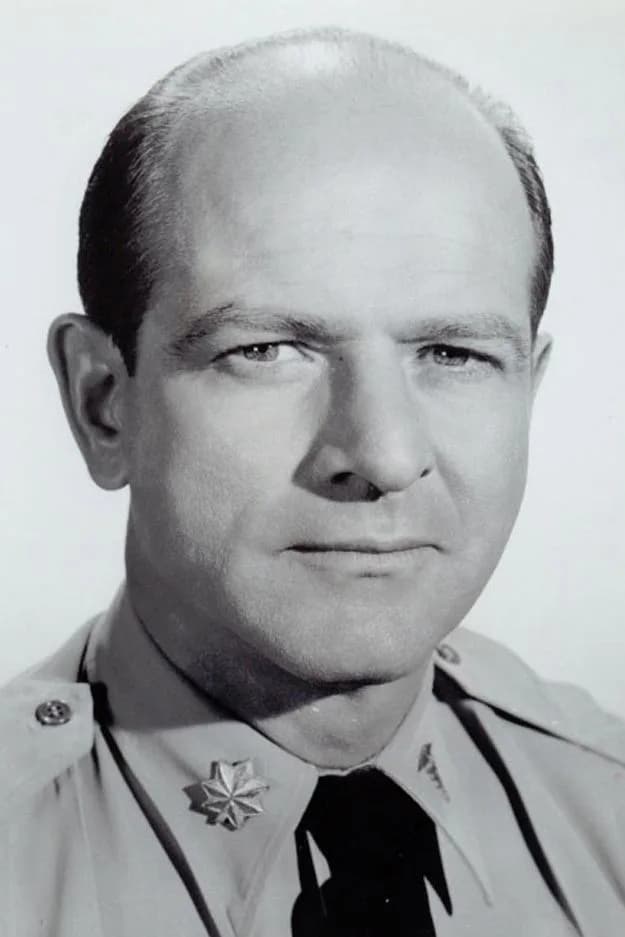
Alan Hewitt
Among the movies Hewitt appeared in are A Private's Affair, That Touch of Mink, Days of Wine and Roses, How to Murder Your Wife, Sweet Charity, and The Barefoot Executive. He never became a major star, but he did have a lengthy career which included smaller parts in several well-known programs, including Alfred Hitchcock Presents, Maverick, 77 Sunset Strip, Daktari, Leave It to Beaver, The Donna Reed Show, Dr. Kildare, Lost in Space, Bewitched, I Dream Of Jeannie, The Lucy Show, F Troop, The Wild Wild West, Ironside, The Bob Newhart Show and The Phil Silvers Show. He made four guest appearances on Perry Mason, three of which he portrayed the murderer: in 1961 he played Bruce Sheridan in "The Case of the Wintry Wife" and Dr. Marcus Tate in "The Case of the Brazen Bequest," and in 1965 he played the role of Curt Ordway in "The Case of the Fatal Fetish". The only one where he was not the murderer was in 1959’s “The Case of the Golden Fraud”. Possibly his most prominent roles were Detective Brennan in My Favorite Martian and the district attorney in How to Murder Your Wife.
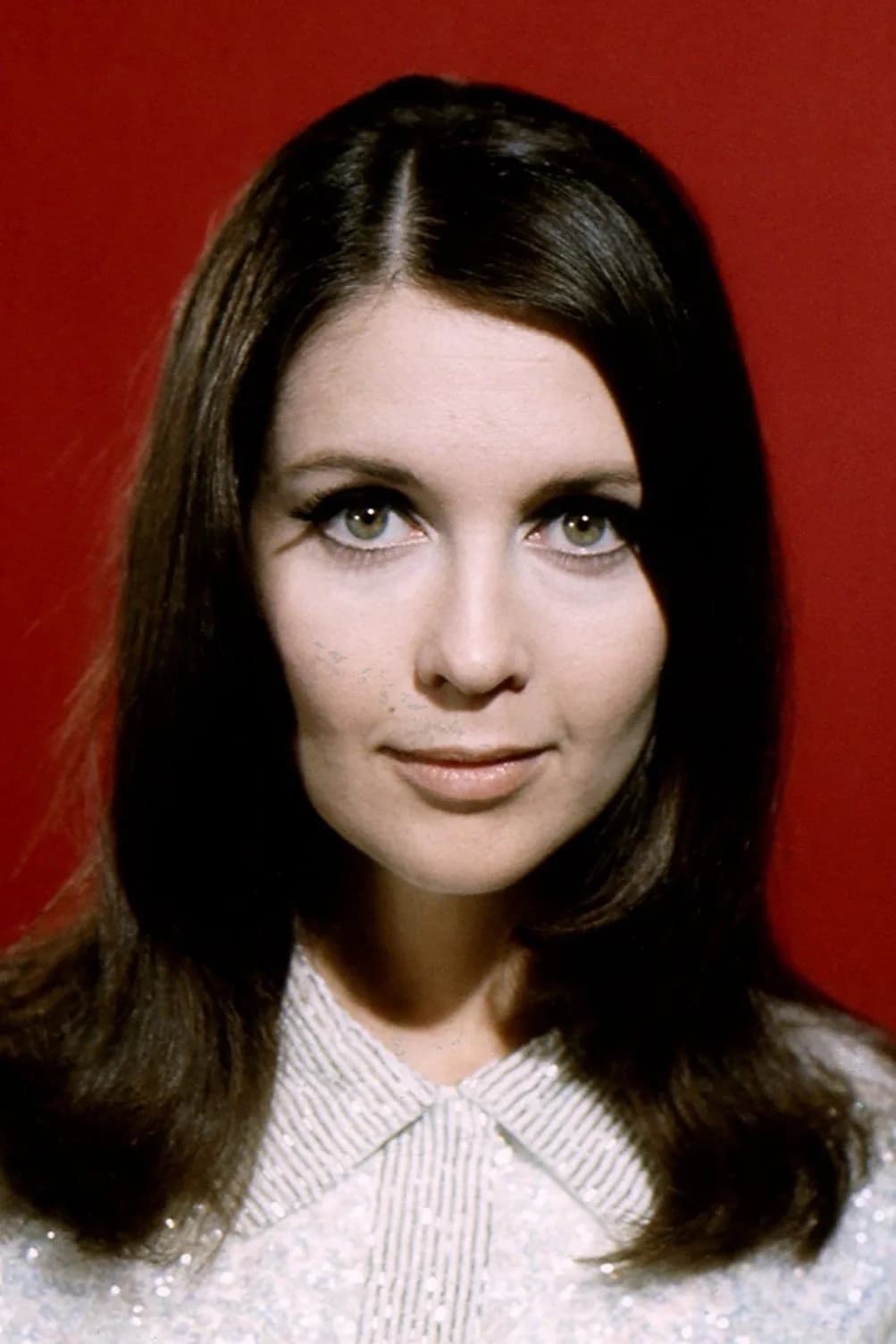
Anjanette Comer
Anjanette Comer (August 7, 1939 — May 28, 2026) was an American actress. Born in Dawson, Texas to Rufus Franklin and Nola (Dell) Comer, her first major television credit was a guest appearance in a 1963 episode of Gunsmoke, followed by roles in several other dramatic series of the 1960s, such as Dr. Kildare and Bonanza. She made her feature film debut as the female lead in the 1964 comedy Quick, Before It Melts followed by a memorable role in the 1965 satire The Loved One, playing a seductive mortician who offers Robert Morse a choice for his uncle's funeral arrangements of "Inhumement, entombment, inurnment, immurement? Some people just lately have preferred ensarcophagusment." Though Comer was cast opposite Michael Caine for Funeral In Berlin and even appeared in publicity stills, she was replaced because of illness. Fortunately, she had another leading role as a love interest to Marlon Brando and John Saxon in the Western adventure The Appaloosa (1966). The film, shot on location in Mexico, presented Anjanette as a Mexican peasant girl, a role she repeated in the 1968 Anthony Quinn vehicle Guns for San Sebastian. In between she starred with Robert Wagner and Jill St. John in the golf-themed 1967 film Banning. Comer's film activity dropped off in 1970 after she played Ruth in the film version of John Updike's Rabbit, Run (1970). She later claimed she let her love life interfere with her work. Comer's most recent films include Fire Sale (1977) and the made-for-TV The Long Summer of George Adams (1983). In subsequent years, she was frequently cast as mysterious or exotic characters. Description above from the Wikipedia article Anjanette Comer, licensed under CC-BY-SA,full list of contributors on Wikipedia.
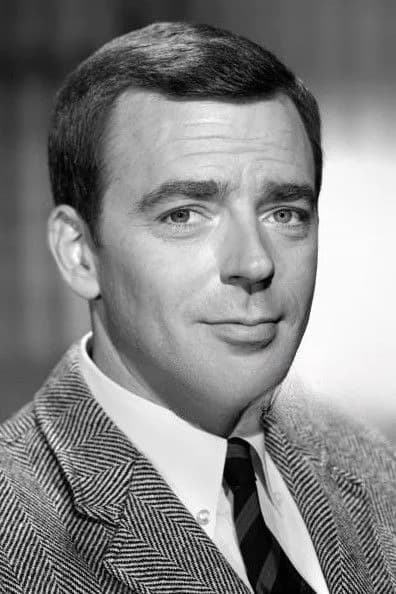
Ken Berry
From Wikipedia, the free encyclopedia Kenneth Ronald Berry (November 3, 1933 – December 1, 2018) was an American actor, dancer and singer. Berry starred on the television series F Troop, The Andy Griffith Show, Mayberry R.F.D. and Mama's Family. He also appeared on Broadway in The Billy Barnes Revue, headlined as George M. Cohan in the musical George M! and provided comic relief for the medical drama Dr. Kildare.
Alexander Singer
Director · Known for Knots Landing, Star Trek: Voyager, The Fugitive
Alexander Singer (born 18 April 1928, in New York City, New York, died 28 December, 2020) was an American director. He began his career behind the camera in 1951 as a cinematographer on the short documentary Day of the Fight, directed by his high school friend Stanley Kubrick. Singer turned to directing a decade later with the film A Cold Wind in August. Although he directed other films, such as the Lee Van Cleef western Captain Apache (1971), and Glass Houses (1972), an adaptation of a book that his wife Judith Singer wrote, the bulk of Singer's credits are in television. The long list of series to which Singer has lent his directorial talents include Dr. Kildare, The F.B.I., Mission: Impossible, Alias Smith and Jones, Nakia, Police Woman, Cagney & Lacey, MacGyver, six episodes of The Monkees, and three Star Trek series: The Next Generation, Deep Space Nine, and Voyager. Description above from the Wikipedia article Alexander Singer, licensed under CC-BY-SA, full list of contributors on Wikipedia.
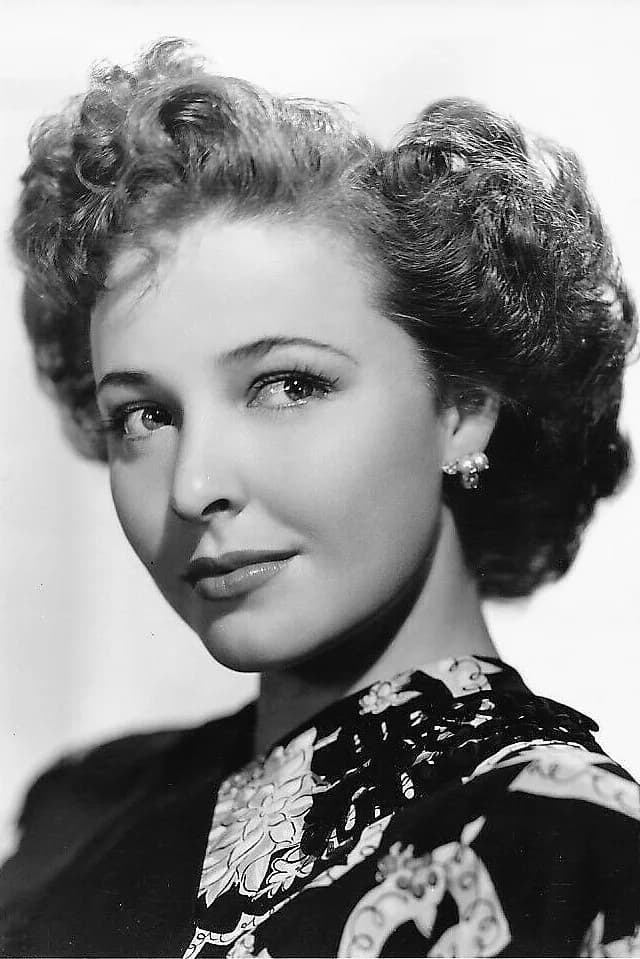
Laraine Day
Laraine Day, born La Raine Johnson, was a major movie star of the 1940s and '50s. Raised in Utah as part of a prominent Mormon family, she came to Hollywood as a young woman, and made her film debut with an uncredited role in Stella Dallas. Before she was famous she also played the birth-mother of Tarzan and Jane's adopted son "Boy" in Tarzan Finds a Son. Her break came in 1939, with the wildly popular "Dr Kildare" sequels. Day played Kildare's nurse and love interest in the third through ninth Kildare movies, until her character married the doctor in Dr. Kildare's Wedding Day. As Mrs Kildare, she was written out of the next, and last, Kildare feature. In 1942, she starred with Ayres again in the underrated axe murder melodrama Fingers at the Window. Over subsequent decades, her memorable films included the flashback-within-flashback-within-flashback drama The Locket, the gangster comedy Mr Lucky, and the campy paranoia piece I Married A Communist. She was among the all-star passengers in the overwrought airliner-in-peril drama The High and the Mighty, and in Hitchcock's Foreign Correspondent it was Day who encouraged Joel McCrea to give his stirring report of the air raid at the film's climax Hitchcock's thinly-veiled plea for America to enter World War II. When television became a viable income source, Day found the small screen more inviting and less time-consuming than making movies, and she became primarily a TV actress. She had a 15-minute series of uplifting vignettes called Daydreaming with Laraine, and another 15-minute daily celebrity chat show called The Laraine Day Show. Married to New York Giants manager Leo Durocher, Day became one of TV's first female sports reporters when she hosted Day with the Giants, an early 1950s baseball talk show with Giants' players that aired on New York City's Channel 11. Her last film was a low-budget thriller, The Third Voice, in 1960, but she continued taking occasional guest roles on TV series Love Boat, Fantasy Island, Murder, She Wrote, etc. through the mid-1980s. Following her retierment she spent the remainder of her life active in the Mormon church, Republican politics, and various charity related work. Upon the death of her third husband Michael Grilikhes in March 2007 she moved back to her native Utah where she died that November at age 87. She is interred at Forest Lawn Memorial Park, Hollywood Hills, Los Angeles, CA.
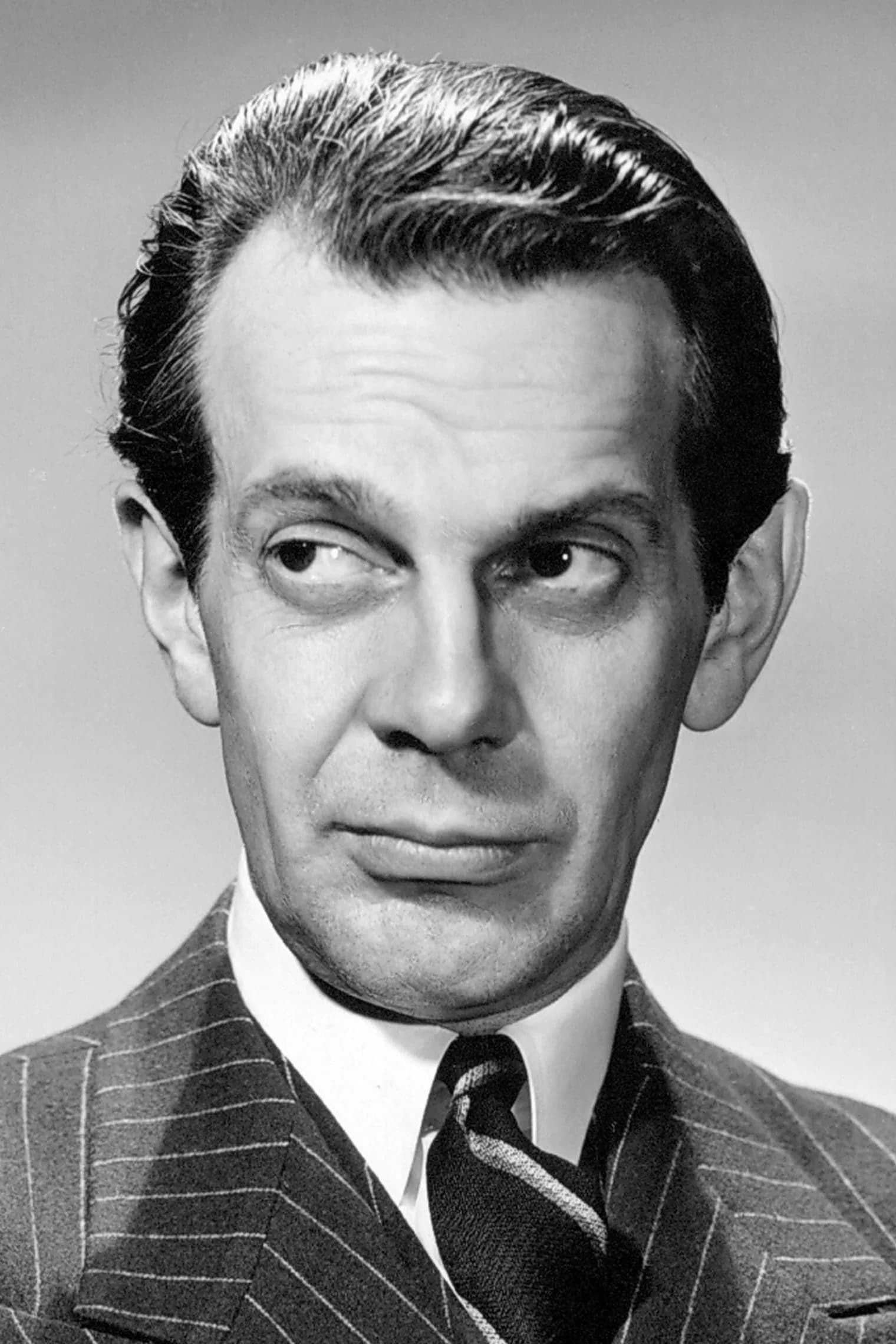
Raymond Massey
Cast · Known for Dr. Kildare
Raymond Hart Massey (August 30, 1896 – July 29, 1983) was a Canadian actor known for his commanding stage-trained voice. For his lead role in Abe Lincoln in Illinois (1940), Massey was nominated for the Academy Award for Best Actor. He reprised his role as Lincoln on TV and in How the West Was Won (1962). Among his other well-known roles were Dr Gillespie in the NBC TV series Dr Kildare (1961–1966), John Brown in Santa Fe Trail (1940), Seven Angry Men (1955), Abraham Farlan in A Matter of Life and Death (1946), and Jonathan Brewster in Arsenic and Old Lace (1944).
Rita Lakin
Rita Lakin is an American screenwriter, with 474 produced television scripts spanning 30 productions. She is also a novelist and author of "The Only Woman In The Room," a memoire of her life as one of the first female show runners and one of the first women in television (released October 2015, Applause publishing). In fiction, Lakin created the Gladdy Gold Mystery seven-book series (published by Bantam Books), including Getting Old Is Murder, Getting Old Is The Best Revenge, and Getting Old Can Kill You. Lakin began writing regularly during the early 1960s for such television shows as The Doctors, Dr. Kildare and Peyton Place. In 1968, she began working as story editor and head writer of The Mod Squad. In 1972, she created The Rookies. In 1977, she served as executive producer of the CBS TV adaptation of the 1954 film Executive Suite. She wrote numerous "Movies of the Week" including Women in Chains, and such miniseries as Strong Medicine and Voices of the Heart. In 1981, she developed the TV series adaptation and served as show-runner of Flamingo Road. In 1989, she co-created the medical drama Nightingales. She also wrote or co-authored two original theatrical plays, No Language But a Cry and Saturday Night at Grossinger's.
Mona Bruns
From Wikipedia, the free encyclopedia Mona Bruns (November 26, 1899 – June 13, 2000) was an American actress on the stage, films, radio, and television. She appeared in such television series as Dr. Kildare, Little House on the Prairie, Green Acres, Bonanza, among others. Born in St. Louis, Missouri, Bruns appeared on Broadway with her husband, Frank M. Thomas. She appeared in the 1934 Broadway play Wednesday's Child as Miss Chapman with her son Frankie Thomas playing a large role as Bobby Phillips. The family moved to Los Angeles in the 1930s in order for her son to appear in the film version of Wednesday's Child. During this time she and her husband acted in several films. She played the role of Aunt Emily on The Brighter Day, for eight years. After the show ended, she was asked to create the role of Emily Hastings on NBC's Another World. She appeared on many popular television shows of the 1950s/60s. She appeared on Broadway in Wednesday's Child (1934) as Miss Chapman.

Walter Kingsford
From Wikipedia, the free encyclopedia Walter Kingsford (born Walter Pearce, 20 September 1882 – 7 February 1958) was a British stage, film and television actor. Kingsford began his acting career on the London stage. He also had a long Broadway career, appearing in plays from the 1912 original American production of George Bernard Shaw's Fanny's First Play to 1944's Song of Norway. In the early 1920s, Kingford was active with the Henry Jewett Players. Kingsford moved to Hollywood, California, for a prolific film career in supporting parts. On screen, he specialised in portraying authority figures such as noblemen, heads of state, doctors, police inspectors and lawyers. He is best known for his recurring role as the snobbish hospital head Dr. P. Walter Carew in the popular Dr. Kildare (and Dr. Gillespie) film series. Kingsford had numerous television appearances in the 1950s. They included TV Reader's Digest, Command Performance and Science Fiction Theatre.
Ralph E. Winters
Editor · Known for Ben-Hur
Ralph E. Winters (June 17, 1909 – February 26, 2004) was a Canadian-born film editor who became one of the leading figures of this field in the American industry. After beginning on a series of B movies in the early 1940s, including several in the Dr. Kildare series, his first major film was George Cukor's Victorian chiller Gaslight (1944). Winters won the Academy Award for Best Film Editing for King Solomon's Mines (1950) (shared with Conrad A. Nervig) and Ben-Hur (1959) (shared with John D. Dunning). He received four additional nominations: Quo Vadis (1951), Seven Brides for Seven Brothers (1954), The Great Race (1965) and Kotch (1971). Winters' other films included On the Town (1949), High Society (1956), Jailhouse Rock (1957) and The Thomas Crown Affair (1968). Winters had a notable collaboration with director Blake Edwards. Over 20 years, they collaborated on 12 films together, including The Pink Panther (1963), The Party (1968), 10 (1979) and Victor/Victoria (1982). His last film was the pirate epic Cutthroat Island in 1995. Winters had been elected to membership in the American Cinema Editors, and in 1991, Winters received the organization's career achievement award. His memoir, Some Cutting Remarks: Seventy Years a Film Editor, was published in 2001.
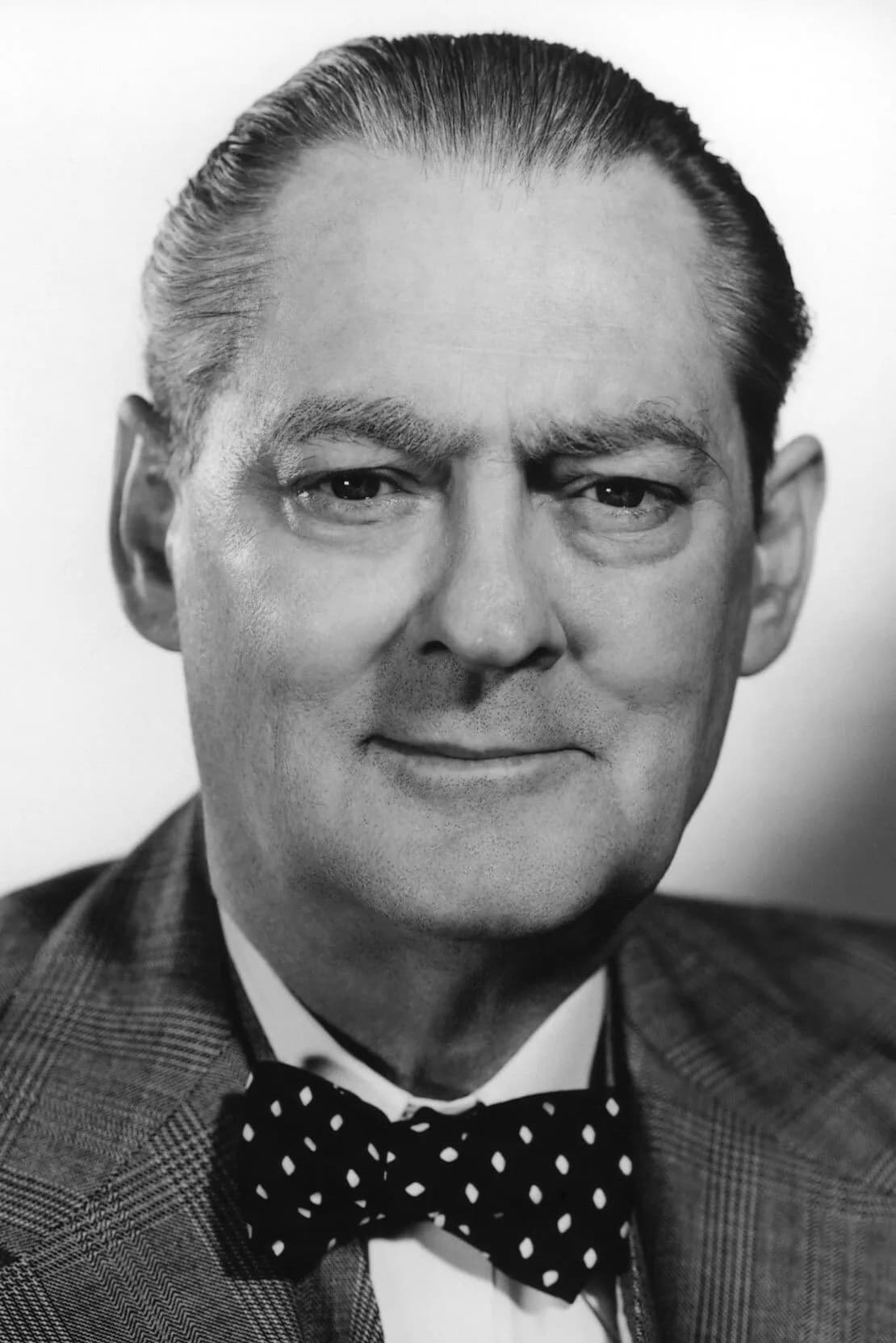
Lionel Barrymore
Cast · Known for It's a Wonderful Life
Lionel Barrymore (born Lionel Herbert Blythe; April 28, 1878 – November 15, 1954) was an American actor of stage, screen and radio as well as a film director. He won an Academy Award for Best Actor for his performance in A Free Soul (1931), and remains best known to modern audiences for the role of villainous Mr. Potter in Frank Capra's 1946 film It's a Wonderful Life. He is also particularly remembered as Ebenezer Scrooge in annual broadcasts of A Christmas Carol during his last two decades. He is also known for playing Dr. Leonard Gillespie in MGM's nine Dr. Kildare films, a role he reprised in a further six films focusing solely on Gillespie and in a radio series entitled The Story of Dr. Kildare. He was a member of the theatrical Barrymore family.

Lisa Loring
From Wikipedia, the free encyclopedia Lisa Loring (born Lisa Ann DeCinces; February 16, 1958 – January 28, 2023) was an American actress. She is best known for having played Wednesday Addams on the 1964–1966 sitcom The Addams Family. She died January 28, 2023. Her parents both served in the United States Navy, but divorced shortly after her birth. She grew up in Hawaii and later moved to Los Angeles with her mother. She began modeling at age three and appeared in an episode of Dr. Kildare, which aired in 1964. Her mother died of alcoholism in 1974 at age 34. She joined the cast of ABC sitcom The Pruitts of Southampton in 1966. After her childhood career, she also was a cast member of the CBS soap opera As the World Turns from 1980 to 1983, where she created the role of Cricket Montgomery.
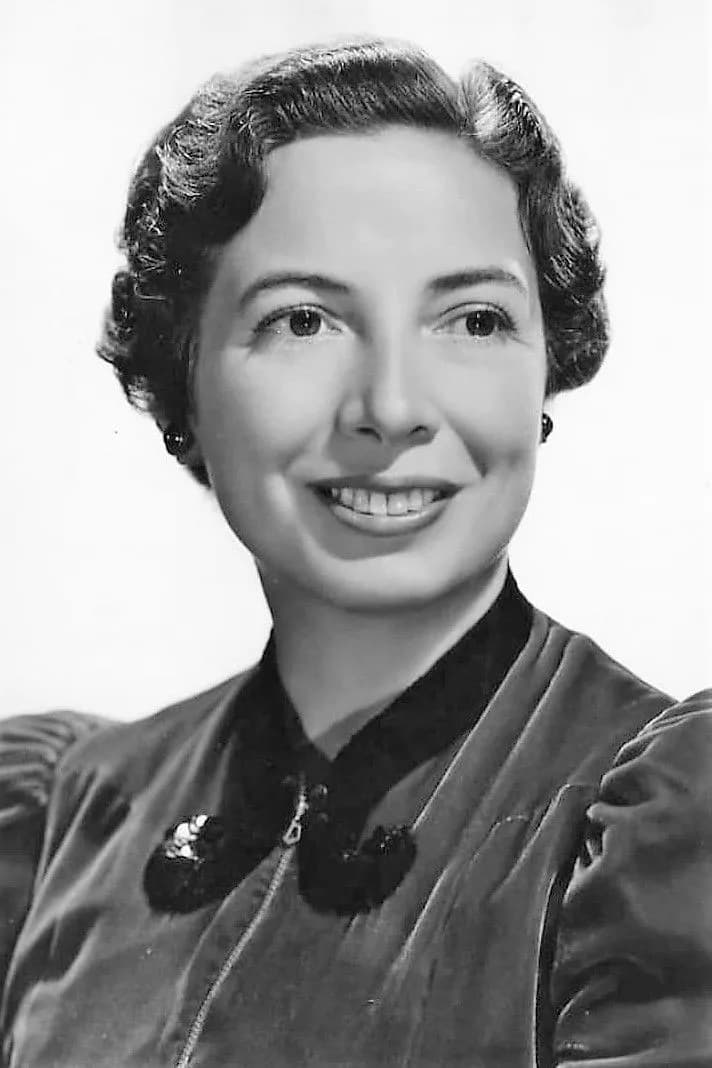
Sara Haden
From Wikipedia, the free encyclopedia Sara Haden (born Catherine Haden, November 17, 1898 – September 15, 1981) was a character actress in Hollywood films of the 1930s through the 1950s and in television into the mid-1960s. She may be best remembered for appearing as Aunt Milly Forrest in thirteen entries in MGM's Andy Hardy film series. Haden first appeared on the stage in the early 1920s. As early as October 1920, she was appearing with Walter Hampden's acting troupe. Her Broadway debut came in Trigger (1927). She made her film debut in 1934 (one year after her mother's retirement) in the Katharine Hepburn vehicle Spitfire. Haden later became a Metro-Goldwyn-Mayer contract player in the late 1930s and had smallish roles in many of the studio's films, most notably in the Andy Hardy series starring Mickey Rooney, cast as the spinsterish Aunt Milly Forrest. Haden made her last film, Andy Hardy Comes Home, in 1958, but was active on television until a 1965 guest spot on Dr. Kildare. She was most notable for her stern, humorless characterisations such as a truant officer in Shirley Temple's Captain January (1936), but she also played the much-loved teacher Miss Pipps, who is unjustly fired in the Our Gang comedy Come Back, Miss Pipps (1941). Other films in which she appeared include Poor Little Rich Girl (1936), The Shop Around the Corner (1940), Woman of the Year (1942), and The Bishop's Wife (1947). Her television appearances include episodes of Climax!, Bourbon Street Beat, and Bonanza. She had a guest appearance on Perry Mason as Florence Harvey in the 1959 episode, "The Case of the Romantic Rogue". Haden played Dora Darling in My Favorite Martian, season 2 episode 28, "Once Upon a Martian's Mother's Day" in 1965. She was married to film actor Richard Abbott (born Seamon Vandenberg; 1899-1986) from 1921 until their divorce in 1948. Sara Haden died on September 15, 1981 at the Motion Picture & Television Country House and Hospital in Woodland Hills, California, at age 82.
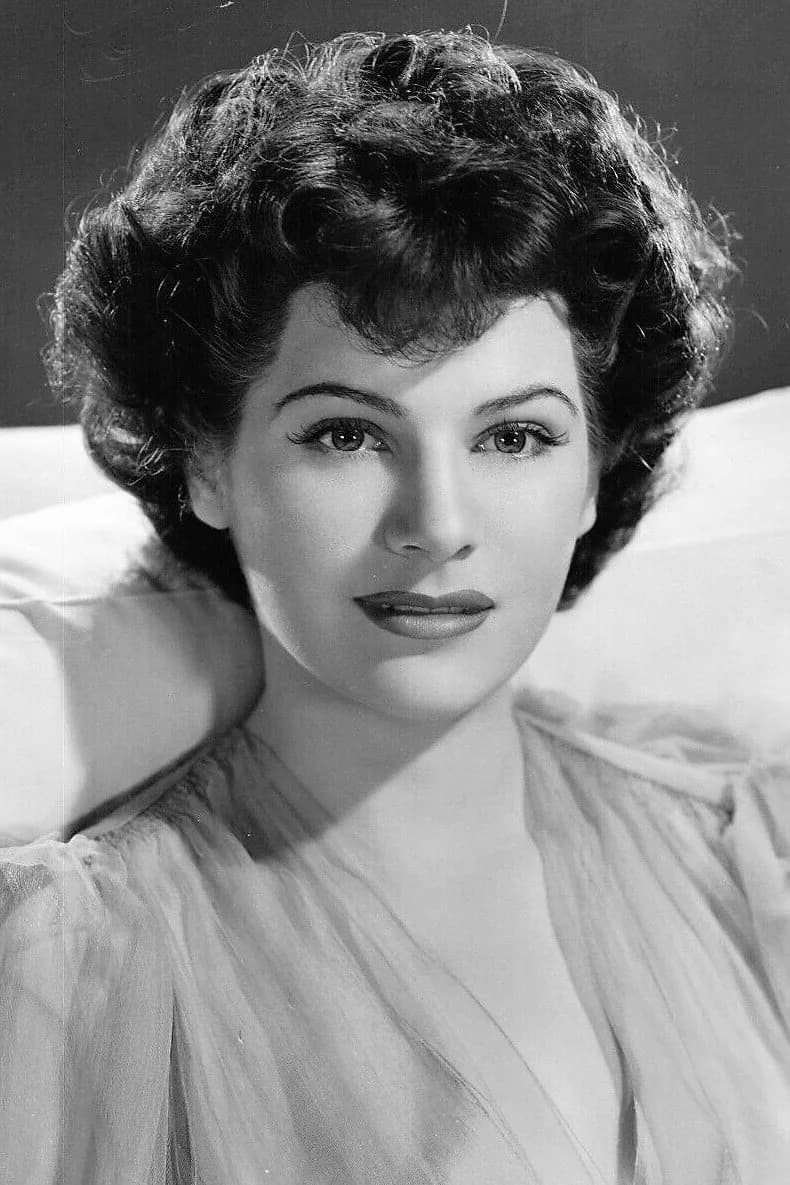
Ann Ayars
From Wikipedia, the free encyclopedia Ann Ayars (23 July 1918 – 27 February 1995) was an American soprano and actress. Early in her career she acted in several TV series and non musical films. Later, she sang with the New York City Opera (NYCO), and became known worldwide when she sang and acted the part of Antonia in the 1951 British film The Tales of Hoffmann. From 1968 to 1987 she taught voice and piano and staged 19 full-length opera productions at Mt. San Jacinto College in California, where she was made a professor emerita. Ann Ayars was born on 23 July 1918 in Beverly Hills, California. She began as a singer in the late 1930s and started acting in the early 1940s. She had parts in several television series, including Batman, Hazel, Mission: Impossible, The Alfred Hitchcock Hour, Perry Mason, The Virginian and The Monroes. She starred as Cholita in the 1941 film Fiesta and in 1942 she was Cynthia Cookie Charles in Dr. Kildare's Victory. Also in 1942, she appeared as Constance Selden in Apache Trail, Kaaren de Relle in Nazi Agent and Juliette in Reunion in France. In 1943 she was Mrs Sandoval in The Human Comedy and Susan Thayer in The Youngest Profession. She left Hollywood in 1943 to join the newly formed New York City Opera, becoming its leading lyric soprano. Her operatic roles included Monica in The Medium, Mimi in La bohème and Violetta in La traviata. Her friend, mezzo-soprano Frances Bible, said "Her work with the opera has inspired many young singers, many of whom went on to professional careers." She had a star part as Antonia in the 1951 Powell and Pressburger film The Tales of Hoffmann, which was based on the opéra fantastique by Jacques Offenbach. Although all the parts in the film are sung, only Robert Rounseville (Hoffmann) and Ayars sung their own parts, the others being dubbed. In 1968 she returned to California and took a post teaching voice and piano at Mt. San Jacinto College in San Jacinto, California, where she staged 19 full-length opera productions. She retired in 1987. On 27 February 1995 she died at her home in Hemet in Riverside County following complications from diabetes .
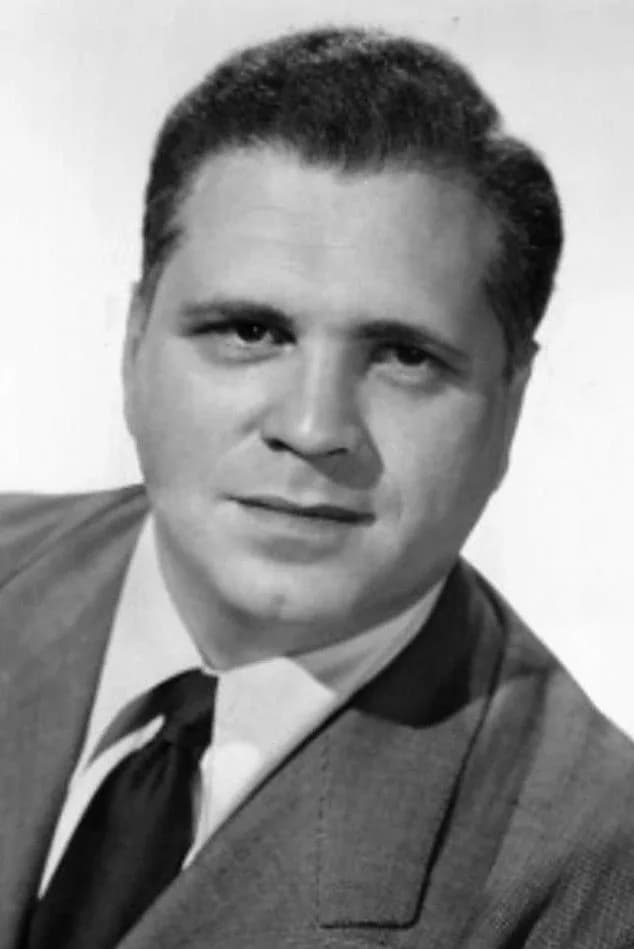
Bert Freed
From Wikipedia, the free encyclopedia. Bert Freed (November 3, 1919 — August 2, 1994) was a prolific American character actor, voice over actor, and the first actor to portray "Detective Columbo" on television. Born and raised in The Bronx, New York, Freed began acting while attending Penn State University, and made his Broadway debut in 1942. Following World War II Army service in the European Theatre, he appeared in the Broadway musical The Day Before Spring in 1945 and dozens of television shows between 1947 and 1985. His film debut occurred, oddly enough, in a musical Carnegie Hall (1947). A prominent role was as the villainous Ryker in the television series Shane, in which Freed added a unique touch of realism by beginning the show clean-shaven and growing a beard from one week to the next, never shaving again through the season. Freed played Columbo in a live 1960 episode of the "Chevy Mystery Theatre" seven years before Peter Falk played the role. Thomas Mitchell also played the part on stage prior to Falk's version, which is probably where many of the eccentric Columbo traits originated; only a few were visible in Freed's straightforward interpretation, although the character as played by Freed is recognizably Columbo. He appeared (sometimes more than once) in television shows such as The Rifleman, Bonanza, Gunsmoke, The Big Valley,The Virginian, Mannix, Barnaby Jones, Charlie's Angels, Then Came Bronson, Run For Your Life, Get Smart, The Lucy Show, Hogan's Heroes, Voyage to the Bottom of the Sea, Dr. Kildare, Ben Casey, Perry Mason, Combat!, Petticoat Junction, The Outer Limits, Alfred Hitchcock Presents, Route 66, Ironside, The Green Hornet, The Munsters, and many, many more. He directed one episode of T.H.E. Cat. Freed appeared as a racist club owner in No Way Out (1950), a gangster in Ma and Pa Kettle Go to Town (1950), a Marine private in Halls of Montezuma (1951 film), an Army sergeant in Take the High Ground! (1953), the Police Chief in Invaders From Mars (1953), Sgt. Boulanger in Paths of Glory (1957), the hangman in Hang 'Em High (1968), Max's father in Wild in the Streets (1968), as Chief of Detectives in Madigan (1968), a homosexual prison guard in There Was a Crooked Man... (1970) and Bernard's father in Billy Jack (1971) in which he got "whumped" on the side of the face by Billy Jack's right foot "just for the hell of it." He retired from acting in 1986, and died of a heart attack in Canada in 1994 while on a fishing trip with his son. Description above from the Wikipedia article Bert Freed, licensed under CC-BY-SA, full list of contributors on Wikipedia.
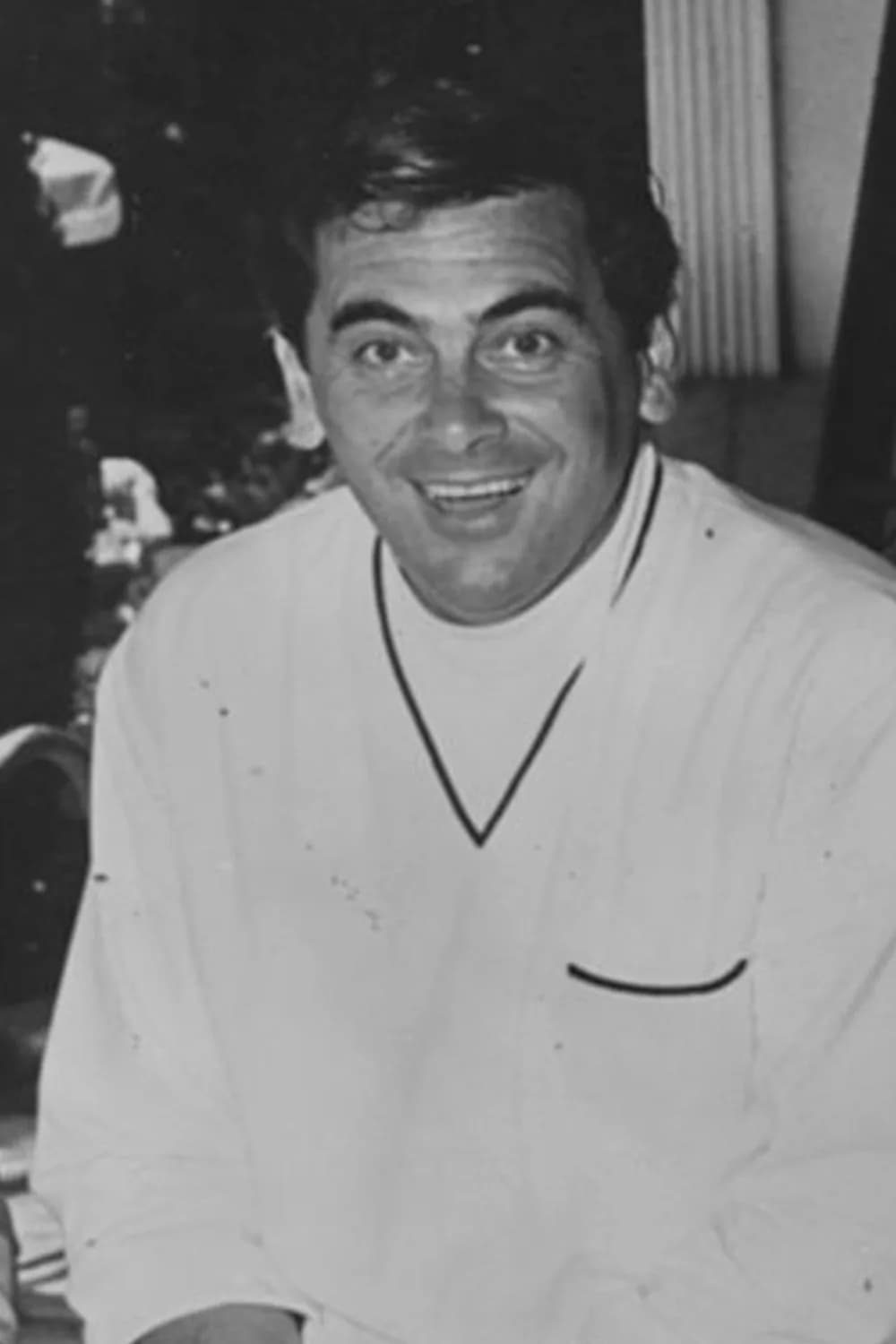
Buzz Kulik
Director · Known for Climax!, Have Gun, Will Travel, The Twilight Zone
Seymour "Buzz" Kulik (July 23, 1922 – January 13, 1999) was an American film director and producer. He directed 72 films and television shows, including the landmark CBS television network anthology series Playhouse 90 and several episodes of The Twilight Zone. Kulik went on to direct made-for-TV movies, such as Brian's Song. After leaving the army as a first lieutenant after World War II, Kulik went to work in the mail room at J. Walter Thompson Advertising Agency in New York. He eventually saw a notice at work that they were looking for people to direct programs for a new medium called television, and Kulik responded. A lifelong baseball fan, he started directing the cameras at Yankee Stadium before starting a career directing live television programming such as Playhouse 90 and Lux Video Theater. He moved to Los Angeles in 1953 and eventually began directing some of the landmark series of the 1950s and 1960s including Perry Mason, Gunsmoke, Have Gun Will Travel, Wagon Train, Rawhide, Dr. Kildare and The Defenders (for which he directed the pilot episode). He directed a dozen episodes of Twilight Zone, which brought him lasting fame and recognition among the legion of fans who religiously watch the Twilight Zone marathons that continue to air on holidays to this day. Kulik also began directing feature films in the 1960s including Explosive Generation with William Shatner, Warning Shot with David Jansen, Villa Rides with Robert Mitchum, Yul Brynner, and Charles Bronson, and Riot with Gene Hackman and Jim Brown. He directed the first television mini-series, Vanished, with Richard Widmark and James Farentino. In 1971, he directed what many critics and fans feel is the greatest television film ever made, Brian's Song, for which he received "Best Director" honors from the Directors Guild of America. For several years in a row the lead actors in the films he directed won "Best Actor" of the year including Peter Ustinov for A Storm in Summer, James Caan for Brian's Song, Alan Alda for Kill Me if You Can, Susan Clark for Babe, and Anthony Hopkins for The Lindbergh Kidnapping. Some of the prominent long-form mini series he directed were From Here to Eternity with Natalie Wood and William Devane, Around the World in 80 Days with Pierce Brosnin and Peter Ustinov, and Kane and Abel with Peter Strauss. In the 1970s and 1980s he also directed feature films including To Find a Man, Shamus with Burt Reynolds, and The Hunter with Steve McQueen. Over the course of a career that lasted more than 40 years, Buzz Kulik established himself, and is remembered today, as one of the greatest television directors of all time.
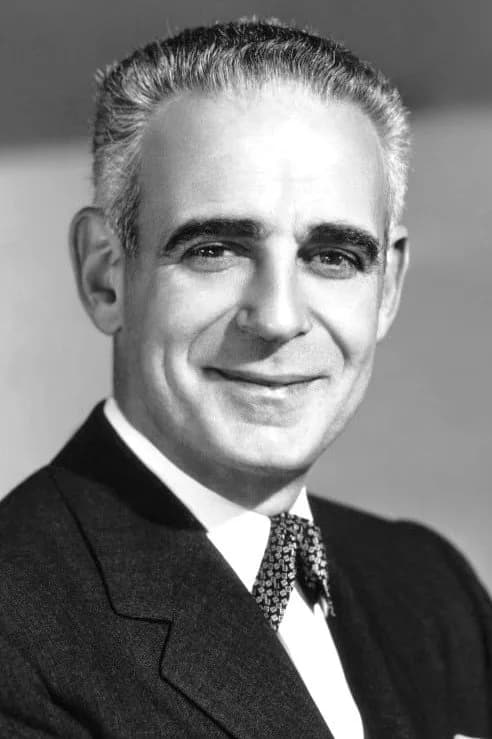
Paul Stewart
Paul Stewart (March 13, 1908 – February 17, 1986) was an American character actor known for his tough, guttural voice. He frequently portrayed villains and mobsters throughout his lengthy career. Born Paul Sternberg in New York City, Stewart graduated from Columbia University and made his Broadway theatre debut in the play Two Seconds in 1931. A few years later he met Orson Welles, who invited him to join the Mercury Theatre, where he participated in the notorious 1938 radio broadcast of The War of the Worlds. He was a founding member of AFTRA. Sternberg's many screen credits include Citizen Kane, Twelve O'Clock High, Champion, Kiss Me Deadly, The Bad and the Beautiful, In Cold Blood, The Day of the Locust, S.O.B., and W.C. Fields and Me, in which he portrayed Florenz Ziegfeld. On television, he appeared in Playhouse 90, Alfred Hitchcock Presents, Alcoa Theatre, Dr. Kildare, Wagon Train, Gunsmoke, It Takes a Thief, Mannix, The Name of the Game, McMillan & Wife, Mission Impossible,The Rockford Files, Lou Grant, and Remington Steele, among many others. He also directed some television episodes, among them "Little Girl Lost", from the Twilight Zone. Stewart was married to big band singer/actress Peg La Centra from 1939 until his death from a heart attack in Los Angeles at age 77. He was characterized in the 1999 television movie RKO 281.