
Search

Dick Powell's Zane Grey Theatre
1956
Dick Powell's Zane Grey Theatre, sometimes simply called Zane Grey Theatre, is an American Western anthology series which ran on CBS from 1956 to 1961.
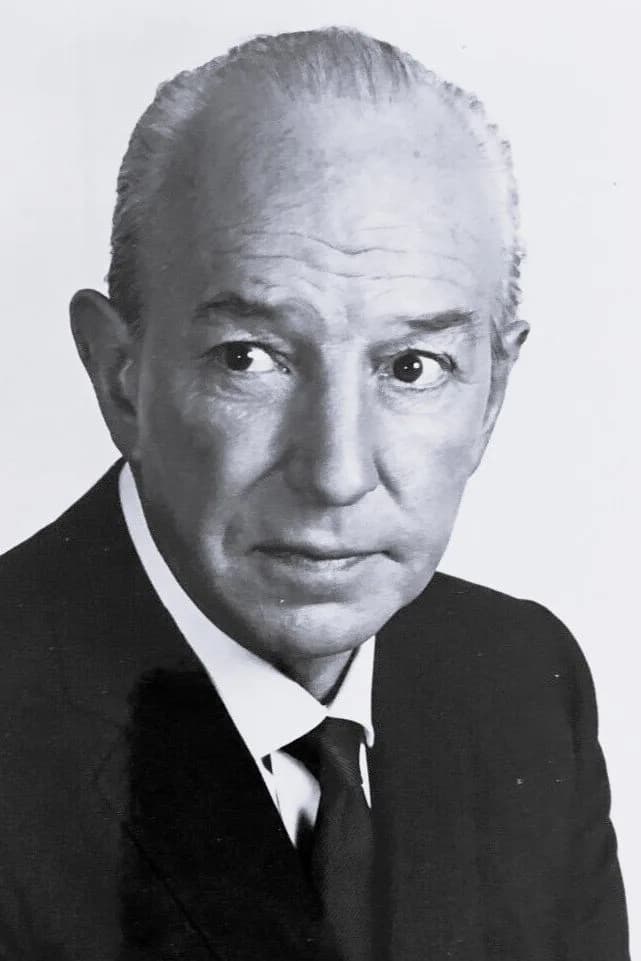
Lloyd Nolan
From Wikipedia, the free encyclopedia. Lloyd Benedict Nolan (August 11, 1902 – September 27, 1985) was an American film and television actor. Among his many roles, Nolan is remembered for originating the role of private investigator Michael Shayne in a series of 1940s B movies. Nolan was born in San Francisco, California, the son of Margaret and James Nolan, who was a shoe manufacturer of Irish descent. He attended Santa Clara Preparatory School and Stanford University, flunking out of Stanford as a freshman "because I never got around to attending any other class but dramatics." His parents disapproved of his choice of a career in acting, preferring that he join his father's shoe business, "one of the most solvent commercial firms in San Francisco." Nolan served in the United States Merchant Marine before joining the Dennis Players theatrical troupe in Cape Cod. He began his career on stage and was subsequently lured to Hollywood, where he played mainly doctors, private detectives, and policemen in many film roles. Nolan also contributed solid and key character parts in numerous other films. One, The House on 92nd Street, was a startling revelation to audiences in 1945. It was a conflation of several true incidents of attempted sabotage by the Nazi regime (incidents which the FBI was able to thwart during World War II), and many scenes were filmed on location in New York City, unusual at the time. Nolan portrayed FBI Agent Briggs, and actual FBI employees interacted with Nolan throughout the film; he reprised the role in a subsequent 1948 movie, The Street with No Name. Nolan appeared three times on NBC's Laramie Western series, as sheriff Tully Hatch in the episode "The Star Trail (1959), as outlaw Matt Dyer in the episode "Deadly Is the Night" (1961)[5] and then as former Union Army General George Barton in the episode "War Hero" (1962).[6] On December 8, 1960, Nolan was cast as Dr. Elisha Pittman, in "Knife of Hate" on Dick Powell's Zane Grey Theatre. In the story line, Dr. Pittman removed one of the legs of Jack Hoyt (Robert Harland) after Hoyt sustained a gunshot wound from which infection was developing. Hoyt wants to marry Susan Pittman (Susan Oliver), but her father is at first unyielding on the matter. Nolan starred in The Outer Limits episode "Soldier" written by Harlan Ellison. He appeared in the NBC Western Bonanza as LaDuke, a New Orleans detective. In 1967, Strother Martin and he guest-starred in the episode "A Mighty Hunter Before the Lord" of NBC's The Road West series, starring Barry Sullivan. Also in 1967, Nolan was a guest star in the popular Western TV series The Virginian, in the episode "The Masquerade" and in the first episode of Mannix. A long-time cigar and pipe smoker, Nolan died of lung cancer on September 27, 1985, at his home in Brentwood, California; he was 83. He is interred at the Westwood Village Memorial Park Cemetery in Westwood, Los Angeles, California. CLR Description above from the Wikipedia article Lloyd Nolan, licensed under CC-BY-SA, full list of contributors on Wikipedia.
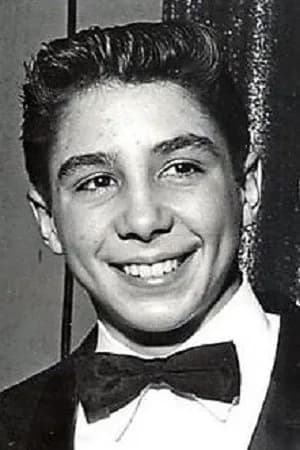
Johnny Crawford
Cast · Known for The Rifleman
John Ernest Crawford (March 26, 1946 – April 29, 2021) was an American actor, singer, and musician. He first performed before a national audience as a Mouseketeer. At age 12, Crawford rose to prominence playing Mark McCain in the ABC Western series, The Rifleman. Crawford was nominated for an Emmy Award for Best Supporting Actor at age 13 for his work on The Rifleman, which aired from 1958 to 1963. Disney started out with 24 original Mouseketeers. However, at the end of the first season, the studio reduced the number to 12, and Crawford was released from his contract. His first important break as an actor followed with the title role in a Lux Video Theatre production of "Little Boy Lost", a live NBC broadcast on March 15, 1956. He also appeared in the popular Western series The Lone Ranger, in 1956, in one of the few color episodes of that series. Following that performance, the young actor worked steadily with many seasoned actors and directors. Freelancing for two and one-half years, he accumulated almost 60 television credits, including featured roles in three episodes of NBC's The Loretta Young Show and an appearance as Manuel in, "I Am an American", an episode of the syndicated crime drama Sheriff of Cochise. He starred as Bobby Adams in the 1958 drama "Courage of Black Beauty". By the spring of 1958, he had also performed 14 demanding roles in live teleplays for NBC's Matinee Theatre, appeared on CBS's sitcom, Mr. Adams and Eve, in the Wagon Train episode "The Sally Potter Story" (in which Martin Milner also appeared) and on the syndicated series, Crossroads, Sheriff of Cochise, and Whirlybirds, and made three pilots of TV series. The third pilot, which was made as an episode of Dick Powell's Zane Grey Theater, was picked up by ABC and the first season of The Rifleman began filming in July 1958. Crawford had a brief career as a recording artist in the 1950s and 1960s. He continued to act on television and in film as an adult. Beginning in 1992, Crawford led the California-based Johnny Crawford Orchestra, a vintage dance orchestra that performed at special events.
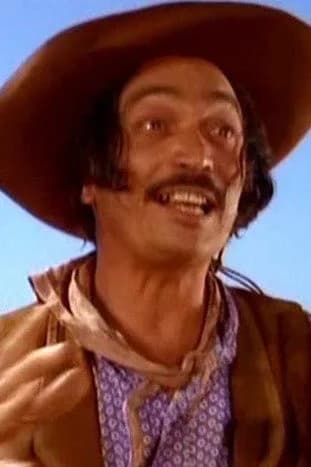
Roberto Contreras
Tall, and slim, 6-foot-5, versatile, Euro-Indigenous Latino American character actor. He will be best remembered for playing the role of 'Armendariz' in the classic western adventure film, "Gold of the Seven Saints" (1961), which also starred Clint Walker, Roger Moore, and Letícia Román. He is also best remembered for playing the role of 'Angelo' in the episode entitled, "The Vaqueros," of the classic western television series, "The Rifleman," which originally aired on October 2, 1961, and which also starred Chuck Connors, Johnny Crawford, and Paul Fix. He was born to Jaime Contreras (1900-1975), and his wife Catalina Coin Contreras in St. Louis, Missouri, on December 12, 1928. Was of Euro-Indigenous Mexican descent. He made his actual film debut playing an undetermined role in the Spanish jungle adventure film, "The Rebellion of the Hanged" (1954), which also starred Pedro Armendáriz, Ariadne Walker, Victor Junco, and Amanda del Lindo. Besides, "The Rebellion of the Hanged" (1954), and "Gold of the Seven Saints" (1961), his many other film credits include, "En carne viva" (1954), "The Beast of Hollow Mountain" (1956), "The Black Scorpion" (1957), "Ride a Violent Mile" (1957), "The Flame Barrier" (1958), "The Badlanders" (1958), "Holiday for Lovers" (1959), "The Miracle" (1959), "The Magnificent Seven" (1960), "California" (1963), "Rio Conchos" (1964), "Mara of the Wilderness" (1965), "Brainstorm" (1965), "Marriage on the Rocks" (1965), "Alvarez Kelly" (1966), "The Last Challenge" (1967), "Chubasco" (1968), "Topaz" (1969), "Pets" (1973), "El extraño caso de Rachel K" (1973), "Cantata de Chile" (1976), "Miguel's Navidad" (1976), "Black Samurai" (1976), "The Dark" (1979), "The Day Time Ended" (1979), "Barbarosa" (1982), "Scarface" (1983), "Streets of Justice" (1985), "Blue City" (1986), and "The Under Achievers" (1987). Besides, the episode entitled, "The Vaqueros," of the classic western television series, "The Rifleman," his many other television credits include, "Telephone Time," "Broken Arrow," "Maverick," "The Walter Winchell File," "The Adventures of Jim Bowie," "The Magical World of Disney," "Zorro," "Border Patrol," "Cimarron City," "Sugarfoot," "26 Men," "The Rough Riders," "The Life and Legend of Wyatt Earp," "Riverboat," "Colt .45," "Law of the Plainsman," "The Texan," "Tombstone Territory," "The Westerner," "Gunslinger," "Wanted: Dead of Alive," "Mister Ed," "Have Gun-Will Travel," "Zane Grey Theatre," "The Barbara Stanwyck Show," "Ripcord," "The Dick Powell Theatre," "Outlaws," "Tales of Wells Fargo," "Thriller," "Frontier Circus," Cheyenne," "77 Sunset Strip," "Temple Houston," "Kraft Suspense Theatre," "Dr. Kildare," "Wendy and Me," "Rawhide," "Run for Your Life," "Get Smart," "Burke's Law," "Laredo," "The Invaders," Bob Hope Presents the Chrysler Theatre," "The Big Valley," "The Fugitive," "Rango," "The F.B.I.," "Death Valley Days," "Men at Law," "Ironside," "The High Chaparral," "Mission: Impossible," "Insight," "The Cowboys," "Cannon," "Police Story," "Kung Fu," "Switch," "Chico and the Man," "The Next Step Beyond," "Simon & Simon," and "Amazing Stories." His last role was playing 'Cruz's Grandfather' in the biographical crime film, "Blood In, Blood Out" (1993), which also starred Damian Chapa, Jesse Borrego, and Benjamin Bratt.
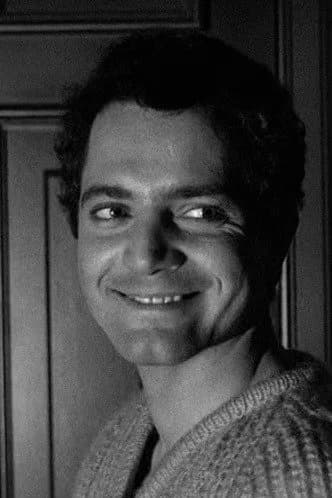
Scott Marlowe
From Wikipedia, the free encyclopedia Scott Gregory Marlowe (born Ronald Richard DeLeo; November 28, 1932 – January 6, 2001) was an American film, stage and television actor. Marlowe was born Ronald DeLeo in Newark, New Jersey, the son of Emil and Constance Severini DeLeo. He had a half-sister, Claudia, and half-brothers Dean and Robert, known as the guitarist and bassist of the popular grunge band Stone Temple Pilots. He debuted on television in 1951 on Pulitzer Prize Playhouse (1950–52) in the episode "Hostage" (June 8, 1951) His first feature film role was in the 1954 production of Attila. Two years later, he starred as John Goodwin in an episode "In Summer Promise" on General Electric Theater. He appeared as Jimmy Budd, along with Ronald Reagan and his wife Nancy Davis, in the episode "The Long Shadow" in Dick Powell's Zane Grey Theater directed by Budd Boetticher, which aired on January 19, 1961. Marlowe often took film roles of dysfunctional juveniles in a series of films made during the 1950s and 1960s, including The Scarlet Hour (1956), The Restless Breed (1957), Riot in Juvenile Prison (1959), The Subterraneans (1960), and A Cold Wind in August (1961). Beginning in 1956 with the film The Young Guns, Marlow appeared in a number of Western films and television shows. In the 1960s, he continued to appear in drama and adventure series, often as a young man in trouble with the law or unwilling to adjust to societal mores. He appeared twice in 1961 on ABC's Target: The Corruptors! in episodes "A Man's Castle" (as Tito) and "Mr. Meglomania" (as Phil Manzak). In 1961, he starred as Armand Fontaine a serial killer on the episode "Effigy in Snow" of CBS's Route 66. He guest starred as Eliot Gray in the 1961 episode "The Throwback" of CBS's Alfred Hitchcock Presents. He appeared on Thriller, Dr. Kildare, and The Detectives. Marlowe died of a heart attack at age 68 in Los Angeles, California. Marlowe, who was bisexual, never married.
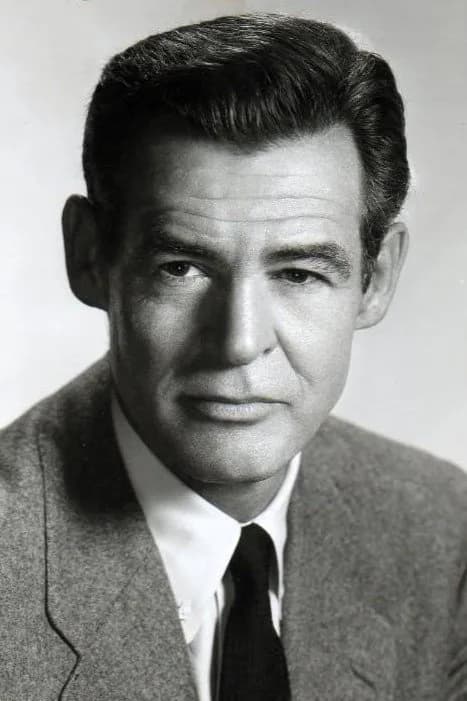
Robert Ryan
Cast · Known for Dick Powell's Zane Grey Theatre
Robert Bushnell Ryan (November 11, 1909 – July 11, 1973) was an American actor who often played hardened cops and ruthless villains. Ryan was born in Chicago, Illinois, the first child of Timothy Ryan and his wife Mabel Bushnell Ryan. He graduated from Dartmouth College in 1932, having held the school's heavyweight boxing title all four years of his attendance. After graduation, the 6'4" Ryan found employment as a stoker on a ship, a WPA worker, and a ranch hand in Montana. Ryan attempted to make a career in show business as a playwright, but had to turn to acting to support himself. He studied acting in Hollywood and appeared on stage and in small film parts during the early 1940s. In January 1944, after securing a contract guarantee from RKO Radio Pictures, Ryan enlisted in the United States Marine Corps and served as a drill instructor at Camp Pendleton, in San Diego, California. At Camp Pendleton, he befriended writer and future director Richard Brooks, whose novel, The Brick Foxhole, he greatly admired. He also took up painting. Ryan's breakthrough film role was as an anti-Semitic killer in Crossfire (1947), a film noir based on Brooks's novel. The role won Ryan his sole career Oscar nomination, for Best Supporting Actor. From then on, Ryan's specialty was tough/tender roles, finding particular expression in the films of directors such as Nicholas Ray, Robert Wise and Sam Fuller. In Ray's On Dangerous Ground (1951) he portrayed a burnt-out city cop finding redemption while solving a rural murder. In Wise's The Set-Up (1949), he played an over-the-hill boxer who is brutally punished for refusing to take a dive. Other important films were Anthony Mann's western The Naked Spur, Sam Fuller's uproarious Japanese set gangland thriller House of Bamboo, Bad Day at Black Rock, and the socially conscious heist movie Odds Against Tomorrow. He also appeared in several all-star war films, including The Longest Day (1962) and Battle of the Bulge (1965), and The Dirty Dozen. He also played John the Baptist in MGM's Technicolor epic King of Kings (1961) and was the villainous Claggart in Peter Ustinov's adaptation of Billy Budd (1962). In his later years, Ryan continued playing significant roles in major films. Most notable of these were The Dirty Dozen, The Professionals (1966) and Sam Peckinpah's highly influential brutal western The Wild Bunch (1969). Ryan appeared several times on the Broadway stage. His credits there include Clash by Night, Mr. President and The Front Page, the comedy drama about newspapermen. He appeared in many television series as a guest star, including the role of Franklin Hoppy-Hopp in the 1964 episode "Who Chopped Down the Cherry Tree?" on the NBC medical drama about psychiatry, The Eleventh Hour. Similarly, he guest starred as Lloyd Osment in the 1964 episode "Better Than a Dead Lion" in the ABC psychiatric series, Breaking Point. In 1964, Ryan appeared with Warren Oates in the episode "No Comment" of CBS's short-lived drama about newspapers, The Reporter, starring Harry Guardino in the title role of journalist Danny Taylor. Ryan appeared five times (1956–1959) on CBS's Dick Powell's Zane Grey Theater and twice (1959 and 1961) on the Zane Grey spin-off Frontier Justice. He appeared three times (1962–1964) on the western Wagon Train.
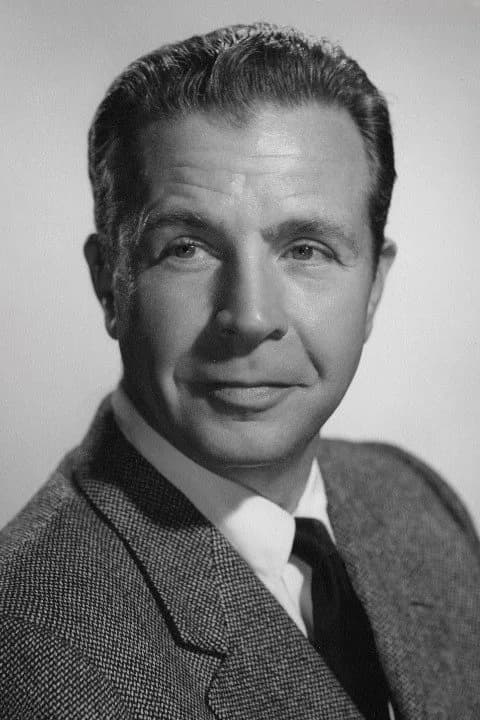
Dick Powell
Cast · Known for Dick Powell's Zane Grey Theatre, Four Star Playhouse
Richard Ewing "Dick" Powell (November 14, 1904 – January 2, 1963) was an American singer, actor, producer, director and studio boss. Born in Mountain View, the seat of Stone County in northern Arkansas, Powell attended the former Little Rock College in the state capital, before he started his entertainment career as a singer with the Charlie Davis Orchestra, based in the midwest. He recorded a number of records with Davis and on his own, for the Vocalion label in the late 1920s. Powell moved to Pittsburgh, where he found great local success as the Master of Ceremonies at the Enright Theater and the Stanley Theater. In April 1930, Warner Bros. bought up Brunswick Records which at that time owned Vocalion. Warner Bros. was sufficiently impressed by Powell's singing and stage presence to offer him a film contract in 1932. He made his film debut as a singing bandleader in Blessed Event. He went on to star as a boyish crooner in movie musicals such as 42nd Street, Footlight Parade, Gold Diggers of 1933, Dames, Flirtation Walk, and On the Avenue, often appearing opposite Ruby Keeler and Joan Blondell. Powell desperately wanted to expand his range but Warner Bros. wouldn't allow him to do so, although they did (mis)cast him in A Midsummer Night's Dream (1935) as Lysander. This was to be Powell's only Shakespearean role and one he did not want to play, feeling that he was completely wrong for the part. Finally, reaching his forties and knowing that his young romantic leading man days were behind him he lobbied to play the lead in Double Indemnity. He lost out to Fred MacMurray, another Hollywood nice guy. MacMurray’s success, however, fueled Powell’s resolve to pursue projects with greater range and in 1944, he was cast in the first of a series of films noir, as private detective Philip Marlowe in Murder, My Sweet, directed by Edward Dmytryk. The film was a big hit and Powell had successfully reinvented himself as a dramatic actor. The following year Dmytryk and Powell re-teamed to make Cornered, a gripping, post-WWII thriller that helped define the film noir style. He became a popular "tough guy" lead appearing in movies such as Johnny O'Clock and Cry Danger. But 1948 saw him step out of the brutish type when he starred in Pitfall, a film noir that sees a bored insurance company worker fall for an innocent but dangerous femme fatale, played by Lizabeth Scott. Even when he appeared in lighter fare such as The Reformer and the Redhead and Susan Slept Here (1954) he never sang in his later roles. The latter, his final onscreen appearance in a feature film, did include a dance number with costar Debbie Reynolds. From 1949-1953, Powell played the lead role in the National Broadcasting Company radio theater production Richard Diamond, Private Detective. His character in the 30-minute weekly was a likable private detective with a quick wit. When Richard Diamond came to television in 1957, the lead role was portrayed by David Janssen.
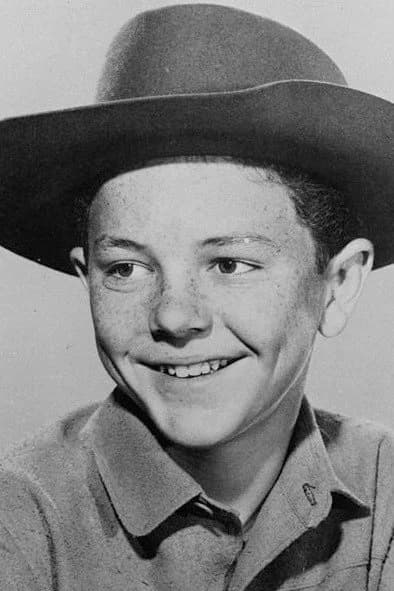
Richard Eyer
From Wikipedia, the free encyclopedia. Richard Ross Eyer (born May 6, 1945, Santa Monica, California) is a former American child actor during the 1950s and 1960s who taught elementary school in the eastern Sierra city of Bishop in Inyo County until he retired in 2006. He is the older brother of Robert Eyer (b. May 6, 1948), another child actor of the period who is deceased. In 1960–1961, Eyer was cast in the role of the teenaged David "Davey" Kane on the ABC television Western series Stagecoach West, having portrayed the fictional son of stagecoach co-owner Simon Kane, played by the late Robert Bray. The series, a production of Dick Powell's Four Star Television, also starred Wayne Rogers, later Trapper John on M*A*S*H. Eyer was a boy with "'the clean-cut, all-American look" who won "personality contests" and other competitions before he made his film debut in the early 1950s. In 1956, he was the youngster who runs "afowl" of the goose in director William Wyler's Friendly Persuasion. Science fiction viewers will remember him for the starring role in The Invisible Boy, which was producer Nicholas Nayfack's independent sequel to MGM's Forbidden Planet. In The Desperate Hours (1955), Eyer played Frederic March's dangerously impulsive son. His last film was The Seventh Voyage of Sinbad in 1958. He portrayed the metallic-voiced Baronni the Genie. He also starred in the Warner Bros. late '50s western, "Fort Dobbs", with Clint Walker & Virginia Mayo. In a 1995 interview, Eyer credited his mother for the promotion of his acting career. "It was all her work that did it. I had curly hair, freckles, and people would say what a cute kid he was and all that; so my mother entered me in some children’s personality contests, and I won one of these which had been held at the Hollywood Bowl, and I guess that one was the springboard in getting me started. After that, I was hired for some television commercials and some modeling jobs, and this led into other things ... I was around fourteen when I did Stagecoach West ... My last role was at age 21, appearing in an episode of [ABC's] Combat!." He appeared in more than one hundred episodes of various television programs, including Rod Cameron's syndicated City Detective, when he was eight years of age. Other appearances include Arrest and Trial, Stoney Burke, Wagon Train, Father Knows Best, Mr. Novak, Gunsmoke, Lassie, Rawhide and General Electric Theater. Description above from the Wikipedia article Richard Eyer, licensed under CC-BY-SA, full list of contributors on Wikipedia.
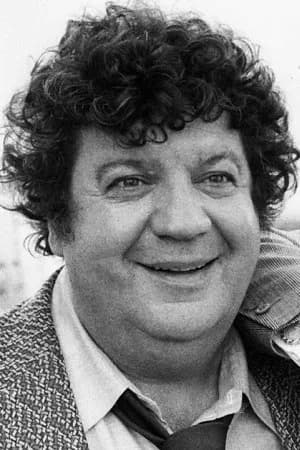
George Savalas
Greek-American actor George Savalas is best remembered for co-starring on his elder brother (Telly Savalas)'s popular television detective show Kojak (1973) (1973-78). He played Detective Stavros to Telly's Kojak, changed his middle name later in life from "Nicholas" to "Demosthenes" and was billed as simply Demosthenes in the end credits to avoid confusion with the elder Savalas. George Savalas served in the Pacific during WWII and was a decorated U.S. Navy gunner. He learned his craft at Columbia University's School of Drama. Before making it to the small screen, he was an accomplished stage actor and acting instructor. He was, briefly, the drummer for the Clyde McCoy Big Band. He got his start on the Dick Powell Theater, and went on to guest star on other series. He appeared in several films including Genghis Khan (1965) and Kelly's Heroes (1970). After "Kojak" ended, he recorded a Top-10 Greek language record and toured with his band at many major venues including Carnegie Hall. Savalas later returned to his first love, the stage, and appeared in many off-Broadway plays. He died of leukemia in 1985, aged 60, and was survived by his wife and their six children (five sons and one daughter).
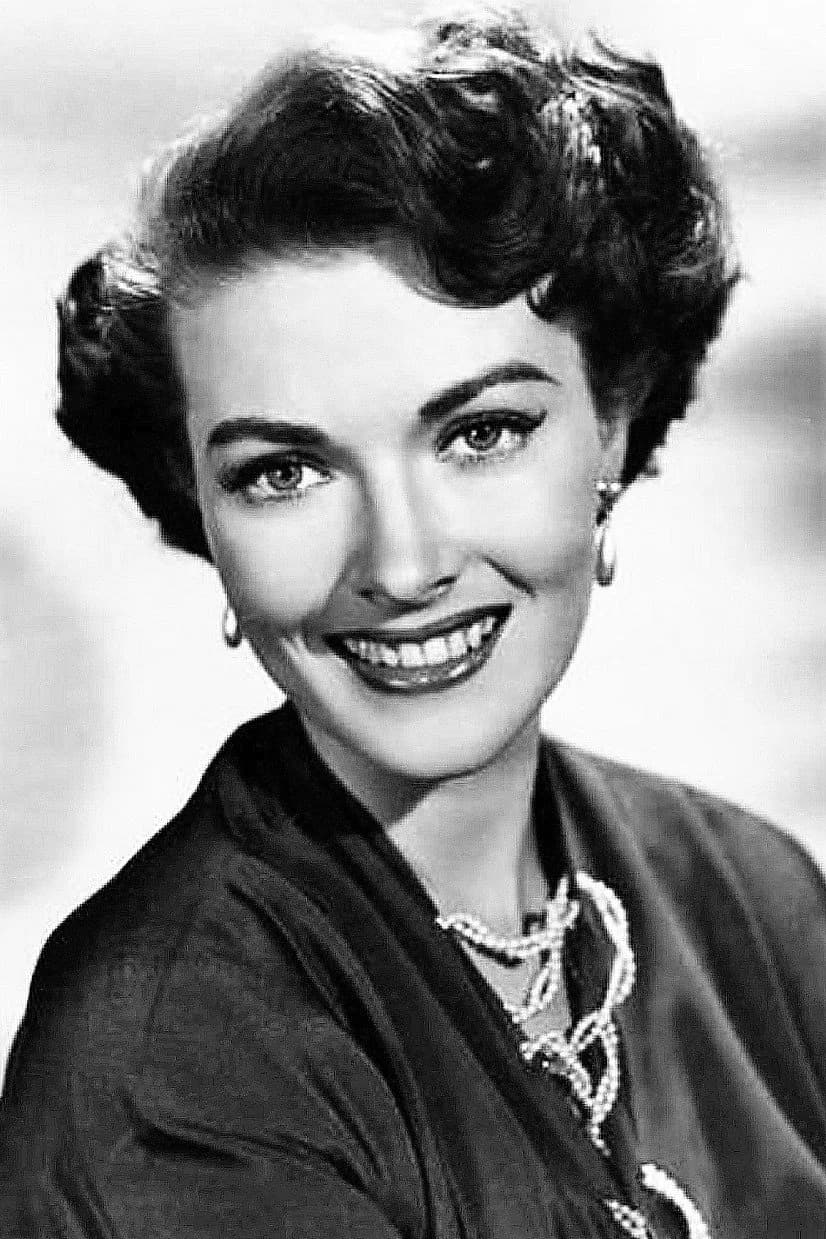
Paula Raymond
From Wikipedia, the free encyclopedia. Paula Raymond (November 23, 1924 – December 31, 2003) was an American model and actress. In 1950, she was put under contract by MGM, where she played opposite such leading men as Cary Grant and Dick Powell. Earlier in her career, Raymond acted in film noir thrillers such as City That Never Sleeps (with Gig Young and Marie Windsor), but later in her career she developed a horror film reputation. In 1952, she played the heroine in The Beast From 20,000 Fathoms. In the late 1950s and 1960 Raymond appeared in many television shows and low-budget horror movies including Perry Mason, Hawaiian Eye, 77 Sunset Strip, and Blood of Dracula's Castle with Alexander D'Arcy and John Carradine. She turned down the role of saloon keeper Kitty in the long-running western classic series Gunsmoke (the role went to Amanda Blake). In 1962, Raymond was a passenger in a car that crashed into a tree on Sunset Boulevard. Her nose was severed by the rear view mirror. After only a little more than a year of extensive plastic surgery and recovery she returned to acting. In 1977, while working on the soap opera Days of our Lives, after only 3 appearances, she accidentally tripped on a telephone cord and broke her ankle. She was written out of the show. In 1984 she broke both hips, and in 1994 she broke her shoulder. Raymond was previously married. In 1944, Raymond married Floyd Leroy Patterson. In 1946, they divorced shortly after the birth of their daughter, Raeme Dorene Patterson. In 1993, Raymond's daughter died. In 2003, Raymond died at the age of 79 from a series of respiratory ailments. Description above from the Wikipedia article Paula Raymond, licensed under CC-BY-SA, full list of contributors on Wikipedia.
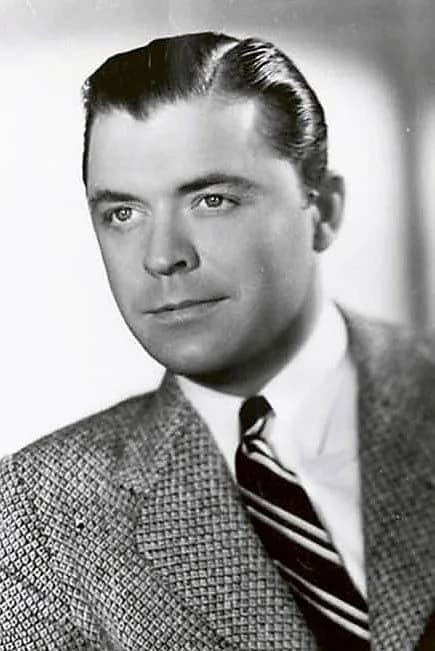
Lyle Talbot
Lyle Talbot (born Lisle Henderson) was an American actor on stage and screen, known for his career in film from 1931 to 1960 and for his appearances on television in the 1950s and 1960s. He played Ozzie Nelson's friend and neighbor, Joe Randolph, for ten years in the ABC situation comedy The Adventures of Ozzie and Harriet. He began his movie career under contract with Warner Brothers in the early days of sound film. He appeared in more than 150 films, first as a young matinee idol and later as a character actor and star of many B movies. He was a founding member of the Screen Actors Guild and later served on its board. Talbot's long career as an actor is recounted in a book by his youngest daughter, The New Yorker writer Margaret Talbot, entitled The Entertainer: Movies, Magic and My Father's Twentieth Century (Riverhead Books 2012). Most notable among Talbot's film work were his appearances in Three on a Match and 20,000 Years in Sing Sing (both 1932). He played a star running back in College Coach (1933) with Pat O'Brien and Dick Powell, romanced opera singer Grace Moore in One Night of Love in 1934, and pursued Mae West in Go West, Young Man (1936). He was a gangster in Ladies They Talk About and Heat Lightning and a doctor kicking a drinking habit in Mandalay. He co-starred with Pat O'Brien in Oil for the Lamps of China (1935). He appeared opposite Ann Dvorak, Carole Lombard, Barbara Stanwyck, Mary Astor, Ginger Rogers, Loretta Young and Shirley Temple, as well as sharing the screen with Humphrey Bogart, Spencer Tracy and Tyrone Power. Overall, Talbot appeared in some 150 movies.
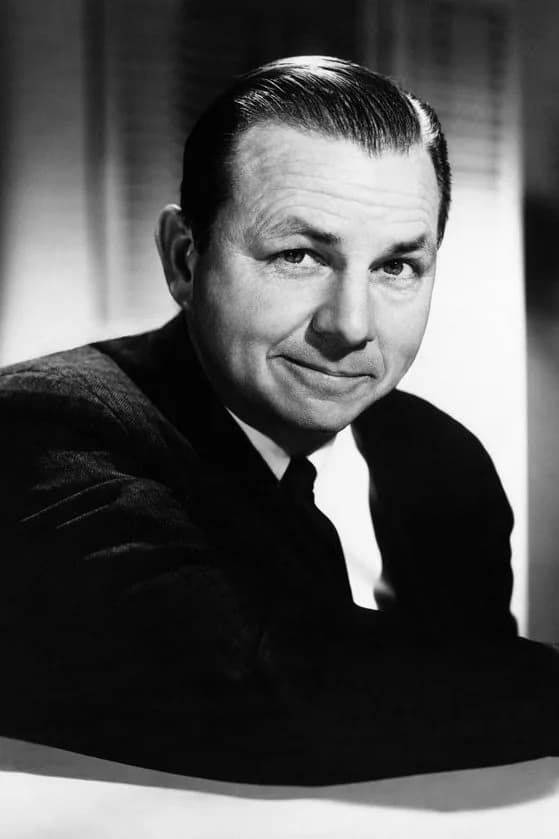
Alvy Moore
Jack Alvin "Alvy" Moore (December 5, 1921 – May 4, 1997) was an American light comic actor best known for his role as scatterbrained county agricultural agent Hank Kimball on the CBS television series Green Acres. His character would often make a statement, only to immediately negate the statement himself and then negate the corrected statement until his stream of statements was interrupted by a frustrated Oliver Wendell Douglas portrayed by Eddie Albert. One such statement was, "Good morning, Mr. Douglas! Well, it's not a good morning ... but it's not a bad morning either!" He became an actor and furthered his training at the Pasadena Playhouse, succeeding David Wayne in the role of Ensign Pulver opposite Henry Fonda's Mister Roberts on Broadway, and later toured with the play for 14 months. He made his screen debut playing the quartermaster in Okinawa (1952).[4] Moore appeared in guest and supporting roles in a number of movies and television shows, including "My Little Margie" in 1952, as Dillard Crumbly, an efficiency expert fresh out of Efficiency College, The Mickey Mouse Club, where he hosted "What I Want to Be" segments as the Roving Reporter. He had a small role as a member of Marlon Brando's motorcycle gang in the 1953 film The Wild One, and a similar bit part the same year as one of the Linda Rosa townspeople in The War of the Worlds. Moore co-starred with Dick Powell and Debbie Reynolds in the 1954 film Susan Slept Here, in which he displayed his natural gift for physical comedy. In 1955 he co-starred with Brian Keith and Kim Novak in 5 Against the House. In the early 1960s he was cast in the recurring role of Howie in 11 episodes of the CBS sitcom Pete and Gladys, with Harry Morgan and Cara Williams.[4] In 1962 Moore was cast as the Swiss-American botanist David Douglas, for whom the Douglas fir tree is named, in an episode of the western anthology series Death Valley Days. Keenan Wynn co-starred as Douglas' friend Josh Tavers, and Iron Eyes Cody played an Indian chief who threatens to kill the two men.[6] Moore made a brief appearance as a cab driver in the 1964 Perry Mason episode "The Case of the Wednesday Woman." He also appeared in two episodes of another CBS sitcom, The Dick Van Dyke Show, "The Impractical Joke" and "The Case Of The Pillow." He was also a guest star on The Andy Griffith Show and later on Little House on the Prairie (TV series). He was an actor, producer, and uncredited scriptwriter for A Boy and His Dog. He attended DisCon II, the 1974 World Science Fiction Convention, to help promote the film. One of his last television appearances was a brief guest shot on the sitcom Frasier. In the 1980s Moore appeared in many cult horror films, including Scream (1981), Mortuary (1983), They're Playing With Fire (1984), Intruder (1989), and The Horror Show (1989).
Jim Boles
Jim Boles was an American actor. He appeared in the films The Tattooed Stranger, The Man with My Face, Naked in the Sun, Fluffy, The Ghost and Mr. Chicken, The Trouble with Angels, A Big Hand for the Little Lady, Waterhole No. 3, With Six You Get Eggroll, Angel in My Pocket, The Love God?, Ace Eli and Rodger of the Skies, Doctor Death: Seeker of Souls, Nightmare Honeymoon, Jacqueline Susann's Once Is Not Enough, and The Great Texas Dynamite Chase, among others. Boles also appeared in a number of television shows, including nine episodes of the televised version of the radio series One Man's Family. Other appearances occurred on notable programs such as The Phil Silvers Show, The United States Steel Hour, Robert Montgomery Presents, Rocky King Detective, Have Gun – Will Travel, Naked City, Cheyenne, The Twilight Zone, The Lucy Show, The Dick Powell Theatre, McHale's Navy, Profiles in Courage, Daniel Boone, Rawhide, The Alfred Hitchcock Hour, Perry Mason, Bob Hope Presents the Chrysler Theatre, Lost in Space, The Man from U.N.C.L.E., Bonanza, The Big Valley, The Monkees, Get Smart, The Virginian, The Guns of Will Sonnett, Mod Squad, Marcus Welby, M.D., The F.B.I., Gunsmoke, Love, American Style, Night Gallery, Adam-12, Barnaby Jones, Cannon, Mannix, Days of Our Lives, The Odd Couple, Kung Fu, The Streets of San Francisco, Quincy, M.E., The Name of the Game, A Man Called Shenandoah, The Eleventh Hour, Hawaiian Eye, Bronco, Adventures in Paradise, Temple Houston, The Defenders, The Jackie Gleason Show, Little House on the Prairie, and numerous others. He died of a heart attack on May 26, 1977, in Sherman Oaks, Los Angeles, California at age 63.
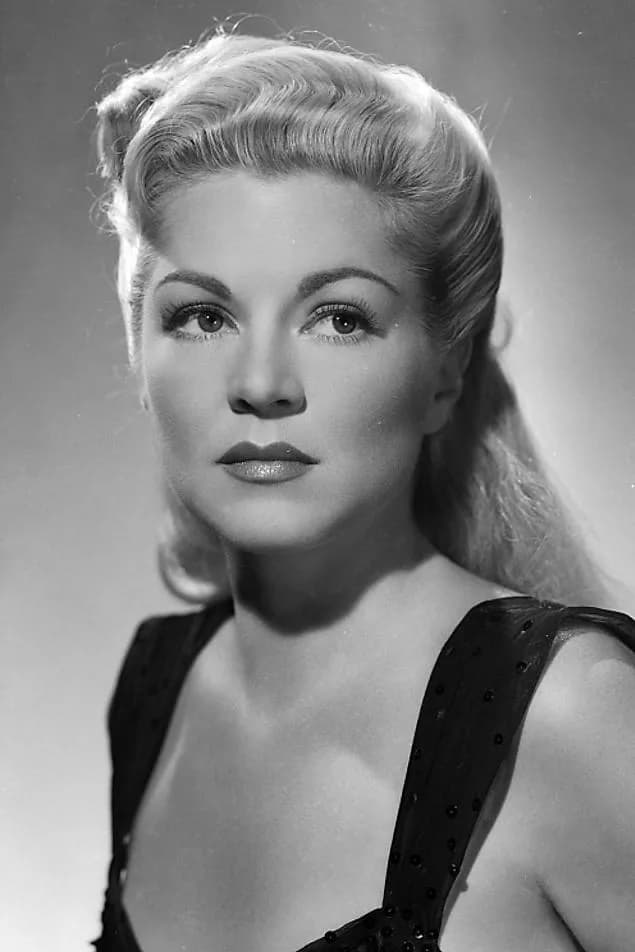
Claire Trevor
Claire Trevor (née Wemlinger; March 8, 1910 – April 8, 2000) was an American actress. She appeared in 65 feature films from 1933 to 1982, winning the Academy Award for Best Supporting Actress for her role in Key Largo (1948), and received nominations for her roles in The High and the Mighty (1954) and Dead End (1937). Trevor received top billing, ahead of John Wayne, for Stagecoach (1939). Trevor's acting career spanned more than seven decades and included successes in stage, radio, television, and film. She often played the hard-boiled blonde, and every conceivable type of 'bad girl' role. She made her stage debut in the summer of 1929 with a repertory company in Ann Arbor, Michigan. She subsequently returned to New York, where she appeared in a number of Brooklyn-filmed Vitaphone short films and performed in summer stock theatre. In 1932, she starred on Broadway as the female lead in Whistling in the Dark. Trevor made her film debut in Jimmy and Sally (1933). From 1933 to 1938, Trevor starred in 29 films, often having either the lead role or the role of heroine. In 1937, she was the second lead actress (after top-billed Sylvia Sidney) in Dead End, with Humphrey Bogart, which led to her nomination for Best Supporting Actress. From 1937 to 1940, she appeared with Edward G. Robinson in the popular radio series Big Town, while continuing to make movies. In the early 1940s, she also was a regular on The Old Gold Don Ameche Show on the NBC Red Radio Network, starring with Ameche in presentations of plays by Mark Hellinger. In 1939, she was well established as a solid leading lady. One of her more memorable performances during this period includes the Western Stagecoach (1939). Two of Trevor's most memorable roles were opposite Dick Powell in Murder, My Sweet (1944) and with Lawrence Tierney in Born to Kill (1947). In Key Largo (1948), Trevor played Gaye Dawn, a washed-up, alcoholic nightclub singer and gangster's moll. For that role, she won the Academy Award for Best Supporting Actress. Her third and final Oscar nomination was for her performance in The High and the Mighty (1954). In 1957, she won an Emmy for her role in the Producers' Showcase episode entitled "Dodsworth". Trevor moved into supporting roles in the 1950s, with her appearances becoming very rare after the mid-1960s. She played Charlotte, the mother of Kay (Sally Field) in Kiss Me Goodbye (1982). Her final television role was for the 1987 television film, Norman Rockwell's Breaking Home Ties. Trevor made a guest appearance at the 70th Academy Awards in 1998. For her contribution to the motion picture industry, she has a star on the Hollywood Walk of Fame at 6933 Hollywood Boulevard. [biography (excerpted) from Wikipedia]
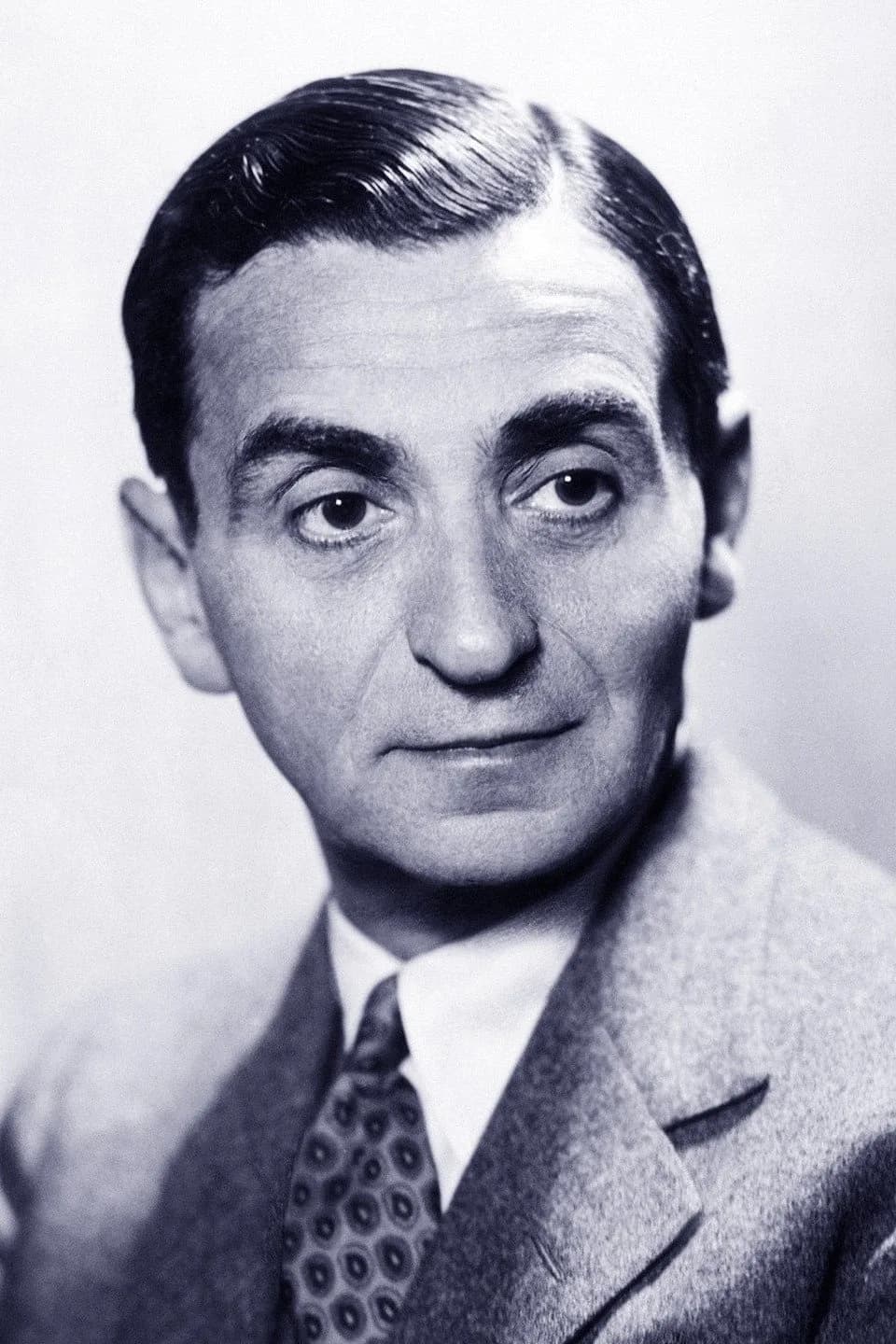
Irving Berlin
Irving Berlin was born Israel Isidor Baline on May 11, 1888 in Mogilev, Belarus, Russian Empire. Towering composer, songwriter, ("God Bless America", "Always", "Blue Skies", "White Christmas") author and publisher, he came to the United States at age 5 and was educated in New York's public schools. His earliest musical education was from his father, a cantor. He earned Honorary degrees from Bucknell University and Temple University. Beginning his career as a song-plugger for publisher Harry von Tilzer, Berlin worked as a singing waiter in Chinatown. In 1909, he was hired as a staff lyricist by the Ted Snyder Company, and became a partner to that firm four years later. In 1910, he began doing vaudeville appearances in the United States and abroad, and also appeared with Snyder in the Broadway musical "Up and Down Broadway", that ran for 72 performances. He joined ASCAP as a charter member in 1914, and served on its first board of directors between 1914-1918. Berlin enlisted the United States Army infantry in World War I, and was a sergeant at Camp Upton, New York. After the war, he established his own public-relations firm, and in 1921, he built the 1025-seat Music Box Theatre (at 239 W. 45th Street, New York) with Sam H. Harris. After Harris' death in 1941, Berlin assumed full ownership and the theatre remains a Broadway institution to this day. Among his many awards was the Medal for Merit for his 1942 all-soldier show "This Is the Army", which toured the United States, Europe and South Pacific battle zones; all proceeds were assigned to Army Emergency Relief and other service agencies. Berlin was also a member of the French Legion of Honor and held the Congressional Medal of Honor for "God Bless America", the proceeds from which went to the God Bless America Fund. His songs were sung by Fred Astaire, Al Jolson, Judy Garland, Bing Crosby, Dick Powell, Alice Faye and many others. Irving Berlin died at the age of 101 of natural causes on September 22, 1989 in New York City.
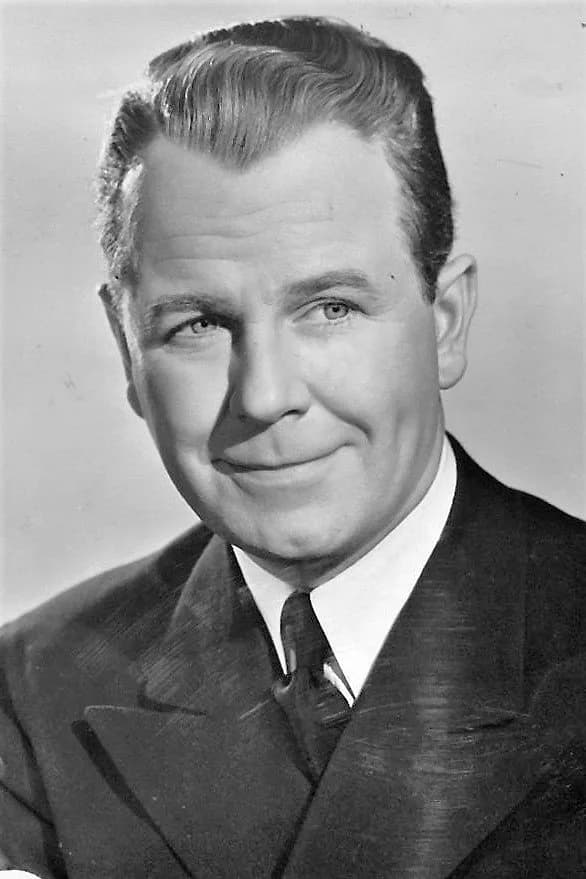
Regis Toomey
Cast · Known for Four Star Playhouse
From Wikipedia, the free encyclopedia John Regis Toomey (August 13, 1898 – October 12, 1991) was an American film and television actor. Born in Pittsburgh, Pennsylvania, USA, he was one of four children of Francis X. and Mary Ellen Toomey and attended Peabody High School. He initially pondered a law career, but acting won out and he established himself as a musical stage performer. Educated in dramatics at the University of Pittsburgh, where he became a brother of Sigma Chi, Toomey began as a stock actor and eventually made it to Broadway. Toomey was a singer on stage until throat problems (acute laryngitis) while touring in Europe stopped that aspect of his career. In 1929, Toomey first began appearing in films. He initially started out as a leading man, but found more success as a character actor (sans his toupee). Toomey appeared in over 180 films, including classics such as The Big Sleep with Humphrey Bogart. In 1956, he appeared as a judge, with Chuck Connors as "Andy", in the third episode, "The Nevada Nightingale", of the NBC anthology series The Joseph Cotten Show. Toomey thereafter appeared in another anthology series too as the character "Harry" in the 1960 episode "The Doctor and the Redhead", with Dick Powell and Felicia Farr, of CBS's The DuPont Show with June Allyson. In the 1961–1962 television season, he appeared in a supporting role with George Nader in the syndicated crime drama Shannon about insurance investigators. From 1963–1966, Toomey was one of the stars of the ABC crime drama, Burke's Law, starring Gene Barry. He played Sergeant Les Hart, one of the detectives assisting the murder investigations of the millionaire police captain Amos Burke. He also guest-starred on dozens of television programs, including the "Shady Deal at Sunny Acres" episode of Maverick. In 1941, Toomey appeared in You're in the Army Now, in which he and Jane Wyman had the longest screen kiss in cinema history: 3 minutes and 5 seconds.
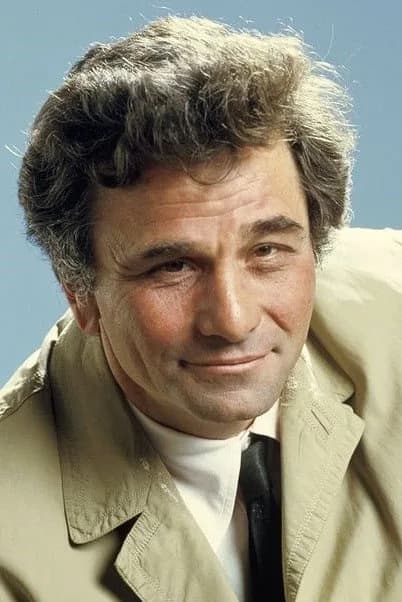
Peter Falk
Cast · Known for Columbo, The Princess Bride, Shark Tale
Peter Michael Falk (September 16, 1927 – June 23, 2011) was an American actor. He is best known for his role as Lieutenant Columbo on the NBC/ABC series Columbo (1968–1978, 1989–2003), for which he won four Primetime Emmy Awards (1972, 1975, 1976, 1990) and a Golden Globe Award (1973). In 1996, TV Guide ranked Falk No. 21 on its 50 Greatest TV Stars of All Time list. He received a posthumous star on the Hollywood Walk of Fame in 2013. He first starred as Columbo in two 2-hour "World Premiere" TV pilots; the first with Gene Barry in 1968 and the second with Lee Grant in 1971. The show then aired as part of The NBC Mystery Movie series from 1971 to 1978, and again on ABC from 1989 to 2003. Falk was twice nominated for the Academy Award for Best Supporting Actor, for Murder, Inc. (1960) and Pocketful of Miracles (1961), and won his first Emmy Award in 1962 for The Dick Powell Theatre. He was the first actor to be nominated for an Academy Award and an Emmy Award in the same year, achieving the feat twice (1961 and 1962). He went on to appear in such films as It's a Mad, Mad, Mad, Mad World (1963), alongside Frank Sinatra in Robin and the 7 Hoods (1964), The Great Race (1965), Anzio (1968), Murder by Death (1976), The Cheap Detective (1978), The Brink's Job (1978), The In-Laws (1979), The Princess Bride (1987), Wings of Desire (1987), The Player (1992), and Next (2007), as well as many television guest roles. Falk was also known for his collaborations with filmmaker, actor, and personal friend John Cassavetes, acting in films such as Husbands (1970), A Woman Under the Influence (1974), Big Trouble (1986), Elaine May's Mikey and Nicky (1976) and the Columbo episode "Étude in Black" (1972). He cameoed as a theatergoer in Cassavetes' 1977 film Opening Night. Description above from the Wikipedia article Peter Falk, licensed under CC-BY-SA, full list of contributors on Wikipedia.
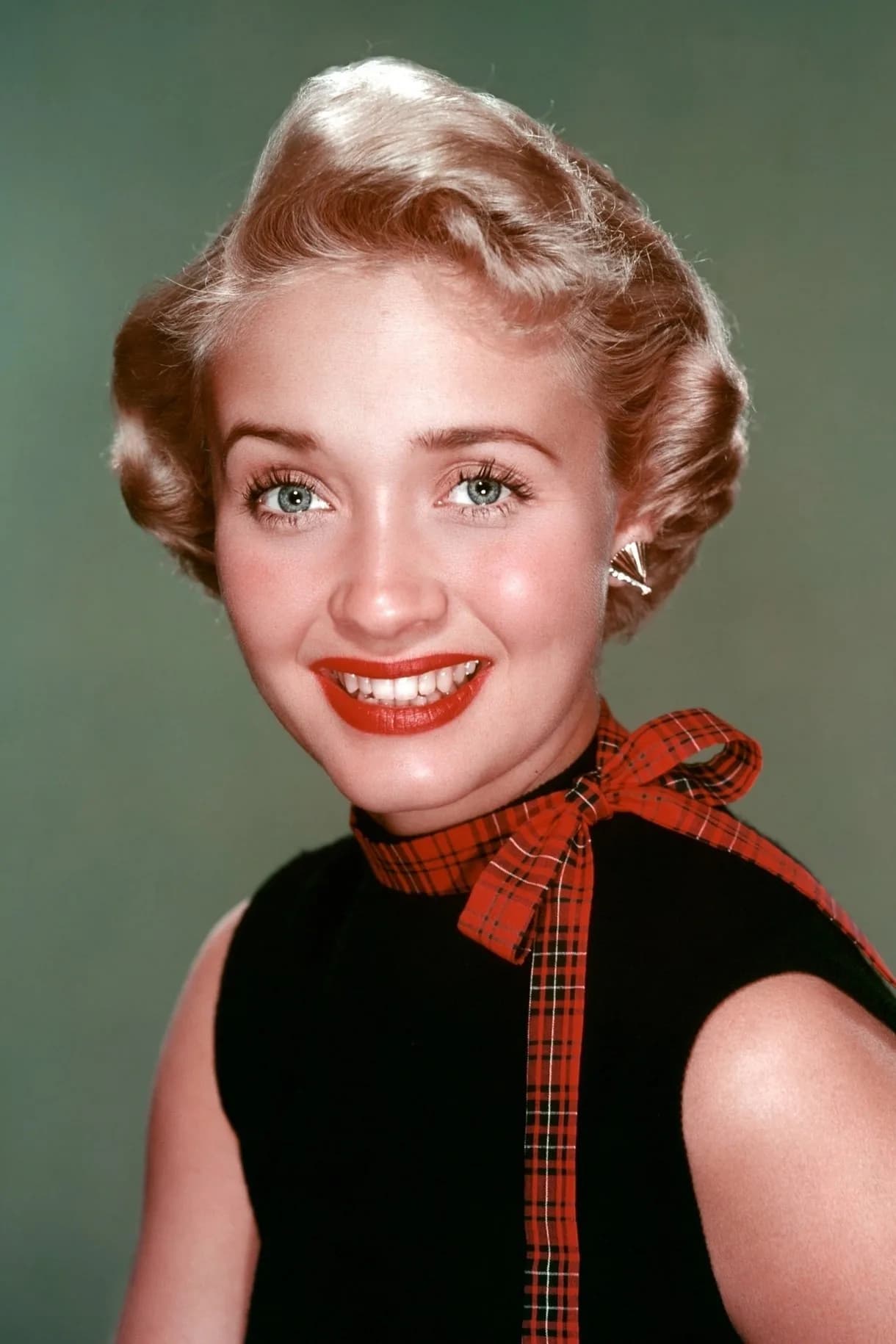
Jane Powell
Jane Powell was singing and dancing at an early age. She sang on the radio and performed in theaters before her screen debut in 1944. Through the 1940s and 1950s, she had a successful career in movie musicals. However, in 1957, her career in films ended, as she had outgrown her innocent girl-next-door image. She has made brief returns to acting in front of the camera -- on television, in commercials, and in a workout video. She has had a variety of roles on stage since the end of her movie career, including the musicals "South Pacific," "The Sound of Music," "Oklahoma!," "My Fair Lady," "Carousel," and a one-woman show "The Girl Next Door and How She Grew," from which she took the title of her 1988 autobiography. From the 1980s to the 2010s, Powell lived with her fifth husband, former child star Dickie Moore, in New York City and Connecticut, active in television and theater through the 2000s. Moore passed away in 2015 and Powell moved full-time to Wilton, Connecticut after that. Jane Powell passed away on September 16, 2021, of natural causes, at the age of 92. Despite the same last name she is not related to actors William Powell, Dick Powell, or Eleanor Powell.

Four Star Playhouse
1952
Four Star Playhouse is an American television anthology series that ran from 1952 to 1956, sponsored in its first bi-weekly season by The Singer Company; Bristol-Myers became an alternate sponsor when it became a weekly series in the fall of 1953. The original premise was that Charles Boyer, Ida Lupino, David Niven, and Dick Powell would take turns starring in episodes. However, several other performers took the lead from time to time, including Ronald Colman and Joan Fontaine. Blake Edwards was among the writers and directors who contributed to the series. Edwards created the recurring character of illegal gambling house operator Willie Dante for Dick Powell to play on this series. The character was later revamped and spun off in his own series starring Howard Duff, then-husband of Lupino. The pilot for Meet McGraw, starring Frank Lovejoy, aired here, as did another episode in which Lovejoy recreated his role of Chicago newspaper reporter Randy Stone, from the radio drama Nightbeat.
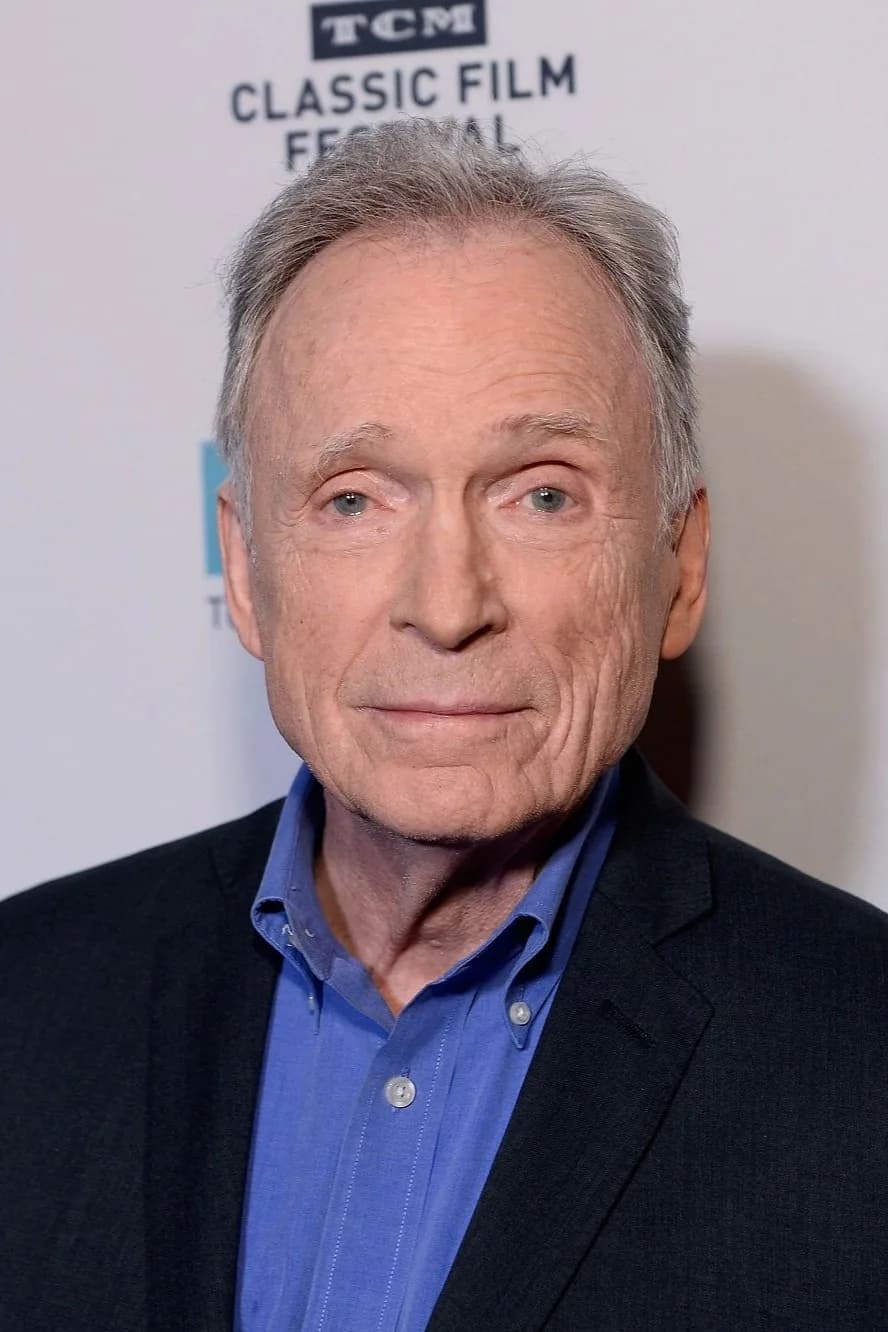
Dick Cavett
Cast · Known for Beetlejuice
Richard Alva Cavett (born November 19, 1936) is an American television personality and former talk show host. He appeared regularly on nationally broadcast television in the United States for five decades, from the 1960s through the 2000s. In later years, Cavett has written an online column for The New York Times, promoted DVDs of his former shows as well as a book of his Times columns, and hosted replays of his TV interviews with Bette Davis, Lucille Ball, Salvador Dalí, Lee Marvin, Groucho Marx, Katharine Hepburn, Judy Garland, Marlon Brando, Orson Welles, Woody Allen, Ingmar Bergman, Jean-Luc Godard, Robert Mitchum, John Lennon, George Harrison, Jimi Hendrix, Richard Burton, Sophia Loren, Marcello Mastroianni, Kirk Douglas and others on Turner Classic Movies.
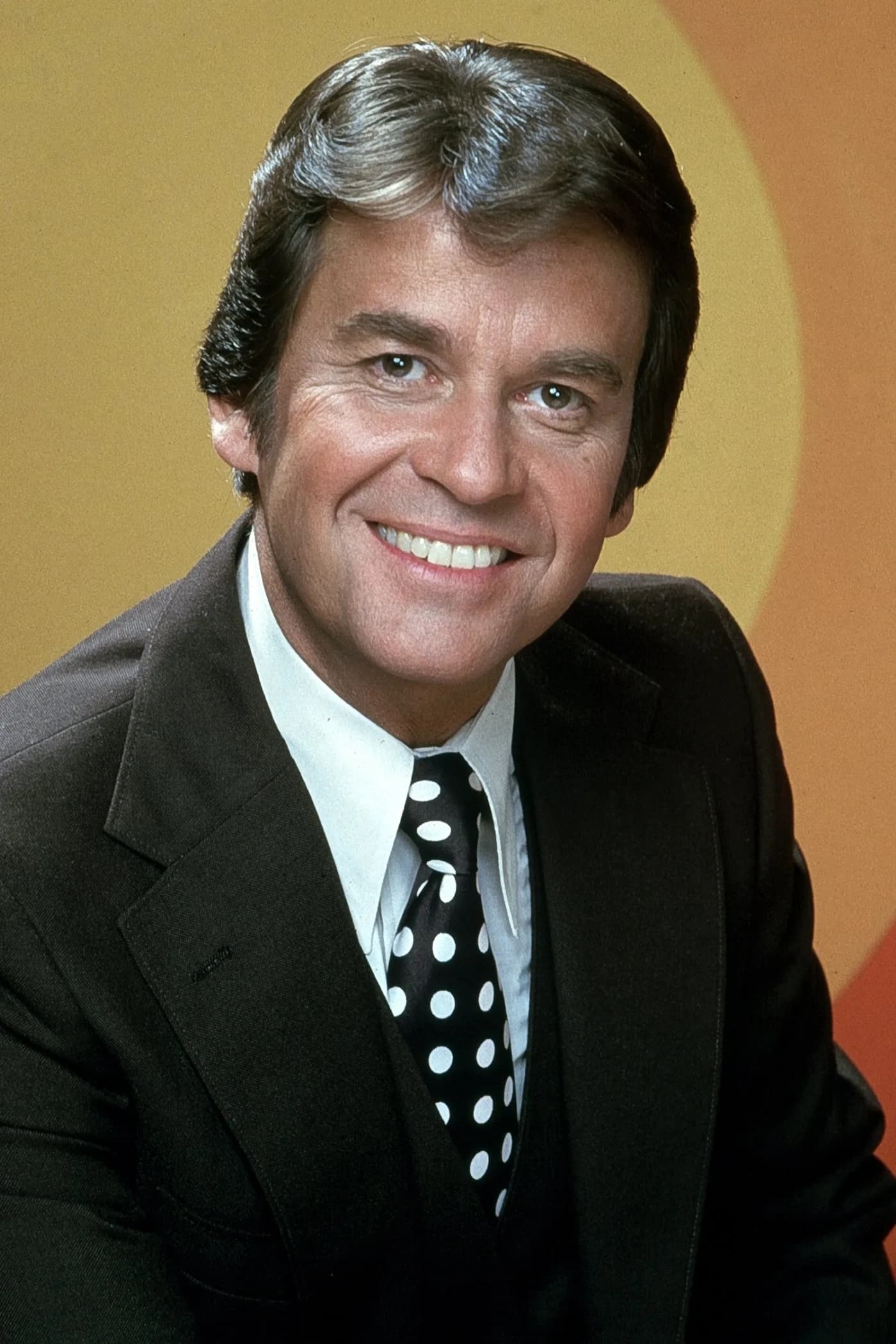
Dick Clark
Richard Wagstaff "Dick" Clark was an American game-show host, radio andtelevision personality, and businessman. He served as chairman and chief executive officer of Dick Clark Productions, which he sold part of in recent years. Clark is best known for hosting long-running television shows such as American Bandstand, five versions of the game show Pyramid, and Dick Clark's New Year's Rockin' Eve. Clark was long known for his departing catchphrase, "For now, Dick Clark...so long," delivered with a military salute, and for his youthful appearance, earning the moniker "America's Oldest Teenager." Clark suffered a significant stroke in late 2004. With speech ability still impaired, Clark returned to his New Year's Rockin' Eve show on December 31, 2005/January 1, 2006. Subsequently, he appeared at the Emmy Awards on August 27, 2006, and every New Year's Rockin' Eve show through the 2011/2012 show. On April 18, 2012, Clark died of a heart attack at the age of 82.
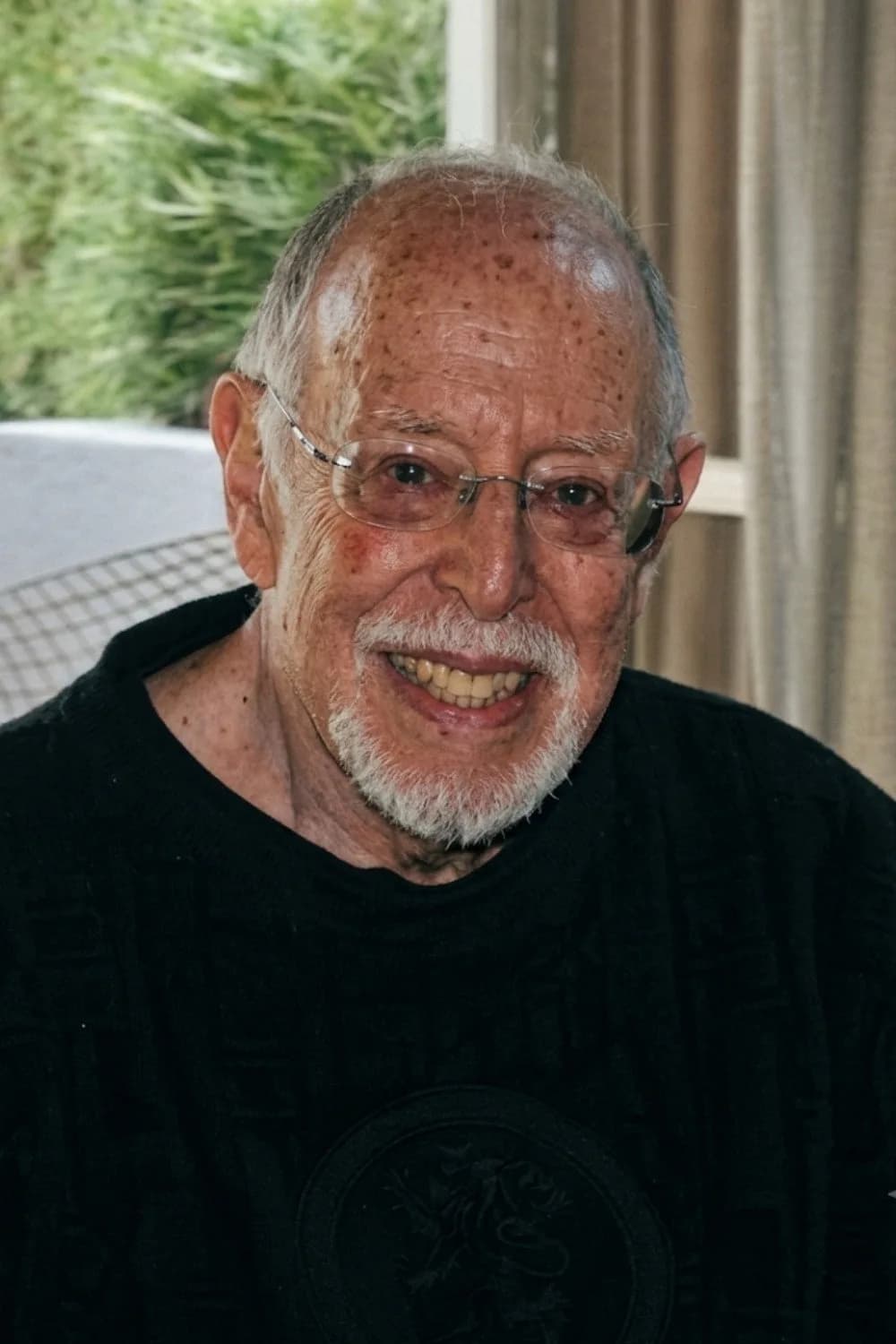
Dick Tufeld
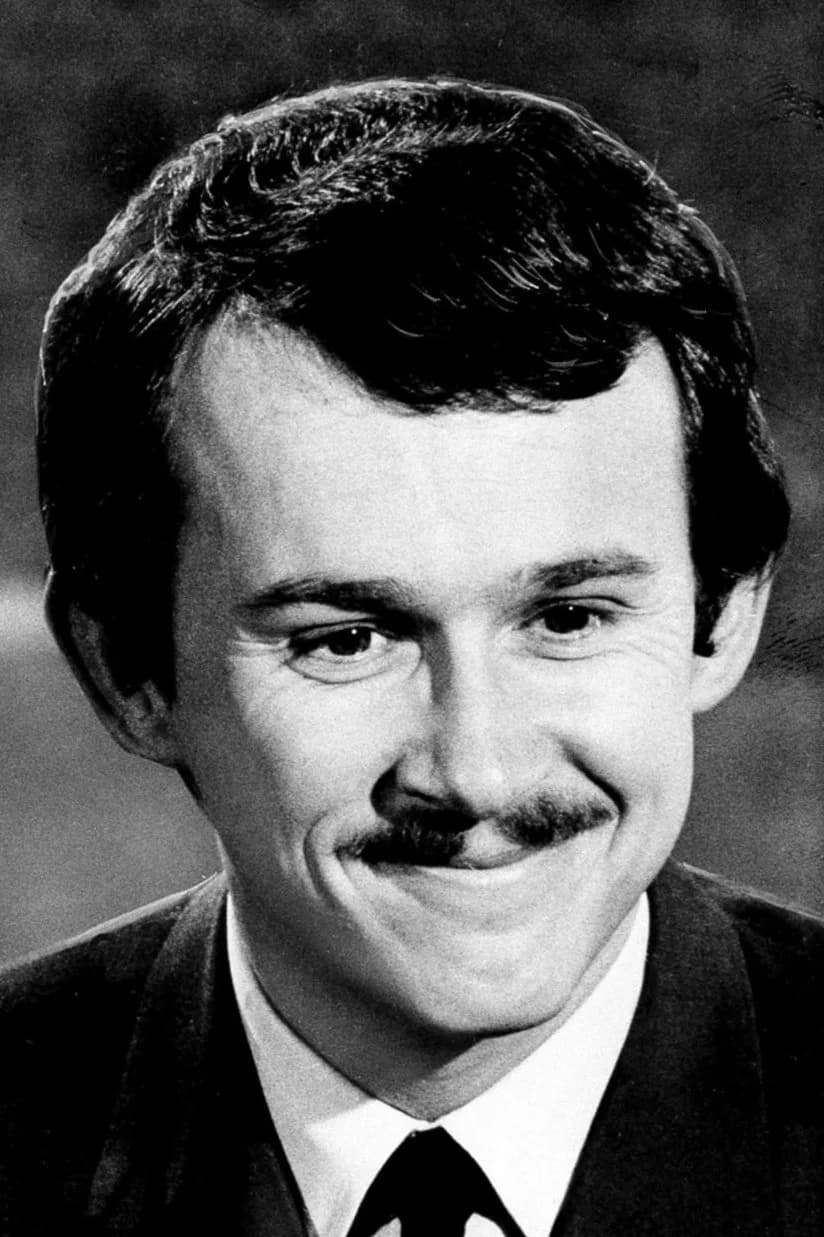
Dick Smothers
Cast · Known for Casino
Richard Remick Smothers (born November 20, 1938) is an American actor, comedian, composer, and musician. He was half of the musical comedy team the Smothers Brothers, with his older brother Tom Smothers.