
Search
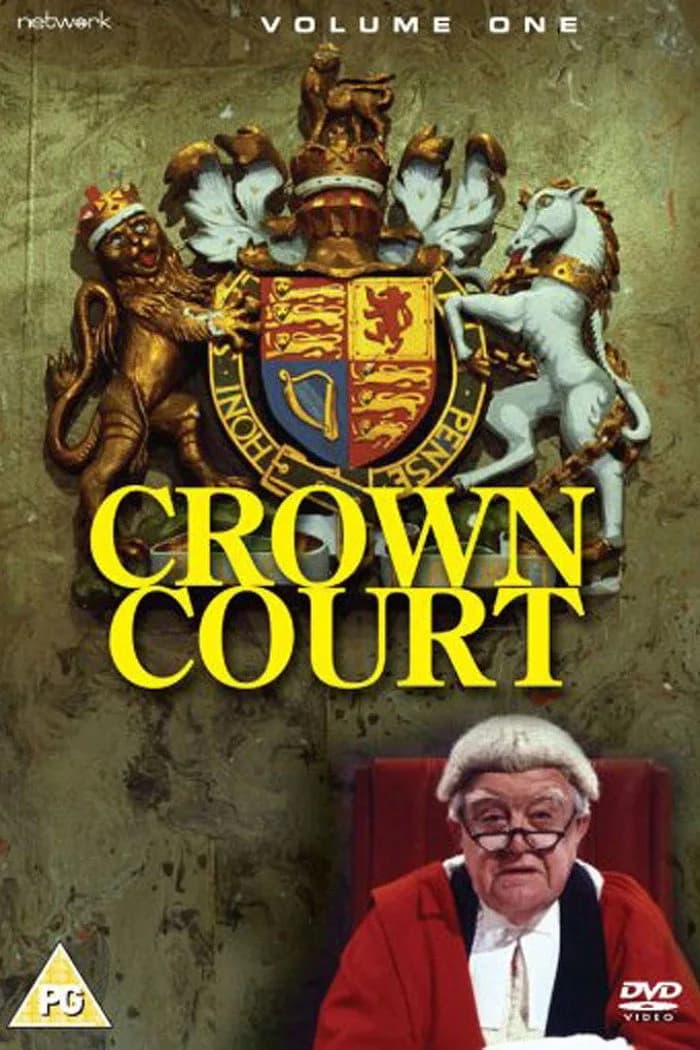
Crown Court
1972
Crown Court is an afternoon television courtroom drama produced by Granada Television for the ITV network that ran from 1972, when the Crown Court system replaced Assize courts and Quarter sessions in the legal system of England and Wales, to 1984.
David Williams
David Williams is an English actor, known for his work on television that has included Crown Court, Trollied, and ChuckleVision.
Arnold Yarrow
Arnold Yarrow was an actor, screenwriter and script editor. As a writer he wrote for series such as EastEnders, Crown Court, Softly, Softly, and Barlow at Large, the latter two he also served as script editor on. As an actor, his screen credits included the films Mahler and The Son of Pink Panther, though he was perhaps best known for playing Ethel Skinner's love interest Benny Bloom in EastEnders from 1988 to 1989. Three years after leaving the soap, the seventy-two year old Yarrow returned to the series as a writer, penning several episodes between 1992 and 1994. With this writing credit and his final on screen acting credits in the Screen Two film Genghis Cohen and London’s Burning in 1993, he subsequently retired from the industry altogether around the mid 90s. Yarrow also played Bellal in the 1974 Doctor Who serial Death to the Daleks and, following the death of Earl Cameron in 2020, was the show's oldest surviving cast member until his death, at the age of 104, in Herne Bay on 9th December 2024.
Randal Herley
Randal Herley was born in 1923 in Dewsbury, Yorkshire, England, UK. He was an actor, known for Crown Court (1972), Taggart (1983) and Poirot (1989). He was married to Marjorie H. Grainger. He died on April 14, 2013 in Manchester, Greater Manchester, England, UK.
June Howson
June Howson (born 12 July 1931 in Keighley, Bradford, West Yorkshire, England) is an English producer and director, known for Coronation Street (1960), Nailed (1981) and Crown Court (1972). She was previously married to John McGregor from 1962 until his death in 1985.
Pauline Jefferson
Pauline Jefferson was born in 1930 in Gravesend, Kent, England, UK. She is an actress, known for Crown Court (1972), No Through Road (2011) and Divided We Stand (1986). She has been married to Jim Andrew since 1963. They have two children.
George Waring
George Waring was a British television actor from 1962 to 2000. He also had occasional feature film credits. He was best known for appearing on Coronation Street as Arnold Swain, the bigamist husband of Emily Bishop in 1980. Earlier in the 1970s he appeared in Crown Court, the long running ITV courtroom drama series.
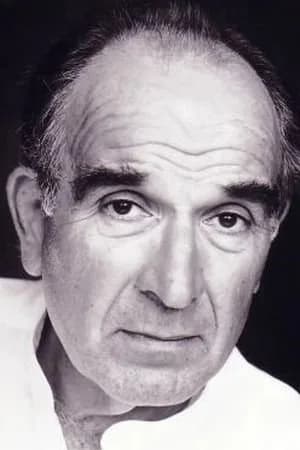
John Grillo
From Wikipedia, the free encyclopedia John Grillo (born 29 November 1942, Watford, Hertfordshire) is a British actor and playwright who has appeared in many film and television productions. He was educated at Trinity Hall, Cambridge, and while there was actively involved in student theatre. He performed with Footlights in their annual revue. After Cambridge, he was awarded an Arts Council Playwrighting Bursary and his plays were performed at Nottingham, Glasgow, Oxford and Dublin as well as at the ADC Theatre in Cambridge. He played Mr. Samgrass in the ITV series Brideshead Revisited, and Phillip Marriott QC in Crown Court. He had minor parts in other shows, including Blackadder II ("Bells"), Bergerac, Taggart and Rumpole of the Bailey. In 1997 he appeared as Mr Carkdale, the English teacher who spoke only in Anglo-Saxon, in two series of Steven Moffat's school-sitcom Chalk. In 2008, he contributed to the audio commentary for the DVD release. He is represented by Michelle Braidman Associates. Description above from the Wikipedia article John Grillo,licensed under CC-BY-SA, full list of contributors on Wikipedia.
David Roper
David Roper is a British film and television actor, who is best known for playing Chris Hawthorne in The Cuckoo Waltz (1975-1980) and Charlie Fisher in Leave It to Charlie (1978-1980). Later during his career he played Geoff Barnes in EastEnders (1985-) and Bob Bradshaw in Coronation Street (1960-). Roper also appeared in Crown Court (1972-1984), A Bit of a Do (1989), The Gift (1990), Taggart (1983-2000), The Bill (1984-2010), Heartbeat (1992-2010), Midsomer Murders (1997-), The Crown (2016-2023), Emmerdale (1972-), Holby City (1999-2022), Doctors (2000-2024) and Casualty (1986-). Description above from the Wikipedia article David Roper (actor), licensed under CC-BY-SA, full list of contributors on Wikipedia.
Paul Seed
From Wikipedia, the free encyclopedia. Paul Seed (1947-2026) was a British television director and former actor. Born in Bideford in Devon, he began his career as an actor, appearing in numerous television series, including Z Cars, Softly Softly: Task Force, Survivors, Doctor Who, Secret Army, Coronation Street, Crown Court and Tales of the Unexpected. In the late 1970s, Seed chose to pursue a career in TV drama directing and completed the BBC Directors' course, following which he directed numerous TV plays, series and serials during the 1980s. He is perhaps best known for directing the BBC's smash-hit 1990 mini-series House of Cards and its sequel To Play the King, adapted by Andrew Davies from Michael Dobbs' novels and famously starring Ian Richardson as Francis Urquhart. He continued to direct for television drama series throughout the 1990s including A Touch of Frost and Playing the Field, and in 2002 directed all six episodes of the revival of Auf Wiedersehen, Pet. In later years, he has directed episodes of New Tricks, Northern Lights and Lark Rise to Candleford, and in 2010 directed the BBC adaptation of Just William. Description above from the Wikipedia article Paul Seed, licensed under CC-BY-SA, full list of contributors on Wikipedia.
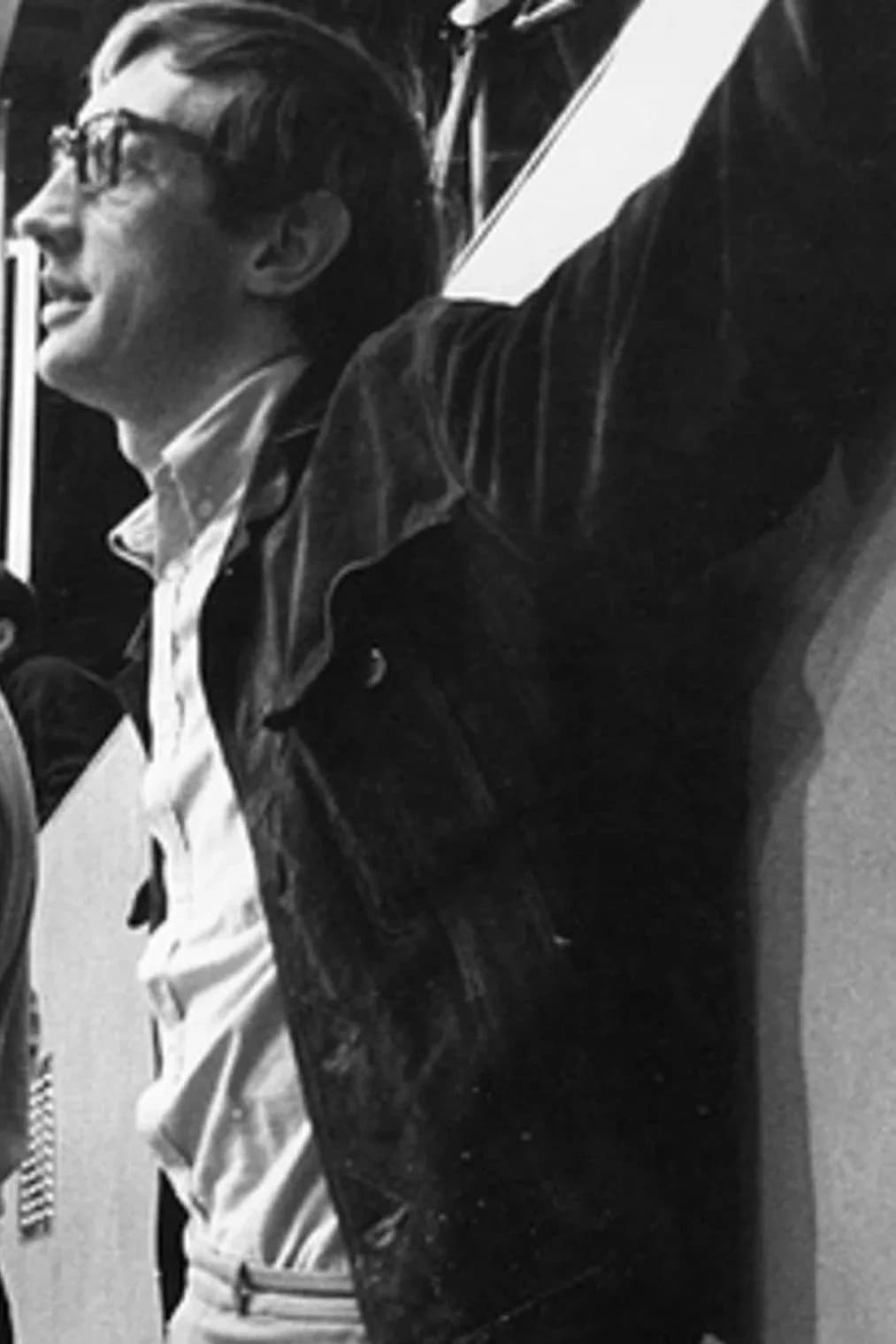
Gordon Flemyng
Gordon William Flemyng (7 March 1934 – 12 July 1995) was a Scottish television and film director. He was also a writer and producer. He directed six theatrical features, several television films and numerous episodes of television series, some of which he also wrote and produced. Flemyng directed episodes of various British TV series, including The Younger Generation, The Saint, The Avengers, The Baron, Crown Court, ITV Playhouse, Target, Screenplay, Take My Wife, Cribb, The Brack Report, One Summer, Wish Me Luck, The Bill, Emmerdale Farm, Bergerac, Taggart, Peak Practice, Lovejoy, Minder and Ellington (also produced). Flemyng directed two entries in Edgar Wallace Mysteries (US: The Edgar Wallace Mystery Theatre) series of second features and the two Dalek feature films of the 1960s, Dr. Who and the Daleks (1965) and Daleks' Invasion Earth 2150 A.D. (1966). Two episodes of The Baron that he directed were put together as a 1966 feature film entitled Mystery Island and released in some markets. Flemyng directed a Hollywood film with an all-star cast, The Split, released in 1968, a crime drama with Jim Brown, Ernest Borgnine and Gene Hackman, based on a novel by Donald E. Westlake. He also directed the British war film The Last Grenade (1970). His other credits include Saki (miniseries); Härte 10 (West German miniseries); Philby, Burgess and Maclean (TV); Flight Into Hell; Cloud Waltzing (TV), Marty Abroad (1971 - TV, produced only) and Confessional (1989 - TV, also produced).
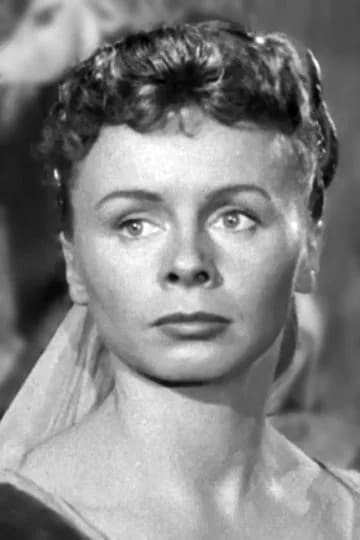
Margaret Anderson
Margaret Anderson was an English film and television actress, her expressive eyes and open, engaging smile making her a screen natural. Film milestones included Frank Launder’s The Happiest Days of Your Life (1950), Reach For the Sky (1955) and Revenge of the Pink Panther (1978). She appeared in a number of popular television shows, among them Dixon of Dock Green (variously from 1957-74), No Hiding Place (1959-61), Public Eye (1971 and 1975), Z Cars (1972), Crown Court (1973) and Shoestring (1979). She was also in Crossroads (1977) and played Maureen Schofield in six episodes of the daytime comedy-drama Harriet’s Back in Town (1973).
Brian Southwood
Brian Southwood is a British actor known for his acting work in television, film, and theatre, often appearing in supporting roles. He is perhaps best known for playing many characters in TV series Coronation Street (1960), such as Dr. McLaren, a Registrar and a Judge in the series. He was also known for voicing the characters of Otter and Portley in Cosgrove Hall's The Wind in the Willows (1984-1990). He played Jim Threadgold in three episodes of the TV series Get Lost! (1981) and he also voiced Gurder of the Stationeri in ten episodes of the British stop motion series Truckers (1992). He also had several guest appearances in many other TV shows including Crown Court (1972-2007), Brookside (1982-2003), Emmerdale (1972) and The Forsyte Saga (2002-2003).
Peter Ellis
Peter Ellis (born 30 May 1936) is an English actor. Ellis has worked extensively in theatre and television both as an actor and director. He spent four seasons with the Royal Shakespeare Company, as well as spending five years at the Crucible Theatre in Sheffield, and three years with the Old Vic Company which included playing Benvolio in Zeffirelli's Romeo and Juliet, Hotspur in Henry IV, Part 1 and later Rosencrantz in a world tour of Hamlet starring Derek Jacobi. He also played Guildenstern in Hamlet on the site of the new Globe Theatre. In the West End he appeared in The Tulip Tree and in Ray Cooney's Funny Money. He is perhaps best known for playing the role of Chief Superintendent Charles Brownlow in the long running ITV drama The Bill. Has also appeared as a semi-regular in Emmerdale Farm and Coronation Street. Other series include Sam Lyttons Diary, Edward and Mrs Simpson, The XYY Man, Nolan, The Les Dawson Show, Victoria Wood's play Talent for Granada and Acorn Antiques for BBC TV. He appeared in the David Mercer television play In Two Minds (1967), a work which was directed by Ken Loach. Ellis also appeared as a Jury Foreman in Granada Television’s daytime legal drama series Crown Court, the case of Regina v Vennings & Vennings. In 1981 Ellis appeared as a police officer in Trafalgar Square in the horror film An American Werewolf in London. In 1983, he appeared in the play Trafford Tanzi, starring Toyah Willcox, at the Mermaid Theatre in London. Ellis was a regular cast member of The Bill from the first series in 1984 until 2000 when he left the series. His last episode was written by his son Hugh Ellis who went on to write the award-winning feature Summer starring Robert Carlyle. However he did return to The Bill in 2002 for a guest appearance. He also appeared in Hugh's film The Mortician's Tea Party playing Jed. Ellis played the title role in The Mikado, Carl Rosa's opera tour of Australia. Ellis played Mr Bennet opposite Susan Hampshire in Bath Theatre tour of Pride and Prejudice, Sorin in the Bristol Old Vic production of The Seagull. More recently Ellis directed his wife Anita Parry in the comedy drama What Would Helen Mirren Do? for the Edinburgh Festival 2010. In 2011 he played Adam/Corin in Shakespeare's As You Like It at the Royal Exchange Theatre, Manchester. Ellis has also appeared in Hindle Wakes at the Finbourgh Theatre In 2018, Ellis starred in For King & Country at the Southwark Playhouse.
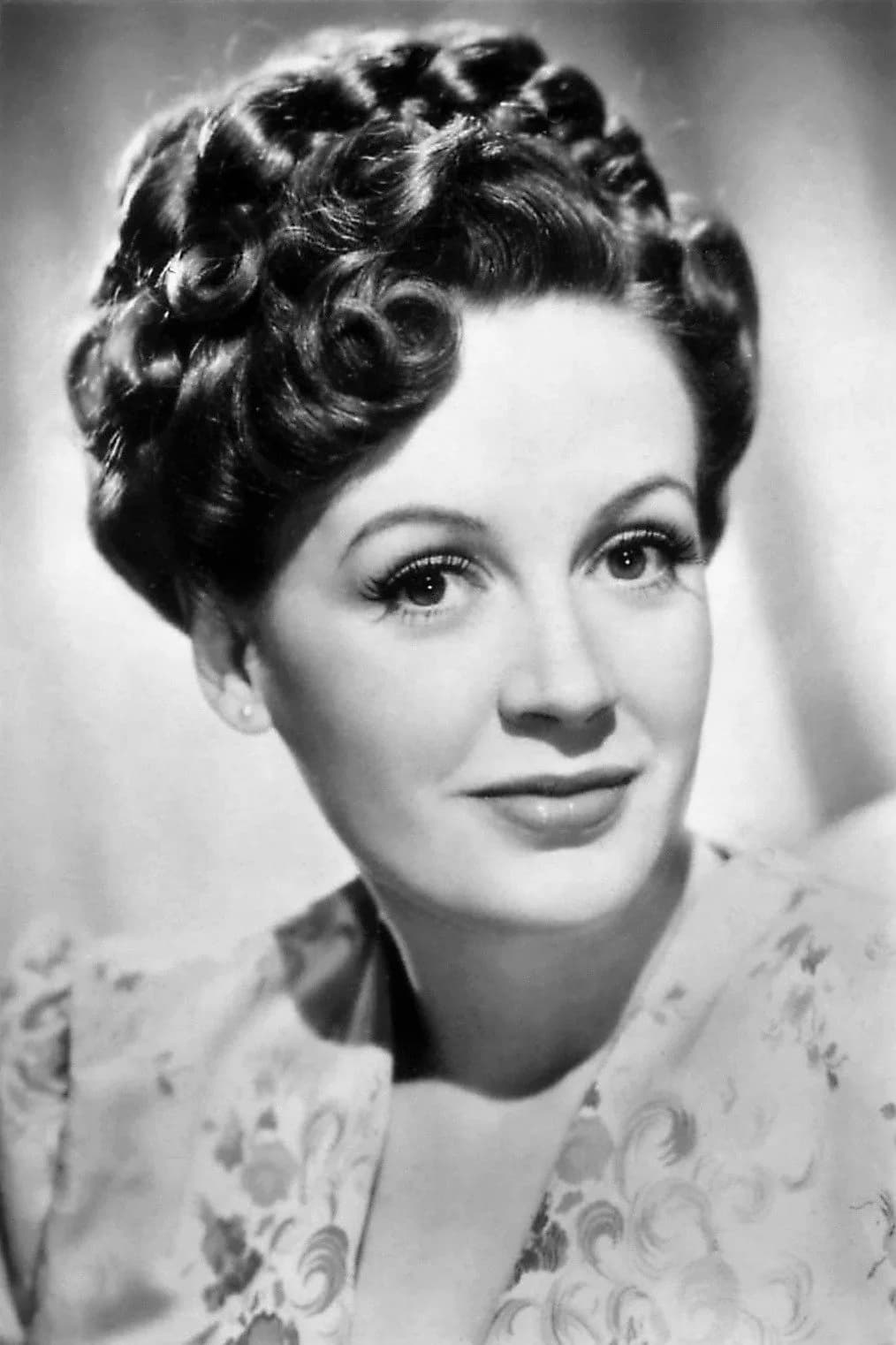
Phyllis Calvert
Phyllis Calvert (18 February 1915 – 8 October 2002) was an English film, stage and television actress. Born Phyllis Hannah Bickle in Chelsea, she trained at the Margaret Morris School of Dancing and performed from the age of ten, gaining her first film role at the age of 12, in The Arcadians (1927), also known as The Land of Heart's Desire. Calvert performed in repertory theatre and in several films, before making her London stage debut in A Woman's Privilege in 1939. During the following decade, she starred in many romances, including Fanny by Gaslight, with James Mason and Stewart Granger, and My Own True Love, becoming one of Britain's highest paid stars. However, three Hollywood studios failed to pay her what she asked. She first found success in the film adaptation of H. G. Wells' Kipps (1941), but it was The Man in Grey (1943) that confirmed her status. She acted in over 40 films, her later films include Oh! What a Lovely War and The Walking Stick. Calvert had already appeared on television, playing Mrs. March in the 1958 serials Little Women and Good Wives (both adapted from Louisa May Alcott's novel Little Women), as well as individual episodes of several other programmes, when, in 1970, she landed the part of an agony aunt with problems of her own in Kate. She made TV appearances in programmes such as Crown Court, Ladykillers, Tales of the Unexpected, Boon, After Henry and The Line Grove Story. She was married to the actor and antiquarian bookseller Peter Murray Hill, with whom she had two children, Ann Auriol (born 1943) and Piers Auriol (born 1954). She died in London in 2002, from natural causes, aged 87.
Peter Kerrigan
Peter Kerrigan was a Liverpudlian actor famous for his work on a series of TV plays, many of which were directed by Ken Loach, and for his role as George Malone in Alan Bleasdale's Boys From the Blackstuff. Born in Bootle in 1916, Kerrigan was a docker originally and, as a Communist Party member, founded the Birkenhead Port Workers Defence Committee. At some point in the '50s, he joined the National Association of Stevedores and Dockers and he wrote the 1958 pamphlet, 'What Next For Britain's Port Workers?' on behalf of the Socialist Labour League - the party he had joined following his departure from the CP. In official retirement Kerrigan became an actor appearing in the militant dockworkers drama The Big Flame, written by Jim Allen and directed by Ken Loach. The play stimulated the formation of a political group of the same name, largely based in Liverpool. He was soon in demand, appearing in Loach's The Rank and File and Days of Hope, as well as the Play For Today's The Spongers and United Kingdom, and the drama The Gathering Seed - all of which were again written by Allen. He also appeared in Z Cars, The Sweeney, Family at War, Strumpet City, Crown Court, Brookside and Scully. But he'll perhaps be best remembered as George Malone in The Blackstuff and its subsequent spin off series, Boys from The Blackstuff, in which he played a blacklisted former docker and trade unionist. Kerrigan passed away at some time in 1999.
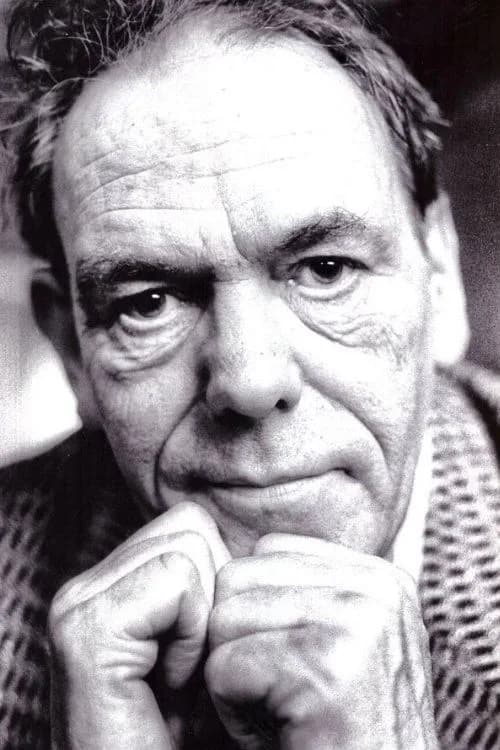
Jim Allen
James Allen was a socialist playwright from Miles Platting, Manchester, Lancashire, best known for his collaborations with Ken Loach. Allen began to write during his time as a miner. In 1958, he was involved in the launch and publication of The Miner. In 1964, he submitted a script to Granada TV, and was taken on as a scriptwriter for the soap opera Coronation Street (1965–67), a series for which he had little sympathy. His later play, The Talking Head (1969), recounts the experience of a talented writer driven to a nervous breakdown by the pressure of "episode delivery dates". Allen's first play, The Hard Word (1966), directed by Ridley Scott, was broadcast as part of the Thirty-Minute Theatre series on BBC 2. It was followed by The Lump (1967), the first fictional work directed by Jack Gold, who had begun his career on documentaries, and broadcast as part of The Wednesday Play drama anthology series. Both plays were based on his experiences in the building trade, and The Lump features an activist worker who frequently quotes Lenin and Jack London, establishing the political nature of Allen's work which was to continue throughout his career. Allen was introduced to Ken Loach in 1967 by Loach's regular collaborator at the time, producer Tony Garnett] who had produced The Lump. The first of Allen's plays to be directed by Loach was The Big Flame (1969), again for The Wednesday Play series. The play depicts a strike among the dockers of Liverpool, led by a Trotskyite docker against the wishes of the established union; the strike is violently broken by the army and police. In 1975, Allen wrote, Garnett produced, and Loach directed Days of Hope, Allen's best-known work. A serial of four episodes, it tells the story of the British Labour movement between the Great War in 1916 and the General Strike of 1926. The series' depiction of the British Army was the subject of much hostile criticism in the press at the time. Allen also wrote five plays (The Rank and File (1971), A Choice of Evils (1977), The Spongers (1978), United Kingdom (1981) and Willie's Last Stand (1982)) for the BBC's Play for Today drama series, and several episodes of the Granada series Crown Court (1975–76). With Loach as director, Allen wrote the screenplays for three feature-length films: Hidden Agenda (1990), which portrays the murder of an American civil rights activist in Belfast, Raining Stones (1993), a kitchen-sink tragicomedy set in Middleton, near Manchester, and, Allen's final dramatic work, Land and Freedom (1995), telling the story of an idealistic young Communist from Liverpool who joins the Government forces in the Spanish Civil War. Allen was diagnosed with cancer in February 1999, and died the following June.
David Fisher
Writer · Known for Crown Court
David Fisher (13 April 1929 – 10 January 2018) was a British television screenwriter. Doctor Who script editor Anthony Read commissioned Fisher to write The Stones of Blood (1978) and The Androids of Tara (1978) for The Key to Time storyline of season 16, and he was subsequently commissioned to write The Creature from the Pit (1979) for the seventeenth season during the tenure of Douglas Adams as script editor. He worked on a story called "A Gamble with Time", also for the seventeenth season, but owing to the divorce proceedings ending his first marriage, he was unable to finish the scripts. That story was reworked and completed by Douglas Adams and then-producer Graham Williams and was recorded and broadcast as City of Death (1979) under the pseudonym of David Agnew. His final Doctor Who story was season eighteen's The Leisure Hive (1980). Fisher novelised both The Leisure Hive and Creature from the Pit for the Target book range of Doctor Who novelisations, and appeared extensively on the interview features accompanying the DVD release of the former story. Fisher also wrote novelisations of The Stones of Blood and The Androids of Tara for audiobook releases in 2011 and 2012, which received print editions in 2022. He was also interviewed for a documentary accompanying the DVD release of City of Death. Fisher's other work included writing for the television series Dixon of Dock Green, Crown Court, and Hammer House of Horror.
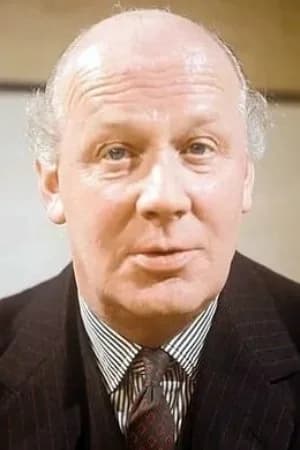
William Mervyn
Cast · Known for Crown Court
William Mervyn Pickwoad (3 January 1912 – 6 August 1976) was an English actor best known for his portrayal of the bishop in the clerical comedy All Gas and Gaiters, the old gentleman in The Railway Children and Inspector Charles Rose in The Odd Man and its sequels. Mervyn was born in Nairobi, British East Africa, but educated in Britain at Forest School, Snaresbrook, before embarking on a stage career, spending five years in provincial theatre. He made his West End debut in The Guinea Pig at the Criterion Theatre in 1946, before parts in plays such as Lend Me Robin at the Embassy Theatre, the comedy Ring Round the Moon, The Mortimer Touch, A Woman of No Importance by Oscar Wilde at the Savoy Theatre in 1953 and Charley's Aunt. Mervyn's later stage roles included those of O'Trigger in The Rivals, Lord Greenham in the comedy Aren't We All? and Sir Patrick Cullen in The Doctor's Dilemma. Although he was admired in the theatre, it was with television that he became really well known. One of his first major small screen roles was Sir Hector in the 1962 series Saki. Four years later, he played the Bishop of St. Ogg's in the comedy series All Gas and Gaiters. It was, at that time, breaking with tradition, allowing a laugh at the expense of the established church. He also played the police chief inspector Charles Rose in the Granada TV series The Odd Man and its spin-offs It's Dark Outside and Mr Rose. He played the Hon. Mr. Justice Campbell in the Granada TV series Crown Court. Having taken the part of a Chief Inspector in the 1949 Ealing Studios film The Blue Lamp, in which PC George Dixon first appears (only to be shot dead by a young Dirk Bogarde), he then reappeared in a 1960 Dixon of Dock Green episode "The Hot Seat". He was in the 1966 Doctor Who story The War Machines and several Carry On films in the late 1960s, and also appeared as Mr. Whitty in the Randall and Hopkirk (Deceased) episode "A Disturbing Case" in 1969. Usually cast as a wealthy upper class gentleman, he also appeared in The Railway Children (1970), as the children's train passenger friend, and The Ruling Class (1972). Around the same time, he appeared as Sir Hector Drummond, Bt., in the British TV series The Rivals of Sherlock Holmes, in an episode entitled "The Superfluous Finger" (1973). Mervyn was married to Anne Margaret Payne-Cook, a theatre designer and architect who survived him with their three sons - Michael Pickwoad, who in 2010 became the production designer on Doctor Who, Richard, television director and aerial cameraman and Nicholas (Pickwoad), expert on bookbinding. Mervyn's granddaughter Amy Pickwoad became an art director and standby art director for Doctor Who. Description above from the Wikipedia article William Mervyn, licensed under CC-BY-SA, full list of contributors on Wikipedia.
Rachel Herbert
Rachel Herbert is a British actress whose television appearances include roles in Deadline Midnight (1960), Thursday Theatre (1964), The Villains (1964), No Hiding Place (1963–65), Danger Man (1965), The Power Game (1965–66), and Thirty-Minute Theatre (1967). She appeared in The Prisoner episode entitled "Free for All" (1967) as Number Fifty-Eight but ultimately revealed to be the new Number Two. Other roles include ITV Play of the Week (1965–67), Man in a Suitcase (1968), Spindoe (1968), The Champions (1969), Callan (1970), Special Branch (1970), ITV Saturday Night Theatre (1971); episode 1 of Lord Peter Wimsey 's Clouds of Witness, Murder Must Advertise (1973), The Pallisers (1974), The Venturers (1975), Softly, Softly: Taskforce (1974–75), Shadows (1978), The Professionals (1978), Prince Regent (1979), The Enigma Files (1980), Minder (1980), Crown Court (1973–84), Screen Two (1986), and The House of Eliott (1994). Herbert's film appearances include Robbery (1967), The Raging Moon (1971) and The Doctor and the Devils (1985).
Ian Curteis
Ian Bayley Curteis (1 May 1935 – 24 November 2021) was a British dramatist and television director. Curteis was born in London on 1 May 1935, and began his career as an actor, joining Joan Littlewood's Theatre Workshop in the mid-1950s, and later working in this profession in regional theatres, and as a stage director or producer. His career in television began as a script reader for both the BBC and Granada Television. Curteis joined the staff of the BBC as a trainee director in 1964. The Projected Man (1966), which he directed, is his only cinema film. Around the same time Curteis directed an episode of the BBC2 anthology series, Out of the Unknown, William Trevor's "Walk's End". Both projects had a problematic production; Curteis has disputed the claims of the producers of both. Switching to a career as a television dramatist from the late 1960s onwards, Curteis wrote for many series of the time, including The Onedin Line and Crown Court. Meanwhile, Curteis was writing television plays - he preferred the term over "drama documentaries" - with historical themes. Philby, Burgess and Maclean was commissioned by Granada, and broadcast in 1977. In autumn 1979 came Churchill and the Generals, Suez 1956, and the 8-part series Prince Regent, about George IV. Lost Empires, a television adaptation of J. B. Priestley's novel followed in 1986. The Falklands Play, originally scheduled for production in 1985, was eventually broadcast in 2002. At the time production was cancelled, Curteis blamed a "liberal conspiracy" at the BBC. A BBC commission for a dramatisation of the Yalta Conference in 1945 was cancelled in 1995, Curteis alleged, because of his politically conservative presentation of events. A stage play, The Bargain (2007), dealing with a fictionalised account of the meeting between Robert Maxwell and Mother Teresa in 1988 was adapted for BBC Radio in 2016. Curteis divorced his first wife, Dorothy Curteis, and his second, the novelist Joanna Trollope. His third wife was Lady Deirdre (formerly Lady Grantley), daughter of William Hare, 5th Earl of Listowel; they married in 2001 in the chapel of Markenfield Hall, which had been restored to a great extent by her previous husband. This was the first wedding to be held there for some 400 years. The couple continued restoration projects which were expected to be ongoing until 2030. He died on 24 November 2021, at the age of 86.
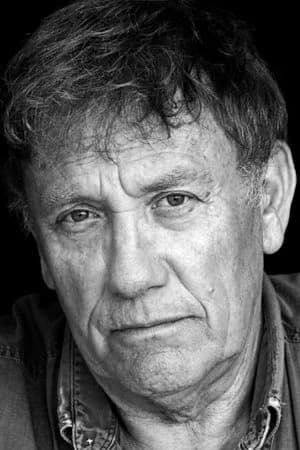
Peter Armitage
Peter Armitage (1940-2018) was perhaps best known for playing builder Bill Webster, father of Kevin, in Coronation Street, a role he first played in 1984, before returning to the show for a second stint in 1995 to 1997, and for a final time in 2006 to 2011. He also played a bicycle-buying father in a memorable 1980s advert for Yellow Pages. His TV career stretched back to 1970 and his many credits included roles in Ken Loach's Days of Hope, Alan Bleasdale's GBH, Jimmy McGovern's Hearts and Minds and Dockers, and Russell T Davies' The Second Coming, in which he played the father of Christopher Eccleston's modern day Christ. He also starred in the Steve Coogan film The Parole Officer in 2001, played Sergeant Kerby alongside Michael Caine in 1988's Jack the Ripper and appeared as David Jason's older, more confident brother in the 1970s sitcom Lucky Feller. He made guest appearances in programmes such as The Sweeney, The Professionals Softly Softly, Strangers, Bulman, Rockliffe's Babies, Crown Court, Casualty, Holby City, The Royal, Heartbeat, Peak Practice, Medics, and The Bill. His last TV appearance was in an episode of Doctors in 2013.
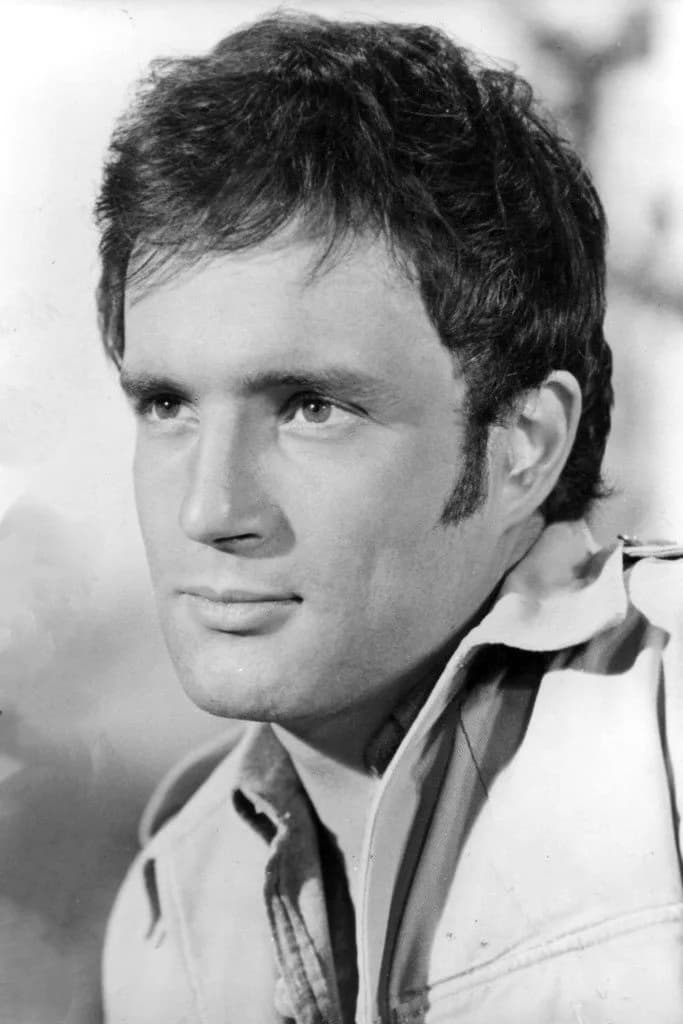
Michael Latimer
Michael James Latimer (6 September 1941 – 25 June 2011) was a British television stage and film actor who later in his career turned to writing, directing and producing. Latimer was born in Calcutta, where his father had a business, and was educated at the Leys School in Cambridge from 1955 to 1959, where he was a middle-distance runner and played rugby for the English Schoolboys Team. Upon leaving school, he trained at the Royal Academy of Dramatic Art (RADA) for two years, and on leaving began acting in cabaret revues. He stood in for Peter Cook in Beyond the Fringe when the original cast took the show to New York. He appeared in various repertory and West End productions. His television appearances included The Avengers (1966–67), Sexton Blake (1968), Man at the Top (1972), Van der Valk (1972–73), in which he played Johnny Kroon alongside Barry Foster as Van der Valk, Special Branch (1973), Marked Personal (1973), Village Hall (1974), Crown Court (1974–76), The Sweeney (1975), Quiller (1975), The New Avengers (1977), Spectre (1977), Z-Cars (1978), The Professionals (1978), Maggie and Her (1979), Hammer House of Horror (1980) and Rumpole of the Bailey (1988). His film roles include A Man for All Seasons (1966), Prehistoric Women (1967) opposite Martine Beswick, Mosquito Squadron (1969), Man of Violence (1969), Got It Made (1974) and Sweeney! (1977). Latimer was the stage director for the first Johnny Nash and Bob Marley tours of the United Kingdom in 1972. He set up his own production company, Bedrock Productions; this had three top twenty hits in the German music charts for Hansa and Ariola Records. His writing for television included The Rovers (1970), the BBC play The Interview and also four episodes of Sons and Daughters (1983). He taught at RADA, London Academy of Performing Arts (LAPA) and at drama school in Australia. As a director he worked on television commercials in Australia and directed some 37 theatre productions in the United Kingdom, including Daniel Magee's play Paddywack (1994) with James Nesbitt at the Cockpit Theatre in Marylebone Latimer died at Trinity Hospice in Clapham, London, in 2011, aged 69.

The Crown
2016
The gripping, decades-spanning inside story of Her Majesty Queen Elizabeth II and the Prime Ministers who shaped Britain's post-war destiny. The Crown tells the inside story of two of the most famous addresses in the world – Buckingham Palace and 10 Downing Street – and the intrigues, love lives and machinations behind the great events that shaped the second half of the 20th century. Two houses, two courts, one Crown.