
Search
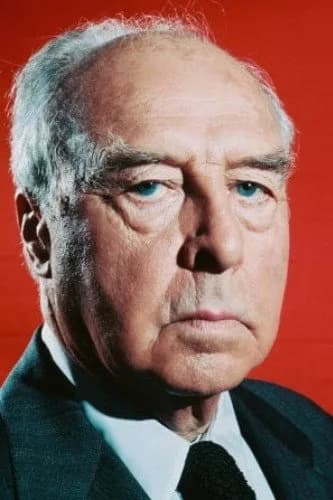
John Houseman
John Houseman (September 22, 1902 – October 31, 1988) was a Romanian-born British-American actor and film producer who became known for his highly publicized collaboration with director Orson Welles from their days in the Federal Theatre Project through to the production of Citizen Kane. He is perhaps best known for his role as Professor Charles Kingsfield in the 1973 film The Paper Chase for which he won a best supporting actor Oscar. He reprised his role as Kingsfield in the subsequent TV series adaptation of The Paper Chase. Houseman was also known for his commercials for the brokerage firm Smith Barney. He had a distinctive Mid-Atlantic English accent, in common with many actors of his generation. Description above from the Wikipedia article John Houseman, licensed under CC-BY-SA, full list of contributors on Wikipedia.
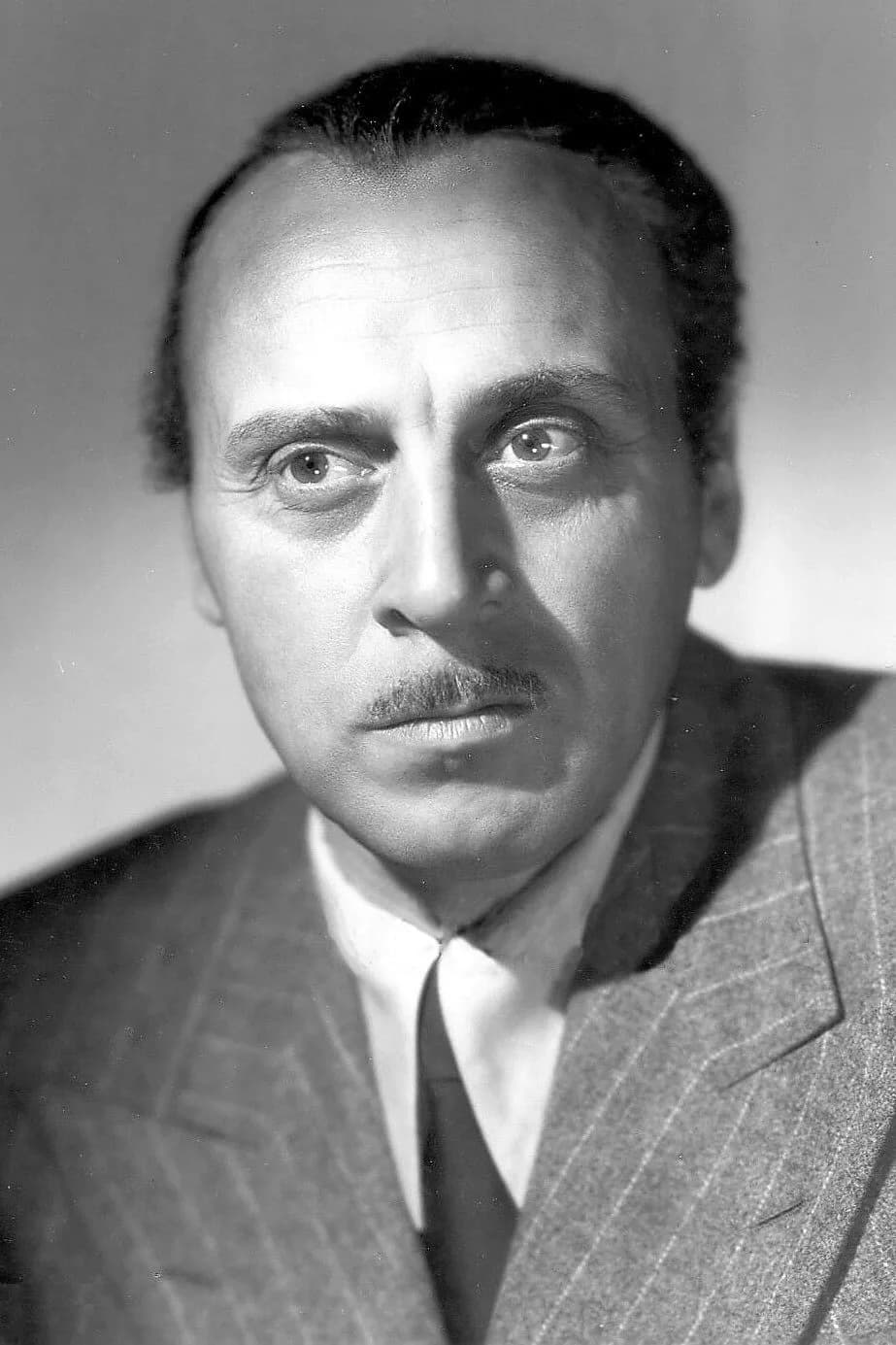
George Coulouris
Cast · Known for Citizen Kane
George Coulouris was a British stage, film and television actor. George Alexander Coulouris was an English film and stage actor. He was perhaps best known for his collaborations with Orson Welles, most notably Citizen Kane.
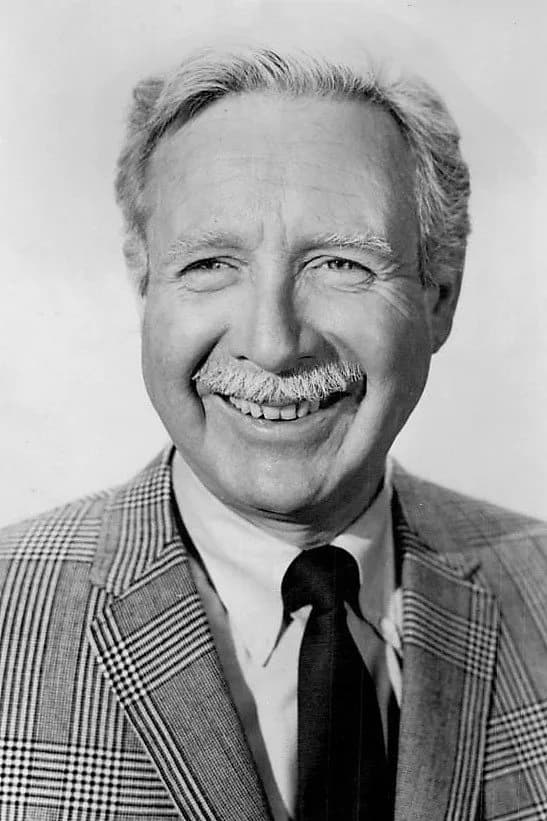
Arthur O'Connell
Arthur O'Connell (March 29, 1908 – May 18, 1981) was an American stage and film actor. He appeared in films (starting with a small role in Citizen Kane) in 1941 and television programs (mostly guest appearances). Among his screen appearances were Picnic, Anatomy of a Murder, and as the watch-maker who hides Jews during WWII in The Hiding Place. A veteran vaudevillian, O'Connell, from New York City, made his legitimate stage debut in the mid 1930s, at which time he fell within the orbit of Orson Welles' Mercury Theatre. Welles cast O'Connell in the tiny role of a reporter in the closing scenes of Citizen Kane (1941), a film often referred to as O'Connell's film debut, though in fact he had already appeared in Freshman Year (1939) and had costarred in two Leon Errol short subjects as Leon's conniving brother-in-law. After numerous small movie parts, O'Connell returned to Broadway, where he appeared as the erstwhile middle-aged swain of a spinsterish schoolteacher in Picnic - a role he'd recreate in the 1956 film version, earning an Oscar nomination in the process. Later the jaded looking O'Connell was frequently cast as fortyish losers and alcoholics; in the latter capacity he appeared as James Stewart's boozy attorney mentor in Anatomy of a Murder (1959), and the result was another Oscar nomination. In 1962 O'Connell portrayed the father of Elvis Presley's character in the motion picture Follow That Dream, and in 1964 in the Presley-picture Kissin' Cousins. O'Connell continued appearing in choice character parts on both TV and films during the 1960s, but avoided a regular television series, holding out until he could be assured top billing. He appeared as Joseph Baylor in the 1964 episode "A Little Anger Is a Good Thing" on the ABC medical drama about psychiatry, Breaking Point. The actor accepted the part of a man who discovers that his 99-year-old father has been frozen in an iceberg on the 1967 sitcom The Second Hundred Years, assuming he'd be billed first per the producers' agreement. Instead, top billing went to newcomer Monte Markham in the dual role of O'Connell's father and his son. O'Connell accepted the demotion to second billing as well as could be expected, but he never again trusted the word of any Hollywood executive. Ill health forced O'Connell to significantly reduce his acting appearances in the mid '70s, but the actor stayed busy as a commercial spokesman, a friendly pharmacist who was a spokesperson for Crest toothpaste. At the time of his death from Alzheimer's disease in California in May 1981, O'Connell was appearing solely in these commercials, by his own choice. O'Connell was buried in Calvary Cemetery, Queens, New York. Description above from the Wikipedia article Arthur O'Connell, licensed under CC-BY-SA, full list of contributors on Wikipedia.
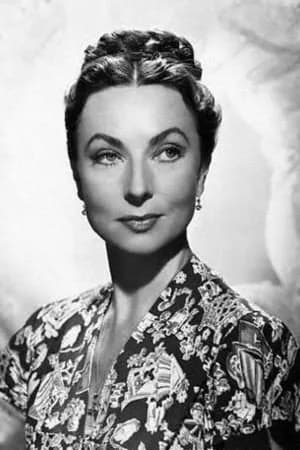
Agnes Moorehead
Cast · Known for Bewitched, Citizen Kane
Agnes Robertson Moorehead (December 6, 1900 – April 30, 1974) was an American actress. Although she began with the Mercury Theatre, appeared in more than seventy films beginning with Citizen Kane and on dozens of television shows during a career that spanned more than thirty years, Moorehead is most widely known to modern audiences for her role as the witch Endora in the series Bewitched. While rarely playing leads in films, Moorehead's skill at character development and range earned her one Emmy Award and two Golden Globe awards in addition to four Academy Award and six Emmy Award nominations. Moorehead's transition to television won acclaim for drama and comedy. She could play many different types, but often portrayed haughty, arrogant characters.
Edward Stevenson
Costume Design · Known for Citizen Kane, It's a Wonderful Life
Edward Manson Stevenson (May 13, 1906 – December 2, 1968) was an Academy Award-winning American costume designer. His film and television credits number well over two hundred, including Citizen Kane and It's a Wonderful Life, both frequently cited as being among the greatest films of all time. He was named Head Designer for RKO Studios in 1936. His work on The Facts of Life (1960) with Edith Head earned him an Oscar.
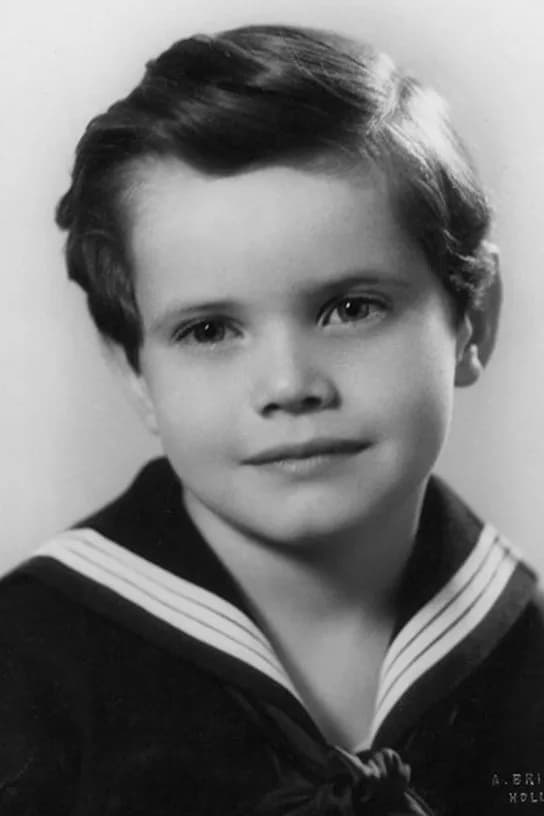
Sonny Bupp
Cast · Known for Citizen Kane
Moyer MacClaren Bupp (January 10, 1928 – November 1, 2007) professionally known as Sonny Bupp, was an American child film actor and businessman. His most notable film was Citizen Kane (1941), in which he appears as Junior, Charles Foster Kane III, the eight-year-old son of Charles Foster Kane and his first wife, Emily. Bupp was the last surviving credited member of the Citizen Kane cast at his death.
Buddy Swan
Cast · Known for Citizen Kane
Paul "Buddy" Swan (October 24, 1929 – March 21, 1993) (also credited as Buddy Swann) was an American child actor, best known for playing the title character of the 1941 film Citizen Kane as an eight-year-old boy. He also appeared in the horror film The Ape, the horror comedy Scared Stiff, and the Academy-Award nominated film The Fighting Sullivans, playing one of the Sullivan brothers in their youth. Swan also appeared as a young actor in Broadway plays in 1942, including Mr. Sycamore.
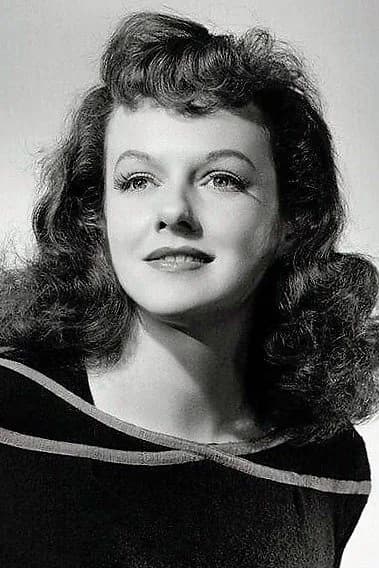
Dorothy Comingore
Cast · Known for Citizen Kane
Mary Louise Comingore, best known professionally as Dorothy Comingore (August 24, 1913 – December 30, 1971), was an American film actress. She is best known for starring as Susan Alexander Kane in Citizen Kane (1941), the critically acclaimed debut film of Orson Welles. In earlier films she was credited as Linda Winters, and she had appeared on the stage as Kay Winters. Her career ended when she was caught up in the Hollywood blacklist. She declined to answer questions when she was called before the House Un-American Activities Committee in 1952.
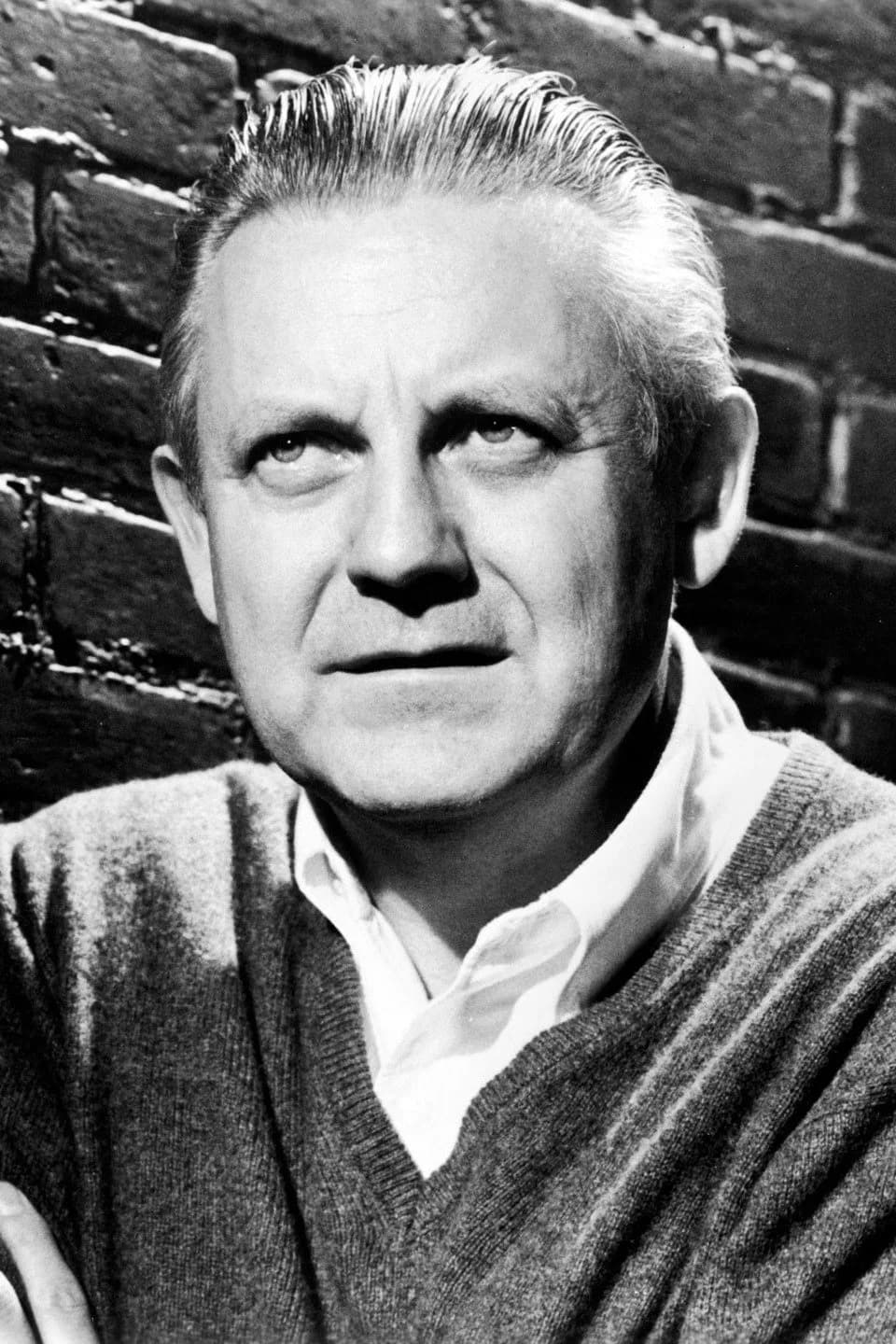
Robert Wise
Editor · Director · Known for Citizen Kane, The Sound of Music
Robert Earl Wise (September 10, 1914 – September 14, 2005) was an American sound effects editor, film editor, film producer and director. He won Academy Awards as Best Director for The Sound of Music (1965) and West Side Story (1961) as well as nominations as Best Film Editing for Citizen Kane (1941) and Best Picture for The Sand Pebbles (1966). Among his other films are Born to Kill; Destination Gobi; The Hindenburg; Star Trek: The Motion Picture; The Day the Earth Stood Still; Run Silent, Run Deep; The Andromeda Strain; The Set-Up; The Haunting; and The Body Snatcher. Wise's working period spanned the 1930s to the 1990s. Often contrasted with contemporary "auteur" directors such as Stanley Kubrick who tended to bring a distinctive directorial "look" to a particular genre, Wise is famously viewed to have allowed his (sometimes studio assigned) story to dictate style. Later critics such as Martin Scorsese would go on to expand that characterization, insisting that despite Wise's notorious workaday concentration on stylistic perfection within the confines of genre and budget, his choice of subject matter and approach still functioned to identify Wise as an artist and not merely an artisan. Through whatever means, Wise's approach would bring him critical success as a director in many different traditional film genres: from horror to noir to Western to war films to science fiction, to musical and drama, with many repeat hits within each genre. Wise's tendency towards professionalism led to a degree of preparedness which, though nominally motivated by studio budget constraints, nevertheless advanced the moviemaking art, with many Academy Award-winning films the result. Robert Wise received the AFI Life Achievement Award in 1998. Description above from the Wikipedia article Robert Wise, licensed under CC-BY-SA, full list of contributors on Wikipedia.
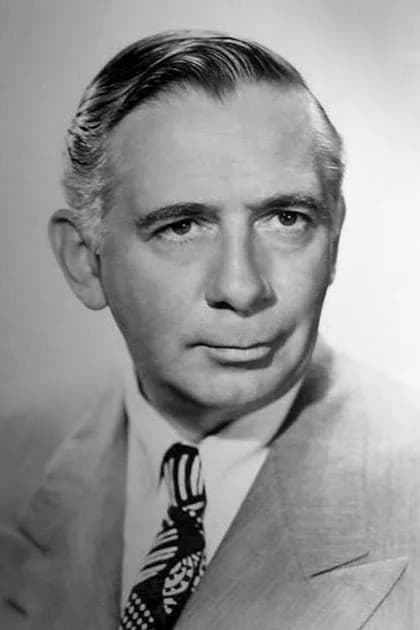
Ray Collins
Cast · Known for Citizen Kane, Perry Mason
Ray Bidwell Collins (December 10, 1889 – July 11, 1965) was an American character actor in stock and Broadway theatre, radio, films, and television. With 900 stage roles to his credit, he became one of the most successful actors in the developing field of radio drama. A friend and associate of Orson Welles for many years, Collins went to Hollywood with the Mercury Theatre company and made his feature-film debut in Citizen Kane, as Kane's ruthless political rival. Collins appeared in more than 75 films and had one of his best-remembered roles on television, as the irascible Lieutenant Arthur Tragg on the television series Perry Mason.
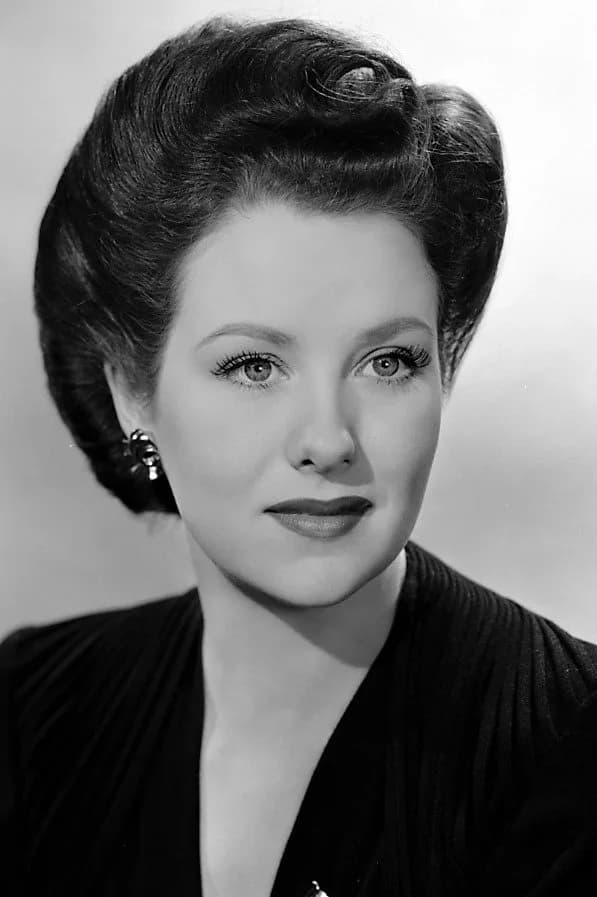
Ruth Warrick
Cast · Known for Citizen Kane
Dame Ruth Elizabeth Warrick (June 29, 1916 – January 15, 2005), DM, was a long-time American singer, Hollywood Golden-Age actress and political activist, best known for her role as Phoebe Tyler on All My Children, which she played regularly from 1970 until her death in 2005. She celebrated her 80th birthday by attending a special screening of Citizen Kane to a packed, standing-room-only audience, to which she spoke afterward. (She made her film debut as Kane's first wife.) Over the years, she collected several books about Orson Welles and Citizen Kane, in which she would write "Property of Ruth Warrick, Mrs. Citizen Kane". She served as a Licensed Unity Teacher. Description above from the Wikipedia article Ruth Warrick, licensed under CC-BY-SA, full list of contributors on Wikipedia.
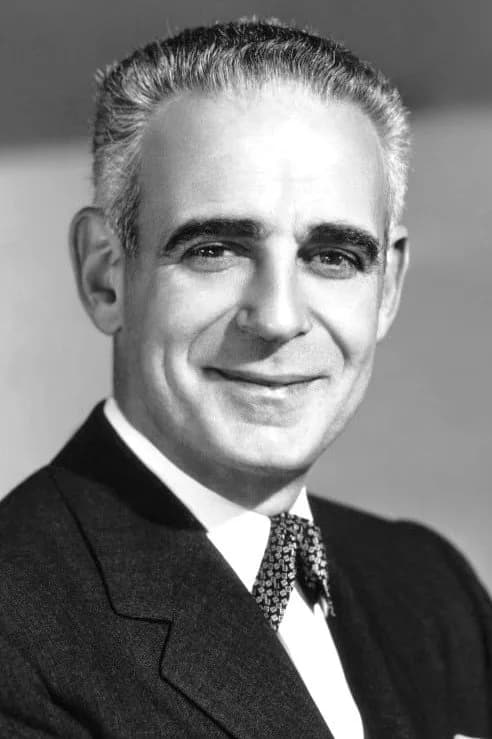
Paul Stewart
Cast · Known for Citizen Kane
Paul Stewart (March 13, 1908 – February 17, 1986) was an American character actor known for his tough, guttural voice. He frequently portrayed villains and mobsters throughout his lengthy career. Born Paul Sternberg in New York City, Stewart graduated from Columbia University and made his Broadway theatre debut in the play Two Seconds in 1931. A few years later he met Orson Welles, who invited him to join the Mercury Theatre, where he participated in the notorious 1938 radio broadcast of The War of the Worlds. He was a founding member of AFTRA. Sternberg's many screen credits include Citizen Kane, Twelve O'Clock High, Champion, Kiss Me Deadly, The Bad and the Beautiful, In Cold Blood, The Day of the Locust, S.O.B., and W.C. Fields and Me, in which he portrayed Florenz Ziegfeld. On television, he appeared in Playhouse 90, Alfred Hitchcock Presents, Alcoa Theatre, Dr. Kildare, Wagon Train, Gunsmoke, It Takes a Thief, Mannix, The Name of the Game, McMillan & Wife, Mission Impossible,The Rockford Files, Lou Grant, and Remington Steele, among many others. He also directed some television episodes, among them "Little Girl Lost", from the Twilight Zone. Stewart was married to big band singer/actress Peg La Centra from 1939 until his death from a heart attack in Los Angeles at age 77. He was characterized in the 1999 television movie RKO 281.
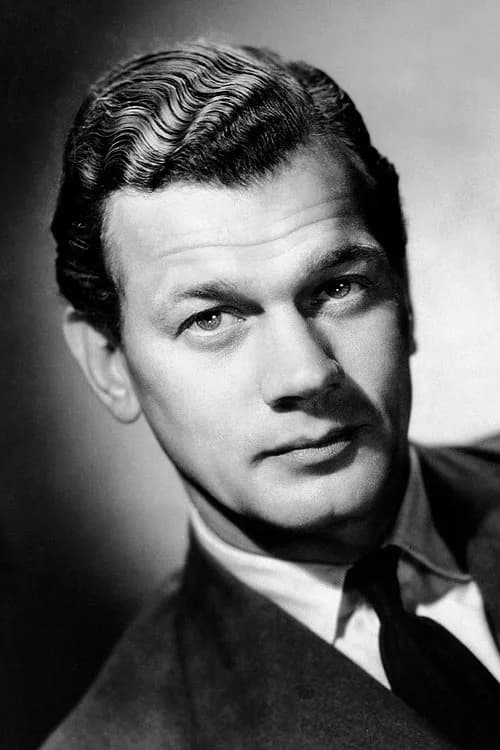
Joseph Cotten
Cast · Known for Citizen Kane
Joseph Cheshire Cotten, Jr. (May 15, 1905 – February 6, 1994) was an American actor of stage and film. Cotten achieved prominence on Broadway, starring in the original productions of The Philadelphia Story and Sabrina Fair. He is associated with Orson Welles, leading to appearances in Citizen Kane (1941), The Magnificent Ambersons (1942), Journey into Fear (1943), for which Cotten was also credited with the screenplay, and The Third Man (1949). He was a star in his own right with films such as Shadow of a Doubt (1943), Love Letters (1945), Portrait of Jennie (1948), and The Third Man (1949).
Bernard Herrmann
Composer · Known for Cape Fear, Have Gun, Will Travel, North by Northwest
Bernard Herrmann (born Max Herman; June 29, 1911 – December 24, 1975) was an American composer best known for his work in composing for motion pictures. As a conductor, he championed the music of lesser-known composers. An Academy Award-winner (for The Devil and Daniel Webster, 1941; later renamed All That Money Can Buy), Herrmann is particularly known for his collaborations with director Alfred Hitchcock, most famously Psycho, North by Northwest, The Man Who Knew Too Much, and Vertigo. He also composed scores for many other movies, including Citizen Kane, The Day the Earth Stood Still, The Ghost and Mrs. Muir, Cape Fear, and Taxi Driver. He worked extensively in radio drama (composing for Orson Welles), composed the scores for several fantasy films by Ray Harryhausen, and many TV programs, including Rod Serling's The Twilight Zone and Have Gun–Will Travel.
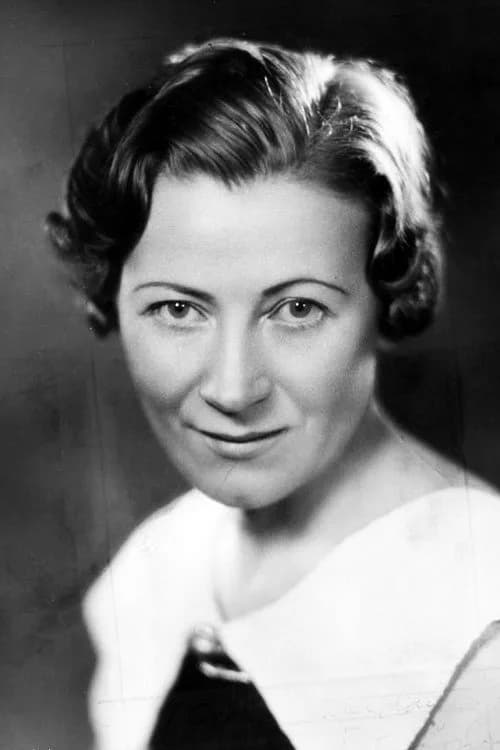
Edith Evanson
From Wikipedia, the free encyclopedia Edith Evanson (née Carlson; April 29, 1896 – November 29, 1980) was an American actress of film, character and television during the Golden Age of Hollywood. She was born in Tacoma, Washington, where her father was a Protestant church clergyman (a religion to which she adhered throughout her life). Her first job was as a court reporter in Bellingham. On March 15, 1923, she married Morris Otto Evanson (1893-1975). The couple had no children Her first film role came in The Man Who Wouldn't Talk (1940) in an uncredited role. In the 1940s she was in supporting roles mostly as a maid, a busybody, landladies, or middle-aged secretaries. Some of her other film roles include parts in Citizen Kane (1941), Blossoms in the Dust (1941), Woman of the Year (1942), Reunion in France (1942), The Strange Woman (1947), I Remember Mama (1948), Rope (1948), The Damned Don't Cry (1950), The Day the Earth Stood Still (1951) and Disney's Toby Tyler (1960). During her time in Hollywood, she co-starred opposite some of its greatest legends, including Greer Garson, Walter Pidgeon, Orson Welles, Joan Crawford, Michael Rennie, Glenn Ford, Patricia Neal, James Stewart, Irene Dunne, Spencer Tracy, Katharine Hepburn, and Hedy Lamarr. With the coming of television in the late 1940s she expanded in her career appearing on such shows as You Are There, The Loretta Young Show, Chevron Hall of Stars, Jane Wyman Presents The Fireside Theatre, The Millionaire, Zane Grey Theater, Alfred Hitchcock Presents, The Frank Sinatra Show, Bachelor Father, Alcoa Presents: One Step Beyond, and Lassie. Following her retirement, she lived in Riverside, California, until her death from heart failure on November 29, 1980. Her ashes were scattered into the Pacific Ocean.

Mai Zetterling
Mai Elisabeth Zetterling ( May 24, 1925 – March 17, 1994) was a Swedish actress and film director. She began directing in the early 1960s, starting with political documentaries and a short film called The War Game (1962), which was nominated for a BAFTA award, and won a Silver Lion at Venice. Her first feature film Älskande par (1964, "Loving Couples"), based on the novels of Agnes von Krusenstjerna, was banned at the Cannes Film Festival for its sexual explicitness and nudity. Kenneth Tynan of The Observer later called it "one of the most ambitious debuts since Citizen Kane." It was not the only film she made that would stir up controversy for its frank sexuality (early pioneer on voyeurism). When critics reviewing her debut feature said that "Mai Zetterling directs like a man," she began to explore feminist themes more explicitly in her work. The Girls, which had an all-star Swedish cast including Bibi Andersson and Harriet Andersson, discussed women's liberation (or lack thereof) in a society controlled by men, as the protagonists compare their lives to characters in the play Lysistrata, and find that things have not progressed very much for women since ancient times.
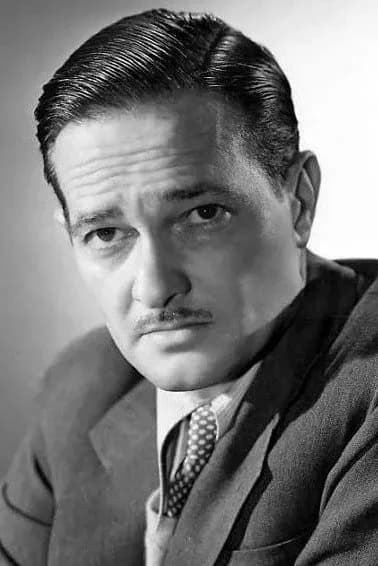
Gregg Toland
Cast · Known for Citizen Kane
From Wikipedia Gregg Toland, A.S.C. (May 29, 1904 – September 28, 1948) was an American cinematographer noted for his innovative use of lighting and techniques such as deep focus, an example of which can be found in his work on Orson Welles' Citizen Kane. Toland was born in Charleston, Illinois on May 29, 1904. During the 1930s, Toland became the youngest cameraman in Hollywood but soon one of its most sought-after cinematographers. Over a seven-year span (1936–1942), he was nominated five times for the "Best Cinematography" Oscar, including a win in 1940 for his work on Wuthering Heights. He worked with many of the top directors of his era, including John Ford, Howard Hawks, Erich von Stroheim, King Vidor, Orson Welles, and William Wyler. Toland was the subject of an "Annals of Hollywood" article in The New Yorker, "The Cameraman," by Hilton Als (June 19, 2006, p. 46). Just before his death, he was concentrating on the "ultimate focus" lens, which makes both near and far objects equally distinct. He died in Los Angeles, California on September 26, 1948 of coronary thrombosis at age 44. He is interred in the Hollywood Forever Cemetery in Hollywood, California.
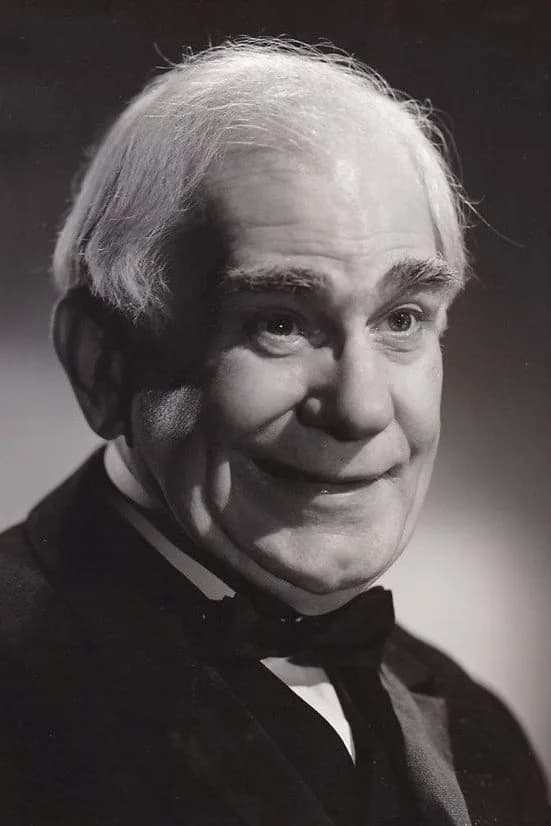
Erskine Sanford
Cast · Known for Citizen Kane
Erskine Sanford was an American actor on the stage, in radio and motion pictures. As a member of Orson Welles's Mercury Theatre company he appears in several of Welles's films, most notably as the bumbling, perspiring newspaper editor Herbert Carter in Citizen Kane!
Gus Schilling
Cast · Known for Citizen Kane
August "Gus" Schilling (June 20, 1908 - June 16, 1957) was an American actor. August "Gus" Schilling (June 20, 1908 – June 16, 1957) was an American film actor who started in burlesque comedy and usually played nervous comic roles, often unbilled. A friend of Orson Welles, he appeared in five of the director's films — Citizen Kane (first screen performance), The Magnificent Ambersons, The Lady from Shanghai, Macbeth and Touch of Evil (final performance, released posthumously). Born in New York City, Schilling had a rubber face and flustered gestures which made him a natural comedian and he began his career understudying comedy stars Bert Lahr and Joe Penner on Broadway. He soon became a favorite among burlesque comedians, who welcomed him into the burlesque profession. Schilling was in a relationship with burlesque star Betty Rowland and the couple toured in the Minsky burlesque troupe. Orson Welles saw Schilling in New York and followed him to Florida. There Welles hired Schilling to appear in a stage production featuring several Shakespearean scenes. "I learned my part by taking the script to Welles and having him translate the lines to everyday English," Schilling recalled in 1939. Welles promised Schilling a part in Welles's first motion picture, and kept his promise: Schilling is featured in Citizen Kane (1941). This established Schilling in Hollywood movies as a "nervous" comedian (he plays a jittery symphony conductor in Olsen and Johnson's Hellzapoppin', for example). He also co-starred with character comedian Richard Lane in a series of 11 comedy shorts for Columbia Pictures; the series ran from 1945 to 1950.
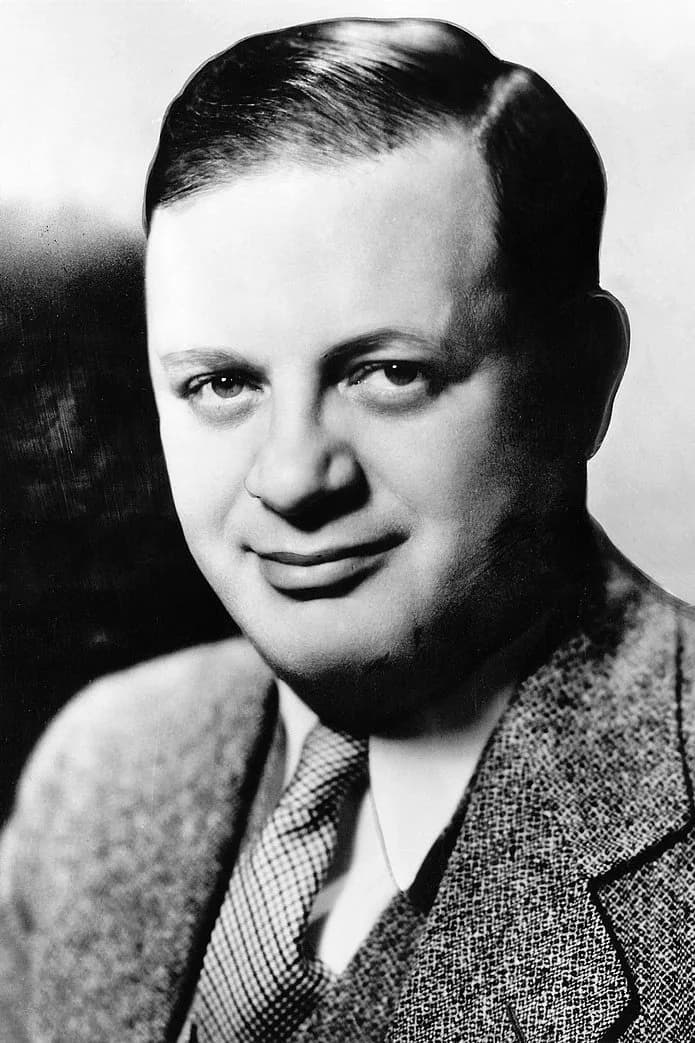
Herman J. Mankiewicz
Writer · Known for Citizen Kane
Herman Jacob Mankiewicz (November 7, 1897 – March 5, 1953; New York City) was an American screenwriter, who, with Orson Welles, wrote the screenplay for Citizen Kane (1941). Earlier, he was the Berlin correspondent for the Chicago Tribune and the drama critic for The New York Times and The New Yorker. Alexander Woollcott said that Herman Mankiewicz was the "funniest man in New York". Both Mankiewicz and Welles received Academy Awards for their screenplay. Mankiewicz's younger brother was Joseph L. Mankiewicz (1909–1993), an Oscar-winning Hollywood director, screenwriter, and producer. His nephew Tom Mankiewicz (1942 – 2010) was also a screenwriter and director. He was often asked to fix the screenplays of other writers, with much of his work uncredited. Occasional flashes of what came to be called the "Mankiewicz humor" and satire distinguished his films, and became valued in the films of the 1930s. The style of writing included a slick, satirical, and witty humor, which depended almost totally on dialogue to carry the film. It was a style that would become associated with the "typical American film" of that period. Among the screenplays he wrote or worked on, besides "Citizen Kane", were "The Wizard of Oz", "Man of the World", "Dinner at Eight", "Pride of the Yankees", and "The Pride of St. Louis". Film critic Pauline Kael credits Mankiewicz with having written, alone or with others, "about forty of the films I remember best from the twenties and thirties. ... he was a key linking figure in just the kind of movies my friends and I loved best.". Mankiewicz was an alcoholic. Ten years before his death, he wrote: “I seem to become more and more of a rat in a trap of my own construction, a trap that I regularly repair whenever there seems to be danger of some opening that will enable me to escape. I haven’t decided yet about making it bomb proof. It would seem to involve a lot of unnecessary labor and expense". A future Hollywood biographer went so far as to suggest that Mankiewicz’s behavior “made him seem erratic even by the standards of Hollywood drunks.” Herman Mankiewicz died March 5, 1953, of uremic poisoning, at Cedars of Lebanon Hospital in Los Angeles.
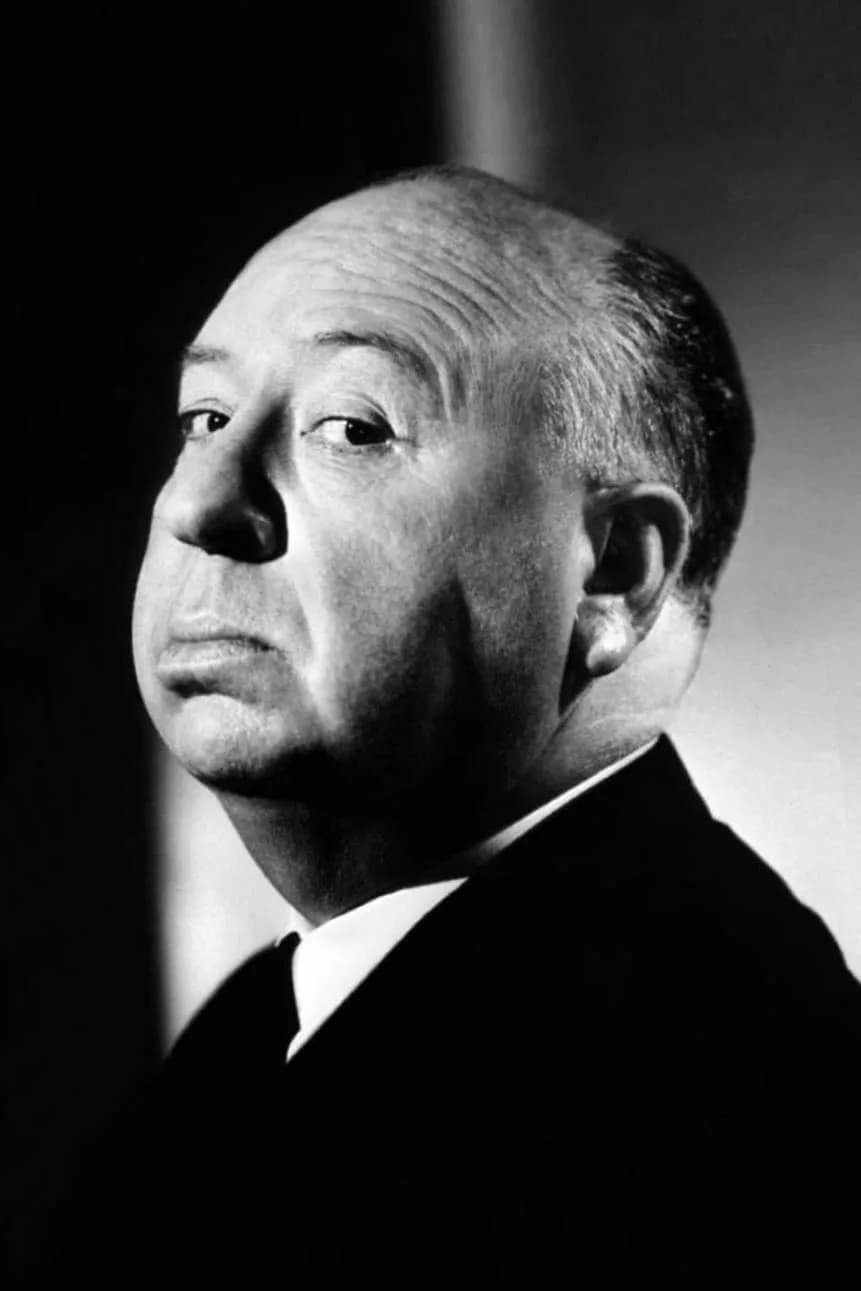
Alfred Hitchcock
Cast · Director · Known for The Alfred Hitchcock Hour, North by Northwest, Rear Window
Sir Alfred Joseph Hitchcock (August 13, 1899 – April 29, 1980) was an English film director. He is widely regarded as one of the most influential figures in cinema history. In a career spanning six decades, he directed over 50 feature films, many of which are still widely watched and studied today. Known as the "Master of Suspense", Hitchcock became as well known as any of his actors thanks to his many interviews, cameo appearances in most of his films, and hosting and producing the television anthology Alfred Hitchcock Presents (1955–65). His films garnered 46 Academy Award nominations, including six wins. However, despite five nominations, he never won the Best Director award. Hitchcock initially trained as a technical clerk and copywriter before entering the film industry in 1919 as a title card designer. The British–German silent film The Pleasure Garden (1925) was his directorial debut. His first successful film, The Lodger: A Story of the London Fog (1927), helped to shape the thriller genre, and Blackmail (1929) was the first British "talkie". His thrillers The 39 Steps (1935) and The Lady Vanishes (1938) are ranked among the greatest British films of the 20th century. By 1939, he had international recognition and producer David O. Selznick persuaded him to move to Hollywood. A string of successful films followed, including Rebecca(1940), Foreign Correspondent (1940), Suspicion (1941), Shadow of a Doubt (1943) and Notorious (1946). Rebecca won the Academy Award for Best Picture, with Hitchcock nominated as Best Director. He also received Oscar nominations for Lifeboat (1944), Spellbound (1945), Rear Window (1954) and Psycho (1960). Hitchcock's other notable films include Rope (1948), Strangers on a Train (1951), Dial M for Murder (1954), To Catch a Thief (1955), The Trouble with Harry (1955), Vertigo (1958), North by Northwest (1959), The Birds (1963), Marnie (1964) and Frenzy (1972), all of which were also financially successful and are highly regarded by film historians. Hitchcock made several films with some of the biggest stars in Hollywood, including four with Cary Grant, four with James Stewart, three with Ingrid Bergman and three consecutively with Grace Kelly. Hitchcock became an American citizen in 1955. In 2012, Hitchcock's psychological thriller Vertigo, starring Stewart, displaced Orson Welles' Citizen Kane (1941) as the British Film Institute's greatest film ever made based on its worldwide poll of hundreds of film critics. As of 2021, nine of his films had been selected for preservation in the United States National Film Registry, including his favourite, Shadow of a Doubt (1943). He received the BAFTA Fellowship in 1971, the AFI Life Achievement Award in 1979, and was knighted in December of that year, four months before his death on 29 April 1980.
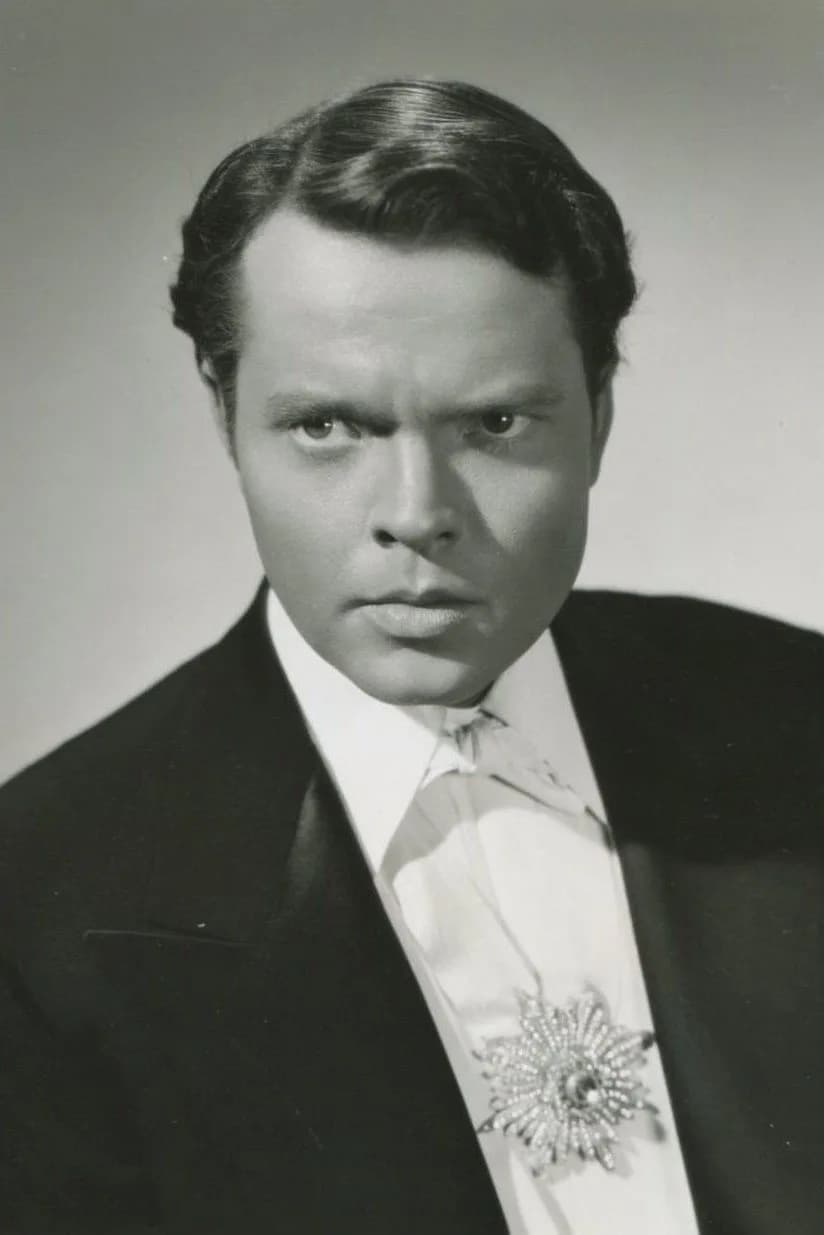
Orson Welles
Cast · Known for Citizen Kane, The Transformers: The Movie
George Orson Welles (May 6, 1915 – October 10, 1985) was an American film director, actor, theatre director, screenwriter, and producer, who worked extensively in film, theatre, television and radio. Noted for his innovative dramatic productions as well as his distinctive voice and personality, Welles is widely acknowledged as one of the most accomplished dramatic artists of the twentieth century, especially for his significant and influential early work—despite his notoriously contentious relationship with Hollywood. His distinctive directorial style featured layered, nonlinear narrative forms, innovative uses of lighting such as chiaroscuro, unique camera angles, sound techniques borrowed from radio, deep focus shots, and long takes. Welles's long career in film is noted for his struggle for artistic control in the face of pressure from studios. Many of his films were heavily edited and others left unreleased. He has been praised as a major creative force and as "the ultimate auteur." After directing a number of high-profile theatrical productions in his early twenties, including an innovative adaptation of Macbeth and The Cradle Will Rock, Welles found national and international fame as the director and narrator of a 1938 radio adaptation of H. G. Wells's novel The War of the Worlds performed for the radio drama anthology series Mercury Theatre on the Air. It was reported to have caused widespread panic when listeners thought that an invasion by extraterrestrial beings was occurring. Although these reports of panic were mostly false and overstated, they rocketed Welles to instant notoriety. Citizen Kane (1941), his first film with RKO, in which he starred in the role of Charles Foster Kane, is often considered the greatest film ever made. Several of his other films, including The Magnificent Ambersons (1942), The Lady from Shanghai (1947), Touch of Evil (1958), Chimes at Midnight (1965), and F for Fake (1974), are also widely considered to be masterpieces. In 2002, he was voted the greatest film director of all time in two separate British Film Institute polls among directors and critics, and a wide survey of critical consensus, best-of lists, and historical retrospectives calls him the most acclaimed director of all time. Andrew Sarris in his influential book of film criticism The American Cinema: Directors and Directions 1929–1968 included him in the "pantheon" of the 14 greatest film directors who had worked in the United States. Well known for his baritone voice, Welles was also an extremely well regarded actor and was voted number 16 in AFI's 100 Years... 100 Stars list of the greatest American film actors of all time. He was also a celebrated Shakespearean stage actor and an accomplished magician, starring in troop variety shows in the war years.
Thomas Lennon
Producer · Known for American Experience
Thomas Lennon’s work in documentary film has earned him an Academy Award and four Academy nominations, as well as national Emmys, two duPont-Columbia awards and two George Foster Peabody awards. In 2017, Lennon completed Knife Skills, a film about a high-end French restaurant staffed almost entirely by men and women with criminal records, which was nominated for an Academy Award. His film Sacred, which explored the role of prayer and ritual in daily life, drew on contributions of 40 filmmaking teams around the world. After premiering at the Tokyo Film Festival, and screening at 25 international festivals, it is due to air on PBS in 2018. Lennon, in partnership with Ruby Yang, made a trilogy of films set in China, including The Blood of Yingzhou District, which won an Oscar in 2007, and The Warriors of Qiugang, nominated for an Oscar in 2011. This film follows a farmer’s multi-year campaign to halt the poisoning of his village’s water and land; two weeks after the film’s nomination, the local authorities announced a massive multi-year cleanup of the toxic site that averted untold numbers of deaths. He and Yang founded the China AIDS Media Project; their groundbreaking AIDS awareness messages were seen over a billion times on Chinese television and the Internet, probably the largest AIDS campaign in the history of the disease. He created two documentary series for PBS: Becoming American, with Bill Moyers, tracing the Chinese experience from the early 19th century to the present-day, and The Irish in America: Long Journey Home (1998.) made for the Disney Co. His first Oscar nomination was for the feature documentary The Battle over Citizen Kane (1996), which screened at Sundance and Berlin.
Harry Shannon
Cast · Known for High Noon, Citizen Kane
Born and raised on a farm in Michigan in 1890, Irish-American character actor Harry Shannon had the credentials for becoming a staple player in westerns. He started off his career traveling around with repertory and stock companies and developed his musical abilities in tent shows, burlesque houses and such tuneful Broadway shows as "Oh, Kay!" (1926), "Hold Everything" (1928), "Simple Simon" (1931), and "Pardon My English" (1933). A company member of Joseph Schildkraut's Hollywood Theater Guild, Shannon broke into films at the advent of sound and started things off in comedy film shorts opposite such celebrated players as Bert Lahr, Shemp Howard, and Leon Errol. In the 1940s Shannon established himself in feature-length movies and although he remained a minor, second-string player, he proved himself a durable presence in westerns usually remaining on the good side of the law as sheriffs and bucolic dads. In lighthearted entertainment he could be found as a friendly Irish cop or bartender. He made a slight but memorable impression as Kane's alcoholic father in the classic Citizen Kane (1941), while his last role would be as the grandfather in the musical Gypsy (1962). In between were small parts in such notable films as The Fighting Sullivans (1944), The Jolson Story (1946), High Noon (1952), Touch of Evil (1958), and The Buccaneer (1958). 1950s TV westerns such as Cheyenne (1955), Have Gun - Will Travel (1957), Rawhide (1959), and Gunsmoke (1955) made consistent use of his rustic demeanor. Shannon died in 1964 at age 74.