
Search

Barry Lyndon
1975
An Irish rogue uses his cunning and wit to work his way up the social classes of 18th century England, transforming himself from the humble Redmond Barry into the noble Barry Lyndon.
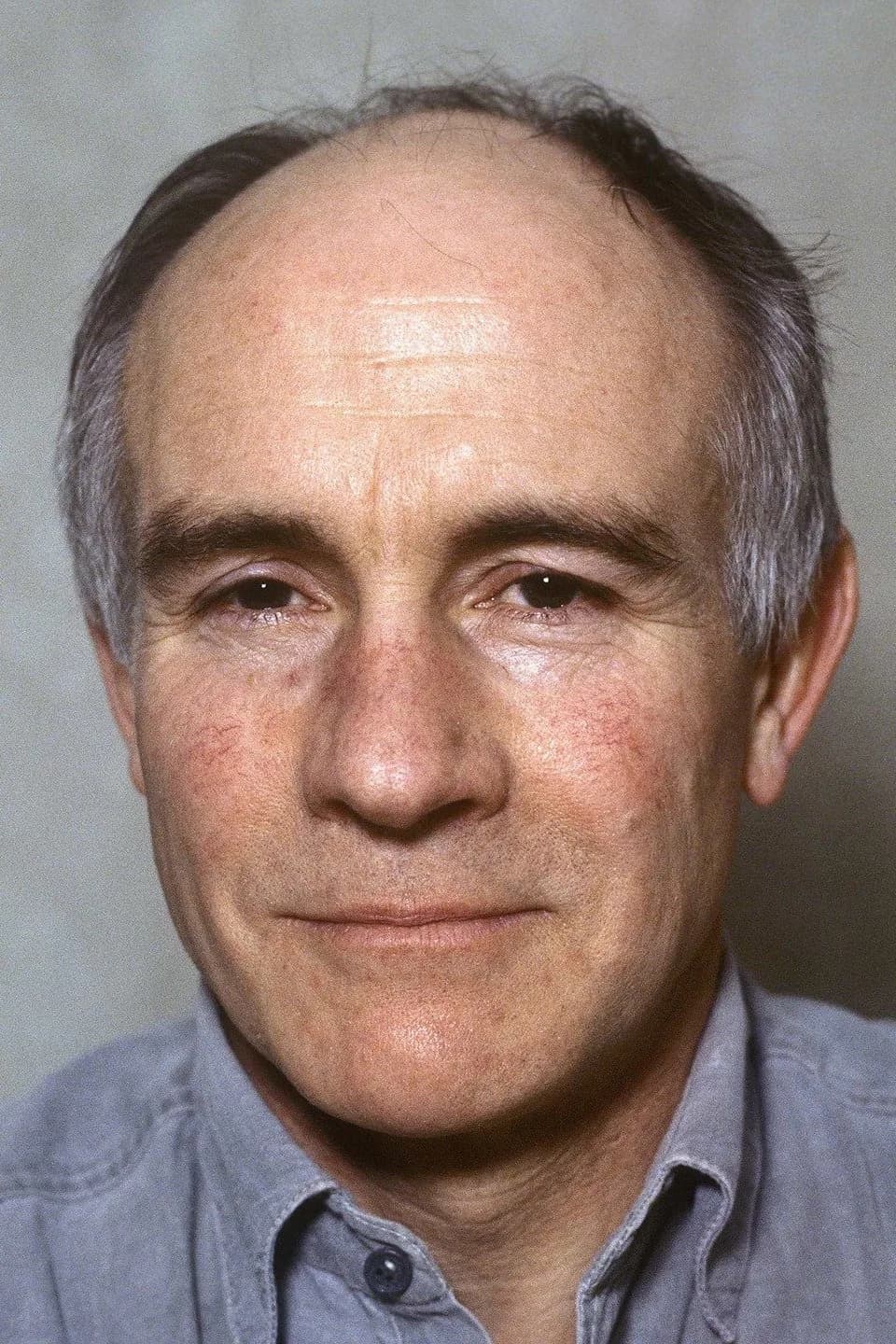
Barry Jackson
Cast · Known for Midsomer Murders, The Wednesday Play
Barry Jackson was born on March 29, 1938 in Birmingham, England. He is known for his work on Wimbledon (2004), Barry Lyndon (1975) and Midsomer Murders (1997). He was married to Denise. He died on December 5, 2013 in London, England.

Gay Hamilton
Cast · Known for Barry Lyndon
Gay Hamilton is a British actress, most notable for her roles in Stanley Kubrick's Barry Lyndon and Ridley Scott's The Duellists.
Jörg Pleva
Jörg Pleva was a German actor and theater director. He also worked as a voice actor, notably dubbing the lead actors in three feature films by Stanley Kubrick—*A Clockwork Orange*, *Barry Lyndon*, and *The Shining*—having been personally selected by Kubrick for the latter two films based on his performance in *A Clockwork Orange*.
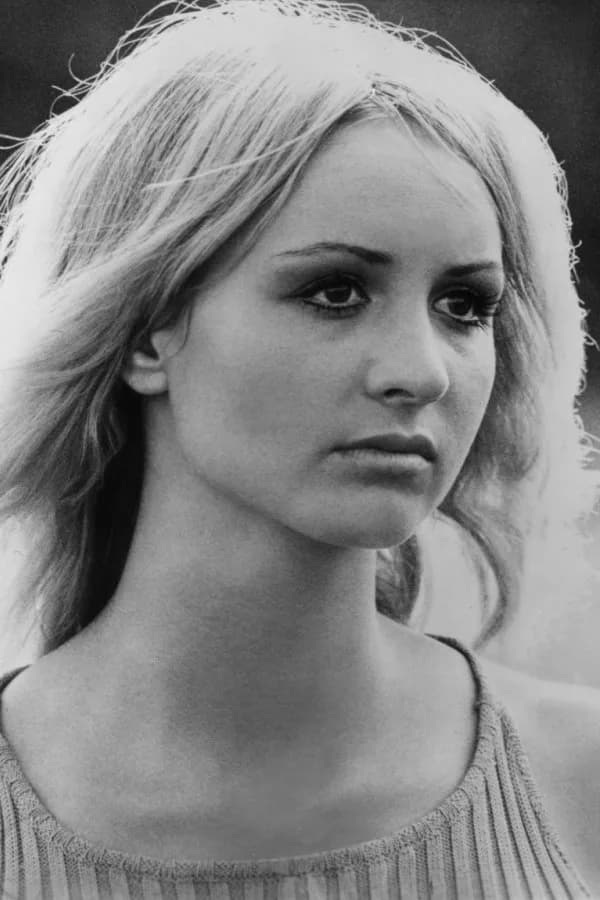
Diana Körner
Cast · Known for Barry Lyndon, Forsthaus Falkenau
Diana Körner (b. 24 September 1944 in Wolmirsleben, Germany) is a German actress. She is probably best known outside Germany for her brief character in Stanley Kubrick's period film Barry Lyndon. Description above from the Wikipedia article Diana Körner, licensed under CC-BY-SA,full list of contributors on Wikipedia.
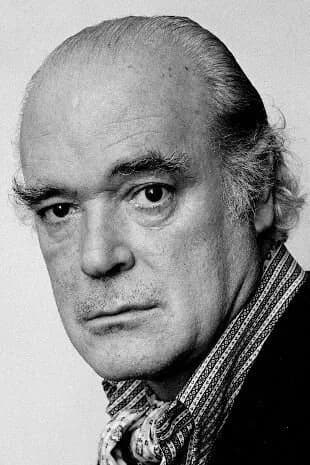
Patrick Magee
Cast · Known for A Clockwork Orange, Barry Lyndon
Patrick Magee (born Patrick George McGee; 31 March 1922 – 14 August 1982) was a Northern Irish actor best known for his collaborations with Samuel Beckett and Harold Pinter, as well as his appearances in horror films and in Stanley Kubrick's films A Clockwork Orange and Barry Lyndon.
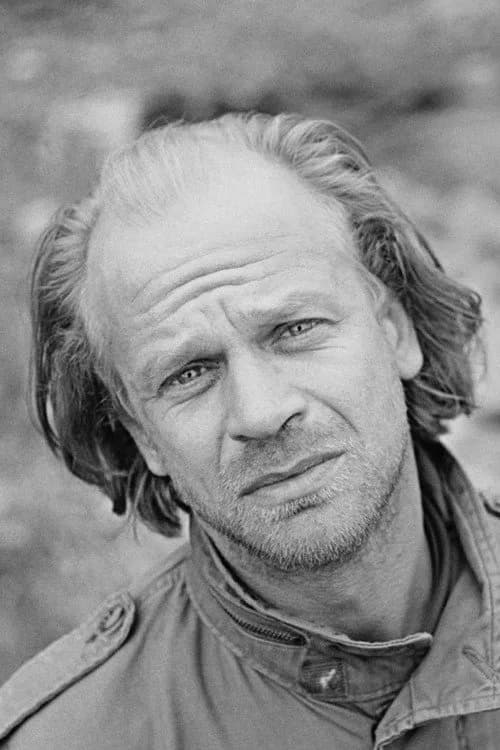
Leon Vitali
Cast · Casting · Known for Barry Lyndon, Eyes Wide Shut, Full Metal Jacket
Leon Vitali was an English actor best known for his collaborations with Stanley Kubrick, including playing Lord Bullingdon in Barry Lyndon (1975), as well as working with the director as his personal assistant. Vitali also played the "Red Cloak" in Kubrick's 1999 film, Eyes Wide Shut.
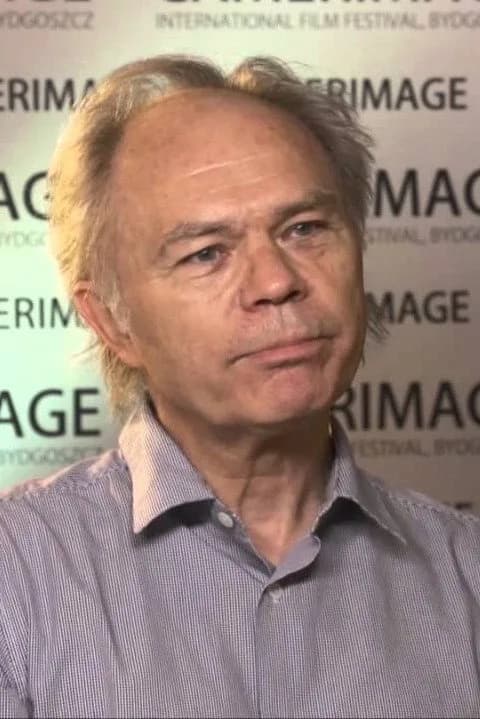
Tony Lawson
Editor · Known for Barry Lyndon, Laws of Attraction
Tony Lawson is a British film editor. His break came on the controversial Straw Dogs. During the 1970s he worked twice more with Sam Peckinpah and spent two years with Stanley Kubrick on Barry Lyndon. Since then his most long-standing collaborations have been with directors Nicolas Roeg and, more recently, Neil Jordan. Lawson emphasises that alongside considerations of continuity "one of the things editors should be looking for too is conflicts and contrasts...cut from a wide shot to a close shot, loud to soft, bright to dark, all those kind of things".
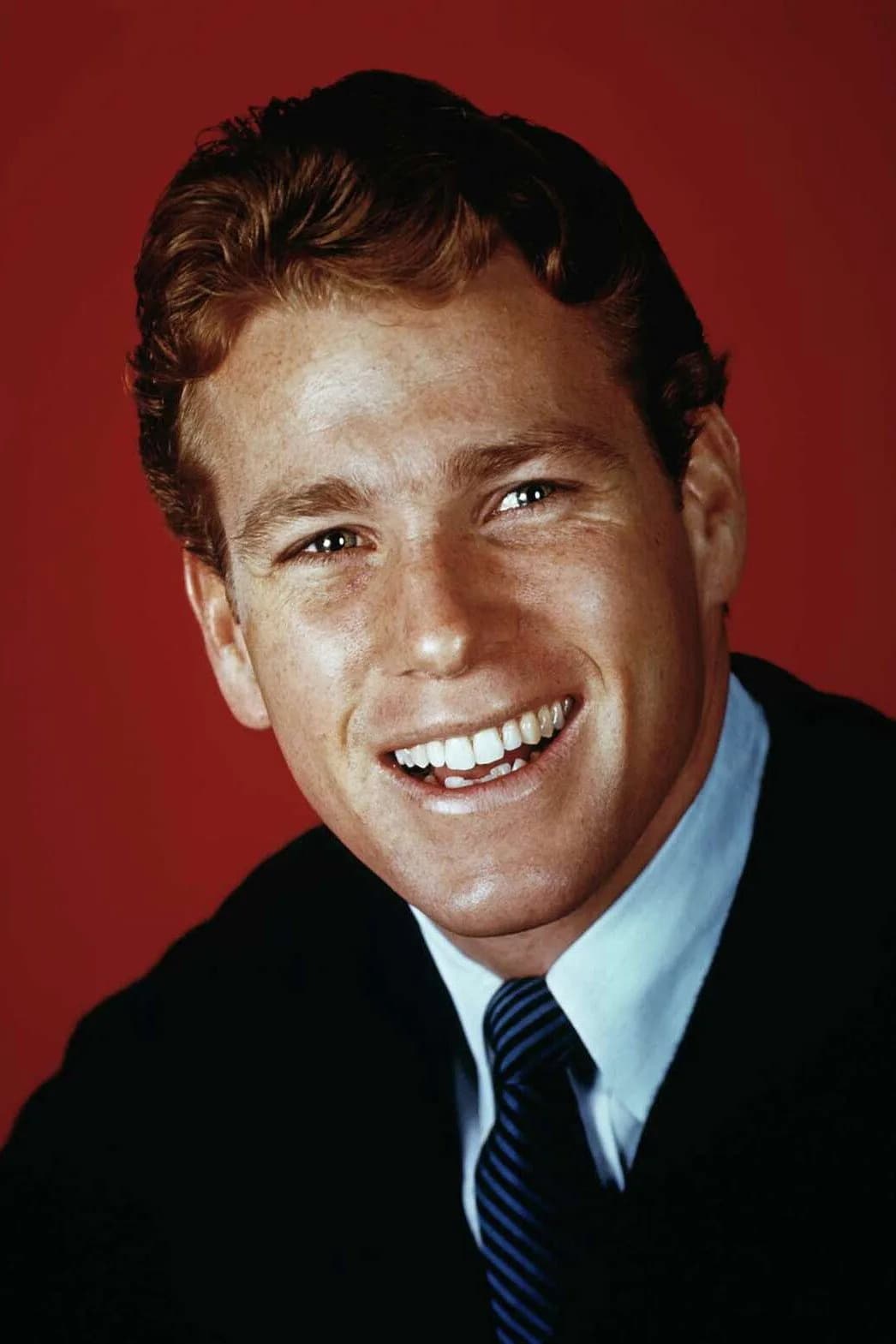
Ryan O'Neal
Cast · Known for Barry Lyndon, Bones
Charles Patrick Ryan O'Neal (April 20, 1941 – December 8, 2023) was an American actor and former boxer. O'Neal trained as an amateur boxer before beginning his career in acting in 1960. In 1964, he landed the role of Rodney Harrington on the ABC nighttime soap opera Peyton Place. The series was an instant hit and boosted O'Neal's career. He later found success in films, most notably Love Story (1970), for which he received Academy Award and Golden Globe nominations as Best Actor, Peter Bogdanovich's What's Up, Doc? (1972) and Paper Moon (1973), Stanley Kubrick's Barry Lyndon (1975), Richard Attenborough's A Bridge Too Far (1977), and Walter Hill's The Driver (1978). From 2005 to 2017, he had a recurring role in the Fox TV series Bones as Max, the father of the show's protagonist.
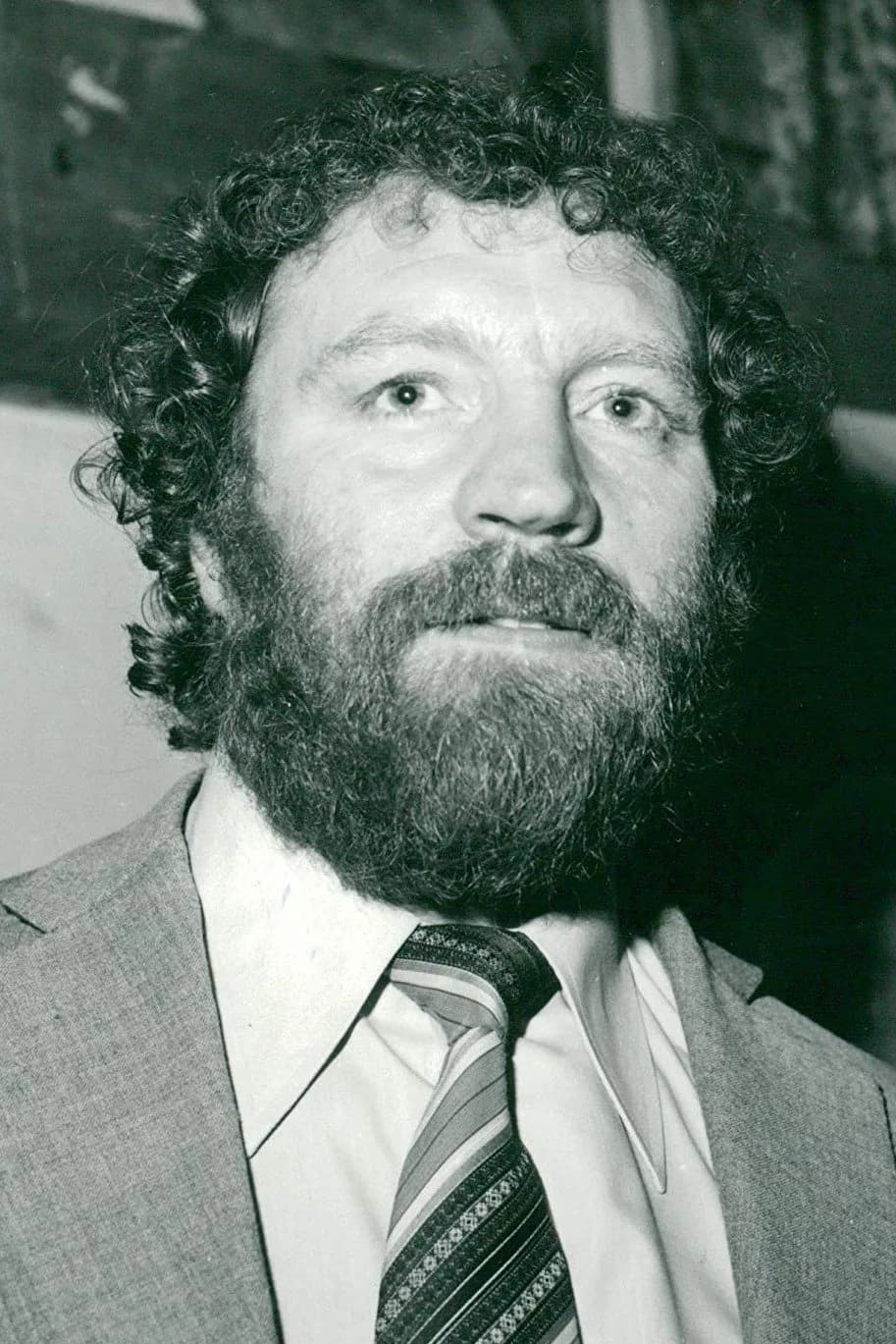
Pat Roach
Cast · Known for Clash of the Titans
Proud and passionate Angle, Pat Roach, was born and raised in Birmingham, England and grew to be a mountain of a man standing at six feet, five inches tall, with doorway-wide shoulders and a barrel chest. Pat wrestled competitively under the name of "Bomber" Roach, and at one time held both the British and European Heavyweight Wrestling Championships. While still in the wrestling game, Roach broke into acting with a bit part in the Stanley Kubrick film Barry Lyndon (1975). He quickly became popular as an enforcer or warrior figure and appeared on-screen with some of Hollywood's biggest names. Many people would remember him as the muscle-bound, bald German guard who hands out a beating toHarrison Ford in Les aventuriers de l'arche perdue (1981), before being cut down by a spinning plane propeller. In other film roles, Roach nearly eliminates 007 Sean Connery in the Bond film Never Say Never Again (1983), in dual roles as a resurrected demon and as a fierce warrior, he fought Arnold Schwarzenegger in the Conan sequel Conan the Destroyer (1984), and was back as a ferocious Indian guard pummeling poor Harrison Ford once again in Indiana Jones and the Temple of Doom (1984), before falling into a rock crusher. He also appeared in Indiana Jones and the Last Crusade (1989), Red Sonja (1985) and Robin Hood: Prince of Thieves (1991). Apart from his film activity, Pat ran a gymnasium in Birmingham, operated a used appliance business in the local markets and was known as a warm-hearted and genial man who was happy to chat with admiring fanatics, sign autographs and pose for photographs. Roach was also very popular with English television audiences for his portrayal of gentle giant "Brian 'Bomber' Busbridge" in the series Auf Wiedersehen, Pet (1983) and was scheduled to appear in the fifth series of the show, when he died of cancer on July 17, 2004. He was 67 years old. - IMDb Mini Biography
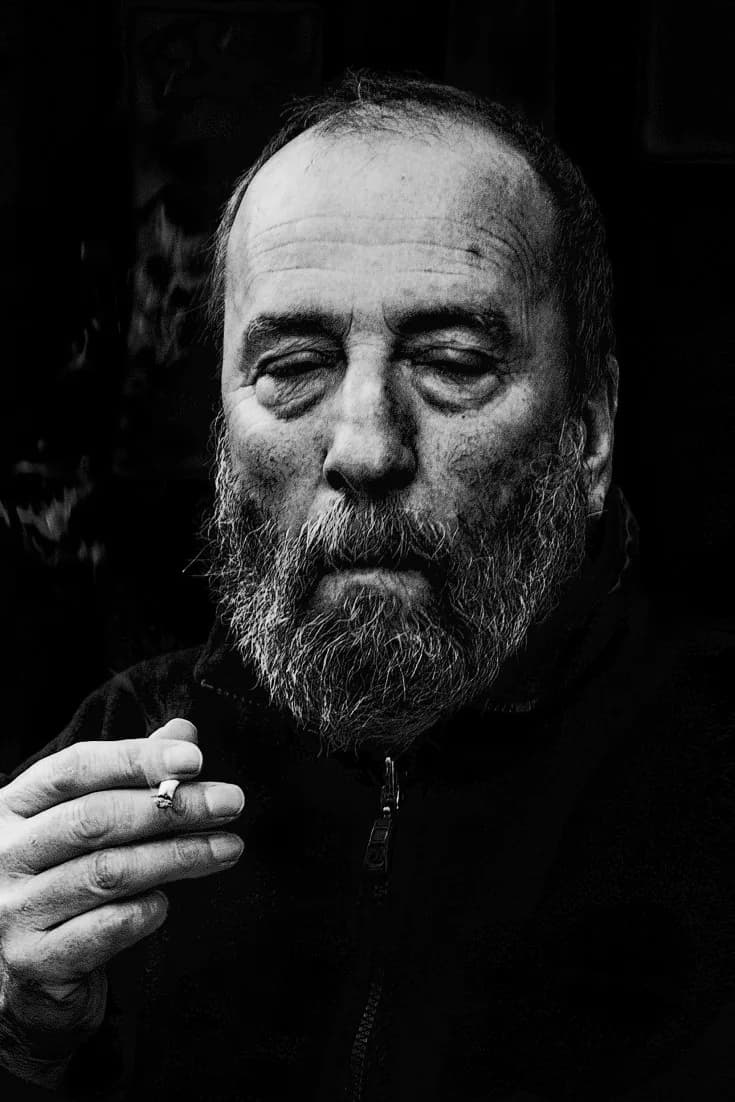
John Alcott
Cinematographer · Known for A Clockwork Orange, Barry Lyndon, The Shining
John Alcott, BSC (27 November 1930 – 28 July 1986) was an English cinematographer known for his four collaborations with director Stanley Kubrick: 2001: A Space Odyssey (1968), for which he took over as lighting cameraman from Geoffrey Unsworth in mid-shoot, A Clockwork Orange (1971), Barry Lyndon (1975), the film for which he won his Oscar, and The Shining (1980). Alcott died from a heart attack in Cannes, France, in July 1986; he was 55. He received a tribute at the end of his last film No Way Out starring Kevin Costner.
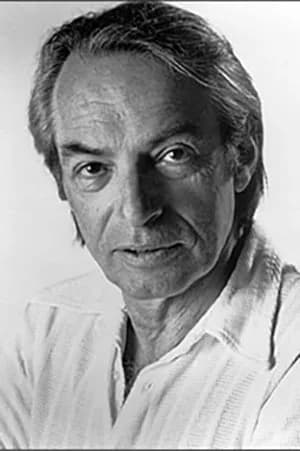
Leonard Rosenman
Composer · Known for Barry Lyndon, East of Eden
Leonard Rosenman (September 7, 1924 – March 4, 2008) was an American film, television and concert composer with credits in over 130 works, including East of Eden, Rebel without a Cause, Star Trek IV: The Voyage Home, Beneath the Planet of the Apes, Barry Lyndon and the animated The Lord of the Rings. Description above from the Wikipedia page Leonard Rosenman, licensed under CC-BY-SA, full list of contributors on Wikipedia.

Ulla-Britt Söderlund
Costume Design · Known for Barry Lyndon
From Wikipedia, the free encyclopedia Ulla-Britt Söderlund (August 12, 1943 – July 21, 1985) was a Swedish costume designer who designed the costumes for some twenty films in Sweden, Denmark, and England. In 1976, she won an Oscar for the costumes of Stanley Kubrick's film Barry Lyndon along with Milena Canonero.
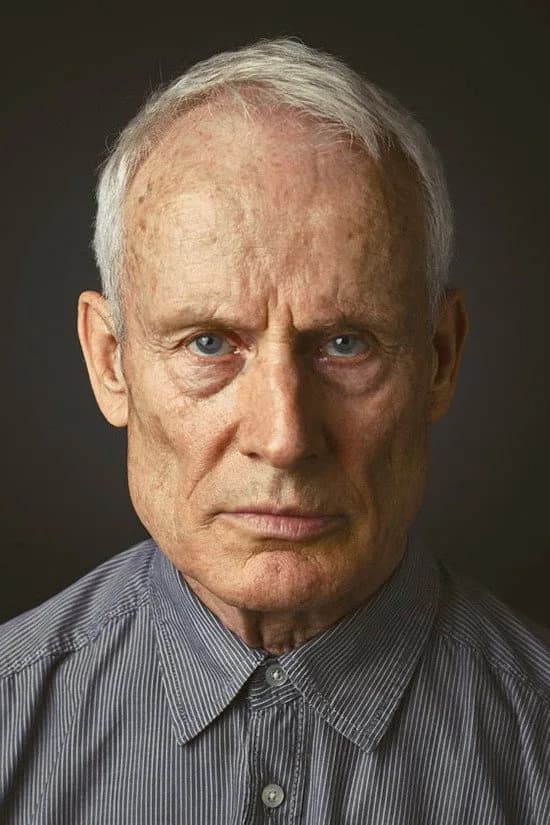
Wolf Kahler
Cast · Known for Raiders of the Lost Ark, Wonder Woman
Wolf Kahler (born April 3, 1940) is a German actor born in Kiel. Since 1975, he has appeared in many English language US and UK television and film productions. An early role for him was Kaiser Wilhelm II in Michael York's adventure film The Riddle of the Sands. One of his most well-known roles was that of Dietrich in Raiders of the Lost Ark. Kahler's voice also appears in video games including as Kaiser Vlad in Battalion Wars. Kahler played the Prince of Tübingen in Stanley Kubrick's 1975 film, Barry Lyndon In 2001 he portrayed aWehrmacht General in the World War II TV miniseries, Band of Brothers. Kahler played the German Ambassador in the long-running "Ambassador's Reception" TV advertisement for Ferrero Rocher chocolate, uttering the line "Excellente!". He also appears as a famous Germanic architect in US television advertisements for the Kohler Company. In 2011 Kahler appeared as Dr. Hoffmanstahl in Sherlock Holmes: A Game of Shadows.
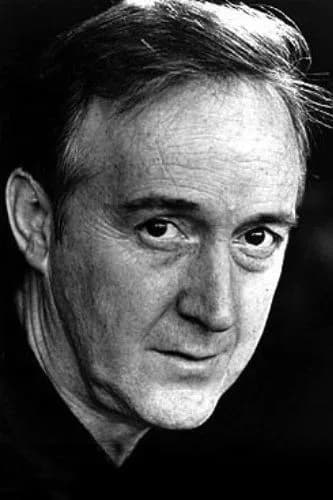
Billy Boyle
Cast · Known for Barry Lyndon
Billy Boyle is an Irish actor and singer on British film, television and stage. His recording career included five 45rpm singles for the Decca and Columbia labels, including the novelty song "My Baby's Crazy 'Bout Elvis" (Decca F 11503) in 1962. He is a veteran of the West End stage, having played leading roles in over 15 hit shows. In his first West End musical, Maggie May, he was nominated as best newcomer. Gower Champion then chose him to play Barnaby in Hello Dolly at The Theatre Royal Drury Lane. He appeared in Canterbury Tales at the Phoenix Theatre as The Clerk of Oxford. Harold Hobson, The Times critic said, "He was a breath of fresh air in the West-End" He went on to play leading roles in No Sex Please, We're British, Billy, What's a Nice Country, The Rivals, Love, Lust, & Marriage, Some Like It Hot, Disney's Beauty and the Beast, and in the original cast of Dirty Dancing. Lately he has appeared as Grandpa George and Grandpa Joe in Charlie and The Chocolate Factory at Drury Lane. In 2010, he was the Mysterious Man in the Regent’s Park Open Air Theatre production of Into the Woods. His films include Stanley Kubrick's Barry Lyndon, Groupie Girl, Side by Side, Wild Geese II, The Scarlet and the Black, Round Ireland with a Fridge and A United Kingdom.
Bernard Williams
Executive Producer · Producer · Known for Daredevil, Who's That Girl
Bernard Telvin Williams (10 May 1942–4 January 2015) was a British film producer. Williams' credits included producer on two movies with Stanley Kubrick, as well as six films for director Frank Oz. Williams was born in London. He began his career in filmmaking by working inside the mailroom of Associated British Pictures when he was a teenager. He later married Valerie Norman Dannels, the daughter of the film director Leslie Norman, with whom he had three children, Dana, Vanessa, and Howard. He and his family moved from the United Kingdom to Los Angeles, California, in 1981 to pursue his production career. Williams' marriage to Valerie Norman Dannels ended in divorce. Williams served as the second and third director for two films in the early 1960s: the science fiction film, The Day the Earth Caught Fire (1961), and Bunny Lake Is Missing (1965), directed by Otto Preminger. Williams also worked as a production manager for the British television series The Prisoner (1967–68), a project associated with actor Patrick McGoohan. Additionally, he served as a production manager for the film Battle of Britain (1969), which was directed by Guy Hamilton. Williams was an associate producer on Stanley Kubrick's A Clockwork Orange (1971) and Barry Lyndon (1975). He was a producer or associate producer on six films with director Frank Oz, beginning with Dirty Rotten Scoundrels (1988). His other collaborations with Oz were What About Bob? (1991), Housesitter (1992), The Indian in the Cupboard (1995), Bowfinger (1999), and The Score (2001). Williams also produced The Big Sleep (1978), a remake of the 1946 film; Flash Gordon (1980); Ragtime (1981); The Bounty (1984), starring Mel Gibson and Anthony Hopkins; Manhunter (1986), which was directed by Michael Mann; and Daredevil (2003), a superhero film starring Ben Affleck. With Rosilyn Heller, Williams co-produced Who's That Girl (1987), starring Madonna. His additional production credits included The Last Remake of Beau Geste (1977); So I Married an Axe Murderer (1993); and Blood and Wine (1996). His last film was Charlotte's Web (2006). Bernard Williams died from stomach cancer in Burbank, California, on 4 January 2015, at the age of 72. He was survived by his former wife and his three children. Description above from the Wikipedia article Bernard Williams (producer), licensed under CC-BY-SA, full list of contributors on Wikipedia.
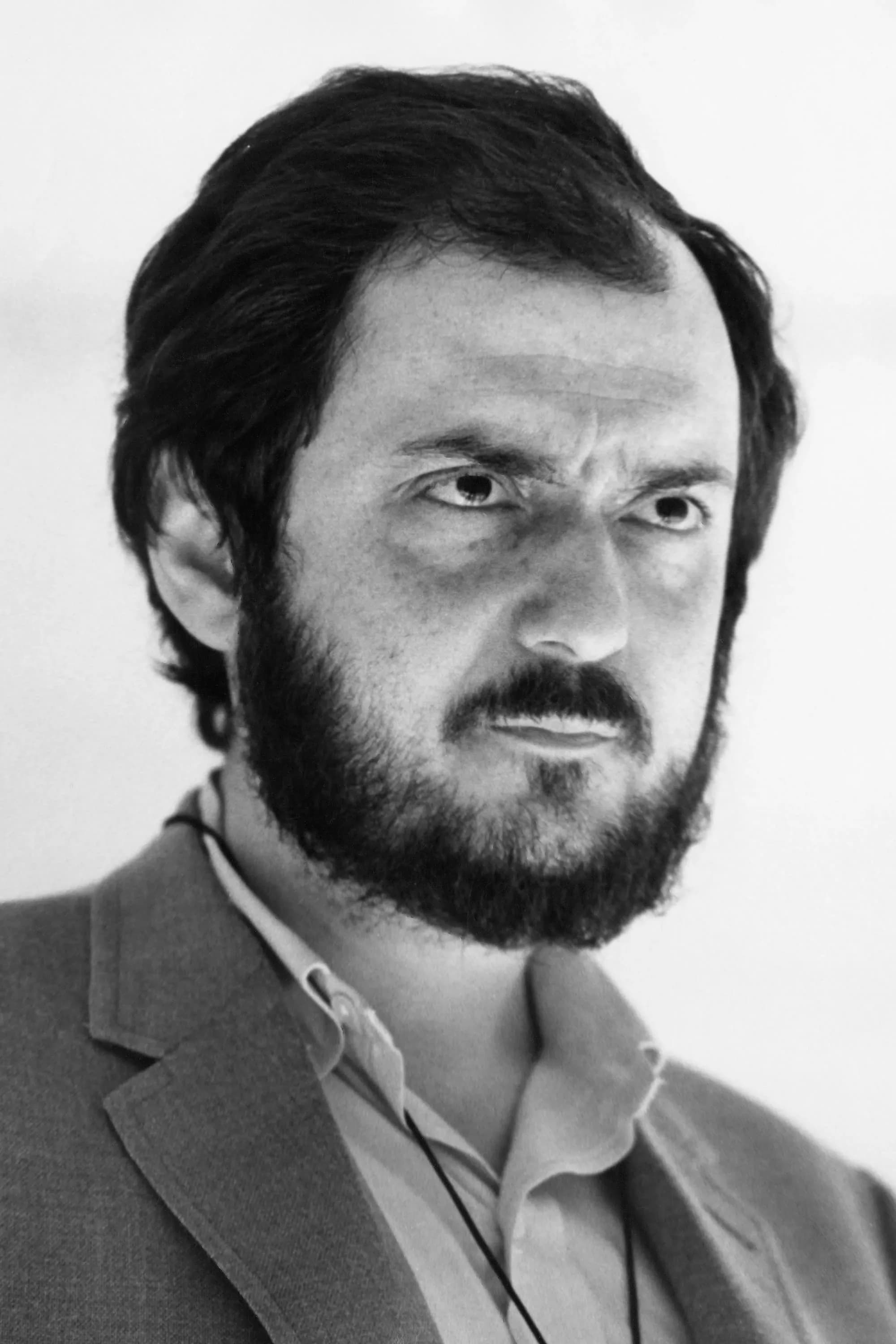
Stanley Kubrick
Director · Known for A Clockwork Orange, Barry Lyndon, Dr. Strangelove or: How I Learned to Stop Worrying and Love the Bomb
Stanley Kubrick (July 26, 1928 – March 7, 1999) was an American film director, writer, producer, and photographer who lived in England during most of the last four decades of his career. Kubrick was noted for the scrupulous care with which he chose his subjects, his slow method of working, the variety of genres he worked in, his technical perfectionism, and his reclusiveness about his films and personal life. He maintained almost complete artistic control, making movies according to his own whims and time constraints, but with the rare advantage of big-studio financial support for all his endeavors. Kubrick's films are characterized by a formal visual style and meticulous attention to detail—his later films often have elements of surrealism and expressionism that eschews structured linear narrative. His films are repeatedly described as slow and methodical, and are often perceived as a reflection of his obsessive and perfectionist nature. A recurring theme in his films is man's inhumanity to man. While often viewed as expressing an ironic pessimism, a few critics feel his films contain a cautious optimism when viewed more carefully. The film that first brought him attention to many critics was Paths of Glory (1957), the first of three films of his about the dehumanizing effects of war. Many of his films at first got a lukewarm reception, only to be years later acclaimed as masterpieces that had a seminal influence on many later generations of film-makers. Considered especially groundbreaking was 2001: A Space Odyssey (1968) noted for being both one of the most scientifically realistic and visually innovative science-fiction films ever made while maintaining an enigmatic non-linear storyline. He voluntarily withdrew his film A Clockwork Orange (1971) from England, after it was accused of inspiring copycat crimes which in turn resulted in threats against Kubrick's family. His films were largely successful at the box-office, although Barry Lyndon (1975) performed poorly in the United States. Living authors Anthony Burgess and Stephen King were both unhappy with Kubrick's adaptations of their novels A Clockwork Orange and The Shining (1980) respectively, and both authors were engaged with subsequent adaptations. All of Kubrick's films from the mid-1950s to his death except for The Shining were nominated for Oscars, Golden Globes, or BAFTAs. Although he was nominated for an Academy Award as a screenwriter and director on several occasions, his only personal win was for the special effects in 2001: A Space Odyssey. Even though all of his films, apart from the first two, were adapted from novels or short stories, his works have been described by Jason Ankeny and others as "original and visionary". Although some critics, notably Andrew Sarris and Pauline Kael, frequently disparaged Kubrick's work, Ankeny describes Kubrick as one of the most "universally acclaimed and influential directors of the postwar era" with a "standing unique among the filmmakers of his day."
Hans Meyer
Hans Meyer (21 July 1925 – 3 April 2020) was a South African actor born to German parents. In Britain, he was known for his portrayal of Hauptmann Franz Ulmann in the television series Colditz (1972–1974). Meyer was born in Paulpietersburg, Natal Province, Union of South Africa in July 1925. He worked initially as a model where he posed for book covers until a friend in Germany working for an advertising agency lined up his first work as an actor, a television advert for Puschkin Vodka. The brand became Germany's best selling vodka and Meyer became known as "Frank S. Thorn" The Puschkin Man. He was hired by Anatole Litvak as an extra for his film The Night of the Generals. In the 1960s, he played supporting roles in numerous French films alongside French cinema stars such as Lino Ventura, Alain Delon and Jean-Paul Belmondo. In 1966, he was engaged for La grande vadrouille, where he embodied an angry SS representative. In 1968 he played in the action thriller The Devil's Garden by Yves Boisset. In 1969, he took on the role of Sheriff Blade in the thriller Les Étrangers, shot in Spain. In 1970 he played in the Western Cannon for Cordoba, in the role of the Swedish major Svedborg, the leader of a private mercenary army. In 1975 he had a small role in Stanley Kubrick's film adaptation of Barry Lyndon. In the 1970s, Meyer also worked for television. He played a continuous series role in the British television series Colditz. In 1978, he appeared in the mini-series Holocaust (miniseries) - The History of the Weiss Family; in it, he played the SS official Ernst Kaltenbrunner. In the TV movie The Girlfriend from Childhood (L'amie d'enfance, 1981) from the Commissaire Moulin- series, he played the assassin, whom Yves Rénier and title heroine Claude Jade ultimately put to the test. He then appeared in other television series. He later appeared in Steven Spielberg and George Lucas's The Young Indiana Jones Chronicles as well as the French cult movie Brotherhood of the Wolf. Meyer died in Neuilly-sur-Seine, France on 3 April 2020 at the age of 94. Source: Article "Hans Meyer (actor)" from Wikipedia in English, licensed under CC-BY-SA 3.0.
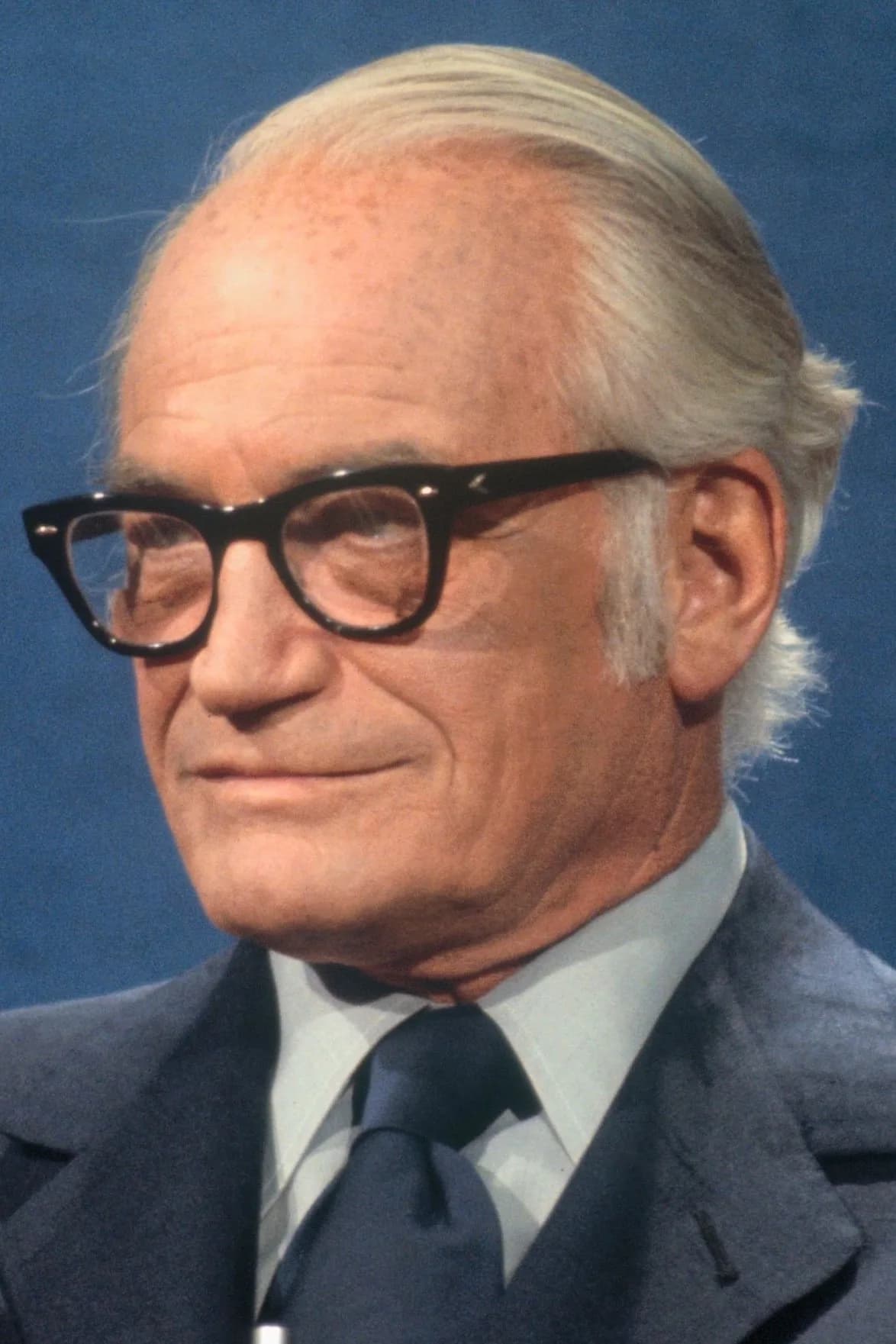
Barry Goldwater
Barry Morris Goldwater (January 2, 1909 – May 29, 1998) was an American politician and major general in the Air Force Reserve who served as a United States senator from 1953 to 1965 and 1969 to 1987, and was the Republican Party's nominee for president in 1964. Goldwater was born in Phoenix, Arizona, where he helped manage his family's department store. During World War II, he flew aircraft between the U.S. and India. After the war, Goldwater served in the Phoenix City Council. In 1952, he was elected to the U.S. Senate, where he rejected the legacy of the New Deal and, along with the conservative coalition, fought against the New Deal coalition. Goldwater also challenged his party's moderate to liberal wing on policy issues. He supported the Civil Rights Acts of 1957 and 1960 and the 24th Amendment to the U.S. Constitution but opposed the Civil Rights Act of 1964, disagreeing with Title II and Title VII. In the 1964 U.S. presidential election, Goldwater mobilized a large conservative constituency to win the Republican nomination, but then lost the general election to incumbent Democratic president Lyndon B. Johnson in a landslide.

Chill Wills
From Wikipedia, the free encyclopedia. Chill Theodore Wills (July 18, 1902 – December 15, 1978) was an American film actor, and a singer in the Avalon Boys Quartet. He was a performer from early childhood, forming and leading the Avalon Boys singing group in the 1930s. After appearing in a few westerns he disbanded the group in 1938, and struck out on a solo acting career. One of his more memorable roles was that of the distinctive voice of Francis the Mule in a series of popular films. Wills' deep, rough voice, with its Western twang, was matched to the personality of the cynical, sardonic mule. As was customary at the time, Wills was given no billing for his vocal work, though he was featured prominently on-screen as blustery General Ben Kaye in the fourth entry, Francis Joins the WACS. He provided the deep voice for Stan Laurel's performance of "The Trail of the Lonesome Pine" in Way Out West (1937), in which the Avalon Boys Quartet appeared. Wills was cast in numerous serious film roles, including as "the city of Chicago" as personified by a phantom police sergeant in the film noir City That Never Sleeps (1953), and that of Uncle Bawley in Giant (1956), which also features Rock Hudson, Elizabeth Taylor and James Dean. Wills was nominated for the Academy Award for Best Supporting Actor, for his role as Davy Crockett's companion "Beekeeper" in the film The Alamo (1960). However, his aggressive campaign for the award was considered tasteless by many, including the film's star/director/producer John Wayne, who publicly apologized for Wills. Wills' publicity agent, W.S. "Bow-Wow" Wojciechowicz, accepted blame for the ill-advised effort, claiming that Wills had known nothing about it. The Oscar was instead won by Peter Ustinov for his role as Lentulus Batiatus in Spartacus. In Rory Calhoun's CBS western series The Texan, Wills appeared in the lead role in the 1960 episode entitled "The Eyes of Captain Wylie". Wills starred in the short-run series Frontier Circus which aired for only one season (1961–62) on CBS. In 1966, he was cast in the role of a shady Texas rancher, Jim Ed Love, in the short-lived ABC comedy/western series The Rounders (reprising his role in the 1965 film The Rounders, starring Henry Fonda), with co-stars Ron Hayes, Patrick Wayne and Walker Edmiston. in 1963-64, Wills joined William Lundigan, Walter Brennan and Efrem Zimbalist Jr. in making appearances on behalf of U.S. Senator Barry Goldwater, the Republican nominee in the campaign against U.S. President Lyndon B. Johnson. In 1968, Wills refused to support Richard Nixon for the presidency and served as master of ceremonies for George C. Wallace, former governor of Alabama, for the California campaign stops in Wallace's presidential campaign.[5] Wills was among the few Hollywood celebrities to endorse Wallace's bid against Nixon and Hubert H. Humphrey; another was Walter Brennan. Also in 1968, he starred in the Gunsmoke episode "A Noose for Dobie Price", where he played Elihu Gorman, a former outlaw who joins forces with Marshal Matt Dillon, played by James Arness, to track down a member of his former gang who has escaped jail. His last role was in 1978, as a janitor in Stubby Pringle's Christmas. CLR Description above from the Wikipedia article Chill Wills, licensed under CC-BY-SA, full list of contributors on Wikipedia.
Barré Lyndon
Christopher Barry
Director · Known for Compact, Doctor Who
Christopher Barry was born on September 20, 1925 in London. He was a director and producer, known for The Tripods (1984), Nanny (1981) and Moonbase 3 (1973). He died on February 7, 2014 in Oxfordshire, England, UK.
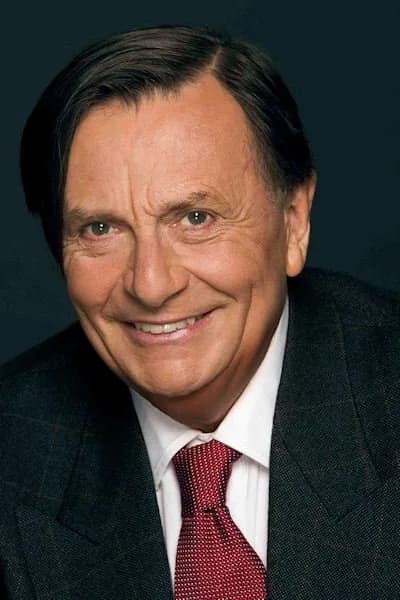
Barry Humphries
Cast · Known for The Hobbit: An Unexpected Journey, Finding Nemo
John Barry Humphries, AO, CBE (17 February 1934 - 22 April 2023) was an Australian comedian, satirist, dadaist, artist, author and character actor, perhaps best known for his on-stage and television alter egos Dame Edna Everage, a Melbourne housewife and "gigastar", and Sir Les Patterson, Australia's foul-mouthed cultural attaché to the Court of St. James's. He was a film producer and script writer, a star of London's West End musical theatre, an award-winning writer and an accomplished landscape painter. For his delivery of dadaist and absurdist humour to millions, biographer Anne Pender described Humphries in 2010 as not only the most significant theatrical figure of our time … [but] the most significant comedian to emerge since Charlie Chaplin. Humphries' characters, especially Dame Edna Everage, have brought him international renown, and he had appeared in numerous films, stage productions and television shows. Originally conceived as a dowdy Moonee Ponds housewife who caricatured Australian suburban complacency and insularity, Edna had evolved over four decades to become a satire of stardom, the gaudily dressed, acid-tongued, egomaniacal, internationally feted Housewife Gigastar, Dame Edna Everage. Humphries' other major satirical character creation was the archetypal Australian bloke Barry McKenzie, who originated as the hero of a comic strip about Australians in London (with drawings by Nicholas Garland) which was first published in Private Eye magazine. The stories about "Bazza" (Humphries' nickname, as well as an Australian term of endearment for the name Barry) gave wide circulation to Australian slang, particularly jokes about drinking and its consequences (much of which was invented by Humphries), and the character went on to feature in two Australian films, in which he was portrayed by Barry Crocker. Humphries' other satirical characters include the "priapic and inebriated cultural attaché" Sir Les Patterson, who has "continued to bring worldwide discredit upon Australian arts and culture, while contributing as much to the Australian vernacular as he has borrowed from it", gentle, grandfatherly "returned gentleman" Sandy Stone, iconoclastic 1960s underground film-maker Martin Agrippa, Paddington socialist academic Neil Singleton, sleazy trade union official Lance Boyle, high-pressure art salesman Morrie O'Connor and failed tycoon Owen Steele. Humphries died following complications from hip surgery at St Vincent's Hospital in Sydney on 22 April 2023.
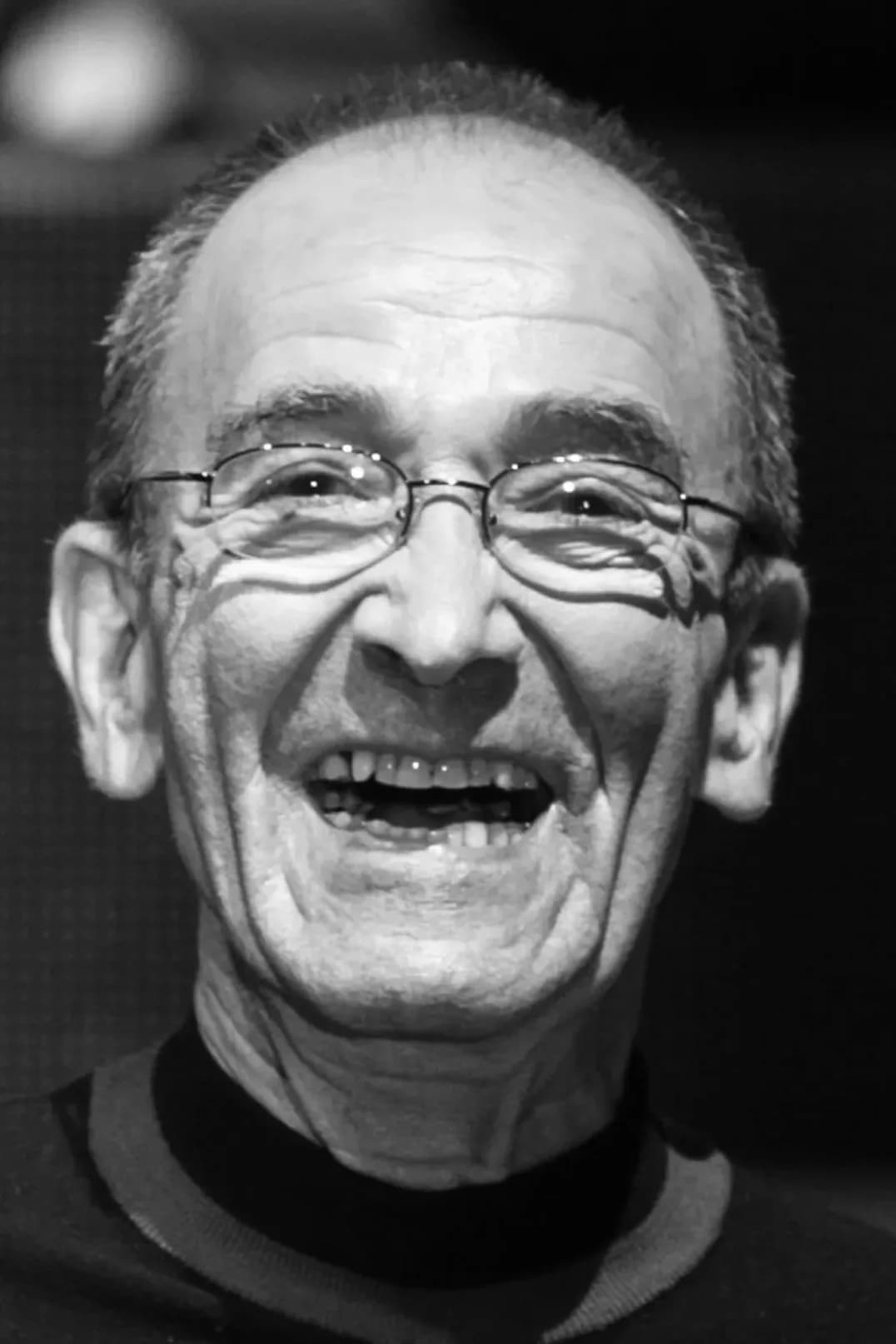
Barry Dennen
Cast · Known for The Shining
Barry Dennen (February 22, 1938–September 26, 2017) was an American actor, singer, and writer. Dennen was born in Chicago, Illinois. In New York City from 1960 to 1963, he had a relationship with Barbra Streisand, including living together for a year, during which time he helped her develop the nightclub act that began her successful career as a singer and actress. He moved to London for fifteen years and in 1968 landed the starring role of the master of ceremonies in the London version of Cabaret. In 1970, he played Pontius Pilate on the album of Jesus Christ Superstar, and he played the same role in the Broadway production (1971). In the same year, he played Mendel in Norman Jewison's film of Fiddler on the Roof. According to Dennen's website, he suggested to Jewison that he direct a film of Superstar. Jewison did so, and Dennen played Pilate again (1973). He was the voice actor who portrayed the Chamberlain SkekSil in The Dark Crystal. He has also done voice work on such cartoons as DuckTales, Batman: The Animated Series, The Pirates of Dark Water, Animaniacs, and Avatar: The Last Airbender. Since that time Dennen has had a variety of small parts on American television shows and films, including: Batman; Superman III; The Kentucky Fried Movie; The Shining; Galtar and the Golden Lance; Tales from the Darkside and Titanic. He played auto dealer Irwin Lapsey in Shock Treatment, the sequel toThe Rocky Horror Picture Show. He has also done voices for many video games, including Fatman in Metal Gear Solid 2, Police Chief Bogen in Grim Fandango, Mimir in the recent video game Too Human, Dean Domino in Fallout: New Vegas expansion "Dead Money", and the Dark One in The Mark of Kri. He wrote the screenplay for an episode of Amazing Stories titled "The Secret Cinema" (1985) and cowrote an episode of The Comic Strip Presents... titled "Demonella" (1993). His autobiographical book, My Life With Barbra: A Love Story (1997), deals with their relationship and with his gradual realization that he was a homosexual. Description above from the Wikipedia article Barry Dennen, licensed under CC-BY-SA, full list of contributors on Wikipedia.