
Search
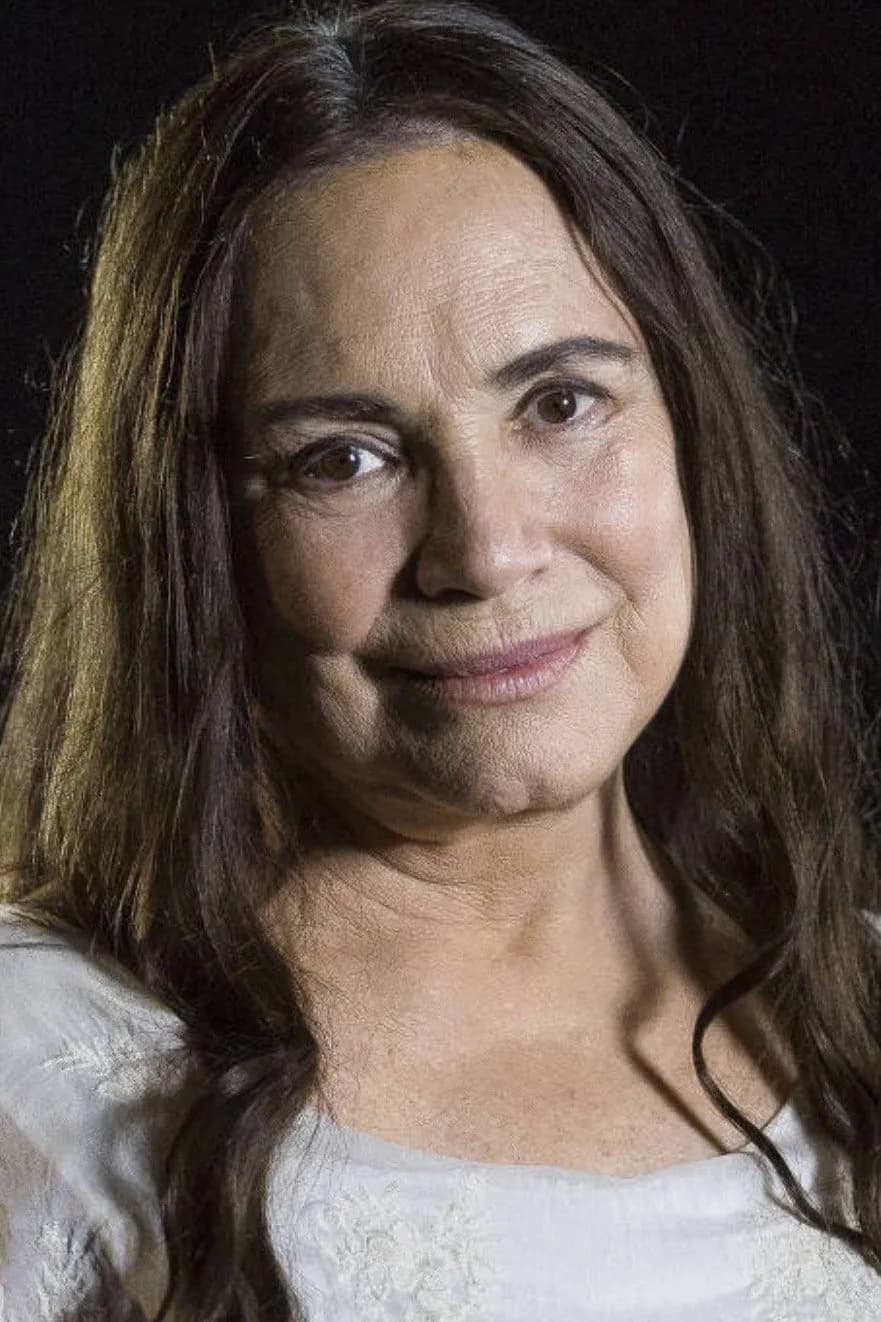
Regina Duarte
Cast · Known for Desejos de Mulher, História de Amor, Pages of Life
Regina Blois Duarte (February 5, 1947) is a Brazilian actress and theater director. She debuted in 1965 on TV Excelsior, where she started in minor roles until becoming the protagonist of soap operas such as Anjo Marcado, Legião dos Esquecidos and O Primeiro Pecado. In 1969, due to the financial crisis at the broadcaster which led to bankruptcy shortly afterwards, she transferred to TV Globo and played dozens of notable characters, such as Irmãos Coragem, Selva de Pedra, Sétimo Sentido, Roque Santeiro, Vale Tudo, Rainha da Sucata, O Astro (2011) and Malu Mulher, in addition to the Helenas trilogy in works by Manoel Carlos – História de Amor, Por Amor and Páginas da Vida.
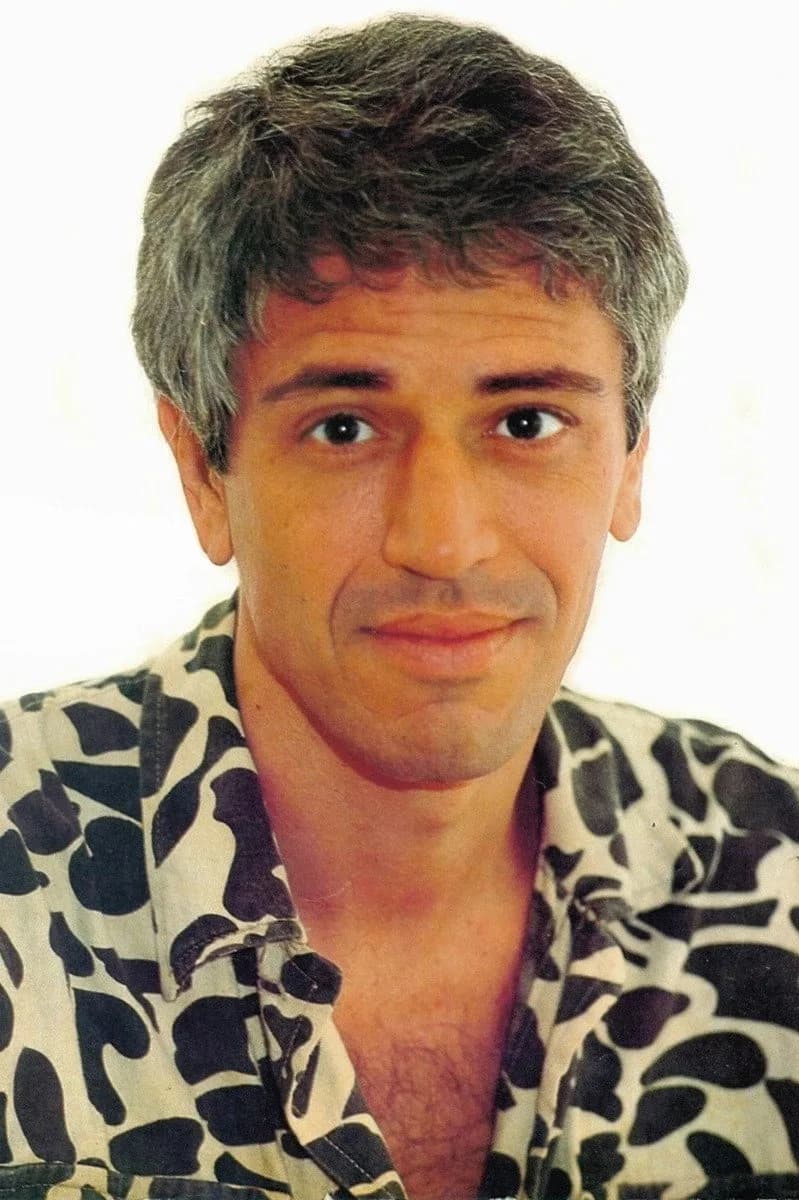
Nuno Leal Maia
Cast · Known for Mandala, Young Hearts, História de Amor
Nuno Leal Maia (Santos, October 17, 1947) is a Brazilian actor and football coach. Graduated in performing arts at the School of Communication and Arts at the University of São Paulo, his first work was in 1973, participating in the two feature films Anjo Loiro and A Virgem; however, it was in the film Act of Violence, in which he played a prisoner who dismembered women, which earned him the Air France Award for Best Actor. On the other hand, his television debut began in 1976, playing Acioli in the soap opera Estúpido Cupido; but his consecration only came in 1984, as Bertazzo in Vereda Tropical, being elected Best Actor by the APCA Trophy.
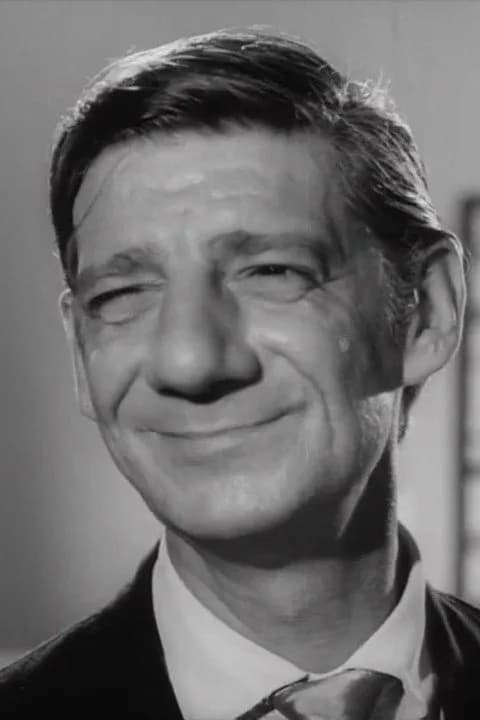
Costinha
Lírio Mário da Costa nasceu em 24 de março de 1923, no bairro carioca de Vila Isabel. Seu pai abandonou a família quando Lírio tinha 13 anos, mas não sem antes ensinar ao filho os segredos da profissão de palhaço de circo. Sem o pai, Costinha começou a trabalhar para ajudar nas despesas de casa. Foi boy, garçom de botequim e funcionário da loterial federal, mas nunca abandonou os picadeiros. Em 1942, aos 19 anos, foi empregado como faxineiro na Rádio Tomoio, onde divertia os colegas imitando homossexuais. Ainda foi radioator em diversos e importantes programas da época, como “Cadeira de Barbeiro”, “Recruta 23” e na primeira versão radiofônica da “Escolinha do Professor Raimundo”. Sua grande oportunidade veio quando passou no teste para um papel no filme “Anjo do lobo”. Nos anos seguintes, Costinha continuou trabalhando como ator de teatro de revista, até que foi chamado para participar de um espetáculo em São Paulo já com seu nome artístico. O humorista iniciou sua carreira na televisão na TV Excelsior, no final dos anos 60, tornando-se um dos mais populares cômicos do país, com suas piadas e imitações caricatas de homossexual, que também fizeram com que seu trabalho fosse censurado em diversas ocasiões. Ao longo de mais de 50 anos de carreira, também participou de quase 20 filmes. Seu último personagem interpretado foi Seu Mazarito, que contava piadas com os trejeitos efeminados que projetaram Costinha.

Maisa Silva
Cast · Known for Carinha de Anjo
Maisa da Silva Andrade (born May 22, 2002) is a Brazilian actress, television host, and businesswoman. She was discovered on “Programa Raul Gil” and became known for her appearances on “Programa Silvio Santos”. At SBT, she hosted “Bom Dia & Companhia”, “Sábado Animado”, “Domingo Animado”, and “Carrossel Animado”. She later received her own show, “Programa da Maisa”. As an actress, she gained recognition for playing Valéria Ferreira in “Carrossel”. Other notable acting roles include Juliana Almeida in “Carinha de Anjo”, Anita Rocha in “De Volta aos 15”, and Beatriz Alencar in “Garota do Momento”. She has also found success in film, starring in “Tudo por um Popstar”, “Cinderela Pop”, “Ela Disse, Ele Disse”, in which she played her first villain, “Pai em Dobro”, and “Desapega!”.

Ada Chaseliov
Ada Chaseliov (born March 30, 1952, in Rio de Janeiro, Brazil – died October 27, 2015) was a Brazilian actress known for her work in theater, film, and television. She trained at the renowned theater school O Tablado and made her film debut in Um Virgem na Praça (1973). The following year, she landed a small role in the telenovela Supermanoela, written by Walther Negrão for TV Globo. Over the decades, Ada became a familiar presence on Brazilian television, especially through her long-standing collaborations with writer Sílvio de Abreu. She stood out in roles such as the jealous and tormented Manuela in Guerra dos Sexos (1983), and in Belíssima (2005). One of her most acclaimed performances came as the villain Leonor in the historical miniseries A Muralha (2000). Ada also had a celebrated career on stage, particularly in musical theater. Her most notable stage credits include As Malvadas, O Abre Alas, Cole Porter – Ele Nunca Disse que me Amava, Ópera do Malandro, The Sound of Music (A Noviça Rebelde), Cristal Bacharach, Gypsy – The Musical, and her final musical, Os Saltimbancos Trapalhões. She frequently worked with director Denise Saraceni on productions such as Felicidade (1991), Anjo Mau (1997), Torre de Babel (1998), A Muralha (2000), Sabor da Paixão (2002), Da Cor do Pecado (2004), Belíssima (2005), Tudo Novo de Novo (2009), Passione (2010), and Cheias de Charme (2012). Her work with Sílvio de Abreu also includes Anjo Mau (1997), Torre de Babel (1998), Da Cor do Pecado (2004), Belíssima (2005), and Passione (2010). Her final television appearance was in Amor à Vida (2013), where she played the judge in the custody trial of the character Paulinha. Ada passed away from cancer at the age of 63. She was previously married to filmmaker Ney Sant’Anna, with whom she had a daughter. She was deeply admired by theater directors Charles Möeller and Cláudio Botelho, who directed her in several acclaimed productions.

Luiza Brunet
Luiza Brunet (Itaporã, May 24, 1962) is a Brazilian businesswoman, actress, activist and model. Daughter of Luiz da Silva, a farmer from Ceará from Sobral , and Alzira Botelho, a seamstress from Minas Gerais from Almenara , Luiza was born in a humble wooden house in Itaporã, in the interior of Mato Grosso do Sul. She was the second daughter of eight siblings. When she turned 9, her parents decided to leave Itaporã in search of better job opportunities and went to live in the neighborhood of Inhaúma, in Morro do Engenho , a suburb of Rio. Unable to find formal work, her father became a street vendor, and her mother, a cleaner. Luiza started working at the age of twelve as a nanny. During her adolescence she also worked as a maid, a bagger in a supermarket and a saleswoman in a clothing store. Career Brunet then decided that she also wanted to try her hand at modeling. After participating in and winning some fashion show and photography competitions, she became an exclusive top model for Dijon pants. She did nude shoots for several men's magazines, such as Ele e Ela and Playboy, becoming one of Brazil's greatest sex symbols in the 1980s and 1990s. Luiza Brunet had a brief acting career with some special appearances, acting in Anjo Mau (1997–1998), Araponga (1990–1991), O Mapa da Mina (1993), as well as the film Os Trapalhões e o Rei do Futebol (1986) . In her debut at São Paulo Fashion Week , on June 13, 2007, after a successful career on the catwalks, Luiza modeled for her friend Tereza Santos' brand. The model had the following measurements: 1.76 m, 63 kg, 89 cm bust, 64 cm waist and 91 cm hips. Carnival Brunet as drum queen of Imperatriz Leopoldinense at the 2010 Rio carnival Luiza Brunet was queen of the drums of Portela from 1986 to 1994. From 1995, she was queen of Imperatriz Leopoldinense where she participated in four titles: 1995, 1999, 2000 and 2001. She left the parades after the 2005 carnival, but returned to his post at the 2008 carnival. Personal life At the age of 16, in 1978, she met her first boyfriend, engineer Gumercindo Brunet. After a year of dating, Luiza discovered she was pregnant and opted for an abortion . In interviews, Luiza stated that she is in favor of the decriminalization of abortion in Brazil. She has also stated that she is a feminist and in favor of decriminalizing recreational drug use
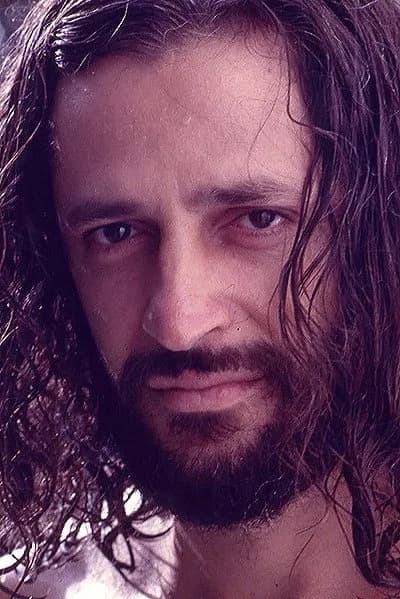
Alceu Valença
Cast · Known for Casseta & Planeta, Urgente!, Mandacaru
Alceu Valença (born July 1, 1946) is a Brazilian singer, musician, and songwriter. Alceu Valenca was born in the countryside of Pernambuco, Northeast Brazil. He is considered the most successful artist in achieving an aesthetic balance between traditional northeastern Brazilian music and a broad range of electronic sounds and effects from pop music. In most of his songs, one can find traces of maracatu, coco and "repentes de viola" (improvising fast-paced Brazilian folk music). Valença could utilize the electric guitar, the electric bass, and lately even a synthesizer was added to his broad scope of musical instruments. Because of that, Valença was able to recreate Northeastern traditional music, like baião, coco, toada, maracatu, frevo, caboclinhos, embolada and repentes: all sung with a sometimes rock sometimes alternative sounding music background. His music and his themes are intangible, universal and unlimited. However, his aesthetic basis is genuinely Brazilian Northeastern music. Alceu Valença was born in São Bento do Una in Northeast Brazil. When he was young, he used to listen songs by Dalva de Oliveira, Orlando Silva, Sílvio Caldas etc. When he was 5 years old, he participated in a music contest, singing a song by Capiba. Some years later, his mother got sick and his family moved to Recife to live in his aunt's house. In this period, Valença got interested in some musical instruments, such as acoustic guitar and viola. However, he only won his own guitar when he was 15. In 1970, Valença earned a law degree at the Recife Law School. However, he only followed the career for a few months. In fact, in the early 1970s, the reason he had no time for a law career was that he had already launched into a musical direction. He started his musical career in 1968, with the group Underground Tamarineira Village, later known as Ave Sangria. He also played with Zé Ramalho and Elba Ramalho during this period. In 1972, he joined Geraldo Azevedo. Together, they participated of many festivals and, in that same years, recorded their first album: Alceu Valença & Geraldo Azevedo, also known as Quadrafônico. Along his career, Valença recorded more than 20 albums and travelled around many countries, such as Portugal, France, Netherlands and United States. Actually, he is considered one of the greatest exponents of the music of Pernambuco. Finally, with the 2013 release of Três Tons de Alceu Valença, a box with the oldies Cinco Sentidos (1981), Anjo Avesso (1983) and Mágico (1984) all of Alceu Valença's solo work is available on CD. In 2014, his album Amigo da Arte was nominated for the Latin Grammy Award for Best Brazilian Roots Album. Source: Article "Alceu Valença" from Wikipedia in English, licensed under CC-BY-SA 3.0.